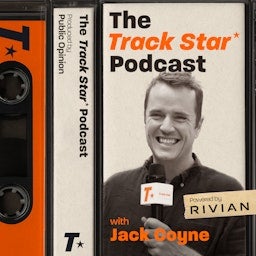
Ziggy Marley shares a reflective journey through the history and soul of Jamaican music, rooted in community, rebellion, and spiritual expression. He traces the origins of reggae to early styles like Skia, emphasizing the cultural messages and emotional depth embedded in songs. Music was not just entertainment but a daily, communal experience—played in streets, during sports, and in personal moments of reflection. He highlights key figures such as Burning Spear and Jimmy Cliff, whose influence shaped the early music industry through mentorship and grassroots support. For Ziggy, songwriting evolved from childhood experimentation into a deep personal and spiritual quest, connecting with ancestral values and emotional truth. He underscores the power of live instrumentation, arguing that real instruments and human breath create a visceral, resonant connection that polished or synthetic music cannot match. His creative process was deeply influenced by film work, especially on the Bob Marley movie, where music became a visual and emotional narrative tool. He also reflects on his relationship with his father, noting that both direct and posthumous experiences have deepened his understanding of music as a form of emotional and cultural expression. Ultimately, Ziggy sees music as a science and art form, where frequency, rhythm, and emotional vibration shape human experience—offering not just sound, but meaning, memory, and transformation.
Before we start the music, just introduce yourself right here. - We'll write this up? - Yeah. Yo, I am Ziggy Marley. What's up? Welcome to Trackstar. - Oh, good to be here. Trackstar. - I'm glad you're here. Well, I want to go outside with you later, and I'm going to quiz you on some of those, like a whole bunch of different songs. - All right. - But in here, I want to do a little bit of music history and play some stuff for you when you can tell me stories about the artists that we listened to or. - That's so good. - I didn't know exactly where to start, but I figured. - This could be a good place. - Yeah. - Yeah. - Yo. - What is that? You had a nice reaction to that right away. - Yeah, man. That wheel in wheelers. My father beat her, my mother beat her touch, but in wheelers. Sima Damon. That was that hit in the Jimmy G. I wasn't minded. - Look at this picture. - Yeah. No, I wasn't minded. But it was that hit I heard. You know, when I grew up like it, that was a big hit. - That's old. - That's Jimmy. Yeah. Skia, Skia style. Because Skia was. before what we call a reggae now. So, that was some origin. But I feel really good still. Feeling really good still. That's what I can feel really good still. So tell me about the speed. - The speed. - The sky, like the pace. - The rhythm. - Skia, what is the scale. We go upon a bump, jump, jump, jump. And the reggae go upon a reggae go upon a jump, jump, jump, jump, right? - It's that simple. - Yeah, well for me. I don't want to meet with somebody that goes to the University of Studies. Might have a whole different technical team. But. - I want to hear what it is for you. That's my team. - Yeah. - Chak, chak, and chak, chak, chak. - What about sort of what they're. what they're singing about, like what the message is behind. This is just, is this just a feel-good party song? - No, man, no, no, no, no. This one was. You know, telling the root voice of Sima Don, control the tempo, like relax. You know, just like, would be good right now. This would be a good, you know, lyric for right now. Cheers, Sima Don, guys. - Yeah. - That's control, you know. It's ease of a. out of the violence and the divisiveness and everything that's going on. You know, this is Sima Don. That's what Sima Don mean. So there's always, I feel like there's often times like a message that's happening in Jamaican music. There's a. - I mean, there's always a story on a message, yeah. But I don't know. There's always a message, but it can be good or bad. - Yeah. - You know, but there's always a message. Music always have a message, you know. I feel like every music of a message. - Yeah. - Some good, some bad, some make you aware, some make you unaware. You know, some promote, drugs, sex, alcohol, some promote, life, consciousness. But there's always a message. - Sometimes it's just about. - Music is a message, yeah. Sometimes, yeah. Sometimes about love, yeah. So, yeah, so there's always something in it. As we go from one song to the next, we're going to move forward in time. So I think that's probably the oldest, the oldest one that I have. But you can hear the older recording, right? Yeah, yeah, yeah. Because it's like one, one, one, my, two, my card. Oh, this. - Paragons. - Paragons. But then, somebody read to that in America. Yep. Blondie. Blondie. Oh, Blondie, dude. Okay. Paragons version better. It's just, we'll get a little vocal. ♪ The tight is high, but I'm holding on ♪ It's just like the Paragon version. Paragon version reminded me of something like from Motone. - Yeah. - It reminded me of that same I asked you. - Yeah. - Can't remember. I know those guys used to love Motone, and like my father, era, those guys love GM's bro, and I know that that's soul music from that era. What was in the house when you were growing up? When I was growing up, one of the oldest. - Kind of musicals. - One of the oldest one was "Not King Call." But that was from a grand aunt. 'Cause she loved "Not King Call." So she had "Not King Call," fine. I'm a play, yeah. I remember "Not King Call," but, yeah. I was older, but when I jacked some five, I'd done a summer. We were all type of people, man. What would you say the split was between American music or, I guess, foreign music and Jamaican music? And how much was it? Was there a ton of American music playing? Yeah, man, I mean, yeah. - Was it more American music that you were hearing? - No, no, no, no. I wouldn't say that, but I live around the music. I live around the radio music, so. I'm hearing that in my sleep all the time. So, yeah, but no, I mean, we bought American. It was American records we had though. Yeah, it was American records. Until I think the artist became more independent in Jamaica and started manufacturing records. You know, we had, it was more available to us at the time. Yeah. 'Cause a lot of time we had to go to England and manufacture records back in those days, but. Once we got more manufactured records, I would get, like, burning spear. I'm a father, live album, "Bubblan" by Boss. I remember that album so much, yeah. So, some local record. The "Fabulous Five," that was a group. This group part is getting hot. Well, you mentioned, you mentioned burning spear. You know, I'm a lot about this. For me, personally, I like a music listener. I can't groove on different, like. I can't groove like that, but. And I can groove. It's like, it has so many different grooves. We can find this as a movement. We really like that, but the music. You know, you can find different groove, different elements. It's not just one way you can do it. You can do that, a lot of different ways. The music. You can dance. Yeah, it's different. Yeah, yeah, that's why it's not a one that. One move, some music, you know. You can find something like that. It's sweet, yeah. The burning spear, I just do a tour with him. I see, we just finish up a tour with him. And he's a legend in our world. Good friend, I'm a father. He told me the story about how we got this. When to record his first music. So, my father was living in what's called St. Anne's. In the country, and he was living close by. Yeah. But they didn't have any money to say. They would exchange, like, crop for weed. You know, like sugar, you know, whatever they grow. Yeah. And this was a barter system. Yeah. And one day, he said he's bringing stuff in. And he sees my father. And I'm like, "Yo, how are you going?" And like, he said, "You all want to get into the music business?" And my father said, "Yeah, all right. Go to Kingston, go to this address, until this guy, I sent you there." And he said, "You ain't done the guy." And that's the first time him doing first song. So, yeah, that's a long history with us, you know. How much of the music is, like, community. Kind of community-driven, and relationships, and. It used to be a really community-driven. Yeah, it was all about community in those days. That's what I saw growing up. You know, it was all about community. And when. When my father built me studio, you see all the musicians come by, drive by Jacob Miller, Gregor Isaac, Burnin' Spear, Tutz Ebert. You see, all different type of big youth, Pete Attach, Bonnie Wheeler. Like, it was such a cool thing to see. You know, if I'm a bear-owned, that kind of energy. Yeah, kind of miss that. I kind of miss that, you know. Tell me more. Like, this is it, man. So, where are you sitting? Just, you're just observing that sense. And I'm always. Listen, I'm phone some pictures of me. I'm a father. I'm like, I'm constantly between him and all these guys. You know, you know, all of these photos. So, we're always around. He loved for us to bear-owned. Yeah, he loved for us to bear-owned. Did you always know you were gonna do music? Like, was it inevitable or when did it become real for you? No, it wasn't inevitable. It became real when I started writing songs. That's really. I mean, my father wrote the first song we did. 1979 called "Children Playing in the Street." And that's the first time we went into a studio. And we were singing, we weren't really singing, we never really knew what we were singing. Everybody's off-key, but we had that. But, you know, we're kids, so, you know, it can pass. Later on, when we got a little bit more proficient, we re-did it. So, it looked a bit better, you know, technically. But did that feel like when you guys went into the studio and. Oh, my, it was awesome. That was like, you put the musician hat on. Like, you're enjoying it. Not the musician, but those big headphones. Oh, yeah. Once you put that on, it's like. It's serious. It's like, you put it on the Space Animator, you know? If someone wants to be an astronaut, they put it on the Space Animator. But it was just. The studio was like a magical place. Yeah. The studio was a magical place. And we were kids, and it was magic. It was like, wow, you know? And the microphone and the whole thing. So, it was a magical place for us. Yeah, but, yeah, I mean, that's what we started out. And then I started writing songs. And I think. Then I started. [BLANK_AUDIO]
spirituality. And then that that met my right other type of song and then my consciousness started opening up and my mind was opening up and I was a search I was a seeker I was a explorer some of mine just kept opening up and I started writing more and more songs and put in my thoughts you know interpreted my thoughts to music. So that's why that's that's why that's when when I know Sara I'm going to be doing this because it's real it's not something I've forced to do you know. You have to realize you have to figure out what you're going to write about and so you can't just be a kid I don't know I don't have any experience. You have to sort of become a seeker first you figure out what's important to you. Yeah. What's what's the message. Yeah that's true that's true it's not it's not the number like that is like what kind of human being you want to be that's for you that's for me that's what I'm seeking but that inspires everything else yeah that the foundation you know you have a good foundation and that was that that was a search like you know for that you know search for the unknown really and for fine even yourself that is unknown to as you say so yeah it's a nice journey it's a nice journey what were you just doing there you were having a couple different reactions. No first I didn't know who it was right but before I know the song but I don't know the beginner but then I heard the guitar and the moment I was like that's on like pita yeah and then when I heard him I was like oh yeah I was right kind of guitar if you walk a check off he from from he was in the wheelers you know he had this guitar sound and the thing that I didn't play and he was really a good guitarist so I heard the guitar but pita meant me laugh and I'm like a pita was like so serious you know so like like extreme like it was such a good balance between the three of them my father who was you know on one side when he was in the middle and then pita was on the other side cut pieces like I don't want no peace so no more because it's great but I'm great I know that great one pita but I mean pita doesn't have trouble with the police in Jamaica you know because he was a rebel yeah he all he didn't he didn't he didn't like like authority like nobody have authority over him so the police them like the police on them he would fight they would fight and he they would beat him you know the days and pita it was a really that was what was what he was you know that's we was so when I hear that as laugh I said that's pita you know you could write and just you know no pita I don't need peace there's this there's just that I mean a strong culture of that rebellious spirit yeah yeah yeah that's that's across the country right it's really important that is true we have that tiny patting and sometimes I'll remember just to chill yeah simmer down you see my bone yes that control your temper you know yeah something I remember that because we do have that type of spirit you know we do have that type of spirit in us because we yeah we because we was between we are here to right during slavery yeah we are the Haitians were some of the most rebellious slaves that would be would fight yeah kill the kill the slave or the man you know we yeah we had Nanny we had Paul Bougal we had so much great fight as in our you know in Jimmy so yeah we rebellious by nature what about the drums too were you doing something yeah I was trying to see if it was Santa Davis playing the drums because Santa plays with me and I know Santa you subliar pita some of the drivers who were kind of hired is very like sly a sly a player okay a sly all right sly sly number sly that sly okay yeah it's a sly that it's a cool drum sound yeah sly okay are you it's kind of unpredictable you know what I'm thinking about the the different rhythms that you're talking about like you can go it could be fast yeah yeah yeah like how you but it's no so toots toots is a unique to him say because toots up into like what we call a mentor beat like called the Jamaica like from slavery is whole like the old rhythms yeah he has some of those he has that spirit he's from that spirit from those the mentors so he's rhythms he's rhythm is a little bit different than even Bob rhythm are pita rhythm theme style of like an old-style Jamaica flavor in it that really is unique to him and he and how he sings and how he he plays his music very that's from a lot of what toots man toots him does have he's himself you know him of him one thing and it connect back to with history like it care about the with history you know you know he's a connect to a soul in that way tell me about outside of the recordings like and even even the the guys older than you the generation of like your dad and his friends how how much were they playing music like what what was it on a day-to-day basis like and what was that like were they playing at different at a bar were they playing just on outside the how like where was that happening anyway anyway and by the street by the street kind of yeah yeah like music is it so is that all right is music you know sports yeah take time for spirituality whatever the spirituality you know smoke some urban thing those were that that was it there was not there there was no other job it was those music sport you know activity smoke somewhere read you by every that what god or whatever you want that was it so everywhere music play anytime like I'm gonna play a music even even when people come visit the visitors take the visitor to play music here I'm telling you there's some guy that start play and see yeah jump in yeah it's the same thing like you join the soccer game or whatever yeah yeah go over there it's exact same kind of like a pickup it's like pickup basket ball yeah but it's but it's music music no that's a good analogy yes it goes so I you know what like for me like so with this that was always on my goal because that was a good example that I saw growing up from all of those guys I'm a father especially was that music was a part of the music was in life like there was nothing that go by way don't the music are seeing I think I got away from that a little bit you know I did yeah I got away and the early days I used to drop but then I got away from it you know life and whatever but with this last year that comes around I was like for me this next record music I've come back I'm gonna like every day life yeah I'm gonna be like something I do on the side yeah that's so I did approach like doing in the last record it's like I'm gonna play songs I'm gonna leave with I'm gonna live with this music it's gonna be a part of my life it's not there's gonna be something that I do you know and that that really helped that had the music a lot even more than it because it already is a big part of life for years yeah yeah yeah but it's it's getting back to that personal relationship that's one on one yeah alone time more alone time who's that yeah that's us that's me that that's so when I told you I stayed in New York yeah that was a record yeah that was a record and who did you work with Chris front Santino Way went from the talking edge how did that happen well we had this leader that really liked us in the record company those days were we done I think Virgin it was um Nancy Jeffries yeah you know the idea come up for those try and use you know try you get try forget someone outside and we were always like that explorative so like forget somebody outside the genre you know for for try if we make the music be can do something here in America um and do your name on you know them skill are what they've I saw we say all right did you listen to talking hits we're like how where were you yeah I've heard that talking it but never really was like a big listen of them burning don't know send them sung there burn don't know what's attacking it's ours just um um this is uh it's a tongue tongue tongue club yeah yeah yeah yeah yeah and we make this one then it's time to so you're like oh they got some gonna that was wicked so you're like all right let's work with these guys in New York yeah and it was you're young too right yeah mom young mom I don't know much more about young young but we meet so much people while I was here in New York so met there was a player called Sarafina them time assault Africa was on fire you know yeah and these kids that come from South Africa to do a play about Steve Beaker uh-huh this one one nice theater somewhere on the place so I've all let out so much memory from that time so met them all became friends and we like we hung out every day and they ran yeah they ran this dreams of home at the salon right dreams of home yep let's see because this is good yeah so we just made them and you must kill i was conducting and it was like i said i said to my friend you all let's get them to see kind of record yeah go and be one yeah
I learned a lot too, that's the thing with me, I learned, I'm learning, like I'm learning watching you guys right now, someone is like observing and learning, you know, so I learned a lot from being in the studio with all different producers over the years and stuff. Take the good stuff and leave the stuff, I don't feel it. This is you, who is heumass, who is heumass? He just made me, just mentioned him, so I had to play that real quick. That's cool, the music hit different frequencies of your body, which is so cool and using natural sound, like just a real horn and a real shit, it resonates with our bodies when we listen to it. Different now when it's like, does he like shining stuff, it hits us differently, we'll feel differently. That's why it's so cool when we hear real instruments with real human beings blowing breath, you know, putting an emotion into physical things, you know what I'm saying, so I like this program in our way, but it's a different feeling to it, it's more, it's just so a deeper, you know? There's a transition period though, before it becomes full electronic, where there's a combination, and I think it can be like going into the 80s and like where you're mixing different styles, yeah, and like hip-hop, like so there you have something where it's kind of combining, yeah, that's I think 1994, you know me wonder like some kids that never heard like, like that, you must hear that song, never felt those frequencies of a real song hitting your body. No seriously, they're just used to like a certain, you know, just whatever they're here on TikTok. They've never felt, imagine, their kids need to feel that, but I'm telling you, kids need to get that feeling, because then when I'm feeling it, I'm like, wow, what's this? Yeah. You know what I'm saying? I'm telling them, man. Maybe you got to be, you got to want to hear it too, you almost got to be looking for it. No idea, yeah. I think with jazz is a good example where, you know, people who listen to jazz are seeking it out. And if you just have it in the background, it doesn't hit you, you have to be paying attention and focused on it. True, true, yeah, yeah. Yeah, yeah, yeah. And then when you are, you know, I mean them type of, them type of song they can hook people, man, because I tell you, talk to your soul deep, so you hear it, if you hear it right, we at the right time, you get who, you know, it bring you in, you know, because it's different. I can feel a difference. Me person, I'm sensitive to someone. And that's what I've been searching for years, like the sonic element that affects us in certain way. Come, music is a science too, as well as a art, you know. So and zone vibration of power, frequency has power. So it's like I've been on kind of a journey that, you know, it's like, it's a, it's a fun to see a mind, you know, and I've been on that road and I'm, I'm, I'm getting there. I'm very, like this last record, I feel like it's a good step forward for me in that, my imagination and what, what is out there, you know. It's funny because music has, it has words a lot of the times, it has, so you're communicating through the words, but you're communicating so much more. Sometimes you're saying some, the same stuff is the word, sometimes you're saying something different than what the words are saying, but it's like, it's like it's own language. Yeah, no. You know, what's right in some songs, you know, cause just the way you say I'm going to get a real example of that, what's right in some songs. And the, the words were really minor, the words, it should have been in a minor key, because I'm talking about something that's, well, like, you know, you know, I'm tired of minor keys. It's going to be a major. It's like, say the same thing, but do it in a more happier, so the music, say one to you on the word, say the next thing, but that's what you kind of can get, get across certain things really. Is that, are you talking about a specific song? Yeah, few of my songs and the pun in your record is like that. Put it on first. No, this isn't that killer. This isn't that killer. Put that on first. Put that on first. Attention please. This is a public service at the notes, please. So sometimes it's not, it's not tricking people's not the right word, but sometimes the message gets through different ways, whereas if you said it, if you sang it in the minor, people might not listen to it the same way or they might say, oh, I don't want that. You know, let's tell you the truth with this song and the next thing we did with this song and we're doing it in 4/3 to her, so you know music, music, like regular, like normal music, like standard tuning is 4/5 herds, so when I was exploring like, you know, for the next record, I was like, yeah, I want to try a different frequency. I was practicing 4/3 to her to do some shows and I really like it. So that's another difference. And I want it to be different too. I want to do something different, I don't want to do something that not a lot of people is doing out there in the mainstream or whatever. To find myself doing that a lot, like playing major, I don't know, it's like a balance, but I think I'm trying to find a balance because the record kind of has a lot of emotional, mental stuff for me, so I feel like I was naturally trying to balance the heaviness with like, because I know this I do that on a few songs, they're like, let me do a major, yeah, so yeah, I think it was just an instinct within me for trying that. What was your writing process like, where did this happen? Some of the different places, a few of the songs, a few of the songs, actually happened while I was in England working on the Bob Marley movie, like in the trailer, like, what's freezing? Slushes, snow, there were some big boots and it was freezing over there, really not freezing at the same time, you know? So yeah, when we had breaks, I would go into the trailer and I would get turned and start working on some things, and like that, many more than for Bob sang, working on the film kind of, making me dev deep into my father on an emotional level, the emotional side of him, and I think that, that kind of influence that many for more, some of the sentiments or some of the ideas that many more than for Bob, and also a great thing about being on the movie set for me. Again, material, like I learned, like I'm watching it, you know, it inspired me to try visualise the music more, like sit the music visually, like what I want, what the music speaks does, it will feel it, but what I want the music to say in a visual sense. So I tried for some of that to, you know, this finance work idea, we got some strings for pull some emotions, some hands, like, you know, I want to kind of feel some things, you know? Yeah, being on the movie set, it kind of, ignite, like my creativity and the next level, you know, a different level, you'll school your machine, I mean, even for no, like that is, I had that again, like the way, I don't think people, like, you know, sometimes, you know, like, even with some of my all the stuff, like, that's not regular, your father didn't want to sound or revolutionary or open mind, my father was musical, I'm trying to put him in a box, but this song is a good example of the width, that it's not just a typical, where you call a regular song, this is just a song, it's not, it fits any, I'm going in a box, there's not like, oh, that's a reggae thing, it's just music, yeah, and that's what my father was really, I just music really want play when I really want, you know, get caught up with people of a try, you know, say, you can't, the dishes are, you shouldn't, the dishes are white, the dishes are, that's not good, because it's not, that they're not this, you know, we suppose a free-for-express yourself, and the funny thing about that, the version and that, that version is, that's, it's sped up, my father, you can hear his voice on that little bit more high pitch, so let me speed it up a little bit, I think it was too slow, but for the guy, I mean, bump it up. It's funny, like, I feel like I learned a lot from my dad when he was, when he was alive, for sure, but then after he died, like seven years ago, I've also learned more from him, and not from him directly, but from thinking about and reflecting on him. Have you had, have you had, have you learned stuff? Like, what's something you learn from your dad directly, just to you, one-on-one, and then what's something you learn from him since? Like, one-on-one, but I'm just learning the hard work and the discipline, respecting the music enough, you know, you live with the music, you put it in the time, that's the way you're going to get the best all the time. But since, I've been connecting with him, but I'm
more emotional level, understanding more of his humanity as a man, as a person, and like having an empathic family in that way. So I think I'm teached for being in a connection with my own emotion. Even though at that stage, there's a certain thing I didn't see that doesn't mean it didn't exist and that he didn't have to deal with it. And I know he had to. Like I learned that he had to. And some of me have a deal with certain things too. You know what I mean? Yeah. Yeah. It's okay. It's okay. So I think, yeah, I think that the process goes on and think, yeah, sometimes I feel like I'm not like him in a way, but not on the top level, on the deeper levels. I'm a monitor, but on some deep, deep levels, yeah. As you get older, you start seeing more things. You're like, oh, yeah, I get this now. This part makes sense. But then there's other things where you're like, I still don't understand. What are you doing with that? Something something more makes sense though. Yeah, no, no, yeah, it's a real thing. It's a real thing. When one of us said, like, we talked about song tracks, you know, so we'd song track. It was a star wars song track as music, that's music too. Yeah, I don't know anything about music, which, which song track like, I don't like song track, I'll make you like feel like, you know, the Jaws, the Jaws. Yeah. Oh, yeah. Jaws one. Yeah. Star Wars. Star Wars. There's a lot of those. The score. I mean, that's the whole point of it. Right. Right. That's like, it's, it's just trying to take the picture and, and or sometimes it's before you see it. The string comes in. And so then it makes you feel something. You anticipate something's going to happen. Yeah, music. But that's again, that's one of the thing that I mean, always because if you ever watch a movie without music, it's not very good. Try watching the movie. Sometimes you could save a whole movie just from the music. But doing about my movie, that's where like, it kind of got concrete with me like, oh, the, the song, make you feel a way about the scene about your scene. Yeah. You could kind of paint the picture out like the feeling, you know, so it's very important, very important. You know that there's, I mean, this is a famous movie, right? So, I mean, this is a whole speaking of soundtracks. So much stories. But so Jimmy, in the past the way recently, but another story we talked about community, the early on, we talked about community. Yeah. So Jimmy gave my father his chance. It was Jimmy Cleve that gave his chance for the record. So that's how they were, you know, so Jimmy, the one of those guys I like uncles to me, I didn't like father figures, you know. Yeah, but and then Jimmy was like a, Jimmy was one of our biggest stars outside of Jamaica. First, too. Like, you know, movies and, you know, having hits overseas and stuff like that. So he was, he was like the, one of the editors, you know, I'm, I was gonna say give my father his chance. Like good, yeah. He had put my father, you know, then my father had put burning spear and so, you know, that's where it works, you know, iconic, iconic music, iconic. Well, that was a pretty good run. Yeah, that was nice. That was nice. It's not bad when you just said, oh, you gotta do just listen to music. Yeah, come music, I mean, music, bring emotion, memories, you know, conversation. Yeah. Yeah, that's a powerful thing. Music powerful. It's because it's like, it's one, it's like one dimension or it's communicating with you just through, just through your ears. So there's, it's kind of like you can imagine, it leaves more up for you to think about stuff and see. Whereas if you're watching a movie, it's more encompassing, or if you ever wear VR, yeah, it's like, it's too much that it doesn't let you add feeling the blanks yourself. And sometimes this, that's the most important thing is like, and the reason you can listen to a song over and over and over again is because it can be a part of your, the rest of your life that's happening. When you're watching a movie, you have, you're watching the movie. You can't do anything else. True, true, true, true, yeah, yeah. I love, I find myself a lot of movies than my days. I don't want to watch them all the way. She's like, all right, it's in the background. Yeah, no, yeah, whatever. And then it becomes like, no, there they have to watch Godfather back. I have to watch Godfather, and that's that don't know what Godfather, but none of the movies, none of the movies today. How was it? Good, still, man, good, still. We can, why don't we get this movie ever made? Speaking of the score. Yeah, that's another. We can, I can't, you hear that anywhere you know. You know, you know, you know, oh gosh. Well, I appreciate you coming. Yeah, I'm glad it's on the new album. Thank you, man. I had a great time talking to you. Oh, we have a respect to you. Respect to you. Thank you, sir. Thank you. Trackstar Podcast is a presentation of public opinion created by me, Jack coin, hearing coin and Henry Cornaros, produced by Haley Sobel, edited by Haley Sobel, theme and original composition by Kieran coin, mixing by Devon Klein, our agent is join Orlando at UTA. Thanks for listening. See you next Wednesday.
Podcast Summary
Key Points:
Ziggy Marley reflects on the roots of Jamaican music, tracing its origins to early styles like Skia and reggae, emphasizing the cultural and spiritual messages embedded in the music.
He highlights the community-driven nature of music in Jamaica, where musicians, families, and street culture created a shared, interactive experience centered on rhythm, rebellion, and daily life.
The influence of early Jamaican artists like Burning Spear and Jimmy Cliff is central, with stories of barter systems and mentorship shaping the music industry’s early development.
Music is portrayed as a deeply emotional and spiritual journey, with personal growth and consciousness evolving through songwriting and connection to ancestral and cultural roots.
Real instruments and live performances are emphasized as vital, creating a physical and emotional resonance that electronic or polished productions lack.
Ziggy discusses a shift in musical experimentation, including the use of 4/3 time and major keys to balance emotional depth and create a unique sonic identity.
His writing process was inspired by film sets, especially while working on the Bob Marley movie, where music became a visual and emotional storytelling tool.
He reflects on learning from his father both directly and posthumously, gaining deeper emotional and human understanding of music, art, and personal expression over time.
Summary:
Ziggy Marley shares a reflective journey through the history and soul of Jamaican music, rooted in community, rebellion, and spiritual expression. He traces the origins of reggae to early styles like Skia, emphasizing the cultural messages and emotional depth embedded in songs. Music was not just entertainment but a daily, communal experience—played in streets, during sports, and in personal moments of reflection.
He highlights key figures such as Burning Spear and Jimmy Cliff, whose influence shaped the early music industry through mentorship and grassroots support. For Ziggy, songwriting evolved from childhood experimentation into a deep personal and spiritual quest, connecting with ancestral values and emotional truth. He underscores the power of live instrumentation, arguing that real instruments and human breath create a visceral, resonant connection that polished or synthetic music cannot match.
His creative process was deeply influenced by film work, especially on the Bob Marley movie, where music became a visual and emotional narrative tool. He also reflects on his relationship with his father, noting that both direct and posthumous experiences have deepened his understanding of music as a form of emotional and cultural expression. Ultimately, Ziggy sees music as a science and art form, where frequency, rhythm, and emotional vibration shape human experience—offering not just sound, but meaning, memory, and transformation.
FAQs
Ziggy Marley explains that reggae originated from earlier styles like Skia, which predates modern reggae. He emphasizes that the rhythm involves a 'jump, jump, jump' pattern, and that music from that time carried a strong message about peace, control, and overcoming violence.
He believes every song has a message, whether positive or negative. Some promote life and consciousness, while others promote drugs or violence. The message is always present, and music serves as a form of communication that can be deeply emotional and meaningful.
Ziggy highlights that music was deeply community-driven. Musicians would gather in studios or streets, and music was a central part of daily life—linked to spirituality, sports, and social interaction, creating a strong sense of connection and shared experience.
Ziggy shares that Burning Spear’s first song began through a barter system in St. Anne’s, where his father exchanged crops for weed. A local musician encouraged him to go to Kingston to record, leading to his first song and a lifelong musical journey.
No, it wasn’t inevitable. He started writing songs after his father created the first one, 'Children Playing in the Street,' in 1979. He began to seriously engage with music when he started writing his own songs and exploring deeper personal and spiritual themes.
Ziggy believes real instruments, like horns and live drums, resonate with the body and create deeper emotional connections. The breath and emotion in live performance hit listeners differently than polished, electronic sounds, which feel more distant and less personal.
Chat with AI
Loading...
Pro features
Go deeper with this episode
Unlock creator-grade tools that turn any transcript into show notes and subtitle files.
 PodcastTranscript AI