Go back

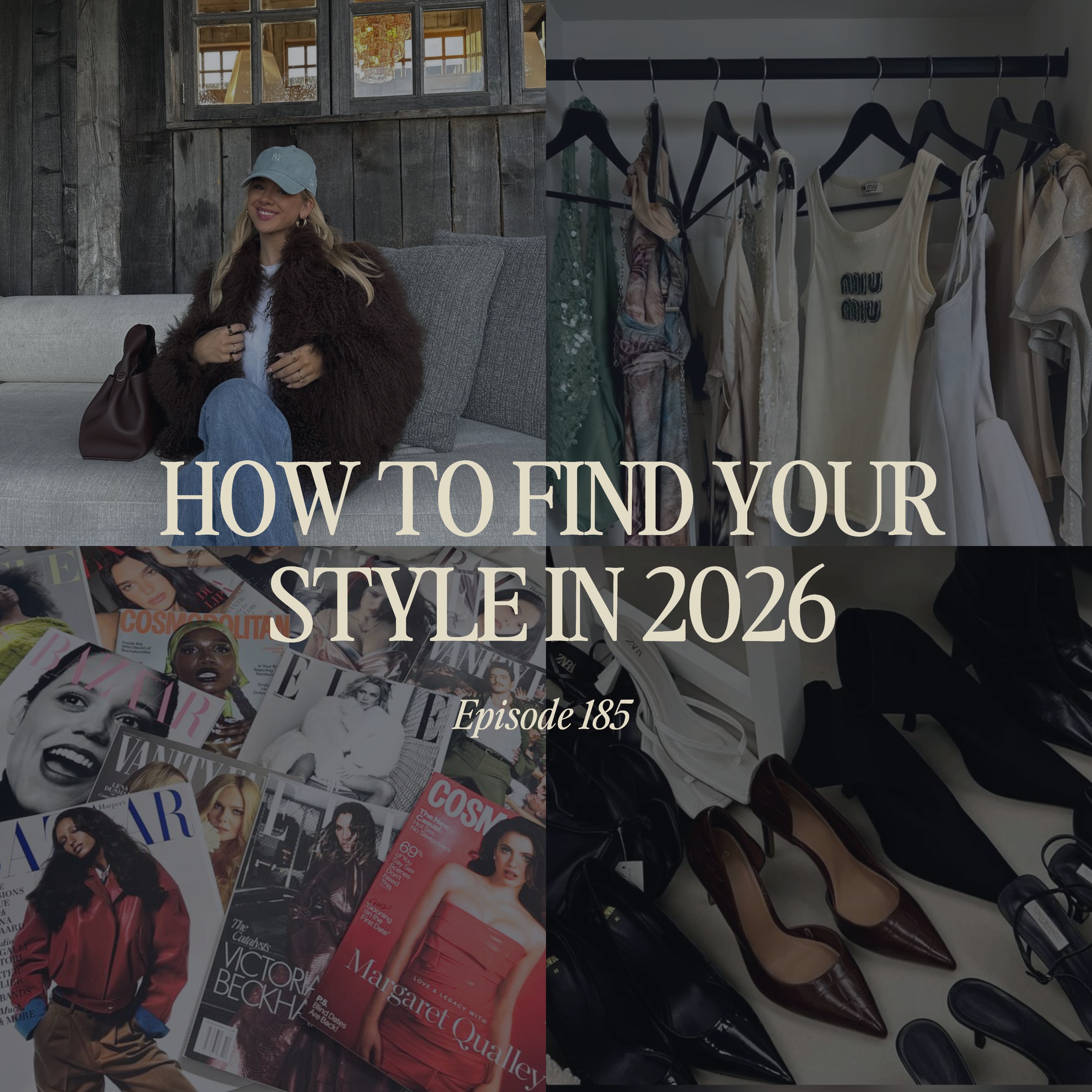
You Don't Need To Buy A New Wardrobe To Find Your Style, Here's My Formula

22m 39s

You Don't Need To Buy A New Wardrobe To Find Your Style, Here's My Formula

In this podcast episode, Grace Beverly argues that personal style is psychologically significant, affecting confidence and behavior, and should not be dismissed as superficial. She addresses the modern challenge of fashion overwhelm due to social media and excessive choice, which often leads to style paralysis. To combat this, she proposes a systematic approach: first, audit your wardrobe to identify most-worn items and their common traits; second, define the actual occasions you dress for in daily life; and third, create mood boards for these occasions to visualize desired styles without blindly following micro-trends. This process lays the groundwork for building a personalized capsule wardrobe—a curated collection of versatile foundations and personality pieces that suit your lifestyle. Finally, she advises shopping intentionally by asking if a potential purchase can be worn multiple ways and fits both your practical needs and style vision, ensuring new additions enhance rather than clutter your wardrobe. The goal is to achieve a wardrobe that feels authentic, reduces morning stress, and supports self-expression.

Transcription

4838 Words, 24881 Characters

English
[Music] What is up, I'm Grace Beverly, and welcome back to Working Hard, the podcast shit guidebook on how to improve your own life and achieve what you actually dreamed of doing, because life's too short for boring podcasts and bad advice. What is up and welcome back to Working Hard? This episode is specifically for anyone who stands staring at that wardrobe every morning and thinks what the fuck do I wear? Like why do I have multiple clothes here and I don't know a single thing to wear? I don't feel like there's anything here that expresses my personal style and I'm annoyed about that very fact. Firstly, I just quickly want to talk about why style isn't superficial. I feel like as with a lot of things on my channel, I feel like as soon as we start talking about, like beauty and hair and nails are internalized misogyny really and all of the kind of views we've had around that makes us feel like we're concentrating on silly things or we're paying attention to vapid kind of parts of our lives and I don't buy into that and I feel like we should actively try not to buy into that because again it's a double-edged sword, it's how we're seeing as women like we're expected to be quote unquote presentable and to look a certain way and to dress well and whatever it might be and you can reject all of that if you want to but if you want to concentrate on that whether because it's something that you feel like you've been encouraged to do by external society or because you actually want to do that you have a right to do that without then feeling vapid about it but I generally feel like we're all told that clothes shouldn't matter to how we feel or that your style doesn't reflect you or how you dress doesn't reflect you? and I feel like we all think that clothes shouldn't matter to how we feel but they definitely do and this is because of something psychologists call enclosed cognition which is basically a fancy word that says the way we dress directly affects how we think, feel and behave. So what you wear influences everything from how confident you feel to how assertive you are in a meeting to whether you even like leave the house in the first place. I also think that this is a good place to start if you are struggling with motivation or your identity or your self-confidence and when you're focusing on things like that if some of the bigger inner work feels too much then your wardrobe is actually a really good place to start. I think again we think of style and we think of wardrobe as like a cherry on top or something that just happens to exist and isn't really important to our lives and it is and it can be if you want it to be and we know that psychologically it is kind of whether you want it to or not so it can impact a wider variety of things in your life as well. That aside or I guess additionally to that the thing is that many of us get into style slumps and the thing is that I think many of us get into times in our lives where like we hate our whole wardrobe, we hate all our outfits, we don't know how we want to dress, we don't know whether a way we dressed was a trend or actually our personal style and I think a lot of that is because we're constantly consuming other people's outfits like we are seeing everyone's outfit pictures we're seeing everyone's get ready with me as like it's a lot of the social media that we are now consuming so it's very easy to find it overwhelming and it's very easy to find it tough to know what actually resonates with you and how you want to dress whereas when our parents were growing up there were like a couple of clothes tops on the high street and maybe the chance to go to a big city every so often and try something else but really things would follow kind of a similar formula particularly before it was deemed acceptable for women to kind of where what they want whereas now alongside social media there's also thousands of online stores over the world that we can access really easily and I feel like all of that means it's no wonder we face a paradox of choice that can be paralyzing and lead to us ordering 10 options at 11pm in a panic the day before an event when in reality we have loads of things in our wardrobe so I want to talk to you about a kind of system I've developed because I as I said I'm not the type of person who sets aside a lot of time to pull out some outfits and plan things and all of that the only time I do that is if I'm going on holiday and I have a free weekend before and I Pinterest some cute little outfits and I set aside what they look like in my wardrobe and I pack those things the large majority of the time I get up and I do not know what to wear and I find it very hard to put together something that reflects my personal style and I kind of got fed up of that and so who developed a system to improve that in my day-to-day life so I'm going to talk you through it and I find it really really useful and I feel like for anyone who is busy and doesn't have like the time that a fashion influencer does will be able to feel like their outfits reflect them more and they're getting more out of their wardrobe and then you could actually shop intentionally and that's so fun like it's fun to buy things that you feel like will genuinely add to your wardrobe but it doesn't happen if you're overwhelmed with everything that's in there and how you're actually dressing so first of all I would set aside a Sunday afternoon to slowly work your way through this step by step so before you add anything new to your wardrobe you have to work out what you already have and what you're actually wearing that is the number one thing you need to do because otherwise you'll not really get into the crux of the issue so look at your wardrobe and ask yourself these following questions number one pull out the pieces that you actually reach foremost I have like a few trousers particularly ones with like an elasticated waist or certain boxy t-shirts or whatever it might be that I grab day after day and I know that those are like the basis of like the building blocks of my wardrobe so pull those out the number two you're going to look at those pieces that you love and wear and ask what they have in common so is it the shape I for example love structured pieces like I love a structured blazer I love something with a cinch I love something with volume make a list of the shapes the colors and the cuts that genuinely feel most you like when you put them together you feel like that is you in an outfit then number three what you're going to do is you're going to define what you're actually dressing for in your life it might be that you work from home so you actually only dress up for your home office and then you have social plans in the week or you might have a corporate job so you need more formal clothes and gymwear and some weekend options this is such an important step because so many of us plan our styles without actually thinking about what we're dressing for I for example a lot of the time think that I'm living like this high life glam tottering round and heels life where all of the outfits would be perfect if I could be asked whereas realistically when I'm looking at my wardrobe at 7am working out what I'm wearing to the office even if I could wear a gorgeous outfit I want to wear something that I can do my 10,000 steps in that I can get on the tube in someone stinky armpit in that's not going to like make me feel uncomfortable all day like I'm a I'm a girly with stomach problems I don't want something that's going to be super uncomfortable and so I might love something but I'm like I'm never wear anything body-con so is that useful having it in my wardrobe this is going to help you avoid having like 10 gorgeous summer dresses but only one white tea in your wardrobe when you don't even wear summer dresses when summer comes around then finally the fourth question is to look at your wardrobe and work out your essentials so jeans jackets shirts blazers trainers write a list of everything that you feel like isn't essential for your wardrobe because it will be different for all of us and this makes it so much easier to spot what's missing later down the line next up what you're going to do is you're going to take those occasions you wrote down earlier and create a mood board for each of them this will be different for everyone but this has changed my life particularly as someone with affantasia so someone who cannot visualize things specifically in their heads I find it really hard to get out of the specific formulas that I have for outfits and formulas for outfits are really good I really like a formula for outfits but I'll have a week where I only wear black white and gray for example she says wearing a black and white jumper but like I will because my head gets into that mindset whereas mood boarding out for the specific things that you regularly have coming up again and again is so useful like on my Pinterest I have specific outfit boards and within there I have casual I have super casual so more like cute track easy looks I have smart I have evening events like things like that things that recur again and again I have a mood board on it and to be very clear this is not a shopping list we are not there yet but I just want you to think about what a workwear wardrobe looks like to you what a socials plans wardrobe looks like to you what your gymwear wardrobe looks like if you're doing it regularly get a mood board on it and quick disclaimer of this I would be wary of micro trends when you're on Pinterest it is very much a hub for that kind of thing it's amazing for finding beautiful new takes on style but you have to dig more to actually find those things a lot of the time it's really easy to get caught up like I bought some trainers last year that I wore like two times because I then suddenly I just realised I was like well that was a micro trend and they were too out there and now I just feel like I can't wear them ever it is a bit of a hub for that type of thing so remember you can express your personal style whilst also focusing on a long time and focusing on what actually resonates with you and what's resonated with you for years like you can change over time like I used to wear all body concloats and now you would not catch me dead and anything that like shows my stomach in the week unless it's like a gun to my head to be honest but whereas for the past few years I've always loved anything structured as I said like I love volume I love structure I love that type of cart and I know I've liked that for years whether it's a trend or not like I don't think it is a trend right now I will always want that type of thing so that's something I'm gonna get drawn towards more and I understand that that might be there's just a staple part of my style essentially and a good way of avoiding this micro trend stuff too is to go beyond outfits and to include colours and words and textures and shoes and hairstyles again really helpful if you are someone who cannot visualize things it means that you can look at your mood board and realise that actually most of that outfit is the hairstyle or the jewelry or whatever it might be which helps a lot because sometimes I can't visualize an outfit I think it's really boring until I realise that my hair's gonna look like whatever or I'm gonna wear loads chunky jewelry and the idea is that this is I guess each mood board is like a vibe you want to follow not a checklist and I find that super useful anytime I'm going into that situation I check the mood board first and then I go back to my wardrobe I'm not trying to replicate anything directly I'll absolutely get inspiration but I'm just looking at it I'm getting myself into that headspace and then I go to my wardrobe and I go oh what's gonna fit this type of vibe I also regularly think about when Roxena Fussi came on the podcast I asked her what the first step is that someone who's manifesting should take and she said that it would be going through your wardrobe and asking like would my idol wear this like would the person I'm working towards being wear this and I feel like making these mood boards is basically creating that idol or future you which you can amend and check over time and you can evolve like I used to wear as I said so many crop tops and corset tops and all of this and I think they're gorgeous and I think they look amazing or not to people but they are not what I want to wear now so why do I still have some in my wardrobe like it's obviously not for me but now we're onto the fun part which is actually building a real capsule wardrobe out of the work that you've already done and to be very clear I do not think a capsule wardrobe has to be boring I do not think it needs to be all black and white and grey it's just about knowing that you have options and things that you go back to again and again in the foundations of your wardrobe and I spoke about the paradox of choice earlier and the same very much applies here the more options you have in front of you the harder it is to choose so having a capsule wardrobe that you update every season actually means you are likely to be more experimental with what you're wearing so what you're going to do is look into your wardrobe and pick the following three to five bottoms three to five tops three to five jackets or layers three to five accessories and three to five wild card or like personality pieces if you have very different dress codes for work and personal life then I would actually recommend doing like two smaller capsules rather than one big one because otherwise it's just not useful and again this goes back to the Pinterest boards you made earlier and allows you to very much have different style directions dependent on what you are dressing for because just because you have a corporate job that doesn't mean you shouldn't slay on the weekends like come on now and once you've laid this out I feel like you'll actually start to see the gaps in your wardrobe I definitely did I started to realise that I only wore one shape of trousers really and I have it in one colour whereas I have all these other shapes and all these other colours but also like do you only have two pairs of trousers that you will actually wear to work or do know if your jeans fit you right I know for example out of my jeans I wear three pairs of them and I probably have about 12 pairs of jeans like maybe a special jean here and there but that's not the massive thing for that like are you missing personality pieces that bring some fun into your outfits write the answer to those things down so are you missing some fun things do you not have enough wide-lay trousers do you not have enough trousers for the elasticated waist do you not have enough clothes that you can wear on your period when you really don't want to wear something tight write them down and then and only then can you start doing any shopping so next in order to actually shop well and not end up with the same situation that we've started with you're going to learn to shop like a stylist and you're going to learn to shop like a stylist who is not just dressing someone for a red carpet event but dressing someone who said I never want to come back to you again because I want to have this wardrobe that's going to last forever before you buy anything new you need to ask yourself would I wear this three times this month how would I wear this three different ways like can I style it three different ways with things I already own does it fit both my life aka what I actually dress for and my mood boards and then obviously there is always special pieces that you see that might be for a special occasion but generally if the answer is no to any of those questions I would give yourself a cooling-off period to properly consider whether something is right before buying it in fact I would personally go as far as to say if it is not smashing all of those things out the park it's probably not a goodbye and you can have some things that are just special and you're not going to wear all the time and you take them out every three years and you feel incredible when you wear them but you have to make sure you're actually going to wear them and you don't just have them because they're special like you are not a museum you need to have desperately come to be able to get other things and I am all for keeping special pieces and I have special pieces like I have my two wedding dresses up in my loft and I am not wearing that every day and I'm currently not planning to wear that any time in the near future but you know what I mean it's not helpful to continuously buy things that are adding to your paradox of choice rather than adding to your actual outfits you know from these videos I always insist on speaking to an expert so I spoke to Nana Ekampong who is fashion editor Shea Lutz and she is stylist to some of the biggest names and I wanted to talk to her about what her criteria is when she shops and why not all capsule wardrobes have to be boring I got really into the capsule wardrobe idea when I was very much into like quiet luxury and making everything black white navy and grey and actually you can have a capsule wardrobe and it still be like super out there style wise or perfectly in line with your personal style in fact that is the way we should be doing things but anyway here's what Nana had to say so for a capsule wardrobe if you are going out and shopping I think the first thing that you need to do is actually identify your style what does your style look like what do you want to portray to the world and then you can build a capsule wardrobe off that because I think when people hear the words capsule wardrobe they think it's a set formula of 12 pieces you've got to have a trench coat some denim but for example I don't wear jeans so I would never have a pair of jeans in my capsule wardrobe so once you've identified your style then you can go out and work out what those 10 to 15 pieces are is there a blazer is it a scar? Do you wear more colour? Are you more minimalist? I think where a lot of people struggle is that they're like actually I don't know what my style is I don't know what the pillars are over my wardrobe so I would always say take it back to basics and create a mood board of either pictures of yourself in outfits that you've really loved or you can go on to Pinterest get some street style images get some celebrity images make a mood board and that can kind of scare you in the direction of what you think your style is and then that's where you start building your capsule wardrobe. If you want to take more risk with your capsule wardrobe there are some really easy tricks that are so simple that you can do I think a lot of people are scared of colour but it is honestly one of the easiest and simplest tricks to do into your wardrobe you just need to do it with an accessory it could be a bag a shoe a scarf obviously a lot of trends at the moment you've got your little jumper wrapped around the neck do you want a colour pop of red and that is going to lift up your kind of neutral colours but it's not too scary at the same time when it comes to texture I would say play around with lots of fringing and suede also leather paint turn like there are so many different textures that you can get into your capsule wardrobe that will really lift it and add a different dimension and not make it feel so kind of beige. For anyone that is stuck in a stara or is just looking at their wardrobe and feeling really overwhelmed in the mornings it becomes really stressful getting dressed for work I would say this is where tanning becomes really helpful so you could just spend a Sunday afternoon or a Saturday afternoon whenever you have some three time and also take pictures in most outfits and you can create your own mood board like when I'm working with clients or celebrities and we are doing a blog we will block out what the next fourteen outfits look like from head to toe and it's a really good way of having a visual aid and it makes getting dressed in the morning less overwhelming you will actually fall back in love with the clothes that you've got in your wardrobe because you're like oh actually this can go together and I forgot I had this so I think a really good tool is definitely just spend some time in creating photographs those looks and you've got a catalog that you can refer back to. Another style tip that I always want to get across to any of my clients or anyone I'm working with is not to get hung up on a number that is on a label I have items in my wardrobe that are size six and a size sixteen because all it comes down to is how a piece of clothing feels and fits on you if you feel good in it where it the number seriously does not matter and I just think when we're doing a capsule wardrobe the biggest thing that we're thinking of is are we feeling comfortable as well we feel almost confident selves when we are in an outfit that we feel comfortable in so when it comes down to that you definitely just feel your best when you're wearing something that fits perfectly and like I say you do not worry about the number. I think Nana is amazing and her advice brings us nicely onto my final piece of advice which is once you've done this reset remember to make fashion into a hobby rather than a chore and you don't need to be someone who loves getting dressed every day you don't need to be the type of person who always wants to experiment with new outfits but my assumption is if you are someone who is watching this video you want to be able to get some joy out of it it's not something that you just want to wear the same outfit every day for the rest of your life and if you want to do that go ahead that is more than fine but just because everyone's planning all these amazing new outfits every single day on social media fashion and how you dressed does not have to be a chore essentially it is a game and so if you want to play it you need to dedicate time to it what I mean by that is that if you want to make sure you find that fun styling time again schedule literally 15 minutes on a Sunday to plan outfits for the week studying with one piece you want to wear or starting with a new piece you bought recently or starting with your mood boards and a specific outfit you want to recreate and try I think with social media it's made us think that every time we put together like a really nice outfit so it can be captured on social media or so that we can be posting it in some way you can just experiment for the day to day and just leave the house and go to the shops and I feel like this all of this really helps you to style with intention and stops the kind of grab whatever's clean panic at 7 a.m. and then constantly feeling like you're not expressing yourself in the way you want to it also makes it more likely that you will actually wear the clothes you love and do that instead of saving them for an imaginary better day that never actually comes also a really good point there despite having just said the content thing this doesn't need to be for anyone else but do not forget to take mirror selfies when you love your outfit I feel like that is so important for building your own inspo folder because it's better than any Pinterest board it's true to you it's true to how you actually enjoyed that outfit it's true to exactly the things that are in your wardrobe and I feel like I often look back and I'm like god that was a really good outfit and then you can recreate it but it's really easy with how fast things change and how busy we are to just never think about those things again and then you lose a really nice outfit that you spend some time on which we don't want but that is it for today's episode if you are like me and you want to enjoy getting dressed and fashion and personal style but it just never feels like a priority or it always feels overwhelming or it always feels like an added chore on top of everything you're already doing I hope that gave you some structure I am very much a tools person like if something is slipping in my life if it is not where I want it to be I'm very big on adding structure to get it to where I want to be and this is one of the ways I've done that and I'm very appreciative that I have done that and it's getting me a lot more joy out of my wardrobe I hope you found that helpful I'm going to put some of my favourite styling tools and tips in the newsletter this week so make sure you're subscribed but most of all just make sure you're enjoying your wardrobe like set aside time so you actually are enjoying it dressing up should be fun it should be for you and it should make you feel great about yourself not like you're failing at another thing

Podcast Summary

Key Points:

  1. Personal style is not superficial; clothing psychologically influences confidence, behavior, and self-perception through "enclosed cognition."
  2. Modern fashion overwhelm stems from social media and endless online choices, leading to decision paralysis and style slumps.
  3. A practical system to refine personal style involves auditing your current wardrobe, identifying favorite pieces, defining lifestyle dress codes, and creating occasion-specific mood boards.
  4. Building a intentional capsule wardrobe based on this audit reduces choice overload, highlights gaps, and encourages more experimental dressing.
  5. Shop like a stylist by evaluating if new items fit your life, can be styled multiple ways, and align with your defined style, avoiding impulse buys and micro-trends.

Summary:

In this podcast episode, Grace Beverly argues that personal style is psychologically significant, affecting confidence and behavior, and should not be dismissed as superficial. She addresses the modern challenge of fashion overwhelm due to social media and excessive choice, which often leads to style paralysis. To combat this, she proposes a systematic approach: first, audit your wardrobe to identify most-worn items and their common traits; second, define the actual occasions you dress for in daily life; and third, create mood boards for these occasions to visualize desired styles without blindly following micro-trends.

This process lays the groundwork for building a personalized capsule wardrobe—a curated collection of versatile foundations and personality pieces that suit your lifestyle. Finally, she advises shopping intentionally by asking if a potential purchase can be worn multiple ways and fits both your practical needs and style vision, ensuring new additions enhance rather than clutter your wardrobe. The goal is to achieve a wardrobe that feels authentic, reduces morning stress, and supports self-expression.

FAQs

Personal style is not superficial because it directly influences how we think, feel, and behave through a psychological concept called enclosed cognition. What you wear can affect your confidence, assertiveness, and overall mood, making it a meaningful aspect of self-expression and well-being.

Begin by setting aside time to assess your current wardrobe, identifying pieces you wear most often and their common traits like shape, color, or cut. This helps you understand your preferences and build a foundation for intentional style choices.

Create mood boards for different occasions in your life, such as work, social events, or casual outings, using platforms like Pinterest. Focus on vibes rather than exact outfits to avoid micro-trends and identify long-term style elements that resonate with you.

A capsule wardrobe doesn't have to be neutral; it should reflect your personal style with 3-5 key pieces in categories like tops, bottoms, and jackets. Incorporate color, texture, or accessories to add personality while ensuring versatility and reducing decision fatigue.

Before purchasing, ask if you would wear the item three times in a month, style it three different ways with existing pieces, and if it fits both your lifestyle and mood boards. If not, consider a cooling-off period to avoid impulse buys that add clutter.

Mood boards help visualize style directions for specific occasions, making it easier to get inspired and choose outfits that fit a desired vibe. They are especially useful for those who struggle with visualization, as they can include colors, textures, and accessories beyond just clothing.

Chat with AI

Loading...

Pro features

Go deeper with this episode

Unlock creator-grade tools that turn any transcript into show notes and subtitle files.