(upbeat music)
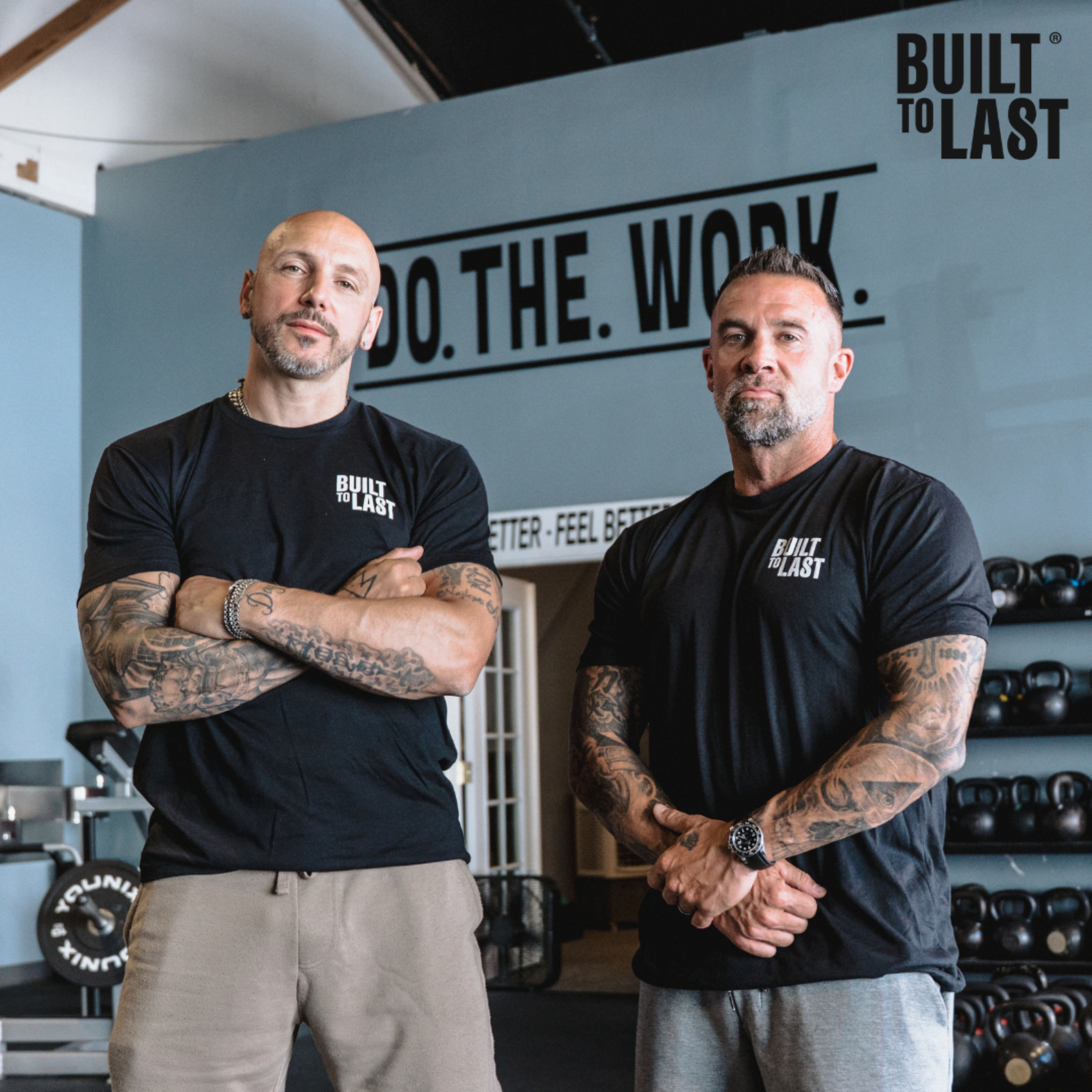
- Welcome to the Built to Last Gym Podcast.
The only podcast helping you build an MBA,
a masters in business for gym ownership,
hosted by two coaches who have become gym owners
and have done it successfully for 45 years combined
and still doing it to the highest level.
Giving you the real world insights
of how to build a gym that you love,
impacts clients in the community
and makes you the money that you deserve.
Let's go.
(upbeat music)
What is going on?
We are back with the Built to Last Gym Podcast
and here's what we're gonna go over in this episode
because we wanted to kind of from the get-go
go through our compass of five things
that we believe builds a successful gym business.
If in the background you're hearing some yelling,
it's because this is real world we're in the gym
and the PT studio is cranking right now,
testing knee extension on a four-stemometer.
So it's real.
Basically last time we talked about coaching first
which is really the foundational principle for us
and how people should build successful gyms.
But today is I think one that is very much so,
maybe the one that's the most challenging for most people
in business overall and that is operational excellence.
So first I think it's important to, sometimes when I say this,
I don't know if this happens to you Andy,
but if I say, hey operations,
even for a lot of coaches and gym owners,
it's like, what does that even mean?
What is operations?
So let's just define that a little bit
like in simple terms when to know what operational excellence is.
Let's first define what operations in a gym business are.
What falls under that?
Because then we'll dive into how to make that great
and kind of go into the nuances and how we do it and build to last
and give what kind of open up the kimono
and show it behind the scenes.
Yeah, I think operations is how you execute daily
on your strategy, managing the people, the processes,
the profits, how you deal with problems
and how you link all that together into one cohesive system.
Everybody knows that they need to sell,
they know that they need to market,
they know that they need to coach and train,
but there's some best practices
of how to organize all of that into your business.
Outside of that, I find that a lot of gym owners,
especially really good coaches,
they may have some blind spots in that area in general.
They may not think some of these things are as important
as they are.
I know when I first heard operations,
I really kind of just equated it to like the CRM system.
It's like the operations are like how--
Well, I love them.
Yeah, yeah.
Or not even go like mind-body.
Yeah.
And then I remember when I first started
reading about operations, a lot of it
had to do with like the product itself.
And I was like, well, operations is then it's training.
But I've come to believe that, you know,
when you look at operational excellence,
it's how you link all these things together
into one cohesive system that allows you to move,
like remove friction and execute on a strategy
over the daily, the weekly, the quarterly,
and the annual.
Yeah, I think maybe like in my mind the way that I see it
is like, you know, how all that like if you opened up a watch,
right, you see all the different wheels turning,
and it looks complicated, but it works together smooth
and like when you look at the watch, you know,
the thing is ticking forward.
And it's one of those things where like the operations
is all the things and how they work together
to then simply move the ticker forward in your business, right?
You don't want the ticker to stop.
You don't want it to tell the wrong time.
You don't want it to fucking go backwards.
But each one of those wheels is a thing.
Like for example, right?
One wheel is sales.
And what happens when the lead gets generated,
that whole process.
But then it's like, if you put it, here's the thing too,
I think folks mistake a lot, right?
Like because you see it a lot where people are like,
steal my sale system or my onboarding thing,
which is cool.
But when you got on a Google sheet of paper or, you know,
when it looks nicely organized on a checklist,
how do you actually then make that smoothly run in real life?
And that is the science and the art and the magic, right?
Because you could bring in a checklist to your team,
like guys got a checklist.
Here's how we're gonna do things, right?
And you give it to everybody, like cool.
It's how we're doing things from now on.
It does not mean it actually is very unlikely
that things will go like that.
It's gonna be a cluster, right?
And now connect all the dots.
So everything from marketing and in how the follow-up happens,
how the sale happens and then how that person gets onboarded
into the coaching place.
And then how do you have a level 10 meeting
to know what's going on in the business?
Like what are our numbers?
What are the numbers telling us?
Okay, well, what's the problem?
Who's gonna solve that problem?
All of that.
All those little, I would say gadgets in behind the watch
are basically the operations of the gym business.
- No, that's a great, that's a good analogy.
- I just made that up, by the way.
I promised you I did not come ready with that,
but it just made me think about it.
Because I was-- - I know, you should admit it, man.
You should have just rolled with like,
that was a proprietary thing we came up with.
I know, but I read books on analogies and similes.
So it just popped up at me,
and I've been looking at some watches lately.
So maybe you'd all connected the dots to it.
But I want it, so let's unravel this.
Because I want people to understand
what operational excellence means to us
and how we run things inside of the built-to-last gym
and to our ship and actually give the breakdown so that,
'cause I think the way that it starts,
I know it does for me, right?
I have like, I'll listen to something or read something,
and then I get awareness that I'm not doing it
maybe well enough or I need to improve some things
in that side of things.
That's how it starts, that awareness.
And then from that awareness, I'm gonna dive deeper
and go like, "Holy shit, we're not even doing any of that."
Oops, it's like, okay, cool to me, let me improve that.
So let's kind of start from the beginning on the side
of if you have your Yoda and a young gym owner
that's done a good job with coaching
and comes in and is like, "Hey Andy, I don't know
"when I'm quite doing, I heard this word operations.
"Show me how to do it."
And it's like, you gotta kind of start with the basics
and not overload them, right?
And let's break it down step by step.
- Yeah.
- Well, I think if there are some fundamental tools
that you should probably start with,
but I think there's a filter that you can run it through.
And when we first launched built to last,
we talked about the eight P's of a gym that's built to last.
And the first one is purpose.
And we won't go into that right now,
but I do think it's incredibly important to understand
that this is a part of operational excellence.
Like if you're building in the wrong direction,
it's gonna be really hard to build a gym that lasts.
So you need to be clear on the vision
and kind of the logistics of that.
The second part is your product, your training product,
that's a big part of operational excellence.
And that's probably the thing that you're most skilled
to do well.
And we talked last time about coaching first,
so we won't really go too deep into that.
The third thing was positioning.
And position is a large conversation.
It's not just, it may imply marketing,
but it's a lot more than that.
It's really like your reputation in the community
and how you really stood out amongst the apples,
that way you're showing up as an orange.
But when we get to people,
that's where I think there's some really undervalued things.
And I undervalued them for a really long time.
Like I'm amazed now.
I shouldn't say I'm amazed because I was certainly there,
but there's a lot of gym owners that just,
they don't have in a work chart.
They don't have clear roles and responsibilities.
There's a lot of talk about role ownership in the gym world.
And that's a really hard thing to do.
And more often than not, there's a lot of role overlap.
And if you're not clear on who reports to who,
what their responsibility is in that,
that can make things really, really messy.
Outside of that, when it comes to people evaluating people,
training those people, bringing them up to speed,
like that's all a part of your operations.
And there should be a cadence and frequency,
along with evaluations on those things.
- When it comes to people,
'cause that kind of want to go through these different ones.
But some of the things, one thing we're actually gonna,
we're doing a three-part webinar series soon.
That's gonna be called,
how to hire, develop and lead,
at team to build your gym business.
I think this is one of the big bottlenecks in industry.
And the times are harder than they've ever been
on that side of things.
So we're gonna help a lot of gym owners with that.
But I wanted to, you know,
when you said there has to be a cadence on those things.
For example, on hiring, on evaluations, on the development.
Let's talk some exes and nose on that side of things, right?
Like, even on it, like, I'll mention it on,
we had this on our actual coaching call yesterday
for our mentorship group.
A couple of people brought it up.
And one of the things I mentioned is like,
Do you consistently, for example, market to. coaches to bring them in because what tends to happen this is this is a pretty normal thing in
industry is nobody thinks about it and then something happens you know a coach go you know leaves
and they had a big workload and then you're like oh shit so now the owner has to either take on
25 more hours or whatever it may be of coaching or you got to hire somebody really fast
right which is not a great scenario because then you know you're in scarcity and in scarcity you
don't usually make the best decisions and we talked about like having a you know what we call
KRA is it's like these key responsibilities and actions right like as far as but that for hiring
it all times even when you don't need a coach right whether it's you're organically promoting it
whether you're sending stuff out through the email whether you're going to schools to talk every
quarter whether you're running ads on indeed.com and different other areas whether you're you know
constantly keeping in touch with people like I used to have an excel sheet where I would follow
up with everybody I would talk to so I'd have an ongoing it'd be like having leads but instead of
for coaching for for for clients right it would be for coaches and when we talk about a process
into people part like that was one of the things that we discussed like having an actual process
and system to always have people in the chamber for hiring or internships and so on and so forth.
Now what are some of the other aspects again like the exes knows on on the people side that has been
very successful for BCI and and I'm more than you know happy for you to share some of the mistakes
that got you there right like we don't mean like we do this now but back in the day I messed up and
it wasn't like this. I mean the biggest mistake I think most people make is not knowing who they're
looking forward to begin with so I mean inside of the people thing there's probably not many
gym owners that don't know that they need values to drive decisions around the people that they
bring into their company but most people I find don't hire based on their own values they borrow
other people's values and then end up with people that aren't really congruent with their their
company culture. I find so that you need to know who you're looking for. The next thing is you need
to know like what are they actually going to do relative to their role especially if we're talking
about things that are outside of the training floor so you need to make sure that you have the job
role built out you need to make sure that you have the job training built out that way when this
person does come in it is plug and play and to your point you should certainly always be recruiting
that's another mistake that I'm happy to share I haven't had to do a lot of hiring over the past
decade. My average employee now has been with me I think eight years and my longest has been when
on me 14 but as we grow we need to bring new people into this team and we did lose an important staff
member about 18 months ago and it happened fast and it and we had to scramble because we we were not
proactively marketing to replace them. The great thing about that and I think there's an opportunity
in all problems is it forced us to really clarify our hiring process and how we wanted to approach
that and we've taken a very slow process to do that but we brought on a very good coach
that's got a lot of experience coaching in the collegiate world and he's got a personal
attachment to our brand and he's been a perfect culture fit and now moving forward
we are treating it almost like you're marketing like you don't market for clients when you need them
like you're always marketing to stay ahead of that. So you need to know who you need to know what
they're going to do where they fit on the org chart and then how you're going to evaluate them
over time and as far as the evaluations go I mean you should probably be having some weekly
evaluation that doesn't need to be some rubric or matrix of their skills every week
but I'm evaluating their personal and professional disposition through a series of meetings
every quarter we are going to sit down and do something a little bit more objective centered
around our values and their role and then also at the end of the year we're going to do the same
thing and we're going to kind of pre-frame what they want their role to look like moving in to the
next year. Yeah and I think for somebody listening I think it's valuable to go like do I have those
things in place and if you don't like don't freak out and they don't have to be complicated but
you do have to have you know I always say it's like there should be a process where somebody can
simply follow right and you mentioned one thing right I think most people don't even have an
organizational chart you know we've we've worked with a lot of people usually when they come in
it we help them make the chart and a lot of times the chart will say you know me marketing me
coaching me sales meet right like and we have them do that like just put your name in there because
it helps you like determine and define you know what are all the things that you're doing in this
organization but it also makes it a lot clearer to then go like hey you know admin me oh we should
really shift that ASAP right you're doing admin work we got to get you not doing admin work ASAP
and it may be hey at the beginning stages the six seven hours of admin work you're doing per week
it goes to you actually coaching more making more money right but at least you know what the
org chart is then at least you know what you want it to look like right if you if you get a fitness
director or manager or operations person and then the what is their job role in description
and then because then you start going like oh okay if I hire this person here's the things that
they're going to do right and then here's who they're going to report to and be responsible to
you know what they're responsible for who they're accountable to so now you start zooming out
and going like all right this is starting to make a lot more sense right because you go from in the
weeds so much that everything's just happening and then you zoom out and you go like oh okay I get
clarity around who I want to hire where they're going to fit what they're going to do right and how
we're going to essentially manage and lead this person and I think most people don't have that
and they don't have you mentioned another thing that's I think really important is the training
to help them do the thing well right what and I'll be honest a little for a long time the training
lived inside of my head everything I would have to repeat it right like if I'm training I'll have
to read I have to personally train this person over and over and over and over again on certain
things before we put it into videos and screen flows and checklist and then having somebody that
knows how to do the thing like me so that they train the person right and if you don't have those
things in place it especially over time if the business you know grows you can run into a lot of
headaches because it's oh man it's it's a huge bottleneck it's because also you you you
essentially become well you become the bottleneck right you as the owner become the bottleneck
because you just can't do it all you can't manage it all um and by the way maybe a lot of times
on what we find is a lot of people have not been leading and managing their team at all
it's it's kind of like all right you're doing this I'm so busy with all this stuff that I'm
going to go do this right and then we get together and it's like whoa why is this not working why
this not happening what the you know and then you get pissed off at everybody but it's like but you
did not do the work to make sure that it's clear who does what and train them to do that thing well
yeah even if it's coaching session and that I mean that's kind of a good segue into the process
side of that right because part of the process is you need out of you know I think a lot of people
attribute process to sales and marketing but how you train on board staff get them up to speed
those are all really really important things and I think the way a lot of people treat process
is it's like a checklist I've talked to a lot of gym owners and I'm like what do you have a
system for that and like yeah I've got a system well the system ultimately means a document that
has some bullet points on it but your ability to get people to actually follow that system
is a larger discussion and I think when it comes to process you you need to make sure that the
duties are laid out they're bullet pointed out but you have to have some type of system of
evaluation to make sure things are getting done and inside of your business there should be some
type of meeting cadence that is a part of your process as well one of the again bigger weaknesses
that we had for a long time is that we just didn't have enough accountability there wasn't
accountability for production and I talked a little bit about that in Nashville and it lends
itself to you talking about people not really kind of like really managing and developing their
team because they're too busy so there's this like interdependence upon all these things because
the right people should be following the right processes which should allow you to then do your job
to help grow the company but without something that links all this together that that's a lot harder
in action than it sounds when you say it and that's why I think it's beyond just systems it's beyond
just who not how like you have to have an understanding of how to install all these things in your
business to drive the strategy and outcome that you want yeah and and here's the other thing too
I wanted to bring this one up because I think this will resonate with a lot of gym owners I was
listening to Ryan Dice on a I think was having a conversation with Sam par on on their podcast and
and he was talking about you know who they help and whatnot now they're not specifically talking
about the gym business but this part when it when it comes to operations and people and do you
have the money for it well I think we'll really resonate with with gym owners right
He was saying like hey in a lot of companies the three to five million a year is like no man's land
I know it sound for like a gym owner is like I would love to be doing that right but hear me out
You know in the companies that he's talking about it's like those companies to get to 10 million
They are two great operators away from doing that now those two great operators
Cost a lot of money right money that those companies don't have
So it said what is the solution? You know the solution is
Having great systems and operations and still getting the right people. Okay, let me explain what that means though, right?
Because for example, it said hey those two operators that you can't afford even if you can't afford them
They usually want to go work for they get they get invites to like the dopest companies, right?
They can pay them the most and they're cool to work with and so I relate this to the micro gym owner which is
Most people that like listen to this show and well honestly most people are micro gym owners right that they're in a gym business
Compared to you know some VC-backed
Gym gym biz that has you know like an order and amount more money than you have
So it's the same thing
We micro gym owners have to have
really good processes
Right and we develop the people
Right and we so we have to have good systems and we develop the people and we have that we get that delta
Right and to me the best exactly another thing that I heard that I really resonated with me was like we got we got a higher Tom Brady's
Right and and I talked about this in Nashville Tom Brady is is everybody's like oh, but he was to go
It was like no when he was when he was drafted. He was the last you know 99th picking a draft or something like that
and you know almost every team passed him up but
Obviously Patriots saw potential in him and developed him right and he became to go. So I look at it like this
Finding people that potential
Right because because the number one draft picked everybody's going after him and they're priced skyrockets and we micro gym owners
Cannot afford them right it's kind of like going like oh you're gonna bring in a great manager cool
That will be a hundred eighty thousand dollars a year
It's like what?
Well, yeah, that's what you know the going rate is for whatever in this industry for this tier for I can tell you
Like when you go to you know some of our friends
That are in the space of software right and needed developers and I can tell you that in Seattle to get a head developer
It was 225 thousand dollars and up right
That's literally that's what the price is so think about like depending on what company you're running
You're like shit. I can't afford that. No, so that means you got to find the Tom Brady
Have great systems operations and you develop them and when you do that great things happen, right?
And like you said you've had I mean, which is crazy like the longest I mean I had a period of time where
You know we had
Coaches and honestly people in the company stands coaches seven to eight years
Front desk management like 13 years
and you know when you say like hey somebody for 14 year like that's incredibly long period of time right
But I will say because
You did the things that I'm now talking about
Right development and then eventually you know because at first you just develop
But then you go like whoa we got to build better systems
We got a better operations and how this all connects together
So I know went off on the tangent
But I think it's I think it's very important again going back to analogies and stuff that really resonated with me
Because I'm because I'm like oh man absolutely like I feel that like
There you know when we've talked about this there's been companies that have came and said hey
We'll pay you this much. We're trying to open up a gym
You know, and it's pretty big numbers because they have investment capital whatever may be
And it's a microgemonia. You just can't do that
So you got to find different solutions
To to your point there um
I forgot one staff member and he's the one that we just hired
Who came in already developed and he had been at some big college football programs
He was he came in batteries included
With knowledge installed right
The rest of our coaches they came in and they were developed and not only developed in the training side of things
But also in the sales and the marketing and those were not skill sets that they came in the door
Even wanting to do in some regards
But if you if you have opportunity that you can provide for people on your team
You should and you talk about a players or what we used to call a players
And I mean you had a good conversation about this recently where it's like
That a player term is very common who not how is very common these are important. I think frames in your mind
For you to understand
But the reality is I think in the gym industry due to limitations of pay and opportunities micro gyms that is
You're you're really getting like modifiable bees like you're getting people that like they can become a's over time
But it requires you to develop them
Most of the a players I would suggest are probably opening their own gyms
Um or they they have some other
Bigger pursuit so I think yeah the a player frame who not how it makes a ton of sense
I'm not arguing against it, but in my experience
What's more common is that we're getting bees and we're converting them into a's or getting as close to as possible
And let me be clear by the way, right?
um
I would categorize myself in a lot of areas
Not a when I say this honestly
I was like fucking D and a lot of stuff to be honest with it see and a lot of stuff
So the reason why I say this is because it's easy to you know listen to show and go
Oh man like you know
Maybe I'm not like bill for this, but but the thing is it's like
Every single thing I I I drew this up for the team. We have this like coaching retreat on Saturday
And it's like I wrote skills on the whiteboard and then on the left side. It was like different skills
Program design communication coaching on the floor
Sales attitude energy and I just kind of went down the list and I just try to make an example of right
And I on and I next to it I put zero and then on the right side I put 10, you know, and I was like
Hey, you know, where where is
On this from zero to 10. Where is your skill on this?
Right judge judge yourself and the point was is like
Hey, at one point in time like I was a three here
now and nine
But that didn't happen through some you know
The lie the the light shined on me and weekend. I just got some superpowers. It was just through through the liberal practice of all those things
Right and like every single person here can develop themselves in these areas
including attitude including energy including you know
All these things that like people are like oh you have that attribute you don't
um
Read the book to charisma myth even charisma, you know people like oh you got charisma or you don't have charisma
Not sure you can develop the charisma and and so my point is is like
I think that one of the superpowers of micro gems is that
Usually the the owner really gives the shit like
About what they're doing. There's purpose, you know, I mean we're not talking about the that that part that pee of the eight
Peas today
But that's why Andy said it's so important like there's something deeper that drives you
And then you want to become great at the craft and then you know get good at developing the people
Because now you take those skills, you know from a three to seven from a two to a six from a four to a nine
Right and all of a sudden two years later
Man, this you know see player is an a minus
Right or a b plus and in like in another year, they'll be if they have the right attributes
And this is why when Andy said hey your values and understanding like who to hire right what you're looking for is so important
Um, but but it's it but I think that that's in it like I look at like my teams from the last 17 years and the people they've gotten developed
And again, yeah, you're nobody came in as an a
You know, I mean and I was like as an owner. I wasn't an a
Right like there was there was periods of time when I was a damn C or D and
But I but I wanted to get better. I wanted to improve. I still want to improve, you know when we fuck things up
In in a not so distant past. I'm like, you know what? I got to improve this
So it means that like you can
Develop, you know, I mean like and you can build an incredible organization
Even if you don't have
VC money and power and that and all that stuff
Those are the type of people that were looking for the people that like one of our core values is kaisen
It means constant and never ending improvement. You could frame that up as growth mindset
You need people that have a growth mindset that believe in this idea of constant and never ending improvement
To help level up inside your gym the reality is there's only so much money somebody can make as a coach or a trainer in your gym
So they're going to have to develop other skills to to advance their career and if you have very rigid people
Um, who have these self limiting beliefs in that area. It's going to be it's going to be challenging
Um furthermore, I'm not looking to hire people to want to build their own brand inside
BCI either
I want people that are in love with what we do and will provide them with a really good job and a really good opportunity to grow
But you were talking about skills and um
Yeah, I think one of the other skill sets that's worth bringing up
That becomes really important for an owner
Is their understanding of of finance and finance
management. By the way, this is under operation side. This is an important factor.
Yeah, 100 percent. All of this is operations. How you manage your finances to execute the
strategy to grow your business is certainly a part of operations. And again, it's a big
subject, right? Because finance, because it's going to come back to performance outcomes,
it's going to come back to your pricing. This is a big topic. I'm not just talking about being
able to look at your P and L, but I would suggest that that's a good place to start for a lot of
gym owners. I'm for years. All I cared about was at the end of the year. I made some profit,
and I got really bad tax advice like go to Vegas and spend this much money to offset your tax burden.
And because I've been doing this for so long, I mean, I literally remember one account and telling
me to go to a phone book in Vegas and rip out the page of gyms in Vegas. And that was going to
be our documentation that it was a business trip for me to go to Vegas. And we were doing all that
lower my taxable income. And I got really bad advice there. And for years, I didn't know better.
I mismanaged my funds and I didn't know how to grow a business. The minute that I learned
how to do it, it's become one of my stronger points like we live by margins. We make decisions
by margins. Because I understand their implication on our growth strategy. And this is an area that
a lot of gym owners struggle with. And we make some simple suggestions to people like I'm a huge
advocate of profit first. Not everybody likes profit first. I'm cool with that. What I can tell you
is I've never recommended it to a gym owner. And they haven't called me back in a year and saying,
hey, this is one of the best things I've ever done for myself. It's a great way to get a basic
understanding of financial allocations. And then once you start putting money in these buckets,
you start to understand how you can create strategy around that. It allows you, especially if
there's a book called profit first from micro gyms written by John Billings. He's the owner of
insight tax who is actually the CPA firm that we use. And they do a great job of distilling that
entire topic down to micro gyms. And they've got the taps, the allocation percentages pretty
well dialed in for gyms that are in the 250 to $1 million range. And I think there's some variability
in how you can do that. But understanding how to utilize a PNL running something like profit first,
like start looking at your finances every day. I think that's a good place to start for a lot of
gem owners because if you're under the closer you get to a million, I would suggest the more your
margins are going to collapse just because of staffing needs, marketing needs and those things. But
if you're a quarter million dollars or so, like you should definitely be around 20% profit. And I
think that's a good benchmark. If you're even up to 500, man, I think you should be around 20%.
And if you set that number, like if that number becomes important to you as a filter, it helps you
make better decisions on everything else inside of your business. Yeah, because what happens is,
for example, if you take that 20% number, whatever number it is, but like I think you look at 20%
and like you're at 12, you start looking into your numbers and going like where am I blowing,
like what was going on here, right? Like are we spending too much on advertising and it's not
returning us anything is it? I mean, maybe it's like, hey, we're not doing any advertising. Maybe
that's the problem, right? But you end up looking at stuff and it's like, whoa, hold up. Are we,
you know, I'm looking at our supplies and it's like, how are we spending $1800 a month on supplies?
And then you kind of dig into that and go like, what are we paying for? I mean, by the way,
we've done that a number of times. Well, I want the company. It's a big company that probably a lot of
people have worked with where it's like our weekly spend on supplies was like, you know, 150,
170 and I'd be like, hey, listen, I don't want, I don't want this to go past that and then the company
wouldn't say anything to us and all of a sudden, it's 400 a week, you know what I mean? And it's like
more than doubled and we're at 1600 bucks a month on on supplies and I'm like, hey, like we have 12
different mats that are fresh, just waiting here. Like we have more toilet paper than we need for
like the next year and, you know, and it was, it just wasn't regulated and checked, right?
But all of a sudden, you're looking at like $10,000 a year probably in a bump. And that's just one
thing, right? That's just one thing. Then, you know, little bullshit expenses that go up here there
and that you could, those are just little things. But my point is what you said is that you have
something to go against and you can look at it and go like, hey, here's our margin. Like here's
what we're shooting for, right? And what's another thing, by the way, that we help a lot of people do
as soon as they get into built the last. Like the margin part, we're like, oh, man, your prices,
like you need to bump your prices. You haven't- That's not what I was just about to say. The biggest
implication often that affects profitability in my opinion is people not charging enough relative
to what the market will allow. And then you combine that with being a good person who wants to pay
coaches and trainers as much as like they believe they're worth with prices that are not high enough,
now you have collapsed margins that destroy profitability. Like I want- I said before,
there's a limitation to how much I can pay a coach and a trainer and that is based on our pricing.
Right? So if you want to pay people great, you have the burden of providing a good enough service,
I should, let's say, great service to where you can charge enough to do that. And that's the area
that I see most people collapsing their own margins or- I mean, it's a great point. It's also like
right now where we are in industry where you get in squeeze both ways, right? And so you have to,
like think about it, like you have to be better. And I know this wraps around back to our last
episode, right? Which is the coaching first, like being really good. So your product and your service
being really good, being stand out, you know, far, far, far from average so that you don't have to
be in that range of averages of what people are charging. Because then it's more difficult for,
for example, I know both of us do this quite a lot. I mean, like we're we're honestly more on
the cycle side of this, like the continuing education. You know, how do you invest in continuing
education if you don't really have money, right? Like how do you pay coaches more when they're doing
a good job if you don't have those margins? So it, you know, and it's a scary thing to do because,
I mean, we'll speak from experience of, you know, sometimes we're seeing people coming to
the mentorship where it's like, I don't know, your average group, you know, training is 125,
but it should be like 199, you know, at least, right? So that that's a $75 difference. And
we've had people change it and not lost a lot of people, even though they freaked out that they
will. And in one go, you know, add like 40,000, 30,000, 50,000 dollars a year to their business.
And that's by the way, that's that's profit because there's that it's all in the margins.
Now what you can do is like, you know, the person that they couldn't hire, they can now hire.
You know, the the thing that they that they couldn't invest in now, for example, a thousand
dollars in an ad spend, they can now do it and guess what? They still got two, three rad of profit
on top of that, right? Because there are just, there don't matter what you do. This is, I think
this is a thing that's really important to understand, right? If you don't have margins,
you'll keep growing and you'll actually fail faster because the more you grow, the margins do become
smaller. And this is a proven thing. Like I mean, it says, we can't argue that. That's why Andy said,
as you get closer to a million, you know, you're not going to have 20 plus percent margins.
It becomes more difficult to do that. You can do it. You're just being an anomaly. You're
going to be in a certain market that allows you to do that. And you know, somebody in a town,
you know, similar to mine, it's like, wait a minute, I can do that. And yeah, you can. But that's,
that's a, I would not say that's standard at all. Correct. Yeah, we're speaking through, you know,
the lens of many, many, many, many of the businesses that we have either consulted or been around
that, you know, what are the things that happen? It's just like, for example, here's another example.
The close, like if you have a thousand members, you know, we say to attrition, so when it comes to
retention, if you have five percent attrition, that's good. You know, three is really good.
Meaning, if you have a hundred members, five percent attrition means you're going to lose five
a month, three percent attrition means you're going to lose three a month, right? But once that
number goes up to close to a thousand, the true, you know, good attrition is actually like eight percent,
you know what I mean? Like, that's pretty good. So those numbers go up. But now you have to think
about, if you have a thousand members and you're losing 10 percent or 8 percent, that's 80 per month,
which means you got to get 80 new new members to be a zero, right? Before you get a net plus one.
So why there's almost no gyms at a thousand clients, right? Especially, I would say membership gyms,
yes, right? Where all you do is like, it's a lower tier membership, but any type of group training
you're coaching, that's significantly harder to do because even just about the implications from
one hundred to two hundred to three hundred based on which is where most micro gyms sit based on
that three to five percent. There's a big difference when you get to 300 clients running at five
percent compared to three. And I would suggest that most micro gyms at 300 clients, like it's really
hard to out acquisition five
percent attrition. If that happens too many months, like, and that's, and that's if you have
firewood service, like you have to provide enough service to keep attrition in, in my experience,
in that 3% range. If you can, if you can stay there, you're in a much better space. That,
that 2% to 5, once you get to 300, 400 clients, that puts a lot of stress on, you know, your sales
and marketing team. They have to overcome a big deficit every month in order to just put points
on the board. And since we're talking to operations, I think that it's really good that we're talking
numbers here because we're not going to try to convince anybody what to do or not to do with their
business if you have a vision. But let's break this down a little bit, right? Let's, let's break down
if, you know, you've grown your business and you have 300 people, right? And because of that,
attrition's gone up some because that's what tends to happen, but like you're at 7. You got to fix it,
but that's a 7. Okay, well, that means you're losing 21 members per month, which means you have to get
21 members to be at exactly where you were last month, right? And you'd probably have to get,
you know, 26 to get, you know, a net five. So when you think about that, you know, what are,
remember to have 26 new members, you probably got to get about 100 leads or more,
depending where you get the leads, right? Because Facebook leads are not the same as Google
leads are not the same as opt-in leads on your website and so on and so forth, right? But that means
100 plus leads every month, you know, 1,500 leads a month, call it. So how are you getting those
1,500 leads a month? There's going to have to be at spend. There's going to have to be all these
different things that you do and the team does. So your marketing budget is up. You might even need
somebody in that department, right? So the expenses for that go up. So you kind of see how this goes,
right? And then you got to ask yourself, on those 300 people, what is the, you know, average customer
value per month? Is it $199, you know, now you're doing in the $750,000 a year range, right? But if
it's 300, you know, now we're putting it at 1.1 million, those are big differences in numbers,
right? And what I, this is just my personal opinion, I think me and Andy are kind of on the same
page with this, where the way we've shifted our business and where we're going, like we've had
significantly more members than we do today at peak of vigor, right? But our monthly membership
has significantly on average gone up because we're, we're, we're going very hardcore into semi-private
small group personal training model, like that is, you know, and our average prices on that are
significantly higher to where at, you know, a 200 person membership, we're doing pretty damn
significant numbers. That would, you know, at a much lower membership, maybe we need 300 to 350
people, right? And by the way, can anybody answer this question out loudly? You know, is it
easier to manage 200 than 350? I think everybody knows the answer to this, right? So even the model,
you know, the model that you choose matters a lot because when you build this thing, and by the
way, we've experienced this in coaching people so much, where they've built the model, where they're
like, okay, we have a lot of people now, but this is not, this is not what I wanted it to be, you know,
it's, it's people aren't getting the best results possible, our margins are not good, there's way
more stuff to manage. So choose wisely of what model you'll build. And I know we're talking about
operations, but I hope you notice that we're talking about actual numbers that you can look at
and finances and understanding, like how to build a business, because everybody builds, like,
you have a passion, but guess what? You want to also make the business work, make sure you get paid
good, you know, that the business is profitable, that it's building security for yourself, your family,
and your team. And so you can't do that if you don't understand numbers, if you don't understand
finances, if you don't understand the model that you want to build, because in this day and age,
it's actually going to survive and thrive, versus like, hey, in five years, you're cooking,
you're toast, you know, because it's like, you got 500 people in a bootcamp model at 129,
and you're giving everybody nutrition coaching and everything else, and it's like, this is
completely unsustainable, right? That was more to my two cents, Andy. But yeah, that, and that,
that's kind of back to the product component of our APs, like, what is your model? Is it set up to
help you accomplish what you want? And I think a lot of us are very, when we start a business,
it's like, we have this, like, built it and they will come mentality. So we might start a large
group, a small group, a semi-private, a nutrition, a baseball hitting, but like, we'll have, you know,
18 different services under one roof. And in my experience, there's very few gyms that that
can do that. Like, if you just look at the adult side of my business, because we run a hybrid model
of adults and athletes, we've got one main product that we sell on the adult side. It's a lot
easier for us to manage staff and grow. On the athletes side of my business, we've got programs
for seven to 11-year-olds, 12 to 14-year-olds, 15 to 18-year-olds, college athletes and pro-athletes.
The seven to 11-year-old is set up for one to 15, so one coach per 15 kids. The middle and high
school is one to 12. That alone, the complexity of that makes it a lot harder at side of my business
right there, because we've got different avatars, we've got different coach-athletes ratios,
we've got different maturation windows, the drive-different training systems, right? So it's just,
it's a lot harder to do than we sell one product, one to six coach to adult ratio. Everything
is much easier to sell, and it requires, I don't want to say a lower level of expertise, because
that's not true, but not as broad or varied expertise. If you're on the athlete side of our program,
you really have to understand long-term athletic development in order to do that well. On the adult
side, you don't have to understand the entire continuum of long-term athletic development. You do
need to understand the implications of working with clients that are primarily 40 to 60 years old
at a very high level. So product, model, avatar, all that stuff matters, and I am, listen,
I started my company on a large group program on the adult side and had to shift away from that
over time, because of some of the things that we were talking about. The average client value or
revenue per member was just not high enough for us to hit certain revenue targets, and we would have
had to be training 40 to 50 people at a time in order to do that, which was not congruent with my
beliefs on training. So if you're listening to this and maybe some of these problems are popping
up in your mind, just understand that that is a solvable problem, and solving problems is a part
of operational excellence too, and you need to have a space for that as well. And there's a series
of meetings that we recommend that help flush this out, but reflecting on your product and will it
get you to where you want to go is a worthy thing. And it's math, like it's math. And listen,
I got kicked out of a bunch of math classes as a kid. If I can figure it out, I promise you can too,
but it's worth your consideration that will the product and model get you to where you actually
want to go financially? Yeah, it's such a good point because I know what happened back in the day.
I started, you know, when I started my gym, it was semi-private and large group, right? It was
called Renton Results Blue Camp back then. And by the way, at that point in time, it worked,
because I mean, we would have classes be big, right? So when you look at it, especially when you're
running it by yourself, you're like, well, damn, we're having 20, 30, you know, eventually even
became four, our biggest classes used to be 50. I remember Tuesdays and Thursdays is seven. Man,
it was like 45 to 50 plus people in a class, right? So if you think about that from a standpoint of
profit per class, it was like, great. But with time, what ended up happening is this, they're like,
you know, you can't get as good of a result with those people because there's not as much accountability,
not as much customization. And again, it's like, when you look at, I think the training model
should dictate the business model. I believe in that, right? So what you believe is going to be the
best for the client dictates the business model. And we, you know, we went from shifting to like,
really trying to build a semi-private model because also was better for the coach. The coach
you get paid better, we wanted that. And then we added small repersonal training about, I think
15 years ago, which added strength training, right? Which was like, okay, cool. If you can't afford
this, we still have organized strength training. And in team training is like your conditioning
stuff, right? But again, it's continued to evolve in the direction of like, how do we give people
more support? You know, I like this phrase. It says, the bigger the challenge, the more support
the client needs. And if you think about like somebody wanting to, you know, change their habits,
lose 40, 50 pounds, improve their health, that's a big challenge, right? This is why when somebody
buys an ebook, right? And they read the training program and everything they got to do. The challenge
is big. But where's the support? There's nothing. It's like, dude, you know, you can't even email
somebody and ask a question. That's what it is. Well, in person coaching, you have much more support.
When you do semi-private, you have accountability and check-ins and all these other things, right?
Like, you have help with nutrition. So my point being is like, there's a big challenge. There's
more support. Okay, cool. So we want that because that's going to get results and that's going to
create retention and that's going to be a better business model, right? So essentially what happened,
right? It's like what the larger group started coming down, semi-private's coming up. And like,
now we're like hardcore and like, we know this is what delivers the best results, right? And minimum,
let's get people into small groups. So I think this is, you know, if somebody's listening, by the way, hard switch. I know like, me and Andy know each other for a long time, so we've had these
conversations when you're like, "Shit, we're gonna have to change this." You know, and it's
hard because you're used to it or maybe you've become comfortable in like, "Man, it's
used to kill. Like, dude, it's crushing it." But actually, this is better. And this is gonna
be a tough change, but we gotta make this change. So if you're listening, you might find yourself
in that position right now and feel like, "Holy crap, how do I do this?" And if that's
where you're at, like reach out to us, right? I mean, this is what we help people do. We
help people, again, operationalize their business, get clarity first. So it's basically, we help
with clarity, then with strategy specific to you, then give accountability so that you give
basically create actions and execute on those actions. And then we help you in still systems
and scorecards so that you understand where your business is going on the GPS. This is a very,
very important part of operations. And if that's you and you wanna have a conversation, see
how we can help you out, go to builtelastjim.com, very simple, builtelastjim.com. And you can set
up a discovery call there and we'll chat to you about it. But with that said, is there
other things that like, well, you mentioned meetings. I think most people, we've talked
about this, but I still want you to kind of break down the level 10 and how you do that
in BCI. I want people to maybe get that awareness that I talked about earlier if they're doing
that inside of their business. Because this is a big part of operations. It's like, are
the things that we're putting in place actually happening? Right? Yeah.
So level 10 meetings is our weekly staff meeting. It's the main staff meeting for our leadership
team. If you have a really small team, it should be you and probably that other person
or other two people. Even if they're not in leadership yet, simply for the benefit of
building the skill of running meetings. I ran level 10 meetings for a really long time,
was not very good at them. But I committed to doing them and I've gotten a whole lot better.
And now our meetings are better than ever. In fact, we'll make a big up skill in that
area this year, just based on some new things that we're adding into it. But the basis of
your level 10 meeting is that every meeting starts off with some type of positive focus.
You want to train people to show up to meetings and being a positive mindset. So we share
what's going great in our life personally and professionally in a very short period of
time. This should take about five minutes and pro tips start a timer. Otherwise, people
will will ramble on. After we go through that, we go right into the data, which is part
of the performance component of our APs. And there's a series of things that we track in
a scorecard, both leading and lagging indicators that have a target every week. We go through
and we report on those numbers and whether we're on track or we're off track. If we're
off track, those things get dropped down to what's called an issue list, right? This
is where we problem solve later on in the meeting. Then we go into our rocks. Hopefully,
if you're listening to this, you're familiar with the big rock concept, right? These are
the most important things that are going to move your business forward over the next
90 days. We say you need to live in a 90 day world. And those those rocks, again, it's
on track or off track. If they're off track, it gets dropped down to the issue side of things.
Then we go into customer headlines. These are things that are going on in our gym. I mean,
this week, we had a long time member. They lost a family member. We want to make sure
that we send flowers out to the funeral. We highlight athletes. We try to take that
information and and make it usable inside of our organization. That was a great tip that
I got from a buddy of mine is the customer headlines shouldn't just be about awareness.
You should be you should be using that inside your business and taking action on it. From
there, we get into the to do's. And the to do's are things that need to be done around
the gym. They are often tied to issues. So all of the things that I just went through
were really on about a five minute kind of timer. Everyone is should be kind of very
matter of fact leading you down to the issues. And this is where you spend depending on the
the length of your meeting. I mean, it could be anywhere from an hour to 25 30 minutes,
where you just zero in on the issues that you had. Well, why didn't you hit your sales
target? Why are your rocks off track and you problem solve together? You issue it's you
identify the issue you discuss it and then you solve it. And then one of the layers that
we're adding in now is the the extra accountability of making sure that when we solve that issue
if there's a specific task associated with it, that team member gets tagged. They make
an agreement that they're okay with the deadline of when they're going to take that
next action. And then they're held accountable to that. This is an area that I was incredibly
weak for a long time. And I would suspect many owners let people off the hook because
of the close proximity in which we work with people and we care about the people we work
with. And even doing that, we still grew year over year, year over year, right? So you
can condition yourself for that to be a standard. And it's a commitment that we made a big
conversation that we had as a team this year that accountability for our production was
going to be a major focus. So there's your level 10 wrap up. I think yeah, you know what
I want to do to one of these pods. We literally do a level 10 like live to like real number.
Like or should I say, like an actual real, you know, things that we're dealing with issues
stuff like that. We bring it to like we basically run a level 10 like how it would be ran.
I think that would be good. And we just role play it. We talk, you know, we talk about
role play all the time and how like if you're in a gym business, you should be doing a lot
more role play role play of coaching, role play of sales. I do this with Pat all the time
who's our kind of had a sales and you know role play and in a minute, a meeting like we
can do one on here. I think this will be going to be helpful. If you're if you're listening
to this and you'd like to see us do a level 10 kind of live one on a pod, let us know send
me a DM and we'll do that. But one of the things I think that's really, really important
is it exposes the truth. You know, that, I mean, that's what it really does, right? Like,
hey, this is what we set out to do. Do we do it? Do we not do it? Like what happened?
Why didn't you do this? Also, you know, and I think you need radical candor. I think
this is still something I'm practicing. I think we all are, right? It's like show that
you care deeply about your people, but then challenge directly. And other way around
too, right? Like I, people should challenge you if you didn't do the thing that you said
that you're going to do. But you got to know that they care about you first, but it brings
things to light. I think when you don't have these, what ends up happening is like you said,
you know, if you're growing, especially like in early stages, you're one of those people
that bust their butt. Like, you know, so you're doing something right? So then it's easier
to like not have meetings. It's easier to not look at the numbers all the time because
it's like, well, we're growing. It's fine, right? But I think that what's happens, and
like I'll raise my hand to like this was certainly mean, you know, especially, I mean,
quite for some time, where you're practicing a skill of not doing this and you get good
at it. You know, you, you get good at whatever you practice doing. So you practice not having
meetings and turning a blind eye to financials, to PNLs, to, to score cards. You're going
to get really good at that, right? And you might get, by the way, it might make you very
good at like hustling and making shit happen. But long term, that's unsustainable, right?
Like because you just can't do it all, you'll burn out. Like now you're coaching this
many hours and you're doing this and you're doing this and oh, the numbers aren't good.
We got to make more money. Boom. And you're good at like putting out the fire, but that's
not a, that's not a business that lasts. That's not a built to last gym, right? And so
if you've gone for years not doing any of these things, I mean, look, this, this pod, this
conversation is, is awareness to change it up because you have to build that skill. Because
right now you have the skill of not being good at any of it and avoiding it and not looking
at the numbers and not knowing, you know, your margins and like what your model is doing
to the business and where you're going to go and are your people executing on the thing
you asked them to do, but then did you train them well enough? Like all of that, which is operations,
you might not be doing well. And again, we're not here to sugarcoast stuff. We're here
to create awareness, help strategically, you know, and again, like I said, I said that
we'll make the tagline of the pod that this is an MBA for, you know, for good coaches,
don't want to make build great gym businesses. And then we said, is everybody going to know
what an MBA means? Some masters and business, you know, but like that is basically, you
know, a business education for gyms, right? It's like a university. And so I think what's
key is like we can't sugarcoach shit. And if you're not doing something, we bring it
to light. Yeah, it hurts, but now at least you can go and change it.
So that's a good message to leave them more. I mean, I think what me and you really have
a heart for is helping like coaches figure out this business stuff. And you know, I'm excited
about how this podcast will grow in the future. We're just, we're just getting started, you
know, figuring out, you know, who our customer is, what our message is. And it's based on
real world experience from two guys that actually run their gym still. And we're both gym
guys. And we love helping gym owners and coaches. And I'm really excited about the stuff
we got coming up in 2026. Yeah. And I'm, you know, one of the things that we're going
to be doing too with this pod is like, um,
answering questions the whole podcast.
Let me explain what that means.
If there's an overarching question that you have,
a couple of things you can do.
You can DM me or Andy directly on Instagram.
You can send me a email to
[email protected].
Again, I'm very active, so I'm collecting these questions.
And then your question is literally gonna be
the tagline of the pod if it's a great question
and we'll do the whole 30 to 60 minutes
on that question and dive deep into it.
This is really all about like,
this is what we do on a daily basis.
Andy's running his gym for over 20 years.
I'm at 19 plus with the one in Slovenia.
So we're, you know, I think combined like a 44, 45
or something like that.
And we still do it like.
And you know, we're both in the gym every day.
Right, we love this shit.
Like this is what we do.
We ran teams for that long.
Again, I still have essentially two gyms.
I'm not involved with one.
I'll be straight up like I consult for the one in Slovenia.
But this is literally what we do.
And then we coach in real time a lot of gym owners.
Like this is essentially all the stuff
that we do all the time and we're kind of obsessed with it, right?
And through this pod, we want to help more people,
especially you know, our kind of our heart lies
in the really good and great coaches
that end up building gym businesses.
But may not be great at doing that
'cause those are two different skill sets, you know,
being a great coach and building a great gym business
are two different skill sets.
So you need to, you need to learn how to do the ladder.
And you know, that's what we want to help folks do.
And we want to serve you.
So if you have gaps in knowledge,
that's what this pod is for.
Obviously all our other content as well.
We got some cool courses coming up
that are going to dive deep into, you know,
specific parts of our business to show you guys.
So stay tuned in that.
And again, you could have been anywhere else,
but you were here learning,
getting your education on about how to be better,
you know, at the gym business.
So we appreciate you for that.
And we'll see you next time. Make sure, again,
leave a review 'cause that's the other thing too.
Like this is definitely niche.
We want to spread the word.
What helps us is when you leave a review,
leave the five stars, tell anybody else about it.
You know, I would say text somebody a podcast episode
that you know is gonna help them out.
And that's how we grow and that's how we do more of this
and help you guys out the most.
Appreciate you, my brother Andy.
Back at you, until next time.
We'll see you next time, guys.
Peace out.
(upbeat music)
 PodcastTranscript AI