Go back

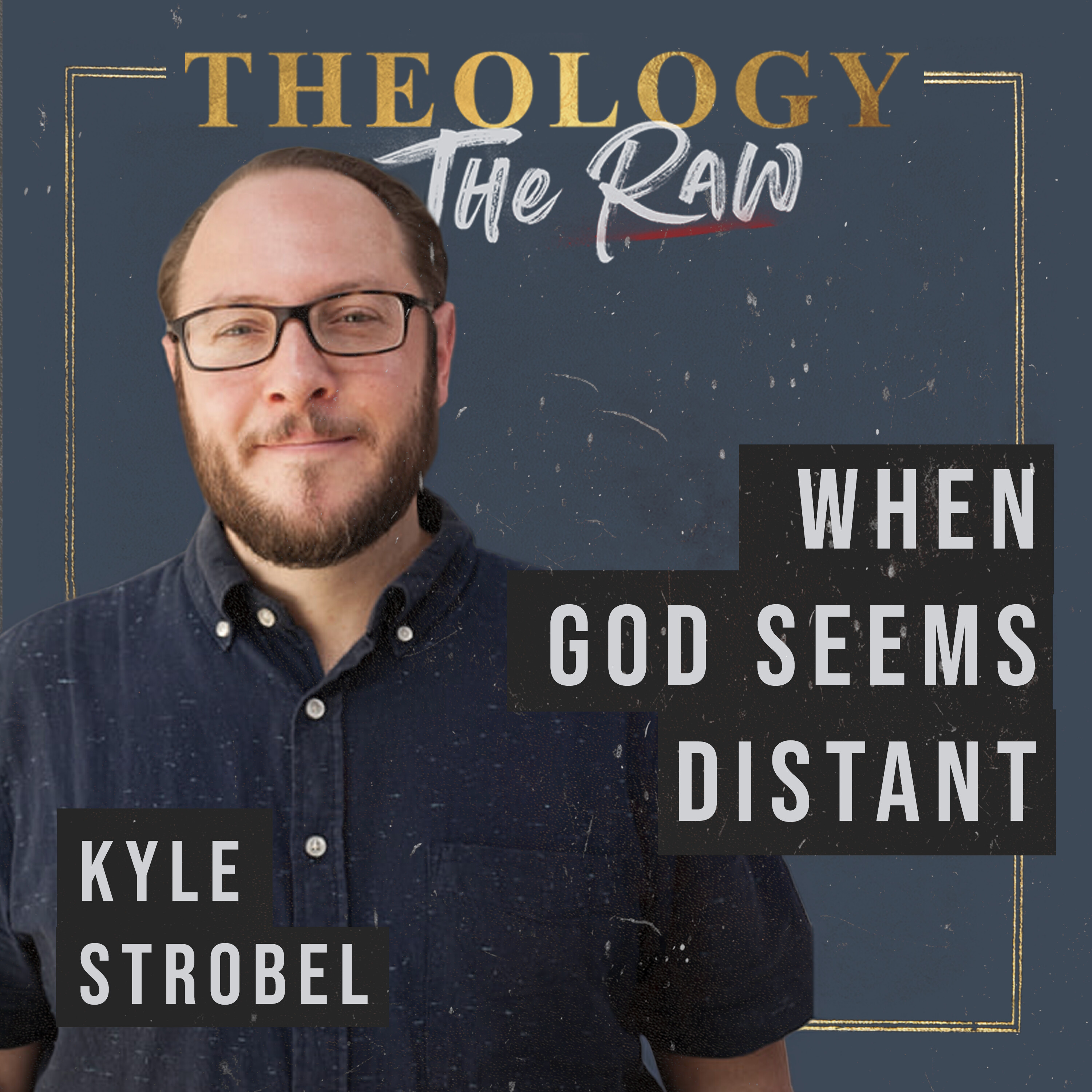
When God Seems Distant: Dr. Kyle Strobel

66m 42s

When God Seems Distant: Dr. Kyle Strobel

The discussion centers on the relationship between subjective emotional experiences and God's presence in the Christian life. It challenges the common misconception that feeling passionate or excited is evidence of God's nearness, while boredom or dryness indicates His absence. Instead, the early "consolation" stage of faith, filled with joy and passion, is likened to spiritual milk—a good and necessary gift from God for spiritual infants. However, as part of normal development, God often "weans" believers from this emotional dependence to draw them into a deeper, more mature faith that relies on faithfulness rather than feelings. This season of spiritual dryness or desert is not a sign of failure or God's departure but a purposeful process where God reveals the heart's true condition and cultivates a longing for Him beyond mere emotional gratification. The key is to shift focus from pursuing passionate experiences to seeking faithful presence with God, even when He seems distant.

Transcription

11415 Words, 60240 Characters

English
it's not your job to make the Christian life feel a certain way. It's drawn near to your Lord. Most of us when we pray we pray like we imagine a good Christian would pray and so we shouldn't be surprised that the whole time in prayer our mind's wandering and we're falling asleep because literally our body knows we're bored. Friends welcome back to another episode of theology in the Ram I guess today is Dr. Kyle Strobel who has a PhD from the best university in the world that is University of Aberdeen and Scotland. He is a systematic theologian who teaches spiritual theology for Biola University and Talbot School of the Talbot School of Theologies Institute for Spiritual Formation and Spiritual Formation Focus Programs. He's also the author of several awesome books including his most recent book When God Seams Distant for you YouTubers. I do have a YouTube channel. I want to see my face here it is. Here's his book Would God Seams Distant. Surprising ways God deepens our faith and draws us near which is the topic of our conversation what do you do when you feel dry you feel like you're in a desert you feel like you don't feel God any more does that mean God has left you does that mean something's wrong with you. Surprise surprise no it does not mean something is wrong with you necessarily unless something is wrong with you or it definitely doesn't mean God has left you we talk all about that really fascinating conversation with Kyle always love his wisdom and insight and how he integrates intellectual rigor with spiritual formation don't forget the exiles of Babylon conference is upon us if you're hearing this for the first time you already missed the early bird special sorry about that but I've been talking about it for several months so you've got your chance I guess April 30th to May 2nd it's going to be a barn burner I need to figure out a better analogy barn burner makes me feel like I'm really old anyway it isn't going to burn the barn down maybe talk about lots of things including AI and the church the gospel mental health to perspectives on Christians and war to perspectives on the historical reliability and the Bible and also the gospel mental health it's going to be amazing head over to theologinraw.com and register soon because space is filling up all right please welcome back to the show the one and only doctor Kyle Strubel Kyle Strubel welcome back to the ologinraw man always enjoy talking with you we met years ago at Aberdeen University doing our PhDs and kept up over the years you're doing well you've written how many books since your PhD is it yeah that's a good question I think 8 okay yeah seems like it something like that yeah so I've been busy it's good to see you as always pressed in it's always fun to get to run into you in very places and on here every now and again and yeah no this is I've been hard at work for several years on several projects so it's weird because I feel like a lot of them are coming to fruition over the next year or two so there's there's actually a lot of stuff coming out so that's been kind of fun yeah several irons of the fire well okay this one really caught my eye you know I get a lot of just to be honest I get you know publicist send me books every day I get emails hey do you want to look at this look at that 90 percent I'm just like either I just not it's not it's not spiking my interest or it's like I'm kind of filled up or hey that looks like a cool book I just don't have time you know just not in my wheelhouse of things I'm thinking through when yours came up obviously I know you and so I was like you know kind of pushed this the top of my interest level but it what honestly was not because I know you because you've written lots of books but the topic of this book is what really grabbed me when God seems distant surprising ways God deepens our faith and draws us in there I was like oh that seems really interesting because not a lot of people are writing on this and I I'm only a few pages into it but I want to read a paragraph here and I'd love for you unpack it it seems like this might open up various avenues for conversations so you say this is page 13 you and John although no one taught us this explicitly through these early experiences of excitement and joy and delighted in God we began to equate our experience with God's presence itself right there I was like oh yeah I mean that's a hundred percent what I've done in my Christian walk and so when I'm not feeling an experience I equate that with God is not here he must be somewhere else he must be distant maybe it's me maybe it's him probably it's me probably it's not him I want to keep reading though you say we talked we talked about God quote showing up when we feel passionate as if God's presence could be judged by our feelings I mean every line here's profound so when we experience joy and excitement and the goodness of obedience we felt like we could rest and the presence and comfort of Lord but years later something else emerged we grew tired we became bored we kept on serving learning praising and giving in all the ways we knew how but the initial joy wore off I'm guessing a lot of people listening could have written that paragraph maybe it was for a season maybe it was a season when that paragraph seemed real maybe they're going through that right now can you unpack that idea of the relationship between God's presence and our will say subjective experience or alleged experience with God those two are not the same you're saying that's right yeah so I mean let me put this in a bit of a broader kind of context for John and I so this book is the second book in a trilogy that we're writing the first book was where prayer becomes real which was our attempt to kind of introduce spiritual formation through the lens of prayer because we're convinced that one of the biggest problems right now in spiritual formation is that people have naively thought you can just present biblical ideals you could present biblical imperatives at people and not actually shepherd them to their Lord and so by just offering people spiritual disciplines to do what people do with that is they see those as fixes as life hacks and they think oh if I just do this I'll grow and so what ends up becoming really plagiarism I mean we've dealt with this problem in the past where God doesn't just given us a path to grow that's not what the Christian life is it's not just Aristotle we don't just develop habits to be good so in our follow-up book which is this one we wanted to wrestle with what we think of as a developmental spirituality which is what does scripture say and what does the Christian tradition say about the actual lived experience of life with God and what's interesting is we note in both we see that the Christian life either when someone like gives their life to Christ later in life or maybe just kind of owns their faith that typically what follows is a season of passion often called consolation of the Christian tradition and consolation it's interesting because part of what's going on with like we wanted to get to like what is God doing in that and how does that make sense of what he does next because typically in the whole tradition so I in our in this book we use the Puritans primarily to kind of talk about this everyone talks about this this is one of the this is one of the funniest parts of the Christian tradition where everyone seems to agree on this and yet everyone seems to be surprised when it happens and so there's this shared tradition that we almost generationally forget and so I actually use Jonathan Edwards as the example where Edwards at a point in his life is looking back in his life and he says you know I think I was a better Christian for the first two or three years I was a Christian than I am now and it's like and everyone says that like that is one of the most repeated kind of ideas in Christian spirituality and yet everyone who says it is surprised by it and so what we wanted to get down to is okay well what is like why is it that the early years of the faith are often filled with this passion we're not mature we're not transformed we're not deep we're often zealous without knowledge there's all this but but why why does God do this and what the Christian tradition tends to tell us is and I would say what scripture tells us and you see this in the Exodus for instance I would equate constellation with the plagues like God very visibly and powerfully manifest himself to his people and then he leads them in the desert as Deuteronomy eight two tells us to show them what is in their hearts and it's not what they expect it's confusing it's like where the plagues go where's all that good food from Egypt like this is a mess and and what the Christian tradition I think again scripture tells us if you think of the biblical images of of like Paul for instance first Corinthians three talking about you know you should be spiritual people but you're on milk you get this developmental maturation modeling of the Christian life where in our infancy God gives us milk just as we would an infant but at a certain point and this is the actual language the Protestant tradition tend to use is God will then wean us and you have children Preston you know weaning children isn't fun and children don't think you're doing them any get any benefits right this is you're against them in it and so what the Christian tradition has told us and what we think is going on is that after this initial season where God has weaned us off of the world onto the things of him he's done it through pleasure primarily and in that season of consolation the problem is we have come to equate to God's presence and maybe even his acceptance with a certain experience pleasure passion excitement well then God who wants to show us that he is our good that that he is our life that we should long for him above all other things he's gonna then wean us off of this pleasure off of this consolation and so what we discover is we're in the desert now just as Deuteronomy eight told us we would be and God is revealing our hearts to us and I think for a lot of Christians it takes them a long time to know they're in this season because what's happened early on all that passion has awoke in something deep in them and it's got them moving right so now they're involved they're serving they're in Bible studies they're in churches they're they're involved in worship teams they're they're doing all these things and then we find one day they wake up and they're tired and they think oh I've got to go to that Bible study tonight and instead of excitement it's like or they're leaving church and up until now every sermon was the greatest sermon that was ever preached right so that's what that early passion does well now they begin and they realize their conversation with their spouse and their car things like yeah I don't know I just didn't do anything for me today and suddenly they're experiencing wow I'm not experiencing the excitement I used to be I'm not as passionate as I used to be and the problem is right there what do you turn to and I would say the problem is most Christians and you may even made this point is that most Christians think what have I done wrong yes yeah instead of asking what I would say is the better question is Lord what does it mean to be faithful to you here where we actually try to revert backwards in maturation to I liked it better back then how do I get that back and what I would say is interesting in our own tradition is that we would never think you should be passionate like like no one would think in the process that you should try to be passionate like that was never a good like passions are bad they're the things you share with animals right so they're not you know like your dog's kind of passionate a child is passionate they're driven by passions but you should never try to generate passion because they're a part of your immaturity and so unsurprisingly when we see scripture talking about passions it's just this negative thing it's these things that that begin in your body and move you against your kind of reason and yet what we discover is in this season of dryness most evangelicals in particular turn to passion I've got I've got to get passionate again because phenomenologically like there's a kind of texture that they've learned about the Christian life and they've come to equate passion with God's acceptance passion with God's presence and the problem is that's not how you judge the presence of another or pass certainly not personal godliness right like this is I'm a godly person if I'm experiencing these passions toward God when I'm at a worship service or whatever that's right and that's why we use the language of God really showed up whereas we assume if I leave bored that means either God didn't show up whatever that means or I must not have shown up because we're assuming that God's presence will always be a positive experience and our argument the book basically is if you read the gospels what you discover is the opposite is true life in the presence of God which is life in the presence of Jesus as depicted in the gospels is often far from exciting is often far from passionate is often very exposing it's often Jesus saying things like hey what are you guys talking about and they're like who's the greatest you know like Jesus is constantly exposing them or if you think of a passage like first John 319 when you are before him and your heart condemns you what will that's interesting like why does John think for Christians we will come before God we'll draw near in the presence of God and our hearts response will be to give us an experience of condemnation we see we have to navigate these things and begin to give a developmental account of what is going on so like we need a psychological like what's going on in me psychologically but then also what is God doing and I think a lot of us assume that in negative experiences God simply not doing anything no and we want to argue that's that's actually the exact opposite of the case my dog tank and I share several traits one of them is that we love to eat junk food even though we know it's not good for us well tank doesn't seem to care but I care and this is why I was excited to find out about better wild supplement choose these healthy snacks tastes great apparently haven't tried them but take scarves them up like they're candy but they also help support your dogs joints dental health digestive support and even allergy support did you know that dog allergies are up 30% in the last decade being exposed to all of our pollen dust mold and human dander makes dogs allergies worse 90% of your dogs immune system lives in the gut and a weak gut leaves your dog more vulnerable to allergies that's where better wild allergy relief soft shoes come in these tasty treats are designed to support your dogs allergy system by strengthening their digestion right now better wild is offering our listeners up to 40% off your order at better wild dot com forward slash TITR that's better wild dot com slash TITR for up to 40% off your order better wild dot com slash TITR so the older I get the more I feel the need to eat healthy but I'm often on the go so I'm always looking for a quick and healthy snack that I can eat while hustling around this is why I absolutely love mosh bars each mosh bars made with ingredients that support brain health like ashwaganda lions made collagen omega-3s and cognizant cognizant is a premium neutropic that supplies the brain with a patented form of citacoline mosh bars also taste amazing they come in nine different flavors including chocolate chip cookie hazelnut chocolate chip and my personal favorite peanut chocolate chip and mosh donates a portion of all proceeds to fund gender-based brain health research through the women's Alzheimer's movement so if you want to find ways to give back to others and feel your body and brain mosh bars are the perfect choice for you just head over to moshlife dot com forward slash theology to save 20% off plus free shipping on the best sellers trial pack or the new plant-based trial pack okay so that's m os h l i f e dot com forward slash theology so thank you mosh for sponsoring this episode so when you reflect so you're saying having lots of passions early on in your Christian walk especially if that time period is when you're you know late teens early 20s when just even biologically right you're you're you're amygdala is more developed in your prefrontal cortex you know like it's natural you know are you saying that that is good bad or neutral or if if those are even right categories like is it like because it sounds almost like it could be misleading but then on the other hand I could hear you saying that's just a normal part of your Christian maturity but it's not necessarily maturity it's just kind of the early stages of immaturity that almost that makes it sound I don't say negative but it's like I don't know yeah help us understand those early seasons how should we reflect on that yeah no and this is where this is a profound gift and it's a profound good but early consolation it just like the the bottle like milk you don't judge a baby for being on milk right but developmentally if a teenager's on milk now we have a problem if a teenager's like I need the bottle I got to go to school today something has gone wrong developmentally and so what we think God's doing in this season is that God isn't I and I would argue this is what you see in the gospel of Mark a lot of what is going on is Jesus is grabbing their their kind of primal loves and interests particularly as a surrounded the idea of Messiah he doesn't thwart those immediately he affirms them as his follow me and it's not until Mark 8 where he gets to the point where they're able to name the truth who am I you are the Christ the Son of God that then he begins to unravel and and kind of pull away these false ideas pull away these fleshly notions that they're using and so I just think this is this is how God works and this is what we see developmentally to your point like something similar analytically mirrors what goes on developmentally by nature and so in this early season if you find someone kind of excited and passionate great praise God fuel that that's not bad that is a gift because part of what's going on here is in early consolation one of the things we see and the example we use in the book is I'll actually give it from a different direction imagine you're in a boat and we don't know why you're in a boat at this point but imagine you're in a boat but you're kind of like stuck here stuck in the mud and there's just trash all around you and there's like a burnt out car and there's like you know it's gone and who knows what else and that's weird and you're looking around on wow what is all this junk like this is a mess well out of nowhere the ravine you're in floods and now you're just kind of bobbing on the top of this lake and you realize my goodness what a gorgeous day and there's the mountains and there's snow capped and what you immediately just stop concerning yourself with all the trash at the bottom of the lake it it's irrelevant to you because you've been captivated by beauty well what we think's going on is the exact same thing like I I don't think and I could do this but I find God tends not to do this God tends not to take someone who let's say deeply angry and in conversion just heal them of anger right what tends to happen though is it feels like that because you'll see someone deeply angry person become giver and they're just not angry anymore they just don't spout off the same way they do they're not gripped by it well what's happened is God has flooded them with consolation they're now captivated by the things of God now they do like I just want to be at church man I love other man that sermon was amazing someone could preach a sermon that like totally undoes them it like names every vice they have and they would leave with a smile on their face wow God is so good and and it's because they're no longer attached actually to the vice structures of their heart what we used to call the indwelling corruption they're they're actually distanced from it because God knows this is not what an infant needs an infant needs to be weaned off of the world off of their vices onto the things of God and so what we find are people with profound addictions that really kind of transfer those almost immediately to God and to the church and the things of God and what God will do in consolation is he will start bringing healing to those things but then once God removes that consolation once they find themselves in the desert what we discover and of course I'm a seminary professor so I discover people who now then come to seminary right here almost all the time what they discover is I'm still addicted I'm still angry I'm still lustful I'm so like I thought I'd left those but it it's combat am I saved has something gone wrong like why didn't it stick and what we want to say is no developmentally of course this happens God didn't just God doesn't heal souls like he heals blindness and scripture like he doesn't like we still see Peter might later wrestling with very profound things like God now needs to recharacterize your person in love and the recharacterization of a person takes a life and it takes a life where you in the truth of yourself have to abide and so what God's going to do is and he's told us in Deuteronomy 8 exactly what he's gonna lead you into the desert to show you what is in your heart because you have to abide you actually have to draw near in the truth of your life in the midst of your anger in the midst of your lust in the reality of your envy and greed and all these other things and so we shouldn't judge any of these seasons and you know consolation presumably will come back although God hasn't promised it comes back I mean Mother Teresa very famously lived decades and said just didn't know consolation again and she had no consolation and when you're again the word consolation is similar to like passion emotions is that what your well consolation is is going to be a gift of God's pleasure in the things of God okay and so you know we we draw distinct so so part of the psychology we're employing here is a much more historic one the language of emotions I find alt ultimately unhelpful okay if Thomas Dixon is right and I think he is that we actually the the point of emotions as language when they emerge in the seven in the 18th century primarily was to decrystionize psychology and to actually bring confusion into psychology that the language of affections and passions which is our historic language I find actually is more helpful so the passions are things that begin in your body and often work against the integration of the self the integration of the person the affections take the full integrated reality of your mind your will and desires and move towards integration so a proper ordering of the Christian life would be an affectionate life that can awaken the passions it has passions aren't bad they're part of our kind of a part of our humanity when passions become bad is when we begin to serve them and try to generate them you know if you met an 80 year old couple looking to you for marriage or marital advice and they said you know we you know we've been married 60 years and I really think we need to get the passion of dating back you'd probably look at me like you know I I think you've confused some things like that wasn't bad but that you know affections are deeper and longer lasting realities as we used to say you know passions are very they burn hot and quick but they don't light a life on fire affections drive your life if you want to know what you're affectionate about what do you do and here's the difference and Preston this is where I think we that we've so confused the language of motion I think is so confused is on this yeah too often when people want to know what they care about they turn to their feelings and what we and that's what they're looking for in their embodiment what they're currently passionate about you look at your life and you look at what defines your life it's not hard to figure out what you care about how do you spend your money how do you spend your time what do you fantasize about like what do you give your mind to like those are the things that give shape to your life your passions often have been flow if you want to be tossed by the waves you live according to your passions but again passions themselves aren't bad because often what'll happen and I think this is what's going on in early consolation is a person has been gripped by God and the things of God their affections have been awakened but they don't have the maturity to sustain a life and so their passions end up carrying them and they begin to think oh that's how I live I just have to keep awakening my passions this is what a revivalistic kind of evangelicalism has turned to which is often why I think we find a kind of delayed adolescence in evangelicalism a kind of immaturity that's trying to pump their will full of passion rather than have the kind of character that can sustain a life and those are you might think of those as two models of spiritual information kind of what I would call an immature one and a mature one an immature model thinks I've just got to make sure I will the right thing at the right moment and I would say that's the deep belief that I'll never actually be transformed so most even Joe's I meet they don't they don't actually expect transformation to happen they just think I must protect myself from circumstances where I'll will wrongly so this is the Billy Graham rule which what's fine for Billy Graham if if people are trying to hide prostitution in your hotel room to catch you with a photographer the Billy Graham rule makes a lot of sense most evangelicals I meet it's very disturbing the way they begin to explain this because it's like well if I meet with a woman one-on-one in a public place what might happen it's like you're in a public let's pause right there what are you tell me what might happen because like what's the fantasy you're the coffee shop like what is the fantasy here you're in a church lobby like I but notice that the deep belief is if I'm in the wrong circumstance I just will make the wrong decision like at no point do they say what if I became the kind of person that just wouldn't make that decision well that that now is a character that has to be transformed in and by love that's going to be different than me pumping my willful of passion and unfortunately I think we've developed a kind of revivalistic approach to the spiritual life that thinks and this is what worship services I think often can can devolve into which is they're the they're a kind of fuel pump like I've got to get there on Sunday and if I could pump enough passion into my person hopefully I can make it till next Sunday without ruining my marriage without committing any felonies without you know you know and that that's part of I think why we discover a people so wildly addicted to very base realities because we're still trying to fuel our life with what is base it is a kind of immature it's again it's it's trying to use the baby bottle to deal with our maturation instead of saying well we actually need to be weaned and to be kind of moved on to solid food god I my mind is spinning right now I'm curious you're Jonathan Edwards guy right yep like when you said you prefer the term affections he's got a famous book religious affections but that's not where I'm going to go I want to go to John Piper and Christian hedonism yeah yeah a lot of people this day and age might not even know what that was but if you were a Christian in any kind of reform this circles in the 90s then at least in my circles Christian hedonism sparked by a John Piper's book Desiring God was I mean that was our we didn't put it in our bibles but we wanted to like that that was just all the the craze and it made total sense to me when I listened to sermons by John Piper when I read his book and yet at the time it came Christian hedonism came naturally basically that Christ is the greatest most pleasurable thing I'm not looking to articulate how he did it but basically you should find it seems like he would say you should find passion your greatest joy your greatest pleasure beyond food beyond drink beyond anything in Jesus and that's a good thing hedonism is bad when it's focused on the wrong thing when it's focusing Christ is a good thing blah blah blah yeah it came naturally when I was 23 I worked at it when I was 32 and it got exhausting when I was 37 and yet I would still see Piper at you know 90 years old or however you know still seems like he's more excited to wake up and spend hours in prayer with God than doing anything else in life and for me it's like you know what no prayers are disciplined it doesn't I used to I used to I remember one time I was like I think I was with my girlfriend at college not the one that I'm not my wife but different girl and and I remember like I couldn't wait to to end the night and it was it was good relationship but I was like all I want to do is pray that's all what I do I want to spend hours and prayer tonight so I was like I can't wait for this to end and and I'm gonna drink a cup of coffee so I can stay awake because I just I genuinely wasn't like oh I want to want to pray it was like it's all what I do right now is pray I haven't felt that in years I mean prayer is a discipline you know finding this hedonistic pleasure in God it's like I used to have that I just don't think I had that anymore anyway that's a long way to ask what are your thoughts I'm sure you're familiar with Piper and Christian hedonism like would you would you be more critical of that approach to Christianity yeah I mean it there's some truths to it that we need to hold on to there's some things I don't like I certainly don't like the language of hedonism I think you know Piper Piper grabbed on to some parts of Edwards but he wasn't an Edward scholar right so he has a tendency to when he hears the word affection to equate that with emotion there's not the same thing you don't have and you don't you don't you don't have to feel an affection to happen affection is about willing wow it's not primarily about so oftentimes you equate now what Edwards would say our passions with affections because now we have the feeling the texture of them and so I would say if any time you're doing and I had the same experience to you I actually didn't I grew up in the mega churches I grew up in a highly emotive passionate kind of thing I had I actually never got into the Christian hedonism thing so I became an Edward scholar pretty naïve tall that actually so I I came a different direction but I think most of us the group in that era had a similar experience where we what we actually learned and I don't think he would say and I don't think anyone had to say this to us what we internalized was if you're no longer feeling that same passion yes then something's wrong with you yes and I think the problem is now notice that we're no longer walking by faith but walking by sense site we're looking to have sight we're looking in our bodies for our assurance we're looking in our bodies for how we're doing instead of the promise and I think the problem is that's exactly what the flesh always wants to do and so this is where so like the movement of this book like part of what John and I wanted to do in this book which you know we we are building off our last book you don't have to have read you know where prayer becomes real first but we see them together because where prayer becomes real is is trying to give us an account of you have to draw near to God like you can't you can't just generate a life but that's what the flesh wants to do and we see this right away I mean in Galatians 3 why did you begin with the spirit and are not trying to be perfected in the flesh Colossians 2 why have you given yourself to self-made religion that is built on a setacism of the body there is a kind of fleshly spirituality that Christians in the New Testament have immediately turned to that we are all wanting to this is exactly what we turn to in consolation wanes and I think in this kind of school of thought or the one I grew up in what ends up happening is we located actually in our feelings whereas instead what we want to say is I want you so present if I were kind of shepherding you and you told me this story is a young 32 year old I would say you know I'd say well you know press it tell me what when you think about prayer and your first thought is I don't want I don't want to do this what do you do like where do you turn doing that do you tell God God I don't want to do this or do you try to pump your will with passion like is the or spiritual life the equivalent of a coaches half time speech when they're down by 20 because that's the flesh and so the way we wrote this book is we try to narrate like here's what the Christian life is depicted as in scripture and in our own tradition then we the whole second section of the book actually turns to here's what you actually do in the flesh to avoid God and so the first one how you avoid God in your passion like you choose to be passionate instead of avoiding God right or how you avoid God in your brokenness or in your goodness I mean how many of us turn to morality to just not be with God and what we want to do is we want to send you no no you have to go to God it's not your job to make the Christian life feel a certain way and no wearing scripture do we find this it's drawn near to your Lord and draw near in the reality of God like it feels like I should care more about this because what else are you gonna do I mean the only other option is you pretend like you do care yeah yeah and see this is the problem is so many of us never pray about the things that are act that were I can't actually going on in our lives as George Herbert once said in one of the greatest chapters ever written on prayer he says you know when the Titanic was sinking there was a lot of people who for the first time in their lives didn't have to deal with their mind wandering when they prayed it's it's a grim but it's but his point is for the first time in their lives they actually prayed about what they really wanted and the point is that most of us when we pray we pray like we imagine a good Christian would pray and so we shouldn't be surprised that the whole time in prayer our mind's wandering and we're falling asleep because literally our body knows we're bored we're bored because we're not even there we don't care about this stuff dear Lord you know we even the voice we use because like it's it's we're showing up as our avatar rather than showing up you know one of my favorite Psalms is Psalm 73 where the psalmist shows up as one NVS of evil doers well now we're talking Lord these people get whatever they want like now we're talking now we're in prayer like we're actually showing up and so you know our vision for the for spiritual formation which you know one of the one of the original titles as you know like you pitch a hundred titles and the publisher rejects all of them and you get I don't know maybe you have better hope than I do but one of one of the original titles was spiritual formation beyond willpower and we decided no one would know what that meant and to we went with kind of an experience because we all relate to the experience what is God when God seems distant like I can experience I understand that but the reality is a lot of us are both bored fatigued and maybe even just feel consumed because we're trying to live the Christian life by pumping up our will and what a lot of us have come to is our will has fallen flat and we're too tired even to pump it up anymore and now that guy is on stage and he's talking about maybe you know the anger of man does not achieve the righteousness of God and we kind of just go yeah I've heard this one before I'm still pissed and so and so like the question is like what do we do like and a lot of particularly men that I see like we grow old and we become kind of kind gentle people is that the Christian life like if this is the problem is if unless we're actually giving ourselves to the Lord in reality allowing him to do what he did with the disciples which is unravel all of these things a lot of us just accept this kind of mundane this kind of boring kindness that helps us maybe become sort of good but it also is what allows us to be taken in by worldly visions of Christianity if you care about thinking clearly engaging culture wisely and building bridges with people who see the world differently then Talbot's apologetics programs are designed for you at Talbot you'll study with leading scholars in philosophy theology science and cultural analysis while joining a diverse community of students pastors teachers engineers creatives young adults scientists and leaders from around the world Talbot's ma and apologetics and their flexible online certificate will sharpen your reasoning deep in your understanding of scripture and equip you to articulate the Christian story with intellectual integrity and relational wisdom you'll learn how to hold truth with conviction while engaging others with empathy and clarity if you're sensing it's time to strengthen both your mind and your walk with Christ and to become a bridge builder in a divided world and this is a strategic moment to begin applications are now open and upcoming cohorts are filling up quickly learn more today at biola dot edu forward slash apologetics that's biola dot edu forward slash apologetics I'm curious how do you factor in so you go from like the passionate emotional early 20s conversion to fighting for it in early 30s and kind of becoming maybe more cynical some might deconstruct and then you fall into this kind of nice Christianity just kind of bored a little bit how do you factor in just people that are just wired differently yeah yeah like some personalities I don't know what any Graham whatever but some people may never have really had that passionate experience largely because they're just not they're just kind of like more stoic kind of just personality or maybe they were saved in a more liturgical context that didn't put that kind of pressure of like unless you're weeping and dancing around you're not a real Christian or what about somebody who is the opposite that they were passionate in their 20s and they're passionate in their 70s but it's largely due to like when if they're watching the sports game there's passionate if they're watching a movie their passion like they're just they're just have they're just wired differently you know you know some preachers I remember listen to one preacher grow it up and it's like I feel like you couldn't get through a sermon without balling his eyes out you know we're and that's but that's more it's like it's just there's nothing wrong with that it's just like that's how some people are wired other people are going to read a manuscript and it's going to be just as powerful but are there people who might maintain phylacometer terms that that and I will say the term passion that was part of that milk that they needed growing up but it actually is something that they just just can't kind of came naturally through their whole life yeah yeah totally no that's a good question so that's not me but yeah yeah yeah well we purposely kind of avoided trying to map out the Christian life as like you'll go through this stage then you'll go through the stage and then you so what we wanted to do instead is we wanted to talk about kind of seasons of the soul and ask questions what the Lord is doing and so there's consolation and the Lord takes us through seasons of consolation but then there's early consolation so up till now you and I've been talking mostly about early consolation that's gonna be the kind of milk bottle right that's gonna be the the Lord kind of just meeting us as baby Christians and treating us as babies I mean again this is I think there's I think it's interesting that Paul seems to know and assume that he should be able to tell who's a baby and he should respond to them like there are babies and then he should even be able to tell them you shouldn't be babies anymore like that's just built into the thing in scripture and so in early consolation the way that our tradition talks about this and I think this is probably the best way to do it is that most people do experiences as a certain kind of pleasure pleasure can be of the passionate variety pleasure can be in a liturgical context that is just like the beauty of the liturgy the glory of art to the like right it can show up in different I don't think it has to be pleasure though so I remember you know John's father became a Christian at the end of his life and at a very old age and John said it was weird because he didn't he didn't really have that same passionate experience I had but what what he's like I talked to him about it like what do you see because things had changed and it was it was someone who had lived through the great depression it was someone who had lived in farming communities and it was like the sturdiness of the Lord the peace and stability of God like we're upholding him and so I say in early consolation what the Lord's doing is the Lord's giving you exactly what you need to move you off of the world onto the things of him and so the degree to which you live your life by fleshly pleasure is actually the same degree to which you'll get consolation so I actually expect some people like I lived a very fleshly early life I had wild amounts of consolation I expect the kid who just went to church and just believed it and it was pretty good they're not gonna have those peaks they're not gonna have the radical kind of experience like I did it's gonna look differently but the Lord I think will still meet them in very profound ways but it's gonna be ways that psychologically they need to move them off of the world onto him then I think what the Lord the two seasons we specify specifically in the book are the desert and then desolation desolation is I struggle to use what word to use about this the deserts an obvious biblical term and the desert isn't bad but it's dry so like the Lord gives you something in early consolation it's a positive gift the Lord's actually granting you something in the desert he just he's not giving you something he's just taking that away the experience of that away and so what happens in the desert is you begin to experience your own character so now you begin to feel the Christian life as if lifted by you and that's why things just feel dry or boring or you feel fatigued or you're like oh I gotta do this again but then the tradition tells us and and the Catholic traditional tell it call this the dark now the soul of the senses depending there's distinctions made there the Protestant tradition actually uses the language of spiritual desertion and what our tradition says will happen is the Lord will gift us an experience of his absence so just like early consolation it is it is a it is a positive gift but now this positive gift is experienced negatively and what we are used going on here is God is giving you the gift of revealing that even your virtues or vices that even your preaching and your service and your giving and your devotional life are vained with vice as well and biblically we would look to the thorn of the flesh here where God gifts Paul a messenger of Satan to harass him because he gave Paul a previous gift which was the highest degree of consolation possible he was caught up in the third heaven and he was filled with consolation that's a gift that's praise God I would love for that gift but then because that gift was so high God knows developmentally that's not going to serve him well long-term because certain kind of spiritual experiences actually get kind of encoded psychologically in ways that lead us back to ourselves so to keep Paul from being coming proud God gifts him something that forces Paul to grapple with God's grace is enough for me his powers made perfect in my weakness and so in the gift of desertion or desolation now we need to come to rely upon God in ways that we didn't even know we had to rely upon God see for a lot of our lives we look at our vices and we think what we look at our virtues and we think well at least I'm good there but I'm wrestling with these things right like I've got the I've got last I've got great I got well God kind of allows us to do that developmentally and so developmentally we do focus on but well at a certain point as you know present like suddenly you hit a stage and it's like I remember when I was really tempted by some major things like almost it felt like minute by minute like it was like I go right or live it was like I was almost always then suddenly it's like wow now I have like eight options in front of me and they're all good and I like and I got a discern now like what do I give myself to and it life and of course there's still vices there's still temptation but it feels and looks differently well now the Lord is gonna show us yeah but Kyle you did that because you want to be seen as great not because you love me Kyle you're grandiose you're full of jealousy and selfish ambition that's demonic according to James three you're actually fueling you're writing ministry demonically well you know again this is this is what we have to grapple with right like this is and I worry that for a lot of us we we are trying to recover excitement we're trying just to be kind of extrinsically good and honestly my worry is not like that's fine developmentally that's fine for a season the problem though is that is that honestly is boring and you're going to be bored and you're going to be uninterested in it and it's not gonna work and what you're gonna experience at a certain point is you're gonna wake up and you're gonna realize I am bored out of my freaking mind here I just don't care about this and you're not gonna be in it and I think the Lord calls us to something more difficult but a lot more profound I'm curious what would you or how I'm sure you have these conversations when you're interacting with somebody who's in those early passionate stages of Christianity what do you tell them like as you said it this is like you don't fault a baby for wanting milk but do you help them understand that this isn't gonna be the yeah yeah what do you what do you tell them totally without discouraging them from enjoying that season which you may not last in the same way yeah yeah well this is you know this is something where I think and you know I in my previous work particularly with Jamie Goggan the the way the dragon the way the lamb we were obviously very critical of the church and how churches have helped navigate these things but let me just say this most churches I see do great at this they do great with baby Christians they get them involved they get them excited they get them in community and I say do all of that but then start planting some seeds because here's here's what's going to be hard so if you meet one of those baby Christians or one of those baby Christians meets someone in desolation the temptation is that baby Christians going to look at them and say they just need Jesus right and vice versa right like the the person in desolation is going to roll their eyes but he's he's you know like give me a break put your hands down like you know like that's that's the part and this is why I think we really need each other in this and you know what are the one of the interesting things that I discovered actually in writing this in the way we ended the book is I really struggled with how to end this book because I realized there's going to be a lot of different kinds of people reading this and so we ended with a with a kind of choose your own adventure based on like where you're at or what your question is and so we have like five paths you could take and the first path was well why have I never heard this before because that's the question John and I get us the most and so I decided to do a kind of a very short but like here's what the Protestant tradition has said about this and I did some more fresh research I done a lot of this already but I was shocked at how just standard this is in our own tradition but what I hadn't noticed before is everyone says two things when they talk about the person in in desertion they say our biggest worry is they're going to start questioning their salvation and that they're not going to find a guide that there's not going to be a spiritual guide to lead them and I just thought that what a fascinating because I think that's we even have a greater lack today I mean we don't even talk about these things anymore in in early consolation I think it isn't easier time like it doesn't take as much wisdom to shepherd a person that because it is just you could just feel it but you have to help them begin to navigate you don't need to make that person like you and I would actually argue and and we we have a whole section of the book on the conscience you're going to have to begin to introduce the young believer to their conscience what it is and what it isn't and at some point you're going to have to help them see that they probably are the weaker brother or sister and that they need to hold their experience pretty loosely and not just apply it to others it's not their job to make other people have their experiences it's their job to point people to Christ and I think what what when when in first twenties eight and 10 when Paul's navigating the kind of weaker brother and sister question I think you see a lot of similar sort of developmental issues there right like it's interesting that Paul says it's an issue of knowledge but it's not explicit knowledge so you can't just teach them like the weaker brother doesn't have knowledge but it's implicit like it's internalized knowledge subconscious knowledge it's knowledge that was developed through Paul say the former association with idolatry and so you get pre-converted sin and pre-converted experiences have showed up to shape their Christian life well again like for the young person filled with passion like that's not even a possibility they don't even think they think no all that's gone like I know Christ I have it all and they're unaware and so Paul it's interesting how Paul navigates is he's very pastoral here he doesn't say pull this person aside tell him you're the weaker brother give them the right knowledge there's no such thing as idol idols and he knows that if you do that you'll actually do something damaging to their soul because this has to be recharacterized again I I've come to think I think this is true in biblical studies and you know this better than I would say it's true in systematic theology which is my discipline I think we have failed to think developmentally and and that's another way of saying we have failed to think personally about the faith because persons just are developmental things and scripture thinks developmentally this is why we talk about mature and immature Christians or baby Christians we are language it's it's embedded in how we think but that hasn't always translated to both what we assert as scholars but also how we shepherd souls and so I think the real danger is we just present a biblical ideal or a biblical imperative or we just give people spiritual disciplines to do and it we're not actually shepherding them to the Lord in light of what is really going on you know because a spiritual discipline filled with consolation is one thing a spiritual discipline and desolation is a vastly different thing and what we think the role of a spiritual discipline there will be is to expose vice and so phenomenologically it is going to feel negative it's going to feel like looking into a mirror and seeing the truth of my life well now with James I have to not turn away and forget what I look like I actually have to draw near the Lord in the truth of myself well if I learned how to judge disciplines in passion and I now apply that here I just think what is I mean what I'm doing anymore right and it's not surprising so many people are spinning off of the faith and are just saying this doesn't even work I said where's God here because it does doesn't it none of it makes sense because we've been taught if God was here you would experience so you're you are a fan of spiritual disciplines right but do you think like they can be utilized in a wrong way or there could be an unhelpful expectation placed on the intended results if somebody is committed to spiritual disciplines or how would how do you what's your elevator pitch on yeah yeah yeah to remind folks in case they're wondering like I am the director of the Institute for Spiritual Formation so yeah you know we talk quite a lot about spiritual discipline and you know it spiritual disciplines are tricky and I would say one of the ways that the Institute for Spiritual Nation here at Talbot one of the ways we differ from a lot that goes on in the spiritual movement in general is our students don't get a focus on spiritual disciplines till a year and a half into their program really because we have been convinced that the spiritual nation conversation has been very naive to how the flesh wants spiritual disciplines and how people will use them precisely to avoid God and not draw near and I think and there's a long story I can get into here about what goes on you know in terms of the history of ideas in the 20th century the recovery of Aristotle the recovery of virtue ethics but our own Protestant tradition and I would actually say even the more the Roman Catholic tradition does not believe so no one in the west believes that you could do disciplines to be good and to grow that simply as polygene that's not debated like that we we dealt with that that what what spiritual disciplines are to use the old language our means of grace and grace was about God's self giving and so means of grace were first and foremost about receiving God in his self giving holy presence and reciprocately offering my life to him and so the end the tell us of spiritual disciplines aren't my growth they're abiding and this is where I want to pay very close attention to Colossians 2 because Aristotelian habit formation is what the philosophers do and in Colossians 2 Paul warns against philosophy and he goes on in verse 23 to warn against self-made religion that has the appearance of wisdom rights common sense that is based on the asceticism of the body spiritual disciplines but has let go of Christ who is our head and in Colossians 2 19 we see that the growth of the Christian life is a growth that comes from God and so what I worry about the spiritual movement and and of course guys like Willard knew this the problem is most of the spiritual movement hasn't been articulated by Willard it's been articulated by people summarizing Willard and so oftentimes what happens is that when it gets summarized it's do spiritual disciplines so you can grow and I say no that's not what spiritual systems are for the the means of grace are for giving yourself to God trusting that if you abandon your life to God then you will bear much fruit the goal is to give yourself to Christ the goal is not even your growth the goal then again Willard is the one who taught me this I remember Willard told me he's a Kyle we need we what seminary should be our places where people learn how to abandon their life to God that's what it's about growth happens as a fruit of that reality not as the goal of that reality and so that's a that's going to be a very important way to distinguish these things so actually the last chapter of the book last big chapter of the book in you know is simply called transformed by love because this and and the third book is the one we're going to focus most on on what spiritual disciplines are and what they are not but this chapter we thought we need to have something in here that casts a positive vision of well what what actually is spiritual maturation and what is my responsibility to that like if it's a growth from God and not from me nonetheless I'm still required to act I'm still required to discipline give myself I still have to live a discipline life so so what is that life how do I embrace that and how am I re characterized in love and so you know this is a bit of our re narrating a little bit of what is spiritual formation again I I knew Dallas Dallas was hugely impactful on me we agreed when we talked in person I find that we have a different audiences I tend to think Willard wrote to the person who wasn't who just thought if as long as I show up to church on Sunday I'll grow like that's what he saw in his southern Baptist churches of his childhood and it turns out those people are buying his books because they're just going to the church on Sunday to grow right the people who are buying his books are people who are often erotically trying to grow themselves right so it's some of that I think is an audience kind of question but I think there's also a I do think Pelagianism has made a full comeback and if you just look at the titles of books if you let her read them like we just believe in self-help now like we have just bought wholesale in and whether that's habit formation or liturgical formation we've bought into a kind of Pelagianism of do this and live and I just I think we've already had these debates and I just I have found something more rich in the Christian tradition it also by the way means of grace I won't get into the theology here but Lucie Peppie at night actually I have a book coming out on mapping yeah it's an edited volume mapping the Protestant tradition on on this issue actually but it actually explains like our view of this explains why Christians are often not as morally good as the non-believers because when God gives us his grace we receive something that's alien to us that's ours because Christ is ours but it's not yet re-characterized our person now I actually have to live a life where that love re-characterizes my person but in the mean time you can have unbelievable who's more kind of moral and a lot of Christians have wrestled with this like well shouldn't Christians always be more moral than like unbelievers should not believe just always be wicked and it's like no of course not they're they're good unbelievers out there because Aristotle was right you can form a very profoundly moral life but we have to remember the opposite of of sin isn't goodness but faith and anything done without faith is sin as Paul says in Romans 14 23 so like faith now is this gift that we've received so that we can live this life of love and get that we always used to talk about this and tragically this is a part of our tradition that we have failed to recover yeah Kyle you've given us so much to think about man I I yeah I appreciate the intellectual rigor in which you put into a topic that often if I can say lacks that I don't know I feel like there's a lot of like grassroots kind of spiritual formation talk and and it's just so nice to have somebody's really thought deeply and theologically philosophically and historically about these issues so what highly encouraged people to check out your book when God seems distant I can I can personally recommend the first 17 pages that's where I'm at I'm sure I'm sure based on this conversation what I know about you and just the moment of you built the book it's it's worth people checking out when God seems distant Kyle thank you so much for your work and thank you again for being a Gaston the Algene Rock great to be with you President

Podcast Summary

Key Points:

  1. The Christian life is about drawing near to God, not about achieving specific feelings or experiences.
  2. Early stages of faith often involve passion and consolation, but these feelings naturally wane as part of spiritual maturation.
  3. When feelings of dryness or distance from God arise, it does not mean God has left; it may be a season of "weaning" where God deepens faith beyond emotional dependence.
  4. A common error is equating God's presence with positive emotional experiences, leading to confusion when those feelings fade.
  5. Spiritual growth involves moving from milk (initial passion) to solid food (mature faithfulness), even in seasons of boredom or spiritual desert.

Summary:

The discussion centers on the relationship between subjective emotional experiences and God's presence in the Christian life. It challenges the common misconception that feeling passionate or excited is evidence of God's nearness, while boredom or dryness indicates His absence. Instead, the early "consolation" stage of faith, filled with joy and passion, is likened to spiritual milk—a good and necessary gift from God for spiritual infants.

However, as part of normal development, God often "weans" believers from this emotional dependence to draw them into a deeper, more mature faith that relies on faithfulness rather than feelings. This season of spiritual dryness or desert is not a sign of failure or God's departure but a purposeful process where God reveals the heart's true condition and cultivates a longing for Him beyond mere emotional gratification. The key is to shift focus from pursuing passionate experiences to seeking faithful presence with God, even when He seems distant.

FAQs

Feeling spiritually dry does not necessarily mean God has left you or something is wrong with you. It can be a normal part of spiritual development where God is deepening your faith and drawing you near in surprising ways.

Yes, equating your feelings, like excitement or joy, with God's presence can be misleading. God's presence is not always tied to positive emotional experiences, as seen in biblical accounts where being near God can be exposing or challenging.

Boredom or tiredness in spiritual practices, such as prayer, can occur when you rely on passion or routine rather than genuine connection. It may indicate a need to refocus on drawing near to God authentically, beyond just performing rituals.

Spiritual consolation refers to an initial season of passion, joy, and excitement in early faith, often given by God as a gift to draw you in. However, it is typically followed by a 'weaning' process where God deepens your faith beyond mere feelings.

During spiritual dryness, focus on faithfulness rather than trying to recapture past passions. Ask God what it means to be faithful in that season, trusting that He is actively at work even when you don't feel it.

Yes, God often uses negative or dry experiences to reveal what is in your heart and deepen your faith. These seasons, like the desert in Deuteronomy, are part of a developmental process to mature your relationship with Him.

Chat with AI

Loading...

Pro features

Go deeper with this episode

Unlock creator-grade tools that turn any transcript into show notes and subtitle files.