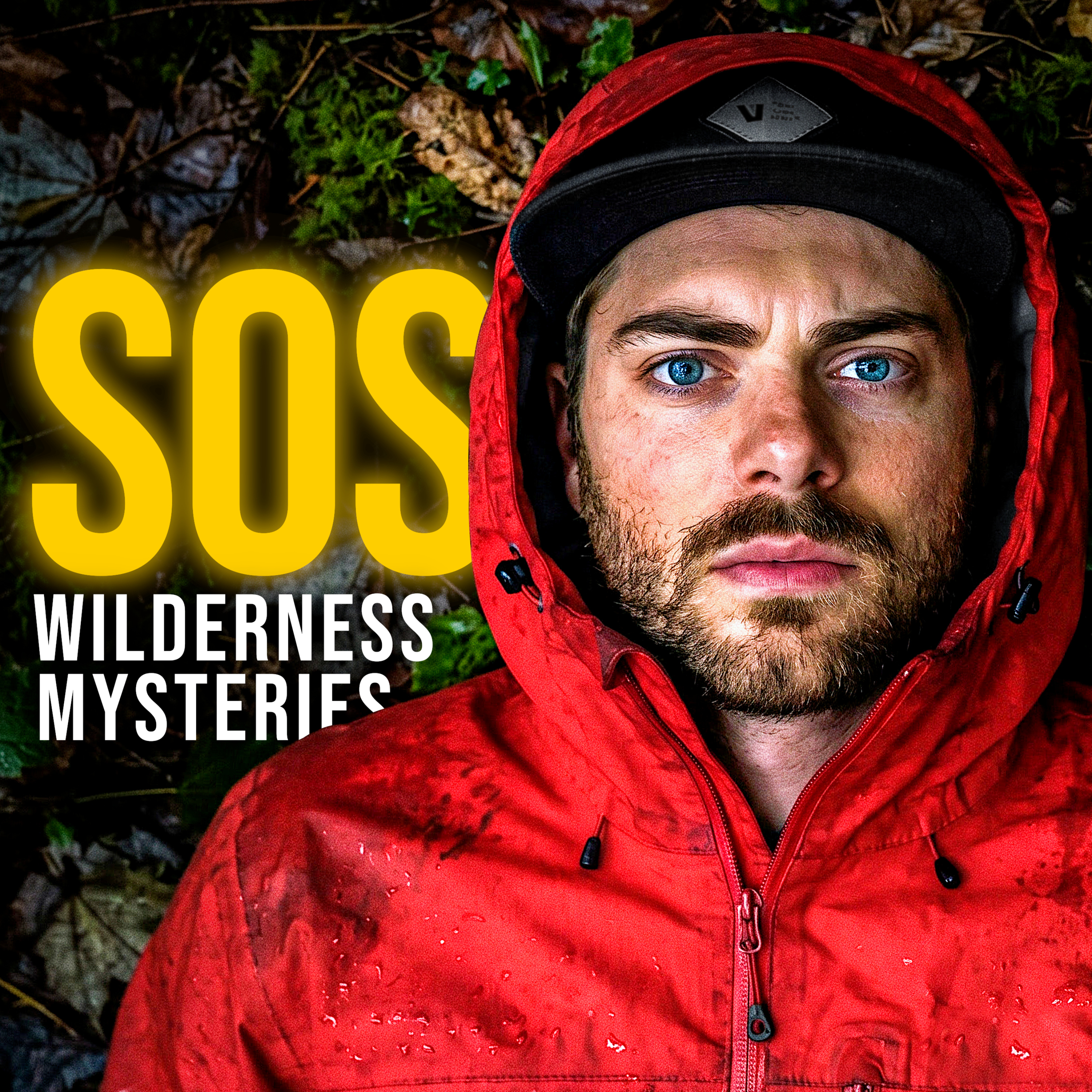
What They’re Doing to Everest in 2026 Is DISGUSTING
1h 5m 14s
Mount Everest is facing unprecedented risks in 2026, with experts warning of a potentially darker season than any before. The year 2025, despite having fewer deaths, exposed critical vulnerabilities: elite climbers used xenon gas to achieve record speed ascents, raising safety and ethical concerns, though natural speed records were later proven possible through training alone. Unpredictable jet stream winds and deadly blizzards—like the 2012 disaster—threaten to overwhelm climbers and guides, especially as overcrowding peaks. A major blizzard in October 2025, which buried a 580-person camp, highlighted the danger of inadequate emergency response. The rise of risky stunts, such as a fatal snowboard descent, reflects growing overconfidence and media-driven behavior. Environmental threats are also escalating: decades of waste, including human waste, are at risk of melting and releasing toxic gases, while climate change may contaminate local water supplies. Underlying this is systemic corruption in Nepal’s government, which disrupted emergency systems and public trust. With weakened permits, poor communication, and a dangerous overlap of multiple crises, 2026 could see a catastrophic chain of events. While no disaster is certain, the convergence of climate extremes, human error, and institutional failure makes the season extremely perilous. The story of two missing girls in Panama, though unrelated, underscores how disturbing, unexplained evidence can fuel public panic—mirroring the unanswerable questions surrounding Everest’s future. Despite the risks, experts remain hopeful, but the odds are increasingly against a safe and sustainable climbing season in 2026.
2026 is shaping up to be the darkest year in Mount Everest history, and no one is stopping it. I'll tell you multiple stories that show exactly why experts are quietly panicking about Everest in 2026, and then, you better buckle up because I'm going to tell you a bonus story about two girls who vanished on a simple hike, but left behind some of the most disturbing evidence that I've ever seen. If you're digging the show, please help us reach our goal of getting 1,000 five star reviews. We're not even halfway there yet, but I know we can do it, and so please leave that review and be sure to hit the follow button. Those two things are the best way to help us out, and show us that you appreciate the show, and of course, they're totally free. There are innocent people walking around right now who will be dead after Everest's 2026 season. Anyone who actually knows the mountain is quietly freaking out about next year, and I really hope that none of these predictions come true, because if they do, it may mean disaster for the over 1,000 climbers who are preparing right now for the biggest climb of their entire lives. But, based on what I've found, I'm not so sure that Everest isn't already screwed. And the craziest part is that on paper, 2025 actually looked like a pretty good year on Everest. There were fewer deaths than normal, which is exactly why 2026 is scaring the hell out of experts. Let's get into all of the 2025 controversies that flew under the radar, so that you can understand why next year, Everest might be a literal, excuse my language, sh*t show. First, I need to tell you about who's passing gas on Everest. Wait, did I just say that? One of the strangest Everest stories from 2025 featured four fuel tanks, and these four British men, Garth Miller, Alistair Karns, Anthony Stazicker, and Kevin Godlington. These men were former special forces members, which meant that they were elite athletes. And while, of course, that doesn't guarantee that you'll make it up and down Everest safely, it definitely boosts your chances for a normal, safe summit. But what if I told you that their climb might have risked the lives of dozens of next year's climbers? You see, what put these men into the headlines had nothing to do with their athleticism. The thing that people became fascinated by was how they prepared for their trek of Mount Everest, and then the almost unbelievable outcome that their preparation had on the duration of their climb. So usually it takes between five to nine weeks to climb Mount Everest from the day that you arrive in Nepal or Tibet. And that's for a lot of reasons, right? Gear checks, permits, safety briefings, but more importantly, getting used to the intense climate and altitude shifts that you're going to endure. Just trekking to base camp alone takes over a week for most people, as you ascend higher and higher up the mountain. Your body needs time to adjust to the declining oxygen levels. And once you're on the mountain itself, it's really a slow moving process up as you carefully prepare for your summit push through the death zone of Mount Everest. But the guys I just told you about, they did the entire thing in four days. You heard me right there. On Friday, May 16th, 2025, these four British climbers flew from London to Nepal. And on Wednesday, May 21st, 2025, they took this photograph at the peak of Mount Everest. And if your reaction is like, how the hell did they do that? Uh, you're not alone. I've been covering Everest stories for a long time now, and I almost fell out of my chair when I heard about this. It turns out that these guys weren't superheroes, and they didn't even really just have done luck. What they did was far more calculated, and frankly, far more controversial. You see, about 10 weeks before they flew to Nepal, these men went through a process known as hypoxic tenting, which means that they were sleeping every night in shelters that are designed to lower oxygen levels. Basically, they were trying to cut the line of climbers who spend almost a month slowly ascending Everest. But the science experiment doesn't stop there. About two weeks before their trek, these four men took one more trip, and this to me just sounds like it's straight out of a movie. They flew to Germany to meet with a doctor named Michael Frye's. Dr. Frye's was working with so-called inhaled gases in his lab, and these four men essentially agreed to be guinea pigs for one of his boldest tests ever. Dr. Frye wanted to see how one specific gas could help Everest climbers acclimate quicker on the mountain, and knowing that these men would do anything to scale Everest as quickly as humanly possible. The doctor handed each of these British climbers a ventilator mask that was attached to a portable tank full of xenon gas. Now, I'm going to pull out some of my high school chemistry knowledge for all of you here. Xenon has no smell. It glows in car headlights. It's used in anesthesia and rocket science, and now, supposedly in Everest speed runs. It's one of the noble gases, but there's nothing noble about it. At least in the eyes of the world anti-doping agency, which lists xenon gas as a band substance. Now, this wouldn't be the first time in history that people had used xenon gas for mountaineering, but this year, 2025, these four British men did become the first ever to summit Mount Everest with the help of xenon gas, which they inhaled all the way up the mountain. And as soon as they came back down to sea level, they, as well as the scientists who helped them, were met head on by a firestorm of backlash. Now, if you're asking why all of this is such a big deal, just, just think about it for a minute. If Everest companies can start promising their clients safe, round trip climbs that aren't nine weeks long or six weeks long, but only two weeks long, I mean, the economy of Everest will explode. You'd have thousands of people who didn't think that they could ever climb Everest, now thinking that they can. And I don't just mean that about their physical ability to do it, but literally only in terms of scheduling, right? Like if you plan things correctly, you could climb Everest and then come back to work without even using any of your sick days. And the person who organized the British climber's trek, Lucas Furtonbach basically promised that he would start offering exactly that trip in 2026, which will be of course all made possible by xenon gas. So you can probably imagine that the first people who were like downright pissed about the use of xenon gas on Everest were the climbing purists, right? They argued that this was basically not a not a clean summit as in these guys were cheating essentially, which might be kind of dramatic. Let's be honest, but to be fair, the world anti-doping agency literally has xenon gas on its ban substance list. And not that climbing Everest is like an official sport, but if it were, these guys would clearly be disqualified from any record books. But more importantly, there's a huge safety issue here. The international climbing and mountaineering federation cited several issues they had with the use of xenon. And probably the biggest one is that we just don't know very much about it. Like we don't know its long term effects on climbers. We don't know if it works equally well for every climber. And some scientists even think that breathing in too much xenon could actually lead to death. And beyond this, that same organization raised another concern, which is that if xenon becomes the norm on Everest, you will 100% end up with climbers who have like zero business on the mountain, not only signing up to try it without the proper training, but but paying for it with their lives. Overconfidence is one of the most unspoken killers on Everest. We've covered that a lot in previous videos. And this gas would feed right into its hand. There are stories every year of climbers putting Sherpas in impossible positions where their clients don't want to turn around when they really should. And so you can absolutely see a situation where this is happening way more often as clients sip on this magic gas that they think will deliver them to the summit. But still even with these warnings, the appeal of xenon gas isn't going to be going away at all. In fact, it's probably the opposite. Many scientists are putting their careers on the line to claim that it's 100% safe, and that it will change the future of Everest by making it much more possible for people like you and me to climb. And though I've obviously been pretty critical of xenon gas so far in this video, now that I say it, maybe there is something to that. Maybe there is something to making Everest more accessible. I don't know, it's something I guess we'll just have to make our minds up on. But going back to the possibility of speed running Mount Everest will say, the question kind of became, do people even need xenon gas to speedrun Mount Everest? And that's when another headline came through this year that tried to completely flip this issue on its head. It's the story of 2025 Everest climber, Andrew Usakov. Andrew is a pretty normal guy. He's an engineer and a father. He only climbed his first mountain ever in 2020. And even though Andrew is a purest, meaning he follows the rules of the doping agency I mentioned earlier, he didn't have any direct beef with the xenon gas guys. In fact, he actually did the same kind of hypoxic training that they did. But Andrew did his climb just a little bit differently. Using only a few boosts of oxygen, Andrew set a new world record on May 19th, 2025 by reaching the summit of Mount Everest in just 3 days, 23 hours and 7 minutes. And to be clear, that means he landed in Nepal from New York on May 16th, helicopter to base camp, and less than 4 days later stood atop the highest peak in the world. And if you do the math,
you'll realize that Andrew was actually slightly faster than our 4 Xenon breathing climbers. Andrew's story doesn't completely kill the argument for Xenon gas, but it does prove something important. Which is, you can do these speed of sense without the gas if you go through the right kind of training. And so my main takeaway is that, like I don't think Xenon gas is evil or cheating or anything like that, and I actually am genuinely impressed by what the British climbers did. Let's be honest, if it was me up there, even with the Xenon gas, I would have been completely screwed. I wouldn't have even made it to base camp, probably. I think the science here is really cool, and with some more testing, maybe it could be a large part of future climbs. However, I just don't think that Xenon gas should be the reason why Everest becomes more comparable in 2026. There are already so many dangers when you're climbing Everest, and to me, it's just my opinion. Making these Xenon lead trips a thing in 2026 just feels like you're playing with something that you don't fully understand yet. And that would already be terrifying enough if Everest itself wasn't also starting to behave in ways that we don't fully understand. The second reason people are freaking out about Everest in 2026 has nothing to do with the actual climbers themselves, but instead it's about Mother Nature, and spoiler alert, she's not very happy. Now, usually the ideal time to climb out Everest is early to mid-May, we'll say. That's when the weather is most predictable, and that's the time of year when you hear these horror stories of the long-snaking Congo lines at the top of Everest. But in 2025, Mother Nature threw a curveball right down the middle of that Congo line in the form of totally unpredictable high-speed jet stream winds. These winds, which show up more often in the off-season of Everest, made an unexpected appearance right smack in the middle of May. And if you're thinking, "Oh, you know, what's the big deal about wind? You're on Mount Everest. It's gonna be windy, obviously." Well, let me just say this is the kind of wind that you might feel if you're in the middle of a category to hurricane. But, you know, instead of experiencing this, like, at sea level in Miami, you're at 29,000 feet in the air, standing on a slippery ice face at a 45-degree angle, and the only thing keeping you from a 10,000-foot fall is a fixed rope that, by the way, hundreds of other people are clinging onto at the same time. Yeah, that's a big no thanks for me. But still, most of the parties who were climbing Everest during this uptick in wind activity pushed on to the summit anyway. Even when the wind was highly unpredictable, the Sherpas and the Guides felt confident enough that they could time their movement up the mountain around the Jet Streams, you know, pausing when it started up and then resuming when it calmed down. Now, this is obviously a huge risk, a dangerous risk, but they were careful, and thankfully, it didn't lead to disaster in 2025. But now, many weather experts are worried that this wasn't just a random one-off wind pattern, but instead, this could be the new norm for Everest, unpredictable high-speed wind cutting right into the mountain when it's at its busiest time. And if that's the case, some folks familiar with Everest might be thinking about a particular weekend in 2012 right now. Over May 18th and 19th, 2012, now Everest experienced a significant wind event that came basically out of nowhere. It was a Jet Stream, similar to the ones that climbers saw in 2025, that brought winds over 60 miles per hour and temperatures so cold that it even hurt to exist, right? And what followed was a total disaster on Everest, pretty much at every major point of the route. I'm talking long delays at the Hillary step, rock falls at the load sea face, and climbers spending far too much time trapped in the death zone. There was no ability to get rescue helicopters anywhere near the mountain, and as a result, seven people lost their lives, making it one of the deadliest weekends in modern Everest history. Now, we're seeing similar weather patterns shift into the modern era of Everest, and with way more people on the mountain, this has the potential to throw climbers as well as guides and Sherpas into total chaos starting as soon as 2026. And that means two things. One, people will be at risk of being stuck in places that you don't want to be stuck on Everest, and two, that more climbers may choose the less popular times to climb Everest instead, which is around October. But it's not that easy, because just when you think you found the solution by pushing your trip back by a couple of months, you're going to have to hear about what happened in October of 2025. What I'm about to show you is one of the wildest images that came out of Everest this year. Here it is, total chaos. I'm going to tell you about how these people spent one of the worst weekends of their lives on Everest, only to be saved by. Yaks. Imagine waking up on a freezing Everest, and your tent ceiling is like touching your face because it's been buried by snow. Well, that sounds terrible, and that was the case for almost 1,000 people during China's Golden Week. This is one of the busiest times of year for tourism around Mount Everest, and large parties of climbers set out to climb the mountain. A few guides were surprised to see a slightly heavier snowfall than normal, but most of them thought it was just going to pass, right? And so they went on as normal, setting up tents in the snow, and bundling up for the cold night ahead. But this is where the bad news started. The snow did not stop, and it didn't just continue through the nights, but it dropped an entire blizzard on these Tibetan and Chinese climbers. A camp holding 580 people, an elevation of 16,000 feet, was now pretty much buried entirely by snow. The mountain guides, the emergency teams, everyone was completely caught off guard. Hundreds of local volunteers struggled to ascend the mountain to start rescue efforts, as all of the climbers, you know, tried to fend off hypothermia in altitude sickness, as they literally had to dig their tents out of the snow every single hour. And because you couldn't fly a helicopter or drive a vehicle up there, these rescuers were climbing Everest with horses and yaks, and tossing sick people onto them to be brought back down the mountain. This easily could have been a mass casualty event if these poor folks were stuck on the mountain for even just another day. But instead, it was a miracle, because somehow, against all odds, no one on Everest died that weekend. Which I am very, very grateful for. But to be honest, man, they got lucky. They got lucky in 2025. If a storm like that hits in a year where Everest is even more overcrowded and distracted, it's not going to end with zero deaths. And from the chaos that I showed you, I don't think that anyone in charge of Everest is going to be prepared for more surprise wins or blizzards that barrel in during the climbing season. Even if Sherpas and Guides continue feeling confident that they can navigate through any weather, we know from the past that overconfidence on Everest can have very, very severe consequences. Confidence is what takes us to our third reason for panic on the mountain. This year, we saw maybe the most wild show of confidence ever on Mount Everest when skier Andre Barguil did this. He reached the summit of Mount Everest on September 22nd, 2005, and only a few minutes later started skiing down it with his brother operating a drone from overhead and sending him messages like, "Watch out for that cliff, through his ear." Andre spent over 24 hours descending Mount Everest on skis. When he finally made it to Base Camp, he became the first person ever to do a complete descent without supplemental oxygen from the summit all the way to Base Camp. Without removing his skis, other than to sleep at Camp 2. There were a few others who had skied down Everest without oxygen, but they had either removed their skis to get past rocky sections, or they started at a lower point than the actual summit. On the surface, it should go down as one of the highlights of the 2025 Everest season. But as soon as you start to think a little deeper about it, well, you can understand why some experts are calling the mountain a circus, and why I'm worried that 2026 may bring some performances or stunts that don't just kill the vibe of the mountain, but may even kill climbers. And no person makes this more clear to me than Marco Sepretti. In 2002, this French snowboarder was planning to make his second ever summit, but instead of simply climbing down, he wanted to do something a bit more daring. He promised the media that he would, after summoning the mountain, pull out his snowboard and descend in the most sick way imaginable. People were genuinely excited to see him shred Everest. I mean, the pictures and videos that media outlets were expecting to capture would have been totally nuts, right? On September 8th, 2002, Marco summit push took a few hours longer than he had planned. After 13 hours of climbing, Marco told the Sherpas that he was tired and that it was too much climbing. As he thought about the stunt ahead of him, he wasn't thinking of it anymore as like a thing he wanted to do, but instead as something that he had promised his friends and family and the world, the media, and himself, that he would do. He almost felt like he had no choice. Marco rested for a bit on the summit, kind of catching his breath, and as he did this, his Sherpas started to notice slight changes in the weather conditions. Nothing crazy, you know, a little bit of wind, a drop in the temperatures, and yeah, these might seem like small things, but it was enough for the Sherpas to basically bake.
Marco to abandon his stunt. However, even though Marco was feeling the pressure of the altitude, that was nothing compared to the emotional pressure that he was feeling. He was basically being crushed by the same pressure that we would put on our favorite influencers and content creators now, and that feeling caused Marco to ignore his Sherpa's warning. Marco, without saying anything else, clipped into his snowboard and just started on his stunt descent down Mount Everest. So the course of the next few hours, Sherpa's and climbers watched Marco as he boarded down the mountain. And by all accounts, it was thrilling to watch. I mean, it probably looked similar to Andre's skiing that we just talked about, right? But just around camp 3, towards the end of Marco's planned route, I might add, a few Sherpas watching from a lower camp saw something downright haunting. And folks, unlike what happened to Andre in 2025, this is where Marco's story goes tragically wrong. They saw the distant image of Marco pull up on a snowboard and then just come to a stop. He stood there upright for a moment, like a tree frozen on the mountain side, and then after this moment passed, as if an invincible axe came through to cut him down, Marco just fell over and started to silently slide down the mountain. The Sherpas who were watching from below hustled up to try to track where Marco could have fallen. But when they got to the area, Marco's snowboard tracks couldn't be found anywhere. And neither could Marco himself for that matter. He was gone. And to this day, his body has never been found. Marco was only 23 years old. And while Andre's ski descent is super impressive to think about, I just can't feel good about people continuing to try big stunts on Mount Everest after knowing Marco's story. And honestly, I'm kind of torn about this because at the same time, breaking records and pushing the limits of human abilities, like that stuff is super cool. Like, I don't want to be that guy sitting here and like waving my finger at people saying they can't try bad ass stuff because it's dangerous, you know, like, but at the same time, like, I don't want to see this get out of hand and see more people disappear and die because they're trying to constantly push the limits. Do you get where I'm coming from and why I'm like kind of torn about this? I don't know. Let me know how you guys feel. And another part of it too is just like the time that we're living in, right? Like back in 2002, yeah, there was the media and publications like there was way to get exposure. But nowadays, we have the internet. And so I fear that in 2026, Everest won't just be full of purest climbers. It'll be full of more people chasing views, sponsorships and of course, followers. And in case you don't understand why that could be bad, could be bad, you need to listen to me. The mountain does not care if you're in the middle of filming a banger video. It does not care about how many followers you have. I just have this bad feeling that next year in 2026, we're going to see some people try some like not so smart stuff in a place where survival should be pretty much your only focus. On Mount Everest, you shouldn't ever be doing something for the gram. Is that what the kids still say? Okay, back to panicking because the fourth reason why next year could be a total disaster on Everest may not be one that you can actually see, but rather smell. One of the main headlines from 2025 was of course, the overcrowding. And we already know that overcrowding is going to be a huge problem yet again in 2026 because it's estimated that there will be more people than ever registered to climb to myself and more importantly to many people who are actually Everest experts. The most unspoken yet most obvious problem that comes with too many people in any given place is what we leave behind trash waste, stuff like that. According to data collected by the Sogramatha Pollution Control Committee, Everest climbers produce tens of thousands of pounds of waste per season. Once the focus for Sherpas is getting their clients safely up and down the mountain, most of that waste is still just sitting up there, preserved in the cold, never breaking down. And every single year we're adding to what is essentially already a dumpster in the sky. We're talking over 50 tons of waste. Oh, and that doesn't just include oxygen canisters, tents and gear, food wrappers, plastic containers. I also mean the personal waste that we carry inside of us that must get outside of us. I don't know why I'm being so immature about this poop. I'm talking about poop Everest has a poop problem. Once you get above base camp, there aren't any toilets, there's nowhere to flush. And so for decades climbers have just dug holes in the snow and done their business that way. In 2024, climbers started being required to carry what are called wag bags up and down the mountain, which of course doesn't do anything for the tons of waste and crap already up there, but may help reduce the problem for future years. But even still, I've talked to a few Everest climbers and the enforcement of this new rule is very questionable. Like no one's getting kicked off the mountain for refusing to bag it up, right? It's estimated that literally thousands of pounds of human waste is up on the mountain, which means that when the temperatures rise, all of that frozen waste thaws, producing toxic gas, the kind that makes your eyes water even thinking about, like that's disgusting. And listen, I know that everyone poops, but no one should have to endure climbing through a literal biohazard zone, right? And here's the part that keeps me up at night and also makes both Everest experts and disease scientists freak out about 2026. It's the overcrowding, which to me basically means more litter and less time to clean it all up. Scientists are predicting a slightly warmer season on Everest, somewhere between one to two degrees Celsius. And that of course is just a prediction. It definitely might not happen, but if it does, that very small change could lead to slightly more ice melts and that could have two devastating consequences. First, toxic garbage, emitting toxic gas and potential disease on thousands of Everest climbers. I mean, that would not be very good. I've been on enough trips where people get sick to know that it's not fun and it's not easy to help someone who's truly struggling when you're in a remote place like this, either. Imagine getting a virus or bacterial sickness on Mount Everest. I mean, you're not getting airlifted out, you're not getting hydrated. You can't just, you know, take a day to rest because, well, you can't breathe. You're probably done for and if it's norovirus or something airborne, then you might not be the only one that succumbs to that fate. And though that sounds bad enough already, there's actually an even worse part that relates. If these predictions do end up coming true and that obviously remains to be seen, more ice melt means more of Everest will become contaminated water that feeds local villages. I'm going out on a bit of a limb here, but it's certainly possible that 2026 is the year that pollution on Everest leads to a disaster for the locals who live near the mountain. And I think a lot of climbers would probably delay their trip if they were told that their climbing season could potentially threaten a rural Nepalese village's water supply, right? And again, that is speculation, okay? It definitely might not happen and I sure hope that it doesn't. In fact, it's possible that 2026 could be the year of cleaning this mess up, right? It could go the other way. But with the first parties set to go up in March, there are a lot of people out there predicting another trashy, even sh*tty year on Mount Everest. And until every last piece of garbage is picked up from the mountain, you're not going to find me anywhere near it. Not that I was planning on climbing Everest, ever, but you know, it's a pretty good excuse. And if you needed another excuse for why you shouldn't be climbing Everest in 2026, let me point you to perhaps the most serious and dangerous reason that people are panicking. And that of course, is government corruption. Every time we talk to someone in planning this video, this is always what came up. And look, I don't want to get, like, too deep into politics that's not what this channel is about, but I kind of have to talk about it a little bit because it's affecting the safety of next year's Everest climbers. And it makes sense because you can have the best Sherpa in the world and the best gear that money can buy, but if the people running Everest's systems are corrupt or distracted, you might still die waiting for a helicopter to show up that never comes or even be scammed out of hundreds of thousands of dollars. But before we go there, let me just explain what the hell happened in Nepal this year. Obviously, the country relies heavily on tourism. Millions and millions of dollars flow through the jobs that mountains like Everest create, as well as permit fees, flights, lodging, all of it. However, for my understanding, 2025 is not a great year for the economy of Nepal. And it was even worse for Nepal's image on the world stage. Young people across the country took to their social media platforms and were posting all about allegations of corruption in their government. And this wasn't the first time that red flags have been raised about corruption in Everest's home country, right, like this is a well-documented thing. For example, Sherpas have been exploited since basically the first ever expedition of Mount Everest, and because of it, they've gotten much more strict and protective of their business. There have also been many reports of the Nepalese government fudging Everest records, misusing permit fees for mountaineering, just classic, you know, bureaucratic corruption. And of course, I have to tell you about 2018 when a multi million dollar
scandal rocked both Mount Everest and Nepal's health care industry. You're gonna want to hold your seats for this one. So, after the 2018 climbing season, it was discovered that some Everest guides were purposefully putting baking soda in their clients' food supplies, which was leading to bad stomach aches and more than a few messy nights outside of the climbers' tents, if you know what I'm saying. Knowing that their clients were miserable and panicking because they were now sick and dehydrated on Everest, the guides would then pressure them to be emergency evacuated from the mountain by helicopter, which racked up an expensive bill, of course. Those helicopters who were also in on the scheme would then take the sick climbers to hospitals who were also in on all of this and who would then run all of these unnecessary tests to just juice as much money as they possibly could. This was literally the Everest industry weaponizing sickness for cash. I didn't even believe this story when I first found it, but it's true. And so yeah, there is a lot of corruption out there. And on September 4th, 2025, after months of young people protesting the government, the Prime Minister of Nepal announced that many social media platforms like Facebook, YouTube, X, even WhatsApp would be banned because of it. And unfortunately, you can probably guess what happened next. A week of violent protests broke out all across the country. And by violence, I mean, truly violent and deadly. And this just breaks my heart. I had seen some like vague headlines about it at the time, but it honestly wasn't that big of a story here in the United States. And so when I dove into this, I found out that at least 76 people were killed over the span of a week of those 19 of them were students, one as young as 12 years old, which is just horrible. And to think that all of this was happening right under the shadow of Mount Everest, it just puts a bit in my stomach, man. And remember, this is the same government that oversees the mountain that you might be trusting your life with next year, if you're planning on climbing it. The Prime Minister resigned about a week after the social media ban, and eventually the country started to settle down. There was a national day of remembrance on September 17, but to me, these protests will be remembered long after that one day, because I think that Mount Everest in 2026 will be very different because of what happened in Nepal in 2025. Nepal is now in the middle of rebuilding after deep corruption was exposed across multiple parts of its government, meaning that Everest's permit enforcement, its rescue operations, Sherpa regulations, communication systems, insurance coverage, waste removal rules, and expedition vetting, all of that stuff may be kind of up in the air next year. No pun intended. And look, I know that there are many stakeholders and protectors of the mountain who are going to do everything they can to make sure it runs safely and smoothly next year. But just as an outsider looking in, as someone who is not an expert on Everest and has never set foot on it, so you have to take this with a grain of salt. I don't know. To me, Everest's 2026 season looks like kind of a big question mark with a lot more out of control factors than normal. And the one place that you do not want to feel like the Wild West is the death zone of Mount Everest where being up there isn't just dangerous, it's pretty much like buying a lottery ticket to see whether you die or you live. In fact, I've been doing so much speculating in this video. Let's just take it a step further. Let's just go all out and let's imagine a albeit improbable, but possible still worst case scenario day in May of 2026. There's only a tiny weather window, maybe just 24 hours due to the fast jet stream winds that I talked about. And as a result, over 300 climbers try to summit on that very same day. But an influencer is setting up for a giant stunt at the summit, blocking or delaying part of the route. An inexperienced climber who's feeling amazing, maybe because of a boost of xenon gas, pushes a bit too fast, and then collapses out of nowhere. But rescue teams are overworked because the day before an entire party fell ill due to norovirus and needed to be brought down the mountain. And now, a bureaucratic issue delays communication between base camp and Kathmandu. Suddenly, you've got hundreds of people stuck in the death zone of Mount Everest, right as a blizzard sweeps through the area. Yeah, that could be a disaster. And just to be perfectly clear, I am not predicting that this exact scenario is like 100% gonna happen. It most likely won't, obviously. But folks, every single one of those things has already happened independently in the last decade. 2026 is just the first year where it's possible, albeit still unlikely that all of those issues could stack at once. Now, I want to tell you something a bit ironic given the tone of this video. The truth is that in 2025, the death count on Mount Everest was actually lower than normal. And I want to make that clear because my prediction about 2026 being, you know, the worst or darkest year on Everest is very bold, and it is just that prediction. I could be wrong, and honestly, I hope that I am. But we all know that good news one year doesn't always mean it the next. And I just have this gut feeling that with how much is being asked of Sherpas already, and how rapidly the mountain is changing and overpopulating, I just have a feeling that at some point, something's gonna give, and it very well might be in 2026. Hopefully, Everest will not be a disaster next year. But from my assessment, it seems like the odds have never been higher. But hey, what do I know? I'm just a YouTuber. Let me know in the comments if any of these reasons stick out to you, or if you have another reason why we should maybe be thinking twice about climbing Everest in 2026. I'm really hoping that in a year, I'm gonna look back on this video and be like, wow, I got that completely wrong. That would be best case scenario, but we'll just have to see what happens. But now, if you can handle it, brace yourself, because this next story is, I'm speechless honestly, this is a tough one, man. These disturbing photos turned a mysterious death case in Panama into a viral sensation. Two young women vanished on what was supposed to be a fun hike through the jungle, and for 10 weeks, nobody knew what the hell had happened. But then, the discovery of their discarded backpack broke the case wide open, because inside of the backpack was a camera. The discovery of the girl's partial remains soon followed. Their camera contained over 100 photos, and investigators hope that it would shed some light on their timeline, and into what could have possibly happened. But, instead of providing answers, these photos simply did the opposite. The images spread rapidly throughout social media platforms, and in just a short amount of time, it seemed as though everybody with an internet connection had a theory on what had happened. Many claimed that the girls had just gotten lost and died as a result, while others claimed the photographic evidence was clearly pointing towards foul play. Some people were even convinced that the girls were captured and eaten by cannibals. In this video, I'm going to be doing my very best to tell you the objective story of Chris Kremmer's and Lee San Frun. I'm going to be giving you the facts as I understand them without the spin and without bias. And at the end of the video, I'm going to reveal to you the truth about this story. And honestly, I have to warn you, it's probably not going to be what you want to hear. So, let's start off with the elephant in the room, or at least the elephant in my room as the one who is making this video. The story of Chris Kremmer's and Lee San Frun is one of the most well-known and well-covered mysteries on the internet full stop. There have been countless podcasts, YouTube videos, and documentaries done on this case. Tons of journalists have published articles about it, and there have even been books written about this case, multiple books. And so, because of how well-known this story is, I've honestly resisted making a video about it for a very long time. I also feel like there's a lot of people out there that know more about this story than I do, although I've certainly done my best to research it for this video. However, since the early days of telling stories on my channel, I've been getting tons of comments asking for me to cover it. This is by far the most requested story that I see you guys asking for, and I'm not going to lie, I usually try to stick with like slightly lesser-known stories, but due to popular demand, well, here we are. And to be honest with you, it's actually a little bit deeper than that as well. There's a reason that this story is so popular, so well-known. I mean, two young girls have their promising lives abruptly ended for no discernible reason. And so, because of that alone, I think it's worth doing my, albeit small parts, in keeping this story relevant, and like I said in the intro, I'm going to tell it with as little bias as I possibly can. And so, with that said, let's take a trip together right now to the jungle of Panama. In the spring of 2014, two young girls took a once-in-a-lifetime trip to Panama. Their names were Chris Kremers,
and Lee San Frune, and they were both students from the Netherlands. They had apparently been planning this trip to Panama for a long time. I'm talking like six plus months, and by the way, they intended to do more than just see the scenery and take in the local culture while they were there. Of course, those were things that they absolutely wanted to do, but they also wanted to spend some time volunteering with and teaching children as well as learning Spanish. Their trip started off on the North Coast of Panama, and then after a few weeks, they made their way inland to a small mountain town called Boquette. Chris and Lee San were planning to stay with a host family and to begin their volunteer work shortly after they arrived in Boquette. However, there must have been some sort of miscommunication because once the girls arrived, they were told that their volunteer jobs would not be starting for another week. This obviously meant that the girls now had some extra time on their hands. And what better way to fill that time than to explore the beautiful countryside around them? With this goal in mind, the girls decided to go for a hike. In the early afternoon of April 1, 2014, Chris and Lee San took a taxi to the trailhead for a hike called L. P. Anista. By the way, pronouncing words is not my strong suits and that's even worse for words that are not English. And so I apologize if I butcher some of the names of the Spanish stuff in this video. So on this hike, they apparently brought with them a dog from the local village and it's unclear to me exactly who this dog belonged to or even why the dog was with them for that matter. And so I'm sure there's people watching this video that know a lot about this story. And so if you know who the dog belonged to, then leave a comment. The only reason I mention it is because it is going to play an important role in the beginning of this mystery. I did read one source that stated the dog belonged to the host family that the girls were staying with. And then another source said that the dog belonged to like the owner of a local restaurant. So I'm not really sure. But either way, they had a local dog with them on this hike. Chris was 21 years old and Lee San was 22 years old. Now both women were definitely fit. But I'm not sure that either one of them were experienced hikers. I've never been to the Netherlands, but my understanding is that it's very flat. At least that's one of my friends from there told me. And it's certainly not comparable to the rugged terrain that the girls were setting off in on this hike. The trail that they were on, it's not a long one per se. I guess it's only about two and a half miles or four kilometers each way. But it is pretty steep and it's the jungle after all. So it's very wet. The trail gains roughly 2,000 feet or around 600 meters over the course of the climb, which is no joke, especially in such a short distance. However, despite the difficulty that I'm hyping this trail up with, the girls apparently made it to the top with pretty much no issue. They submitted around 1 p.m. and they must have been really enjoying themselves. And the reason I say that is because for an unknown reason, they actually continued on past the summit instead of turning around and hiking back down to the trailhead. This is an incredibly significant detail. And to be honest, it's possibly the reason for this entire mystery in the first place. You see, this hike that they were on is designed as an outing back with the turnaround point being the summit that the girls reached. My understanding is that almost everybody who does this hike turns around at this point. And I'm not even sure if there is like an official trail that runs beyond the summit. I've never hiked in Panama. I've never even been to Panama. I'd love to go by the way if any of you watching it from Panama. But I'm willing to bet that there were probably some smaller herd paths. We call them these unofficial, un-maintained trails that branched off beyond the turnaround points. And I did read a few sources that speculated about this being the case as well. So it's possible that the girls followed one of these herd paths beyond the summit. And it's not really clear to me why they did this, but for whatever reason, they most likely did. And this resulted in them never being seen alive ever again. So later in the day on April 1st, this dog that I told you about, the dog that they were hiking with, well, it returned back to its owner's property without the girls. They were nowhere to be found. And the following day, they had actually made an appointment with a local guide to go explore somewhere else. And well, they didn't show up for this appointment. And this made their host family very concerned. The girls were reported missing, and then on April 3rd, a local group of searchers set out to try and find them. And by the way, from everything that I've gathered, this initial search was pretty legit. It wasn't just like a few people hiking up and down the trail looking for them or whatever. I mean, this was a proper search. They had helicopters, they had dog teams, and of course they had organized ground searchers as well. However, despite this effort, the girls could not be located. And it wasn't long before their parents were taking an impromptu and probably very nerve-wracking plane ride to Panama. Joining them, by the way, were detectives from the girls' home country of the Netherlands. This meant that the search for Chris and Lee San, which was already very serious, well, it was now about to get ramped up to a whole new level. But even with the families now on the ground, on location, putting pressure on the searchers to find these missing women, no results were yielded. Day after day went by, where the families of Chris and Lee San were told that their daughters had not been found and that they were still missing. These days quickly turned into weeks, and eventually, the local authorities in Panama began to halt their search efforts. A lot of time went by here, folks. I'm talking 10 whole weeks went by with no answers, but then, just when everyone was starting to lose hope as much as I hate to say it, a local woman made a bombshell discovery. She found a backpack. She found this backpack in a rice patty near the banks of a river. This river was near the village of Alta Romero. Again, I probably said that wrong, I apologize, and it was some five miles away from where the girls had been hiking. This local woman finds the backpack, and then, once authorities inspected the contents of the backpack, it was immediately clear that it belonged to Chris and Lee San. The backpack contained roughly $80 in cash. It contained Lee San's passport, two bras, some sunglasses, a water bottle, two cell phones, and of course, a Canon digital camera. One thing that's interesting to know is that despite being outside, near the river for weeks, even potentially having floated down the river, the backpack and its contents were all dry, which was a little bit suspicious. But regardless of that, investigators now had this backpack and its contents, and they quickly turned their attention to the cell phones, and of course, the camera, hoping that these items would give some clues. Into the fates of the missing girls. So the files and the data on these electronic devices is so important to this case, and so I'm actually going to break them down separately. We're going to start with the cell phones here, so Chris Kremers carried an iPhone 4, and Lee San Froon carried a Samsung Galaxy S3. Activity from both of these cell phones shows that between 440 and 5pm on April 1st, which is again the day that the women disappeared, calls to the number 112 were made. Now if you're American like me, you might not know the significance of this number, but my European, my Asian, and other international viewers will know that 112 is used to connect to the emergency line. AKA, it's the same thing as dialing 911. Oh, and by the way, speaking of dialing 911, the girls also tried to call this number as well. Multiple call attempts to 112 and 911 were made between the evening of April 1st and the morning of April 3rd. But unfortunately, due to the remoteness of the area that the girls were hiking in, none of these calls successfully connected, and the girls were never able to actually speak with emergency dispatchers, and thus to this day, it's unknown exactly what the girls were calling about. So the bizarre activity on the cell phones doesn't end with these emergency calls, by the way. I found a fantastic article by a blogger named Chris, I couldn't find this last name, and this Chris character did a deep dive into the data from each of the girls' phones. It's called ImperfectPlan.com, and I highly suggest you read it if you want even more details about the phone and the camera, and honestly all of the details related to this case. I'll have a link to this blog in the description. You should go check it out. The girls started their hike with about 50% battery on each of their phones. Data shows that by the evening of April 1st, the girls were
Aware of their dwindling battery power and started to make efforts to conserve it, aka they began powering on and off their phones as needed. It appears that Lee San's Samsung phone ran out of battery on April 4th, but Chris's iPhone battery lasted longer. It appears that the Samsung phone was left on for longer periods of time, which is probably why it ran out of battery quicker. On April 5th, I'm talking days after the girls had disappeared. The iPhone's SIM pin number was entered correctly on the phone for the last time. And I say for the last time by the way, because there were numerous times over the next few days where the iPhone was powered on, but then the SIM number either wasn't entered correctly or it wasn't entered at all. Which is very strange, and it's a big point of speculation in this case. Now there was no activity on either phone on April 7th, April 8th, or April 9th. But then on April 10th, there was an attempt to power on that Galaxy phone, but the battery was so low at this point that the attempt like registered in the phone's log, but it failed to actually power on the phone. And then the next day on April 11th, the iPhone was powered on for just over an hour, but once again, the SIM pin was either not entered or it was entered incorrectly. Like I just said there, the activity from Chris and Lee Sands phones has been a major factor in this case. It's led to tons of speculation about what happened to them, and a lot of people are asking if it was possible that somebody else besides the girls was attempting to use their phones particularly after April 6th. Now with that said, I told you that I would stick to the facts and so I won't speculate any more right now, but you got to admit that definitely makes you wonder. Once again, go read the article I linked in the description for even more details about the cell phone data, there's like charts and all this stuff, it's really cool. So now let's move on to the digital camera that was found in the girl's backpack. And to be honest with you, this camera is probably the reason I'm making this video right now because the images on it are so mysterious and frankly disturbing that I believe it's the main reason that this story went so viral in the first place. It makes sense, right? It's one thing to hear a story, but when you can actually see images from it, especially images that are just surrounded in mystery, well, it sticks out and it just makes you wonder. So inside the girl's backpack, investigators found a canon power shot camera and it apparently belonged to Lee San. The camera had over a hundred images on it, but my understanding is that only about half of the photos are available to the public right now. I don't even think that any of the photos were ever like officially released. I'm pretty sure they were actually leaked. So who knows what these other unknown unseen photos actually contain. The first series of photos that are relevant to this case were taken on April 1st and they just show the girls enjoying their hike. This photo right here is one of the last photos taken during the day and was likely taken shortly before something went terribly wrong for the girls. It's one of those photos that looks pretty normal without any context, but it's actually pretty disturbing once you understand the circumstances of when it was taken. The photos get even more disturbing once nighttime rolls around. There were like 90 to 100 nighttime photos taken over a three hour period on April 8th. So a good week after the girls disappeared. My understanding is that none of these photos except for this one right here actually show the girls. This one in particular is presumed to show Chris Kremmer's hair possibly with like some blood in it. The context for this photo and the rest of the nighttime photos for that matter, it's not really known and I'm not even going to try to speculate what's going on here. If you are interested in that speculation, well there's tons of reddit threads, articles and even videos that attempt to explain what you're looking at right now. The rest of the photos look pretty much like this. They show various natural features, the sky, and many of them were taken with the camera's flash illuminating the immediate area beyond the camera. This has led some people to suggest that the girls may have been using the flash to either, I don't know, signal for help or to even see what was in front of them. It's also been speculated that much like the cell phones, perhaps somebody else besides the girls took all of these nighttime photos. Again, I told you I wouldn't speculate that I would stick to the facts here and so I'll leave that where it'd be, but there is a very puzzling fact about the series of photos that I haven't told you about yet. There was one photo, photo number 509 that was missing from the series of photos on the camera. So this Canon camera numbered each photo in consecutive order, and so photo number 508 was the last photo taken by the girls in the daylight. The next photo on the camera was photo number 510. By the way, photo number 510 was the first of the disturbing sequence of nighttime photos taken a week after the girls disappeared. Photo number 509 did not exist, and even more perplexing was that there was literally zero sign of its data anywhere on the memory card. I am not a technical expert, but from what I understand, even if a photo was intentionally deleted from the camera, there would still be some sort of evidence of it on the memory card. Experts have come out and said that it would be very unlikely for the camera to have mistakenly skipped a number in the naming sequence, which leaves us to wonder if the camera may have been connected to a computer in order to erase that specific photo number 509. I have no idea who would have done this or why it would have been done. All we know is that something is weird about that missing photo. Something just doesn't really add up there. So after the backpack was discovered, search efforts were renewed by investigators, and of course they zeroed in on the general location where the backpack was found. Some time passed, a few weeks I believe, but eventually these efforts would end up paying off big time when the partial remains of Chris Kremmer's and Lee San Fruon were finally found. Investigators found Lee San's left foot intact inside of her hiking boot. They continued searching the area and eventually recovered over 30 bones. And of course DNA testing soon proved that the bones belonged to not just Lee San, but both girls. However, the strangeness of this story doesn't stop here. It's been reported that some of Lee San's remains still had like, this is kind of gross, but little bits of flesh attached, and yet Chris Kremmer's bones were clean and looked as if they had been bleached. No one has been able to like definitively explain this inconsistency, though of course there's plenty of speculation about it. And by the way, no one has been able to determine what caused the girl's deaths either. I even found one source that stated there were bones from other individuals found with the bones of Kremmer's and Fruon. And of course if that's true, then it would definitely point towards foul play being the cause of their death, though I would take this with a grain of salt because most of the other sources I read didn't mention this so it might be true. It might not be, I'm not really sure and I don't want to be as you guys. So if you know more about this, please let me know in the comments. And with all that said, those are pretty much the basic facts of this case as I understand them. And once again, this story has been covered countless times in other YouTube videos and podcasts and books and just about every single content medium out there. And so if you want a deeper dive into this case, you have plenty of options available. But now that I've laid everything out there, I'll be at a very high level. Of course, I just want to dive in and go full speculation here like I've been resisting so far in the video. What the hell happened to Kremmer's and Lee San Fruon? It seems to me that there are two main theories being talked about. The first of which is foul play and then the second theory being that the girls died naturally due to an accident in the backcountry. I'm going to break these theories down a little bit one by one and of course I'll let you decide which one makes the most sense. I feel like in a lot of missing hiker cases, foul play is assumed when the evidence doesn't always support it. In this case, however, foul play is absolutely plausible. There's just a lot of things that don't really make sense with the camera, with the bones that were found, and also with the cell phone activity. In my opinion, the most damning pieces of evidence that point to foul play are the photo, number 509 that appears to have been purposely deleted and then
the girls' bones being found in different stages of decay. However, there's even more evidence of foul play that I haven't really touched on yet. Though my understanding is that much of this is speculation and rumor. It's not proven fact necessarily. And that's the reason why I didn't include it when I was telling you the facts of the story, but I will mention now that some people have suggested that the girls backpack may have been planted sometime after they disappeared. And I will admit that it's a little strange that it took 10 weeks for the backpack to be found. And I say that because, well, during that 10 weeks, there was intense searching going on for the girls. Of course, the backpack was found in a different location than the actual hiking trail they disappeared from, but it's still relatively close like five miles away. So I don't know, I feel like it probably would have been found. I also mentioned earlier that despite the backpack being found next to a river, well, it was dry. And so were its contents. That's how I understand it. And I don't know, the camera and the phones, they were still working, which I find a little bit strange because if they had been floating downstream for some time, again, I'm not an expert on this, but you'd think that the electronics would have been like fried or broken. And another strange piece of information that I have not yet mentioned is that the last person known to have seen the girls alive, which was the taxi driver that dropped them off at the trailhead on April 1st, well, he ended up dying under suspicious circumstances less than a year after the girls went missing. And I will say, I guess it's worth mentioning this, but it's probably just a coincidence. I don't know. And I'm certainly not suggesting that this guy was involved with the girls' disappearances at all, but this 34-year-old gentleman Leonardo Gonzalez, while he died in an apparent drowning in March of 2015, while he was waiting to shuttle a group of tourists back from a river. Again, you can make of that what you will, it's been scrutinized a ton online. And so who knows if that's related or not, you know, I don't know, but of course, all of the things I just told you about all this stuff may suggest foul play resulted in the girls' deaths, but it doesn't suggest who was responsible, and I think that's a big deal because it's hard to say that the girls were like definitively murdered when there isn't a clear party that is responsible for it. And besides, I mean, accidents in the backcountry happen. People get lost, especially when they're an unfamiliar terrain as these girls were, and people die as a result of this. And so with that said, if you go on any online forums discussing this case, you're gonna realize pretty quickly that there are a lot of people who dismiss foul play in this story, and a lot of people that believe the girls died in accidental death. And despite some of the suspicious evidence and circumstances in this story, I do think that there's merit to the accidental death argument. After all, they were hiking in some pretty gnarly terrain. I mean, the jungle is not a place to mess around, and so perhaps they made a bad choice to continue further down the unofficial trail, past the summit where most people turn around, and then they got lost and eventually fell or just died from exposure. Maybe somebody found the backpack a short time later, took it home, not really realizing its significance, and then they saw the news about the case, and they were like, oh, I don't wanna be associated with this backpack, and so they just left it on the river, hoping that somebody else would find it. Maybe the camera did actually malfunction, thus skipping photo number 509, and maybe the girls took those mysterious night photos in order to illuminate the forest for navigation purposes or to signal rescuers. Or maybe none of that happened. Maybe there is some other theory that I didn't even touch on in this video that I'm not even aware of. I mean, the truth about the disappearances and the deaths of Chris Kremers and Lee San Frune is that we just don't know what happened. There are people out there that swear they have this case figured out, and I'm not even suggesting that they're wrong, but all I'm saying is that we, the general public, we just don't know. That is the cold hard truth, despite all the speculation, despite all the theories and deep dives, and despite all the podcasts and YouTube videos. I wish I had a more interesting conclusion to share with all of you, but I'm never gonna be that guy that lies, misleads, or exaggerates in order to get views and make a more interesting video. The truth is we just don't know. Let me know what you think happened in the comments, and if you have any content suggestions for those that want even more details about this case, well, feel free to leave those in the comments as well.
Podcast Summary
Key Points:
In 2025, four British climbers summit Everest in just four days using xenon gas, sparking controversy over safety and ethics of accelerated climbs.
A 2025 Everest climber, Andrew Usakov, breaks the speed record without xenon gas, proving speed ascents are possible through rigorous training, not just gas.
Unpredictable high-speed jet stream winds in 2025, similar to the deadly 2012 event, raise fears that extreme weather will become more common and dangerous in 2026.
A massive blizzard during China’s Golden Week 2025 buried a camp of 580 climbers, forcing rescue via yaks—highlighting vulnerability to unprepared storms in overcrowded seasons.
Overconfidence in extreme stunts, like Marco Sepretti’s fatal snowboard descent, reveals a rising trend of risky, media-driven activities on Everest.
Mount Everest faces worsening pollution and waste buildup, with warmer temperatures risking toxic gas release and contaminated water for nearby villages.
Government corruption and violent protests in Nepal in 2025 have weakened oversight, endangering safety in permit enforcement, rescue operations, and communication.
A combined worst-case scenario in 2026—overcrowding, weather chaos, medical emergencies, and poor coordination—could lead to a catastrophic failure in the death zone.
Summary:
Mount Everest is facing unprecedented risks in 2026, with experts warning of a potentially darker season than any before. The year 2025, despite having fewer deaths, exposed critical vulnerabilities: elite climbers used xenon gas to achieve record speed ascents, raising safety and ethical concerns, though natural speed records were later proven possible through training alone. Unpredictable jet stream winds and deadly blizzards—like the 2012 disaster—threaten to overwhelm climbers and guides, especially as overcrowding peaks.
A major blizzard in October 2025, which buried a 580-person camp, highlighted the danger of inadequate emergency response. The rise of risky stunts, such as a fatal snowboard descent, reflects growing overconfidence and media-driven behavior. Environmental threats are also escalating: decades of waste, including human waste, are at risk of melting and releasing toxic gases, while climate change may contaminate local water supplies.
Underlying this is systemic corruption in Nepal’s government, which disrupted emergency systems and public trust. With weakened permits, poor communication, and a dangerous overlap of multiple crises, 2026 could see a catastrophic chain of events. While no disaster is certain, the convergence of climate extremes, human error, and institutional failure makes the season extremely perilous.
The story of two missing girls in Panama, though unrelated, underscores how disturbing, unexplained evidence can fuel public panic—mirroring the unanswerable questions surrounding Everest’s future. Despite the risks, experts remain hopeful, but the odds are increasingly against a safe and sustainable climbing season in 2026.
FAQs
Experts are concerned about increased risks from faster climbs using xenon gas, severe weather like jet stream winds, overcrowding, environmental pollution, and government corruption in Nepal that could compromise safety and rescue operations.
Xenon gas is used to help climbers acclimate faster by breathing it, but it's banned by anti-doping agencies. Its use is controversial because long-term effects are unknown, it could be dangerous, and it may lead to overconfidence and unsafe climbing practices.
A group of British climbers used hypoxic tenting and inhaled xenon gas to accelerate their acclimatization, reaching the summit in just four days — a practice that has raised safety and ethical concerns.
Unpredictable high-speed jet stream winds and sudden blizzards are expected, especially during the peak climbing season, increasing the risk of climbers being stranded in dangerous conditions.
Overcrowding leads to more waste, including human waste that can thaw and release toxic gases, and reduces time for cleanup, raising risks of illness, disease, and environmental contamination.
Such stunts, like Marco Sepretti's 2002 snowboard descent, can lead to tragic accidents and fatalities, and experts warn that they distract from survival-focused climbing and increase risk in a dangerous environment.
Chat with AI
Loading...
Pro features
Go deeper with this episode
Unlock creator-grade tools that turn any transcript into show notes and subtitle files.
 PodcastTranscript AI