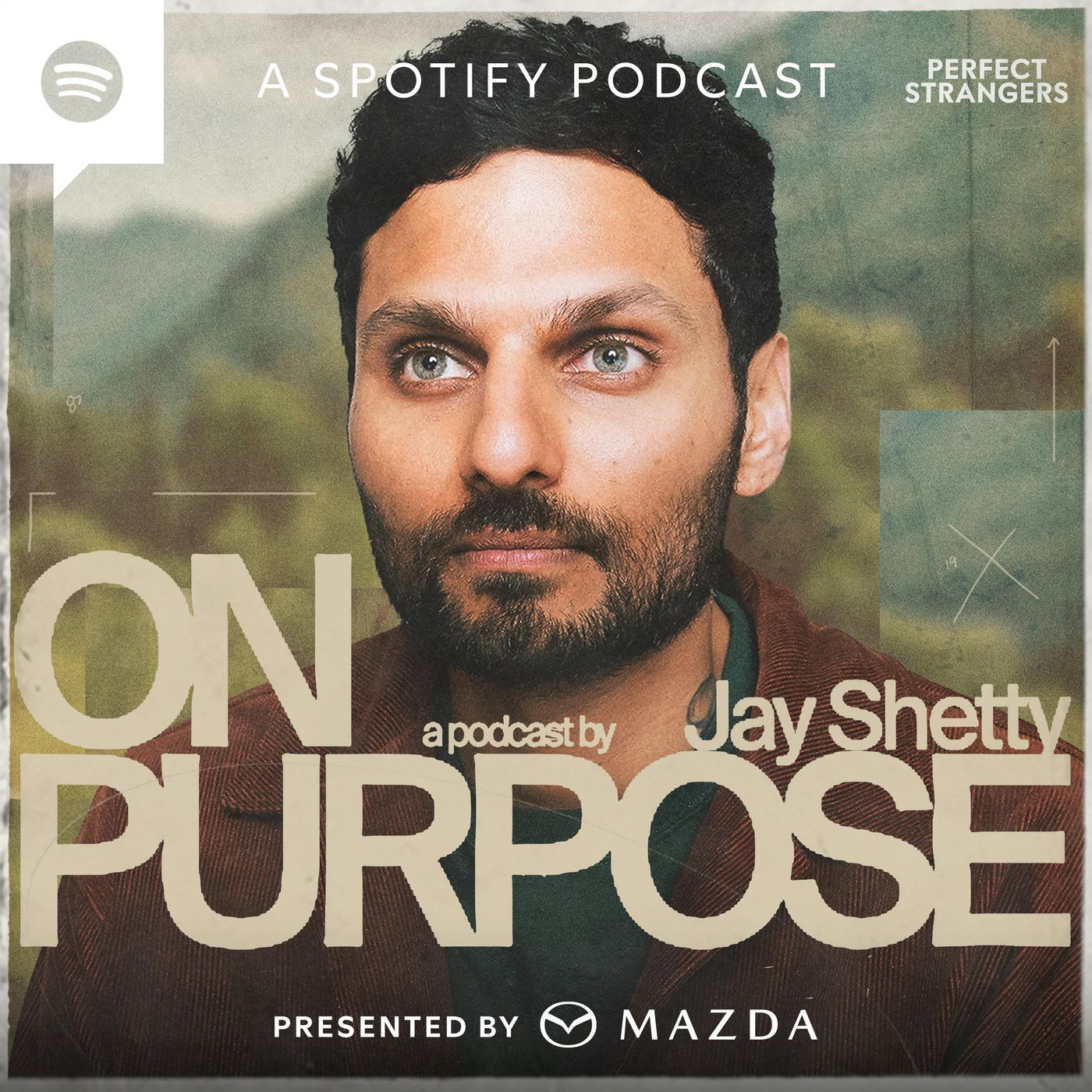
This reflection centers on personal growth during a pivotal year, emphasizing the importance of self-awareness and intentional action. The speaker shares five core lessons learned: first, choosing work based on skills and consistency rather than external trends or emotions. Second, embracing real experience through experimentation, even when results are mixed, to gain insight and avoid overthinking. Third, trusting decisions despite post-implementation discomfort, recognizing that outcomes don’t define the quality of the choice. Fourth, accepting trade-offs in energy and time, and communicating priorities to maintain balance in life. Fifth, valuing friendships rooted in honesty and authenticity over agreement. The speaker challenges listeners to stop over-planning and instead engage in daily self-reflection through a 7-day challenge focused on personal growth. They stress that no one has all the answers, and each year brings new learning. Ultimately, a meaningful life is not built on certainty or perfection, but on commitment, adaptability, and the courage to act and grow—even when uncertain. The message is both personal and universal: embrace change, reflect honestly, and trust your evolving self as you step into the next chapter.
Hey it's Jay I don't know what your day's been like but I was just thinking about you for a
minute and I hope you're being a little patient with yourself because you deserve it and yeah
I'll talk to you soon
Hey it's my birthday this weekend and every year around this time I try to step back and take an
honest look at the year I've just lived. Life can feel like a bit of a whirlwind sometimes
and especially this past year I had more going on than ever before. When there's so much happening
and so much change it's more important than ever to be happy. I'm not going to lie to you
to take a little bit of time and reflect on where I am right now in my life as I enter the next year
ahead. I hope that if your birthday is around the corner you do the same and even if it's not for a
while I hope this inspires you to take a step back and reflect. The last 365 days have been some of
the biggest of my life. On purpose entered a new chapter with Netflix and Spotify. We wrapped a
more than I ever knew was humanly possible. I experimented with new show formats and I had some
incredible opportunities that I couldn't have even imagined for myself just a year ago. Researchers
describe birthdays as temporal landmarks. Moments that divide our lives into a before and an after.
Most days blend into one another but a birthday creates a natural pause in that momentum. It
is a time to think before we begin thinking about where we want to go next. I think that's why
birthdays can feel both exciting and sometimes a little uncomfortable. You reflect on everything
that happened but your mind also brings up everything that didn't come to be. You compare
the life you have today with the one you once pictured. You think about the people who entered
your life and the relationships that no longer feel the same. I've found that a big year may
bring exciting outcomes but it also asks more.
From your character. As I've been looking back, I've realized there were five key lessons that
kept me grounded through everything this year brought. They influenced how I worked, what I
tried, how I made decisions, where I placed my energy and who I wanted around me while my life
was changing. So as I share what I've learned today, I want you to think about the year ahead
you hope to have. Your version of a big year will be personal to you. You may want to change careers,
business, become a parent, rebuild your health, deepen a relationship or finally act on an idea
you've been thinking about for years. The goal of today's episode is to use what I've learned
to help you identify the choices that could move your own life forward. So let's get into it and
first I want to start with a lesson that took me seven years to fully understand. The first lesson
is this. When thinking about your career, follow the skills
you're building and the work you're willing to do. When I launched On Purpose seven years ago,
there were approximately 700,000 podcasts. I remember people pointing to that number as proof
that the industry was already oversaturated. There were too many shows, too much competition
and very little chance that another podcast would stand out. If the number of competitors had been
the most important factor in deciding my future, the outcome for On Purpose should have been 10
times worse. Instead, this year On Purpose entered its biggest chapter yet. The people giving me
advice back in the beginning could evaluate the industry as it existed at that moment by their
limitations and their mind. But I had to evaluate my relationship with the work. I already had
experience studying ideas, speaking, interviewing people, creating videos and translating ancient
wisdom into language people could apply to their lives. Podcasting gave me another place to
use and develop those skills. But knowing it was an uphill battle, I also had to ask whether I was
willing to do the work for long enough to become good. A podcast may look like just sitting down
and having a conversation, but behind that conversation are hours of research, preparation,
listening, reviewing, refining and returning to do it again the following week. Yes, a crowded field
can make success harder, but those numbers cannot measure your potential contribution to that field.
This is the distinction I want to explore in this first lesson. When you're deciding what to do with
your lives, you often look in one of two places. You look outside of yourselves and ask what
everyone else thinks, or you look inside yourself and ask what you feel like doing. If you follow
the crowd, you may enter a field because everyone says it's growing, stable, impressive or profitable.
Then the trend changes, progress takes longer than expected, and you realize that you never develop a
real connection to the work. You went for the opportunity everyone could identify without
asking whether you were suited to the work required to reach it. On the flip side, the crowd
can also discourage you from something because it looks overdone, difficult or unconventional. You
may give up before you even give yourself a chance to be great. In that sense, allowing the current
state of an industry to decide what you may be capable of achieving. Following your feelings
creates yet a different problem.
You can feel passionate about an idea and still have no interest in the daily work behind it.
You may love the idea of being an entrepreneur, but dislike selling, managing or problem solving.
You may dream about writing a book, but completely resist sitting alone for hours
working on the same story. A career is lived through the work behind the title.
That's why a temporary feeling cannot make the whole decision for you.
This episode of On Purpose is presented to you by Mazda.
It's created through the habits we build before we ever need them. That's the philosophy behind
every Mazda. With proactive safety features that help keep you more aware, more connected and more
engaged, Mazda helps you feel ready for whatever the road brings. It's why Mazda has been named
Consumer Reports Safest New Car Brand. And as of July 2026, Mazda has won more 2026 IIHS Top Safety
Pick Plus awards than any other Mazda car brand. Mazda has won more 2026 IIHS Top Safety Pick Plus
than any other Mazda car brand. Mazda has won more 2026 IIHS Top Safety Pick Plus.
Visit www.iihs.org to learn more. A lot can happen when an accident doesn't. Visit mazdausa.com to learn
more. Consumer Reports does not endorse products or services. Over the years, I've received all sorts
of advice. I've been told to avoid things that eventually became meaningful parts of my life,
and I've been encouraged to pursue ideas that didn't work out.
The pattern I began trusting was the connection between competence,
and consistency. I began to pay attention to what I was becoming better at,
and what I remained willing to do repeatedly. This, I have learned, is the formula to success.
With time, every episode of On Purpose helped me listen more closely, ask better questions,
structure better conversations, and understand what our audience found useful.
I became more and more competent, and I also discovered that I was willing to keep doing the
things that I wanted to do. Study another guest, understand YouTube, TikTok, and Instagram, record another solo,
review what could be improved, and return the following week. I remained consistent.
Competence without consistency rarely has enough time to develop. You can have natural ability,
and remain at the same level because you don't practice. And consistency without competence
can also keep you repeating an approach that needs to change. You need both self-awareness
to recognize where you have ability, and self-awareness to recognize where you have ability.
And enough humility to keep improving it. This gives you a more useful way to think about your
own career. Begin with competence. Where do you already have evidence of ability? What do people
consistently trust you to do? Which skills improve when you give them sustained attention?
Then consider consistency. Which kind of work are you willing to repeat? What remains interesting
after the novelty fades? Which challenges make you want to improve instead of making you want to
quit? There may be something you love that you currently have very little ability in. You can
enjoy it as a hobby, or you can put in the work required to become better. Or there may also be
something you're naturally good at that you hate doing. Other people may recognize your talent,
but talent alone won't make the experience fulfilling. The strongest signal appears when
you find something you have the ability to do, the desire to improve, and the willingness to
practice it consistently. That combination gives you the ability to improve.
It gives you something to build on, even when industries, platforms, and opinions change around
you. So when you consider your next career move, look beyond whether an industry is crowded or
popular. Look beyond how exciting the title sounds. Look closely at the actual work. That's what helped
On Purpose reach a new peak this year. Competence mixed with consistency helped create an opportunity
that outside opinions couldn't predict. Don't follow the crowd. Don't follow a feeling.
Follow the skills you're building and the work you're willing to do. Don't let other people's
opinions decide your future. And don't let your emotions decide your future either.
Let your character, your skills, and your consistency decide it.
Your future won't be built by other people's advice or today's emotions.
It will be built by the skills you master and the effort you repeat.
If you follow the crowd, you may give up too soon.
And if you follow just your gut, you may be misled.
Once you find work worth taking seriously,
you're then able to discover which ideas within it will succeed.
That discovery comes through experimentation, which brings me to the second lesson.
The second lesson is this.
Choose real experience over excessive preparation.
That may sound risky, but hear me out.
I would rather have 30 days of real experience than 12 months of overthinking.
One of the most valuable things I did this year was experiment.
I explored new formats, social ideas, television concepts,
and different ways to expand on purpose and other things.
Some worked, many didn't, and several will probably never even be seen by an audience.
That's the part of a big year people rarely see.
When you look at someone else's life, you only see the ideas that made it.
You see the show that was released, the business that opened,
the book that was published, or the opportunity that was announced.
You don't see the proposals that were declined, the recordings that were never used,
the concepts that lost momentum, or the months spent developing something
that ultimately never came to be.
That missing information can make another person's success feel smooth and inevitable.
It can also make your own failed attempts,
feel like evidence that you're doing something wrong.
If I only share the successful parts of this year,
you might assume I possess an unusual ability to predict which ideas will work.
My real experience is much messier.
The truth is, I have failed at more ideas than I have successfully released
in the past 365 days, what to speak of the last seven years.
And don't get me wrong, I still feel disappointed when something I believe in doesn't work out.
Rejection's never exciting.
But what has changed?
What has changed is the amount of meaning I assign to a single result.
If I try 10 things during a year, and one creates something amazing,
that one thing can change the direction of my entire future.
And the nine others weren't failures.
They either gave me information, sharpened my judgment, improved my skills,
built a new connection, or led me toward the attempt that finally connected.
If you try only one thing during the entire year,
that attempt begins carrying enormous pressure.
You spend months thinking about it.
Preparing for it, and building your expectations around it.
If it fails, you may feel as though the entire year has been a wash.
But if you try new things more often, you distribute the emotional risk.
Each attempt becomes one part of a larger process.
You can feel disappointed by a result,
without turning the result into a conclusion about your talent or future.
This is where overthinking becomes a problem.
Thinking is valuable when it helps you prepare,
anticipate,
challenge,
and act with care.
It becomes limiting when you keep returning to the same questions
without allowing experience to give you new information.
I can overthink and overthink about whether a video I make will perform well.
But at the end of the day,
no matter what I compare it to or try to predict data-wise,
the best way to find out is just by putting it up.
Overthinking allows every possibility to remain alive.
Experience begins showing you which possibilities deserve more.
Maybe you discover that the audience responds differently than expected,
or that a skill needs more work,
or that the reality of a goal feels different from the fantasy.
One month of experience can teach you what 12 months of overthinking never could.
Because experience introduces details.
It reveals which problem is real,
which fear was exaggerated,
and which part of the process energizes you enough to continue.
So here's a practice I want to give you.
Choose one idea you've been circling and design a 30-day experiment.
Maybe it's posting on social media every day.
Maybe it's reaching out to potential customers every day.
Maybe it's messaging a new person on LinkedIn every day.
Whatever it is, stop convincing yourself you need more evidence before starting,
and start just taking the small leap.
At the end of the 30 days, ask yourself, what surprised you?
What did other people respond to?
Do you want to continue, adjust, or pivot to something else?
30 days of honest experience may save you
from spending years attached to an imagined version of a goal.
It can also release you from wondering what would have happened if you had only tried.
You cannot control which idea will open a door,
but you can increase how many doors you knock on.
Every attempt gives the desired outcome another chance.
I'd rather have 30 days of real experience than 12 months of overthinking.
I'd try more in 30 days,
than most people will try in a year.
Most people spend one year deciding.
I spend one month discovering.
One month of doing can teach you what a year of thinking never will.
Life rewards the people who learn the fastest,
not the people who hesitate the longest.
Experiment, experiment, experiment.
One of my favorite quotes is this,
the expert has tried more times than the beginner has failed.
If I tried,
10 things in one year and one works,
that's all that matters.
But if you try one thing in one year and it doesn't work,
you feel disheartened.
We have to get really comfortable doing more and getting rejected more.
The law of odds,
doors only open when you knock on them.
Just keep walking through the ones that remain open for you.
Which actually leads to my third lesson.
The third lesson is this,
you cannot know whether every decision will produce the outcome.
You want,
but you need to trust yourself to just make the decision anyway.
This year required a lot of decisions from me.
Every new opportunity raised questions about timing,
direction,
responsibility,
and how the choice would affect my entire life around it.
I dealt with big contracts,
new hires,
team expansion,
new business relationships,
and a lot of choices that held really high stakes.
Some decisions felt clear while others remained complicated long off the pen was
put to paper.
For a long time,
I imagined that a correct decision would produce an immediate feeling of relief,
but experiences taught me that meaningful decisions often continue to feel uncertain
even after the ink has dried.
That doesn't mean you've made the wrong call.
This is the first distinction I want to make.
Discomfort after a decision is information,
but it isn't always a verdict.
Sometimes discomfort reveals a real problem that requires your attention,
but sometimes it's not.
Sometimes it just reflects the normal strain of entering unfamiliar territory.
If you interpret every uncomfortable emotion as proof that you chose incorrectly,
you will keep returning to the decision instead of fully participating in the life
that follows it.
You will spend your energy exploring the same questions.
You may not even give yourself a chance to fully see the decision through.
There's one idea that I love from Annie Duke's book,
How to Decide,
and it helped me understand this.
She writes about a mistake called resulting,
which happens when we judge the quality of a decision entirely by its outcome.
We think a good result becomes proof that we chose wisely,
while a disappointing result becomes proof that we choose poorly.
Imagine you're running late for work and approach a stop sign.
You roll through without stopping,
no cars are coming,
and you arrive on time.
The outcome worked in your favor,
although luck protected a reckless decision.
Now imagine you stop,
fully,
follow the law,
and a distracted driver crashes into you a few seconds later.
The outcome's terrible,
but the process behind your decision was still responsible.
The same error appears in much more emotional areas of our lives.
Imagine someone deciding whether to leave a job.
They study their finances,
understand the risks,
speak with people they trust,
and recognize that the role is affecting their mental health.
They leave,
join a startup,
and the startup closes six months later,
they may spend years telling themselves that they made the wrong decision.
But in reality,
the disappointing outcome doesn't erase the care with which the choice was made.
Someone else may remain in a miserable job because fear prevents them from leaving.
A year later,
they receive an unexpected pay rise and conclude that staying was wise.
The promotion may be fortunate,
and it doesn't tell them whether fear should continue making their decisions.
The truth is you can never control yourself.
You can never control the outcome.
But you can control the preparation and dedication it takes to think logically about what will set you up for the highest likelihood of success.
There are two different stages you need to consider.
Before a decision,
your responsibility is to gather useful information,
examine your motives,
consider the risks,
and choose in alignment with your values.
After a decision,
your responsibility is to pay attention,
participate fully,
and respond to what you learn.
I've learned that most of the time,
making a decision means giving it a genuine chance to work
while remaining responsive to meaningful new information.
Commitment is crucial
because many choices need time and effort before they produce anything meaningful.
A new job can feel uncomfortable while you've still learned the role.
A move can feel lonely before you build community.
A healthy relationship can be unsettling if your previous relationships were toxic.
It doesn't mean these were the wrong choices.
Many of us delay decisions because we want to eliminate
Thank you.
possibility of regret, but that possibility remains present on every path. Even making no
choice at all contains moments when you wonder about the road you didn't take. So if you have
a big decision coming up, here's my advice. Choose a date by which you will decide. Gather the
information available to you, write down what you hope the outcome will be, write down the risks
you're okay taking on for either choice, then make the call. What I encourage you to do is also
imagine yourself waking up three months from now, three years from now, and asking yourself how you
will feel about either decision regardless of the result. From there, schedule a future time to
reassess if you need to pivot. Then don't question your choice until then. Give yourself a real
chance. Fully dedicate your energy into making that decision work until you've reached that
predetermined date to reassess. For me, I know I've pivoted many times after big decisions were
made this past year, but I don't regret the time or energy I spent on any of them. Everything simply
brought me to more wisdom and clarity about how better to move forward. You never know if a
decision is right before you make it, but you can make it right after you make the decision.
And if you don't, it's fine. Pivot quickly. Most decisions aren't right or wrong the moment you
make them. They become right through commitment or wrong through stubbornness. Remember, a good life
isn't built on stubbornness. It's built on commitment. It's built on
perfect decisions. It's built on wise adjustments. This brings me to my fourth lesson, and this
actually may be the one I've had to remind myself of the most this year. The fourth lesson is this.
Choose where you want to be exceptional and accept that every season of life will have energy
trade-offs. There were periods this year when my calendar contained many of the things I'd once
hoped for. But if I'm being honest, there were also moments when I looked at that calendar and
wondered where the rest of my life was going. I didn't want to be in a situation where I was
supposed to fit. Balance, and how you find it, is something that will ebb and flow as your life
continues to evolve. At the beginning of my career, I worked 18-hour days, 7 days a week.
That level of focus helped me build skills and create momentum. But it was also unsustainable.
Over time, I recognized the way I was working couldn't support every part of the life I wanted.
I began taking back my weekends. Later, I became more protective of my evenings. Each change
required a decision about what I wanted to do. I was more protective of what I wanted to do. I was
more protective of where I wanted my best energy to go, and where I was willing to accept doing
less. This lesson is two parts. The first is accepting that every meaningful priority
creates a trade-off. The second is communicating those trade-offs so that a demanding season
doesn't damage the life you're trying to build. We often talk about balance as though every important
part of life should receive an equal amount of attention each day. But that expectation can make
an ordinary weekday a day. I'm not sure if that's true. You finish a demanding day at work and feel guilty that you didn't call your family,
exercise, see a friend, cook dinner, read, meditate, and get eight hours of sleep.
A single day cannot contain every role you care about at its highest level. But balance becomes
easier to understand across a longer period. There may be a season when a new child requires
most of your attention, a season when your health becomes the priority, or a season when an
adult needs to be taken care of. There may be a season when a new child needs to be taken care of.
The distribution of your energy needs to change because the needs of your life change.
The important question is whether you choose the distribution with awareness or allow the
loudest demand to choose it for you. This past year was definitely demanding,
and a demanding season needs a purpose. You need to understand why you're entering it
and what you hope the increased effort will create. It also needs a time frame because
this is just a busy season can become an explanation you repeat for years. And trust me,
that's something I'm still working on sometimes. That's why it's important to take moments like
this, when a milestone such as a birthday comes along, to really reflect and reset
on the priorities for my time. Do I need to dedicate one weeknight to work
so I can fully unplug on weekends? Do I need to schedule my gym time a bit earlier
so I can have a relaxed breakfast with my wife? Do I need to say no to a business trip
to make sure I attend a friend's birthday party? These are the questions I now need to interrogate
as I look at my routines going forward into this next year. What's most important as you shift and
change your energy is that you communicate it with the people closest to you. If work will
require more travel or longer days for the next two months, share that before your absence becomes
a surprise. Talk about what you will continue protecting and how you will reconnect when the
next year comes along, and what you plan to do for the rest of your life in the future.
There are a number of things you can do to keep your energy level up to date, and that's
what I'm going to talk about today.
Number one, don't waste your time thinking about what you're going to do next year.
Number two, don't waste your time thinking about what you're going to do next year.
Number three, don't waste your time thinking about what you're going to do next year.
Number four, don't waste your time thinking about what you're going to do next year.
Number five, don't waste your time thinking about what you're going to do next year.
Number six, don't waste your time thinking about what you're going to do next year.
Number seven, don't waste your time thinking about what you're going to do next year.
Number eight, don't waste your time thinking about what you're going to do next year.
Number nine, don't waste your time thinking about what you're going to do next year.
Number 10, don't waste your time thinking about what you're going to do next year.
Number 11, don't waste your time thinking about what you're going to do next year.
Number 12, don't waste your time thinking about what you're going to do next year.
Number 13, don't waste your time thinking about what you're going to do next year.
Number 14, don't waste your time thinking about what you're going to do next year.
Number 15, don't waste your time thinking about what you're going to do next year.
Number 16, don't waste your time thinking about what you're going to do next year.
Number 17, don't waste your time thinking about what you're going to do next year.
Number 18, don't waste your time thinking about what you're going to do next year.
Number 19, don't waste your time thinking about what you're going to do next year.
Number 20, don't waste your time thinking about what you're going to do next year.
Number 21, don't waste your time thinking about what you're going to do next year.
Number 22, don't waste your time thinking about what you're going to do next year.
Number 23, don't waste your time thinking about what you're going to do next year.
Number 24, don't waste your time thinking about what you're going to do next year.
Number 25, don't waste your time thinking about what you're going to do next year.
Number 26, don't waste your time thinking about what you're going to do next year.
Number 27, don't waste your time thinking about what you're going to do next year.
Number 28, don't waste your time thinking about what you're going to do next year.
Number 29, don't waste your time thinking about what you're going to do next year.
Number 30, don't waste your time thinking about what you're going to do next year.
Number 31, don't waste your time thinking about what you're going to do next year.
Number 32, don't waste your time thinking about what you're going to do next year.
Number 33, don't waste your time thinking about what you're going to do next year.
Number 34, don't waste your time thinking about what you're going to do next year.
Number 35, don't waste your time thinking about what you're going to do next year.
Number 36, don't waste your time thinking about what you're going to do next year.
Number 37, don't waste your time thinking about what you're going to do next year.
Number 38, don't waste your time thinking about what you're going to do next year.
Number 39, don't waste your time thinking about what you're going to do next year.
Number 40, don't waste your time thinking about what you're going to do next year.
Number 41, don't waste your time thinking about what you're going to do next year.
Number 42, don't waste your time thinking about what you're going to do next year.
Number 43, don't waste your time thinking about what you're going to do next year.
Number 44, don't waste your time thinking about what you're going to do next year.
Number 45, don't waste your time thinking about what you're going to do next year.
Number 46, don't waste your time thinking about what you're going to do next year.
Number 47, don't waste your time thinking about what you're going to do next year.
Number 48, don't waste your time thinking about what you're going to do next year.
Number 49, don't waste your time thinking about what you're going to do next year.
Number 50, don't waste your time thinking about what you're going to do next year.
Number 51, don't waste your time thinking about what you're going to do next year.
Number 52, don't waste your time thinking about what you're going to do next year.
Number 53, don't waste your time thinking about what you're going to do next year.
Number 54, don't waste your time thinking about what you're going to do next year.
Number 55, don't waste your time thinking about what you're going to do next year.
Number 56, don't waste your time thinking about what you're going to do next year.
Number 57, don't waste your time thinking about what you're going to do next year.
Number 58, don't waste your time thinking about what you're going to do next year.
Number 59, don't waste your time thinking about what you're going to do next year.
Number 60, don't waste your time thinking about what you're going to do next year.
Number 61, don't waste your time thinking about what you're going to do next year.
Number 62, don't waste your time thinking about what you're going to do next year.
Number 63, don't waste your time thinking about what you're going to do next year.
Number 64, don't waste your time thinking about what you're going to do next year.
Number 65, don't waste your time thinking about what you're going to do next year.
Number 66, don't waste your time thinking about what you're going to do next year.
Number 67, don't waste your time thinking about what you're going to do next year.
Number 68, don't waste your time thinking about what you're going to do next year.
Number 69, don't waste your time thinking about what you're going to do next year.
Number 70, don't waste your time thinking about what you're going to do next year.
Number 71, don't waste your time thinking about what you're going to do next year.
Number 72, don't waste your time thinking about what you're going to do next year.
Number 73, don't waste your time thinking about what you're going to do next year.
Number 74, don't waste your time thinking about what you're going to do next year.
Number 75, don't waste your time thinking about what you're going to do next year.
Number 76, don't waste your time thinking about what you're going to do next year.
Number 77, don't waste your time thinking about what you're going to do next year.
Number 78, don't waste your time thinking about what you're going to do next year.
Number 79, don't waste your time thinking about what you're going to do next year.
Number 80, don't waste your time thinking about what you're going to do next year.
Number 91, don't waste your time thinking about what you're going to do next year.
Number 92, don't waste your time thinking about what you're going to do next year.
Number 93, don't waste your time thinking about what you're going to do next year.
Number 94, don't waste your time thinking about what you're going to do next year.
Number 95, don't waste your time thinking about what you're going to do next year.
Number 97, don't waste your time thinking about what you're going to do next year.
Number 98, don't waste your time thinking about what you're going to do next year.
Number 99, don't waste your time thinking about what you're going to do next year.
Number 100, don't waste your time thinking about what you're going to do next year.
are also days when I'm uncertain, tired, conflicted, or overwhelmed, or still processing some things.
The friendships I value most give me room for all of those expressions. I can speak before I've
organized my thoughts. I can change my mind. I can admit when I handled something poorly,
and it's met with understanding. I can be a person inside the friendship instead of just a role for
someone else. Those friends helped me question my own perspectives. They reminded me of the values
I had before the opportunities arrived. They cared about whether I still could ground myself
amidst a season of craziness. If you're evaluating how friendships fit into a big year ahead for you,
my advice is to give more time to the friend who fills your cup energetically. Make room for the
person who asks how you're doing before asking what you're doing next. Reach out to someone who
has supported your growth and tell them what their friendship has meant to you. You can also create
distance from the other person. You can
a relationship that repeatedly asks you to become a certain version of yourself. Every friendship
doesn't need a dramatic ending. Some relationships just need more space to function well. The biggest
years of your life can be hard on you, but the friendships you prioritize will influence whether
that year brings you closer to yourself or pulls you farther away. Give the most space to the people
who help you stay present, tell you the truth, and allow you to remain authentic inside your growth.
The strongest friendships aren't built on agreement. They're built on honesty that
survives disagreement. If you're afraid to be honest with your friend, you're protecting the
friendship at the expense of the relationship. Friends who only protect your feelings will
eventually protect you from the truth. Here's the harsh truth. The people who love you most
won't always agree with you, and the people who agree with you most won't always love you.
Learn the difference. Those are the five
things that helped shape one of the biggest years in my life. But before we finish, I want to return
to the reason I'm sharing them with you today. When I was younger, I thought growing older would
make me more sure of myself and my choices. I imagined that experience would eventually lead
me to a version of myself who knew every right choice, understood exactly what mattered most,
and moved through life without questioning the direction. But each year has changed my
understanding of what true wisdom feels like. The answers for
your life will change, because you will change. Psychologists have identified something called
the end of history illusion. In a study involving more than 19,000 people, participants could
recognize how much their personalities, values, and preferences had changed during the previous
decade. Yet they consistently underestimated how much they would continue changing during the next
one. That idea gives me a different way to think about getting older. Every birthday can
contain evidence that I'm still becoming. The person I was one year ago couldn't see every
conversation, opportunity, rejection, loss, or decision that would shape me. And today,
I'm standing in the same relationship with the year ahead. The next year will ask new things
from me. There will be skills I need to develop, ideas I need to test, and choices that will remain
uncertain long after they're made. I want to enter that year with gratitude for everything that has
changed in my life. I want to get back to what I still have to learn. Today's 7-Day Challenge is
brought to you by Amazon Health. Forget filling out 37 forms every time you need healthcare.
The new Amazon Health AI is different. It can connect your symptoms with your medical history
to offer personalized care 24-7. Amazon Health AI is here. Healthcare just got less painful.
Here's your challenge this week. For the next 7 days, I want you to spend 10 minutes a day
checking in with yourself instead of
searching outside yourself for the answer. Each day, ask yourself one question. Day 1,
what has changed most about me this past year? Day 2, what am I overthinking that I could start
experimenting with instead? Day 3, what decision have I been avoiding? Day 4, where is most of my
energy going right now and is that where I want it to go? Day 5, what do I want to become better
at this year? Day 6, who in my life gives me the
space to fully be myself? And Day 7, what is one thing I want to do differently in the year
ahead? Don't search for the perfect answer. Just give yourself the space to notice what comes up.
Sometimes the answer you've been looking for doesn't come from searching more. It comes from
understanding yourself better. Today's 7-Day Challenge was brought to you by Amazon Health.
Take a moment today to look at your own
year from a distance.
Think about what occupied your mind 12 months ago. Remember the decisions you hadn't made,
the people you hadn't met, the experiences you couldn't predict, and all the ways you've already
changed. Return to this episode on your next birthday. See which opportunities changed your
mind, which plans evolved, which results surprised you, and how your understanding of a successful
year changed as well. I don't know exactly what the next year will bring, but I'm excited to be
surprised no matter how much I try to predict. I'm excited to be surprised no matter how much I try to
predict. Thank you for being part of this year and for allowing On Purpose to be a part of your life.
It's because of you we've had this amazing moment. I'm deeply grateful that we continue learning,
reflecting, and growing together. And I hope the next 12 months give you the courage to develop
your abilities, the experience to learn what works, the conviction to make decisions, and the
clarity to protect what matters, and the friendships that allow you to be fully yourself.
Podcast Summary
Key Points:
Follow the skills you're building and the work you're willing to do, not industry trends or fleeting emotions, to build a sustainable and fulfilling career.
Prioritize real experience over excessive preparation—30 days of experimentation can teach more than 12 months of overthinking.
Trust your decisions even when uncertain; discomfort after a choice doesn’t mean it was wrong, only that you’re in unfamiliar territory.
Embrace energy trade-offs and communicate your priorities clearly to loved ones to maintain balance and prevent burnout.
Strong friendships are built on honesty and authenticity, not agreement, and provide essential emotional grounding during major life transitions.
Growth is continuous; no one knows all the right paths, and every year brings new lessons, not fixed answers.
True wisdom comes from self-awareness, consistency, and the courage to act despite uncertainty.
Reflect on your past year with curiosity, not judgment—accept that change is inevitable and that every decision shapes your future.
Summary:
This reflection centers on personal growth during a pivotal year, emphasizing the importance of self-awareness and intentional action. The speaker shares five core lessons learned: first, choosing work based on skills and consistency rather than external trends or emotions. Second, embracing real experience through experimentation, even when results are mixed, to gain insight and avoid overthinking.
Third, trusting decisions despite post-implementation discomfort, recognizing that outcomes don’t define the quality of the choice. Fourth, accepting trade-offs in energy and time, and communicating priorities to maintain balance in life. Fifth, valuing friendships rooted in honesty and authenticity over agreement.
The speaker challenges listeners to stop over-planning and instead engage in daily self-reflection through a 7-day challenge focused on personal growth. They stress that no one has all the answers, and each year brings new learning. Ultimately, a meaningful life is not built on certainty or perfection, but on commitment, adaptability, and the courage to act and grow—even when uncertain.
The message is both personal and universal: embrace change, reflect honestly, and trust your evolving self as you step into the next chapter.
FAQs
Follow the skills you're building and the work you're willing to do, not industry popularity or temporary feelings. Competence and consistency are more important than external opinions or trends.
Real experience teaches you what works and what doesn’t through trial and error. Overthinking can delay action and prevent learning, while 30 days of experimentation can provide more insight than 12 months of planning.
Every meaningful priority creates a trade-off. You must accept that some areas of life will require more energy than others and communicate these shifts with those close to you to maintain balance and well-being.
Discomfort after a decision is not proof of a mistake. It may reflect normal uncertainty or real problems. Trust your process, remain committed, and reassess only after a set period, not immediately.
Prioritize friendships that support your authenticity, allow honesty, and give space to be vulnerable. These relationships help you stay grounded, grow, and avoid becoming overly focused on external expectations.
You can only control the preparation and effort you put into a decision. Outcomes are unpredictable, and true wisdom comes from acting with commitment, not from expecting immediate results.
Chat with AI
Loading...
Pro features
Go deeper with this episode
Unlock creator-grade tools that turn any transcript into show notes and subtitle files.
 PodcastTranscript AI