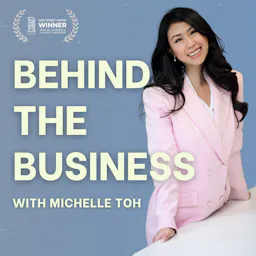
Warby Parker's leap: From affordable glasses to AI game-changer
58m 37s
Warby Parker’s journey began with a personal frustration—Dave Gilboa lost his glasses during a trip in 2008, sparking a deep inquiry into why eyewear was so expensive and inaccessible. As Wharton business students, the founders—each with a background in healthcare and business—decided to launch a company that offered affordable, high-quality glasses with transparent pricing and a strong social mission. They bootstrapped the venture with $120,000 in personal savings, avoiding salaries and focusing on minimal expenses. Their breakthrough came with a home try-on program that allowed customers to try glasses at home and return them—generating excitement, viral engagement, and a rapid influx of orders. This early success was amplified by early media coverage, including features in GQ and Vogue, which positioned Warby Parker as the "Netflix of Eyewear." Over time, the company evolved from a pure e-commerce brand to a hybrid model with 300 physical stores, driven by customer feedback and a desire to offer a more personalized, enjoyable shopping experience. Warby Parker now distributes over 20 million glasses globally to people in need, emphasizing equity and access. The company has also partnered with Google to develop AI-powered smart glasses, aiming to revolutionize how people interact with their environment. Throughout its growth, the founders maintained a core principle: prioritize customer experience and care over profit, using personal touches—like calling every waitlist customer—to build loyalty. Today, Warby Parker is a publicly traded company with a $3.4 billion market cap, proving that passion, customer empathy, and a clear mission can drive sustainable innovation in a traditionally rigid industry.
Almost everyone we talked to told us why this idea would never work, I think it just put a chip on our shoulder and made us want to prove these critics wrong. Welcome to our very first episode. I'm Michelle Toe, a journalist most recently with CNN, and this is behind the business, a show about the people behind top consumer brands, category creators and emerging disruptors and how they push through to make the most of both work and life each day. Today's guest is Dave Gilboa, co-founder and co-CEO of War B Parker, the brand that has changed how we buy glasses and more importantly helped define the direct to consumer movement. The idea started out with a pair of lost glasses when Dave was studying at Wharton Business School back in 2010. It soon launched with savings pulled together from four friends. I mean, we had a wait list of 20,000 customers and it was just off to the races and we personally called every single person on that wait list just to show them that we actually cared. And how do you prioritize where to spend every dollar? We really only spent money on three things. Since then, War B Parker has grown into a publicly traded company with a $3.4 billion market cap, hundreds of stores, a loyal customer base and a deep social mission. There's still a billion people around the globe that need access to glasses and don't have access to it. We've now distributed over 20 million pairs of glasses to people on need around the world. The company recently also teamed up with a little company called Google to develop AI-powered glasses, hinting at a future where your glasses will do a whole lot more than help you see. And yes, Dave knows why you might be skeptical about that, but he's gotten an answer for you. We think that the best way to experience AI is going to be through our glasses. We believe that Google has the best technology out there and we're excited to partner with them to bring really innovative products to market as soon as next year. Dave, thanks so much for joining us. Yeah, thanks for having me on. Can you kind of walk us through your background where you grew up and what shaped your ambitions early on? I was born in Sweden, but when I was a kid moved to the US to San Diego and both my parents are doctors, my dad's a pediatrician, my mom's a dermatologist. They were both the first people in their families to go to college and they really attribute their education as kind of the core reason that they created great opportunities for us as a family and so they were very much encouraging of me and my sister to study in general and in particular to study healthcare and so growing up, I was 100% sure I was going to become a doctor. My only question was what kind of doctor and I went to Berkeley undergrad, I was a bioengineering major, which meant I had to take all the pre-med classes. I took the MCAT, started applied to med school and was kind of all set to follow in my parents foot steps, but while at school, a couple things happened. One is that a lot of things were changing in the healthcare industry in the late '90s, early 2000s, when I was in school, HMO's managed care was kind of taking over and just talking to my parents and their friends who were doctors. They all talked about the good old days before a kind of bureaucracy set in and when they could really focus on patients and for the first time started question is being a practicing physician, like the only path for me and at the same time a bunch of my friends from college were going into other fields and being hired by firms, they said you actually don't need to know anything about business or you don't need to know anything about these fields that they're going into. They're just really looking for smart people and they have great training programs and so as a result of that, I did an internship at a strategy consulting firm called Bain. My junior year, a college that the summer between my junior and senior year, I really loved it. They gave me a full time offer and so I accepted that and much to the disappointment of my parents kind of went down the business path and I thought it'd be, you still wanted to do something to help people one day but thought there might be a different path where kind of learning something about business, learning something about management that could combine that with healthcare one day and it would be just valuable to kind of understand how business works and figured that going into kind of consulting or finance would be a great learning ground for that. So I spent three years at Bain and then I moved to New York and worked for a merchant bank called Allen & Company that was starting their healthcare practice and was helping a lot of healthcare companies raise money and make strategic decisions and realized during that time that it seemed like the management teams were having a lot more fun than I was and after a few years of being in financial services felt like I'd learned a lot and that was really kind of the time to go back and apply those skills with what I was really passionate about was kind of helping people and doing something more healthcare related and thought that going to a startup or starting a company would be a great way to do that. I didn't have any great ideas so decided to apply to graduate school and got into a dual degree program at Penn where I would get my MBA at Wharton and then a master's of biotech through the engineering school and thought that maybe I'd kind of come across an interesting idea or meet some interesting people in those endeavors. It was kind of a unique opportunity in my late 20s when I was single so I thought I'd take a few months off to travel before going back to school and this is showing my age by hand it in my company or should Blackberry on my last day of work at Allen & Company but a one-way ticket to Hong Kong and then traveled around for about six months just kind of staying in hostels, no real plan just depending on who I met or what kind of interesting endeavors I came across would kind of choose where I was going to spend the next couple weeks. I'd spent that entire six month period traveling without a phone which now seems really crazy. This was back in 2008 where it was only kind of semi-crazy and every few days I would find an internet cafe and send an email to my mom so I'm still alive but it was pretty freeing especially having worked really crazy hours for a few years and always being connected to just be able to live spontaneously. Along those travels I ended up losing my only pair of glasses, I left them on a plane so I came back to the US about to start grad school and I had to buy two things, a new phone and a new pair of glasses. I went to the Apple store, the iPhone 3G had just come out and I bought that for $200 which was this magical device, all of a sudden especially not having had a phone at all for a few months and before that a Blackberry kind of all of a sudden had this super computer in my pocket. I paid $200 for that and realized my glasses were going to cost $700 so I started complaining to anyone who would listen including all my new classmates at school about how glasses are so expensive and realized that there were lots of other frustrated consumers including many of my new classmates. We started talking about kind of some of the dynamics in the optical industry and how they didn't make sense and then had lots more conversation that ultimately led to us designing to start a company together that became Warpy Parker while we were full-time students. So it all started with a pair of lost glasses. That's right. I was frustrating at the time to lose my glasses but it was a happy accident that just made me question a lot of things at a particular moment in time where I was about to start school, had a lot of free time and a lot of opportunity to decide how I was going to spend that time and it also happened to be at a time where there was a major transformation in terms of technology and how people were shopping with the rise of e-commerce. This was before Amazon had really taken over the e-commerce world but you had companies like Zappos selling shoes and Blue Nile selling engagement rings and diapers.com selling household goods kind of showing that you could sell a variety of products online. This inflection point where for the first time as we start talking about the idea I thought that it might be possible to actually sell glasses online and it might be possible to create a brand online for the first time. There were a lot of very lucky elements to the timing of losing those glasses, starting school, meeting my co-founders and kind of they had each of their own set of experiences that kind of led to the spark that eventually led us to start a company together. Because you said that the glasses you lost were $700 I believe and then the iPhone just for comparison was $200. To me it's like clearly the glasses are overpriced but then maybe also the other learning is that Apple was underpricing at the time. Absolutely. I think at the time carriers were subsidizing the initial purchase of phones which I think they stopped doing or at least to the same extent. Maybe they learned that that wasn't necessary but I think the main insight was that glasses are technology that's been around for 800 years and almost every other kind of consumer category has experienced price deflation over time as technology becomes more efficient and the production around it becomes more efficient but this is a unique category that has actually seen a lot of price inflation and that didn't make sense to us and so because of that we just kind of started asking questions around why does this category operate very different from other categories. Why can you buy every other product online but you can't buy glasses online and it was just this massive consumer.
category that had very little innovation on the product side or distribution side, and again, being business school students was kind of the perfect time for us to ask a lot of questions, just ask why, why, why, and actually have the time to explore the answers. Yeah, so fascinating, by the way, to hear about how you actually grew up wanting to be a doctor. So the itch to become a founder really came more so later, right, in your strategy consultant years it sounds like. I never really had an itch to be a founder necessarily. You know, I think it was one of those things that, yeah, I was just kind of a happy accident and kind of being born out of frustration as a consumer and kind of seeing this glaring part of the world and that just didn't make sense. And then wanting to do something about it and that being the spark that kind of led to wanting to found a company. I think before that would have been just as happy to join an existing company, join a startup. I never really had the goal of, you know, I really, I want to be a founder, I want to be an entrepreneur. You have probably like, you know, a lot of other founders who was more more accidental and but then kind of once the opportunity was in front of me, then became really passionate about it. So you got together with three of your buddies, a Wharton, decided to start the company. And for those who don't know, how did you land on the name Warby Parker? The four of us were classmates. We were buddies first. We all kind of shared a frustration. We all had individual stories around why we were kind of frustrated. I were a consumer either having last classes or broken them and not understanding why they were so expensive. And Neil, my co-founder and co-CEO, he'd spent a few years running this great nonprofit called Vision Spring where they would go to some of the poorest parts of the world that didn't have access to glasses or eye doctors, trained locals to administer basic eye tests and then have locals also sell subsidized glasses into those communities. And so he'd been to factories where they were actually producing their own glasses for some of the poorest people on the planet. On the same production lines, using similar materials to glasses that would cost hundreds of dollars in the US. And so through kind of that work, we we recognize that they're really big opportunity here. None of us had started business before. None of us kind of knew how to build a website or really kind of any of the elements that are required to start a company. We joke now, but it's probably true. The hardest thing we had to do was come up with a name that all four of us liked. At the time there were some sites that were selling glasses online. They had names like 39 dollarglasses.com and goggles for you.com and they really focused on just price as a differentiator that really poor quality, really bad design and customer service. And we wanted consumers to feel like they weren't making any sacrifices when they were coming to us that they were getting really high quality, beautiful products at a great price point with great customer service. We also recognize that glasses don't only help you see, but they're a really important fashion accessory. There for many people is the only thing that they wear on their face that tends to be kind of an expression of your personality. First and foremost, have to look good. And we wanted people to kind of think of a fashion brand when they heard our name. We don't want to name the brand after ourselves for a few reasons. One of which we didn't think Gilbo Blumenthal really rolled off the tongue as a fashion brand. Sounds like a law firm. Yeah. And so we spend about six months peppering our friends and family every day with different name options. What do you think about this? What do you think about that? We would have these hours long brainstorming sessions and explored names ranging from different mythological creatures to authors or artists that we felt represented the brand ideals and we ended up spending a lot of time talking about the beat generation writers. And coincidentally, the New York Public Library didn't exhibit on Jack Kerouac's private journals. So I went to that exhibit at the main branch library. And it turns out he had written about all these really interesting, interestingly named characters in his journals that never made into any of his published works. And there were two names that jumped out at me. One was Warby Pepper and the other was Zag Parker. I just thought they were really unique and sounded sophisticated. And so I brought those back to Jeff and Andy and say for the first time and our exploration of like over 2,000 names, all four of us got really excited about these names and we decided to combine the two and make it our own to Warby Parker. And it also helped, especially when we were bootstrapping the business as full-time students that the URL was available for $9 and there were no IP issues and so we could trademark it and own it and then really spent the next few months and years building a brand around it. Really fascinating. It's also a very endearing story because I know that Jack Kerouac has kind of like continued to play a theme but more on that later. Still waiting in line. That's time you will never get back. Save time and money with stamps.com. Over four million businesses have skipped the line with stamps.com. Join them to save up to 90% of carrier rates from your computer or phone right now. Print posted for certified mail, registered mail and packages in seconds. Then schedule a pickup right from your home or office. For a limited time go to stamps.com and use code podcast for a free welcome gift. Taxes a piece of money. I barely got any sleep last night. What? Why? I spent hours fighting with AI all because I was trying to make a website. It started out okay but then I got stuck just trying to change one button. Okay okay relax. Just try Wix Harmony. What's that? It's Wix's new website builder. Let's you switch back and forth between AI tools and hands-on editing anytime. So I'm not just prompting and praying. Nope. Just try it for free at Wix.com/Harmony. I have huge admiration for Bootstrap founders and I've read that the four of you initially pulled together $120,000 in savings to bootstrap the company. Each putting in 30k is that right? That's right. Yeah so each of us you know when we went to business school each of us had worked for four or five years and we had kind of taken our our life savings from a few years of working. We got so excited by this idea that we all agreed that we were going to kind of all pour our life savings into standing up this business. At the time we we talked to a lot of entrepreneurs and people that started successful companies and they kind of deflated our expectations. So it's said you know just because you're excited about this doesn't mean that anyone else is going to care and so you should be aware that you know if you're putting your own money in or if you're taking money from other people that's likely going to go to zero. We felt a lot more comfortable losing our own money than raising money from from friends or family and so yeah we kind of all committed to put in an equal amount and see if we could you know launch the business and spend a year and a half while we were full-time students not taking salaries didn't have an office really tried to be as scrappy as possible to get the business launched. And how did you prioritize where to spend every dollar? We tried to spend as little as possible in the early days we even joked it was kind of almost official company policy that we wouldn't buy any pens we would go there was a TD bank on the corner that we would go in that had free pens that we would go in and yeah just take a few anytime we needed them and being at school there were a lot of kind of free resources that were available to us from computer labs to office space that we would liberally use we didn't pay ourselves a dime we really tried to delay hiring people for as long as possible we really only spent money on three things the first was getting a website up and running since none of us knew how to code at the time shopified and exist that kind of the a lot of the modern tools that are available that make it really easy for people to launch businesses today back in the 2008 to 2010 when we were kind of in the idea formation stage the first thing we spent money on was getting our website built the second was our initial set of inventory since our suppliers didn't give us reasonable terms we had to pre-pay for all inventory up front and in the early days a third thing was we hired a fashion publicist we recognized that you could only launch a brand once we thought it was so critically important that we got credibility from the fashion and design world and I think we surprised a lot of people at the time that kind of learned oh you're launching an e-commerce enabled company don't you want to launch in tech crunch and we actually wanted to avoid that as much as possible we thought that would just encourage copycats but we we did want a stamp of approval from some folks in the fashion world and we're able to launch with these great features in gq and vogue in large part you know because of those relationship building efforts through our PR firm and and that really put us on a map in a major way and it was kind of off to the races as soon as we we got those articles placed. It's so interesting because you had those fateful gq and vogue features that really propelled things forward but that was a bit of a gamble right what was your plan to get customers to the site apart from press. We realized like we didn't have a marketing budget we had zero dollars available and so we really tried to leverage our relationships to introduce the brand through trusted sources as much as possible whether that was you know calling our friends that worked at interesting companies in New York like a conda in a store a Tory birds or kind of other places where we thought there would be influential people and we asked hey can we
bring a roller bag of our glasses and set up a trunk show in your conference room at lunch. And I just let people try and glasses. We didn't have a point of sale system. So we just had our laptop open and people kind of went through the whole e-commerce checkout on a conference group table. And so we did that as much as possible. We hosted people in our apartments in Philadelphia, where we were in school at the time. Our goal was just to introduce the brand through trusted sources, whether that was press or in person. And then below people away by the customer service that that we offered. And hopefully get those customers to tell other people at the time are our customer service number. We just set up a Google voice number that called all four founders cell phones at the same time. We just spent 24 hours a day just handling customer orders, customer service would fall asleep every night, responding to customer emails, and really just wanted to go out of our way to show customers that we cared about them and wanted them to have a good experience. Yeah, working on a day and night essentially. You know, it's really interesting to hear about your takeoff phase because Warby Parker had a wildly successful launch. I think I saw that there was a wait list of 20,000 customers by week one. And I've heard Neil, your co-founder and co-CEO say that the company hit its first year sales targets in three weeks. That's right. Yeah, I think that one of the, say, innovations that kind of really put us on the map and generated a ton of excitement, but from a press standpoint, but also from a customer standpoint, was our home triumph program. So, you know, we spent a year plus developing our brand and designing our styles and really thinking about how we could sell glasses online. And we did a lot of surveys and testing with potential customers. We found that in spite of all the things that we thought were really compelling from a customer value proposition standpoint, that there's still a lot of skepticism about buying glasses online, especially from a new brand that people didn't know about. So, you know, we asked, would you buy glasses if there was free shipping and free returns? And, you know, some people said yes, but a lot of people said no. They're used to going in a store and trying them all on. Well, what if they're $95, including prescription lenses, you know, a fraction of what they're used to paying? And a few more people said yes. But there was still just a lot of skepticism. And then we got our product samples in and we wanted some feedback on them. So, we invited people into our apartments and asked them to try them the glasses and everyone to try them the glasses said, oh my god, these are amazing quality. These are $95. I would 100% buy these. And that gave us the insight that we should just send these out. We just need to get as many glasses on people's faces as possible. And we couldn't afford to open stores at the time. We said, why don't we just ship our glasses to customer's homes and let them try them on. And then they can send them back to us along with their prescription. And then we can go ahead and make these glasses for them. So, we introduced our home trial program. And that really got a lot of attention, including in our initial GQ article that called us the Netflix of Eyewear. This was back when Netflix was actually shipping DVDs and back and forth. It just generated a ton of press. We also found that when people got their home trials, they loved taking photos of themselves in all five. And they would post it at the time. It was Facebook, Instagram hadn't even launched yet. And it was a great viral marketing kind of sensation or people would have their glasses shipped to their office and ask their office mates, which glasses look best on them. And then the next day, we'd get a bunch of home trial orders for other people in their office. And so it was this kind of great viral marketing tool that also enhanced the individual customer journey. Because of that program, we just got a massive immediate attention. And I remember sitting in my classroom a few hours after we launched our website, the day that the GQ article came. And I had my phone set up to get a notification anytime we got an order. And the first order came in. And I got a buzz. And I let the other guys know that we got our first order. And everyone was super excited. And then 10 minutes later, another order came in. And then another order than another order. And I realized by the time of the 90 minute class was up, we had taken more orders than we had an inventory for. We didn't have any sold out functionality or weightless functionality. We'd never contemplated that that would be a necessary function on the website. So we called an emergency meeting. And we discussed, like, do we take the website down? Like, how do we handle this? And we called our one developer who sometimes would disappear for days at a time, but he was available. And he was able to build some weightless functionality that he put up. And immediately we had a weightless of 20,000 customers. And it was just off to the races. And we had our sisters and brothers and wives and girlfriends. Anyone that was available for a few hours to help process orders and respond to customers. And really wanted to make sure that kind of everyone that found out about the brand in those early days kind of walked away with a positive experience. Wow. So that must have been the moment that you really realized we're on to something here. But it's so interesting because I think I read that, is it true you didn't initially even send out the site to your own friends and family before the site launched? Yeah, none of us are technical. And we had lots of ups and downs. It still had lots of bugs in it. And not something that we really weren't proud. And there was kind of a whole roadmap to improve the site over the next few weeks. And then our publicist called us and said, Hey, guys, the GQ is hitting new stands tomorrow. I just went to your site. It says coming soon. What's going on here? And this was in the middle. It was kind of, I think it was right around Valentine's Day on February 14th. And we knew that GQ was coming out. It was the March edition. And so we thought we had until March. We didn't realize that the March edition actually comes out in February. And yeah, so we kind of stayed up till four in the morning working with our developer, tried to squash as many of the bugs on the site as possible. But he still wasn't something we were proud of. So yeah, my mom didn't know the site was live. Our best friends didn't know the site was live. But we just had to push go. Yeah, these articles started hitting new stands and all of a sudden, there's just a massive influx of orders. And yeah, really caught us by surprise. We've been working for a year and a half to kind of get everything perfect. And then we just kind of had to let go and wing it from there. Well, no one goes through this without facing rejection. I think you kind of alluded to that just now, you know, in those early days, what kind of pushback did you receive when it came time to approach, let's say partners or vendors? And how did you navigate critics who seriously doubted the concept? Was there a specific mindset that you felt like you had to employ? Almost everyone we talked to told us why this idea would never work. We were all students at Wharton. There was a business school competition. And we'd been working on this business plan. And we were really excited about it. And so we said, you know, let's enter the NBA business plan competition. And we didn't even make the finals. And there were a lot of very successful alumni judges that provide very detailed feedback. And they provided a whole host of reasons why this idea would never work that primarily that we were trying to do too much. And it's hard enough to launch an e-commerce site. It's hard enough to launch a brand. It's hard enough to launch a company that has a social mission and a social enterprise and doing all those things together is never going to work. Pick one lane, be a retailer of other brands of glasses, be your own brand of glasses, but sell through existing distribution channels. Either be a for-profit or a nonprofit, but don't try to have a social mission as a for-profit business. There's too much new. Yeah, we recognize that they're really smart people that provided very thoughtful feedback. If we had been a solo founder, it's likely that we would have been really discouraged and maybe so discouraged that it would have kind of caused us to not move forward with what we were building. But I think because there were four of us, you know, we were immediately able to kind of pick each other up and say like, yes, this is about feedback, but here the five ways that we're going to overcome these things. We really trusted each other. I think it just put a chip on our shoulder and made us want to prove these critics wrong. When we were talking to, you know, potential partners early on, whether it was factories that we had to work with or lend suppliers that had kind of had to take a bet on us and introduce us to important relationships they had. I think what probably got us over the hump was just the passion that we had, the conviction that we had around building a brand that stood for something that made the world better and that there was this unique opportunity to kind of blend design and technology and social entrepreneurship to do something that hadn't been done before while we recognized that added a degree of difficulty. That's what made it so exciting and that's what kind of created the passion that enabled us to convince these early partners to take a bet on us. Did you also experience pushback when it came to perceptions around pricing? Yes, absolutely. Being in business school, we had an advantage of having access to some of the brightest minds in business where the professors at Wharton are often, you know, paid sometimes millions of dollars by the biggest companies in the world to be consultants on everything from how to optimize their supply chain to how to optimize pricing and we talked to every single professor, kind of got their advice on what we were building and we were very open about our perspective and wanted people to poke holes in it. Remember distinctly,
into a pricing experts office, and he knew nothing about glasses, but we said we're going to introduce this new brand, we're going to sell prescription glasses for $45, and he stopped us. He said that's never going to work. He said, well, we have all these slides, we can showcase all our analysis, like why we think this is going to be really compelling to consumers, and why we think it can make it work. He said, I don't need to look at those slides. I can tell you that your costs are going to be much higher than you think they are, and you're not allocating nearly enough money for marketing, especially for introducing something that is going to be new to the consumer landscape. You need to raise prices to account for both of those things. Of course, he was right, and with his help, we ended up doing a big conjoint analysis and a survey of consumers, and we found that likelihood that someone would purchase actually increased as the price went up. They thought $45 was just too low. It was a tenth of the price of what people were used to paying, and that there was just way too much skepticism around the quality, paying a tenth of the cost. As the price went up, people were actually more likely to purchase, but then after we hit $100, then that likelihood to purchase plummeted, and so there's just kind of a psychological barrier around $100. There's been a lot of inflation since then, so maybe that type of analysis would be different today. That's how we landed on $95 as our entry price, and we really wanted one all-in price that included not only the frames, but lenses, coatings, shipping, that people weren't worried about being upsold or having additional hidden charges that they were kind of used to seeing when they were purchasing glasses, we wanted to be very transparent and include everything that a customer needs, and we still have that pricing today, so the majority of our glasses are still available for $95, 15 years later, and we've introduced a variety of products at different price points that have really always wanted to make sure that we stand for transparent and fair pricing. Again, that's time you'll never get back. Over 4 million businesses have skipped the line with stamps.com. Join them to save up to 90% off-carrier rates from your computer or phone right now. Print postage for Certify Mail, Registered Mail, and packages in seconds. For a limited time, go to stamps.com and use code podcast for a free welcome gift. Taxes and fees apply. Let's talk about financing, actually, because Warry Parker is now listed. But before that, at what point did you guys decide to go out and seek external funding? Yeah, so we tried to bootstrap the business for as long as possible, tried to find some kind of creative, non-delutive sources of financing, like SBA loans, and had one of our suppliers, our distribution vendor that got really excited about what we were doing, kind of offered us some non-delutive financing to help us scale. But a couple of years into the business, we realized that the main thing that was holding us back was not having enough inventory in those early days when we had a waitlist of 20,000 customers, for our home trion. It took us nine months to get through that backlog, and then we could just never keep up to have enough inventory to keep up with our growth. Then we went out and said, "Okay, well, it's probably time to raise some money. This was a couple of years into the business, and we were doing a few million dollars a year in revenue, and so at that point, we were able to raise our seed round at pretty favorable terms with kind of a mix of technology and fashion investors and a bunch of founders. But we still tried to raise as little money as possible just to kind of get us through that next hump to finance inventory. For the years, kind of as the company scaled, and we had more visibility into how we could deploy those dollars to accelerate growth through marketing and hiring and investing in our infrastructure. Before we got a public, we went up to our series G, so it was a lot of rounds of financing raised over half a billion dollars in total, and then took the company public in 2021. Wow. I was going to ask about highlights. That must have been, surely, just a real highlight of your career. Our IPO day was really fun and exciting. It was in 2021. COVID was very much a factor in all of our lives. They were one of the first times that we were able to bring lots of people together, all of our employees, some of our former employees, a lot of the kind of consultants and partners that we had worked with over previous 11 years. Family members, friends, all to the floor of the New York Stock Exchange, and we were the ninth company in history to do a direct listing as we didn't need to raise capital. We didn't do a traditional IPO because we didn't want to take on a needed delusion. We also didn't want to have any lockups for our employees or investors, and so as soon as the stock started trading, anyone who wanted to share could start trading those shares, and we had a lot of our early employees who felt liquidity for the first time. Before that, you had raised half a billion dollars. How on earth did you do that? Just tell us a little bit about anything you did to kind of mentally get yourself in the zone for those meetings, for anyone listening who might be going out and trying to do their own thing right now. Yeah, it started off in pretty small chunks, so our seed round was a couple million dollars, and then our series A was $12 million, and then our series B, I think was $40 million. The rounds got progressively bigger, and by the time we were raising really big rounds of capital, the business was quite large, doing hundreds of millions in revenue, and it didn't feel quite as daunting to raise those large sums. I'd say probably the more nail-biting times were in the very early days, but we really just focused on getting to know investors before we needed capital, so that we had really deep relationships that we could share both the ups and downs of the journey with those potential investors, make sure that they were really familiar with the story, really familiar with the metrics, comfortable with how we were building the business, and that enabled us, I think, to attract really high-quality investors that were very much aligned with how we wanted to build the business, so we never really had any horror stories where investors wanted to go left, and we wanted to go right. We were always very transparent around what was important to us to build a business, including things like having a social mission where we're with our biopair, give a pair of program that certainly we would be generating more dollars to the bottom line in the near-term if we didn't invest money for those types of efforts, but we were transparent that it is really important to us as founders, it's the number one reason that people want to work for Warby Parker, and to believe that it makes us a better business because it enables us to attract and retain some of the most talented and passionate people in the world, and just being up front, that's how we were planning to run the business, and we didn't want the only thing that people cared about was what is our profit going to be this quarter and how to maximize that and cut everything that doesn't achieve that goal, that's not going to be the type of investor that we want to attract, and so building deep and long relationships ahead of when we needed capital was something that we spent a lot of time around over the last 15 years. So that was something that you guys were steadfast on, obviously the ability to continue to give away pairs of glasses to people in need alongside selling. It sounds like you did face some pressure from potential investors who might not have bought into that mission, maybe wanted you to do away with the program due to expenses. Did you actually have to say no to some people or walk away from conversations from people that were not maybe so aligned with that? Yeah, we certainly got questions from folks, but that was a pretty easy filtering mechanism for us that made it easy for us to recognize that those weren't the right types of investors or partners that we want around the table. We've never had a conversation at a board meeting or management meeting where that's a real discussion topic. In fact, the questions are how can we do more and how can we amplify our impact even more? It's something that yeah, every one of our board members and every one of our team members is very passionate about, and we're proud that we've now distributed over 20 million pairs of glasses to people in need around the world. And so that's a pretty staggering number given that this technology has been around for 800 years, and so we're now with 20 million pairs distributed. We're starting to make a dent, but there's still a lot more work to do, and something that motivates all of us every now. Why is that so meaningful to you guys? Is it because obviously Neil had that background already in philanthropy, and I'm guessing you've also traveled a lot and kind of seen the need? Absolutely. It got us as founders. You have spent time all over the world, including regions where people don't have access to the same resources, the same healthcare, certainly access to glasses is a massive need in many regions, and we also understand the power of it, been wearing glasses since I was 12 years old. I can't imagine living a day without access to glasses or contacts, about 15% of the world's population that's how they live their life every day and we know through
some studies that are not profit partners have done that giving someone a pair of glasses is one of the most effective property alleviation tools in the world and shown to increase someone's income and earning potential by 20 to 35% and what we find is that when that happens those individuals tend to spend that that increased earning potential on the health and education of their family and so and not only helps them lives their lives with dignity but enables them to really transform the path for themselves and in their families and and so yeah we've just seen how powerful these interventions are and kind of once you once you see that you can't unsee it it continues to drive every decision that that we make in the company how can we grow faster so that our impact can grow faster really profound I'm curious about the evolution of the model Dave Warby Parker has made its name obviously as an e-commerce pioneer but you now have 300 stores and brick-and-mortar has been a huge part of your focus in recent years with an eventual goal of 900 stores what made you want to shift more from online to offline and is it true that actually about two-thirds of your sales actually come from physical retail yeah so the majority of our sales now come from stores I think we surprised a lot of people when we started opening stores but for us it was a natural evolution just from listening to our customers going back to the early days when we had our home try-on weightless we started getting calls from the week after we launched we started getting calls from strangers saying I read about UNGQ or about you Vogue your time you know there's six months waiting list right now can I come to your store your office to try on the glasses and we said well the store and our office is Niels apartment but come on over I think Philly had the second highest murder rate in the country at the time we started just inviting strangers into mostly Niels apartment and sometimes I mean and Jeff and Andy's we laid out the glasses on kitchen table and just had a laptop open for people to check out and we found that people loved that experience they loved getting to meet people behind the brand they loved trying on the entire collection of frames and we learned so much from those interactions of kind of which frames people thought they would buy the ones they originally grad-visited to versus the ones they ended up purchasing getting feedback as they were trying on different styles that gave us ideas around colors and shapes and what people were looking for and then when we graduated we moved to New York City and we got an office around Union Square we're on the sixth floor of commercial building and we dedicated a couple hundred square feet to what we called a customer showroom we basically bought a West Elm table and had a couple computers open and all of a sudden we had hundreds of people a day coming in to try on those glasses we were doing millions of dollars just from our office then we did some pop-up shops we bought an old yellow school bus that we got it and put shelving in the back and had a few people from our customer experience teams just drive around the country and they tweeted out their location wherever they parked and that was a pop-up shop and we found that drove a ton of sales and excitement and press and it drove sustained e-commerce sales even after the bus had left and gone to a different city and so all those things gave us the confidence to then sign our first lease on Green Street in Insoho in New York in 2013 that store blew our expectations so then you know then a couple more those did really well and over time we recognized how important physical retail would be for our business there's still 44,000 optical shops in the US and the vast majority of our glasses in the US are sold in the offline world and so if we want to have the biggest business possible if we want to offer the most convenience to our customers it makes sense for us to have an only channel model yeah we just open our 300th store we have plans to open hundreds more in in the coming years and and are excited to offer a really seamless experience for our customers and patients whether they want to get their prescription by glasses by contacts explore any part of that customer journey using our online channels or offline channels yeah it's really fascinating because it's clear from the get-go that you were not interested in doing things the conventional way even when it came to physical retail I was gonna ask how these early experiments informed how you approach building out your own stores you've kind of answered that now but you know how do you see to kind of distinguish yourself even now when you continue on your journey of opening more and more stores from those tens of thousands of other optical shops across the country if you walk into a typical optical shop it tends to be a cramped space there are frames behind lock and key there's no prices on anything there's a salesperson who is watching you try on glasses because they have to unlock the the frames and then we check out your upsold on different lenses and coatings and scratch guarantees and things that you don't really know what you're paying for and all of a sudden you have a bill for hundreds of dollars we wanted our shopping experience to feel very different we think glasses are fun accessories we think the process for shopping for them should be fun and so if you walk into our stores we have our glasses displayed on open library shelving we work with local artists to create custom murals or custom artwork for every store we have team members that are available to help or not help depending on what the customer's preference is we've developed our own point of sale that we call a point of everything that is iPad based that kind of stores all your customer information so if you've done a home try on if you bought bosses online before or if you've been to another store any of our associates can just pull up your customer record help you with a very personalized experience and just make the process as easy and fun as possible as Warby Parker has scaled what were some of the most pivotal product or brand decisions that helped shape the company's trajectory in your view yeah I think we tried to focus on only expanding when there's a really compelling reason that we're hearing from our customers whether that is how we distribute our products or the actual products that we sell expanding into physical retail that really started from listening to our customers and then learning from what's working and then doubling down once we saw that our stores were working when it comes to the products that we sell in 2019 we introduced contact lenses and that was really also just from listening to customer demand we heard that customers loved the experience of buying glasses from us but they were frustrated that they had to go somewhere else to buy contact lenses and so we just wanted to reduce that friction and make it as easy as possible similar with i exams we're probably the only optical retailer or the optical brand at scale that didn't start by investing in i exams and i doctors historically the vast majority of our customers have had to go somewhere else to get their i exam have the awkward conversation with that doctor around why they're not buying glasses from them bring their prescription to us so when we kind of kept hearing complaints about that we'd said hey we now have stores throughout the US and Canada let's build out an i exam business and now everyone of our new stores has an i exam at least one i exam room sometimes multiple and we've really focused on creating a one-stop shop for our customers again in response to just the feedback that we're hearing from them still waiting in line again that's time you'll never get back save time and money with stamps.com over four million businesses have skipped the line with stamps.com join them to save up to 90% off carrier rates from your computer or phone right now print postage for certified mail registered mail and packages in seconds then schedule a pickup right from your home or office for a limited time go to stamps.com and use code podcast for a free welcome gift taxes and fees apply and in may you announce a new partnership with Google to develop smart glasses including an equity investment in Warpy Parker so congrats. How did that partnership come together and what can you tease so far. Yeah so we've been excited by the potential for smart glasses for a long time we actually had kind of had some conversations with Google back in 2012 around the regional Google Glass and have chatted with lots of companies along the way about potential partnerships but didn't move forward with any of them frankly because we didn't think the products provided enough utility or looked good enough and we were skeptical that they were going to generate real consumer adoption. We think a couple things have changed one is that the actual hardware technology has advanced to the point where you can fit batteries and cameras and speakers chips into a frame that isn't much bigger than what I'm wearing today that lasts all day. The second probably more meaningful advance is around AI where we believe that connecting glasses to multimodal AI models enables them to provide really meaningful utility for for consumers and frankly we think that the best way to experience AI is going to be through our glasses where you'll have an always-on assistant that can see what you see that can hear what you hear that understands kind of everything about you because it's connected to your Google calendar and Gmail and Google Maps so you can ask questions ranging from you what kind of tree am I looking at or what is that building over there or what kind of bird is chirping what was the person I met with last Tuesday at 2 p.m. or someone speaking to you in different language or automatically translate in their voice functionality that has never existed before we're excited we believe that you know Google has the best technology out there and and we're excited to partner with them to bring really innovative products to market as soon as next year. So AI has really unlocked a bunch of use cases you think that gives you can't.
So this will succeed where other people may be hopping until now. That's exactly right. We think in a world where glasses can only take photos or kind of replace air pods, some interesting use cases, but when compel most people to where these glasses all day every day, once you're able to connect to AI models like Gemini, we do think that there's enough utility that people will wear these glasses and they'll replace their traditional glasses for the first time. All right. This brings me to a segment we're calling What It Takes, where an audience member gets to ask for advice or hear more on what it takes to get where you are. So today, Drushin, a menswear D to C founder based in Hong Kong, looking back on the early days when you proved that people were loving your product range, the value in the brand you're building, what would be your top advice now in pushing businesses to the next level and driving brand growth when you're still bootstrapping and cash is limited? Yeah. So any business only succeeds if it's exceeding customer expectations and for a small company that is bootstrapped that doesn't have a big marketing budget, they're never going to be able to compete head on with massive companies that are spending tons of money on advertising, but they can outcompete them in doing things to show customers how much they care about them. Most big companies are not going to do because they're too worried about profitability. In the early days from us as founders when we had a wait list of 20,000 customers, we personally called every single person on that wait list just to show them that we actually cared and we offered, even though we had no money, we offered tons of people free glasses or discounts on glasses just because we wanted to make sure that everyone that kind of got excited about our brand walked away with a positive initial experience. We started getting customer service calls and emails and people that bought glasses from us and had their dog chew on their glasses. We would send them free glasses and then also a dog chew toy that kind of a custom worthy parker dog chew toy for those customers and we found that those customers became loyal for life and they kind of told everyone that they came in contact with how much we cared and what a cool experience that was. Now could a huge company do that? Yes, but they're probably not because they have a CFO and a finance department and a board that's asking how can they improve incremental profitability this quarter? And so I think the most important advantage that a young company has is that they can really obsess over every single customer, show that customer, how much they care in ways that large companies are probably not going to. Oh, thanks Dave. Now we're going to end with a quick rapid fire around. Don't over, they could just say whatever comes to mind, ready? Remote hybrid or in office? In office. Favorite frame name you've ever approved? Let's go. Roosevelt, our first one. Yeah. What's your favorite way to unwind after a long day? Running or surfing? What would you be doing if you weren't doing this now? Probably working in health, you know, for a different, some sort of healthcare startup. What do you like to ask when you're hiring? What's the hardest problem you've ever solved? Biggest pet peeve in the workplace. And people don't meet deadlines. What's one piece of advice you come back to often? Stragy is what you say no to. Interesting. Dave, thank you so much. I've enjoyed our conversation. Great. Thank you. This is fun. Thanks for having us on behind the business. For more stories on business and leadership, follow our show on Apple Podcasts, Spotify, YouTube, or wherever you get your podcasts. See you next week.
Podcast Summary
Key Points:
Warby Parker began as a response to the high cost and lack of transparency in the eyewear industry, sparked by Dave Gilboa losing his glasses while traveling in 2008.
The founders bootstrapped the company with $120,000 from personal savings, prioritizing a simple website, inventory, and a fashion-focused public relations strategy to build trust and drive early adoption.
The home try-on program, which allowed customers to receive and return glasses for free, generated massive demand, viral sharing, and rapid growth, leading to a waitlist of 20,000 customers and early success in just weeks.
Summary:
Warby Parker’s journey began with a personal frustration—Dave Gilboa lost his glasses during a trip in 2008, sparking a deep inquiry into why eyewear was so expensive and inaccessible. As Wharton business students, the founders—each with a background in healthcare and business—decided to launch a company that offered affordable, high-quality glasses with transparent pricing and a strong social mission. They bootstrapped the venture with $120,000 in personal savings, avoiding salaries and focusing on minimal expenses.
Their breakthrough came with a home try-on program that allowed customers to try glasses at home and return them—generating excitement, viral engagement, and a rapid influx of orders. " Over time, the company evolved from a pure e-commerce brand to a hybrid model with 300 physical stores, driven by customer feedback and a desire to offer a more personalized, enjoyable shopping experience. Warby Parker now distributes over 20 million glasses globally to people in need, emphasizing equity and access.
The company has also partnered with Google to develop AI-powered smart glasses, aiming to revolutionize how people interact with their environment. Throughout its growth, the founders maintained a core principle: prioritize customer experience and care over profit, using personal touches—like calling every waitlist customer—to build loyalty. 4 billion market cap, proving that passion, customer empathy, and a clear mission can drive sustainable innovation in a traditionally rigid industry.
FAQs
Warby Parker started when Dave Gilboa lost his glasses during a trip to Hong Kong in 2008. This experience sparked frustration over the high cost of glasses and led him and three classmates to create a company focused on offering affordable, high-quality frames with a strong customer experience.
The first major innovation was the home try-on program, where customers received glasses for free at home, tried them on, and returned them with prescriptions. This built trust, generated buzz, and helped the brand gain early traction with a waitlist of 20,000 customers in just one week.
The founders were inspired by Jack Kerouac’s unpublished journals and found two names—Warby Pepper and Zag Parker—that sounded unique and sophisticated. They combined the two to create Warby Parker, which also had an available domain and was easy to trademark.
The founders faced criticism from business school experts who doubted the viability of their model. Instead of being discouraged, they used the feedback to strengthen their approach and focused on proving their concept through customer experience, transparency, and social mission.
Warby Parker offers a transparent, all-in price of $95 for prescription glasses, including frames, lenses, and shipping. This one-price model eliminates hidden costs and has remained consistent for over 15 years, building trust with customers.
The shift was driven by customer feedback, such as requests to try glasses in person. Early pop-up shops and customer showrooms showed strong results, leading to full retail stores that now account for about two-thirds of sales and provide a personalized, enjoyable shopping experience.
Chat with AI
Loading...
Pro features
Go deeper with this episode
Unlock creator-grade tools that turn any transcript into show notes and subtitle files.
 PodcastTranscript AI