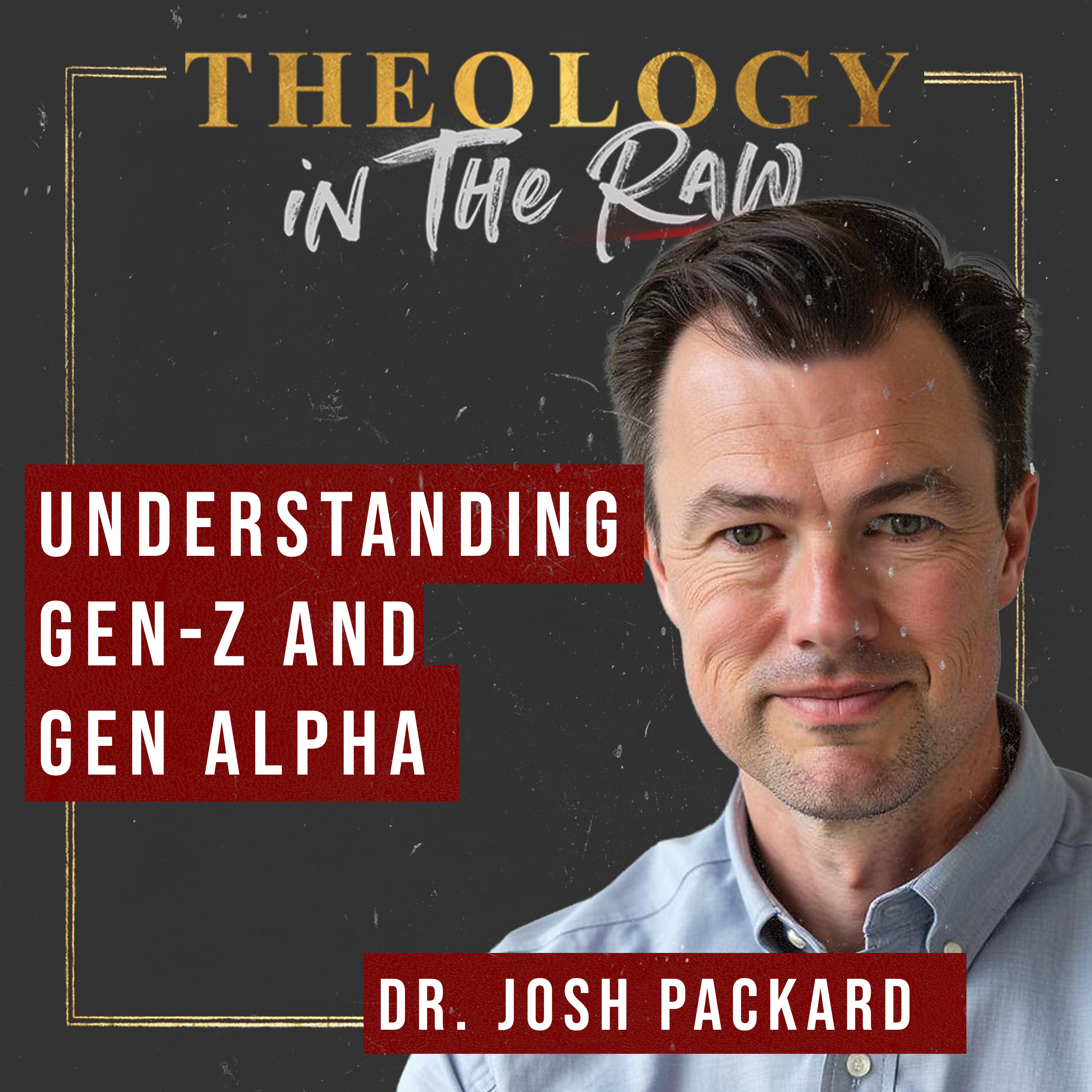
Understanding Gen-Z and Gen Alpha: Dr. Josh Packard
72m 17s
Gen Z and Gen Alpha are noted for their unprecedented diversity across various aspects. Dr. Josh Packard, a sociologist, is an expert on these generations and emphasizes understanding their unique characteristics. These younger generations exhibit delays in traditional milestones of adulthood while having rapid exposure to vast online information. Current events like COVID-19 significantly impact their lives. Social media plays a prominent role in their experiences, generally with negative effects, although it can provide marginalized individuals with affirming communities. The dynamics of engaging with these generations involve asking questions about their experiences rather than defining them by fixed characteristics. Understanding these younger cohorts involves recognizing their complexities and the shifting norms they navigate, such as delayed adulthood markers and fast-paced online environments.
Transcription
14092 Words, 75629 Characters
The biggest shift that's now occurred is that Gen Z and then Gen Alpha right behind them, these are the most diverse generations that have ever existed anywhere at any point in history, in part on race, ethnicity, beliefs, gender and sexuality, identification. If you were to try and say, Gen Z is XYZ and Gen Alpha is, fill in the blank. You would be wrong more often than you're right. Hey friends, welcome back to another episode of Theology around my guest today is Dr. Josh Packard, who has a PhD from Vanderbilt University. He is a sociologist and co-founder of Future of Faith, which helps faith leaders expand and sustain relational ministries in today's rapidly involving cultural landscape. Josh is the author of several books, including Church Refugees, sociologists, reveal why people are done with the church, but not with their faith. And his most recent book is Faithful Futures, got a copy right here for those on YouTube, Faithful Futures, subtitle is Sacred Tools for Engaging Younger Generations, which is the topic of our conversation. I really value Josh's work. He is an absolute expert when it comes to understanding Gen Z and Gen Alpha from a sociological perspective. And if you are involved in youth ministry, if you're a pastor or a parent, I think you're going to find this episode incredibly helpful. Josh is not just a really sharp guy. He has done so much research on this, so he doesn't just rely on just anecdotal experiences, but brings a wealth of knowledge to helping older people like myself, like many of you understand how we can relate to and reach Gen Z and Gen Alpha. So please welcome back to the show for the second time, the one and only Dr. Josh Packard. Josh Packard, it's been a while. It's been several years. I think last time you were on it was pre-COVID. I don't remember the exact year, but yeah, but it's good to be back. It's good to see you. I were doing this over a video. It's not just recording, right? Yeah, right. Yeah. Yeah. So I wanted to have you on because you are one of the, as far as I could tell, one of the leading experts on understanding the younger generations, especially Gen Z, Gen Alpha. You wrote a book a long time ago that I think that was a book I interviewed you about church refugees, helping us understand church refugees, and which was an outstanding book. And I love that you bring in a sociological perspective, and you're very clear. I'm not a theologian. I'm a Christian, but I'm primarily a sociologist, and you bring sociology to bear on understanding the next generation. How long have you been like researching or interested in understanding Gen Z and I guess Gen Alpha more recently because that's kind of a newer emerging generation. I've been doing this long enough that I started writing about millennials. Thank you for pointing out that distinction. When I went to graduate school to get my PhD in sociology, I remember like having conversations with my faculty a lot about what does it mean to be a sociologist of religion and a religious sociologist? I mean, on the one hand, I am a Christian. I do care about the church, and I want to see people have an encounter with a god who knows them and loves them, etc. And also, you get trained in these research methods in a particular way of thinking and what ultimately came when I came to find out was just a perspective that was often missing in our discussions in the church was what does it mean to think sociologically about what's happening beyond this sort of national statistics, which I don't think are actually all that useful most of the time. But what do we do with that? What do we do with that information? I mean, I tell you know, I say all the time, I want to do research that's useful, not interesting. And so that has, you know, whether it's been with adults or emerging generations that's been, I don't know, 20 years now. I mean, it's two faculty stops, Springtime, now at Future of Faith, and the beat just keeps going on. I mean, I think, and in good ways, like we're, I think we're seeing progress. Not just because of me, I mean, there's a whole bunch of people who are now sort of like trying to bring that perspective to bear, and it's been really gratifying. That's, that's awesome. Why do we get started by giving us a lay of the land? You know, last time I checked, my audience is, it's pretty evenly split millennial Gen X and boomer, which is I'm so excited about that. I don't think there is any gen Elsa. It's a small percentage of even Gen Z. In fact, when I looked at the stats last year, I was shocked at how few Gen Z, I don't know what it was, maybe like two or three percent of listeners, four percent of Gen Z. But a good, like, it's like almost third, third, third millennial Gen X boomers. So, so it's a lot of boomers that listen. And I'm absolutely love that because I'm 49. I'm Gen X. And usually you kind of like hit your age group and lower. And the vibe of this podcast is a little, I don't know, younger oriented. I don't know. But it's, it is, but it's not. I mean, there's a lot of older people that are interested in having these kind of conversations. So help us the overwhelming majority of our audience who are not Gen Z Gen Alpha. Help us understand what are the main things and maybe differences, misunderstandings that older people have about Gen Z Gen Alpha. That's a good question. So I think the biggest thing to understand is that these containers that we've been shoving generations into about every 10, 12 years or so. So just for some context here, Gen Alpha would the way most, if you're counting them or if you're trying to, and you're going to understand why I'm caveatting this in a second. But if you're trying to count Gen Alpha, they, they would be like 15 right now. And then Gen Z would go up to about 30. And then we'll start with the millennials. I didn't know. Gen Z was at all. Okay. Gen Z's getting there, like 25 or 26, like they are, they're going to leave their homes, other parents any day now. I was going to say they're, I was going to say they're married with three kids, but two shake, two shake. Preston, you've got the, you've got decades old data. They're not going to get married until they're 33 statistically and they're not having kids until they're like 35. The, uh, these containers that we've been putting generations into, they were never, like we always knew this, right? It was like, we never, we understood that like baby boomers were not all the same kind of person. Right. We knew that we were leaving out some of the nuances by referring to everybody born between two, you know, fairly arbitrary years as fill in the blank or fill the blank or fill the blank. But they were homogenous enough that at least we were gaining some like intellectual purchase. Like we could, okay, we can understand them in some way. Um, the, the biggest shift that's now occurred is that Gen Z and then gen alpha right behind them, these are the most diverse generations that have ever existed anywhere at any point in history, at all across a broad spectrum of things. What kind of diverse ethnicity, beliefs, gender and sexuality, identification, religious, leanings and behaviors. I mean, the whole gamut, right? But especially on the ways we normally think about diversity in the United States, diversity is often shorthand for race and ethnicity and cultural background. And, and even immigration pattern. This is, so when we, if you were to try and say Gen Z is XYZ and gen alpha is fill in the blank, you would be wrong more often than you're right. And this is the, like if we need to make a shift in anything, it's that shift that we need to stop thinking about these containers as, you know, being able to sum up an entire generation of people, they're just too diverse. You're, you're sort of like going backwards more often than you're going forward. If you were to try and say, what did they say about millennials? Like millennials are so narcissistic. Um, and if you were to try and make any kind of claim like that about Gen Z or gen alpha, you'd be wrong more often than you'd be right. Interesting. So, so deep to even ask the question, how should we understand who Gen Z is that even that question defies, I mean simplicity for sure. Well, it does, it does defy simplicity, but I think we can look to other markers instead of trying to just describe them with a set of characteristics. I think we can look to the events that have colored their lives. Okay. And then, you know, now we get into this subject like, okay, so we should be asking questions about how they engage with, you know, what is the, how do they engage with the digital world? We should be asking questions about how COVID impacted them. We should be asking questions about how they see themselves fitting into the, the landscape of the United States and the world because their perspectives are so much broader. So I think rather than like trying to define them by a set of characteristics, it's maybe more useful to engage them around a series of questions. Okay. So what are some of those defining events like help us, uh, yeah, understand the world of Gen Z and do those events and how that has shaped them on a broad level? Well, COVID is obviously one of them. I mean, in general, if it doesn't really remember COVID, if we're going down that yelling, but certainly Gen Z does. And I mean, there are all kinds of things that, I mean, the experience of COVID was not universal. Right. Some, even in some cities, like you had dramatically different understanding. So what it was, it's certainly by race and social class, you know, I mean, you asked my like, we middle class two parents in the household, good jobs that didn't go away during the pandemic. You asked my son my 15 year old about COVID. He's like, oh, yeah, that was the year that I did stay at home school with mom. Right. He's like, I mean, like it wasn't, it's not a lingering impact on him. I don't think, uh, and certainly not in particularly negative ways. Obviously, that is not the case for, for maybe even the majority of people. So that's a big, that's a big thing. I think the other thing that is really critical, and I talk about this a lot, is to understand what we call growing up fast and growing up slow, that in so many ways, now adolescents is marked by sort of delays in the traditional kinds of markers that maybe boomers would understand to be a part of being a teenager. So in other words, like, did you get your first job? Like, can you make small contact or make eye contact and make small talk? Like, you know, uh, uh, when do you move out of the house? When do you go to college? And as we are sort of alluded to, whether we're talking anecdotally about, you know, like, when you go to Starbucks, can, can the barista make change in their head? You know, the answer that is no. Or, or sociologically, it's delayed in all these ways. So like, they move out later, they do less drugs, they have less sex, they, they graduate, they take longer to graduate, they get married a later, you know, they change jobs, you know, before they settle into one more often. I mean, all these traditions, good and bad markers, right? All of them take longer or start later. Um, so in some ways, like growing up really slow. And there's a whole bunch of reasons for that. You can probably guess to some, but I would encourage people who are trying to fill in that gap. Like, don't think that your first answer is the only part of that answer. It's not just because parents are cuddling their kids and, you know, okay, I was gonna say that. Okay. There's a whole host of things going on. But they're also growing up really fast. So what they encounter and see online in the course of a day or a week is vastly beyond what I would have seen and encountered in a year when I was a teenager. I mean, like, I'll use my 15-year-old again. Like, he knows more about what's going on in Ukraine than I ever knew about the first Gulf War, which was the war that was going on when I was 15. Yeah. And that is baffling to me about like, you know, yeah, he knows more that's going on, but it's still through the lens of a 15-year-old, right? And so for them to try and make sense of these adults where they often feel like they're not living, like, they're coming up short for all these adults that are in these in-person interactions, but also that these adults who keep telling them that they're coming up short don't know nearly as much as these teenagers do about pronouns or about, you know, what's going on in Gaza or, you know, why the ice raids are particularly impactful for them, even though they don't live in one of those cities. Like, that is that is a weird cognitive dissonance to try and live with where adults used to be, you know, we used to always understand that adults knew the most. That is not the case now. Adults don't know more about some things, but they do not know the most and a given interaction with teenagers about a whole lot of stuff. So navigating that world, I think is a fundamentally different kind of space than it ever has been. And it kind of creates some distrust when our kids hear things from us that we're just passing on from our parents. And they, within a couple of seconds, they find out that it's not true. Like, caffeine stunts your growth or Pluto's a planet or, you know, there's just so many things that we just is like, well, no, my mom told us this when I was 13 and it's just true. It's just like it came from an authority and my generation just believes it because it's came from an authority. But now we figure out those authority figures didn't have the internet. And they just they passed on stuff from there, you know, and the I found this like with our kids like, we have to be so careful to just say things without being really sure this true because if the more times they catch us and saying something just just not true or it's questionable, yeah, it kind of creates a little bit like, I can't really trust my parents, you know, so yeah, I think that's especially true for like when you start telling people what they have to do, which parents are, you know, that's your job as a parent in some ways is to tell your kids what they have to do or as much as you can. But if you take something that was taken for granted, I'm sure, you know, when when we were kids, but like, you have to go to college. I remember, I came, I could do some time when one day during my senior year and I told my mom at breakfast and I was like, hey, I just don't, I mean, like, I don't have to go to college and she was like, well, what makes you think that? And now it's either that conversation. But now, like, if you were to say something, like, that was just a taken for granted, like, you got to go to college. Now you've got a generation of parents and they, you know, the kids are often seeing their parents talking about college debt and you've got all these good paying jobs that don't necessarily require degrees and, you know, you tell your kid, like, you have to go to college and you're like, well, what? Like I, there's a good and healthy conversation to be had. But you're right. Like, just telling them that, like, it's a basic fact is like, well, you know, I don't know. Yeah. Because I could be, I could also be an influencer and you don't need a degree for that. Oh my word. You must have been part, you must have been part of a conversation in my house yesterday. No, that's so true. And there is such a, I think, a widespread conversation around, like, just how expensive so many colleges are, not all, but I'm with a lot of the, oh, yeah. It's like going to, you know, six figure debt and then realize, and a lot of people are saying, you know, I have a job that has nothing to do with my college degree, you know, like, and that seems to be pretty hype. It's always been a shockingly, decently high percentage, but now it's like, yeah, so many people are in careers and jobs that they would have gotten whether or not they went to college or major to this or that, you know, yeah, quite possibly. I love waking up to a good cup of coffee and I also love starting my morning off on a healthy note. This is why I'm so stoked about everyday dose. Everyday dose is like coffee with benefits. It combines real coffee, good coffee, actually, with college and protein, neutropics, powerful ingredients like lion's mane and chaga and functional mushrooms, which supports gut and brain health. And it only takes like 60 seconds to make. Now, one of my daughters is a total coffee snob. So I wanted her to try everyday dose and to see if she approved. I was a little nervous. I wanted to see how she liked it. She whipped up a cup and honestly, she absolutely loved it. Everyday dose tastes great for you coffee lovers out there and it's good for you. It gives you sustained energy without the crash and it improves your focus. Right now, you can get 61% off your first coffee plus starter kit, free peppermint mocha creamer, perfect for the holidays and over $100 in free gifts. Plus, you can enter for a chance to win $100 cash or get your entire order refunded. Just visit everydaydose.com/TITR or use code TITR at checkout. My family and I love the Bible recap. Terri Lee Cobble's books and podcasts are incredible resources to help you understand the Bible. And now, Terri Lee and her team just produced the Bible recap 365 day chronological study Bible. This beautifully designed study Bible features 365 scripture readings in chronological order, daily reflections on God's character and faithfulness and insightful, easy to understand recaps. This year long adventure through scripture will help you read, understand and love the Bible and most of all, the God who wrote it. The Bible recap Bible is available on hardcover, softcover invitation leather brown and hardcover invitation leather pink. It would make a perfect meaningful gift for a mature saint or a brand new believer. Check it out by heading over to amazon or bakerbookhouse.com to buy your copy today. Talk to us about the impact of social media. That's always, you know, next to parents cuddling the kids and the pandemic, like this is one that always comes up and it seems pretty, oh, okay, I'll, you know, seems pretty clear. This is having a profound effect on our kids. Is that verified? It's not just anecdotal 100%? Yeah, okay. Yeah, I mean, and if you're looking for like, what's the prescription? It's like, don't do it. Like don't let your kids watch. I mean, I don't think and tell it until it gets fixed or better or we get better social norms around it. You know, it's, there's, it is hard. It is hard to see much that's positive out of it. I will, I will like leave a caveat, a carve out for like, you know, young people with marginalized identities and places that don't afford them in person experiences that match their, the diversity of their expression, like social media can be really affirming in that way. As a way to find community around a particular interest or a particular identity or a particular set of questions, that play, that can be, you know, that can be really affirming and a safe, a relatively safe place to, you know, to kind of figure some of that stuff out and not feel alone because, you know, the loneliness is a problem. And so anything to help kids feel more connected can be useful. But yes, I mean, overwhelmingly, the net effect of social media has been pretty negative. And I'm generally a technology agnostic. I mean, I don't think platforms are good or bad. It's how we use them. And right now, I think we're, but I would say like right now, we're probably running off against both things. Like we don't really know how to use this very well. I mean, a lot of, you know, a lot of parents who are now like millennials, like they grew, you know, they got this when they were teenagers with ever, we all just thought it was the greatest thing. I mean, it was Arab Spring, you know, it was going to bring democracy and it was going to let you connect with your auntie and get her cookie recipe, you know, in an instant and like, you know, all that. In part because the social media companies themselves hadn't quite figured out how to leverage the power that they had. And so there was this kind of like, I don't want to call it golden era that feels the way too optimistic. But there was this period of time when it felt like this was, this was a thing for good. So we didn't really develop parenting norms about it. And certainly, Millennial parents didn't know what to do about it. And parents only just now are starting to come around with this idea of like, well, what does safeguarding look like and how do we put controls on this? And you can even buy the same technology companies that have like, you know, are trying to ruin your kids in some ways are also trying to sell you the solutions. I don't know how confident to be in those. But it's ubiquitous. And so on the one hand, like, it is super scary. There are armies of PhDs at these companies who do not have your children's best interest in mind. Yes, I mean, full stop here. Yes, they are not trying to make your kids flourish. And I would say that we could extrapolate from there to say, and I'm not so sure that they're all that concerned if your kids are actually being harmed in the process. And I think just recognizing that fact and like a 13 14 15 16 year olds brain just in terms of development is really no match for, you know, again, dozens hundreds scores of really sophisticated, you know, scientists who are trying to do nothing other than keep their attention. So it's an unfair fight. And as parents, we have to we have to put guardrails around that because the things that are attention grabbing are not the things that are good for them. I mean, you know, rainbows and and kitty cats don't hold your attention for that love. I'll say I've been heartened though, Preston, because I don't know if you've seen this in your own house, but like I've been watching I've been reading this a little bit anecdotally and watching with my son and his friends. And they seem to get it like they seem to like they seem to understand that this is not great for them. Yeah, we don't let our son on social media other than you can watch YouTube, but he there's nothing I told him is like my greatest fears apparent is the like button. I cannot have yourself worth externalized into a click. So you're not going to have accounts where you can post things. But even just like watching them sit around with their phones when they come over and we know when they're at marching band practice and stuff like that in between times and like they they have these conversations. And so I've been seeing them like self-regulate as much as they're again, developmental brain, right? Dopamine is real. So you can see how to trying to build in some guardrails here. I've seen that a little bit too. It's almost like a little bit of a ludditeism can be kind of cool. Yeah. Encounter cultural and punk rock in certain circles. It's not widespread, but I've seen it a little bit. Obviously, there has to be a maturity there for the kid to be able to recognize when a habit or practice is not bringing more joy. It's bringing less joy. And so I think a lot of people, not just kids, a lot of people aren't able to call that out in their own lives. But yeah, I have seen pockets of that though. This is where I think not to get too off track, but I just think youth groups, parents, people in disciple and relationship with Gen Z in Gen Alpha. We just need to be very proactive in helping them see what they already kind of probably intuitively sense, but be able to walk with them through that. Like I just think if you're a youth leader, you're not talking through healthy social media practices. What are you doing? Like what? Like what do you say? You know, like it is the like I said, we need guardrails. And I give a presentation a few years ago, and I'll never forget this young person. She came into me afterwards and she said, you know, you keep using this like online life and then I would say IRL or in real life. And I thought I was being cool by using the lingo IRL, right? And she goes, she's like, only you all talk about that. And by you all she meant adults. It's like we don't we don't do that. There is no online life and in real life. She's like, it's all just life, right? Like that duality doesn't exist. She's like, when I go when I go home from school, I get online and some of the people I'm online with, I've never met face-to-face. Some of them are at school with me. I interact with people at school. I don't interact with online. But that duality is, but then she said the thing, the thing she said was, but that stuff is like, but we have to have it, right? Like I have to be online sometimes. And when it she goes, when adults dismiss my online life, they disqualify themselves from the conversation of my life. Oh my gosh, that's huge. Can you say that again? Yes, she said when when adults dismiss my online life, they disqualify themselves from the conversation of my life. And I was just like floored by this. Yeah, just like you, that was my reaction too. Because I think it is so easy as adults to dismiss. I don't know what's going on there. It's one more platform to get on to. I don't have any idea. And yet all of that is true. I mean, it can feel overwhelming. And you're not going to understand. I mean, we read through our sons, my son has discord, which is a chat. I mean, we monitor and read through. I don't understand half of what they're saying. I mean, that would take. I would have to put it through chat GPT, even just to begin to decode it with all the like abbreviations and all of that. So but you have to be there. And so I remember I went home after that. And we used to drop our kid off at school. And occasionally I would say, Hey, make sure that school is a better place because we're there today because as a Christian, like we wanted him to understand that extends beyond that commitment that he made extends beyond just Sundays. And so then he's like wandering downstairs. I said, Hey, make sure minecraft is a better place because you're on it today. He stops. And he's like, what does that mean? I was like, I don't really know, but it just feels like I'm recognizing that this is more than just you logging into play a video game that there's a whole thing happening there. And I just trying to remind you that we expect the same out of you. God expects you to show up there in the same way that you show up in the other places too. But yeah, like I'm trying, right? Like we're we're we're trying to open up a conversation because what she said floored me. Wow. Well, and the on the quote online world is so diverse. You think, what is the online world? It is minecraft. It is scrolling mindless reels on Instagram. It is scrolling porn. It is reading angry back and forth things on Twitter. It is meaningful connection. It is this. We've never met in person Josh. This is sort of it. Look at us. We're having a good time, right? It is, you know, I've had through our, our the Patreon, the algebra, Patreon community with these monthly Zoom chats. And they're basically kind of like, like almost like a community group. We've had Oh, yeah. Some of those deep meaningful. I'm talking people crying, praying over people, people sharing stuff that they say, I have not talked about this with anybody else. You know, there was one time when there was like 15 people and one person, my mother has a trans kid. And she was, you know, just sharing how, man, I'm just really trying to love my kid. And she seemed like she's doing everything right. The relationship still was a little fragile. And then another person says, well, I'm actually trans. There's a toy got to young 20 something. And let me just affirm to you that man, I she even said, I literally said, I wish you were my mother. Like you're, and just so do you know, I mean, that I've never met these people. They've never met. They may never see each other in real life. And yet that was one of the most probably radically transforming, encouraging, gospel, centered things, you know, they could, I've never seen that in a real-life Bible study. Sometimes the online community, I know, I know, I know. I have had much more richer in depth, meaningful, thoughtful, authentic conversations with some of these online spaces. So, yeah, take that, you know, Minecraft, porn, you know, endless social media, blah, blah, blah, blah, you know, predators on Instagram, you know, like the spectrum is this isn't the online world. These are like online worlds, right? I mean, which are vastly different. The only thing they haven't commented is they're not, they're too dimensional, right? So, and but do you think that that is, so hopefully, oh, actually, as we're recording this, just I think within the last week or something, was made a statement about the embodied and the disembodied world. And he was making the claim. And we do a lot of work with Catholic digital missionaries. And so, like this is a very relevant to some of the stuff we're working on right now. But he was making the position that as a sacramental church, meaning like, you have to be here in person together to partake in the sacraments. That is his concern about this disembodied online reaction or experience, rather, is that are there pathways back? Does it lead to something that's embodied in sacramental? And I loved that he was not dismissing them. He was saying the things that you're saying, like, that these are, these can be very real. We should not ignore them or, you know, disqualified them. And also, we should recognize that there is something really important that happens and people get together, you know, or two or more gathered, etc. I think that's how the Bible says they're right, etc. All of these things are important. Yeah, etc. It's like when you quote, like Matthew 16, 10, FF dot in writing and following, I wish the more meaningful forms of the online world could help foster and lead to more meaningful embodied forms of community community. But I'm not sure it always does. I think some people just feel a safety and a freedom to be more authentic, maybe in an online world. And I just, the more they have those meaningful spaces, is it pushing them toward more meaningful embodied relationships or is it pushing them almost away from it and just wanting to gravitate to these online spaces? I don't know the answer to that, but. Yeah, no. And that actually presents seems to me like the, the sort of like sociological, not just sociological religion, but the sociological question of the day is, you know, what does it, you know, interacting this way mean? You know, what is it? It's not so much, I don't think like, what does it mean when you go a whole day and interact with a bunch of people, never leave your house? I think the real question is, what does it mean when you go a whole day, interact with a bunch of people without ever leaving your house and you don't think it's weird? Right. Like when it becomes nor that's the, that is like, what does that do to us as a society? What does that do to us as individuals? What does it do to us as as children of God who are, you know, find the presence of the divine and, you know, in community? Like that is, I think that is the question. How much of this is just a normal major transition and history that we're in the eye of the storm after a few generations. It's just going to be, we're not going to be freaked out or concerned or think it's weird. It's just the new world we live in, kind of like post printing press, you know, the world will never be the same. That's just radically reshaped society on every level. Or, you know, the invention of the car, the, what, the post industrial age, you know, now, you know, one or two members of the household go off to work rather than, you know, working on the family farm and being, you know, these were radically, and if I'm wrong in any of this, let me know, you know, this is sociologists, but seems like there has been major cataclysmic sociological changes throughout history. And I'm sure there was a generation or two that was just like, what is going on and freaking out and everything. And then a hundred years later, it's just like, yeah, I don't have any body. I never see my embodied friends. It's all online. It's just the way the world is, you know, like I do all my shopping online. I don't, grocery stores don't exist anymore. And, you know, I don't know how to drive a car because I just hopped the self-driving car that picks me. You know, there's, right. Will there be just certain, like, we'll never go back to the world that used to be? And that's just the way it is. Like, um, and I think that's probably true. I mean, in the grand scheme of things, look, like, you know, the era of the thing that we think is so part of modern life driving a car. I mean, in the grand scheme of history, it's going to be a blip on the radar, for example. Yeah. I don't know how to ride a horse. Actually, I do, but exactly, theoretically, right, exactly, exactly. It'll be a thing people do for novelty, actually. So yes, I do think some of that is true. Like, my, my grandmother used to tell this story about growing up in northern Minnesota, and she would, they were on the party line. You know, the, the first phones were these, I don't know if you, your listener, some of them might watch your viewers, might know what the party line was. But phones didn't just ring to your house, right? Like, then I would have to patch you through. And anybody on that line could pick up any of your neighbors, in other words, could pick up a list of it. And, and then we, of course, like, we developed new technology and new norms about what was appropriate and it was fine. So some of those are just like cute little anecdotes, right? But you mentioned the printing press. You know, we also get the inquisition. And, and like, the, and these two things are not unrelated. And so on the one hand, I want to affirm, like, yeah, I do think that as a society, as people, we tend to figure these things out. But as Christians, we should remember that the people going through the transition also matter. And by, you know, appropriately adjusting what we can, as quickly as we can, you know, we can make sure that there's less harm created that there's more good done that more people are reached and not feeling, you know, like, it would be folly, I think, to say, like, well, this will sort itself out. So, you know, you know, if we go 10, 15, 20, 30 years where a bunch of people don't really know the presence of God that's okay. And I don't think that's okay, right? Like, so how do we, how do we figure, how do we figure it out? And I mean, the thing that's going to be, look, even if we talk about blips on the radar, social media to blip on the radar, I mean, it's possibly that even the internet is a blip on the radar because it's the age of AI is going to be the thing. Yes. Yes. That was just as you're talking, I was just thinking like, you know, millennials grew up in the age of the internet, Gen Z social media, but Gen Alpha is AI. Oh, yeah. This is going to be the thing that shapes them where they can imagine a world without AI. And we don't, I mean, we're, that is developing, I mean, just a little, I picked into it. It's like, the development is far outpacing the ethical refluxion. You know, who is leading on this? Because it has been, it is a, like, ecclesiological issue as much as anything else are, are the, is the Catholic Church. So they've been thinking about artificial intelligence and convening, you know, meetings about this for 40 years. Oh, wow. Really? 30 years. Yeah. And they have now an office in the Vatican. And Protestant groups are starting to pick up. Now in the last five years or so, you're starting to see more summits and convenings. I mean, some of them are, I would say like wildly dangerous, like hackathons, which are problematic in so many ways. But then there are other, I think, really responsible as nevertheless. That's just in religion. I mean, the rest, you know, 98% of the world using AI is not religion. And they are, I mean, their ethical guidelines are scanned. Yeah. We're at, so we do a conference every year. Axel is a Babylon. And we're doing a whole session, three-hour session on how Christians should respond to or think through artificial intelligence. And I've got like three PhD experts, Christian experts in the field. And I've, I've, man, I've, I've watched some of their lectures already and they're just, they're bringing up questions. I'm like, I didn't even think to ask this question. You know, like even one is an expert in the ethics of AI. But she said in a lecture she gave while back, like the problem though is there is, yeah, there's ethical reflection on AI. But hardly any Christian ethical reflection, you know, that assumes we're creating God's image and, and so on. And it is a death as Christians, we need to not just trust the ethical leaders, but we need to also say as a Christian, how should I think through artificial intelligence, she was just raising so many questions I didn't think existed. And yeah, yeah. Anyway, it was a person that was really interesting. And a future faith, we did this big study about the intersection of listening and faith formation. So I think it's, it's the only study that exists that tries to document if being listened to actually impacts your faith development. And in spoiler alert, it does. I mean, you can see all the results were free on our website. This is not me trying to sell anything. But at the very end of that survey, I just, a lot of it is about trust and like does listening build trust or, you know, is it only building trust or is it also deepening faith? And at the very end, I put in this question, you know, is it a greed to disagree, you know, or agree or disagree a five point scale you've seen all, you all see the, and the question was, I'm growing, the statement was I'm growing increasingly skeptical of the things I see online because I don't know what is artificial intelligence and what isn't. Yes. And I was shocked at how high the response was where it's like, oh, even the stuff that people are consuming from influencers, like the response, you know, they're just not, they're not seeing it. Like they're, they're doubting everything. And so the blog posts that are wrote in the responses, like we're all doubting Thomas now. Like ministry, ministry has been, has been pushed down for the institutional level for decades as people have been losing trust in titles, authorities, institutions, etc. Not just religious ones, all of them, by the way. And, and I had sort of think, thought, like, oh, maybe this is leveling off, like this being pushed down to relational ministry as the response to living in this world of distrust. Maybe that was like coming to a close. And then we saw that question, I was like, oh, no, like it's going to go further. Like we're, it's going to get to the, the individual relationship, the block, my neighborhood, because if I can't see it, touch it, taste it, smell it. Like I don't know that it's a real thing. Is that good? I mean, is that skepticism good? I mean, Parviz is really good, because you don't want to just believe everything you see online. But what's that skepticism going to lead to in a world that's already skeptical of any kind of like institution, authority? Well, I think that's actually the question for you, right? The, the, the, the sociologically, what this means for me is we have to understand that we used to live in a high trust world. We used to, you know, coming out of World War II, America believed in its institutions more than basically any other country. And then now we believe in them, not less, but the fall has been so much further than any other country has experienced that we don't really know what we're doing living in this low trust world. So we keep trying to use high trust tools, but now we're in a low trust environment. So in other words, like we keep trying to use sermons as a broadcast message. That's a high trust tool. You know, we keep trying to get people to come to our parish, our building, our congregation. We keep trying to lead with our titles. But in the low trust world, it's, it's all about listening, right? It's all about relationships. Like these are the most effective ways to build trust in deep and faith. It's through conversation, not by, not by getting it, quote unquote, you know, having access to the one true source of knowledge and thinking that you have to disseminate it. And that is a, that is a radically different approach to ministry. We employ these, so we have these ministry practitioners in future faith because we're not engaged, Megan and my co-founder and I are non-gayton act of ministry and Keidren Boston works at a church in Dallas doing youth failure ministry says years ago, we used to think that if we told the truth, meaning like if we led with scripture, that people would see that, you know, the kids would trust us and then they would spend, you know, a bunch of time with us. And he's like, it worked really well for a long time. And what we started to realize, you know, recently, maybe five years ago is that we had to flip that entire model on its head. And now we just try and show up and spend time with young people wherever we can, wherever they'll have us inside or outside of the church, inside or outside of Sunday mornings, care about the things they care about. And then they'll trust us, right? Well, because they'll know that we know them and what they're going through. And then, and then we get a chance to live out the truth with them. And he's like, it's just a fond of, you know, it's taken the whole not all and just completely reversed it. And it's such a beautiful way of describing because of the time-trust truth, paradigm. And I was like, this is so great. We don't need to be data. We could just have that. On that. So in your book, Faithful Futures, which is outstanding, by the way, it's what I absolutely love it. It can't put it down. Thank you. I really mean that. I mean, it's like, it's you're putting like re-sociological research that is kind of, and maybe that hopefully this isn't why I love it. But it's like almost like confirm me what I've intuitively felt through ministry for years. One of the things you bring out at the very beginning is the importance of what you call not you, but what has been called sacred listening. Oh, that's our term. Oh, it is. Oh, all right. All right. You've got to quote from a, I love that you quoted David Augsberger, who's largely unknown, but I read his book, I think it's dissident discipleship or something. He wrote a book while back, it was outstanding. Anyway, he says, being listened to is so close to being loved that most people cannot tell the difference. That's, I have found that to be so incredibly true. In fact, in whenever I talk about like, you know, helping the church engage LGBT people and parents with your gay or trans kids, I mean, by number one thing is you have to be a curious intentional authentic listener, not listen, waiting. You've been said something that I've literally said, like, don't listen, waiting to get your chance to talk. Yeah. Just listen as if you are just enamored with this person and their story and you care deeply, you know, nothing more than to understand them, their story journey with them, like you are, you know, just really engaged. Can you expand on that? The importance, especially with younger, especially with younger people, it's, you know, distrusted authority. They're overwhelmed with all this information. Don't know how to process it all. Talk to us within that context, but the importance of sacred listening. Well, thank you. So we, by sacred listening, what we mean is really like a sort of a systematic way of trying to do relational ministry that works across not just the, you know, 15 or so people you could hold in your head, but how do we, how do we really make, you know, scalable ministry out of this? And so we mean a particular thing, which we don't have to unpack all here, but because I think that's probably a little bit too far in the weeks, but again, all free all the website. We're not trying to lock any of this up. The, you know, I think that maybe the best way to understand this is to go to the, to the gospel, according to Ted Lasso. And if you watch that show in the pandemic, like most of us did, in the first season, there's a really famous scene where he's playing darks against a guy I can't remember, you know, against the owner of the team. I can't remember what the former owner. I can't remember exactly what they were doing. Oh, wait, wait. Rupert, Rupert. Yes, Rupert. There you go. Yeah. And, and I just, I love that. I would encourage people to go and look it up. And I, you know, he, he, he quotes this, this famous saying. And he says, you know, people, people used to, you know, pick on me all the time. And I never understood why. And, but, you know, they, I realized at one point, they were never very curious. And I almost thought, I want to be curious, not judgmental. And he's, I hear if he's quoting Einstein or Whitman or whatever, but anyway, the sentiment is the right one. Be curious, not judgmental. And the longer, like, that is so hard to do when you listen to teenagers. Why? Because teenagers say some insane things. Like, it does not take long. Like, if you listen to them, I was a professor. I mean, they would sit across the desk for me for advising. And like, they, they would say things that were just bonkers. I mean, everything from, you know, what they thought they could do with their lives or who they were dating or, I mean, just all that you heard it, I'm sure. And a parents listening to this have heard it from their own kids. The, the challenge, I think, is, is to remember that when we listen to teenagers, it is not the same thing as condoning. And they know that. And I think we often get in a hurry to want a judgment, you know, to correct, which is a former judgment. Because we're so worried that if we don't say anything, they'll think that we're sort of giving the thumbs up or co-signing everything they say. And, and teenagers just tell us over and over again in all the research. Like, that is just not true. Now, what they're doing in that moment. So, okay, if they're not looking for affirmation, what are they doing? Well, they want to know a couple of things. First, they want to know that you understand where they're coming from so that then later, when you give advice, they can trust that you understood the situation. All right. Because the advice part will come. Nobody wants unsolicited advice teenagers adults. It's never a recipe for success, right? But the time will come that they'll ask, but they will not happen or they'll invite, right? But that won't happen if they don't think that you understand their situation. So, that's the first thing that they're doing. And the second thing that's happening is that they're figuring it out. Now, like, this is the wildest thing to me about the way adults treat teenagers is that they understand that the music they listen to today is not the music they're going to listen to tomorrow. But we will gladly engage with a 15, 16-year-old about what they want to be when they grow up, when they tell us things that they are not like, like, they think they're second string quarterback, and we think they think they're going to play for the cowboys or something. And, you know, we don't feel the need to like poo poo their dreams. We're like, okay, like, we know that they're going to grow and evolve, right? We totally get that when they're dating at 14 years old, that is not who they're going to marry almost certainly. It happens, but not like that. But when they say things about faith, like, we, for some reason, we suspend everything we know about teenagers, which is all about experimentation and change, you know, and exploration. And instead, we think, like, oh my gosh, they just said something that was a little bit unorthodox, so that was off. Or they're talking about tarot cards or something. And we better step in right now. Or else, this is going to be who they are forever. And the inconsistency of that approach with adults is so, and I get it. I get it at some level, because when you're talking about faith, that's the most important thing. If you're not being wrong about the job that you want to be and you have when you grow up or what music, that's less important. But remember, the change of exploration is the dynamic of being a teenager. The question isn't, are they, you know, are they going to explore things? The only question is, are you going to be there or is somebody else going to be there when they're doing it? And so that's, I mean, I think that's why that listening is so paramount. I was really affirmed when you said that, I pressed it when you're like, this is what I've been saying for years. I actually don't think that Faithful Futures is a book for, you know, that it's necessarily going to be like life changing for people doing youth ministry. I think it's life changing for their bosses. You're like, I know. People already said like, I took your book and I gave it to my boss. I could keep doing what I know it needs to be done. Instead of all the things that she keeps thinking that I should be doing every week. So with youth group and everything in your, in your book, I'm going to apply to anybody that's in a relationship with Gen Z Gen Alpha, so parents, friends, family. But I am particularly interested in youth groups and how understanding these differences between our generation and younger generations, how this should shape how we do ministry. So what is it, if listening is such a vital part of ministry of relationships, especially with younger people, what does that look like in a youth group? When you got a youth leader, 50 kids, a few leaders, like is there any concrete changes that would need to be made to the way we do ministry when we, you know, take seriously this need to listen? Actually, this is a really great question because I think it's the like you've honed in on exactly the thing. I mean, there's two. One is an approach and the other is a tactic or one is like a theory of strategy and the other's a tactic. So the strategy here is I think youth group used to be the point of entry. And now I would say it's got, you have to rethink of it as the destination. So real quick story, the campus ministry at the college in my town where I used to work, they said, you know, we're sitting around talking about this one day when I was still a professor and they said, you know, we used to throw a big party at the beginning of the year, we'd invite everybody to come and we get names and phone numbers. And that would sort of set our ministry for the whole year. We just fall up and fall up and fall up. And I was like, yeah, that was my experience in college. You know, if there was, you know, music and girls and pizza, like I was showing up, right? Like that is you've got me, I would go, you know, if they're three that week, I'd go to three. And they said, like what we began to realize is like, this is a socially anxious generation. They've missed out, you know, and now we've got like the COVID dynamic into this. They've missed out on like how to have these experiences. They're worried about all kind, like they're worried about strangers for all kinds of good and understandable reasons like being canceled or being put on blast or, you know, anything that they might make a misstep for. So the idea of coming to a big party with a bunch of strangers to hear somebody talk about God that they've never grown up with, that is not particularly appealing to them in the first week at this brand new place. And so they said, now we've flipped it. And instead we spend all year trying to get to know people and we throw a big party at the end of the year. And that party feels less like a fraternity mixer and it feels more like coming home because everybody already knows multiple people by the time they get there because we've been slowly building from, you know, ones and twos to threes and fours. And so like that's the strategy approach, right? Like how do we, how do we think about youth group as playing that kind of a destination role, not your first point of entry? Especially for again, we got a third of adults who are nuns have left, you know, have no religious affiliation. Kids didn't leave the church. Their parents left the church. And so they often grew up without any kind of context. So youth group could be very intimidated. On the tactics side, this is really what we're trying to do with the sacred listening tools. And what we mean by sacred listening as a thing. And we say all the time, you can't do relational ministry with 500 people by having 500 cups of coffee a week. Like it's just not possible, right? But you can do it with 500 people if you know which 10 cups of coffee you need to have this week. But that's that requires that we do some different things in terms of like, you know, we can't just be sitting down having conversations. We need to be, we need to be having conversations that are directed to get us some key pieces of information that then yes, we track. And like we need to get us sophisticated by relational ministry as we've been about programmatic ministry. And we're not there yet. You know, we don't have these tools yet. But we're offering some other people have offered some really great things too. But we need a mindset shift of like, oh, I need to find a way I can actually track that information so I can follow up. So I know who needs my attention. And I'll tell you just lastly on this point, press where we occasionally will survey in these Facebook groups or just in one amount of conference or whatever. And we'll ask it very informally, you know, what tools do you use to keep track of all the kids that you work with? And the number one tool that uses their memory, like what they can store in their head, which is like, you know, not great if you're over the age of 30. That's not a reliable tool. But then the second thing is the Notes app on their iPhone, which is also not awesome. Like they're just like jotting down little scribblings of like somebody whose grandmother died that really impacted them. And they're somehow supposed to remember to see that note in a year to follow up with that kid about what might be a very tough week for them. We got to do better. How do we do better? Like what would you recommend? Well, so I know this is like, I'm a researcher. So everything for me sort of, like, starts as a spreadsheet, right? I think we could do a lot worse than very simply having some directed conversations. Every kid's name goes down the first row. And then we just track those conversations over time. What came up in it? And then from their setting reminders or connecting those kids to other adults in the community who can help them, relational ministry doesn't just have to flow through one person. In the sacred listening tools, we have like, we have systems so you can like do a text to connect. Like we have this really very, if you're safe guarding policy, if you have a way to text with kids, I think this could be really cool where, you know, you're just checking in with them over a series of weeks. They send back an emoji for their mood. You chart that emoji and color code it. And if you're like, oh, somebody's always read on Tuesdays, that tells you you should reach out to the Monday night, right? Or if they're like always read period, like that kid probably needs more attention. And we do this relational mapping one where in the course of 30 minutes, you get an on a note card, you get all the people who are important to that young person, whether they're interested in more conversations about faith. And it is so what kinds of questions they'd be interested in. Stuff that could take a whole year. But if you do it in the right way, you can do it in half an hour. And it gives you, you know, what we say is like, imagine if you had a note card like this for every kid in your school or every kid in your ministry. And you could follow up on stuff like that. It doesn't have to be sophisticated. All the things that we talk about are like, low five, you know, free to use because I don't think we need one more technological solution. We just have to start thinking a little bit about, okay, this cup of coffee is important in this moment. And also, what am I pulling out of it so that I can make sure that this person gets the attention they need for me down the road or for someone else? Man, okay, so I have a few kind of different questions. Okay, first, first question. Let me think about how to ask it. I'm asking, I'm wondering about the relationship between the gathering, the sermon, the youth event, the big group versus these kind of one-on-one more intimate conversations. I think, and this is a generalization that a couple decades ago, a youth leader would put a lot of energy into the gathering, you know, they're preparing, he's teaching them, it's a lot of kind of top down, it's a lot of monologue, it's a low relationship. And that's not negative, like that, that was great. And there's a place for that. I think there is still is even a place for that. I'm almost hearing you say now that should there, would you, if you had a youth leader, it says, Josh, help me to disciple my kids well, would you say these, what you're talking about here with this more intimate, relational, would that should be more of a primary focus than maybe it was 20 years ago? Sorry, it's a lot, I was trying to figure out my question as I was going along. I hear you, and I think it's it's a good one to ask, because sometimes I think we can get carried away, not we as research should put also practitioners of like, well, this national study says X, I mean, I don't know that you're going to get this a lot from people who do national studies, but you'll get it for me, which is to say, if you're reading something in our study or in somebody else's study that doesn't manage up with the kids in your community, don't pay any attention to it. The most important data are the data from the kids that you work with. And so I think generally, yes, like there are some good reasons to believe that if you had to, if you had to start somewhere, you would start leaning towards relationships, not leaning towards programs. I mean, I think there's good reason to think that would be your most effective approach. But there is no substitute from, you know, Fuller Youth Institute or, you know, Future Faith or Pew or Gow, there's no substitute for what you know from the kids in your community. Now, I think that does require you then to do the work to check your own bias. Like, are you only interacting with kids in your community who you like or who look like you or who understand you? Are there whole pockets of kids that you're missing out on? So, you got to go and listen to them too. So that would be the big caveat, but I think what you'll find more often than not is that it is going for this generation in this low trust world. And even for their parents, it's going to be relationships. It's going to be listening. The programs will still matter when we asked in our faith formation and listening survey, you know, a third of people said sermons were really important, but two-thirds said listening was really important in the moments that mattered most of their faith. So sermons are still important. But, you know, in our part of the equation, but I don't know that we've been that we've been like paying enough attention to the relational and the listening to go along with that. I almost wonder with even the sermon, like it it seems like it would be way more effective to build in more dialogue rather than pure monologue. So rather than give a, you know, 30 minute sermon in a youth group and then close in prayer or even a lot of groups will break down to the small groups discuss it. And I think that that can be helpful. But even like after you speak, giving them an opportunity to ask questions, is that a form of listening? Depends on how you answer the question, I guess. But I mean, it doesn't replace the one-on-one private, whatever. But I mean, just to show that this is not a top-down, trust me, you know, but like, I want to hear what you think about this and give them space for that. Absolutely. But you've, like you've worked in these Christian colleges and you've been around seminaries too. I mean, how much are people trained to talk versus trained to listen in these profanities? I mean, it's hard. I don't think that there's like, I don't want to give the impression that I think that there's like, you know, clergy and youth ministers and pastors who are like out of touch and like not trying. I mean, I've never met a group. I've never met a profession that tries more than, then, you know, people in ministry. But that's a hard, that's a hard shift to make. Yeah. Okay. What about, so I could imagine a youth pastor listening and saying, well, I got 80 kids in my youth group. And it's hard enough just to get the, you know, prepare, I do have to prepare the programs, whatever. And I do invest in kids. I do reach out. I show up to baseball games, whatever. But I can't, 80 people or, you know, 100 people or 120 or even 40 people. Like, is it, and what is the role of like other elite, like, you have, say, one paid youth pastor, then he has, you know, volunteer. Yeah. So it seems like those volunteers with are really huge because there's no way that one you pastor is able to reach out. The pro, here's what I see. And this is kind of anecdotal. But like, to get anybody to volunteer can be a chore. You're asking for, you know, parents, people with jobs, all kinds of things going on to donate more time for free, to care about kids that are not their own. Like, I would like to say that most Christians or would jump with the opportunity. Reality is not many do. And every youth pastor is yelling amen right now, right? Like getting dedicated, committed people of volunteer is hard enough. Then try to get high quality people, you know, yeah, people with maybe even some training, or even know how to listen to, you know, like, I've heard some, I mean, I don't want to say horror stories, but like, just like, volunteer leaders that I'm like, yeah, I don't want you around my kids. It's like you're, you're no, I don't want you to design my kid. I don't want my kid to be like you. Like, I'm just not impressed with, you know, like, but good for them. They're, they're volunteering their time, whatever. But I just, that seems like the key, an absolute key for ministry. And yet, how do you get 5, 10, 15 high quality mature, curious listening volunteers, you know, I don't know. I think I do think that that's really critical because you're, like, you're right. Like, we can't, as we well establish, like, you're not going to do, you're not going to do solo relational ministry well with 80 or 100 kids. This is another, I mean, I don't, I don't want to sound like I'm beating the same drum. But again, like, I think this is why tracking those conversations is so important. So, for example, if my church comes to me and says, Josh, you know, we're down our, our second youth person on Wednesday nights, can you come, you know, do you want to come and volunteer and hang out with the youth on Wednesdays? You know, the implied part of that is from now until forever. My answer to that is like, not only no, like, I'm probably just not, you know, interested in that right now at the stage of my life, but also I can't, like, I travel a lot, like, my Wednesdays are really sporadic. I would probably be saying no as much as I was saying yes. But, but if they come to me and say, hey, we've got a couple of kids graduating from high school this year. They don't really know what they want to major in. You used to be a college professor, you know, could you just sort of walk, they're all first gen, you know, could you, could you walk them through sort of what their experience might be like and how, how they might pick a major you've, you've done this before. Preston, I would have coffee with them or meetings with them or Zoom calls with them for literally for years. If that request came to me, if now I would see to the end of their senior year and into their college year as an informal advisor, I'd be happy to. But that requires that you know something, right? So instead of like asking me to serve on your agenda indefinitely, it requires that you know something about me. It requires that you know something about those kids and that you can make the match. And you know, when I say like in sociology, a lot of things, a lot of times we're trying to understand somebody like some group, some profession, we'd like to look for analogs. So what is this situation like or what is this profession like? And we heard from you know, people administer you a lot like, well, I don't know how to manage that in your relationships sort of what you just said. And we thought, well, who does? Who manages that? And so we started looking at coming up to fundraisers, right? We come to salespeople and we think about community organizers. And a lot of times what those people are doing, obviously, is much more transactional. So we got it. We have to filter this through the lens of ministry. But what they all have in common is like, they're handling hundreds of thousands of relationships, but none of them are doing it without a system and none of them are doing without tools. You know, everybody, there is no community organizer doing a good job who's running around mobilizing their neighborhood around an issue because they just know everybody in their head. Like they're all taking notes and some sort of like, you know, really codified way, not so that they can remember, although it helps for that, but so they can connect other organizers to that person as well. Like, oh, look, you know, Sally, Sally led the bake sale last year. You know, she has these skills, but she's not really good with time management. So if you're going to work with her, you know, like it becomes your, I don't want to say, you know, it's a weird thing to say, but it's like a, we need like a CRM for ministry. You know, if you're bidding sales, you know what that looks like. And we have to retain the heart, the goal of ministry. This is, you know, we're not trying to sell people things. But to mobilize and activate a team of volunteers, it's going to require that we have some, some tools. And I think imply to your question, also, questions like, I've got to do all these other things. You know, how do I do that? And then it's relational approach. And I don't want to be polyannish about this. I don't think you can. You know, I think most places with limited budgets, I mean, you were being very generous when you talked about a church with a full-time youth pastor and some volunteers, like most places are operating, as you know, like I think with halftime at best. And I don't think you, you know, I think you, it does sort of require that you make a choice. I think if, if I would see this as such a absolutely crucial part of church ministry as a whole, and ministries allocate funds to what they value. And this is where I've been saying this for years. Church budgets are tight. Like I can't imagine trying to manage that. If most, some churches aren't, they have overflowing funds. You know, right. But for tight budgets, you know, I still would say you still are going to put that money towards what you value. If, if helping disciple, the next generation in an unprecedented cultural moment with all of these challenges, first of all, there's no counter argument. This is vital. Lots of things are super important. Lots of things, but this, this has got to be really high up there. So yeah, I'll allocate more funds to help train your youth leader, maybe even pay volunteers a stipend or something to ensure, help ensure that you get people that are high quality and take it maybe more seriously. I hate dangling money in front of people that at the end of the day, I mean, I don't know, like it's, yeah, I don't know, like I just, if we, and raise an awareness so that if you're part of this church as a whole, you're very aware that we value our youth. We are a church who, as a whole, is one of the come along side youth encouraging people to, you know, consider getting involved in the youth group. I don't know, maybe I'm biased. I got forked for Gen Z kids, you know, I just, I've had like other, you know, youth leaders who have just been unbelievable amazing in my kids' lives, and it just played such a vital role. And my kids are awesome, largely because of the influence of other people and others that haven't done that, you know, like I've had the opposite, you know, so, yeah, I don't know. I, before I let you go, bad, I don't want to change the conversation too quickly, but I did want to ask you, you said something at the beginning of your book about, I'm not going to find it as quickly as I see about how church attendance is down, involvement's down. Let me see. Let's see. Are you picked up on the cherry part? Attendance belief, affiliation rates have all been declining for decades. We can't afford to continue doing things we've always done. I'm not sure if this is in the context of younger people in particular, but aren't we seen? I keep hearing that there's a big revival happening among Gen Z, even Gen Alpha. They're more spiritually interested than ever. They're, I don't know if they're attending church more often or, you know, or even like, you know, post Charlie Kirk, you know, church has been flooded with people. Are we experiencing a revival among younger people? Is the data showing that? And what is that, what does that look like? Yeah. It's so funny. I just wrote about this on LinkedIn this morning. It's a, I think what it is too, I think for me, if we're being really honest about the data, it would be too early to say, yeah, this is a revival. I'm not sure we're seeing it, but the data on those studies would be a lagging indicator. Anyway, I mean, how does revival start? Revivals and start because three million people wake up on morning and decide to go to church. That's not that looks right. I think we are seeing these like, you know, at this point anecdotal, but pretty consistent reports of people saying like, oh my gosh, my youth for Christ chapter is flooded with people. We don't even know where they came from. We're like, my Wednesday night Bible study, you know, my zero hour campus Bible study has, you know, more more kids showing up than I ever thought it would. No, no, no, I hear this all the time. And we are starting to see some little pieces in the data. I think what I wrote this morning and what I said to two reporters in the last week about this was it would be shocking if nothing were happening. I mean, we've known at future faith, we have been around people doing really innovative and unbelievable things in ministry. I mean, really mind blowing things and inspirational. We try to highlight those in our newsletter. The whole reason we started it was because we wanted the rest of the world to get to see what we got to see. And I like, I've been thinking like, well, it would be weird if that had no effect, right? There's so many talented people. A lot of your listeners are doing things every day. They wake up and they just do incredible like boots on the ground, notes to the grindstone day-to-day work of relational discipleship. And it would actually be a weirder story if that were all adding up to nothing. So I am not surprised by this. It makes, I think the context makes a lot of sense. I do get nervous that in the celebration of it, and we think about the theologies that are bringing people back, that we make sure that it's not also driving some people away, that there's this like, especially as we think about the gender dynamic, like the celebration of young men, especially coming back to church. In some cases, it seems like there's by hearing these stories of them being drawn back to places with theologies that are just driving women right out the back door. And those data also are important and are very real too. So the revival, yes, but let's watch for where the leakages are. I mean, that sort of takes us back to church refugees in some way, but this is not, you know, these things are not unrelated. Yeah. And I am concerned, not concerned. I'm anticipating the longevity of it, the long obedience in the same direction, the good seed that fell upon good soil, that when the worries of the world sprang up, it didn't choke it out. So I, yeah, there is maybe a small part of me that would get excited to see much higher attendance among kids in, you know, a youth group or church and, you know, they're emotionally very excited about the faith that, you know, 17 years old. I, I think that's good, but that's, that's a good, maybe a potentially, potentially good start, but I don't want to play. All right, we did it. Revival is happening. Our youth group has tripled, you know, I'm like, okay, so they're still on porn. They're still lonely. They're still anxious. They're still committing, you know, committing, or wrestling suicide ideation, you know, three times the rate is before. They're still wrestling with their gender and sexuality, like no other generation and little guidance. They're still, you know, on and on and on and it goes. They're still not navigating social media well, and they might be killed by AI in the near future. You know, like, like, there's, there's such a, that's exactly the right point. Like the size of your youth group wasn't an indication of the health of your ministry when it was small and it certainly is not an indication of the health of your ministry when the kids are flooding it. Like it's what, you know, you have to keep your goals in mind. What are you doing? What is the marker of success? And I would argue that it's while these things matter like attendance or baptisms, that is not the whole equation of what it means to have an impact in a kid's life. We could end there, Josh. That, that, that, yes. So, so it's good. I don't want to be like, boo, there's tons of kids. It's a bit of a cycle. No, it's a great start. Now, let's say, how can we do the hard long-term work of discipleship with, yeah, in this very, very unique and, you know, challenging cultural moment? Josh, thanks so much for being a guest on the show. I'll hold this up one more time. Faithful features, sacred tools for engaging younger generations. This is not just a, an interesting memoir. Like, here's my thoughts on stuff. I mean, this is from a guy with a PhD in sociology who has been studying this stuff for almost two decades. So thank you, Josh, for working this. And I love how you combined sociological thoroughness with a heart for the gospel. It's a great book, man. So thank you for being a guest. I appreciate it. You bet.
Podcast Summary
Key Points:
Gen Z and Gen Alpha are the most diverse generations in history in terms of race, ethnicity, beliefs, gender, and sexuality.
Dr. Josh Packard is a sociologist and author focusing on understanding and engaging younger generations.
Gen Z and Gen Alpha have delayed traditional markers of adolescence, with slower transitions into adulthood but faster exposure to information online.
Summary:
Gen Z and Gen Alpha are noted for their unprecedented diversity across various aspects. Dr. Josh Packard, a sociologist, is an expert on these generations and emphasizes understanding their unique characteristics.
These younger generations exhibit delays in traditional milestones of adulthood while having rapid exposure to vast online information. Current events like COVID-19 significantly impact their lives. Social media plays a prominent role in their experiences, generally with negative effects, although it can provide marginalized individuals with affirming communities.
The dynamics of engaging with these generations involve asking questions about their experiences rather than defining them by fixed characteristics. Understanding these younger cohorts involves recognizing their complexities and the shifting norms they navigate, such as delayed adulthood markers and fast-paced online environments.
FAQs
They are diverse in race, ethnicity, beliefs, gender, sexuality, and more, making it challenging to generalize about them.
Dr. Josh Packard is a sociologist with a PhD from Vanderbilt University, known for helping faith leaders understand and engage with younger generations.
Events like COVID and changes in traditional markers of adolescence have influenced how these generations perceive the world.
Social media has had a generally negative impact, though it can provide affirming communities for those with marginalized identities.
Until social norms around social media improve, it is suggested to limit kids' exposure to it for a more positive impact on their well-being.
Chat with AI
Loading...
Pro features
Go deeper with this episode
Unlock creator-grade tools that turn any transcript into show notes and subtitle files.
 PodcastTranscript AI