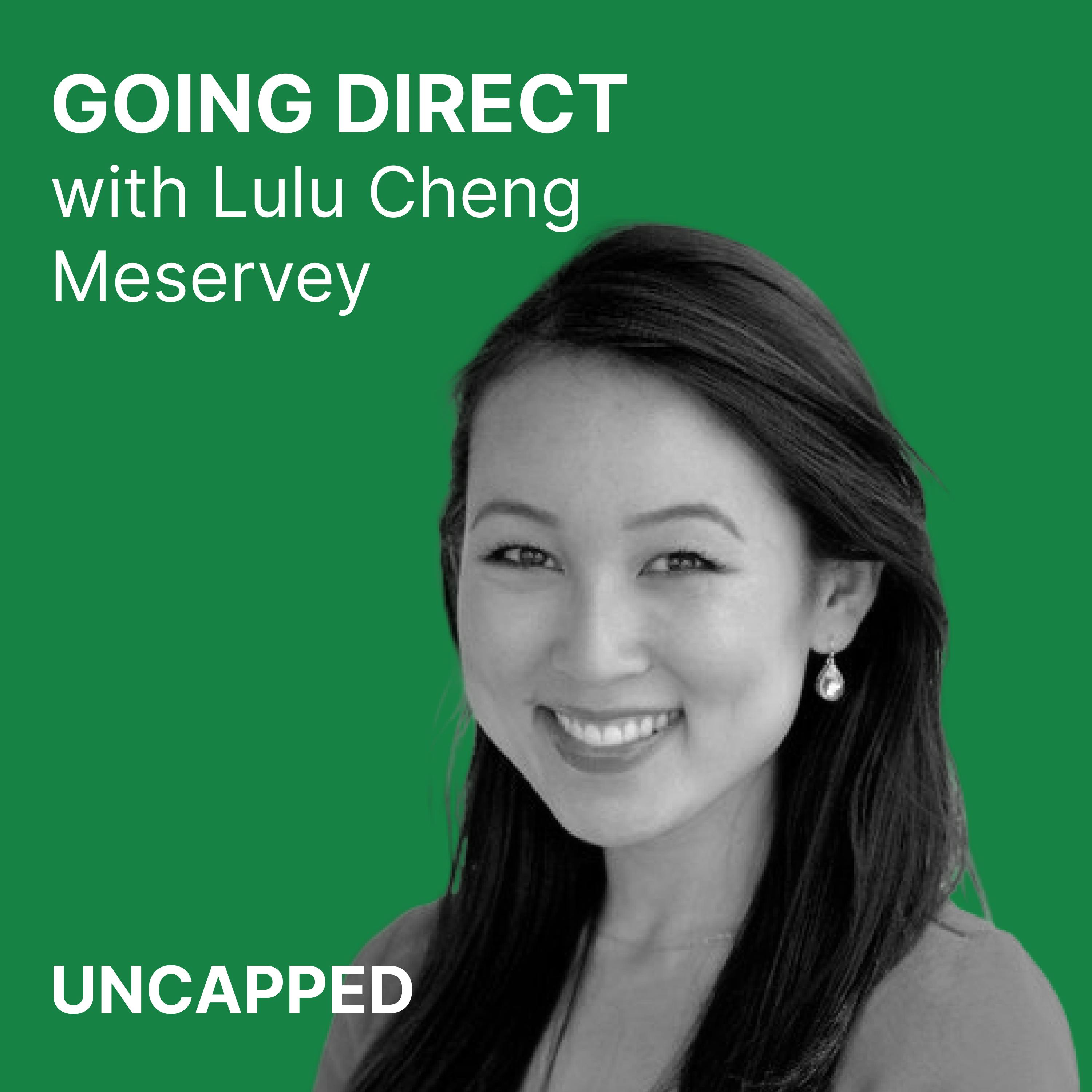
The discussion emphasizes that human persuasion and communication will remain irreplaceable skills, even as AI advances. Effective communication, often described as "aura," is crucial for founders to build reputation and attract support. Storytelling is framed around narrative arcs, where positioning a company as underrated or on an upward trajectory influences public perception and engagement. Reputation operates dynamically; being seen as underrated can rally support, while overrated status may provoke skepticism. Strategic communication should align with authentic business goals, focusing on what is true, relevant, and helpful rather than chasing trends. Examples like crypto hype and corporate turnarounds illustrate how narrative shifts impact success, highlighting the balance between ambition and steady growth in maintaining reputation.
The thing that I have extremely high confidence in is that cons is the final bastion of human ability, where 10 years from now, 50 years from now, the ability to persuade and win over and make other people fall in love for other humans will still be uniquely human. I'm really happy to be here with Lulu today. Lulu, I was just asking you before, like, what's the right way to introduce you? The way I would describe you is like a startup whisperer for comms behind like, you know, amazing companies, amazing investors. I don't actually know the full scope of how you do what you do and what it all is, but it's really incredible. And you're one of the most thoughtful people on how people communicate position things. And so I'm really excited to talk about this and learn from you today. Thank you. Yeah, stoked. Why has comms been having like the moment that it's been having? And I feel like in the last few years, people have started like understanding what it is better and dissecting it and applying it and being more thoughtful. I think comms you all started to get paid more, which is appropriate. I think you can really feel it online. The companies that haven't nailed the ones that don't. But like, why has it become more of a thing in recent years, seemingly? I think we're all just pattern recognition machines. And when we're seeing that the companies where the founders have the most aura and the companies that have built these impressive cults and the companies that have the best reputations are getting the best people and are winning and are worth the most, then the founders coming up say, I want to do that too. It feels like even though, so like even that word aura, I feel like there have been more of these lately where I'm like, there's cracked kids and there's like, we have a lot of aura and there's like vibes. And it seems to me, meadies was always happening, but it feels more lately that people are more attuned to these words and these positions and what's the energy of the company and the thing. Does it feel like that to you? Yeah. And it's actually hand in hand with people caring more about comms and how they're perceived like aura is code for how good a communicator you are. You can't be bumbling your way through a sentence and not able to describe what your company does and then still have aura as a founder. That's very difficult. So I think that people are just seeing the pattern that the people with stronger reputations that other people think more highly of and are more impressed with are the winners and they're trying to figure out ways to recreate that. And so some are trying to do it with these cinematic videos and some are trying to do it with various forms of aura farming, some are hiring online influencers, which I'm a little bit agitated by. But everyone's trying to approach it in these different ways, but there actually is time tested grand strategy for how to curate a reputation. If you take a holistic approach, it is like you start with what are you trying to achieve? And it's not what I want to try to achieve is people love me and think I'm great. What I want to try to achieve is to save the US military innovation future by equipping them in the right way or to build the software engineer of the future or to build super intelligence. Right. And that's what I want to achieve. And as a means to that end, what do people need to know about me? Obviously, it has to be true, but out of the set of 10,000 things that could be true, what are the things that people care about and that are useful for this project? And so thinking about it through those terms, sometimes it'll lead you to doing the standard checklist of like video, influencer, tweet a lot, whatever. But sometimes it'll lead you to launch a fellowship program, host a competition, turn down certain opportunities. You know, it might actually be outside of distribution compared to what you, you're seeing other people do. When you think about like the most successful coms, either just campaigns or chapters or people or companies, is it more about clarity in what they say or is it more about like the way they say it and what the personality that they show as they do those things? Cause you know, like I think having a clear mission and clear articulation is really good. But we can all think of these examples where like many companies are all basically saying the same thing. But for some reason, everybody wants this one to win. And then when people want this one to win, it becomes easier for them to win. Yeah. It's like, what is, yeah, what's the balance here? Yeah. So two things, the what and the how are both more useful and important than the where? Have you seen this comic of Waldo sitting at a bar and he's looking sad and he's got a drink and the caption is nobody ever asks how is Waldo? Everybody is always saying which podcast can we go on? Nobody ever asks how do we get people interested once we're there? So the what and how are both important? I will say one thing that people probably underrate is that if people just like you in their gut, they will figure out ways to try to help you be successful. And they will kind of retcon to themselves the thing that they heard and how compelling it was. And they'll just like help you inside their own eyes. Yeah. It's like one of the founder archetypes I think about a lot is not like, you know, there's, there's many intersecting things that are very valuable. Like there can be visionaries and there could be deeply technical people. But there's also this type or this characteristic that can overlay where people are just so magnetic, so likable, so just pure, seeming whatever. We're just the whole world wants to see them win. And I think I don't know what that is, but that seems like a very important thing here. A lot of it is pure honest conviction and confidence. This is what you know, you and I can't get through a conversation without talking about Napoleon. So look at that. But some of it is if you just have complete confidence that this thing that you're doing is right and you're going to win and it's inevitable and you just simply share that with people. They will feel that emanating from you and it's very hard to resist. And this is true in the past when people have had to run into a storm of bullets in order to achieve this thing that you've told them must happen and will happen. Or today, if people need to leave their jobs and come, you know, turn their lives upside down to work with you. So I think some of it is just like another human being telling you with complete confidence and conviction that this is the thing that's going to happen. And that's the thing that AI will not be able to take away from us. We'll see. But, but you know, AI will be smarter and better than us in many ways. And people who deny that are just coping a lot of these like, AI can already do it better than me. But it needs me doing is like, no, you're just asking for a DI program for yourself as a human. You know, like it's like, AI can do better. But for convincing other humans, I think we'll always take humans. I think that actually communication will be the skill that humans need. When you start work on helping a company position itself or get its brand, right? And you think about stories. What goes into that for you? And so like, you know, what I'm imagining is I got to like tour the, like Pixar studio one time and like meet some of the people there. And it's like the thoughtfulness and the deconstruction of a great story is just such a science. And I'm wondering if you could break down what's the, what are the lenses or the attributes of a great story in tech? Every great story has a problem and a resolution. And the way people think about where you're headed from here is by thinking about where you are on that curve. You know, what goes up must come down. Pride comes before the fall, darkest before the dawn. We have all of these different phrases for things meeting a resolution is the same way that supposedly Eskimos have so many words for snow. It's because we have this deep, deep attachment and commitment to seeing stories through. So we assume in our heart that every story has to have a problem that then gets resolved somehow. And if someone flies too close to the sun, they have to come crashing down to earth. And if it doesn't happen, if the story was, it was then flew happily away. It's not a story or if somebody crashes down and doesn't make their way back up, we were to see a movie like that. We would not be able to sleep. People would hate that movie and not know why it's like this uncanny valley of a story that was caught ahead in the right direction, but didn't quite get to the other side. And so every story has that arc. A narrative arc is literally a arc. It goes one direction and then it comes back the other direction. The way this is relevant for founders is you need to help people understand where you are on that arc and where the arc is headed. You don't get to choose that there's an arc and that people will think there's an open and a start and a beginning middle end. But you get some agency in where people think you are on the arc. And if people think that you have crested or you've already hit the apex and your past days are behind you, then they assume that you must be coming back down or if people feel that you're actually just hitting the near of the curve to go up, then they assume that some greatness awaits in the future. So you get to choose, are you on this kind of an arc where you've already passed? The apex? But there's always an arc. Yes. Or do you get to choose whether you're on this part of an arc and you've come through struggles and your destiny for greatness? So what is the arc? Where are you on the arc? And people will fill in the rest of where they assume you're going to go and where you deserve to go. I guess also companies need multiple arcs, of course. And so you think about the companies that have gone really far. There have probably been so many minor and major arcs and resolutions. And then there's a new tension that's created and resolved. And I guess that's a big part of it too. Yes. It's like you almost need to create the next tension point for the next story. It's sort of like the S-curbs of technological adoption. You know, you can be on one S-curb, but you know that there's other coming. You know that there's a bigger arc. It's sort of like, what was a man in black, where there's like a universe in the universe and another universe, or like the stock market where there's the zigzang and eggs every day. But then you can zoom out to the month or the year. And then over the decades, like each of the ups and downs are part of some bigger up and down. The point of this for founders is just, if you know that people think this way, then you have to be really conscious about where you are positioning yourself on those arcs because people will judge you by that. And that's, it'll shape their expectations on if you're headed up or down. So how do you create those
arcs. Like if you're sitting there and you're running a early stage company or maybe it's not so early stage, how do you make an arc? There's two things that you need people to believe. So first of all, imagine that people's opinion of you is like a living thing and the story that the take a set group of people that's your audience. Like let's say that my company needs to hire software engineers and I'm talking to like Bay Area software engineers and that's the people that I care the most about. Among those people, my story will be kind of a living thing that has a homeostatic set point. Like your body type. So this is like such a long round of activity answer. I'm like, here we go. Unfortunately, I'll lay out the ingredients and then I'll put them together. Imagine that the story among those people is a living thing and imagine that that living thing has a homeostatic set point, the way that your body temperature does. Your body temperature doesn't have really like it. It's a new trillion, right? It's supposed to be at 98.6 let's say. Is it still that? There's like some new science. Let's say if it's above that, then the body will regulate to bring the temperature down. If it's below that or regulate to bring it up. If it's far below that, it'll try really hard to heat up. The way this translates to the story is people have an assumption of the level of celebration you deserve. Interesting. How good you are and how much reputation you deserve. How do people decide that? Let's get to that because you want to try to engineer it. If you're above that, people think you're overrated and they want to bring you down and they don't like you. If they perceive that you're below that, then you're underrated. Underrated is a compliment. Why is it a good thing to be poorly rated? In my mind, it's sort of like you fumbled. What do you mean you're not well rated? Go fix it. It's an issue. But underrated is a compliment overrated is an insult. You would think that being highly rated is good, but overrated is not. So people want to fill that delta. If they think you're underrated, they'll try to bring you up. So this is what people get to this too. This is what people have been saying about Google Gemini. It's underrated. It's like that it's high status to say. Yeah, it's a compliment. It's a compliment, but it's also seen as insightful and valuable and useful to point out that Google Gemini is good. That's true. Yes, people feel good when they make that point. Yeah, they're like, I'm pointing this out. So I'm writing some kind of wrong in the universe. I'm filling that in. I guess people also feel good about themselves when they call it something overrated. People just feel good about identifying the discrepancy. We're all kind of reputational care. That's interesting. It's one of like bring people and companies to the level that you think they should people who are really smart. I'm thinking of the city people who think really smart when they make these points. It's all of us. It is all of us. We feel off when something isn't where it should be. That's why all these phrases exist. So anyway, when you are the founder and you want people to think of you well, you want people to think that you're underrated because you want people to think that your true value is even higher than the market is placing on you right now. Even if that's high, your true value is even higher and your best days are ahead of you and things are even if they're good now, they're going to be amazing in the future. How do you get people to think that? Well, there's two points that are relevant. One is where should you be valued? What is the correct homistatic set point for your story and reputation? The other is where are you now relative to that? Where a founder would go wrong would be if you are saying our mission is to do this thing and we are achieving it, then people are like, "Oh, have you already?" You were meant to go here and now you're here. So founders will talk a lot about mission statements and I think a lot of mission statements are either so lofty and generic that they don't mean anything and so people don't have a set point, they'll just make one up or they're so current and not sufficiently timeless that people feel like you did it like what now? So choosing what the natural endpoint is and then choosing how to show people where you are relative to that. It's an interesting point about not wanting to seem overrated because you there's also you want to be relevant and you want people to take notice and usually people do that through look what I'm done and look what I've built and look at these customers I have and all of those things. So it's an interesting balance where you're trying to in a weird sense be very loudly underrated or something like that. Yeah. Yeah. Yeah. Crypto is a good example of this. NFTs were really good example of this where I happened to agree there was like some natural value that NFTs could have had but it just soared so far beyond that. It got crazy. Yeah, crazy. And you saw people trading things where like I can print and everybody kind of was like this doesn't make sense and at the same time these things are trading for millions of dollars. Yeah. Open doors is an interesting example. Now my friend Kaz who used to be president of Shopify went to go around the company and things have been bumping overnight because people are just optimistic about where the new natural set point for the company is. He's going to be making a lot of changes to product and R&D and to the team and culture he's already started announcing some of them. None of those materialized in the first 24 hours. The only thing that materialized was this guy showed up and said I'm going to do this. So the pretty significant jump in the stock was based on trusting him liking him believing that he can get it done right. It wasn't actually anything that happened in those 24 hours but people reset what they thought was the homeostatic set point for that company. Yes. And then all of a sudden it was underrated. All of a sudden it was underrated undervalued. That's right. Yeah. Do you think all companies just necessarily have to go through these ups and downs or their examples of a company you've ever worked with that just like stayed maybe not right on the line but that didn't have the dramas of the ups and downs and kind of just hung pretty close to homeostasis on its way up. I think the more ambitious a company is the harder it is to stay steady with that. If you're ambitious it's sort of like some of the most ambitious companies in the world today are these big AI labs. They're making massive massive bets and each of these bets if they pay off lead to massive massive returns and if they don't pay off could lead to just complete object failure and destruction and ruin and humiliation. Right. And the way that this works is it pegs to your narrative like it there's volatile ups and downs and the slopes are just deeper. Whereas if you are a very steady kind of consumer company of of your like Chick-fil-A you know pretty much like they've had some dramas. They've had some dramas but the dramas didn't really seem to affect the chicken consumption. No people still like the same as you're right. It's like if you like these sandwiches come and eat them. Yeah. And now with maha people are saying these sandwiches will kill you but the people who were eating the sandwiches weren't eating them because they thought they were healthy. Yeah. So even just broad health kicks like you know how bad are microplastics people like it's terrible and then like I have whatever. It just doesn't seem to matter we're still using a lot of plastic. Yeah like the plastic list project came out with those fair life. Yeah. Yeah. Yeah. The four power shades. Yeah. Yeah. How to turn on the ballots. Yeah. And I went over then you know there's one of the fridge I'm drinking you. It's like yeah. No. No. No. There's a whole other lens that you've spoken about that you know is if what we just described is sort of like the flow of the up and down. There's another lens you've talked about with like circles in storytelling. Yeah. That's more like the stock of where you're at. Can you talk about that? Yeah. Yeah. Yeah. I think about flow and stocks. So like flow is more like a trajectory of where are you going and and drawing out the long arc for people and telling them what to expect. And stock is more like at this moment in time. What do you say? Okay. A bad recipe for this is what sounds good. What's going to get the most engagement? Good recipe for this is business what I'm trying to achieve. What is the circle of things that are true? And then what is the circle of things that are relevant and interesting? And then what are the circle of things that are strategic or helpful to the business? So let's say that we're starting a a confidential restart an AI personal tutor. Okay. We're starting an AI personal tutor and the circle of things that are true about us are that we have we have discovered that one-on-one tutoring immediately puts you in the 99th percentile of student results and that it's worth throughout history. There are military studies that confirm this and that people want this for their children because there's so much controversy about schools being a mess. And there's facts about Jack as a repeat founder who you would be to see a lot of these cheap stuff. And so like Jack is a repeat founder and has scaled in Rome companies and has seen these and has children of his own. He's a father. Then the circle of things that are relevant to today are everybody's excited about AI looking for real use cases and solid business models that the education system is in high controversy and tumult and that this next cohort of kids who are now in K through 12 are going to graduate into a world where AGI has made it very unpredictable how they're going to make a living. And then the circle of things that are helpful to the business are like easy to use. We partner well with schools. We can layer in top of traditional schooling. You don't have to go full home schooling in order to use us. In order for us to decide like you're going on a podcast today and how are you going to describe the business. We would want to look at the overlap between all three of these circles. So there are things that might be true and relevant but not helpful. So maybe it is true that you what's one of your hobbies? Music.
- Yeah, you're really into music. And it is relevant because there's some study that music helps with neuroplasticity and young children and helps to form a stronger brain, but we're not ready to offer that product yet. And if we advertise it, it doesn't actually help us right now. So that's not useful. And well, you could go through all of these examples. There are companies today that have left out the third circle of is it useful in strategic? There's this question of like, is all press good press? And like, we could say something right now. If I said say something to just try to make this next 60 second clip do the rounds, don't worry about any other variable. Just do the rounds with the next 60 seconds. You could say something nuts and make sure that this clip went viral. But that doesn't necessarily help. And I'm curious actually, you're taking this specifically of this like all presses good press thing because this is like, you know, taking the circles analogy. This is basically saying, if I'm just gonna go nuts on relevance, I'm gonna drop the other stuff. There are a lot of people who think that's good. Yeah. I think based on your framework, you're actually kind of implying it's not. You could potentially super handicapped yourself in the future. So imagine that you're saying something that is true about you and it is relevant, but it is not useful to say. So there's a lot of controversy about, is it useful for CluDis, the CluDis, say cheat on everything? And then they're explaining, well cheating isn't technically cheating. Exactly. It's a very valid question to ask is that useful for the business because now you have distribution and let's say you reach millions of people and you've told those millions of people that your ethos is cheating and your building products really quickly. And so now your question is gonna be, is that useful for the business we're trying to build? Well, if the business is figuring out a way to make a sizzly video no matter what, then it would be, if the business is let us record your screen and trust us with your data, then it might not necessarily be. So it's worth looking at all three of those. I guess the gamble could be, can you change your narrative over time? In other words, like, let's take that CluDis case study. Can you get a huge amount of distribution with something that feels a little tricky next to the trust us with your information kind of thing? But then can you basically get to that place a year from now with a lot of distribution and say, we actually have a way to now navigate the other side of that and have a new story that matches but now we have the distribution. Like, do you ever see that? Or do you think it's really hard to change the ethos of what the company was to try to make those kind of moves? I think anything is doable, but it is hard, especially if it's something that accrues to personality and trust. 'Cause people can believe that your business model will change, so like Figma literally changed who they were as a company in the sense of like, they changed what they were focused on as a business. But if you're somebody who trusts, still in field, to steward your data and to care about you as a customer and as a person or as a investor, you would trust them no matter what. And if-- - He's an amazing example. By the way, if somebody that everybody just always wanted to see him win. - Yes, everybody wants to see him win. - And he even got the narrative arc with the Adobe thing. - Yeah, yeah, yeah. - And he's been winning and we still wanna see him win even more because we think that the correct level of winning for Dylan has not achieved yet. - That's right, yeah. - Has not been achieved yet. - You know, Dylan could say today, I'm starting a new company that does, who knows what and everybody would be-- - Like a holy wins. - Yeah. - Yeah. - Absolutely. - So it's harder to pivot who people think you are as a person because either you're flighty and fickle as an adult or something doesn't add up and something wasn't true before. Here's an interesting question. Do you feel like who people are from a comms perspective is what it is and you're basically just trying to expose the truth more or are you more of the view that we can actually position somebody? Like when you work with somebody or you like in your head or you're actually this way, but we're gonna make you see in this way a little bit more or are you like, we're gonna expose true attributes about you but we can only work within the confines of what's true about you. - I think more the latter. I think there are different archetypes of people but you gotta lean into the thing that you are. And it's like Charlie Munger said, you can always invert. Like everything has two sides. And so if someone is more remote and more cold and they're not like the warm and fuzzy type with people to try to position them as that because you think people want a manager that has empathy. It's just hard. It's gonna come across on Cani Valley where it's like, I see what you're saying but I don't feel it. Whereas if you actually lean into this is a technical genius who is in the lab cooking up something amazing and you can be part of this team, you'll attract people who want that and that's actually the right thing long term. What you don't wanna do is bait and switch someone into joining the company for example because they think that they're working for this type of guy and then that guy just doesn't actually show up to work. He was only on the podcast. - Yeah, you basically have to lean in the authenticity but you can choose which parts of somebody's overall shape to emphasize. - Yeah, most people don't know you as a founder personally and they don't get to shape. So there's like the true authentic, platonic ideal of Jack and that includes all the things that are true about you properly weighted. You as a full person and that's between. - It's like what, hopefully what my wife would know. - This is like between you and your wife and God. Like that exists. - That complete picture. - Yeah, and then there's the people who know you personally for the sake of simplicity, let's include people who are very close to you as well as people who are just like friends and these are people who actually directly know you and form some opinion that's like a resembling Jack Ish Hamangilis of you. - Yeah. - And then there's the world. - Then there's the world and the world, maybe they have this pair of social relationship with you but basically they see some even more mini version of you refracted from afar. This is like the Walter Lippmann theory of the purpose of the media originally is that the world has too much data for us to actually take in. And therefore we need something to compress it down to us for a little, almost like a metaphor of the world that we then use. And so like the model of Jack that people will make will be some version of you. You get to have some influence over that version. It still is based on this. - Someone watching this right now, it's like this isn't a normal setup. Like there's like cameras and lights and whatever. And so it's like, there's just no way for it to be like that. And so then you have this choice of like what side of you are you gonna expose. And I do think some people choose to just be like whatever I'm just gonna be who I am and some people think about it a lot more. - Yeah, it's worth thinking about what are the things you wanna intentionally highlight about yourself. As long as it's also one of the things that true. It was a subset of the things that true. You can choose like these are the traits that are most relevant and useful for the business for people to know about me. And I wanna highlight those. It's like when anchors go on TV, especially Fox, they wear a ton of makeup. - Yeah. - But you and I should have done it with a slatter on the makeup. - And that is to highlight their features. So that it's still in person, it looks almost macabre. But like through the camera, it looks normal. And so for your personality traits and the things about you, you almost have to amplify them beyond what is normal in this kind of a setting so that it really reaches the world. Like if you and I were just hanging out today and you told me one story about how you wanna run your fund 10 times, be it a little much for me. But if you're moving through the world and you tell that story 10 times. - And if you're personally here, is it like one and a half times or something? - Yeah, we're like zero. - Yeah. - You have 0.5 times maybe if you're lucky. - Yeah. - I think about this a lot with just like companies doing marketing. I remember at lattice in the early days when we were just, first doing this, our team would be like, how we've said this so many times. I'm like, yeah, inside but outside. It's like no one's heard it. Like zero people know about lattice. So we gotta keep saying it. - Uh-huh. - It's like that kind of idea. And it's weird to repeat yourself so much. - Yeah. - But it's kind of what you need. - Yeah. Like how many times do you think that think different was said in how many places before it stuck with you? Or you know, like Steve Jobs's stay hungry, stay fuller, squeeze like how many places did it have to show before like reach you and then actually start. Steve Jobs is another great example of this, where the comeback story is like this is his company, the correct version of this company has him in it. And when he's not there, it's not the right version. We don't believe in it. When he's back, it's become the company or it's on the path to becoming the company was meant to be and it's like destiny fulfilled. - Yeah. - And just a little bit about maybe some of the nuances around choices of words and things like that. 'Cause I think like so many to that point, you know, like think different or like so many of you. So many of these messages that get repeated are actually quite short. Like you don't get a lot of words, you don't get a lot of attention. Like people can read it tweet at most. They can read like half a tweet about it. The choice of words that sound very close, but aren't very close, it like matters a lot. And people kind of like speak off the cuff. Obviously it's not you, but like yeah. English is one of the largest languages in the world because we've absorbed so many words from other languages. I heard someone make the joke. They were dunking on France and they were like, "Well, there's no word for entrepreneur and French." - Yeah, that's good. - Yeah, I like that. - Like so many of our words double on ton. Like so many of our words come from other places that we've just absorbed and then we've made a bunch of on our own. And so there's a vast array to choose from. And the words that you choose actually, not to put pressure on people, but each word that you choose should be load bearing. In practice, you can't do this with everything all the time. Like whenever this comes out, assuming we don't say anything catastrophic in the rest of this interview, it comes out, I'm gonna watch it and listen to like 80% right words and feel like. - Oh gosh, that's a good one for you. - Yeah, so it's impossible to really do that in practice. But when it's something important, like what are you gonna put on this million dollar billboard campaign that you paid for, what goes on your website? What are the five words to describe to a company? It's not the case that a bunch of words that mean the same thing or the same. The way they sound influences how we feel about them. So like the word sinister, which means it comes from the word for left, 'cause left is bad and right is good, has a different feel, like a different ear feel because of the S and because of the I. Versus words that have a rounder feel, give people more of a friendly. So if you have two words to describe,
two words that mean the same thing. And one is something with like S's and I's and one is like with O's and B's and the second normal feel friendlier. If there are choices in how to describe your product. So one of these examples that I think is pretty famous I've seen a couple of times is that if there's crimes sweeping, let's say San Francisco, hypothetically if there were crime or a deer, one day if there were to be. If you wanted to get people to think about this and you had two choices. One choice is the crime is ravaging through the city just rampaging like a wild beast and we need to get it under control. - I'd be like we gotta stop it. - Gotta stop it. - Any means necessary. - National guard, let's go. And then if the second one where crime is a disease that is spreading and it is spreading to more people and neighbors and now you're starting to think like, well, yeah, disease has patients, exactly. And so you can put people in a different mindset of like do they want to crack down or do they want to try to send in the social workers through the analogy that you choose and through the words that you choose? Another example here is actually, can we go to the human psychology for a second? - It's just adjacent. - Yeah. - Okay, a lot of founders go against the grain of human psychology. Like we know not everything about how humans form ideas and thoughts but we know enough. I mean, we know a lot. So here's an example. In Prospect Theory, we know that people have risk a version and we know that the willingness to take a risk is basically double if we're trying to avoid downside then if we're trying to get new upside. So like if you're at the poker table and you might lose $5 versus $10, you'd have to win at least $10 for you to take the same amount of risk. So the way that startups talk sometimes to let's say their customers is, okay, what you've got now is mid and we've got something much, much better. And if you switch, we'll offer you this thing that's much better. You're actually going against the grain of human psychology because you're telling them to take a risk on this newer, unproven startup and in exchange for that risk, they might get something that's better than what they have now. Hopefully if you're correct. So the image would be like, they're standing on solid land and you're rowing by in this rickety canoe and saying, if you get in my canoe, I'll row you somewhere really awesome. You're like, but I can be drowned. Yeah, I get my white van. Yeah, what you want is the image of them on a rickety canoe and you are on solid land and you're like, come to us, we'll save you. And the way to reverse that would be sales pitch number one is what you've got. I know you think it's working. It's really missing out on all these opportunities. If you come with us, we can do this much faster. Whatever, right? It's also where like a lot of sales end up being like, you think that you're land of solid, but that's actually quick sand and all your competitors are doing this thing. And so what looks solid to you right now is gonna be gone. Yeah, yeah, yeah, that's a good example. So a good version where you are going with the grain of human psychology would be that you are currently in the losing state. And your status quo is actually the losing state. And we want to bring you. Yes, yeah, yeah, yeah. Your default screw. I think the default dead thing is like amazing. I don't think it was necessary meant this way. I think it was just like what came. But like that YC sort of, there's a hologram post about it. And I think it is extremely important for sure. Yeah, you're a dinosaur. Yeah, your meteor's coming. And it's basically that you're never stagnant. You're either going up or you're going down. And the default is that you're going down. And so you're going to be able to get a new picture of the world. - Yeah. - Guess who's now kinda sports with the Jackal Moon talk. - I think Barclays is great. Yeah, I have no particular. It was just an example. - It's a good example. Yeah, they're in a good position. - To tile this back to what the impact is, and maybe going back to the opening of the conversation of why people started to care so much. My sense is that one of the reasons that this comes, focus has happened is because recruiting has gotten so hard, and people have realized that it's deeply connected with recruiting, and it seems to me for a bunch of reasons, it's harder than ever to hire great people, and the gains that accrued to the companies that can are very high, so the stakes on recruiting are high. How does this actually manifest for companies? Like how does that aura translate or not into the recruiting? - This is where we get to talk about Napoleon. - I need that. - Here we go. - It was waiting to happen, and here is the moment. One of the best recruiters of all time, and one of the best builders of morale of all time, and there's a few things that go into this. So first of all, we don't even need to spend a lot of time on why recruiting is so important. I think every founder gets it, and if you're not recruiting the best people, you're mortgaging your future, like you're just not gonna exist, 'cause you can't build the best product. Okay, what made someone like Napoleon such a great recruiter is he gave his men a cause bigger than what it seemed like. It was a grander mission. It wasn't just take this bridge, or it wasn't just fight this one battle. At the Battle of the Pyramids, which by the way, he rebranded to the Battle of the Pyramids because it sounds cooler to have said, I fought at the Battle of the Pyramids. - Sounds incredible. - Yeah, and so he rebranded the battle, and then he said something like that, the men were gathered there for battle, and he said, from the top of these Pyramids, 40,000 years of history are looking down on you on what you're about to achieve. Some version of this, like, I mean, you're just gonna perform better, and you're gonna want to be part of that army, that army has the mandate of heaven. He would be branding his army all the time. So for example, when they were trying to take Britain or they wanted to, I think it, it would have been called the army of Britain probably, 'cause when they took Italy, it became the army of Italy, but they were clearly not gonna take Britain. So you don't wanna be the guy who was in the army of Britain and Britain's clearly not part of France now, that's like embarrassing. So that's when he started rebranding it into, like, on the army, like the Grand Army, which is so much cooler than army of place we didn't conquer. And then there was a group of guys who were sent to hold a bridge, and the bridge was within firing range of the Austrians, and so that group of guys had a 100% casualty rate. It was like, you are guaranteed to get shot. If you go here, so he sends the guys, 100% of them get shot. He needs new volunteers, and he fills it with volunteers. And the way he did that was that he branded the group of guys. He called them, L'ésone Sonpe, which means the men without fear. And so, which one's more attractive? Like, the guys who get shot, do you want to join the guys to get shot? Or do you want to join the men without fear? And part of it is you've got to go to the group of guard that bridge. Giving them this magnitude of what they're fighting for, and then giving them this kind of branding that would make it seem, like, even if they were shot for the cause, it would have been something worth it, and they would have been proud to be part of it. It was a big part. He also made himself part of the army as a soldier. You know, the little corporal is part of this, I think he started being called the little corporal because he was aiming the cannons himself, which is grunt work. And so to be there as a short, not 5'3, but like a pretty short guy, aiming the cannons, they called him the little corporal, and it was actually like a really affectionate nickname of he's in the trenches. He looks like SSI, Ilias in the lab. He's got hands on the keyboard. He's got the craziest keyboard I've ever seen, by the way, but like his hands are in the deep wells. And that's a lot better than the CEOs just on podcasts than everybody's going to build so that he has something cool to say on the next podcast. He would eat the same food, he'd wear the old gray jacket. When he came back from exile, he retook France with a thousand men in 11 days. He landed, he was wearing his old shabby stuff. He said, this eagle is going to fly from steeple to steeple until it finally lands on the towers of Notre Dame. And then he went and did that in 11 days. And then the people who came who were sent to go shoot him obviously didn't shoot him. He said, are you going to shoot your emperor? They didn't. And how do you do that? Like how do you get the people to follow you so dedicatedly that they will defy orders to shoot you out instead of join you? It's because they think that you are their true leader and that this company could only be led by you. I think it's a good mark of whether a founder has embedded himself or herself so much in a company that if they left, it's not the same company. And that you're truly one of them, that you are giving them the cause, that you are giving them a way to, if they're part of this team, they're part of something to be proud of. Like they gain membership into something that immediately gives them glory. Yeah, obviously, as I'm listening to that, I'm like, yeah, that's found unbelievable. And then you take it to something that is inherently a little. a little bit calmer, less sort of grand, than wars and conquering and all that, but still very important. And so then tech companies either get this or they don't and it somehow translates into recruiting. You know, it's a little bit more mundane, but it's very real. Where then it's easy, it's easy for them to recruit or it's really hard and they're either like, "Find this uphill battle or a down battle." - Yeah, yeah, yeah. You can see this in the CEOs who do amazing personal recruiting. So like Brian Chesky recruits personally and what I hear is that he just steps up as somebody who could, if he wanted to, who could go into the company and be one of the best people in certain roles in the company. Joe Jabi is still the same way, by the way. There was one day recently where he was like, in Figma, deciding what size, you know, by hand, artisan, Toby is like this at Shopify. He is like the chief AI chinkler. He's not like, go use these new tools, good luck. Let me know how it goes. It's like, - Is that look what I did? - Here's the thing that I made. You can make it too. I made this like, or like team of agents before, it was even a thing. And then he made it into a tool that the company could use. Like how do you not get inspired to follow somebody like that? So being one of the people and being one of the soldiers is still vitally important. Scott Wu at Cognition is this like incredible engineers feel proud to be at Cognition and they feel proud that Scott is a peer to them. And there, Scott's not the only legend at Cognition. I think Ghana is like maybe a record breaking coder and doesn't have any ego about it. But these become your peers and you're building a company together, same with like elite researchers or anything like that. - Yeah, and obviously, you know, taking biases aside that we all might have. It's like, if you look at even like the big AI labs, the way that they-- - Oh, why do you have a favorite animal? - I don't have a favorite. They're all great. - But they-- - Friends at all of them. - Friends at all. - It's, they're all taking different recruiting tactics. And I think partially, and they all have very different brains and oras and it's probably deeply related. - Yeah, I think so too. With the AI labs, it's very, it's actually a good case study of, there's no like permanent mode with talent. You have to keep earning it every single day. And a lot of the, a lot of what goes into whether people want to work at a place is they look at the leader and they say, do I identify with that person? And there's all these different algorithms. It's actually really cool and wonderful to see like different personas and different leadership styles. I am like you, like there are things that I like more, like less about each of them, but they're all like magnificent and impressive. And so there are people who identify more with one or more the other and then kind of turns into the team is shaped in the image of the leader because over time people will converge onto the style of the leader that is supused down to the organization and then the people that they can attract. Maybe to wrap up, I'm curious about like the way that you choose to sort of like practice your business at a high level. You can either be like internal and focused on only one place or you can do what you do, which is where you work with like a wide breadth and then I guess you're learning things from one experience, bringing it to another, maybe you know, a little bit less about any particular entity, but like you've got these other advantages in that way. I'm curious how you reflect on what's the difference, what's the collaboration maybe between you and internal comms when you're looking at these things, like how's it all played together? The way I learned to do comms was being just deep in one thing. So I co-founded a comms company, but like my main work there was Andrewl. People sometimes will say like, I helped Andrewl with comms, but actually Andrewl helped me with comms, like working with Palmer and Tray and Ryan and Matt and those guys, it's like a necessity is the mother of invention. Like they forced us to do things unconventionally and so that's how I learned. And then through Substack, which is still a very near dear to my heart, it was like live and breathe Substack all day long, I still work with Substack, but like just live and breathe Substack 25 hours a day and then same with Activision, please. So I've gone very, very deep. And the thing that's super rewarding about this is that you get to fully own something and if you mess up, it's on you, right? And if it's great, then you learn from you can build on it. I'm trying to form a general theory of comms and I'm still learning in the process, but I don't want to confine that to just one place because I actually want to change how comms is done across the industry. It also seems that you probably couldn't even get to the general theory of comms if you only worked with one place. - Yeah, my, yeah, my, yeah. - It's probably need to see all of these different examples to get complete in this not allowed. - Yeah, like I'm still in learning mode, like I'm still in kind of data gathering iteration mode in my own head. And so for inputs, I want to see more broadly what is going on across different pockets of the industry. And then externally, I really want the entire industry, all of us together to get amazing at this because well, what happens in the aggregate, right? Like if each company gets better at making their case and gets more powerful and higher and grows faster, then all of tech grows faster and that's better for the American in the world. - Absolutely. - It's hard to do that from within one company, but I still try to concentrate as much as possible. So instead of taking like 30 clients, you know, I take less than half of that instead of growing the firm to be 80 people with a roster of hundreds of clients, it's me and my apprentice Gabby. And we have probably fewer than half of the clients that we could have even with just the two of us. And then out of those, there is a power law where there's like specific ones where we like really go deeper. So yes, number one, I, sorry, not to make this about me, I did the meme of like we made it about me. Okay, I do want to do the general relativity theory for comms, like general theory for comms. And that applies to the industry more broadly. Sometimes I see companies that I had nothing to do with who will, the founders will write me like a red-redor blog post and did this launch, what do you think? That is magnificent to me. Did I get dollars from it? No, I get deep satisfaction from seeing that people are using these practices. But within that, we do try to concentrate as much as again. Let's imagine it's 10 years from now and you've learned a bunch and things have gone great and you're much smarter about comms than you are now. Looking back, what would you say is the thing that you're most likely to be super right about with comms? And what do you think is the thing that you currently are least confident in your own variable in the general relativity? The thing that I have extremely high confidence in is that comms is the final bastion of human ability, where 10 years from now, 50 years from now, the ability to persuade and win over and make other people fall in love for other humans will still be uniquely human. And we have to get really, really good at that because, hey, I can't. So it's like, if not us who. So I have very high conviction that this is the ultimate skill that everybody should practice. And I also have very high conviction that there's like this immutable desire for narrative completion within humans. The thing that I have least confidence in is the form factor. Is it videos? Is a podcast? What about the role of the media is that shifting? I do not recommend that people anchor to a specific form factor and be like, we're the company that does great videos or we're the company that tweets a lot. I think that people should be constantly experimenting. You need to be ready to outrun your good ideas. I've had to outrun my own ideas. If we do a launch together with a founder and it goes really well, people will dissect that and then copy it. After the cognition launch, I saw people who just copied Scott's thread, almost word for word in the exact same format. And if everybody were to start doing that or those hype sizzle reels, like the technical acceleration is montages. And now a lot of people are copying the clearly launched video. And once it reaches saturation, it's actually cringe to keep doing it. So you have to find, oh, great, it works. Hooray, that means I need to find the next thing because if I push the frontier here and it worked, everybody's racing towards me. If I don't get the heck out of here and find some new frontier, now I've lost my alpha and we're like in the exact same place. So I would say the takeaways from here are, you need to find your narrative alpha. You need to find the way that narrative makes your company even more valuable than the fundamentals would make it be. That's the job of the founder. That an alpha can be positive or negative. People that alpha is determined by the homeostatic set point that people think your company deserves and where you are now relative to that. And that this is the skill that every human should try to master as much as they can. I love it. I was going to end there, but I have one more thing I got to ask. You mentioned the media and you obviously are big about going direction. How important that is. But if you had to guess, where is this dynamic going to go with tech in the media and that relationship because it used to be that all the announcements happened there. Now there's this hybrid mix. There's a sort of love hate relationship. Where will this trend plan go? I think we're going back towards the media actually being more relevant. And this is why I say not to be dogmatic. Even in my very depths of distrusting the media and being black-filled about the media, even then, I'd reporters that I knew and trusted and was mutual and we could work together and I would try to be helpful. And today, last night I was hanging out with a bunch of tech journalists and they were saying that they appreciate my outlook and I appreciate theirs. And going direct does not mean that you have to boycott the media. It means that you can't be dependent on others. You need to create self-sufficiency. And then you can choose to collaborate with the media. But it's not that, oh, nobody wants to cover this story. So I'm just up the creek. So where is this going? I think actually that media is becoming more relevant. There was sort of a naid deer and tech media relations, where it was very combative. And now the relationship is better. The coverage is better. There's also some fresh blood in tech journalism that is very curious and forward leaning. That's definitely true. And now that people are getting more of their information from say, chat, you be to your clot or whatever, media can be very helpful for that. Clot is not necessarily going to tell you, well, three people tweeted about you favorably today and some like anime profile pictures that is the thing about you. but if there's like one article,
in an outlet, it can kind of solidify that for you online. We were overly reliant on the media, and then it became very competitive, and I think we're reaching a new equilibrium collaboration. - Going to a collaboration. - Sounds good to me. - Yeah. - That'd be great. This was amazing. Thank you so much for your time doing this. I really enjoyed it. - Thank you. (upbeat music)
Podcast Summary
Key Points:
Persuasion and communication are seen as uniquely human skills that will remain essential even with AI advancement.
Effective communication and reputation-building are increasingly valued, with successful founders often having strong "aura" or persuasive ability.
Storytelling in business relies on narrative arcs—positioning a company as underrated or on an upward trajectory can shape public perception and support.
A company's reputation is dynamic; being perceived as "underrated" can attract support, while being "overrated" may lead to backlash.
Strategic communication involves aligning messaging with business goals, authenticity, and understanding audience psychology rather than just following trends.
Summary:
The discussion emphasizes that human persuasion and communication will remain irreplaceable skills, even as AI advances. Effective communication, often described as "aura," is crucial for founders to build reputation and attract support. Storytelling is framed around narrative arcs, where positioning a company as underrated or on an upward trajectory influences public perception and engagement.
Reputation operates dynamically; being seen as underrated can rally support, while overrated status may provoke skepticism. Strategic communication should align with authentic business goals, focusing on what is true, relevant, and helpful rather than chasing trends. Examples like crypto hype and corporate turnarounds illustrate how narrative shifts impact success, highlighting the balance between ambition and steady growth in maintaining reputation.
FAQs
Companies with strong reputations and founders who communicate effectively attract the best talent and achieve greater success. As people recognize this pattern, they are investing more in strategic communication to build their own aura and influence.
Aura is essentially a reflection of how well a founder communicates. You cannot have a strong aura if you are unable to clearly articulate your vision and describe what your company does.
Every great story has a narrative arc with a problem and a resolution. Founders should help their audience understand where they are on that arc, as it shapes expectations about the company's future trajectory.
When people perceive a company as underrated, they are motivated to support it and help it rise to its perceived true value. Being seen as overrated can lead to backlash and a desire to bring the company down.
Founders should define a clear, ambitious mission to set a 'homeostatic' reputation point, then position the company as being below that point (underrated) to create momentum and attract support for future growth.
'Flow' refers to the long-term narrative arc and trajectory of where the company is going. 'Stock' is about the current messaging, which should be based on what is true, relevant, and strategically helpful to the business at that moment.
Chat with AI
Loading...
Pro features
Go deeper with this episode
Unlock creator-grade tools that turn any transcript into show notes and subtitle files.
 PodcastTranscript AI