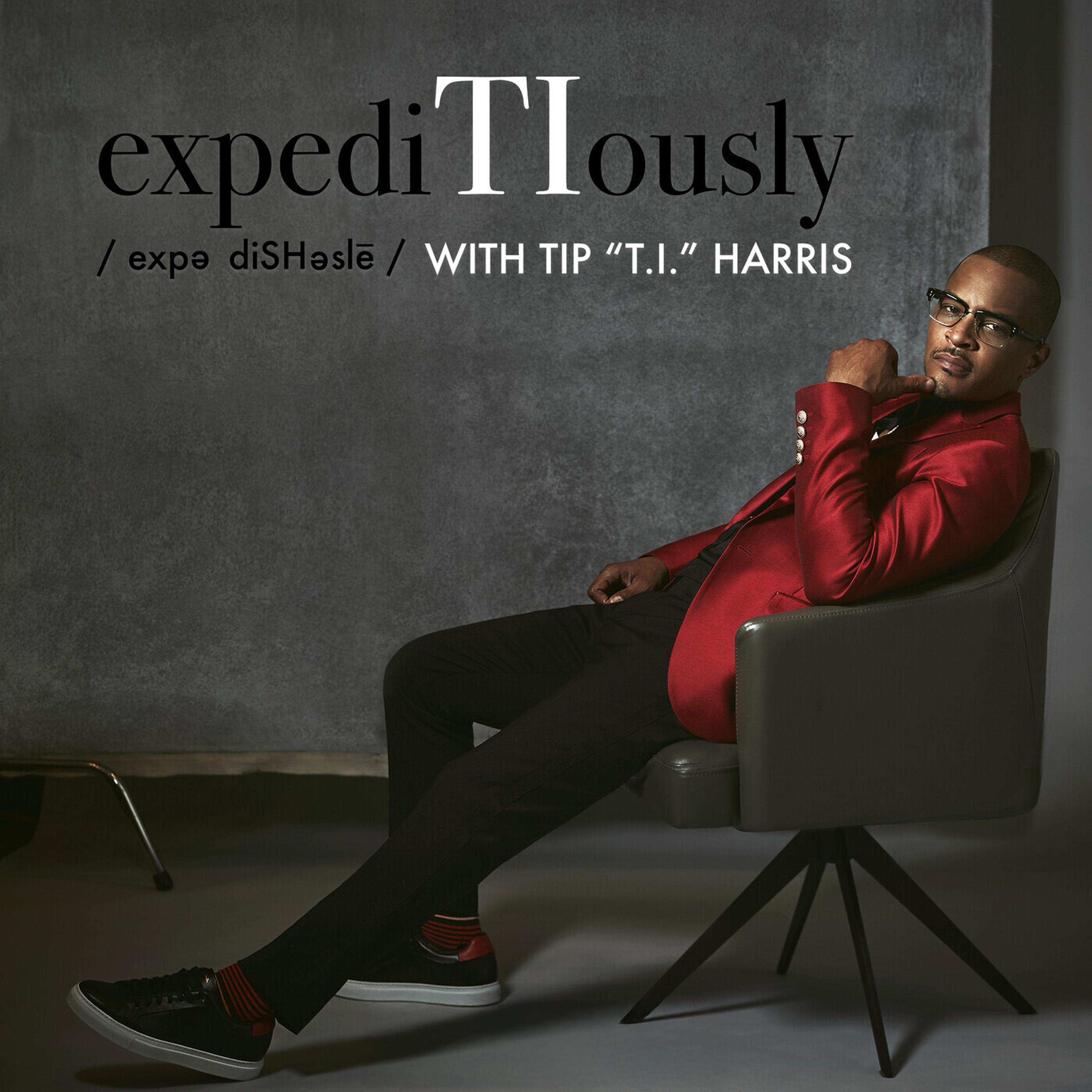
Tricky Stewart Tells T.I. The REAL Stories Behind Beyoncé, Rihanna & Mariah Carey Hits
56m 35s
Tricky Sting, a prolific music producer and songwriter behind hits for artists like Rihanna, Beyoncé, and Mariah Carey, shares his journey from a family deeply rooted in music to becoming a defining force in modern R&B and pop. Growing up in a music-centric household, he developed a passion early on, eventually moving from Chicago to Atlanta where he discovered a unique creative space unbound by chart-driven trends. He credits Atlanta’s culture—its authenticity, vibrant dance scenes, and strong community spirit—as the environment where his original sound flourished. A key moment in his career came with the creation of "Umbrella" with Dream, which he gave to Rihanna instead of established icons, reflecting his belief in nurturing new talent and innovation. He also highlights his deep, long-term artist relationships, emphasizing collaboration, mutual respect, and creative freedom over financial gain. Tricky’s philosophy extends beyond music: he values personal integrity, family, and creative authenticity, choosing to build a life centered on love and partnership rather than just commercial success. His journey illustrates how authenticity, cultural context, and emotional connection can shape a lasting legacy in the music industry—proving that true success lies in creating something that resonates universally, not just commercially. Through stories of studio sessions, personal choices, and mentorship, Tricky showcases not just his impact on music, but on the values that define a meaningful creative life.
Hey, say, what's happening, man?
This is Tip Harris, host of Expeditiously.
Then you know you can watch on Spotify and Spotify Premium.
Guess what? Users get no commercials on my show.
So pull up, check us out.
This is Expeditiously.
I am Tip T.I. Harris.
Uh-huh.
Now, the following experience is not a test.
The conversations and stories expressed on this podcast
are meant to be an expression of purpose and truth.
This show, properly entitled Expeditiously,
is a free exchange of ideas and opinions.
No judgment, no preconceived beliefs, no fear.
You're encouraged to share your thoughts
and ask any question as long as it's done with respect.
And that's through true love and respect for others
that we will change the world and speak truth to power,
one show at a time.
Now, without further ado, this is Expeditiously.
I'm Tip T.I. Harris.
Hey, yo. Welcome to Expeditiously.
I'm your host, Tip Harris.
Today, we're joined by one of the most
prolific hitmakers of our time.
He's a producer, songwriter,
and been behind some of the biggest songs
of the past two decades,
with the likes of Rihanna, Beyoncé, Mariah Carey, and more.
Hit list so extensive,
I'd take up all our time running through it,
so let's just say this.
He, uh, he has, uh,
he has left. Oh, excuse me.
I would take up all our time running through his list,
so, you know, let's just say this.
He has left an undeniable mark on music, okay?
Over here,
he's earned multiple Grammys, ASCAP honors,
and has crafted over 25 Billboard No. 1 hits,
uh, over 20 ASCAP awards,
multiple Billboard honors,
and a plethora of other industry awards,
including the Songwriters Hall of Fame upcoming,
all right?
Beyond the studio,
he's also committed to giving back support and initiative
that empower young artists in underserved communities
through music and mentorship.
From chart-typing singles
to meaningful work off the stage,
please welcome the man behind the music,
my partner,
Tricky Sting.
Thank you, sir.
What's happening?
What's up, brother?
Man, ain't nothing to it.
What the business is?
Shit, man.
Happy to be here.
I made it.
Hey, man.
Hey, you made it like a motherfucker.
You feel me?
Yes, sir.
Man, uh, all this time, man,
you've been, you've been, you know,
creating the soundtracks to our lives.
You know, like, where did the,
the desire to create come from?
The desire to create,
I think the desire to create just came from,
um, loving music, right?
Um, I love music a lot.
And so I've spent my whole life just growing up,
being in and around it.
Like, in my family, like, when they say get a real job,
they mean getting a music business.
Like, you know, it's like, it was, I loved music personally,
but didn't see myself going into it.
And it was just something that over time,
it just became something that I knew kind of was calling me
more than I was trying to call it.
Just because when you come from something,
Right.
My whole family does music.
So when you come from.
Your whole family doing music?
Everybody does music.
So it's like, people know me,
but like Jason Weaver is my first cousin.
Okay.
Cooke Carell is my first cousin.
Laney Stewart is my brother.
Okay.
Mark Stewart and Judy Stewart.
And that's the second generation.
But my father and my mother,
my father was a classical pianist,
ran music companies.
My mother's a program director and choir director.
My cousin, Cynthia was like the girl that was like,
um, all the Gatorade commercials,
like, you know, the Michael Jordan,
the campaign.
So you came from money.
I came from, I came, I came from passion.
You came from music and money.
I came from, I came from a good place.
You know what I'm saying?
I was like, music, as you know, has ups and downs
and it has ups and ups and flows to it.
So from the standpoint, like I lived a life,
but it was always a life like looking at it from
that was always hopeful, regardless of what the situation was.
It was never destitute.
It was just, sometimes there might be a slight,
circumstance, but it would be a slight circumstance.
Everybody in life have a slight circumstance.
I've been having money for a long time.
I have not been without slight circumstance.
I ain't got that rich, you know what I'm saying?
It's, it's one of those things, but you know,
everybody has a story to tell and music.
If you don't have one, it'll give you one.
That's right.
And so, uh, but with that being said,
yeah, the, the love of music I think is kind
of what led me there.
And then the other part of it is just,
man, I like doing shit that make people feel good.
And so music is a, is a, is something that
I think makes people feel good when it's got
the right vibe to it.
And the other part is, it's like, if you're
going to invest your time in something,
why not invest it in something that is going
to live forever and music will outlive us all.
That's real.
And so, so tell me, tell me, tell me where
the nickname tricky come from.
Tricky come from my mom.
I used to play football.
I really wanted to be an athlete, you know,
hence my whole red zone triangle sound.
Like, you know, all that, all that shit is based in.
You know, my love of sports.
But I used to be like, really, I was nice with it.
You know, what position you play?
I played quarterback, but then I didn't grow a shirt
for quarterback.
See, you see what happened.
Everybody came back that, that year, you know,
that freshman year when you're supposed to go from
freshmen to sophomore and everybody went up to six, four.
Yeah.
I stayed the same.
And that's why, you know, when that happened and I
found out that happened me, I was just like, you
know, I gotta, you know, I just found out that at
that point in your life, what you're supposed to do, if you really want
to maximize your growth spurt potential, you're supposed to take magnesium.
Yeah.
That wasn't going to help me.
I needed to be six, five, I needed to be six, five.
I need to be six, five by the summertime.
Yeah.
Like, so that, that wasn't going to help me, but, uh, that
with that, you know, it was a blessing and a curse, but
that accelerated my life that accelerated me to go, well,
I know it's not this, and that's how the music became, you
know, that obsession from football, being able to take that straight
into music at a young age and just put everything into it, I think
by the time I was like 17, 16, 17, it was like, I was in it.
You play?
Yeah.
What'd you play?
Piano drums.
I play anything.
If somebody don't show up though, I mean, you know what I'm saying?
Like back then, if any, like, you know, back then, if it, like, if I
go to the studio at that time, it's like, if you don't come, that doesn't mean
nothing, you know what I'm saying?
Like if, if the guitar player don't show up, I play guitar.
Like I can play anything enough to write a song.
Cause my biggest thing was writing songs, you know what I'm saying?
And so, you know.
I play, but my main instrument is drums and then my second instrument is piano.
You, you started playing piano as a youngster since your father
was a classic, classical pianist.
He actually became a classical pianist after the fact.
Like I didn't even know my father.
I didn't know my father to be in music like that until, cause we, I always
looked at my father as a, um, as a business guy, because by the time I got
in music, he was done with music, but that's how him and my mom met.
But so all the love.
What I thought was just on my mom's side of the music side with her and Curtis Mayfield
and Aretha Franklin and all that kind of stuff.
I thought it all just came from there.
But then I ended up finding out like, Oh no, like they met.
Cause my parents was divorced before, like when I got here, you know what I'm saying?
So I'd never lived with my pops.
Like I never lived with my dad or anything like that until we lived together.
And so ultimately it was just a situation where I discovered his love for music later
in life because my mom's side of the family.
It was really like the one that I was really, really around like that.
Got it.
Got it.
Now you, you, you, you began telling me a little bit about, you know, your beginnings,
uh, in music, your decision to come to Atlanta.
Um, and you came to Atlanta from Chicago, right?
No, I came to, I went to LA first.
Right.
And at that time I was really just trying to get to where BBD and new edition and
all of them guys was making all those records.
Like.
And so little Silas was out there.
LA and baby face was my favorite producers, Jam and Lewis.
Like I was like the stuff I was listening to back in Chicago.
I was just like, well, shit, they out there.
You went to LA with the intention of getting in the music business.
Oh, I went to find little Silas, Jr.
LA Reed and baby face, particularly like, I mean, like on some, like my family.
Once again, it wasn't just me, me, my brothers, my brother's wife, girlfriend at the time,
Judy.
And.
About 10 other of us, my cousin, Sean.
So 10 of y'all moved.
It was more than that.
It was more than 10.
Yeah.
It's, I mean, yeah, it was probably like 17.
So you migrated.
Yeah.
Yeah.
I mean, we all had, you know, you know, we all had our girl with us and everything.
You know, we, we had big dreams of, you know, those girls didn't make it.
Damn.
That sound like when, like when the Vikings moved from one, from one settling to the
other, the girls didn't make it.
No.
They could not withstand the winter.
You know, it was, you know, we was young.
Did you find Lil Silas, baby for LA and babyface when you got there?
Yeah.
Yeah.
I mean, look, we weren't on the outside looking in before that.
Like I said, we were in the music family.
So before that, Lul had started coming to Chicago.
Okay.
He had started coming late.
Aaron Hall.
Um, first project, like the, with the, um, I can't remember what the name of the album
was, but Aaron Hall, Shantae Moore, my brother Laney really had a lot of shit going on.
Um, coming out of Chicago.
So he was kind of like this prodigy had everybody flying there.
So when we went out there, we kind of had, I didn't have, but he had an inroad, but by
the time he had the inroad quite naturally, you would have, I was only 15, 15, 16 years
old.
So, and, and, and I didn't know about school.
Tricky.
Come on.
I can't play football.
Fuck this.
I mean, listen, as soon as I couldn't play football, I never stepped in school ever again.
For real?
Never again.
You don't have the look of a high school dropout.
Oh man.
- Come on.
- Man, damn, that's what's the,
didn't go to a community college no man you fooled the shit out of me then that's something i just
learned no i i i quit high school on my 16th birthday but i but i missed like damn i missed
the 81 out of 100 days anyway so it was it wasn't going anywhere for me in there my mom thought my
mom i didn't quit let me just i didn't quit my mother took me out of school she said school was
a waste of my time whoa that's a hell of a mom you got down yeah oh yeah i've never heard what
i've never heard a parent say that before well because and i applaud the approach because
sometimes that's the absolute truth yeah i mean there's a difference between that she didn't say
i couldn't be i had to be educated okay going to school and being educated it's two different
things so so where did the education come from after you after you withdrew from school my
brothers taught me okay so i had to go to school with my brothers
like
every single day like i would be interning for them but my job at their production company that
they was building was to go to school but i eventually got expelled from there as well
you're a terrible student yeah listen the idea of you telling me what to do and the carrot not
being on the other side of me playing football that was it yeah and so from that standpoint
my whole life has been based on trying to get in control so nobody could tell me shit
well you seem to have done a pretty good job of that
you know you seem to have done a pretty good job of this so let's go back to la
when you're going you're the little brother and you're traveling with you you know your family
out to la you know with dreams of being in the music business what was your first
opportunity that that you recall
uh i mean let me think my first opportunity oh my first opportunity as i recall it was um
i did immature's first album okay so no maisha
uh no that's playground no that's uh that's abc oh immature immature immature was marcus houston
oh i never lie yeah i will never lie yeah okay so back then so that was my first placements like in
92 right so i got my first placements in 92 and some of the stuff that i did during that time was
like um remixing for bobby brown like because bobby brown was happening but it was like
he was on the if it ain't good enough time like it was like after like don't be cruel and shit
like that and so after that then i was like doing a lot of remixes and stuff for lul and i would just
remix all his stuff and my brother laney was doing aaron hall and so damien hall was in the
group guy as well and i got to be in my cousin sean because i used to have a partner like tricky
and sep and we did uh damien hall album together okay and so we started working for what
was you know what it was that we were chasing down i guess in the overall scheme of things the
law of attraction yeah we just had a beeline straight to who we wanted to work for and really
really just made it happen and that led us to shantae more which led us to all that which led
us to getting proximity to la and babyface hearing us and that's what brought us to atlanta because
eventually um la started hearing about these guys tricky and sep from this girl tyvi turman that
lived here um
that was signed to don perry and joe katz and ultimately they she was singing backgrounds for
them down here and they were like yo come like we want to take a meeting they took a meeting la took
a meeting with us and we moved like on the spot literally so you you so you didn't you didn't
think well let's just let's continue this in la you you said well i'm going straight to atlanta
i'm going straight to atlanta because have you ever been to atlanta before no but anything about
it nope
i never but my mom was from atlanta oh okay my mom was born in grady right so like like i knew
i mean i knew about atlanta but what ended up happening was i i came here and then like jd
this is like probably like 94 90 94 like like crisscross time yeah and so jd is the person
that picked me up from the airport okay so that's not a bad
introduction to the city yeah so he's got crisscross out uh-huh we similar in age he might
be a little older than me or whatever but we're comparable i'm looking at a person my age i'm 16
and he might be 17 or maybe 18 at the time and he's got matching ferraris and matching bmws and
matching three wheelers and like you know and i'm just like yeah like i was like in la nobody has
that at this age like when you see somebody who's like you know like you know like you know like
somebody have that in la it was like so it was between the attraction of la and face or the face
records that it became and then seeing people here and the first thing that i one of the first
things that happened is i came here went to the studio and went to the studio and met organized
noise okay and outcasts right and so la this is what they're working at they mix
and at his house like back when the studio was in la's house and so first record i hear
this ain't no thing but a chicken wing you know what i'm saying we're outcasts and they in there
everybody got their shirt off in the studio and i'm just like like i'm hearing records like i've
never still to this day still never heard sonically sound like that like if you put that on right now
you'll just be like what is that yeah and so you know that attraction of hearing stuff that was so
unique yeah uh like what he was doing what jermaine was doing and then dallas was here and dallas was
doing the records like aisha what about your friends like all that early tlc stuff and it
just sounded like it just sounded like people who really really wanted to make it like really wanted
to make it it sounded very hungry right it sounded very original and i knew new york wasn't for me
but what i liked about atlanta is that even though it was small small proximity nobody was doing what
the other person was doing right and even and they knew each other but everybody was like the dungeon
family sounded like this and social death sounded like this and darp sounded like that and i was like
i could go there and have my own sound and really what the game was in la at that time was really
just sounding like what was on the chart you know what i'm saying like oh somebody did this walter
affinessi did this you try to do that you know and so this gave me the ability to try to be more
outside the box and once i once i got here i realized that you know you could be you could
to be in atlanta is to understand that you can make it in a real way which i think you atlanta
gives you enough time to think like atlanta gives you enough time to think to really decide
how to be great and not you know what i'm saying like but if you if you ever heard that if you got
new york or la pressure on you you don't get to think you just get to react atlanta
atlanta was slow enough and small enough that at that time like i didn't have a i didn't have a hit
once i got here yeah that's what i was just about to ask you yeah
listening to your story i can hear from birth you've been in such
such of an arm length proximity to opportunity my only question is what took you so long
like you you have been around la babyface goddamn immature jd jd pick you up from the air
port you you you know organ in the studio organized noise before they blew like what took
you so long you think to to kind of get to a mainstream success i think it was because i
wasn't original enough how do you say that because i never i think in chicago where i'm from
illinois it's the gift because you don't belong to a curse i mean you don't belong to a curse
right and so you don't belong to a particular sound so what comes into chicago is the best of
everything so i've always just been attracted to whatever the best thing of new york was what
atlanta was what the bay area was what la was but at the same time chicago didn't really have a sound
like there wasn't a sound that came from being from chicago so i think it just took me a longer
time to find my own personal originality
so when you heard it you would be like oh i know who that is right you know what i'm saying and so
it was the evolution of seeing that happen and i think what really what really triggered it for me
is was like hearing like how atlanta could be so big like it was always no matter when it was
authentic to atlanta it was always huge like a huge record like not like
a little hit but like massive like whether it was hey y'all whether it was no scrubs
whether it was you can have whatever you want whatever like whatever you like whatever you like
whatever whatever you got so many songs you can fuck mine up go ahead whatever records they are
they're so massive that they take over the world because i think the first part like you know
whether it's looking at little john whether it's looking at polo whether it's looking at jermaine
whoever it was it's like these records be big
and they be massive right and that's what i like about being in atlanta and once i figured out
what how i wanted to make my sound be massive then it was like all right well
i got it well i think you know from what i've noted like especially when you talk about jd
jd make big songs that could have been from anywhere like when you listen to shit like
money ain't a thing they don't necessarily give you oh this is atlanta you know i'm saying even
that's what you even welcome to atlanta don't really sound like a atlanta song for real but
it was huge and it represents the city because of jd's uh representation of the city and and i
think that's that's that's an amazing thing to do uh which is what you said that you were trying
to do the opposite of that you were trying to develop a sound that you felt like was was
tailor-made to you in this city yeah i mean not even in this city in this game in this game in
this game so you didn't feel like uh okay well i need to do something that sounds like atlanta
because i'm in atlanta no i needed to take into consideration what makes atlanta beautiful
which is people
on the dance floor hot wings yeah hot wings strip clubs people people was on the dance floor there
was always a lot of love in the air so i came up in the air era of of atlanta where you just go to
the hbcus and people open their car doors and play play v103 and it was people having fun so
the freakney era well yeah i mean during during but uh it was just that time and it's like
i always just
wanted to have records that like i just try to keep my shit real like i guess like so it'll travel
in a way you know what i'm saying now tell me when you are around so much uh astronomical success
you know as a youngster you know i mean you watching jd you watching uh dallas you watching
organized noise you're around la and babyface and you're able to absorb the moments of so much
success
uh did it ever get frustrating like waiting on your turn yeah yeah it definitely got frustrated
because i got because i was talking about that when did it get frustrated i mean don't you get
tired of seeing jd pull up in them new ferrari well that was the thing i had mine too you know
you had one too yeah yeah oh okay you know yeah i mean we was all the thing about atlanta you could
be successful without being successful too you know i'm saying like my optics was successful
but what i'm talking about is hit making you know when the hit started rolling with the hit making
you like catching up like so you say fuck this ferrari i need a number one record yeah like and
i mean i was in its simplest form i was like look i'm gonna do some rap songs and that's when i went
and did jt money's who that and i did four five six and one rap song of the year two years in a
row okay and so that got me in and so that but even with that those records didn't go it wasn't
just rap but they were big independent records yeah they meant more yeah they was independent
and they went high they went number one on all the charts like not just rap it was number one r&b
it was number one pops you know i'm saying so it was like the formula that i've seen atlanta
stayed true to is that when it's big it's massive and so i was able to check into what that what it
means to have massive massive records like you just be like shit and so my attraction to that
just allows me to stay in the city and even the times that i've moved i've moved back because i
was losing what it means to write a record that nobody saw coming because that's what it means to
be successful in atlanta okay you can't just you can't just blend in if you're just blending in
and you're the 13th version of the thing like nobody cares about that like but when you like
atlanta gives you the opportunity to lead the world and all the producers that's from here
that i respect we've led the world globally at one time or another that's real um so
you you you also became a businessman because not only do you write produce you also uh like
managed other artists or or or producers careers um who's some of the producers that you signed
some of the producers that i've signed and writers that i've signed um i would say frank ocean is at
the top of the list damn how you how the fuck you meet frank ocean um tab brought him to me okay you
know tab that's always with me like tab has been with me he came with here with me from la and so
and you let him go i didn't let him go oh you still got him i was i took a buyout you know
oh okay yeah you took you know like travis right okay well i guess eventually you call it that
yeah i mean you know how you know how it goes get the money you know yeah you get the money yeah and
so the buyout and so um that was that was one of the main ones esther dean you know esther dean is
the one that wrote a lot of the fireworks and yeah she wrote a lot of the rihanna records i think she
had four maybe four number ones with rihanna um shakespeare okay uh you tell me a very interesting
shakespeare story yeah the uh very interesting shakespeare shakespeare who has a illustrious
career on his own um i didn't know that you know he started at your at your production company yeah
shake was one of um one of our
producers mine and mark's mark managed him okay he worked with us closely for a period of time
um that's when he shake and shake wrote uh well he produced no scrubs which i still thank you all
for today my trips to the mailbox are amazing yes for a song to still make money that much money
so long yeah afterwards yeah it's incredible that's what i mean by massive yeah you see what
i'm saying and so thank you for that you're welcome
but no we introduced uh shake and candy ian ian burke called us up when escape broke up and i had
already i had a relationship with tasha for some reason because we had just done we we had done some
stuff i mean you said for some reason that shit that was crazy no because i could remember like
we was doing some special project together and i had met her and rocky some gospel yeah we were
doing something oh yeah chicago you for chicago no no i had met her i mean i met her maybe like
three weeks before to get this call because i didn't know escape had broken up so i'm working
with her now but in that three-week period i write this song called if you don't want to love me with
her which the world was going crazy over which ended up being tamar's uh a record that i gave
to tamar that mariah carey wanted and so that was the first time when i got a whole bunch of attention
about a record so now i'm writing this i've written this song with tasha she's fresh out of escape
and then ian calls me like hey
the girls are working on an artist project tiny and candy and so i was like man i was like i you
know me i'm always trying to help as much as i possibly can but i was like but at the same time
i'm not gonna be like doing no weird shit like where it's like i'm working with her i know y'all
got a problem of some sort so i was like look i can't do it but i'm working with a producer that
i'm working with his name is shakespeare and he's really really dope and so they literally came in
one of the very first songs if not the very first song that they did was no scrubs and then they went
on to do bills bills bills and bugaboo there you go it makes me ill a bunch of records it was just a
it was a serious serious uh run of records that was a hell of a alley-oop man yeah well listen
nobody knew what it was at the time but i always just try to i always just try to make sure i can
create you said you like sports you should have tried basketball because that was a hell of an
assistant that was a no look pass like a motherfucker
it worked out for everybody yeah it worked out for everybody man and you just mentioned something
that i you know that that made me want to ask this question what is it like as a songwriter
when you when you have a song and you got this artist that wants it but then you got
another artist that wants it and you got relationships with both of them you know
so how do you decide who to give the record to honestly you know what that's a that's a situation
that i've had to deal with myself and that often what you mean when i make records they're kind of
exclusive it's like you know so what about the mariah carey tamar thing that was early in my
career okay you know what i'm saying that was super early i wanted i needed my dopamines fed i
needed i needed attention and and i you know at the end of the day hey man that's so mature of you
to admit that well because like you said there was i'm trying to make it i have not written a
hit right this is the first time that the world is coming to me going we want that song we want
that song we want that song but when it was still in the deal the deals were for the song was in
the millions for for that labels like it wasn't back then if you had a song it led to a label it
led to crazy opportunity so sony was offering me everything like uh and who was connected to the
sony uh opportunity it was donnie aina you know i'm saying you would know which artist was connected
to the sony opportunity it was this was it would be okay give this song mariah carey and we'll take
tamar as a deal and two other things that we haven't seen what from you for this song for this
song right and so it was it's what we call a three-put like a i mean it was a it was a song
a song a uh and a two-put
a deal and so but the problem was and so my goofy ass because i always try to do the right thing
what you do i took the
deal because what the deal was essentially was two opportunity three opportunities with the same
money yeah so the money was going to be the same but they really just wanted the song and it was
going to screw the artists yeah because you know they'll give you the money yeah and have no
intention for the artist they'll shift the artist right and so i didn't give mariah the song
i gave the song to my friend tamar and then it was the same thing when i went to dreamworks they
were like we'll give you we'll give you two other puts for this but at the same time it was close to
the same money so i carved it out i was like nah if y'all gonna give tamar x because that's what
you really want i i didn't take any of it i was just like y'all really want her and so i gave her
all of what they really wanted for that song and her singing it because tamar was the person that
was singing it and she was singing like a motherfucker and so and she was like
and she was like at this time she's probably 19 years old and so and she's tony braxton's sister
right which wasn't wasn't fun at the time what you mean because tony was huge at the time and so
being the sisters like i bet on the sisters a lot you know what i'm saying the family because i'm
i'm integrated with the entire family like from the braxons going back to the braxons to tamar
to everything so when we took that you ever wrote a song for tony i have which one
my brother i can't remember i've done i've done about three of the albums but i can't remember we
don't have a hit though oh so we don't have a hit so i don't really really remember but um we did a
christmas album together okay like you know i work with the fam um but my like tamar is my dog like
you know i mean like me and tamar go way way back yeah it's so take more take more cool kit it was
about it was about not taking an opportunity that was really like i could have had like in that in
his simplest form he's like i took 30 opportunities and turned them into 10 you know what i'm saying
what that mean look because if somebody give you three acts you got that's 30 pieces of publishing
real estate okay right versus 10 on this album so i took i took down and i'm trying to run a
production i probably would have gave i would have gave the song to mariah that's what most
people would do yeah i would have gave the song to mariah just to see where that go yeah i mean
listen i mean but you hey get what this shit didn't hurt you still here yeah i mean listen
it's hard but it's hard decisions but i think one of the things about coming at this from my family
standpoint is i never really had to walk into a room and then try to walk every time i walk
into a room i'm walking out with the same people i came with that's right most people are trying to
go into a room trying to catch something else right everything that i want i walk in with you
know what i'm saying and then i then we walk out and so i knew that tamar was somebody i wanted to
walk in the in to the room with for a very long time from a talent standpoint and so mariah was
already mariah like and and so this particular philosophy it backfired there but on the rihanna
front it worked okay let's talk about that you know what i'm saying because let's talk about the
time it worked well the time it worked is that rihanna was the artist the unknown artist and
mary j blige was coming off of be without you and okay eight grammys and it seems like give her the
record but which record was it it was umbrella
oh and so mary she's at the wait a minute let's not glaze over there so you're telling us you
wrote umbrella me and dream did umbrella dream wrote umbrella lyrically and i'm i wrote the
music oh and dream who is my partner man has been my my childhood partner since elementary school
yes uh we both from bankhead so i understand his his mindset and mentality uh how did you meet
dream how did you how did you find dream that's a um
i always get this story confused because i i don't i don't really know exactly but
this is what i it's between javon sims
rob hunter who used to work with me as one of my a and r people uh but javon was an artist
development uh person and he was connected to dream in some sort of way uh and i believe he
came in that way but really it didn't come to me because i didn't know him and i didn't know him
it came to my brother laney so dream and laney predate dream and i right and laney had a uh
had done a publishing deal i believe it was dream's very first publishing deal
and signed him to a deal for a couple of years so dream was in and around but like we weren't
really focused on like doing anything you know we would get together every once in a while and
play around and just i'd be like damn how he hears stuff is different but he was
making it look so easy and at that time writing was so hard for me i didn't know how to i didn't
know how to accept how easy he was making it look so i you know i just kind of was always kind of
like yeah that dude's dope and then he does very glamorous ghetto shit yeah i mean he's yeah he's
he's the guy for sure yeah and so you know he ended up being signed into the building but how
we connected is because he ended up being outside of that uh being
outside of that deal and went and did a deal um a deal in japan where he had an opportunity to
kind of see his whole vision through as a creative and he came back and he played me some stuff one
day and he played me this song called karma that him and nivia had done and um i was just
particularly impressed by once again that originality like that that thing of just hearing
something where you go damn i didn't see that coming and he had done a whole project on her
and it just kind of from that point
we just kind of started building another a different type of relationship yeah because
one of the very first songs that we ever wrote was umbrella so it wasn't like we didn't have
this long history of writing together we just had a we've been like i would say we've been kind of
like brothers for a very long time but it's not sometimes we're working together sometimes we're
not working together but but it's really like at this point it's a camaraderie yeah it's just like
you know like i was looking at pictures of me and my family and my mother's 81st birthday and i was
like man he he looked like he looked like he's like i'm like that's family like i was like i just
got now i'm like okay i got i got three brothers you know what i'm saying like and i got another
brother in tab and i got another brother in kamara i've added on to my brotherhood with my real
brothers okay so you met dream and uh he you know on the on the the the way to becoming family
you say one of the first records you wrote was umbrella yeah and now you have to decide whether
or not to give it to mary j blige who's fresh off eight grammys currently i mean she's in that mode
because the time that we wrote the song she's performing at the grammys and the song that's
out is be without you and so she's the biggest star on the planet arguably at that moment and
we got this new girl in rihanna who we didn't really even know to be honest we didn't really
know who she was how'd you get the opportunity to uh meet a a young i guess virtually
undiscovered rihanna okay so one of the things about me that's maybe people know or they don't
know is i only really work for labels right and so when i got a great record my instinct is not
to play it for artists it's to play it for a person that is in the business of hits artists
aren't always in the business of hits right and so record companies very industrialist way to say
some shit man god damn fuck the artists
i mean listen because artists don't pay you right
i don't mean like i'm not saying it like you didn't get paid i'm not saying like i'm not
saying in the sense that you're an artist what i'm saying is in the pecking order of where a
producer gets where we get our money from yeah it comes from the label okay so i come at this
thing from a label standpoint so how i met that artist was by calling a friend that i knew was
sitting next to our friend la reed which is karen quok okay and so when i get a record like that very
well i used to call her to get my chicks exactly so right and so she used to be up to me too right
and so i follow the money understand me then you're gonna see a theme in this all right
i'm the godfather of her child by the way okay yeah and so yeah i follow the money in the sense
that karen is a facilitator she has a record a record company is looking for one thing to do with
it and one thing only exactly they're not looking for your project they're they don't care about
song seven or it's gonna go like this they're like what is that and i knew we thought we had
a what is that type song and so the idea was to put it in the hands of the people that know what
that is right and so and to recognize that and so karen was one of those people with getting her
proximity like we're trying to get the song to la reed so jazzy faye heard the record mark heard the
record they both sent the record
and jazzy was like that trick that record because jazzy was the first person to tell me like yo that
thing right there that's that's different than the other stuff you've been working on
and so he catapulted the record up there my mark catapulted the record and at this time
why i'm not sending the record to la is because mentally to that point i haven't made a hit and
all these other guys have made all these hits so i'm like i don't know if he still thinks i can
make one so i'm like send this record in to karen because she's
close to him and she'll play the record without no left right energy you know what i'm saying
because i needed to really
Because at this point, I had done. At that time, what's the biggest record you've done?
At that time, the biggest record that I've done is
Still Who That, Case of the X, B2K's Uh-Huh,
some stuff here and there.
But the big thing that happened is that
all those opportunities between there and there
led me to producing Britney Spears' album.
And the Britney Spears' album that I did,
the single that I had didn't go.
Damn.
It didn't go like that.
And I had the one with Madonna,
her and Madonna kissed on the American Music Awards,
but then this other record, Toxic, came in.
And even though I was pretty much the executive producer
of this album with Steve Lunt,
had the most access to Britney,
this is the last. It's the In The Zone album I'm referencing.
This is the last real Britney album.
What does that mean?
I mean, before she had some mental. I don't know anything about. This is the last one where she was coming to the studio
consistently making records.
Like, I was showing up to the studio with Britney. Everybody has those, what do you call it, slight. What do you say?
Slight issues.
Everybody has slight issues, man.
That's what makes good music.
Yeah.
And so I didn't knock it out of the park
the way that I probably should have,
even though that was kind of like the moment to do that.
And so I was a little bit nervous about my reputation.
What was the single that you had on Britney?
It was called Me Against The Music.
Okay.
And so, and I did like probably six other songs on there too.
Like five or six other songs
and picked most of the other songs.
So I was heavily involved in this project.
And you didn't feel like you brought it home
like you should have?
Well, I brought it home as an executive producer
because I fought for Toxic to be on there.
Okay, got it.
And the album did well.
Oh, the album did great.
So you got paid?
Not as much as if I would have wrote a Toxic.
That's when you. That's why you want to write the song.
You don't want to be on the album.
You want to write. But as an executive producer,
you get points on the album too, right?
Yeah, but if you're working on a Britney Spears album,
a Britney Spears album is very expensive to make.
So it don't recoup.
Yeah, it may recoup or it's close to,
but if the points,
if the math doesn't get all the way lopsided,
you know, they're going to play in the gray area.
They're going to play in your face a little bit
with those ruts.
Yeah, I can dig that.
You know how it go.
Hey man, well, you know,
you get to work with the labels.
You should work with the artists.
Yeah, and if that was the case,
the production shit wouldn't even be signed off on.
Damn.
Well, okay, so now you take. So some kind of way,
Umbrella gets in the hands of L.A. Reid.
Karen.
Karen Kwok takes Umbrella to L.A. Reid
and he wants it immediately.
Yeah.
He immediately wants it.
Now, okay, how did Mary J. Blige get it?
Mary J. Blige got it because we were,
we had something special.
And right now we're all,
we're all used to hearing
what a Dream record sounds like
within the industry,
the people who are blessed enough
to get those demos.
But you don't know which way they can go
all the time, right?
It's like. And Dream was the one doing the demo for Umbrella.
Yeah, Dream does all his own references,
whether it's, you know, male or female.
His voice just kind of sits in this perfect place,
usually on records,
which is why he gets so many features
and so many people be like,
no, stay on the record
because people try to redo it and they can't.
He a hell of a talent, man.
Yeah, for sure.
He a hell of a talent.
For real.
Absolutely.
So you decided to give it to Rihanna.
What played in your decision?
There was a lot of people that decided to give it.
It was a collective between myself, Mark, Dream.
Okay.
Like, we had to make a decision
because we knew it was a pivotal song.
Yeah.
And it was her first record, right?
No, no, no.
The dance float.
She had a. Pond the Rival.
Pond the Replay.
Oh, Pond the Replay.
Yeah, she had the Pond the Replay.
I'm fucking up everything.
No, you're good.
That episode, man.
I done gave you ABC and Aisha
and then you said Immature.
But it's all right.
You fucked up my songs.
I'm very true.
Yeah, you can have whatever you want.
All right, so Pond the Replay.
That was like her first song
and she went from that into Umbrella.
Yeah.
I mean, that was her next. After that point of her doing that,
that next part was really,
from my perspective,
when she got that record,
that's when things really kind of. changed in that way.
So, that was just me going to the people
that I know value hit records.
Did you think about the time
when you didn't give Mariah Carey the record?
No.
You didn't think about that at all?
No, man.
I mean, I never thought about that again
until we just brought it up.
I mean, it's not. I'm just asking.
I'm just asking if you're like,
okay, well, last time I did it like this,
I might need to. No, I mean, listen,
you get your life experiences
and you know,
but I don't know.
I've, like, with me,
with artists and artist development,
I'm always betting on what's new.
That's right.
I'm never. You know, like,
I love working with established artists,
but, you know,
a lot of these people that I worked with,
they weren't, you know,
I like bringing them to the table.
Like, that's my high point.
That's dope.
Yeah.
That's dope.
And I don't think it's enough
acknowledgement
for how many hit records you've done.
Because we're talking about
all the shit that didn't work,
but we haven't even got to the shit that did
except for the hit records.
Except for Umbrella.
But it's a lot more
in learning from a loss than a win.
Yeah.
Yeah.
That's real.
That's real.
The losses. You did Single Ladies.
Yeah.
Didn't you?
Yeah.
Single Ladies is probably
one of the biggest fucking records
of the generation, man.
Diamond.
Damn.
Yeah.
Diamond, like,
in real diamond terms.
Okay.
So what is the biggest record you think?
What is the biggest record
you think you've ever did?
I think it's Umbrella.
Umbrella?
Yeah.
I mean,
long-term,
like,
Single Ladies is up there
because
Single Ladies has a part
in culture that's
like,
every wedding,
birthday party,
stuff like that.
It's just one of those records
that you hear
in certain moments now.
But with that being said,
Umbrella is a song
that's gonna live forever.
You know,
and so
I would say Umbrella.
Umbrella.
Yeah.
Okay.
And that relationship
between you
and Rihanna
has,
you know,
has evolved
into,
you know,
more records
on future albums.
Yeah,
we did Hard.
We did another record
called Rockstar.
Like,
that was real crazy.
Some other ones too.
I can't,
Breaking Dishes.
You know,
so I worked,
we did,
oh,
Complicated.
That's the one
with the red hair.
She's loud.
Like,
I gotta look,
I have to think
of the album's,
like,
covers because
I can't remember
like all the different
areas.
You've done that many.
Yeah,
we,
damn.
I mean,
we try to hit them,
you know,
when we can.
That's right.
I mean,
we have relationships
with artists.
Like,
we have a relationship
with you.
You know,
you,
you don't,
you don't always,
we don't always make
records that go on a project,
but you always have
records from us
to go,
yeah,
we was in,
we spent time.
So,
like,
I think with,
I mean,
we know each other
outside the studio.
Yeah,
yeah.
So we make records.
Like,
you know,
we go out and,
and,
and club and kick it
and,
you know,
do dumb shit together.
So that always makes
for good music.
Yes.
And I think when you,
you know,
I do work,
like I said,
I do work for labels,
but at the same time,
the most important to me
is my artist relationships.
Okay.
So I really value
the relationship
with the artist,
but one of the reasons
that I can value it
is because I'm never
really going to you
saying,
how do I get paid?
Right.
I don't want to have
those conversations
with another creative person.
I'll be like,
that's a great way
to look at it.
I'd rather be cool
with the artist
by not asking
the artist for money.
Yep.
For sure.
Yeah.
That makes sense.
I mean,
not bringing business
into the creative relationship.
That makes sense.
So how did you get,
how did you get started
working with Beyonce?
Um,
Max Goose.
Max Goose,
who,
um,
Max Goose used to work
for Matthew Knowles
and so,
so my connection
to that is
I did B2K
for Max Goose.
So anytime
Max Goose calls me
for anything,
like,
he doesn't call often
but when he does
we've always won.
And so he's,
he called me
for B2K.
Okay.
And then the next time
he called me
was for Beyonce
and then
the other part was
at that time
we,
there was synergy
because obviously
we had made
the record
single,
uh,
Umbrella,
Dreams record
had come out
so Dream has
now out
Falsetto
and
And you did
a lot of those records too?
Yeah,
I did,
uh,
pretty much
like half.
Like,
it was either
Myself
or Dream
and,
uh,
I Together
or Los,
uh,
Carlos McKinney.
Okay.
Uh,
so it's kind of like
that's our chemistry
between like,
you know,
Myself,
Dream,
and Los
at that time,
you know?
Y'all did some dope shit
how
the end of one record
became the beginning,
of another one?
Mm-hmm.
Like,
that was like
one of the first times
I heard that
executed
like,
the way that it was
on his album.
That shit was dope.
Yeah,
that was,
that was a time
to be alive.
I mean,
that album was so innovative
in the stomach
of stuff that we was doing.
I just learned
that
the Dream record,
uh,
uh,
I Love Your Girl,
I just learned
that it was a diss record
through Dwayne.
I just learned that.
I didn't know that.
Yeah,
that's what my partner
who was just in here said.
I told him,
he told me that.
And he also said
that Lollipop
was supposed to be
aimed at Dream.
because of Nivea.
I don't know nothing about what you're talking about.
I've never heard that.
I just heard it, and I know Dream personally.
Yeah, he's never said that to me.
I've never heard that, so I'm going to find out
if that's true or not.
I mean, I doubt it.
You doubt it? You doubt it's true?
I mean, listen, Dream ain't the type of person
to be walking around with another man's thoughts in his head.
He don't live his life that way.
So I would be surprised.
Yeah, that's real.
All right, so when did you decide to focus on family
as far as starting your own family?
Because it seems like a lot of your frontal lobe
was dedicated to being a hitmaker in the industry.
When did it get from that being the priority
to now let's build another generation?
I would say it would just happen.
Like, I wasn't going to have a family.
Fuck the family, man. What a hit.
I mean, I wasn't, like, my family would tell you
that I probably wasn't destined to have a family.
Why do you say that?
Because of your lifestyle, your mindset?
Yeah, just my mindset, my lifestyle, how I live,
what I was focused on.
And so I met the person that just stopped me in my tracks.
Like, I have a 0.1% chance.
And I married the absolute only person in the world
that would really love me.
Damn.
And so I'm very thankful, and I respect it.
I respect her to the utmost
because she's given me a life that I would never have had otherwise.
I would have had music.
Right.
But I wouldn't have the life that I have
because without her, she's just like, you know, she really,
she solidified me, like, and just put me in a place
where it was like. I wouldn't say it's balanced.
It's still not balanced.
My wife put me in my place all the time.
I know exactly what you mean.
Yeah, but it's like, my life ain't balanced yet.
You know, it's on its way,
but she's given me the capability of being married
and having somebody that loves me being creative
as much as I love creating stuff.
And so it's like, this is very helpful
to have a person that creates a foundation like that for you.
That's amazing.
Shout out to Keita Stewart.
That's amazing.
Makita Stewart.
She'd be like, don't call me Keita.
Yeah, man, that's amazing.
It's beautiful, man.
Any epic studio fails that turned into a funny story
you'd like to share?
Epic studio fails.
I would say, man, I would say the Mariah Carey
Touch My Body sessions, or when we work with Mariah Carey,
it's always a good time because obviously. Mariah's super fun.
I don't know if people know that.
Mariah's super fun.
She's super competitive.
She's super. And she talks shit.
And she's super petty.
You know?
And so she's like, she's great.
She's great, but at the same time,
she does shit.
Like, she'll come in.
She'll be like, she'll come in,
she'll have on some just crazy, like, $10 million earrings
and dream of being in the studio or something.
And she'll be like, oh, I love your earrings.
He's like, oh, really?
These are the earrings that L.A. got me
after Jermaine wrote We Belong Together.
Bam.
She do shit like that.
And Dream be like, oh, for real?
Bam.
But she's just like, she'll try to motivate. $10 million earrings?
I mean, it was probably, like, five.
Five.
Five million.
But still, five.
Hell nah, bro.
But she does things like that to motivate you.
So I think in its totality,
some of the most fun, interesting sessions
that I've been a part of
have been navigating
the. The Touch My Body session in particular
was funny because, you know,
Mariah is a great writer in her own right.
She's written all of her hits.
She has, I believe, she has 19 number ones.
And she's written on all of them.
And we did the 18th one.
And so she was, you know,
she had 17 before we walked in the door.
Right.
And so we were the hot shots on the block.
And so, you know. And Dream always felt like he was a star.
Yeah, yeah.
Yeah.
Before he didn't. Like, that's, I think,
that's the thing about niggas from Atlanta.
We already knew we were stars
before the world agreed with us.
Yeah.
We walk in the door like,
shit, pleasure to meet me.
Yeah.
You know what I mean?
Yeah.
You welcome, motherfucker.
Yeah.
So to have him in an intimate setting
with her who's really already a legitimate star.
Yeah.
Super star.
Super, yeah.
Mega star.
Mega.
Meteor.
Yeah.
Yeah.
So how did you navigate those personalities?
Man, you know, I prayed.
You know, I prayed first and foremost.
Because like I said,
like, she talks a lot of shit.
And, you know, Dream is going to pop.
Yeah, yeah.
And she's going to pop.
And so it was fun because they're both funny.
Yeah.
But they were. I could tell they was being funny,
but they were being serious.
And, you know, she would be like. They'd be writing on the mic
and she would say something like. She might be freestyling.
And I remember one of the lines was like. Whoa, whoa, whoa.
Whoa, whoa.
Whoa, whoa.
Freestyling.
Yeah.
Freestyling.
So Mariah Carey freestyles.
Freestyle singing.
Like, her and Dream.
Oh, singing.
Okay.
Yeah.
So they got the mics
and they going back and forth.
And I remember one time she was like. Said something slick about 17 number ones
and Dream sang back in a beautiful melody.
And he's like,
and I wouldn't be here
if you could write another one.
Hell nah, bro.
So shit like that, you know?
Oh, shit, man.
Yeah.
Damn, bro.
And so all that was fun.
Just, you know. That's hilarious.
Two amazing creatives.
Like, just. Yeah.
You know, it was all love,
but at the same time
it was complicated
in certain aspects of, you know, me.
You know, it got to a point
where I'm like. I stopped writing, like,
early in my career,
like, lyrically writing.
And so, like,
the last couple of songs
on Mariah's album,
she's like,
you just write them with me.
And I'm like. Like, no!
They're like, no!
Terrible idea.
I am Tilt-T-I-Hair.
I am Tilt-T-I-Hair.
Podcast Summary
Key Points:
Tricky Sting, a Grammy-winning producer and songwriter, credits his passion for music and family heritage as the foundation of his career, having grown up in a household where music was central.
He transitioned from Chicago to Atlanta, initially seeking opportunities in Los Angeles, but found his breakthrough in Atlanta through a unique sound that emphasized authenticity and originality over mainstream trends.
Tricky emphasizes ethical artist development and deep creative relationships, prioritizing artist loyalty and personal connection over commercialism, famously choosing to give Rihanna the hit "Umbrella" over established stars like Mary J. Blige, believing in new talent and innovation.
Summary:
Tricky Sting, a prolific music producer and songwriter behind hits for artists like Rihanna, Beyoncé, and Mariah Carey, shares his journey from a family deeply rooted in music to becoming a defining force in modern R&B and pop. Growing up in a music-centric household, he developed a passion early on, eventually moving from Chicago to Atlanta where he discovered a unique creative space unbound by chart-driven trends. He credits Atlanta’s culture—its authenticity, vibrant dance scenes, and strong community spirit—as the environment where his original sound flourished.
A key moment in his career came with the creation of "Umbrella" with Dream, which he gave to Rihanna instead of established icons, reflecting his belief in nurturing new talent and innovation. He also highlights his deep, long-term artist relationships, emphasizing collaboration, mutual respect, and creative freedom over financial gain. Tricky’s philosophy extends beyond music: he values personal integrity, family, and creative authenticity, choosing to build a life centered on love and partnership rather than just commercial success.
His journey illustrates how authenticity, cultural context, and emotional connection can shape a lasting legacy in the music industry—proving that true success lies in creating something that resonates universally, not just commercially. Through stories of studio sessions, personal choices, and mentorship, Tricky showcases not just his impact on music, but on the values that define a meaningful creative life.
FAQs
Expeditiously is a podcast that features free, honest, and open conversations about ideas and opinions without judgment or preconceived beliefs. It encourages respectful dialogue and aims to inspire change by speaking truth to power.
Tip Harris hosts Expeditiously on Spotify and Spotify Premium, where users enjoy a commercial-free listening experience, allowing the show to focus on meaningful content and genuine conversation.
The nickname 'Tricky' comes from Tip's mother, who coined it during his youth. It originated from his football background, where he stayed the same height as others despite expectations, symbolizing a unique and resilient path.
Music became Tricky's passion and calling, rooted in a family deeply connected to music. He found purpose in creating music that makes people feel good and that can outlast generations, guiding his career choices and values.
Tricky moved to Atlanta after working in Los Angeles, where he gained experience with producers like Babyface and L.A. Reed. He was drawn to Atlanta's unique creative environment, where artists had originality and authenticity, allowing for a distinct sound.
Tricky prioritizes artist relationships and long-term value over short-term gains. He often gives songs to artists he believes in based on talent and chemistry, even if it means forgoing immediate commercial opportunities.
Chat with AI
Loading...
Pro features
Go deeper with this episode
Unlock creator-grade tools that turn any transcript into show notes and subtitle files.
 PodcastTranscript AI