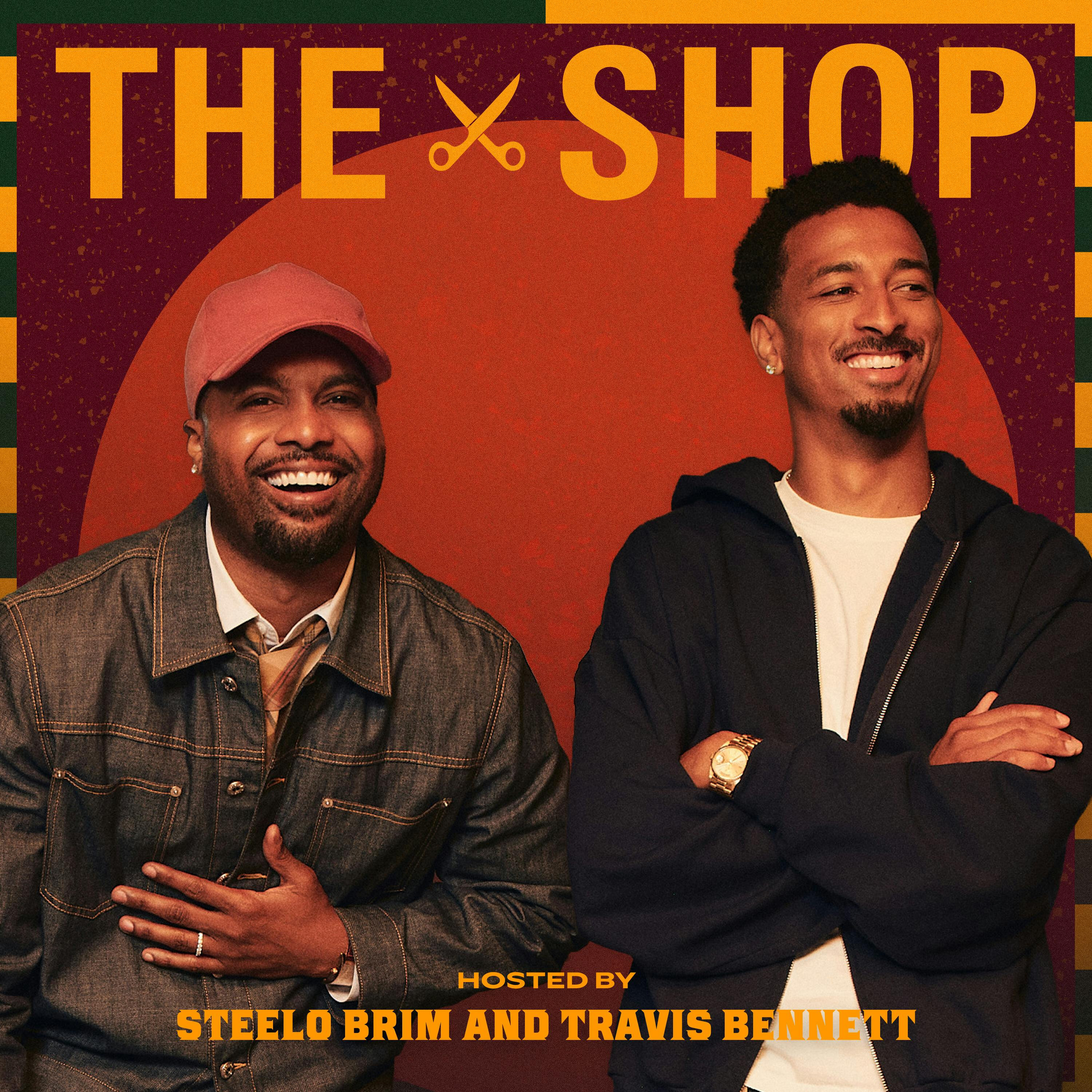
Autodesk inspires users to create—big, smart, fast, and magical—by emphasizing that the world is open for imagination and innovation. The transcript features a diverse range of personal stories and insights from artists, podcasters, and creatives, centered on authenticity, resilience, and self-awareness. Central themes include overcoming adversity, such as incarceration and systemic barriers, to achieve personal and artistic success. Participants emphasize the importance of vulnerability, self-care, and setting boundaries in a public life shaped by fame and scrutiny. The dialogue reveals how personal growth is driven by purpose, not just outcomes, with many noting that true success lies in the journey, not a final destination. Artists reflect on the challenges of representation, especially for Black women in media, and stress the need for deeper, more authentic storytelling. The overarching message is that creativity and fulfillment come from staying true to oneself, embracing discomfort, and contributing meaningfully to one’s field—regardless of external validation. These narratives collectively advocate for self-ownership, emotional honesty, and the courage to create without compromise.
Autodesk invites you to make something.
A big thing.
A smart thing.
A fast thing.
A magical thing.
After all, this big world we call home
is yours for the making.
So make what matters.
Learn more at Autodesk.com.
With Autodesk, you can make anything.
Lisa, tell them about our new show.
We have a new podcast.
It's called Don't Lie to Me.
I'm Lexi Iwano.
We're two best friends, 22 years apart,
but so close at heart.
And I'm Lisa DiGiulio, the old one,
which means we have wildly different references,
occasionally different opinions.
And at this point in my 50s, I've lived it all.
Now in my 30s, being the founder of New Shoes,
good taste is my business.
Listen on the iHeartRadio app, Apple Podcasts,
or wherever you get your podcasts.
♪♪
Didn't catch the latest Roland Martin Unfiltered podcast?
Here's what you missed.
People wake up and go, "Oh, damn. Wait a minute. Hold up.
They changed all of that?" Yes.
It's real.
This is a wholesale attack.
It is targeting black people in every federal agency.
It's raw.
White folks have never allowed that reckoning to last more than a decade.
Catch Roland Martin's daily commentary on the Black Information Network.
And download Roland Martin Unfiltered on the iHeartRadio app, Apple Podcasts, or wherever you get your podcasts.
What up, y'all?
It's your main man, Memphis Bleak, right here,
host of that Rock Solid podcast.
And each week, we bringing you exclusive looks inside music,
everything happening inside the culture.
Some of the best conversations with the biggest names in the game.
You had a little bit more pressure to be good.
And they didn't care if you was a girl.
Like, you wasn't getting no points.
If you not trash, you better be not just good.
You better be great.
Listen to Rock Solid on Black Effect Podcast Network.
iHeartRadio app, Apple Podcasts, or wherever you stream podcasts.
Uninterrupted.
Well, he brought it.
You brought it up changed for all of us.
I only had like three.
And they wanted me to wear the big one.
So that was like hyping me up.
This is my favorite one.
I did it inspired in like all the legends.
Because my last album, Legends Never Die.
So I put, you can see Tupac, Jordan, Kobe.
I put, you can see Tupac, Jordan, Kobe.
No, this is my favorite one.
I did it inspired in like all the legends
because it's my last album.
Legends never die.
So I put, you can see Tupac, Jordan, Kobe, Muhammad Ali.
And I'm all the way on the back.
On this episode of Uninterrupted, the shop podcast,
Maverick Carter and Paul Rivera are joined by Tracy Ellis Ross.
What I have learned is it's not about compartmentalizing.
I make space for that thing.
I don't lie to myself and tell myself that thing is not happening.
I'm like, I'm having a really tough day
and I'm going to show up and bring the part of me that is okay.
Aldis Hodge.
With Black Adam, the greatest anxiety I felt is like,
you don't want to get on set, you know,
trying to play a superhero and just look foolish.
You know what I'm saying?
You know, I'm here to save the day.
And Anuel Doblea.
I started my career, it was really like a blessing.
From God, because I only, when I started,
my first song that blew up,
I started to do the English hip-hop music in Spanish.
I was like the first Spanish artist to do the trap music.
Everybody used to just do reggaeton.
Check it out.
I only use them like, for real, when I,
all of them, like this, I use them for videos or for cameras.
Not even like. It's really beautiful.
But if I go to a show, I, like, it's uncomfortable.
I can't be running around and singing.
Even in the studio, sometimes I'll be mad.
I was in the studio and I get tired, I start taking them all off.
Like, when I went to the studio like that,
probably I finish a video, shooting a video,
I go straight to the studio and I can't take it no more.
It like, it pokes him.
Oh, yeah.
Yeah, because I build for the video,
but once I start performing or something. I have one big chain that doesn't have any diamonds on it,
but it pinches.
Like, I be, first time, yo, yeah, my wife, yeah,
the first time I got to back home after a concert
wearing all the, all the chains, oh, my God,
she thought I was with somebody else.
Oh, man, I got on Hickey.
Oh, my God.
Oh, especially with the moving around.
Oh, you had a mark on your neck.
Yeah, because for real, that's how it looks.
And with the moving around.
That's crazy.
Yeah, because that's the only time I wore it like that.
But you go out and make chains.
Baby, it's the chains, baby, it's the chains, I promise.
With one chain only, you still look all, like,
with all the marks and, like, yeah, it looks crazy.
But in the studio. But in the studio, do you,
because, like, like, Deion Sanders always had this thing,
like, a guy who worked at Nike told me
when they would go to shoot a commercial,
one time they were on their way to shoot the commercial,
and he's like, we got to go back,
because he had left his chains,
and they were like, you guys want me to be prime time
in the video, I can't be Deion until I put the chains on.
Or the uniform, yeah.
Uniform.
So when you're in the studio making songs,
do you put them on just to get that feeling?
Yeah, I got to get, yeah, I got to get dressed.
You got to get the feeling.
Yeah, I got to get, like, dressed, I got to get dressed.
Like, I'm going to go, I'll get dressed,
like, I'm going to go perform, I'm going to go out or something,
because I, I, I, remember you got to feel. You got to feel in the character, in the zone.
Yeah, you're about to start writing, yeah,
you're about to start writing music,
you got to feel that, that type of inspiration.
Oh, like a muse.
So you got to feel in the zone.
Yeah, yeah, yeah.
Yeah.
But when you're acting, do you, like,
the minute you walk on set, are you in the character,
or is it like, no, no, no, and then when the camera's on?
It depends.
Yeah, it really depends, like,
because a lot of times, like, the moment you get to set,
I don't care what set it is,
it's always going to be something that you did not plan on
or that's going to surprise you when you get there,
you got to figure it out on the fly.
Why am I dealing with this?
When you, when you was on Black Adam type,
how you felt in that, in that set?
For me, that was super, like, it was super legendary.
Oh, thank you, man.
I appreciate it, thank you, thank you.
Now this is always pretty legendary.
Got to give you your flowers.
We go way back.
Yeah, no, we first met when I was 17, I believe.
Oh, wow.
Yeah.
Where, how?
That was Girlfriends.
How about that?
You guest appeared on Girlfriends.
Yeah, yeah, I played Persia's brother.
Yeah, yeah, Persia White, so.
Like, so with Black Adam,
the greatest anxiety I felt is, like,
you don't want to get on set, you know,
trying to play a superhero and just look foolish,
you know what I'm saying?
You know, and dun-dun-dun, I'm here to save the day.
Like, I'm like, ah, no.
There's anxiety of trying to stay in shape because,
you know, like, I got down there two months early
to go prepare.
And not only in shape, you're across the rock
who's always in shape and a superhero in real life,
so added pressure.
Yeah, he just stays swole.
I don't know.
Yeah.
I mean, like, there's some people, you know what I'm saying,
you look at them and, all right, cool, you know,
you see them in real life, you're like,
oh, you know, you done shrunk about two times.
But, you know, that's a big dude.
He's solid.
Just straight.
Yeah, he built this, man.
Yeah, he built this.
He's about that life.
But the idea of what goes into when you step on set,
for me, it's about the outcome that I want.
So I'm always thinking about how you begin
is how you finish, right?
So there are a lot of things to consider,
especially when you're doing a film like this
because it's different than, like, an indie
where you could afford a couple of, you know,
I'm not saying lazy, but you can afford
to kind of scale back a little bit.
You can be messy.
Well, the bigger the character, they're going to. Well, it depends on how low the budget is.
Because on an indie, you might get two takes.
Yeah.
You might get two takes, if not one.
You better be on your knees and. But sometimes that messy comes through as good, right?
Because you. Oh, absolutely.
It just depends, yeah.
Improving and. It's a real organic dance because, like you said,
with improv, I mean, look, you are a queen of comedy.
You know what I mean?
And you have great comedic timing.
If you're sitting there with somebody
trying to go back and forth,
because I love the improv.
I used to do stand-up.
You know, you're talking about a scene.
It's best when it's organic.
Totally.
But if you're sitting there with somebody
who doesn't have the timing
or doesn't have the confidence to roll with you,
it's going to throw off the rhythm.
Totally.
And with comedy, everything is about timing.
It's a dance.
And if somebody. You out here trying to salsa,
somebody doing a two-step,
I don't know what's going to happen.
Yeah.
But it ain't going to be fine.
Have you taken a job that you really didn't want to do, A?
Hell yeah.
Do you. I'm sitting at home watching a TV show or a movie.
You guys are in it.
And you were there doing a job
that you don't want to do, right?
How do you still convince me at home,
the consumer watching the TV show,
that she's fucking killing it?
But really, you're like,
I don't fucking don't want to be. I mean, first of all. That's the experience, too.
Yeah.
I have done many things in my life,
jobs aside, that I don't want to do.
Of course.
You probably learn it early with your parents.
Yeah, of course.
Like, I don't want to do this, but here I am.
Easter Sunday, I'm not going to church.
You're going to church.
You're going to put on a happy face.
So you get practices that in life, in general.
Yeah.
I have definitely taken jobs for money.
I have taken jobs for many different reasons.
And what I've learned is that you can find the thing
that works in the job or in the thing,
even if all of it is not what you want.
I've also had many a day where I am either,
I don't know why, can't stop crying,
whatever that thing is,
or I've had my stepfather passed away,
and I had to go to work that day.
You know, I also grew up with a mother
who would say things, you know, like,
I don't feel good.
You don't feel good or you sick?
You're sick, we go to the doctor.
You don't feel good, you go to school.
You know, you think someone's going to not go to the show
because I'm like, I don't feel good.
No, all those people who bought those tickets,
you go to work, you know?
so it's not easy but my what i have learned is it's not about compartmentalizing i make space
for that thing i don't lie to myself and tell myself that thing is not happening i'm like i'm
having a really tough day and i'm going to show up and bring the part of me that is okay a part
of like self-care goes into the process and being aware of what that really means for you like i'm
still learning self-care for myself but i'll be upset maybe i had a situation with a producer
a co-star or something like that where it's like all right i gotta be here for a whole another four
five months and i just wanna if this person got hit by a truck i might be jealous of the truck
driver but you gotta figure out you're still here you still made a choice to be here and that's
another thing is you are where you choose to be so when you own that and you own that responsibility
a part of that experience even if you don't control everything you still control
you
your movements your emotions what you're doing through it all and at the end of the day
if you don't show up and perform for something that you committed to that only hits you
you're the only one that suffers that only hits you like when i'm on a job on a set i don't sit
there and think about oh i'm doing this movie for this movie that allows this purpose there is a
bigger reason to it so anything that hits me in that time it could be 10 of the cast members that
hate me cool i'm not here for you i'm here for something beyond this moment
so i'm working not even for myself i'm working for my purpose it's two different things it's not
about making movies not about being on tv show and none of that it's about how do we use the subtle
winds to build out the bigger picture for opportunity how do we shift or change the
paradigm of the entire business that i'm in as an artist and and whatever lane you're in you should
my belief is you should seek to contribute more than you're going to get out because you're going
to get something out of it anyway but the more you contribute the more you build a legacy that
people learn from to continue said legacy to continue said uh uh example if you don't have
the example you have to create it you got to be and for me i'm also in a space of defining what
that is i think success is defined individually by what we deem to be worthy of our own selves
but you got to know yourself enough to know what success means let me ask what was your experience
working with the rock anything you learned he's a
a strategist uh very organized when it comes to what he's doing how his team is managed roll out
everything and the first thing i asked him was brother how do you manage your time because when
we got to this it was like yo you waking up at four o'clock you hustling working out getting to
work you know what i mean and i learned about how he organizes his business and prioritizes certain
things and a lot of that is in teamwork he's got a solid team and those people are just
they handling business and i mean that's a part of management it's like i always think about
musicians though because as a musician is so different when you think about organization
because there is no rhyme or reason why you will sit down now and write a song or tomorrow
meaning meaning like if you're an actor you have to be on set and start 8 a.m and you can look and
say okay we're shooting a movie in march you're going to be on set and you're going to be on
from march to april i'm going to be in atlanta wherever i'm being be at start time musicians
there's no to you guys's life there's how do you find the rhythm something that really comes out
for me it's something that really comes out of my spirit out of my soul and you're like you gotta
feel like it you gotta feel like going to the studio and you gotta love it you go how do you
go to the studio like you get for you to be one of the elite artists and big and really have a lot
of years in the music industry you really gotta love this it's weird because that's why i'm telling
you it comes out of the soul because at the same time i could be going through the worst woman of
my life but all of a sudden that's the best art that's the move when i do the best art well speaking
of that anuel went away but my family say he went to college he went away for a certain amount of
time but you finished your album while you were away correct yeah i wrote the whole album he wrote
the album while he was i was it was crazy mom you said that in my grant like my grandma never
knew i went to prison she found out like like a month before i came out
like yeah not even i didn't i never told y'all like listen i was born in a good good family too
in a real good family i wasn't born in the projects none of that my dad lost his job my dad used to be
a sony latino sony president that's why i was straight yeah straight so when i was like 11 10
he lost his job even the bank ended up coming to like trying to take the house away everything so
i even when i got to like 14 15 already when you already think you're a man
that age yeah i just left my house and literally went straight yeah and that's when i started my
life in the streets but my dad went to college they told me he went to the military i mean to
college but my dad went to the federal penitentiary they told me he went to the military yeah
i was i started my career it was really like a blessing from god because
only when i started my first song that blew up at last i started to do the english hip-hop music
in spanish i was like the first spanish artist to do the trap music everybody used to just do
reggaeton so i used to look at this all started and the idea started back then when you remember
when lil wayne dropped the milli lollipop when he used to be the number one artist like in the world
i used to look at him i used to all this back then the spanish music was was not on the same
level of the as the english music
not even close we used to like everybody used to dream about it but still the biggest artist like
the daddy yankees don't want my tail there was opening opening up the doors for us opening up
opening up so i was like how how can like is it possible for the number one artist one day in the
world to be spanish artist so i was i used to look at lil win so i was like i gotta start doing what
he's doing in spanish little by little i'm sorry can we just pause on that for a second because i
that question you asked yourself is the question like you asked the question that brought you
where you went where you are you could have asked any question but you asked can the number one
artist in the world be like that's then he went for it that's because you set a path yeah that's
fucking amazing sorry that's amazing you're right i really had all the odds against me nobody even
the producers once one of the biggest producers look i started with this trap music i lasted
five months and i got caught right so now i'm i gotta do time oh you was five months into your
career only five months look at this crazy story i went to prison and i had 200k followers look at
this crazy it was crazy because i was literally trying to get out focusing on music and i'm not
the most talented i'll tell you right now but i literally i i can tell you i worked the most i
got five million followers bro and i came out with four million followers
holy shit like i didn't like i didn't became global outside it's crazy you obviously somebody
snuck you a phone i get it but like come on that's what my brain okay don't focus on that
focus on the music he said focus on the music
that's amazing by the way the thing underwell's being very modest about is he didn't just make
an album while he was away he released it and he released it and he released it and he released it
that album the day he came out it was a number one out it was an atomic bomb and i used to record
so many songs that while i was in prison how do you do that every month every month now before i
went to prison i used to record so much that instead of just dropping the album i was like
now we gotta i didn't know how much time i was gonna do so we had to like i think i'll make the
most out of it not just stretch it out as much as you could yeah yeah then after a year two years
three years well i'm gonna drop you know exactly so i just started to divide it one song this is
a crazy story
it's a crazy thing i was thinking about also too each month i used to drop a song and while i was
in prison i dropped this song at the tiny producer he was a he's a really big legend in the spanish
community he's like a dre like a j for the spanish community and this song ended up being number one
on billboard while i was in prison in the hot 100 like the song hotline song yeah i don't even know
how and the whole spanish culture all the artists from the biggest legends since daddy yankee to
bat bunny everybody was screaming free and well in their shows bat bunny daddy yankee all of them
they even used to sing my songs in their concerts how does that feel while you're locked up
the first time you hear your song on the radio you're in jail
that's intense what's that feel like what's that the moment you heard that what did you feel like
we used to start kicking the door because we we used to be locked up sometimes it was lockdown
time and the songs used to come out for the first time on the radio and it was your song
does it make it harder for you sometimes i was sleeping i used to hear boom boom boom boom i was
like yo that's the song put it put it put it i used to turn on the radio it was playing my song
everybody used to start kicking the doors like excited like like celebrating these it was like
they all celebrated i was going to say it didn't make it harder it's like a movie it's time like
the first time that like the song was already number one but like i was really independent
i was independent all this time not i'm still in so when they did the remix to it it was with that
that yankee we've seen we've seen crazy they did the remix
Bro, while I was in prison, I didn't have nothing to do with it.
They started to hit up my manager and my team.
Yo, we want to do this remix, this, that, and this.
I was like, yo, let's do it.
Imagine, let's do it.
You tell them thank you, this, that.
It was something, I don't know how to explain it.
It was something like from God.
It felt like it gave me strength.
It gave me hope.
And it's something that I'm really, I made this promise with God.
And as soon as I came out of prison, look how he changed my life.
I came out with 4 million followers.
And then after that, right now I got 29.9 followers in three years.
I finished my probation.
Thank God I didn't violate it.
I didn't go back.
Anuel, you said you made a promise with God before you got out of prison.
What was the promise?
Nah, it used to be like my music used to be really, really dark in a sense.
Yeah, and I promised God I was going to stop with all of that negative messages and all of that.
And I literally stopped it and I still rap for the street and I rap what I used to live, what people live now, what people live all around the world and always making sure that always making sure people know that I literally came out and I'm doing like the things that I rap about is old things.
Then I ended up in prison because of that.
So I'm here.
You would say that.
Yeah, yeah.
I mean, I even be saying this.
So like I rap about the street, like because this is my fan base.
But like I'm here.
I'm here where I am because I started to do things right.
I put all of that to the side.
Like, you know, so you.
By the way, I keep hearing it in the way you talk about yourself.
I feel like you use language that makes the space for where you want to go.
Do you think we all can do that?
Yes, I do.
Of course.
I think so.
But how do you do it?
Well, I mean, I was just thinking about you saying that you made a pact with God that you were going to not do that darker narrative in your in your music, which is hyper self-aware.
Which is hyper self-aware and really like a clear shift that allows you to move forward.
I think I mean, I've always been really deliberate with language.
I remember saying I manifest really quickly.
So I have to be clear what I'm asking for because otherwise the wrong stuff and I comes my way and I would prefer to not just go where things are taking me.
I'd like to direct where I want to go.
And then obviously life happens.
There's so much life on life's terms.
There's so much you can't control.
But, you know, people always say dream big, but they don't tell you you're the one that's going to be pulling it up the hill.
So imagine how big you want your dream and then know that you're going to have to work.
But that's something I want to touch on.
Like even having the biggest dream and putting in all of the work still doesn't guarantee success, right?
Like I think of you.
You have a smash hit in Girlfriends, I believe, 2008.
Nobody cared.
No, people cared.
What do you mean nobody cared?
For sure.
What do you mean?
No, people did care.
That's not true.
I cared too.
But it wasn't an industry.
Got you.
It was black people cared.
Got you.
So it didn't do what I thought.
But that's what was super interesting to me was I read somewhere that you said you thought you'd have a bunch of offers.
Oh, I thought the pearly gates of Hollywood were going to open.
Talk about that a little bit.
Well, so Girlfriends, I mean, I thought I hit the jackpot.
I went from Lyricist Lounge to Girlfriends.
Wow.
And so I couldn't believe that I was just working the way I was working.
And it was my dream, right?
And Girlfriends went for eight years.
And then when it ended, nothing happened.
Nothing.
And I remember there was an audition that came up, and I was so upset.
And a friend of mine said, here's the thing.
You want to work?
You got to keep moving out there.
Like, keep doing it.
And he said, if you don't go to this audition, someone's going to roll off a bus, and they're going to go, and they're going to get the role.
Because another one person is not resting.
No one's resting.
Not taking no time to rest.
And that was a pivotal point.
That was a pivotal point in my career.
Because I remember thinking to myself, you know what?
I'm going to go to the auditions.
If I think I have something to give, I auditioned for Black-ish.
If I think I have something to give, I'm either going to make a new fan, or I'm going to get the part.
And it would have been easy for you to say, I've had the success.
I had a hit show.
I shouldn't have to audition.
Yeah.
It's not only that it's easy.
It's that, I mean, we all think this.
You think you did something, and you're owed something.
Or it meant you got somewhere.
But it's just not a ladder.
Life is not a ladder, and that's not the way it works.
And, you know, even Pattern, my hair company, 10 years it took me to get that off the ground.
10 years.
And then, all of a sudden, you know, people are like, oh.
It's like, I mean, I told you that seven years ago.
Yeah, exactly.
Why do you think it didn't open up for you?
The pearly gates of Hollywood.
Well, I think there's very limited roles for black women still.
And I don't think it's just about roles.
I think it's about the storytelling.
I mean, even when we were out pitching The Hair Tales, the docu-series that just aired Hulu and OWN,
that I executive produced, it was a six-part docu-series about black women told through the metaphor of our hair,
using hair as an organizing principle.
It was great.
I loved it.
It was wonderful.
And when we went out and pitched it,
people don't think the stories of black women are very sexy and interesting.
Do they not think that?
Do they not get it, or both?
Combination of both.
Okay.
And I think, you know, as black and brown people in this country and across the world,
I think we end up having to spend a lot of emotional cash trying to explain our worth.
Always.
You know, and you spend so much energy trying to explain why this is good, why this is important,
why this is the thing.
We don't always get enough time.
We don't always have time to get to the making of the thing.
The actual work.
To the actual thing.
And you get home and you're tired because you've had to prove that you're worth something.
And so it was actually really wonderful when we got to Oprah.
We didn't even have to finish the pitch.
She was like, yeah, I have a hair tail.
Let's do this.
Why are we not doing this?
You know, and to be able to see a story about black women shot beautifully,
where we are sharing not just the struggle of our story,
but the joy and the beauty and the celebration of who we are.
And to finally get to see that on television.
A black story about black women that is told by black women doesn't exist.
And so I think when Girlfriends finished there at that time,
like if you think back, there would be one black role in a movie or a TV show,
maybe two per year.
And going out for that role were Jill Marie Jones, Tracee Ellis Ross, Halle Berry, Queen Latifah.
Literally, Alfre Woodard.
The same role.
And then, of course, at the time, you know, they would give it to Halle Berry.
They'd give it to one of the stars that existed, you know, still exists.
But at that time, you think of now you think of Nia Long.
I mean, Cheryl Lee Ralph finally winning.
Like she's been paving the way forever.
She's been ever, forever, forever.
And ended up having to she was doing theater roles and she was doing all these things
because where she had all of this to give and where was she going to give it?
Right.
You know, social media didn't exist.
So one of the things during Girlfriends.
Like if you think back now, we couldn't harness our audience.
It was they were Girlfriends fans.
I don't know if they were something that we have more easy for us.
Absolutely.
So now you can say, I mean, same thing when I for Pattern.
Part of what I was able to do with that is I had done the line with JCPenney.
And you get to see that the brand that I created through social media actually can translate to dollars.
Right.
Can do something other than acting and get me.
And so you can start to parlay your following, your business, whatever that is, into these different areas.
I think in 2012, you know, when all those offers weren't pouring in post-Girlfriends, you started a YouTube website 10 years ago.
Right.
Like, so what was your thinking behind that?
Like, I just got to work.
I got to continue to put myself out there.
Like, no, it was more like I just have so much to give.
I got so much to share.
And I'm one of those people like I like I really like being in front of the camera.
I like to share and do stuff.
I like to do stuff.
I have so many more aspects to me than plugging myself into somebody else's story.
And so I just started to share that stuff, you know, and I do think that changed my career.
I think it's expanded what how people could see me, especially, you know, for eight years you play the same role.
People just people still call me Joan.
And by the way, I said I said to Kenya the first year of Blackish, I said, if by two years of Blackish, they're still calling me Joan.
And by the way, don't some actors I mean, may he rest in peace now, but obviously, Gandolfini, Tony Soprano, being Tony Soprano, he didn't like that everywhere he went.
And I was thought about myself if I ever I never met him.
But if I did, I would instantly think Tony Soprano.
I would go like, there's Tony.
I wouldn't go to James.
I kind of love it personally.
Do you like it?
I do love it.
You know, it's this job that we have is one of the only jobs where people get to tell.
You know, it's one of the only jobs where people get to tell.
People are coming up to you to say what you do, what you have shared has moved me.
It has touched me.
You like that thing, too.
In my experience, it can be a gifted curse or a cursed gift.
It's one of those things where some people know sort of the relationship and understand the proximity.
You know, I remember coming up.
This was before the social media stuff, but somebody told me a minute ago that.
People would idolize movie stars but, to a degree, own TV stars
because movie stars, they've got to go to the movies,
they've got to go outside their house and see them.
TV stars, you're in somebody's house every day.
When they're sitting there having dinner with their family,
they're having dinner with you.
In bed.
Mentally, they create sort of a subliminal relationship with you
they're not even consciously aware of, you know what I mean?
So to have people constantly come up as an artist,
you have to realize that's a part of the process.
People are saying thank you.
Now, that is where the gift is.
There are some people who misconstrue the relationship
and they take that ownership to a different level
and think they own your time.
And it's weird because you want to be grateful and gracious
and you can and should be,
but there's also a point where,
you have to create a space for you to thrive and live
within the context of what it is you're doing
so that you can continue to do it.
Absolutely.
You know, you have to be able to set some kind of boundaries
and that's something that I'm coming into learning about
because now, especially with the social media stuff,
like, you know, my family,
people be hitting up my family and my sister and my mom.
I'm like, yo, don't engage.
You've got to protect yourself.
Well, I mean, I have a slightly different relationship to it
because I grew up in a public family.
Let's also be clear.
You didn't just grow up.
Your mom is an icon.
Gotcha, gotcha, gotcha.
It is.
Let's pay the proper respect.
Your mom is an icon.
So, yeah, I grew up, you know,
the offspring of somebody that the majority of the world loved.
So you had to adjust to it very early.
I have a relationship to fame and being in that world
that I have had to cultivate my own version of that.
Yeah.
So I, it doesn't scare,
it doesn't scare me
because I really know the boundaries of it.
I understand the privacy, the safety of the things,
but I do understand.
Did it make you want to be famous or not?
I don't know.
You were like, I don't want this.
No, it's not that I didn't want that.
I knew why I was doing what I was doing
and I wasn't going to become an actor or whatever
to become famous
because that's not the thing.
It's weird, but you need it.
You need what?
Fame is a part of the job.
Yes, but here's the thing.
I think the difference is if you are invested in it
and that's where your self-esteem
and your self-esteem come from,
and your validation comes from.
I think once that cycle starts,
then you are screwed
because you become this idea
that the world has of you versus who you are.
Got it.
And did you take things from what you saw your mom
and how she dealt with it that you use now?
Absolutely.
And was there some things you were like,
I'm not going to do it the way she did it?
I think the only difference for me
is that my favorite part of my life is my life.
And so my mom's fame meant that she had a sense of privacy
and home that, like, is very separate.
I'm much more open than my mother,
but also my career, my personality,
like, I'm transparent.
Like, this is, like, who I was then
is the same as who I am now.
I mean, that's not going to change for me.
So I have never wanted my job to create an identity for me
that made me not feel free being me.
I need to be able to make mistakes.
I need to be able to be human.
I need space to be human.
And as a result,
I have cultivated a career, social media and all,
that actually makes room for that.
Are there any roles you had to turn down
to keep that feeling and that ideology?
No!
I'm still not there, buddy.
I'm a black actress.
That is not how this works, okay?
I'm not like, you know what, that little stag,
I don't want that one.
Jason, do you really, because we,
from where we're sitting, you're a superstar now.
Great, but I. You do not feel that in your day-to-day
as it relates to your career?
Not necessarily.
Not necessarily as an actress.
And I'm starting to feel it.
But also, I will say, do you, you know what I mean?
I don't feel, look,
I suffer from insane imposter syndrome,
where I'm just coming to realize that now in my life.
I'm like, oh, I haven't,
I've been lying to myself for a long time.
Because I've been in the business since I was three.
And a lot of it was the fact
that you're dealing with a wall that says,
you can't have this, you're not supposed to be here.
So you gotta create measures to create opportunities.
And then there's also the thing about feeling like,
being made to feel like you're dangerous.
In any space that you step into.
There's a great deal of fear,
which is what leads to iniquities
or the lack of opportunities, right?
Because people generally don't want to see you succeed
based off of their fear
or their misnomer as a cultural negligence, right?
So you grow up with this thinking,
all right, how can I create a lane,
but also how can I fit into this mold?
So let me be safe, let me shrink, let me be small.
And then nowadays, when young actors
ask me about the process of what it is,
I tell people, take up space, wherever you're at.
It don't matter what you're doing,
how you're doing it, what's going on.
To your point about being
and still knocking out the work,
getting that hustle.
You know, for me, over the years,
I call that assigning a purpose to your pain.
Because there's so much pain
that drives a lot of artists to great things,
but eventually destroys them
if they don't know how to, you know.
You're right.
I was like that for a minute
because I was in a stage of suffrage
for a very long time
and wasn't aware of it because it was normal.
You know, you sit there and you. How did you figure out you were in that place?
What was it?
I have a daughter.
I was not a man until I had my daughter
because now you have this person
that's depending on you to. get it right.
But you got to figure yourself out
and thank God for. First of all, my family is awesome.
Family is like mom, sister, brother,
and, you know, my pop.
We worked through the years
to figure out our relationship
because he wasn't in my life when I was a kid,
but as an adult,
I mean, I was like 13 years old.
I called pop like,
look, bro, what's up?
Why am I doing your job?
We had a real conversation.
Really?
Yeah, but I learned through that time
he was also. He was also an individual
who didn't have all the tools
and the assets needed
for where he was at
with his responsibilities.
I was raised on survival.
Those survival mechanics
will teach you
to push your needs
or your happiness
or your joy back
so you can do certain things
to get the job done.
Give me an example.
Well, like,
I put. When I was 30,
36 now,
when I was 30,
I was getting out of a five-year relationship.
My ex at the time asked me,
where is happiness on my priority list?
It wasn't there at all
because sometimes, you know,
growing up,
when you're raising survival,
and I'm talking about my family,
we done been through it.
You know, we used to live in our car.
We've been homeless a few times.
You know, we've had people try to
come and take our lives.
That's normal.
So you grow up with this hustle,
and when it comes to,
oh, I want this,
or this is. This is gonna make me happy.
Sometimes, in those situations,
you think that,
or you're taught that,
if I go for this,
this is going to harm me
or shut me down,
hold me back,
or kill me
because to choose happiness,
you have to be vulnerable.
To choose love.
The defense mechanism you build,
right, to protect yourself.
So you don't even know
how to engage sometimes.
And for me,
because I got this little person
who is nothing but love,
I don't have a choice
but to be vulnerable.
I have to be vulnerable.
I have to be open.
I have to look at myself
as an individual
and reassess my relationship.
I got to divorce myself
from the old me
and come into
who I'm supposed to be right now.
I'm at a point in my life
where I'm at the highest place
in my career,
and I can't see it
because I still have trouble
with saying that I'm successful.
That happens to all of us.
Sometimes we're a little bit lost,
and we even accomplish
the biggest goal we wanted to,
but we don't feel that. It doesn't give you the thing.
That happiness or that. The ease or that. You feel me?
So I've been through that a lot,
and two years back,
I went through that.
And right now,
this is for the first time
I'm feeling this light
that I felt
at the beginning of my career.
And even though I came out of prison
and everything went great,
yeah,
but right now is when
I'm really. I'm valuing everything
more than ever, you know?
I know what's having it all
and losing it,
when I went to prison, yeah,
but then have to bounce back.
So then it's like,
okay, I gotta. Now, what I'm gonna do?
I'm gonna sit here and what?
Or I'm gonna. I didn't even. Yeah, I just keep working.
Like, I put all my faith in God,
but things just not gonna happen,
you know?
But I don't know,
what drives you today?
Because is it fear
of not having a number one?
Is it, like, what. What makes you show up every day?
You haven't had any musical failures.
Everything's been a success.
It's just the hunger
of wanting to be successful.
Wanting to be great.
Wanting to accomplish greatness.
Failing right now
is not an option right now.
And there's too many people
that depend on me, too.
So it's like. As you say,
you fight for greatness.
And there's a lot of. Millions of people out there
will look at you and be like,
oh, you're great.
I'm just listening to you
and listening to your mentality.
And when you're at it,
I'm like, bro, you're already great.
Do you see yourself as great?
Or do you see yourself
as. As reaching for something?
Like, how do you perceive yourself?
Chasing something, yeah.
Yeah.
I see myself chasing something.
Mm-hmm.
I know I've accomplished a lot of big things and even great things, but you know, when
you still, when you still know you can do, you still know you haven't reached that, which
you ain't there yet.
Maybe it's just us being hard on ourselves because we're just so competitive and we just
want to be so great that that's what greatness is.
It just keeps driving, driving you.
Is there such thing as. A limit to greatness?
No, and I don't think there's a place that you can get to.
I think it's, and this is the thing though, that it's the process, right?
Yeah.
It's not the thing.
Yes, there's always going to be uncertainty.
There's always going to be stuff that doesn't work.
There's always going to be all of that.
And I think the biggest change for me, I think what I've realized is there's no destination.
There's no there there.
There's no, there's no place to get that the greatness is actually having a relationship
with my life and myself.
You got to keep, you don't, you don't got to live to the size to be great, to try to be better.
You'll lose the race if you don't.
You may be, you'll get lost maybe because what works for bro won't work for me.
Not necessarily, maybe it would, but not necessarily.
It might give you an idea of something good.
Maybe it would not work for me.
I don't know.
Like what I've been trying to get my followers up.
So what I learned is that I'm going to have to go to jail for that.
No, no, no.
No, no.
You know what I learned?
I'm taking a picture with him and putting it on my phone.
Put it on my Instagram.
That's what I learned because I'm not at 29.
Like bro say, I'm great.
I mean, he's being here all hard on himself and I'm here looking at him like, what's he
talking about?
I was just in the movie theater watching Black Adam.
Like, like, oh, like I was just in the movie theater saying, oh, they killed Marvel.
And he's here.
Yeah, yeah.
Thanks for listening to Uninterrupted, the shop podcast.
Make sure to subscribe, rate and review wherever you're listening to the show.
For full video episodes, check out Uninterrupted's YouTube channel.
And for updates on new episode releases and exclusive behind the scenes content, follow Uninterrupted on social media.
Autodesk invites you to make something a big thing, a smart thing, a fast thing, a magical thing.
With Autodesk.
You can make.
You can make.
You can make.
You can make anything.
I'm Lexi Iwano.
Get your podcasts.
Didn't catch the latest Roland Martin unfiltered podcast?
People wake up and go, oh, damn, wait a minute, hold up.
They changed all of that?
Yes.
It's real.
It's raw.
And download Roland Martin unfiltered on the iHeartRadio app.
Apple Podcasts.
Or wherever you get your podcasts.
What up, y'all?
This your main man, Memphis Bleak, right here, host of that Rock Solid podcast.
You better be great.
Listen to Rock Solid on Black Information Network.
Or on the Black Effect Podcast Network, iHeartRadio app, Apple Podcasts, or wherever you stream podcasts.
Podcast Summary
Key Points:
Autodesk encourages creativity by inviting people to make big, smart, fast, and magical things, emphasizing that the world is open for innovation.
The podcast "Don't Lie to Me" features two friends with contrasting life experiences, highlighting authenticity, self-awareness, and emotional honesty in personal and professional growth.
Several artists share stories of resilience, including overcoming prison, personal trauma, and industry barriers to achieve success and self-growth.
A recurring theme is the importance of self-care, authenticity, and boundary-setting in the face of fame, emotional labor, and societal expectations.
Artists discuss how failure, vulnerability, and purpose drive creativity, with many emphasizing that success is a process, not a destination.
The conversation addresses systemic challenges in representation, especially for Black women in media, and the ongoing struggle for visibility and equitable opportunities.
The value of language and intentionality in storytelling is highlighted—how personal choices shape identity and artistic direction.
The core message across all narratives is that true growth comes from embracing one’s journey, staying true to self, and contributing beyond personal gain.
Summary:
Autodesk inspires users to create—big, smart, fast, and magical—by emphasizing that the world is open for imagination and innovation. The transcript features a diverse range of personal stories and insights from artists, podcasters, and creatives, centered on authenticity, resilience, and self-awareness. Central themes include overcoming adversity, such as incarceration and systemic barriers, to achieve personal and artistic success.
Participants emphasize the importance of vulnerability, self-care, and setting boundaries in a public life shaped by fame and scrutiny. The dialogue reveals how personal growth is driven by purpose, not just outcomes, with many noting that true success lies in the journey, not a final destination. Artists reflect on the challenges of representation, especially for Black women in media, and stress the need for deeper, more authentic storytelling.
The overarching message is that creativity and fulfillment come from staying true to oneself, embracing discomfort, and contributing meaningfully to one’s field—regardless of external validation. These narratives collectively advocate for self-ownership, emotional honesty, and the courage to create without compromise.
FAQs
The transcription mentions several new podcasts: 'Don't Lie to Me' hosted by Lexi Iwano and Lisa DiGiulio, 'Roland Martin Unfiltered', 'Rock Solid' hosted by Memphis Bleak, and 'Uninterrupted: The Shop' podcast.
All mentioned podcasts are available on the iHeartRadio app, Apple Podcasts, or wherever you get your podcasts.
The podcast explores honest conversations between two friends with different life experiences, focusing on personal growth, self-awareness, and the realities of life at different stages.
Anuel says he uses chains in the studio for inspiration and to feel connected to his character, but finds them uncomfortable during live performances, where they pinch and cause distractions.
They emphasize making space for difficult emotions, not compartmentalizing, and showing up authentically, even during tough days, as self-care and emotional honesty are essential to professional success.
Anuel recorded songs while in prison and released a full album upon his release, with one song topping the Billboard Hot 100 while he was incarcerated, and later receiving a remix featuring Daddy Yankee.
Chat with AI
Loading...
Pro features
Go deeper with this episode
Unlock creator-grade tools that turn any transcript into show notes and subtitle files.
 PodcastTranscript AI