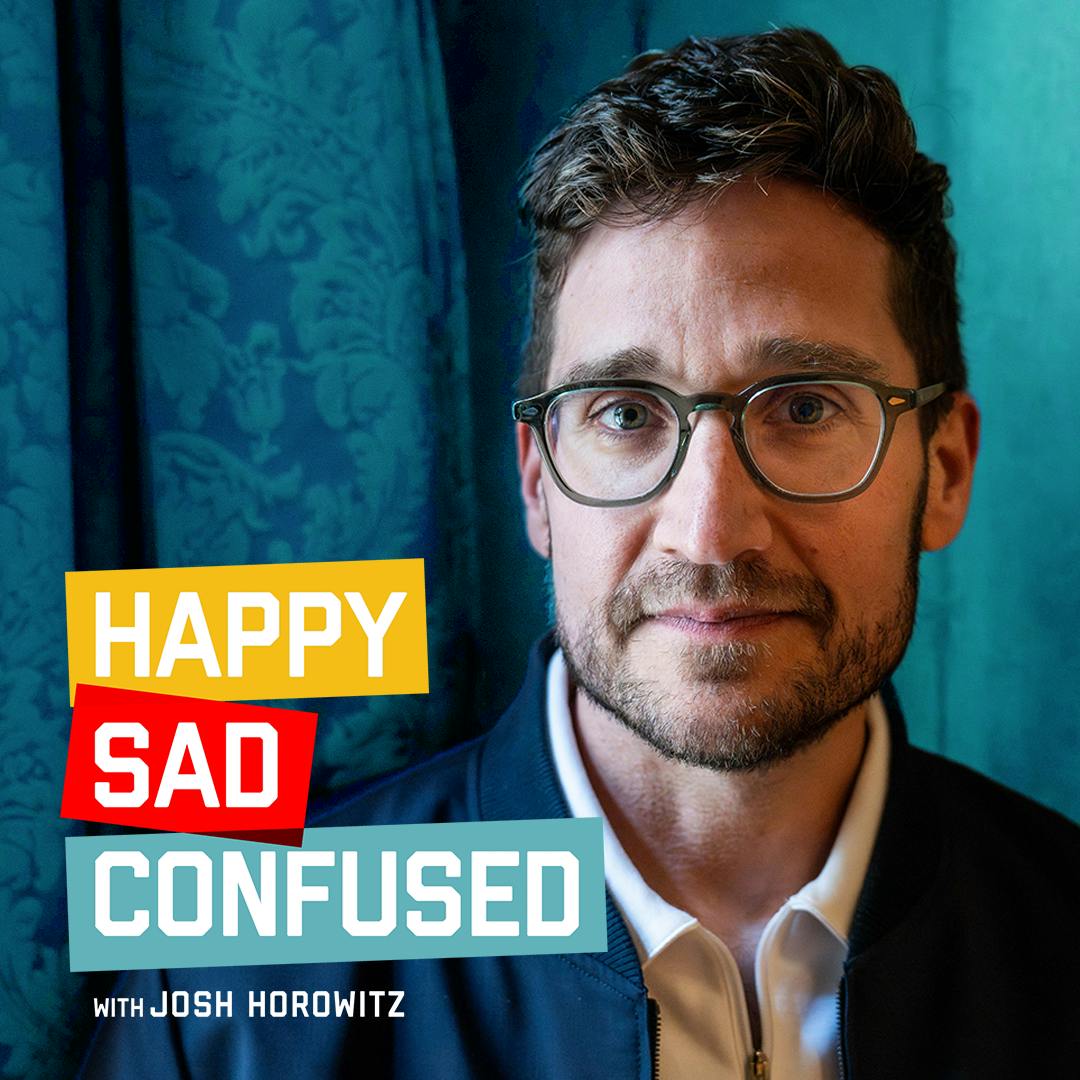
Tim Robbins shares a deeply personal and reflective journey through his decades-long career in film, theater, and direction. Central to his philosophy is artistic autonomy—rejecting industry pressures to conform and instead prioritizing creative integrity. He credits his roots in New York and UCLA with instilling a resilient, inventive spirit that continues to shape his work. The foundation of his theater company, Actors Gang, lies in truthful, energetic storytelling rooted in popular culture, not intellectualism. Robbins emphasizes the importance of crew respect, discipline, and shared creative ownership, especially in his work on films like *Shawshank Redemption* and *The Player*, which he sees as transformative. He reflects on pivotal moments, such as his early roles and the success of *Hudson Hawk*, as moments of personal and artistic growth. Despite industry shifts—including media consolidation and AI—Robbins remains steadfast in his belief in human creativity, arguing that live performance, emotional authenticity, and improvisation cannot be replicated by technology. He praises films that resonate beyond commercial success and highlights the importance of sustainable, human-centered filmmaking. In a world increasingly dominated by efficiency and automation, Robbins champions simplicity, collaboration, and the enduring power of human imagination. His latest work on *Silo* exemplifies these values through a respectful, well-supported production environment. Ultimately, Robbins sees time as a true ally to art—what may seem overlooked today will one day be recognized as profound. He ends with a celebration of creativity, urging others to embrace limitations as sources of innovation and to remain rooted in authenticity.
I knew the first day that that the that the duck was miscastly in the comic book he's a rough scrunched up yeah guy guy yeah it was smoking a cigar and trying to get chicks and what I saw on set that day was a cute ass puppet too cute too cute too cute not dirty enough hey guys it's Josh welcome to another edition of happy sad confused today on the show we have Tim Robbins in the house of course an academy award winner for mystic river a great filmmaker he directed Bob Roberts dead man walking create a little rock he's starring in silo right now and yes we go all the way back top gun days how are the duck HUD sucker proxy Shawshank redemption and more thanks guys as always for checking out the podcast this is a fun one if you've lived through these decades of great films since the 90s and even the 80s then you know and love Tim Robbins work like I do and it was a real treat to have him on he's always been outspoken in the best possible way he's honest he's unfiltered and he's got the stories so I think this is going to be a conversation you guys are going to enjoy as much as I did quick reminder before we get into my conversation with him as always check out our patreon if you like what I do support us over there patreon.com/happy say I confused early access to all our episodes bonus content you can ask a question to our guests and more we also have a live event coming up I should say October 13th Joe Manganello one of our favorites unhappy say I confused we're talking about his entire career and his new memoir that's going to be at the 90s second street y in New York City the link to tickets is in the show notes check it out October 13th New York City me and Joe okay no real further ado you know Tim Robbins work I don't need to list off the credits but this is a great conversation we plug silo but we also talk about I'm very excited about this he's got his own website Tim Robbins.com has just launched by the time you're watching or listening to this and it's got tons of archival materials from his career as an actor a director a playwright a director in the theater all the stuff he's done a musician he's done a lot and we cover a lot in this hour I think you guys are going to dig this here's me and mr. Tim Robbins enjoy Tim Robbins you're on the podcast thank you for doing this man I appreciate you I feel like I've trapped you because whether you know it or not I'm going to be talking about some of my my favorites today okay we're going to can you guess like what what the films that I'm going to peg me like let's take a look take me know what I mean you want me to do your job to tell me about Shawshank no no no it's not gonna be so I mean I do want to know that Shawshank no but go go go go different route I'm not that simple not that basic all right good let's get deep I'm Howard the Duck I'm Hutsucker Proxy all the way I'm that guy okay okay um I did see you recently for nanosecond I Comic-Con I just nanosecond I was you were the surprise guest on our panel for Sila remember um how are you with that kind of I mean you've had every kind of experience you've been on the Oscar stage you've been on the Comic-Con stage where does like a Comic-Con experience so first time I'd been on Comic-Con it's not right yeah I had done an appearance in New York Comic-Con but never the big big one in San Diego that was pretty pretty cool yeah were you a genre kid like where do you grow up with like that stuff like it was a different time obviously it wasn't celebrated in the same way but it wasn't much of that happening the genre at my time was like paranoid thrillers right um right um but uh my first year of college was uh Star Wars came out and that was a huge deal for us do you remember that as like a finding moment like loved it yeah yeah once of the theater a few times uh-huh yeah uh-huh and uh you know that was also I think maybe the same year or the year before was Saturday night fever that was a big fill yeah a big cultural moment I love how these cultural moments have changed yeah not for the better necessarily used to be organic but now they forced them down you throw this is gonna be a cultural moment whether you like it or not yeah yeah yeah we're gonna we're gonna force you to go see this crap movie it's gonna be started as someone that's covered movies for 20 years I mean on the different side of it we can both tell some more stories about how things have changed yeah I mean well there's a lot of things that have changed don't there are some things have changed for the better yeah uh you can tell long form stories now 10 hour stories yeah that's cool the democratization I mean you can with less make more whether it's gonna be seen by folks that's a whole nother matter perhaps well this is why I'm doing my website there it is let's get this let's get into it okay so I have a ton of stuff yeah um I I did three movies in the 90s Bob Roberts yeah dead men walking and cradle or rock and I'm proud of all three of those movies and then I took some time off because I had you know kids and I wanted to be around more when I direct I kind of check out yeah and so I stopped directing for a while and then when I started warning direct again about seven or eight years after that the landscape had changed a bit right and uh the kinds of movies that I wanted to do were not you know people weren't lining up to give me money to do them so um I started just doing things on my own yeah and so I've got quite a few projects that um I've put on the shelf or in cardboard boxes and about a couple of years ago I just started getting everything out I'm hired some people to help me do an archive and I realized I've got a lot of a lot of things a lot of movies and short movies and interviews and documentaries that I have and I'm working on doing final edits on all of them right now so over the course of the next year I'm gonna be releasing my own material because I mean like to know a little bit about you and I know I think more than a little like you are not the kind of person that kind of like waited for the job and then like went on to the next job it seems like you were always creating whether it was your own theater company whether it was directing your own material writing so yeah these were the side pursuits that just kind of kept you alive kept you engaged with the world it kept me in a it kept me engaged completely uh I would go from project to project to project so if I was acting in a movie probably at the end of that movie I was headed off to direct something that I'd written at the actors gang so there's also those uh plays that I did over that course of time that I filmed them all um you know film live performances yeah they're not films but they are documents of what I was doing creatively is it must be very surreal for you I'm sure some of these things like you don't even real remember actually I mean you remember making them in some capacity but they must ignite a lot of memories of like where you were at the time what happens is you go from project to project and you leave it behind because you're working in a new genre or new milieu and and you go full on into that so in leaving it behind it's it's you forget it's vitality yeah and um so this has been a great couple of years going through my my files uh because it's reminded me of some of the things that I did and they're quite good I think and I can't imagine tell people tell me they it sucks I'm gonna say they're pretty good I am gonna go with pretty good but also it's a snapshot in time of where you were at where the world was at and it's a marker it's like you're a different person you're a different version of the same person but like I never stopped doing the material that I wanted to do yeah and the rare thing about my films in the 90s was they were all autonomous yeah I had final cut on all three of those films and so everything you see uh incredible rock and dead man walking and Bob Roberts good or bad that's me it's me yeah and um that was the inhospitable environment I came back to after taking seven or eight years of rude awakening a little there was no more wait guys wait no more artistic autonomy wait you want Bob Roberts you you love dead man walking oscars what happens I didn't get that way I just you just react to the cultural landscape and you move on and and you do what you want to do yeah and if that means your audience is gonna be tens of thousands instead of millions that's okay because you're it's it's all about genuine um creative freedom yeah and if you have that then it's people can catch up yeah it's okay I I'm not I'm not impatient I have I know that from personal experience I know that uh movies can come out and not do well and then be considered by everyone to be their favorite movie yeah which is Shawshake yeah I know that uh Bob Roberts when it came out didn't do a lot of business yeah but it became a uh a cultural landmark um so uh I have faith that uh time is my best friend okay so to go all the way back when you came in here I said immediately like one thing that I do feel connected with you on and I always feel connected when there's another person that was raised in New York City because sometimes
people always look at us like really? Like how did you, like you were raised by wolves? Like how did you actually come out semi well adjusted? - You, if you survive, you come out semi well adjusted. - It makes us stronger, right? - Don't survive. - We survived, and you're still a New Yorker to a degree. I'd spend a lot of time here, right? - Yes. - I mean, do you feel like, you know, in what ways did the city shape you as a artist as a human? - Well, let me start with the negative. (laughing) I was mugged on 14th straight now. - I wish, I wish, I was, yes, but I was also, one of the negative things about New York City, and I'm not sure if this is true of all cities, but it could be, there's an awful lot of the voice that says, yeah, but, I've got a great idea. - Yeah, but so and so did this, and so and so did this, and there's a kind of an energy that will try to get you to not feel as excited about your idea as you had when you had it. And what I found when I moved out to the West Coast and went to UCLA was that people were responding to my ideas with, yeah, let's do it. - Let's just go for it. - Let's try it. - That is the difference between a kind of, it's scornced elite, and the spirit of the people that crossed over those mountains and created a new society. Now, there's negatives on both of those too, of course, but the spirit of invention, the spirit of trying something new, I felt was more welcome on the West Coast, and I think that's how Silicon Valley happened. I think that's why Hollywood has, did have for many years something to say culturally. - RIP, we were so close. - 'Cause there were inventors and gamblers and rogues that went out there to make art in a different way. And so that's something I had to overcome leaving New York. However, New York left me also with a tenacity of purpose. Nothing's gonna stop me. You can say no to me a million times and I don't hear that word, I'm gonna keep going. And I think that's a combination of growing up in New York and having parents that were from the West. That idea, both my parents, my mom and my dad met in Los Angeles at UCLA in the marching band. My dad's family was pioneers that settled in Washington State, in Eastern Washington State. So the idea that no is not a word that I register in pursuits of creative endeavors. So I registered in appropriate social situations. 'Cause I'm gonna toggle it on and off. So you allude to this, so you come out of UCLA and it seems like you're energized, you're excited by the world, this is where the actors gang comes out of those years, right? What are the, was there a founding principle by which you and your collaborators created the actors gang that has held true, that has stayed true all these years? - Yeah, it was based at the time in the spirit of punk rock. The idea that there's a new way of speaking. There's a new way of reaching audiences. There's, don't get up on stage unless you have a lot of energy. Don't try to tell a story on stage unless it's something important enough to talk about. That is still with us at the actors gang. Over the years, we've gotten much more disciplined, much more of a, a way of, a collective way of working that has evolved over the years and gotten better and better in my opinion. But the original impetus was to tell stories no one else was telling. And to do so in a way that's theatrical and entertaining. And that the way to talk about our culture and our world is not through lecturing or intellectual pursuits, but through vaudeville and popular culture and cartoons. And the idea that as long as the behavior is truthful, it can be extreme. - How did those sensibilities jive with like the Hollywood world that you found yourself in? In like, so you do start to do some television and you do, say no, sorry, do you love boat, write a passage, you do all that TV, and then you start to do film. And we're 40 years after '86, which is a big year for you. You've got Top Gun that year. You've got the aforementioned Howard the Duck, which I will have 12 questions about. But like, did you find like, I don't know, the Top Guns of the World, the Brock Heimers of the World, was fitting your sensibilities as a young artist? - No, but they were paying really well and it allowed me to produce theater. - Yeah. It was a lot easier and more fun to do, and more creative to do than delivering pizzas. And so when I understood that, I started to appreciate it more. - Yeah. - I didn't get a job for quite a while auditioning for about, I don't know, six, seven months of auditions, I didn't get anything. Because I probably had a bit of a chip on my shoulder. I was an East Coast theater guy, and I was, you know, what is this I'm reading for, kind of thing? - Yeah. - And then somehow that attitude meshed with playing an awful, terrorist bomber on St. Elsewhere, and so served you well. - Yeah. - So I got that part, and then I understood, oh my goodness, that was actually a really high quality writing, directing, and really good actors in that, and is that, if that's possible, that's a cool thing. And so then I started appreciating it a lot more, and respecting it a lot more, and respecting, most importantly, the creative, the crews, the people that, if a film crew can do anything, you know, the collective work ethic of a film crew is like nothing you've seen. Construction is similar, but the magic that a film crew can pull off in a limited amount of time. - Yeah, this wasn't here yesterday, and it's not gonna be here tomorrow. - It's saying, it's saying. - Once you understand that, you have deep respect for these people, and, you know, I showed up late once in my early career, and I was like, never again, these people are too many talented actors. - Or at least they are. - They show up on time, and they work really hard, and they deserve respect, and, you know, so I got my act together. - More happy, say, confused coming up. - You've got your favorite blanket, a freshly poured drink, and a cold case burning a hole in your streaming queue. You're not just watching True Crime, you're running the investigation from the comfort of your couch. Welcome to Murder, she watched. The podcast where we recap, dissect, and slightly over-analysed some of the best and craziest True Crime documentaries on our favorite streamers. Did the spouse do it? Why is the shady neighbor wearing leather gloves in July? Why did this guy agree to be interviewed in this documentary? We ask the tough questions that you're often just screaming at your TV. So every week, we break down the twists, red herrings, and absurd documentaries that have kept you up all night. It's high drama, cozy vibes, and absolute couch detective energy. Grab your throw blanket and hit subscribe. Search Murder, she watched, wherever you listen to podcasts, and let's solve this thing together. - From the parents behind Law and Order, comes a mystery the whole family can enjoy. Patrick Picklebottom, Everyday Mysteries. Step into the whimsical world of Patrick Picklebottom, a precocious 11-year-old, with a love for reading and an uncanny ability to solve mysteries. Inspired by the beloved children's book of the same name, this podcast vividly brings Patrick's tales of deduction and everyday adventures to life as he unravels baffling endigmas and solves clever cases. Patrick Picklebottom, Everyday Mysteries, is perfect for kids and is just as entertaining for grownups who love a good mystery. The whole family can listen now, wherever you get your podcasts. (soft music) - What are your memories of Top Gun? Were you going up for that specific role or was it like, I mean, there's so many great young actors in that film, was it kind of like, mix and match, who's right for what role? - Honestly, I don't remember. I just remember auditioning and getting the part. I don't remember reading even the script. So I wasn't, they said Merlin, I was like, that's fine, that's cool. - Yeah, and by the way, a great job because I did the first part of shooting, went down to San Diego and did some training and I was like,
some flight simulations and I did that I think in June and then I did one day of shooting where we're on the aircraft carrier and we've land right and that one day and then I go back to LA and I had eight weeks off or nine weeks off ten weeks off on full pay and I had to shoot again in September on a gimbal in Los Angeles. So in the interim I wrote produced directed a play called Slicks Like GRIFFGRAPH with the actors getting perfect on full salary from Paramount which was fantastic and was able and by the way it was an anti-war play Simpson Brookheimer with did not know what they were funding so that's amazing. It's a little ironic yeah and you know it was it was great because I met some really cool people that I became friends you know Val and Tom and Meg Ryan and you know few others that you know it was Anthony Edwards good good people it was young Hollywood you know it was you know they we're all young bucks and no again it's a snapshot of that era of that kind yeah was there ever did you ever get a call from Brookheimer when they did Maverick was their talk of you potentially popping in there so I've known Jerry for years I play I had played occasionally in his hockey game out in LA yeah I like him I like him he's a great guy I did not receive a call however I heard an interview where he said he did call and then I turned it down but I that could have been just projection sure it could have been my agent saying there's no way he could do this or it could have been just them knowing I what I wouldn't have done it yeah that actor you wouldn't have done it I don't think so I did like the movie I thought it was good yeah and I love Tom so you know I might have done it who knows okay I'm gonna try to control myself on the Howard the Duck moment okay but I was 10 years old when I saw Howard the duck okay did traumatize you yeah in the best possible way okay good it's a very strange move I'm not paying for any therapy that's why you're here the doors are locked we're gonna work this out there all right for context though people might might might not know this at the time while crazy idea did feel like an exciting moment of course this is George Lucas this is his collaborators like the first project after his Star Wars trilogy yeah so it was a no-brainer of course I was gonna say yes do you remember a tipping point on set I remember the first day the tipping point was seeing that puppet it was there a guy in there there was a guy in it for some scenes and then there was a puppet okay that was you know had a whole bunch of mechanism sure so I knew the first day that the that the duck was miscast in the comic book he's a rough scrunched up yeah guy guy yeah was smoking a cigar and trying to get chicks and what I saw and set that day was a cute ass puppet too cute too cute too cute not dirty enough I mean just not even dirty dirty dirty dirty like it was too white like beautiful white and it just didn't and I you know God bless them all they all tried so hard the puppeteers willard hike yeah they there was they they were trying so hard to make it work you know I thought you know and it wasn't for me to say anything at the time but I thought it's it's the duck it's you know and the guys in the duck costume were great you know Ed Gales of you know brilliant guy and still is and and that you know his tenacity to be in that costume and and to have his physicality was right for it but still the face yeah and so there is no the beach reality of it all there's that there's the condom let's be real no matter how dirty that duck is we still got that issue yeah so and then you know I it's just so confusing and that and that I I had never been on a film that would I would wait on a set for a full day before I'd shoot one like that and that for me was challenging because it was away from home I was up in San Francisco I had a nice place in Sosolito that overlooked the bay and I I had good friends that on the set I made some friends for life on that set and I very much loved working with Leah Thompson and but it was it was rough and so what I did was I I had a video camera with me right this is what I've heard this is going to be on the website yeah I am so there first day and so in order to amuse myself I started making short films and so one of them is one of the things I unearthed when I was going through my archive and I found this videotape and I hired an editor and I said let's make something out of this and so it's a combination of 1985 video with 2026 digital technology oh my god so you're speaking my language and I hope that people like it I hope the people that are in the crew that are in it see it and like it and you know there's a shot of Willard in that where he's looking at the puppet and it's not performing and his face says it all and I love him to death and it's it's what the film is not about Howard the doctor sure it's about it's it's about a rough it's called rough day and that rough rough day in doc land I will give you props the last thing on how it is as silly as the movie is and yes it's maybe you'll conceive there are some issues you're you are so committed you are all in you're you're like you have to be in something like that yes you do the duck voice you're doing big speeches you your energy is at high levels so I've always appreciated thank you I appreciate you saying that it was a high-risk high-wire yeah but and luckily I had filmed already a film called five corners right that was coming out came out I think before it so well maybe after I'm not sure but it was a really good movie with John Tutoro and Jody Foster so I had a fail safe I had something that was like okay I'm also this you know and that led to a lot of nice things for me there's probably not much new we can unearth about bolder at this point but we should give some props to because it's such an important moment in your career and I know a film that you still hold in high esteem as you should for a thousand reasons I mean it's you know on a personal level on a professional level that's a huge meaningful moment for you was that as you recall like it's Ron Shelton it's of course Susan Snorandon it's the great Kevin Costa are they all were they all on board like were you like the last one cast did you have to fight for that one what are your recollections of getting that might have been the last of the three cast because I had to go play catch with Kevin Costa around in Burbank that was the test the final my final audition really oh yeah for sure Ron didn't want to cast some of that hadn't played baseball got it and I'd played a lot of baseball I played mostly softball growing up in Manhattan as you know there's not a lot of grass fields in Manhattan and not a lot of little league as we as America knows it but I could throw and I played used to play third base so I had a pretty good arm I just had to learn the mechanics of pitching and I had a great time on that I had a couple friends with me there it was it was it was a it was a lovely memory and it changed my life the not so long after you're in a film that has a long you know like I think there's a reverberating effect to a film like Jacob Slatter that's a movie that again you see at a certain point in your life that breaks your brain open that's like a haunting haunting film yeah does that come up somewhat often still yeah people love that film that's a well that's one that's lasted another one that didn't do business oh didn't you know the time not at all it was the if there's a what's the opposite of zeitgeist that's what it was yeah because it was coming it was a movie about a veteran yeah that was tortured by memories and it was coming out three weeks before we were to invade Iraq the first time and it was not on the cultural shortlist shall we say yeah and it was it couldn't have succeeded consider
that. And so again time is my best friend and if you do something that's good, people will find it eventually. There's three movies I love that very few people saw and the three movies I chose to do after I won my Oscar. And they are "Catch a Fire" with Philip Nois. "Secret Life of Words" with directed by Isabel Cosette with Sarah Polly and Julie Christie. And the third one is "Code 46" directed by Michael Winterbottom as Samantha Morton. And she's just here by the way, Samantha, Undelievable. Yeah. Yeah. And it sees another sea. She's fantastic and it's great. So time is the best time. Time will be my friend with those three movies. I think they're all brilliant movies and for whatever reason they weren't seeing. One other thing I want to mention on Jacob's Ladder and if you're aware of this, I've been brought to my attention. Apparently the video game series Silent Hill is heavily influenced by Jacob's Ladder. Oh really? Have you heard that? I haven't seen any money for that. Show it to me. If it's so influential, where's the money? "Losso." No, no, no. That's cool. That's cool. It's a great movie. I mean, Bruce Joel Rubin, who wrote Jacob's Ladder, kind of based it on the Tibetan book of the Dead. There's so many layers of philosophy and different ways of thinking in it that are so intriguing. And Adrian Lein created a vibrant, scary film. I'm really proud of that. That was about my first starring role in a movie. Hi, I'm Whitney, and I'm Katie. And we're the hosts of True Crime Camp Fire. We set out to make a true crime podcast we'd want to listen to. We get right to the story. We don't do a lot of extra talk in and when we do, it's usually to roast the short hairs off of some loser murderer or scammer. You'll laugh, but only at the people who deserve it. Like which serial killer would you most like to shove into a locker? BTK and his off the poetry. Dude got caught because he didn't understand what a floppy disc was. We look for the stranger than fiction stories, like the case of Patty James, a killer catfish before the internet was even a thing. Or Howard Wombsley, a sentient wad of damp laundry who convinced his town he'd won the lottery. Fleeced local businesses out of thousands and then became a romance scammer. We've covered tons of cases you've never heard of. Colts, scammers, killers. So come find your next great binge. Listen to True Crime Camp Fire on Apple podcasts, Spotify, or wherever you get your podcast. New episodes every Friday. Hey, I'm Ashley, host of Crime Salad, and every week my husband Ricky joins me as my partner in crime. We know the true crime space is crowded, so we skip the loud bubbly small talk and get straight to the facts of the most gripping cases. If you want to see what we're all about, check out our recent two-parter deep dive. She saved him. Can you save her? Covering the baffling Rebecca Zahau case. If you want a true crime podcast that feels authentic and respects the details, come check us out. Search Crime Salad wherever you get your podcast. Well, you do another starring role not so long after. I mean, it must have been a huge moment to work with Robert Altman and the player, you know, all of his films are important in their own ways, but that was kind of like his comeback movie, comeback movie at the time, right? As I call. And again, remains a classic. Whether you're like a Hollywood insider or not, it plays. It's kind of, you know, I think of the opening shot, the iconic eight-minute tracking shot. Did you get along well famously with all love to him to death? I was so blessed to first of all meet him. He was a hero of mine. When I saw Nashville, I realized what film could be. I was really scared to meet him. And immediately, he made me at home. It was actually at his home and he had lunch ready. And he just wanted to talk. I was asking my agent for sides and they said, no sides. You know, no addition. He just wants to meet you. And at that point, he was trying to set up shortcuts. Yeah. So we had a nice long talk and, you know, we smoked a joint at the end of it. And I thought, wow, this guy is amazing. I love him. And then he didn't get short shortcuts put together. And I was being offered a partner film. And I had to decide whether I was going to do this thing. But I had the opportunity if I waited possibly that the player would get financed. And I turned down a lot of money with the off chance that I could get this thing with Robert Altman. And then that came through. And that was another defining moment in my career, because not only did I get to work with one of the great filmmakers of all time, but I was able to look at the experience as film school, because I knew I was about to direct Bob Rob. You can see the linkage, of course. There's got to be that. That's got to lead. So I was watching everything. And Bob, by the way, when I first arrived at the production office on the player before we started shooting, basically said, I want to make a deal with you. We're going to do things to this script. We're going to change stuff. And we're going to do things this schedule. We're going to change things a bit. We're going to go with a different way. And it might piss some producers off. So let's make a deal. If the producers start messing with you, I will walk off the set. If the producers start messing with me, you walk off the set. We got each other. I said, deal. Like you are a rogue. I want to be hanging. That's the thing about him. He was like a rogue that could sometimes work within the system. He found a way. I mean, he often was on his own path. But he certainly was. But he was a kind of classic. And he was making movies that only he could make. And actors loved him. And we loved him because he allowed you such freedom. And so I was, you know, in offices with him, observing him and rewriting with him and watching him deal with department heads where someone would come in and say, what do, Bob, what do you think about this? What do you think about this and this and this and this and this? And Bob would always say, what do you think? And the prop guy or the costume person would then talk. And he'd nod his head and he'd say, well, okay, good. Let's think about it. Now I asked him, why did you do that? Because you know what you want, right? Yeah, I know what I want. But why would I ever cheat myself out of a better idea? Yeah. And which was exactly the lesson that I wish everyone could hear. It's, you can be brilliant, but you, but to have humility with that brilliance is the golden ticket. That is, yeah. That is what makes everything possible. Erragance, when people start considering themselves all tours, watch out. God given genius. It all comes from through me. Yeah. Because they've stopped learning. Yeah. And there's nothing more boring than someone that stopped learning. Yeah. They just talking the same stuff. And they're not curious anymore. And curiosity is what makes someone interesting. And not so much your empowering those around you and making them feel like they're engaged and not just like clocking in and out and just like do what the man wants. And then at the end of shooting every day, we'd go to daily's. And there'd be wine and cheese and snacks and everyone could come. So you had actors and department heads and even the crew members, if they wanted to come, could come. Love it. And everyone would see what we did the day before. And if there were mistakes, we would know it. Everyone would know it. And Bob reaction wasn't anger. It was like, well, just get him next time. A lot of great things about Bob Roberts. One of them is that you gave us Jack Black. Do we credit you with launching Jack Black as an actor? Even before his first movie, which was Bob Roberts, he was a member of the actors gang. Right. You guys go way back. Yeah. I cast him in a play when he was 12 years old. That's amazing. Now, was the 12 year old Jack that you saw basically what we see today? Like, was the germs there? Was the seeds there? Yeah, the germ was there, but not the wildness not the crazy. Yeah, he was relatively normal 12 year old. So what did you see? What was so exciting? Well, he was also brilliant. Yeah. Yeah. So that must be remarkable. And that's one of the pleasures of sticking in this business as long as folks are able to is like to go along the journey with folks and you work with Jack at different points in your lives and to see where he's gone. It must just like boggle your mind to see what he's capable of dramatically, comedically, et cetera. I was invited. They were coming through New York to Nasty. The music he does would call [BLANK_AUDIO]
who were both members, the actress gang, as a matter of fact, they met in a show called Carnage that we toured to the New York Public Theater and to Edinburgh Festival with. They said, "We're going to be playing at the Garden, and you should come see us." And I thought, of course, there was going to be the theater at the Garden, you know? There's two venues at the Mass at the Garden. In the Garden, and they sold out the garden, I just couldn't believe I was like, "What the hell happened?" Yeah. It was, I've seen them several times live, it's always fun. Yeah, I love when people I know get success. I think it's just such a thrill to watch people enter into that, and I have, on occasion, been able to give some advice on how to avoid, you know, the pitfalls and dangers that are there when fame presents its beautiful and ugly head. If you have a go to, what's like the Tim Robbins 101 to handling fame and success? Um, don't believe it. Yeah, don't believe the hype. If you believe the hype, then you're going to believe the critics, that kind of thing? Yeah, but more, more that, don't believe that you've been elevated above anything. Yeah. Because at the end of the day, when you walk onto a set, you still got to remember your lines, and you still got to do something fresh and new, and anything you've done in the past is irrelevant. Yeah. So if you're famous for what you've done in the past, that's like, well, that's not very helpful in dealing with new creativity. Yeah. It's also can turn you into a bit of an asshole too, and I've seen that happen. And sometimes people just need a humility check. Um, I remember telling a friend of mine that was very famous, you know, he was talking about how, you know, in a way that was like, like, I had to respond, like, listen, guy, it's, it's, it's really great that it's happening, but it does not elevate you into any kind of realm above simple human being. Yeah. You're still the same person. Yeah. Yeah. Um, happy for you, but don't go there. Yeah. It's a, it's a dangerous road. It's a trap. Um, I mentioned the other film that I'm obsessed with in that period of time in the 90s is Hudson Goproxy, which has its lovers out there. No, I'm glad you're obsessed with that. It's a great movie. I love that movie. Right? Yeah. For context, I think folks that will listen and watch the podcast know, but it's, it's a Cone Brothers film that you need up the Cone Brothers and Joel Silver, sure, why not? And Paul Newman, Jennifer Jason Lee, like, come on, like, just on another level of this, magical. Um, do you remember, I mean, there's a lot of war about the casting that Joel wanted, like Tom Cruise, that we know the writer who I also love came close to almost playing that role. Do you remember being in the audition room for that? And I remember being in the audition room with Winona and with a few other actresses for that part. That was the major, that was the role that they were auditioning for. Yeah. Yeah, that was, I think I had to audition too at the beginning. I think what they were after was they were after actors that really understood what the 40s and 30s and 40s, um, madcap, uh, comedies were like, you know, that kind of fast talking on the cadence was so specific. Yeah. It's really, if you didn't get that, they didn't, they weren't going to be able to work with you. I love those films. I mean, yeah. My man, God frees one of my favorite films. Yeah. Um, I, I would dreamed about being in a film like that. And, uh, it was such a lovely opportunity, also, you know, after playing in Jacob's Ladder and Shawshank to play a total goofball. It's kind of an idiot. It a beautiful idiot, a beautiful, sweet idiot, and naive, brilliant idiot. Um, you know, for kids. Yeah. Do you ever get that? Do you know for kids? Yes. Occasionally. I would. I, one of my keepsakes from that film was a, um, you know, those industrial drawings they do, like three through the, you know, the overview of the side view, the side, the bottom view. Sure. Of the Hula hoop. Yeah. It's a circle aligned. It aligned. It is so great. Um, the art direction on that was just brilliant. And, um, Roger Deacon's also a cinematographer, right? Exactly. Roger, who I met on that film, um, so I, when I was offered Shawshank redemption, it was a brilliant script, one of the best scripts I've ever read. But it was the first time director, Frank. And I got in my contract and the negotiations, I got them to agree to allow me cinematographer approval. Never heard of that. So I gave the script to Roger. Wow. And I said, I'm going to be doing this movie. Uh, I'd, I'd love for you to do it. And that's how he came on. So, um, that film, obviously, you know, it was such a, a beautiful thing, um, how it turned out and how it continues to just surprise me every day, you know, remarkable. Yeah. I mean, there's so many people's favorite films that talk about a film that has an entire legacy. And we'll always will. Yeah. I mean, so much, I, I, I can, I can know so much great iconography in that film when I think of Deacon's, how he shot it in Diabond, his first feature as a director, like, how do you even do that? Yeah. But like, you know, raising your arms in the rain, like, do you remember like shooting that emergence, that shot and, you know, it's the cliche question, but like, do you feel in the moment, like, oh, this is like a special, this is a special shot. This could have some residents. I did. I did. Yes. I also needed to get whatever was on me off because I was falling into a real creek. And the real creek was run off from farmland. Yeah. So it was toxic. So I needed urgency, I didn't just see it, let that rain get the toxic toxins off me. That's amazing. Yeah. And that's now probably just still that will be a daily part of your life. Yeah. Shawshank. That's just there. But Hadsucker was as well. You know, there were two, though, I think they came out in the same year and there were two difficult titles, too. You know, that's true. There's two difficult titles to remember. And I really love, you know, Shawshank gets a lot of attention and I love that. But Hadsucker is like that kid that didn't get the attention. You know, funny. I asked Bob Altman, what was his favorite film of his was? Yeah. And he says, I think about my films the way I think about my kids. The ones that don't get attention are my favorites. And so, you know, in a way, Hadsucker is one of my favorites for that reason because it really didn't get the audience to deserve. There's a timeless quality about it. It feels like it could have been made in the 30s or today and it's just sort of like a magic. It's a jewel box of a movie to me. It is. And it's a great movie to watch on New Year's Eve, too. Yes. Do you still remember the fight on Dear Muncie song? Yeah. Right. Well, I don't know if I can sing it for you right now. You can't say yes. And then not. Give me something. I know. No, I don't remember. Okay. I didn't take long. You think it's Jennifer Jason Lee in here that duet is what it's all about. Her trying to keep up. Trying to keep up. Yeah. She's brilliant in that. It's so good. Okay. Jumping around a bit. I mean, we should give some props. You're Oscar win for Mystic River. Remarkable working with Quint as a moment for any actor. You obviously have worked with Sean in a couple of different capacities as well. But like, Quint is so famous, minimal amount of takes, like talk about, like you talk about Altman having a hospitable working environment, Quint in his own way. Same kind of thing. Really? Did you feel like that? Like, was that eye opening for you as someone who had already could directed by that point to see how Quint ran a set and was able to do it? I loved it. I loved it. We were out every day. We started every day at nine. We're out by two. It's like not even, it shouldn't be allowed. Like how is that possible? It should be allowed and it should be encouraged. No, it's true. What it's about is discipline. We knew going in that Quint was only getting about one take. He had three set ups usually on every scene, one take. So you had three chances. So we came in ready. We came in discipline. All of us would, after we got off at two o'clock, would look at the schedule the next day and we'd go into a room in the hotel and start rehearsing. So we were ready. All great actors in that film. All bought in completely. And what it, here's the great thing about it is usually when you're doing a movie, it's not necessarily always in order of the scenes you're doing. So you're scrambling to remember what state of emotion and what urgency and what intensity you had in a scene because you're playing the scene after that, a month later, right? Well with this one, you didn't have to catalog it in your memory. You didn't have to go which take were they using, right? Because I did it in many different ways. I did it twice. It's one of those two. I did it. I know exactly.
What I did. Yeah, so I know exactly how to modulate my performance in, you know, for beginning to end. Yeah, it also provided us an opportunity to really Get some sleep, have meals with each other This is the way by the way it started when I was doing episodics in LA in the 80s Crews would get home at night and see their families and raise them or if you were young you could have a date after you worked on a movie set and Then it got into I think it's everything I started deteriorating post-mergers. I was gonna say is and the bottom line is about efficiency's and money like Right, like that's not a core problem that respect for the crews went away Yeah, the whole idea that crews are human beings and they have families seem to have been forgotten. Yeah, and Clint never forgot that Clint always knew that that was the way that it should be done and demanded the discipline and the quiet and the concentration on a set who's very zen Was very masterful And it was a beautiful experience Famously doesn't scream action just like no on your own time or whatever right or when you're ready when you want to go go All right, let's start. It's so great. Yeah, I would imagine a different kind of environment Here's a left field one you probably don't get asked a lot about working with Brian Dupalma on mission to Mars I mean, I I respect Brian Dupalma's work, but I know he's also you know, it's tough cookie as a as a filmmaker. Did you you got along? Yeah? What's your remembrance because that was kind of his last like Hollywood movie? He had the he had the money. He had the budget clearly it didn't whatever click for whatever reason It was a happy experience though for you Yes, I would say that The happy experience. Yeah, I had I was yes, why not it was it was fun. I was working with Don Cheetle who became a friend. Yeah, I Like the cast. I liked I had my family with me, which is always nice. It was the summer in Vancouver I was able to go down to Seattle to see friends Yeah, it was a good time. Okay Yeah, another master you did get to retain with Tom for War of the Worlds with Spielberg Yes, and you get this like nice. It's like almost like this like Separate Twilight Zone episode in the middle of this great movie War of the Worlds. I mean is that What are what are you must have been meaningful to reunite with Tom that also to get a chance to work with Spielberg in that context. What do you remember about your experience on War of the Worlds? it was What I remember the most it was great to work with Tom and of course Steven, but what I remember the most was how Dakota Looked like an adult to me. She was so professional and so concentrate And I it was as if It was as if she was a mature actress. Yeah, and I was rare so rare for a kid, you know She was just here last week literally. Yeah, I ran into her out in LA a few weeks ago, and it was really nice to see I hadn't seen her since she was a little kid. Yeah, and She's she's got good parents. She did well Sister doing well. It's all nice to see Let's talk a little bit of where you're at now. We mentioned at the start I got chance to see you briefly in San Diego for for silo. You had you we can now say your dramatic return from the dead He's he's back Bernard's okay or is he or is The rewards of this kind of ongoing show spending a lot of time shooting in London as I as I understand it right Working with a great ensemble and Rebecca Ferguson, etc. Um, what's been the joy of silo these last few years for you? What a gift great crew great production team producers directors writers Grammios heading at all hiring good people 10 hour days Again, it goes back to quality of people having lives. Yeah, it's so essential People are able to go home see their kids. Yeah It creates a Completely different environment than the one I've been used to over these past few years is this idea that We are all professionals we can do this in 10 hours. You don't have to go into 14 16 hour days It's I just had this you know random thought you know few years before I did silo is like this is the 21st century And our union is okay with us working 16 hour days going in the wrong direction. What what happens off? Why wasn't that part of the negotiation First off flat-out We're not letting our Actors work more than 12 hours. That's it figure it out might understand right. Yeah I just a yeah anyway, I don't gonna be start on the unions, but what but silo was Not only was a good people, but The ability to work on that kind of material at that particular time when we started it Covid times, right? Yeah, so rare. Yeah, and it was like I couldn't but actually I just couldn't believe it I was I read that this first season scripts and I thought how is this possible that they are doing something that is completely about what we are going through right now? Yeah, how rare is that? Yeah, it's so rare. Yeah A controlled society Where if you do not behave and do what the government wants you will be banished we had just lived in that you know and Whatever you think about What went on It is metaphorically what the silo is and I thought I saw it as a great cautionary tale and the character as Graham Described him to me was a Powerful person, but he said to have patience with it. He's not he is not what he seems to be Which is a great thing any actor wants to hear that right? And he came through with that in season three he he there was such a great turn And it's everything you want to do as an actor like how can you like your arc starts here and yeah gets into this weird place over here It's usually arcs are like this It's not very much an arc, but this one was magnificent and And then to get to work with Common and Rebecca. It was you know and Harriet Walt. It's just so great. It's just Yeah, I loved it. I love being London. I loved the way I was treated by the production and by Apple and They're doing good stuff Apple they they they have respect for Good writing and good direction and good acting which I can't say of all the Major producers and streaming right now. They have a they have a real understanding of the creative process Apple does and they have a also a Certain intelligence about what makes a good series. Yeah, what do you what are you losing more sleep over getting more up in the arms over lately? The prospect of AI dominating or the consolidation of media the increasing consolidation. I should say a media Well, they're both bad news the consolidation of media has been happening for quite a long time and We see it in the results of what is being produced There's less and less risk taking those that do take risks are entering into a pretty hostile market place and AI is you know the beginning of the end for Truth really I'm now looking as I'm looking through social media. I'm now I'm now able to still Identify what is fake and what is not they're going to try to get better and better at that But I also have a very strong faith in humanity and in artistry and I know that for years This that same kind of formula has existed there is the standardized Kind of by-route script that you read this is pre AI this kind of formulaic way of writing and That's usually being done because they feel that's what the studio wants. Yeah, and What you get is more and more boring. Yeah, yeah
iterative and it just gets Yeah, and so that's already existed sure the fact that they're putting that through AI Is it even worse for them because it's just gonna get more and more yeah based on what what it what has happened to the past. Yeah however These cells working on up here are unique And unique to every individual and that will create unique Artistry I I have no doubt about that One thing I do know as someone that has done a lot of theater is that you will never replace that. Yeah, they're trying You know to To do like what they think is our innovative things in theater by using AI. It's just ridiculous Give me a blank stage eight good actors and A piece of material and I will make magic for you. I know how to do that. Yeah, I Did a production of mid-seminized stream with no sets and I had this one kid come up to me and said the my favorite set of all time was mid-seminized stream because we created through movement and through Using different sticks and flowers we created 100 different looks in that for us, but it was all done with Maybe a budget of $500 right you can make magic with in a live situation With actors and with people's imagination in the audience that We'll never be replaced by AI They can get slick with you in Movies we've already seen how CGI You can pretty much do anything but at the same time You can tell and it becomes it becomes so much that you think wow they really you know created a big bang them up bashing moment there But you're not moved you know it's so less it doesn't feel yeah, there's a few ground Yeah, you're you're you're witnessing something that's manipulated You're not witnessing something real yeah, whereas a real special effect You register in a different way you go wow that's how did they do that now the wonder is yeah, they did it with AI So you know I'm bored again, it's it's can you take can you be a Luddite in in your with your creativity. Can you use principles of Ludditism? to to address creativity in other words get back to the basics What are the essentials that you need to create magic? and Can you do it with less that's what I find? Interesting and what I've had to live with my whole life because I've never had a budget right That is it allows me to do that kind of stuff right you have to be creative you have to use your limitations to your benefit As much as I'd like to keep you the rest of the afternoon a couple quick things couple random things before I let you go Okay, a couple rumor rumor rolls that I've heard about over the years. Is it true that you almost did quiz show way back when yes? Is that a regret I mean a great I had another thing I had to do just didn't work out I would have loved to work with Robert Redford. I admired him so much. Yeah That one of the true geniuses great people also Model for any actor coming up if you make a lot of money provide opportunity for others. Yeah, no He's like to see is beyond just a spell so many some filmmakers out of Sundance. That's just that's his legacy Yeah, he said that's the way you should live your life same thing with Newman You know who I got to work with Paul Newman who took his money his his influence and created Products that created Opportunities for the disadvantage totally here's here's a super random one There's there was a report way back when talk about these kind of silly comic book things that you almost played Dr. Doom 20 years ago in the Fantastic Four movie of 2005. Not true not true. Not true. Don't remember that coming up. Yeah, okay We've set the records straight Um, I do this with actors with no more rumors. That's it. That's all I got for you. Is there one you want to put out there? Oh, there's a lot How about this I do this with actors with very impressive filmographies We're gonna pick your favorite your best film and your career to all right, and you're gonna choose it bracket style So for instance, we're pitting against each other create a little rock We're not doing directing efforts. We're doing the acting okay. Okay. Let's start with my two faves How are the duck versus hudstucker proxy wish? Okay? Boulder on versus Jacob was Jacob's ladder that fair That's why this is game is so great. No, it's not a great game. No, it's great. It's totally different movies I know but like today. What do you choose this today at this moment today? It's summer. It's baseball. It's Boulder. Okay. Bull term Bob Roberts versus the Shawshank Redemption Yeah, oh That's terrible. I know it's terrible. No, I'm not answering this. You are you can do it. I get a pass No, you've come this far. They're both important movies to me. I agree We're not eliminating one from the universe. We're just saying at this moment you're choosing one at this moment. I'm choosing The one that I also directed. Okay, Bob Roberts it is Mystic river versus the player This is a terrible game Why are you doing jack black did this it melted his brain too. You're in good company. I don't you know It's like you it's like you're making me choose between two things I love What do your children next? No, it's like you know, I'm not gonna sacrifice my children for you God for my amusement Mystic river versus the player The player changed my life. Okay, I met Robert Aldman, but I missed a gripper changed my life and I met when he's with it's a tie Oh my god, so it's Bob Robertson and whatever that was pitted against you guys you lose this game I'm just in a tie you've lost the game. I'm happy to lose this Okay, we're gonna end here happy second-fuse profoundly random questions. Are you a cat or a dog person? Different times of my life. I have been cat person. I'm cat person currently. Okay, and other times of my life I was a dog person and I love dogs. Okay, not a better friend in the world when you're alone The best cats are more like You know, I am a superior being to you. I pity you human being and I'll come by you if you want to pet me, but I don't really care Got to respect that in a way You you you you don't have enough fur on you. Yeah, you're pathetic the way you live your life But I have pity on you. Yeah, just feeling comfortable unless you pet me. Yeah, yeah, what do you collect? What do I collect? I collect baseball cards. Oh, yeah, I collect photographs Okay favorite video game of all time I don't play video games never played of a game not like the miss Pac-Man back in the day nothing Okay, no, I used to play pinball. We'll allow it You're gonna allow pinball. Well after you screwed up the other game. I'm gonna let this one Dakota Johnson asked me this I ask everybody would you rather have a mouthful of bees or one bee in your butt? A mouthful of bees are they dead or alive? Great question. They're alive. Fuck no. Yeah on the butt. Yeah What's the wallpaper on your phone? My girlfriend. Okay last actor you were mistaken for Last actor was mistaken for That doesn't have been a long time now when I was first starting out this kid shows up at my door Stuffed I'd done St. Elsewhere. So I hadn't done mine. Yeah, and it's a guy knocks on my door at Westwood and He asks if Tim bottoms is here And I was freaked out and the guy was one of these kids that made the trip to Los Angeles for their dreams and Didn't understand that you got a work card and just thought that if he asked Tim bottom Tim bottoms for a leg up he'd give it to him. It's how it works Yeah, that was a sad one. I wrote about that. Yeah, that was a sad one What's the worst note a director has ever given you? worst note a director has ever given me Um Well, I actually thought it was a great note. Be better I'm I'm all into that note. Yeah, yeah, you respond to that. Oh, yeah Who gave that to you? Uh I forget. I just remember thinking that's a great note. Just better. I'm a better that as a director. I want to give that note be better. Okay. Yeah because it's An actor knows exactly what they need to do better. Yeah, most of the time. It's just telling you Double down on what you're doing or just tries just be better Okay, all right, and that can be interpreted anyway sure, right? Yeah It's like when I'm working with actors at the actors gang and I'm training them We have a rule No, uh, you know at the end of a scene or at the end of a workshop We don't say what Negative happened. We say what
positive happen. No actor needs to be told that they suck. They know. So how I humiliate them in front of other people. It's just let's just accentuate the positive and move on. Another day will come and you'll you'll be better. Just so be better. Yeah. And finally, this word of happy, second-fused, an actor that makes you happy. You see them on screen, you're in a better mood. Do it. Great. Bill Murray. Excellent. Movie that makes you sad. Wow. It stumped you. Yeah, I don't know. Really? You don't have a go-to. You're not a cry-rored films. I tried it because of the world being what it is. I tried to watch a lot of comedy. I hear you. Sad movies. Yeah, I don't have one. Okay. It's a wonderful life, Jimmy Stewart. It's like can bring us here. There's some emotional stuff in it. In the end, yeah, but you go through an emotional rollercoaster, I think, on the journey. Yeah, but I was thinking of how you how it leaves you. Yeah, no, 100%. One of my favorite movies of the past 10 years has been Cold War. Yeah, that was the first movie. Yeah, oh my goodness. What's a food that makes you confused? A food that makes me confused. Oh, yeah, anything you put in a microwave. Anti-microwave. Oh, hell no. I mean, like how can you eat that? Yeah, just don't understand why how people can eat something that's been zapped by a radiated force. It seems healthy. It seems right. It's all bad. How could you say that? It's all bad. I see some cheese that's over there. Those are all bad. All your triggers are in the room. Yeah. My mom, you know, was a macrobotic and organic in 1967. Wow, head of the first time. Yeah, way ahead of her time. And so we were in a loud processed food. So I'm totally confused by processed food. You never went off the deep end. You never like, of course I did. But you came back to your belly. You're always in a rebel. Cheetos. And now we know, glorious. Yeah, of this sticky cheese. Yeah, it's still in there somewhere. Yeah, but they were horrible. Yeah, inside. Now you're wise. You know, mom, mom, new back seasons. No more cheeses. That's our PSA for the day. Tim Robbins.com and no cheeses, everybody. You have a cheesed. Like, do they give you those for free? I wish. I wish. My sponsorships. Damn, you tune. This has been a blast. I really appreciate you. As you can tell, big fan of your work always in front of and behind the camera. Congratulations on silo. The new season is out there for everybody. And I myself will be digging into your website for Howard, the dot content and more. Oh my god. It's so much fun. I can't wait. Hope to chat with you again soon. And again, thank you for the time, man. Thank you. Appreciate you. So watch a TV show set in a historical time period and think how accurate is this really? But also does it matter if it's accurate or not? Never TV is a new podcast about shows set in ancient times. This season, we're recapping every episode of the show's part of his blood and sand. I'm Anne Foster, and I have never seen this show before. And I'm Gina Berry, and I've watched this show maybe too many times. Join us every other Monday on the never TV podcast as we discuss the real history behind Spartacus, blood and sand. Follow Never TV. That's N-E-F-E-R-T-V, whatever you get your podcasts.
Podcast Summary
Key Points:
Tim Robbins reflects on his creative journey, emphasizing artistic autonomy and authenticity throughout his career.
He credits his early experiences in New York and UCLA with shaping his resilience, inventive spirit, and refusal to accept "no" as a final word.
The Actors Gang was founded on punk-rock principles—truthful, energetic storytelling that avoids lecturing and embraces popular culture.
Robbins values deep respect for film crews and the collective work ethic, which he saw as more vital than individual star power.
He highlights the enduring legacy of films like *Shawshank Redemption* and *Hudson Hawk*, noting that time ultimately rewards genuine, heartfelt work.
Robbins believes in the power of human creativity over automation, arguing that live performance and improvisation remain irreplaceable.
He advocates for better working conditions in film, including fair hours and actor well-being, especially during the pandemic era.
Despite the rise of AI and media consolidation, he remains hopeful in the power of human artistry and imagination.
Summary:
Tim Robbins shares a deeply personal and reflective journey through his decades-long career in film, theater, and direction. Central to his philosophy is artistic autonomy—rejecting industry pressures to conform and instead prioritizing creative integrity. He credits his roots in New York and UCLA with instilling a resilient, inventive spirit that continues to shape his work.
The foundation of his theater company, Actors Gang, lies in truthful, energetic storytelling rooted in popular culture, not intellectualism. Robbins emphasizes the importance of crew respect, discipline, and shared creative ownership, especially in his work on films like *Shawshank Redemption* and *The Player*, which he sees as transformative. He reflects on pivotal moments, such as his early roles and the success of *Hudson Hawk*, as moments of personal and artistic growth.
Despite industry shifts—including media consolidation and AI—Robbins remains steadfast in his belief in human creativity, arguing that live performance, emotional authenticity, and improvisation cannot be replicated by technology. He praises films that resonate beyond commercial success and highlights the importance of sustainable, human-centered filmmaking. In a world increasingly dominated by efficiency and automation, Robbins champions simplicity, collaboration, and the enduring power of human imagination.
His latest work on *Silo* exemplifies these values through a respectful, well-supported production environment. Ultimately, Robbins sees time as a true ally to art—what may seem overlooked today will one day be recognized as profound. He ends with a celebration of creativity, urging others to embrace limitations as sources of innovation and to remain rooted in authenticity.
FAQs
Tim Robbins found the experience of working on *Howard the Duck* memorable because the puppet was too cute and not 'dirty enough,' which clashed with the comic book's original vision. He appreciated the dedication of the puppeteers, especially Willard Higginbotham, and created a short film from the day's footage that reflects on the absurdity and challenges of the set.
Tim Robbins' theater background, especially with the Actors Gang, shaped his creative philosophy. He valued authenticity, spontaneity, and storytelling through popular culture and vaudeville, emphasizing truth over intellectualism and encouraging bold, unfiltered expression in performances.
Tim Robbins believes in artistic autonomy, stating that he never waited for opportunities but created his own projects. He values freedom from studio control and maintains that true creativity thrives when filmmakers are allowed to make decisions without compromise, even if it means smaller audiences.
He observed a shift toward formulaic storytelling and less risk-taking, especially in Hollywood. He believes AI and media consolidation threaten originality and creativity, warning that the industry is moving toward standardized scripts and automated content, which diminishes artistic depth.
The Actors Gang served as a creative foundation for Tim Robbins, fostering a spirit of punk rock innovation and theatrical storytelling. It trained him in improvisation, collective collaboration, and the value of telling stories in a way that’s authentic and engaging, principles that continue to guide his work.
While he values several films, Tim Robbins sees *The Shawshank Redemption* as a deeply human and emotionally resonant film. He also notes that it became a cultural landmark despite poor initial box office performance, reinforcing his belief in time as a friend to great art.
Chat with AI
Loading...
Pro features
Go deeper with this episode
Unlock creator-grade tools that turn any transcript into show notes and subtitle files.
 PodcastTranscript AI