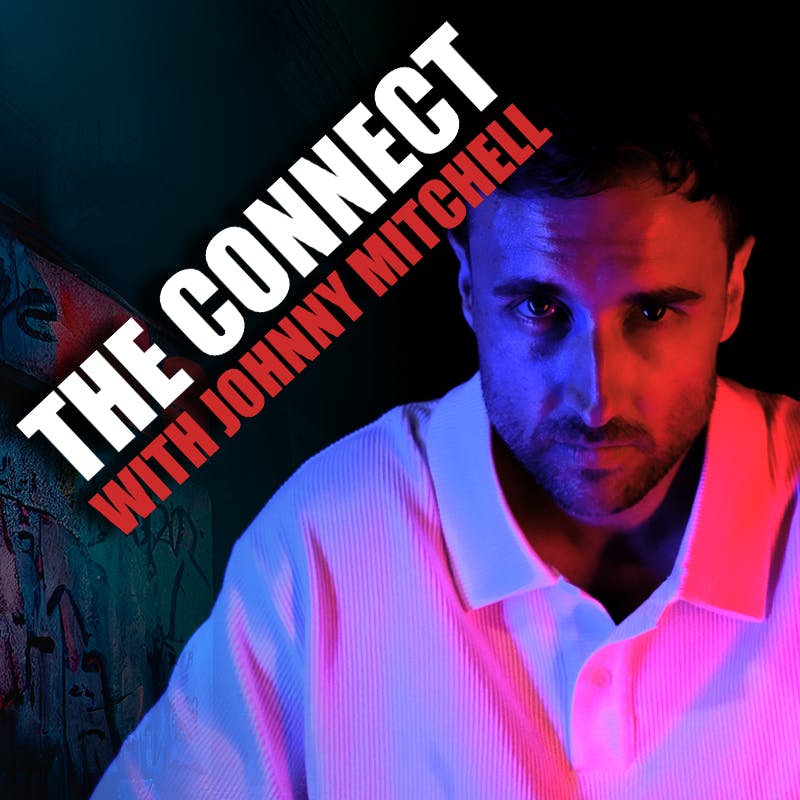
The Truth About Tupac's Murder | The Keefe-D Story
53m 27s
Dwayne Keith Davis, known as Keefe D, was convicted in August 2026 of murdering Tupac Shakur in a Las Vegas car shooting that occurred on September 7, 1996. For nearly three decades, the case remained unsolved due to a lack of physical evidence, conflicting witness accounts, and no identified shooter. Keefe D, a high-ranking Southside Compton Crip leader, repeatedly confessed to being in a white Cadillac that night, placing himself in the front seat and describing the shooting in multiple interviews, documentaries, and a memoir. The prosecution argued that under Nevada law, anyone who helps, encourages, or directs a crime is legally guilty, even if they don’t pull the trigger. Despite no recovered weapon, no surveillance footage, or DNA evidence, Keefe D’s admissions were central to the case. His defense claimed the confessions were fabricated for fame and profit, and that the state lacked any credible proof. The Nevada Supreme Court ruled that his earlier federal immunity agreement did not protect the later statements. After a trial that included testimony from witnesses and the jury hearing Keefe D’s confessions multiple times, the jury found him guilty in less than three hours. Keefe D, now 63, faces life without parole. The case underscores how a minor gang conflict over a stolen chain escalated into a deadly incident, driven by street culture and violence, with no clear motive beyond territorial disputes. Ultimately, the verdict highlights the tragic irony of a man who never fired a shot being held legally accountable for a crime he never committed—except through his own words.
It was the most famous murder in hip hop history. On August 31, 2026, nearly 30 years to the day that rap legend Tupac Shakur was gunned down on the Las Vegas strip, Dwayne Keith Davis, better known as Keefe D, was found guilty of his killing. During the 11-day trial, Keefe never took the stand, but the jury heard him talk for hours. His voice came into that courtroom on tape, on video, in passages read aloud from his memoir and on recorded calls from the county jail. For nearly two decades, this man told on himself over and over and over again to anyone who would listen. In their closing arguments, prosecutors read the whole record back to him. Two confessions to police in 2008 and 2009, two sit-down interviews for the BET docuseries, Death Row Chronicles in 2017, and his own memoir, Compton Street Legend, written in 2019. And every single time, Keefe puts himself in the front seat of the white Cadillac, where the shots were fired from on that fateful night in Las Vegas. During one of those jail calls, Keefe admits he probably should have stopped doing interviews a long time ago. They're trying to use my words against me. He's heard saying, "Oh man, this guy clearly dropped out of law school, or he just didn't watch the show cops. Remember, anything you say can and will be used against you. Come on, Keefe." Shortly after 11 p.m. on September 7, 1996, Tupac Shakur was riding in the passenger seat of a black BMW driven by Death Row Records tyrant Shug Knight. They had just come from watching Mike Tyson win the heavyweight title fight at the MGM Grand Casino. The BMW was leading a convoy of cars east on Flamingo Road toward a nightclub that was owned by Shug. Just past the strip, the BMW came to a stop at a red light on Flamingo Road and Koval Lane. All of a sudden, a white Cadillac pulled up on the passenger side of the vehicle and someone inside opened fire. 13 shots from a semi-automatic 40-calibre handgun and four of those shots hit Tupac, two of them in the chest. Six days later, on September 13, Tupac Shakur was pronounced dead at only 25 years old. The case quickly went cold and it seemed like a whole lifetime had passed by. But then, on September 29, 2023, 27 years after the slaying, Duane Keith Davis, aka Keefy D, was finally arrested for murder with the use of a deadly weapon. The first person ever criminally charged in the killing. And on August 31, 2026, it took a Clark County jury less than three hours to deliver a guilty verdict. As of this recording, Keefy is still in the Clark County jail awaiting sentencing. It's very likely that he will never see the streets again. So in this episode, I'm going to attempt to answer some questions. What really happened on the night of Tupac's murder? Who fired the fatal shot that actually killed him? And who is Keefy D? And why did he suddenly come out and start confessing to the murder? And what was the motive behind it? Was it simply a casino brawl turned deadly? Or was there something deeper? Revenge over an old beef finally cooked on the streets of Las Vegas? And why did it take Clark County prosecutors over two decades to finally bring Keefy D up on charges? Before we get into that, please take a quick moment to subscribe to the channel, hit the like button and drop a comment below. All right, let's get into it. In September of 1996, Tupac was only 25 years old, but already one of the most famous entertainers on the planet. He had almost a dozen albums under his belt and had gone platinum multiple times, and his new death row records fame had transformed him from a revolutionary conscious hip-hop artist to a gangster rap icon. His hits were played all over the world. Plus, he was an ascendant actor. The late director John Singleton swears that if Pock hadn't died, he would be better known for his film career than his rap one. Everything he touched seemed to turn to gold, except in his personal life. The kid had beefs, and problems seemed to follow him wherever he went. On November 30th, 1994, Tupac walked into quad recording studios in Times Square Manhattan. To record a paid guest verse for Little Sean, a rapper associated with Diddy, who was known then as Puff Daddy. Puffie's bad boy entertainment label was starting to take off, thanks to the massive success of rapper Biggie Smalls' debut album Ready to Die. And at this time, Tupac and Biggie were still friends. In fact, Tupac had been mentoring Biggie and helping him navigate his newfound rap fame. Biggie and Puffie were upstairs at Quad City that night in a different studio in the middle of a recording session when Tupac walked into the lobby. Before he could reach the elevator, he was ambushed by three men in ski masks, who pulled out guns and robbed him of his jewelry. Tupac resisted and was shot five times, with one of the bullets even grazing his skull. Pock later said that as he drifted in and out of consciousness, he can still remember as the men beat and pistol whipped him while he was on the lobby floor. Tupac would later go on to publicly accuse Biggie, Puff Daddy, and bad boy records of knowing about the attack in advance. They denied it, but the friendship between Tupac and Biggie ended. No investigator has ever named Diddy as a suspect in either shooting of Tupac, but Pock never stopped wondering who set him up, and that question would hang over him and Biggie for the rest of their short lives. In the last interview that Biggie ever gave, just before he was murdered in Los Angeles six months after Tupac died, he said he figured Pock still blamed him for that night, but he swore it wasn't true. Why would I do that, is what he said? Tupac survived that Quad studio shooting without any lasting physical damage, but he was certainly scarred mentally. It changed how he looked at the world. It made him paranoid and bitter, and he began to prophesize his own death in his rap lyrics. Indeed, he would later go on to tell an interviewer that after that attack at Quad studios, he made his peace with death. But in life, his problems were just getting started. One day after the shooting at Quad studios, Tupac was convicted in a sexual abuse case, a trumped up charge of he said she said, and he went on to spend most of 1995 inside of a New York state prison. In October of that year, he walked out of prison on a $1 million appeal bond, and the man who helped put up the money was Marion Shug Knight, the head of death row records out in Los Angeles. Tupac promptly signed with death row, and the rest is history. All eyes on me released February of 1996, and became one of the defining albums of the decade. I was 10 years old when it came out, and I can still remember how it impacted the culture. It was everywhere, on every TV, every radio, and inside every CD player. It embodied gangster rap as a genre, and it became one of the most played albums in the history of hip hop, and it made Tupac one of the most famous people in the world. Tupac he didn't have long to enjoy it. And a huge reason for that was death row records itself. As you might already know, death row was more than just a music label. It operated like an organized street gang. Before Shug Knight co-founded the company in 1991, he was affiliated with Mob Pairu, an infamous blood gang set based out of Northeastern Compton and South Linwood. These are notoriously violent gang-infested neighborhoods in Los Angeles. And as he built up death row, Shug brought in Mob Pairu members and their associates to run the label's security, and pretty much everything else too. Now let me be very clear about something. Tupac himself was not a gang member, obviously. Just a few years before he broke into the rap world, he was attending art school and performing ballet, literally. But he was young and impressionable, and the gang culture at death row heavily influenced his new style. This is the thug life, aggressive, violent, don't give a fuck, ain't scared to die Tupac that most of the world still remembers him by. Three months before their trip to Las Vegas, Tupac released hit him up. A dis record that went after Biggie and puffed daddy by name and is still considered one of the most vicious diss tracks hip hop has ever produced. Reggie Wright, Jr., a former Compton police officer who ran security for death row would testify 30 years later that once the video for that song came out, he doubled Tupac's security. So here you've got Tupac on top of the world who's already made his peace with dying. Now put that man in that mindset in Las Vegas on Fight Night and watch what happens. It's September 7th, 1996, and Mike Tyson is fighting Bruce Seldon for the WBA heavyweight title at the MGM Grand Casino. Fight nights in Las Vegas in the 1990s were a full on cultural event, celebrities of all stripes were in attendance, and on this night, Tupac, Shug, and the rest of the death row crew were sitting front row. So much hype, so much build up, and the fight lasts one minute at 49 seconds. Tyson knocks Seldon out in the first round, and before the ring announcer can even get a word out, the whole arena is booing. People felt cheated, some were even yelling that the fight was fixed, but of course it wasn't fixed. Seldon just had the misfortune of fighting iron Mike Tyson in the 1990s, And that's what Mike did in those days. He knocked mother. fuckers out cold before they even had time to warm up. But the fight that really mattered that night never happened in the ring. At about 10 minutes to 9 o'clock, the death row entourage is making its way through the MGM grand lobby. When one of Shugnai's guys, Trayvon Tray Lane spots a young man standing by himself near the middle of the casino floor. Tray points him out, and without hesitating, Tupac marches over to the man and punches him in the face. Then the rest of the group piles on, kicking and punching him until Casino's security comes over and breaks it up. The security camera footage of this assault would go down in history. Tupac, in his silk shirt and white pants, stomping boldly through the casino like an inmate on the prison yard, and Shugnai dancing on the head of this helpless man in his gigantic gator skin shoes. And 30 years later, this footage would be introduced as evidence by the prosecution in a murder trial. But that night, it was just a brawl in a hotel lobby, and the death row posse walks right out the front door. Nobody got arrested. And here's the crazier part. The guy who got beat up sticks around. He's still talking to MGM security and Las Vegas police when Tupac and his crew leave the building. But he refuses to file a complaint, won't give his name, and walks off without saying a single thing on record. Kudos to him for sticking to the G-code. Or maybe the reason he refused to talk to police is because he knew what was about to happen next. Meanwhile, the death row convoy is lining up outside. The plan is to head east on Flamingo Road to Club 662, which back then was a nightclub owned by Shugnai. And here's a wild fact that most people familiar with this story aren't aware of. That night, Club 662 was hosting a heavily publicized anti-gang youth benefit organized by a Las Vegas Metro police officer, which Tupac was booked to perform at reportedly as part of his court-mandated community service. Think about that. An anti-gang benefit put together by a cop at a club owned by the industry's most feared record executive where their biggest selling artist is showing up to satisfy a court order less than an hour after him and his crew stomped out a young man on the floor of the MGM casino. The 90s was a special time. But of course, none of that happens because Tupac never makes it to Shugnai Club. Four days after the shooting, the Las Vegas Police Department put out a written statement saying investigators had "no reason at this time to believe that the altercation at the casino has any connection to the shooting." So the lobby fight and the shooting were unrelated. Move along. Nothing to see here. But stories have a way of changing. Twenty-seven years later, in 2023, that very same police department stood in front of the press and admitted that the beating in the MGM lobby was what drove Dwayne Keefe-D Davis and his associates to seek revenge. It was the primary motive. Yeah, no shit. The rest of us figured that out like 25 years ago. But better late than never, I guess. So who was the young man at the bottom of that pile getting stomped out? And why did Tupac and Shug jump him in the first place? His name was Orlando Anderson, and the beef had to do with a shoe store and a man they called Keefe-D. Dwayne Davis, better known as Keefe-D, was born and raised in Compton, California. By the fall of 1996, he was running the Burris Street faction of the Southside Compton Crips, and he'd already done federal prison time for drug trafficking. One detective told the jury at his trial, quote, "We knew that Mr. Davis was the man with all the money in their hood, a retired Compton police officer who dealt with the Southside Crips set for years testified that Davis's rank was, quote, as high as you can get. And when he was asked who the leader was among the four men in that Cadillac, he named Davis without a moment's hesitation. And Orlando Anderson was Keefe-D's nephew. So the kid who got stopped out on the floor of the MGM Casino on camera in front of a lobby full of people wasn't just some random guy who looked at the death row crew the wrong way. He was connected. He was a somebody. And like most gang beefs, this one escalated over turf. So let's talk about it for a second. The Crips were first established in South Central L.A. back in the late 60s, and the bloods came along pretty soon after. Built around Pyru street in Compton, and they took up red in opposition to the Crips blue. By the 90s, these were structured organizations with factions, hierarchies, and decades of bad blood between them. So on one side, you've got Mob Pyru, the bloods, led by Shug Knight, running security for one of the biggest record labels in the country. And on the other, you've got Keefe-D and the Southside Compton Crips. By the laws of Los Angeles street politics, these two are sworn enemies. So why exactly did Tupac go after Orlando Anderson? Well, a few weeks before that night in Vegas, something went down at a footlocker store in the Lakewood Mall. Three blood Pyru's, including Tray Lane, got approached by some Southside Crips. And that day, Tray was wearing a gold chain with a death row medallion on it, a personal gift from Shug Knight himself. Needless to say, a brawl broke out, and the chain got snatched off of Tray Lane. Tray knows exactly who took it. The prosecution pointed to Orlando Anderson, but that was never nailed down for certain. All we know is that Tray Lane, a Mob Pyru blood, got his gold medallion, a personal gift from Shug Knight, snatched off his head by a member of the Southside Crips, and Orlando Anderson happened to be at the scene. So a few weeks later, as Tray Lane is walking through the MGM Grand Lobby, he spots Orlando alone, with no backup, and he knows exactly what he's got to do. Now why Tupac took it upon himself to avenge Tray's stolen chain, we might never know. As for Orlando Anderson, he was 22 years old at the time, also born and raised in Compton. On September 7th, 1996, he drove out to Las Vegas in a borrowed car with his girlfriend Roshina, and they checked into the Excalibur Hotel right across the street from the MGM Grand. Just like everybody else in town that night, they were there to watch the Mike Tyson fight. Nobody had any idea what that night was about to turn into. So now Orlando is on the floor seeing stars, fresh off an undisputed ass whooping, and he's got plenty of reasons not to talk to the cops. Probably because he knows his uncle Keefy is in town, and they're about to hold court in the street. According to Keefy D himself, this is how things went down. Keefy was there that night at the MGM for the Tyson fight, but his whereabouts, while his nephew was getting jumped by Tupac and Shug in the casino lobby, are still to this day unknown. He could have been somewhere else in the casino, or he might have already left the property. Nothing in the trial or the public record places him anywhere specific. All we know for sure is that when Word got back to him about his nephew, Orlando, he immediately went looking for a gun. He met up with an acquaintance of his, a man named Eric Zip Martin, a Harlem drug dealer and music industry insider who ran in Diddy Circle, and who Keefy knew through the cocaine trade. Keefy says they met outside the MGM grand after the fight, and that rapper Foxy Brown was sitting in Zip's Mercedes when he walked up. According to Keefy, Zip opened up a hidden compartment in the Mercedes and took out a 40 caliber lock handgun. He handed it over to Keefy and told him, "Handle your business." Keep in mind, Zip Martin died in 2012, so we have to take Keefy at his word. But logically, this story does make sense. Remember, this is the height of the East Coast West Coast rap beef era, and Tupac is the poster child for the West Coast. He completely embarrassed and demoralized Biggie with the hit 'em up single. And now you've got a New York guy, a street guy, who's allegedly close to Diddy and Bad Boy Entertainment, and by proximity, Biggie Smalls, who finds out that Tupac is in the area, and now there's a friend of yours who wants to borrow your gun to go kill him. Crazier things have happened. So now, Keefy is strapped, and he and three other men are in a white Cadillac hunting for Tupac in Shug Night. The Cadillac was a rental, but to this day, nobody knows whose name it was under. In the car is Keefy Orlando, a man called Freaky, and the driver Terry Bubbleup Brown, who was killed in Compton in 2015. Their first stop was to club 662, where Keefy says they parked and waited for about 20 minutes. But when there was no sign of Shug or the black BMW, they decided to head for a liquor store. Apparently, they were planning to just drown out their sorrows and then call it a night. And this is when, according to Keefy D, they hit a stroke of luck. After leaving the liquor store, they spotted the black BMW passing them on Flamingo Road. Bubble drove right past them, and Keefy told them to make a U-turn. When Las Vegas police later asked him whether they'd been actively hunting the convoy at that point, Keefy replied, "Now, we got lucky." Here's what Las Vegas police could actually prove happened in those two hours between the brawl in the MGM lobby and the shooting on Flamingo Road. Nothing. Absolutely nothing. There was no surveillance trail and no camera footage of a white Cadillac moving through the city. There were no phone records, no communications, and no independent witness who could place the group anywhere between the casino and the shooting. Nobody could establish the route they took, or whether all four men stayed together the whole time, or when that gun came into the picture and whose hands it was in. And to this day, nobody has ever explained how a white Cadillac
with no trail and no witnesses ended up right next to one specific black BMW on the right street at exactly the right time. According to Keefe, it was just a fluke because remember, the only evidence the state ever had about those two hours came straight from Keefe D's big fat mouth. So, just like the jury did, we'll have to take him at his word. And according to Keefe D, at 1115 on Flamingo Road, they lucked out. And Tupac, well, his luck was about to run out. So, how does a convoy of cars get shot up just one block off of the Las Vegas strip? The same way that Keefe D says they found it. Look, at some point on the drive from the MGM, a bike cop named Gary Dale spotted a black BMW without a license plate and pulled it over. He wrote up, looked in the window, and found himself staring at Tupac Shakur and Shug Knight. He let them go in the morning, no ticket and no report. There was no way that Officer Dale could have known that 10 minutes later he'd be riding in the back of an ambulance with Tupac. Meanwhile, a few cars back in the convoy, a woman named Ingrid Stokes noticed a car behind them that kept aggressively trying to cut its way to the front. She had no idea what was about to happen right in front of her, but it's something she'll never forget. There was also a man named Leonard Jefferson who was staying at the Monte Carlo just down Flamingo Road. He happened to be standing outside the hotel when the BMW pulled up at a red light. He must have recognized the men inside because he walked right up to the passenger's side door and snapped a photo through the window. To this day, that might be one of the most recognizable photos in music history. The last picture of Tupac alive. 30 years later during the trial, Jefferson was asked if he'd staged the photo and he said no. And what's interesting about this picture is that Pock and Shug have changed out of the clothes they were wearing at the casino. And Tupac, photogenic as ever, is looking straight into the camera, a mixture of pain and regret in his face. He must know deep down that he's not a gangster and that he's in way over his head, but it's like Al Pacino says in Carlito's way. When it comes to being a gangster, you can't learn this shit in school and you can't get a late start. Just moments after Leonard took that photo, near the intersection of Flamingo Road and Covall Lane, a white Ford or Cadillac pulled up on the passenger's side of the BMW and somebody inside opened fire. Witnesses heard about 13 shots and investigators recovered seven shell casings all fired from a single 40 caliber gun. Tupac was hit four times, including in the chest in the abdomen. As more bad luck would have it, he wasn't wearing his bulletproof vest that night. Shug night caught a fragment and a minor wound to the head and he survived. The Cadillac took off South on Covall and Shug, still bleeding, drove the shot up BMW away from the scene before police could get there. Meanwhile, over at the maximum hotel, a security guard named William Haydemeyer heard the gunshots and ran to a wall that overlooked Flamingo and Covall Lane. He saw a young, well-dressed man in a white shirt holding a pistol on Flamingo Road. And he identified that man as the shooter. In the car right behind the BMW, Malcolm Greenage from the outlaws, which was Tupac's rap group, was yelling for everybody to get down before they got shot. Then he turned around and found a police officer pointing a shotgun at his head. He later told police that he never saw the faces inside the Cadillac. So now officer Dale is riding in the ambulance with Tupac and he keeps asking him who shot him. Want to know what he said? 30 years later at trial, he tells the jury that Tupac answered, Nah, we'll take care of it or something to that effect. And then he said it again before he faded out. Nah, we'll take care of it. The last words uttered by hip-hop's most iconic artist. They rushed him to the University Medical Center where doctors had to remove his right lung. Six days later on September 13th, 1996, at 403 in the afternoon, Tupac Shakur was pronounced dead of respiratory failure and cardiopulmonary arrest. He was 25 years old. Within a few days of the shooting, Las Vegas PD had a lot to work with. They had the BMW, the crime scene, and seven shell casings. They also had MGM surveillance footage of a beating that was now part of their murder investigation. They also had a whole convoy of people who'd been right there when Tupac got shot. And they had a description of a white Cadillac. What they didn't have was one single witness who could reliably describe that Cadillac. On September 9th, two days after the shooting, LVPD detectives went on the record, telling reporters that they were receiving contradictory descriptions of the vehicle and then called out the professional bodyguards who'd been paid to protect Tupac. One of the detectives said, end quote, it amazes me that when we have professional bodyguards as part of this entourage, that they can't even give us an accurate description of the vehicle. He said, quote, depending on which witness we listen to, it either had California or Nevada plates. I'll let you draw your own conclusions about why a team of trained, well-paid bodyguards couldn't seem to remember the car that just shot the man that they were guarding. Maybe it's because they weren't so well-trained. Maybe these guys were just mob-pyru bloods who chugged night hat on salary. And when it came time to giving up information to police, they were just sticking to the code of the street. Silence. It didn't matter that the dead man was their friend and the record label's biggest money maker. Then there was chugged night. Chug had survived with a minor head wound, which technically made him a victim. But when investigators first tried bringing him in for questioning, he refused. Three nights after the shooting, when he finally showed up, he had three criminal defense attorneys with him. Chug told investigators that he didn't know anything. At the 2026 trial, a detective working the case told the jury that chugged seemed unusually timid, and that all of his answers sounded rehearsed. His conclusion was simple. I thought he lied to us, he said. Meanwhile, one of the most important potential witnesses was already living on borrowed time. Yafaya Fula, known as Kadafi, was a member of the outlaws rap group who'd been riding in one of the cars directly behind the BMW. And he was the only person in that whole convoy who told police he might be able to identify someone in the Cadillac. But in November of 1996, just two months after Tupac died, Kadafi was shot and killed in New Jersey. How convenient. And while Las Vegas police were busy sorting through bodyguard statements, conflicting license plates, and MGM videotape footage, Compton PD weren't waiting around for anybody. By September 12th, only five days after the shooting, a Compton police report had already connected the MGM lobby beating to the footlocker fight at the Lakewood Mall. Compton police knew exactly who the players were, and the picture was already pretty clear. Investigator Lad of the Compton Police Department said he expected a war. And boy, did he get one. Over the next 10 days, Compton saw three murders and 10 attempted murders that investigators believed were tied to the conflict between Mob Pairu and the Southside Compton Crips. And one of the drive-by shootings connected to this war, a 10-year-old girl was shot and left in critical condition. Police set it up searching 38 houses connected to the two groups, but they came up empty. Remember Tupac's final words in the ambulance? And they did. While Las Vegas PD was frantically searching security footage framed by frame, Compton was burying people. Meanwhile, the cops were compiling a list of suspects. Compton gang investigators identified Orlando Anderson from the MGM video footage almost right away. And from there, Las Vegas detectives started working their way outward until they had four names. Duane Keefy D. Davis, Orlando Anderson, DeAndre Freaky Smith, and Terry Bubbleup Brown. They ran photo line-ups, they picked the brains of Compton police who knew the Southside hierarchy, and then they zoned in on these four. But here's the problem. The MGM footage showed a fight, but that's all it showed. It didn't explain who Orlando was, or how he was related to Keefy D. Davis, or where he fit in in the Southside hierarchy, or how any of that connected to a white Cadillac on Flamingo Road. To gang investigators in Southern California, all of that was obvious. But obvious is in evidence, not in the courtroom. And 30 years later, Detective Becker admitted to the jury that back then, they had no living witnesses who could place Keefy Orlando Bubble or Freaky inside of that Cadillac. At the time, they were just working the leads that they had. On October 2, 1996, about three weeks after the shooting, 300 police officers swept into Compton. Orlando Anderson got arrested that night, not for two-pox murder, but in connection with the killing of a man named Edward Webb. Las Vegas detectives were there, and they sat down with Orlando and asked him about two-pox. And of course, Orlando denied it. And so, the DA cut him loose. There was no other evidence to go on. For the next year, the case was dead in the water. In September of 1997, two-pox mother, a Fini Shakur, filed a wrongful death lawsuit against Orlando. A lawyer representing Orlando said the police had treated him like a suspect, but never had the goods. And Las Vegas PD actually confirmed that on record, saying there wasn't enough evidence to charge him. And check this out, Orlando even went on national television and denied that he had killed two-pox. Not long after that, Orlando and his brother started up their own record label, which they called "success records," and ran it out of a garage in Compton. I guess not very successful.
One associate later claimed that death row, of all things, had invested money into them, though Orlando's brother and his lawyer both disputed that claim. Then, on May 29, 1998, Orlando and his friend, Michael Deroe, rolled up to a car wash on a Laundra boulevard in Compton to confront two men from a rival Crippset, Michael Stone, and his nephew Jerry. Orlando believed that Michael owed money to his uncle, Kifi D. The argument turned into a gunfight, and when it was over, Orlando, Michael, and his nephew were all dead, and Deroe was wounded. The police arrested Deroe at the hospital, and he was later charged with murder. Orlando Anderson was only 23 years old when he died, and he denied killing Tupac Shakur until his dying day. After that, the rest of the names on the suspect list started to disappear, too. DeAndre Freaky Smith, who'd been in the Cadillac that night, died in 2004. Terry Bubbleup Brown, the driver, was shot and killed in Compton in 2015. As for the gun, well, over the years, investigators tested thousands of firearms against those seven shell casings found at Flamingo and Koval, but not one of them matched. The murder weapon itself was never recovered either. And so, given the lack of concrete evidence, the case remained open. By the time Kifi D saw the inside of a courtroom, all of the other suspects inside of the White Cadillac had long been dead. And Kifi himself never said a word about this to anyone. Not for years later, when a different case finally got him talking. So how do you get a gang leader to confess to a murder? It's actually pretty easy. You just catch him doing something else. Kifi D had actually talked to federal investigators twice before. According to prosecutors, in 1998, he denied having anything to do with Tupac's killing. And in 1999, he admitted he'd been in Las Vegas and that he was angry about what happened to his nephew. But he still denied having any part in the shooting. With no other evidence to build on, investigators had nothing to charge him with. And Kifi walked away both times. And that's where things stood for almost a decade, until a task force investigating the murder of Biggie Smalls came knocking. Biggie was shot and killed in Los Angeles in March of 1997. And more than ten years later, his case remained open. Around 2008, the LAPD put together a new task force to work on it. One of the detectives in this task force, Darren Dupree, already knew who Kifi D was from years of chasing him as an narcotics cop. And so, on a little more than a hunch, he flagged Kifi as a person of interest in Biggie's killing. Kifi drove a black 1996 Chevy Impala SS, the same kind of car Biggie's killer fired from. It wasn't much to go on, but Dupree knew exactly who Kifi D was. So, using a confidential informant and an undercover officer, the task force set up a drug deal with Kifi. And he took the bait. Now he was facing a federal drug case. And with his record, that could mean decades behind bars. So he offered something the investigators wanted. Now, Kifi didn't mention anything about being involved in the murder of Biggie Smalls, but he did tell investigators he was willing to, quote, "talk about the other one." That's exactly how he put it, not Tupac's name, not Las Vegas, just the other one. Before he'd say another word, though, Kifi went in under what's called a "profer agreement." It's not immunity, exactly. The deal is that you talk, and your words can't be used directly against you in a prosecution. So, it's not a get out of jail free card, but it is a limited legal shield. Basically, I'll tell you what I know, and you protect me from what I say. So, in 2008, under that proper, Kifi D gave a recorded account for the very first time, and it went on for hours. He put himself in that white Cadillac with Anderson Smith and Brown. He described sitting in the front seat with the gun, and then he described what happened on Flamingo Road. On that tape, he says the gun got passed to the back seat. Freaky didn't want to shoot. According to Kifi, I gave it to Dre and Dre's like, "No, no, no. So, the gun went to Orlando, and Orlando opened fire on the BMW. Maybe Kifi figured he didn't need to keep a dead man's secrets anymore." But there's another version of the story. Devonta Lee, a former associate of Kifi's, testified at the trial that Deandre Freaky Smith once told him that he was the one who pulled the trigger. Lee wasn't in the car that night, so all he had to go on was Freaky's word. That left the jury with two potential shooters, and both of them are dead. Orlando was killed in '98, and Freaky died in 2004. And then, there's the Diddy Angle. In his memoir, an interrecorded interview that was played at trial, Kifi claimed that Diddy had agreed to pay a million dollars cash to "handle chug night" and "tupac Shakur" and that the money was supposed to be delivered through Zip Martin. Kifi says he never got paid after Tupac died. Now, here's where we need to be really careful. Diddy has never been named by investigators as a suspect, or even a person of interest in Tupac's killing. At the time we're filming this, Diddy is still serving out the rest of his sentence in federal prison on unrelated sex charges. Zip Martin is now dead, so there's nothing from him on the record, either. The only person who ever claimed Diddy was involved is Kifi D, and as of right now, there's no way to prove that one way or another. In 2009, Kifi flew to New York to try to get Zip on tape, hoping he'd implicate himself. But Zip was dying of cancer at the time, and as Dupree told The Jury, he "really did not want to engage." It's good to know that some criminals still take their secrets to the grave with them. That same year, a Las Vegas detective named Dan Long sat down with Kifi for a separate interview. Kifi put himself in the Cadillac again. He talked about the gun, the stop at club 662, the liquor store, and finding the BMW. And he told Long that he'd been, quote, "the boss." Long brought those recordings and the transcripts back to the Las Vegas DA ready to go after an arrest for Tupac's murder. But prosecutors told him they weren't moving forward with the case because, quote, "there were a lot of complications." At least part of those complications had to do with legal concerns over Kifi's earlier deal with the feds, because apparently, nobody in Los Angeles had told Las Vegas what the terms of his "proffer" actually were. So now Las Vegas PD had a confession they couldn't use, and a man with every reason in the world to keep his mouth shut. Except that, he didn't. The first person to take Kifi's confession public was actually the cop who got it out of him. In 2011, Greg Cating, the former LAPD detective who worked the biggie case and sat in on those 2008 sessions, published a book called Murder Wrap, where he wrote that Kifi had confessed to Tupac's murder. That wasn't a new statement from Kifi himself, but it was the first time anything from those sessions had made its way out of a federal file and into the public eye. In 2015, Cating followed it up with a documentary of the same name, and just like that, the confession was no longer his secret. And then, incredibly, Kifi started telling it himself. In 2017, he sat down for hours of on-camera interviews for a BET series called Death Row Chronicles. The producers would later testify that the interviews were unscripted, and that Kifi never got the questions ahead of time. And whenever you think of the show, what Kifi said in those recordings ended up being played for a jury nine years later. The series aired in February of 2018, and on camera, Kifi explained why he was finally talking. "I'm coming out now to tell the story because I got cancer. I got nothing else to lose. All I'm here about now is the truth." But when he was asked point blank who pulled the trigger on Tupac, suddenly the truth had its limits. He said, "Going to keep it for the code of the streets," he said. It just came from the back seat, bro, end quote. Then he talked about why Tupac's crew jumped his nephew in the MGM lobby. According to Kifi, Orlando had nothing to do with the stolen death row chain. He was a kid, he said, "Am I nephew never jumped on him?" And when the interviewer asked if he had anything to say to Tupac's family, he said, "No, no, I didn't do nothing. I didn't do nothing to his family." In 2019, Kifi co-wrote a memoir called Compton Street Legend, which put him in that white Cadillac for anybody who wanted to buy a copy. In the book, he describes this shooting like this, "One of my guys from the back seat grabbed the clock and started bustin' back." The book also claims Tupac reached under his seat right before the shots, which Kifi made out to be a threat. But nothing introduced at trial ever showed that Tupac had a weapon on him. In between 2019 and 2023, Kifi just kept on talking. In interviews on podcasts, promotional appearances, and public events, anybody who would listen, he would put himself right back in the Tupac story. If I had had my podcast back then, I definitely would have been sittin' down with Kifi. Then, in July of 2023, police searched a home in Henderson, Nevada that was connected to Kifi. They seized electronic devices and a bunch of material tied to the Shakur case into Kifi's storytelling. One photo shown to the jury later was of a Dodge Challenger parked in the garage. Another one showed a bookshelf. And sitting on that shelf, among other books, was a copy of Compton Street Legend. They also found an old hotel bill showing a string of phone charges from Las Vegas Hotel, So the date on those
was unclear. What they didn't find much to their disappointment was the murder weapon. Two months later, on the morning of September 29th, 2023, Las Vegas Metro officers caught up with Keefe while he was out on a walk. "Hey, Keefe," they said, "Metro police. Come over here." And in the body camera footage released after the arrest, Keefe's first question wasn't about the charges. He said, "So what in y'all bring the media?" Then a moment later, he says, "I don't worry about it." At the end of the day, Keefe was a media whore. He loved the attention. At the press conference of followed, District Attorney Steve Wolfson announced that a Clark County grand jury had indicted Keefe D on one count of open murder with the use of a deadly weapon with the gang enhancement for the killing of Tupac Shakur. Twenty-seven years after the shooting on Flamingo Road, Keefe was the last man standing, but not for much longer. From jail, unrecorded calls that would later be played for the jury, Keefe said, "I have blood on my money." He complained that authorities were trying to use his words against him, and he said he regretted not shutting up sooner. So after three decades, the state finally had a confession on tape, on television, in print, and on the jail phone. It really couldn't get much better, unless, of course, they'd have the gun. But what if he was lying? The only way to find that out was in the courtroom. But before Keefe could even go to trial, his lawyers took the fight all the way to the Nevada Supreme Court, arguing that the immunity deal that he made with the feds back in 2008 meant that none of his confessions could be used against him. Keefe's legal team argued that the federal proffer protections that he got back in 2008 should stop Nevada from using any of his statements against him. On November 4th, 2025, the Nevada Supreme Court disagreed. The court said Keefe hadn't shown that those federal protections covered his later interviews with police, or that they bound the state of Nevada at all. But the court also stopped short of saying that everything Keefe had ever said was fair game, and it sent that question back to the trial judge, Carly Kearney. On June 30th, 2026, Judge Kearney ruled that the jury could hear Keefe's recorded interviews and read from his memoir. The defense argued that the book was ghost-written, exaggerated, and written to sell copies. So Keefe shouldn't be held to every word of it. But the judge pointed out that the story in the book mostly matched what Keefe had told police back in 2008 and 2009, years before there was any money to be made in it. In other words, he wasn't just making it up to sell books. He'd been telling the same story all along. His trial had originally been set for March of 2025. Then it was pushed back to February of 26th. After the defense said it had new evidence that Keefe wasn't even in Las Vegas that night. Then it got pushed again to August 17th, 2026. Nine days before the trial was set to begin, Keefe gave a jailhouse TV interview where he denied being in Las Vegas on September 7th, 1996, and he denied writing the memoir. I did not write that book, he was heard saying, a ghost writer wrote it. I was just trying to make my family some money. Even if that were true, that's a goddamn shame. The trial finally began. In their opening statement, the prosecution laid out its theory of the case. Keefe D was a high-ranking member of the Southside Compton Crips, and after his nephew got beaten up on the floor of the MGM Grand Casino, he then procured a gun, rode in the white Cadillac to hunt down Tupac and Shugnite, and passed that gun to the back seat. Keep in mind, the prosecution didn't need to prove Keefe pulled the trigger, because under Nevada law, anyone who helps, encourages, or directs someone else to commit a crime, is just as guilty as if they had committed it themselves. Many states have these kind of laws. In the eyes of the law, this made Keefe the killer, whether or not he ever fired a shot. Keefe's defense team strategy came down to just one idea that Keefe is a liar. Attorney Michael Samf argued that Keefe had spent years exaggerating and inventing his role, because the Tupac story brought him attention, money, and fame, and that left the prosecution with a pretty unusual problem, because they had to prove Keefe was telling the truth while he was incriminating himself. According to Samf, there wasn't a single fact pointing to Keefe D, not one. So, the state called two dozen witnesses over the next eight days. You've already met a lot of them. Officer Dale, who told the jury about his ambulance ride with Tupac, and what he said right before he passed out. Detective Becker told them about Shug, the three defense attorneys, and the answers he didn't believe. The medical examiner walked through the autopsy, and the photos showed the scars from the quad studio shooting in 1994, right beside the wounds that killed him two years later. And William Heidemeyer described the young, well-dressed man in the white shirt with a pistol on Flamingo Road. Then the prosecution called James McDonald to the stand. Mob James, as he's known, did informal security work for Shug Night and was there on the night of the shooting. And now, he was testifying under court order. He confirmed that he knew everybody who was there, but then he refused to name a single one of them. When the attorney kept pressing him, McDonald said, "Talk to your lawyer, man." And then he explained exactly where he stood. He said, "I'm not finished sending him to prison. You are." So, basically, this was his way of dry snitching, of having his cake and eating it too, of fulfilling a court order, but not technically being the one to snitch on Kifi D. And then there was Reggie Wright, Jr., death row's former head of security who took the stand next. Kifi's prior legal team had actually argued in pretrial motions that Wright was the one responsible for two-pox killing, which Wright had called heartbreaking. So, when he was asked under oath if he had anything to do with two-pox murder, he said, quote, "absolutely not." And that theory never came up again. Next, a retired FBI agent named Wade Lee testified about Kifi's drug dealing past and his history with federal investigators. But it was at this point that Judge Keirney warned the jury not to hold the past against him, just because Kifi had committed crimes before didn't mean he committed this one. The jury was only allowed to use that history as background for weighing the things Kifi had said about two-pox murder and why he might have wanted two-pox dead. Then there was Detective Darren Depri, who told the jury that back in 2008, when the Biggie Task Force caught Kifi in a drug deal, Kifi was the one who had brought up two-pox. He offered to talk about the other one before anyone even asked him. That's wild. Then Devonta Lee, the former associate of Kifi's, took the stand. He didn't want to testify, but the judge ordered him to. Of course, he could have pled the fifth, but I don't think at this point a lot of these guys had any loyalty left to Kifi. So, Devonta Lee admitted he'd been paid by investigators for information more than once and he said Freaky had personally told him that he was the one who shot two-pox. The jury heard all of it, including the fact that Lee had been paid and that he wasn't in the Cadillac that night. So, all he could do was repeat what Freaky had told him. So, the implication right there is that investigators paid this guy who wasn't even in the car to say that somebody else besides Kifi had been the one to kill two-pox. This doesn't look good for them. Next, the prosecutors called Leonard Jefferson, the man who took the last living photo of two-pox. They also called up investigator Lad, who called Kifi a "shot collar" and the highest-ranking member of the four men in that car. But during cross-examination, Lad admitted that Compton's investigation never produced any physical evidence putting Kifi in Las Vegas that night. The producers for BET's deathbrough chronicles even testified about their recordings. And finally, before the prosecution rested, the jail calls were played. Now was the defense's turn. They called just three witnesses. The first two were former Las Vegas police officers, detective Hitt and Mangrum, who were working security at Shugnai's house in Las Vegas on the night of the shooting. They testified that they saw a cream-colored Cadillac pull up to the house and then later leave with Shug's convoy right behind the BMW carrying two-pox. Hitt said the Cadillac belonged to Shug himself and none of the cars had any damage. The defense's point was simple. If there was a light-colored Cadillac riding in two-pox convoy, how could anyone be sure which white Cadillac that they'd seen that night? Then Detective Dan Long took the stand. He acknowledged that over the years, investigators had tested thousands of guns against the shell casings taken from Flamingo Road and Koval Lane, and that none of them ever matched. And then one of the jurors submitted a question in writing, which I didn't even know you could do. The question was, were you able to verify and confirm that Mr. Davis, Keefy D, was actually in the white Cadillac the night of two-pox murder? Long's answer was about as simple as it gets. He knew because, quote, "By Mr. Davis telling me that he was in the white Cadillac on the night of the murder." It's because Keefy has been talking about it for 25 years. Now the big question on everybody's mind was, was Keefy going to take the stand in his own defense? He was given the night to think about it, and ultimately he decided against it. Finally, after 15 years of talking, he decided to keep his mouth shut. Too little too late. In the closing arguments, prosecutor Binu Palal walked the jury through Keefy's own timeline. 2008, 2009, two recordings from 2017 and the book in 2019. Five separate times, Keefy D put himself in the front seat of that Cadillac.
A lot of the details shifted over the years, but that front seat never changed. And then the defense laid out everything that the state didn't have. No murder weapon, no DNA, no fingerprints, no Cadillac, no phone location data, no surveillance footage, no surviving passenger who testified against him, no eye witnesses who picked Davis out of that car, and no forensic evidence that named the shooter. So after about eight days of testimony, two dozen witnesses, and a defendant who never said a word in his own defense, the jury went out to deliberate. They were back in under three hours, including a lunch break. Kephedee was convicted of first-degree murder with the use of a deadly weapon, making him the first person after 30 years to be convicted of a crime in the murder of Tupac Shakur. He was ordered held without bail, and immediately following the conviction his lawyer, Michael Sant, announced that they would be filing an appeal. Sentencing is scheduled for October 13, 2026. Kephedee is 63 years old, and he's facing life without parole. So as far as the official record is concerned, the case is closed. Kephedee was in that white Cadillac on Flamingo Road on September 7, 1996, and even if he never pulled the trigger himself, he played a central role in the killing of Tupac Shakur. Under Nevada law, that makes him just as responsible as whoever did. The gun was never found, and neither was the Cadillac. Kephedee is the only one of the four men in that car who's still alive, and depending on who you believe, the shooter was either his nephew Orlando, Deandre Freaky Smith, or as Kephedee put it, someone who was just sitting in the back seat, as a huge fan of Tupac, and someone who's been mystified by this case for basically my entire life, the verdict feels like the end of an era. All of the conspiracy theories surrounding Pox Killing, like the one that says that shug night set him up, or that diddy had paid for his head, as retribution for embarrassing biggie on hit him up, none of those turned out to be true. The explanation was a lot simpler. A chain snatching over a petty gang beef inside of a foot locker led to an assault on the MGM Casino floor, and then blind luck as the white Cadillac rolled by the black BMW on Flamingo Road, and the wildest part is, if Kephedee had just held his mud, shit, if he had just given one interview back in 2008, and not four more after that, and written a book, he very likely would have beat the case. He probably wouldn't have even been charged in the first place. There was no evidence. It was almost like those four doofuses in the Cadillac that night committed the perfect murder. If he loses his appeal, if his conviction is upheld, he may go down as the dumbest criminal in the history of the streets. So, I just want to say, rest in peace, Tupac. We know you weren't a gangster. You were just a kid who got swept up in the excitement of the era and manipulated by the real thugs like shug night. He didn't deserve to go out this way. Alright, everyone, thanks so much for watching. Make sure to subscribe to the channel and we will see you next time.
Podcast Summary
Key Points:
Dwayne Keith Davis, known as Keefe D, was convicted in 2026 of murdering Tupac Shakur in a Las Vegas car shooting nearly 30 years after the incident.
Keefe D repeatedly confessed to being in the white Cadillac that night, placing himself in the front seat and describing the shooting in multiple interviews, memoirs, and jail recordings over two decades.
The prosecution argued that Keefe D was legally responsible for the murder under Nevada law, as helping or directing someone to commit a crime constitutes guilt, even without pulling the trigger.
No physical evidence—such as the murder weapon, the Cadillac, or DNA—was ever found, and key witnesses, including the shooter, are deceased or silent.
Keefe D's confessions were initially protected by a 2008 federal "proffer" agreement, but the Nevada Supreme Court ruled those protections did not extend to later statements.
The defense challenged Keefe D’s credibility, claiming his stories were fabricated for fame and profit, and highlighted the lack of concrete evidence.
The jury, after hearing testimonies and confessions, found Keefe D guilty in under three hours, making him the first person charged in the case after 27 years.
The case reflects a broader pattern of gang violence, petty beefs, and media manipulation, with the shooting stemming from a chain-snatching incident in a mall that escalated into a fatal confrontation.
Summary:
Dwayne Keith Davis, known as Keefe D, was convicted in August 2026 of murdering Tupac Shakur in a Las Vegas car shooting that occurred on September 7, 1996. For nearly three decades, the case remained unsolved due to a lack of physical evidence, conflicting witness accounts, and no identified shooter. Keefe D, a high-ranking Southside Compton Crip leader, repeatedly confessed to being in a white Cadillac that night, placing himself in the front seat and describing the shooting in multiple interviews, documentaries, and a memoir.
The prosecution argued that under Nevada law, anyone who helps, encourages, or directs a crime is legally guilty, even if they don’t pull the trigger. Despite no recovered weapon, no surveillance footage, or DNA evidence, Keefe D’s admissions were central to the case. His defense claimed the confessions were fabricated for fame and profit, and that the state lacked any credible proof.
The Nevada Supreme Court ruled that his earlier federal immunity agreement did not protect the later statements. After a trial that included testimony from witnesses and the jury hearing Keefe D’s confessions multiple times, the jury found him guilty in less than three hours. Keefe D, now 63, faces life without parole.
The case underscores how a minor gang conflict over a stolen chain escalated into a deadly incident, driven by street culture and violence, with no clear motive beyond territorial disputes. Ultimately, the verdict highlights the tragic irony of a man who never fired a shot being held legally accountable for a crime he never committed—except through his own words.
FAQs
Keefe D, also known as Dwayne Keith Davis, was a high-ranking member of the Southside Compton Crips. He was convicted of first-degree murder with the use of a deadly weapon for his role in the 1996 killing of Tupac Shakur, having admitted multiple times to being in the white Cadillac that night and helping to direct the shooting.
The motive stemmed from a gang-related feud. Keefe D's nephew, Orlando Anderson, was beaten up in the MGM Grand lobby in Las Vegas, which Keefe D believed was tied to a stolen gold chain from a member of the Death Row crew. This led to a personal and territorial conflict that escalated into the fatal shooting.
There is no definitive proof that Keefe D fired the shots. The prosecution did not need to prove he pulled the trigger, as Nevada law holds that anyone who helps, encourages, or directs a killing is equally guilty. The evidence focuses on his presence and involvement, not direct firing.
Keefe D confessed multiple times in 2008, 2009, 2017, and in his 2019 memoir, Compton Street Legend. He also made statements in interviews and jail calls, consistently placing himself in the white Cadillac and claiming responsibility for directing the shooting.
The case lacked physical evidence—no murder weapon, no surveillance footage, no DNA, and no eyewitnesses who could identify the shooter. The absence of a clear trail and the involvement of gang members who kept silent due to street codes made it nearly impossible to solve for decades.
No credible evidence has been presented to link Diddy or any other individual to the murder. Keefe D mentioned in interviews that Diddy had offered to pay to 'handle' the killing, but this claim has never been verified, and Diddy has never been named as a suspect by investigators.
Chat with AI
Loading...
Pro features
Go deeper with this episode
Unlock creator-grade tools that turn any transcript into show notes and subtitle files.
 PodcastTranscript AI