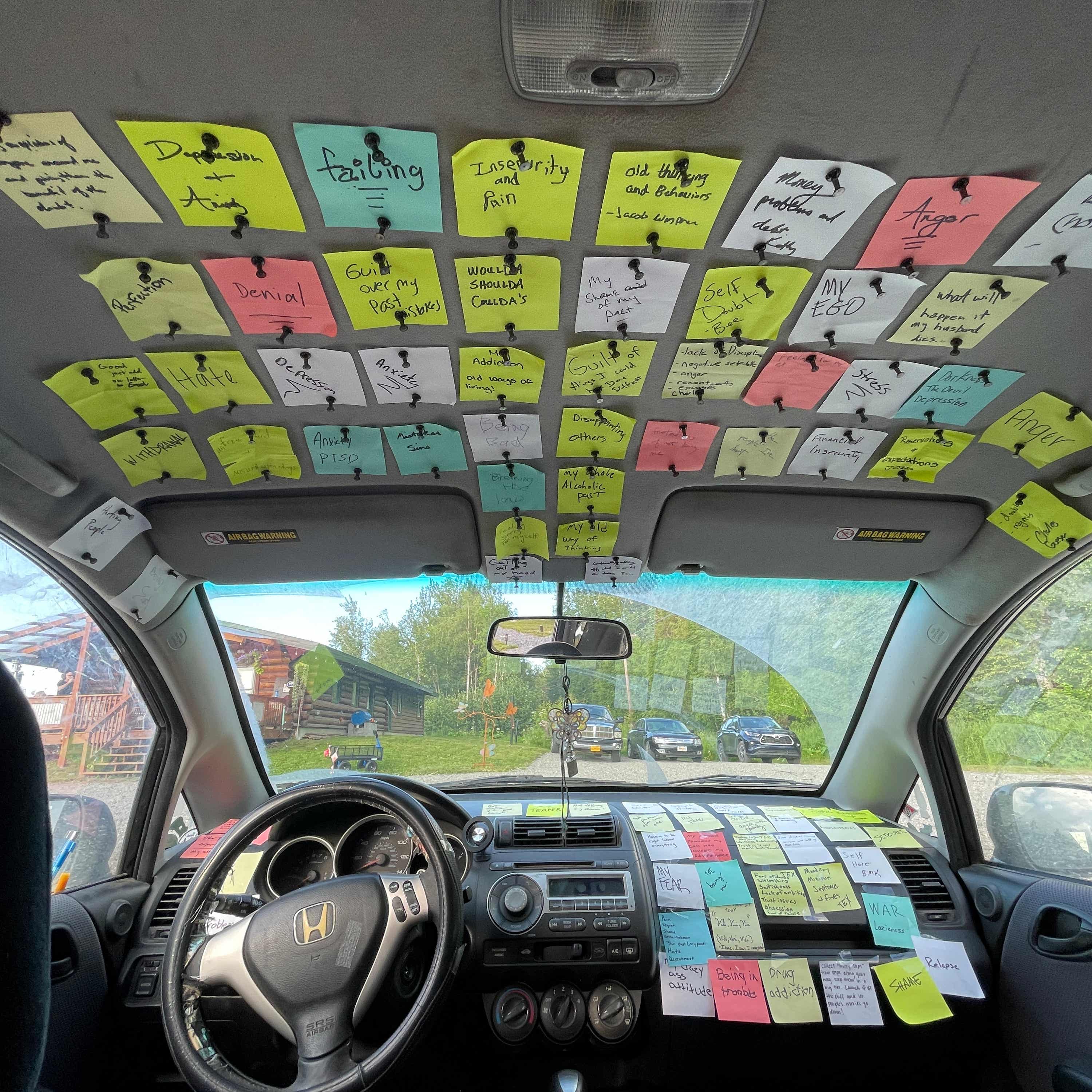
Addiction is not merely a choice but a disease that deeply alters brain function, causing individuals to prioritize substance use over basic human needs like family, health, or safety. The speaker reflects on how addiction creates a distorted reality where denial, pain tolerance, and emotional dependence become normalized. A critical turning point—often called the "bottom"—occurs when someone faces a severe loss or crisis, making life without substances feel more urgent. This moment of desperation, though painful, can spark readiness for change. The speaker emphasizes that recovery is not a sign of weakness but of surrender to a new possibility. Factors like genetics, trauma, mental illness, and access to treatment influence readiness, with socioeconomic barriers making recovery difficult for many. While some reach recovery through spiritual insight or crisis, others never do, dying without ever confronting their condition. The core insight is that the "gift of desperation" reveals a truth: people only see the path to recovery when the alternative—continued suffering—becomes unbearable. This moment of crisis, even if fleeting, opens a door to hope, showing that recovery is possible not through strength, but through the recognition of a life without addiction as preferable.
Well, hello world. This one comes because I have been somewhat frustrated with some people in my life. And not even that, it's also just people or situations in general where you can get kind of down and wondering what to do when you see someone struggling with some sort of an addiction and they, you just don't know why they can't find a way to do something different. And I, and I asked the question a lot about kind of why do we think or, you know, why do some people have to lose everything. And in some cases, they're willing to die before they get help. I think about this a lot. Like, and it's easy to get kind of beaten down sometimes in your mind when you see someone that you really just want them to find the same piece of mind, joy, freedom, confidence in the future that you have. And maybe for some of the use out there listening, if you deal with something in a similar situation, if you've had this happen in your life or maybe you know someone close to you that's struggling, what I'm hoping is that through this kind of recording and what I'm going to say that maybe you will find some, like a new understanding or maybe this will give you some feeling of, in some ways, it's, it's not your fault. You're trying, you are trying. You know, I, I think I believe addiction, like it rewires our thinking, how we feel, how we make decisions. And for a person who is in an active addiction, so whether it's alcoholism, drugs, I believe that this disease, it alters our priority so profoundly that our addiction, our alcohol, our drugs, feels more essential to survival than family, health, job, or even their life itself, that somehow our rational values seem to flip upside down. And the next drink or whatever becomes the oxygen that sustains them and everything else becomes negotiable. From a, almost seems like a psychological standpoint, there's like me, I think there's some main things to think about. One is that, you know, denial, it's, it's not like a mindset, it's, it's, it's survival, right? You know, addiction, it convinced me that I was still in control. That the consequences were temporary and that this time would be different. And until that illusion collapses, it, it seeking help feels unnecessary. It's in some ways even absurd. The, the, the pain tolerance. So another point would be pain tolerance expands in step with dependency. You know, normies, folks who can moderately do things, who don't have a substance use disorder, they can't imagine tolerating the levels of pain, the loss, the degradation that we as addicts endure. But it's strange, like maybe this is why I'm so good at endurance events is because addiction builds like this twisted stamina that as the suffering escalates, we adapt. And we convince ourselves that the fallout from it is normal, or even that we deserve it. Another one would be that, like the payoff, it, it keeps continuing. You keep getting high until you don't. I mean, I know for me, one of the reasons I finally came in was that, you know, it stopped working in some ways. That relief that I was trying to get didn't happen. And so some of this stuff, like, just became unbearable. You know, people are like, what about the consequences? Right, I get it. There's legal, financial, rational, physical, all sorts of layers of consequence. And you need all of those in order to maybe break through that denial. And for some, it takes that brink of death. And for others, you know, that's not enough. I've seen people whose identity becomes tied to using, oh man, I'm just a stoner from the way back, right? I see that. You know, I just like to have a few beers and have a good time. That's kind of the role that you fill, right? And so when you let go of like that alcohol, drugs, whatever, it feels like you're kind of letting go your own social life. This community that you really believe exists around you. You know, your coping mechanism, how you find some confidence. Maybe you're somebody who, when you have a few drinks or ten, feel that you can now navigate through the world. Maybe even it's like your sense of self. And so I've seen people accling, you know, to addiction because they can't imagine another way. But there is. And then I, this line I absolutely love. I've been using it more and more lately. And it's the gift of desperation. It's not evenly distributed. You know, in our program, my program, we call it a bottom, I think the psychological wording for it is readiness for change. And there's lots of reasons why a person becomes ready or why they wouldn't become ready. Maybe you have genetics and brain chemistry differences. I think genes play a big role in it. You have trauma history. You've got family. You have these cultural norms, which can be hard. Some folks have mental health problems or mental illness. You know, we have pride, ego. Maybe I'm going to be seen as weak. And then a weird one is like access to treatment. It seems absurd that we live in the wealthiest country in the world. And oftentimes access to treatment, like, you know, two weeks, 30 days, something like that is reserved for only those who can afford it. And I know I've seen it hundreds of times that treatments rehabilitation can often be that first step toward clearing out and getting some clarity, getting some, you know, in some cases, getting over that absolute crazy physical craving that gives them some space. But we don't have that access to everyone. You know, I've seen people who come in because they had one major loss. And for other people, it's a complete collapse of their entire life. And some don't ever reach it. They die. So why does this saying hold truth, right? When the next thing you're about to lose becomes more important than you're drinking. I love that saying because I believe it to be true. It lays bare this inflection point. You know, oftentimes the trigger when people get sober is because something finally takes precedence over that compulsion. Personally, for me, I thought I was going to lose my kids. So you have kids. You have a spouse. You have freedom. Maybe you're going to get locked up. Go to jail. You're going to have to lose a great job. Maybe it's, you just have no more dignity and you're trying to get it back. Some folks have these spiritual moments or these moments of clarity. Maybe you've almost have to die. If there's a scale, it feels like until those moments, it's tipped toward the addictions. And then, you know, finally, sometimes death is chosen consciously or unconsciously. And I don't think it's because people want to die necessarily, but because they can't see a life without alcohol or drugs. They've tried countless different things and using is the only thing, the only solution they can find to that just unmanageable pain. If you do enough of whatever, you can almost like hijack and rewire your brain. It can't imagine the alternatives. And then, for some folks, I think that mental illness, that disease,
It tells them that recovery is impossible, or it's not worth it, and when you're in that state, dying can feel easier than changing. When I used to not really believe in miracles, but I've seen them and I think you see them in this exact scenario a lot, because think about it like this, say you're falling and you hit a bottom, and the bottom is hard enough, but it's not fatal. Something can shift, even if it's a glimmer of willingness to try a different way to live, which are offered in numerous recovery programs, not just one, and it's not because I didn't all of a sudden feel like I could succeed, but it was because everything else I had tried on my own had failed, and I think that's why we call it surrendering, that that is the turning point, and not somehow actually strength, which is not what I wanted to hear. You know, I don't think anybody chooses to hit bottom. I think our disease, our mental illness, manipulates that choice to how deep we're willing that suffering to go, but when we can finally see, even if it's like a faint glimmer, maybe just a crack in the door, of what it might be like beyond that next time we use, and that we, even if it's momentary, we want that more than we want the other, then we might be ready to start trying to be recovered, and I don't know if this helps anybody, but it does make me feel better. Peace.
Podcast Summary
Key Points:
Addiction fundamentally rewires the brain, making substances feel essential to survival while diminishing the value of family, health, and life itself.
Denial and heightened pain tolerance are survival mechanisms of addiction, where individuals believe they are in control and the consequences are temporary.
Recovery often begins at a "bottom"—a point of crisis where the loss of something vital (like a job, family, or health) makes life without substances feel more urgent and desirable than continued use.
Summary:
Addiction is not merely a choice but a disease that deeply alters brain function, causing individuals to prioritize substance use over basic human needs like family, health, or safety. The speaker reflects on how addiction creates a distorted reality where denial, pain tolerance, and emotional dependence become normalized. A critical turning point—often called the "bottom"—occurs when someone faces a severe loss or crisis, making life without substances feel more urgent.
This moment of desperation, though painful, can spark readiness for change. The speaker emphasizes that recovery is not a sign of weakness but of surrender to a new possibility. Factors like genetics, trauma, mental illness, and access to treatment influence readiness, with socioeconomic barriers making recovery difficult for many.
While some reach recovery through spiritual insight or crisis, others never do, dying without ever confronting their condition. The core insight is that the "gift of desperation" reveals a truth: people only see the path to recovery when the alternative—continued suffering—becomes unbearable. This moment of crisis, even if fleeting, opens a door to hope, showing that recovery is possible not through strength, but through the recognition of a life without addiction as preferable.
FAQs
Addiction rewires the brain, making substances feel essential to survival. This creates denial and a belief that the addiction is under control, even when it's not.
Addiction shifts priorities so that substances become more vital than family, health, job, or even life itself, making everyday survival feel dependent on using.
Pain tolerance increases with dependency. Addicts adapt to extreme suffering, often believing it’s normal or deserved, and this becomes a key part of their coping mechanism.
The relief from using diminishes over time, and the negative consequences—legal, financial, physical—become unbearable, pushing them toward change.
For many, substances are linked to social identity, confidence, and coping. Giving them up can feel like losing a part of who they are or their community.
It refers to the moment when someone realizes that their next loss is more important than using—this moment of crisis often marks readiness for change.
Chat with AI
Loading...
Pro features
Go deeper with this episode
Unlock creator-grade tools that turn any transcript into show notes and subtitle files.
 PodcastTranscript AI