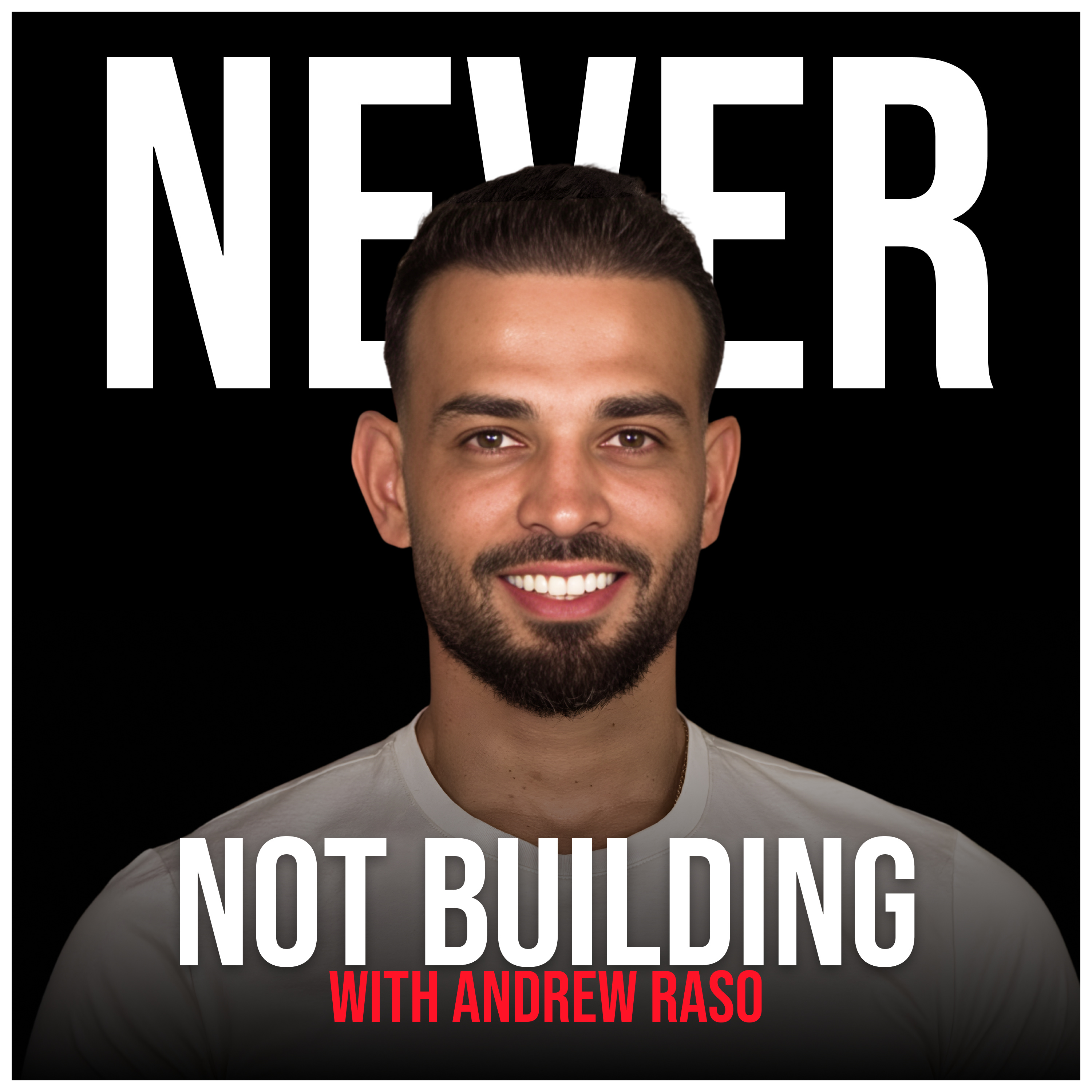
Guy Napper, COO of Australian beauty retailer, shares the journey from his parents' salon to building a $100 million+ business with 30 stores. The company began when his brother Anthony sold salon products on eBay; Guy joined after high school, focusing on operations. Early challenges included system chaos and a tense moment where Guy considered leaving due to lack of progress. Implementing a label-generating system saved labor and taught the value of external solutions. Clear role division between the brothers (growth vs. operations) minimized conflict, with family dynamics requiring strong alignment and a "shop caller" for decisions. Hard work and delayed gratification were crucial, with Guy working 10-hour days seven days a week. Major mistakes included hiring the wrong people early and switching ERP systems three times, causing significant disruptions like a failed launch that zeroed prices and created a three-week backlog. Key lessons: back yourself with early investments (e.g., hiring experienced retail head before stores opened) and use past failures to improve future decisions. Despite setbacks, the business has grown 100% since COVID, and Guy emphasizes the importance of learning from mistakes to achieve long-term success.
You've gone from sweeping hair and your parents' salon to helping scale one of Australia's leading beauty retailers. If we had greater foresight to know what the business was going to become, we would have backed ourselves to spend that little bit extra. We brought on a very experienced head of retail when we had zero stores. So 12 AT months, it didn't make sense. We had to package that back and we. This is terrible. So you've been named number one on the inside retailer's top 50. I feel almost selfish that I'm the one getting it. Is there any point of time where you thought the business wasn't going to make it? We hired all these experts and ended up having to get rid of them. $100 million in revenue. We see a road map to 100 stores. If you've found now that more people are going back to retail. stores are very much alive. What do you think has helped Australian beauty stand out? No one's going to promote your brand more than you. What started as a family salon in Sydney's Queen Victoria building is now a $100 million plus beauty empire. Guy Napper is a COO of Australian beauty. A business, he and his brothers took from packing orders and their teens to becoming Australia's number one professional hair care retailer. Together, they've led the brand through 100% plus growth since COVID. opening 30 stores in just three years. and built one of the most recognised names in the beauty space. Named inside retailers number one person in the top 50 people in e-commerce for two years running. guy has helped drive the company's national expansion. while staying hands-on with the operations that power it all. In this episode, we get into the real story behind the scale. from growing pains to investor calls to family dynamics. Guy, thank you so much for joining us. Thank you very much for having me. Okay, growing up in the salon, brother, you've gone from sweeping hair and your parents' salon. to helping scale one of Australia's leading beauty retailers. I think you're up to 30 retail stores next week. Congratulations. Can you take us back to the beginning and share how it all begun? Yeah, look, it would have been 14 years ago now. I was still at school. I think I was around 10. My brother, Anthony, who's a CEO, he's part-time job. He's boss went away, so we have to find something to do. My parents had hair salons, so he took their products that were in the salons. put them on eBay. It's as a bit of a side gig. And every time he put a product up, it would sell. and he kind of got addicted to that feeling. Because he didn't have to buy the stock, he would just go to the store. take the stock off the shelf, give the parents the money for it. and he would take the profit. So very quickly, he realised the more time you spend in uploading all the items. the more successful it's going to be. For me, I was in year 10. I was working for him during school holidays. So the first school holiday, we would take the back of the Corolla with maybe 10 orders a day. and that was a really good feeling. Then the next school holidays, it was the whole Corolla. A few months later, it was one van, then it was two vanes. And when I finished year 12, I actually dropped out of uni for the first course I was doing. It was doing journalism. I don't know why I was doing journalism. Within that 12-week break before the second course started, I spoke to my brother and said, "Look, I think we can become partners here. just because the operations is a mess." You're so focused on growing the business, it's actually a really good split. He believed in it as well and from there, we really never looked back. Awesome. I'm going to ask you a question here, an answer you can. Was there any time, because obviously we'll get a little bit into working with family later. But I feel like every founder has a story where at the beginning they sort of doubted himself and things went wrong, especially working with family. Was there a time right at the beginning where you were like, "Shit, this might not work out?" I think very early on when things were a mess, they're not as glamorous or they don't look as good as they do now. When you're working really hard, you're not seeing results. "What am I doing here?" That's not just for me, it's also for everyone. That's when I went to him and said, "Look, this is the reality of it." I think that was the moment where it was like. He doesn't believe this, and I think it's best. We go out and separate ways, it's his business. It's his decision at the end of the day. That was quite a tense time because things were so chaotic. You don't want to work in chaos or have things in chaos. Besides that, which was now, it wasn't a very long period, very quick conversation. Everything else has been really smooth. I even remember when I started my company out of business partner. We're both learning how we work with each other. Whether it's family or not, you're working with one another and you're like, "I think there's many times that I went on, I'm ready to throw in the towel." I think it goes for a lot of people trying to start off, starting a company from the ground up to just never give up during that period. Because once you get momentum, it's okay. But in the beginning stage, you really doubt yourself. Is this the right thing? I completely agree. When you're working so hard, you're not seeing results. That is when you have to take a step back and go, "What is actually happening here? Am I making the right decision for me for the business?" You need to see results of what you're doing. Is there a point there where you were like, "Okay, this has got legs?" Yeah, definitely. Once we put our first system in, it was such an easy looking back. I don't know how we even called this a project, but we had no. We were folding our invoices in the packing slips and then dropping them off towards post. I didn't know the answer. I just knew there's surely a way where we can scan the invoice and the label will generate. We're doing maybe 100 orders a day, max. We're just looking back. This will save us one whole person in wages every day. I just conducted complete research on label generating company. I ended up. I clicked on the Google ad for a different company, which is Starship. We've been really good partners ever since. That little project changed our business because we know it taught me. And also taught my brother too that there are systems out there that will already help what we're doing. People were done with themselves, right? We were at the time, I would have been 18. We know no retail experience, no systems experience, like just working the warehouse previously. That gave me the confidence to just reach out to people, whether it's through LinkedIn or do research and why with all these companies to find out how do other businesses do it. Did you learn all these things yourself? Obviously your parents came from business growing up. You would have been around it a little bit. I mean, you were taking a completely different direction. Is there something you learned from your family or did you do all your research yourself to find out a better way? When it comes to tech and operations, a lot of that is self-taught. My parents being successful hairdresses. They had very good relationships with the brands. Because my dad. He's sad longs were around for 30 plus years. He had a very good reputation in the hair industry. I ended up in my mom. They also had very good lessons on how to deal with staff. I think one of the first things my dad did when the business started having legs. He actually came into the warehouse where he came to the office and said, "Guys, there's way too much friends here." The first thing you need to do is clean up the operation. If you hire randoms, they're going to quit because the operation is so shambolic that no one wants to work in chaos. Once you clean it up, you need to start hiring employees, not friends, because you don't know how much waste is actually happening. He could just see that with his eyes. Whereas I'm looking at spreadsheets and whatever. He comes in and goes, "No, no, no. This needs to change." It was a very good thing that he did. Do you think that I've had some horror stories with family? People working together, then family breaking up and becoming really big issues? It sounds like it worked out pretty well for you. It worked with family. It has. It's not glamorous. A lot of hard work in keeping it working good. I think a big benefit for us early on is we really found what our strengths were. Like I said before, it literally was, you do all the jobs that are for upstairs, all the jobs that are for downstairs. Then as the business progressed, essentially split into growth and operations. It's a real clear line in the zand. Even now we've got 15 managers and we divide them pretty much. Seven and seven with some. energies we overlap with and having that clear line in the sand allows us to not step on each other's toes but like don't get me wrong we still argue quite a bit. The benefit is of three of us is also a younger brother and we normally do a two-to-one vote when things get like we can't come to an agreement but at the end of the day if it's an operations decision, like Anthony has the trust that I'm making the right call and then if it's a growth decision like I have the trust he's making the right call but because we're family we can push each other to the end of like having to explain that point because if I'm arguing my point and he doesn't get it I'm not explaining it well enough so it's good that he's you know challenging me so I have to explain it properly and make the call. So do you think that's really important to really distinguish your roles from the beginning because that's probably where the issues occur where I want to be the one to make the decision he wants to be the one to make the decision we're never going to make it as fight over it. Yeah I like there's there's got to be no egos and like that's whether you're working with family or you're working with partners because at the end of the day out all our motivation is to grow the business and you know he he he is CEO I respect that he has to make a lot more tough of course than I do at certain times but having that line in the sand has been I reckon I strongly believe a key to our success and like I can see that now in the departments with his overlap that's where we have like most of our arguments so like I just shows that when we're both left to run our teams the way we want to run them when we're going to have a limited conflict which is healthy. You told me a funny thing before we started is that back in the day you used to all live together I don't know I don't think you still live together but you still all live together so you'd go to work together and you'd come home was there any way to switch off or just be you were on all the time. No impossible to switch off like dinners were like board meetings our parents salons were still running at the time as well so they were talking about their salons we were talking about our our shops and you know when there was an issue like everyone got involved just just like a walk family does and I think not so like that's probably one of the downsides is when you can't switch off but it's probably also a like a strong motivating factor that you were consistently whited in to the success of the business and you're just having open discussions too because you can't do that with non-family members where you consistently chatting about what's going on I'll get a trouble if I call my employees after house yeah you can't do that can't do that anymore. So this is a question that keeps coming off for young entrepreneurs now I think that everyone wants their cake they want the cake and the one e to 2 right it's like I want to be successful but they want to work 9 to 5 or they want to work a certain amount of hours I understand your early years you were doing stupid amount of hours seven days a week 10 hour plus days let's talk about that for a little bit was there anything such as burnout was a period where you're like I can't work anymore like is there any do you think there was any downfall to working such long hours or you think that was a key to success later later on the truck. 100% the keys to success very early on when I was still in school actually Anthony gave me the best piece of advice I've ever been given and it was you need to save 10th grand before you finish school and the reason is you'll be 10 grand ahead of most of the kids in your year like I did and realized at the time but working during school holidays and working during weekends that allowed me to kind of build up a lot of savings will eventually buy in but it also taught me delayed gratification which you know working 10 hours seven days a week even now it's not that different but having the delayed gratification mindset is allows you to appreciate you know your hard work will pay off only you got a clear vision and a clear direction towards actually happening and why you're working so hard. It's funny you say that because everyone that I always speak to about starting a business or you know having nice cars and having nice house it's not that exciting once you get to the end but the journey is the fun bit right. The journey of getting to that point and then going okay I win I deserve this is much better than having everything now. 100%. I didn't buy my first car until after we've got we got the investment and I bought myself a breadling watch every time I put that watch on which is very very rarely it's like a reminder but it's a reminder to keep going because we're so far from being finished and I just think people want to celebrate too early sometimes and they miss in the whole point exactly like what we've been able to do with our stores it's only fun because we've been able to do it with brothers and team that have been the last for a very long time and that adds so much more enjoyment to the journey. You had very little issues in working with family. Is there anything you recommend to people about working with family that maybe people haven't had much success because I would never work with family like I just stuff that I'm good. I've said it before I think everyone needs to know their role. They need to know who the shop caller is. The shop caller is different you know for different different decisions that need to be made and I think regardless of the way you sit within your family dynamic you all need to be very clear on the direction of other the business. If I give my experience I see issues where there's one shop caller who he's not aligned with other people and I've seen that in multiple for family businesses and then where different people have different views on where the business should be going and you know I I need it like probably mentioned that whilst we're in agreement now and like everything is good maybe the future won't be like that but our dads both our parents actually have been very very strict even before we had the business on being aligned and like I do think having very very strong parents who have been family business together and grown like a successful business together keeps us united as a family as I think that helps. That's a very very good point and I think for all entrepreneurs out there that want to work with family I think that's a point we really want to stop and outline is that make sure you draw a line in the sand on who's doing what. Because even I remember when I started with my business partner it was like who calls a shot who does XYZ. If you trust and believe in that person to make the final decision I think that's very important that just doesn't go in family that goes in in all businesses. We're looking back now there's obviously mistakes you made is there any mistakes that you can talk about now that you made that you wouldn't make it you wouldn't make again or you can teach young entrepreneurs to not make those same mistakes. We've definitely made a lot of mistakes growing the business. I believe the biggest ones that we've done are either bringing on the right people not early enough bringing on the wrong people in general and then I believe we've like we failed to identify the growth of the business. I would like what the opportunity actually was when making some tech decisions. We've changed the ERP for ERP WMS like four times sorry three times and like that's just a headache headache of a job. So for people that don't know what ERP is? Yeah it's like the back end system. Yeah. The handle is the order is coming in pushing it to the warehouse out buying a warehouse management. Like we just finished one last week which is like big relief taking 12 months text 12 people out for five meetings a week. It's like very big distraction on the business on normal BAU and maybe four years ago when we decided to go with the other party we we've re-backed ourselves to say you know what we should have done this decision we'd been a better position now because you've got to waste it 12 months of re-work flowing and changing our architecture all that all the boring stuff. So you believe getting the operations earlier on would have led to a better outcome? I believe if we had greater foresight to know what the business was going to become we would have backed ourselves to spend that little bit extra when making the decisions but we held ourselves back and pick the other party on the basis though you know what it's less of a risk if things go wrong. Right and there's you know there's a benefit to that mindset too by being conservative but I think it is I think what separates a good and a great business is knowing knowing where they're going knowing what they're doing and bringing on the costs the right costs early. So in other words
backwards, try and back yourself as much as possible in the early days. Yeah, like for example, with our store growth, where we brought on a very experienced head of retail when we had zero stores. But we knew where our stores were going. But for 12, 18 months, it didn't make sense having someone of that caliber in the business. But we knew we were investing in setting up the framework for our growth. So that's like a really good example of bringing on costs, bringing on the right costs early because you're just taking a big investment. But you're backing yourself. So just going on that, is there any point of time where you thought the business wasn't going to make it? There's probably two times. I wouldn't go as drastic as it wasn't going to make it. But where we had to take a step back and go like, this is terrible. This is a real situation we haven't been. The first one was when we launched our second ERP system, where after 12 months of thinking we've done everything right, we pushed a button to go live, all the prices on the website went to zero dollars, all the stock went into our oversell and our warehouse couldn't pack. We ended up creating a three, four week backlog. Customers over stickers were sky high. Obviously, we're trying to understand what happened and then getting the system to fix it. It's just incredibly stressful. We lost a lot of our product rankings because the URL changed. It was like an absolute nightmare. I think that learning is why the last ERP launch has gone really successful. But when you're sitting there at 12 o'clock at night and you're still at the office and you're staring at it, you don't even know how this has happened. That's just one of the worst feelings in the world. Would you say in the future you take more time to make sure you get it right? Yeah. So the current system that we just launched, we were told it was going to take six months. Having a more mature team, be myself as a leader and having that bad experience as well, we kind of took all the learnings. We kept the sheet of what went wrong last time and what didn't we test that we need to test. We ended up pushing the launch from six months to 12 months because our testing found that there were so many things that they said was right that on testing was wrong. We were in no immediate need to rush the launch. So you guys fix it. We're going to keep testing but we're not going to go live until we know that all these things are working as needed. It's got you. Okay, cool. So let's talk about big investors now. A lot of people were great bringing in investors and it's such a big move because obviously you do lose control from being a family run business to then having to answer to people when everything changes quite dramatically. When did you and your brothers first realise it was the time to start bringing other people in to help you with the growth? It was during COVID. Like our business was one of the fortunate ones because EECOM performed really well during COVID. Some of our competitors were getting investors in BZBPR announcements. We kind of took a step back and I think my brother deserves a lot of credit for the foresight. He said, I think we need to I think if we don't do something we're going to get left behind. Then also too we saw it as a bit of a de-risking event for the family. Takes a money off the table but also prepped the business for the you know it's the next phase of growth and it wasn't something we were actively looking for but because of the success of our other competitors there was some a lot of people circling reaching out. We weren't entirely interested but then these specific investors had reached out which is Edison Growth Fund and then BBRC and then Daniel Augustinelli. They had reached out and essentially pitched the idea of we believe this can be a retail concept and that was like you know we can kind of see what the growth of the business looks like. We called it a strategic partnership because everyone's in our group is like an expert in their own areas and it's really helped the business get hit the next day. So when you got those investors in they sort of had the people to help you with the retail growth or. Yeah so Daniel's the CEO of Accent Group so they've got around 900 stores so he's quite well known in the industry, BBRC you know he founded Levisa and a lot of other successful retailers so just having them back us gave us gave the landlord a lot of confidence that you know this New York citing retail concept has legs to it and the head of retail I was mentioning before was a recommendation by both of them who she had done work with them previously and then when we met her she was absolutely lovely I've had a pleasure to work with. Do you think the getting the investors was speeding up the process? I think it gave us. I've had this question asked a few times I think it gave us a new outlook on what like a great retail businesses. We were kind of in our own e-com bubble and a retail wasn't on our cards we always thought about like one you know mega salon in every state where we could get the operational benefits of ship from store and clicking collects but when they came to us and said like we think this can be 50 stores that it wasn't something we were thinking of. Right awesome so you moved now from online to install you rolled out 30 stores in just three years which is obviously very very impressive and you have plans to keep opening 10 to 15 stores a year. At a time when a lot of brands and we're talking about it before a lot of brands were thinking of pulling back from retail and just going online it seems like that ships now changed and people want to the face-to-face interaction. You know what made you double down on brics and water? It's essentially for us open us up to new customers. Some people just do not want to shop online and like the way we view it like professional hair hair in general. Like only like less than 10% of that is actually salon professional hair care. A lot of that is grocery store products so yes we have direct competitors but we don't view ourselves as just competing with them. We view ourselves as you know trying to take the sail away from the coals and the bullies because you want to grow the professional market. In Australia we think we are doing our part. So by placing ourselves in the retail shops where your people are doing their everyday shopping that's allowing us to capture a completely different audience. So if you found now that more people are going back to retail would you say that that's been happening because from seeing my clients overall the online still obviously a very big force but we found now the bounce back for the companies that are now doing stores. But stores and doing online is absolutely killing it and you can't really get away with doing one or the other. Yeah I completely agree that's what we're seeing. We're seeing stores are very much alive and thriving and not not all our stores obviously we've got some crackers. We've got some ones that need work but I can't see in today's age where you just have an online store or you just have a retail store. I think on the channel which is such an overused long the word has been around for years but like great businesses especially a non-vertical which we're very small and vertical is almost a necessity because online is becoming way too expensive. Well the industry is very very competitive right now. Is there a way that you guys as a business stand out to make sure you're keeping the customer happy you're getting them to keep coming back? Yeah our niche like the beauty market is very very competitive our niche is salon professional hair care and we're lucky we're fortunate that our parents have had that heritage going back 40 years now and like one of our big strategic decisions was like knowing who we are. Do we want to compete with Mecca? Do we want to compete with Sephora? It's harder for us to do that. I think we spend a lot of our time protecting our that category it'll be like the best for the business. So do you think it's very important finding your niche before you kick things off or do you think kick things off and then we'll work it out later. I think at the Panger Apertide for Risk we didn't kick this off until we knew.
what really are, what our strategy was in this space. Like, it's very fun and exciting to grow categories. It's also, you know, in distraction. If you're not really, we don't have a clear strategy on it. And we put down a lot of our, you know, success for having that clear strategy of our vision to be the number one haircare retailer in Australia. - And how do you come up with that strategy? That's something you work together with your family to sit down and go, okay, this is the strategies. That's something that you were getting feedback. - It was during the relationship building and due diligence with the investors, where, you know, you're putting everything on a whiteboard. Like, what can this business become? What makes sense? And that process is like a very, it's not very tough and draining process, but we learned a lot about our business, just doing that. And having to like show them, this is who our business is. Because we're not looking at that data every day. And by doing that process, like it became more clear, like the data spoke for itself, what we should be focusing on. I think maybe pre, pre that we had a focus on growing categories. But as we were doing that process, it made a lot of sense to focus on professional haircare. As our main, something we must protect. And continue to grow other categories at a, through different people, different focus. So we're not distracting the key people in the business. - Got you. So, opera, obviously, you're running the whole operations, what's becoming a very, very large company at the moment. You've talked about solving the 1% problems, the small operational fixes, the most people overlook. What made you focus on those small problems? And can you share one that really had a ripple effect across the overall business? - Yeah, I love the 1%. I think operations, operations not sexy. It's like it's far from sexy. And if you're not in operations, you, like there's a big, like what I've noticed over the years is like the warehouse will just fix it. The ops team will just fix it. Like they've got no real understanding of what's involved. And, you know, fair, fair enough. And everyone wants to do these big projects, 10%. But like, as we've seen without doing this ERP change, it's very long draining. And it's a distraction to be a you. We work on a continuous improvement mindset at OS. And it could be changing things about where the packing stations are situated. You know, what car, what car does are we actually using? We need to get different scanners because the load time is just too slow. On these, we're going to move to finger scanners. We've got about 10 different trolley types in our warehouse because we've kept experimenting. And they're the things that will make an incremental change. But you'll see the benefit straight away. Like it's very easy for us to go by 10 different trolleyes. And you're most, you want to empower your teams to have that authority to do so. And making 1% change is a lot easier. How do you know what to focus on though? Because those items are very, very niche, obviously. Is there something where you can track and see where I should focus my time on like changing trolley? That's, you know, that's a. Yeah, very, very specific. So we've got our warehouse, like our key metrics, that LL, LL, LL Manager has to report on. And, you know, it's one metric from that. There's four different warehouse teams. So we look at what their metrics are. Then from there, you've got like daily numbers there. We know I like the barometer of whether we're doing good or bad. So you, so as you, you're clear on what you're measuring, then you dive, you know, as incremental as possible, you go, well, we need to pick faster. Well, how do we pick faster? Well, we can't use these trolleyes because they're too big to run through the aisles. All right, we'll get different ones. We're packing too slow because the, you know, the pack isn't complaining about the cartons. All right, let's watch the pack. This pack, you know, they've actually got a very good point. Our freight's too high. You know, we need to change our cubic. These are the things that if you're clear on what you measure, you can go as granular as possible to find out how to make those 1% changes. It's very interesting because I don't think people really think about that. They think about the more, how to save money on shipping costs and all that other type of stuff. So you think the more niche items that you focus on, create a much bigger impact. Yeah, because it's, it's a lot easier to do 10 1% things and to do one 10% thing. Got you. But the, the key there is you must empower your teams to make those decisions. It has to come for myself. Even the, even the manager in this case, you know, we don't like, we shouldn't have to approve things that if they don't work, it's very easy for us to change it. I think Jess Bezos has a really good interview with him. He talks about like a two-door decision, where if someone can make a decision, and it's very easily reversible, let them make it without a lot of red tape, it's the decisions that, once you make this decision, it's very hard to come back from, like signing a lease, changing systems. They're the ones that require a lot of thought. But the ones that are really, really the 1% is that, if it doesn't work, will just change, will just go back to what we were doing very easily, let your team make it. So you're empowering your team just to make decisions. I think it's always best to make a decision than to not. Yeah, in decision is, in decision is by far worse than no decision. Yeah, that's the wrong decision. Yeah, just make a decision, at least you tried. Yeah, right. So you've been named number one, is our on the inside retailer's top 50 in e-commerce, two is running. So what do you think has helped us here in beauty stand out and scale so fast in such a competitive space, 'cause that's obviously extremely impressive. Yeah, look, it's very surreal, and it is, I feel very, I feel almost selfish that I'm the one getting it, because it's at a recognition that the entire company is doing something really special. And when I got up on stage, I said the same thing, and like I'm confident if Anthony had done this submission, he would have been up there as well. I, at the moment where, I was here in beauty's heart in the market, we're getting a lot of good press, and being recognized as number one, I, is a testament to the team for executing the strategy and how well they've done it. I actually sent a note to the team this morning and just said, look, I said the exact same thing, and I said, it's good to reflect, but we're not, we're nowhere near done. You all know what our plans are. We should accelerate this, 'cause it's good for the entire company. But, you know, we're not, we're working towards our vision, and we need to reflect as little as possible because we're not, we've never arrived. - That's very, very impressive. You've made a point of hiring ex-haedresses and beauty therapists as part of the team. Talk me through why you made that call and how it played out. - Yeah. We wanted, like one of our key US pays is being experts. And from, I could online only business, easy to hire ex-haedresses to work in the customer service team, especially when we're small to business, too, you take your time with hiring. The haircare industry is, it's, at the moment, it's rife for disruption. The, not a lot of apprentices coming in, it's real tough work, the wages aren't very good, and you can make a lot more money being a home hairdresser. And the supply, I think the supply is no this now and they are supporting the home hairdressers. And it makes a lot of sense. And the biggest thing that we've, you know, discovered, and my parents saw this as well, we're less people coming into the market. It's really challenging to keep opening up hair, hair salons without hairdresses. And there are still a lot of people that love the hair or the beauty industry, but they just don't want to be on their feet. - They're actually doing hair. - It's tough work. - It is, it's, it's, it is tough work. And that's given us a lot of, it's given us an opportunity to hire ex-haedresses, ex-beauty therapists in our retail stores, who have a lot of passion for the products. They've got a lot of skill in how to take care of your hair. And they want to use it, and they just don't want to be physically cutting hair anymore. So, you know, in one sense, like my parents business, that they couldn't get hair salons, hairdresses anymore, from a retail point of view, we've been able to unlock a new opportunity for people that love the industry. - Do you think the customer can feel and see that as well? - Well, I hope so. We do a lot of work in this space. It is harder for us to own higher hairdresses and beauty therapists. We find that,
It's our job to be very good educationally to the team regardless of what their experience is. So the customer doesn't notice a big difference or any difference whether it's an ex-haedresser or just a casual on a weekend. But my hope is that every customer who goes into a store, I get in quality advice. We do a lot of work in that space with the head of retail, the retail managers, your education manager, and it's something that we must do otherwise. We're going to lose that USB. Good, good on you, man. Looking ahead, a big number, $100 million in revenue. Very, very impressive. Congratulations. Thank you. In launching, you know, a dozen new stores all the time. What's driving you right now? And what do you see? I was hair and beauty in the next five years. Look, five years is a long time and our vision is to become the number one haircare retailer. We're not there yet. At the rate we're going, we are confident we will get there. The market is becoming more and more competitive. How long that stays for, I'm not sure. But we want to build a great business. And whether that's doing bigger stores, whether it's doing, you know, own brand or like exclusive brands, you know, we're not entirely sure yet. But we, as a board, we see, you know, 50 stores being the first hurdle. And then we see a road map to 100 stores. So being able to execute on that is something that like I can't wait for. Thank you so much. Congratulations on your success, brother. And I look forward to seeing your hair and beauty in the next few years. Thank you very much. Congratulations. Thank you, Vikam. From family roots to national scale, go in up as journey is proof that you don't need to flash you start. Just relentless execution, smart operations and the right people around you. He didn't just help grow a family business. He helped transform it into an absolute powerhouse. And if you're enjoying never-known building, hit follow so you don't miss what's next. Go in, Abba. Thank you for joining me. And until next time, keep building.
Podcast Summary
Key Points:
Guy Napper, COO of Australian beauty retailer, grew the business from a family salon to a $100 million+ empire with 30 stores.
The business started when his brother sold salon products on eBay; Guy joined full-time after high school, focusing on operations.
Early struggles included system chaos and a tense moment where Guy considered leaving due to lack of progress.
Implementing a label-generating system saved labor and taught the value of external solutions.
Clear role division (growth vs. operations) between brothers minimized conflict; family dynamics required strong alignment and a "shop caller."
Delayed gratification and hard work (10-hour days, seven days a week) were key to early success.
Major mistakes included hiring the wrong people early and switching ERP systems three times, causing significant disruptions.
A critical low point was a failed ERP launch that zeroed prices, oversold stock, and created a three-week backlog.
Lessons learned
Summary:
Guy Napper, COO of Australian beauty retailer, shares the journey from his parents' salon to building a $100 million+ business with 30 stores. The company began when his brother Anthony sold salon products on eBay; Guy joined after high school, focusing on operations. Early challenges included system chaos and a tense moment where Guy considered leaving due to lack of progress.
Implementing a label-generating system saved labor and taught the value of external solutions. Clear role division between the brothers (growth vs. operations) minimized conflict, with family dynamics requiring strong alignment and a "shop caller" for decisions.
Hard work and delayed gratification were crucial, with Guy working 10-hour days seven days a week. Major mistakes included hiring the wrong people early and switching ERP systems three times, causing significant disruptions like a failed launch that zeroed prices and created a three-week backlog. , hiring experienced retail head before stores opened) and use past failures to improve future decisions.
Despite setbacks, the business has grown 100% since COVID, and Guy emphasizes the importance of learning from mistakes to achieve long-term success.
FAQs
It started as a side gig when Guy's brother Anthony put hair products from their parents' salon on eBay. Guy joined during school holidays, and they scaled from a car to vans, eventually becoming partners.
Yes, early on when operations were chaotic and results weren't showing, Guy considered parting ways with his brother. Also, a failed ERP launch caused a three-week backlog, lost rankings, and high customer complaints.
His dad advised hiring employees, not friends, and cleaning up operations to reduce chaos. This helped improve efficiency and staff retention.
They clearly split roles: one handles growth, the other operations, with a two-to-one vote for disagreements. They trust each other's decisions in their respective areas.
They changed their ERP system three times, with one failed launch causing prices to drop to zero and a three-week backlog. This taught them to back themselves and invest in the right systems early.
He worked long hours during school holidays, saving money and learning delayed gratification. This mindset helped him stay focused on long-term goals.
Chat with AI
Loading...
Pro features
Go deeper with this episode
Unlock creator-grade tools that turn any transcript into show notes and subtitle files.
 PodcastTranscript AI