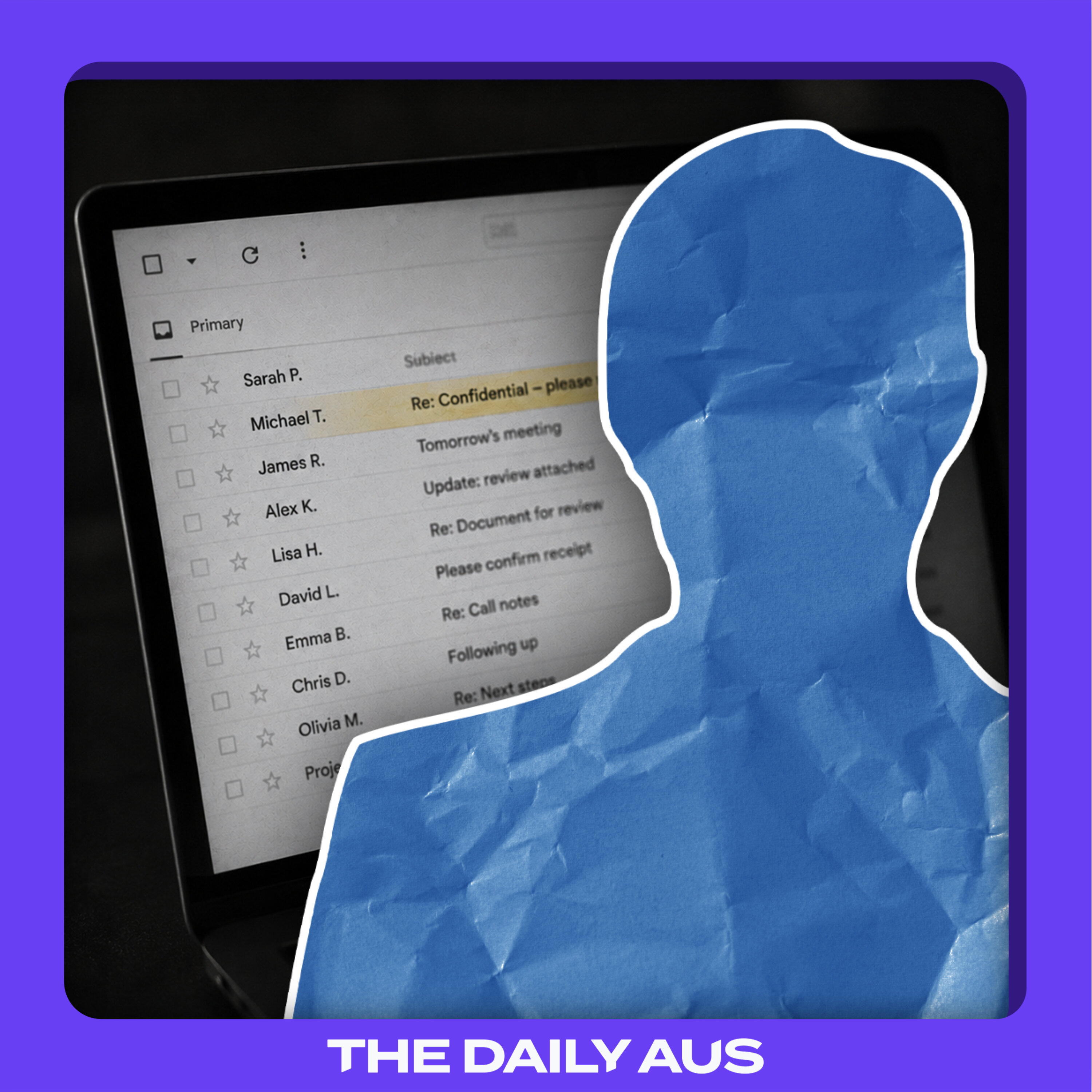
The Victorian inquiry into cults, Australia’s first parliamentary investigation of its kind, released a landmark report last week with 98 findings and 39 recommendations. Key among these is a proposal to criminalize group-based coercive control, a move that would extend existing domestic violence laws to address the extreme manipulation used by cults. The inquiry also recommended that consent not be a defense, as individuals in cults are often unable to genuinely consent due to pervasive control. Rather than defining "cult" legally, the report focuses on identifying harmful behaviors, such as demanding total obedience, suppressing individuality, and controlling daily life, which can occur in religious, wellness, or lifestyle groups. Survivors largely welcomed the report, feeling finally recognized after years of advocacy. However, the win was overshadowed by a serious privacy breach: an email meant to be BCCed accidentally exposed the email addresses of all recipients, including survivors who had given anonymous evidence. This sparked fears that cult leaders could identify and target them. The committee has launched an investigation and offered counseling support. Opposition from groups like the Australian Christian Lobby, citing religious freedom concerns, adds complexity. The Victorian government now has six months to respond, though an upcoming election could shift priorities. The incident highlights both the progress in addressing cult harm and the fragility of survivor safety in such processes.
Today's episode was made possible by our friends over at NBN. Ready? And good morning! This is the daily oz. Oh! Now it makes sense. Good morning and welcome to the daily oz. It's Monday, the 3rd of August. I'm Billy Fitzsiamonds. I'm Zara Sidelah. Today we are talking about a Victorian inquiry into cults. After hearing from hundreds of survivors, it handed down 98 findings and 39 recommendations, including one that would change the law in a way that has never before been done in Australia. They've recommended for group-based coercion to be a criminal offense, and they've recommended that consent not be used as defense because people in cults can't consent. They've just acknowledged so many things that we thought were impossible to get across. But what should have been a win for survivors was overshadowed by a mistake in how the report was shared. Day, we will walk you through what this inquiry found and how a single email turned that win into something that survivors have called devastating. Zara, before we start, I want to acknowledge that Elliott, who listeners will be familiar with, he is often on the podcast. He has done majority of the research for this year, spoken to a lot of survivors who are part of this inquiry. We're backing ourselves up two from two episodes. I know. We defer to experts. Well, he's just not here today, unfortunately. He is in Victoria. Yeah. So he wasn't able to do the podcast, but he has done so much of the reporting on this for TDA, and it has been so excellent. And it is because of his reporting on this that we actually have this story of what happened with the email, which we will get into it, is absolutely fascinating. And it's something that I haven't seen any other media reporting on. Yeah, it is so interesting. And Elliott has done the line share of that research. So I'm keen to hear from him a little bit later. But Billy, why don't we start with this idea of a cult? Because, I mean, obviously it's been popularized by movies and books and the like. But this is something that is occurring in Australia, in Victoria, where this inquiry has taken place. Set the scene. How is the cult actually defined? Yeah, it kind of reminds me of OCD, just in the sense of it's one of those words that we kind of throw around sometimes. And it actually is a really serious thing that we don't always acknowledge when we do throw it around like we do, do you not mean? Oh, interesting. So like when people offhandedly would say they're depressed or offhandedly say, oh, she was so OCD, but we're talking about a clinical diagnosis. Yes. And when you say, oh, she has OCD, if you're just talking about someone who claims. Yes. And that's not actually accurate. Yeah. And it's semi-part of the reason with cults that they actually don't have a standard legal definition in Australia. And with this inquiry, they said that it shouldn't be defined in Australian law, or in this case, in the law in Victoria, because it has become so popularized in a way that it doesn't quite fit the law. They still use the term because it's the term that we all recognize. And we understand what it means. But in terms of really understanding what it means, they recommend looking at the-- They being the Victorian inquiry? Yes. OK. Looking at the behaviors, as opposed to the beliefs. OK. So-- Of a cult. Of a cult. Or a group of people. Or a group of people who are showing signs of cult-like behaviors, which are things like extreme influence over a person's daily life, including who they see, where they go, how they spend their time, really controlling that behavior. Leaders of cults are often demanding total obedience and punishing people who don't show that obedience. Also, things like suppressing individuality. So it's really that group mindset and exerting that control over a number of different people. So there are some shared characteristics that would make this cult-like behavior identifiable. Yeah. And I think often when we think about cults, we think about religion. But that is not necessarily true. Again, it's not about the beliefs. It's about the behavior of that group and the behavior of the leader who is exerting control over that group. So when we think about cults, it doesn't have to be associated with a religion. In Australia, there are ones that are associated with wellness, for example, or lifestyle-based groups. Now, I'm sure some people listening to this. And again, might be being like, oh, yeah, my friend's part of a running club cult. That is not what we're talking about. And I know that everyone knows that. But just to be really clear, it is something that is seriously harmful to the people that are involved. And I guess so much so that there has been this statewide inquiry into it, which had that started when Elliot first started reporting. Yes. OK. So Elliot, we actually did a podcast on it last year. And Elliot explained in that podcast, this inquiry. It is called the inquiry into the recruitment methods and impacts of cults and organized fringe groups. OK. Where did that come from? Well, that is a long title that basically tells you why there was this inquiry. Because the aim of the inquiry is to understand how people are being recruited into these cults. So what's happening to the people that they are coming into these cults? The answer there is some are born into it. But for those who aren't born into it, how are they-- They make their way in. Exactly. And then the other thing that the inquiry was looking into is how is it impacting the people who are part of it? And in addition to that, it wants to look at if the current laws in Victoria are strong enough to deal with groups that use manipulation or control in ways that can cause serious harm. But that's a challenge, right? Like if we're talking about-- or you said at least-- there's not a legal definition for a cult. How do you use the law against them if there's no definition? Well, that's what it's looking into. And that's an important point that not only is there not a definition for cults in Australia or in Victoria, there is not a law that explicitly outlaws cults. I guess one has to happen before the other. Exactly. But what it really wants to look at is the behaviors that are happening. And how can the law adequately address coercion on a large scale? Yeah. And I guess I mean, the point being that this doesn't happen overnight. And where can there be those interventions earlier in the piece, rather than just when somebody is in that cult? Yes. But what's getting them there in the first place? What is the coercive action that is leading to that? Yeah. Your question was about where did it come from? And I don't think I fully explained that. No, I don't think so. Answer that. I think I just answered the question. You answered it with a lot of conviction, so I believed you. But to go back to that, this inquiry came from years of survivors asking for this inquiry. OK, so they were advocating for-- Yes. --they wanted this. They wanted this, 100%. People who had been able to get away from cults? Yes. And they wanted to talk about the harm it had caused them so that other people didn't go through the same thing. And also so that, again, there could be a law to further protect survivors and to prevent people from getting there in the first place. Yeah. OK. So, Billy, I want to talk about then, I guess, what that inquiry found, because that's why we're talking about it today. But first, let's go to a quick message from today's sponsor. This episode is brought to you by NBN. Simple changes to your setup, like where your Wi-Fi router is placed, can make a real difference to your internet experience. Find simple practical tips and check your setup at nbn.com.au/optimise. So this inquiry, which-- is it the first of its-- Yes. --kind? --the first parliamentary inquiry in Australia looking into the methods and recruitment methods and the impacts of cults in Australia. OK. And it's in Victoria. And this Victorian inquiry handed down its report. Yes. What did it final? What were the recommendations? So it handed down the report on Wednesday-- Last week. --last week. It had 98 findings and 39 recommendations. Two. --you were recommendations and some other reports. Yeah. And those recommendations are to the Victorian government. Yeah. Now, in terms of what it found, it found that there is serious harm-- no surprises there-- caused by cults. Can I just interrupt really quickly just something that was going through my brain? Are they more cults in Victoria? Like, is that why this was the first state? Or why did survivors focus-- I mean, I don't think you're necessarily going to have the answers to this, but just something I was thinking about. Why have survivors advocated or been successful in advocating? I wonder if it's just more organized? Well, I know that in Victoria, there have been high profile allegations, particularly against a church called the Jolong Revival Center, including in a podcast.
investigation by journalist Richard Baker. So I think there have been high profile cases in Victoria that has maybe meant that survivors thought it would be more possible than I'm not 100% sure. Okay, sorry, I interrupted you before. You were talking about the findings of this inquiry. So no surprises. It found there is serious harm caused by a cult and also that the current legal system does not adequately address the problem when it comes to cults or what it calls coercive high control groups. Now the main finding was to criminalize group based coercive control. Now over the past five years in Australia, the conversation around coercive control has really progressed and there have been a lot of states, a number of states in Australia that have criminalized coercive control for the first time. And that to the best my knowledge has been in the context of domestic violence. It's yes, 100%. So it's in the context of intimate partners. And when we talk about coercive control in the context of those laws that have been introduced, we're usually talking about it in that context of intimate partner violence. And just to jump in here for anyone not familiar with what we're talking about when we say coercive control. Some of the demonstrations of coercive control that have been spoken about in that kind of domestic violence context is withholding bank accounts from a partner to control their behavior monitoring where they go. So it's not necessarily the physical acts of violence that we have in the past known and understood to be domestic violence. But rather the below the surface control that one partner has over another. And it was first spoken about in the context of Hannah Clark, who was killed by her former partner in Queensland and her family really advocated for those laws to change. But it's interesting now that we're talking about it not in that domestic setting, but rather in kind of more of a mass setting where there's more than one person being coerced. I will say with Hannah Clark, I think that galvanized the nation, but it wasn't necessarily where it was first brought up. I think a lot of people, survivors had been talking about it, but I think that incident where a man killed Hannah Clark, his wife and their children is where it really galvanized the law. I think that's where the law, yeah, the law reform took place. That is why the law did take place. But yes, what this report is saying is recommending to the Victorian government is that group-based coercion also needs to be criminalized. And that is how you deal with the cult. So it's not making cults illegal because again, it's really hard to legally define that. And they say you shouldn't try to legally define that. What you should criminalize is the behaviors that come from these large groups. And I guess they're the inferences that there is some sort of standard type of controlling behavior because obviously if it's very unique to each different circumstances, that's almost impossible to criminalize, but there must have been a trend or a pattern emerged here. And one thing quickly to add is that some people might be listening and no cases where cult leaders have gone to jail. And that's not because they have let a cult and that is legal. That's because they have done certain behavior that is illegal. For example, sexual assault, child abuse, financial abuse, but it's not the overall extreme control of the group that was illegal. So if you were to look at the charges against someone who is in jail for this, they wouldn't have been charged with leading a cult. It would have been those other things that are already in our legal system. Exactly. Okay. And so this landmark report is handed down. It contains some of the recommendations you've just said. But when you opened this podcast, you hinted that it was overshadowed by something else. Take me through that. So Elliot brought to our attention that this report had been handed down. But in the email he received, it had accidentally exposed the names of some of the survivors who had been part of this inquiry, but had been hoping that their involvement had been anonymous. So we are going to play a video to let Elliot explain how this unraveled himself. Hi guys. Elliot here, beaming in from Melbourne in Victoria, which I could be there for this pod. This is such an interesting story that I've been reporting on since about this time last year when I heard that university students were being recruited into cults on campus. And I did a podcast and a bunch of writing around it. And as part of that process when I was researching the story, I signed up to receive alerts from the inquiry about any of updates coming out of there. That included an email I got last week where basically they said they published the final report on it. And then another email about half an hour later where they explained that they wanted me to delete the email because they'd accidentally included the email addresses of everyone involved in the inquiry on that chain. Obviously a big concern because people gave anonymous evidence to the inquiry about their experiences in cults. So we had survivors on that chain, people involved in cults on that chain. And it's a really concerning issue because the report itself was really well received by the survivor community. They were really excited to see the recommendations that came through and they really felt like they'd been heard, but a massive privacy issue to have these email addresses released. That's crazy. Yeah. I mean, we have all messed up when it comes to an email, but the sensitivities here are obviously extremely acute. Yes. In case anyone's a bit confused with how it happened. So the email was sent out and C seed were all of the people who had signed up to get notifications about the inquiry. It was meant to be BCCed. And it was meant to be BCCed. So that is how this accident happened. Elliot sent us the email that he was talking about in that clip where they apologized and they realized the seriousness of the mistake that they had made. And yeah, question from you. I think you took a breath to interrupt you. But I am curious what survivors have said about this. So something that Elliot said there that I really want to highlight is that survivors largely were happy with this report. They felt like it addressed their concerns. It really spoke to the level of harm that cults are causing. And that key recommendation that we talked about of it recommending to the Victorian government to criminalize the group coercion. That is what they wanted. Yeah. And Elliot spoke to Claire Heath MacGyver who is a survivor advocate and the co-founder of the Australian cult survivors network. And she told Elliot that she was thrilled with the reports recommendations. And she said there was a lot of happy tears from survivors who finally felt seen. But then once you got this email that Elliot is speaking about, she said that she was devastated as were so many survivors. And she said to Elliot, I can't imagine a cult leader getting that email and not coming through to see who had read it on them. And that is the exact concern of the survivors that a cult leader could have signed up to those emails. And then would have gone through the list of people who were signed up and who had been part of this inquiry. Yeah, wow. So obviously extremely serious there. Billy, just before we end, I am curious. We've obviously heard from people like Claire and other survivors who said they were really pleased with what was included in that report and what was handed down. But were there any groups who didn't agree with what was because usually that's what happens within inquiry of this sort. Elliot spoke to Jasmine Yuan who is from the Australian Christian lobby. And she told TDA that they are in support of protecting people from genuine abuse. But they are opposed to new laws targeting cults because they believe that victorious existing criminal laws are enough to crack down on that serious behaviour. And that if you added new laws, you could potentially be infringing on religious freedom. That is their argument. Okay, but obviously it's now in the hands of the government. How they would like to response that as with any inquiry, there is no promise that the government will act on those recommendations. There are many recommendations across a number of inquiries at any given point. So I guess new new new government now or rather new leader of said government. So just understanding how this might be responded to will have to keep an eye on. Yes. And they have six months to respond to the report. But there might be a new government by then, which would be interesting because we have an election in November. Yes. So again, whether or not that changes things would be interesting. Yeah. And then just lastly with what happens now with the survivors whose emails were leaked in that data breach. Well, I don't know if you would call it a data breach in that accident that happened. The committee is looking into the processes that happened. What what happened in the process that led to that mistake. And they have also arranged a free dedicated counselling support service with the Parliament's employee assistance provider for anyone who was impacted and all those who received that initial
email have those details. Yeah, okay. Well, Billy, thank you for taking us through that. I mean, it's just so interesting. Yeah. And certainly something that I don't feel like you've spoken about a lot in the media per se, but certainly a really fascinating topic and clearly now an area for law reform that might be pushed through. Yeah. And thank you to Elliott for all of the reporting he has done in this area. He's really done. All of the heavy lifting. And I'm just communicating his excellent reporting. All right. We are going to change it up a bit. I think we say that every day at this point. We're going to change the vibes a bit. Billy, take us through your tip bit. Okay. Well, this morning the comm games have finished. Yep. Australia finished on top of the leaderboard. Is that your tip bit? No. Okay. But I'm just having a very proud Aussie. Clearly. But every time that there is a big sporting event like, well, it's really just the comm games and the Olympics. And sometimes there's the national swimming. I'm talking about swimming. Yeah. Anyway, my favorite fun fact about swimming is did you know that freestyle is not actually the name of the stroke that we associate with freestyle? Am I going to pretend that I didn't know that for the sake of the flow of this podcast? You did. It's your favorite fun fact of all time. So I am familiar, but please take our listeners who don't work with you five days a week for it. I think so. All right. Did you know you also work with me five days a week? What's in this in the newsletter? It was in the newsletter. And I remember a religious reader of the news. Yes. Correct answer, all right. And then someone told me last week that when I put it in the newsletter, they absolutely loved it and they told all of their friends. And I was like, oh, that's so cool. I'm going to tell all of my friends too, which is all of those. Yes. OK, so the stroke that we associate with freestyle is actually called front crawl. But the category is called freestyle as in free, as in you can do whatever you want, style. But the reason that they do front crawl, which is actually what we think is freestyle, is because it is the fastest way to get from the start of the pull to the end of the pull. I think those people have never enjoyed some breaststroke because that is so much more important. It's not about enjoyment. No, that's speed. Well, fair. I still back breaststroke. It's the best style by a million miles. So if someone was in the con games and was in the freestyle event and wanted to do doggy paddle, they could. They could. Absolutely. Unlike the other strokes, like backstroke, you have to be on your back. You have to be neutral. Very neutral. Yes, you have to be doing that stroke. Yes. You have to do that. No, I'm doing backstroke. Oh, it's a turn. Your pinky. I think your pinky goes first. You don't go like that with your thumb. Right. I don't know. I don't know if that would be correct me. Just like when I said I didn't know what the triangle was a few days ago and it's had been and I got lots of messages, I learned it through to what it was. I think you go like that. Yeah, maybe that's the best technique, but not actually a rule. Oh, well. Maybe we'll find out. Maybe we'll learn something new today. Anyway, it's such a good fun part. It's pretty freestyle is just like literally free. You can do whatever you want. And I think on that note, Billy, we're just going to take it out of here. And I hope that people now have something to share at their next fun fact party, where they need to share a fact that people didn't know. It is a good, it's a great one. Today's a Monday, but tomorrow is a Tuesday and Tuesday is often when you do Tuesday trivia night. So someone has to ask it. If you're a trivia host, please ask this question. Please do. Billy, thank you so much. Thank you for listening to this episode of The Daily Ours. We'll be back later today with the headlines. But until then, have a wonderful day. My name is Lily Madden and I'm a proud Arranda Bungalong Calcutune woman from Gadigal Country. The Daily Ours acknowledges that this podcast is recorded on the lands of the Gadigal people and pays respect to all Aboriginal and Torres Strait Islander nations. We pay our respects to the first peoples of these countries, both past and present. Shout out to NBN for supporting today's episode. Okay, real talk. Most of us haven't thought about our internet since we moved in. But with NBN full fibre rolling out to more homes, it may be worth checking your address to see what's available to you. Faster, more reliable internet can help you do more of what you need and love to do, whether that's streaming, gaming, working or everyday browsing. Head to nbn.com.au to find out more.
Podcast Summary
Key Points:
A Victorian parliamentary inquiry into cults, the first of its kind in Australia, handed down 98 findings and 39 recommendations, including a landmark proposal to criminalize group-based coercive control.
The inquiry recommended that consent not be a valid defense in such cases, arguing that individuals in cults cannot truly consent due to extreme manipulation and control.
Cults are defined by behaviors—such as extreme influence, total obedience demands, and suppression of individuality—rather than beliefs, and the inquiry advised against a strict legal definition.
The report was largely praised by survivors, who felt heard and validated, but was overshadowed by a privacy breach: an email accidentally exposed the email addresses of survivors and others involved in the inquiry.
Survivor advocates, like Claire Heath MacGyver, expressed devastation, fearing cult leaders could exploit the leaked list to identify those who gave anonymous evidence.
The Australian Christian Lobby opposed the recommendations, arguing existing laws suffice and new ones could infringe on religious freedom.
The Victorian government has six months to respond, though an upcoming November election may affect the outcome.
Summary:
The Victorian inquiry into cults, Australia’s first parliamentary investigation of its kind, released a landmark report last week with 98 findings and 39 recommendations. Key among these is a proposal to criminalize group-based coercive control, a move that would extend existing domestic violence laws to address the extreme manipulation used by cults. The inquiry also recommended that consent not be a defense, as individuals in cults are often unable to genuinely consent due to pervasive control.
Rather than defining "cult" legally, the report focuses on identifying harmful behaviors, such as demanding total obedience, suppressing individuality, and controlling daily life, which can occur in religious, wellness, or lifestyle groups. Survivors largely welcomed the report, feeling finally recognized after years of advocacy. However, the win was overshadowed by a serious privacy breach: an email meant to be BCCed accidentally exposed the email addresses of all recipients, including survivors who had given anonymous evidence.
This sparked fears that cult leaders could identify and target them. The committee has launched an investigation and offered counseling support. Opposition from groups like the Australian Christian Lobby, citing religious freedom concerns, adds complexity.
The Victorian government now has six months to respond, though an upcoming election could shift priorities. The incident highlights both the progress in addressing cult harm and the fragility of survivor safety in such processes.
FAQs
It was a parliamentary inquiry into the recruitment methods and impacts of cults and organized fringe groups in Victoria, Australia, the first of its kind in the country.
The inquiry handed down 98 findings and 39 recommendations, including criminalizing group-based coercive control and not using consent as a defense, as people in cults cannot consent.
The inquiry recommended against defining cults in law because the term has been popularized and doesn't fit legal frameworks; instead, it suggests focusing on behaviors like extreme control and total obedience.
An email from the inquiry accidentally exposed the email addresses of all subscribers, including anonymous survivors, instead of using BCC, causing distress and privacy concerns.
Survivors were thrilled with the report's recommendations, feeling heard, but were devastated by the email leak, fearing cult leaders could access their identities.
They support protecting people from genuine abuse but oppose new cult-specific laws, arguing existing criminal laws are sufficient and new ones could infringe on religious freedom.
Chat with AI
Loading...
Pro features
Go deeper with this episode
Unlock creator-grade tools that turn any transcript into show notes and subtitle files.
 PodcastTranscript AI