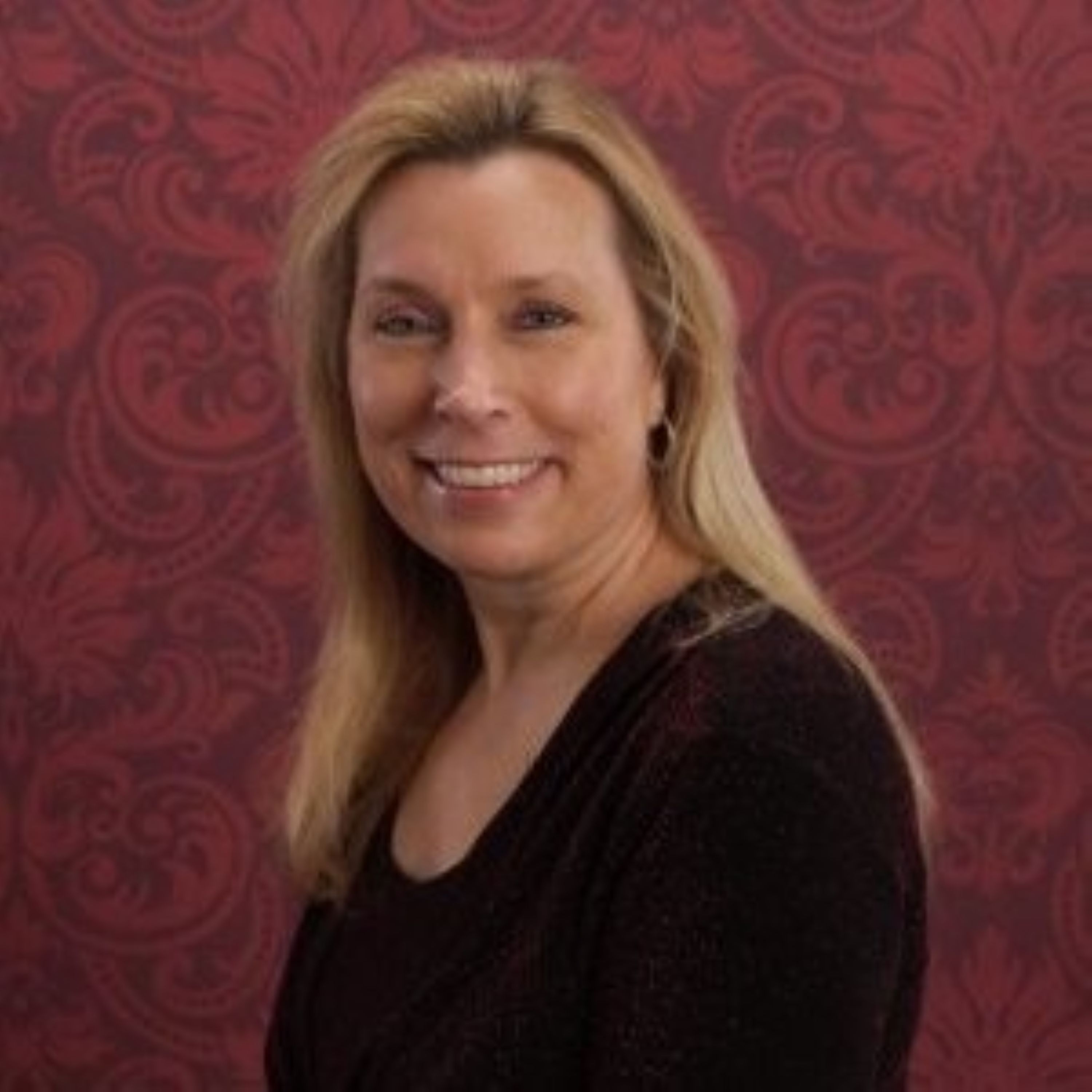
1163: The Discipline Behind Transformational AI | Sue Vestri, CFO, CRIO
40m 4s
The discussion centers on the evolving role of the CFO, particularly in data-heavy sectors like clinical research technology. Historically focused on financial reporting, the modern CFO is now a strategic partner integral to operations and future-shaping. A key theme is the transformative adoption of AI. Companies are empowering entire teams with AI tools to enhance software development speed and code quality. Crucially, AI automates the ingestion and interpretation of massive, complex documents (like clinical trial protocols), drastically improving data accuracy and eliminating days of manual work. It also aids in customer support, translations, and internal processes like policy writing.
For CFOs, this shift demands a new mindset in resource allocation, prioritizing AI investments that drive tangible business transformation—such as accelerating revenue, improving product quality, or increasing sales—over mere efficiency gains. Implementation involves fostering cross-functional collaboration, establishing internal AI champions, and carefully managing organizational change to ensure adoption aligns with core business goals. The finance leader's role is thus to balance innovation with disciplined execution, acting as an internal compass to separate strategic transformation from distraction.
Support for this podcast comes from stu.ai Your AI co-worker that collects your cash automatically and netsweet the number one AI cloud ERP. Hi, this is Howard Wilson, CFO of Page Beauty and you are listening to the CFO thought leader. This is episode 1163. [Music] So our company has really gone all in on AI and thinking about AI being an AI central company. We've empowered our entire team with licenses to, you know, an AI tool. So that's everybody from our developers who are using it to improve quality of code and improve the speed at which we code and the capacity of things that they're able to do. But we are using it to leverage when you're talking about data specifically because we're having to intake this data. We're getting often paper documents and forms and protocols that are, you know, pages and pages and pages long trying to decipher what we need out of that to actually make the software be effective. And so we've already developed a tool that can through AI help us to go in and look at what are the things that we need and to get them into the system more quickly. So the level of not only accuracy that we're getting in the information that they're using, but also the elimination of hours and days sometimes of time manually putting this information into systems. [Music] Hi, it's Jack. On Today's show, we speak with CFO Sylvester of CREO. [Music] The CFO role used to be about reporting the past. Today it's about shaping the future, often in real time. And nowhere is that more evident than in industries where data is massive, complex and mission critical. Clinical trials are one of those arenas. What happens when a finance leader steps into that environment and decides that AI isn't just a tool, but a filter for strategic focus? What changes when the CFO becomes the internal compass for separating transformation from distraction? We explore those questions in this conversation. Record it when we caught up with CFO Sylvester last week at NetSuite's SweetConnect conference in New York City where we found finance leaders discussing the latest AI capabilities shaping the CFO agenda. We'll begin after this. Every business is asking the same question, how do we make AI work for us? The possibilities are endless and guessing is too risky, but sitting on the sidelines is not an option because one thing is almost certain. Your competitors are already making their move. No more waiting. NetSuite by Oracle can put AI to work today. NetSuite is the number one AI cloud ERP trusted by over 43,000 businesses. It's the unified suite that brings your financials, inventory, commerce, HR and CRM into a single source of truth. That connected data is what makes your AI smarter. So it just doesn't guess. It knows. And you've got total flexibility because now with NetSuite AI Connector, you can use the AI of your choice to connect your actual business data and ask every question you ever had from key customers to cash on hand to inventory trends. Plus automate those tiresome manual processes. Let's see your competitors do that. Right now, get the business guy demystifying AI free at netsuite.com/cfotl. That's netsuite.com/cfotl as in thought leader. Hello, CFO Suvestri. It's back with us. Su's career spans the volatility of the.com era, the ridder of private equity and the enterprise scale of M&A, including guiding finance leadership at Bumi during its acquisition by Dell. She later served as a long tenured CFO at Greenfire, helping shape growth in the clinical trial technology space. Today as CFO of Crio, she is focused on transforming site-centric clinical workflows while balancing innovation, automation, and discipline execution. Su, welcome back to the podcast. Nice to be here. Thanks, Jack. So I have to say you've had a few CFO tours of duty now. Tell us something about being a CFO. What's changed? Oh my goodness. It has come so far since the days of sitting behind a desk in a corner and just producing numbers and financial statements. I've always been a very operational CFO, but that's kind of unusual. I think that is what is growing more and more now. We don't just sit around and produce financial statements. We are, by me and my team, we're very integral and incorporated into the business. I like to have my finger on the pulse of everything that's going on. I'm not an engineer or developer, but I do pay attention to what's the product team and the engineering team are doing. Operations, obviously, very close working relationship with them and a very strong partnership with the CEOs. We have an interesting dynamic at Crio because we actually have two CEOs. It creates an interesting dynamic for me because we have to make sure that everybody is staying informed on the same page that we're always in sync. Now, what's being asked of the CFO and the finance team and my resources is so much more with analytics and looking deeper into the business and trying to surface trends and industry, things that are going on. It's just evolved tremendously. We have a number of questions we want to ask you about Crio. Before we do, you had a seven-year tenure at Green Fire. Can you help us understand the business you joined and the business chapter you closed there? Yeah. How big was this business? Give us a sense. The business was, I think, I was probably in play 72 or something when I joined Green Fire and very low double digit revenue, barely break even, founder of Lead Company. I came to Green Fire after it was acquired by private equity firm and they believed in the growth prospect for Green Fire and we really did a good job for them and the investors I'll say, "Have you worked closely with private equity before?" I actually had not. That was the first time I had worked with private equity. My company's prior to that were venture capital backed primarily and so it was a little new for me. I'm learning the ways of private equity and the demands that that has on the role. It became very obvious to me very quickly that the first thing I needed to do was find a very good financial partner, a financial analyst because there's so many things that we're looking into. Green Fire was on a journey of, they were known, they had a particular niche. Everybody knew them for that and they wanted to expand beyond that. I went through a very, very strong growth phase with them. Their client base changed from selling to a clinical site to selling to big pharma companies. We went from being a US-based company to being a global company, doing business in multi-currency and building the team and always to the point where it's worth mentioning actually that we had interesting times then during the time I was at Korea Course COVID. That's right. And we had the privilege of supporting the clinical trial for Pfizer actually during that time and we were so busy, incredibly busy, and for not good reasons the company really exploded because there's just a lot going on and continued to grow. So our private equity firm actually helped onto us a little bit longer than they might normally because we were experiencing tremendous growth and yes, so we went through and exit with that private equity firm. There was a tremendous amount of interest in the company. It was exhausting. I think the CEO and I did, I don't know, 20, 30 presentations to companies and we did this all remotely because of COVID. So that was also an interesting thing which has now become a thing like you do everything now like via video. So we went through that transition and our new private equity owner was successful in the bid for Greenfire and I stayed up with that private equity firm as well for probably about a year and a half and at this point the company is very, very big and is grown close to three digit revenue, three numbers and I really liked the journey of the growth phase of the company. I was happy to hand off to a CEO, a CFO rather that wanted to kind of do the big company CFO thing and yeah and so that was when I transitioned to my next role. Which is, I have to say, you arrived at Greenfire from Bumi, is that right? Correct. Well actually I had a short stop at a mobile software company but I spent a lot of time at Bumi. Yes. You are now sort of a note entity inside clinical research technology. That's what happened really in my way looking at a Greenfire for your career and of course that's what Kriyo is all about. Yes. So again we want to get to Kriyaar but you have really established yourself here and what was your learning curve there? The clinical trials? Was that something you really bought? This is running me to play at my flat. No actually it wasn't and going to Bumi as you know is an integration company which was also an amazing journey but no I knew literally nothing about the clinical trial space would have peeled to me about the company though was that it was in the clinical trial space. I think in some way that touches everyone. Everybody knows somebody that's been touched by something that a clinical trial probably supported a drug coming to market or a cure for. I literally spent the entire first day of my job with Greenfire in a conference room learning all of the acronyms that they use in clinical trials and there are many many many many many so I learned it and then I had the sales team set outside my door and I heard the sales pitch over and over and over again and listening to them talk about the product and so not only did I learn the industry but I also learned that the you know kind of what it was we didn't why it was so important and then I also had the benefit of a CEO coming on board who came from you know just just incredible depth in clinical research technology and you know a willingness to to mentor and teach and and having a willingness to learn but no I learned I literally learned it so yeah. So that reinvention and now this new chapter that you're opening at CREA which I'll mention I didn't know this until I looked hard at clinical research I know I guess is the the full name we go we go with CREA. Yes. Tell us about this company and again the appetite for innovation in this space. Yeah. Give us some sense of it. What are the offerings? Why is this the opportunity for the sous-vastric? Well so clearly a company that was providing aid in the clinical research space was interesting to me but one of the things that I learned in clinical research in general there are so many manual processes and they're slow to move the the pharma industry in general is it's a little bit of a monolithic shift to bring in new systems or think about new ideas and so historically clinical research sites are doing everything manually they're writing things in journals they are using spreadsheets and what they're taking in is you know patient information and information about these clinical trials that are going on so CREA was founded by someone who actually owned a clinical research site so he saw firsthand what these people were going through in their day to day lives and then literally thought himself there has to be a better way and you know CREA was born so we're leading clinical trial platform for esource data so think of anything that you would need to have to absorb about a patient in a clinical trial could be medical records or visit information or things like that which is also heavily looked at by the people that are running this the trial they want to make sure that data is accurate that it's you know actually representing what's going on in the trial and so we provide an automated way to do that so we basically take a lot of the administrative burden away from the clinical trial employees were trying to actually you know run this trial and aren't really a huge fan of administrative work that they're having to do it's giving them a high degree of data quality which is also really important because that's needed for compliance and regulatory reasons as well so it's hard for me to imagine the the data that we you know absorb into our system to help them I can't even imagine like what it's like in an office that doesn't have that you know with journals and binders and papers and and and things like that so really transforming the way that a clinical trial research site works we usually will ask you some AI related questions a little later but I think I want to jump ahead here because clinical trial date we know as you just described is is massive and complex and you know where is AI likely to reshape our companies like CREO capture, valedict and extract yeah after the incident yeah there so just just as a kind of a framing so our company has really gone all in on AI and thinking about AI being an AI central company we've empowered our entire team with licenses to you know an AI tool so that's everybody from our developers who are using it to improve quality of code you know and you know you know prove the speed at which we code and the capacity of things that they're able to do but we are using it to leverage when you're talking about data specifically because we're having to intake this data we're getting often paper documents and forms and protocols that are you know pages and pages and pages long trying to decipher what we need out of that to actually make the software be effective and so we've already developed a tool that can through AI help us to go in and and look at what are the things that we need and to get them into the system work quickly so the the level of not only you know accuracy that we're getting in the information that they're using but also the elimination of of of hours and days sometimes of time manually putting this information into systems even things with information access so when users of our platform have questions we're using AI through you know chat mechanisms to surface answers for them we're actually starting to use it to do to provide translations so you're talking to people in different languages AI is incredibly helpful in you know being able to to not only talk to people in different languages but also the platform itself to be able to translate it into you know other other languages whereas before we'd have to do these big projects with companies that did translations and you'd have to make these major updates to your platforms and so forth so there's a million things you can do with AI I wanted to think is it's you know it's the new shiny object and we want everyone to use it but we're trying to think about things that are really transformational for the business things that are going to increase productivity increase quality and with the data aspect of it in particular that's so critically important and if you have a way to to ensure through AI that that data is is good and it goes even into the accounting aspect of things through AI as well like a lot of that data that data integrity and leveraging AI just to you know make sure that which you're absorbing is accurate but then also downstream things with reporting and surfacing that data and giving you insights as well so just as you explain that we want to make sure we're investing in things that are truly transformational yes you arrive in May 2024 yeah step into the room yes a lot of this AI fever or mindset is is with the company already your role as a CFO is to make sure you're making those wise investments I'm wondering if you had to change your mindset in terms of resource allocation and these types of investments yeah as a CFO in the past you have some rigidity perhaps yeah cheers reflect on that yeah it's definitely different and I would say even more so like not so much even when I first got there I think then it was even still kind of new you know people were going to AI to ask questions and you know test it out on things but now it's you know with the AI agents and things that you can build like I'm really having to stop for a minute and think about the direction that we're going and honestly listening to some of the the net speed presentation this morning all the things that are possible sifting through it and figuring out what ones are going to be the most meaningful and what the best way is to accomplish that particular goal using AI because I don't think that there's one path the other thing is getting people besides myself to want to embrace the change and so I think you have to leave from the top and that's happening in our company and we have to find the things that are going to be the most meaningful you know certainly in my accounting and finance world but more broadly across the company you know to provide businesses that is it going to help us increase sales is it going to help us drive revenue or get to revenue more quickly is it going to help us you know deliver product enhancements more quickly and with better quality less bugs things like that so but there's also more simple things like you know when you need to write a policy and accounting policy you know for your allowance for doubtful accounts it's amazing how much you can get done just by putting you know using the prompts in AI and telling it about yourself and your company and and all of that stuff stays your time as well so there are a lot of places that we're going to be looking to use the AI tools that are available to us and we just have to decide what the where we're going to get the most bang for our bucks so to speak i'm wondering given this this mindset with AI whether you as a CFO you you have found yourself over the last 18 months and meetings perhaps like you wouldn't have spent time with before or perhaps you're you're reaching out to people and spending more time if you're just to look at how you spent your week last week it's surprising to you in some way I don't know could you reflect have as your role changed or you having connections with other parts of the organization you might not or never actually yeah so interestingly enough a great example is this week we have created kind of an internal tracker of AI not every AI project that people are working on well let me pick up my way back up a minute so we've created an AI champions program in our company and we actually have a senior leader who is a our our uh innovation officer who is an AI no one's an expert but he is very passionate about AI so if he's led an initiative to find a group of individuals within the organization that represent every department that are going to kind of be the champions for the rest of the people on in the company so it's some place that they we can go if we have questions they might be more expert than we are but they're going to all we're all collaborating on different ideas we've created a an AI tracker if you will and so one of the things that we did this week with leadership team and there's a several meetings about that which which which which of these things are the most important to be able to what do we want to share with our with our private equity firm for example what would they care about like what so where what are the things that are business transformational versus nice to have in your day to day job and so we've we've spent quite a bit of time in the last several weeks sort of championing a mindset within the company about AI and then how we're going to manage it and the other thing is being sensitive to the fact that not everyone wants to adopt AI and and things that AI is capable of so we're actually going to do a quick poll survey of our employees just to see like how are they feeling about this initiative do they feel like we're handling it the right way or they feeling like we're trying to like push it on them and and different things so a lot of cross-functional meetings about that and a few more coming up this week we're going to start to look at there are some processes that cross departments or information that I need from other people and so forth and some of them seem really really tedious and manual and I just said to one of the CEOs yes sure there's got to be a better way so we're going to have some internal cross-functional meetings next week to bring some people together to look at things through different lens to see if we can apply some AI magic. Yeah great snapshot for us thank you today before we we want to bring it back to our traditional finance leaders and just to understand better what are the numbers that matter most? Anya given wheat what are the numbers you're paying attention to what are those metrics or measurements? So for I mean every finance leader is going to tell you you know things about recurring revenue and and churn and that recurring revenue and things like that we're trying to dial in on things the clinical trial space is a little tricky it's not like a traditional SaaS company where you sign a contract and you you know it's 12 months and it's fairly you know you can kind of recognize the revenue over those 12 months clinical trials while you may have a master agreement there may be a enterprise license associated with that we in particular have a usage based component to our invoicing and that fluctuates quite a bit so one of the things that we're working together closely with our operations team on is are there any predictive indicators that are going to tell me what this usage based number is going to look like and so we have kind of zeroed in on scheduled patient visits so if this is that you know tracking to how's that translating into revenues becoming a pretty good indicator of if if I if I know where my scheduled visits are how much how that portion of my revenue is going to come out the other thing is measuring not just measuring eight what our ACV is that's great it's a great sales target but did we get that revenue in a year so we've done a lot of work right now albeit in Excel which we're going to fix to look at how is our how are we getting that first year revenue that ACV in a year what are our times to implementation how long is it taking us to get a study up and running and then we have to be very tuned to when studies are starting and stopping because that can affect you know your revenue as well so we have some different types of metrics in the clinical research software space and some of the traditional ones that you would normally see but all of those things affect you know our forecasting our our revenue recognition and so we're trying to really dial in on some of those metrics as well nice thank you for that we are out to what we like to refer to as our finance strategic moment we're just looking for one moment at insight that you've experienced along the way and it might be related to a big transaction it might be just some subtle change in me as you adopted a leadership style whatever it might be well I will tell you what it was for me going back to that kind of dot com phase of of my life that was a big pivot from working for a big company to jumping into really kind of the startup world and that for me was a turning point in my career which has really led me to where I am today I think it's I think everyone if given the opportunity benefits from working for a big company it's a great place to learn it's a great place to you know know this is how we wash out clothes this is it's a very structured sort of environment and a lot of people would think it's it's safer you know what a work for a big company I'm gonna work here forever while we all know that that's not necessarily true but I had a great boss there mentor who recognized that I was kind of I was gonna get stuck there like that I wasn't gonna be able to go where I thought I wanted to go and he actually told me you've got to go to grow so if you don't go and you stay here in this little safe world you're not going to get where you you hope to be so I had an opportunity to take an accounting manager job and the company I mean I worked for a company that had thousands of employees just had like a hundred employees I was in the library if you can imagine researching this company researching this space this technology space it was it was a cloud software company which was pretty new at the time so I jumped in to that company and really like from there it it changed everything for me that job and that CEO that company was sold led me to the next company I worked for that led me to the next company I worked for and then I made the personal decision to move I was in the west coast at that time to move back to the east coast wondering what in the heck am I gonna do you know the I live in the Philadelphia area it's very farmer's centric well maybe I can go work for you know farmer company and accounting or whatever and somehow I don't even remember exactly how I found boomy so just continued my sass software recurring revenue all the way from the very beginning and I love the journey of a of a growth company now I don't want to go back to one where the owner's grandmother's funding the company but but and I prefer not to have to go out and do any you know big fund raising anymore which is nice kind of working for private equity but that really that pivot to you know a startup company and it was and software and sass is really what led me to where I am today and just fortunate ability I kind of put myself out of a job here and again you know when you go through when you go through a transaction but I've always been able to find myself in the next right opportunity so very very fortunate there's a reason people say to look before you leap think Napoleon in vading Russia what was he thinking it was a brutal winner without a clear view your decisions can set you up for a hard fall that's where into a quick books come in quick books money management tools sinks your payments bills and funding into one powerful platform giving you visibility and control over your cash flow so you can be confident in your next move quick books money tools are built right into the platform so you get real time insights into all your cash coming in and going out spend less time chasing invoices in fact you can get paid 45% faster with automated tools to help identify overdo invoices and draft payment reminders to customers pay vendors seamlessly and relax knowing it's paid right no more manual mistakes or misdeadlines state organized and connected bills vendor records 1099 payments and financial data will be in one place with quick books money solutions you can optimize liquidity stay tax ready and gain the clarity and confidence you need to leap when the opportunity strikes don't have a brutal winner take control of your cash flow learn more at quickbooks.com/money again that's quickbooks.com/money oh and yes terms apply money movement services are provided by into it payments incorporated license as a money transmitter by the New York State Department of Financial Services stay warm you are now we can say you have a multi chapter CFO career I do CFO multiple times and we know that when you first arrived there and again we were cross-examining CFOs these days about the first 100 days and the first 80 days you've done it a few times now what are their myths are the things to be avoided things that those books with the same title yeah when you step into a role what what what's usually your you know criteria your hit yeah I and I do think it is good to have kind of a 90-day plan-ish and often that comes with the benefit of a private equity firm often who's just bought a company is that they pretty much have it for you because they've already done all the due diligence that they need to do but but really it is an assessment of you know you've already committed to the company and I all the companies I've worked for I've had a great deal of passion for I don't think I've ever had like just a job so we've already decided that we want to be here you know assessing the team assessing the tools assessing your assessing is not the right word beginning to know your business partners is key because I don't I don't know what their perception is of fine as I actually in both of these companies was the a Crio and Greek fire the first CFO so for a leadership team that you know was part of the earlier stage many of them had been there quite a while yeah you have to establish trust with them that's a really big big deal and so I would say you know establishing trust with the with the organization and your team making those assessments trying to put together a plan of what you need to do in those next you know 90 days that there's towards the rest of the year like our key one of the things you shared up front with us I have to circle back to because we usually have a question on CIO CFO chemistry to CEOs that that takes us a whole new chemistry lesson what would you or that can you reflect on that although that is it yes unique and interesting it is unique and I had to admit that at first I was a little hesitant as to how that was going to work but the two of them really it works wonderfully the founder is is definitely really really on the technology product innovation he is he is you know AI forward just so passionate about the product and again like he was a clinical site owner so he's been driving this business and then our other CEO is you know very very operational has his hands on the pulse of of the business as well for you know sales and marketing and operations and of course finance as well and so we work really really well together I think that everyone compliments each other really nicely and and I try really hard to make sure that I I keep them both informed because I might be having some conversations with one about something and then the other one so I'm not always together with both of them they're actually not super frequently just because of the nature of the of how we work but I think I'm a little bit sometimes of the glue of the communication and I'm not only just with them but from with the PE firm as well I benefit from the fact that I worked with his PE company before so I can be a little bit of the PE firm whisper you know it's we're kind of working three things but it works surprisingly well we always like to ask for guests to reflect a little on the personal side for us something many of your colleagues might know that you something from way back something from the doc. Tom Erick don't know I'm interested that you have just well I've got I thought about this yesterday when I knew I was going to talk to you and one thing that no I probably no one would know is that I absolutely hated accounting so I went into accounting and college because a good friend of mine was going to the same college and we thought hey we'll just do this accounting thing and by sophomore year he had veered off into computer science and I was like well I'm okay at this I'll just kind of stick this out by the point I took a lot of every class every elective that I could take was actually in criminal justice and I really thought it would be cool to be a forensic account for the FBI so that was like where I thought I was going ahead because because being an auditor or being an accounting I was like oh my goodness so I actually did follow through with talking to the FBI and they informed me that when I got used to have to go through like their boot camp then all of that they that I had to agree for them to send me anywhere in the world that they wanted to send me now at the time I was living in southern California and I was you know in my 20s so that wasn't really all that appealing so I shifted gears and before I when I got out of college and before I had gone on my FBI journey because I really was not a huge fan of accounting didn't want to go to work for an audit firm I was like I'll try getting a job in accounting see if I like it and so I went to work for a card dealership and instead of accounting they talked me into actually being a salesman for their card dealership they had never hired a female before the guy was like we think it would be really great so in the year between college and pursuing my FBI aspirations I sold cars for a living so I talk about a pivot but I that was that was also a very good experience but when I finally got to California decided I wasn't going to work for the FBI I'd gone to college for accounting I thought maybe I should try this and I was very nervous I went to work and took like the lowest level accounting job that I could just because I wanted to feel like I was going to be successful in it and that was really the beginning of the whole the whole journey but there was my little side quest there. Wonderful. It's quite an early chapter. We are up to our final question Sue and thank you so much and I want to point out that you have a earlier podcast which covers those earlier years perhaps a little more closely than this latest episode but we had so much to cover but we want to let's spend the last minutes with you by asking you to look forward and we're interested in your priorities as a CFO for the coming 12 months what would those be? Yeah so we are actually definitely because of AI and things that it can do we have a tremendous amount of focus right now on what our net sweet platform can do with the AI and the tools that we already have at our at our disposal so one of the reasons just to kind of give some context that I brought net sweet into CREO was because of my experience with it in the past so it's this is the fifth time that I've implemented net sweet and I so I have a great deal of awareness of what it's capable of and the tools that the integrations that it is able to accommodate with some of our other tools within the business so it it has allowed me to kind of get all of my data and information centralized we are going to be leveraging the net sweet analytics warehouse we are getting ready to do some things with the the cloud AI connector and net sweet we've enabled it to allow our customers to be self-service for information related to their invoicing and payments and things like that there is a quite a list of things that we want to do to leverage AI within the net sweet platform and within the other systems that we can integrate into the net sweet platform so that's a big focus for us the other big one is documentation and I think that we can leverage AI quite a bit to you know we've got a small team I've got some single points of failure we want to make sure that we have you know those policies and procedures and documentation so that anybody could kind of pick them up and AI will be a great help for that as well so. Sylvestery thank you for joining us at sweet connect here in New York thank you for joining us at CREO. It was a pleasure thanks Jack. Thanks for listening to CFO Thought Leader if you'd like to go deeper into the leadership side of finance check out our new newsletter CFO EQ each edition surfaces the stories insights and emotional intelligence shaping today's most impactful CFOs subscribe on substack or follow along unlinked just search for CFO EQ because what's rarely measured matters most.
Podcast Summary
Key Points:
The CFO role has evolved from historical reporting to actively shaping future strategy, especially in data-intensive industries like clinical trials.
AI is being adopted as a core strategic tool to automate manual processes, improve data accuracy, and enhance productivity across departments, including software development, data intake, and customer support.
Companies like Crio are leveraging AI to transform clinical trial workflows by automating data capture from complex documents, reducing administrative burdens, and ensuring regulatory compliance.
Effective AI implementation requires careful investment prioritization, cross-departmental collaboration (e.g., through AI champion programs), and managing organizational change to focus on truly transformational business outcomes.
The finance function now deeply integrates with operations, requiring CFOs to have a broad understanding of the business, from product development to sales, and to foster strong partnerships with leadership.
Summary:
The discussion centers on the evolving role of the CFO, particularly in data-heavy sectors like clinical research technology. Historically focused on financial reporting, the modern CFO is now a strategic partner integral to operations and future-shaping. A key theme is the transformative adoption of AI. Companies are empowering entire teams with AI tools to enhance software development speed and code quality. Crucially, AI automates the ingestion and interpretation of massive, complex documents (like clinical trial protocols), drastically improving data accuracy and eliminating days of manual work. It also aids in customer support, translations, and internal processes like policy writing.
For CFOs, this shift demands a new mindset in resource allocation, prioritizing AI investments that drive tangible business transformation—such as accelerating revenue, improving product quality, or increasing sales—over mere efficiency gains. Implementation involves fostering cross-functional collaboration, establishing internal AI champions, and carefully managing organizational change to ensure adoption aligns with core business goals. The finance leader's role is thus to balance innovation with disciplined execution, acting as an internal compass to separate strategic transformation from distraction.
FAQs
The modern CFO is integral to business operations, focusing on analytics, strategic insights, and shaping the future rather than just reporting past financials. They collaborate closely with teams like product, engineering, and CEOs to drive growth and innovation.
AI automates the intake of paper documents and forms, extracting necessary data quickly and accurately. This eliminates manual hours, improves data quality, and supports compliance in clinical trial workflows.
AI helps developers improve code quality, increase coding speed, and expand their capacity to handle complex tasks. It enhances productivity and reduces bugs in product development.
CREO's platform automates data capture from medical records and visit information, reducing administrative burden for site staff. It ensures high data quality for compliance and regulatory requirements in clinical trials.
CFOs must prioritize investments in AI that are truly transformational, focusing on areas like revenue growth, product quality, and efficiency. They need to balance innovation with wise resource allocation and manage organizational change.
CFOs now engage in cross-functional meetings, such as AI champion programs, to foster innovation and manage AI initiatives. They work with departments across the company to identify impactful AI projects and ensure alignment with business goals.
Chat with AI
Loading...
Pro features
Go deeper with this episode
Unlock creator-grade tools that turn any transcript into show notes and subtitle files.
 PodcastTranscript AI