Speaker 1So today's episode, I want to do something a little bit different. I want to share some recurring thoughts, some insights I've had at almost a year and a half sober again, some things that I'm battling with, but things that I think are important to my recovery today with the hopes that this helps one person. I like to journal every single morning and I started this new journal routine where I wake up every morning and this helps with creativity too, which is one of the reasons why I started doing it. It helps with journaling is important because it helps brain dump. It helps me clear bandwidth, mental bandwidth, emotional bandwidth from my brain. And it also helps me work out the problems I might be having in my head. So I try not to keep it negative because I can write pages on how negative things are and how I'm feeling about certain things. But I try to find solutions in when I journal. And so I started this new practice where every morning I wake up, first thing I do, I put coffee on. And I journal two pages free hand, free wheeling, just absolutely throwing up on the page. Anything that comes out, it doesn't make sense. It's not supposed to make sense. It's called the morning pages. It's stolen from, I got it from a book by Julie Cameron called The Artist's Way. And it's supposed to help get the creative juices going. I find it very therapeutic in that it, like I said, it creates, releases bandwidth so that I can have new thoughts coming into my head. Yeah. And positive ones. So two pages every morning, two to three pages every morning. I use this notebook here, this size notebook. And after that, so I write my two pages out and then I write out 10 ideas that I have 10 concepts, 10 thoughts that I think will help me and help somebody else. And today I'm going to read you the 10 thoughts that I came up with and then elaborate on them. So welcome to Recovering Out Loud podcast. My name is Anthony. I am an addict and an alcoholic. I've been in recovery since 2015. Had a relapse after seven and a half years sober on secrets, then steroids, then ADHD medication. But ultimately it was because I had secrets and I had ideas that I wasn't telling anyone about. I'm, like I said, a year and a half, coming up to a year and a half sober again today. And I'm grateful to be alive. I'm grateful to be in recovery. I'm grateful to be able to do these things. So let's get into it. Thought one, looking at competitors for hope. Possibility of. For me, instead of jealousy. So what does that mean? It's very easy to compare ourselves to other people in recovery, but in life in general, this goes for everybody. When I'm on Instagram, I'm on social media and I'm seeing my competitors. I'll say competitors, but my, that's not the right word here. Competitors might be for you in business. I don't think of them as competitors. Other people doing what I'm doing in the recovery space, i.e. Podcasts, i.e. Posting on social media about recovery. I try not to look at them. As competitors. I look at them as fellows in the recovery space. I look at them as companions, friends that are also in my niche recovery niche and mental health niche. And there's two major ones that I follow that I get inspiration from that drive me and I can easily compare myself to them. I can easily go to, oh, well, I'm not doing that good. And yeah, if I had a fancy studio and a podcast deal and a placement deal with a rehab, I'd be doing way better. And I can instantly move to jealousy. And this is, so this is my point with all this. A lot of us are first thought when we start to see these people that are doing what we're doing, we compare ourselves to them. And the first emotion for me tends to be jealousy or envy. I'm comparing myself to them. And then it's immediately resentment. This is not a fuel that I want to run off of in recovery, but in the podcast space, in the creator space. Fellow creators, that's what I'll call them because that's what they are. This goes for people in recovery too. So if you're, maybe you don't have a podcast, maybe you don't have a social media page that you care about posting on.
Speaker 2Ultra running shoes are all about space, the space to go further, to feel better, to do something you never thought possible. And this space starts with ultra fit. Unlike traditional running shoes, ultra fit gives toes more room to move naturally. So every day, you're going to be able to do more. So every day, you're going to be able to do more. So every day, you're going to be able to do more. So every day, you're going to be able to do more. So every day, you're going to be able to do more. So every day, you're going to be able to do more. So every step is strong, balanced, and comfortable. Whatever you're lacing up for, stay out there with Ultra. Shop now at ultrarunning.com. That's A-L-T-R-A running dot com.
Speaker 3Hank joined BJ's Wholesale Club the day he became a father of 30. I coach football. Now Coach Hank saves up to 25% off grocery store prices, 30 pounds of pasta, three cases of protein bars, 75 sports drinks. And that's just pregame. He knows teamwork. And BJ's knows safety. This is your home, Coach. Home of the Save. Join for just $20 at bjs.com slash mesquite and save 10 cents per gallon for six months. Open soon. Limited time offer. New members only. BJ's. Home of the Save.
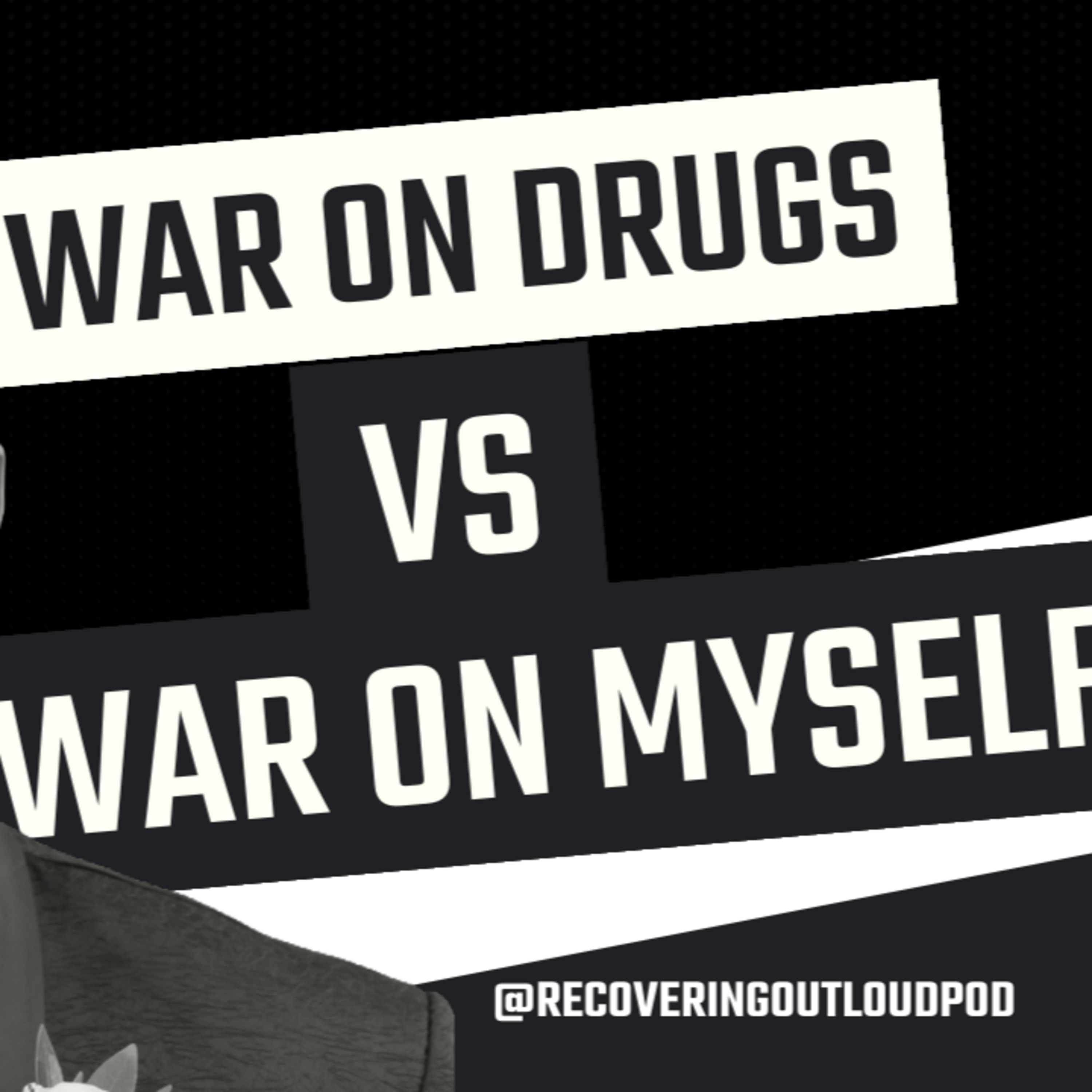
Speaker 1When you see somebody that is doing the same thing you are doing and they seemingly have better results than you, so you're comparing your insides to their outsides, resentment, hate, anger, jealousy are not conducive to growth in recovery. It's not a toxic fuel. It's not a fuel that will last. It's not a fuel that will drive me months, years from now. It's temporary fuel. If I am running on hate, it's not going to get me very far because it is a toxic fuel. It's not going to propel me to the destination that I want to get propelled to. And so I had this idea this morning, this thought, this insight that what if I looked at my co-creators, my fellow creators in the recovery space as an inspiration? If that guy can do it and he started from nothing like I did, he started from zero followers, why not me? Why can't I use their success as a launch pad, as a signal of hope, as a lighthouse for me? To do whatever I want, to get the brand deal, to get the podcast deal, to get the follower count, the subscriber count. Why can't I be happy for that person, celebrate their success while knowing that I'm going to get there, while knowing that that could be me? So ask yourself this today. If you're comparing yourself to other people that seemingly have a better life than you, seemingly have more stuff than you, more money, more cars, more better relationships, successful. Remember too, that for first, they will show you what they want to show you. I try not to do this, but it's human nature. I'm going to post. Most people will post, create what they want you to see. The version of their life that they want you to see. When in reality, they're not doing as good as they show that they're doing. And it's just human nature. It's not them trying to fool you or trick you. This is the nature of social media. You're seeing the highlight reel of people's lives. Don't ever forget that. And so why not? Why not? Why not? Why not? Why not me? If that person can do it, why can't I? Okay. Next we have staying sober through rough going, staying sober through hard times. If you follow the podcast, you would have seen the episode I did with Jesse about the, she's a woman in recovery that lost her son. Unfortunately, tragically, such a great episode. She did such a great job. This was a reinforcement and I hope for you too. But for me that I can get through hard things in recovery, if you've been around, I've been, I've been around for 10 years. Like I said, 11 years now in the recovery space in recovery meetings, and I've seen people get through some pretty horrible shit, some pretty insurmountable problems, i.e. health issues, debt, divorce. I've seen it all. This goes back to the same thing. I can get through the certain trials and low spots ahead because let's be real for a second here. They are coming. Hard times are coming. This too shall pass. This too shall pass means the good times and the bad times are temporary. They're like trains passing through the train station. They will not last. This too shall pass. So I can prepare and set the groundwork for my recovery foundation by doing the work one day at a time to ensure myself in insurance, really to leverage my recovery program, to get through anything in sobriety, anything that comes my way, I don't have to drink or use drugs over it today. It's going to be uncomfortable. It's going to be painful, but it will end. It will end. Everything is transitory. Everything is temporary. The good and the bad. All right, three. We have importance of a morning routine. I talked a little bit about this off the top, but I want to get into it because addicts and alcoholics, people who struggle with substances need structure. Full stop. There's no arguing that. We need structure. We've gone through. We've gone through such a jagged, corroded, non-structured life in addiction that when we come into recovery, we need simple tasks to follow. Go to the gym today. Go for a walk today. Journal today. Pray today. Meditate today. I need routine because when I'm living in routine, when I'm living in habit stacking and disciplined programming programs, I can follow a plan. I can follow a path. I don't have to know everything because I'm. Just doing the next right thing that I planned, doing the journaling, doing the meditation one step at a time so that when I get through hard times, my foundation is built. in recovery. If I don't do the do things today, if I don't read my book in the morning, if I don't journal in the morning, if I don't pray, if I don't meditate, I am ill prepared for the future. I'm ill prepared for what is going to come. And like I said, everyone's going to go through rough times. It might not be cancer diagnosis. It might not be death. It might not be divorce, but it's all subjective. Your Tuesday afternoon might be my trauma and my trauma might be your Tuesday afternoon. So let's prepare today for those times when they come. I have the plans in place to lean back on, to fall back on. When I fall, I have a group of people catching me because I've built up the routine, the discipline, the program to keep me safe. Okay, next we have boredom in recovery, connecting with friends. I spent the last weekend at a golf trip with my high school friends that we see each other once a year. We plan this trip once a year. I can't tell you the amount of freedom I experienced at my friend's cottage. I was not on my phone for more than 10 minutes at a time, scrolling, doom scrolling, trying to escape myself. I was fully present in the moment. I was not thinking about my problems, my financial situation. I was present and connected. I was catching up with old friends, listening to where they were at in their lives and their struggles. One of my buddies is a paramedic. I sat down with him. I haven't seen him since probably just after high school, maybe high school. I used to play hockey with all these guys. He started telling me about his life and being a paramedic and the struggles that he was going through and seeing drug overdose every day and getting to know the people by name. That was so powerful for me to hear. And I thanked him because what a thankless job that can be. You know, you bring people back with naloxone, you bring them back with Narcan and most of them get mad at you because you ruined their high. Meanwhile, you're just trying to save and do your job. What a difficult thing that I can't imagine. I've never experienced. Thank you to all the paramedics out there, to all the healthcare workers. Thank you. You are keeping people alive long enough for them to hit a new bottom so that hopefully they can recover. And whatever recover means for them, maybe it's not complete abstinence. Maybe it's not recovery. Maybe it's just getting the pain to stop. I hope you find that. I hope everyone finds that. If you're bored in recovery, find a group of friends, make plans with them, force yourself to go, which is the other thing. Put it in your calendar in advance so that you have to show up. That's what I do. I trick myself essentially. Make it harder for you to cancel on plans and your life will change. You will be peaceful. Okay, next we have going to meetings, not for the actual meeting, for the camaraderie, the connection, the fellowship. This is something I've been pondering a lot lately, but essentially it's I don't think, and if you're new and you're going to recovery meetings, this is important. The meeting itself is important. Don't get me wrong. I'm not saying that. What I'm saying is for me, the before and the after the meeting, whatever your recovery program is, whatever your affiliation is, whatever recovery community you're a part of, the before and after are more important to me today than the actual meeting itself, the actual hour where we sit down and do whatever we do. Because. I can open up to people in a way that I can't open up during the meeting. I can talk to people and let them know what's going on. I can listen to what's, what they're going through with the hopes that I can help them. And then I'm not thinking about myself. This is an indispensable part of recovery. Highly recommend going to meetings early and staying late. If that's your thing, going to recovery meetings, whatever program you're a part of. I build connections in the hour, half an hour before. And after more so than I would during the actual meeting, it's very easy to go to a recovery meeting. Just show up, check the box, say you're doing well. Everything's fine. Thanks guys. I'm all good. Don't worry about me. How are you doing? It's a lot easier to do that than it is to show up before and get uncomfortable in that social setting to talk about your problems. And let's be honest. I don't enjoy it. A lot of the time. I don't enjoy, look forward to going to my recovery meetings today. I just go to my recovery meetings. I don't enjoy it. I don't enjoy it. I don't enjoy it. I just go because I know that the tough times are coming and I need to build my routine today so that I am prepared for anything life throws at me, anything God throws at me. Okay. Next we have believing in the sober version of your recovery, believing in the sober person version of you, believing the outcome that you want can be, can get achieved, can is possible. Believing that the outcome, your desire is possible. A lot of people get lost in this whole woo-woo spirituality part of it. That's a part of it. Yes. But there is, there is also science behind this in believing that you can do things, believing that you can be a sober person, limiting beliefs. I always talk about limiting beliefs are what holds us down and what kills us. If I believe that I can be a sober, happy person, I can do it, but I need to have that belief that, that version of me can exist is possible. It's the same way with getting the, the podcast followers. If I believe it's acting as if, if I believe that I can be a successful podcast host with followers and brand deals and make a living off of this thing and help people, most importantly, if I believe that my message holds some depth and weight to one person, to multiple people, then I can show up as that version of myself. I can act as if I am the business owner that is successful in business, the husband that is successful at his marriage. You need to believe that you can be a sober person before you achieve that goal. Okay. Number seven, we have chasing peace over happiness. Oh, I love this one. The endless pursuit of happiness and pleasure in recovery. I did a whole podcast episode on pleasure versus meaning. Happiness is not a sustainable state of mind. It is not. If there's happiness, then there must be sadness. I don't want to chase happiness today. I want peace. I want peace of mind. I want quiet. I want relief. I want ease and comfort in my life. And that's not always going to be the case. I understand that, but balance ritual always says balance is the fickle lover. I can't quite court. It is always eluding me. This balance, this thing. So today when I'm on fire, my head is on fire and the world is falling. The sky is falling. Everything is going wrong in my perception. How can I find that little bit of peace in those moments? The little bit of quiet, the peace of mind. Well, by doing the recovery things and it's not always going to be sexy. It's not always going to be perfect. It's not always going to be peaceful. But if I just look for peace over happiness, I think that I'll be in a much better place to be of service to others and to be the best version of myself. Are you pace? Are you chasing happiness today? Or are you looking for peace? Okay. And the next thought I have is importance of journaling. I already talked about this off the top, but I think if you're not journaling right now, buy a cheap journal. I sell a journal on my Amazon page. I created a journal. If you're interested, it's in my link tree. I'll post it in the show notes below, but just buy any journal that you can just let your thoughts out onto. You can just brain dump, release your emotions, release your burdens, write them out. If you can tell somebody about them, do that as well. It loses all its power when it, when it leaves my head. There's something about pen to paper that's different than typing to pen to paper is just different. It's just more effective for me and my recovery program. Okay. Next we have everything is not always as I see it. Everything is not always as it seems. Remember that your perception is your perception and it is limited. We have limited perception. Everything is perception. Perception is reality. You hear that all the time, but it's true. Not everything is as it seems to me means that I shouldn't be judging people on what I see on Instagram. I'm going to get a version of what that person wants me to see. And so when I'm quick to judgment, when I see a guy walking around with a Ferrari, walking around with a Ferrari, walking around with a Hublot. Watch or an expensive watch or driving in a Ferrari. Am I willing? And I get jealous of that person. Am I willing to live the lifestyle that person is living to keep those material things? Probably not. Be honest with yourself to get those things requires a lot of daily work that is taxing and separates me from my family and my friends. And am I willing to do that today to have those things? And if the answer is yes, then go do it. If the answer is no, then just be at peace with not having those things. Be at peace with the version of yourself that you're cultivating right now. You're in a transitional period. I am growing towards something bigger. I don't need to always be productive in doing something today. I don't need to always be hustling. Hustle culture is such a dangerous part of our society today. I can be okay in being mode. I'm a human being, not a human doing. Don't ever forget that. I don't always need to be doing. I'm a human being, not a human doing. Don't ever forget that. I don't always need to be doing something, achieving some task or goal, I can be okay. just existing, being present in a different way than I was when I was in addiction. I can have goals and achieve them, but not in my time. And it's not up to me. It's up to the universe. It's up to God, but I can do the small things to get those things done. Everything you want in your life, everything, everything you want is on the other side of fear. Full stop. Everything is on the other side of fear. And what is fear? False evidence appearing real F fuck everything and run or face everything and recover. Just do it. Do it without the thought of what they might think of you. The thought of what I might be perceived as, Oh, I'm going to be cringe if I start posting on social media, it's only cringe until it works. And listen, at the end of the day, I'm not responsible for what people think of me. So when I get comments, when I get hate, when I get, Oh, this is a bad take, or this is cringe, this is uncomfortable. Why would you do this? I'm sure a lot of people are thinking that. And a lot of people are commenting on it. My self-worth is not tied to your comments today. And that's where I try to live. When I see the comments and the messages of people that it's helped the podcast, I get extremely grateful. But again, that is not me doing that. I don't own anything. It was a gift. I was given a gift that is temporary. I don't own anything. I don't own the podcast. I don't own my house. Really. It's all temporary. It's been a gift that was cultivated through hard work, the podcast following the Instagram following. It is a privilege and an honor to be able to share about recovery and to be alive today. I always say this. I shouldn't be here. I shouldn't be alive today, but I am. So what am I going to do with my life? Well, one, I'm not going to repeat the behavior that I repeat that I repeated every day in addiction. And two, I'm going to bring my experience to you, the listener, so that with hopes that one person can change the way they think about things, change the way they look at said problem. If addiction was the worst thing that ever happened to you, hopefully I can help you pivot and look at it as a gift, as a superpower, as something that you can help others recover from. Everything is not as it seems. Don't assume, don't judge. Be curious, not judgmental as Walt, Walt Whitman, said Walt Whitman. Yeah. I always get mixed up with the breaking bad reference with Walter White, Walt Whitman. Be curious, not judgmental. Ask more questions. Okay. Final thought today, war on drugs to war on me. When I came into recovery, when I was in active addiction, it felt like a war on drugs. If I just removed the substance, I would be happy. If I just stopped using cocaine every day, I could be happy. If I could just control my substance use, I would be happy. I would be peaceful. I would be whole. I needed to move from war on drugs to war on myself because that's what's going on here. Really. You're at, if you're struggling with drugs and alcohol today,
Speaker 2if you're suffering at all. Ultra running shoes are all about space, the space to go further, to feel better, to do something you never thought possible. And this space starts with ultra fit. Unlike traditional running shoes, ultra fit gives toes more room to move naturally. So every step is strong. Balanced and comfortable. Whatever you're lacing up for. Stay out there with ultra shop now at ultra running.com. That's a L T R a running.com. Tammy regularly haul stuff to her kids at college.
Speaker 3That's why she shops at BJ's wholesale club, saving up to 25% off grocery store prices, beef jerky, microwave meals, laundry pods. Even they can't screw up. Have you met my kids? And with BJ's gas, she gets there for less. They call me the road warrior. This is your home road, warrior. Mom home of the save join for just $20 at BJ's.com slash mesquite and save 10 cents per gallon for six months open soon. Limited time offer new members only BJ's home of the save.
Speaker 1You're at war with yourself, not with drugs, not with your employer, not with your mom, your partner, your kids. It's a war with yourself because that's all you have control over. You can't control your employer. You can't control your kids. You can't control. Maybe your kids are different. I don't know. You can't control your wife, your, your outside circumstance, the CRA, the IRS. You can't control those things. So the only thing I have responsibility over is my perception, my reaction to life. I am at a war with myself today, and that is not a bad thing. I am looking for peace. I am trying not to, I am trying to not to use outside things to change my insides. I am reversing unlearning that old behavior of, I'm going to use this thing to fix my inside problem, to change my inside. I need to be okay with who I am. I need to find my true self in recovery and love that true self. That is your only goal job in life, in my opinion. So let's move from the war on drugs to the war on yourself. Focus on those emotions that come up, those obsessions, those behaviors. Now, what do I do with them? Do I let them control my behavior and run the show, or do I turn them over to a power greater than myself, to my friend, my sponsor, my recovery community? The choice is yours. Thank you for listening today. I love every single one of you. Please like, follow, subscribe to the podcast. I would greatly appreciate it. If no one has told you this yet, I love you. And remember, recovery is simple.
Speaker 3Have you met my kids? And with BJ's gas, she gets there for less. They call me the road warrior. This is your home, road warrior mom. Home of the save. Join for just $20 at bjs.com slash mesquite and save 10 cents per gallon for six months. Open soon. Limited time offer, new members only. BJ's, home of the save.
 PodcastTranscript AI