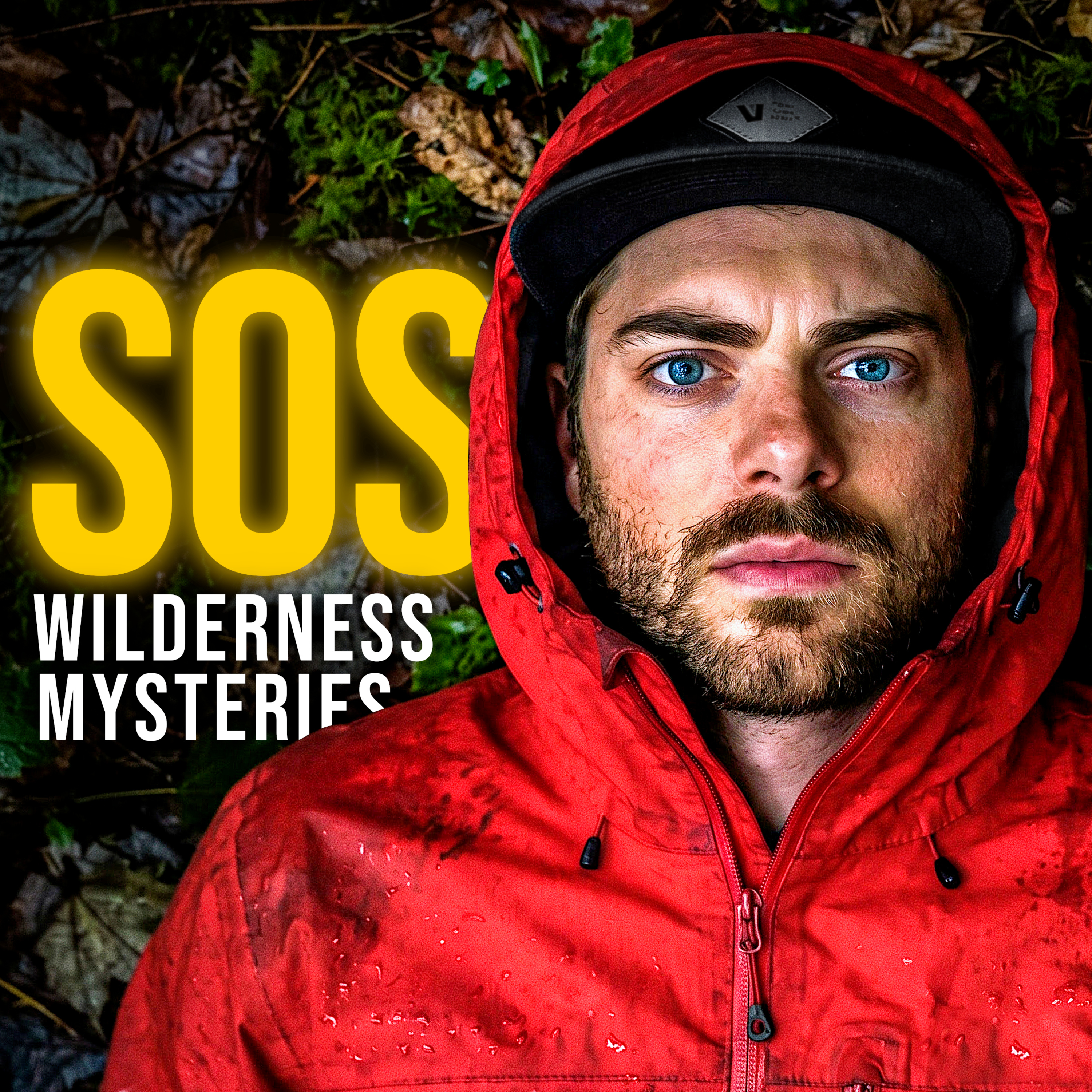
A tense confrontation on Mount Everest in 2013 between three European climbers and a group of Sherpas nearly escalated into violence, rooted in cultural misunderstandings and perceived disrespect. The Sherpas, frustrated by years of exploitation, reacted aggressively after the Europeans crossed their fixed ropes, prompting an angry mob to surround and attack the climbers. Melissa Arna, a highly respected mountain guide with deep ties to the Sherpa community, stepped in to de-escalate the situation, physically shielding the climbers and negotiating their removal from the mountain. Though the immediate conflict ended, it became a symbol of the deeper fractures between climbers and local workers. This tension was compounded by the tragic 2014 avalanche that killed 16 Sherpas, including veteran Ang Kaji, as a result of the same unstable ice conditions that Russell Bryce had warned about. Uli Steck, one of the climbers involved, remained haunted by the incident and returned to Everest multiple times, ultimately dying in 2017 during a solo ascent on Nupsy. Melissa continued her advocacy by founding the Juniper Fund to support Sherpa families and authored a book on her Everest experiences. These events illustrate how a single moment of miscommunication on the mountain can spiral into long-term trauma, highlighting the risks faced by those who make Everest possible—especially the Sherpas—and the complex, often overlooked power dynamics at play in high-altitude climbing. The story also reflects broader themes of disappearance and unresolved mysteries in the wilderness, as seen in the case of hiker Jack Thomas, whose remains were found nearly seven years after vanishing, and in the discovery of a missing German climber in the Swiss Alps due to glacial retreat—demonstrating how nature and time can reveal hidden tragedies.
Imagine setting your makeup, then forgetting it's even theirs. Meet new groupie setting mist from Mavily New York. Gel to mist technology locks in your look for up to 24 hours, with flexible all-day-gum fee grip. No tightness, no stickiness, no residue. Just plump, dewy, hydrated skin that still feels like your skin. Try new groupie setting mist from Mavily New York. Today we're starting on Mount Everest, where a small confrontation between three elite climbers and a group of Sherpas nearly spiraled into something that has never happened on the mountain before. Murder. And then I'm going to tell you three rapid fire stories about hikers who vanished randomly and then were somehow found years later. It's really, really weird, but don't forget to hit the follow button. It really helps out our standing with Spotify and listen on if you dare. April 27, 2013. High on Mount Everest, 100 pissed off Sherpas surrounded a tent, trying to decide which of three European climbers they were going to kill first. Swiss climber Uli Steck, Italian climber Simone Moro, or British photographer Jonathan Griffith. Now over 344 people have died on Mount Everest, but none of them have ever been murdered, at least not officially, however on this day, murder was on the minds of everyone, especially the Sherpas. But that begs the question, why? I mean, what had these three European climbers done that was worthy of their lives being taken? And the truth is that they had done something that to most of us wouldn't seem like too big of a deal. Maybe a minor inconvenience to the Sherpas at most, but what may be seen in one culture as an inconvenience can have a totally different translation in another. You see, to these Nepali Sherpas, what these European men had done was not only an insult, it was a grave sin. So once this angry mob of Sherpas surrounded the men, all hell broke loose. Rocks and crampons were being thrown at their heads, punches and kicks flew left and right. It was total mayhem unfolding in one of the most dangerous places on earth. And even with one of the Europeans literally on his hands and knees begging for forgiveness, the chaos did not stop. Oh, and by the way, this is all before these folks even reach the actual death zone of Mount Everest. In this moment, in all of the chaos, there was only one person on earth who had the skills, the relationships and perhaps the temperament to stop this angry mob of Sherpas. Only one person could save the lives of these European climbers. And on this particular day, it just so happens that she was there at camp. Her name was Melissa Arna and she grew up on the outskirts of the Southern Newt Indian Reservation near Durango, Colorado. Now at 12 years old, Melissa's family moved to Whitefish, Montana, which is a wealthy resort town outside of the famous Glacier National Park. However, I don't want you to get it twisted, Melissa's family was far from rich. They were, after all, service industry workers. In case you don't believe me, at just 13 years old, Melissa found herself cleaning hotel bathrooms in order to earn extra money, which is like as far away from exploring nature as possible. The young Melissa would sew Nike logos onto her payless shoes in order to try not to get made fun of by her wealthier peers. And that's just one example of the way that she grew up. However, Melissa would not let her peers keep her down. She graduated high school early and ended up moving out of her parents' house at age 16. Starting life without a safety net, fully responsible for her own survival before she was even a legal adult. She ended up going to the University of Iowa and graduated with degrees in business, literature and creative writing, which means that if she ever sees this video, I hope she's not judging me too hard and I hope she likes it. So fresh out of college at 19 years old, which is crazy. And with no money to her name, Melissa lived out of her car with an abundance of free time for basically the first time in her life, and this is when she began climbing mountains. A friend had invited her to climb Great Northern Mountain in Montana, which by all accounts is a fairly non-technical climb I've never done it, but from the research I saw, it doesn't seem like it's that bad. But even this beginner's climb would end up opening her eyes to the kind of thrill that she didn't realize she needed in her life. And by the way, I don't know how else to say this, but Melissa's mindset, even at that age, was very unique. In her own words, she said, quote, "I am athletic, but not competitive." And the mountains are that exact thing. And honestly, that's something that I can relate to as well. I mean, I feel like we always hear about how climbers are competing against each other, chasing records, or maybe even just competing against the mountain. But for people like Melissa, the mountains simply felt like home. She dove into the studies of mountaineering and medicine. She got certified as a wilderness first responder and an EMT. And at just 21 years old, while grinding two jobs to a forward training and her climbing gear, Melissa was hired on as a guide for a Renear Mountain Inc. Where she would lead climbs up Mount Renear. Part in my pun here, but Melissa's ascent into the climbing world was clearly very impressive and fantastic, but that doesn't mean that things were always easy for her. In her first month guiding climbers up mountains, Melissa was on the wrong side of so much misogyny and judgment from her male co-workers that she actually considered walking away from the work entirely. And not just her co-workers, too. Some male clients refused to be on her rope team simply because she was a woman. One guy apparently wouldn't stop calling her hot cakes, which, just some advice that's probably not a nickname that's going to get you a first date with someone. However, despite this adversity, Melissa didn't quit and it wasn't long until she became one of the most respected mountain guides in the entire world. These frustrating experiences gave her plenty of wisdom and diffusing tense situations that certain climbers can find themselves in. You have to remember that high altitude climbing already attracts intense personalities you can say, and on Mount Everest, letting an ego run wild, can run you straight into a dangerous situation. Melissa was very good at taking on climbers with big egos, and that may be the reason why she became one of the most trusted guides on Mount Everest starting in 2008. And so if you flash forward a few years to April of 2013, Melissa found herself once again at Everest Basecamp preparing for another climbing season on the world's tallest mountain. Everyone on the mountain was a bit tense this year, and this is because of what happened the year before. You see in 2012, a legendary New Zealand expedition operator named Russell Bryce, who was nicknamed by many people as the mayor of Everest Basecamp, while he saw a crack growing in a massive Serac high on Everest's western slope, and this was a really big deal. There were about a million reasons to worry. First of all, with average temperatures rising during typical Everest climbing seasons, the odds grew of that crack leading to part of the Serac falling and then eventually causing a fatal avalanche. And so Russell made the hardest decision of his entire career and announced to all of his 2012 clients that their expeditions were over. This is a huge deal. His clients had each paid like tens of thousands of dollars. And if you think they were getting refunds, no, that money was long gone. It had been already spent on logistics, permits, and Sherpa salaries. That's just the way that these things go. It's in the contracts that these climbers signed, but it gets worse because ultimately that Serac didn't collapse in 2012. And plenty of other people still summited Mount Everest, and so it kind of seemed that Russell Bryce cancelling on all of his clients was for nothing. Some people had even complained that Russell had just been over cautious. And so the question was, had he been just that, we're going to get to that question in just a bit. So back to 2013, the next year, everyone was kind of on high alert because of Russell Bryce's giant red flag. Sherpas were making extra sure that the routes up and down the mountain were as safe as they could possibly be, and that all fixed ropes would be placed by the time any climbers actually reached them. And so tensions were already high before the season had even really started. But when Melissa arrived at base camp, she started introducing herself to all of the climbers around her. And eventually she met three European men, Italian climber, Simone Moro, British climber and photographer Jonathan Griffith, and of course, the leader of the expedition, Uli Steck. Uli was the son of a copper smith from a part of Switzerland that's known for Swiss cheese, which I didn't know that Swiss cheese was actually from Switzerland. And so we're all learning something new today. And completely opposite to Melissa, Uli was basically born to climb mountains. While Melissa was cleaning toilets at age 13, Uli was already doing like extreme climbs. And by the time that he had turned 17, he was already considered one of the world's top climbers. He climbed the Iga's notorious North Face for the first time at only 18 years old. And for context, this is a Swiss Alp with a 6,000 foot face called the Mordwand, which apparently is German for murder wall and it's killed no fewer than
- 64 people. - Imagine setting your makeup, then forgetting it's even theirs. - Meet new grippy setting mist from Mavily New York. Gel to mist technology locks in your look for up to 24 hours with flexible all day comfy grip. Try new grippy setting mist from Mavily New York. - Maybe it's Mavily. Uli climbed the murder wall many times in his career. Once he even did it in less time that it would have taken him to watch the first Avengers movie, his time was two hours, 22 minutes and 50 seconds, a speed record that apparently still stands today. Now to people like me and most likely you who aren't like extreme technical mountaineers like this, common sense would say that speed makes climbing more dangerous, but it's interesting that the two often go hand in hand. You see the faster that you move, the less time that you're exposed to rockfall, avalanches and bad weather, storms, things like that. That was basically Uli's philosophy. The press even called him the Swiss machine, which was a nickname that he apparently hated. And sure, he was focused, relentless, efficient on the mountain. He was fast and he took a scientific approach to training, but those who knew him best described him as warm and thoughtful. But regardless, at his peak, again, no pun intended, Uli was both considered one of the three best Alpine climbers in all of Europe and someone with a genuine instinct for helping others. And I have receipts for that claim, by the way. For instance, in 2008, he voluntarily climbed back up on a perna after a week's worth of avalanches pounded the mountain all in order to try saving a Spanish climber who had been stuck up there. And though this Spanish climber unfortunately perished, Uli was clearly someone who wanted to be a good citizen on these mountains he wanted to protect his fellow mountaineers. And that's exactly why it's so shocking that just a few years later, some of the best Sherpas in the world didn't just consider him to be a villain, but literally dead meat. And the decision that turned Uli into a target seemed so minor that most people would never imagine it could start a fight, let alone leave someone's life hanging in the balance. Uli arrived to Everest Base Camp with Simone and Jonathan. Now they were there to attempt a new route on the West Ridge, and they were gonna try to do this without supplemental oxygen. They were climbing independently without Sherpa's support, which was allowed. But of course, that's really only advised for like the world's best climbers. And at the same time, Melissa or not would be guiding her clients up the standard route of Mount Everest. Now something incredible about Melissa is that she has summited Everest six times to my knowledge. And in comparison, I can barely get myself to go to the gym six times a month or whatever. And even more than that, Melissa was making impacts across Nepal that were truly heroic. You see in 2010, Melissa was climbing the 23,390 foot baroot sea in Nepal with Chewang Nima Sherpa, a legend in the community with 19 Everest summits, a man known for being funny, kinds, and impossibly strong, someone that Melissa considered a good friend. Chewang Nima was fixing the ropes on the summit ridge when the cornice beneath him suddenly collapsed. And sadly, there was no safety net for him, and not for his family either in the wake of his death. Melissa met with the famed Sherpa's widow in her home after the tragedy, and she made the decision to support his family out of her own pocket for as long as she had the money to do so. And then two years after making this commitment, Melissa co-founded the Juniper Fund, which is a nonprofit providing financial supports and vocational training to the families of Nepalese mountain workers that are killed on the job. Which is incredible. I mean, records and accolades are great, but this is the kind of thing that actually matters, the kind of thing that truly affects people's lives for the better. And so this is just one example of what made Melissa such a beloved figure in the Everest community, not only among the climbers, but also among the Sherpas. Melissa and Uli met in the early days of Everest 2013 season. Melissa actually learned that Uli had summited Everest for the first time in 2012, and she was impressed by his pedigree. Melissa assumed that once the actual climbing began, she wouldn't be seeing much of Uli and his team. I mean, Uli, Simone and Jonathan were gonna be establishing a brand new route up the West Ridge. They were gonna be moving quickly, and they were gonna be away from many of the usual places that climbers go, the usual routes. And so it was a fair assumption, but then again, assuming anything on Mount Everest proves time and time again to be a mistake. And for Uli and his team, it was about to prove to be a fatal one. Now, I know that none of this seems connected yet. I know it's kind of murky here, but I promise I'm going somewhere with this. Melissa was guiding her clients like any other year. Uli was chasing one of the boldest climbs of his life, and the Sherpas were just trying to make sure that the mountain was safe under the shadow of a hanging srirac. But in a few days time, all three of these routes and situations and groups of people were gonna collide on the mountain, and it was gonna have some very insane results. Around 8 a.m. on April 27th, 2013, the three European men, led by Uli, left camp two to climb the Loatsafe face and acclimatize a camp three right around 23,600 feet in altitude. Now at the same time, a team of Sherpas was fixing ropes on the Loatsafe face that very same morning. And you need to know that this is hard, dangerous work. I mean, they're preparing the route for the commercial expeditions to follow. And it's a job that the Sherpas almost always do alone on the mountain. Like they go up there first before the paying clients and the guides and all those people, and they set the ropes, they make sure everything's good, they do it in a way that's uninterrupted by the Westerners and the other people that are trying to climb to the summit. And then once they're finished, the season can basically start. Now while the Sherpas were doing this work, the three Europeans were climbing about 50 yards away from them again on their own independent line. And they were trying their best to stay out of the way. Once again, they understood how this worked. They knew that the Sherpas were doing dangerous, difficult work. They knew they probably should try their best not to interrupt them. However, even though they were trying their best to stay out of the way, at one point, they had to cross the Sherpas fixed lines at a ballet station just below camp three. And that's when the shouting started. The Sherpas claim that they asked the Europeans to stop but were ignored. And that the three Europeans kicked ice onto them, a claim which the Europeans flat out denied, by the way. Obviously accounts differ. The Europeans would go on to blame the Sherpas wounded pride. The Sherpas would blame the Europeans' disrespect for their work, but in the end, ice axes were getting pointed at people, the Nephiles word for mother (bleep) was getting thrown around. And finally, the Sherpa team descended to let say face back to camp two, without finishing the day's work. Meanwhile, the three Europeans felt, well, not exactly guilty. They maintained that they were not to blame, but they did feel bad that they had indirectly interrupted the Sherpas' rope fixing job. And so they did the rest of the day's work for the Sherpas. A gesture which did not necessarily go over very well. Now, you might be thinking like, okay, maybe the Europeans acted a little out of line, or maybe the Sherpas did, but this doesn't really sound like a big deal, and I get that. However, you need to know that this particular conflict was kind of just a boiling point for a much larger issue, something that had been going on for years. Resettments had been building among the Sherpas who were deeply frustrated over exploitation by the Nephiles government and poor treatment on behalf of Westerners. And so both sides of this story had a very real argument to make about what happened that day, but it didn't seem like the Sherpas were in the mood for a debate or a conversation even with these three Europeans. Melissa are not just so happened to be in camp at the exact moment that a huge angry mob of Sherpas formed. They were back at camp too by this point, and again, Melissa was friends to the Sherpas. She was someone who knew what it felt like to be exploited by clients. She was someone who had treated Sherpas injuries and someone who was there for Sherpas' families during the worst of times. She was someone that the Sherpas respected, and she also knew that when Sherpas get angry, they don't always use words. They would sometimes get aggressive. Melissa burst into Uli's tent, and she warned the three European climbers that they were in very real danger. But unfortunately, despite this warning, there wasn't really enough time to do, well, anything. The Sherpas surrounded Uli's tents, and not only were they red-hopped, they were armed with rocks and crampons. And so as soon as Uli and his team emerged from the tent, the Sherpas closed in on them. Uli quickly took a rock to the head and started bleeding while Simone and Jonathan were kicked and punched. It was total chaos, and honestly, it felt like an angry mob that was about to just. have their way with someone who had been sentenced to death. But Melissa was not gonna let that happen, not on her watch. And so she tried to position herself between the angry Sherpas and the three climbers, almost acting as like a physical shield, right? She begged the Sherpas to stop speaking both English and Nepalese trying to de-escalate the situation. And I just gotta say this was incredibly brave, even heroic on her part, literally putting her body on the line to try to, to try to prevent the worst case scenario from happening. And not only was it extremely brave, but it was also extremely smart, because Melissa knew that the Sherpas likely wouldn't want to hurt a woman. And so Melissa shuffled Uli into the tent for his own safety. But then the Sherpas put Simone on his knees and made him apologize for things that he had said up on the mountain. But that still didn't prevent one of the Sherpas from slapping him across the face. Gel to mist technology locks in your look for up to 24 hours, with flexible all-day comfy grip. Just plump, dewey hydrated skin that still feels like your skin. Maybe it's Mavily. I promise you I'm not making this up. I mean you couldn't even, you couldn't even write this. It's literally like out of a movie or something. More rocks were thrown, holes were torn in the tent, but eventually a deal was brokered by Melissa between the Europeans and the Sherpas. Uli, Simone, and Jonathan were given one hour to leave Mow Everest for good, or else. That is truly an insane deal. And to me, it shows just how angry the Sherpas really were. I mean, think about it. Under the stress of last season's revelation by Russell Bryce, the Sherpas were probably feeling extreme pressure to make sure that their work was done perfectly this year. And any threats to that would not only mean threats to their own livelihoods, but also to the lives of the hundreds of clients who were trusting the Sherpas to make the mountain as safe as possible when they eventually start climbing it. Now I'm not going to pretend like I know the whole story. There's definitely maybe something more that the Europeans did or said that contributed to the anger of the Sherpas. I really don't know, this is just what's been reported. There's always two sides to a story, but based on everything that I've read, it seems like it was just the wrong place and the wrong time for Uli and his team to be trying to skirt around the Sherpas. And the fact that they didn't even get the opportunity to summit Everest and were basically run out of camp like that, well that shows how seriously the Sherpas were taking this offense. And so the European climbers left the mountain and on paper, this should have been the end of things, right? But of course, I mean, we know that drama like this never ends that smoothly. Now fortunately, despite everyone's stress and despite all of this chaos on the mountain, the 2013 climbing season ended with no major avalanches. Climbers went home, the mountain emptied out, and Melissa went back to her life in the United States, and Uli went back to Switzerland, trying to process what the hell had just happened to him and his climbing partners. But despite this confusion and probably a lot of anger, Uli was still very desperate to return to Mount Everest one day. He was not giving up, but of course, as we all know, Everest for many people is a once in a lifetime opportunity, but we'll come back to that shortly. On paper, things were done. Uli was alive. Melissa had prevented a murder essentially or multiple murders. And the Sherpas had very clearly sent their message. However, in reality, 2013 was only the beginning. For Uli, Everest became unfinished business, tempting him to return each climbing season for almost four years. And for the Sherpas, the danger that they had been screaming about was about to become horrifyingly real. So do you remember Russell Bryce's warning and his dramatic cancellation of his client's expeditions a few years earlier? Well, on April 18, 2014, just one year after the Sherpa mob in the fight, well, that exact hanging Sirac that Russell had warned everyone about broke off Everest's Western shoulder. The ice that fell was the size of an NBA basketball court, like 113 feet thick, weighing over 1400 tons. And when it hit the Kumbu ice fall, traveling at terminal velocity, it didn't make a sound that most people at base camp could hear. But what they did here were the screams afterwards. 16 Sherpas were killed in that avalanche. Three of their bodies were never found at all. They're still up there somewhere in the ice, presumably. Nine others sustained blunt trauma injuries severe enough to require evacuation. And here's what you need to know. The Sherpas who died that morning were doing exactly what Sherpas do every single season. They were fixing ropes, they were establishing the route, carrying loads, they were making Everest possible for all of the paying clients that were to come. This was exactly the kind of fear that the Sherpas in 2013 were carrying. They knew how dangerous Everest was even for just a day. And on this 2014 day, their worst fears were confirmed. Among the deceased Sherpas was Ang Kaji Sherpa, a veteran of over half a dozen Everest expeditions, the father of six children. In fact, in 2012, just a few years earlier, he had been the first person to summit Everest in that entire season, putting up the climbing ropes for everyone else that followed him. When he came down from the summit, he was greeted with enormous applause. And yet he remained humble and smiling, downplaying what he had just accomplished. And now he was gone, dead at 41 years old. And his story is just one. Just one of the 16 Sherpas who died. This was the worst single day in Everest history up until that point, even worse than the 1996 disaster. Melissa Arnot, who was at Everest Base Camp when this happened, preparing for another season of guiding clients up the mountain, well, she grabbed her medical gear and basically ran up the mountain to try and help, however she could. But sadly, there was just nothing that could be done at this point. It was just a horrible, horrible day for everyone involved. The scale of the loss for the Sherpas and for the climbing community is hard to even put into words. And so often it's the Sherpas whose lives and deaths don't get the kind of press and attention that the paying clients or the professional climbers do. That's something I've seen a lot of you actually mentioned in the comments. And so I really wanted to make that point clear. And so a few days after the disaster, the Sherpas announced that they would not work on Everest for the rest of the 2014 season out of respect for the 16 Sherpas who died. And to me, I feel like part of it was also sort of a protest, especially having been put through so many emotions over the past few climbing seasons. Now that's me editorializing there. I could be wrong, but it kind of feels like that. Now, 2014 was an entirely different year for Uli Steck. Just six months after being run off Everest in late 2013, Uli traveled to Anaperna, which is the world's 10th highest peak and arguably it's deadliest. There's even a saying about Anaperna among climbers that it's dangerous from the north, dangerous and difficult from the northwest and steep, dangerous and difficult from the south. And after hearing that saying, take a guess at which route Uli was interested in. Uli and Anaperna's south face had some history, you could say. He had actually taken a falling rock to the head back in 2007, tumbled a few thousand feet down the mountain and then been found wandering, disoriented on a glacier below crazy. Then in 2008, a fellow climber died of a stroke on the ascent and Uli had to bury him in a crevice. And now, in 2013, his climbing partner had pulled out due to visible risks on the south face and so Uli decided to make the ascent all alone. Uli, summited Anaperna in the dark without any oxygen, only realizing that he had made it to the top when there was literally nothing left for him to climb. He only stayed there for five minutes before turning around and starting back down the south face and he didn't even take any pictures because he'd lost his camera in an avalanche on the way up, which had only temporarily slowed him down, by the way. From base camp to base camp, this feat only took him 28 hours, which is another monumental speed wreck. I mean, he literally could have just watched Avengers 11 and a half times in a row instead. By the way, I promised this video isn't sponsored by Marvel. Now, because Uli hadn't taken a summit photo and never turned on his GPS watch during the climb, some people questioned whether he'd actually summited or not, but then in March of 2014, the jury of the PLA door, basically the Academy Awards of Mount Nearing, you could say, well, they had to make a decision. Would they honor an ascent with no photographic or GPS evidence or would they throw it out? And honestly, the cool thing about climbing culture, one of the many cool things I should say is that they have this longstanding tradition of trust. You basically take climbers at their word, assuming there's no obvious evidence that they're lying, and you do this because there's this,
shared understanding that honor will honor matters. And so Uli's word was enough for two Sherpas lower on the mountain. It was enough for two other climbers who made a similar ascent weeks later. It was enough for Elizabeth Holly, the legendary, notoriously skeptical chronicler of Himalayan climbs. And honestly, it's enough for me. And so Uli won his second Peele d'Or, which I'm definitely butchering the pronunciation of, by the way, I'm sorry, but it's basically the golden ice axe, mountaineering's highest honor, if you will. And later, he. Meet new grippy setting mist from Mabelie, New York. No tightness. No stickiness. No residue. Just plump, dewy, hydrated skin. That still feels like your skin. Try new grippy setting mist from Mabelie, New York. Maybe it's Mabelieeane. But admit that he had probably taken too much risk on that climb of on a perna. He said that mixing that kind of route with his style of climbing should really just be like a once in a lifetime thing, because, well, the maths, not that complicated, try it a few more times, and you're probably going to die. And so, Uli had gotten lucky once again. On a perna proved that Uli could still do the impossible, but it did not resolve his temptation to return to Mount Everest. The trauma of the 2014 season on Mount Everest would be compounded by another catastrophe the following year in 2015, when a massive earthquake triggered avalanches that killed 19 people at Everest Basecamp and basically shut down the mountain for weeks. And that year, Uli employed several Sherpas to accompany him on other climbs around Nepal, but he didn't go back to Mount Everest. Not yet. And as for Melissa, our not's relationship with Everest, well, she also had some unfinished business with the mountain. In 2016, after three previous attempts and seven years of trying, Melissa would summit Mount Everest without supplemental oxygen and survive the descent, by the way, becoming the first American woman to ever do this. This was her sixth ever summit, the most of any Western woman. It was also her last ever season on the mountain. Uli spent 2016 in Tibet, but just like the previous year, he was only climbing various mountains around Mount Everest, not Everest itself. It just seemed like he still had unfinished business on the world's tallest mountain, and maybe just maybe he was still feeling a little traumatized about what had happened up there in 2013. But I don't know that for sure, if it were me, I probably would. But the following year, in 2017, Uli would try to finally put the pass behind him, and he would finally try to climb Mount Everest once again. This time, without the protection of his previous savior, Melissa, and so on April 16, 2017, Uli arrived at Everest Base Camp with a plan. He wanted to traverse not only Everest, but also Lotsay. The world's first and fourth highest mountains together, and he wanted to do it without supplemental oxygen while taking the treacherous West Ridge route that he had attempted back in 2013. By this point, the West Ridge route had only been climbed like a handful of times, and no one had ever successfully done Everest to Lotsay on zero oxygen in one continuous push. This was, in short, extremely ambitious, even for an elite climber like Uli. On April 29, he ascended from Base Camp to Camp 2, right around 21,000 feet, the same place where he had nearly been killed by the mob of Sherpas a few years earlier. Now, the plan for the next day was to climb up the traditional Everest route to the South Cole at about 26,000 feet, and then to send back to Camp 2. The purpose of this was to acclimatize, but that evening, while he was at Camp 2, Uli looked across at Nupsy, the third peak in the Everest Lotsay horseshoe. The conditions up there apparently looked pretty pristine, and so Uli texted his climbing partner, Tenji Sherpa, who was out of commission due to frostbite, by the way. He texted that he was changing his plans, and that Nupsy was now the new goal. And one thing about Mount Everest and the Himalayas is that if you're going to change your plans, you better do so assuming every single risk associated with it. The next morning, right around 4.30am, Uli began climbing in the pitch black dark. He started the day climbing with a French man named Janik Graziani, but eventually the two of them split up, Janik continued toward Camp 3 on Mount Everest, and of course, Uli turned towards Nupsy. And as for Uli, he was climbing the way he always did, fast, light, and just very very nimble. At approximately 9am, climbing alone at around 25,000 feet on Nupsy, Uli for the first time in this entire story really, got really really unlucky. And the harsh truth is that even just one stroke of bad luck is all Everest needs to create a tragedy. Now the exact cause will never be known. No one was with him, no one saw what happened. All we know is that Uli Steck fell over 3,000 feet to his death. His remains were recovered from the Western Coom between Camps 1 and 2. It's just incredible, because Uli survived all of those other death-defying climbs, and survived that violent clash with an angry mob of Sherpas, and yet here he was at 40 years old, and his time climbing and his time on Earth was over. Uli's death makes the 2013 drama and fights feel even stranger in hindsight, at least to me. Because Uli, one of the men that Melissa helped save on Mount Everest, eventually came back to that same mountain, and in this time, well, no one was there to step between him and the consequences. Melissa, on the other hand, well, she never returned to Mount Everest, now having a very clear understanding of who pays the highest price up there. And through the Juniper Fund, her work continued to support the families of the workers who make Everest possible, helping with funding essential safety, rescue, and medical training for the local Nepal High Altitude workforce. And in 2025, she even released a book called Enough, which is a biography detailing her years on Everest. Uli Steck was cremated at a monastery in Nepal, in clear view of the Himalayan peaks where he died. And his climbing partners would eventually go on to scatter his ashes in Nepal and Switzerland across all of the mountains that he loved. Folks, I know this story is a little bit scattered, but ultimately, I think it comes down to the fact that this is a story about the choices that people make on Mount Everest. Melissa are not chose to help dozens of Sherpas families in the wake of tragedy. She also chose to help Uli, Simone, and Jonathan negotiate with the Sherpas that she had grown to respect so much. While Bryce chose to cut his season short for fear of tragedy, the Sherpas collectively chose to cut their season short as a response to a different tragedy. And Uli made many choices across his climbing career, including on Apurna, on the Lotse face, and on Nupsy. Some of these choices led to glory, and one of them led to the worst case scenario. It's clear that Uli tested his luck one too many times, he would probably admit that if he was still here, even if he did have the skill to defy logic over and over. However, to me, the one choice that still remains controversial is the choice that Uli made in 2013, as well as the choice that the Sherpas made that same year. I mean, if Uli and his team hadn't crossed the Sherpas fixed lines without permission, if he hadn't tried to do their jobs after the Sherpas essentially abandoned their post, if he was able to complete his second Everest summit, well, would he have ever been tempted to climb Everest again in 2017? Would this have ultimately saved his life? Oh, and as for the Sherpas, if they had chosen to react a little bit differently to Uli and his team, if they had chosen to forgive Uli and allow him to continue up the mountain, would they also have inadvertently saved his life by changing the course of the future? Of course, all of that is hindsight, but Everest just makes you think that way because at the moment, from 23,000 feet up all the way through the death zone, it's hard to see what's right in front of you and make good choices every single time. And again, all Everest needs is one bad choice to make it your final mountain. The Everest fight was loud, it was violent and impossible to ignore, but the next stories are unsettling for the opposite reason. Someone walks into the wilderness, everything goes quiet, and then years can pass before anyone learns where they really ended up.
groupie setting mist from Mavily New York. Gel to mist technology locks in your look for up to 24 hours, with flexible, all-day-configurup. In this video, I'm gonna be telling you some disturbing and honestly just plain f*** up stories of hikers who vanished from the trail and weren't recovered until years later. Though hiking is usually a very safe activity on rare occasions, things do go fatally wrong. And as if that's not scary enough, the prospect that you could disappear for years without your friends and family knowing why or what happened is certainly even scarier. So with that said, let's take a trip to the beautiful and rugged mountains of the great state of Idaho, where in July of 2023, a hiker who was off trail deep in the backcountry made the kind of discovery that's normally reserved for nightmares. So in June of 2016, this gentleman named Jack Thomas set out on a solo backpacking trip in Idaho's Sawtooth range and he left from the Queen's River Trailhead. Now Thomas was a very experienced outdoorsman, he was the kind of guy that felt perfectly comfortable hiking into very remote areas all by himself and all of that despite the fact that he was 66 years old. Now this story is not just all about his age, but I do think it's worth mentioning that and it's also worth mentioning that as an added layer of safety, Thomas actually brought a satellite GPS device with him and I talk about these devices a lot. They basically would have allowed him to send and receive text messages as well as call for emergency help from anywhere in the wilderness regardless of cell connection. These things work through satellite technology and we know that his device was in fact working because on June 15th, he actually used his GPS to send out his exact location to his family back home. This was a routine check in and at the time it seemed as though everything with his hike was going according to plan. So Jack Thomas was supposed to return from his hike the following day that would be June 16th, but unfortunately this never happened. After his check in the previous day, there wasn't any more activity from his GPS and it didn't take long before it became very apparent that something had gone wrong while he was in the backcountry. I mean, how the hell could a man who was carrying and routinely using a satellite GPS simply just vanish in the wilderness? A search for Jack Thomas was launched and this search involved officials from both Elmore and Boise counties in Idaho. The government also called in a volunteer organization called Idaho Mountain Search and Rescue. Now in case you're new to this channel, these privately run volunteer emphasis on the volunteer search and rescue groups exist all over the country and they're really the unsung heroes of the backcountry. Many of these groups are also extremely underfunded. Idaho Mountain Search and Rescue actually raises a significant portion of its budget by selling hot buttered corn at the western Idaho fair for instance. So in an effort to give back to this group, I've made a donation to them and I encourage you to do the same. It doesn't have to be like a crazy amount, just a couple bucks, something like that. It would be much appreciated and I'll have a link to their website in the description if you're interested. They're searching for Jack Thomas, they search, they search, they search and after nearly two weeks of this, they still hadn't found any evidence about what had happened. Investigators found no clothing, they found no discarded hiking gear and they definitely didn't find Jack Thomas or his body. And so eventually the government had no choice but to call the search off and they did this because of lack of evidence. That Jack Thomas' family did in fact press on utilizing private organizations to continue searching for answers. And unfortunately over seven years would go by before these answers would finally be found. And when they were found by the way, it would go on to not only affect the friends and family of Jack Thomas but also the hikers who accidentally solved the disappearance of Jack Thomas. For seven years after he disappeared and anonymous hiker and one of his friends were hiking in the sawtooth wilderness. Now I'm going to refer to this hiker as an anonymous hiker or our anonymous hiker because I tried to reach out to him to see if I could include his name in this video but he never got back to me so I just want to keep his name out of it. So our anonymous hiker and his hiking partner were about halfway through a six day excursion in the backcountry when they actually decided to leave the established trail system that they were camped on and create their own route through the wilderness. The reason that they did this is because they wanted to reach these unnamed alpine lakes that didn't have any like official trails to them. So our anonymous hiker was actually well aware of Jack Thomas who had gone missing seven years earlier like I said and the reason that he was familiar with this story was because the area that Thomas had disappeared from was actually one of this anonymous hiker's favorite places. This hiker was quoted saying he, referring to Jack Thomas, just happened to vanish into the part of the wilderness that's my favorite part to go into. The year after Jack went missing I did a route really similar to his and it was always in my mind are we going to stumble upon something out here and while this hiker wouldn't stumble upon Thomas's remains that first time in July of 2023 as you could probably predict that is exactly what would happen. Now when you're in the backcountry any like sign of human beings kind of sticks out to you, right? I'm talking about things like discarded gear or clothing, even something as small as like a candy bar wrapper that was left on the side of the trail. These things that aren't natural will catch your eye because it just looks different than everything else that you're looking at. And of course when you're hiking off trail this phenomenon is going to be magnified times who even knows a ton because when you're that deep in the backcountry and you're not following an established path, I mean, if you think about it, there's a pretty good chance that no other human has ever walked over that same spot, let alone accidentally drop some gear or left something, you know, something like that. And I'm telling you this because I want to illustrate just how shocked our anonymous hiker must have been when he walked right up to a weathered pair of pants turned inside out with the underwear still attached. This anonymous hiker said quote, this referring to the discovery was kind of a shocking thing to come upon. We were over 20 miles into the wilderness area. He also said quote, I knew something bad had probably happened. It's not something you usually find in such a remote place immediately thinking that the pants could have belonged to Jack Thomas, our anonymous hiker and his hiking partner started just looking around for more discarded items and unfortunately, it didn't take long before they found a hiking boot referring to this discovery. Our anonymous hiker said quote, I knew that somebody must have died there because you're not going anywhere without your boots, which is very valid. I mean, how could you hike into an area, lose a boot and then still make it out? Like, I mean, that just doesn't happen. And so obviously this was not a good sign to men continued searching around and they continue to find various clothing items. And then finally, they stumbled upon undeniable proof that they had accidentally solved the mystery of Jack Thomas. While they were searching, our anonymous hiker and his hiking partner found a wallet which contained cards, IDs, things like this with Jack Thomas's name on them. So the hikers make this discovery. They note the GPS coordinates where they found everything and then they spent the next couple of days hiking back to the trailhead. Once they made it, they immediately contacted the authorities and soon after this, a task force of investigators, coroners, and search and rescue volunteers made their way back to the location where they found even more items. So these searchers recovered Thomas's cell phone, his iPod, his backpack, and eventually his remains. Interestingly enough, they also recovered his satellite GPS, which had not been used to signal an emergency at the time of Thomas's disappearance. So the obvious question here is what the hell happened to Jack Thomas. And the answer is, unfortunately, that we don't really know at least not exactly. We can, however, make some educated guesses based on the location where Thomas was found and also on the gear that he was carrying, particularly that satellite GPS. So here's the timeline. Thomas believed that Thomas was hiking on the Benedict Lake Trail and just as our anonymous hikers had done years later, Thomas decided to hike
off trail to check out a nearby alpine lake. So as he was coming back down from this lake so they do believe that he reached it and then turned around, he was roughly a half mile away from the established Benedict Lake trail at this point. Something happened very suddenly that either killed Thomas or just left him unable to move making him vulnerable to the elements and eventually leading to death by exposure. This would explain why he didn't hit his satellite SOS button on his device that we know he knew how to and was willing to use. So there's a few things that I want to point out about this story. First of all, I'm going to try to get ahead of what I think some of my very well-meaning viewers might comment and I mentioned this at the beginning of the video. It has to do with Thomas's age. So he was 66 years old and obviously at that age he is going to be at higher risk for an accident while solo backpacking, especially if he was hiking off trail. Now before you rush to judge him for this, I do just want you to remember that he was extremely experienced in the backcountry and he was almost certainly well aware of the potential risks that he was undertaking by hiking solo. In addition to that, Jack Thomas was doing everything right with his gear and he was carrying that satellite GPS that he could have used to call for help. And speaking of that, by the way, on this channel, I always advocate for hikers to carry these devices. I've even got a few of the popular ones tagged at the top of the description if you're curious about them and you want to check them out. But this story obviously is proof that no matter how many precautions you take, it's impossible to eliminate all risk in the outdoors. And so even if you're carrying one of these devices, they're not foolproof and at the end of the day, it's up to each of us to make our own decisions about how much risk we're willing to tolerate. Clearly, Jack Thomas felt comfortable going solo in the backcountry and unfortunately, that risk that he took did end up catching up with him. I wish that he was still alive today. Obviously, I hope you do too, but at least he died doing what he loved and at least he died in one of the most beautiful places on earth. My heart goes out to him and my heart also goes out to his family. For our next story, we're going to take a trip to a European country that is at the top of my list to visit someday. I've never been to Europe, but I definitely want to go there. That would be Switzerland. If you're one of my European viewers or you're well traveled, you can comment and let me know if I'm right or wrong about this. So from the photos and videos that I've seen, Switzerland looks absolutely stunning. I'm not kidding. I really want to go there, but beneath all that beauty, there is some subtle hidden danger, you could say, and this subtle hidden danger could potentially produce a scene like this. In July of 2023, this horrifying site is exactly what a group of climbers and the Swiss Alps stumbled upon. On July 12, these anonymous climbers were making their way along the Theodal Glacier, which is near the Matterhorn. When they discovered all of that discarded gear and they also discovered some human remains. They did what I hope all of us would do in this situation, which was report it. They reported their findings to the Swiss authorities and shortly after, some details about this deceased climber were announced to the public. And when this happened, the story went super viral. I mean, it made headlines all around the world, even my like local news station had an article about this case. I mean, it was just extremely popular, which I find very interesting because despite its virality and its popularity, there's really not much information available about this story. I will tell you what we know about this disturbing photo. So the valet, cantinal police, valet. I hope I said that right. They released a statement which said that the remains belong to a climber who had disappeared 37 years ago. I mean, that's just crazy, right? 37 years. I think that along with like the disturbing photo of the scene, you know, that combination is why I believe the story went so viral. And yet, again, despite the popularity of the story, we don't even know the name of the climber. And that's because the Swiss authorities just haven't released it, at least not yet. We do know that this climber was a 38 year old from Germany who disappeared on a hike in September of 1986. The police used DNA technology to find the identity of this man. And they explained that the discovery was a result of receding glaciers in the area. This is not the only time this has happened, by the way. In 2015, the bodies and the gear of two missing Japanese climbers were also discovered near the Matterhorn. Apparently, these two mountaineers had perished in a dangerous snowstorm all the way back in 1970. This disturbing trend of discoveries doesn't stop there either. In December of 1979, 27 year old Jonathan Conville set out to climb the north face of the Matterhorn with one of his friends. So Conville was from Britain and he was a very skilled mountaineer. But with that said, this particular route was very difficult, very technical and very, very dangerous. On Christmas day, Conville and his climbing partner made six hours worth of progress up the mountain before having to stop and camp for the night. They woke up the next morning and they continued their push up until they were roughly 1,600 feet or about 500 meters away from the summit of the Matterhorn. So they're obviously super close to reaching, you know, their goal, the summit of the mountain. But unfortunately, the unpredictable mountain weather did catch up to them at this point. It was storming, it was just so dangerous up there. And so they decided to abandon their summit push even though they were so close and they instead started to traverse over to an emergency hut where they knew that they could have some shelter and that they could wait for rescue. They began descending and as they did this, a rock underneath Conville came loose and he instantly fell out of sight of his friend. Now this friend did end up making it to the hut and this friend was later rescued by helicopter. But unfortunately, Jonathan Conville was nowhere to be found. He was obviously presumed to have died in that accident, but the location of his body remained a mystery throughout the 80s, the 90s, and the 2000s. I mean, well over 30 years went by. But then in 2013, a Swiss helicopter pilot noticed some abandoned climbing gear while he was flying, you know, above the mountain. This sighting was definitely concerning and so it was investigated and as it would turn out, this was not just some random pile of discarded equipment. It was actually a site that contained human remains. And along with these remains was a shirt that had the name Jonathan Conville written on it. Conville's siblings provided DNA samples and soon after, it was unsurprisingly confirmed that Jonathan Conville had been found. The silver lining to this story, I guess, is that Conville's family would actually end up starting the Jonathan Conville Memorial Trust, which works to quote, "honored Jonathan's legacy by equipping young climbers with the skills and understanding they need to explore the mountains safely." I think that's really cool. I mean, they could have just been like totally against climbing after it killed their loved one, but that's not what they're doing. Instead, they're trying to get more people out there in a safe manner. I'll actually have a link to this trust in the description if you're curious and want to learn more about it or learn more about Jonathan Conville's story. So the discovery of Conville's remains was also linked to receding glaciers on the Matterhorn, just like the more recent discovery of this anonymous German hiker. If this trend continues, I have a feeling that a lot more families out there may finally be getting some answers about what happened to their loved ones who disappeared while they were climbing. And speaking of families getting answers, that's exactly what happened in our next story, except just like in all the previous stories, this one also took way too long for these answers to finally come. In October of 2019, 28-year-old Rachel Lackaduck set out into the Washington state wilderness on a hike that she'd been planning for quite some time. Now, Rachel had become fixated on spending the night at a place called Hidden Lake Lookout, which is a cabin that actually sits on the border of Mt. Baker's Noqualmi National Forest and North Cascades National Park. The cabin is located at roughly 6,900 feet or some 21-100 meters in elevation. Rachel had originally planned to do this overnight backpacking trip with her husband. They almost did it in 2018, in fact, but they kind of decided last minute that they just weren't physically ready for this and because of that, they scrapped their first attempt. They didn't give up the plans entirely though. They kind of said like, "Okay, we'll do it in 2019, I guess, but unfortunately they ended up having some relationship problems and that definitely threw a wrench into their plans." And so by the end of the summer of 2019, their marriage had fractured, and though they didn't actually get divorced,
just yet Rachel had moved out of their home at that points and the couple was separated. But despite this, Rachel was still determined to spend the night at the lookout. And thus, on October 17th, 2019, she drove herself to the Hidden Lake Trailhead and she parked her car. Her plan was to hike the roughly four miles of steep, rough uphill terrain until she reached the cabin at the lookout and then she was going to spend the night and then hike back down to her car the following day. Stragically, once Rachel left the safety of the trailhead, she would never make it back alive. So I really need to point something out right now and this is probably something that a lot of you might have already noticed, especially if you're an experienced hiker in the North Cascades. So what I'm talking about here is that October 17th is pretty late in the season for somebody to be hiking at almost 7,000 feet in elevation, at least assuming this person isn't like an experienced hiker in cold, snowy and icy conditions. No, I'm not sure how much backcountry experience Rachel had, but I do know that it's easy to underestimate how dangerous the higher elevations can be in October. I mean, down in town, it might be fairly warm still. It probably won't be snowing, but up on these mountain peaks, it can definitely be straight up winter conditions at that time of year. My understanding is that the reason Rachel set out so late in the season was because this hike was actually a celebration of her 28th birthday, which was October 17th, the very same day that she left. And as it would turn out, Rachel's birthday in 2019 would also coincide with the very first winter storm of the year. Once again, the conditions at the lower elevations were manageable, but as Rachel climbed higher and higher, the snow, the wind, the ice and the cold would have become worse and worse. I mean, visibility was limited and the falling snow had started to hide the trail. I mean, it would have been very difficult to see where the trail was and to follow it. And Rachel was a little bit further than like the halfway point through her climb. She actually encountered a pair of hikers who were coming back down the trail. So they kind of passed in opposite directions. Now, these hikers had also been climbing up towards the lookout, but they were ahead of Rachel. They'd started earlier. And when they finally got above treeline, the conditions were just awful. The conditions had deteriorated so much and these hikers made a wise decision to turn around. They passed Rachel. They chatted with her for a few minutes and they did reportedly warn her about the dangerous conditions that were up ahead of her. But they also said that Rachel looked confident and she looked strong. Whatever happened during that encounter, it did not dissuade Rachel from continuing her hike. And so they passed each other. Rachel continued climbing and unfortunately, these hikers that she chatted with would end up being the last people to ever see her alive. The very next day, Rachel was supposed to get home from her hike and then later, she was supposed to meet up with one of her friends, but she failed to show up to this meeting and she also failed to respond to any attempts to contact her, by the way. And so because of this, she was quickly reported missing and her car was soon found parked at the hidden lake lookout trailhead. This was a disturbing find because it was clear at this point that Rachel had not made it off of the mountain. The inclement weather in the area, the very same weather that presumably led Rachel astray also made search efforts extremely difficult. I mean, they weren't even able to make it to the cabin initially. This was significant because they hoped that Rachel had actually made it to the cabin and was just taking shelter inside, waiting for rescue there and that's why she hadn't returned from her hike. However, this cabin was finally searched on October 22nd and of course, Rachel. She wasn't in there. Because of this, it appeared as though she had vanished somewhere between the cabin and the location that she had her encounter with the two descending hikers. They searched hard for 10 days after Rachel disappeared, but unfortunately, after this, the official search was suspended. However, private searchers working with Rachel's family actually continued search efforts and the craziest part about this is they did not stop for literal years. Now from what I can tell, the man who organized will say the bulk of the search efforts after the government stopped searching was named Bud Car. Now if you do like a Google search on Bud Car, you'll quickly see that he kind of has like a controversial story or at least that's what the media makes things seem like. Who knows what's true, but I'm not going to get into any of that because it pales in significance to the events that happened on August 14th, 2021. On that day, Carr, a man named Kevin Deres and a few other anonymous searchers were out on yet another attempt to find Rachel when all of a sudden Kevin Deres stumbled upon some weathered backpacking gear. After some brief radio conversation between the searchers, they determined that the backpack, sleeping bag and sleeping pad that Deres had found matched the color and description of Rachel's missing gear. Deres also reportedly noticed some red hair as well and so nearly two years after she had vanished, Rachel Lackaduck had been found. When I was researching this case, it quickly became apparent to me that the discovery of Rachel's remains was we'll say much different than most other cases that I've covered on this channel. I could be wrong about this, so somebody please correct me if that's the case, but I think Bud Carr and his team, they weren't like an official non-profit or volunteer search and rescue organization and they definitely weren't with the government. Instead, they were just a group of private citizens who wanted to serve Rachel's friends and family and wanted to find her. This is a somewhat controversial concept, you know, private people going out and trying to solve these cases, but regardless of that, you cannot argue with the results in this case. Hats off to Bud Carr and his team and with that said, again, the obvious question in this case is what the hell happened to Rachel. Unfortunately, again, we'll probably never know for sure, but it's likely that she took a wrong turn due to the trail being covered in snow and not being able to see it and then eventually she decided that she needed to just bushwack back down the mountain. And then at some point, she likely settled down to try and like seek refuge from the bad weather and in this place that she chose, she ended up just perishing probably due to exposure. A very, very sad story and there's two things about Rachel's gear setup that I think could have led to less tragic results here. I'm definitely not trying to criticize Rachel, let me be perfectly clear about that, but I just can't help but wonder if things might have ended differently if she was carrying a tent or a shelter with her. Also to be clear, I'm not 100% sure what her gear setup was. So again, if I'm wrong about this, somebody please correct me. I'm trying to, you know, only say the truth here and serve you guys. With that said, I don't think that Rachel was carrying a tent, presumably because she was planning on staying inside that cabin at the lookout. It's certainly possible that just a tent alone wouldn't have been enough to save her life, but it certainly wouldn't have hurt either. So with that said, I urge all hikers, even if you're planning on staying in a backcountry structure or like a shelter or something like that, you should always carry a tent or at least like a bivvy backup shelter in case you don't actually make it to the structure you're planning on sleeping in. I didn't read any reports that Rachel was carrying a satellite GPS either. And as we learned earlier in the video, these devices aren't foolproof and so you can't say that it certainly would have saved her life, but it definitely, I mean, I think there's a pretty good chance that it would have made a big difference. If she was stuck there, if she was hunkered down, she could have hit the SOS button and they would have been able to find her location and rescue her before she died. Those are some important lessons that I took away from this story. My Rachel Lackaduck rest in peace and my heart goes out to her friends and her family.
Podcast Summary
Key Points:
A confrontation on Mount Everest in 2013 between three European climbers and a group of Sherpas nearly turned into a violent murder, fueled by deep cultural tensions and perceived disrespect.
Melissa Arna, a respected mountain guide, intervened bravely to de-escalate the situation, shielding the climbers and negotiating a deal that forced them to leave the mountain.
The incident highlighted systemic issues of exploitation and mistrust between Western climbers and Nepalese Sherpas, with lasting consequences that culminated in a devastating avalanche in 2014 that killed 16 Sherpas, including a veteran named Ang Kaji.
Summary:
A tense confrontation on Mount Everest in 2013 between three European climbers and a group of Sherpas nearly escalated into violence, rooted in cultural misunderstandings and perceived disrespect. The Sherpas, frustrated by years of exploitation, reacted aggressively after the Europeans crossed their fixed ropes, prompting an angry mob to surround and attack the climbers. Melissa Arna, a highly respected mountain guide with deep ties to the Sherpa community, stepped in to de-escalate the situation, physically shielding the climbers and negotiating their removal from the mountain.
Though the immediate conflict ended, it became a symbol of the deeper fractures between climbers and local workers. This tension was compounded by the tragic 2014 avalanche that killed 16 Sherpas, including veteran Ang Kaji, as a result of the same unstable ice conditions that Russell Bryce had warned about. Uli Steck, one of the climbers involved, remained haunted by the incident and returned to Everest multiple times, ultimately dying in 2017 during a solo ascent on Nupsy.
Melissa continued her advocacy by founding the Juniper Fund to support Sherpa families and authored a book on her Everest experiences. These events illustrate how a single moment of miscommunication on the mountain can spiral into long-term trauma, highlighting the risks faced by those who make Everest possible—especially the Sherpas—and the complex, often overlooked power dynamics at play in high-altitude climbing. The story also reflects broader themes of disappearance and unresolved mysteries in the wilderness, as seen in the case of hiker Jack Thomas, whose remains were found nearly seven years after vanishing, and in the discovery of a missing German climber in the Swiss Alps due to glacial retreat—demonstrating how nature and time can reveal hidden tragedies.
FAQs
It is designed to lock in your makeup for up to 24 hours with a flexible, comfortable grip that feels like your skin, without tightness, stickiness, or residue.
It transforms a gel formula into a mist, providing long-lasting hydration and a plump, dewy finish that stays in place throughout the day.
A tense confrontation erupted when Sherpas accused the climbers of disrespecting their work, leading to physical aggression and an angry mob surrounding the climbers' tent.
Melissa Arna was a respected mountain guide who intervened to de-escalate a violent confrontation between Sherpas and three European climbers, shielding them with her body and negotiating a resolution.
The Sherpas felt the climbers had disrupted their dangerous, essential rope-fixing work and were disrespectful of their labor, which had long-standing cultural and economic significance.
A massive avalanche killed 16 Sherpas, including veteran Ang Kaji, confirming the Sherpas' long-standing fears about safety on Everest, which intensified the tension from the 2013 conflict.
Chat with AI
Loading...
Pro features
Go deeper with this episode
Unlock creator-grade tools that turn any transcript into show notes and subtitle files.
 PodcastTranscript AI