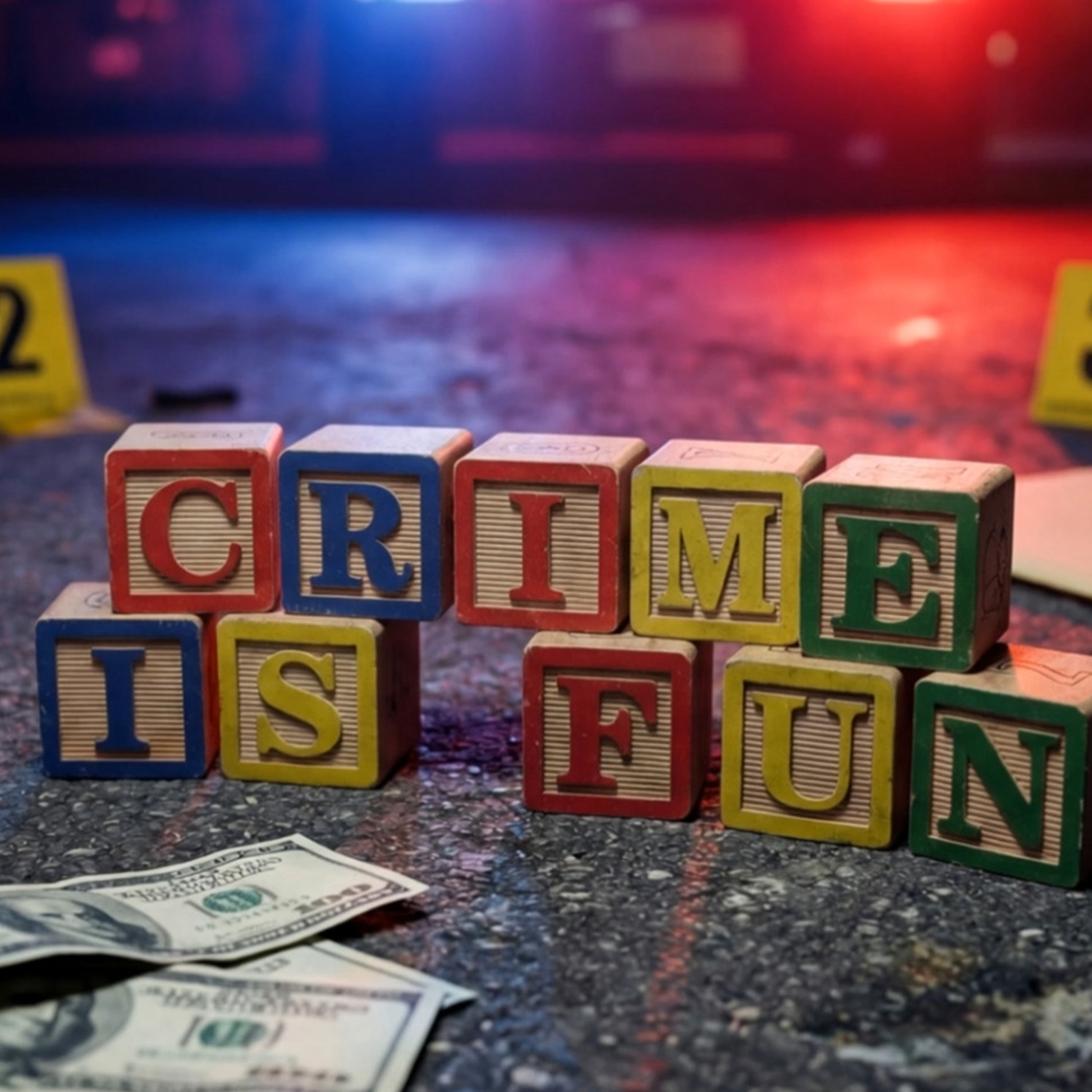
Swatting is a dangerous and illegal act where individuals make false 911 reports—such as claiming a bomb or active shooter—is used to send armed law enforcement to someone’s home. Originating from online gaming communities and fueled by anonymity and social conflict, it has evolved into a targeted form of harassment and intimidation. The phenomenon gained notoriety after incidents like the 2017 Wichita swatting, where a 28-year-old man, Andrew Finch, died after being mistakenly targeted due to a false report over a $1.50 gaming dispute. Other cases involved streamers, celebrities, and even a 60-year-old tech enthusiast, Mark Herring, who suffered a fatal heart attack during a swatting incident. Swatting is not a prank—it is a violent act with real-world consequences, often orchestrated by individuals with a grudge, ideological motives, or financial gain. The legal system has responded with growing attention, including the proposed "Preserving Safe Communities by Ending Swatting Act" in 2025, which would treat swatting as a federal crime with up to 20 years in prison if someone is seriously injured or killed. Despite increased awareness, swatting remains a growing threat, affecting schools, universities, and private citizens, and highlighting a dangerous gap between online behavior and real-world consequences. The root cause lies in a psychological disconnect where anonymity enables people to dehumanize victims and justify harmful actions as harmless "pranks." Law enforcement, while trained to respond seriously to emergencies, is increasingly strained by the volume and frequency of false calls. Ultimately, swatting is a form of violence enabled by technology, social dynamics, and a lack of accountability—making it a critical issue demanding stronger legal and societal interventions.
I need to report there's there's a man he's inside 1347 raridrive he's got hostages he's already shot someone he said he's gonna blow the place up sir can you give me your name within minutes an entire neighborhood is locked down families huddle behind their curtains children are pulled away from windows a SWAT team takes position around a house on a quiet ordinary street inside that house a family is sitting down to dinner they don't know what's happening the parents don't know that someone who just got smoked on fortnight by their 14 year old called in a fake emergency to destroy their night impossibly even their lives today on crime is fun we're talking about swatting what it is where it came from why people do it and what happens to the victims to the perpetrators and sometimes tragically to the officers who don't know they've been weaponized until it's too late I've been looking forward to this one because I've personally been swatted five times welcome back to crime is fun I was gone there for a couple of weeks I had to go get married I don't encourage crime in any way shape or form but you know dang well listening to crime stories is kind of fun some might call that gallows humor or maybe even morbid curiosity in the first responder world we have a little saying laughs so you don't cry what is swatting let's start at the beginning I think a lot of people have heard the word swatting but might not fully understand what we're actually talking about Lord knows the first three times I was swatted cops had no idea what the term even meant swatting is the act of making a false emergency report typically to law enforcement with the intent of sending a heavily armed police response to a specific location that location is almost always someone's home and that someone is almost always a person who the caller wants to frighten harm or humiliate the name comes directly from swatting meaning special weapons and tactics these are well trained law enforcement units normally used for high-stakes scenarios like hostage situations active shooter events and barricaded suspects they're the people you call when things have gone very very wrong they come in armor vehicles with shields rifles flashbangs and plate carriers all the fun stuff we'll get into that and when they show up at your door believing you are a dangerous criminal the experience is not very fun I used to be on a swat team which is pretty ironic considering I keep getting swatted before we get into the meat and taters of the most dangerous prank in the world swatting let's talk about sweat teams actual sweat teams not that incredibly silly donkey-ass garbage show that ran on CBS up until last year good Lord knows that was hard to watch so where did swat come from it's 1965 a white highway patrol officer pulls over a young black man named Marquette Fry for suspected drunk driving the arrest turned physical a crowd gathered in things escalated pretty fast what followed was six days of rioting looting and arson across 50 square miles of South Los Angeles by the end of this six days 34 people were dead over a thousand injured nearly 4,000 arrested and roughly 40 million dollars in property were destroyed it got so bad that they had to call in 14,000 national guards been before the entire city burned down these riots known as the Watts riots still remains one of the deadliest and most destructive urban uprisings in American history every law enforcement official in Los Angeles came to the same conclusion we were definitely not prepared for that then a year later in August 1966 a guy named Charles Whitman climbs a tower at the University of Texas and starts picking people off with a rifle for an hour and a half it was 90 minutes of a sniper methodically shooting people while police stood outside with essentially no plan to stop him they'd never needed a plan for this before it never happened something this crazy just wasn't a thing in the end Charles Whitman ended up injuring 31 people and killing 17 those two events back to back forced to conversation inside the Los Angeles police department an officer named John Nelson pitched the idea of a small specially trained team with better weapons better tactics and a very specific job officers that can handle the situation that your everyday beat cop can't an inspector named Darrell Gates who would later become chief of the Los Angeles police department heard the pitch and said hell yeah you champion the idea funded it and made it happen gates originally wanted to call it special weapons attack team his deputy chief almost killed the whole thing over the word attack you can't really blame him that much some of the more sensitive taxpayers might get a little nervous over funding an attack team so they changed it to special weapons and tactics what sounds much more professional much less like your naming an elite military unit the first team was 15 for man units 60 people total all volunteers most of them Vietnam and Korean veterans the LAPD officially introduced it in 1967 their first transport was a painted over delivery truck they were kind of just figuring it out as it went it ended up working very well in the concept of a specialized unit spread across the country by the time the world drugs ramped up in the 80s swat teams were everywhere by 2005 they were deploying 50,000 times a year in the US alone by 2015 that number hit 80,000 let me tell you one of the most interesting swat stories that has happened in recent history this is the reason I actually bought a talent for disposal bomb robot and named it R2FU if you watch my videos he sits right here behind me in July 2016 a man named Micah Xavier Johnson opened up fire on police officers during a Black Lives Matter protest in Dallas killing five officers and wounding several others it was a deadliest day for American law enforcement since 9/11 he runs off and barricades himself inside of a parking garage hours of negotiation failed and he was still in a tactically good spot where cops just couldn't get to him without being shot you know the whole special weapons and tactics thing we talked about well swat and their bomb guys come up with the plan to strap and explosive to their bomb robot drive it up to the shooter and blow him up well it just so turns out that a pound of C4 is really good at stopping a barricaded terrorist who just killed five cops problem solved problem stays solved Rangers lead the way it was actually the first known time in American history that law enforcement used a bomb robot to deliberately kill a suspect it did spark a significant debate about whether it was legally and ethically justified essentially using lethal force in a way that had never been done before with no policy framework governing it no warning and no attempted arrest some called it a necessary decision to save officer's lives others called it extra judicial execution all I know is no one ever really got in trouble for it and I really don't see how anyone would get in trouble for it let's just jump down the doughnut hole real quick I got to talk about some of the special weapons you know the SW a part of swat first up the AM 180 sub machine gun this one is first because it was one of those old school special weapons from the 70s swat teams you see back then they didn't have non lethal or less lethal options of today's sweat teams modern swat teams have cool stuff like pepper balls which are basically paintballs filled with pepper spray or bean bag rounds shot out of a grenade launcher back in the 70s they would use 22 caliber bullets for less lethal because well it's less lethal than a 38 bullet or a shotgun that's where the AM 180 comes in imagine a Thompson or a Tommy gun with a drum magazine on top of it that holds 177 22 rounds it's fully automatic shoots 1200 rounds per minute and sounds like this it's been around for a while I just thought it was cool swat like them and used to carry them back in the day what about modern stuff we talked about pepper balls and bean bags but have you ever heard of a nine banger you probably know what a flashbang is it's a less than lethal grenade that causes a small explosion in order to distract someone well distract disorient or blow your freaking ear drums out a nine banger is one flashbang grenade with nine flashbangs inside of it this means if you're on the receiving end inside let's say an average size living room one flashbang disore it's the hell out of you and as soon as you're recovering eight more go off right behind it they're pretty freaking nasty we can't keep going before we talk about the rook you guys know what a skid steer tractor is some people call them bobcats just like a little bulldozer the one man can barely fit into some SWAT teams have those but they're armored and have a bunch of cool attachments attachments like a ram with a camera on the end so they can punch through walls and see what's going on inside the house there's a grapple claw attachment that can literally rip the roof off of a structure to get to a barricaded suspect in the attic there's even an armored deployment platform that raises multiple officers up to the second or third floor of a building for entry it's really neat stuff anyway SWAT exist because there are genuine situations that require it like hostages barricaded
shooters, active shooters, high-risk warrants on violent offenders, and much more, which makes SWAT a perfect thing to weaponize against a random teenager playing video games that was just talking crap to you. Not that I'm saying it's a good idea. The typical SWATting call follows a familiar script. The caller is always anonymous, always using a spoof phone number or a voiceover internet service. They contact 9-1-1 and report something extreme. It's usually a bomb, a shooting, a kidnapping or hostage situation. It's always something that demands an immediate, overwhelming response, law enforcement dispatches, that very serious response. Then, an innocent person who had nothing to do with any of it gets to spend the most frightening minutes of their life staring down the barrel of a police rifle. It's done on purpose by someone sitting at a keyboard, often giggling with joy at being a huge piece of shit. Now, SWATting is not the same as prank calling 9-1-1, though prank calls to emergency services are also illegal and dangerous. That's called misuse of the 9-1-1 system and doing that will get you fined and/or arrested. SWATting is a calculated targeted attack. The caller has a specific victim in mind. They've researched where that person lives and they have constructed a believable story. The next step is to weaponize the state, meaning weaponized law enforcement against a private citizen. That's not a prank. There's no, it's just a prank, bro. This stuff is serious, dangerous and people have died directly from SWATting. Before we get into the cases, though, let's talk about where this phenomenon actually came from, because the history of SWATting is deeply tied to the history of internet culture. AKA, what you and I were raised on. To understand SWATting, you have to understand the online communities that gave birth to it and that means going back to the early days of the internet. That rooms, the forums, the hackers subcultures, the late 1990s, and early 2000s. In those spaces, there's a long tradition of something you might have heard of called social engineering, essentially manipulating people using psychological tricks rather than technical ones. Hackers would call it tech support, pretending to be an account holder. They talked their way into systems and play elaborate gains of deception for the thrill of just approving that could. At some point, it's hard to pin down exactly when this culture of manipulation began to bleed into real world pranks with serious consequences. One of the earliest known recorded cases dates back to around 2008, but we all know it was going on far before that. I mean, bomb threats have been around forever. Early instances often emerged from online gaming communities, hacker forums, and image boards. The environment we're talking about, you got a young man, it's always a young man who are spending enormous amounts of time in competitive anonymous online spaces. We all remember the Call of Duty Modern Warfare 2 days. Many communities where trash talk and slurs are the norm. I mean, MW2 sounded like Candy Land and Django Unchained, or some people call them gamer words. In those spaces, escalating pranks became a form of status, the more audacious the stunt, the more notorious the person who pulled it off. Swatting fit perfectly into that world, it was dangerous. It required some technical skill, like knowing how to spoof a phone number, how to use a VOIP service to mask your identity, and how to construct a believable narrative for a 9-1-1 dispatcher. It's a VOIP, didn't I? VoIP. There you go nerds, and I'm going to get corrected in the comments. You combine all those and the result was dramatic and immediate. You could watch it happen in real time, especially as the era of live streaming arrived. There are tons of videos on YouTube showing a SWAT team running up into someone's house while they were playing their favorite video game, in front of thousands of people in a live audience. Some SWAT incidents were tied specifically to a curve while the victim was streaming live. The audience could watch this anonymous douchebag's plan unfold. The chaos was entertainment, the perpetrator got to see the look on someone's face when armed officers burst through the door and started clearing their house. This not only puts the target in danger, but their family and pets also. It's almost akin to just setting their freaking house on fire. The rises of platforms like Twitch, YouTube, and later TikTok and Kick amplified the problem enormously. High-profile streamers began reporting swatting attempts. Some experienced multiple incidents, like me. A few experienced them so regularly that they actually informed local law enforcement in advance, essentially keeping law enforcement on notice that a false call might be coming. Like me. I had to contact my local sheriff's department, say hey if someone calls about a crazy incident at my address, it's probably because my address has been leaked to the internet again. That or I really am a psychopath perhaps you'll never know. Believe it or not, it's not exclusively a gamer phenomenon. It has been used as a tool of domestic abuse, as political intimidation, as revenge for perceived social slits, and is straightforward harassment. Journalists have been swatted, activists have been swatted, most of them probably deserved it. School administrators, parents of children and involved in custody disputes, ordinary people caught up in someone else's rage. Turns out that it's incredibly easy to dial 911 and just make up some BS. Swatting's a power move, it says, "I know where you live and I can bring violence to your doorstep without ever leaving mine." The terrifying part is it works because our 911 system was designed with swatting and mind. Dispatchers are trained to take reports seriously because the cost of ignoring a real emergency is unthinkable. To most people, we'll get into that too. So the operator does what they're supposed to do, they dispatch the appropriate amount of force, and someone who has committed no crime gets treated like a felon right off the bat. Notice how I said, "Dispatchers are trained to take reports seriously, don't add whole real quick." Dispatchers being relieved of their positions has happened more than a couple times, but I remember back in 2016, there is one specific case that's hard to forget. A dispatcher named Krinschanda Williams out of Houston got in a little hot water after her supervisor noticed she had an alarming number of emergency calls lasting less than 20 seconds. By alarming number, I mean thousands. Police ended up calming through the calls and pulling her in for a sit-down. When asked washing hung up on calls, she replied with, "I didn't feel like talking to anyone at that time." Then recording has her saying, quote, "Ain't nobody got time for this for real." I'm not joking, she ended up being charged with interference with an emergency telephone call. Hopefully she never got anyone killed. Back to swatting. I'm going to get kind of deep into the training aspect of understanding swatting, mostly because from experience I know that the majority of police have no idea what the term even means, and this specific crime is fun might actually make a good training tool for police. Which by the way, I love it when you guys tell me that y'all have been seeing my videos and your police academy are in service training. Pretty rad stuff. So, who does the swatting? What kind of person looks at another human being and decides to send armed police to their home? Most swatters fall into a few categories, and I want to stress these are not mutually exclusive. I person can be in several categories at once, or even some I don't mention. Number one is the thrill-seeker, as the person does it purely for the rush. They want to see something dramatic happen. They find it exciting, even funny to watch law enforcement mobilize over nothing. They enjoy the power of being able to cause chaos from a distance. These perpetrators often have a history of escalating pranks, harassment, and online troublemaking. Category two, we got the competitor or the grudge holder. Is someone who has a specific beef with the victim? Maybe they lost a fortnight game, maybe they were banned from a streaming channel. Maybe there was a falling out in a friend group. The swatting is revenge. It's a way to deliver real world consequences for a perceived online slight. It's alarming about this category is how disproportionate the response is. Someone mutes your own discord and you send a swat team to their house. Category three, the ideological attacker. This person is targeting their victim for political or ideological reasons. Journalists who report on a sensitive topic, activists on either side of a contentious debate, academics, public figures, these swatters are trying to silence, intimidate, or harm someone who's views they oppose. This happens quite a bit these days, as you guys might see. Category four, we got the domestic abuser/stalker. In these cases, swatting is used as a weapon in personal conflicts, usually by a controlling ex-partner, a stalker, or someone engaged in a custody battle. It's a way to terrifying destabilize a specific person, often someone who has tried to escape an abusive relationship. Across all these categories, there's a common psychological thread. A profound disconnect between the actions taken online and the real world consequences. Those who study online harassment have noted that the anonymity and distance of the internet makes it much easier to dehumanize victims. When the person you're targeting is just a username, profile picture, or voice in your headset, it becomes easier to forget they're a real person who experience real fear. There's also an element of what psychologists call moral disengagement. This is the mental gymnastics people perform to convince themselves that their harmful actions are justified. They deserved it. It's just a prank. I'll teach them a lesson. Nothing bad will really happen. That last one tragically has been proven catastrophically wrong. Alright, let's get into the cases. First up is the Wichita Swatting. This one happened on December 28, 2017. This is the case that changed the national conversation about swatting because someone actually died. The chain of events that led up to us is so arbitrary and pointless. I'm talking about $1.50. Two gamers were playing Call of Duty World War II on a competitive gaming platform called UMG Gaming. On this platform, you could wage your small to large amounts of money from hundreds of dollars to pocket change. KC Viner and H.
13-year-old from North College Hill, Ohio, online handle vaporizer, and Shane Gaskill, a 19-year-old from which Todd Kansas, online handle miracle, were on the same team. Gaskill committed a friendly fire incident on the match, losing their team a $1.50 waiver. Viner was furious about losing the buck 50. I mean, he could have gotten a hot dog and a drink at Costco with that. The owner of Costco did say if anyone ever changed the price of his hot dog, he would kill him. That's not a joke. To make this story easier to follow, let's call Viner "Sour Pants Bitch Boy" for being mad about losing a Call of Duty match, and we'll call Gaskill "Potato" because he's about as smart as one. What followed was an argument on Twitter that escalated fast, "Sour Pants Bitch Boy" threatened to have "Potato" swatted. "Potato" told "Sour Pants" to kick rocks. He said he doesn't care, he wasn't scared, he was defiant. He wasn't scared because he knew something "Sour Pants" didn't know. He could control the situation by controlling the address that was going to be swatted. "Sour Pants" wanting to make good on his threat reached out to a man named Tyler Barris. Tyler Barris was not some anonymous kid rage-clicking from his mom's basement. He was 25 years old, homeless, living in Los Angeles, and he had been doing versions of swatting for years. I mean, hell, his online name was "Swatistic." A name that had developed a reputation in certain corners of the internet as someone you could call on to make shitty things happen. What kind of things you might ask, the kind that get you 16 months in Los Angeles County jail, which is exactly what Barris had already served, for making false bomb threats against a local television station, an elementary school, and a middle school in the Granada Hills neighborhood of Los Angeles. His record didn't stop there, he also had a domestic violence conviction, this is not a nice person. At the time of the Wichita Swatting Call, he was also wanted by police in Panama City, Florida, in connection with approximately 30 additional bomb threats, including one called into a high school. It wasn't just the U.S. that wanted him, Canadian authorities wanted him to, on fraud and harassment charges stemming from a campaign against a woman in Calgary. We're going to call Tyler Barris "Bubba's Plaything" or BP for short, because that's what he probably ended up in prison. Just passed around like wacky tobacco at Coachella. Sour Pants gave BP an address he believed with potatoes, who he was pissed at for the $1.50 call of duty loss. But here's the thing, potato, who had noticed BP following on Twitter, had already figured out what was about to happen. Potato, since BP has "old" address, which is a house on West McCormick Street in Wichita, where he used to live with his family before they were evicted in 2016. Potato even taunted BP directly, he told him on Twitter, "Please try some shit, I'll be waiting." He was calling the bluff, except it wasn't a bluff and the address he sent wasn't his. On the evening of December 28, 2017, BP sat in a library in South Los Angeles and used its free Wi-Fi to place a voiceover IP call to Wichita. Because the call was routed through city infrastructure, the dispatcher believed it was coming from the local area. BP told him his name was Brian. He said he was at 1033 West McCormick Street and that he had shot his father in the head. He said he was holding his mother and brother at gunpoint. He also said he was going to burn the house down and commit sewer slides. This sounds familiar because in my first swatting, the story was exactly the same. We'll get into that here in a minute. Wichita police responded with everything they had to the gamer's old address. Officer surrounded the house and set up a perimeter, a tactical unit to position because this was a super serious call. And then a random man named Andrew Finch opened his front door. Mr. Finch was 28 years old and was the father of two. He had absolutely nothing to do with any of this. Not the game, not the bet, not the argument, not sour bitch boy potato. Our Bubba's play thing. None of it. He opened the door because there were police outside his house and he didn't know why. According to officers and court testimony, Finch raised and lowered his hands multiple times as officers were shouting commands at him. Officer Justin rap positioned across the street believed Finch was reaching for a weapon so he opened fire. Andrew Finch was struck and later died at the local hospital. This unarmed father of two had done nothing wrong. He was just standing, confused in his own doorway because cherries and berries were flashing everywhere and he wanted to make sure his family was safe. BP who lived in Los Angeles was identified within 24 hours. His online history is prior calls and the technical trail from the VOIP call that he had made in Los Angeles library led investigators directly to him. He was arrested in Los Angeles on December 29th on the fugitive warrant and extradited to Kansas. In November 2018 BP played guilty to 51 federal charges, including making false reports resulting in death, cyber stalking, conspiracy, wire fraud and dozens of unrelated hoax calls he had made across 17 states like bomb threats to schools, universities, malls, TV stations and federal buildings, including the FBI and FCC headquarters. That last one is a big no no calling a bomb threat to the FBI building as a bonkers behavior. He was sentenced in March 2019 to 20 years in federal prison. Hence the name, Bubba's plaything. Sour Pants, the one who set the whole thing in motion, played guilty to conspiracy and obstruction of justice and sentenced to 15 months in prison. He also tried to delete his communications with BP after the shooting, which is where the obstruction charge came from. When a friend texted him that hopefully he hadn't said anything stupid, Sour Pants replied, "I did, I literally said you're going to be swatted, not thinking at all, so I'm going to prison." Dude knew he was screwed. Potato, the intended target, the one who handed out a stranger's address, was initially given an 18-month pre-trial diversion deal. That's not a bad deal considering if he stood up to his end of the deal the charges would be dropped entirely. Being a potato, guess what he does, he violated his terms of agreement. Twice. The first time he violated it, it was because prosecutors gave him 30 months to get his GED. He just doesn't. So instead of his record being wiped clean, he goes to prison for 18 months. He gets out of prison and is arrested for doing doughnuts and a Dodge Challenger in downtown Wichita. A judge was informed of the doughnuts, but I haven't found any information if he went back to prison. Anyways, he's a potato. Officer Justin rap, who fired the shot, was not charged. Prosecutors determined he had acted in good faith on the information he had been given. It looks like they determined this was an awful but lawful situation. They said the officer had no idea that he'd been lied to and made a split second decision based on a fabricated reality. Andrew Finch, the poor dad who died for no reason, his family filed a lawsuit for $25 million to get the city of Wichita, and in March of 2023, they were eventually granted a $5 million settlement. All this over, a call of duty match worth $1.50. The mid 2010s was when the era of live streaming exploded, twist was growing fast, YouTube gaming launched. Millions of people were watching other people play video games in real time, and some of those streamers were becoming legitimately famous, pulling in tens of thousands of concurrent viewers, making millions of dollars and building real audiences. That visibility made them targets though. In 2014, streamer named Jordan Matthewson, known online as Kutra, was live on Twitch when the door to his office opened and Denver police entered the room with rifles drawn. Someone had called a fake act of shoot a report at the building where Matthewson worked. His stream captured the whole thing of officers advancing towards him, Matthew going still, hands visible and trying to stay calm while his adrenaline was probably going through the roof. The video went viral and millions of people watched it. In 2015, an Air Force veteran and runescape streamer Kupa Trooper had 60,000 concurrent viewers watching him when he was swatted. His senior old brother answered the door and was detained and they never found the person responsible. Just one year after that, in 2016, one of the most popular streamers in the world's summit was swatted multiple times. The most popular one called on stream in the middle of a park in Colorado in the middle of the day. Some it was playing Pokemon GO, which we talked a ton about in Crimeist Find Episode 2. A viewer dropped a message in his chat telling him to start watching in five minutes. Some it figured a fan was coming to say hi, what actually showed up was law enforcement because someone had called in a report that a man in the park was carrying an AK-47, had planted remote bombs and wanted to kill cops. By 2021, some it came out and said he'd been swatted so many times without telling anyone that he'd basically lost count. He called himself the most swatted streamer who never tells when it happens. The reason he was finally speaking up is because someone had swatted the house he just bought for his father. His dad had just moved in and some had to move him back out because of the swathings. In 2017, I was swatted three times. The first time was the most serious, I had been streaming it to early in the morning and eventually called it a night, told everyone by and passed out in my bed. Someone found my address and called my local police department. They said that I had killed my girlfriend at the time, was holding my son hostage, had planted bombs and was willing to kill any cops who came close. The local department shut down my entire street at 7 in the morning when everyone was going into work and staged down the road with their rifles. The officers were thinking about making entry until they called some of my old buddies I was on swat with, who told them absolutely do not make entry. See I have a gnarly bedside gun and if I'm waking up out of a. dead sleep to people kicking in my door, there's no telling what will happen. They eventually were able to wake me up after calling several times and I had to walk down the street with my shirt off and let them search my house. No one was ever called. Streamers aren't the only people to fall victim to swatting. From 2012 to 2013, there was a huge surge in celebrity swatting. Fame doesn't protect you in some ways, it makes you more of a target. Because your address is more likely to be findable, and because the entertainment value of swatting a famous person is, to these perpetrators, enormous. Between 2012 and 2013, a string of major celebrities were swatting. You had Rihanna, Justin Bieber, Miley Cyrus, Ashton Kutcher, Chris Brown, Ryan C. Chris Selena Gomez, Sean Colms, and even Clint Eastwood's former home in California, targeted. The Los Angeles Police Department was responding to fabricated emergency calls as celebrity residents as multiple times per month at the peak of this wave. I'm sure celebrities get swatted all the time, I wanted to mention this story because of how crazy it is. All of those swattings I just mentioned were committed by one perpetrator, a 12-year-old from Montreal, Canada. The LAPD worked with Canadian authorities to identify him, but because of his age, his identity was protected and the legal consequences were severely limited by youth justice laws. This case exposed a problem that law enforcement would continue to wrestle with when it came to swattings. That problem is jurisdiction. In this case, these calls came from Canada, the victims were in the United States, the legal systems were different, the options were limited, and when the perpetrator is a minor, even one who calls widespread terror and tied up law enforcement resources for months, their criminal justice system's hands are largely tied. Many people in law enforcement found this profoundly frustrating, understandably so. It's not just streamers and celebrities getting hit anymore in 2025 and right in of 2026, we've seen a straight-up surgeon swatting targeting schools and college campuses, and it's getting pretty ugly. Just as students were heading back for fall semester in late August 2025, dozens of universities got hammered with fake active shooter or bomb calls. Villanova got hit twice in the first couple of weeks. The University of Arkansas had over 300 calls flooding in across multiple buildings in a single day. Auburn University of Tennessee, a Chattanooga University of Colorado Boulder, West Chester and plenty more went into full lockdown mode. Reports put the number at least 45 colleges and universities affected in just the first few weeks of the school year alone. We're talking over a million students impacted with millions of dollars in wasted resources, classes canceled, parents panicking trying to pick up their kids and a whole lot of young people learning what it feels like to hide in a classroom because some keyboard warrior thought it would be funny. During that time, the FBI put out an alert saying they're seeing a clear nationwide increase. Some of these calls even got claimed by extremist groups are coordinated crews on Discord and Telegram. It's not stopping at colleges either. K-12 schools have been catching strays too with entire districts locking down over hoax calls. I mean, that's the evolution of the game. It's the same old swatting formula, but now they're terrorizing kids and draining school budgets while livestream audiences watch the chaos unfold. It's not just ruining one streamers night anymore, it's turning entire campuses into panics zones for the last. And yeah, that's why dispatchers and cops are getting stretched thinner than ever. Every one of these calls has to be treated as real because what if it isn't a fake this time. You'll want to hear some crazy stuff. There's actually a market for swatting that's been around for years. One of the first people to shine as usual on this was Brian Krebs back in 2013. Brian Krebs is one of the most respected cybersecurity journalists in the country. He runs Krebs on Security. That's a blog where he spent years exposing hackers, cyber criminals, and fraud operations. His reporting has sent real people to real prison. Some of those people are their associates have tried to return the favor. In 2013, Krebs was at his home in Northern Virginia when police arrived with weapons drawn. An anonymous caller had reported that a man at his address had shot his wife and was holding the body hostage. Just like they reported, I did in my swatting. Because Krebs had written extensively about swatting, he recognized almost immediately what was happening. He was able to communicate clearly with the officers in the situation was resolved without violence. But the incident gave Krebs a front row seat to something he wrote about extensively. That was the commercialization of swatting. In researching, he would target at him and why he dug into the underground ecosystem of Booter Services. These are businesses operating in criminal forms that would for a fee swat someone on demand. These services were advertised openly with prices ranging from a few dollars to several hundred dollars depending on the package. The most expensive offerings promised extended engagements like keeping a tactical response team occupied at a location for a prolonged period. Krebs reporting on this ecosystem was instrumental in helping law enforcement understand the skill of the problem and the infrastructure behind it. Thank God he spoke on it so much because like I was saying, I've had to explain swatting to cops many, many times. Let's go over one more case involving the death of someone. I want to tell you about Mark Herring because this case is different from Wichita in a very specific and important way. This difference says something disturbing about how the swatting ecosystem has evolved. Mark Herring was a 60-year-old grandfather and tech guy from Beth Page, Tennessee. His daughter, Karina Finch, described him as someone who was always ahead of the curve. He joined Twitter around March 2007. This was the same time that Twitter debuted at South by Southwest. And because he was early and because he loved his home state, he grabbed the handle at Tennessee. Over the years, that handle became very valuable. Twitter grew into a major platform and short, clean handles, especially geographic ones like Tennessee, became prime real estate. People reached out to Herring regularly to ask to buy it. He always said no. He wanted to be at Tennessee because he loved the Vol's football team. His refusal to sell made him a target. Income Shane Sonderman, he was a 17-year-old from Lauderdale County, Tennessee. He was part of a loose online network operating primarily through Discord that ran a specific type of extortion scheme. They would identify people who owned valuable social media handles like short-user names on Twitter, Instagram, Snapchat, even Minecraft, etc. They would force these people with these handles to give them over. If the target cooperated, the group would sell the handle in underground forums for anywhere from $3-4,000. If the target refused to hand over their names, then things escalated. Looking at you at Donut, I want that. Joking? Joking. Anyway, the escalation playbook was methodical and ugly. First, they would send repeated texts and calls demanding the handle. Then, unwanted deliveries like pizza, mostly sent cash on delivery to the target and their family members simultaneously to let them know the group had their addresses and those of their relatives. Then they would make false reports to chop protective services and false calls to suicide hotlines made in the target's name. Finally, if none of this harassment worked, they would swap their victims. The 17-year-old asshole Sonderman's group had used this playbook on multiple victims across multiple states before they got to Mr. Tennessee, Mark Herring. Throughout March and April of 2020, Herring was bombarded with messages demanding he give up at Tennessee. He ignored them and the food deliveries started. On the night of April 27, 2020, Herring's two daughters who lived across town from each other and their father, each received a surprise pizza delivery which of course was cash on delivery. On the same time, Sonderman opposed to Mark Herring's home address along with the addresses of family members in a discord server used by the group. A minor in the United Kingdom, whose name has never been made public, saw that post and placed a call to summer county emergency services. The caller described as having a British accent claimed there had been a shooting at Herring's address that a woman had been shot in the head and was dead and that a pipe bomb had been placed at the front and back door. Law enforcement responded in force and of course, Herring's property was surrounded. A neighbor called him and said, "Hey, there's police everywhere. They think a man has killed a woman and he's on your property so you need to take cover." Mark Herring heard someone on his property so he went outside with a gun. There were cops everywhere. Officers asked him to identify himself and he confirmed he was Mark Herring. They ordered him to put his hands up. He then tossed the gun aside to show he was no threat and raised his arms. Thankfully, unlike her last case, none of the police opened fire on the old man. Unfortunately, though, with all the excitement, Mark suffered a sudden heart attack directly in front of his home and collapsed. He was rushed to Sumner Regional Medical Center and died shortly after. His daughter, Karina, said, "I believe he was scared to death. I believe from the adrenaline and the guns in his face, a heart attack happened." Herring's girlfriend was present when the police arrived. She ended up in the back of the police car following the ambulance to a hospital. As the 17-year-old Shane Saunderman had turned 18 by the time of his arrest, he was charged as an adult. He pled guilty to one count of conspiracy in exchange for other charges being dropped. As sentencing as attorney noted that while Saunderman had found and posted Herring's address, it was his UK co-conspirator who had placed the actual 911 call. The judge was not impressed by this defense, so he sent it Saunderman to five years in federal prison and a $250,000 fine, which is the maximum available under that charge. After this dirt-back, Saunderman was arrested, released on bond, and had already pled guilty, prosecutors reported that he immediately went back to doing the exact thing that had got him in prison. He went right back to harassing people for their social media handles. judge cited this in imposing the maximum sentence of
60 months. Harring's family had spoken publicly about the inadequacy of the legal outcome. His daughter put it plainly, in court, there were six families affected, and as a total for all of the families, we only got one 60-month sentence. Some of the families had been harassed for years. Eventually, the "et" Tennessee Twitter handle remains inactive and presumably still in the Harring family's possession. This case was distinctly different from Wissita, because there, a swatting was a weapon of petty revenge over a gaming dispute, this spun catastrophically out of control. In Tennessee, swatting was a business tool, was a line item in an extortion operation. It was used deliberately, methodically, and as it means a financial coercion. Mark Harring was non-accidental victim of someone's rage. He was a target in Mark and a scheme designed to extract money from people by making them afraid enough to give up something they owned. On the legal side, things are finally starting to tighten up. In January of 2025, lawmakers introduced the preserving "safe communities" by ending swatting act. This act is a bipartisan bill in both the House and the Senate, if it passes if it makes swatting a clear federal crime with much tougher penalties, including up to 20 years in prison if someone gets seriously hurt or killed. It's not in law yet, but it shows that after years of these stories piling up, Congress is at least paying attention. Especially my best friend, Brandon Herrera, who is about to be a congressman. He's wanting to put a law in motion that says if someone's killed, and the person who calls that, is going to get a murder charge. We started off tonight with a 9-1-1 call made from a library in Los Angeles, placed by a 25-year-old man who had been contacted by an 18-year-old Ohio boy who was angry at a 19-year-old in Wichita over $1.50 on a game of college duty. Boy was that a mouthful. A 19-year-old in Wichita, who was the intended target, gave out a stranger's address to protect himself. The 25-year-old in Los Angeles made the call, and the person who died was a 28-year-old father named Andrew Finch who had nothing to do with any of it. To sum it all up, swatting is violence, it's not a prank, it's not a troll, it's not a bit, and it's not funny. It's violence delivered at arms linked by people who have convinced themselves that distance and anonymity make them safe, and that safety makes it all okay. It's not very okay, it's not very fine, I'll tell you that, and I can't wait for there to be harsher penalties for the people who do it. That's all I have for you fine people today, I hope you enjoyed this crime is fun. Please like, subscribe, and hit that notification bell, you can even listen to this on Spotify or Apple Podcasts. Until next time, don't out. [Music]
Podcast Summary
Key Points:
Swatting is a targeted, deliberate act of making false emergency reports to law enforcement, often involving threats of bombs, shootings, or kidnappings, with the intent to send armed police to a specific person’s home.
The practice has roots in internet culture, especially gaming communities and online harassment, where anonymity and online conflict have led to the escalation of dangerous pranks that mirror real-world violence.
Swatting is not a prank or harmless joke—it is a serious crime that has resulted in deaths, injuries, and immense psychological trauma, with victims including streamers, celebrities, and ordinary citizens, and perpetrators facing severe legal consequences when prosecuted.
Summary:
Swatting is a dangerous and illegal act where individuals make false 911 reports—such as claiming a bomb or active shooter—is used to send armed law enforcement to someone’s home. Originating from online gaming communities and fueled by anonymity and social conflict, it has evolved into a targeted form of harassment and intimidation. 50 gaming dispute.
Other cases involved streamers, celebrities, and even a 60-year-old tech enthusiast, Mark Herring, who suffered a fatal heart attack during a swatting incident. Swatting is not a prank—it is a violent act with real-world consequences, often orchestrated by individuals with a grudge, ideological motives, or financial gain. The legal system has responded with growing attention, including the proposed "Preserving Safe Communities by Ending Swatting Act" in 2025, which would treat swatting as a federal crime with up to 20 years in prison if someone is seriously injured or killed.
Despite increased awareness, swatting remains a growing threat, affecting schools, universities, and private citizens, and highlighting a dangerous gap between online behavior and real-world consequences. " Law enforcement, while trained to respond seriously to emergencies, is increasingly strained by the volume and frequency of false calls. Ultimately, swatting is a form of violence enabled by technology, social dynamics, and a lack of accountability—making it a critical issue demanding stronger legal and societal interventions.
FAQs
Swatting is the act of making a false emergency report to law enforcement, typically claiming a bomb, shooting, or hostage situation, with the intent of sending a heavily armed SWAT team to a specific location, often someone's home.
Anyone can be targeted, including streamers, celebrities, ordinary citizens, journalists, activists, and even families involved in custody disputes. There is no target group that is immune to swatting.
No, swatting is different from a prank call. While both are illegal, swatting is a targeted, serious attack that uses false emergency reports to send armed police to a specific person's home, whereas prank calls are less severe and not always aimed at causing real harm.
Motivations include online revenge for a gaming loss, personal grudges, ideological opposition, domestic abuse, or as part of a financial extortion scheme where social media handles are targeted for profit.
Yes, swatting has resulted in deaths. For example, in the 2017 Wichita incident, a 28-year-old man named Andrew Finch was fatally shot by officers who believed he was a threat during a false report based on a $1.50 gaming dispute.
Swatters often use spoofed phone numbers or voice-over internet protocol (VOIP) services to mask their identity, research victims' locations, and construct believable false emergencies that trigger a full SWAT response.
Chat with AI
Loading...
Pro features
Go deeper with this episode
Unlock creator-grade tools that turn any transcript into show notes and subtitle files.
 PodcastTranscript AI