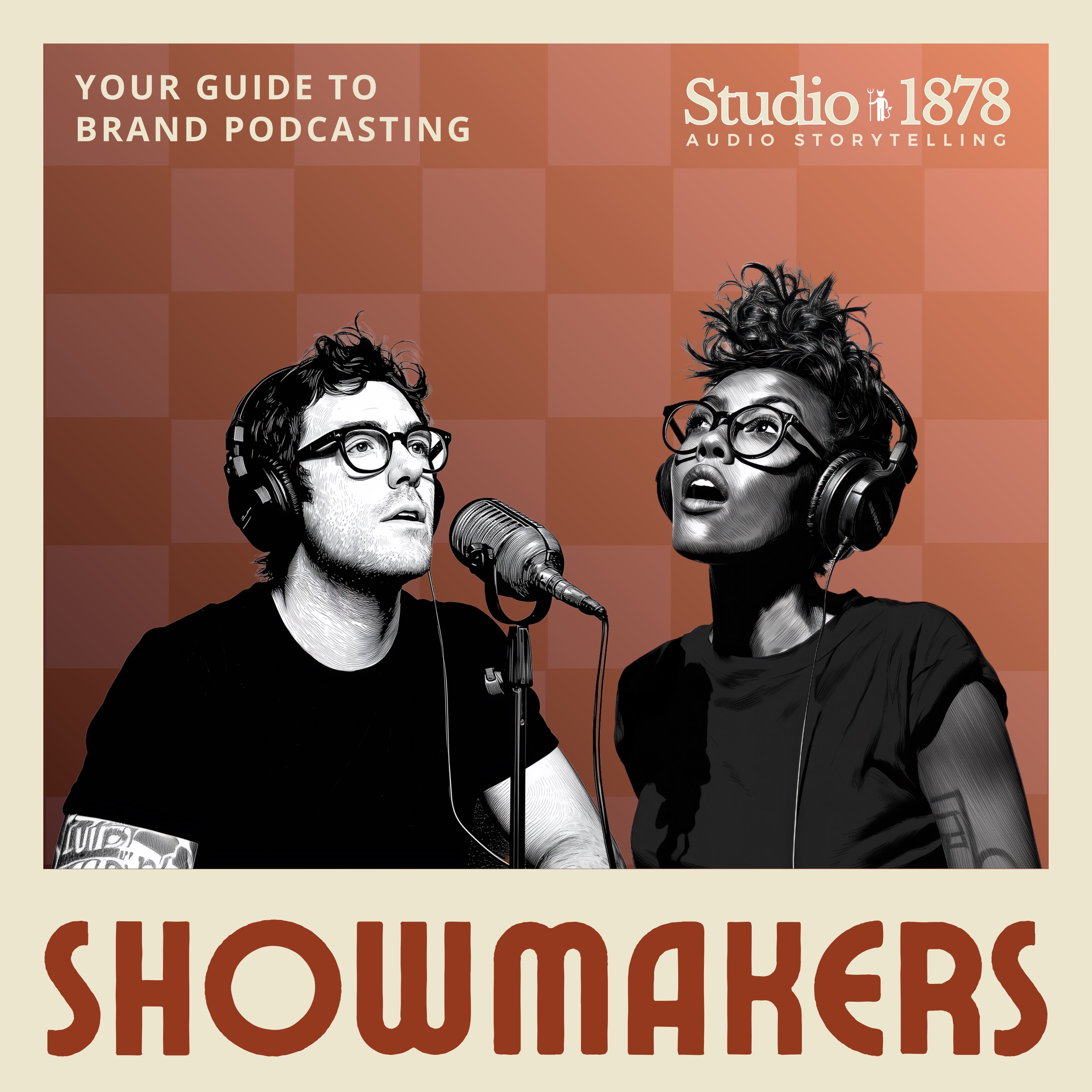
The format of a podcast is a foundational decision that shapes content delivery, production demands, and audience connection. Solo formats provide creative freedom and are ideal for experts building personal or brand authority, but require strong self-direction. Interview-style shows offer variety and networking benefits, though they depend on guest availability and hosting skill. Co-hosted podcasts bring energy and diverse perspectives through dynamic chemistry, making them engaging but more complex to schedule and edit. Narrative or documentary formats deliver rich, story-driven content with high production value, suitable for mission-driven brands or complex customer journeys, though they demand significant time and resources. Ultimately, the best format aligns with the podcast’s core goals, available resources, and the host’s strengths. There’s flexibility in evolution—podcasts can start simple and adapt over time based on audience feedback. Choosing the right format ensures consistency, reduces burnout, and builds a loyal listener base. Strategic selection allows modern brands to build sustainable, impactful podcasts that stand out in a crowded space.
Welcome back to the show makers podcast. This is the show that helps you build a podcast at smart, strategic and built-to-last.
I'm Ed Barker. I'm the founder of Studio 1878. We're a podcast development company for the modern brand.
And today we're tackling one of the most important early decisions that you'll make as a podcaster.
What format is right for you? Now there's no one size fits all answer here.
But there is a right fit for you, your content and your audience.
So let's walk through the options and how to make the smartest choice - cue the music.
So why does format matter?
Your format isn't just a technical question. It's the engine of your podcast.
It drives how you prep, how you publish and how your audience connects with your content.
It'll impact development time, production values and the resources required to produce your podcast as well.
Choosing the wrong format for your goals can lead to burnout or flat engagement.
Choosing the right one creates consistency. It makes production much smoother.
It also helps listeners know what to expect and keeps them coming back for more.
So today we're going to look at four core formats - the solo podcast, the interview, the co-hosted show,
and the narrative or documentary style podcast.
Each has pros, cons, challenges and options, and there's a few sweet spots as well.
So let's break them all down.
So let's talk about the solo show. A solo podcast is just you or a voice over artist and a mic.
The commentary, advice, teaching, storytelling, this podcast.
The pros, well, you're in full control. There's no scheduling, no coordinating, beyond production staff.
A solo show is great for building thought leadership.
It can be your own personal brand or a controlled company brand as well.
It's easy to keep things concise. This one, 10 minutes or so.
Some watchouts, well, you've got to carry the energy alone and that does take some practice.
It's really easy to go off on tangents, especially if you don't have a set structure or scripts to talk from.
There's no built-in variety either. You've got to bring the range to the podcast.
But this is great for coaches, consultants, experts and executives or founders who want to lead with a voice and authority and a point of view.
If you're confident on the mic and have a clear framework or ideas to share, this format can really deliver.
Let's talk about the interview format. It's one of the most popular podcast formats.
And for good reason, you bring the guests, you guide the conversation, you get to share their insights with your audience.
The pros is a great way to network and to share the spotlight.
It means less pressure on you to create all the content and with each episode you get built in variety.
Some watchouts and challenges, well, booking and scheduling can be time-consuming. The ghosting rate can be quite high even for an established podcast.
More important than that, a bad interview is a really tough listen. You need good prep and editing can be really critical.
The other thing to think about listeners are tuning in more for the guests than you, unless you build a strong hosting presence.
It's up to you and what you're trying to achieve.
This is great for brands looking to highlight their partners or their customers or individuals who want leverage, want to leverage the expert of others.
Or anyone who's trying to build authority by proximity.
If you're able to pair an actually curious host, could be someone from your company or a third party,
and they're good at steering engaging conversations with great guests, then this format can really work for you.
Okay, let's talk about one of my favourite formats and one in which I've done hundreds of episodes, the co-hosted show.
This is where you have two or more hosts. You get consistent voices and a recurring dynamic. You can think banter, debate, discussion, joint interviews.
Well, the pros are obvious. The chemistry keeps things fun and engaging. You share the workload. There's different voices and perspectives every single episode.
Even better than that feels intimate and natural. Like your eavesdropping on the smart conversation, I'm sure you have many shows you like to listen to that are just like this.
You can still script it or better still have a run or show to keep the narrative tight.
So watch out here. Well, if the dynamics off, listeners are going to notice. Editing and scheduling can be more complex, especially if you have cross talk with two or three or more guests or hosts on your show.
And often one host can dominate unless roles are really clearly defined beforehand. This is great for creative duos.
Start up teams or founders with complementary voices and trust between the two of them or perhaps two experts within a larger organisation who've got a point of view to share.
It works really well when the conversation itself is the content.
Finally, let's talk narrative or story during formats. This format uses scripting, voiceovers, interviews, sound effects and music to tell a really cohesive, well-produced story.
Others are obvious. High production values equals high listener engagement and retention. It's really great for complex stories or case studies or anything where you've got a really good emotional arc, whether you take your audience through a journey.
It's easy to repurpose into articles, videos and other campaigns too. You can think social campaigns or LinkedIn where short form content is really important as well as having your long form story.
The watch out, well look, it's going to take serious time to script, edit and produce. There's no getting away from that. It requires a strong narrative structure and some really good audio editing skills as well.
It's not ideal if you want to publish more frequently than say once a week or you want some agility and you want to be able to respond to what's happening in your market.
This format is great for brands who are telling customer stories, perhaps non-profits with a really strong mission, founder journeys or anyone with access to really rich content and the time and resources to craft it.
So let's talk about how you choose your format and close this out.
So how do you choose? Well, here are three questions I think you can ask Volvo, heading out on your brand's podcast journey. First, what's the goal? If it's thought leadership, maybe a solo or an interview format.
If it's brand building, narrative or co-hosted, community building, co-hosted or interview.
Second, how much time and support do you have? Solo and interview formats are faster to produce and cheaper and easier as well.
Narrative formats, storytelling require more resources but they're richer and more engaging.
Third, what comes naturally to you and your brand? Do you have the right storytellers internally at your company? Do you have teachers, connectors?
Pick a format that plays your strengths and meets your brand's goals.
Remember, you are not locked in forever. Many successful podcasts evolve over time. You can start simple build consistency and refine as you go along. It's okay to change the format later, tweak and learn with feedback from your audience as well.
So let's recap. Your format is the backbone of your show but doesn't have to be on perfect on day one. You can pick up a format that fits your style, your audience and your schedule and build from there.
In the next episode, we're going to talk about finding your unique angle. It's very well aligned to the format.
How do you make your podcast stand out even if your space already feels crowded?
If you enjoyed this episode, make sure to subscribe, share this with someone who's thinking about starting a brand podcast.
And if you've got questions, reach out to me directly. Hello at 1878.studio.
I'd love to hear from you and remember, podcast strategy sessions with me directly are always free forever.
Thanks for listening. We're going to see you in episode three. Cue the music.
(upbeat music)
Podcast Summary
Key Points:
Podcast format significantly influences content planning, production efficiency, audience engagement, and overall show consistency.
Solo podcasts offer full creative control and are ideal for thought leadership, but require strong self-presentation and risk tangents without structure.
Interview formats bring guest insights and variety, reduce individual pressure, but demand careful guest booking, prep, and hosting presence to avoid audience disengagement.
Co-hosted shows offer dynamic, engaging conversations, shared workload, and natural chemistry, though they require clear role definitions and effective scheduling.
Narrative or documentary-style podcasts deliver high production value and emotional depth, ideal for complex stories, but demand significant time, scripting, and editing resources.
Choosing the right format depends on goals—such as thought leadership or brand building—and available time, resources, and internal strengths.
There’s no one-size-fits-all format; success comes from aligning the format with audience expectations and brand identity.
Podcasts can evolve over time; starting simple and refining based on feedback allows flexibility and long-term growth.
Summary:
The format of a podcast is a foundational decision that shapes content delivery, production demands, and audience connection. Solo formats provide creative freedom and are ideal for experts building personal or brand authority, but require strong self-direction. Interview-style shows offer variety and networking benefits, though they depend on guest availability and hosting skill.
Co-hosted podcasts bring energy and diverse perspectives through dynamic chemistry, making them engaging but more complex to schedule and edit. Narrative or documentary formats deliver rich, story-driven content with high production value, suitable for mission-driven brands or complex customer journeys, though they demand significant time and resources. Ultimately, the best format aligns with the podcast’s core goals, available resources, and the host’s strengths.
There’s flexibility in evolution—podcasts can start simple and adapt over time based on audience feedback. Choosing the right format ensures consistency, reduces burnout, and builds a loyal listener base. Strategic selection allows modern brands to build sustainable, impactful podcasts that stand out in a crowded space.
FAQs
The four core formats are solo podcasts, interview-based shows, co-hosted shows, and narrative or documentary-style podcasts.
It offers full control, simplicity in production, and is ideal for building thought leadership or personal branding. It's easy to keep episodes concise and manageable.
Booking guests can be time-consuming and scheduling is difficult. Poor prep or editing can result in a weak episode, and listeners may focus more on guests than the host.
It creates engaging chemistry, shares workload, and brings diverse perspectives. The dynamic feels natural and builds intimacy, especially with complementary voices.
It's ideal for complex stories, customer journeys, or emotional arcs. It offers high production value and strong engagement, but requires significant time and editing resources.
Ask yourself: What is your goal? How much time and support do you have? And what comes naturally to your brand? Pick a format that aligns with your strengths and objectives.
Chat with AI
Loading...
Pro features
Go deeper with this episode
Unlock creator-grade tools that turn any transcript into show notes and subtitle files.
 PodcastTranscript AI