4. That Y11 Human Bio Thing - Cells at Work and Metabolism
from That Human Bio Thing
23m 29s
This episode introduces cell metabolism, covering anabolism and catabolism as the core processes of building and breaking down molecules. It explains that organic compounds contain carbon and hydrogen, detailing key macromolecules: carbohydrates (sugars and polysaccharides), proteins (chains of amino acids with structural and enzymatic roles), lipids (triglycerides for energy and insulation), and nucleic acids (DNA and RNA). Enzymes are described as specific proteins that lower activation energy, with their activity affected by temperature, pH, substrate concentration, and inhibitors like competitive and non-competitive types. Respiration is outlined as glucose breakdown to release energy: anaerobic respiration produces 2 ATP without oxygen, while aerobic respiration yields up to 38 ATP using oxygen, occurring in the cytoplasm and mitochondria. ATP is highlighted as the energy currency, storing energy when formed from ADP and releasing it when broken down, powering processes like anabolism and cell division.
Hi and welcome to episode four of that year 11 human bio thing and in this episode we'll look at cells at work and include in that cell metabolism will also include the macromolecules carbohydrate lipids and proteins and we'll look at what they're broken down to we'll understand what is meant by the term metabolism and break it down into both catabolism and anabolism we'll understand what organic compounds are we'll look at enzymes and we'll get onto respiration so that is the aim of this particular podcast so metabolism is all the chemical reactions that occur in a cell so they can either build simple molecules into complex molecules and we would call that anabolism an example of that occurs in photosynthesis and no photosynthesis is not part of human bio but just to illustrate the point carbohydrate combined with water forms glucose glucose is a more complex compound and so that's an example of anabolism and yes byproduct of that is oxygen but we'll come on to some others later and then you've got catabolism which we're more familiar with an example of that would be respiration where we get the breakdown of glucose into simpler molecules so glucose is broken down yes it releases energy not produces releases energy and you get the breakdown of glucose into carbon dioxide and water and so you go from a complex molecule into a two simple molecules and that's catabolism so what are that what is the difference between an organic and an inorganic compound well quite I always say simply put an organic compound is one that can go before and through a chemical reaction whereas inorganic compounds can exist outside of a chemical reaction but more specifically organic compounds always contain carbon and some hydrogen whereas an inorganic compound is smaller and it will contain either carbon or hydrogen so for example carbon dioxide doesn't contain hydrogen water contains hydrogen but doesn't contain carbon and so whereas glucose contains both carbon hydrogen and actually oxygen but let's not worry about that right now we'll come back to that and so that's the difference between an organic and an inorganic compound there are a number of polymers which are large molecules that we need to be aware of that are broken down so in other words they are going to their catabolized if you like if you want to look it in that way and carbohydrates is the first these carbohydrates it's like carbon that's been hydrated with water so it contains carbon hydrogen and oxygen in it polysaccharides are the largest of these molecules probably means lots saccharides sugars so they're long chains of sugars and in them you it was examples of them include glycogen siglos and starch the next type is diaccharides, diamines 2 saccharides 2 sugars joined together and these are the fructose sorry no they're not there's sucrose which is made up of fructose and glucose mortose which is made up of two molecules of glucose and lactose which is made up of glucose and galactose sugar and in that you will have heard me mention the mono saccharides the single sugars so we've got glucose fructose and galactose are the single sugars lactose is a milk sugar mortose you're probably more familiar with more sugar found in more sucrose is found in cane sugar and so they're the different types of sugar and the next thing is proteins proteins are basically long chains of amino acids amino acids as the name suggests is has an amine group which has got nitrogen and hydrogen in it and it has a carboxyl group so that's where the acidity comes from and so that's why it's called an amine acid and proteins are long chains of amino acids the chain of amino acids is the primary structure of a protein if it's folded into either an alpha helix or a beta pleated sheet that's the secondary level of a protein the tertiary level is when it's folded because of the side groups and the quaternary is where you have several of these chains of polypeptide chains join together poly means lots of peptide chains so it's a long chain of amino acids and the sequence of those amino acids is determined by the genetic code on DNA which is another polymer which will come on to so proteins are made up and what's the purpose of proteins were proteins there's two main types you've got structural proteins and so they build up the body and then you've got a glandular a cello globular proteins 3D globular proteins enzymes for examples are an example of a globular protein and that's at the tertiary level and then you have lipids lipids are made up of two up before I should say that proteins contain carbon hydrogen oxygen and nitrogen in their basic structure they can in their side group also contain sulfur and these sulfur when they come together call form diosulfide bridges which are very strong and the position of the side group will determine the shape of the protein because their hydrophobic or hydrophilic interactions will occur between them or you've got some electrostatic interactions that can occur I've talked about the strong diosulfide bridges that can occur and also you have hydrogen bonds that can form between some of the side groups and that will determine the shape of the molecule overall and there are 20 different naturally occurring amino acids right lipids lipids are basically made up of two main components the glycerol part and three fatty acids so they're called tri glycerides glycerol plus three fatty acids and they contain carbon hydrogen and oxygen as well they are large energy stores in the bodies and they also provide insulation because they can't conduct heat or they're poor conductors of heat so the more fat you have the more insulated you are. Neucleic acids are two types there's DNA which will come back to and talk more about an RNA and the difference between them well DNA is a double stranded RNA is a single stranded DNA there's only one type RNA there are three types there's ribosoma RNA there's transfer RNA and there is messenger RNA but we'll come back to those as well and the other thing to say is that the organic bases in DNA adenine always pairs with thymine, guanine always pairs with cytosine adenine and thymine have two hydrogen bonds between them, guanine and cytosine have three hydrogen bonds between them. In RNA you have thymine replace my urosil and that is the polymers enzymes are 3D globular proteins which are unaltered at the end of a reaction and they lower the activation energy of a reaction. What is activation energy is the energy required to start a reaction so by lowering the activation energy it means the reaction can occur at lower temperatures this is very useful in the human body so it means that reactions can take place at 36.8 degrees C which is the core temperature of the body. Enzymes have an active site this active site has been formed because of the specific order in which the amino acids in the protein are positioned and so that will determine the active site and the shape of the active site and because enzymes are specific to a particular substrate they only work on that particular substrate and therefore an example of this would be for example mortase works on mortose. Mortose is two glucose molecules joined together it's a die saccharide and so mortase will hold the mortose in its active site until the mortose is broken down to two molecules of glucose. This is an example of a catabolic reaction because something that is more complex is made into something that is simpler and therefore we see the breakdown of the substance into simpler molecules and therefore it's catabolic. Anyway the substrate fits directly into the active site and when it is bound to the active site of the enzyme we form an enzyme substrate complex the substrate or sorry the products are a different shape to the active site so they leave the active site so it can be utilized again to react with another substrate and in this way this is how enzymes work. Now there are a number of factors that affect enzyme activity. Enzymes as you would imagine work at specific pH temperature and concentrations of enzymes and substrate and so we can look at each of those things and see how they affect the chemical reactivity. So temperature let's begin with that. Now as you increase the temperature what will happen is the enzyme and the substrates will move faster in other words they'll have more kinetic energy within them as they are moving with that kinetic energy that moving energy what will happen is that they'll collide more often and this will increase the rate of reaction because the more the higher the temperature the greater the rate of activity and so the rate of reaction will increase but it only increase up to what we call the optimum or best temperature and in in humans most of the time this is 40 degrees C or around about 40 degrees C because human have a temperature of 36.8 degrees C as I said before. After this point the enzyme the actual bonds within the enzyme begin to break because of the vibrations of those molecules within the enzyme or the molecule begins to shake around and the energy can contain within it causes the bonds within the enzyme to break and as a result of that you end up denature in the active site so the active site changes shape. This means that the substrate no longer fits specifically into the active site and therefore the rate of reaction will slow down dramatically and so this is the effect of temperature. pH is a logarithmic scale of the number of hydrogen ions so if you go from 7 to 6 you increase the acidity 10 fold. If you go from
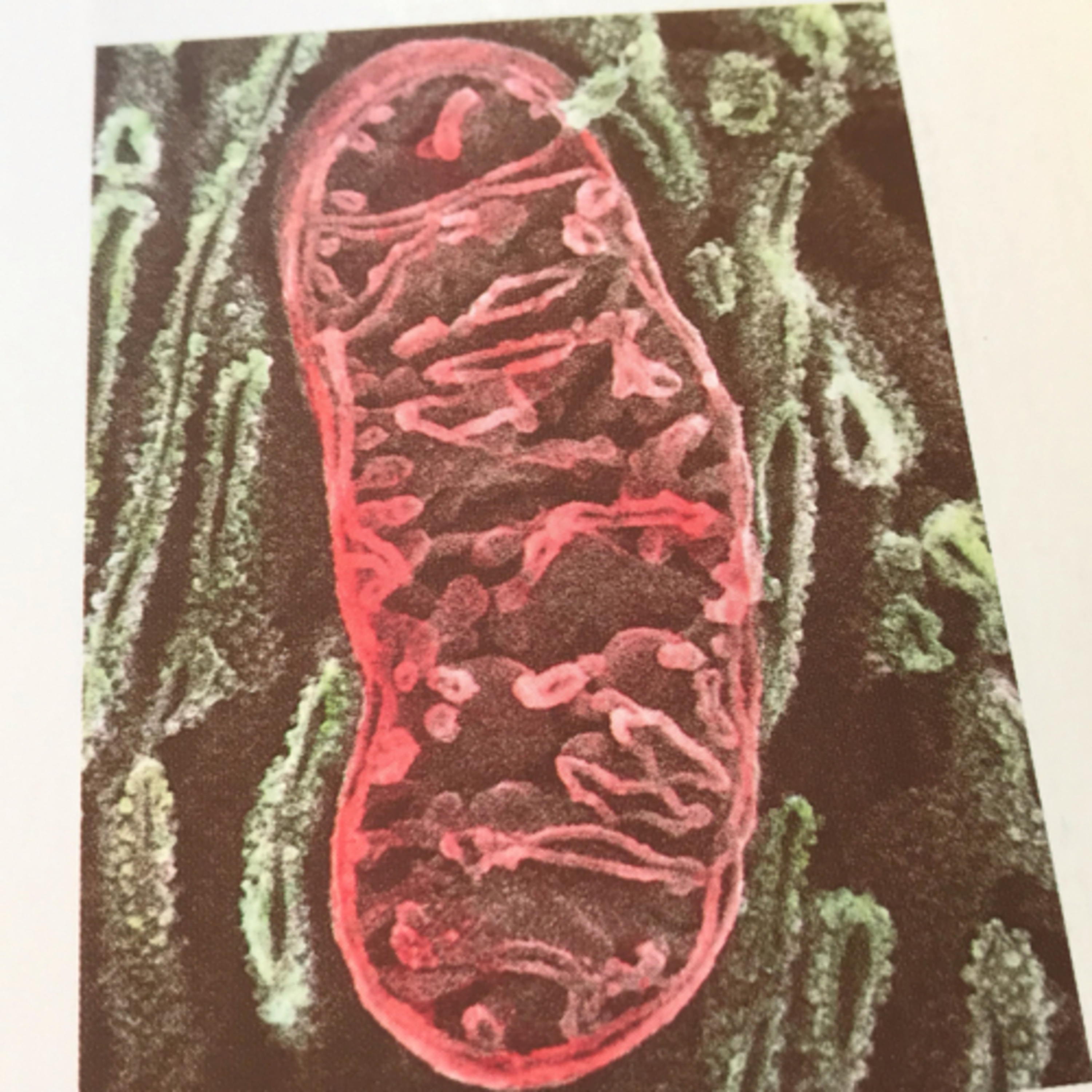
from 7 to 5 in the pH scale, you increase the hydrogen ion concentration 100 fold. And so in this way, by changing the pH of the environment, what will happen is you'll alter the bonds within the enzyme and the course this will change the active site. So we find that they work at specific pH. Now in your mouth, amylase, which is the library amylase, works at a slightly alkaline condition, whereas in your stomach, protease, a type of protease called pepsin, works at acidic conditions. And then if you move into these small intestine, then you get the slightly alkaline condition again in which trips in, which is another protease work. Now as you can imagine, the name protease means it breaks down proteins. And so that's how, again, look at the naming of these enzymes and you can work out what type of activity or reaction it will work on. So that's pH. Then we have substrate concentration. As the substrate concentration increases, the rate of reaction will also increase. And this occurs because there will be more substrate molecules coming into contact with the enzyme molecules. However, a point will be reached where all the active solids are actually occupied. And that means the rate of reaction can't increase unless you actually increase the amount of enzymes. And so we call that the turnover number because all the active sites are occupied by the substrate. And so it's a limiting, if you like, the reaction is limited by the fact that there isn't enough enzyme there. So the reaction is limited by that. Then enzyme concentration, if you've increased the enzyme concentration, then the rate of reaction will increase because the substrate, as long as there's enough substrate there. But what we need to be careful of, of course, is that the product will remain the same. Because if you have X amount of substrate at the beginning of the reaction, then you'll have X amount of substrate at the end of the reaction. So the amount of substrate at the beginning should equal the amount of product at the end. You can't increase that unless you actually increase the amount of substrate put into the reaction. So the outcome is just quicker, but it doesn't mean that there is more product produced. As I say, you increase the actual amount of substrate. Other things that can affect enzyme activity are cofactors. Cofactors can change the shape of the active site. And these are usually in organic. And then you have coenzymes, which are organic molecules. Organic non-protein molecules, for example, vitamins are an example of a coenzyme. And then we have enzyme inhibitors. And there are two types. You've got, well, you've got non-competitive and competitive inhibitors. And you've got reversible and irreversible. Competitive inhibitors will compete for the active site of the enzyme. So sometimes succinate will compete with malate for the active site. And this will reduce the rate of reaction. To increase the rate of reaction, you increase the amount of substrate that is more substrate than there is inhibitor. Then you may have a non-competitive inhibitor, which binds somewhere else than the active site. And this causes the shape of the active site to change, but it isn't actually competing with the substrate for the active site. This is a non-competitive inhibitor. These are both reversible because at some point that non-competitive inhibitor will drop off the enzyme and it will return to its original shape and so then it can be utilized again. An irreversible inhibitor is one which actually breaks the bonds permanently. So mercury is an example of an irreversible inhibitor. And that will slow down the rate of reaction in the enzymes. And that is all we need to know about enzymes. We now move on to respiration. What is respiration? Respiration is the breakdown of glucose to release energy. It doesn't produce energy because energy is neither created nor destroyed but just transferred from one form into another. So for the physicists amongst you, that is the first law of thermodynamics. In your textbook, it's referred to as cellular respiration because it occurs within the cells. However, I don't think cellular is a term that is necessary. I think it's really to just distinguish respiration from breathing because breathing and respiration are not the same. Breathing is the taking in of oxygen and the removal come to our side or allows cashews exchange and obviously this assists with respiration but it's not the same as respiration. So respiration is the breakdown of glucose to release energy. And there are two types of respiration. There's aerobic respiration and there's an aerobic respiration. An aerobic respiration occurs first and means without aerobic means without oxygen. So it's without oxygen. So it's the breakdown of glucose and it breaks down one glucose molecule into two pyruvic acid or two pyruvate molecules. I prefer the word pyruvate. And if there is no oxygen present, then what will happen is the pyruvate will be converted into lactate or lactic acid and this will build up in your muscles. So if you go on a run for example when you can't get enough oxygen into your body and then the body will build up lactic acid or lactate and eventually that will cause your muscles to fatigue or cram. When you stop running what will happen is that you'll breathe heavily and deeply for the oxygen to break down the lactic acid and then you'll return to breathing normally once it's been broken down and we call this repaying the oxygen debt. Now another name for an aerobic respiration which occurs in the cytosol is glycolysis, glycolysis. Glyco sugar lyces to break down glycolysis. So no oxygen is involved in this process. However we should see it as the first stage of aerobic respiration. So in other words aerobic respiration occurs in two places, not just one. It occurs in both the cytosol and the mitochondria plural, mitochondrion singular. And so an aerobic respiration produces two molecules of ATP which is the energy currency of the cell. Come back to that. Now aerobic respiration occurs as I said in two places. The first part occurs within the cytosol or cytoplasm and it produces pyruvate or pyruvic acid. Pyrruvate or two molecules of pyruvate which are three carbon sugars can now enter the mitochondrion. And by entering they pass through the membrane and they enter the matrix with the inner matrix of the mitochondria and there is the crep cycle and the crep cycle will continue to break down that glucose into different molecules. Now every turn of the crep cycle generates a molecule of ATP and so because there are now two pyruvate molecules it will actually generate two ATP from that process. So far we have four ATP, two from glycolysis and two from the crep cycle. The remainder for a series of events in breakdown will pass to what the inner membrane of the mitochondrion and on the inner membrane there are these stilt particles and on those there are electron acceptors which will pass the or are reduced or oxidized and in doing it being reduced or oxidized they generate ATP and from that process further 30 up to 34 ATP molecules are produced. So 34 molecules from the electron transport chain or electron transport system as your textbook calls it. Two molecules from the CTA cycle, the citric acid cycle, crep cycle and another two from glycolysis so in effect you produce up to 38 ATP from aerobic respiration. So as you can see more energy is generated from aerobic respiration than is generated from anaerobic respiration. Now a good question to be asked is contrast the differences and similarities between aerobic and anaerobic respiration or differences. Now when you do a contrast if it's an extended response my suggestion to you is that you draw a table that contrasts the two things. So for example aerobic respiration occurs in the cytoplasm or cytocell and aerobic respiration occurs in the cytoplasm or cytocell and aerobic respiration occurs in the cytoplasm and the mitochondrium. An aerobic respiration generates up to or generates two ATP whereas aerobic respiration generates 38 up to 38 ATP. Aerobic respiration uses no oxygen whereas aerobic respiration uses oxygen. Now the purpose of the oxygen just so you're aware is that she mop up the hydrogen at the end of the electron transport chain and that is what forms your water. So glucose plus oxygen gives calm nights so plus water in aerobic respiration or chemical formula C6H1206 which is glucose plus 602 which is oxygen gives 602 which is carbon dioxide plus 682O which is water plus up to 38 ATP and that is the process of respiration. Just a quick word about adenosine triophosphate. Adenosine triophosphate ATP is as I said the energy currency of the cell. And when it is formed energy is taken into ATP but when it is broken down usually you get the release of energy. When I say usually you do get the release of energy but my point is that it's not the bond that contains the energy. The whole molecule contains the energy but it's just the breaking of that bond from ATP to adenosine diophosphate that releases that energy into the system. And in this way by either forming ATP from ADP and inorganic phosphate or breaking down ATP to ATP.
and in an organic phosphate, that's how energy is transferred in the body. Now obviously some energy is lost or is generated as heat and that energy cannot be reused and that's why we say that energy is lost. Now how is the energy used by the cell? Well, when, as I said, some of that energy is released as heat energy and metabolic heat. Now that's quite useful for keeping you warm but there are a number of processes that occur in the body which require ATP. For example, anabolic reaction. So we talked earlier in the podcast about anabolic means going from simple to complex. So if you're building up your amino acids in a process called synthesis where you're combining small molecules to make large molecules, then what happens is you're building together amino acids or peptides into polypeptides and proteins. This is an example of an anabolic reaction requiring energy and that's what helps you build up your muscles. Then you've got cell division, mitosis and myosis. Myosis obviously results in replacement of cells and repair but it also causes growth and so that's another example where ATP would be used. In order to move to change position and if we actually move from one place to another we call that locomotion, movement requires, well, I don't know what happened to my voice there, just when perhaps I'm just going through puberty but we'll talk about that in the later podcast. The movement requires energy from ATP or movement of the whole cell. Maintaining cell organization, so maintain something you need to put energy into a system to maintain it. Then active transport, numerous mitochondria are found where there is active uptake. For example, when the kidneys where active uptake occurs, you'll find numerous mitochondria. Transmission of nerve impulses also requires energy from ATP and that is ATP and energy. To end this podcast we'll talk a little bit about nutrients and their uses. I've already talked about the three macromolecules of carbohydrates which are the main energy source of the cell and lipids which are important as an energy source but they can also be used in insulation proteins which build up the body which we've already talked about as well. These are the macromolecules but we also have micro molecules such as minerals and there are several different minerals for, for example, chlorine is a cofactor and it can be used in helping slavery amylase. It's in organic so it's a cofactor. Vitamins are coenzynes because they're organic and there's different vitamins that are important. Vitamins A for example is important for night vision, vitamin B is important, several different types of vitamin B. Vitamins C is important for prevent scurvy. Vitamins D is important for building up your bones. For example, and they're just a few of them. Now you also obviously need water. Water is highly important in your diet. You can only survive three days without water whereas you can survive a lot longer without food and water is important in all the chemical reactions. Another thing that is not mentioned in your textbook is important is fiber. Fiber is very important in your diet because it absorbs, although it can't be digested, it does absorb water and it will soften your thesis and it will help with bowel movements which prevents bowel cancer. Water incidentally has no nutritional value but it clearly has a lot of value and that is the end of this podcast.
Podcast Summary
Key Points:
Metabolism encompasses all cellular chemical reactions, divided into anabolism (building complex molecules) and catabolism (breaking them down).
Organic compounds contain carbon and hydrogen, while inorganic do not; key macromolecules include carbohydrates, proteins, lipids, and nucleic acids.
Enzymes are specific, globular proteins that lower activation energy, with activity influenced by temperature, pH, substrate concentration, and inhibitors.
Respiration breaks down glucose to release energy
ATP serves as the cellular energy currency, storing and releasing energy through formation and breakdown cycles.
Summary:
This episode introduces cell metabolism, covering anabolism and catabolism as the core processes of building and breaking down molecules. It explains that organic compounds contain carbon and hydrogen, detailing key macromolecules: carbohydrates (sugars and polysaccharides), proteins (chains of amino acids with structural and enzymatic roles), lipids (triglycerides for energy and insulation), and nucleic acids (DNA and RNA). Enzymes are described as specific proteins that lower activation energy, with their activity affected by temperature, pH, substrate concentration, and inhibitors like competitive and non-competitive types.
Respiration is outlined as glucose breakdown to release energy: anaerobic respiration produces 2 ATP without oxygen, while aerobic respiration yields up to 38 ATP using oxygen, occurring in the cytoplasm and mitochondria. ATP is highlighted as the energy currency, storing energy when formed from ADP and releasing it when broken down, powering processes like anabolism and cell division.
FAQs
Metabolism refers to all the chemical reactions that occur in a cell, which can be divided into anabolism (building complex molecules from simple ones) and catabolism (breaking down complex molecules into simpler ones).
Organic compounds always contain carbon and often hydrogen, while inorganic compounds are smaller and may contain either carbon or hydrogen, but not both together like in organic compounds.
Enzymes are 3D globular proteins that lower the activation energy of reactions, allowing them to occur at lower temperatures. They have an active site where specific substrates bind to form an enzyme-substrate complex, facilitating the reaction without being altered themselves.
Enzyme activity is influenced by temperature, pH, substrate concentration, enzyme concentration, and the presence of inhibitors or cofactors. Each enzyme has optimal conditions, such as a specific temperature and pH, where it functions best.
Aerobic respiration requires oxygen and produces up to 38 ATP molecules, occurring in both the cytoplasm and mitochondria. Anaerobic respiration does not use oxygen, produces only 2 ATP molecules, and occurs solely in the cytoplasm, leading to lactate buildup in muscles.
The main macromolecules are carbohydrates (like polysaccharides and monosaccharides), proteins (made of amino acids), lipids (such as triglycerides), and nucleic acids (DNA and RNA). Each plays a key role in cell structure and function.
Chat with AI
Loading...
Pro features
Go deeper with this episode
Unlock creator-grade tools that turn any transcript into show notes and subtitle files.
 PodcastTranscript AI