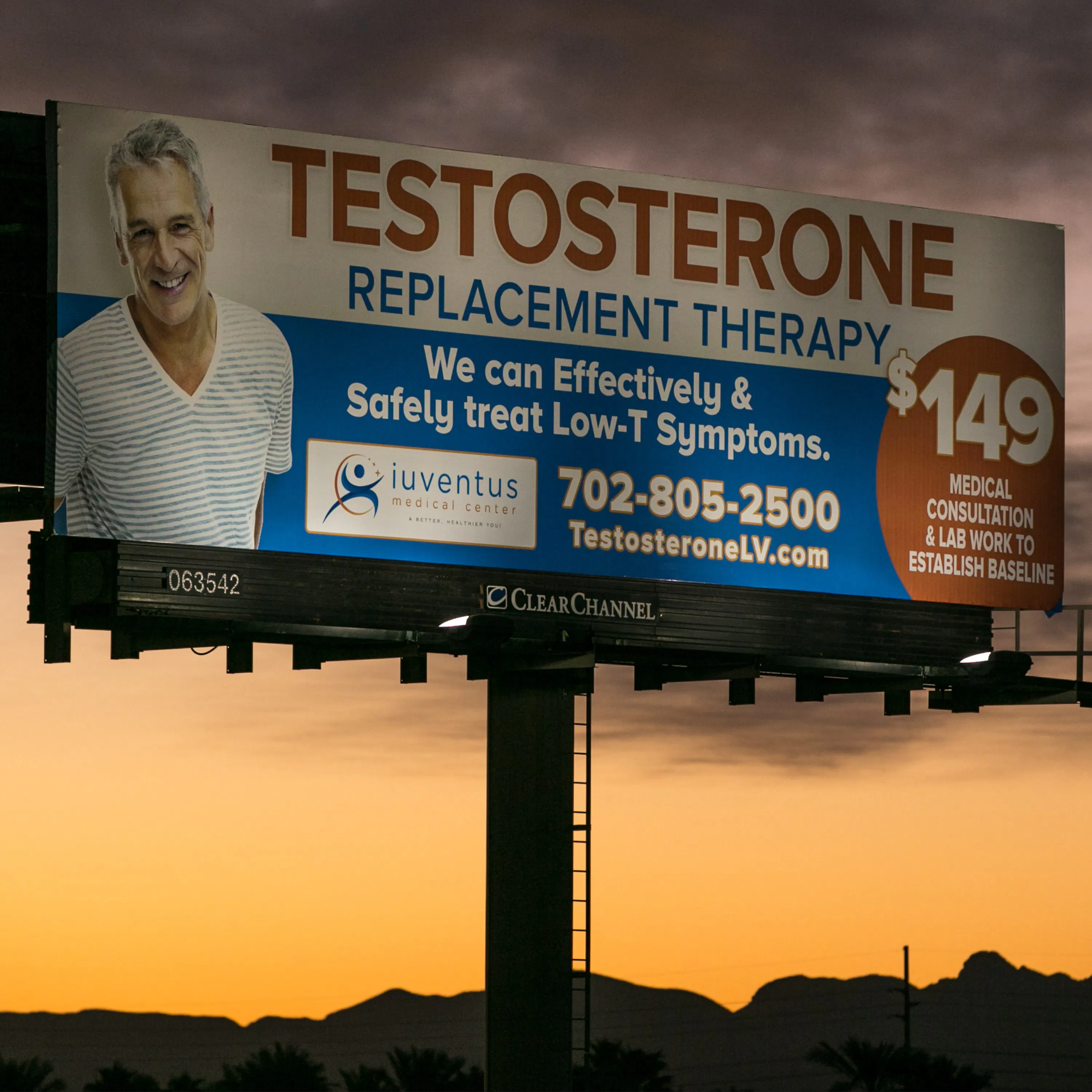
This episode of *Today, Explained* explores the rising popularity of testosterone supplementation across genders, highlighting both its benefits and risks. The show begins with journalist Susan Dominus discussing her investigation into women using testosterone. While both men and women produce this hormone, women have significantly lower levels, which decline dramatically with age. Standard doses, endorsed by medical societies but not FDA-approved, can modestly restore libido and energy in postmenopausal women. However, a growing trend involves high-dose treatments—such as pellets or creams—often pushed by medspas and wellness clinics with financial incentives. These doses, sometimes several times natural female levels, lead to unpredictable effects: some women report intense sex drives, rage, hair loss, and acne, yet many remain enthusiastic, like a woman who lost 40% of her hair but still said she’d do it again because it boosted her confidence and marriage. The FDA’s refusal to approve testosterone for women stems from cancer concerns, though critics note men faced no such hurdle. The segment also touches on political parallels, as conservative women using high doses mirror gender-affirming care. In the second half, Rebecca Jackson examines young men in their 20s and 30s seeking testosterone, driven by influencers like Joe Rogan and a boom in dedicated clinics. While some have genuine medical needs, many are chasing optimization, raising questions about overuse and long-term safety.
We all have it. Men want more. Women also want more. Oh yeah! You know what I'm talking about. Testosterone. This is the hormone you'll have to stress out on your. gigatilla. Today, on today, explained the hormone of which ladies and germs cannot get enough. Get enough. Everyone's on tea. Should they be? Stay turned. Let's bring that base back. Oh yeah! Bring the groove. Give 'em a big, key finish. Testosterone. Oh yeah! Testosterone. Support for the show comes from Odo. Running a business is hard enough. So why make it harder? With a dozen different apps that don't talk to each other. Introducing Odo. It's the only business software you'll ever need. It's an all-in-one fully integrated platform that makes your work easier. CRM, accounting, inventory, e-commerce, and more. And the best part? Odo replaces multiple expensive platforms for a fraction of the cost. That's why over thousands of businesses have made the switch. So why not you? Try Odo for free at odu.com. That's odo.com Support for the show comes from KPMG. In any organization, disruption is inevitable. The KPMG Adaptability Index is your blueprint for building capabilities to handle what comes next. It uses real data to look at how your culture, strategy, and partnerships all work together to help your business thrive. Stop reacting and start adapting. Visit KPMG.com/US/Adaptability to explore the Adaptability Index and pull surveys today. So the number one thing I think that doctors don't prescribe, which is a shame, is today explained. Medical professionals, your doctors, your nurses, wrote 11 million prescriptions for testosterone in the US in 2024. That was up from 7.3 million just five years earlier. That said, a lot of people are also getting tea, sometimes in troubling doses. I had to take mine down because I was like, I was hungry and everything. Yeah, you know, just hump and hump and hump away. From nutritionists and medspa's and wellness centers, I talked to Susan Dominus, a staff writer at the New York Times magazine for a show that first aired last year, about a piece she wrote on women who take tea. In recent months, I've just been seeing the topic come up much more among influencers. Ladies, low libido, brain fog, depression, anxiety, low testosterone. Do you notice a difference with it? I do. Me too. I know. I know. And I have more energy. I found it again. I found my libido. My friends started talking to me about their experiences with it. And I heard some kind of incredible stories about what happened to women when they went on unusually high doses of it. You know, that idea that a hormone could have such a hold, not just on how you felt physically, but how you felt emotionally and in relationship to other people. That was a really intriguing idea to me. What is this hormone? What does testosterone do exactly? And who has it? So both men and women have testosterone. Men have literally 10 times the amount of this hormone that women do. And it is something that declines gradually in men over time. But in women who, of course, have much less of it to begin with, it actually diminishes over time even more dramatically. So that by the time they are around 60, they have about half of the amount of testosterone circulating through their body that they had in their, let's say, early 20s. And it's produced by both the ovaries and the adrenal glands in women. But it is only produced by the adrenal glands by that point in women's lives. As women have less testosterone over time, what starts to happen? What changes? Well, we're not exactly sure to be honest. It was one of these situations in which we know what happens when you replenish their testosterone, which is that, you know, if you restore women to the levels of testosterone that they had in their 30s, when they are actually, let's say, in their 50s, there's a lot of research that suggests that it restores some of their libido and other things such as mood or energy. And in your article, you very hilariously described what happens when women start taking testosterone. It was inspiring. Tell us what you learned. So there's, I mean, there's really two very different experiences, right? In the United States, when women take what is considered, I'm just going to use this, you know, colloquially a standard dose of testosterone, when it's been approved by various illustrious medical societies, at least in short term use. You know, this is the amount that restores women in their 50s or 60s, back to where they were in their late 30s to that level of testosterone. Those women report a minimal, but meaningful, you know, restoration of their libido. I started to feel like I was attracted to my husband again in a different way that I haven't felt in quite some time. Think of this. Think of not going to bed, hoping their husband doesn't touch you. It's nothing of how this crazy high sex drive. It's just that I can lay in bed normal. However, there's an entirely different cohort of women who are getting prescribed what are known as pellets or they're taking a lot more of the cream than their doctors would advise. And these women are getting into their systems several times the level of testosterone that they ever would have had in their bodies, even as very, you know, young women in their 20s. And those women are having unpredictable, but fairly dramatic results. Some women report, you know, really intense, almost uncomfortable sex drives. I once got dosed with a man's amount of testosterone and accident and I start looking at my boss and my co-workers and I'm like, oh my god, why do I want to? Why don't I want to do things with my co-workers like this is making no sense when that testosterone kicks in. Some women report irritability or even rage. Some women report side effects like having chunks of hair fall out. Hair growth on their faces or elsewhere on their bodies where they're not used to having hair grow. So you've got hair on your face and you want to know if it can be reversed. My biggest complaint with taking testosterone is the appearance of zits that I used to never get and now I get them all the time. And also a lot of women on those high doses, I mean, it's kind of like a steroid, right? Like they report having tremendous boosts of energy. You know, I've seen this on my own Instagram, contact this company and they'll run a test for you, but insurance doesn't cover testosterone, right? Oh, it's not even FDA approved for women in any dose. So basically a bunch of illustrious medical societies, you know, got together and issued a consensus statement in 2019 and they said, look, we know it's not approved by the FDA for women, but we're going to go out on a limb here and say that the safety data looks pretty good, at least in the short term. At least for postmenopausal women who are the women who have been studied the most for this, but it's not approved by the FDA even at that level. And so insurance definitely does not cover any of this for women. I think there are a lot of people who stand to make a lot of money off of these high doses of testosterone because, you know, insurance doesn't get involved. They can charge women a lot of money. Sometimes they get, I would they certainly don't get addicted to it, but they have a hard time walking away from it. And it, you know, they it can cost upwards of easily upwards of $1,000 at a time to take these pretty high dose testosterone pellets. For example, it's not the only way women get high testosterone. I saw a job listing on one kind of aesthetic spa that was offering nurses $100 per shot of testosterone that they gave women in their spa. And, you know, then I heard stories from other women who said that they were basically directed before they even left the spa. Like, make sure you get your testosterone shot, you know. So the nurses highly incentivized to provide it. Women are sort of being told, take a word for it. You're going to love it. Like, go book a, you know, a hotel for you and your husband this weekend. You're going to be so busy. You know, so it's a very hard sell. They are sort of posing as medical practitioner. Some of them are, some of them are OBGYNs or urologists who, you know, are trained. But the financial incentives are high and, and sometimes women love it. And sometimes they discover midway through, let's say, a pellet, which can take three months to dissolve that they're miserable. But there's nothing you can do about it once it's been inserted, you know, underneath the skin of your batak. Why hasn't the FDA approved this as a treatment for women? Well, the last time that a drug company got it together and actually did some trials of a testosterone patch, it was Procter and Gamble that did show that women were having, you know, incrementally more satisfying sexual experiences. Their libidos were restored. But that was right after another study came out in 2002 that caused a big menopausal hormone therapy scare. So basically, as I understand it, the people in the panel were concerned about cancer risks, you know, breast cancer specifically.
And there was even a couple of excess cases in a fairly small sample size. And they just didn't have enough long term data is what they said to endorse it and give it FDA approval. Now, a lot of feminist followers of medical history have said, "Well, that was not required for testosterone to be approved for men. There was no long term data for men required. All that the drug companies had to prove back then was that it restored men to the level of testosterone that would make them virile and youthful and strong again to which other people would then say, "Right, but they don't get breast cancer and women do." So that's the concern with women. In perhaps not surprisingly, some of the conversation around this has turned political. You wrote about the parallels between women, often conservative women who are taking testosterone and gender affirming care for transgender people. Tell me a little bit about what you explored here. I just thought it was interesting. One of the most influential testosterone influencers is this lovely person named Marcella Hill. To go from being dead inside not wanting anyone to touch you, to wanting to have sex at all, having any brain at all, is a massive difference in how you show up to life. Who was a member of the Church of Latter-day Saints? And she was still in the church when she started taking really, really high doses of testosterone. Want to know what a middle-aged woman that feels good hasn't common with a bodybuilder? Testosterone. According to her, there are these aesthetic and wellness spas, offering pellets and high doses of testosterone all over Utah, which is largely a Mormon community. I pointed out to her, you were taking so much testosterone that you were approaching the levels that people who are transitioning take. And she said, "I never really sat and thought about what I even think about that." She never really made the connection. It is just interesting because people who are taking testosterone and high doses, which is to say at levels that are two or three times higher than women ever naturally have. That's to say, many, many women across a political spectrum are also on, frankly, in a way you could say, a transitioning spectrum or gender-affirming care spectrum. I think that they feel in a way that testosterone is helping them do gender-affirming care and making them feel more sexual and therefore more wifely maybe. And maybe a lot of them talk about how it tones their arms and they feel like they look great. But it actually is a hormone that has typically been associated with masculinity. So it just to me kicks up all kinds of interesting questions. There is a woman you wrote about who I will have a hard time forgetting. She's in her late 40s, she's a business owner, she's a mom. She gets on a high dose of tea and she feels amazing, her sex drive improves. But then she loses her hair. So she scales back her dose, her hair still has not come back. And you asked her, "Would you do it again?" And she said, "Yes." What do you make of this? I think she feels that when she had that initial burst of energy, it is true that she lost her hair, not all of her hair. She lost about 40% of her hair. But that initial burst of energy gave her the inspiration. Even though she, I think, has four kids and was literally helping her husband run three jobs, she then took on getting a PhD. And she is so thrilled that she's on her way to becoming a doctor because she works very, very hard and it's tough for her to get respect from the many men in her field and she feels like having a PhD will really help her cause. She's really proud of herself. And for her, I thought it would have been like the sex that made it because it really completely changed her sex life with her husband. They had had very routine, wrote sex for years and years. It was not a big part of her life. And that really changed on high dose testosterone. But I think she just felt like she could deal with the hair, you know, but nothing else would have gotten her enrolled in that PhD and nothing else would have really changed her marriage quite as dramatically as it did. Susan Dominus is a staff writer for the New York Times magazine coming up, the young men who are taking testosterone and why? It's hard enough to keep track of your keys while it and cell phone, but keeping track of a cabinet full of supplements on top of that is way too much to ask of one brain. I am made is the way to simplify your supplement routine once and for all. I am made daily, ultimate essentials can replace 16 separate supplements for $2.61 a day. That's 90 ingredients that can work across nine major organ systems, all in a single drink. Co-founded by David Beckham and built by leading doctors and researchers, I am made was designed by the world's best. 95% of people who tried it for 12 weeks felt more energy, and that's from a clinical trial conducted by the San Francisco Research Institute. Go to I am madehealth.com/explained right now or click on the link in the description and use code explained for a free welcome kit, 5 free travel sachets, plus 10% off your order. That's code explained at I am madehealth.com/explained. Code explained at I am madehealth.com/explained. These statements have not been evaluated by the Food and Drug Administration. This product is not intended to diagnose, treat, cure, or prevent any disease. Support for today's explain comes from NPR, perhaps you're curious about the economic forces shaping your daily life. The Planet Money Podcast from NPR makes sense of the economy in ways you'll not only understand but enjoy each story on Planet Money starts with a question. Recent episodes asked why Pokemon cards are growing faster than your retirement account? Don't invest in Pokemon rather than retirement regardless. I'm sure Planet Money will tell you that. How Russia's economy hasn't collapsed after four years of war and sanctions, and what a 750 pound robot means for the future of restaurant work. The hosts go to unusual lengths to explain the economy. Yes, they do. They have published a book to track the global supply chain. I've seen it in bookstores. They have shot a satellite into space to understand the economics of the private space industry. They have gone inside of a live book auction to get ideas on how to market their book. Listers of this show may know that I used to work at that show. The Planet Money is a very good show about the economy, a thing that, honestly, we should all understand that sometimes it feels a little bit exhausting. A Planet Money does not make it exhausting. They make it interesting genuinely. Follow in Piers Planet Money Podcast and understand how money shapes the world. Support for this show comes from Odo. With it doesn't differ in apps that don't talk to each other. Introducing Odo. CRM, accounting, inventory, e-commerce and more. And the best part? So why not you? That's odo.com. If you want your body to perform well, I think you should get today explained. My name is Rebecca Jackson. I cover the South for the Economist and I write mostly about politics, a little bit about culture and economics. And I like to think of the states that I cover as like the former Confederacy from Texas down to Florida all the way up to Virginia. All right. So in the first half of the show, we talked about how a lot of women are going on testosterone. And for many of them, it's working. For some of them, there are side effects. You wrote a piece about how men are doing the same thing. Where did the idea come from? You know, some of the best stories just come from conversations with friends. And this was an example of that. I have a friend who's a med student and he was doing a urology rotation. And he told me one day that there were all of these young guys coming in asking for testosterone. And I thought that was super interesting. And decided to sort of look into it a bit more and found out that Pfizer had actually reported a shortage of testosterone this year because of rising demand. So I started talking to doctors and people in the pharmaceutical industry and found out that this is actually a huge trend. How big a trend is it? Do we know how many men are doing this? So it's really hard to gauge how many people are doing it because some people are getting a doctor's offices. Others are getting it from a gym. Ah, yeah. One of the things that sort of helped me quantify the rise was I went to visit a testosterone clinic. There are now these, all of these healthcare clinics popping up that are devoted to testosterone. I went to game day men's health clinic in the Buckhead neighborhood of Atlanta. It takes only 10 minutes to measure your testosterone levels. Then we'll create a plan to optimize your health. Kind of anything you need is you get older as a guy and you look in the mirror and that light switch gets turned off. We help you turn it back on. And they opened in April of last year and they were the company's 50th franchise. But in the 14 months since they opened. After 325 testosterone clinics, game day clinics opened up across the country. That is massive. And that's just one clinic. That's just game day. Yeah, so game day is one of the most popular. But there are tons of these types of clinics. Actually, when I went to game day, I walked out and across the street. There was another testosterone clinic competing with them. Huh. Okay.
friend who is a medical student told you the surprise was it was young men who were coming in. Yes, so I think one important thing to remember here is that lots of health cases do stem from real medical problems and testosterone is no exception. So as many age their testosterone levels tend to drop, that's natural and normal. But for some people it can dip into an abnormal range and that causes problems. It can make you, for example, have low sex drive, low energy, weight gain, have trouble putting on muscle mass and like many medical problems, this is exacerbated by things like obesity and drug use, which has become more common in America. And so over time this has become a bigger issue. And doctors have found that they can treat low testosterone and many of the symptoms that come along with it with these injections. But I think the troubling thing here and the trend that I'm most interested in is that the people who are taking to testosterone fastest now are not guys in their 70s, but they're actually men in their 20s and 30s. Who is telling men in their 20s and 30s about testosterone? Where are they getting the info from? Yes, so as you can probably imagine this is not all doctors. The people who are hawking this stuff are podcast or influencer types, right? So Joe Rogan, who has the biggest audience in America, says that testosterone has made him feel younger. It makes your body work way better. You can avoid a host of ailments and conditions that are related to your body breaking down due to age. And you can look to other celebrities like Dax Shepard, an actor and podcaster. He told a reporter a couple years ago in an interview that because of testosterone, because he's been on testosterone replacement therapy, I spent my whole life as a medium boy and now I'm a big boy and I like it. Yeah, I have been boy. And there are all these influencers, especially on TikTok, that are basically telling like young Jim Rose that they'll see more gains at the gym. They can have better sex. They'll have more appeal with women if they get on testosterone, even if their doctor doesn't actually think that they need to. First off, fellas, you are a warrior. It's embedded in our DNA. How are you going to be a warrior if your testosterone levels are low? CRT is not going to directly affect the growth of your Johnson, but it will help you out in three ways. What's the catch here? What are some of the drawbacks for young men or dangers? Yeah, so if you're not taking it to bulk up, if you actually have a deficiency and you're going through a doctor, then it could be a very good thing. The problem is, as you said, the guys were taking tons of it and without actually needing it. So people used to think that testosterone was dangerous. People used to think that it could cause prostate cancer or heart attacks. That's proven to not be true. But there are some real issues, especially if you take it at bodybuilding doses. So for one thing, it can cause what's called roid rage, steroid rage, which is basically just guys getting unusually aggressive. There's also been reporting of other side effects like insomnia, high blood pressure, and hair loss. But more concerned, if it's not taken with a cocktail of other hormones, preventative ones, it can actually make you infertile. Some of the doctors I spoke to told me that they often have young men coming in who are horrified to find out that after taking the stuff that their friend gave them at the gym for a little while, they've seriously hurt their prospects of having children. One doctor in Houston told me that he can restore fertility to about 25% of their baseline, but he can't get a guy back to normal. The loss of fertility seems like a very serious problem for young men, especially at a time when we're all concerned about too few babies being born in the US. You mentioned all these clinics, which makes me think there is a lot of money involved in the sale of testosterone right now. Tell me what you found about the business here. Yes, so one of the interesting things is that these businesses obviously serve a real purpose. There are men who really need testosterone replacement therapy, and they're benefiting from the fact that they can now just sort of walk to a men's health clinic that specializes in this stuff in their neighborhood. The problem comes partly in the marketing. Some of these clinics, I sat in a lot of the waiting rooms. Let me tell you, it's a bit awkward to be a young woman sitting in these waiting rooms, trying to not make eye contact with the guys. Many of these places sort of market themselves as places where a gym bro would feel comfortable, right? They've got these big black leather sofas. They've got a fridge full of cold drinks and a game on. So they try and basically make it a place that guys can feel comfortable, but also a place that sort of makes you feel like, if you're not the alpha male that you want to be, we can help you with that. And they've got all these systems where you can refer a friend to get money off your next treatment. And I think perhaps most alarmingly, some of these clinics will also inject you with your first dose of testosterone within an hour of coming in. Huh. Did you have a chance to talk to any of the men in the waiting room, even as you were avoiding their eyes? Did you speak to anyone who said, like, hey, here's why I'm here, here's what this is about for me? You know, I got to say now I tried and it was mostly unsuccessful. The conversations were kind of awkward and still did and I didn't have much success. I went around, you know, very, this makes, makes you win a lot of friends as a reporter, but I went around asking a lot of my guy friends if they're on this stuff and people were very cagey about it. And I actually got the impression that, you know, probably a lot of people that I know are doing this, but didn't want to talk about it. Hmm. All right. So clearly taking testosterone has some pros and some cons. And what we've learned in this show is for the people who experience the pros, it's very hard to give it up. Even when they're in negative side effects, it's very hard to give it up. This reminds me to some degree of ozempic. It is a treatment that when people are on it and when it's working, they really, really, really love it. And it seems to me that there is a lot of money to be made here. Do you think that we are moving toward a world where there's a testosterone clinic on every corner and where we're looking as we saw with, you know, weight loss drugs, we're looking at shortages because so many people want to be taking tea. Where do you think this is going? I mean, to some extent, no, I think we're already there. I'm inundated. You know, I'm a woman and I'm inundated with testosterone ads all the time. These clinics are everywhere in the city that I live in and there's clearly a ton of money in it. They're doing very well. I think also like ozempic, it's an industry that is not going anywhere. Like ozempic, you need to continue taking testosterone if you want to see the results. And that means that the cash here is kind of just endless. That was Rebecca Jackson. She covers the show for Leedy Magazine, The Economist, Miles Bryant, originally produced today's show, and Amina Elsadi edited. Adrienne Lillie engineered with an assist from Patrick Boyd and Laura Bullard, Check the Facts. I'm Noelle King. It's today, explain it. [BLANK_AUDIO]
Podcast Summary
Key Points:
Testosterone prescriptions in the US rose from 7.3 million in 2019 to 11 million in 2024, with growing use among both women and young men.
Women naturally have about 10 times less testosterone than men, and levels decline sharply with age, leading to interest in supplementation for libido, mood, and energy.
For women, standard doses (approved by medical societies but not the FDA) offer modest benefits, while high-dose forms like pellets or creams can cause side effects such as hair loss, acne, rage, and intense sex drives.
High-dose testosterone for women is often promoted by medspas and wellness clinics with strong financial incentives, as insurance doesn’t cover it, and costs can exceed $1,000 per treatment.
The FDA has not approved testosterone for women due to concerns about long-term cancer risks, despite a lack of similar requirements for men.
There’s a political irony
Men in their 20s and 30s are a fast-growing group using testosterone, driven by influencers like Joe Rogan and a surge of specialized clinics (e.g., Game Day Men’s Health), though some have no medical need.
Summary:
This episode of *Today, Explained* explores the rising popularity of testosterone supplementation across genders, highlighting both its benefits and risks. The show begins with journalist Susan Dominus discussing her investigation into women using testosterone. While both men and women produce this hormone, women have significantly lower levels, which decline dramatically with age.
Standard doses, endorsed by medical societies but not FDA-approved, can modestly restore libido and energy in postmenopausal women. However, a growing trend involves high-dose treatments—such as pellets or creams—often pushed by medspas and wellness clinics with financial incentives. These doses, sometimes several times natural female levels, lead to unpredictable effects: some women report intense sex drives, rage, hair loss, and acne, yet many remain enthusiastic, like a woman who lost 40% of her hair but still said she’d do it again because it boosted her confidence and marriage.
The FDA’s refusal to approve testosterone for women stems from cancer concerns, though critics note men faced no such hurdle. The segment also touches on political parallels, as conservative women using high doses mirror gender-affirming care. In the second half, Rebecca Jackson examines young men in their 20s and 30s seeking testosterone, driven by influencers like Joe Rogan and a boom in dedicated clinics.
While some have genuine medical needs, many are chasing optimization, raising questions about overuse and long-term safety.
FAQs
Testosterone is a hormone present in both men and women, with men having about 10 times more of it. It declines gradually in men over time and more dramatically in women, dropping to about half by age 60.
Testosterone prescriptions rose from 7.3 million in 2019 to 11 million in 2024. This increase is driven by growing demand among both women and younger men.
No, testosterone is not FDA-approved for women in any dose. Medical societies issued a consensus statement in 2019 supporting short-term use for postmenopausal women, but insurance does not cover it for women.
High doses can cause intense sex drives, irritability, rage, hair loss, facial hair growth, acne, and unpredictable emotional changes. Side effects like hair loss may not be reversible.
A drug company trial showed benefits, but concerns about breast cancer risks and lack of long-term safety data led to rejection. Critics note that similar long-term data wasn't required for men's approval.
Men in their 20s and 30s are the fastest-growing group using testosterone, often influenced by podcasters like Joe Rogan. Testosterone clinics, such as Game Day, have expanded rapidly to meet this demand.
Chat with AI
Loading...
Pro features
Go deeper with this episode
Unlock creator-grade tools that turn any transcript into show notes and subtitle files.
 PodcastTranscript AI