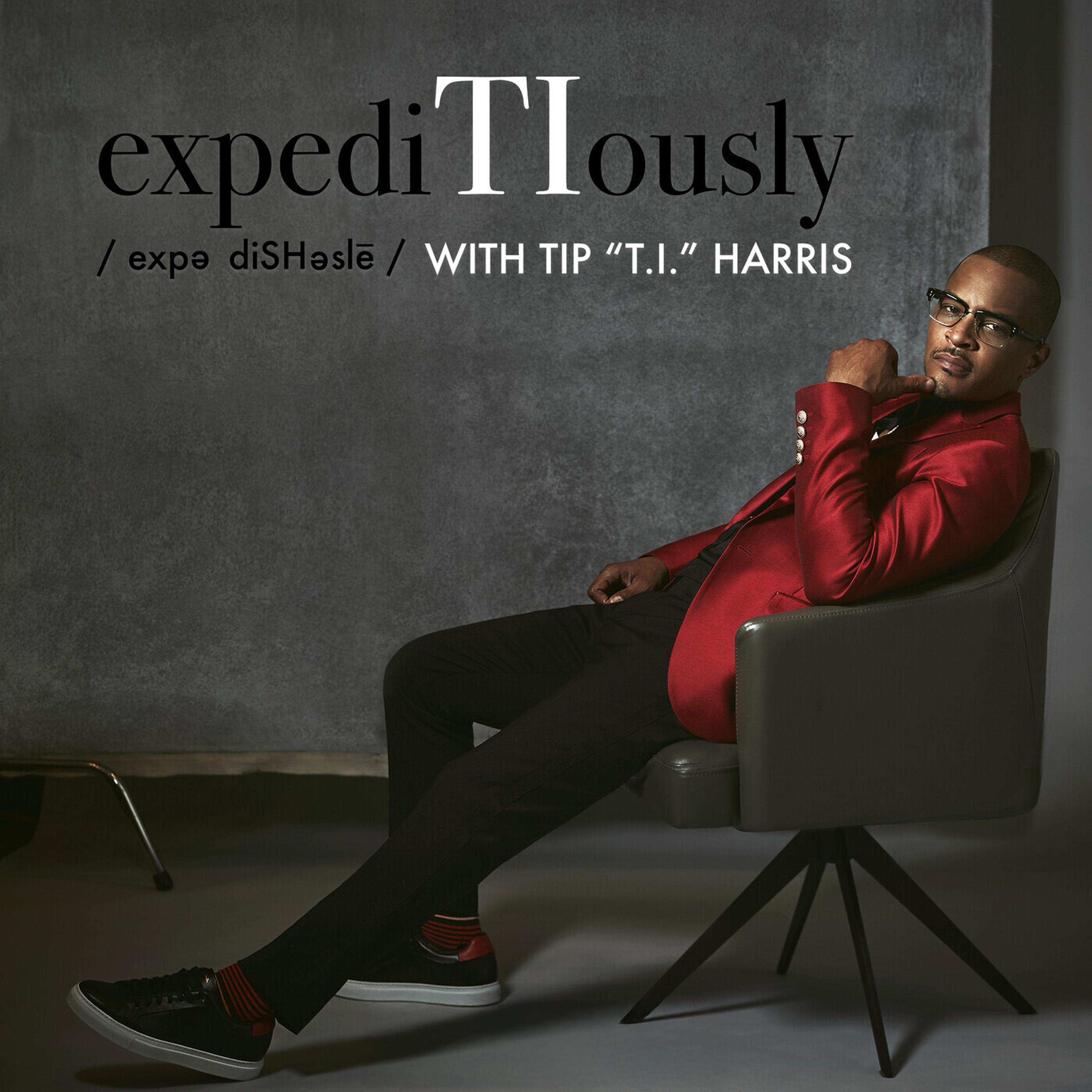
T.I. & Keisha Lance Bottoms: The $100M Campaign to Take Her Down
62m 40s
Keisha Lance Bottoms, former mayor of Atlanta and a senior White House advisor, is running for governor of Georgia, aiming to become the state’s first female leader. Drawing from her experience in public service, she emphasizes policies rooted in equity and compassion—such as expanding Medicaid, suspending gas and grocery taxes, and raising teacher salaries to $60,000—to address systemic issues like healthcare access and education. Her journey, shaped by her upbringing in Atlanta’s West Side and formative experiences at Douglas High School, has instilled in her a deep sense of community, resilience, and self-belief. She openly confronts political attacks, including a $87 million campaign of negative ads, calling them misleading and financially motivated, and advocates for greater transparency through a statewide Open Checkbook initiative. Bottoms’ leadership during crises like the George Floyd protests and pandemic demonstrated empathy and commitment to both city and community well-being. She also proposes innovative revenue sources like marijuana and casino gambling to fund public programs. Rooted in personal authenticity, faith, and a belief in collective progress, Bottoms presents herself not as a political figure, but as a community builder—determined to bring Georgia together with care, integrity, and sustained effort. Her campaign, grounded in real-life experiences and a strong moral compass, reflects a vision where public service is both enduring and deeply human.
This is Expeditiously I Am Till T.I.A. Uh huh, now the following experience is not a test, the conversations and stories expressed on this podcast are meant to be an expression of purpose and truth. This show, properly entitled Expeditiously, is a free exchange of ideas and opinions, no judgment, no preconceived beliefs, no fear. You're encouraged to share your thoughts and ask any question as long as it's done with your spirit. And ask through true love and respect for others that we would change the world and speak truth to power, once you're at a time. Now, without further ado, this is Expeditiously I Am Till T.I.A. Hey, what's happening, man? I'm Till Paris. This is Expeditiously. Today, we have a very special guest, someone who is very personally close to me, near and dear to my heart and near and dear to the heart of my city. This person has been a familiar face in Georgia politics for years. I first began working closely with her when I joined the transitions team where I really got to know her values and what she wanted to accomplish in the city. Her profile grew well beyond Atlanta after leaving City Hall. She joined President Joe Biden's administration as a senior White House advisor, bringing her experience as a big city mayor to the national stage. Now, she's taking on perhaps her biggest political challenge yet, running for governor of Georgia. It'll be the first female governor of Georgia in history and I want you to welcome my friend, my partner, the former mayor of Atlanta, Keisha Lance Bottoms. What's happening? I'm so happy to be here. Me too, sis. What's been going on with you? Oh, we did have been moving all around this state. We've been from the north to the south to the east to the west and it is going really well out there. People are getting excited about the election season paying attention and we're almost there. Now we go back to even before you took office the first time and since, you know, you made a decision to leave the mayor's office, I've seen your face so much brighter and you've seen some at peace and so much happier with your family. What made you decide to leave all of that behind to run for governor? You know, Tim, I'm a person of great faith and sometimes it's easier if you could put it in a real simple sentence that people understand. But the reality was that, you know, I know what I know. And for me, stepping out from the mayor's office, my kids were much, much younger and I made a decision that was based for my family and for myself and then having the time between serving in the White House and having a break and living freely, you know, the way people like you live and you get to, well, if I'm lucky, if I'm lucky and do all the things, but this is not a time for me personally to be comfortable with all that's going on after the last presidential election. I just really started to pray about what I should do in this season and you know, when you pray, you got to be prepared for the answer even when it's not the answer that you want. You know, but for me, it was getting back in the ring and running for governor and I haven't looked back. I know it was absolutely the right thing to do and we're almost in the victory. That's right. Now, how has written for governor different than it was to run for mayor? I say running for mayor is like you in a street fight every day. Running for governor, you in a street fight once a week. Okay. When you're running for mayor, everywhere you go, everybody's right on your heels because it's a confined space, but when you're running for governor, you at least get to move around and you have more breathing room and it's real difficult for everybody to follow you everywhere you go. So when you're running for mayor, the naysayers, I mean, everybody's like descending on you all day every day. This is different because you get to run at your own pace, which for our campaign is still a very intense race, but the intensity of the same people on you everywhere you go. We have trackers. The other campaign that people always follow in us, but oh, yeah, oh, yeah, okay. So you telling me you, you, you, you're being stopped. Yes. Is that part of politics, though? Is that like, like a part of it? One of them even had on my t-shirt Saturday. Oh, so they, they disguised themselves? Yes. Yeah. Is that, but is that something that you just have to mentally and emotionally prepare yourself for when you decide to step in to this level of politics? You know, it's a full contact sport. You know what you get into. It's not for the faint of heart. So you know, I mean, that's ugly. It seems a lot, it just seems a lot more, and all the time seem a lot more grounded and you want to even really be bothered with, you know, you know, someone said to me, what, Tony Miller who's running for attorney general, and she, she meant this with all respect. She said, nobody is built to withstand $87 million of negative ads because that's, well, he's putting in over $100 million against me now, my opponent. And, you know, it's just to, just to go against you to speak ill of you. Just because I was a land of my name, he's sending mailers, he's, he's got TV up. He has radio up in the beauty of it, even with the millions that he spent trying to take me down. Uh huh. Our race is essentially tied, like David and Goliath right now, but, you know, so Tonya was just asking, how do I, like, how, how are you still standing? Yeah, how, but how do you, well, I'm, I'm built that way. Hmm. Speaking of being built that way, I must take, I must take notice to the fact that you and I, uh, both here from the west side of the city, that's all right. You know what I'm saying? We both, that is the best side. You dig what I'm saying. We both zone when, uh, natives, how did being a daughter of Atlanta, uh, shape the leader you became? Well, and you know, we both went to Douglas High School. That's right. And the beauty of Douglas, we were not racially diverse, but we interacted with a cross-section of people all day every day at that time. We were one of the biggest schools in the city. Absolutely. You dealt with all sorts of people, interacted with all people. So it gives you the ability you can, you can be as high as you need to be and then you can be as low as you need to be. I mean, but the thing is I feel that, you know, especially with the magnet program and, you know, during the Dr. Hill administration, when I was, uh, that, that date, that was sort of like a lean on me kind of like where you had, where you had a faculty of, uh, of educators that really expected the best of their students and created an environment where no matter where you came from, no matter what your, um, standard of living was at the time, you still had an opportunity to thrive and to be around people who would essentially grow to become the mayors of Atlanta. Now, you're absolutely right. And I, I had Dr. Butts and Dr. Hill. So I, I have a double dose and for people who don't know what that means, Dr. Hill would walk around with this big thing of keys about this big, yeah. And if he chased you in the hallway, if he couldn't catch you, he'd throw them keys at you. It was a projectile. Yeah. Yeah. And then when he called you, Mr. Coleman, Mr. Coleman, yes, Mr. Coleman was a science teacher when I was there. Yeah. He was the assistant principal when I got there, but yeah, so the, so things like that, you know, they shaped and mold us in our fundamental development parts of our life. How did that shape the leader that you became? Well, there was so much confidence in stealing us. We didn't know that nobody ever told us that we couldn't compete. Nobody ever told us that, you know, maybe some of our facilities weren't as great as some other facilities. I mean, the confidence is everything. And then we had such great teachers and leaders in that school, it was, if you see it, you can be it. That's right. And we were always made to believe we were the best. We were the brightest. We were the baddest. We could do it all. That's right. And, you know, just it never created room for doubt. So for me, it was leaving Douglass being fortified in that way. I started Douglass in eighth grade. I was 12. Okay. And leaving Douglass is 17, going to FAMU, another, another institution of culture and education. The first time I sat in a diverse classroom, I was 21 at Georgia State, Georgia State University and law school. I'd never sat in a diverse classroom. And so it was, it was when you are around people who are constantly building you up and you are reading Tony Morrison and Ralph Ellison and James Baldwin and you're seeing the best that you're pe. people have to offer and then going to FAMU and, you know, that was more for vacation in that way of being fortified in that way. You know, it was just it just it's always made me believe I could do anything. And you and you and you did you did it, you know, I think that you are truly an example of, you know, what these these communities in our city can produce. And you know, everybody's very, very proud of you. But you were already building a career even before you decided to run from there. You like you were very prestigious in your in your business sense. Why why why did you choose politics? Well, I come from a family on the west side of Atlanta. My granddaddy had a business when they he came from Winder and my bro Georgia. He started with a horse and bugger. He wrote down Petry. He called it uptown. They go uptown. They were hall paper and trash out of buildings. Then he got a truck and he hired all these men in his community and one man said to me, your granddaddy was more than a boss to us. He taught us how to be a man. And having that sense like me going to college was an anomaly. Very few people in my family actually went to college and finished. Okay. My mom, all the hair salon. That was another place. It's full of life lessons. You know, my dad was a singer. So I had a lot of exposure to just a lot of different people. But I always had a heart for a community and always wanted to make a difference. So when I went to law school, I was supposed to be going to help my daddy find all the money to music companies stolen from entertain me. That's right. And then I ended up practicing that a small farm called the Kindle Law Farm Community Law. The People's Law ended up serving as a judge in Fulton County. Then I ran against a sitting judge, which is pretty unusual at that time. But I kind of got the bug because I just saw what solid representation did for people. And you know, when I had a chance to move around campaigning. Next year, my city council member decided he went running after 32 years and I ran for a city council. And you just mentioned your father, who is a legendary R&B single major Lance. What did growing up around music and it allowed his coach to teach you? Well, my daddy was just a just a wonderful person. Like he was like you. He was just a man. Yeah, you know, he was a good daddy. He he loved community. He, you know, he coached a little league baseball team. He had a garden and a backyard. He and Tiny's dad used to perform together. The Tim. She's a very handy. Uh-huh. Okay. Yep. They used to I remember going to their recordings studio over on old national. That's what's up. And so it was an again exposure. But wherever my daddy went, we went. So if he had to go visit Cato at the blue flame. And sometimes you just got to visit Cato at the blue flame. There's just nowhere around you. You know, sometimes in Atlanta, you just it's an unavoidable thing. And I don't know that it was a strip club there. There it was. I want to wear. Okay. It was a club. Right. Um, but wherever he went, I went. Right. And it was just again, I think it was, I think before nightfall, it was just like kind of a speakeasy kind of lounge. Because I'd go in there with my uncles in the daytime. And they feed me. Sure. The temples. And until they was finished talking. And then we lead. So I remember the blue flame kind of it had a split purpose. Yeah. Until the 80s. That's that's right. Yeah. And so with with that exposure, I got to see all of Atlanta. Um, you know, my uncles, all own businesses, they own real estate in the city. And my mom's hair to line, I was exposed to so many people from professionals and professors over the AU center to, you know, number runners. And they're talking about my dad's or line of work. But you know, my mom and your daddy were friends. Yeah. You know what? Your mama told me that your mama told me she knew my dad and his brothers. Yeah. And that's just how they see the room. And man, like it, it's it's more like three degrees of separation. That's right. You know, it's because we're always so closely and so close and proximity to one another. No matter how we may seem to go. Um, my and I don't know if you know this, my sister and your mom went to high school together. I did not know that, you know, me and my leader also Astro. That's great. And we have families that generationally went to the same high schools. And you don't, you don't get that often. Yeah. That's that's what Atlanta used to be. Well, I think, um, how do we get back to that? Well, it's all about community. I think geographically, you know, at that time, we were all much more consolidated. I know for me growing up, even going to the east side was like, what? Yeah. Like that was like going like that. Yeah. Not, not like Kirkwood, you know, or Edgewood and then like that, but to go all the way, like the Wistley Chapel. Oh, yeah. That's seen like a long week. It's the same like a long way. time. I've realized that black people live in Stone Mountain. Yeah. Been beer from the west side, we've very rarely went to the east side and to, you know, but the city got a lot smaller as the population group. Yeah. And but if you know at the end of the day tip, it is just about nurturing community. Like even my mom grew up over on Ellem Street and then Burbank off ML King, they still have an Ellem Street reunion. They still get together and they've been dispersed since the 1950s, but they still come together. And I think that is why it's incumbent upon my generation, your generation, to make sure we're still holding community together in that way. And we talked, we talked about how much the city has grew and the city grew a lot under your leadership. What did, you know, the city's growth during your tenure? What did that teach you about how to approach this governor's position? We always called it combining commerce with compassion. That no matter how much the city grew and how much we did for the business community, that we needed to make sure that we weren't leaving community behind. So for example, Mercedes-Benz stadium, now known as Centennial Yards, and we negotiated that deal, multi-billion dollar transaction. And you were a part of that negotiation. We closed it. Yeah. Yeah. We closed that real estate transaction, multi-billion dollar transaction, transforming the largest real estate transaction in the history of the Southeast in the United States. Not just Georgia. Not just Georgia. Okay. Biggest public private partnership happening in the country right now. But out of that, we carved out 38% minority and women participation and ownership, equity ownership in that project. We did an affordable housing trust fund citywide. So anybody could, you know, tap into it and we could help build housing, help offset property taxes. We created a child savings account for all public school kindergartners in Atlanta. Okay. We put money toward workforce development training over Atlanta area tech. So people could be trained for some of these six figure technical jobs. But one thing that was most proud of we created an entrepreneurship training program for our water boys. So if they participated every month, they would get a $200 gift card. A grandmother came up to me. This is right after Thanksgiving. And she said, you don't know how much this program meant to us. We had hot dogs for Thanksgiving last year. This year we had a turkey. Damn. So that those are the outcomes that you know are making a difference. Uh-huh. And while I'm proud of, you know, the affordable housing and all the things that we were able to do when you hear those stories, then you know the word matters. Right. I remember, um, I remember one of the toughest times the city has seen you were, you were the mayor at the time. That was, um, during the, the COVID months, uh, years. And then we also had the, the George Floyd protest and all the Black Lives amount of stuff. Um, and one thing I remember about that time and having an opportunity to be in your presence as you, as you kind of manage those things is how much you just genuinely cared. Yeah. You know, and it's almost like you did not, you didn't shy away from showing how much you cared. Um, and people, so much to people felt like you were kind of like, you know, a member of their family, speaking to them in a way, you know, that was, that was sincere. And as if you really
wanted not just what was best for the city but also what was best for the people. Tell me how was that moment in your tenure and your opinion misinterpreted by your opponents to the public? So much of that was, so much was happening. Donald Trump was in the White House. So there was already a lot of inflammatory language, you know, that was just happening on daily basis at summer. It was around the same time, Ahmad Arbery's kill. Brianna Taylor was killed and then we all watched George Floyd die. And then and COVID. So you had all these things coming together. And I would say, you know, there's the speech by Roosevelt, the man in the arena. Like I was the woman in the arena. So it's very easy for people who weren't in the middle of that to say what they would have done and how it should have been done. But when you're the one in the arena and you're dealing with it on a daily basis and you're having to make decisions and then, you know, I'm balancing city and professional responsibilities. And then I'm still going home to my four kids who are struggling. Like my, my oldest was a senior in high school. So, you know, my kids are experiencing the ups and downs and the emotions of it all. And at the end of the day, you're still responsible as a wife and a mother to nurture your household. That's all right. That's right. Again, in politics, people are going to always spend the narrative to try and suit their purposes. But I know at the end of all of that, we balanced the budget for four years. We didn't raise taxes. We didn't lay off employees. We left 180 million in the bank. We accomplished a lot on paper. But the most important part was how do we emerge from this as a city and as a community? Right. Now, tell me how was it or should I say how will it be working alongside the mayor as governor when you're elected? Do you think that that is important for the mayor of Atlanta and the governor of Georgia to have a healthy working relationship? How can you ensure that, you know, that that relationship will remain strong? Well, when I was mayor, I was constantly over at the state capital. Working with Kent, working with David Ralston, who was a Republican for Blue Ridge, who was the speaker of the House. He wasn't always salacious enough to be on TV when we were working together behind the scenes. Nathan Dill was governor for a time. Like the airport, they were trying to take over the airport. I was at the capital every day, fighting off that airport takeover. Even when they were trying to divide the city. I was over there every day fighting that off. Like the airport didn't get taken over the city. Bucket didn't leave the city. So you have to work together as the mayor of the capital city and, you know, whether it be making Augusta, Columbus, Savannah, our other, our mid-size cities and then our smaller cities, you have to because so much of what you are able to do and how you're able to do it is influenced by what's happening with the governor and the legislature. Understood. Understand, but what about people who don't really get into politics? They're much and don't really understand it as well as some might like what can the governor of Georgia do about lower and gas prices? You can suspend the gas tax. That's the biggest thing the governor can do. Is that something that you think would be a first step for you when you're elected? Absolutely. I mean, when you've got people in Atlanta paying $450 for regular over $6 for premium, then you need to suspend the gas tax and we want to do it on groceries too. Okay. We want to allow governments to suspend the grocery tax and not have to pay taxes on things like diapers and feminine hygiene products. Okay. For like true necessities. That's right. And that's within the jurisdiction of state, the state legislation. So some of it, yes, the state that falls under the purview of the state. Some of it has to go through a legislative process, but yes, that comes out of the state. And what about like say something like health care? I could you improve health care for people who need it when they have to go to the hospital, they have to go and get the medication? How does the governor help aid and assist in that? So going back to COVID to, you know, our numbers were so bad in the state because so many people had underlying conditions. We got some of the highest asthma rates in the country, obesity, high blood pressure, diabetes. We have horrible rates when it comes to that in the state and especially with our children of color and asthma. So we got to expand Medicaid. People like, well, if I don't have Medicaid, what difference does it make? It means if you ever have to go to a hospital and their people lined up in hallway, it's probably because we hadn't expanded Medicaid because they're not getting access to regular care. Okay. So we had 300,000 people in the state who didn't have coverage because we not expanded it since the beginning of the year, 600,000 people have dropped insurance because they can't afford it. Right. So expanding Medicaid helps us keep our hospitals open, sending mobile health clinics, making sure that people can get routine screenings and access to routine care. Right. So they don't end up in your emergency. And Medicaid is something that you've been talking a lot about as far as expanding Medicaid and it's been a major part of your of your plan. What changes do you think that a working family would experience a Medicaid is expanded? You can be able to go to the doctor and see a doctor when you see that you can access mental health care every time I talk to young people and college students, they're constantly asking me about access to mental health care. That's a big, big concern for young people and Medicaid helps pay for that. Right. And it helps free up some money in the state so that we can put money toward things like that. Okay. So you know, this is one of these issues. It impacts all of us even, you know, if you have private insurance, you're like what difference does it make it makes a big difference. And a guy I'm running against has a health care staffing company. His whole business model is built on us having a broken health care system. So this guy also, well, so he has a staffing company that a lot of times we can't keep doctors and nurses in this state because we've not expanded Medicaid. So it just makes it financially not feasible for some people to practice in the state. So he will either send staff into the hospitals, charging hospitals, some sky high rate for staffing or he will attract these doctors and nurses to his staff and company and then hire them back at the hospitals for a higher rate. And he got a $700 million contract during COVID. No bids, no competition. You know, I'm glad you mentioned that because that was something that we're kind of confusing to me. And I'm sure, you know, some of some of our viewers, they probably need a little explanation as well. I've been seeing some about a no-bid contract like a 700 million dollar note. Now tell me where why is that relevant to the discussion? Because when you get, when you're giving out almost a billion dollars worth of contract money, whether it's the state of the state. That's taxpayer's money. That's our money. Okay. You should have people submit bids. So you can take a look at the bids and you can evaluate. You can compare like RFPs. Yes, RFPs. And he got a no-bid contract under the guys. So no one else got a chance to even have an opportunity to be eligible for the 700 million. It went directly. It went directly to one place without him having to submit a plan or anything. I even talked to a man who owns a similar type company. He's like, we didn't even know like the contract was out there. But the kicker is that contract, now we're out of COVID, right? We're out of the pandemic. The contract keeps getting extended every year. And it's a federal contract. No, well, not that one. That's a state contract. We didn't even gotten to the two billion dollar contract. He got from the veterans administration, billion with the B. Okay. So there's a 700 million dollar no-bid contract. Then there's a two billion dollar contract as well. And there's so many others. This man has his hands in everything. He owns data centers. He makes movies and then he got some little tax thing he does with the movies to try and write it.
the movies often. And then he then paid like 38 million in taxes. Then one of his companies got accused of Medicare fraud. He paid a fine for that. Then he was accused. His company was accused of human trafficking. Oh my god. When he was bringing nurses into the country. And when they all of this is all of this is like like document it. Like people can see this. Yes. I'm not making. So this is Google Google. This is Google. Google budget kicked your air. Mickey's good. He's on the internet. Right. So so okay. With that being with that being the example. How would you as governor? What would you do differently when it comes to transparency and making sure people know where tax money is going? And let me just say this tip. These are things he's just been accused of. You know it's one thing to be accused. It's another thing to pay the settlement and pay the fine. He's paid fines on these things. So but all that being said we had a platform called Open Checkbook in the city of Atlanta. You can go online right now. You can see how much the city paid for a box of pens. You can see how much the city paid for a paving contract at the airport. I want to do the same thing with the state. Open Checkbook. That's something that came under your under your administration. Open Checkbook. You say you would expand that to be statewide. Yep. Okay. And you just said like Open Checkbook. You can see where everything you know while the money went and where everything. So I keep hearing something about a plane ticket. Somebody people talking something about a plane ticket that supposedly a check went out for a plane ticket under your tenure. What is this? What is this conversation about? And the difference between me and this guy who I call Slick Rick and people said that's really insulting to Slick Rick. So my apology is just Slick Rick. Slick Rick. No sound so bad man. You can cover a more nefarious name. I like Rick Flair. My mom will call him Rick James. But what's up with the plane ticket? Why is this so important to the display? So he's been running these ads claiming I bought my husband Derek's plane ticket for the Super Bowl. Now do you book your own travel? Who me? Oh no. No, I ain't got to pay. I can't do it. No. I don't. So when I was mayor, I didn't book my travel. So when. Well, she too busy. I mean, no mayor should be responsible for booking travel. So when I had to go to Minneapolis to receive the ball from Roger Gidele because the Super Bowl was then coming to Atlanta. Right. I didn't want to go with five degrees below zero. I said I didn't want to go. First of all, second, so we waited until last minute to book the travel. Staff books my ticket, books Derek's ticket. Couple of days later, as Derek, I said, you know, did you, did they get your credit card to book your ticket? He said, no, nobody asked me. I said, nobody asked me either. Or, you know, however, at some point, I won't just say it was a couple of days. So I asked the staffer, how did you pay for Derek's ticket? And they said, oh, we ran at the same time, we ran yours. I said, oh, you, you can't do that because he didn't work for the city. I have to pay for his ticket. Super Bowl's February 5th. I reimburse the city February 15th. Okay. No news story. No investigations. So okay, well, let me ask you this. What did the city lose? Because it was, so it was a, it was a blunder, you know, it was as, as we would say, a kerfuffle, you know, an oversight by whom ever was booking the travel. And when it was, when it was found out about the city was reimbursed. Super Bowl's in February, in June, a story is done about it, which I didn't think that was a story to be done. There was no story, but, you know, why let the truth stand in the way? They run a story. And then at that point, they said, oh, you didn't pay the taxes or something. And I'm like, well, you know, I'm like, okay, what, what, what I paid when I was sold the ticket was because at that point, we didn't even have a credit card statement. Right. The staffer said the ticket was 1700 or whatever it was, I wrote the check for that. And then that was it. I mean, there was no, it was nothingness. So it, so it was really, this is just being used as propaganda. Yeah, that's what he does. I mean, and I could go through every negative ad this man has run. I mean, even he's wrong. I'm sure you can. Now, you tell like you're right. You're back ready to. And, and guess what? I saw a video of you, and it seemed like a little west side came out when you approached this gentleman. I said, it's like, it looks like a little slick. It's a little slick altercation where you kind of addressed him and, you know, made sure he knew to keep your family name out of him. Yeah. I'm like, I'm like, I'm running for office. Like you lined up my husband's name. You, I mean, you were slandering his name, and you know the facts, but that's real. That's, you know, that's real. That's a real hands-on approach to take things just to go straight to him, look him in his eyes and say how you feel without, you know, and it wasn't like this was a debate or anything. Any form of sitting. You just casually walked up to him and say, man, don't do that. The hilton downtown, I say, hey, you're so good. Wait a minute. I said, Rick Jackson. It sounded like, hey, there you go right there. No, it wasn't. I mean, he walked out, I'm like, hey, say, say, man, come here right quick. Let me tell you something, buddy. And that's how you approached it. Yes, yes, because that's how you learn to resolve things. That's real, that's real. That's real. I'm going to go straight to him. I'm not going to talk to your people. I see you. That's right. You don't want to do on that. So I'm going to tell you, you lie, you know, you lie. Yeah. Please stop. And I did it respectfully. And then he told me he liked my outfit. Well, that's just when you also wish out of you to be fashionable when you did it. Well, and I was going to tell him I like tears and I looked at his. I'm like, but I don't like his. Oh, man. Oh, man. Okay, look, wait a minute. How do you respond to concerns, you know, that, you know, the timing of certain contracts or campaign contributions create the appearance of a pay-to-play relationship? What is that? You know, again, this is something he has made something out of nothing. He, and I'm trying to, he's claiming when I was over at the recreation authority, I led the sale and transition of Turner Field to Georgia State University. Okay. And after, well, you know what, I'm not even trying to insert what I think he's talking about. He's talking about what I think he's talking about are some contributions that came from someone who did work at the rec authority. I was gone from the rec authority when I ran for mayor. So it then makes sense. That's what I said. I'm like, I'm not, it's a, it's a lies based on nothingness. But how can people actually take what they're hearing and find the legitimate truth for themselves? You know, unfortunately, Tip, it, when you are a man who is a billionaire and you have the amount of money that you have to manipulate things. And they always say at the point you're explaining you're losing. If people did the homework, you could see it. Like, even with that, what I think, I was no longer at the recreation authority. Turner Field had been sold. I had resigned. I was running for mayor. This person gave a lawful contribution just like thousands of other people. They gave a contribution to the record. No, they gave a contribution to me when I was running for mayor. But he has, he has tried to act as if I got a contribution while they were doing work with the rec authority. I went running for mayor when I was at the record. And this is the thing that that really does hurt me about him. I have enough truth that I can say about him. And it's up to him to explain it to the people. He lies on my name. Like run, run against the facts. Stop misleading people. Stop weaponizing your money to mislead people. But he said he, he wants to be Trump with a seven tone. So that's, you know. Hey, man. That's that be out. Okay. Now, this isn't your first political opponent. No. Is this the most slanderous opponent that you've ever faced? Probably not. I mean, I'm so used to it. So okay. And that's one of someone on our campaign said, now, this man has spent $87 million slandering your name. And then you get mad when he says something about your husband, like, you don't get mad about all the other stuff. That's what I was thinking. You, you become desensitized to it in a way.
- Right. - Especially when I know it's not true, but I signed up for it. - Right. - My name is on the ballot. That's why I'm like, "Leave my family alone." 'Cause I got a lot of things I can say about his family. - I mean, man, one thing I've always seen when you present yourself publicly and privately is that you carry yourself with just a high level of a sting and respect and class and poise. You know what I mean? And so whatever political exchange is entered into, you just carry yourself and manage it with so much grace. - I appreciate that. - You know what I'm saying? So it's just, it seems like how do you maintain that graceful presentation or that graceful mindset that I missed in respectful presentation of self while you're dealing with matters as such. - Well, my husband said to me yesterday, everybody at home gets it. And it's probably some truth to that. 'Cause I offered a preemptive apology in my home yesterday. And I'm like, I'm tired, short, you know, I'm sorry if my tone is not nice. - So when you, okay, so when you get like that, because I mean, when you're bombarded, you know, with unavoidable negativity, how do you do to relax and unwise and reset yourself to deal with it more the next day? - I try and stay out of the comment section on social media. Although my wonderful door to make sure I see it all. She's like, did you see this today? - That's part of it just protecting my peace. - Okay. - And then you know, there's simple things. Sometimes I put on just some nice gospel music. Sometimes I listen to a book on tape. - Okay. - Sometimes I just turn on reality TV when I get home. I got home the long day yesterday. I watched the Real Housewives. - Okay, we're seasoned, the President's seasoned. - A Real Housewives ultimate girl's trip. - Okay then, yeah. Well, I think, you know, you have to find a release. - Yeah. - You have to find a way to release so it don't, you know, so it don't bore a lovel. - Yeah, 'cause it can be all consuming and it can feel so loud. - Mm-hmm. And a couple of weeks ago, my daughter, and I am not an artist by any stretch, but she had ordered some little canvases and some markers. - Right. - Like when we said the table on colored and drew some little pictures and, you know, and that just, it took me down. - Right. - If I have time, I'll cook 'cause I like to cook. - Okay. Now, now, as we mentioned, some of Atlanta's toughest moments were experienced by you when you were in the mayor's seat. So much that you actually went to a protest that kind of turned into a dangerous setting and you went yourself and spoke from the heart to the people endangering yourself at the time. What made you just jump right into the fire? Like that. As a mayor that's supposed to stay protected and insulated. And I remember when you called me and you were going down and I said, "What the, well, why are you doing that?" Well, in you say, "I got to go." You told me, "I have to go do this because they need to hear. They need to see that I'm there with them." What was that? What made that decision for you? - You know, again, I go back to my oldest son, Lance, who was 18 at the time. My son, Lance, then was six. My twin, I mean, was 12. My twins were nine or 10 or somewhere near. So they were like my focus group of emotions. Younger kids were anxious. They were, you know, anxious. My 12-year-old was just confused. You know, he just couldn't quite understand and reconcile like the man on our executive protection team. Like these were good people there, like his uncles. But then he sent these officers on TV and then my oldest son, you know, just, weight, just swinging from emotion to emotion. - Boom. - And, you know, I tried to project what they needed for me and what the young people who were out in the streets might need to hear from me. - Right. - And I didn't have-- - It seemed like you were speaking to your children at the time. - Yeah. - It seemed like you were kind of led and guided by the things you wanted to say to your children while speaking to other people's children at the same time. - Well, and the night that young Killamite came down to police headquarters, my 18-year-old wasn't wrong. So I was speaking to him. - Right. - I was looking at him when I was speaking. And I remember when I was done, I just remember you and Mike looking like, and I'm-- - Well, you said, "Get y'all ass outta here, "take y'all ass home." - And, but, again, to, you know, this balance, that night was the most trying night ever. - It seemed like you were really, really like heartfelt about, hey, listen, I'm trying to make sure that I get to you before it's out of my hands. And the National Guard is called in. Everybody got bigger proud. - And I knew, you know, you could see that with our police officers. And that day was a really unusual day. Mike Pence was a vice president. He had been there that day. So everybody had been working these long shifts and they was supposed to be in the middle of a shift change. So I knew everybody, like everybody was tired. They were stretched. They were, you know, it wasn't a good time for an interaction. - Right. - Because everybody was, you know, on edge that day. But even after that night, when I went home, sometime in the wee hours of the morning, my 12 year old was asleep when I left home and I was cooking dinner when I left. Friday, even I was frying fish. I made fish and grittin'. - Okay. - And I, I get in the door and he's like, "That ain't all the fish." (laughing) I'm like, "What?" He's like, "Can you please fry me some more fish?" They didn't leave me in the fish. So I'd come in from that night and all that. - And you went straight into it. - And I turned on the grease. - Yeah. - I made some fresh gritts and fried him some more fish. - And that, and that was the way that day ended for you. - It did, and that was what. - Calmed you down. - Yeah, because I had to project calm for them too. - Absolutely. As you look back, as you look back at the tumultuous times that you had as mayor, is there anything that you feel if you could do differently that you would have? - Yeah, do you know, you, high-sight is always 2020. - Absolutely. - How do you take that, those lessons from their high-sight, and how would you use it to approach the governance position? - Every single time I have gone against what my first thought to do, a lot of times it then work out the way that I would want it to. - Right. So for me, it has been this reminder that you may not have all the answers and know all the pieces, but trust your instinct. And it doesn't mean that you are dismissive of facts and input, but if what your intuition is telling you to do, done a line with what everybody else wants you to do, bet on yourself every time. - When it's all over, what you think? When it's all over, what do you want people to say you did for Georgia? - I just want us to be better. I want us to be better. Like, we're the state, we're the best in business. Like, we can be the best in education. - Okay. - We can be the best in health care. Like, we can be the best in providing workforce and affordable housing for people. - Right on. - We can be the best in supporting small businesses. And if we can do it for our Fortune 500 companies, let's do it for the people too. And then it's not either or a proposition. - Education is something that we talked about a lot and we were working together. You want to invest more in schools and increase teacher pay. How does a teacher get in the rage, translate into children learning more in your opinion? We don't want our teachers having to work three jobs, so they can teach our kids.
average starting teacher paying Georgia's $43,000 a year. - That's not enough to do much. - Not enough to do much. I want to take it up to $60,000. Frederick Douglass is far easier to build strong children than to repair broken men. - Absolutely. - So we want to make sure that kids have a foundation they need so that if a kid is struggling in school, given the resources that they need. You know, we are fortunate enough if our kids are struggling, we hired a tutor, we had them tested and assessed and we put all the pieces in place to make sure they are successful. - Okay. - That should be available to all of our kids because you can go pay on the front end or the back end. - Right, that's real. You got to deal with it one way or another. - That's all right. - As a family or as a community. - That's all right. - That's all right. - Now, 43,000 a year to 60,000 a year as a starting salary. - Still not enough. - But it's, and it sounds good. It sounds like something that, you know, that any, any educator would love to hear. But where does that extra money come from? - Show me your budget. I'll show you your priorities. It's a Joe Biden. You still always say, like, what are priorities in this state? We're supporting a fishing museum. - Sure, it's a lovely museum. - Fishing museum? - Yes. - Okay. - I'm sure it's lovely. But we could probably put that money somewhere else. You know, so we just gotta look at how are we spending our money? - That's fair. - What are we prioritizing? It's just like your household budget. What are your priorities? - You know what I always thought, and this is just me. The same way we took the lottery and the money from the lottery to create opportunity for the whole scholarships, the so on and so forth, what if, you know, Georgia considered some form of marijuana income that could be used to pay for education? - I believe the people Georgia should make that decision. I wanna see it on a referendum. - Okay. - We got enough information out there from states that have done it. So everybody can get the information, be educated, let the people of the state decide. I want us to put casino gambling on the ballot. - Okay. - Let the people decide. That would be a huge revenue stream as well. - Right on. So you're open to approaching what would be considered non-conventional means as government. - Yes. - Okay. - I mean, there's so many states that have already legalized marijuana legalized casino gambling. My mama gets in the car and drives to Alabama. She goes to the North, when she wants to gamble, she is going to gamble. - You know what she'd like? - She likes the slot machine. My dad, they like blackjack. - Yeah, yeah, okay. - What do you like for? - I like poker. I'm a poker player. - poker, my son likes poker. - I'm a poker player. Do you, I mean, but you don't need to gamble 'cause you two be easy facing off with Slander and propaganda and the media and you, and you wear it like you've been doing it so long and it's so second nature to you. - Did you have a lot of this like when you was, you had mean girls when you was in school or like, so you dealt with that kind of stuff already? - I'm dealing with that style of my life. - Yeah. - You know, and it, just people who don't like you because the way God made you. - Mm. - And, but for every person who slanders my name, there are 10 people who are lifting me up and praying for me. - But I don't. - And, you know, again, I go back to like, what did I tell my kids? Like, I know the people, I have intentionally offended. - Mm. - Maybe people have unintentionally offended, but I know the people I have intentionally offended. - You stand on it. - Yeah, so like, if you're somebody and I have intentionally offended, then I know why you've got feelings for me. - Right. - But if I hadn't done anything to you intentionally, like, that's not about me. That's about how you feel about yourself. - That's fair. What do you think people misunderstand most about Kisha Land's bottles? - I am constantly underestimated. - Mm. - But I've always viewed that as an asset. - Okay. - People have always, you know, when I was in law school, my husband was the one carrying me through. Like, well, he didn't take the bar exam for me. He didn't take my exam. How can he carry me through? - 'Cause the work got to be done. - Yeah, or that somebody else was thinking for me, or even that I've had some privilege life. - Right. And it's been far from that. And, you know, you and I have talked about my dad going to prison and, you know, my mom was struggling and I wrote a book and that was released this year, the rough side of the mountain. And I talk about this. Things I'd never talked about publicly. I talk about the neighbor who used to touch me inappropriately. - Oh, well. - I talk about the eating disorder I develop. And, you know, just all these things. So people look at this 'cause that's how it was raised. My dad always told me, you'll never let them see sweat. You always put on your best clothes and you go out looking like everything's okay. So that's the thing I think that people don't understand. That it's, you know, this is, it's not easy. And it's still not easy. - Do you think people assume that you've had an easy, easy road to travel? - I do. 'Cause people think this is, like, they go by what they see and they don't know what you're been through. - They just make it look easy. - Um, I hope I do. 'Cause I don't want to look like what I've been through. - That's right. None of us do. How do people support you? Like if people want to, you know, keep up with your campaign and, you know, people want to register to vote and people want to learn more about you and your political stances. Where can they, where can they go? - Kisha for governor.com. K-E-I-S-H-A for governor.com. - Okay. - They can, they can send donations. - Okay, 'cause because you find against a beer, you know, with an 87 million-- - They're in there. - 87 million on-- - And counting. - Geez. - So 87 million spent. - So 87 million. - No, he's already, he's put 200 million in since he started running last year. He's put over 100 million against me alone. - And you also had, well, there's also an initiative call. I will vote, I will vote that come. And where does I will vote that come? - So it's a place that people can go. They can get a link to register to vote. They can check their voter registration status, which is important 'cause a lot of people have been removed from the voting roles. - How did that happen? - They purge people. They say, you're not sure. - Who should? - The secretariat state. - Oh. - They have removed hundreds of thousands of people from the voting roles. They claim, you know, they shouldn't be active voters but the great thing. In Georgia, you can register to vote by October 5th. Early voting starts October 13th. We gotta treat every day of early voting like it is election day. - Early voting starts October 13th. - October 13th. - And when is the true election? - First Tuesday in November. - The first Tuesday in November. - Yes. - So we have from October 13th to the first Tuesday. - October 30th or early voting. - October 13th to October 30th for early voting. - Yes. - But October 13th to the first Tuesday in November to make sure all the votes are in to ensure that you would be elected as governor. - Slick Rick has said, "The National Guard's gonna be called in." So we don't know what-- - National Guard's gonna be called in for what, exactly. - Right, that's a good question. - I mean, but there was no explanation and no context given after that. - Not just the National Guard in case of an emergency. So he's projecting an emergency. So we don't want to wait for the emergency. - No, not at all. I think, I think, man, I think people kind of, I think if anything, if nothing else, people can feel your energy and see your sincerity and tell that you genuinely care. That's what I feel. - I do. - That's someone who's been-- - And not just about Atlanta. - Right. - Getting out of Atlanta, you, when you are, it's interesting when I leave Atlanta, it does close knit communities, and we talk about, it's still throughout the state. - Right. - And the people are so happy. It's like you came to the town. - Right. - They show up. - Well, how do they respond to Kisha when they, like you say, so they're excited to see you when you go to, when you go to places, where's the last place you've been? - I was in Newman, which is Metro Atlanta, Saturday. I was in Augusta, Friday. I was in Macon, on Thursday. - Mmm. And everybody come out and excited to hear you speak and excited to hear about your platform. - And I'm excited to be with them too. - That's amazing. - Yeah. - That's amazing. I think that you,
would be able to bring, you know, to bring the people of Georgia together just by your energy. You seem like the glue. - Well, I hope so and we deserve better. - Now, I appreciate you for coming here 'cause you could have went anywhere, you know. - I'm glad to be here. - I'm sure you have just an egregious press run, but you took the time to come and stop here. - Thanks for this slide, thank you for that. I wanna let you know that we are all proud of you, you know, the city of Atlanta, the West Side, Doug Highland, now all of us, Astro and FAMU, you know. - You gonna be at home coming. - I am going home coming for FAMU, that's right. And everybody's so proud of how far you've come and, you know, and how well you've been able to progress in politics, without sacrificing those things about you that we all know and love. Here, expeditiously, we have something called the Word of the Day. Now, the Word of the Day is a Word that's chosen to describe either the guest or the conversation of the day. Now, the Word that has been chosen for you today, Ms. Kishelann's bottom is Acidus. Acidus. - FAT Word. - Acidus. Now, Acidus, the definition of Acidus is diligent, hardworking, persistent. Someone who puts careful, sustained effort into something. Now, what we're gonna do is, I'm using an Acidus to show you that I understand the definition. And so you could use it, and like you knew the word, your whole life. And for the centers, I would say Kishelann's bottom has been Acidus in her public service, building a career defined by sustained work on behalf of Atlanta and now for Georgia. - Hmm, that's good. - Yeah, Acidus. So you continue on your Acidus efforts, you know, and I appreciate everything you've done for us and for everybody else who's working with you. - Thank you. - Thank you. This has been Mayor Kishelann's bottom, so to be governor, Kishelann's bottom, and that is expeditiously. This is expeditiously, I am til T.I.A. (upbeat music)
Podcast Summary
Key Points:
Keisha Lance Bottoms is running for governor of Georgia, becoming the first female governor in the state’s history, driven by a deep personal and spiritual calling.
Her campaign emphasizes compassion and equity, with policies like expanding Medicaid, suspending gas and grocery taxes, and boosting teacher pay to support community well-being.
She credits her upbringing in Atlanta's West Side, especially at Douglas High School, with instilling confidence, community pride, and a belief that anyone can succeed.
Bottoms has faced intense political attacks, including $87 million in negative ads, but dismisses them as misleading and manipulative, advocating for transparency through a statewide Open Checkbook platform.
She maintains strong personal and political integrity by responding to criticism directly, with grace and respect, and by grounding her actions in family, faith, and community values.
Her leadership during crises like the George Floyd protests and the pandemic demonstrated empathy and resilience, shaping her approach to governance as one of care, not just control.
She highlights the need for bold financial reforms, including exploring marijuana and casino revenue to fund education and social programs, to prioritize public needs.
Bottoms emphasizes that true leadership is defined by persistence, authenticity, and a commitment to uplifting marginalized communities, regardless of political opposition.
Summary:
Keisha Lance Bottoms, former mayor of Atlanta and a senior White House advisor, is running for governor of Georgia, aiming to become the state’s first female leader. Drawing from her experience in public service, she emphasizes policies rooted in equity and compassion—such as expanding Medicaid, suspending gas and grocery taxes, and raising teacher salaries to $60,000—to address systemic issues like healthcare access and education. Her journey, shaped by her upbringing in Atlanta’s West Side and formative experiences at Douglas High School, has instilled in her a deep sense of community, resilience, and self-belief.
She openly confronts political attacks, including a $87 million campaign of negative ads, calling them misleading and financially motivated, and advocates for greater transparency through a statewide Open Checkbook initiative. Bottoms’ leadership during crises like the George Floyd protests and pandemic demonstrated empathy and commitment to both city and community well-being. She also proposes innovative revenue sources like marijuana and casino gambling to fund public programs.
Rooted in personal authenticity, faith, and a belief in collective progress, Bottoms presents herself not as a political figure, but as a community builder—determined to bring Georgia together with care, integrity, and sustained effort. Her campaign, grounded in real-life experiences and a strong moral compass, reflects a vision where public service is both enduring and deeply human.
FAQs
She made the decision after reflecting on her values, family, and faith. She felt a calling to return to public service, especially in the wake of the last presidential election, and believed it was the right path to serve the people of Georgia.
Running for mayor is like a daily street fight, with constant pressure and criticism. Running for governor allows for more breathing room and a slower pace, though the campaign remains intense and highly scrutinized.
She remains grounded and refuses to be intimidated, calling out false claims directly and emphasizing transparency. She believes the attacks are often based on misinformation and uses her platform to correct the record.
She prioritizes expanding Medicaid, lowering gas and grocery taxes, increasing teacher salaries to $60,000, and creating affordable housing and workforce development programs to support all Georgians.
She supports a statewide 'Open Checkbook' system, similar to Atlanta's, allowing the public to track how state funds are used, including details on contracts and expenditures.
Growing up in a diverse environment at Douglas High School and being exposed to strong mentors and educators instilled in her a deep belief in community, resilience, and the power of opportunity for all.
Chat with AI
Loading...
Pro features
Go deeper with this episode
Unlock creator-grade tools that turn any transcript into show notes and subtitle files.
 PodcastTranscript AI