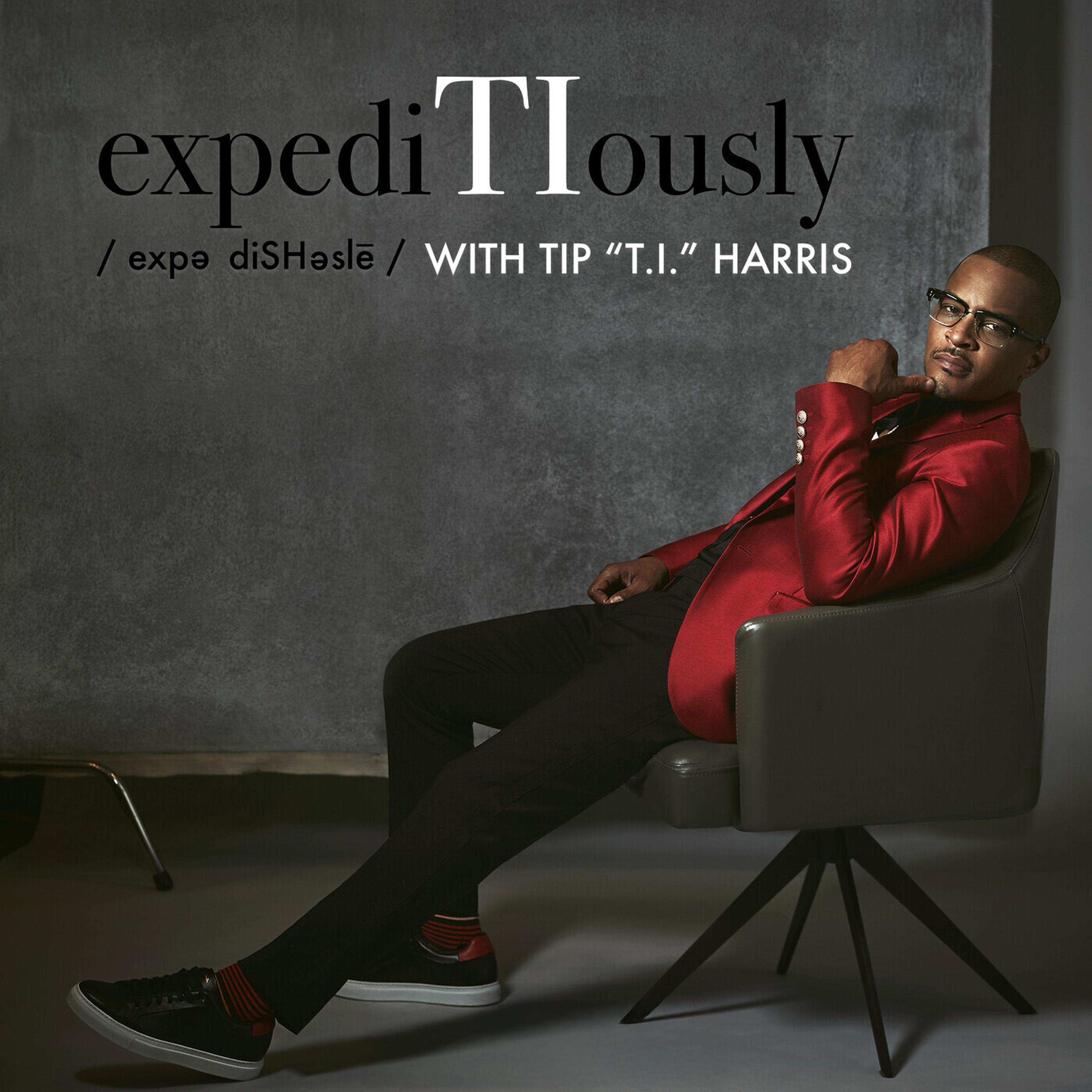
T.I., Chris Robinson, Domani & C Rob Jr Debate Music Video Budgets, AI & What Matters Now
63m 5s
The conversation explores the evolving nature of music video creation, moving beyond budget and views to emphasize artistic vision, emotional impact, and long-term cultural legacy. Host T.I.H.A. argues that the value of a video isn't in financial returns but in how it resonates with audiences and contributes to storytelling traditions. He highlights that modern creators should use data to guide decisions, yet prioritize authenticity over metrics, especially when building a personal brand or connecting with communities. The discussion references iconic, low-budget videos that still inspire today, showing how quality and intent matter more than cost. It also underscores the importance of collaboration, with artists and directors working as equals to bring real, human-centered stories to life. The conversation touches on the shift from commercialism to creative integrity, where tools like drones or AI are used to serve vision, not dominate it. A central theme is the enduring bond between creators—like T.I.H.A. and Chris Robinson—built through shared experiences and mutual respect. The episode concludes with the idea that great art is not fleeting; it forms an indesoluble, lasting connection between creators and audiences, transcending time and algorithms. The final sentiment is one of hope and unity: a new era of storytelling, rooted in authenticity and community, is not only possible but necessary.
This is expeditiously, I am too, T.I.H.A. Uh-huh, now the following experience is not a test, the conversations and stories expressed on this podcast are meant to be an expression of purpose and truth. This show, properly entitled expeditiously, is a free exchange of ideas and opinions, no judgment, no preconceived beliefs, no fear. You're encouraged to share your thoughts and ask any question as long as it's done with respect. And ask through true love and respect for others that we would change the world and speak truth to power, once you're at a time. Now without further ado, this is Expeditiously, I'm T.I.H.A. I think my main thing is to be saying, uh, it don't, it don't take all of that. Today, you know what I mean compared to what it used to take back in them days. Why not? Why not? Because we're looking for different things today, I guess not about how nice the camera is, it's about the quality of the video, it's about, it's not, like back then when you had a good quality, we got a good quality on our iPhone. So it ain't about the quality of the camera, how many different, it's not about that, it's about what are we looking at, what am I getting from this, what is this, what is it making me feel? I feel that, okay, I could chime in on this because we've done a project together, we did one day. Wait a minute, I can't wait, let's walk today, demanding, what do you think video should cause now? It really should just be based on the idea, I'm not going to say what I think because people get paid and people, people, this is what they do, you know what I mean, they feed their family off of their art, it's an art form. It's definitely different, but yes, what will you not exceed, it really just depend on the idea. So if I say I want a blowable builder, and it needs to be a real builder, not AI, it needs to be a real bit, that sounds expensive. So it just depend on the idea. Now, do you need to see it come down, you need to collapse, or do you just need to see an explosion in the other. I don't know, if I just say I want a blowable builder for this video, that's just my own stuff that I wanted to do. I just try to figure out how to get it done for cheap though, you know what I'm saying? If it needs to come down. We might blow the windows off and keep the structure intact, you know what I'm saying. But it's still going to be more expensive than if you wouldn't do that. So it depends on the idea, but is that idea worth what you're spending, because if you try to make money back from the video, how much money you're going to make back is what's important. Right. I'm thinking about recouping off the video, but you can speak yourself. But yeah, with the one thing that I've seen, this is something that I've concluded since then, that somebody brought it up to me and made sense, and say okay, even if the video don't recoup the entire cost of the video, but just to know the variety from the overall, you could make that back in merch, people could see the video and buy merch. You could make that back in shows, you could see the video or come to the show. You could make that back so many other way besides just what the video streamed. And you could film a free video. You could film a free video as to be in the green. Yeah. Okay. Let me hop in here real quick before I get to this. So this is what I've learned from Demani and Little Chris is that the times they are different. Right. I did your dad's video 20 years ago and it's still amazing. It's like making a movie, it's forever. That was the quintessential Atlanta music video back then. But it's still, you know, after millions and millions of views, it's the long tail, right? The world is about immediacy right now, right? So in the music business, you know, the music video wasn't about making a profit back, right? It was about marketing, a record that and you created something that touched the people. Some of my favorite videos have been that I've done or that I have seen have been low budget even back then. Like Diane Martell's work with ODB gang star, like these are images that are stuck in my head. And then when younger people discover them, they go, they're inspired by them, right? I notice, you know, look, you're trying to always grow at the times as any artist, right? So I understand your perspective because you're like, well, I can do this with my phone or I can do this with the with the digital camera and I use digital cameras. We use digital cameras, you know, just, you know, in the last video we shot, but the point is to what do you need to create something that's great? So what I'm learning, right, especially Taylor with your dad or this, what is, we have, we have conversations we've never had before, right? And he's going, there was never a conversation about money between us for a lot of years than the music business changed. And so with those values, because I just knew what the budget was and how you have the money was dispersed, was just something that the label just kind of handled and they did that. Right. And I just never bothered with it because I didn't, I had to pay it back, but actually I only had to pay head back. I understand. At the time. I understand. I understand. I only had to pay half of that money back to, so I kind of just let them handle it, but since now, since I'm kind of responsible, well, not even just saying now for the pair, it's just, yeah, you know what I'm saying, I kind of been responsible for it. And you know, it's just, I rather just deal with it myself. Yeah. I just think, I think this, I don't want to get it wrong, like, no, that's not how it should be. I want to always make sure that the artist vision, like you and me take, we'll have a conversation in there. The idea is big. Yeah. Right? So, you, you know, the connection is, well, if we want to fly a plane, we want to snoop in me and for where I want to Brazil, that cost money. We took a big crew, that cost money, and it was apropos for the time, right? But now, there's this thing, and I'm trying, I'll try to communicate it. And I've learned this this year talking to Chris a lot, and it's that I heard this word, nobody else cares, it's good enough. And when I'm, when we're talking about work, there's a, there's an attitude that I don't even think that's just an attitude, but it's, it's what the world is turned into. So, if I'm, if I'm creating a concept, I'm not focused on the money. I'm focused on how to accomplish it with, with, with, uh, other artists, right? Because it's, like I said, it's so collaborative. When, when you have a super techno crane, you're not just using it because, you know, it's a shiny toy in the film world, you're using it to get across this idea that you have. But guess what, super techno crane, it's expensive. So now, the thought process, it's, uh, it's, uh, articulating arm, and it, you can push in and out, and then you can swing, it's, it's a big piece of equipment that takes two guys to operate it. One guy swinging the thing, the other guy, zoom in and, I'm sure it's, at some point he did, I'm telling my photo, and departed, I believe, I don't know, I don't know, but, but so I, I just used that as an example, right? Because that's, those are the tools we learn with, but now the idea may be, no, no, no, no. Just let AI do it, or let's get a drone to do it. And so these are new, new things that are consumer and professional. And what you can utilize a $2,000 drone to own it is amazing. Like what you can do is amazing. I would use the drone, right? I'll absolutely use the drone, but I want to make sure that my client and the vision is what it is. So as we, you know, music, music videos is, it's just a different world. It belongs to you, truthfully, belongs to Chris, it's like we had our run. And sometimes we get together and we go, okay, let's create it like we remember. So those, those artists have a certain way. The Rihanna's of the world, the Beyoncé's of the world, the Alicia's of the world, like, you know, all that, all those things that we are familiar with that were successful,
rely on them. A lot of artists are able to go, you know what? I know the vision. Because the artist has even as much vision as the director. So, they are able to utilize that world and producers. It's so important about producers and how they can go, "Okay, this is what the director wrote. This is what he means. This is what the artist wants. And how do I produce this for this number?" And inevitably, even then, when it was a lot of money, you compromise. There's never enough money. So, you have to compromise. So, I get it. But what you said in the conversation was, you should spend over 10 grand for any video. And I passed out, I fell over. And you stand on that. But not me. Yeah, you should spend on it too. Okay, so look. See, that's what he said to me. He said, "That's good for me, not for you." But then I talked to Chris about the video, y'all did together. And I asked him how much with that video, what did you tell me, Chris? 40. 40,000 times. What, guess what? What? That's what you wanted to shoot. You wanted to shoot that. You said, "You know what? Just sit back, the money. Let me do this video. Let me call some the guy that I know could do it. I said, "I just tell me what to do then." Okay, oh, so that was, that was, but it was a great video. It was a great video. How do you feel about it years later? That joint. So, great. It was like a short film. I don't remember what the views were, but I don't know if it was a whole. But that shouldn't be the barometer of our conversation, no, the views. No, but could the view when the majority, it might like, they said, over the course of decades and years, and you still own that piece of content that man, that shit may collect more and more and more over the years. But I understand that. That's where the thought is. We never thought of losing the main dope, like people still want to watch it. Yeah. To me, it's not about the, the numbers for say, I understand you and the music industry, you have, you know, a bottom line that you want to hit, you know what I mean, on projects and certain things that you set out to do. But I think it's a, it's a longer range thing to sometimes. So, it might not make it back in an immediacy, but long range, like make sure I comment, you know, certain ideas is not necessarily about the dollar amount of what you can put in it, what you can, you know, what you can get out of it, but more so, how does it add to the lore of everything, you know? I kind of see it like, bass hits at home around, you know what I'm saying? Okay. Like, I feel like a bass hit could be spending, you know, $2,000 on a video and, you know, getting them off a good-a-go farther than you thought it would have went for $2,000, you know what I'm saying? That's a bass hit. You do, a double could be, you spend $10,000 and got them off a good deal to get a hundred million views, you know what I'm saying? It could be the home run to me. Man, I spent a hundred thousand and made ten million, you know, like that shit is all relative. Sometimes spending that money, when it's there, you know what I mean, when it's available, and division justifies whatever this number is, and you trust the people who hands you put into the end to do the work. Sometimes that earned you the right to be able to go and do a two million, excuse me, a $2,000 video and it not be as intricate, but it's still a shadow and it'll go farther because they like, well, I know he did this, this one must, you know, it's something to it, one way or another. I see both points and I think it's your light, man, shit, whether you go to the right or go to the left or basketball, it's a way to execute both, if you have a way around it, you know, strategy. Yeah, listen, I understand it because you guys say a thing that was never considered before. How many views did it get, and those views are connected to revenue. That was never really a consideration for us, right? It was a marketing tool, right? There was no YouTube, there was no recouping, you know, so I get all those things. What do you think, the most of the most of the money for videos is made? What do you think? You read the video? YouTube. So interesting because it's perception too, it's like we were connected to whatever the biggest TV you had at this certain point of the day when you would run home from school or our audience would run home from school to see that video, you're looking at it in your classroom when it comes out. It's coming out at noon. The anticipation ain't there. Right. But see, that's happening across the board, right? It's happening for films. It's happening in TV because YouTube is the most watched entity, right? The most watched platform here. And that kind of comes down to the way people live and the psychology of immediacy. immediacy means we had to wait for things. You had to wait for your mom to cook whatever she cooked in that oven. You're going to appreciate the sheet of films and media. But as much. Exactly, right? So if you see the video and you watch it twice, you're good because it's available to you. It ain't just that they go and watch it when they think about it. They just sit on the TV and let this sheet roll. What you mean? They had their own like like their own fucking program in the videos. They just said it and forget it. If she could just run all day long. Yeah, I'll go to the movies and then it comes to whatever the fuck the algorithm says. Understood. Understood. But but there's no, but there's no, but there's no, but I'm going to flip the table. Okay. I'm going to flip the table. Disrupt the whole conversation. The man told me we only need this video, man. It's real, man. We can do that. It was nice being on this show. Goodbye. I see it as as an independent artist spending your own money trying to figure out trying to collect data to determine where to spend the majority of your budget when to shoot a music video. How much do you spend on a music video? I say it's best to start with visualizers. You start with just it could be b-roll. It could be a loop 30-second visualizer on your YouTube and then let them demand for a music video. Then you know, okay, people want a music video. There's a demand here. Now you got some data. Then you shoot a music video. I don't, I'm not I'm not pro shooting three, four or five music videos before you drop your project and then just force these songs on them. People we have access to the data today. Like we can see in real time. What songs they want to music video from. That's what I'm saying. Like back then that you say shoot five music videos before you put your project out. No need to come to me talking about you want to put it out of me. I'm gotten on music video shot. You don't even know what the people like yet. So it's like you don't and then I will prefer to shoot content on social media and let them help you build the music video. Like the number is based on the content that you shoot could tell you how they want the music video and you be a service. That's what I said. Listen, he did say that and he's absolutely correct. Yeah. Now this was my response to him. Yes. All of these these these these analytics add up to be correct. The one thing that he's leaving out is that we as artists are put in the position to lead to lead by way of taste. Yeah. Which which which and I believe that now as I use is the tale shall never wag the dog. Which means if I'm not showing up saying hey man this is what dope. This would everybody should be listening to and doing. I can no longer come and sit and ask okay so what's dope now and what is everybody. What should everybody be doing? I can't be both of those. I don't have that budget to say. It's about the budget. It's about the belief. No because this stuff's been it caused money. So if you say you know what I like this on the moment I got the moment I spend the little money I got the little money I spend but I'm still gonna spend on what I say is those and make the world see it as I see it and I'm gonna gamble on that until I hit right. I see that as me getting in the way of the music after I create the music. It's not it's not on me. I can't get in the way of how people digest it and how people want to see it. You know what I'm saying? That's that's they taking in the music that I made after that I've made it already. I didn't I didn't get my part. It's not about me no more.
Now it's the world, you know what I'm saying is that when we put our own Could be flaws or pain like when we put our own stuff like that on the music when the people telling us one thing and we say in this I look at it like that as well. Especially as an independent artist. That's interesting simply because I see it that way for film But what do you see? I see it that way for feeling like I can see why somebody would like shoot vignettes To see if a film would work before they put all their money in shooting a whole field It makes more sense for film to me than it does for music Maybe because of how I came in the music. I just been right so many times Yeah, I just right as far as like hey, this is the right song even when they say I know it first this is the damn song I mean lo and behold that with the damn song. That's why you do that's why that way to me if you're like I get it. You're right But except she's a man from a section of circles. Some some things can be I'll say some things can't be measured by data Some things okay, true, but it's working for him and I can't take it. I know it said really it works for you It worked for it worked for king. It should work for it worked for everybody We have used it. I think the time to have changed. Yeah, no question. No no question. I listen. It was such an eloquent You know description of it. You almost had me leaning towards your side But I just think that the chick Lee But you know, they're like I was saying there is no but is there's just a different world. I think You have a you have an expertise that many artists Don't have right you have the advantage of you know having one of the greatest as your dad and he Has every level like here's the his interesting truth I I'm not in the music business, right? I'm in a film business. I'm in a storytelling business And that's what motivates me and and you guys understand data analytics We you know understand it too, but in a in it's such a soul for thing for me telling stories and so my first mind is goes to how do we create this so it's amazing so it hits the audience whether it's a Super Bowl commercial a movie a series like the things that you that you remember or the things that we remember or Are things that are extraordinarily well done and I feel like sometimes the things that I hear and in some conversations I have Are predicated on making the number work so much that That word I said a little earlier. I hear the phrase. It's good enough And that's where I can't pretend that that doesn't make me cringe a little bit I can figure out if you go hey, man. We have this. I can figure out how to tell the story It may not be the original story, right? You don't want to bite off more than you can chew when you're creating But it may be a different story that I'm going to tell for the for the budget that's available, right? That's how I see I think it's amazing of the knowledge that you have about this I just hope that you will change your opinion Telling storytelling parts of your music. That's amazing. Yeah, you know, I'm saying his ideas will get big if it makes sense to why we spend in that But if that if it's that expensive because who shooting it and because of the type of camera. That's true I don't think that really I don't think that makes a difference some of the success of the video. I Can I want to grill who shoot Like sometimes the person who shoot I'm just saying it sometimes the person who shoot and it come with their own following Like you like height little X like it's just certainly the certain people that you get today even Dave Myers and and madler but to but to your point there are so many amazing new artists new directors just child kid art little Chris LCRS with a dollar sign at the end. That's his is his right to the best one. You know I'm saying you know no doubt and I see it and I and when I see those artists Do their thing. I don't think about the budget. I never question. I wonder how much that was It is art How much it cost to do because your music is not man. I see money when I look on the screen. Um, I either see money saved or money spent Just like I love to see you know when I still can't forget that then ace out rocket LED video. I still can't tell you. I'm Just a classic that my forget. Yeah, which one in this DVD. It shot it out and took you off and it was inspired by A trip into the void. It was inspired by a movie into the void. Okay. Um, but yeah, so you say you can't Figure it out figure that that's what I can't tell you so you love it. I do love it. Okay, so you say like it could have been $1,000, $1,000, $1,000. It don't I can't tell you because I don't know how much of it is real How much of it is is this the one with the helicopter? No, no, no, it was holding in that book. What you're handling stuff in it? What I was saying is some directly just like it's yes And it's seen like BTS of him in his trip in Tokyo and it warps from seeing the scene with this trippy fucking vibe Butchered colors and sounds dope. Yeah, it's dope in here, but it's saying like what you could have been done from real cheap and then they put it out and they just look at it. It's just a suit to be expensive. Could it be some shit like that? That relationship's important. Yeah, if it looks like a duck and it's wet and it quits Hey, if you love it, it costs a month. That's right. It costs some, but it might not be a moment. It is out. You know, I might as soon as it comes Yeah, it'll take my brother to say how much it really cost. I couldn't I would even if I look at it I couldn't tell because everybody has their technique one thing about you. I tell you what wherever you say it called That's really what the shit called You pay a lot of people Well, well, it depends I pay a lot of people if I have a hundred and some people as extras you pay a lot of people Which you know, but they all do is she yeah, yeah, you you have to send the army You know if it is an army I've shot videos with two people You know to and I love shooting that way one of my favorite videos of all time. Oh, sorry. I'm sorry guys It's been nice having y'all Man my bad one time for the next generation. Hey, man Yeah, these are the these are the next guys Yeah, that's what the guys now we made a no money for ourselves I mean, you know most of the things we want now we want for them. Yeah, true Um, and we got so off track man, because we were talking about ATL Yeah, and that's what they really want. They all this shit. We talking about that Man, when they go talk about it. Make a outcome get me when they talk about ATL again. Yeah, man We we're very fortunate to Do our first films together and put that team together and Make something that we you know When they told you when they told you we're going to be me you were like oh, hell no shit Do you remember I went to meet you at Ruth Chris Steakhouse? Yeah, I went to that with you And it was it was awesome because it was like you were I only like to describe it as you were a young Frank Sinatra like You you had a table full of people It was white table and I came and scooted the chair up next to you Hey, you're like, you know, whatever 15 years you're gonna be you eat the steak and I'm just and it's loud And I'm describing the bovee and what it needs to be and you're like And I I walked out of it thinking this guy's a star right he is a star This is the guy and of course Dallas Austin was like, yo, I think this guy T.I. He's from my city and He he he already knew right and actually we were supposed to put me in drum line, but he didn't always that right Oh, didn't know that it's all right. I think that man. Yeah, he got the right. He got the right Star for that movie. Yeah. Yeah, you got the right stuff for that movie. Shout out to Nick Yeah, once I have a new and he damn sure did and I believe I'm the right star for that for the one that we did Yeah, yeah, and we had already done a thing together. You know, we we did I'm serious, which was That was yeah. Yeah. Yeah. That was a great. That was just a great like we went all over Yeah, we went all over Atlanta. We did we did it and you and you you had I got to see you have a command of being so young and
and that's what movie stars are, you know what I mean? And look, it's all different, it's changing. I used to always tell you, be Steve McQueen, because you know, you had that thing, and I just kept saying, you're gonna be 40 feet high on a screen when I shoot your close up. People are gonna be in a movie theater. People don't go to a movie theater as much, but in that moment, that's what you were able to, really, really bring, and I don't think a lot of characters like you had been shown to the audience because so many people could connect and understand. And that's what was important. So, how did you, how did you go from that moment in Roof Chris to putting together the rest of the cast? How did you handle it so many very different actors from very different walks of life with different backgrounds, and make us an all-star team of beginners. Except for Jason Weaver. - Yeah, yeah, I think, you have to do the work. You know, Kim Harden is an amazing casting director, and she wrote all those people through. All those people, in L.A., we did days and days and days of casting, and she taught me so much about how to evaluate, how to look at it, 'cause there were some people who came in that were like, oh, they looked apart or they sounded the part, but they weren't there completely. And at some point, when you have a green light movie, you either, you have to go, or it stops, right? When we did shooting stars, we had to find a young LeBron James. And I looked under every rock. My man hips, like his kid is involved in basketball, he's an AAU dad, and he knew every kid on it, he's close. And we eventually found, you know, Mookie. - And one time for Mookie. - One time for Mookie. - No, we don't get back to the ATS. - Yes, yes, yes, yes. - So you put us together, and I'm talking about the young crew, you know what I mean? - It was casting, it was, you know, that's part of the filmmaking process. - But juxtapose with the veteran kind of executive cast that he had, like Michael T, you know, and like Keith Davis, I love Keith. - You feel what I'm saying? - Yeah. - Lynette Mookie? - Yes, Lynette Mookie, and my home girl, the twin Tasha. - Oh shit. - Tasha's getting up. - You know what I'm saying? - I love Tasha. - Who's now phenomenal director, yourself, and her own right. Was that an intention to juxtapose new comers with veterans? - It was, really with the new comers, it was always the intention, right? Always wanted to make stars, that was all part of it. And this was a perfect script for young new people, right? You know, if that would have been full of, you know, Nickelodeon stars, or just stars of the day, who had been in movies and things, it would be a totally different movie, right? And I think that it was great that Warner Brothers gave us the control, of course, there was James Lasseter and Will Smithwater produces. - Absolutely. - So they carried a lot of that weight and let, I mean, as a filmmaker, they stood in the gap. - They stood in the gap for us. - Oh, absolutely, absolutely. It couldn't have been a greater first movie for director with the support. Antoine Fisher wrote the story. He has his own movie that's amazing. - He does. - Tina Chisholm wrote the script. She did amazing. Joe Robert Cole, who wrote Black Panther, then wrote along with me, the last version. So those are, so that's the last version, you mean the, the, the last version? - We came in. When we came to Atlanta, we worked on the script for weeks, right? To be like, - I had read a script to the first day, I got to see it. - Oh my God. (laughing) - Don't tell anybody that. - Now I've just let go. It just tells how talented you are. - No, no, no, no, no, I'm really, I'm camping, I'm camping. I read the script when it would jelly bean. - Yeah, yeah. And it was kind of this, you know what it was in the beginning, it was a little more edgy. You know, it was a little more maybe rated R, you know. - Yeah. - Like kids, and I think. - 'Cause somebody, somebody died. - Yes, yes. And, but I think what happened to us, we had good fortune, man. Because it got to a place that really, the audience was able to accept it and identify with it, no matter what age, you know. I'll have older folks and little kids that still say, "Hey, that's my favorite movie." So, you know, we did a thing. And in a whole career, you know, you know, that's our Lauren Hill moment, right? She did one album. And if I only did one movie, it would, I would want it to be ATL. - That's hard. - Yeah. - Now I got to ask, I ain't doing my job as a journalist. - Is it gonna be a ATL too? I got to ask that, 'cause if I don't, they gonna say why I ain't asked. - Well, I'll tell you. - Okay, tell me. - There's a lot going on in Hollywood right now. - Media? - There's mergers. - They shaking their tape. - There are things going on. But I think I'm so, I love what Malcolm Lee was able to do with those characters that he created and, you know, 'cause we really wanted more and he gave us more. - Right. - And he created this best man and best man too. And the series, right? - Right. - So, I'm enamored with that. And that's an amazing thing. That does not happen very often. - It does. - And I think, I think this. I think it would be amazing for us to get together. I think it would be amazing to continue telling the story of these characters. And. - We'll talk about how close we've got. - Well, we definitely got together and put in some of our own funds to create. Trailers and kind of motivated. - We had the approval to submit a script. - Yeah. Yeah, I remember those conversations. - I write a quit on us. - Mm-hmm. - Yeah. - Okay. - I don't know who we were, I don't remember. - But, yeah, boy, you bring it back. (laughing) I think I buried some of that stuff. - Yeah, we had, no, we had it. Like, they were like, I cool. Brings us a script and we is running. They actually said, okay. And as we were working on the script, 'cause me and you had been discussing the story and how we knew it would pull with the beat. And they came with something else. And we're like, nah, look, we need you to write this. - Right. - Yeah. - Yeah. - I don't have to take this. - Yeah. - Oh, yeah. - You brought that all the way back, brother. - Yeah, sheesh. - So we've gotten very close, but I think that, you know, the time, and I believe, I believe, this is not, nobody else on the care. I believe that one day it gonna happen. - I don't know. - From your mouth to God's ears, but I believe one day it's gonna happen. - I think it only, I think it would be amazing, but I will say this. - I don't know how old we'll be. (laughing) - How young you son of my son will start in it and direct it. - Yeah, my grandson, my grandson and gonna be producing, man. - I'll say this, we don't own it. And ownership is very important, right? - We could acquire it. - Well, now we're talking that good TI business. (laughing) - We could acquire it. And it would be amazing, and we should investigate that, but I'll say this. I think just this cast of amazing human beings, being on the screen together, is what is most important. Everybody wants to see the characters. - I'm picking up what you're putting in. - But these actors, it's different. Like you and Evan and Jackie and Albi and Lauren, just as the actors and whatever characters you inhabit, if you do it together, I've never seen that. I've never seen it in the history of film in that way. - Okay. - When you start rapping like that, pinning. - I'm picking A, man. I'm smelling what you're saying. - Yeah. - Yeah, man. - We'll continue that conversation. - Yeah, sure, man, we are with, man. Conversation is of no shortage with us, man. We both like the top. (laughing) - No doubt. Now, working with. You know, one young star's journey through, you know, film and taking that and going to another group of stars' journey in New Edition. And that was a different time and it was a more, you know, a more extended story. How did you approach that project that different from other things you've done? I think it's just putting in the work. It's the same. Like Jesse Collins carried that water for a long time. He had that project for 11 years and at the time for years I worked with him and he would mention it. Once a year, something like that. And, you know, New Edition was my first concert as a kid, 16 stole a car, drove the Philly from Maryland, you know, with my cousins, right? It always kind of comes back around the family. And so I was never able to do a New Edition video. And then Jesse, just one day we were working on like an award show or something like that. And he goes, "Would you be interested in doing a New Edition movie?" And I was like, "Well, yes, I would, sir." But the approach creatively was very interesting. It's hard for a movie to a series. Yes, exactly, exactly. You know, that was, you know, when Jesse, you know, was doing those producerial things and he figured out what, you know, you know, the company that was going to air it or put the movie out, wanted, he was able to adjust because there was too much story in the two-hour movie. For the two-hour movie, you would have, you would have had to skip so many things. Right. But, you know, the casting, my God, the casting was epic. Kids came from all over the country to play the smaller guys. And there were, there were some kids who looked just like New Edition, right? Right. There was a particularly one kid who looked just like Ralph Tresman, but the kid we use embodied him. Got it. You know, the older, like, the different between looking, liking and being like. Yes. That was it. They all could sing. They all could dance in real life. And then we just, and then we, it was really harder to find the older versions of them. And they, they kind of came one at a time. But with Luke James, we could not find a Johnny Gill. And I had just shot Johnny Gill's first performance on like B.T. honors or something like that. And I was just said to the producer, I'm like, what about that guy, Luke James? I'd never seen him before that. And he did like a dedication to Tony Braxton. Are you related to Tony Braxton? I am not. I am. But she's my sister. Yes. And in, in, in, in, in, in, in the Lord's name. Amen. You did. But because of the Harris's, yeah, the, the, the Harris's and the Braxton's are connected. So we never, we never did our, I always felt close to you and me. I felt close. I felt close. And, and Teymar too. Right. Yeah. Teymar talked to, to me, like, to my sister. Yeah. She bought me around like a brother. Right. I love that. I love that. I'm sorry. One of the many things Chris Robinson is good at. He's good at being related to famous people. So. So. So. Okay. What can't this guy do? Yeah. Yeah. Um. Okay. So, the Newer this story, I, what about, uh, the Wu-Tang saga? Wu-Tang saga was, uh, amazing. I, once again, it's God's timing. I, I, I got to do a ghost face video, but I never did a Wu-Tang video. Okay. - And what's Ghostface video you do? - A pile of kids. Yeah, it was a ghost and wreck. - Okay, yeah. - All right. - Yeah, this was one of my favorite joints that I got to do. - All right. - And Maddie Liebitek shot that. - Okay. - So he's an amazing DP who's doing the biggest Oscar nominated movies now. So, you know, that's kind of that beautiful trajectory. But that, the ability to work on that and do the pilot for a series is what every director covets in their career. And, but God's timing, I didn't get to do a video, but I got to do the pilot. So, basically lived in Staten Island for a few months and we put that together. And once again, we cast and, you know, finding ODB was probably our hardest thing to do 'cause Rizzard kind of knew who he wanted to play him. And we would just went through that process and then imagine having nine guys in the group who have to sign off and who plays them. - Damn. - And these guys are the realest and I hold in their tongue. And when they were impressed and happy with our casting, that was like a big relief. - Most of the most difficult day you can remember. - The difficult day? - Yeah, difficult conversation. Probably, you know, just taking what I knew from living it and being a fan and being in the game to what, you know, basically was the overall kind of thought process about those details. I'd say that. Those were the most difficult. - Well, I mean, with what, with what member? - It was the most difficult day because of the discussion you had to have. - You know what, even though he's not with us, the hardest one was ODB because a lot of the other people who were the part of the team did not see the vision for the young man that I was like, this is ODB, like this, he's great, he just needed to be directed and no one had, the times he came in for casting, the casting directors kind of let everybody do that thing and he was just too big and I just was like, I just had to direct him and he became, in that room, he became ODB and when we represented it in a way, it was almost like they had never seen him. Like they're like, who's this guy? He's the same guy that nobody likes. - So that was difficult. - Again, you are right. - Well, I'm just not talking about the times I was wrong. (laughing) - Hey man, good, this is a good idea. - Yeah. - It's a good idea. Man, such an illustrious career man, let's spend a little bit of time talking about what we just did. - Yeah. - Let's talk about what we just did and we have a lot of plans and you know what I'm saying? We ain't really gonna talk too much or speak too much on like our plans to celebrate 20th anniversary of ATL, what you did here. - Yes sir. - Congratulations brother. - Thank you bro. - Thank you for your congratulations. - Congratulations to you. - Yeah man, I appreciate it. We have plans that we won't divulge just yet, just know it'd be shit handy. Let's talk about what we just did, man. How does it feel to direct the video that will introduce my last album? - Man, listen. It was amazing, it felt, it felt like it made the time space continuum shrink. I was right back there to, you know. - This man said the time space continuum shrink. - Well listen, I looked at my Tesaurus before I came here. - Hey man, okay man, that's a, but what was it? - That was a high five sentence man. - Yeah. - Yeah. - But look. - I'm into that. You, we were, it was hot. We were in the middle of, you know, the bluff and bankhead and, you know, you know that you get to these places where everything is so manicured or you recreate a thing. And you, the thing about you that I also find great is that you are a man of the people. Yeah. And I get to witness it every time I spend time with you. You know, some people call it being kidnapped by Tip. - No. - Some people call it that, that ain't what the fuck happened. - No. - No. - So, so there is a thing, Tip now, Tip now, Tip now. - Tip now, that's what I've been, Tip now. So, so you, what happens is you get with Tip in the morning for less say lunch. And then at 4 a.m., you end up on a stage while he's performing to a crowd of thousands and that was just part of your day. And, but what that's connected to, you see all the things in between, you see the kids come up, you see the old ladies come up, but it's different from just somebody being a celebrity. It is, you take the time to talk to every individual. Some people get this much time, some people get that much time, but I've never seen you not engage with the people because this is, this is not Hollywood, this is real, this is where you're from.
is where you live and you own the city in a way. - That's the same road shit. - No, what I'm saying, that's what I mean. - That's what I mean, the city. - It's almost like I can't articulate it. - I tell you, it's a little pushin' in there, man. - I hear you the same, they don't own the city. - But see, okay, I do, I care, I care. - Yeah, I care. - But take it from a director's point of view. - Okay, okay. - Like, so I'm writing the story, right? So we're going to shoot a music video. We find these locations, we talk to the people who are there. And we're going to create something that's a story, that's fiction, to a certain degree. But first of all, the music and lyrics is real, and the place we're going, you didn't say, hey, let's go to shoot it on a stage, or let's shoot it here, or let's shoot it there. Let's go to the place. And then you supported, can I say Tuskegee? - Yeah, you supported the Tuskegee band. So we had a hundred plus people, man. - Well, there's a reason we went with the Tuskegee band. - Sure, yes it is. - Because the producer, his name is Mr. Hanky, he sampled the Tuskegee band's war chant. - Yes, I suppose it was, I think that's what they called it. And then which also sampled, slide in the family stone, and also sampled, beat Pokey from Houston. He's telling a little Pokey, you know, in screw, ammo. - My point being. - But, but yes, absolutely. - Offenticity is always being beat, bro. - That's it. - Like, we got two actions. We can make some shit that look like something there. It has happened, or we can make the shit happen. - And that's the, all those things we talked about, that's the greatest thing. - And I did try to get as real as I can with it, as authentic as I can. I could have got a different band play it, but why do that? When they write down, they probably would love to do it. - And when it, and what happens is, - And they're in play stone screen, we're gonna put them in the most outlandish situation possible. You know, I tried to get them in Magic City. I couldn't get this sand out from them. But that would've been like, you know what I mean? That's the kind of shit I'm thinking, where's the last place you should be at the sea? The Tuskegee Marching Man. - Amen, it was fun. - It was fun, you know what I mean? - And I met Snow on the bluff. - Yeah, yeah, yeah, yeah, Kurdish Snow Man. He was real with two men. - It was great, he's a statewide treasure. It's your, your love's Kurdish Snow Jit, like they love to. I wanna know what keeps you pushing, man. Like, you know, the sea, the world changing, that you know, as far as the industry, that you grew up loving wanting to be a part of, to see it change to something that you don't even know how it's going to end. - Yeah. - And you're on the verge of being the best at an art firm that is going to not be done, the way you know how to do it. - That is, man, you hit that nail on the head. - So what keeps you going in this shit? What doesn't make you say, okay, I see this going in their way. So before I get there, let me go and start something else and the whole another just starts something else to do something new. - I think it's just the love of storytelling, it's really something, not so interesting maybe to say, but it's the love, it's the love of storytelling. - Anybody with that level of commitment and anything that they do and they are a perfectionist and just, man, you're an architect at this shit. So anytime someone who's so good at something hasn't been necessarily tainted by just money grabs and what they could do to earn the most money, and they can't any like, that shit is beautiful in their cell 'cause it's not enough of that shit in the world. - Yeah, I'd look, I think there's a time when it's like, yeah, that's a motivator, but that's when you learn how much you love something. Like if I could switch and go, okay, I could be in this part of the world and make a lot more money, that's the gift in the curse because I would not be interested in it in that way. I'm interested in growing growth, understanding, I'm very into marketing and branding and building, as it's connected to storytelling and storytelling kind of through family and even new techniques, but it's storytelling at the end of the day, you know? - Yeah, I wanna know, what's it like working with Tip? - It is like working with your brother. Like, Tip is, he knows too many things. - No. - He doesn't listen, he has to deal with, he has to deal with it. - Tip will be in a middle of, you know, sometimes when you're on the field of battle so to speak in film, you're pushing the sun's going down, you wanna make your day and sometimes tip will stop everything in the middle of a rush and go, why are we doing that? (laughing) That, there's a hundred people on the street and the sun's going down and, you know, we're measuring the sun and he's like, well, and it will be so right, you just wanna have the argument, but sometimes you have to acquiesce of logic or sometimes I'm prepared enough to go, he has to acquiesce to my logic and but what's great is that we both have the same endgame, which is to make it great and it's, and I think that's what makes the greatest art. I'm so excited about this to get in the edit because of what we walk away and shoot. Sometimes you'll walk away from something. - What's going to be the thing that you do to it, the freaky, 'cause you do that with every video. - I'm not telling you, I am going to send the first cut. I'm gonna send the first cut and be quiet till you call me, right? "Hight William, count your fucking days." That's the trick. Oh, come on, man. That's a hero, my, that's just joking. He didn't say that. He didn't say that, man, it pisses me off. Have fucking will. All of you guys get along, man. You pull to be at your thoughts like, we are, man. I'm the fuck you guys, some nice to each other. - Amen, man. - I'm just joking, man. - You know, I would jam me stars of shit. So, just to kinda, I guess, get rid of all the rumours and the people who think that I'm just capping. - How do you measure how much time you got before the sun sets? - Okay. - 'Cause people think I was just saying some shit. - Right, right. - I'm telling the king, I thought I was just talking shit. They don't believe me. You taught me this girl. - Yeah, yeah. I learned this from a gaffer. Things Jeff Ferrero. - Please, Jeff, people what a gaffer is. - A gaffer is the gentleman who sets the lights, the guy who deals with the electricity, which is a real situation when you're putting these big lights up. And, but what he mostly does is help the DP design the light. - Okay. - And just one of the most amazing guys. But basically, it's the most old school thing that you can, no, but these OGs know it. - Absolutely. - And when you see the sun, and then there's the horizon, every finger is 15 minutes, right? So if you look at it. - So every hand is an hour. - Correct. Yep, that's it. So, that's it. - I told people that and they said, man. - He's just telling him anything. No, this is real. - When I first heard it, I was like, what, get out of here. - Yes, what it was exactly. It was, it was right as soon as I tried it. - Yeah. - I didn't, I didn't question it. I started listening to everything else you said. - I don't know. - Well, thank God. - Man, thank you so much, man, for being a guest today. I think that we've had, this is my first expeditiously after-dog, it's nearly about three in the morning. - Uh-huh. - It's 'cause you had us working today. - I did have a working, but she is. (laughing) I got here quicker. - Yeah. We have here something here expeditiously called the word of the day. - Okay. - The word of the day is a word that usually is picked from the conversation or it is inspired by the guest. Today's word of the day is indesolible. I hope I said that right. Indesolible, yeah, indesolible. Beal.
in the soliabuel, yeah let's go with that um I'm gonna say that again today's word of the day is in the soliabuel that is silent lasting and completely unable to be destroyed, broken or dissolved and the sentences our long-lasting relationship has created and in soliabuel, oh excuse me, in this soliabuel, let's do that again, you know this THC juice, it works, this year it works, I don't know if y'all can tell but I feel good in the soliabuel, what is it? In the soliabuel, all right cool let's do it. So here traditionally we have something called the word of the day, the word of the day is usually the word that derives from the conversation always dedicated and inspired by the the guest. Now our word for today for you Chris Robertson is in the soliabuel, indesoluble, indesoluble, indesoluble. I'm saying like I sound like weeping you more fucker man, amen I guess I like weep but y'all guys what do you say? And the shalom, the shalom of good decision, the angel, the y'all got some names in this motherfucker man, God, that's it, one more time indesoluble, indesoluble, indesoluble, indesoluble, indesoluble, okay got it, I tried to put an eye in us somewhere indesoluble, indesoluble, it's definitely a super word. Okay, we have some kind of word of the day is usually something that is pulled from the conversation or that is used to describe the guests and the word for the day is indesoluble. Indesoluble is a solid, it's solid long lasting and completely unable to be destroyed, broken or dissolved. Our long lasting relationship has created an indesoluble bond and so is the art that you've created. I hate man, Chris Robinson, proud to call you my brother, proud to be able to work with you so late and long in my career and y'all we welcome here, expeditiously, love and respect. And one day we're going to do another movie. Oh yeah, not one day, one day soon. Yeah, one day soon, preferably ATL too. Yeah, but you know, we'll do another one if not. Yeah, okay. Yeah, this has been expeditiously. Man, this is dope. This is expeditiously, I am till T.I.A.
Podcast Summary
Key Points:
The value of a music video lies not in budget or camera quality, but in the authenticity of the vision and emotional impact it creates.
Success is measured beyond views and revenue—long-term cultural resonance, artistic integrity, and legacy matter more than immediate financial returns.
Modern creators are shifting from rigid budgets to flexible, data-informed decisions, using social media engagement to guide content development.
The role of the artist as a visionary is paramount, with the belief that personal taste and creative direction should guide production, even when financial constraints exist.
The collaboration between artists and directors has evolved from a top-down process to a deeply collaborative, human-centered storytelling approach.
New technology like drones and AI offers creative possibilities, but the true value lies in how these tools serve a clear artistic vision.
The legacy of music videos—like the original Atlanta videos—endures through cultural impact, inspiring future generations even decades later.
True artistic success is rooted in authenticity, community connection, and enduring relationships, not in financial returns or algorithmic metrics.
Summary:
The conversation explores the evolving nature of music video creation, moving beyond budget and views to emphasize artistic vision, emotional impact, and long-term cultural legacy. A. argues that the value of a video isn't in financial returns but in how it resonates with audiences and contributes to storytelling traditions.
He highlights that modern creators should use data to guide decisions, yet prioritize authenticity over metrics, especially when building a personal brand or connecting with communities. The discussion references iconic, low-budget videos that still inspire today, showing how quality and intent matter more than cost. It also underscores the importance of collaboration, with artists and directors working as equals to bring real, human-centered stories to life.
The conversation touches on the shift from commercialism to creative integrity, where tools like drones or AI are used to serve vision, not dominate it. A. and Chris Robinson—built through shared experiences and mutual respect.
The episode concludes with the idea that great art is not fleeting; it forms an indesoluble, lasting connection between creators and audiences, transcending time and algorithms. The final sentiment is one of hope and unity: a new era of storytelling, rooted in authenticity and community, is not only possible but necessary.
FAQs
The podcast is a free exchange of ideas and opinions, focused on truth and purpose, with no judgment, preconceived beliefs, or fear. It encourages respectful dialogue to inspire change and speak truth to power.
Music videos are no longer solely about profit or immediate views. They now serve as storytelling tools that can inspire audiences and build lasting cultural legacies, even with low budgets.
The focus should be on long-term impact rather than immediate views. A video that resonates emotionally or grows in cultural significance over time can have greater value than one that performs well initially.
Yes, many successful videos have been created with minimal budgets. Authenticity, strong artistic vision, and genuine connection to the audience often matter more than expensive production.
Artists should prioritize their creative vision and collaborate with trusted teams. Even if a video doesn't recoup costs immediately, it can generate revenue through merch, live shows, or ongoing fan engagement.
Storytelling is central—music videos should tell a narrative that connects emotionally with the audience, reflecting real experiences, cultural roots, and shared human moments.
Chat with AI
Loading...
Pro features
Go deeper with this episode
Unlock creator-grade tools that turn any transcript into show notes and subtitle files.
 PodcastTranscript AI