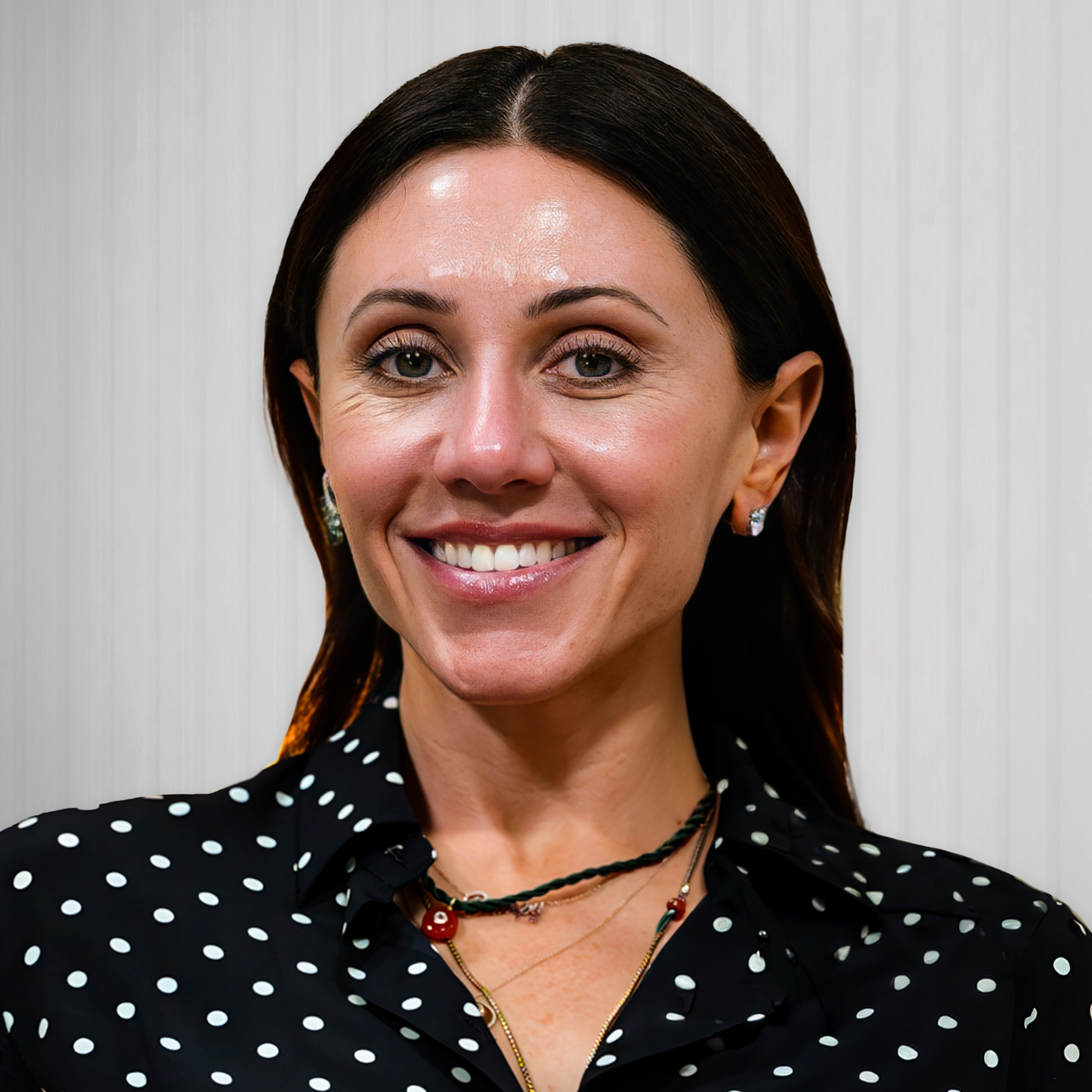
Stop Chasing Wellness Trends and Build Wellness at Home
from Nourished with Natalie
60m 24s
Amber, founder of the Well Drop, shares her transformative health journey from juvenile rheumatoid arthritis and Crohn’s disease to healing through food and lifestyle, long before such approaches were mainstream. She emphasizes that a strong foundation is critical for longevity, stating that no supplement or hormone can fix a broken base. Her method focuses on three pillars: comprehensive blood work (full vitamin, mineral, thyroid, and hormone panels) done twice yearly; creating a healthy home environment, starting with reverse osmosis water filtration (ideally with mineralization) and avoiding plastics; and self-advocacy in medical appointments. Amber critiques the traditional medical system for treating organs in isolation and encourages seeking multiple expert opinions. She notes that affordable at-home lab tests now empower individuals to own their wellness, with prices dropping to $200–300 annually. Practical tips include using structured water, natural-fiber mattresses (like Hastings or Avocado), and air purifiers to reduce off-gassing from foam beds. Amber’s approach blends Eastern philosophy with modern tools, aiming to help women in midlife feel strong and supported. Her own experience, including her son’s Crohn’s diagnosis, drives her mission to demystify wellness and make it accessible.
So if your foundation is rocky and there's cracks in it, it doesn't matter what supplement, what peptide, what hormone you might put yourself on. It's not going to work for longevity because your foundation is broken. Hi, I'm Natalie and welcome to Nourished. Today's guest is someone who truly embodies what it means to transform your life through lived experience. Amber, founder of the Well Drop, spent over a decade building a successful jewelry concierge business before a series of deeply personal moments, grief, loss, and witnessing illness shifted her path entirely towards wellness. Her journey is rooted in her own health story from being diagnosed with juvenile rheumatoid arthritis at just 11 to navigating Crohn's disease as a teenager. And ultimately, healing through food and self-led care long before it was widely understood. That journey led her to create the Well Drop method, a framework designed to help women feel strong, supported, and empowered in their health, especially in midlife, where so many feel there is no clear roadmap. You always have to advocate for yourself and that was a huge lesson. There isn't just one doctor that's going to give you all the answers. I think we want that to be everything starts in the house. So if you don't live in a healthy home where we spend over 70% of our time, you're never going to be well. Amber, welcome to Nourished. I am so happy to have you here. I feel like it's been long overdue. Thank you so much for having me. I'm excited to be here. Yes, of course. So I always like to start every single episode with the same question. And that is when is the last time you hit the hard reset button? I would say for me, my last hardcore reset was maybe when I was in India about two years ago. Oh, wow. OK. I'm inspired the trip. Deep reset. We went on sort of an exploratory mission for my son. It's been a very long wellness journey for him. He was diagnosed with Crohn's disease six years ago. And so we went to go see an Ayurvedic doctor and learn about Ayurvedics. Wow. What an amazing experience. I mean, obviously not his diagnosis, but the fact that you actually sought out a different approach. Yes, I'm always sort of like the person when like someone zigzags, like I'm always doing things outside the box. And I also love to learn from people who've been doing their craft and our experts and their fields and have been doing it a long time. Wow. So no better place than to learn about Ayurvedics and going into India. Go to the source. Go to the source. So you mentioned Crohn's disease. And if I can say this is also something that you suffer from yourself. I was diagnosed when I was a child, but I healed myself through food and lifestyle. But my son has had a completely different journey, which has been really fascinating to learn. Wow. So for the people listening who maybe don't know, what exactly is Crohn's disease? Yes. So Crohn's disease is an autoimmune disease that usually is in your intestines. So mine was in my ileum, which is like a chronic Crohn's area and basically your body's attacking itself. So for me, my diagnosis happened at 14. I believe that that was stemmed from actually a poor diet and from some aspirin that I was put on at 11 years old. So was that the first diagnosis when you went to a medical professional when you were 14 or was it a long road in getting there? It took actually just a couple months. I would say I remember 1994, Christmas Eve is when I first got sick. My parents thought, oh, it's just a gas pocket. It's going to pass. It'll be fine. Does your stomach hurt? What were your symptoms? I think I had extreme cramping and bloating was probably that night, excruciating pain, like code red pain. So we actually went to the hospital after I was like, this is not going away. This is not gas. I don't know what's happening. And it took them months to figure out what was wrong with me. I don't know why it took so long, but it was to the point that I couldn't eat food. Like I lived on baby food for a few months. In that initial visit, I mean, if you can remember, what were the protocols? Are they doing blood work? You're going in basically with this intestinal, gastrointestinal issue. What are you saying? I mean, you're also so young. Interesting. Not much is kind of changed even in 30 years when my son was diagnosed. They do labs, but I must not have shown on labs that I was obvious for crons. But it was different back then. I don't remember. I'm sure they tested my stool. I'm the expert stool catcher in our house to check for inflammation in your stool. I have a big marker. I don't know if they did that back then. So I think we went from doctor to doctor. And I think at that moment, actually, what I learned from that is you always have to advocate for yourself. And that was a huge lesson I learned at a young age. Is that there isn't just one doctor that's going to give you all the answers. I think we want that to be. I actually feel bad for the doctors. I think we almost put too much on them. And there actually has to be a shift in how we think and look at doctors. I think we actually should have-- it's like any other business, like multiple opinions and take the best advice from everyone who are experts in their field. And then you choose what's best for you. And thank you for the day. I'm really happy. It's a lot. I mean, our bodies have many different processes. And it's a lot to put on one person. But that's actually why I really wanted to get to the root of this with you today. Because you are a clinician. You're not a doctor by choice. Tell me a little bit about that. Because I'm a big believer that right now, we're moving into a very different path of medicine. We're being much more proactive. We're being much less reactive. But that's traditionally what has happened. And I think your company, the Well Method, is incredibly interesting because you have chosen to not be a doctor specifically to do the opposite on purpose. Yeah, I don't know what I would even call myself. I call myself a wellness lifestyle expert, I would say, because I have many certifications. And I've lived this wellness lifestyle for over 30 years. And I think that's what separates me from doctors. Because doctors through the academic system are just taught to look at organs individually. They're not taught the way Eastern philosophy is about the person as a whole. And we're a whole being. All of it is connected. And in our alopathic model, everything is individualized. You have the heart doctor. You have gastro for your stomach. You have your brain doctor. You have the orthopedist for bones. But the thing is, all of it is connected. And actually, what's so exciting about times today with consumer tech, we have so much available at our fingertips. And I always say the whole mission of the wildrop is to empower people to own their wellness. And today, more than ever before, we have tools at our fingertips that we can do that. And I teach you, what does that mean? And how do you even own your wellness? Like, how can you control it? Now, we can do even more detailed lab work at home. We can test our stool at home. No, and I love that you do this. So for people that come to see you, what are the three tips that you give them in terms of how they can radically optimize their doctor's appointments? So the first part is being comfortable, getting uncomfortable. And so the first part is actually being comfortable to actually speak up and come in, prepare yourself before you walk into the appointment. So I prepare people to know the labs that they should be asking for, because a lot of times I'll catch it. There's not like a full detailed panel that's run. So if I were to synthesize it as simple as possible, you want like a full vitamin and mineral panel, a full like thyroid panel, full hormone panel, you need to set the whole mission is like set a strong foundation. And what is a strong foundation? You need all of the data points in order to know where you are to then compare it as you age to where you are now to see have things shifted and have they changed. But if we don't have all the data points, then how do we know what-- How can you make an educated decision? It's like basics. But we have to know that that's what it is. So you create a spreadsheet and put in all of your values. And then you start to use that. I believe you should do blood work. Some people, if they're sort of in the biohacking space, do it three or four months. I like at least twice a year. I do it every three months. Yeah. And it's crazy. I think that's too much. But you see significant shifts. I think it depends how detailed. Yeah, I'll correct that. That's fine. If you're rechecking things, but not to do those full panels, I'm talking about that could be like 15 to 20 miles of blood. So I think doing that every three months is too much. But if you're rechecking your vitamin D, or your iron to see if whatever you're doing to support that to try to increase it, if you're deficient-- It's changing. --to make sure that that's shifting short. This is such an interesting movement. Why do you think people are really all of a sudden taking health into their own hands? I think because we're able to for the first time ever. Before there was gatekeeping, that you had to go to a doctor to get a lab script, right? I only use my pediatrician for my kids so that they can get it covered through insurance. So for people who don't want to spend out of pocket, and then I also have the out of pocket, which actually is more detailed. So sometimes they'd rather run that. And the prices are coming down. Before when function health, I think it's helped to put it on the map. They started at maybe $400 or $500. Now it's coming down. There's a handful of them. There's like five different companies. And they run over 100 markers. No typical primary doctor is ever going to run that. It's just not part of their protocol. It's not part of their protocol. Do you think that the cost implied to the doctors is also a huge aspect? It's not their fault. I think it's because they're tied to the knee.
insurance companies and it's what they're allowed to run. And so then after that, then they sort of will dissuade you and it depends on, of course, like what you can and can't spend money on, that, oh, this will be out of pocket so you don't want to run that. But it might be like a key marker that you need to know. Yeah. And so I think a lot of these, what's great is these companies that have come out of this need because there's definitely a need to run full panels, full details. You get a full picture of what's going on in your body that they've made it more affordable than like paying for the add-ons. So if you spend, say sometimes you can find it like two or three hundred dollars a year to me, it is so worth it. So worth it and to do it twice a year. Okay. So do your full blood work panel? What else? Like what are the other two things that people need to know? So I think for me, Wellness at home, everything starts in the house. So if you don't live in a healthy home or we spend over 70% of our time, you're never going to be well, no matter what you do. You can like chase everything under the sun. But if you're living in a toxic environment and people who deal with mold know that more than anyone else, then you're never going to be well. So now what is a wellness home? So I always think about what are the things that we do every single day? What are our daily habits? So for me, that starts with the water that you're drinking, the water that you're brushing your teeth with, showering with, washing your face. So depending on if you live in a home or a condo, the easiest starting point is to do a reverse osmosis water filtration system under your sink. What is your favorite one? I feel like there's so many now on the market. Like what is the best one? So that is what we have on the WellDrop.com. You'll see there's the network or products. It's called the WellDrop Network. So we're sure reading the best in class, brands and services because there's so much noise and there's so many options. That's the best word to say. It's noise. There's so many things. Everything is an affiliate link. Everyone's earning commission. You don't even know if they're pushing the product because it's good or everyone's burnt out. Yeah, 100%. And so I've been like getting that feedback from women time and time again. So I was like, okay, I'm just going to compile what I've been doing and putting it into a single place. I used to be a buyer back in my former, former life for fashion and luxury goods. So that's sort of like my DNA, what I like to do naturally. So good for co is my favorite. And why I like it is because they use so in a reverse osmosis, they'll have like three canisters and then the fourth will be the optional, which is a mineralization. And to me, that is actually the most important. So either you add it that if it comes with your system or you need to manually add minerals back into your water, because that's what our body needs to like operate optimally at the cellular level. And so for good for co, they use natural coral, which is amazing for filtering all like viruses, bacteria, people's antibiotics. It's really gross. It's really in our water. No, but it's amazing. Check it out. I think you can actually go, I forget the website. I don't know if it's EWG or not. You can look up your zip code and see the contaminants in your water. If people in your household, AKA like my husband didn't believe me. Wow. Is they just thought, oh, you're so into wellness like this is ridiculous. I'm like, no, no, no, I'm doing this the second. Stop this episode. My husband is going to kill me. Great. Check it out. I'm almost positive. It's on EWG, which is environmental working group. Go look up your zip code and you will see the contaminants in your water and it grades you. Wow. So it's this isn't before it used to be optional. I mean, we grew up back in the day. I'm a child of the 80s that you could drink your tap water and it was healthy. And then I used to live in New York. They would think New York water is even better than Florida water. Yeah. Well, that's not the case anymore. I remember living in the city and everybody told me that. And then I would see like the pipes what was going in the streets of New York and like, there is no way this water can be that profoundly filtered. And our body, we forget we're made up of almost 70% of water. So water is like an essential ingredient of our body and something that we need. We drink every day. And also what I loved about the good for co they do structured water, which maybe they'll start to hear about. And so structured water is it mimics at a cellular level like a natural stream. So you will actually your body recognizes it more and you'll be more hydrated. What is your opinion on electrolyte water versus, you know, the reverse osmosis structured mineral water? So reverse osmosis water just cleans the water. So then I was talking about you need to put the minerals back in. So that's what why probably electrolyte powders have gone viral. Because there's so many now and I feel like people now also are literally only drinking electrolyte water. 100% because it probably tastes way better. It tastes way better. It's easier to drink. Yeah. So if you're not a good water drinker, which may be there's many out there, you first need clean water. So you want to make sure if you're not having a reverse osmosis system in your house, it's actually more affordable than buying glass bottled waters. You're not drinking plastic at home. So you want spring water because pure water, distilled water, all of that does not have the minerals back in it. But spring water naturally will have some minerals. Then I actually prefer, I don't love electrolyte powders because there's fillers and there's synthetics in there. I like things that are natural from the ground. So I use beam minerals, which is from like the earth and that has over 70 minerals. So I use it for my kids. I use it for me. I put like, it's like literally a cat full tasteless and I put it in my water every day. Do you have a hard time getting the kids to do it? Or no, they like it. They don't even know because they don't taste it. Okay, because there's no flavor. There's no flavor. That's good. I think it's not good to get used to a flavor in order to hydrate because then that's going to like blunt your taste buds. Yeah, I definitely agree. And if you have structured water, you don't need to drink as much because you're actually more hydrated. You're more hydrated because your body's naturally absorbed. Yeah. It needs your way. Water is a huge one for wellness at home. No plastic would be another good one. And then like if you can do a whole home water filtration system while it is an expense, but it is so worth it because the water is dumping on your head and your scalp, your skin. Everything. Yeah, I'm a believer in this. And so that is like I deal with a lot of teenagers who end up like having acne and then well even you could put like a filter even on the sink or on the individual showers. It's a game changer for skin because you're putting those contaminants going like super into a living cell. Yeah. Another thing that's a big deal for me is we spend a lot of our time in our bedroom. Mm-hmm. Like I think it's over 60% in our bedroom. And so setting your bedroom up to sleep like a baby and the biggest thing to think about is investments in your mattress. It's usually the last thing. So it's hard because it's expensive, but like my number one is Hastings because it's been around since 1800s. It's made of natural fibers and materials and it's not this country. So they are like I said how I love to seek out experts in their fields. Yeah. They are the sleep experts. So that would be my number one. But then there are alternative brands that have come to market that are great like avocado, meat, or pita, essential. I think it's really important to emphasize like the natural fibers. The natural fibers. Yes. Because someone I said if I just had a talk yesterday I said if anyone is sleeping on a foam mattress or if it came out of a box because that was a huge trend, you most likely are sleeping on something that's off-gassing. And so you're sleeping with these toxic chemicals that are nightly absorbing into your body and your breathing in the air. And it's no joke. So you definitely then need an air purifier in your room to soak up those chemicals. Good job, friends. And I say we kind of like spend our money funny. We always think like if somebody hears like $10,000 for a mattress, a box like oh my god, that's crazy. But they're going to spend that sometimes on a couch or on their drape budget for interior design. Yeah, it's your priorities. Right. You have to or piece of art like that's like a very affordable piece of art. So upgrade the bedroom first then everything else should come second. Okay. I want to go back because you have become an expert in these fields that are not traditional medicine, right? And I'm assuming a lot of it is self-taught. So I would love to kind of go back to you have your diagnosis. What was it like at 14 years old to know that you were diagnosed with this chronic illness? Yeah, it's funny. I never made Crohn's part of my story until I was older because I really just wanted to live like a normal teenage life in terms of like activities and everything. Like I'm a very high active, high energy person. I never wanted to not be able to do stuff. So obviously it was my sophomore year of high school and I got my I had surgery spring break of sophomore year. And so obviously that was a little bit of a slower time, but I feel like I just like got back to life like I showed up at school. But I think what did change is I had to start bringing my lunch to school. There was somehow a connection. I don't know how my mom did it in a pre-Google era of like really we realized like food and health that there was like a connection there because was were you eating that way prior? Like was your I was home a wellness home. No. Okay. Oh my God. So my father is the furthest thing from wellness. He is like a crispy cream king. Like Dunkin Donuts. He just came over at BC's like a Dunkin Donut for Apachino. I don't even know what it was. So definitely not like I grew up eating pizza grilled cheese.
Every sugary cereal you can imagine, but I do believe like that diet that was high in sugar and Totally nutrient deficient is what led to me not being well on top of when I was 11 They put me on Bayer aspirin for a year and that probably it's known that it can like eat through your Your intestinal system But my biggest shift happened was we were introduced to a place called the Macrobatic Institute in the Berkshires And my mom and I went just to like learn more about food and how that could be healing not knowing anything well and over a week I learned about eastern care philosophy Yin and Yang energy and your mom was Into it by herself or because she really wanted to help you to help me. Okay. My mom did do yoga, but she was not some Earthy granola person. No like I grew up in a very typical average American household. It's interesting because I have this conversation with a lot of my girlfriends And they all kind of say the same thing that their moms and just that generation in general was not the most Health focused the most wellness forward thinkers. You know what I mean? We've seen such a shift So you get introduced to the Macrobiotic wellness institute. Do you immediately start? You know initiating changes like fully like that Age I saw people come back to life from this diet wow people head stage four cancers who are on their death The whole summer. I was there just for a week. Okay, but being there I like heard these people stories I was so young. I think it fully inspired me of like wow like if you lock it in now I wanted to set myself up to like I call it like you were I was set free at a young age like I look at being diagnosed with Crohn's and learning about Macrobiotics set me free from like I don't want to like things. It would like rarely getting sick like maybe I'm sick once a year at best I always knew how to manage my stress by like dealing with Cheat soup or reflexology any like body But that's what worked for me is like any sort of like body work was really great for me Always full of energy like I just never had to like Take anything like I don't even take Tylenol. Yeah No, I mean this podcast is obviously called nourished. I am a huge believer that it starts from within right It's the food that you eat. It's the relationships that you keep the practices that you you know entertain daily It's all of these different components and food is obviously essential right but so many people and especially and I think our society it was very normal to just Oh, we have to grab something quick, right? Like let's stop through one of the drive through like he was all about ease It was about affordability and ease and I think now There's a significant shift where people are more focused on their health. They're more focused on what they're putting in their bodies but I do still think that we have Time to make up it actually being affordable because it's not really accessible for a large majority of the population right now Obviously in European countries, you know, there's less pesticides and It's all about like choosing where you want to spend your time. It is like for me it became a non-negotiable Like once you don't feel well You will do anything in your power to make sure that that doesn't happen again So I think that's what like set me off on my path that like if my friends were in college ordering Pokesticks and pizza I was sitting there. They would joke with like tofu or something Yeah, and I learned I call it like on your wellness like I just owned it from a young age and that was my non-negotiable So I was always like there and hanging out, but I just didn't engage in like that from a food sense But I also always shopped at like a crunchy organic markets pre-holtho days But now it's like I really prioritize the farmer's markets even above a whole foods right no I agree. I mean, I sorry Whole Foods, but like I think you've kind of gone downhill Yeah post Amazon acquisition and I will say it and they can everyone can come for me like I'm sorry, but it's not the same But people can I think you actually don't even need to eat as much as like the Americans think you need to eat when you're eating foods that are full with Nutrients and their nutrient dense. So if you actually Prioritize and shop at the farmer's markets and you get your vegetables there Hopefully they have like meat and eggs Like you will be so much more satisfied Then if you're eating I call it dead food from the supermarket. Yeah, because there's no actual nutrients And I mean they don't even have taste they know taste my nephew who lives in London He'll come to the US and then hold order grapes or some berries. It's like mom. Why does it taste different? And this is like for my child so they have no it's He's like it doesn't taste the same I always say like once you see you can't unsee, but it's just first you have to like Create the awareness, but the awareness comes out of curiosity So it's always like being curious of like okay. How can I optimize where a lot of people are just like it's fine It's fine You know there's this concept that I always love to think about a lot of people are not necessarily Going you said the phrase when they zig-zag I don't think a lot of people are comfortable kind of pushing down those paper walls like if someone's like no This is the way that it is I am the opposite. I'm the person who's like absolutely not This is not the way that it is like let's find a different way and if that is the way that it is like how can we optimize it? How can we change it? You're the same way and How did that inspire you to start the well-drop? Yes, so I feel like I always create things out of the need So what was really cubbing at me is because I'm sort of like I call myself your wellness friend Like I'm the person you come to to ask all those questions regarding like wellness stuff And so the noise got louder than ever Pre-COVID I had it the first social wellness studio in New York City called Saul Tows So I already sort of pivoted and like was getting into wellness and then when I moved to Miami I took a break just to see I feel Everyone's habits changed like everything became about in the home But also wellness went vertical and Exploded and so as so much was coming at me. I was like, okay I need to help like sift through the noise and I wanted to get my voice out there beyond just my immediate circle to help more people Because it really is you need less is more you just need consistency and you just need good habits And so I think it's about whoever the messenger may be that there are some people who are giving that advice and we're not coming at it Like you said with the affiliates and pushing things and I will share things that yes I may have an affiliate code, but I never made that part of my business model And so in return like I have the trust of women Because I think they see like I really do it Authentically through my own experience. I call it like the midlife experiment Like I am testing and trying all these things army within reason because I do Also see when a lot of it is like unnecessary And I think people just need like a roadmap and a path and when you're on that path Like the noise starts to go by the side And especially for women we are Targeted especially if it's skincare If it's I don't know like a new bar that's like great and high in protein There's a whole protein push And so I think we've kind of like forgotten the common sense a little bit I'm just trying to like bring that back like you got a question a little bit Don't just assume because this person said Okay, you need it or don't just feel like you always need something new like don't keep chasing Just like choose a few of the right things right and then I always say you have to upgrade your habits like every decade at least But then you're like you're on a good path. It's really just being consistent But you make a really good point. There's a lot of noise right now right we have instant gratification we have social we have A mass amount of information being fed to us at all times So the women that come to see you can you tell me a little bit about what era of their life? They're in it really it's been it had to go who was like 28 yesterday Okay, it really ranges 28 to 80 plus but like my core then I'm talking to because like What you can get away within your 20s and even your early 30s like one to hit 35 You start to feel the shift and it's hard to understand until it happens to you because you're always like Whatever I'm fine and then maybe at 35 it doesn't hit you but maybe at 45 it definitely starts to hit you And so I always say it's never too late to upgrade your habits But it's about like you when you feel like oh my god, I need to get on it because even like the least wellness person will have that moment And that's who I'm here to help serve is like help reset and build a solid foundation for them to work on Because I always say people are doing really good things but in the wrong order So if your foundation is rocky and there's cracks in it It doesn't matter what supplement what peptide what hormone you might put yourself on It's not going to work for longevity like I look at things for the long term Yeah, because your foundation is broken like and not an isolated treatment It isn't you've got the whole picture and like there's all these fun things now I mean even like for the younger generation there's all the social wellness with infrared sonnas and all of this stuff But if your foundation is broken like you're just I mean you do that for fun But that's not going to really necessarily like make you feel better and it has amazing benefits. Yeah But like I'm always about efficiency like I want to get like the most for like the least amount of effort So I want to pair it down as much as possible to like the least amount of work I need to do To get the biggest bang for my back No, I agree and I do want to come back to the fact that these imbalances even if they're micro
So if they start at age 20, 25, 28, whatever it is, there's going to be a catalyst at some point, right? And it's these little imbalances, in my opinion, that typically cause these like huge disorders, genetic diseases, you know, all of these diagnosis. And right now, if you go to a medicine 2.0 doctor, they are probably going to say, oh, you know, you're right under the biomarker, whatever it is, like you're fine, you know, until you are chronically, you know, diagnosed. So for women who have these hormonal imbalances and they're micro right now, what's your advice because it's, do you agree that it's only going to get worse if it's not addressed? Yeah. So I think that blood work is great, but sometimes your body is showing signs before it shows up on the lab work. And also blood work is just like a snapshot of that one day that you did it in that one minute that they drew the blood, right? So like speaking about hormones, specifically, I really love the Dutch test. For me, I think that was like the most eye opening I did my first Dutch test at 36. I wish maybe I did it at 30. I always say, what do I tell my sister who's 11 years younger than me? Like if you're turning 30 or you're even 25, I always think of things in like brackets of five years. And get a Dutch test because what that does is it will show you, do I learn for myself? I didn't detox well. I'm not a good method later. It's methylation. I never even knew the term, but it's a big deal because I don't process vitamins a certain way and I need to take certain things to help my body detoxify hormones. And it's really a pain. Yes. But you carry or you don't. It's your MTF HR. Yeah. And you'll see that on the Dutch test and it'll break down your estrogen progesterone, or cortisol. And it's all over a 24 hour period versus just that one minute, one day of the blood work. And it's very different. Like for me, because I've been tracking it now for nine years, I was able to see the shift of my hormones when my blood work showed my hormones normal the whole way. But my Dutch test was showing a totally different story. So I was able to get on top of it sooner before I waited for it to show up in my lab work. Where can you get that? Do you have to go to a doctor? So usually some more functional medicine doctors will do it or a health coach. A traditional doctor will not. They will poop you a Dutch test. But I will say just from my own personal experience, I'm the biggest fan of a Dutch test. I think it helped me learn so much about my body. And what do you think the impact is if you are not regulating your hormones, if you are unaware of MTF HR of that gene, how does that impact later in life when you're in your body? And you are going through menopause and all of these different aspects that come a bit later. It's a big problem because if you're livers in charge of your detoxification, it's called like the domino effect. And everyone's different. So it's like the chip start to fall. It may affect your mood, your personality. It may make you not feel well. Like it can do so many different things long term, even possibly by who knows what kind of like chronic disease you can end up getting like long, long term. It's one of those things you just want to know about because then you can learn how to support it. So that's like the part of like once you see you can't unsee like, okay, now I know like I have to take this thing called Sammy and I need to take methylated B vitamins instead of regular B vitamins because I won't absorb them. This is so interesting. I mean, right now there are so many different wearables that are coming out, right? Like there's aura, there's whoop. I'm sure there's a hundred other ones that are out there somewhere and that you'll probably see an influencer pushing. My question for you is what data do you feel like is still lacking for women specifically? I'm on a mission to get every woman to throw on a glucose monitor. Okay. Let's talk about this. Which is also called the CGM. So no matter what age, so a CGM before you weren't able to order them, now we can order them, which is part of this whole like on your, we have the opportunity to own our wellness, right? And there's like a few different websites. And so what happens if you're in your 20s, you could have PCOS and when you tune into your body, it's something you can't necessarily feel. But when your hormones are fluctuating, how your body processes, what you're eating changes. And it's not something you always can feel and it may not show up on a blood test. But when you throw on a glucose monitor, which is only for two weeks, like the, it's a little circle, I'm wearing one that I'm wearing the wrong shirt to even show you. I know I actually have, I've had ordered them multiple times, but I've just always been too afraid to put it in my arm. I don't know why. It takes like one second. I know. But it will show you. I always say you want to see inside to see is your body screaming at you or is it smiling at you with the food that you're eating? And I'm not even talking about healthy versus not healthy, just food, whatever you do. And is food combining also like the order in which you're eating a big component of this? So good. Yes. And that you see, so I always say, do the first week as an aware on this project, just see and become aware to watch what happens. Then the second week, you want to like start kind of like tweaking things. So it's about your food timing, your food order, and then your food pairings. And so then you can work with that and you'll start, that's like part of the midlife experiment. But like, even if you're in your 20s, you can start to see you want to pair like more fats with your carbs. And you want to make sure sometimes it's women, especially the undernourished and maybe you need to like depending on your cycle, I'm very into like fasting with your cycle, working out with your cycle. You start to get more aligned and into with your cycle and you'll see your blood sugar changes even within your cycle. If you do it for like one month at a time. But if you add fat and you start like playing with your food timing, sometimes if you go too long without eating, people's sugar starts spiking like crazy. Like you really shouldn't go more than four or five hours. A lot of times I know as my mom, we can like have breakfast and go all day and then like an early, I call it like a linear, but like it's a winner. If it's like past six hours, you'll see your blood sugar spike because your body's not happy. It's super interesting. So how does that correlate to PCOS? So PCOS is connected with blood sugar dysregulation. Okay. But I think it's because of the hormones. I always look at things like going back to like my Eastern philosophy, like kind of like the way I look at things is like connecting all the dots. So the root root cause of inflammation is usually blood sugar dysregulation. And so that can happen at any point in time. But until we check in with ourselves, we have no idea. And I think for me, that's like the number one wearable. I don't care about telling me about my deep sleep score. I rather you sleep on a healthy mattress. And you will increase your deep sleep. Okay. So what's the best glucose monitor right now? So right now there's two. There's Stilo, which I think is also there doing a partnership with the ORA ring. Okay. There's a lingo, which is actually my personal favorite. And then like through like my coaching program, like you can order even like on the web. So you can order it. And it's different because it comes with like an AI platform that you can like take a picture of your food and set a manually entering it. And it will do it for you. And it'll do it for you. Because that's my biggest issue right now is I was wearing the wearables like I have the ORA ring. I have the what my husband is you, John, it. But for me, I'm like, what do I do with all of this data? Like I do not have the time to like look at my phone and be like, okay, this change happened. Let me do this. Like yes, I'm optimizing things. I have a biohacking household, you know, but at the same time, I don't have someone in real time on one of these apps, like giving me the right tools to. Yeah, like the action steps. So like what I like to talk about, like I rather you wake up in the morning and feel energized, like tap into your intuition, like how am I feeling today, rather than waiting for like the ORA ring or whatever device you're wearing, the whoop to tell you how your sleep score was because I was seeing with like my coaching clients, it was causing stress in them. And then we would do an experiment. I said, take it off for a week, then throw back on see your sleep scores and they like, what up like crazy? That's interesting. Like it's great information. So I always, I'm very big on cycling. So I feel like do wear it for a week and check in with yourself, see how it is. And then kind of like whatever mental notes you can make from that information, but I do find it doesn't really give you, I think it's getting better now to give you like action steps to take. We need to just replicate you. I feel like. And I'm never going to put you on their shoulder. Maybe I'll make that, maybe I'll make that. But like, right, like I'm all about like, give me the action. I think we're like information overload. And so like what is the action to take? And so that is part of just like the set your bedroom up to sleep like a baby. Like when you sign up for my newsletter, I send that to you so you can check like, is there light peeking out from anywhere? Where are you charging your phone? That's a good one. I'm really bad. I put it right next to my bed. Like I have the alarm. I don't know. I use it for my alarm. I don't know what else to do. Put it in a classroom and get up. Yes. I know that's why I'm like, yes, it's just the habit. It's like, wait, you want me to get up and get some extra steps. Oh, thank you. Because you use extra steps. She doesn't want to use extra steps. Are you kidding me? We need some steps. So when you were making these radical health changes, especially at like age 14 and then you talked about being in college, was there shame around that? Like were you getting shame from your peers? No. So lucky that I had the most supportive friends, really. Like I remember they would like come with me.
Yes, they would make fun of me, but it was like all ingest and fun. - All in good, good health. - But they would come and support me. And even I remember when I studied abroad, like they always would make sure that I could like find what I needed. Or come with me while I would always like look up like where to go to find like healthier food. If it was like grocery shopping stuff. Yes, I feel like I'm really lucky that I had such a supportive group of friends. And also I know how to take a joke, I think. Like I would allow people to like make fun of it. I always joke that like I definitely look crazy and people thought it was nuts forever. My core best friends from college, they're not wellness people at all. Like they're not my main demographic, but they have come around now. I was like, oh, now you're ready for some of my tips. I'm not that cool at it. - I'm not so crazy after all. Like I definitely was labeled as probably a little bit like weird with my wellness stuff, but I just owned it. And I didn't care because I felt great. I think when you feel good, like it doesn't bother you. - You don't care. - You don't care. - No, and I think it is a balance, right? Because we sometimes I think can be a little bit too rigid. And so that's why I also want to touch on this with you because it used to be, and I think now we're getting a little bit more of like the gray area where more people are inclined to be focused on wellness. But before it was like wellness, like gurus, right? Like goop and all of these things. And then there was like the opposite of the spectrum. And I feel like if you were on one side or the other, like it was very, you know what I mean? - 100%. I believe in 80/20. I'm not a purist for anything. I think extremism in any direction is too much. And I actually learned that in my 30s because once I became macrobatic, I was a pescatarian for 25 years. But after my two kids, I was severely anemic and I didn't feel good. And while I was trying to understand like what is going on in my run-in, all those labs and realizing what was missing, that is where I realized that you have to like keep evolving your habits. And I had to like start eating meat and like be more flexible. You actually just have to like move your body and have a little bit less rigidity or the same for too long is not good. Like we need moderation. And so that's where I believe in like wellness at home, 80/20, control what you can control in your own lived environment. And then outside of that like live your life, it's gonna be what it's gonna be. I still do make sure I ordered bottled water when I'm at a restaurant though. Like I have like a few of my essentials. And like the quality of the food, like I'll just like kind of check before I go or while I'm there, I'm always asking, like is anything grass-fed? Is anything wild when it comes to fish? And then it's all choice, right? We have choices. - No, and I love that you brought up the pescatarian thing. I was pescatarian for 16, 17 years and I actually just started eating meat. - And it was like for years, people were like, you are anemic, you're an efficient meat. Like you touch me, I bruise. And I just couldn't, I don't know, I couldn't use to the taste. But then something switched to me where I think the way that you said it, like I just didn't feel good every once in a while now. Like I will have meat. Do I eat it every single day? No, because again, balance, right? But it wasn't intuitive. Also, it was like, I need to make this intuitive choice. And then once I did it, it was going back. I know it's crazy. I didn't listen to the doctor for five years. And I saw a functional medicine doctor, like a top doctor in the US, who was like the pre-marclimin days. And finally I felt so shitty that I was like, - Would you make a change? - Okay, I'm gonna try. And the second I started eating meats, like that like energy vitality came back that I always like had and felt. I was like, oh, okay. No, and I love that because you're a mom, right? Like so often right now, she's six, like my daughter's six years old. And there's a lot of conversation around food, right? Like we're not just gonna eat chicken fingers, we're not just gonna eat grilled cheese. Like we're not gonna just eat what a lot of her friends are eating. Like we need to have a more diverse diet. And so I have had to take a hard look in the mirror, right? And say, I'd practice what I preach. I can't say no, we're eating, we're eating and trying all the things, but then I'm only eating my same fish, you know? But your mom as well, and you earlier said that your son was also diagnosed with Crohn's disease, how has that been? - Yeah, so I always, I mean, even pre that, like my kids, like I made my kids, like always like organic baby food, the snacks. I would sense the school were different. I actually changed the snacks luckily the head of the nursery school was open. - I love this. - I changed all the snacks to organic. I said, give me your budget. I will keep the budget the same, but I'm just gonna swap out quality of ingredients 'cause everyone eats the goldfish. I'm like, how many mom hate? I didn't have mom hate, but then I also started to have like rotate moms to bring in fresh fruit and vegetables every week. So we have like a rotation and sometimes whoever was like, not into it, I said, don't worry, I'll just like cover that. - You'll do it. - Yeah. And also as an education, 'cause they didn't even understand the why. And then once I educated on the why, it's like the gates open. You're like, oh, I didn't know. Like a lot of people don't know. And then they were like, okay, 'cause I think once you realize like the quality of ingredients and why it matters and what glyphosate is and what it does to the body, like your kids start to behave better. They'll sleep better. They have more attention in the classroom. - Or energy. - The teachers can notice a difference. I mean, it's so incredible, like the compounding effects of it. After a while, you're like, why wouldn't I give that to my child? - Yeah. - And then I am very extreme, where I'll like use extreme like harsh language to the kids and be like, in school, if like please make better choices, but if you have to have it, that's fine, but just know it's poison. It is literally poison. I still say it today. Like it's straight up poison. They were very into like these kind of little muffin things, that came in a white bag without using names and the yellow fish crackers. - Yeah. - The ingredients of them. And then I would teach them how to read labels. - Now we have opted out of snack at my school. - What is that? - Everyone is like very, everyone's supposed to participate, right? So it's like snack in the morning, lunch, snack in the afternoon. I have literally said like no snack. We will bring our own snacks because of what I was noticing. I was just like no way. And then the teacher kept emailing me like, is she a lot of participating in snack? I'm like yes, with her snacks. - Yes, agree. - Not with yours. - I think when you just do it from when the kids are young and it becomes a non-negotiable. So like in our house, we have the healthier snacks. They go to a friend's house, have a good time. Eat what you want. Then they'll be asking, can we have it in the house? I say no. So it's like you have to just hold like a very strong firm boundary with it. Like in our house we're gluten free, we're dairy free. It's always been like organic only. I like bring in my meat from like farmers. And it's just that's like my way of life. And I we feel so good doing it. Like I don't know my kids feel great. And now my son is 14, my daughter's 11. They can notice the difference when they have sugar. And that's like the best part. Because they'll want to have the gummies and them this and that which on Halloween I let them have their one day. I give them 24 hours. - 8 or 20. - And then it's gone. But like now the best is that they can feel the difference and they don't feel good. And so then they don't even want it. And so it's like great, well my job is done. But it does take years of being consistent with it. And you have it has to just be important to you. But I think it becomes important to you when you understand the damage that it does. - No, and when you feel the difference, I think that's a key factor. I mean we're the same in our house. We get the meat brought in. Like I'm very regimented about where every single product comes from. And I'll notice the difference. Like if she has steak at home versus steak somewhere else she's like, what is this? - That's a taste. - It doesn't taste the same. - Yeah. I mean the goal is you just want to like live well, feel well, you just want to thrive all the time. And like why it's not that hard. I don't think it's that hard. - You just actually have to be strategic. - Yeah and I love the less is more. And you have to prioritize where you can. Obviously a lot of these like very extreme biohacking methods like the amorital chamber. Like you do not need all of these things. Like stick to good ingredients, stick to good water. I love that you said that, which is obviously so essential. And kind of take care where you can. - Yeah and I say like when you just like add a new habit like walking up the staircase. Like you add that, do it for a while until it feels normal. Like it becomes your everyday. Like it's just what you do. I call it like part of like the Rewarder program. - Yeah. - And once it's like on autopilot for you, then add another thing. But don't add so many things. Like all these like huge reset and like a whole takeover. And I'm gonna flip everything upside down. - The cleanses. - The cleanses like that's just not where you need to start. Like started home, start evaluating what are the things you use every single day and just start upgrading that for better quality. - I completely agree. I would love to ask you in the direction that we're moving now. Obviously we're very focused on longevity and all of these different tools, peptides, all the things. Like what do you think are the biggest wins that we're gonna have? And where do you think we're still falling short? - It's a complicated conversation. (laughing) So I mean obviously peptides is a huge trend. I think that people have to, I always talk about the things you don't want to hear. So like the warning will be be careful
your quality. And so I actually just in my newsletter this week, it was about like three questions to ask your practitioner. You want to know. So it's not just about what should I take because I think every person there is like I said peptides are going to become what the new the supplements were the last decade, right? So that's fine. I think peptides are great when used properly. And a lot of times are just not used properly because they're not if your doctor is encycling your peptides, I say get a new doctor because they're not doing it the right way. So the way to think about peptides is they're charging your battery. And so after your battery is charged, there's no point to overcharge a full battery. You're actually going to start killing your battery, right? This is amazing. I love that you take this. Whoever you're getting your peptides from, you want to ask them, where is their source? As you want to see some places are getting them from research grade peptides, which are not used for human use. And unless you personally know the founder of that company and where they're getting those peptides, most people don't. So you want things from a compounding pharmacy or from, of course, like the pharmaceutical industry, but the issue with that sometimes is that you can't micro dose. So usually the compounding pharmacies where you can get the micro dose. So get the name of the pharmacy, look up the pharmacy and see if they have had issues because not all compounding pharmacies are created equal to. And if your doctor gives you push back on it, there's a sign. Find a new doctor. Find a new doctor. Now I really like that because again, you know, it has become a source of profit. And that's what scares me a little bit. And not everyone, we don't need peptides all the time. So actually, I just had an amazing talk with Dr. Yerath who's been dealing with peptides for over 25 years. And she said peptides do decline as we age just like hormones. And I do think peptides needs a rebrand. There's been a lot of fear mongering done with that. But it's because they are great, but they just are being widely misused. And so she says, think of peptides. Yes, we should be replacing those at decline as we age, but it's not like we need them all the time. So it's not like all of a sudden every single person should be on BPC 157. Yeah. Or talk to your provider if you are an athlete and you are lifting and you do need it for recovery or orally, you need it. It's great for like gastro stuff. You want the key is to make sure you're cycling. It is not like a supplement where you're taking the same thing every single day. So if your doctor doesn't know about cycling, that is a clue to you that they aren't going after the profits. It's a bit of red flag. How do you go about finding the right practitioner to support you? Like what are the red flags? How should you say yes or no to hiring up? I mean, it depends on the type of practitioner. So like I said, I'd love to find like experts in their field. So let's bring like peptides for instance, or even hormones. Like, like, those are like two huge trending topics right now. I like to work with a doctor who's been doing it a long time. And a long time to me means at least probably I'm like aggressive with 25 years, but I'll even give it 15. So anyone who's been doing it less than that and 10 they can know their stuff, but they also have to be wanting to learn. So say they are newer and it's been 10 years or less, but they are constantly staying up to date and learning and be like forever learner. That is huge because a doctor who is not doing that, they may have their MD certification, but I joke guys, they're not taught about peptides in med school. Let's just make that very clear. So you do want to ask them like, where did you study? How long have you been doing it? Because the last thing you want is to become someone's kidney pig. Yeah. Completely agree. And we have to like come at it like thinking about that like we have like we said advocate for yourself. It's very annoying, but I think that just because you're an MD does not me not all MDs are created equal. What did you study? What kind of an MD are you? A lot of these doctors now are emergency room MDs were pivoting into peptides. That's fine, but then I've asked this question many times. Cool. So like, well, how are you studying peptides and then I'll get sometimes a response while I'm an MD. So you want to start you just need to come with questions so that you know that you're getting the best advice and the best stuff for your body because nobody has time to play like cat and mouse and like the guessing game, but it is going to be like we need to be a little bit same thing with hormones like you want to be skeptical. So I think that would be my advice. Come in a little skeptical. Let them prove you wrong. Yeah. And I think there's nothing wrong with that because this is a new era, especially even with hormones like finally the black box has been removed. I love working with doctors who weren't listening to the black box warning and have been doing hormones for women. Like we're very complicated. And so I want someone who's like seen the good, the bad, the ugly who knows like the signs to catch. It's all about pattern recognition. So that takes time. No, and I love this skepticism approach because again, there are so many longevity doctors and yes, this new movement, which is great, right? Like let's be proactive and at the same time, let's make sure we're making the right choice. Yeah. So some like certifications that are more like generic, they can look for if it's like related to hormones and menopause society helps or it could be a regenerative doctor who's been doing this for a long time. And a 4m if they have any certifications from there is helpful. Just to talk about the longevity movement, a lot of that is primary care doctors shifting into longevity. It's just a rebrand. So you do want to ask there is this longevity doc certification that is coming out. So those are people who are seeking like this higher education. And there's not that many like the menopause society. There's only 2000 doctors that are certified. No, I mean, I think we're still significantly locking on the women's health side, right? There's a way less specialists massive. But I also think like when you own your wellness, like you don't have to feel as reliant. Yeah. Because it doesn't need to be that complicated. We can like simplify it. But we just have to like start having a baseline earlier than later. Like a lot of times people don't really pay attention until they're in their 50s. Yeah, until it's too late. And that's when they're already kind of symptomatic and having issues. So the sooner you sort of set your baseline, the better. What do you think the most underrated hormone is for women's health? That's a hard one to answer because everyone is so different. So some people can be lower high in estrogen. Same thing with testosterone. There is mainly like I'm thinking about testosterone because I feel like a lot of women are like, that's for men. I'm not taking that. You know, I think that if you're low in it, then it's something that you should consider. But I've also seen the other side where a lot of doctors will just give women testosterone without even checking their numbers. So we say like have the data first to show that there is a need. So whether you start with the Dutch test, and then if you even want to wait for your blood results to show it, then you supplement from there. But don't just take it to take it with anything. Have the data. Yeah. Have the data first. I mean, there's a lot that's come out about like synthetic hormones. So I think it's stuff to think about when it comes to birth control. I do. No, I completely agree. So where are you at right now with your personal wellness? Yeah. So I mean, even with hormones, I started hormones last year right before I was 45. And I started them because my Dutch test came back twice showing my estrogen and progesterone that were tamed. But I also learned I was probably taking some supplements. I was extra-tanking my estrogen, which is interesting. But my regular doctor said I didn't have hot flashes. My symptoms was really brain fog. And they're like, you don't have hot flashes. Like you're not a candidate. And so I was like, interesting. There's going to be another way. So I like found a telehealth platform that was much easier for me to work with. And you can like constantly like ask questions. It's a better way. The whole like world of like care is changing because I think it's going to be much more immediate like responsive. Like I didn't want to wait for a doctor's appointment. And then, you know, when you start these things, like there's a lot of questions that comes up. Everyone's bodies different. Yeah. And there's so many different things to look at. Yeah. I think like the future is going to be all like telehealth and at home. Wow. Well, thank you so much for all of this information today. It was so incredible having you on. Thank you. And before we go, I just would love to ask like, what is one thing that you are doing to nourish yourself? Nourishing myself is always like finding time to put like me into the calendar. I live by my calendar. So I like time block a lot tomorrow. I'm getting official. So that is like me nourishing that. And then I also like get massages not weekly depending on the weeks, but like definitely monthly. You're you time. Yeah. So I make sure to like I say just like put you in the calendar. And so I definitely do that for me. Well, thank you so much for coming on. You can find Amber at the wildrop on Instagram, online. And if we can clone her, let me know because I think we all need her for our insights and our actionable, you know, options. Thank you. Maybe coming soon. You're going to inspire me.
to create it. Yeah, I think we're gonna figure it out if there's one way. Yeah, I love it. Of course. Thank you. Thank you guys so much for listening to this episode. Please follow us on Instagram, subscribe to the podcast wherever you listen to your podcast. You can message me, please leave comments, asks questions, and let me know what you want to hear more of. So thank you so much.
Podcast Summary
Key Points:
Amber, founder of the Well Drop, healed from juvenile rheumatoid arthritis and Crohn’s disease through food and self-led care, later applying this to her son’s wellness journey.
She advocates for a strong health foundation
Key home wellness tips include reverse osmosis water filtration (with mineralization), avoiding plastic, natural-fiber mattresses, and air purifiers to reduce toxins.
Amber critiques traditional medicine for focusing on individual organs rather than whole-person health and promotes Eastern philosophy integration.
She emphasizes proactive health ownership using affordable at-home lab tests from companies like Function Health.
Summary:
Amber, founder of the Well Drop, shares her transformative health journey from juvenile rheumatoid arthritis and Crohn’s disease to healing through food and lifestyle, long before such approaches were mainstream. She emphasizes that a strong foundation is critical for longevity, stating that no supplement or hormone can fix a broken base. Her method focuses on three pillars: comprehensive blood work (full vitamin, mineral, thyroid, and hormone panels) done twice yearly; creating a healthy home environment, starting with reverse osmosis water filtration (ideally with mineralization) and avoiding plastics; and self-advocacy in medical appointments.
Amber critiques the traditional medical system for treating organs in isolation and encourages seeking multiple expert opinions. She notes that affordable at-home lab tests now empower individuals to own their wellness, with prices dropping to $200–300 annually. Practical tips include using structured water, natural-fiber mattresses (like Hastings or Avocado), and air purifiers to reduce off-gassing from foam beds.
Amber’s approach blends Eastern philosophy with modern tools, aiming to help women in midlife feel strong and supported. Her own experience, including her son’s Crohn’s diagnosis, drives her mission to demystify wellness and make it accessible.
FAQs
Crohn's disease is an autoimmune disease that usually affects your intestines, where your body attacks itself. It can cause extreme cramping, bloating, and pain.
First, prepare by knowing which labs to ask for, such as a full vitamin and mineral panel, full thyroid panel, and full hormone panel. Second, be comfortable speaking up and advocating for yourself. Third, create a spreadsheet to track your values over time.
You spend over 70% of your time at home, so a toxic environment can undermine your health. A healthy home includes clean water, natural materials, and good air quality.
A reverse osmosis system with mineralization, like GoodFirCo, is recommended because it cleans water and adds back essential minerals. This helps your body operate optimally at the cellular level.
Foam mattresses often off-gas toxic chemicals that you absorb while sleeping. Natural fiber mattresses, like those from Hastings, are a healthier choice.
The Well Drop method is a framework designed to help women feel strong, supported, and empowered in their health, especially during midlife. It focuses on self-led care and personalized wellness strategies.
Chat with AI
Loading...
Pro features
Go deeper with this episode
Unlock creator-grade tools that turn any transcript into show notes and subtitle files.
 PodcastTranscript AI