Go back

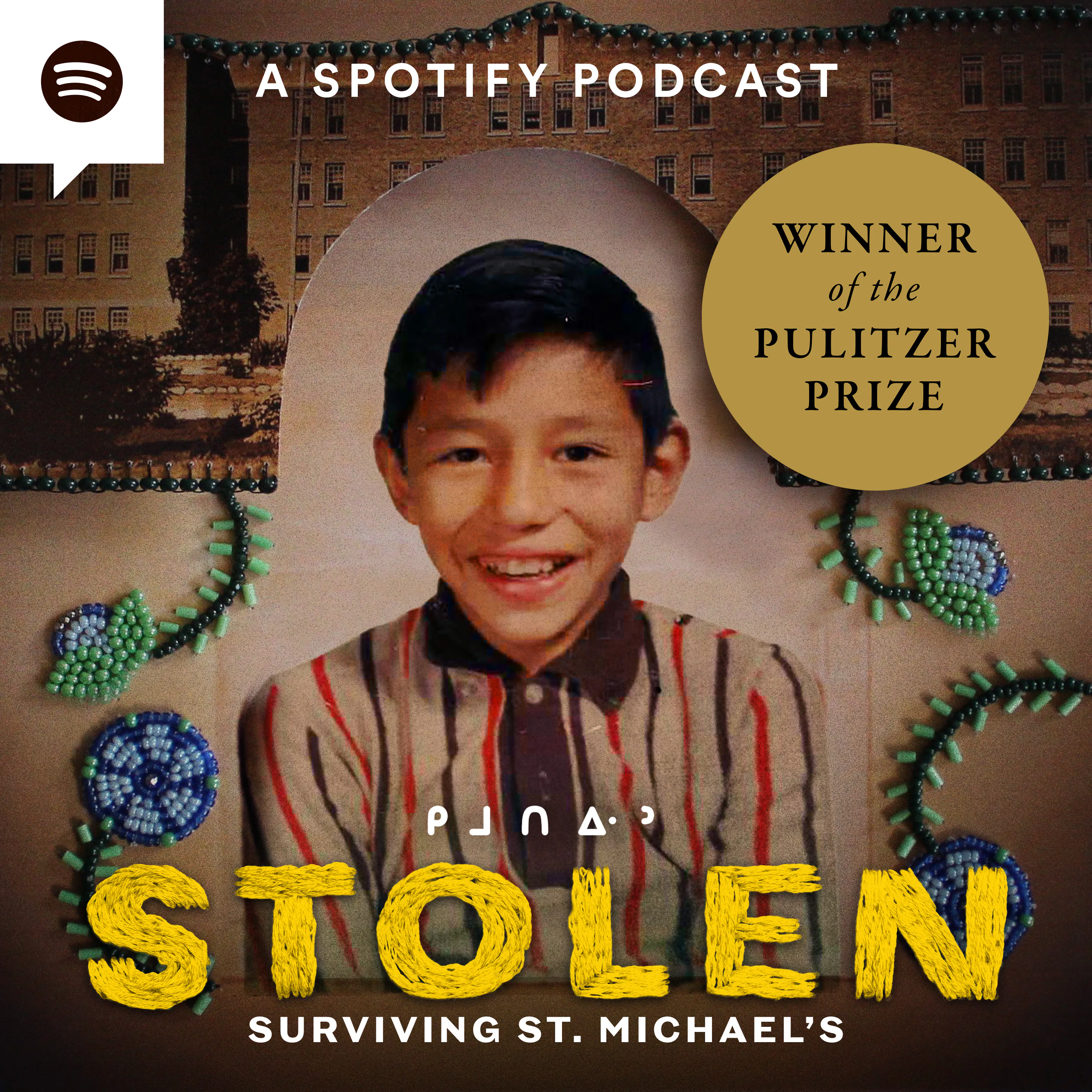
Stolen Season 2: Surviving St. Michael's

2m 45s

Stolen Season 2: Surviving St. Michael's

The narrator recounts a powerful personal story rooted in the trauma of Canada’s Indian Residential Schools. Their father, a police officer, encountered a priest who had abused him during his time at St. Michael's School in the 1970s and responded with violence. Though the father never named the priest, the story haunts the narrator, prompting a deep investigation into the school’s hidden history. The narrator discovers photos and testimonies of abuse, revealing widespread physical and sexual violence by church-affiliated staff. Survivors speak of enduring trauma, and the narrator reflects on whether abusers are still alive and potentially prosecutable. The narrative underscores how institutional silence and suppression of truth have long protected perpetrators while burying the suffering of children. The story calls for accountability, justice, and public awareness. It also reflects the personal reckoning the narrator experiences—facing their own family’s painful past while confronting the systemic abuse that shaped generations. The truth, though long buried, is now emerging, demanded by survivors and driven by personal memory. The message is clear: silence is no longer sustainable, and the fight for truth and healing continues.

Transcription

392 Words, 2010 Characters

English
Last year, my brother Hal told me a story about our late dad. I'd never heard it before. And now I can't let it go. What was his mood when he was telling you that? No regrets, no remorse for what he had done. In the 1970s, my dad was a police officer in rural Saskatchewan. One night, while out on patrol, he saw cars swerving on the road and he pulled it over. When he walked up to the window, he recognized the man behind the wheel. It's been one of the priests that, and he said, one of the priests had abused him in residential school. And he ended up taking him out of the vehicle and beating the sh*t out of him. This story brought me home, home to a mystery in my own family that I need to solve. Did he tell you who the priest was or anything about him? No, he didn't know. I've never heard him mention names, but I knew he had stories. I think I know who it is, but I'm not going to say that this thing. My search for answers has led me to the St. Michael's Indian Residential School. That first day I stepped into that residential school, my childhood was gone. The truth about St. Michael's has been kept hidden, sealed by courts and buried in archives. Investigating what happened to my dad at that school, has exposed a much darker secret. What is this? Looks like there are photos of boys I'm dressing. Somebody who would come and get me father wants you. They were hit so hard, oh my goodness, I can remember the screen. He's one that said he was sexually abused by a priest. Did he say which priest? He got away with it, he got away with it, but then it's not over. You mean they could still be charged? Oh yes. Oh yeah, I think he's still alive, I want to go see him. How about you, are you telling the truth about your own experiences? Huh? Are you telling the truth about your experiences with children? Stolen surviving St. Michael's is out now. Follow and listen for free on Spotify or wherever you get your podcasts. If those are our workers of God, I hate to see what the devil would do.

Podcast Summary

Key Points:

  1. The narrator's father, a 1970s Saskatchewan police officer, once encountered a priest who had abused him at a residential school and responded by beating him.
  2. The father never disclosed the priest’s identity, leaving the narrator with a personal mystery to solve.
  3. The narrator investigates St. Michael's Indian Residential School, where they discover evidence of systematic abuse and hidden records.
  4. Survivors of abuse at the school recount traumatic experiences, including severe physical and sexual violence by priests.
  5. Despite legal efforts, some abusers may still be alive and potentially subject to prosecution.
  6. The story prompts a deeper inquiry into the legacy of residential schools and the silence enforced by institutions.
  7. The narrator suspects they know the identity of the priest but chooses not to reveal it, preserving personal and ethical boundaries.
  8. The narrative highlights the enduring pain of survivors and the urgent need for truth, accountability, and justice.

Summary:

The narrator recounts a powerful personal story rooted in the trauma of Canada’s Indian Residential Schools. Their father, a police officer, encountered a priest who had abused him during his time at St. Michael's School in the 1970s and responded with violence.

Though the father never named the priest, the story haunts the narrator, prompting a deep investigation into the school’s hidden history. The narrator discovers photos and testimonies of abuse, revealing widespread physical and sexual violence by church-affiliated staff. Survivors speak of enduring trauma, and the narrator reflects on whether abusers are still alive and potentially prosecutable.

The narrative underscores how institutional silence and suppression of truth have long protected perpetrators while burying the suffering of children. The story calls for accountability, justice, and public awareness. It also reflects the personal reckoning the narrator experiences—facing their own family’s painful past while confronting the systemic abuse that shaped generations.

The truth, though long buried, is now emerging, demanded by survivors and driven by personal memory. The message is clear: silence is no longer sustainable, and the fight for truth and healing continues.

FAQs

He recognized the priest as someone who had abused him in residential school and took the man out of the vehicle, beating him severely.

No, he never mentioned the priest's name, and he never shared specific details about the priest or the abuse.

Yes, the abuse is still considered a criminal matter, and charges could still be filed despite the years that have passed.

The visit was deeply emotional, as it felt like my childhood was lost and the truth about the school's history became painfully clear.

He was sexually abused by a priest, which led to lasting trauma and influenced his actions when he encountered that priest later in life.

The speaker believes the priest is still alive and expresses a desire to find and confront him directly.

Chat with AI

Loading...

Pro features

Go deeper with this episode

Unlock creator-grade tools that turn any transcript into show notes and subtitle files.