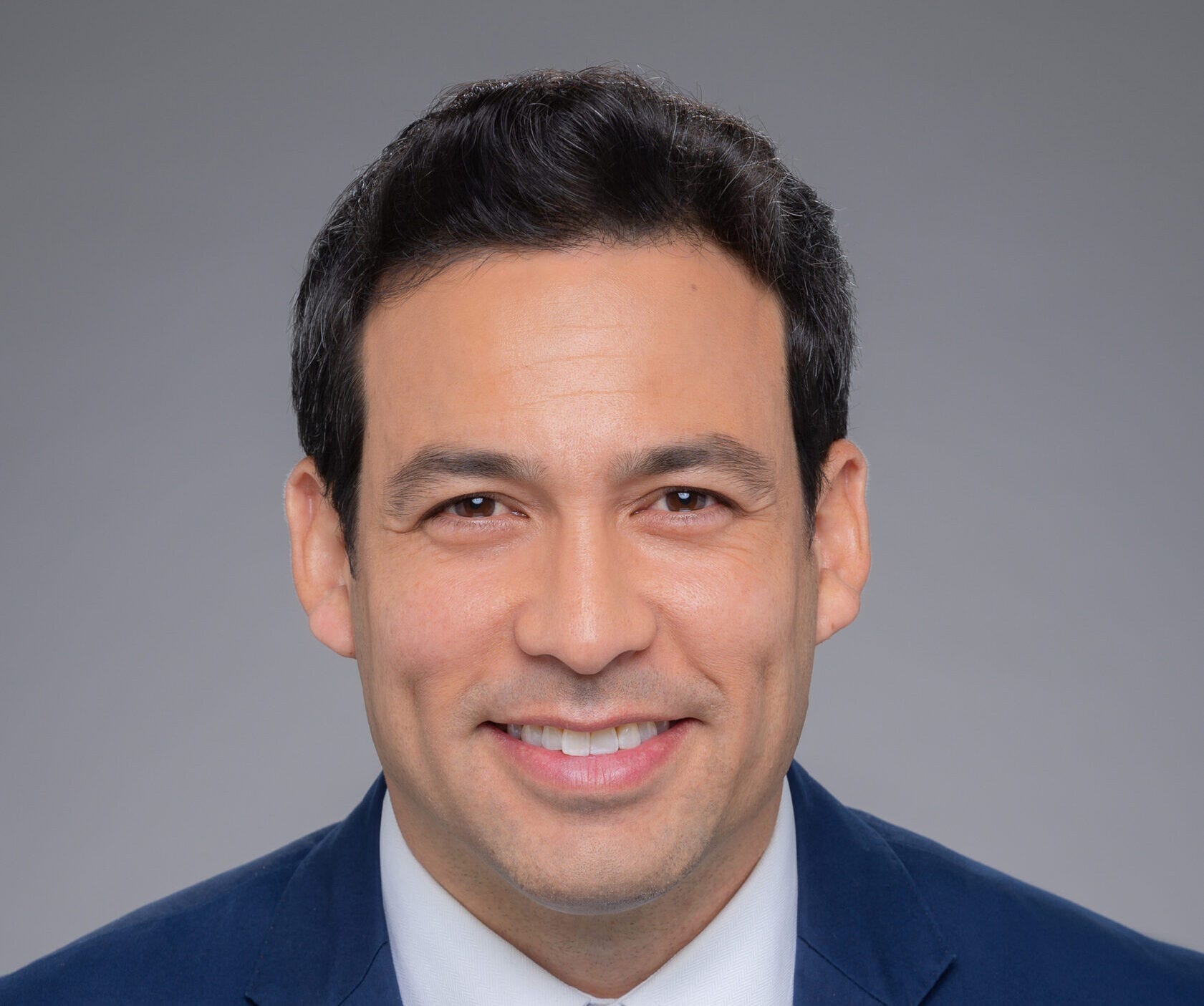
In this podcast, host David Roberts interviews Hawaii State Senator Chris Lee about the growing clean electrification movement. Lee explains that electrification—shifting from fossil fuels to electricity—is not only key to fighting climate change but also improves air quality, lowers energy costs, and spurs innovation. He co-founded the Electric Innovation Initiative (EII) to address a major gap: many state legislators, especially newer ones, lack knowledge about electrification and have minimal staff support. EII connects lawmakers with experts, organizes tours of advanced projects, and facilitates peer learning across states. Lee notes that while flashy technologies like electric aircraft attract attention, practical solutions—such as rooftop solar, batteries, and heat pumps—are more impactful. He highlights a growing challenge: the surge in data center demand for AI is straining grids and raising costs. However, approaches like Rewiring America's "homegrown energy" report show that investing in household-level efficiency and renewables can meet this demand while benefiting consumers. This aligns political pressures, offering a pathway where utilities, communities, and tech companies all win. Overall, Lee is optimistic that despite political hurdles, education and collaboration at the state level are driving real progress in electrification.
[Music] All right, all right. Hello everyone. This is Vultz for July 15th, 2026. Spreading the good news about electrification. I'm your host David Roberts. Way back in 2016, several lifetimes ago, I wrote an article for Vox called "Electrify Everything." At the time, I was focused on decarbonization, but in the years since, as the idea has caught on and expanded and proven itself, it has become much more than that. It is now clear that clean electrification is not only the fastest road to decarbonization, it also reduces air pollution and energy costs, creates jobs, and serves as a source for enormous technological and policy innovation. I have been gratified over the years to see people taking this idea up and making it their own, although, as regular listeners know, I remain somewhat mystified why the political class in the US still seems either ignorant of or at least insufficiently impressed by the economic and technological miracles that clean electrification is producing both here and around the world. Apparently, I am not the only one who feels that way. My guest today is Hawaii State Senator Chris Lee. Lee is a longtime champion of environmental causes and a pioneer on climate change. He's the president of the National Caucus of Environmental Legislators, and authored Hawaii's nation first, 100% renewable electricity requirement. But in recent years, he has focused in on electrification specifically. Last year, alongside David Hustschild, the chair of the California Energy Commission, Lee co-founded the Electric Innovation Initiative, a loose network of politicians, businesses, and advocates devoted to spreading the gospel of electrification. They have set up an awards program to draw attention to states and companies doing good work on electrification, taking lawmakers on tours of innovative electrification projects, and perhaps most importantly are trying to spread electrification policies to more states. Today, I am going to talk with Lee about how he came to love electrification, what his fellow state legislators do and don't know about it, and what he hopes will come out of this new initiative. So let's get into it. All right, Senator Chris Lee, welcome to Bolts. Thank you so much for coming. Yeah, thanks so much for having me. I've been a longtime fan and it's fantastic to have a conversation about this, especially in this moment when it feels like we're in spite of everything going on. I think that's been in the news. I'm sure what are you referring to? I'm not saying in particular, but I feel like we're at an inflection point truly. And I'm actually more optimistic now than I think I was a year ago, or even before the last election, that we're actually moving forward in ways that we never would have had we not gone through this period of real trial and even outright hostility in some areas to some of these policies and to some of this path. Interesting. Well, we'll get into some of that. Well, I want to start with, I know you have been longtime environmental advocate, I think most people who come out of Hawaii start there. And I know you've been focused on climate change for a while, but I'm sort of curious. I know you've always been into the environment. I know you've been into climate change for a while. I'm curious when electrification specifically took shape for you became a focus for you. When did that sort of come on to your radar as a specific area? It's actually an unlikely moment. It was when I was running for office for the very first time back in 2008. And I had a eight. Yeah, it's been a minute. But at the time, I had the standard flip phone that everybody had. And I was out campaigning and my family and friends and a lot of the folks trying to turn to help me out were frustrated to know. And that I wasn't as communicative. And they're like, you got a text, you got to all stuff. And so anyway, I ended up having somebody buy me an iPhone to use the very first one. And that moment, I realized, whoa, look at what's happening here. Like this level of technology and connectivity and everything in one device and all the Steve Jobs talking points. But that really started me thinking, well, why can't you sort of appleify in some way so many of the other appliances technologies? Everything else out there. And it got me thinking about the broader grid. And that's really the moment. I didn't do much about it. I didn't think much about it beyond that. But that was the first moment where I realized you can do things differently in ways that are going to really change quality of life and really the way that we operate for the better. And it never occurred to me before. Yeah, it's taken different people come to it every time, it's taken a long time for people, you know, because when I first got into climate change, it was, there's a lot of talk about biofuels and, you know, it's just a lot, it's a sort of scattered vague category of solutions. And it's been just over time that kind of specifically moving from combustion to electricity has kind of become the focus. Different people sort of come to that at different times, I think. Absolutely. You know, it's been good though, because I think for the first time, we're at a point where a lot of technology is, as you know, as you've covered, can actually meet, I think, the expectations we have for where we want to go as a society. So I've really picked up on it only in the last, I'd say, four or five years. As we've seen that tech and the politics will at least start to converge. So that's what I'm talking about, it's an inflection point. I think we're here. Well, yes, well, speaking of that, so you're a state senator, you're on the chair, the transportation committee, or the president of the National Council of Environmental Legislators, you've got a lot on your plate. What brought you to start yet another new thing? What prompted you to start this electric innovation initiative? Why this and why now? You know, I think the biggest challenge we face around the country is really just the lack of education. You know, for years, we've seen different policies from different states, every state's got their own set of challenges and their own set of leaders. But having access to what the full realm of potential solutions to those are, whether it's affordability or it's getting access to cheaper transportation or electricity or whatever it is, that's a nonpartisan thing. And you can only make really sound judgments and make long-term investments of what are ultimately billions of dollars or opening up industry that's going to enable people to make those investments if you know what you're doing. I think in the years that I've spent working with colleagues across the aisle and across state lines, I'd say nine times out of 10, people just don't know what they don't know. And especially now, this moment, where in the last two election cycles, about half of all the state-level elected officials are brand new, just elected in the last couple years, right? There's not that depth of experience and knowledge. And people are coming in wanting to do big stuff, but don't know where to start. And that's where I think we want to start this conversation. How do we get people together and connect them with the leading edge technology, innovation, investment so that people can see at least what is possible today and then think about, all right, how do I apply what might be applicable for my state going forward? Well, this segue is perfectly into my next question because honestly, the thing I'm most curious about from you, the thing I'm, you know, the thing I don't really have direct visibility or access into is just what is the state of knowledge or the state of education among state legislators generally? Are they like, they're coming to this just sort of as blank slates? And do you find that there are divisions along partisan lines or age, age lines or rural urban lines like who, who knows what what is the kind of the level of education you're starting with here when you encounter these people for the first time? Yeah, you know, so I'm not here to crap on anybody, but I think across the country fair to say and I this was me too when I first got elected, right? You have a ton of people who go through months of campaigning. Sorry, this is like unpacking, you know, peeling back the political skin on this whole thing to take a look at what's what's taking on the inside. First of all, I've never met anybody who hasn't run for office not wanting to do good. Nobody like sacrifices their time and family and personal privacy and probably, you know, 10 times higher paying jobs out in the private sector to do this stuff unless they really care. That said, you go through like, you know, six months or a year of campaigning trying to try to get to know everything and then promise the world and you get elected and you like, oh shit, like I don't actually know what to do. And so, I would say there's a lot of great intention, a lot of great people on both sides of the but a lot of that gets filtered through, you know, this standard evening news like sound bites and political polarization, all that stuff, but at its core, people are looking for real solutions and especially at the subnational level, it's very different than national politics and what you're seeing on CNN and everything else. People are connected and so you're walking door to door
or in your own communities, in most cases, and the states around the country, and the legislatures, and cities, and everything. And those folks, unlike the president or Congress, who I think everybody's mostly been given up on as real agents of change, can actually make a difference at that local level, and you're expected to, you're expected to fill the potholes or expected to fix the schools, or expected to deliver on cheaper power or other things. And so that's where there's this desire to do something. And I think when you're coming in, it takes, in my experience, and that was, I think, a lot of my colleagues, who I've heard talk about this too, across the country, it takes probably five or six years to get up to speed, to understand the lay of the land for policy, what's working, and especially in the energy space, and even transportation space, where you have like complex regulatory parameters and investment cycles, and all these things that are just not. - And it's all changing really quickly. - Oh, really, too. - Yeah, I mean, the world today, even, even since I've been around, or even like five years ago, is drastically different than it is today. And so you gotta be on top of that. And that's where I think there's a disconnect, because you've got industry and investors and technology advancing at such a rate that, what's happening a year ago, right, is in many cases, not even relevant, much less like understood by folks. So we're trying to close that gap. I think that is the single biggest thing holding back, any sort of progress on not only like the electrification, but just stuff in general these days. - Yeah, well, one of the questions I had was, people come into these state legislatures. They don't have a lot of staff, you know, these are not necessarily like super well-funded offices. And so I'm wondering how much of what you're doing here with EII is just kind of serving as kind of proxy staff, just a source of information in analysis that these people can tap into. - Yeah, it's crazy. In some states, I'll give you a couple of examples. Like the big ones, Texas, California, New York, I mean, they've got a lot of staff and everything, but smaller states like Vermont and others, where you have folks, the same folks making the same decisions on billions of dollars of budgets and all that stuff, have no staff, no office, no capacity whatsoever. You're basically elected and you know, you're handed like a pad of paper, like good luck. And so there's definitely that need, I think. And so part of what we're doing is, yeah, not only trying to convene lawmakers and other regulators and experts kind of in the field to have these conversations and just get to know one another and get to know kind of where things are going, but then also be able to follow up. And so not only for electric innovation, but for the National Caucusum Environmental Legislators and a bunch of other partners like that, that are kind of working the space. It's follow up to be able to answer basic questions and say, you know what, here's where the price of electricity and this particular modality or whatever is expected to go next year. So if you're gonna be investing, you know, here's who talk to you and figure out what that's gonna mean. Our utilities can be wanting to invest in this. Our other is gonna have certainty and viability. And ultimately, be able to follow up and then reconnect policymakers who are working on the same issues across state lines because that's really important to me. I'll give you a really good example of that. Ray Ward, who has been, is a Republican legislator from Utah, who's been a champion on balcony solar. And you know, that's something that Utah was first to lead on. His bill was the first to pass in the country and been able to help advance that conversation outside of Utah on other states. And there's been so much outreach to Utah. Asking about how do we do this? You know, what were the, not only the technical aspects of this, but how politically do you message this and what does it mean for people if they can afford to have suddenly a new option to reduce their cost? So all those kinds of things are really important because you need elected officials to more often than not validate to other elected officials that something works or it's viable. And here's the landmines you gotta watch out for and here's how the politics works. Right, and deal with everything else that, anybody on the outside of that elected trench really that you're in can understand. And so that's a big part of it for sure. And I would expect also that if you're just, one of these legislators, he's just got a pad of paper and no particular staff, the people you do tend to hear from are talking their own book. You know what I mean? Like industry lobbyists and people who want you to do things and who are spinning to you constantly. And I imagine trying to find just clear, unbiased information is kind of a desperate thing for those people. And often, you know, right after the election, there's probably gonna be about 150 people knocking on your door lobbyists and advocates for this and that. And so forth. And especially if you're brand new, you don't know who's credible and who's not. And in this area where everybody and their brothers come in saying, I have the, the solution to, you know, this thing. And you don't have that technical expertise or anybody to talk to, it's really hard. And so having, I think those conversations across state lines, we're gonna say like, yeah, that particular technology, they're saying it's great over here, but in reality, you know, here's the deal. That's so helpful just to get a really quick lay of the lead. - I'm so curious. You've had been taking state legislators on these tours, showing them stuff basically. And I'm really curious sort of like, what technologies or projects, like what Gizmos are really making an impression? Like what's blowing people's minds? What do people really look at and be like, "Oh, I didn't, you know, like makes people's, something click in their heads." I'm very curious like what's working, what's impressing people. - Yeah, you know, I mean, everybody's, I think, generally wowed immediately and drawn to the sexy things. So like electric vertical take off and landing craft, right? Companies like Joe B and Arter and a bunch of others that are doing, in fact, who just launched here in Hawaii our first electric commercial cargo plane that was flying from island to island. That kind of stuff is like, it's very back to the future, 2015, well now what is it, like 2045? I don't know. - Yeah, I'm sorry, 2050 is not the future. - I know, I know, it's on my age here. But that's where the thing is, you know, the friend, like everyone's like, wow, that's new, it's novel, it's sexy. But what's actually I think connecting more is kind of solutions that are actually quite simple, that are in the nexus of the political fray that we're kind of caught in the moment, right? On one side, you've got, for example, data center capacity that is driving the conversation around the country, like 100 plus gigawatts of new capacity over the next decade that are needed to meet, you know, hyper-scaler demand and all that. And that's directly in conflict with affordability and everybody from your own community who's like, okay, but are we gonna pay for this? - Right. - And so right now you've got a number of efforts around the country and conversation going on, saying like, do we, would we ban data centers or do we require them to finance separately or do utilities do something else? - Right. - But there are a whole bunch of other options. And for example, rewiring America had come out recently with their homegrown energy report, which is very familiar. - Yeah. - Very familiar. - So this basically says in a nutshell, and correct me if I'm wrong here, or if you can sell it in a more sexy way, but this basically says, we can do all of these things. We can create new capacity and flexibility on our electric grids all over the place that can provide that additional capacity that's being desired to let everyone do AI and other stuff. But we can do it while at the same time shifting our investments so that we're investing in the right technologies at the household and small business and in people's end user portfolio to help them be a part of that and to help them reduce their costs by putting in PV or advanced technology or heat pumps or more efficient appliances or all these different things to be a part of that solution. And so it's a win-win where suddenly you can go to those people who are not going to ignore demanding cheaper power and say, okay, we have a potential solution for you. Your utilities will be a part of it, your, you'll be a part of it. And the hyper scalars in the other end can then do their thing and help invest in jobs and communities around the country and so forth. So that kind of thing is for the first time merging these two competing pressures that policymakers are being pummeled by on both sides, whether you're a public or a Democrat and everything in between. So now there's a potential pathway where we can align the political pressure so that there is a fast track in investment and deployment of policy to support these kinds of solutions. - Yeah, I'm so, so, so, so happy to hear you talking about that because this is something stressing every state. And there's a lot of bad solutions to it floating around and this I think is one where everybody wins. The data center gets online faster. The members of the community get concrete, tangible benefits from that that they can touch that helps them that help lower their bills that help to prevent, you know, that helps them through blackouts. Utilities can get their data centers online faster.
and they can tell the community, hey, we got benefits for you from these data centers. Like everybody can win from that. And it's like, there's a lot of just sort of like zero sum solutions flying around. And that's one where I just, your network, I think would be great just just for spreading that just for making people aware that that's out there. Yeah, totally. And we know these things are possible already. We've seen them in a deployed in a number of places. PG&E is doing some great work. Green Mountain power. And here in Hawaii, where we are this year, or this is last year actually, we're at almost 50% of our single family homes that now have rooftop solar and a ton of them have battery storage. So we know on electric grids, this kind of investment and this kind of technology is absolutely doable in ways that it simply hasn't been thought of before. Here is a question. I want to ask a few questions about kind of the climate angle. So like when I talk about electrification here on volts, I always say clean electrification. Because of course, I care about where the electricity comes from. You know, I care about that it's low carbon electricity that we're talking about. I know it's all your materials. They're just straight electrification, just plain and simple. Is that a conscious decision to leave this more open to bipartisan participation? Was that a conscious messaging decision on your part? Yeah. So I mean, for myself, right? Like I think like you said, you can't live in Hawaii and grow up here and not be conscious of climate and our rising seas and increasing hurricanes and all that other stuff. For me, that's huge. But in the broader spectrum of the conversation, it's frankly irrelevant to what we're trying to do today. Because what's driving now is not the climate conversation and all of that. And that may be relevant for some states and that's absolutely great. You do you. But for other states where folks are really hurting on affordability, the word about jobs in communities that have been, you know, seen manufacturing collapse and everything else. I mean, for them, it's that angle. What are the solutions there? And there just happens to be this overlap where now doing things that help advance clean energy and investment in new technologies and innovation also provides for affordability and cheaper rates and new jobs and investment. And that's really where this is pulling, I think, everybody together, right? Democrats and Republicans alike. And so we want to create the space where we can have a real conversation outside of the talking head polarized politics that, you know, dominates DC and other places and be able to just talk about like, all right, what are these real world solutions in a way where we can have candid conversations and we can connect real technology and real world on the ground innovation with the potential for, you know, expansion and solving a lot of these problems that we are all grappling with in urban areas and rural areas on the coasts and the middle of the country and all over. Well, you've got some real Republican involvement. You got Tim Eccles, late of the Georgia Public Service Commission. It's helping to judge your contest. You got Senator Huff Stetler. You got Representative Karney. You got some Republicans involved, but like Georgia, for instance, is building gas like crazy right now. So there is a space where you can have electrification driven by gas, even, you know, people are arguing for that gas on the basis of affordability. So there is overlap with decarbonization, but it's not automatic. And I just wonder like, have you sort of like taken a vow, at least on this initiative, just a bracket that just to just to not talk about that. Or are you behind the scenes, you know, trying to nudge things in the direction of away from gas towards more clean sources? No, I think, you know, different states are going to have different grids. They're going to have different needs. We're not here to say, don't do this, but do this instead. We're here to say, here are the options that you're not looking at right now that are actually working in a lot of places. And so we want to have that ability to give everybody whatever the toolkit is that works in their state. And, you know, I've probably talked to action with more Republicans than Democrats lately. And our colleagues, as you mentioned, some of them that we pulled this together with, I mean, this is a bipartisan effort, right? Is sort of Republicans and Democrats crafting this whole conversation for the most part. I mean, folks are looking for answers regardless. And yeah, I mean, some states and some technologies are going to be more advanced in others and further along. And I think we all win when we have a shared vision of what's possible. And I'll give you a quick example. I mean, this whole idea came out of, I was actually on a tour with a couple of folks and we were on this boat in a harbor and getting, getting toured around showing, you know, what they're doing and everything. And realized very quickly, like this old tugboat from like the 70s was actually silent. And there was like no vibration and all that stuff. And I was like, wait a minute, like, what is this? And it turns out that it was a lecture. It was an old tugboat that was converted. And I remember talking, I was with David at the time. And I remember talking to him after like, did you know about this? He's like, no, I didn't either. And for us being sort of in our positions in the midst of all of this conversation in the US, and not knowing that this had even happened at the time, maybe think like, well, if we don't know, certainly all these other people don't know either. And that's been true across the aisle. And so it's really been, how do we, how do we have these conversations with repulsions? And so, yeah, we've had tons of Republicans, tons of Democrats come together. And it's been great because it's been the non-political conversation that's just really been about the solutions. And frankly, like we need more of that today because obviously in politics, I think we get enough of everything else. So I'm kind of excited about this future. Well, final question about the climate angle. If you're pulling your head out of this particular initiative and out of your role in this initiative, just looking at the broader landscape, there is this sort of consensus among the Democratic Party seems like right now. You know, people are referring to it as climate hushing basically. They just like, don't talk about climate, talk about all these other things. Do you worry about that at all? Do you worry that things are going to get left out? Do you worry that there are pieces of the puzzle that you can't really justify including unless you are concerned about climate? Do you know what I mean? Or do you think that there's enough overlap to get a lot of momentum going and that it's just better strategically to leave climate out of it for now? Do you have any thoughts on that larger strategic conversation? Yeah, you know, I think we're going to be fine. I'll tell you why. So this year, for example, here in Hawaii, two of the bills that I was able to, with the help of colleagues and everything else, I got written in past. One of them was conservation sanctuary bill that's going to, for the first time, really like go deep on trying to save our invasive species, our endangered species, let's save our invasive species. See, have our endangered species. We have more here in Hawaii than the rest of the country put together and they're dying out at a race that are like, you know, one every few days. And so we're going hard on that. At the same time, a totally separate bill we passed was creating a clean fuel standard in investment program that will mimic what's being done in California and Washington and Oregon other places and will really catalyze a lot of the investment in the private sector market into better, cheaper, cleaner technologies. And that's something that, you know, those two things can coexist. They're totally different conversations, but they're both ultimately going to have the result that's going to address our biggest climate issues. And I'll just say one other thing about our experience here because part, this is what got me really motivated a few years ago. You know, in 2015, we became the first day to pass our 100% RPS, which was great and all of that. And first of it's kind. So we never really been through the politics of that before. But because of the way that that rolled out, because of these other conversations we're having where we knew, for example, that we needed to invest and we needed companies to invest in cleaner technologies and renewable resiliency on our grid and all that stuff, we were able to catalyze that. And so over the next few years, people realized on both sides of the aisle and the community that, hey, this is actually like viable and worthwhile. And so three years later in 2018, when we passed our blog, which also was the first of its kind, making it the first state to commit to a carbon negative economy, right? This is like fully climate. By 2045, we did that unanimously. Wow. Democrats and Republicans together. And even, it was okay because even even one of this guy was annoying me to no end, but on the floor, he was giving this floor speech about, you know, I don't believe in climate and it's a hoax blah, blah, blah. But I'm voting for this because of what it's going to mean for our businesses here and it's going to mean, you know, potential investment in this, that and the other thing. And so when we signed the bill, it was the Chamber of Commerce alongside our environmental groups, alongside labor, alongside industry folks altogether because that was what was really pushing a lot of the new investment potential and economic growth. And I think we're in the same space now.
nationally where the economics order and the technology is very obviously just on its numbers and investment going to push that way. And so if we can clear the barriers permitting and regulation and all that stuff and really help advance that, I think we win. Well, I want to get back in a minute to Hawaii and how representative it may be or not be, but another thing about the initiative here that I'm very curious about. So you got these awards they're interesting. You get there's a lot of convening, there's a lot of talking and sharing of information, et cetera, but also one of the explicit goals when you launched was and I quote, commitments, pilots or legislative proposals in at least three states by the end of the year. So there is an explicit piece of this where you are trying to get policy done at the state level. I'm curious is July we're halfway, you know, we're a little over halfway through the year. Have those legislative commitments come forth yet and if so, I'm curious what they are or what is the state of sort of specifically the legislative piece of this. Yeah, you know, yes, as a short answer, but let me clarify the the goal here because the goal is really to get people engaged. It's not to pass any one specific policy or anything like that is to get our colleagues engaged and educated and then pursuing whatever, you know, the thing is that that makes sense for them in their place. And I'll give you a couple examples. You know, we went to the Bay area last year with a delegation of, I don't know, maybe 25 or 30 different elected officials from around the country, Democrats, Republicans from rural states for an urban state and so forth. And one of the places we stopped was the Oakland Unified School Districts Busyard. And they're the first school district to switch over to electric buses. At the time, they've had the largest electric bus fleet that's 70 for 75 electric school buses that were in operation. They're vehicle-to-grid capable. So, you know, they're all the obvious things quieter, cleaner, better, better experiences for everybody. As well as some of the cool tech stuff, like parents can automatically track and are notified, you know, when kids are dropped off and all that stuff. Oh, interesting. Yeah, I hadn't even thought about that. No, yeah. There's a whole other angle too, which is blowing our minds because I didn't even know about this. Much less any of our colleagues where attendance rates are going up at the schools because it's easier for kids to go and it's more, you know, incentivized, but more over, it's believed right now. I think that parents are more trusting because they can actually have more visibility on this. Interesting. Interesting. A lot of benefits. Well, and also just let's not rush past. You're not blowing diesel fumes into the lungs of children. Like that's, you know, that's obvious here, but that's I always think that's such a obvious win-win. You know, I just kind of want to put to underlying that real quickly. Yeah, you think the most vulnerable lungs in the country. You think that would be the lead. Yeah, good side better. But yeah, that's too definitely. And so, you know, we went there and everyone was like, wow. And out of that, we had a few of our colleagues go back and basically start talking with their own school districts and schools and areas about the same thing. And we had a definitely Republican who had put in piece of legislation that would have catalyzed that in their space. And we've had conversations with district, you know, superintendents and all that sort of stuff that have come out of this where these officials who are responsible for education and outcomes in their places are like, this is great. Why aren't you guys looking at this? Advance that. Right. That's not something that would have happened otherwise because I didn't even know about this particular pilot project as it had rolled out. And now here we are today. You know, you're later and it's taking off across the country. I mean, you've got projects in Pennsylvania and other states and I think it's half-rances go now across the Bay is doing their whole thing. So there's a lot of that stuff that's moving that we just don't see and that's the whole point. How do we connect people and get them aware of this and give them those tools and options that the otherwise didn't have. Yeah, well, this is another my questions, which is like, what policies are sort of sparking and catching on and spreading and crossing state lines, you know, because there's such a There's a million things you can do time of use rates you can do reach codes for your buildings, you do EV, readiness. I mean, there's a million electrification policies. It's sort of curious like which ones are kind of taking root and spreading. Hey there, everybody. Don't worry. I'm not going to tell you about a new mattress or push a credit card on you. This isn't an ad. There are no ads on volts. It is supported entirely by listeners like you. If you'll indulge me for a second, I'd like to ask for your support. I started volts because we're all surrounded by depressing news about climate change and misinformation about clean energy. And it's never been more important to share the stories of the real people on the ground doing the real work of transition. And all the ingenuity, encourage, and public spirit they are bringing to it. People are hungry to hear these stories, to learn from and find inspiration in them. I've heard from people who change majors or careers after hearing episodes of volts. People using it in classrooms and community groups, even state legislators who have passed bills inspired by specific episodes. Sharing these stories matters. It makes a difference. If you have found value in it and want to help me continue doing it, I hope you will join the community of paid subscribers at volts.wTF. It's about the cost of a cup of coffee a month. If you don't like subscriptions, you can make a one-time contribution, leave a review on Apple or Spotify or just tell a friend about volts. I am grateful for any and all support. If you're already a paid subscriber, thank you. And now, back to the show. Which ones are kind of taking root and spreading? Yeah, the most obvious stuff is everything related to affordability. But the stuff that I think is the low-hanging fruit, simple things like, for example, actually let me back up for one second because you mentioned the awards. Let me talk about that one quick because that sets the stage for this. But basically, part of this whole process, we want to not only connect policymakers with each other and with the technology, but we want to connect them with the leading innovators and tech that's out there. So we can see what's possible and see where we're going kind of collectively. And so part of this is, you know, we have a very prestigious group of officials and experts in the field. Now we've pulled from both sides of the political, I already mentioned Tim Eccles, right Republican, Georgia, Utah's Commission member, and others like that from around the country who are vetting kind of everything that's going on out there. And so we have the reward ceremony that we do once a year, just to highlight, lift up and highlight the best examples of most innovative, scalable, deployable tech across all these different areas, and then connect that with all our policymakers and everybody else. And so as we think about this stuff, in some of these tours, one of the folks that was recognized as like a leading innovator was doing heat pumps. But not just any heat pumps, right? Like really just modular plug-and-play kind of kind of window heat pumps and stuff like that. Oh yeah. And so we went to go see a demo of that and folks were kind of blown away because people didn't realize, right? You don't need to invest massive amounts of new money into upgrading entire electrical systems and all sort of stuff to do this. Yeah, there's a lot of misinformation about heat pumps floating around. Exactly. And so from that, we've had a couple mayors, for example, said we had no idea this was an existence and we're about to do tens of millions or $100 million in investment in new public housing. Maybe we should think about this because we could save a ton of money and save a ton of money for operating costs for the tenants. So stuff like that is just so obvious. And I think you don't have to do a lot. Now I'll say this, changing policy is like the last resort, changing the laws, like the last resort, takes the most heavy lift and all that stuff. There is so much stuff you can do before that to affect enormous outcomes and scale stuff. And this is one of those things, like just being aware, like as you put together, for example, RFPs for new projects going out that you're going to see billions of dollars invested in all around the country. Maybe you should look at like, all right, how do we ensure that this kind of technology is a part of that? A lot of this stuff is, I think, really sexy. Like I think electric school buses, like that's, you know, how do you not love that modular heat pumps that you can hang on your window, love that there are some nerdy or things in the background. Oh, this is the line for nerdy. I thought I was way past it. Yeah, we have our own unique line here on both, but like, like Hawaii, for instance, has has done a lot of really innovative work on utility reform on performance based regulation of their utilities. And this is of course like, take some explaining why that is important and why it supports electric why it supports electrification in the end. I'm just curious, like, is anyone, this is just, you know, a particular love of mine, the utility space utility reform has anybody been sniffing around.
that is that part of the conversation here. It sounds like it's a love-hate relationship you have there. If I had to guess. Yeah, you know, I mean, so a part of this is, and in everybody's district or state or wherever they're from, right, there's going to be a utility of some flavor. Whether it's IOU or a co-op or whatever. And so I think we're all familiar with the issues that come up in the frustrations from, you know, customers and everything else. But getting into the regulatory side of that, and this goes back to the start of our conversation, when your elected brand new and don't have an understanding of the whole regulatory framework and compact and all these things, it is really difficult to crack that nut. And I think it's safe to say that, you know, up until now or up until last few years, the utility model has been what it has been for the last century. And there's been enormous resistance change that. And now for the first time, I think we're starting to see even larger IOUs. Because they're conservative institutions, and when you're stirring the ship, it's going to take time, no matter even if you have a CEO or board or whatever, that's like, we're going to do this. It takes a while. But we're starting to see that change where I think they're starting to look at, all right, wait, we could be the ones that help facilitate investment into a lot of these new solutions and innovations and go behind the beater or do any number of other things. And there's benefit there so everybody can win. And part of what makes that possible, I think, is them being able to provide assurance to their shareholders, especially in the case of IOUs, that there's a de-risked path that's not going to leave us in the lurch. Or if technology changes or whatever, we're not going to be stranded with all these extra costs and all that stuff. And so part of what you're talking about, I think, is one of the things that we did here, 2018 to 2020 or so. We passed a lot that directed our PUC to go look at a way to change that utility revenue model so that there's an incentive for the utilities to earn just as much as they did before. Or even more in some cases, while at the same time basing that on their progress to advance affordability and reduce costs and engage with third-party stakeholders who can create new programmatic rate models and design and all that stuff and affect you a grid 2.0 that we want to see at the same time, advancing renewables and everything else. And I think we're still the first day to do that. Yeah, I'd love for you to get some more state legislators in different states on board with that kind of thing. Although I imagine that takes a longer conversation. It is. It is. And it's going to take, I mean, the tech is evolving faster than I think these conversations on the regulatory side. But I'm optimistic because at the end of the day, our utilities are coming out of this, I think with a stronger financial footing and less risky pathway for the future because for the first time, they know what they have to invest in. They can still do the traditional capex thing and other stuff like that. But that can shift at the same time into all the other strategies that are going to be way more popular with their customers and with the elected officials who are the ones who end up taking all the arrows when the utilities grew up because everybody's angry and who you're going to yell at. So there's a win-win here, I think, for the future. As you said, this is all affordability. This is all affordability forward affordability first. And I think in your materials, you say the average, American can save $1,800 a year through electrifying. But of course, that average hides a lot. And of course, you know, a lot of a lot of the affordability argument, let's just say, was strengthened when there was a giant federal apparatus and a giant federal bill specifically devoted to making those things more affordable. That has largely gone away. And I wonder, are you still, I mean, with the loss of federal subsidies for like EBS and he pumps and things like that, are you still as confident in the affordability argument? Like how big of a blow do you think that was? I mean, it's a, you know, not ideal. But actually, I think it's frankly both almost irrelevant. And actually, you know, it might be helpful in some unexpected ways. And so I say that because, even though we're losing, for example, subsidies for EVs in some cases or for other, you know, renewable energy or whatever, the fact is, and we're seeing this in real time, the cost of that technology as it scales and continues to improve and innovate continues to fall faster than, anybody could have predicted 10, 15 years ago. We've seen the price of solar and batteries declined by like what 80, 90% EVs with a new batteries tech and the new chemistries coming online are also dramatically dropping. We're about to take a group to China later this year, where we're going to be seeing an EV that can charge from zero to I think is like 80 or 85% in five minutes. Yeah, Chinese EVs will blow some minds, I think. Oh yeah. But I mean, across the board here, even in the US where we have stricter regulations and higher safety standards and all that stuff, you know, even seeing vehicles now, right? Like, slate and a bunch of other models that are in the 20, 30,000 dollar range, cheaper than their equivalent counterparts in a lot of cases. And that's something that you know, will continue. And no one is going to fight, I think, the idea that there's not going to be consumer demand for this. And those things are not subsidized, you know, now with, you know, future tax credits, right? Those prices are out the door. And so some states are going to have additional investment incentives, but not everybody. And I don't think it's actually going to be a barrier to continued widespread adoption because people want better, more innovative tech. And once you discover what that can feel like, you know, when you're sitting behind the wheel, and I was a car guy and used to build cars, I had like a almost 900 horsepower toy to super back in the day. And my base model EV right now, which is, which cost me, I think, 29 or 31,000 dollars out the door feels faster than it. Like there's no going back. Let's, while I've got you then, I want to talk a little bit of Hawaii. Hawaii is interesting and unique cases in many ways, but speaking of the temptation of gas, you know, Hawaii has traditionally had oil fired electricity, imported oil, almost anything is going to be cheaper than that. So you sort of had it somewhat unique circumstances in that you could pitch affordability. You could go affordability first, even in 2015 when you were talking about moving to renewables, because, you know, anything's better than oil. But now your state's governor is talking about building an LNG import terminal on the big island and bringing in gas. I'm curious how you feel about that and what are the dynamics in Hawaii about it. And whether you are still confident that renewables are the cheapest or, or again, like weather in some sense, you got to kind of bring climate back into this to make this argument. How do you feel about that possibility? No, I don't think it's a climate argument. I mean, it could be, but I don't think that's what drives the conversation. I think it is affordability. I think it is cost and, you know, financial risk to rate pairs. Of course, like the governor, the governor is justifying the terminal on the basis of affordability. He's making the affordability argument too. Yeah, there's a big there's a big conversation, you know, bringing the state about this whole thing. I think what I, I mean, from I view, I look at the numbers and the technology and the comparable and kind of the likely outcomes. I don't see replacing our dependence on costly oil, which we have to ship in from, you know, overseas to replace that with shipping in another fuel of any type, whatever it is, renewable or not, as something that's going to be financially viable for the long term. I don't think, you know, as we evaluate whatever the proposals are for this or any other technology coming into the state that it makes sense when you can invest in something directly today off the shelf technology to increase storage and resiliency and a bunch of other stuff to improve the grid and reduce costs with a guaranteed, you know, flat trajectory for price versus, I think, you know, obviously around this year demonstrates more than anything versus volatility and an unknown price tag that is outside of our control, not only in Hawaii's control, but outside of the US's control in many cases. It does seem strange to look around the world at this particular moment and think, you know what we need to do is get hooked on gas. What about your utility? I'm, you know, the La Hena, the huge mess and this is financially sort of a wrecked year. Utility, you're digging out from a lot of those costs. How is that affecting the policy kind of?
conversation and the electrification conversation. How are you trying to navigate through that? - Yeah, you know, that, Lahaina, that's what are we, two, three years out now? - It wasn't that long ago. - Yeah, no, I was getting on a flight when it happened. I remember seeing the update, oh, there's a fire in Lahaina, took off and by the time I landed, number of hours later, like opening my phone to the news that this entire town is like gone, which unfortunately killed 102 people. It was a worse wildfire fatality disaster in US history. It was, you know, striking. And I can say this, you know, I think when we talk about the opportunity that comes out of this, I think we have to talk about the missed opportunities as well. Because looking back, there is so much we could have done differently over the years to prepare. I mean, these things are gonna happen from time to time, right? You can't control nature, you can't control, especially these kinds of sudden events like that. They're gonna happen, but how you prepare for it and deal with and build out your infrastructure and everything to figure out how to best weather that, we could have done so much more. And I don't have a single colleague, I think, today, who doesn't regret having not done something more because the technology is there. And when we talk about our grid, right? Was it, that whole fire was sparked by a downed, like a wind blown downed line? - Yes, and this is not a unique to Hawaii problem. The electricity grid, sparking wildfires, and then the utility sort of getting saddled with enormous costs, which makes other things difficult. - Right, that's increased cost for everybody, everybody across the state. And so, you know, there could have been, for example, you know, better transmission planning. There could have been any number of new technologies looking at like, well, do we need these kinds of wires in these places? Can we do more, you know, resilient kind of distributed generation in certain areas where you don't need to have that kind of risk, you can more easily shut off and island different parts of the grid during these kinds of events where you're expecting to have a lot of downed lines and everything. And on that recovery end, you know, after an event like this happens, could we build things differently so that we do have micro grids that are running critical infrastructure and, you know, like fire stations and hospitals and all that stuff. And, or even just resiliency centers for the community where, you know, for days, people that have power afterward or weeks. - Yeah. - You could do that with on-site renewables, storage and other things. And, you know, cool stuff that we're seeing like, I mean, the Oakland EV bus school bus fleet, right? It's literally rolling batteries on wheels that are vehicle to grid capable. You could just literally drive into a disaster area with a ton of power and be able to immediately provide support in ways that it would take way longer and way more costly attempts to do to pollen generators and all this other stuff. So we know these kinds of things are possible. And I think that's part of the conversation now. How do we rethink the way that we're making our planning and investment decisions? Now that we have to spend a ton more money but just spend the money that we're spending differently. And I think that's the opportunity for everybody around the country right now. - Yeah. One of the premise of the initiative is that states are kind of in the lead here that a lot of the power over this stuff is still at the state level. And that too is like something I think that has long been accepted, but like the federal government now is very specifically going after states. Like it's very specific, like it's going after California, the California EV rules. And even like more obscure things like, you know, other regulatory powers that California has had for a long time that it has used in the name of decarbonization, going after, you know, and denying disaster relief to blue states. And just all kinds of stuff that I think a lot of people wouldn't even have thought of as kind of a possibility before this administration. And I'm sort of curious, like do you still feel like state policy is kind of a haven or separate from the feds or is some of this just kind of a holding pattern as you wait for a better federal administration? How do you feel about the sort of power of states currently? - No, you know, I think you only need to look to history on this because we've been through this before in different moments in our past. And you know, we are not our country or we are not just the federal government. It's truest kind of, you know, republican sense of the form, a collection of all these smaller communities and we work together. And yeah, the federal government's there and it drives a lot of the conversation because it's the most visible part of it. But frankly, like, you know, 90% of the decisions that affect us day to day, like when you get up in the morning, what kind of streets you're driving on, what kind of power you're getting, what kind of schools you're getting, how kind of healthcare you're accessing, all these things are decided at the state and local level more than anything else. And so those are decisions being made by people who live down the street from you that you're electing and you can talk to them, literally go meet for a cup of coffee. And so there was a very different dynamic there. And I would look back to, you know, even during, and I have this conversation with republicans and democrats alike, often even during the first Trump administration, right, when there was some hostility toward a lot of this stuff, states still moved. And even looking at our, not electrification, but the RPS and other laws that were put in place at the time, right? That was like, Hawaii at the time was the first state to do 100% RPS. And by the time we got to the end of the Trump administration to the Biden Edmonds, almost half the country had adopted some sort of similar policy. And that was all done at the state level. So there is momentum, I think. And there was responsibility that exists for local leaders and local elected officials, regardless of party, who wanted deliver for their residents. And when you get past the politics of this, it comes down to what is the right solution that's going to address issues of like affordability or other things that works in my place. And so really it's a question of who is going to be the one to drive that? And I think inevitably, inevitably around the country, you're going to see states be the ones to stand up and say, we're going to go do this or that or the other thing. And it's really going to be a state level bottom up transition because it already has been. And that's been proven. - Hmm. Okay, so the EEI, this initiative is set to run through 2035, it's a 10 year thing. So curious, like what's your vision 10 years from now? What does success look like to you? What would be measurably different in 10 years as a result of this initiative? What would success look like? - Yeah, I think I tend to be an optimist. I don't know if you can tell, but. - I think to work in politics, you kind of have to. - Yeah, well, I'm also jaded and cynical having been in it for a hot minute now, but I'm still an optimist and an optimist to go about this. I think over the next decade and beyond, frankly, I think we have this opportunity in our country where in spite of all the chaos and political division and everything else, we look back at our history and we ask ourselves, what made us great to this point? How did we end up dominating the 20th century in all the ways? And you look at the country and you look back at the leaders of the time and we collectively embraced who we were, we embraced innovation and we said, we're gonna be bold and we're gonna do more. And we were able to build this economy and technologies and infrastructure and everything that led us completely dominate the world in many ways. For better or worse sometimes, but we did it. And I think in the 21st century, a lot of those technologies that we developed here, like, total-full-day paddles and other things like that, right, are now being improved upon and scaled way beyond what we're doing by other countries and even competing economies like China and others, especially who are doing just massive investments in innovation. And so if we are going to be able to compete, I think, in the 21st century, I think everybody sees that we have the same playbook that we need to follow. We need to embrace innovation. We can't, I could stuck in the past and we need to be able to do it together so we can empower and create a good playing field for all the industry leaders and innovators and developers out there who are the core of our economy and ultimately who are the people driving American innovation. And so I'll give you an example. Looks like I think this. About a year ago or two years ago, I was in a convening of all, a bunch of transportation elected officials who were responsible for transportation of states and we're all gathered with the auto industry folks having a conversation about where things are going. And it was the typical start, the first 15, 20 minutes. And it was some folks saying, well, like EVs, you got all these environmental impacts 'cause batteries and all this stuff and gas cars were out there. And it's just like it's very polarized debate. And I remember one of the guys from the industry piped in and basically interrupted and said, look, look, look, guys, like this is not a political conversation. Here's the facts as we see them from where we sit. If we do not as American automakers innovate and compete with all the new EV and electric
and other innovative technologies out there that other foreign automakers are pursuing, we are not gonna be able to compete at all after this. And that will be the end of the American Auto Industry as we know it. And that changed the center of the conversation. And it went from the normal stuff to, all right, how do we then make the right investments, make the right decisions? How do we help our own American Auto Industry innovate? So that we can remain competitive globally and we can continue to innovate and deliver improved vehicles at cheaper costs for local folks, regardless of what the politics and technology is. And that realization, I think, is where we're at across the board right now. How do we improve our overall trajectory, look at innovation in this economy, and that's why we're starting this conversation because electrification, I think, as a tool, as a strategy is probably the single best opportunity we have to position our economy and everybody within it to compete on the global stage in the 21st century and continue to deliver the kinds of economic growth and quality of life that we have come to expect here in America. - Okay, very final question. And maybe you just kind of answered it, but very final question. I'm a brand new state legislator. Just got elected in a purple state in a swing district. I have no particular experience in energy. I have no staff, I have a pad of paper, I have 150 lobbyists outside my office. I get in touch with your initiative, with your group. What is the first thing you tell me? If you're interested in diving into some great conversations with fellow colleagues who are working on the exact same issues in states around the country and learn from some of their mistakes, learn from some of their successes so that you don't have to recreate the wheel, come join the conversation because we can all benefit when we learn from each other. - Awesome, awesome. All right, well, thank you so much, Senator Chris Lee. Thanks for coming and talking through this. And thanks for spreading the gospel. Thank you, thank you for joining. - No, thanks so much. Thanks for helping me move my nerve goalposts here a little bit. - All right, thanks. See you now. - Take care. - Thanks everybody. You've been listening to Voltz, founded and hosted by me, David Roberts, produced by Nate Peevy and supported entirely through the generosity of listeners like you. If you enjoyed this conversation, please consider telling a friend about Voltz. That's how this show grows and survives through word of mouth. See you next time.
Podcast Summary
Key Points:
Clean electrification is the fastest path to decarbonization and also reduces air pollution, energy costs, creates jobs, and drives innovation.
Hawaii State Senator Chris Lee co-founded the Electric Innovation Initiative (EII) to educate state legislators about electrification technologies and policies.
Many state legislators lack knowledge and staff support, relying on biased industry lobbyists; EII provides unbiased information and cross-state peer connections.
Tours of innovative projects, like electric vertical takeoff planes, impress legislators, but practical solutions (e.g., home solar, heat pumps) that balance data center demand with community benefits resonate most.
The "homegrown energy" approach, such as Rewiring America's report, offers a win-win: meeting new grid capacity needs while lowering household costs through distributed energy resources.
Summary:
In this podcast, host David Roberts interviews Hawaii State Senator Chris Lee about the growing clean electrification movement. Lee explains that electrification—shifting from fossil fuels to electricity—is not only key to fighting climate change but also improves air quality, lowers energy costs, and spurs innovation. He co-founded the Electric Innovation Initiative (EII) to address a major gap: many state legislators, especially newer ones, lack knowledge about electrification and have minimal staff support.
EII connects lawmakers with experts, organizes tours of advanced projects, and facilitates peer learning across states. Lee notes that while flashy technologies like electric aircraft attract attention, practical solutions—such as rooftop solar, batteries, and heat pumps—are more impactful. He highlights a growing challenge: the surge in data center demand for AI is straining grids and raising costs.
However, approaches like Rewiring America's "homegrown energy" report show that investing in household-level efficiency and renewables can meet this demand while benefiting consumers. This aligns political pressures, offering a pathway where utilities, communities, and tech companies all win. Overall, Lee is optimistic that despite political hurdles, education and collaboration at the state level are driving real progress in electrification.
FAQs
The EII is a network of politicians, businesses, and advocates promoting electrification. It was co-founded by Hawaii State Senator Chris Lee and David Hustschild, chair of the California Energy Commission.
Lee was inspired by the iPhone's transformative technology in 2008, which made him think about 'Appleifying' other appliances and the grid. He later saw electrification as a key solution for decarbonization, affordability, and innovation.
The biggest challenge is lack of education; many legislators don't know what solutions are available. With about half of state officials being new, they need unbiased information and guidance on technology and policy.
The EII connects lawmakers with leading-edge technology, innovation, and investment. It provides follow-up support, answers basic questions, and facilitates cross-state collaboration to share proven solutions and political strategies.
While electric vertical take-off and landing craft are 'sexy' and eye-catching, simpler solutions like rooftop solar, heat pumps, and home energy efficiency are more impactful. These address political pressures on affordability and data center demand.
By investing in household technologies like solar and batteries, grids can create new capacity for data centers while lowering costs for residents. This aligns political pressures, offering a win-win for utilities, communities, and hyperscalers.
Chat with AI
Loading...
Pro features
Go deeper with this episode
Unlock creator-grade tools that turn any transcript into show notes and subtitle files.
 PodcastTranscript AI