The transcription discusses the Sea Teen Shabbaton in Europe, where teens from Chabad communities participate in a soccer tournament. The Istanbul soccer team's victory is highlighted as a significant achievement, emphasizing the event's role in building a sense of community and Jewish identity among the participants. The Shabbaton provides a platform for teenagers to engage in sports, social activities, and religious practices in a lively and inclusive environment. The involvement of dedicated individuals, such as Shimon Rifkin and Muska Azaba, is recognized for contributing to the success of the event. Overall, the Shabbaton serves as a means to connect Jewish teens from different backgrounds, fostering relationships and strengthening Jewish identity through shared experiences and activities.
Transcription
4600 Words, 25374 Characters
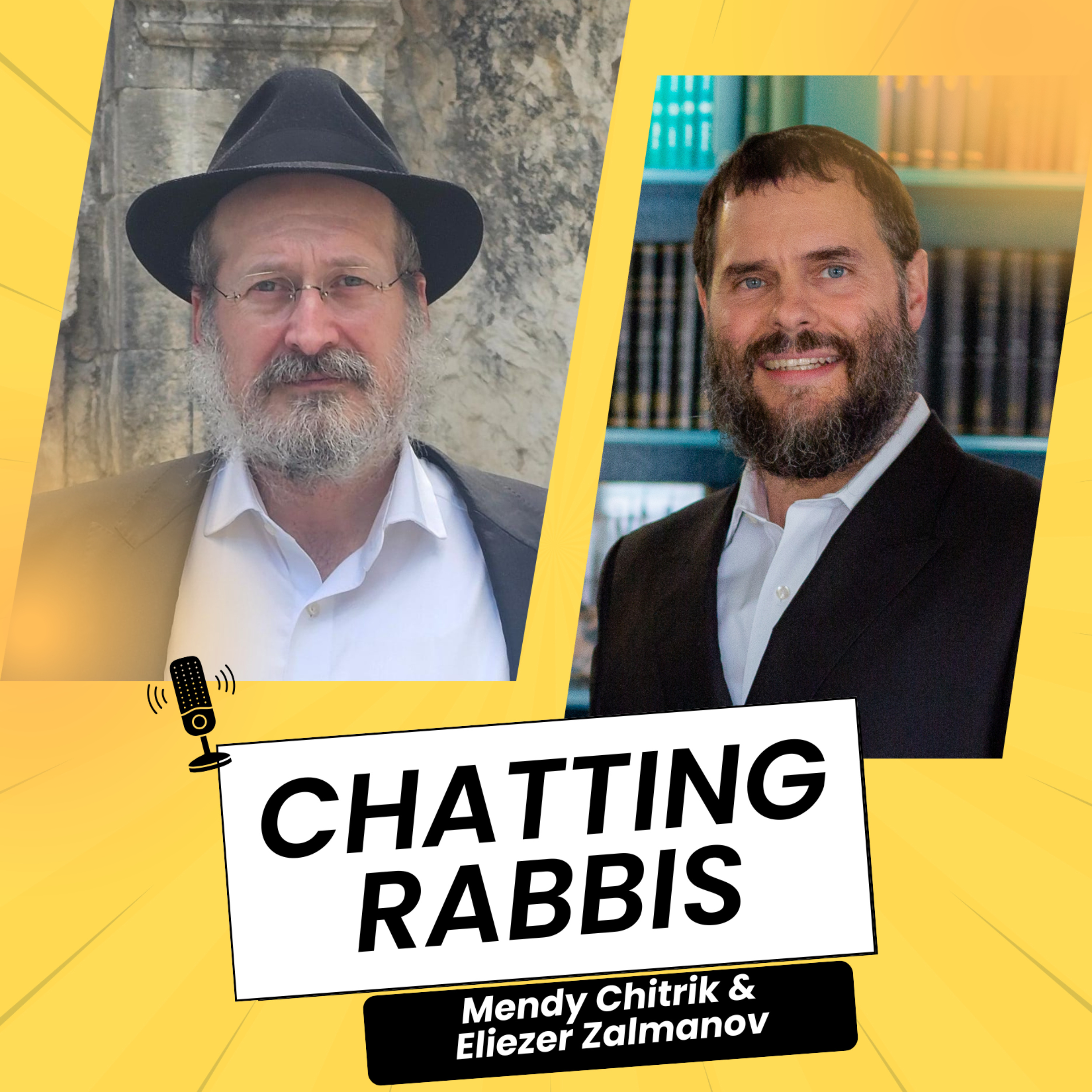
Hello, and welcome back to Chatting Grabbys. This is Eliezer Zalmanov in "Monster Indiana."
-Mendi Khtriq from Istanbul, Turkey. -Mendi, you get a mazel tov, a congratulations for the
World Cup win of your Istanbul soccer team, football at the International European Sea
Team Cup. -Shabbaton. -Shabbaton. -All right, yes, we went to it. We were in Budapest last
week with 45 of our teams from Istanbul, hosted by the city of Budapest and the team
of Sea Teen, Rabbi Shimon Rivkin and the rest of the team from 302. It was really,
really great, and yes, came back with the trophy. It's already the 50th year in the road that the
Turks are winning. -I understand that's a highlight of the Sea Teen Shabbaton in Europe, where
teens from all the Chabad communities around Europe come together for a Shabbaton, and the
highlight of the Shabbaton is the World Cup soccer game. -No, no, no. I guess the highlight of the
Shabbaton is a World Cup soccer game, but... -The highlight is when the Istanbul team wins and
they come home with the trophy. For them, that's the highlight. -And everybody else cries. -No, the
highlight is of course not the football game, but definitely the football game gives an interesting
twist. It's not a football, it's a soccer, by the way. It gives a very nice twist, and people in
kids and teens in Europe are very excited about it, and it's funny because at Zanmati Shabbas,
Shabbas ends quite early at 4.30 or so, all the kids go split into teams. They get a professional
referees or judges, whatever way you call it, and they write down, you know, you have six or seven
games. Each team plays about five or six times. -So it's a whole tournament happening in one evening.
-Yeah, a whole tournament happening in one evening. It's short games of 15-minute a game,
but the whole process takes about three, four hours, and the kids love it. You know,
many kids looking forward to it and get very, very excited over it and get very stressed.
It's quite interesting. It's engaging, you know, and after a whole long Shabbas of these kids,
the kids are not used to keeping Shabbas, and sitting a whole Shabbas cramped up in, you know,
in Shul and in Shabbas meals and songs and this and that, and the Shabbas, you go and you start
running. -I'm sure it's a great recruiting tool for the teens that were there this year or last
year to recruit their friends to come for the next year. Of course, obviously it was tongue
in cheek that that's not the highlight of the Shabbaton, but it's definitely something that can
draw people, where Chabad is all about being innovative and creative and and creating environments
that is attractive to people, besides for the spiritual reasons. And I think that's a great
idea. Like you said, it's been going on for five years. Obviously the Istanbul team is probably
do they do a lot of practice before they come to get ready for it?
-So they don't do a lot of practice, but they do set themselves up to be,
you know, we have a big group that comes every year for the Shabbaton. We had 33 boys
at the Shabbaton. So obviously we had more of an option and more of choices for players.
-Yeah, a deeper bench. -A deeper bench, we had a better draw. And so that's why, so we
managed. Yeah, but we had actually a good, really good, good team playing against us. It was the
Spanish team from Barcelona. So this was Spain against Turkey. And surprisingly, it wasn't an
easy take. It took a long time. It ended up with penalties. And only after penalties,
they were able to, you know, to clinch it. -Sounds like a good time was had by all,
but it's fascinating that you're attracting, you said 33 teams from this number. -33 boys and
the 33 boys. And then more girls. So over more than 50 teams joined you for the Shabbaton. It's
fascinating because obviously they're not all from from household, from religious households. And
I'm sure the same is for the delegations that come from other countries and other communities.
It's fascinating that they've chosen to attend such a Shabbaton. It's fascinating that their parents
agreed to send them to such a Shabbaton under the office. And pay for it, too. Exactly. Nothing's
free. So would it be fair to say, would it be safe to say that the families that have children
attending these 16 Shabbaton are the ones that are closely affiliated with Chabad and Chabad
activities in general, or are they more on the periphery? -Not necessarily. I mean, there are
some who are more closely related, but some are not. The seating Shabbaton is geared for
kids from eighth to twelfth grade. So it's about 15 to 18 years old. It's open for everybody.
There are many kids who come, don't come from any, you know, some parents, they told us very
clearly that they don't want their kids' influence in any religious stuff. They're only sending their
kids for the entertainment. -And because their friends are going. -That's okay, not a problem.
And because their friends are going. It became an in-thing for kids to come. And
the truth is that we don't pressure. We definitely do speak a lot about
married Jews, and we're speaking a lot about strengthening Jewish identity. But there's no
pressure. In other words, maybe they call it social pressure, it's called psychological pressure,
it's not. It is, we, you know, we do encourage people to do more mitzvahs. We do encourage
people to keep Shabbat. We do encourage people, you know, to attend Shul, but there's no must.
It's no must. Must is only to stay with the group all the time. That is the only must thing that
there is. -So nothing is enforced in terms of Yiddish guide, but it creates an environment where
everybody's doing this together, so might as well. -That's right, and creates an environment, and it
creates a very healthy and good environment. Also, it sort of creates a bridge between a 50-year-old
rabbi and a 15-year-old kid. And you know, we all started out as 20-year-olds too. -Yes, but then
sometimes we forget that we're already closer to 50 than to 20. And it does create a certain
closeness. You know, we spent four days sleeping with the kids and the same, me and my wife, and
there's a few other friends who came with us, sleeping with the kids in the same youth hostel,
and hanging around the same places, walking around, making yourself crazy, running, jumping,
singing, becoming horse, going here, going there, arguing, tending to their needs,
tending to their cares, trying to suggest some things, having some meaningful discussions,
arguments, ideas, you know, that creates a certain closeness. You know, many of these kids only see
me at community events, if at all. They see me at funerals, at weddings, and at, you know,
sitting on the beamer, say hello sometimes, sometimes they do say hello, sometimes they don't,
and this creates a very, very strong bond. And later the kids, you know, WhatsApp me and talk to
me and ask me for questions. And I think that in itself, it breaks away the barrier and the fear
that kids have from, look at this rabbi. Right. Do you typically have teen events throughout the
year? I'm asking this as an outsider, almost, because our community is so aging that we barely
have any Jewish teens here. I'm just curious. So our community is also aging, but it's a
bigger community than yours. We have about 12,000 Jews living in here in Istanbul. So naturally,
we still have a couple hundred teens. We try to do every two weeks a teen event in our house with
this Shabbos meal, or it is a special dovening for teens, or it is some gathering, machalabak.
These are that. The attendance is not great. That's the truth. It's very difficult to get
teens to attend. They have so many other things, you know, soccer tournaments, to exercise classes.
In the few attempts that we've made to have teen events, and this is going back 15 years ago,
when there were more teens in the community, there's so much competition. Everybody has extra
curricular stuff. Everybody has other things going on. Everybody's busy. And it's a challenge. And
we think that you're offering something amazing. We're offering you this guy that once pulled up
at the high school parking lot with a sukkamobile, with a sukkamobile on the truck, and I texted a
few of the kids there, "Look, come during your break and bring your friends and we'll come into
the sukkam." I was sure that they would all show up and nobody showed up. I'm standing there like
a joven and sukkamobile. Yeah, no, that happens all the time, unfortunately. And this is,
you know, sometimes we create, we made last year. I remember after we came back all excited from
our teen event, we were last year in Barcelona or some other place that we were last year for the
teens. And we came back. We were very excited, "Oh, here we're going to have everybody for
Chanukah." And we invested a lot of money, rented a place, paid for the security, paid for the
entertainment, and hoping to get 100 kids, and about eight of them came. So yeah, these things
happen all the time. You know, invite people for Shabbos only if you come. Unfortunately,
this happens, yes. It's difficult. I figured by now, you know, also when we were kids,
it was a raffle on a bike that made us come. It was a raffle on 100 dollars that made us run.
Today, kids don't get excited from a raffle on a bike. Every everybody has a bike and an iPad is
a necessity. Everybody has a smartphone. What else can you give the kids? The only thing that you
can give to the kids is, I believe, a trip. A trip is something that takes time. It's not just the
money. It's not something that their parents can easily just give them whatever they want.
Exactly, because their parents are working. Their parents can't give them a trip with their
friends. Somebody has to organize it. And I believe that this is a good draw. So if we
could make more and more trips for kids, and that is something to say, if you come, the way we do
it is if you attend three out of six or three out of five events, you get a reduction in the price
of the trip. So yeah, people like it. People come. Kids try to get a reduction on the cost, at least.
But anybody can come. You don't have to earn the right to attend. Any Jewish team can attend.
For the full price, which is still subsidized heavily by us, but yes, if you cover your expenses
that we demand, we demand a small amount. We lose money on every registrant because we think it's
important. I think it's also very, very crucial for kids who live here in our community to see what
is Jewish life outside of the restraints of Istanbul. To see what is Jewish life walking freely on
the streets of Budapest with the Yarmulke and shouting "Ami Israel Chai" and seeing other teens
and seeing the Jewish life is not isolated to the way people see their Jewish life here in Istanbul.
Connecting to others, hopefully also even finding boyfriends, girlfriends, Jewish, you know,
all these things are very, very important. I think the trip in itself has in itself a very,
very important message and a very, very important outcome. I think the interaction between teens
and learning about people from other communities and the way Jews live in other places, I don't
think it's unique to just Istanbul, even though Istanbul has its own unique challenges and its
own unique style, but everywhere other European countries also. So teens from Budapest learning
how Jews from Istanbul live and Jews from Vienna learning how Jews from Barcelona live and so on
and back and forth. That's the greatest thing, the greatest, the most important reminder is that
we're all one big Jewish community. Ultimately, in your case everybody's in Europe, so you're kind
of nearby geographically, but even in the whole world when teens come together in New York or
seniors or college students or whoever's coming together with other communities, there's the
Shabbat and the Heights, that regular normal people, families come spend Shabbat and Crown Heights
or other or the JLI retreat, for example, anytime you bring Jews together from all of the communities
and they're exposed to other types of communities, other types of lifestyles, all within the framework
of Yiddish Kite and we're following the same traditions and the same customs and the same
Torah, obviously, singing the same songs and the same tunes and dovening the same prayers.
That's the greatest eye-opener for so many people who do live in these types of communities and
it's true in Europe, but it's true in America too. A Jew living in in Munster, Indiana,
spending a few days with a Jew from New York or a Jew from New York coming to Indiana for a few
days, it's an eye-opener and first of all, you learn a lot, but at the end of the day you also
discover how much the same we are and how many similarities there actually are from Jews around
the world and it doesn't matter how religious you are, it doesn't matter how strong your
connection to Yiddish Kite is and how involved and engaged you are on a regular basis, but
seeing that you share it with others and seeing that there are others that are doing almost the
same thing as you involved in the same lifestyle, give or take a little bit, dealing with the same
challenges, especially today with anti-Semitism and so many other things. I'm sure this is a challenge
for many of the teens, especially if they don't attend Jewish schools dealing with anti-Semitism
and this is not unique to one geographic location. Everybody's dealing with it. I have that in schools
over here in Munster, here in schools all over the United States, so it's a beautiful thing
when they're able to come together and have that kinship. Every time I see your pictures and your
posts from the Shabbaton in Europe, I'm reminded about how beautiful this is and seeing you dance
there in the middle of the square with Buskila, what's his name? Noam Buskila. Noam Buskila is a
great musician. He's a good musician, he's a good entertainer, he makes people happy, kids happy
and he really worked himself out. He entertained us on a ship
riding the Danube on Thursday night and Friday morning and the square and then Friday night
at the Shabbos meal and then Shabbos during Davening for the kids in the Sephardi Minion
and Motsi Shabbos for the Gala event and Sunday morning for the goodbye party and Sunday afternoon
for the ship on the second part of the CTEAM second group at Tawantana ship. He really worked
himself out, he really puts himself in it, but we'll add another aspect here about Noam Buskila
as a great guy. He's also my father's Chavosa for the past four years, five years. Every day whenever
he's not traveling and whenever he's at home in Zvat, he goes to learn Tania with my father
between Minchen and Mayrev. So he already finished the Tania with my father about four or five times
and he doesn't live close to my father, but he goes every day between Minchen and Mayrev to make
sure to learn Tania with my father. That's fascinating. I guess your father had a good
effect on him and instilled in him that passion and that energy because even if he's being paid
for such an event, that energy of going five days straight, of performing and inspiring and dancing
and singing and strumming your guitar, forget his vocal chords, his fingers on his guitar probably
are coming off after such a long weekend. That has to come from somewhere as the inspiration has to
be received from somewhere and then you can develop it on your own. So it's nice to know that that's
where it came from. He was worth every penny of it. He was really, really good, engaging with the kids,
engaging with the teenagers, engaging with the, you know, gave the whole vibe. He's really good.
But I also want to mention here, Shimon Rifkin and his team and Muska Azaba and the rest of the girls
who work with C-teen. It's really, really great, great product. They have a very good, good office
in New York who is committed and that's one of the greatest things. We spoke about Rebek Etlarski a
few weeks ago. Rebek Etlarski, Olaval Shalom was an expert at delegating specific areas of his outreach
to individuals and gave them full control and full autonomy in how they run their Moistis.
And C-teen is a great example of that. Obviously JLI we've spoken about in the past and Chabad on
campus. Every one of these Moistis is run by dedicated individuals who care for nothing else
other than the success of their institution and for the growth and for the heightened awareness,
which is obviously not going to happen if you have one person who oversees all of the Moistis,
one person who's in charge of every detail of every part of every Moistis. So that's why
having a dedicated staff, like you said Rebek Shimon Rifkin from New York, again my involvement
in all of this is just as an outsider because like I said we don't have a C-teen chapter because we
don't have many Jewish teens here, but just watching it and watching the dedication, the devotion,
especially last week at the Kinnos, seeing how they were dedicated to offering Shluchim
C-teen lounges and communities around the world for a subsidized price. It was a lot of fun to
go in there and hang out in a makeshift C-teen lounge right on the corner of my parents' block.
No, they really created a brand and they have all the paraphernalia that comes with it from
languored tables to couches, to pillows, blankets, plates for Shabbos meals, napkins with the C-teen
emblem, of course clothing and they also prepare C-teen football shirts, jerseys for old countries.
Every kid gets a uniform so we have enough uniforms for the kids who play, you know, that says Turkey
and it or it says Hungary or it says Spain or whatever it is and I think it's, you know,
this personalized attention that kids get and the really attention to detail that is put into these
Shabbatons done in a very professional manner. Of course everything can become even better
but there's so much detail that's put in and so much work that is put into it and so much money
that is poured into this. It's really creating the next generation of Jews, strengthening
Judaism from it's from the core. You see that, I mean right in front of our eyes you see how
kids who are involved in these, start with C-teen for example but then moving on to Khabar on campus,
a student who goes to a college that has an active Khabar house and the student is involved
even if it's just for going to Friday night meals or for, you know, poor parties or whatever,
when they move on to the next stage in their life they have a taste for authentic Yiddish
guide, they have a taste for not just authentic Yiddish guide but Yiddish guide done with class
which is something that Khabar offers obviously through C-teen through Khabar on campus but then
even in your regular Khabar house you become almost the end result and you reap the fruits
of the investment that the pluchim in these young people's earlier lives invested in them
and you see the actual results where a family who's now a newlywed, they have two children,
they're settling in a suburb like Munster, Halavai we should have more such people landing here in
Munster but you see that their engagement in Yiddish guide started in their earlier life as
children and then as teenagers and as college students and then even with a Khabar YJP, young
professionals and eventually they settle down and it's almost like you not to use the term in a
derogatory way but you own them, you have a dedicated client to what you're selling and
obviously I say this in the most positive way in a spiritual way that when you package what you're
selling in an attractive box you can be sure that they'll come back for more and that's like
you said that's the future of Yiddish guide, obviously you can't lower your standards God forbid
but you could package it in a way that is attractive to everybody. Right but I think it's more than
that, it is we have to be very transparent in what we are doing and how we're doing it, we're not
tricking anybody, a parent was saying well this is going to be a very religious trip and I said
yes it is, this is a religious trip, we are religious people and we have an agenda of strengthening
and teaching Yiddish guide, we do it in a nice packaging, we teach Yiddish guide in an interesting
engaging way, we have a football tournament, a sakatan tournament, we go on a trip, we go on
the noob, we have good food and we have entertainment and we try to do it in a very very positive way
but yes it is definitely a religious trip in which we are trying to instill with the participants
or invest in the participants the core foundations of Yiddish guide so they shouldn't be afraid of
a rabbi when they grow older and so they should always say I spent a shabbat with 400 other teams,
I know what it means to keep shabbat, I know what it means to sit in shul when it's so boring for
four hours, it doesn't matter, in Europe this might not be such a serious concern but in America
another another level in that is being comfortable sitting in a shul with a mechitza, yeah yeah and
we and we have in this shabbaton we have a Sephardic program you know we are a very proudly
Sephardic community and I even though the kids are not shul goers and most of them don't know how to
read from a Hebrew or to read from a shul, nevertheless we have a Sephardic minion, we make
sure that the davening is done in Sephardic style, it's not only for our kids, the kids from Spain
and kids from Vienna and others who are of Sephardic background and we provide them within the context
of the shabbaton, this type of this experience as well. It's a great thing, speaking of mechitzas I
overheard a conversation between two people in my community who they obviously didn't know that I
was there and overhearing the conversation but one person says that never in my life would I
have thought that I'd be sitting in a shul with a mechitza and the other person says me neither but
it's shabbat so the mechitza doesn't bother me and that's it's an accomplishment, it's an achievement
of such when you hear such a conversation obviously they didn't know that I was there, it makes you
feel good but it also reminds you that you can sell truth like you said, no lowering our standards
and being transparent and not hiding what it is that we're selling, come to Chabad, yes we're
Orthodox, yes there's a mechitza, yes we daven the whole davening in Hebrew and you'll enjoy it,
you'll have a good time because at the end of the day it's Chabad, everybody has a good time at Chabad.
And I had some of the kids, some of the kids who really came back and came back and told his parents
that the shabbaton changed the way he sees Yiddish guide, he sees Judaism, one told us on the
bus on the way to the airport that the shabbaton made him comfortable with his religion.
There's so many other things that so many other results going in the airport, I overheard the
kids say oh I know this airport because I came to the city summer camp in Hungary and I put on
to fill in on this bench. Now for a kid who is not observant who took upon himself last year
Chabad on to put on to fill in twice a week and he says oh I know this airport because I at this
bench I put on to fill in on the way home from the seating summit. That's a great landmark.
That's beautiful. It means that you know you you you implant stations in people's memory,
implant real posts or memory posts in their memory that can affect and does affect
will affect them in the future and hopefully will propel them to increase in their Yiddish guide
and increase in their observance and increase their awareness and connection to to the Jewish
people to all of us because then we are one family with many many colors and many shades.
Yeah especially neon blue and orange. These are the colors of seating. Yeah apparently.
Yeah but I guess can we say is it safe to say that the future is bright and I don't mean bright
colors but the future of the Jewish people is bright thanks to the efforts of dedicated
individuals and dedicated. I don't know I don't like coming up with such big statements you know
the story with this Jewish guy who said that he's an optimist and somebody asked him why do you look
so worried he says well it's not easy to be an optimist. Okay so yes the future is bright
if we work for it. If we work for it that's what I was that's what I was getting at like thanks
to the efforts and nothing happens automatically. Nothing is free there's no such thing as a free
lunch as Rabbi Shimon Lazarov often likes to sing. There's no such thing as a free lunch
but you work in you put the work in and you put the effort in and with Hashem's help God willing
you see results and you see. I used to say that on battles in America no deposit no return if you
don't deposit if you don't invest you're not going to get anything in return. Right. So yeah
okay put in your deposit and there will be returns. Good talking to you Elieza.
Mandy feel good sounds like you're a little horse you lost your voice in Budapest.
Exactly go look for it. Go feel better before Shalema. Thank you. Talk to you later.
Podcast Summary
Key Points:
Istanbul soccer team won the World Cup at the Sea Teen Shabbaton in Europe.
The Shabbaton involves teens from Chabad communities across Europe coming together.
The event includes a soccer tournament, fostering a sense of community and Jewish identity.
Summary:
The transcription discusses the Sea Teen Shabbaton in Europe, where teens from Chabad communities participate in a soccer tournament. The Istanbul soccer team's victory is highlighted as a significant achievement, emphasizing the event's role in building a sense of community and Jewish identity among the participants. The Shabbaton provides a platform for teenagers to engage in sports, social activities, and religious practices in a lively and inclusive environment.
The involvement of dedicated individuals, such as Shimon Rifkin and Muska Azaba, is recognized for contributing to the success of the event. Overall, the Shabbaton serves as a means to connect Jewish teens from different backgrounds, fostering relationships and strengthening Jewish identity through shared experiences and activities.
FAQs
The Sea Teen Shabbaton in Europe brings together teens from Chabad communities for a weekend event, with a highlight being a World Cup soccer game.
Teams at the Sea Teen Shabbaton are split into groups, play short games, and have professional referees, creating an engaging and exciting tournament.
While participants don't do extensive practice, they come prepared with a large group of players and enjoy competitive matches, such as between Turkey and Spain.
Teens attend events for entertainment, socializing with friends, and experiencing a unique environment, with no pressure to participate in religious activities.
The Sea Teen Shabbaton fosters a sense of community among Jewish teens, promotes Jewish identity through engaging activities, and encourages connections with other Jewish communities.
Involvement in events like the Sea Teen Shabbaton can lead to continued engagement with Jewish life, from college participation to family involvement, creating a lasting connection to Jewish traditions.
Chat with AI
Loading...
Pro features
Go deeper with this episode
Unlock creator-grade tools that turn any transcript into show notes and subtitle files.
 PodcastTranscript AI