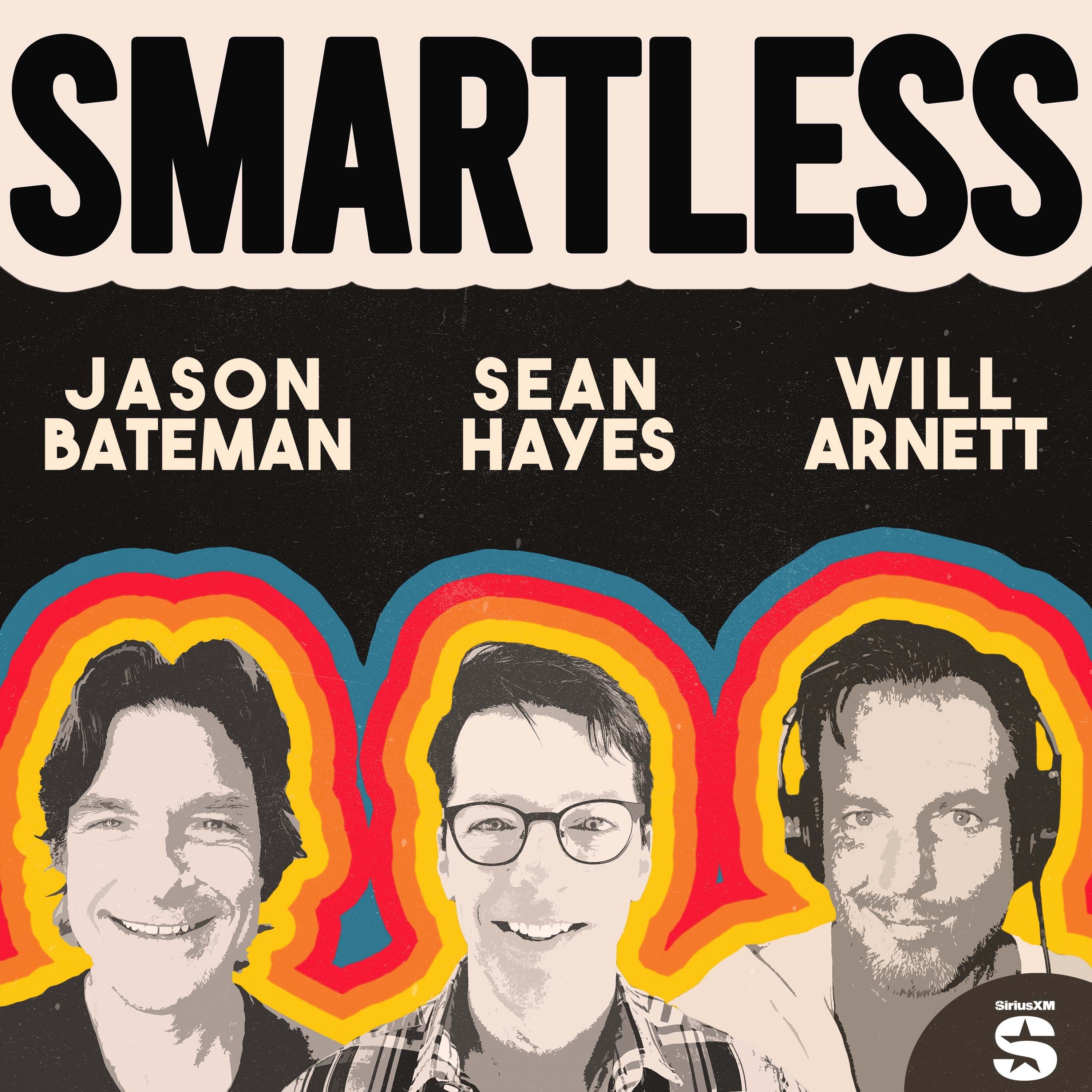
The hosts of SmartLess share a lively and reflective conversation about their careers, personal lives, and the unpredictable journey of building a life in entertainment. They highlight the early days of comedy, including time spent waiting tables, attending improv schools, and the bold decision to move to Amsterdam for a chance at Second City. Seth Westheimer recounts his path from performer to writer at SNL, emphasizing how a pivotal moment when he hosted alone after Amy’s departure helped him grow into a confident and capable host. The discussion underscores the importance of resilience, authenticity, and staying grounded in personal values—such as family and simple joys—throughout one’s career. They also stress that there’s no set path in entertainment; success often comes from being fully committed, embracing failure, and trusting in the process. Personal anecdotes about sports, family, and daily routines show a deep appreciation for connection and authenticity. The conversation closes with a celebration of humor, community, and the enduring power of shared experiences in both comedy and life. The hosts’ tone remains upbeat, blending humor, nostalgia, and heartfelt insights into the realities of pursuing a creative career.
(upbeat music) You know, I've heard this for years, being in the Hollywood business that for every 100 auditions, you'll book one job. So just keep going and keep going. And I thought, gosh, for every 100 episodes of SmartLess, there's always one good one. So we got about three in the can. Welcome to SmartLess. - Smart. (upbeat music) - Smart. - Smart. - Blast. - Guys, guess what's coming up in a couple. - Yeah, I know. We gotta mention, oh my god. - Yeah, the Hollywood Bowl. - We're gonna be at the Hollywood Bowl October 17th. - And not just there, like not hanging out, actually doing a show at the moment. - We're gonna be on the stage. - Yeah, yeah, we're not. - And if you don't have tickets yet, you go to smartless.com/live, is that right? Wait, what's it? What is it? - SmartLess.com/live. - Oh my gosh, that's pretty easy. And for that, they're gonna get a double guest. Is that right? - Yep. - Two guests. - And we got some fun surprises. - Really? - Yeah, we got some fun surprises. - All for the price of one ticket. - Yeah, all for the price. - And a nice beautiful October 17th, right? A fall night out there under the stars. - It's gonna be gorgeous. And yeah, you buy a ticket and you can't put a price tag on a smile. - What a great sell. Well, you're the best. Anyway, it's gonna be a great night, hopefully as great as this next guest coming up. Guys, let's get to the episode. You can hear me now. - There he is. - Listen, listen to her. And when you've just spent all night on your computer in incognito mode for we don't know why, but we just don't know. - I had to change all my settings. - Sure. - Are my user names. - Sorry. - If you got hacked, it would be the most boring hack for a hacker. It would just be all baseball stats. - Yeah, and list of like movie stuff. You know, when I get all the cookie alerts, would you like to reject all cookies or what not? And I do reject them. I know Sean. - Quick question, Sean, have you ever got a beat? - But I don't have any secrets. And so like, my instinct is to accept the cookies because then I don't get ads for things that I don't need. Skin rashes and things like that. I get ads for-- - JB, but you don't have secrets, but you used to be, there was a timer. You were just built on secrets. - Yeah. - Well, no, I think I was, I was doing things at a time when we didn't have phones and things to photograph us. And even then, I wasn't, it was ever a bad boy. It's so boring. Even my bad days were boring. - When you say bad boy, like the idea of you, like in a leather jacket and then you flip the collar up, you know? - Or like, could you imagine me ever trying to mix it up with like a paparazzi guy that gets too close to my face and I take a swing and I'm like, Sean Penn. And then I just get my ass beaten, you know? - Oh, repeatedly. - I can see, I can actually see that, wait, have you ever owned a leather jacket quickly, either of you? - Of course, yeah. - Yeah, I have. But they were soft and swayed. They weren't even like, manly. - Clams, Kansas. - Mine was lambskin, back in the days, or not. - No, no, I'm saying leather jacket. - Yeah. - Oh, I see. - Okay. - Okay. - I think I had like a veal skin of vest. - Yeah. (laughing) - You had a velcro closers on it. - Tonight we got a beautiful veal skin. (laughing) What else do we got? Chef is preparing a beautiful veal skin. - Oh yeah. Now, will, I feel like it's been a while since you've had an update on your love life and domestic life. - No. - Oh yeah. What's going on there? - I was talking about Sean and I's personal life. What's going on with your personal life? - It's going well. - It's going really well. - Oh that's nice. - Yeah. - What's happening? - Yeah. - First of all, talk about secrets. - Talk about secrets. - Yeah, what are the deeds on that? - Both of you know exactly what's happening and this is just, I'm not going to walk into your - What is your, your happy? There's suffice to say you're happy? - I'm very happy. - Okay, so things are going great. - Things are going great. - Things are trending, hold on, let me lead the witness. Things are trending north, yeah? You know, the relationship is still ascendant? - Yes. - Yes. - And if that were to continue to go on the course that it's going at the angle, it is currently headed, where does that go? - Well, first of all, why are you leaving? Why am I in court? Why are you leaving? - Yeah. - Please answer the questions. - Sir, permission to treat the witness as hostile. - Yeah, I mean, look at it. It will be a perfect world in five years. What does this relationship look like? - I can be honest with you. If I fucking knew what five years, I am now at 56, I have learned a little bit. In the last two years especially, to let go of whatever ideas that I think it's gonna go or is gonna happen, as we know, you get dealt so many fucking curveballs. And so I'm in a place now where I'm really trying my best to just deal with what's in front of me and to try to take the next best. - But you don't want to be fully reactive to everything in your life. You do like to be proactive in some areas, right? And be kind of the car moving in a particular direction. - For me, that has been in the last couple of years as both of you know, trying my best to lay a great foundation. I surround myself with great people. I mean, great programs with people have done some work on myself to try to do it in a way so that whatever does come my way, I handle it hopefully better than I have historically. - Yeah, yeah, yeah. - Cross-accusion rests. - Hey, you know what? Let's get to our guest, huh? - Okay. - Dr. Ruth Westheimer's on the show today. - That's so good. - Walk. - You know what? Let's see, he might have a Dr. Ruth. He might have an opinion on Dr. Ruth. I don't know, he's got opinions, lots of stuff. And I like his opinions on most of stuff. He lands on the right side of virtually every issue. I think I've ever had a conversation with him. - Right, meaning correct? - Correct, funny, insightful and well. He's well educated, he's super smart. He's got 35 Emmy nominations to back it up. He's also the Golden Globes. He's hosted the Emmys, he's produced shows. He was a cast member of SNL for 13 years. He was the co-host of Weekend Update for eight years with my ex-wife and our old friend, Amy Polar. - Seth Mayer. - Seth Mayer. - Seth Mayer. - Seth Mayer. (crowd cheering) - Hello gentlemen. - This is our home. - Hello. - The right one. He's just digging it, he's been digging it. - Thank you for clarifying the right side of every issue. I was like, okay, well, hold, that means this was thrilling, just the pre-show banter. You don't get anybody listens, the show here is the pre-show banter, but I bet that, again, I'm now new to the podcast game. - Sure. - I heard you guys. - It's dead easy. - It's thrilling to find out the tech doesn't get sorted out. - Yeah, it's just bad. - I mean, if you guys could hear the three of them try to get ready for a podcast they've done over 300, I was Googling how many episodes you were doing over the course of, - Should I shut down or reset? Should I reboot or shut this up? - Jason, at one point you said, can I hear me? You asked me to do that. (laughing) - Can I hear me? - That's our new t-shirt that I swear. - I'm just, I can't tell the lonely island guys. It does not get easier. It does not get smoother. - We're all thing gongs. - If anything, you get started. My favorite thing about when Jason, when he asked to reboot and when it's not working and he's can't hear the headphones is his face 'cause he's in, so he's not aware of his face, so he's looking and he's like, my dad with the remote and somebody has changed the input, forget it. - And somehow we feel like if we get closer to the object that's troubling us, it'll become fixed. Just get your face closer to it. - We're all at the age now. - We're all at the age now where it's certain angles. We look like a 70 year old aunts. - Yeah, you know what I mean? And it's usually when we're trying to figure out, again, or we're all, it's like in the cheater zone. I'm there too, we're just certain angles. - Yeah, it's like a little full-on mode. - Somehow I always seem to have my jaw somewhat separated and people say they take these pictures of me will as guilty of this, my wife a lot. Taking pictures of me with my, and Jimmy, Kimmel and Molly, my mouth's just slightly open and I'm staring off into space or I'm laughing with my mouth sort of a gap. - So yeah, it's sort of, it's a sign of old age coming in I think. - I also, I do think I crossed the threshold with my wife where I see her taking her phone to take a picture of me. It means that something's gone terribly wrong. - Something's not right on my face. - No, it's, you just reach the point where it's not like I need pictures of my husband looking handsome or good. - Oh, it's something they can send to their friends and laugh at. - Yeah, yeah, they're so mean. - Seth, dude, this has been so long overdue. I feel like we talked about this last fall. - I'm so happy to be here. - We talked about it last. I ran into you during a trick or treating last fall in New York in the middle of Mayhem and the West Village. - Wait, how does that go? That's just purely, that's just elevator writing, correct? - It was really exciting. We had two great run-ins in the course of like three months. - Oh yeah.
This is just West Village, packed West Village. - Okay. - Perfect place to take your kids trick-a-treatingly. But otherwise, otherwise it's generally, like-- - It's in apartment buildings, usually, though, right? I mean, you going up and down on the older-- - But this is now people sitting on brownstone steps, and it's, they close down the streets and it is a real great community vibe. - It is. - You know, my kids, we saw Will. We saw Alec Baldwin and half a teletubby costume. - Sure. - With like four of his six kids and just trying to like, trying to get-- - And were you guys dressed up? - Matthew Broderick. - I love Matt. - What's that? I was not dressed up. Will, I don't think we were, yeah. - No, we were-- - We still wanted to be recognized as for our work. - We were trying to draw attention to IP that we didn't own. - I was wearing a T-shirt, I said. I think that said, ask me if I'm Will or not. - Is that right? - Yeah, that was the-- - Yeah. - And then, and then, and then we were in, we were, I was in London having dinner with Laura Dern and Mark Chappell, and Rashida walked by. - Rashida Jones. - Rashida Jones. And she was like, hey guys, when we were in the front and she goes, I'm here with Seth and I went back and you were sitting by yourself. And I said, we're over here and you guys came and joined us and we had a very fun impromptu night at a restaurant in London. - Guys. - It was great. You're selling yourself short because you first came over and I was, you know, Rashida had gone to the restaurant so I was just looking at my phone like everybody would do and you came over to take my order. - And so I had a moment where that's funny. - It was, it was, it was jarring and then lovely. - Well, because you didn't, you, you hadn't seen me since Halloween, you're like in that time he's now working at the Dover in London. - Yeah. - And like I said, you'd never know what life's gonna throw at you. - Yeah. - Yeah. - 'Cause I said on Halloween, I'm like, what are you up to now and you're like, I've got some irons in the fire. - It is. (everyone laughing) - Did you guys ever go through a table waiting period of your lives? - Oh, yeah. - Yeah. - Yeah, for sure. I was at the twisted lizard in Chicago, which closed in the last five years. But I was, yeah, that was in my early improv days and I remember the most memorable moment was I, it was a downstairs. You took stairs down and I remember once getting no tip and chasing a guy out and asking why he didn't leave me a tip and he said, because you're a bad waiter. (everyone laughing) - He said that. - Which is basically, historically, what that means. I needed to, I mean, needed to make him tell me. - Well, in your defense, you probably said fair enough. - Yeah. - I was, yeah, I did not, I did not fight it after that. It was like, oh, I, I thought it was an oversight. - It's tough to, I mean, it's tough to argue. I mean, you can, I mean, theoretically, you could have said, well, in what way, you know what I mean. But at that point, it's there's no point. - I think also, as soon as he said that, I looked back and saw about six or seven things I could have done differently. (everyone laughing) - Now, let me ask you guys this. I'm not sure if this is the most relatable part of this interview, but in Europe, fellas, you're not supposed to leave a tip. Is that correct? I always get tripped up on this. - It's changed, it's kind of changed. - What is it now? - You do. - You do leave a tip, but is it like-- - I was, you do, but you don't have to-- - If you're American, you do. - Yeah. - If you're American, yeah. - The hope is, you think about how much of your work has gone international. - Yes. - And whether or not, they'll be able to, word of mouth will be able to get out to your bad tip. - You're right. - I used to be, I used to be a runner. Remember the restaurant, red in LA? - No. - No, no. - I was on the corner, I was on Beverly. I was a runner there, and I-- - Was it in parentheses? - No, it was bright red on the outside, it was called red. And they had great turkey meatloaf, but anyway, they-- - So I would run, I would be a runner, not even a waiter, and I had the one joke ready. Every single table, they would see, I would have three plates and be like, great, blah, blah, and evidentably, I'd put it down in front of somebody and they'd go, "Well, that looks fantastic." And I'd point to my shirt and I'd say, "Thanks, I just got it." (laughing) - You wanted a joke. - So wait, a runner is the person that brings the plates, does it take you order? - Just runs the food. Runs the food. - Got it. But yeah, I wasn't surprised at that. - Red in parentheses, isn't red in parentheses bonos, like-- - Oh, right, yes. - Like a cherry. - Yeah, okay, there you go. - See how old I'm getting? - It's also a nice burn on Sean. You're like, were you the one that was the humanitarian one? (laughing) - Yeah, no, I'm not at all. - Yeah, but I got yelled at all the time. - I'm like, do you know what you're going? Do you know which table you're going? I'm like, no, just look at that. And then you had to memorize the seats where everybody was sitting, not only the 70 tables. - I'm just curious, how long did you work there Sean? - About a year. - Okay. - And it was just the one joke. - Just one joke, yeah. - Like you never decided to punch it up or just-- - No, he kept refining it. - Yeah, yeah. - That was good, though. - And they never, and they never gave you the promotion up a level. - No, I didn't run it. - I asked you to be a waiter, but I couldn't. (laughing) - Oh, look at you now. - I had more stress dreams about being a waiter than I did. - Yeah, there's too much. - Remember Squirrel? - Yeah. - Remember the program called Squirrel on the computer which they would punch in, the waiter's would punch in. - Oh, right, right. - Anybody? - No. - Okay. - Okay, great. - And you slide your card in to open. - On the POS. - Was that Whirl in parentheses? (laughing) - No, no. - All right, Seth, speaking of starting out, let's talk about how you started out. We gotta go, we gotta go down. - Okay, let's, yeah, cue the music. You're from New Hampshire, but we all know you're a Steelers fan, and we don't need to get into that. We know it, right? - That's fine. - If you wanna-- - That's fine. - If you wanna explain yourself. - I don't, I will just tell you this real quick. The, yesterday, my 10 year old son was on the phone with my 78 year old father talking about the Steelers first preseason game, and I genuinely wanted to just go sit in a corner and sob, it made me so happy. Like, just, 'cause it's just empty nonsense, no calorie conversation, but the connection is real. And it was just like my son saying things like, I think Jeremy Bernard is probably our third best receiver, and I'm like, great. - Yeah. - But now Aaron Rodgers is the quarterback, again, correct? - Yes, Aaron Rodgers is the investor. - And he's also the chief scientist, I think, isn't he? - He's taken over science for most of Pittsburgh, I think. - Yep. - And does he get to eat earlier because he's a senior or does he with the rest of the team? - Oh, that's a good question. I believe he does, there's still certain places. - Wait, how old is Aaron Rodgers? - 43 years old. - And he's got a new-- - Mom, mom, mom. - That's very old for a football. - Yeah, a lot. - Young for podcasts. - That's true. - You bet your ass. - You know what, I will say, though, I connect with my dad, I'm a long-suffering Toronto Maple Leafs fan, and my dad and I often, he's about to be 88, and we talk about the lease. That's our assertive point. We talk about lots of other stuff too, but that is the thing that we can talk about on a daily basis. You know, we can just sort of have a, hey, they'd look terrible last night, what's going on, all that kind of stuff, and it keeps us connected in that way. As you say, it's light on calories, but it's very filling. - So Seth. - So Seth. - So Seth. - So, wait, so Seth, so Seth, you come out. You're fighting out a new ham, sure. And you decide, what is the thing? How do you, you went to Northwestern? Is that where you started writing and/or performing comedy, or were you doing it before? - I was softly doing in college. I'm sorry, in high school, I remember we did a comedy night in high school, where we sort of rode sketches. We were doing, you know, B minus impressions of teachers and stuff, but it was really fun. But I was, I went to college to be a film major, thought I wanted to write and direct movies, and Northwestern has this very famous. - So many people go, I know, at the go there. - Yeah, and then it's Miau, is this very, I think the first improv, true, bit any college, and it's been around forever, and that was immediately what I wanted to do. I saw them my first week. - Did you do any second city while you weren't Chicago? - After college, that was my goal. I did, I only did Miau for one year, but that was all I wanted to do, was to do second city. And then I had seen a lot of second city. My parents went to Northwestern. They'd seen a lot of second city. I remember when we went and looked at Northwestern. My dad brought me to second city, and we saw young, Karel, young Colbert on stage together. - Wow. - And so that's all I wanted to do. So that was post college. That was waiting tables that the twisted lizard, and there was that weird thing of you just kind of improvised. I was doing stuff at an improv Olympic now called I/O, but waiting for that sort of biannual audition where everybody would go in and audition for second city. But that's all I was looking at was that. - Right. - And we will be right back. And now back to the show. - So you saw those guys, like Karel and those guys, when you went, as you said with your dad, and then once you got to the improv Olympic post college, who were the people, 'cause there's so many different classes of people who were kind of in and around. So many names we all know, right? You included who came through that, Chicago thing. Who were the people who were sort of your contemporaries at the time? - Well, it's so nuts because it was genuinely, we were, I was present during a scene. Like I'm not being part of it, but it was like, oh, this is what like a scene is like, where everybody, you knew you were in the right place because there had been this wave of people were just leaving, you know, like Brian Stack and Brian McCann, like to go to Conan stuff, Dorf. So they were the slightly older. And then there was, you know, in John Glazer, and then there was, you know, Tina and Amy and Horatio and Dratch. So that was all the people that you would either go see at second city.
or sometimes they would just pop in to Improvillimpic, you guys know that game, the dream, where you bring somebody up and you ask about their day and then you improvise a dream about it. I remember just once being in the audience, the first time I talked to Amy, she brought me on stage and she asked me about my day. - No. - And then that, like her cohort did basically improvise to sketch about what my dream would be based on the day I had. So it was really amazing to feel very confident, not in how it was gonna turn out, but very confident. This is the right place to be at this moment if you wanna be in comedy. - But did that, did the confidence you feel about? Well, I kinda would like to do this more than your film goals. Did you go all in on that as far as what your career and path to making a living would be or were you studying something else simultaneously to mitigate your risk? - You know, I got, I immediately might take away on film class was, oh my God, this is so scientific and I don't think I have the, you know where, I just don't think I have the attention span for this and the amount of lighting and, you know, the 180 degree rule and lenses. I was like, well, this is the snooze. And so I, I started, there was a creative writing for the media sort of sub major and I was doing that. But, you know, half, I would say most of those people as soon as they graduated went out to LA. They wrote specs scripts and they went to LA where, you know, Sean, you know, there's a ton of Northwestern people out there and certainly, you know, when I graduated in the, in the mid 90s, like there was just this, you know, Northwestern mafia out there and so there were plenty of connections but I, by the time I graduated, I wanted to improvise and do comedy more than I wanted to make or write films. - But you had no backup career aside from, I mean, you were confident that the entertainment industry was gonna be something you were gonna be able to make a living in. - No backup, correct. - I got a weird, I got a weird job, like a weird early tech job right out of college where I worked for two months for a friend of mine who had started, it was, the idea was it was a, you would get free minutes for your phone, long distance, but you would have to listen to a commercial before you placed an ad. I was sorry, before you placed a call. - It's not a bad idea, like you're basically like, what? - The weirdest thing you do is you keep selling me. - Yeah, that's pretty interesting. But I worked for two months there. I was like the seventh hire and I remember he came in one day, he's like, so nobody thinks you want to be here. And I was like, you know what, I don't. And he's like, yeah, that's kind of what we thought. But they, I will say, I had really my friend group at Northwestern, which were not all comedy or theater people. They were all really supportive. Everybody was like, yeah, I mean, don't, you should just try that. - Yeah, that's all you seem to be interested in. - But you know, it brings out, I was having this conversation with somebody the other day, which was like, I think, you know, every once in a while somebody will call you and say, like, hey, my son is graduating college or they're trying to get into entertainment. Can they call you? We've all had those calls all the time. - All the time, yeah. - And so, and so you end up talking to people and I always think like, there's no, what kind of advice can you give somebody? There's really no plan for it. It's not like law school where you say, finish law school here and then try to go and work for it. So there's not, but I remember the other day I sang to somebody like, you kind of can't have a backup plan. You have to be all in. It has to be, that's the risk is the thing. And it's because when you don't have anything to fall back on, it forces you to try to do whatever you can to get a job. And you're not gonna hit necessarily. It's very rare that somebody hits it out of the park on their first job and you're gonna take a lot of shit jobs and you're gonna do, I don't know, work background or you're gonna do whatever it is that you're gonna do, but you have to be all in. - I think it is nice though that pursuing the entertainment industry at its early stage does lend itself to the schedule whereby you can hold down a job that can pay your rent and feed you. You know, all our waiting tables or whatever it is. That's your help. - Right, but it is like that. I think when people talk about a plan B, you realize, you're like, you're gonna have a plan D. - Yeah. - Right, which is like waiting tables. But when you talk about a plan B, what are you talking about? Because ultimately, anybody whose plan A is your plan B is gonna be so far ahead of you by the time you decide like that's what you wanna do. - Yeah. - It is, I mean, man, it is so nice to hear you say that well because the amount I feel like I am wasting everyone's time when they sit you down or get you on the phone with somebody who wants to talk about this business and the only thing you could say is if you have to only wanna do it. - Yeah. - That's the only way. If you're on the fence about like this in med school, I'd go to med school. - Yeah, right. - You know what I mean? - It was just-- - I'm like, yeah, don't look at me. I have, I pasted this thing together with Scotch tape and rubber bands together. - Yeah. - Yeah. - I don't know how, you know? - Now, what was, what was Josh doing at this? Was he, was he kind of like in a similar track? - Yeah, so the exact same track. It's also Northwestern, also Meow. And then I had gotten-- - He's two years, three years younger? - Two years behind me at school. Yeah, two years exactly. And we, so then I got hired for this job in Amsterdam called Boom Chicago. So these Chicago guys, Northwestern guys started basically a second city type theater in Amsterdam. And that was a thing I would never have done on my own. Sean's a co-star, Peter Gross. - Peter Gross, one of the funniest people alive. - And Broadway and Goodnight Oscar. - Yes. - It was my friend and he was, we had done improv together. We were improvising in Chicago together. And he was the one who said, hey, there's this theater in Amsterdam and they're having auditions. And I just to this day, I'm so lucky to have had a friend who was willing to take a big swing like that. Because I never would have even gone to that audition. But the fact that I had a friend who was down for that kind of adventure and we both auditioned for that. And then we both ended up moving to Amsterdam. I was there for two years. Am I right, did Sadegis go to Boom Chicago after you? Is that right? - Yes, Sadegis, it was a crazy, I mean that was another time where I felt that thing of like being- - I feel like we had another guest on this show that went to Amsterdam. - Yeah. - I mean, you could have been Sadegis, Jordan Peel, like Baron Holtz. - Oh, I think it was I. - Oh yeah, I can. - That's right. - It was I, yeah. - It was I. - But it was another time where you're like, oh, we're part of a scene. Like you just where you look around and you're like, this is the place to be right now. And the hardest part about leaving to go do it was, there was this idea that you were in line in Chicago, whether you were or you weren't, you thought like, oh my God, you know, I'm just gonna spend six months getting closer to the kind of person that they'll hire for Second City and then I'll be a part of that organization. And so the risk we all had to do was leave and go do this show in Amsterdam. But once you got there, you were performing way more than you would in Chicago. And you were living in fucking Amsterdam and it was incredible. It was just the best time. - Because it's about time on stage, you need to have the hours, which we're getting to. - Yeah. And so if the law, by the way, the reason I was in London was, you know, they started as an O.K. And I dinner with Lauren and Lauren wanted me to go over there just to like, it was before the show started, just to like sort of sit and talk to me. Go, you know what I think? You're the right one because you know, Amsterdam. And I'm like, from 25 years ago. (laughing) But also, Lauren, they don't even use the same money as when I live. - But by the way, but by the way, what's kind of sweet about it is that he has these associations, he remembers that you came out of Amsterdam. Do you know what I mean? - Yeah. And he, by the way, it's like, I think like the thing, Lauren is so, he gives way too much credit to, I try, living abroad and athletes. Like the amount people would audition for the show, give like the flattest audition. And Lauren would be like, you know, he played college baseball, so you know, he'll get it. (laughing) Why? - But then so, so if everything went perfectly and one got recruited to Second City, is the next logical, you know, home run step after Second City Saturday Night Live? Is that the trajectory? - Yeah, I mean, so that was the observable pipeline. - Gotcha. - From the people that were, you know, so in, I mean, it was Jerry Miner. - Yeah. - You know, that was Tim Meadows, but I didn't really know him. But like Jerry Miner, Horatio Dratch, Tina, and then you just sort of thought like this, Adam McKay, you know, had gone there. And so that is, I think, why everybody wanted to be at Second City. And so then I spent two years in Amsterdam. I came back, once again, my expectation was, I'll get back in line. You know, maybe it's the end of the line, but this is still what I want. And then I had this crazy stroke of good fortune, which is this woman, I had a Cohen who worked in the SNL talent department, came to this tiny little improv festival where my partner and I were doing a two-person show. And basically I got to audition for us, and I will based off that. And that's all too long. - And did you have any, were you in any sports that Lauren recognized? - I'm, did you play sports or no? - No. - No, okay. - All right. - I was desperately wanted to and it was not, it was not to be. But to me about how you became more interested, motivated, fulfilled, I'm assuming, with the writing track as opposed to the performing track. When did that start to take hold? - Well, I mean, I would love to tell you that it was my instinct, but I think ultimately, and again, it worked out career wise, so no regrets. - Sure. - Lauren made a mistake and should have hired me as a writer.
he hired me, he hired me as a cast member and I was then, I mean, again, I was just, it was a huge struggle for me to find purchase and it only got worse. I mean, it was fine to be like, all right, you know, I'm not obviously, you know, Will Farrell, Tracy Morgan, Chris Katan, you know, the people who are in the cast are older than me. Like, nobody expects me to be better than them, but then you know, the next wave of people that came in, you know, then it's like Sadek as Hader, Fred and Will, Bill and Andy and you're like, oh, no, like they're, they're like the younger cast members, but they're you know, demonstrably better at sketch comedy than I am. And so I was sort of writing, I always loved writing, but at the time I was writing to stay alive, writing for yourself, writing for yourself. Writing for myself, but Shoemaker, Mike Shoemaker, the producer on the show, he was, he gave great advice where he's like, look, you, what you should do is you should try to think of group scenes where you can score. But it's not like a Seth sketch, you know, it's a, it's five people and it will get on the show and you will, you know, have a fifth of the laughs, but that'll be better than you, you know, I was, because early on, I would, I would write things that were good enough to get to dress, but then I didn't have the I don't know the charisma or skill to carry it. So I was getting so many things cut and dress on the, you know, again, they, it was a, it was a accomplishment to make it to dress, but then it just felt like a failure, right? That's, that's first of all, it's great that you had Shoen. Obviously, I want to get into you guys have managed to have an incredible sort of partnership, if you will, going forward. And then he gave you that advice at that time. And I want to get into that, but I first I want to know, what's your favorite sketch that got cut a dress that never made it to error that you, up to this day, you're like, this wouldn't kill. Did you have one? I don't know. I mean, I, I remember, uh, because we did this thing, we started doing this thing at our show called second chance theater, where we would do sketches that had gotten cut, uh, SNL and then we would mount them on late night, but they were usually like crazy forte sketches, fake sketches, Will Farrell. We did the Gabe Kaplan, Will Farrell sketch, which I'm sure you at some point will have seen that dress up. And I remember one time she was like, we should do one of yours. And I was the only thing I liked about it was it was the beginning of a holiday ad, which it was like, what do you get for a man who has everything a second penis? And it was always, I took it like basically submitted it all three December shows for like my first five years on the show. And, uh, never once, uh, when, because it just ultimately, and I remember she was like, we should do it. And then I got a copy of it and she made her read it. He's like, I actually don't think we can do it. So, what, what, what was the thing that always made it a non-candidate? I just think it got immediately big. No, it wasn't too graphic. It was too much a sketch about a sketch where it was about how it was just the actual apparatus that, the set was, uh, was clumsy. It was about how it was like, it was a clumsy strap. And they were, and they were, I remember, Parnell was the host of it. And there were three testimonials. And at the end, he goes, so it seems like he goes, so one four, one against and one in the middle, they couldn't even get three strong testimony. Can we just, can we just sideline and say how great Chris Parnell is? I think he's so great. He is world clad. That dude. Fuck me, man. Uh-huh. Well, there was, I began when I, I was so lucky to be a writer. At a time in that show, where just the toolbox was nuts. Yeah, you know, and I think like certainly people who, uh, wrote, uh, for Phil Harman had that same thing. But Chris Parnell was just a metronomic, uh, delivery system for information that he would do in a way that it felt like as though there was no, it was so dry that it became hilarious. But there was no effort or it certainly no observable effort that he was like reaching for the laugh. He would just kind of get it. He, he says, I, I always remember who, every time I think of Parnell now, I think of that, that scene, there's a scene in, in 30 Rock, where he plays that doctor, uh, Spicheman. And, uh, we're doing this scene and he goes, and they go, he's gonna give somebody a shot and he goes, okay, takes the needle out and goes, okay. Ew, ew, ew, ew, ew, ew, ew, ew, ew, ew, ew, ew, ew, ew, ew, ew, ew, ew, ew, ew, ew, ew, ew, ew, ew. Revolted at the idea of giving somebody a shot and nobody else could do it the way he did it. It was just amazing. Um, so that's, ah, man, so then you, so shoe makers like, all right, you gotta start writing, you gotta start doing this stuff. And then, and then you start writing more and then update happens. There's a, there's a, there's a, kind of a, um, a, a, swit, there's a, there's an empty chair, Tina leaves. Yes. Yes. And to do 30 Rock. And, and, and the, and the big thing is who's gonna take over the seat? Yes. Well, it was the second time it had happened, right? Because first, uh, Jimmy had left. Oh, yes. And, and you know, in my head, I always, if I, if there was anybody at SNL, whose path I thought I could maybe try to follow, it was Tina's, right? I always saw, I was like, oh, that's somebody who is a really good writer and also a good performer, but, uh, you know, what I mean, like, she, she built her way to perform her on the, like, strength of her writing. And so, whereas, you know, again, when, you know, when you're next to Will Ferrell or, you know, Amy, and there's just like this charisma coming out of their pores that, like, is not, not available to you, you're like, all right, we're gonna write our way into this. With that said, when, you know, Lauren decided to go with Amy and Tina, it wasn't like, I thought, uh, he had made a bad choice, you know, my best chance was that Amy didn't want to do it. So, I wasn't like, what are they thinking? And so, but then, yeah, when it was, you know, when it was the Amy and an open chair, and, uh, my recollection of it was, it was the end of that year. And so, I had done one year where Lauren had promoted me to writing Supervisor, so he had taken me as a cast member, and I think at this point, he was admitting this mistake, he's like, I love you to, you know, basically, because Tina was gone a lot that year. And Amsterdam, notwithstanding, I think them, you know, I think, you know, in Amsterdam, they like clowns. You know what, though, you were so great on an update. I remember, I remember, um, when Wig and Armiston played those two characters where they, they're singers and they make albums, but of course, they're improvised and cat, and they're singing, making up in the moment, clearly, and you, you got as big of laughs as they did, asking the dumbest obvious. Questions. And it's, it's hard to do that. And you, you just so excelled at that. That was hilarious. Thank you. It is, uh, to this day, they always would, they would ask to sing another song, and they would say, please, Mr. Miners. Right. Keep calling me Mr. Miners. And my, my wife will still say, well, refer to me as Mr. Miners when she wants me to do so. I know, knowing how well, knowing how well you guys all knew each other and knowing how legitimately you were authentically delighted by so many of those players, watching other people come up. You and Amy doing update was phenomenal in and of itself, but watching how delighted you would be when, like, Fred would come out or, or, or Wig, and watching you be legit. Like, you know what people would say? Like, always, are they faking laughing? Like, no, no, no, no, Seth can't control himself because Fred is killing him right now, right? Yeah. And they're killing each other. And just Fred, well, Fred and Wig and Bobby Moynihan, they also just never, by the way, never tanked dress. They just always saved, like, three moves for air, which is, I would never have the confidence to not give, like, press so hard. Whereas they're like, I got it. Like, I'm dead. I'm not going to do it all now. It was interesting, though, because when Amy left, you know, and I was doing it alone, my initial instinct, which is a bad one, because all update guests are doing a bad job, executing what you, the anchor, tell the audience they're going to do. For example, like, you just stuff on the city correspondent. It was a terrible city correspondent. Right. And so my, my first instinct as an actor was to be frustrated and mad. Right. And again, not to continue to give him the credit he deserves, but she made it was like, I think the audience doesn't like that you don't like them. Right. You know, he was basically like, I think just, I think you should try to play this as sort of patient and delighted. And it was such a good note, because of course, that, you know, to sort of confirm what you're saying, will like, I was delighted. So like, why hide it from the audience? Like, it just seemed like, you know, this, because again, I think maybe just from like, I don't know what it was, like, what comedy watch growing up? But like, there's that straight man thing of like, now you hold on here. I was supposed to be talking about the sick, you know, and that's just like, not joyful to do or watch. Right. We'll be right back. And back to the show. When Amy left in, because she chose our son over you, when she, when he's a fine young man, and you know what, he's a fine young man. And I'm finally willing to concede the right choices. It's almost 18 years, but, and he's, by the way, he's still asleep. He's in the other, he's in his room, yeah. But when, when, when you were now on the desk by yourself, what was that like that first time? Do you remember that first show being out there? Well, I mean, because the first time was crazy, because it didn't, wasn't Archie.
- Oh, well, of course, yeah, of course. - Yeah. - No, you did that night by yourself. - That, I think Saturday morning I woke up from a text from Amy being like, so-- - She was in labor, Saturday morning. - Yeah, yeah, yeah, she was like, you're on your own. And I, but it was crazy, and it was also not the most confident I've ever felt Lauren was. - Oh, no, but it wasn't. (laughing) - Lauren had a lot of ideas of life, but what if you did it with this person just for tonight? (laughing) And I'm not, I will say I'm not someone who advocates particularly well for myself, but that was, I remember just saying, I really, I think if you don't let me do it alone tonight, you're, it will just look like you don't think I can do it alone. - Right, right, right, right. - And in the eyes, Ron, you guys had had an amazing fall because it was the presidential race that year. It had been, you guys were every week crushing it. - Well, I think maybe the, I mean, probably just based on, I remember her silhouette, it must have been her last update before or she was the, the rap of Sarah Palin, right? So that's, so it is also, I mean, I do, I get that Lauren's like, so here's the thing, you going on alone without the woman who just hardcore rap to Sarah Palin, like nine and a half months pregnant? - I think he was looking out for me, like genuinely, like I don't think it was, I was probably like, let's just try to like have give you a little help out there, but I think ultimately what we, and what ultimately my era of solo hosting update was, was, which is do a lot of features, you know what I mean? Like four jokes, Fred, four jokes. - I will tell you something, I'll tell you something really cool too, which, well, not, but I think it's cool, is we, of course, you know this very well 'cause you were texting in contact to Amy and Archie and I, and he was watched that episode, life, from the hospital. - That was the first show Archie ever saw. - Yeah. - It was incredible, man, it was, and it was very emotional for her and for you guys and for us and for me, and Maya's saying that song. - Yeah, Keenan and Maya, TT and Mario, which was the first time with you, Jason. That was TT and Mario was the soul singers, I'm gonna help them. You and Amy, you're unlike a bearskin rug. - Oh yeah, we're selling, we're selling like a cake, cake, cake. - On the show, on the show, not the time you guys went away to talk. - Oh, you almost stepped in it. I did not lead you down the helpful path. That was it. We sing those songs all the time, which is, they were very short, very inappropriate songs. They were kind of like an Ashford in Simpson. And one of the songs, the entirety of one of the songs was, let me put it in a little bit. Just look, yeah. - Yeah, just a tear, they were very short songs. - Oh yeah, and then like a smash zoom with the camera. Just a tail, like riding on their face. - Yeah, I remember that. - Shaky, shaky, but that was, so TT and Mario, we're saying a song to our target. - Yeah, it was amazing. - That's so cool. - So, but then you go, now you're on your own and you end up, and however, you got it off the ground really well, is behind the scenes, Lauren, as you said, was maybe a little bit nervous and whatever. And we'll see, but you end up, now in a way, do you think that that prepared you for ultimately doing late night? Because you kind of grew in confidence, you handled it so well that the audience never sensed that. And I don't think that, and there's no, obviously, you and Amy were great together, but you really owned that era of doing it yourself, and you took that into late night. Do you feel like that experience helped you? - I think it helped people see me as somebody who could do late night, which is ultimately, like the bigger problem, as far as the jobs we want, is you need the people who give those jobs out to see it. - Yeah. - And so that was great. But again, I had no one wants to go first. - Yeah, and, and by the way, I owe a great credit to the fact that it worked for the Jimmy made it work on late night, because I think, you know, ultimately, the complete lack of originality in network thinking. Led them to like, what if that's the other update guy? - Was Dick Conan perceived Fallon? - Yeah, yeah, yeah. - Yeah. But it was, it was Conan and Jimmy, and then, and then it was Jay Conan and Jimmy, and then it was a lot of, it was a fun time. - But how many years have you done the late show? - Like 12. - It started in 2014, so yeah, February will be 12 years. - No, February will be 13? - Yeah. - So it's nuts. But it was, I will say a lot of the update stuff actually, I think worked against figuring out the show, because of, you know, one thing was so much of update, it was about me and the best cat, one of the best cats in the history of SNL. And then you're just like, now it's you without any of that. - But, but maybe without the cast, but, and we'd go back to Shoemaker, a guy who'd worked closely with you in the writing, first of all, it encouraged you. - Yes. - And then you guys really partnered, and you guys went and did it together. You had a really great, solid, and you guys knew each other. That's, that's such a cheat because often I think when you start late night, not that I know, you're really, you're, you're, you're hoping it works out, you're hoping the dynamic works out. You guys had years of working together. - We had a shorthand, we had a agreement about what I was good at and what I hadn't been good at. And we had also been there together while I had tried all the stuff that it had not worked about. Like I'm gonna be a regular sketch cast player on SNL. And we kind of watched that fail to, you don't bear any fruit. And so, but the thing that press traced me so much, and I say this would love, I remember Lauren said, it'll take you 18 months to figure it out. And I had the confidence to be like, like I take me 18 months. And then 18 months into the show is when I was like, I'm gonna stop doing a standing monologue and I'm gonna start the show with the desk. And I remember, I didn't even realize it been 18 months, but the minute I did that, I'm like, oh, this is it, and then I'm like, oh fuck, that was great. - Then so, but on SNL, how much of the, you were leading the writing process? Were you not, were you head writer, either in name or in practicable? - I was head writer, I was head writer for, basically the end of my run on the show, like I was update and head writer. And I will say to this day, like probably the title, if it's not too silly to be proud of titles, the thing I'm proudest of is the fact that I was the head writer and SNL. - Yeah, yeah, it's just should be. - And, but again, like it's, you mostly, you know, the hardest or the most you title I was, is bringing notes from Lauren to the writing staff. Like I worked, that writing staff would have been fine without me. They were just absolute top to bottom bangers. It was an incredible group of people. - You then basically by, obviously by default and title, become head writer on your own show, and how, compare those two workloads, positions, levels of responsibility. - So, it's actually Alex Bayes, who was the head writer that we can update, was the one person I poached when I left. And the one person, as soon as I got the job, the first thing Lauren said was, "You can't have Bayes." Like, even Lauren knew how good he was. He's the greatest living joke writer. He's incredible. And so he's our head writer. And the job, I still do a ton of writing on my show, but I only rewrite so much of my time at SNL was that like, open on, you know, like the worst part of writing, just blank page. Like, I remember Jost in his office, like, to this day I'll go in, 'cause it's my old office. And he has the names of all the cast, like just printed, just like, and that thing of like, sometimes you just wanna look at names and hope that like, just anything to get you started. - Right. - Like, who, who does what? - And so it is lovely to have transitioned to a part of my career where I'm rewriting more than writing, because I mean, I went, I think I went back and hosted in 2017. I'd only been gone three years. And I had this, you know, grand plan. I'm like, I'm gonna give back. I'm gonna crack my knuckles right a couple of old, old school sketches. And I just, it felt like somebody trying to, it was a member when Mark Spitz came back and tried to swim in the Olympics. (laughing) And you saw like a picture of him and you're like, he still looks good. And then he's got in the pool and you're like, no. No, that's how it felt. - The hours have got to be similar or better or worse. - No, no, no, this is unbelievable. My hours now compared to the essay. I don't know. - Is better or worse? - No, so right now it's the best. I don't know how I could have had a family with S&L hours in the way that I do now. I mean, we tape our show at Four in the Afternoon, and we don't do a post-mortem. Again, shoemaker, his thing was like, look, if there's something you're mad about tomorrow, let's have a meeting. But if you go home, I bet you'll come in tomorrow and be more concerned about tonight's show, and you'll realize that the thing you're mad about everybody noticed that it went wrong and nobody will want it to go wrong again and ultimately let's save ourselves 90 minutes. - That's so interesting. - Because again, you're just churning them out one after the other and not in a bad way. I don't mean that in a negative way, but it does really force you to look to the future and just try to slowly bring up. - But it is daily, right? Except it is, instead of weekly. Even though the daily workload on S&L from my limited view of it does seem pretty rigorous, I would imagine on your show currently, it is much more involved. - I mean, again, I get there first thing in the morning And I'm working the whole day, like there's no. know, there's no downtime, but it's not boring because it's all, you know, you're all churning towards this really exciting release and, you know, the adrenaline rush of walking out into a studio where, you know, 180 people are there to watch it. So do you feel like you have to consciously because of, because it is so, it is daily and you do deal with, you know, topical things? Do you feel the need to like, I got to plow through every newspaper this morning? I need to, I need to be up on every, no. >> I sometimes feel like I get my news from the first draft, and I'm like, that's also fine. I mean, like, you know, again, it's not like I'm not looking at social media and scrolling through Twitter and seeing like what's happening in the world. So I'm not like caught flat-footed, but I don't, you know, on Sunday, do I, you know, think it's important to watch, you know, a lot of the, you know, Sunday news shows. Yeah, but like, I'm not, I don't feel like I'm some, you know, insatiable news junkie for the purposes of my show, which is, which is nice. >> You can always just call Bateman, you can just call Bateman. >> Yeah, I'll plug, yeah. Do you ever get tired of it, though? I mean, do you ever get like, you need a break? >> I do. You know, we're on, you know, we're talking during a hiatus. I think maybe when there's airs, we'll probably back on. I can't wait to be back on, like genuinely. I love the people I work with. I also, you know, it's a very, hopefully it's a cathartic show to watch, and it's very cathartic to do. So my mental health is a lot more locked in when I have the show as a way to sort of, you know, anxiety on it. >> What do you look forward to doing, sorry, Willie, on that when you guys are powered down during the summer, what is the thing you look most forward to doing with the family each year? Is it just, is it like, is it travel? Is it doing nothing? Is it just playing how? >> You know, we got, we got, we got beach kids. I got a father in law with a boat, highly recommend having a father in law with a boat. Just a little, just a little motor boat. >> Sure. >> Just, you know, but that's a, that's a good, good thing to do with the kids. >> I got it. >> But in general, they're, they're also, you know, they're 10, 8, and my daughter's almost 5, just good company right now. For the first time where I'm really like, you know what, you're all a lot less boring. >> Yeah. And there's much more self-sufficient at that age, right? >> Yeah. >> Well, that's the curse, right? Like, the minute they're not boring, they're like, hey, I'm, I'm meeting other people. >> Right. >> Yeah, yeah. >> I know you watch, I know you watch a lot. You, you, historically, you've watched a lot of films, you watch a lot of shows, like you, you enjoy, absorbing all sorts of art, if you will. What are the thing, what, what's the thing that, and you watch a lot of sports, you say you don't play, but you, you do, you, you watch a ton of sports. What's the thing, what is the thing that you do? Are you watching below deck like JB and me? Are you, anything like that? >> Well, it was, that was my, the last one. >> Well, it was great. >> That's great. >> I really loved that. >> How do you watch it, that? >> Matthew Reese is great. >> Yeah. >> That dude does it. >> Really good. >> A very good dude. That's the last thing I feel like I- >> Do you ever watch documentaries, like True Crime documentaries? >> Not with much. >> Consistency, I know him. >> Yeah, and then what is the go-to sport? Is it football? It's Steelers football? >> It depends on, I will say, like, if you have, if your baseball team is any good, it's very fun in the summer to care about baseball, but I would say- >> And what is your team, socks? >> The red socks, and then also, my dad's from Pittsburgh, so the pirates to a smaller degree. And then, but the Steelers 100% and, and I, that, I do feel like I'm gearing up for that emotional rollercoaster, not in a way. >> Anybody, like, are you guys fans of sports teams outside of where you grew up? >> Yeah. >> No. >> Well, you didn't grow up in Boston, Seth, right? >> Well, New Hampshire is, if you don't, we got the Boston sports champs. >> Fucking right next to a dude. >> It's like a party next to a dude. >> Although, I tell a story, like, Peter, I was at a charity event once, and a Walberg, I won't say which one. He was like, are you from Boston? And I said, I'm from New Hampshire, and he said, so no. [ Laughter ] I was like, that is the perfect sort of provincial rudeness of someone who, like, gets the Boston Globe. But I'm like, I'm within the window of the Boston Globe getting delivered. >> Home delivery, yeah. [ Laughter ] >> Well, could you imagine ever being called the New England Red Sox? I mean, that would give you an excuse, then, right? >> I bet they don't. Yeah, the New England Patriots do it. But it is so funny because, like, I, again, you know, I got my star in Chicago. Chicago totally owns me. My dad's from Pittsburgh. Pittsburgh totally owns me. Boston just kind of in the middle. >> Never the Cubs. >> You know what I mean? >> Never the Cubs. >> They're pretty agnostic. Never the Cubs. >> Never the White Sox? No. >> No. >> Okay. >> I just didn't care. >> I had a true love and I didn't need more. >> Got it. >> Sure. Sure. What do you think I already asked this all the time? What do you think is going to happen in the Middle East? >> Well, don't get me started. Listen to the straight-up. >> I think so. >> Straight-up losers open, okay? By the way, in case you didn't know, it's open for business. It's wide open. >> And, by the way, it doesn't matter how far we're recording this based on when it comes out. >> Yeah. It's still open. It's never been closed. >> Last thing. One of the next five years, if you had to look because we were talking about what do you want to do in the preamble in our coffee chat as JB calls it, what do you see it going? What do you want to do? >> I don't know. I would love to say in five years from now, I'm still doing late night. I have no, I'm not tired of it at all. I really, really enjoy it. But I do think more than maybe even the things I learned at SNL helped me figure out late night. I think what I've done at late night will be stuff that will help me figure out a great many things. Ultimately, the fear I had leaving SNL was like, I'm so worried my next job is going to be boring. This one isn't. I think the key is just to find something where you're just not bored. >> Well, I don't think you have to worry. You've got your great comedy mind, your great mind. You're going to love watching you, including me, you're super, super funny and what I want you to do. >> You're wonderful talent sets. >> Yeah, you're going to find it. >> So this was so much fun. >> You've got no plan B and you've got no plan B. That's the good news. >> No plan B, not even. All these years later. Not plan B. >> So you're going to be just fine. >> Yeah. >> Yeah. >> And hey, Jason, I know you couldn't, but I can hear you. >> Thank you. >> Wow. >> Thank you. >> And you see me. >> I can hear you. >> Yeah, I can see you too. >> Love you Seth. >> Love you Seth. >> Yeah, I love you Seth. >> We come and do it. >> We're going to light. >> Thank you for doing that. >> All right, guys, I'll see you soon. >> Thanks Seth. >> All right, bye Seth. Thank you. >> The great Seth Meyers. >> He's so great. >> You know what you can tell he's a great writer and a great person of comedy just because of his natural wit. Like he's so, so, so, he naturally just. >> So, so, so, so, so, what he, you know, he's so conversational in his show, on his show. And as you said, and so witty. >> Yeah, so fast. >> Yeah. >> Like crazy fast. >> Fast, fast. >> Yeah. >> Fastal. >> I mean, we've all done his show, right? We've all been on his show and he's, I don't know how you do that every single day where you're just on, on, on, on, on, and he's so natural on it. Anyway, he's one of the best. >> Yeah, he's super smooth, always so kind and gregarious and he's just a, so smart, so smart. >> Yeah. >> Perfect host for sure. >> Really is. >> God. >> And I feel like, is that the first time he's been on this show? >> Yeah, it's not crazy. >> What is the deal? >> I don't know. >> I don't know. I don't know. And then I ran into him last year. We've been trying to put this together for almost a year, just with dates and stuff and because I was like, how did we, how did we not? >> Yeah, I mean, he was, he's definitely, oh boy, you know, he's definitely, you know, he's coming from around the corner, every time, he jokes the puppy, I think he literally grabs the microphone. >> Sean, what is it? >> Sean, what is it? >> Why, I just want to say, he was, he wasn't, he wasn't on today by accident. He was on today, wait, no, he wasn't on today, he was still rolling. >> Jesus. >> He was on today, because he was purposefully on today. - He wasn't on the by accident. - I mean, less committed. - Well, you got anything? - No. - You know, I'm sorry, I'm sorry Sean, but I don't. - Bye. - Bye. - Bye. - Bye. - There we go. - Bye. - Bye. - Smart. (upbeat music) - Smartless is 100% organic and artisanally handcrafted by Rob Armjurff, Bennett Barbaco, and Michael Grandterry. - Less.
Podcast Summary
Key Points:
The hosts share a fun, upbeat energy as they tease an upcoming live event at the Hollywood Bowl with a special guest and surprises.
They reflect on personal and comedic milestones, including early careers in improv, waiting tables, and the challenges of building a life in entertainment.
Seth Westheimer shares his journey from improv in Chicago to SNL, highlighting key relationships and the transition from performer to writer.
A pivotal moment in their careers came when Seth hosted SNL alone after Amy’s departure, which helped build confidence and shaped his later success on late-night TV.
The hosts discuss the importance of resilience, adaptability, and staying connected to one’s roots, even amid career shifts and personal changes.
They emphasize that success in entertainment often comes without a clear plan, requiring full commitment and embracing uncertainty.
Personal anecdotes about family, sports, and humor reveal a deep appreciation for simple, meaningful connections.
The conversation celebrates the value of authenticity, community, and the joy found in both professional and personal growth.
Summary:
The hosts of SmartLess share a lively and reflective conversation about their careers, personal lives, and the unpredictable journey of building a life in entertainment. They highlight the early days of comedy, including time spent waiting tables, attending improv schools, and the bold decision to move to Amsterdam for a chance at Second City. Seth Westheimer recounts his path from performer to writer at SNL, emphasizing how a pivotal moment when he hosted alone after Amy’s departure helped him grow into a confident and capable host.
The discussion underscores the importance of resilience, authenticity, and staying grounded in personal values—such as family and simple joys—throughout one’s career. They also stress that there’s no set path in entertainment; success often comes from being fully committed, embracing failure, and trusting in the process. Personal anecdotes about sports, family, and daily routines show a deep appreciation for connection and authenticity.
The conversation closes with a celebration of humor, community, and the enduring power of shared experiences in both comedy and life. The hosts’ tone remains upbeat, blending humor, nostalgia, and heartfelt insights into the realities of pursuing a creative career.
FAQs
You can purchase tickets by visiting smartless.com/live. The event takes place on October 17th and includes a double guest and fun surprises for the price of one ticket.
It's a special live event where the show will be performed on stage at the Hollywood Bowl, not just a guest appearance, offering fans a unique, live-night-out experience under the stars.
They talk about their current happiness, relationship dynamics, and how both have grown more accepting of life’s unpredictability, focusing on present moments rather than future plans.
Dr. Ruth Westheimer is a renowned expert on relationships and self-empowerment, known for her insightful, humorous, and well-informed views on personal and social issues, making her a perfect guest for the show.
Seth started in high school with comedy sketches, studied film at Northwestern, and initially pursued improv at Second City, eventually moving to Amsterdam to join Boom Chicago, which was a pivotal step in his career.
After being cast as a performer, Seth struggled to gain recognition and eventually shifted focus to writing, where he found greater success, and was later promoted to head writer, leading to a more stable and fulfilling career.
Chat with AI
Loading...
Pro features
Go deeper with this episode
Unlock creator-grade tools that turn any transcript into show notes and subtitle files.
 PodcastTranscript AI