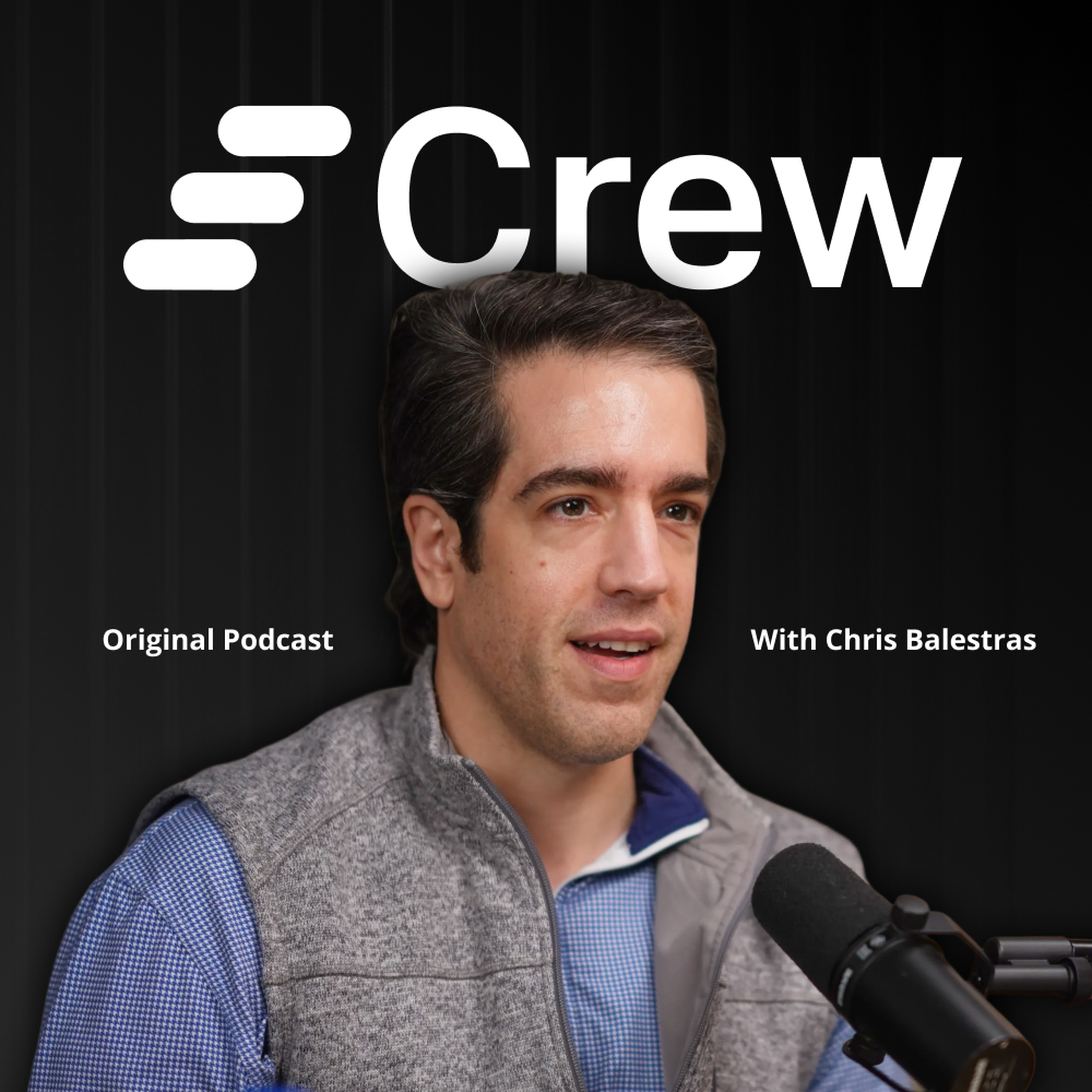
Sales Mafias & What Made MongoDB Great w/ Graham Moreno, VP Worldwide GTM @ Parallel
58m 11s
The podcast features a reflective conversation with Graham Marano, a seasoned go-to-market leader, on the evolution of sales culture across companies like Mongo, Grafana, and Windsor. Central to his insights is the belief that prioritizing people over pure financial returns leads to long-term success—calling it a "trade-off worth making." He attributes the rise of top-tier sales leaders to companies like PTC and Xerox, which built strong training and enablement cultures. At Mongo, a key lesson was the power of intense, prescriptive enablement that fostered a tight-knit, self-sustaining community of high-achieving salespeople. However, he notes that over-reliance on rigid accountability and imitation of top performers can limit authenticity and long-term growth. In contrast, the AI-native market demands a new breed of seller—more technically adept, comfortable with founders, and capable of rapid ROI demonstration through hands-on experimentation. These sellers operate in fast-paced, low-commitment environments where feedback loops are short and agility is critical. The speaker emphasizes that the best sales teams are built not on tech or product, but on shared values, strong leadership, and a culture of continuous learning. At Parallel, this philosophy is applied with AI tools enhancing data access, research, and CRM efficiency, allowing reps to focus on customer outcomes. Ultimately, the core message is that exceptional people, not just technology or revenue, create sustainable, high-performing sales organizations. The episode concludes with a strong endorsement of building teams around culture, trust, and shared vision—where talent is cultivated through enablement, not just hired.
of I can sacrifice some amount of upside on earnings
to be around really good people
who I'm excited to be with every day.
Like a trade-off worth making in most cases
because we spent so much time together,
I would happily make 20, 30% less on a good year
if I was 100% happier with the humans.
- Just wrapped up a great conversation
with Graham Marano, VP of Go-To-Market
at parallel web systems.
And in the conversation we talk about
the different GTM off the years over the last 20 years.
- Do you look back at like Monville and FD,
which I think probably have generated
the largest number of sales leaders in the last 10 years?
Almost entirely came out of BMC Blade Logic.
That crew came from PTC by and large
and like a lot of the PTC guys were at Xerox
in the 90s, which is a wild thing to say,
but like Xerox had an amazing sales training program.
- How the AI-Native seller differs from the enterprise seller
generally more technical by nature
has been using some of these AI tools
and are great at it, comfortable talking to founders.
- Some of his learnings at Mongo,
Grafana and really what made the Mongo culture so great
that it's bred so many BPs of sales in Xerox.
People came in as sellers,
had more success than they'd ever had in their career,
felt more control of their cycles
and more control of how they ran their business
than they'd ever felt they had in their career.
Then they become an RD.
They put a really heavy emphasis on training
and enabling people because it worked for them.
I really enjoyed this one, Graham's been
many time requested guests on the podcast
and I hope you do too.
(upbeat music)
- Welcome to the Crew podcast,
formerly known as the Vibescaling podcast,
where we have conversations with the top go-to-market leaders
at AI Natives and SaaS companies,
talking everything from zero to one,
how to choose companies,
the swings and misses they've taken in their sales careers.
I'm Chris Boleschris, co-founder of Crew,
a go-to-market recruiting, media and investing firm,
working with Seed through Series D,
AI Natives and SaaS startups.
If you're interested in the intersection of go-to-market,
AI and startups, this is the podcast for you.
Hope you enjoy it.
Shout out to a repeat sponsor of the pod, Centralize.
If you work complex enterprise deals,
the hard part is an effort, it's visibility.
Who we met on this account, who's gone quiet,
who on my team can open a door that we haven't knocked on yet?
Centralize answers all three of these.
It builds a live stakeholder map for every deal,
pulling data from Salesforce, email, calls and your team's network,
and then tells you where to go next.
Go-to-market teams at Langchained, Decagon, Webflow,
and Cognition run on it.
Try it now on a live deal at usecentralize.com.
Big thanks to our sponsor, Dust.
AI has made individual GTM work faster,
but it hasn't made GTM teams more coordinated.
Too much work still happens in silos.
One person, one agent, or one threat at a time,
Dust gives teams of humans and agents,
a shared workspace to move complex GTM work forward
using the right model for the right job.
Think use cases like account command centers, RFP deal rooms,
and cross-functional launches.
Instead of keeping AI work trapped in threads,
Dust makes agents part of how your team coordinates,
makes decisions, and drives work.
That's multiplayer AI, and that's Dust.
Quick one, huge thanks to our sponsor, Sales Graph.
If you're running an enterprise sales team,
deals don't slip because of effort.
They slip because you couldn't see the technical gap in time.
A champion goes quiet, or procurement shows up late to the deal.
That context lives in slack, calls, and your reps heads,
and doesn't transfer to new hires.
Sales Graph pulls this data from GONG, Salesforce, and Slack,
and produces assets that help move deals forward.
Gap analyses, business cases, pre-call briefs,
built by the founders who live this problem at Mittlify,
try it now at salesgraph.com.
It definitely overquested guests on the podcast.
High top five, I think you're like,
who is on there, like Kyle Norton yourself.
There's like a few that people keep saying.
I'm like, I got to wait till Graham's in New York and SF.
Heck of a run that you've had at some of the companies
that I've written about in the GTM office,
a whole section of that.
Totally.
But Mongo, Grafana, Windsurf, cognition,
and now heading up sales app arrow,
but you'll do a better job of explaining your background.
How'd you even get into sales and tell us more
about quite a legendary run you've had?
I don't know, I've actually ever told this story
'cause it's so embarrassing.
But basically, I got into sales by accident.
I was trying to start a company coming out of college
and I love my parents very much,
but I did not want to move back home.
And it was like two weeks out.
And one of my buddies was like,
hey, there's a company called Oracle handing out jobs.
So I went and talked to the Oracle Recruiter
and ended up in their classup program.
And I actually thought I hated sales.
I did 15 months more or less and fine experience.
It's just not the right place for me
and then I had a friend who was very accomplished.
He's done a lot in his career sense,
but was also at like 22,
the VP or an SVP at a public training company
because the company he had founded that got and bought.
So extremely accomplished.
And he was founding a company and was like,
hey, do you want to like do this with me?
And so I was in a patient zero at this company
that he was founding and it was a really good experience.
And they probably got the itch for early stage
and for building.
So we went from like zero to 30 people in a year
and raised a bunch of money.
And then it fell apart and that tends to happen.
And from there I got plugged in with Carlos Delatore
and Carlos is amazing.
I'm like, I think this will be a theme,
but Carlos could have been selling hot dogs
and I would have wanted to go work for him.
And I think that is where I stumbled into the enablement philosophy
that I have now and the focus on pipeline generation
and the focus on like excellence,
both in terms of process and people
and the way that you develop
and then ultimately the culture that you build
and Mongo was great in a lot of ways.
Like most of the time when they tell my story,
I started Mongo because I don't think it's super relevant
before that.
And then Grafana, you know, similar thing, right?
It had been at dinner with one of the folks
on the founding team, like months, two or three months
before they started Grafana, like five years later.
I reached out on LinkedIn and we got drinks and met Raj
and met Tom Wilkie and ended up at Grafana very, very early
and then had a great five year run there
and you know, amazing experience, lots of amazing people
and then ended up at Windsorf because Carlos
had seed invested in them and him and another guy
who have opened very important in my career,
asked me if basically if I would just talk to Varun
and like be helpful as he figured out B2B sales
coming from autonomous vehicles.
And so started talking to Varun
and like thought I would be talking to him once or twice
a month and it became once or twice a day
'cause Varun is persistent and smart
and was very fun to talk to and like eventually
it just felt obvious to go there.
And so went back very early stage again
and then everyone kind of knows the Windsor story
but I was really proud of the team
that we built and really proud of the like culture
of enablement and making people better
and some of the things that I think I picked out at Mongo
that I'm still like very passionate about
and then you know, cognition handled that acquisition
incredibly, I think that's been like pretty widely reported
and it's very much true and then you know
we went through the transition and got the team settled
and got the itch to go build early again
and now here we are at parallel
and I think I have said probably on a podcast
that I was not going to operate again after Windsor
and so like for me to jump back in
took like a great product, unbelievable fountain team
like Travers and Paraga so great.
And then Liam Okie who you know being there
kind of made that the right decision here we are.
- Yeah, what a great, there's so many things
I want to jump into with that.
So with parallel we'll start with that
but then go back to just like the Mongo days.
- Yeah.
- I sold my last, I started vibes going early 2025
before then I was at Metro and that's how Travers
and I met there was a small startup
that came in bound to Metro and called Parallel
and I talked to Travers and they bought Metro from me
and we had a really good relationship there
and when I started vibes going he was like,
hey looks like you're doing this recruiting thing
and we were like, you know they were still figuring out
their emotion just last year a little bit of like
what to sell for and then when I hear
they hired both of you guys, right there's a couple of signals
it's like Graham can go anywhere and he's choosing Parallel
and then same with Liam, right Liam, you can say what you know
he's got insight from all these different portfolio
companies of like hey how they might be doing
or he's definitely a student in the game
just generally knowing a lot of these companies.
- Liam is one of the most like the greatest minds
we go to modern, go to market totally especially.
- Yeah and it's encyclopedic both because he's just smart
and because he's been exposed to so many different looks.
- Totally.
- So it's like fun, very fun going to jam with him.
- Yeah, we're aligned he was like our second or third guest
and he's become a good friend and a fellow Jersey guy now.
So, but Mongo like we hear all the time
of like this Mongo Mafia.
What about Mongo made it so great
and like tell us more about the things
that you specifically learned and maybe some things
that you took away as I wish I would have done differently.
- Yeah, I mean I think Mongo was amazing
because I think for a lot of us it taught us
some things that we absolutely want to do and want to repeat.
And then there were definitely things that I think
like a lot of the crew that has left Mongo
and gone on to do other things has evolved
and has probably not unintentional
that we've done some of those things.
And so I think like talent bar was really high
the level of talent density.
When I think back to the six to 12 month period
where I got hired, you had like Graham Siemens, Matt McClure.
and Marcello Gallo, Jesse Karein, Tim O'Brien, me, Liam, James Underwood, it's just like an insane
procession of people who found out to be really impressive. And I think that that group
was largely attracted to Mago because of the culture of enablement, because of the reputation they had
for building teams and then we did a good job of promoting from within, basically everyone
that I just named started as an IC for the most part, there might have been one or, I think Marcello
started this in RD. But like starting as an IC, heavy development emphasis, huge push on enablement
and like a very good, like good sense of cultural uniformity. It did a pretty good job of
making sure that everyone kind of had the same enablement experience, the same set of expectations.
And so you had this group of people that was different personality-wise, but fundamentally
pretty like minded. And I think it created in the same way that if anyone's ever done like
theater or sports or something repetitive and intense, it creates the sense of camaraderie and
community that has persisted through the next 10 years. I mean, like when the Windsor situation
happened, every meaningful conversation that we had came from Mago intro. And so like just a
tactical example of how that community has stayed very tight, very good at supporting each other.
You said two things there, you evolved in their enablement. We'll get into the enablement piece
second. The first, what do you mean by it evolved maybe in a good way? What were some things that
maybe worked at the time then that were forced to change? Yeah, I think the way that we drove
accountability was pretty Byzantine. Very intense. In a lot of cases, pretty old school. And I
think too, and like you'll see this with John McMahon or Carl Salatore are like unbelievable
generationally good sales leaders and also unbelievable at developing people. Like John's obviously
famous for it, but I think if you look at Carlos, there's like not another person operating
today who has more CROs or very senior sales leaders at one point reported to him. And the thing
that makes that possible is their styles are very authentic to them, like both in terms of how they
complement people and elevate people and in terms of how they apply correction. And I think we
got into a situation at Mago where there's a lot of people that were imitating them. And that doesn't
necessarily work if it's not authentic to you. I think you have to find the thing that works for
you. And so like Carlos from John, like giving a correction, whether it's in a QBR or call or
in a strategy meeting, like works because it's very true to who they are. And then I think when
you get a bunch of other people that are larping as someone else, it can be tougher for that to land.
And so I think at times, the culture of accountability was like productive in the sense that it made
people a lot better. But I think there are more inspiring ways to to encourage change into like
drive behavior. And I think we've seen that if my aunt McLaren is great at it, Graham Seaman,
just great at it. Marcello Gallo is great at it. But I think a lot of us made the decision to
want to have the same level of accountability, break or ability to coach people because that's
super important, like dedicating yourself to making people better. I think it's a responsibility
of a good leader. But I think like how we chose to go about that was probably informed by both
what we saw that was really good at Mago, which I would say is like a Carlos or a John. And then
some situations where people were maybe not necessarily being authentic. And as a result,
it landed a little bit differently. Yeah, super interesting. The enablement piece, almost like
enablement is infrastructure. Tell us a little bit more, why is it that so many people came out of
that and have been so great at sales? Because if I'm an AE, everybody tells me I'm going to coach you,
I'm going to, but what about like the Mago seller is different than than others?
I think just like for four AE's who are looking at a role, someone says I'm going to coach you,
like the two things that you should look at is who else has worked for that person.
Like what have they gone on to do if they've been doing it for a while? And if not, then where do
they come from? Because like you get people that are completely different than either of those
things. But I think for the most part, those are two really good indicators. And the way that Mago
did it, like Graham Narei, who's now the CEO at OSA, like started the enablement program for Carlos
and then Jeremy Powers and Nicole Retinger came in and like all three of them were really brilliant.
Nicole and Jeremy in particular at enablement. And it was a huge emphasis. Like David
Acharya, Carlos Delatorio down, bought in to enablement is going to be our big differentiator.
And like we are going to build a process and a playbook and we're going to train it
with a level of intensity and rigor that, you know, we had an executive that used to say we want to
a sales team so well enabled that could switch products with the competition and get the same result.
And I don't know if that was true, but we believed that it was. And I think there is like a swagger
and a confidence that comes with that, especially when you're winning consistently.
That's infectious and that made people want to be there. I mean, people excited to be a part of it.
But I think it also meant that at every level, people bought into enablement as like a critical
function that drove our success because people came in as sellers had more success than they'd
ever had in their career, felt more control of their cycles and more control of how they ran
their business than they'd ever felt they had in their career than they become an RD. And because
at that point, they're drinking drinking the cool it as it were. And so you begin to create this
flywheel of like people who at different levels have seen success based on our approach to enablement
that then made them bought in. And I thank you. And then it attracts people that want to get enabled.
If you just want to be left alone and sell, you weren't coming among though. But I think the other
thing is that it attracted younger people. It attracted people that were earlier in their careers
that were eager for that level of input and intensity. And I think it's part of why we saw so many
really, really talented sales leaders come up there. Because at a certain point to it,
it becomes a self-selecting group of people. If there is a place that has a reputation for very
intense enablement that's super effective but pretty prescriptive, you're choosing to go there
at a certain point. And so I think that that was great though. And I actually think one of the
big tragedies of the PLG era is that we've kind of moved away from companies emphasizing
enablement and emphasizing making people better. And I think that that is an advantage for us.
Like it was a huge advantage for us at Windsor. And it is an advantage for us at parallel
because we still very much have that. But I think like for the market at large,
I think we're seeing fewer great young sales leaders get developed. And I think it is because most
companies don't want to focus on that. Let's go to this hub's concept. Well, one of the components
of what you want to look at is where they come from. Yeah. I wrote the article on go to market
mafia is almost starting from mango and onward because I started my career in 2014. If you were
in the prime of your career or maybe you saw some mango, where were the last 10 or 20 years before
then where were those mafia's in the 90's and 2000's that enabled the John McMahon's and the
Carlos's of the world. Yeah. I mean, like you. It's funny, right? Because you look back at like
mango and apti, which I think probably have generated the largest number of sales leaders in the
last 10 years, almost entirely came out of BMC blade logic. That crew came from PTC by and large.
And like a lot of the PTC guys were at Xerox in the 90's, which is a wild thing to say, but like
Xerox had an amazing sales training program. And then you had other companies that were really
famous for great go-to market execution oracle had a sales team that was really respected for a
long time. Salesforce was like the original. And I think you've seen like some of this is industry
specific. My whole career has been infrastructure. So like easy for me to talk about PTC blade logic,
mango apti. But like if you go into the application layer, a lot of amazing leaders started the sales
force. And so I think it just depends a little bit on like the industry that people are coming from.
But I would say you can track for the most part whether it is applications or like financial
services. I mean, people talk about like the stripe group and there's been some really amazing
people. I think for that specific type of sale that came out of there. But in my world,
yeah, PTC blade logic and then long go apti. And then you can kind of see like, I'd guess 10 to
20 companies currently. I have CROs that came out of one of those two companies.
There tends to be a, I guess a concept like maybe misconception or just a thought around,
hey, you're either an infrastructure seller and you're a little bit like lower energy. You're just
not as salesy or you're an app seller top down. Usually it's bottoms up in for a top down app.
And you have to be a little bit more assertive because you have to like outbound your way in versus
like the PLG thing. But what's interesting about mango and your guys lineage is that you guys are
technical, have business acumen that can also kind of ask the uncomfortable questions. It seems
to be unique for the mango sale. I guess how did that wedge kind of exist? Because I outside of
that, you know, think about stripe. It's an API plads an API or you have orgs like naman. It's an
app. I would say those sellers are night and day different. How did, how do you think it came about
that like mango sales culture even existed largely as a reflection on like Carlos and on Dave got it.
Who decided that we were going to be good at both? Because you really, I mean, you can't have any
credibility talking to like anyone making decisions on databases if you can't speak the language.
And so they broke it down to its atomic parts and came up with the Nexus architecture.
texture and value drivers, and all this isn't made it very easy for us to remember it.
But at the same time, if you're hoping to be like any kind of mission critical, then you're
going to end up talking to someone who is thinking less about speeds and feeds and more
about the ultimate business outcome to this thing that you're buying opens up and like
a mango attended to be accelerate revenue or make it easier to make changes and respond
to demands in the market, and like that is something that is inherently very business
focused.
So you want someone that can have that conversation, but you're never going to sell, especially
an open source product effectively, if you have a guy who can't have a technical conversation
with developers because at that point, like why have that rep just send the SC?
Yeah.
And so I think they made a choice that we were going to be good at all of it and hired people
that could have both types of conversations.
And again, that gets back to like the talent bar and the kind of person that you're looking
for, which ultimately created this like very intense community.
We'll go back to like the mafia's piece into the second, but the second component what
you were saying at Mongo was this sort of enablement is like, Hey, we made it as part
of an infrastructure.
It was a focus here.
What specifically though?
Is it like, Hey, we talk command of the message.
We talk medic and we were very, very stringent on entering exit of certain stages.
Like what specifically did you learn?
No, like the irony is that it's a sales process, right?
So you come in and like you set the expectation, Hey, and the first six weeks, you're going
to do a bunch of like e-learning, uh, mind tickle was the tool we used a bunch of e-learning.
You're going to go through this stuff.
Take it seriously.
Like where there's quizzes for like looking at it, you're going to go to boot camp.
There's a quiz when you get in.
There's competition.
It's like an opportunity for you and people are watching.
Like people are paying attention.
Like David Acharya comes in, Carlos comes in, uh, you know, Jesse Green, Jay Pippole
and like all these people who are running big parts of our organization and big parts
of our business are going to come spend time.
Michael Gordon, the CFO is going to come in.
And so they did a good job of making it clear that it was something to be taken seriously
and that it would like, it was a way that you could jump start your reputation at the
company.
If people were like, man, that person's really impressive.
It was also like a potential landmine, if it wasn't handled with the appropriate level
of care.
Um, and I think again for the right kind of person, because that's not meant to be scary.
It should be something that's exciting.
Like if you're leaning into like, hey, if I take this really seriously, I can like start
to build all the relationships forward to six weeks into being at a company like, that's
cool.
And if you're the kind of person that's like, oh my god, I'm going to mess up and like,
don't be in sales.
That sounds stressful.
Um, and so then we would go through boot camp.
And it was very relevant.
Like they're explaining why, hey, we're going to spend a day on this and here is how this
impacts you.
If you're an SDR, if you're an AE, if you're an SC, um, and then six months in, you go to
advanced sales training, then there's kick off and then like we did a good job breaking
it out into role specific things because the reality is that like what an SC needs and an
AE needs are not the same.
What like a seller earlier in their career needs is probably different, like probably more
of a tactical conversation.
In addition, if you're a very senior seller, like once you get through boot camp advanced
sales training, all the like, all the initial brainwashing, then it probably becomes a
little bit more about like specifically within your role.
What can we be giving you?
That's actually going to help you continue to get better.
And like that's the matters.
I think a lot of people now talk about like money and they should.
It matters and like equity upside.
They should.
It matters.
But I also think people stayed leaned in because if you're like actively getting better,
the right kind of person is really attracted to that.
And I think we did a good job of that.
And then at Windsor, like so much Danny, Danny McCabe, Nicole Retinger, did a brilliant
job as we started to scale really fast, started to break out like we're going to go do leadership
enablement.
And like there's a difference too between are you a first time leader or have you been
doing it for five years because like again, the kind of conversations that you want to
be having are probably slightly different.
Or you would deploy an engineer because then the training that you should be doing is
a DE, especially like six, 12 months out, totally different than an enterprise rep, totally
different than an I native rep.
And I would say that like obviously I'm inclined to talk my book.
But I think that like I think that the company is that invest in that like deserve a disproportionate
level of inbound applicants, especially people that are younger in their career and want
to get better.
Because the other thing is if you look at like the crew out of Mongo or like most of the
best hires I made at Grafana at Windsorf, it wasn't necessarily people with those backgrounds.
Like everything that I've just said is important.
A lot of those people didn't have it.
It's because when someone comes in and you're hiring them, it's like is this person smart,
driven to the give a shit?
Are there someone that people like to work with?
Do they make people around them better?
It's like a hugely underrated one is like, is this person by force or personality someone
that like makes everyone around them?
No, it's not just work harder can be like is constantly helping people in a way that
like creates the right atmosphere like that's the stuff that you look at.
And if you have a strong enabling program, you can over index on those traits because
you don't actually need someone who is the completed product.
You can bring someone in, develop them and then like give them all of the hard skills
that they need.
If the soft skills that they come into the room with are really compelling and like outside
of widening the aperture on who you can hire, I think those people also just tend to be
better is the word in my head.
It's probably not a great word, but like tend to be better because they had to earn it.
They had to work for it.
Like they appreciate what they've been able to accomplish at Mongo of a Grafana at Windsor
of a parallel.
Wherever that might be that they got exposed to this initially.
And then like you carry that forward with them, which is why I say I think looking at where
people came from, who they worked for and then like how many people have worked with them
or kind of like come out from from their coaching tree because I think once you've experienced
a good version of it, it's like hard not to want to do that for other people.
All right, y'all quick break.
If you're getting value from this, do me a favor and hit the follow button on YouTube,
Spotify and Apple.
It helps way more than you think now back to the episode.
You said a lot that I was writing down because there's a few things that I want to get
some more detail on.
You are one of the rare leaders right now that have been like an AI rocket.
You've been at two of them essentially, like an AI rocket ship and now doing it at parallel
again.
How are you thinking through team composition differently or how you're looking about
scale on the team with parallel then during the Windsor of cognition years?
Good question.
I mean, I will say like that we are the most AI enabled company I've ever been at.
What do you mean by that?
So what are some of the things that come to mind that you're now starting to use that maybe
didn't exist at Windsor for you guys didn't think to do?
We, the cloud code work has completely changed how I operate which is wild, but like I have
a weekly recap email that I send to the company that historically I would spend literally
hours writing.
And now I can I still probably spend an hour to two hours like editing it, but now I can
have way more in the content of the email because it like because cloud will go out and
will connect via API to our CRM and our note taker and all of this other stuff and can
like write with some prompting a really good far more detailed email than I would go
pull myself.
And it's like that building documentation much easier talking the book, but like we've
obviously plugged parallel into it.
And like parallel has this CLI where we can go and get like deep research briefs on everyone
that we're talking to like connect our calendar and just say, Hey, like an hour before email
this to everyone at parallel on the invite.
And like the level of research that we're getting thanks to parallel search plus cloud plus
all the internal data from CRM's and past conversations.
It's just like a much deeper, more intense level of prequel prep than I've ever done
because like you write, you know, the paragraphs and slacks say, Hey, everyone here's what
we're doing.
Here's what we're covering.
Here's the content that I put together and you send it out the day before or whatever.
But I just think like the level of information that is very easily accessible and via via
API and via just like a set of commands and rules that you create.
So the stuff is just getting injected into your workflow is not like anything I've ever
experienced.
And like there's exactly zero people on earth who've ever been in a sales work who was
good at updating Salesforce to be able to go and just message.
Plod and be like, Hey, you know, here are my notes from these opportunities.
Can you go update this and like push this to stage three and like tag this person as
a potential champion and do all of this stuff programmatically like way now no one has
an excuse not to have their CRM updated, which is great, which I as a sales leader love.
But reps also have a much lower lift on doing it.
Yeah.
It's just like way simpler.
So that's been cool.
Like I think that I can take no credit for that.
This was done before I got it, but who's been really like fun to experience and even
now there's certain people who I think are like tinkerers by nature.
They'll come back and be like, Yeah, I set up this workflow.
It's crazy, which is fun.
It is fun.
It's awesome right now.
So I love that use case.
Are you thinking about building out the team a little bit differently?
So like I went and served like, Hey, I come in and even before my first rep, I hire an
enablement person and then we build out that like, how do you think through when you get
brought?
Because you were brought in at Windsor pre early and similar to working human.
Yeah.
Yeah.
about like the literal human build out of it's like a back
of the napkin, hey, based on this revenue projection,
this is the rep efficiency, anything that's changed
or that you are now having more of a focus on as regards
to who you're hiring in the time it went to hire them.
- I'm like the safe harbor statement that this plan
has not been approved by others, but I think,
yeah, and I'll talk about like the structure
that I'm envisioning and then I'll talk about like the who,
'cause I think they're both have some changes for sure.
What hasn't changed?
Higher enablement early, first.
Like if you get a great enablement person
and like Nicole Retinger at Windsor was amazing,
Danny McCabe was on her team,
Danny's now leading at parallel also amazing,
like a great enablement person can change
the trajectory of the company at a pretty fundamental level.
So I still think that's an early hire at Windsor,
if it was really clear that we had a strong partner motion
like we hired Gardner Johnson who in my unbiased opinion
is the best partner leader out there.
And like he's, that was a huge bet for us
because we knew it would take 18 to 24 months
to get like meaningful throughput from that,
from that effort, but we placed our bets.
And I think like something that we will,
that I hope we do differently at parallel
is I think we went a little too wide on partners
and like the partner or get cognition is ripping now.
Like is so is doing such a good job.
But I think we could have been more effective
a quarter or so earlier if we had placed bigger bets
and fewer places and like easy to say that now
knowing how it all went.
But I think that's like a takeaway for me.
And then I got the data piece wrong at Windsor.
Like that was a, that was 100% on me,
but I think investing in that and again,
like we've done a lot of the scaffolding
prior to me coming here at parallel.
But like the, the ability to use data to inform
like how you engage with customers,
how you talk to customers, what you build at a product level,
how you scale the team is so important
because you can kind of make it up to a hundred million or so.
And then after that it all breaks
if you don't have the data instrumented correctly.
And so I think that like investing in that early
and getting it right is something that a,
a lot of the work was done prior to me getting to parallel,
but I think that is just like a super critical piece
that I've learned.
And then like structuring the team,
this is just such a product dependent question.
Like at Windsor, yes, there was good product market fit.
And like our emerging enterprise team,
like Ben Tholan, Sebastian Cantazarist,
did like an amazing job.
And that was great because we got low velocity.
You got like a pretty healthy level of NDR.
If you get to the right companies
and there's a lot of value there,
but it was really apparent early that enterprise
was where the plurality of the revenue was
because we were selling at the time a seed based product.
And it's like where are there most engineers?
All right, we're going to go sell there.
And so we built a very enterprise focus business
just because of the pricing model.
And because of where there was like really non-linear value.
Because the other thing is that smaller engineering hours
startups tend to be more on top of it.
So there's not like a multi-year backlog
that's killing people's careers.
There is it like basically every large organization
in the world.
So it was just like a lot more obvious as a way to go
and like generate a ton of value for our customers.
I think at parallel, it's fun and like is different
because the AI native segment like A I think
will probably be our biggest segment for this.
Well, definitely, almost definitely for this year
bar and something ridiculous happening
and probably next year.
And like the point that that traverse and prerog make
and they're right is that we're now entering an era
where you can grow companies in a way
that is not directly tied to headcount.
There's like some relationship
but it's not linear the way it used to be.
And so you're gonna get a generation of companies
and I think we're seeing some of them now
with like a notion or a Harvey or a rogo
who are gonna be unbelievably successful
and grow like gangbusters without necessarily needing
to have 5,000, 10,000 people and let's say they won't
but they might not need to.
And so I think the AI native buyer type looks different.
The way they expect to buy is different.
The way they evaluate is different.
Like frankly, the kind of rep who I think does really well
there is different than certainly like at Mongo or Grafano
five, 10 years ago because now there is more anxiety.
I would say around committing to contract lengths,
not that folks don't like unit economics,
impact on relationship, all of this stuff.
I think can create value in that.
But there is a group of companies that have grown up
like monthly anthropic bills, monthly cursor bills
who don't necessarily feel the need to commit to something
and are kind of finding, curing attacks
if it means that they have flexibility,
especially given how fast the AI is moving.
And like that's a different buyer type
and it means that you then fundamentally have to change.
Look how you think about presenting and generating value
because the feedback loop is much shorter
and I think in some ways that's a pity
because the nice thing about having
like a relationship that is contractually guaranteed
is that you can focus on like broader strategy.
And I think sometimes with not all,
but in some cases with the I native segment,
it's like a very quick feedback loop
because there is this just like hey,
we need to be getting constant value from this
over and above anything else in the market
and we're constantly looking at what else is out there
and switching costs are lower than they've ever been.
Partially because of how we build products,
partially because of tooling.
And so like that is different.
I think the AI native space has been really fun
because A, they're like very much at the cutting edge
of where companies and organizations are using agents,
which is like perfect for what we're doing.
And so that's been great.
And then I also think just like the type of seller
that you're hiring for that role
is generally more technical by nature.
Generally has been using some of these AI tools
that are like newer to someone like me
who's spent a long time in enterprise
and are great at it.
So like all of the reps that we have in our Android segment
are like breaking my brain on a weekly basis
with some of the stuff that they can do
just using AI in our own internal systems.
And it's fun and I think that like that energy
and that approach to driving success
is like a breath of fresh air.
And then I think in the enterprise,
I don't think that much has changed.
I think that like you still need someone
that deeply understands the tech
to be effective selling,
what you know whether it's parallel, cognition,
whatever it might be,
need someone that's able to talk to executives
and have a business level conversation.
You need people that are comfortable
doing pipeline generation and owning their number.
Like all of that, I think they're profile
of a great enterprise seller in 2016 and 2026
is largely the same.
I think AI native is a totally different world
and we are definitely building a team
that is more evenly weighted.
And if anything probably waited towards the AI native
by head count, relative to wind sort of cognition
where we were like very much enterprise heavy
just given the revenue split.
What are those traits?
You mentioned a couple, there may be tinkers
and tooling there used to maybe a short sale cycle.
Yeah, what are some of those other traits
that make somebody better for the AI native seller?
More technical by nature.
I think especially with parallel or wind serve
or cognition, comfortable talking to founders
which is like a different profile than like a CTO CIO.
Probably leans into the technical thing
but also is like able to understand
the product that we're selling to.
It's like in a lot of cases,
the lift on experiment with these is very low.
And so if you're selling to notion
or if you're selling to atio or something like that
and you haven't gone and played around with the product,
probably a miss, but I think really good at it.
If reps just do that naturally
and select more inclined to get hands on
with the product they're trying to sell,
because no one's gonna go and like try to use
Sabers end product, right?
But like someone absolutely will and should
if you're gonna go sell to any of these agnative companies
that whether they're B2B or B2C
tend to have like a very easy loop in experimenting with them.
I also think that you need to very, very quickly
generate ROI in these scenarios where it's like,
All right, we're gonna go on site, work on deployment,
do like a lunch and learn or a technical feasibility workshop
with the team and then like immediately identify
how we can configure this and integrate it
and go run it value.
And again, I think if you're coming from like enterprise cycles
where you're dealing with like a bank's security
and then scheduling and then there's teams in Singapore
and London and New York and whatever that might be,
just a very different time scale.
How would you advise a company to show that ROI
if they're not PLG?
I actually think not being PLG helps
because it isn't the problem, problem.
Like a potential challenge of PLG
is that people accidentally limit themselves
to their understanding of the product
and that's like often not complete.
Like I don't know that I've ever really talked to anyone
just like to use a world that I spent a long time in.
Anyone using Windsurf or Cursor
who is using it to the fullest extent of its capabilities
but I've met tons of people who think they are.
And I think that is like an education gap
because that's not really someone's job
generally speaking to become an expert on that tool.
It's their job to use that tool
to generate and now come for their company.
And so I think the benefit of having like a go-to market team
who is really serious about, 'cause this is the thing,
if you're serious about enablement internally
then you kind of have to be externally.
You can't spend a ton of time enabling your team
your employees to go be successful and to develop and then turn around and not have that same approach.
to customers. And so I think there is like a virtuous cycle there where we're really obsessed
with driving customer ROI. And like for parallel, that looks like identifying what the gap
is. And it might be, hey, we're using some other tool and the quality of results that
we're getting back isn't very good. Or we want to develop a new feature, like just
an outright new part of our tool. And we think that like the ability to pull web data
in to along with internal data that we're using plus anything from a model is going to
give us like a new surface that we can go attack that we haven't been able to necessarily
build on before. And we're going to go do that. But being able to very quickly identify
like what's the business outcome that you're driving? How are they measuring it? Is there
a timeline? Is that timeline fixed? Is there like a, is there teeth to it? Or did we
like set this timeline two months out because we think we can go sprint at it and build
this new feature and launch it by that. But like being able to get aligned with all of
that. And then being willing to get hands on. Like I think one of the other things that
has happened since 2020 is there's a less inclination to get on site with people. That
is something that like AI native enterprise, there's no change. Like if you get on site,
you get way more done. And like I have, you know, in the last month, I have examples
where in enterprise team went on site with a, with a company that we're working with.
How to meeting left person. One of the people in the meetings had a thought called them
was like, Hey, can you guys come back? And they spent like an extra hour with this company
that doesn't happen on a Zoom call. And then similarly, like for one of our AI natives,
you know, we were on site meeting with meeting with the founder kind of to the point of
like you tend to be talking to a different kind of person meeting with the founder about
something they were looking to do by pulling in web data to one of their experiences.
And like the CEO just walks into the room and like, you know, set high and caught up
with the team and like got to know them. And then when they left, they like walked around
and met a couple of other people that were going to be involved in the project. But like
in the course of a 45 minute on site and I met the CTO CEO got walked around the office
meeting these other people and like that very much enhances our ability that I turn around
and like deliver value and have conversations. And suddenly you're like texting people
who've met you and who like, you know, got a coffee with you, got a beer with you, whatever.
But I think it just like deeply enhances the ability for companies to to provide value
to their end customers. If you make it a habit of getting in person with them, yeah, completely
agree with that. I know you've been traveling a lot to it sounds like New York, SF and London.
But what's your airline of choice, by the way? Do you have like a certain one that you
try to I'm a Delta bro Delta guy. No, I Delta. Delta is by far the best of the U.S. airlines.
Yep. So every year on the Wall Street Journal ranking and they're always number one in the
edge. Now they just have to get starlink. Yeah. And they really because the Wi-Fi is still
a little sus. Yeah. Yeah. Outside of that. But you know, one thing that I've always respected
a lot about the Windsor story was it clearly like there was a number one big behemoth that
you guys were going after. And listen, you don't want to join the seventh product in the market.
Yes, that gives you adversity. But you probably don't have a tailwind in order to have success
of a halo and real learnings and real earnings from that. Now if you're too much of the number one
and it's easy mode and it's order taker, you don't really learn sales. It's like it doesn't force
any adversity. Maybe trying to get the number two or three players is like kind of where the sweet
spot would be then maybe eventually you want to cash out and like go be at the number one and use
the skills that you've learned from selling the number two or three. What would you tell somebody
listening that's maybe selling the number two or three player in a competitive but large market
in order for them to help win it to win the market. What did you guys do in order to like you
guys? I mean, I think yeah, and I have a high degree of confidence that they would agree with
this. Like cursor was is like the greatest PLG story ever. Right. So I have never seen a product
become a personality trait for people faster. And it's a great product. Like it really high value
to people. They did a great job building a brand. And I think we knew early on like A, we did
them the people because like who you have in the room really matters. Like if you have a bunch of
people that are great at selling to insurance companies and banks, like don't try to sell to people
who are like swiping on their credit cards. That's like not the motion that you have. And I also
think that momentum compounds especially in AI. Like they're I have never never in the history of
technology has there been more criticality to act with the tone of urgency. And you see that
with like the revenue of open AI of anthropic. I mean, what SpaceX is doing is super interesting.
Well, like the numbers that are starting to come out there like really impressive cursor. Everyone
knows the story but like unbelievable. And I don't think we had any delusions that we were going
to go catch them in PLG. But I am really proud of like what the team that we put together can do
in the enterprise. And I was extremely confident that we could win that. And so I think we in the
Fortune 500, it like it wasn't all that close. Like I think we knew that we could operate there
because in the Fortune 500 and any large organization, it's not just two people like the stickers
and like used it on the weekends. It's does a password security review. Is the organization
staffed and capable of handling change management? Yeah. Are there partner relationships that we
can lean on where we have like existing relationships with people that we trust who can come in and do
trainings? Is there an ongoing culture of enablement and updates because we're shipping every two to
three weeks. It is not in the workflow of any bank to go and do reeducation on this every two to
three weeks. So like what is the cadence? Is it once a quarter? What does that look like? And so I
think there's a lot of operational maturity that goes into being able to effectively service large
organizations. And that is like it's an intentional choice to develop and it's an intentional choice
to prioritize. And we did like there. And so I think that was a big piece of it. It's like figure
out where in the market. The number one is exceptional. And unless you're really, really confident you
can win that fist fight. Don't fight it. That we were never going to win PLG. It cursed you to
do a better job with that than any company in history. But we knew early on that we could win
enterprise. Yeah. And so I think like knowing, hey, this is their core carbon and see they've done
an amazing job. But like ours is ability to build systems, build processes higher the right people
to go and provide a really high quality of service to the Lord as organizations in the world.
Was like the niche that we picked. And I think one that we executed really well on and I think like
the fun thing about being a parallel is and like this is where it's such a blessing to have Liam.
Now we want to do both. We want the AI natives, the companies that like buy and large lean heavily
into cursor to go and like use parallel and to figure out what that motion looks like. And maybe
this is like a big structural difference to come back to one of your earlier questions.
One of the things that Prague and Traverse talk about is like where we have to make trade-offs
just in general, we will of course. But there's no reason with how much throughput you can get per
person with AI that you can't be great at both. So now it's like, all right, how do we go create?
This like amazing flywheel of like a combination of PLG and amazing customer success and like
creating just a culture of obsession around delivering outcomes to our a native customers.
And go do the thing that I that I am probably the best at in terms of like
Liam is going to go build or focus on AI native. And like I think he has just a huge amount of
context coming from Clatter and just like with his brain on how to work with these companies
and what they care about and how they're thinking. And like I am going to spend a lot of time on
both, but I think by and large, I can enterprise figuring out the right way to provide, you know,
the level of service that we did it when surfed to customers that are now looking at not just
searched, but like how do you pull internet data or web data into product experiences both internally
and externally and like that's a fun problem. That's like something that if we get right unlocks
like a huge amount of new workflows for companies that don't currently think that can have access
to them. And there's also just like a huge education component with that that changes how we sell
or how we have to hire because someone that's like inclined to educate and really good at that
isn't necessarily the same as the person who's going to go sell snowflake, which like everyone knows
and no one needs education off. Yeah. With great book, by the way, I want to get Christine
in on here. The way he tells the story early days of snowflake was that nobody knew it. And then
it eventually flips to everybody knows it and it becomes a little bit more, you know, easy mode,
but still a great or they've built in the last thing I want to hit on, you know, we were on
our recruiting firm here and it's the hiring and also what you would advise people listening
right now of how to choose what like listen, if you've been a mom over five years and then you went
to Grafana, obviously there's a component of company selection that is super important that a lot
of I know I've gotten wrong and it took me longer to look, if you had a 80 20, what are the things
somebody should look out for in order to maximize their chance of success of hitting the home round
off? What would you tell them? Within reason, don't worry about tech go for people. I'd like
Carlos could have been again selling hot dogs. I don't want to work for him. Like anyone has been
in a room with Raj Dutt knows that he's like one of the smartest, most compelling people ever
and same thing. Like Grafana, I wanted to be around Matt and Tom and Raj and like just be
around people that I knew categorically were smarter than me and like was very attracted to that.
that. I could not have told you in 2018 that Grafano was going to go from mostly selling
dashboards to being like a deeply complex back end system for observability, but I knew
that I wanted to go be around those people. You know, at that podium at the time, ultimately
windsurfing, not cognition, Varune is like one of the most compelling, impressive people
you'll ever come across. And like similar thing, he could have been like, "Hey, man, we're
gonna go sell snow cones." And I would have been like, "Awesome. Let's do it." And that's
like why I think I'm so excited to be at parallel because Travers, that guy saw like where we
are with agents now, like three or four years ago, just like an unbelievable level of industry
foresight. Parag, like a lot of people know that story, but it's like just like an unbelievably
charismatic, compelling person. And he's a good person. Like him, Travers, the entire team,
like one of the things outside of just talent that I was really attracted to is that everyone
at parallel is really kind. And so like that is cool. It's amazing to be around someone
that's had that much success and to be around Travers who was like writing long form blogs
about the way that agents were going to change the internet before I think I knew what agents
were. And then like you add someone like Liam to that who I think again, it's like one
of the greatest minds and go to market currently. And has this amazing amount of context around
AI Native, which like I built it at Grafana a little bit and at Windsor, but like I wouldn't
say is my biggest strength. And so to be able to go somewhere that like I'm just like
incredibly excited about three separate people for to like different reasons that are all
overlapping in a really good way. But in none of the stories that I talk about the tech
at all, I think it's because like generally speaking, when I've gotten really fired up
about being around people, the tech has worked out because if you have great people around
you who give a shit and care about customers and care about each other, then like generally
you'll problem solve effect. Yeah, it's interesting. I in the beginning this year I wrote a blog
post that was like choose the tech not the people because I've been very unfortunate.
My current this is also me not asking the right questions of I would join places for leaders
and they would either get moved to another division. Yeah. And then or they would leave.
Like, so I just that's probably be picking bad versus but like what I did invest in and
I had this with the past company was just overall talent density. They went off to go do great
things. And even though that company may not have been a home run, it's that network that
you build. And I think there's a component of what you're saying there that's still, you
know, range true with a lot of like company selection stuff. But total and I make like generally
speaking, if you're surrounding yourself with really good people, then like success comes.
And there's I'm sure there's kind of examples to that. But I also think that like for me,
we're in a pretty fortunate position to be anywhere in tech. And so if I can sacrifice
some amount of like upside on earnings to be around really good people who I'm excited
to be with every day. And again, there's like orders of magnitude to that. But I think
that's like a trade off worth making in most cases because we spent so much time together
that like I would happily make 20, 30% less on a good year if I was 100% happier with
the humans.
Right.
Makes sense. The last couple of questions I wanted to ask you were, I know you have a
high bar for this is like, what are the good market teams in the AI natives that you've
come across that you have now worked up that you would say I like what they're building
and I really respect their motion. I'm going to answer this like most like there's a little
bit of talking like talking my book here's and there's a lot of people that I really care
about.
But like I think I think Decagon has a good product and it's brought in a lot of great
leaders. Like Nika Rivas went over there. Just like a bunch of folks have gone to Decagon
that I really, really respect. I mean, Wiz is kind of cheating, but like Mike Ernest
and Dali are both great. Mike is incredible. Whatever. I'm excited to see wherever he goes
next. I think I mean, I would have said, and I still like Brian McCarthy is amazing.
And like what he built a rubric was super impressive. The rate that he's built at cursor
has been insane. Like he's only been here for six weeks. He's hired like 500 people
or something like that. I mean, hard, hard not to like respect and admire that. And then
like for some of the smaller orders like like brain trust, I think Brian Cox is great.
He'll be in here in half hour. Yeah, Brian is wonderful and like has done a really good
job with with what he's been building. But like I think in the next three to five years
a lot of people that are at cognition will go off and like lead teams. And I would say
like that's one to watch. I think Marcello Gallo at Sigma is like an unbelievable leader.
And if you look at the talent entity, he's created where he's gone like move works had
great people. And like a lot of them have gone on to either be really good companies and
be leaders or really good companies or kind of in like the process of moving there now like
Carlos, the editorial harness. Same thing. There's a lot of folks at harness who are going
to go and like lead orgs. I would say in short order whenever that journey ends. Um. And
so I think there's like a few places that I wouldn't necessarily say people should
like rush to at this stage and the evolution of those companies. Right. Just because
you're watching watch where they just burst to. Yeah. Cause like to your point, I think
there's a sweet spot. Yeah, there's a sweet spot. Like for some of these, they're probably
in the last year or two before they go public or sell or whatever. And so like if you're
looking to have a three to five year run with someone like that's probably not the moment
to jump on. Um. But like I would say that those are, or ours are really respect. I don't
know anything about Sierra's go to market team, to be honest, but I really like Brett Taylor.
I think that's like a good company and a good product. It's clear a lot of investors
do too. Yeah. That is for sure. Yeah. Oh, I'm actually like factory. Yeah. Andy
codner. Yeah. I love Andy. Yeah. He's like a great human being, a great seller, a good
leader. Shout out to them. We play some of their sales team. Um, but yeah, they all
some team. Yeah. Another one that I would have said too, that I like very much respect.
Yeah. I mean, they're founders. Look, what's on the man? Like they're founder teams great.
Like again, like cognition, companies doing great, uh, very biased, but I love the sales
team over there. Factory was almost what wind surf was. So cursor, right? Yeah. So
like, yeah. So that's why I always respected them too. Of like kind of coming in as this
like number two, but also big enough market. But then now they're starting to rip a little
bit. So I know I said don't talk less of that work. Yeah. I was a Kim Henry Gerst, Ben
J, just from Sandy shop. Yeah. Yeah. I was in the hand like the whole group over there
who's leading Austin Mead, like I just fucking great people super talented. Yeah. I mean,
it was validated, uh, para forking out the talent, I see index. And it was actually,
I thought it was pretty aligned to like where I'm not saying like whether it was numbers
based or there's some sort of algorithm, but based on what my network has said, it was
pretty well aligned. I was curious if you had some sounds like you have some differing
thoughts maybe with it. I just don't know how they got right. It's just so much. I have
different thoughts. I think for the most part, I agree. It was accurate. It was a lot
of those companies that you'd said parallel to 22 was like a bullshit, but that'll
share. Well, we'll see. You're all about high slope. So next year you guys will be top
five. And then that that no one will have a higher growth rate on that list. Yeah. Yeah.
Dude, it was so great to have you on excited to throw the event tonight. And, uh,
I know our audience is going to really love hearing this and getting a master class on all
things GTM. Yeah. This was fun. Um, excited to see you guys continue to grow parallel. And,
you know, like I said, thanks for coming on. Yeah. Thank you. That's cool. Great.
Thanks for hanging with us. If you liked this one, follow the show on Spotify, Apple
podcast and YouTube. And we'll see you next week. Cheers.
Podcast Summary
Key Points:
The value of working with exceptional people often outweighs financial upside, with many leaders willing to accept lower earnings for greater satisfaction and team alignment.
Companies like Mongo and Grafana cultivated strong sales cultures through rigorous enablement, high talent density, and a focus on internal development and coaching.
Xerox’s 90s sales training program and PTC’s Blade Logic legacy created a pipeline of top-tier sales leaders who shaped modern GTM excellence.
AI-native sales require different skills—more technical fluency, founder-facing experience, and rapid ROI demonstration—compared to traditional enterprise sales.
Successful GTM teams blend deep product understanding, hands-on experimentation, and strong customer relationships, especially through on-site engagement.
Enablement is not just training—it’s a culture of continuous feedback, self-improvement, and shared accountability that builds team cohesion and performance.
AI tools now enable faster research, automated CRM updates, and deeper pre-deal preparation, allowing reps to operate more efficiently and with greater insight.
The best sales leaders are not defined by technical expertise alone, but by their ability to build trust, understand business outcomes, and thrive in dynamic, fast-moving environments.
Summary:
The podcast features a reflective conversation with Graham Marano, a seasoned go-to-market leader, on the evolution of sales culture across companies like Mongo, Grafana, and Windsor. " He attributes the rise of top-tier sales leaders to companies like PTC and Xerox, which built strong training and enablement cultures. At Mongo, a key lesson was the power of intense, prescriptive enablement that fostered a tight-knit, self-sustaining community of high-achieving salespeople.
However, he notes that over-reliance on rigid accountability and imitation of top performers can limit authenticity and long-term growth. In contrast, the AI-native market demands a new breed of seller—more technically adept, comfortable with founders, and capable of rapid ROI demonstration through hands-on experimentation. These sellers operate in fast-paced, low-commitment environments where feedback loops are short and agility is critical.
The speaker emphasizes that the best sales teams are built not on tech or product, but on shared values, strong leadership, and a culture of continuous learning. At Parallel, this philosophy is applied with AI tools enhancing data access, research, and CRM efficiency, allowing reps to focus on customer outcomes. Ultimately, the core message is that exceptional people, not just technology or revenue, create sustainable, high-performing sales organizations.
The episode concludes with a strong endorsement of building teams around culture, trust, and shared vision—where talent is cultivated through enablement, not just hired.
FAQs
Mongo fostered a high-talent, tightly-knit community with a strong focus on enablement and continuous development. The culture emphasized deep coaching, technical and business acumen, and a shared belief in empowering sellers to achieve personal and organizational success.
AI-native sales require reps to be highly technical, hands-on, and comfortable experimenting with products. Enterprise sales still prioritize business-level conversations and long-term relationships, but AI-native buyers expect faster feedback loops and rapid ROI demonstration.
Technical expertise is essential for AI-native sellers, as they must understand and engage with products like Cursor or Notion. Reps who experiment with the product firsthand and quickly demonstrate value are more effective in winning customer trust.
Companies like Xerox in the 1990s and PTC in the 2000s had world-class sales training programs that developed high-caliber talent. These programs produced a generation of sales leaders who became influential in the industry, forming what’s known as the ‘GTM mafia’.
AI enables faster research, automated reporting, and deeper pre-call preparation. Tools like cloud code and internal search allow reps to access real-time data and customer insights, reducing manual work and improving sales efficiency.
Successful AI-native sellers are technically adept, hands-on, comfortable with founders and technical teams, and skilled at quickly identifying and demonstrating ROI through experiments and real-world usage.
Chat with AI
Loading...
Pro features
Go deeper with this episode
Unlock creator-grade tools that turn any transcript into show notes and subtitle files.
 PodcastTranscript AI