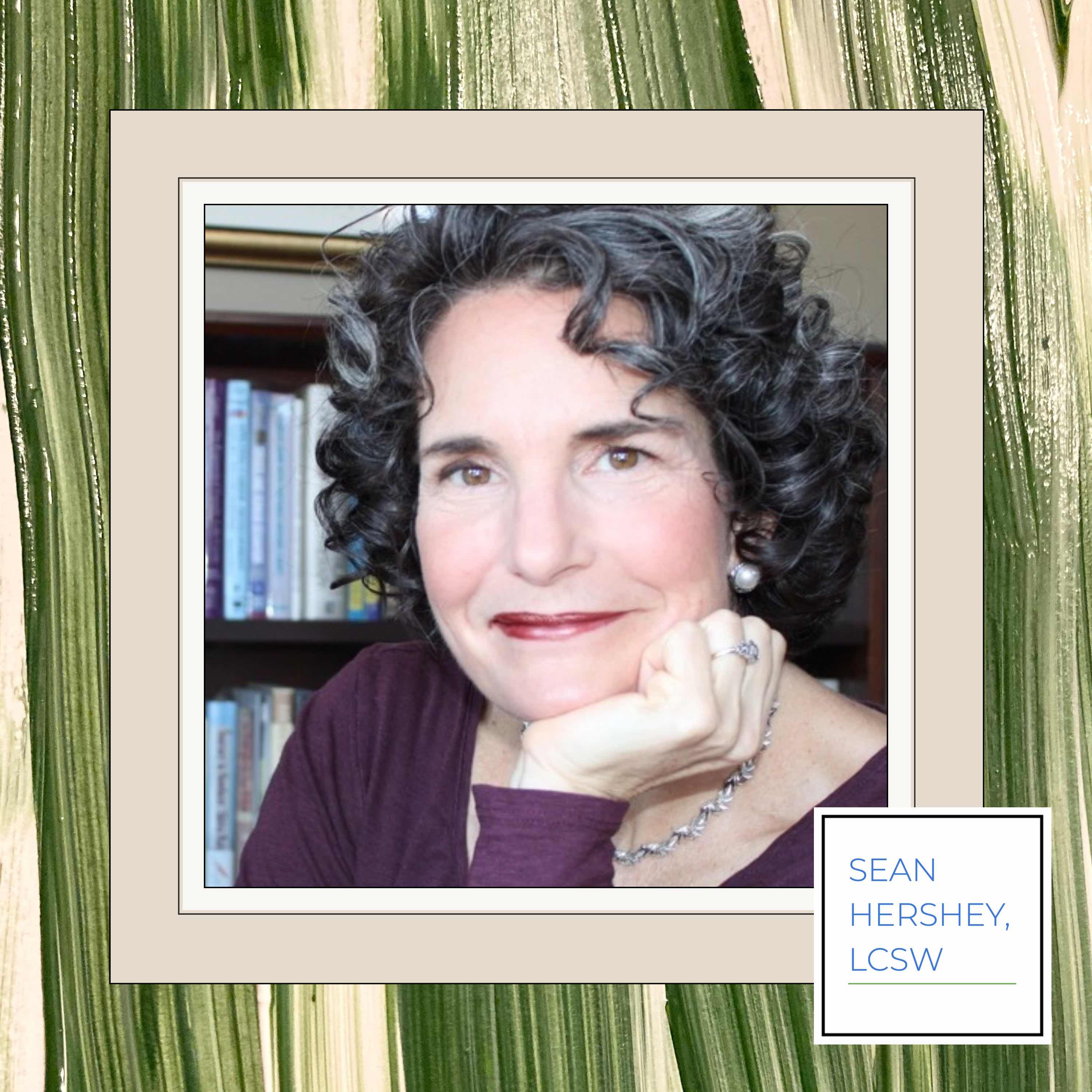
S3 E5 | How To Handle Shame (Pt 1) with Ellen Ronka, LCMHC
55m 36s
The podcast introduces a mind-body approach to chronic pain, emphasizing that emotional and psychological healing is often key, as physical treatments alone frequently fail. Host Sean Hershey, a psychotherapist, discusses with guest Ellen Ronka, a therapist and founder of the "Chronic to Cured" program, how shame and emotional blocks hinder recovery. Ellen shares her personal 25-year journey with symptoms like fatigue, GI issues, and pain, highlighting that without understanding the neuroplastic nature of symptoms—where pain acts as a danger signal—healing is delayed. Both stress the importance of addressing shame, adopting a gentle mindset rather than an intense "fix-it" attitude, and seeking guidance to navigate emotional barriers. The conversation underscores that healing involves reconnecting with emotions and the self, ultimately transforming one's relationship with pain and overall well-being.
[Music] Hello everyone and welcome back to Mind Body Medicine for Chronic Pain. My name is Sean Hershey and I am your host. I am a psychotherapist and I specialize in helping you. Sheal from chronic pain and chronic symptoms. And yes, you can heal from chronic pain and from chronic symptoms using emotional and psychological modalities. In fact, in most cases of chronic pain, the only way to heal is using emotional and psychological modalities because most of you listening you already know. All the physical and structural modalities you've used, like all the modalities that have been based on the idea that something is structurally wrong with your body and it needs to be physically fixed. Those modalities haven't worked for you. Those modalities have not healed your pain and they've not stopped your symptoms. Healing chronic pain is about emotional and psychological healing and with that mindset, you can truly heal chronic pain. Most people don't even know that's possible, but it is. Okay. Today's conversation. How to deal with shame. How to heal from chronic pain and chronic conditions and what shame has to do with it. What are the right things to do to heal? What if I'm doing the right things the wrong way, which unfortunately happens all the time doing good things with the with an energy that's just not helpful. Why is shame so central to chronic pain healing today? We are talking with psychotherapist, Ellen, and this is part one of how to handle shame. This is such a good, rich, long conversation that is so good. It's like, it has to be this long and so we're doing a two-parter. This is the first two-parter broadcast that I've ever done and welcome to part one. So I met Ellen Ronka at the AT&S conference and those of you who listen to the podcast, if you listen closely, you have already heard of her because Ellen. So my first guest this season, season three, episode one was a wonderful conversation with Skyler Whitman. Skyler, you can go back to listen and listen to that one if you're interested by all the ins highly recommend if you haven't gotten to that one yet. Skyler participated in one of Ellen's coaching programs. And here we are now actually talking to Ellen. So I met, I only knew about Ellen from talking to Skyler and then I met Ellen at the conference at the AT&S conference, which was this September. And she was so great. We just had a great conversation, great vibes, hit it off. And I was like, Ellen was awesome, vibing, vibing, vibing. And, okay, let me say this before we talk to Ellen. At the end of the AT&S conference, we're all in this big auditorium space. There's a ton of people in there. And as we're winding down, one of the facilitators was like, you know, now that we've gone through this multi-day process, you know, we've seen, I mean, it was great. The conference was so inspiring. And one of the facilitators was like, what is your hope for the future of this work? And, you know, people running, passing the microphone around like my hope is, you know, that like all the patients who have chronic back pain like I had can hear about this and know that there's hope to get better. My hope is that people can cure their IBS. My hope is that people understand that long COVID is a neuroplastic condition. You know, great stuff like a little basic, but great. Then Ellen raises her hand. She gets the microphone. And she says this. I forget the exact quote, but it was something along the lines of my hope is that as people learn to get in touch with their emotions and get in touch with their true selves and let go of shame for who they are, which is what this work leads one to do. My hope is that the collective energy radically changes the way human beings exist with each other on this planet. And I was like, Mike, drop like she just took it there. Like this is a cool person thinking outside the box, thinking big and thinking correctly because that is accurate. And you know, like you've been on this path for a while, you know that this radically changes the way that you relate to yourself, your emotions and to other people. And for those of you who haven't had that experience yet, that is what is in store for you if you stick on this path. If you if you want to take your healing deeper and you would like a therapist to help you to do that. Awesome. I would love to help you. I am available. And I would be happy to work with you. I'd be happy to tune into you and help you tune into yourself and and be with you as you're on this journey and help you figure out like, what are you missing? Why aren't you healing yet? What are the blocks? What's in your way? I would love to help you with that and help you problem solve and help you get on the right path that will really lead to healing. If you're interested in a consultation for weekly individuals therapy, you can find me at Sean Hershey.com or mind body medicine for chronic pain.com. They will both take you right there. And you can contact me there very easily. I'd love to hear from you. If you want to find Ellen, she has what seems to be an awesome program. If you want to full, like basically a really excellent info, Marshall for how great the program is season three episode one with Skyler Whitman. That that that that she speaks for itself. Ellen's program is called chronic secured. It looks amazing. You can find it at it's on chronic secured chronic like to cure dot com all the links for all that stuff are in the show notes. So you can find it down there as well. Okay. Now without further ado, let's talk to Ellen. Hello, everyone and welcome back to the mind body medicine for chronic pain podcast. I'm here today with a wonderful guest Ellen Ronka. Hi, Ellen. Hello, Sean and everyone. It's so glad you're here. And Ellen and I met at the recent AT&S conference. And Ellen, of course, is already for those who listen to this podcast. Ellen is already low key famous on this podcast because one of her. Someone who participated in her coaching program came on that was season season three episode one. You can check that one out. Her name was sky. So we already know you Ellen, but welcome. Thank you. Of course, of course. Why don't we start with you? You know, you can introduce yourself and tell us a little bit about who you are and what you do. All right. Well, so I'm Ellen Ronka started out my career as a psychotherapist. Well, that's actually after a fair amount of wandering, trying to figure out what to do with my career. But I am trained as a psychotherapist. But now I run a program called chronic to cured that I built to basically sell for all the problems that I encountered in my own healing journey because I didn't have this model then. And I made lots of mistakes along the way. So I'm trying to correct that. Anyway, my chronic symptom. I won't even just say pain because it was way more than just pain. Journey lasted about two and a half decades started my late 20s. And I don't know. What else do you want to know? I practice out in poor Smith. What are inquiring minds want to know? Let's get into I think many inquiring minds listen to the podcast will want to know first about your own story. So two and a half decades. Wow. Let's talk. Yeah, yeah, yeah. It's convoluted. I will just say it's messy and convoluted way longer than I believe it had to be. You know, there are certain things that we're just not ready to look at. And so that takes a while. But this was not that this was I didn't have the model. I just didn't have the right information. But which ironic about that is that I was it that's like a therapist in a while I was training to getting my masters and counseling in the holistic study specialization at Leslie University, which was part of why I picked that school. Honestly, so the fact that let me just say I was some of my worst symptoms were during the years that I was in social work school, some of my worst symptoms. And I had no idea I didn't know the connection truly. Well, thank you. That's for validating. Yes. You know, I was in
therapy, right? And you're exactly right. Graduate school is very stressful, especially when you're trying to balance all kinds of things. So, and I think looking back, I know that I had some symptoms before that, but mild and sort of tolerable, right? But grad school is really when they kicked up. And, but I was in therapy the whole time. And I, that's one of the things I really struggle with is that, wow, you know, I even understood the mind-body connection to some extent, you know, I believed in it. I'd start doing, you know, meditation and I was seeing holistic doctors and like kind of thing. And the fact that I went so long without understanding key things for healing is just such a shame. It's like a crime shame, you know, that the wasted time, the emotional turmoil, it's just painful to think about. But we're going to do it anyway because I want to spare some people. So yeah, right, right. And I'm glad you're saying that because that is so real. The years, the chronic pain and symptoms just like take off people's lives, years of distraction, years of like misery. And it doesn't need to be that way. And yet here we are for a lot of us, it is. But, but okay, why don't you like what symptoms did you have, you know, a lot of people listening to the podcast particularly relate to like, oh, she had a symptom similar to mine or, you know, that sort of thing. So give us the story. What what happened? Yeah. So started with, well, I had a virus and I got over the virus. It was a solid virus, but I had body aches afterwards and fatigue that didn't go away, you know, and not discovered a low thyroid or under-functioning thyroid and started, you know, sort of getting diagnoses and allergies. I won't take you through all the diagnoses, but basically it started off as extreme fatigue, like, you know, I might feel fine. And then it was like someone just took a syringes and zapped, like took all the energy out of my body. Like it could happen so fast. And that didn't make any sense to me. Body aches, like, oh, I used to just crave pressure on all of my limbs to just give me, like, to resolve that deep, deep ache. GI issues, you pick one, I had them probably. All of them. GI issues were my worst symptoms for sure. I'm so sorry. I'm so sorry. And I quickly, you know, and we can get into this more later, but my style was to try to figure it out, you know, to have agency, to have some level of control. So, you know, started watching what I ate, and that just, you know, eventually, especially once I got with a functional medicine doctor, you know, we identified food allergies, air quotes, and then just started avoiding foods and such. I'd always been a robust eater, loved eating foodie, really. So that was just depressing and demoralizing. Yeah. But so let's see, there were rashes, those were lesser, but it's sort of when you start having all these extra little symptoms, you start feeling really quite neurotic and hypervigilant about what's happening in your body, right? Yeah. You know, yeast infections, what else? You know, and they all kind of blur in and out because they weren't always all of them. Those were the predominant ones that were kind of tracked through the whole process. But, you know, at some point, the stibular problems became an issue, like some vertigo episodes. I did have some headaches. Thank god, my brain is like, I think I've had two in my life, but I had, I think, the stibular migraines. That's what they would have been called, but I didn't add an even person by then I was like not even pursuing diagnoses because it that I don't know why I don't even know what I would have said, but I it that just felt like such a dead end to it. So I would have been diagnosed with fibromyalgia and chronic fatigue, but I didn't even then I knew well enough to know like, I don't want that diagnosis because it's a junk diagnosis. It doesn't do you any good, you know, there's nothing to do with it. I totally know the feeling. I resisted the diagnosis of IBS for a long time because I was like, that means nothing, you know, and still I mean, still it means nothing. And I have another memory of like, I used to go to a chiropractor for my hip and which was to in my mind it was like a low kind of like low low not invasive thing to do. And it was at Mount Sinai hospital and across the not even street, across the hallway. It was like the chiropractor's office was on one side of the spine hallway and the other side was what was called the Mount Sinai spine center. And I remember feeling very scared of that people would be coming in and out with like casts like you know, like like walkers, young people with canes and stuff, you know, that the Mount Sinai spine center really scared me. And I was like someday I will probably need to go to a place like that. That was that was my mentality. And finding this work has removed the fear of the Mount Sinai spine center. And I'm just like, I'm so glad. I'm so glad that at that time in my like early 30s that I stuck to like the you know, the lower invasive stuff. And then I didn't go that route. So I totally feel you, but yes, go on. It's really powerful though those fear things. I'll give you an example of how that fear played out for me because so my mother and of course growing up didn't know this, but she had loads and loads of neuroplastic symptoms. They did not present the same way mine eventually did because I was healthy from most of my school age years, you know, right through high school and all. But she had a lot of GI issues. She got infections very easily. Body aches didn't sleep that kind of stuff. And and she used to say you're just like me once once these symptoms start showing up my mid to late 20s, she used to say you're just like me and I was like, don't say that. It's like a curse. I don't like that. I don't want to be like you. And actually I actually think that that's a big part of what set me up. Believe it or not to drag out my recovery process because I so badly didn't want to be like her not just with her symptoms, but in the way she handled her symptoms, which was she sort of had a surrendered approach to it. She's like, this is just my body. You know, doctors just don't know what to do with me. There was almost a point of pride maybe or I don't really know exactly what that was, but all I'm saying is I hated that response. Like I wanted to feel like I had some control over this. Plus I was young, you know, like, yeah, that wasn't acceptable to me. And because of that, I like really, I did the intensity thing that, you know, in pain reprocessing therapy, we talk at PRT for here after. The way we talk about this intensity thing, I did it in spades. And I do think it was a reaction to my mother's approach because she just sort of like collapsed into it. That totally makes sense. And it's what really stands out to me from what you're saying is like, how healing is so hard, you know, for your mom to have this like, uh, lousy fair kind of like defeatist at, well, maybe not lousy fairs, not right, but this defeatist attitude, like something's just wrong with me and just it just is what it is. That didn't help her feel better. You having this attitude, like, I'm gonna fix this. That didn't work. It's just so many things that don't work. So true. And here we are. We've already landed in the family of origin setup for why I have all these symptoms. And I'm happy to talk about that in the sense that, you know, what you just described is that duality, right? Like the two extremes. And that's what I was raised in. There was like a right and wrong, a black and white, and, you know, you're in out kind of, your good girl, bad girl, you know, and and because of that, I think so much of that dualistic thinking drove my, my approach to recovery too. So finding that middle ground of the both end, I want to get better, but I've got to be gentle and and, you know, not to attach to outcome and all that. Like that was just, I swear. I think it would have been easier if someone had really laid out what I need to do in that and tied a very direct line from that to here's how you'll heal. But I really, like, I felt like I sort of stumbled into that through my spirituality, through mindfulness, through, you know, just this day in, day out battle with, I feel terrible, but I have to accept that somehow. And I don't know, I felt like I was like really a big part, the vast majority of my time felt like me bumping around in the dark in a in a, in a house that I'd never been in, right? Not my own house where I have some frame of reference, a totally different house. Yeah. So it's wow, I can even feel a little bit of grief coming up for myself just about that. Like it's just so sad, because it's in so many ways it's so unnecessary. And yet, you know, back when that was happening, we didn't have the books, we didn't have podcasts like yours. I don't think, I mean, I don't even think I was on the internet that much. This was my late, this was like late 90s. Like the internet wasn't that, like social media wasn't really a thing.
- Right, right. - I mean, I didn't even have a cell phone and like a non-flip phone for, my point is all these meanings by which we get this information now for the mind body model. None of it was there when I first got it all. - Totally. - And wouldn't it be great to get it from an actual doctor? - How about that? (laughing) - And you know, here's another part of my story. I'm with you on that. And the one hand, it's interesting because the first like functional medicine doctor, I wouldn't have even called him that, I didn't even know that word, but I think he functioned that way. He was all about sort of tell me to decrease my stress, tell me to get into therapy, I already was, but you know, tell me you need to start meditating that kind of stuff. So he was like, I'm the right track, but the thing is, he never explained the model to me. Like he never explained this mechanism by, you know, like when you're in chronic fight or flight, it suppresses all these other things. And I think I understood the part about suppressing immune system that made sense to me, but so many of my symptoms weren't really about immune system. And so that I didn't understand pain is a danger signal. It's your alarm mechanism, pain or all these other symptoms, right? That they are indications that something's not right. And I think that it's so sad to me because that is such a simple straightforward piece of information. And if I had understood it, I think this is why in my program I am so all about the why of what you're doing. Because at any given moment, you could make two different choices, but they're, and if the energy with which you do them really matters, and you could do either choice with the right energy or the wrong energy. Totally, totally. And so this is why, like I feel so strongly about that because that's the thing I didn't have because after that doctor, I had another doctor who was very kind, nurturing, spent way more time with me than your average doctor, even though it was still under the insurance model. Bless her. However, she was giving me the right principles, but I still didn't have the scaffolding. I didn't understand the basics of the model. So basically I go to her and say, like, you think I should do this or this? Or what do I do when this happens? But I didn't have the bones. The foundation, totally. Correct. And was I hurtful? I don't think so. As it was, we were having these long appointments that were so atypical for, you know, managed care, healthcare. Right. It's just, I don't think, actually, believe it or not, I just don't think your PCP should be the person who directs you to this model. The way healthcare is run now, PCPs don't have that time to explain all the nuances of this model. Totally. So I honestly, like, I have my PCP listed like on an insurance card somewhere. I'm like, I've seen that man maybe twice in my life. You know what I mean? Like, I don't even know who that is. (laughing) You know what I mean? So funny. (laughing) Right. So to try to tie this up, let's see in terms of my story because I told you it's a long ass story. (laughing) Well, let me just pull this out for people listening. I think it's so important. The thing that you're saying around like, not having the bones and not having the foundation, I think that is so real for so many people. And to find, I think a lot of people experience like kind of, you know, rooting around in that dark house that's not even yours. The way you're saying it. People experience that like, you know, okay, yeah, sure stress makes my pain worse, better to not be stressed, obviously. But people don't have like the foundational knowledge, like, oh, this is actually the core. Like emotional and psychological factors are at the center of it. They're not just like kind of part of it or maybe, you know, related in some way. It's like, that's actually the core. Is that what you're talking about? Like, you lacked that. Yes. But even right down to, for example, like even how you do things, and this will get into the things I was doing right, but in the wrong way, or the wrong things I was doing with the surf, right, whatever. Yeah, no, no, that's great. Yes, yes. Let's continue with the story and the yes. Yeah, but I'll just say, for example, like my PCP told me to meditate, okay, I'm edited, but you know, when I'm edited, usually first thing in the morning, well, that's when I was most calm. And on one hand, that's really good because it's already easy to practice being calm in your meditation, right? But you know, when you get the most traction for neuroplasticity, is when you're really, right, you're really activated, and you take even one, two, even three minutes, right, to soothe. Even if you don't get yourself all the way down to that complex, that is gold for neuroplasticity, right? And that's a principle I just didn't understand. And I, you know, something that's simple. So yes, the psychological and emotional, like I simply didn't know. I journaled and journaled and I have boxes. I tell you what, Sean, you would learn so much about me if you found the boxes on my basement. Good to know. If I'm ever up in New Hampshire and I have, you know, it's some extra time to break into your house. Right. Go ahead. Go ahead. I have boxes and boxes. And I even got in touch with anger. This is also what I'm talking about, the nuance of how to apply the model that really, I, it is back to even the bones, because I didn't know what to do with the anger. And I think the whole time I was feeling guilty or shameful back to our big topic for today's shame about the anger. So in a lot of ways, expressing that anger was only part of the deal and I don't think it was curative, because I didn't know what, how to learn from the emotion to do something different. And for that, I think it's kind of a major bummer that I was in therapy the whole time and no therapist really figured out how to tell me that. That said, I should inferness say, God knows how much resistance I had, right? You don't know it when you're in it. So I don't know, maybe, you know, one of my old therapists will listen to this probably now, but if they did, you know, they might be like, "I know what I want, that is terrible!" "I'm trying to get her to see that." Yeah. Totally, I know exactly what you mean exactly. Because I always think of myself as like, "Oh, I'm such a fun, easy, great client." And I'm like, I'm sure several therapists are like, Sean Hershey drives me crazy, you know, for that exact reason. But okay, let's definitely, I want to get into like shame and if there's more kind of doing right things the wrong way. Yes. Let's get into that. But let's stick with this for a minute because people listening, I'm sure, are curious. When you're saying like, I was feeling anger, but I didn't know what to do with it. How do you handle that now? And how do you teach people to handle that now? Oh my gosh. Really quite systematic about it because that's what I know. I always talk about like learning in the laboratory of me and then one of my favorite things is to just try to break down what I do myself and make it very, you know, systematic for other people so that they can learn wherever they kind of break it down. So wherever they're breaking down in it in the process, I mean. Right. So first thing I do is show people like, so when you're going to express an emotional, where are there so many steps in that? Do you even know that you're having an emotion? You're having it, but do you know which emotion it is? Do you think, can you make it conscious and name it? Are you judging yourself while you're having it? Are you able to feel it fully in your body without trying to stop it, resist it, tell yourself a negative story about it? Once you're feeling, often the story's keep you stuck in it. So how to stay out of the story about it. I'm always going to feel this way. Shame on me for feeling this way. That kind of story is what I mean. And then literally have it like feel it to its depth so that it can keep moving. Like I always say, your emotion, your, your, yourself, your body is like a conduit. It's like an empty hose through which emotion runs, you know, or you can think of a cord where electricity runs through it. I think the hose is a little better because it gives you this visual of water moving through it. And at a certain point, you do run out of the emotion. If you don't add stories to it. But you have to not be scared of the emotion. So there's a big part about not judging the emotion. So does that hang you up? And then, and then that like resolution of it, to me is always about soothing, especially if it was an unpleasant emotion, right? We don't usually have problems with the good ones, the good feeling ones. I don't like to call them negative and positive emotions because I think they're all part of our equipment. Anyway, so how to learn the lesson from the emotion. If I'm really angry at my boss for criticizing me all the time, well, maybe I need to have a conversation with my boss or maybe I need to look at a different job. Or maybe I need to get feedback about something that's in the dynamic with the boss, right? So maybe there's some adjustment, not just spewing. And I think there is some problem in the mind body field. There's a lot of talk about expressive stuff, expressing the emotions. But let's talk about how do you get the message from the emotion, their information, their like that red light or green light at the intersection, to giving you information about what to do. Right. Yeah. I think that's so important, right? Because spewing is one thing, sure. You can still be spewing your emotions and hate your emotions and be judging your emotions. And I think it's really important the way
that you're framing this as like, it's a red light or a green light. Like it means something about you and what you need. - Exactly, exactly. You know, I think so many of us, I'm sure that I did, I know that I did. Found my emotions very inconvenient. - Same, oh my God, still to this day, but before I found this, whoa. I was raised to feel, and my mom is a therapist. And I was raised to like feel emotions, like push it aside, kind of regulate your way out of it. Not that it was like, oh, it's information about who you truly are and what you really need. And let's honor that, that's good, not that. - Oh damn, oh, it's so, I gotta say, for, are we gonna take a moment? Like, you had a mother who was a therapist, and so that the training goes very deep for you, like, I mean, it's one thing to have parents who were, you know, feeling around in the dark too, about emotions, but you had a mother who was supposedly an expert. - Right, yes. - I'm so sorry. - I'm so sorry. - I appreciate that. - Thank you. - I actually feel you quite a bit, 'cause in my case, both of my parents were educators of young kids. And so in my family, there was like sort of, they know kids. - Same, literally Ellen, same, the same. - Yeah, and, and, but we could probably have a whole hour conversation on that shot. (laughing) - Let me just say that I used to think like, how, before I found my bodywork, I really, and in the early days of finding it too, I would think to myself like, like, my parents were so perfect, and knew so much, and were so good, how did I turn out so fucked up, you know? And I really believed that it was me, you know? And, you know, certainly I've had many issues I've faced in my life, it's not just like my parents caused everything, but it was part of it, it's definitely part of it. - Really, and it's like, it's both and parents, all you parents who are listening, right? It's like you're doing your dandist, you're doing what you know to do based on the kind of parenting you got, and also mistakes are made that are sort of pervasive consistent patterns that set us up for these things. And I always say to parents, I say, in my opinion, the best way to be the best possible parent you can be, is to be willing to admit your mistakes, and to be really humble with your kids, you know? And to be curious about what they need for, for, out of, you know, from their parents. 'Cause I will just, oh yeah, yeah, go ahead. - 'Cause I think when a kid, and I think this was my experience, when I would sort of pipe up about something that I wasn't working for me, I got kind of squashed and dismissed, which didn't help, we'll just say. - Of course. - Of course, of course. And I just want to say, like, in response to that, you know, the advice you give to parents about like being humble and admitting your mistakes, or even being curious about your mistakes, I think that advice is very profound, because the way that lands with me, is that I would not have had the belief that my problems were all my faults, if that dynamic had been present in my family. You know, exactly what you're advising would have saved me from a lot of self-blame. - And I'm sure that's true for a lot of people. So for people listening, take Alan's advice. (laughing) - You know, I mean, I think it's any human relationship, right? Like, we cannot possibly be perfect, all we can hope for, and really truly, this is your best case scenario in a human relationship. God's not so much, they're so forgiving, but like in a human relationship, when we mess up, if both of us can say, I'm genuinely sorry, I realize that what I did hurt you, and the other person can really hear that, invalidating even if they never meant it, and they don't tell you in the process, they never meant it to defend their character back to shame. Sorry, that's the story, I'm gonna preach in a little bit. Anyway, that's the best case scenario, right? Two humans who can acknowledge their foibles to each other, how we heard each other, and then keep moving, and keep trying to grow and all that. Like, that's as good as it gets. - I love that. Yeah, I love that, I love that. Let's go to shame. You know, and we can look at this through the lens of like, you know, healing and doing, not doing the right things or doing the right things wrong. - Yes. - Let's talk about your discovery of the centrality of shame. - Yes. - Let's go there. - Yes. It occurred to me that only because a little bit ago, you said, you know, our listeners like to know that you can relate to their symptoms. I feel like I should add a few more. - Sure, please do that. - There was insomnia, there was chronic c-signus, like a little bit of queesiness. What I called the dizzy through the eyes, which was different from a vertigo episode, and different from just, you know, bumping into things when I got up. So there was like, you know, muscle exercise intolerance, there was a chronic so-as-pasm for a good couple of years. There were at points, you know, muscle spasm, knots, pain, and shoulders neck, you know, back that wasn't, in some ways I think honestly that would have saved me if I had had that because I would have found a book on back pain, you know, like, I would have found sarno. I didn't find sarno. - Sure. - You know, I mean, not so much later, but it didn't make any sense to me because- - Right, it's not your symptom. - That, that, and also his explanation of, you know, the sort of oxygen deprivation thing didn't make any sense to me for the allergies, the dizziness, and I should say one of the biggest symptoms, honestly, that if I have any drips and drabs, now if sometimes it's this one, it's chemical sensitivity. I really struggle with all the body products that people wear, particularly laundry detergents and such. So- - Right. - Well, okay, let's do that then, before we get into shame. How are you feeling now? 'Cause this is a lot of symptoms, and I'm like, oh wow, you have been through it. - You know what? Fabulous, really. I think people get disappointed when they hear the, quote unquote, mind-body experts say that they still occasionally have symptoms. You know, that discourages them. It's not discouraging when you come to the other side because one of my symptoms are chronic. To, I think of my body as the, my very best friend, it's telling me what no one else is gonna tell me, and it knows better than whatever my therapist would have known, for sure, right? - Yeah. - Or even my best friend. So I do get sensations, and sometimes they'll persists for a few months, depends on how deep the thing is, you know? - Mm-hmm. - You know, if I'm really, really mad at someone for, you know, and that's unresolved, I might have a couple of bad nights asleep, but I know what to do now. I wait, you know, if it's keeping me up, I get up, I journal, I have a power session, journaling, and then I can go back to sleep. So, I don't, you know, that my new, happy that was really sort of a big part of my healing recovery process, dancing at partner dancing. - Awesome. - Yeah, like it started with ballroom, but then Latin, then Lindy Hoppe, and now it's really West Coast swing. - All right. - That sounds super fun. - Totally. - And a fabulous environment for practicing this chemical, turning down the chemical sensitivity, 'cause, you know, I'm like, exposed to like, industrial strength, the utterance, when I'm being turned a hundred times, you know. - Yeah. - Yeah. - That, you know, I like to say, for me, in my recovery process, fun was the final frontier. Like, I only got so much better until I really found what was fun. And I'd played sports growing up, but I think I'd always wanted to dance. Honestly, I came from a sporty family, and I did well in sports, love them. Grateful for that experience, but really, I think of a dance right heart, you know? - I love that. - And so dancing, you know, for a woman who had such severe vestibular issues, the fact that I can turn a hundred times in a night, and not get dizzy is like, prove positive you can heal, you know? - Yes. - So, I will say, you know, full disclosure, chemical sensitivity is still a little bit of a challenge. It doesn't keep me from doing anything, but I don't love it like to sit real close to someone that I'm a coucher, and you know, where if they are using tied laundry detergent, I can smell that about 20 feet away, and I don't love it. - Got it. - Yeah, yeah, yeah, yeah, got it. And it's so great to hear like, you know, things are surely like, would nippy grade if like the body was invincible. And again, like you didn't have emotional reactions that showed up in your body, or your body didn't respond to emotions or whatever. And yet to hear just like, how much better you are doing in life and how free you are after all of those symptoms like, wow. - Yeah, and right down to like, I was noticing this, you know, at the conference, like I didn't give a single thought to what I was eating, and travel was such a major thing. Like I desperately wanted to go on vacation. I love warm Caribbean water. I love swimming, I'm like a little fish inside there. And I still wanna do, it's like a look at them. And I love snarkly. And it was so hard to travel because of all my food allergies. I mean, I had so many, so many, so many. - So many. - So the fact that I- - And to come through, I just eat whatever the hell you want. That's so freeing, that is so freeing. - Right, yeah, yeah, yeah. - Okay, let's talk about shame. - Okay, yeah, yeah. Ah!
Yeah, like I think we like left over what I did right and wrong, but we can do the both at the same time if you want or which works Better first Well, maybe if there's a little more of like what you did on your journey that was you know We could do a little of that before you got to show you so here's what I would say things that I did right Were I didn't stay in bed, you know, I resisted I did not just surrender into it You know, I did do things that were regulating to the nervous system like meditation and yoga and that kind of thing Shifte in my lifestyle, but here's the thing that I did wrong about that. So I resented them all You know at what point right like yeah Sad right and there was a moment when I realized whoo That I was relating to my body. This was a therapy moment. This is a good therapy moment that I was relating to my body the way that I think my parents Responded to me when I had emotional needs which is kind of literally Ellen. Yes I'm saying go ahead like inconvenient come on up, chop like figured it out right and Oh, it's sad right like you know, I'm healed of your healed, but it's still sad because that's it's not ideal so So there was that being frustrated and trying to fix them and all that intense energy we talked about that But then there was also like even once I found how to sort of nurture myself I resented doing it because There was sort of a story of like good God like if I didn't get this back then let us fuck do I have to do it now? Yeah Right do it dammit. Yeah And and I think that comes back to I don't I haven't met anyone yet with My body symptoms who didn't have some level of what I call you know attachment trauma like yeah In imperfect attachments where they just weren't mirrored their emotions weren't mirrored and they They got in my case and a lot of people's cases. I think they get a lot I got you know, I didn't get verbal abuse. I did not get sexual physical abuse and no big D traumas. Thank you Right right. Yeah. Thank you. Let's let's let's but what I didn't get is like I got off and I got invalidated for whatever my very sensitive emotions were doing at the time And I was dysregulated as a sensitive kid and and they just didn't know what to do with that and so when that happens I think you know there was a lot in my family about being successful and They really set you up for success right there great parents except that success isn't what makes a kid healthy emotionally It isn't well said well said. It's seeing your kid. It's noticing what's unique and beautiful about your kid and commenting on that right yes and So I think I couldn't do it for myself and then I resented that even having to do it once I finally figured out I needed to do it So those were you know, but in terms of like Back to this idea of not getting nurtured um Like when I discovered energy medicine that felt like oh that might be the key to healing Again long before I learned this mind body model Because it was like well, it's gentle It's like mysterious to me. I don't know how it works But all I can tell you is conventional medicine doesn't work and at least these people listen to me and they don't yeah It all seemed to pathologize me for being sensitive right right so at least that's something right is But I think what happened is back to doing the right things wrong Yeah I think energy medicine can really have um a powerful regulating effect on the nervous system because you can clear a lot of junk You know, I studied a lot of energy work and and use it in my therapy With clients, but I was approaching it like this is the fix Yeah, like yeah, like if if she does enough treatments on me like my GI shoes will go away or the dizziness will go away and that's You know to set the record straight The energy work is fabulous if you can target the emotional issues that are generating the symptoms If you use the energy work to target that great Right, but if you're expecting the energy work to sort of do this magic thing this magic one thing Game over you know, so I spent so much money so much time I oh god yeah, let me just let me just pull out of there what what it sounds like um I want to clarify this like you were doing the energy work with the similar Similar intention like that your parents might have had towards you which was like okay Like don't don't feel this don't do this and the better way to do it is like with the energy you wish you had gotten Which is like explore yourself be yourself is it that or would you play it differently? I like is sort of juxtaposed two things so much that you meld them and together Whenever I was doing any kind of self-care maybe as PT exercises maybe with my yoga or meditation maybe it was The dry brushing the doctor recommended and god knows how many other Silly regimen sure that probably had nothing to do with what was gonna fix me right But whenever I was doing them I was doing them with an energy of resentment and so and and that was what I was referring to with Sort of the parental thing, but this is a different issue which is another thing I did wrong was you know Looking for treatments in my case it wasn't surgery or back braces or Injections in my case it was a lot of supplements and it was a lot of energy work I was going looking to those things to fix the problem I see what you mean yeah Got it got it without an understanding that like the emotional Underpinnings are the real problem correct and like I said if if I if I had said to the energy worker you know it I and I'd do this all time with clients shame-based thinking okay, you can't seem to help yourself with that okay Let's find some key targets that set you up for that. Let's do energy work on that like some trauma release techniques for that Memory that set you up for this shame-based thinking That'll actually help because we know that shame-based thinking contributes to chronic symptoms more than that Stay tuned everyone Don't change that But doing it just going to the the energy working be like fix my health It you know I was probably a little more sophisticated than that but it that just doesn't work But like for example, I tell my clients all the time Uh Go ahead and get a massage but get a massage with this attitude I want to practice getting into a deeply relaxed state and because I have such a hard time doing that this other person is gonna help me But once I'm gonna work on all my resistance to getting relaxed and I'm gonna indulge in it I'm gonna love it. I'm gonna feel nurtured by this fellow human and I'm gonna carve out an hour and a half for myself for this very thing I am practicing what heals right as opposed to she's gonna go work out those nuts that's causing all these type muscles that makes my back so painful Absolutely right Yes, something I've talked about on this podcast before is like especially with the like body-based remedies It's not so much about what you do that's important. It's the energy with what you do it that's important and you're Yes, we're on the same page talking about the same thing Totally totally totally yep and then the other thing is like you know with all my food allergies I was tracking them and all that all that attention as a terrible idea But when you have really significant food allergies, you know, I've heard some people sort of like just discount that like Food allergies aren't a thing so just eat freely You know once you have all all this predictive coding built up All these condition responses to none. Oh, Derry gives me gut problems I get it in the beginning. It wasn't the dairy But then we make associations between dairy and my stomach hurts and then the later later the brain really does give you stomach hurt You know When you've had dairy because of predictive coding because yeah, right and so then Right the fear is of the dairy like that's the danger signal. It's like. Yeah, exactly exactly Exactly so I think again That's why I'm so all about like What's the what's the why behind the method right and so in that case eating willy nilly And start is a good idea doing it very gradually So you're not scared is a good idea right so all those principles I didn't have and so um I don't know like so in other words I was so intense about my healing that I would um I used all my intensity to sort of control my food right and and a lot of people think they get rid of their intensity I don't even know if that's true. It's part of my stripes man like I Like I'm so my father's daughter But here's what you can do you can funnel that intensity into a different thing right I'm gonna take my intensity and use it with the principles of the program in mind And get some real traction because I'm so freaking admitted Just you know, I mean so like I'm all about repurposing I know that that that's great that that's amazing and and yeah like if you're an intense person Yeah, own it right and and I'm the same way like you know I feel like I'm like chill in a lot of ways and I'm super type A in other ways Doing this work has not changed that and I don't know that it will you know Right that so that's that back to the both end of like I like to talk about like softening the edges of the you know but also Some pretty deep self-acceptance. There's a two I am I am sensitive to the core right
And I'm going to feel my feels that there's not I'm not I'm not going to be someone else I Will say that for example like my high intense like Productivity thing that I got from my family and you know that manage for shame again. We'll get to that in a second I think sometimes like hitting a problem direct on like the the problem with so many of us have trouble being productive Right, you know measuring our worth with what we get done that I think actually the work around there is go have fun And somehow you get a different attitude about your to-do list in the process like oh So fun. I just don't even give a shit about my list You know There we go. There are some things we can funnel the intensity and there's some things you just like Okay, I've got a prior it take my pride in my intensity Use it to prioritize a thing that I know will work Ellen says it'll work. Okay. I'll do it. You know go have fun I love that have the fun and then all of a sudden you're more relaxed about your list, you know So yes, yeah, because I think for a long time I just fought with my my relationship with my list so long that It just I just kept fighting and that's not yeah that never worked. It just do yeah Yeah, yeah, no, I mean I love that both that is like of course we're all capable of change and relaxing and being better people and We all are who we are and we're not gonna change the core of who we are correct correct I just a couple more things that I was thinking of about doing Things the right things the wrong way. So all that time is in therapy For example one of the ways that my shame showed up again will get to that but I was very obsessive in my decision making process and Back to doing the right thing the wrong way like I would take that indecision about whatever the latest decision was to my therapist and and try to hash out that decision and And I think I think this is really where I think I was filled by therapists because If I were the therapist in that situation, I would be like there's a bigger problem here, which is that you're so Obsessive about your decision making. Let's like try to help you understand that and then maybe it'll trickle down to help you Crack the code on being so obsessive with everything so that you don't keep coming to us You know coming to me to ask how to fix that This per or make this particular decision and That's an example of like where I think therapy didn't serve me because it actually do you know what I mean and the same yeah I would go to them for validation about the things that I felt crazy about in my you know relationships and great They validated me, but they never taught me how to validate me Sure. Yeah, that's huge and in that regard like I feel very strongly about this like I think for the first at least half of my career I was like an empathy machine like you know you pay money like a bending machine and then outspits empathy I don't mean to like disparage what I did entirely because I did far more than that, but I'm saying is I don't think Another person delivering empathy it has to start with that because you have to feel safe with someone but this idea That that's the solution at the long term solution. It isn't a you need to become self-validating if you're gonna heal from credit Symptoms right yes And I think my therapy back to what I was doing right the wrong way I think my therapy only got me so far because no one said Ellen you do it for yourself right now Yeah, which is what I do with my clients That's amazing and for people listening like take that in you know like take that in like You can validate yourself and and you have to right like that's what you're saying Ellen right like you kind of have to do and you're gonna Resent it. It's gonna feel corny. It's gonna feel terrible. You're gonna be pissed off about it. I was all those things Sure, yeah, yeah, and now honestly, I've changed so much. This is how like how neural networks work right? I've changed so much about it. It's almost like I don't even want to bother telling someone else because they won't do it as well I will That's amazing good Shall we discuss shame? And we've done it already right? Certainly certainly Are you on the edge of your seats like I am? Because I want you to know yes Part two is going to be just as good if not better than part one Maybe I wouldn't say better because both parts are actually up 10 out of 10 Tune in next week for part two of this conversation with Alan Ronka and we're gonna get deep into shame Deep into shame that is a hard place to be but you know we can go there safely We don't have to be afraid and Alan is gonna teach us a lot of like like she's gonna talk us through the way that she works with her clients In order to move people through shame Okay This has been great and I will see you next week
Podcast Summary
Key Points:
Chronic pain and symptoms often require emotional and psychological healing, not just physical treatments.
Shame is a central barrier to healing from chronic conditions and must be addressed.
A proper understanding of the mind-body connection is crucial; symptoms can be neuroplastic signals rather than structural issues.
Personal stories illustrate that traditional and even some holistic approaches may fail without the right mindset and emotional work.
Professional guidance can help identify blocks and provide a structured path to recovery.
Summary:
The podcast introduces a mind-body approach to chronic pain, emphasizing that emotional and psychological healing is often key, as physical treatments alone frequently fail. Host Sean Hershey, a psychotherapist, discusses with guest Ellen Ronka, a therapist and founder of the "Chronic to Cured" program, how shame and emotional blocks hinder recovery. Ellen shares her personal 25-year journey with symptoms like fatigue, GI issues, and pain, highlighting that without understanding the neuroplastic nature of symptoms—where pain acts as a danger signal—healing is delayed.
Both stress the importance of addressing shame, adopting a gentle mindset rather than an intense "fix-it" attitude, and seeking guidance to navigate emotional barriers. The conversation underscores that healing involves reconnecting with emotions and the self, ultimately transforming one's relationship with pain and overall well-being.
FAQs
Yes, chronic pain can often be healed through emotional and psychological modalities, as many physical treatments may not address underlying emotional factors.
Shame is central to chronic pain healing because letting go of shame allows individuals to connect with their true selves and emotions, facilitating recovery.
Traditional physical treatments often fail because they focus on structural issues without addressing the emotional and psychological roots of chronic pain.
Therapy can help identify emotional blocks, provide guidance on healing paths, and support individuals in tuning into their emotions and true selves.
The mind-body connection explains how chronic stress or emotional states can trigger physical symptoms like pain, fatigue, or gastrointestinal issues.
Common mistakes include approaching healing with excessive intensity or control, or lacking a foundational understanding of the mind-body model.
Chat with AI
Loading...
Pro features
Go deeper with this episode
Unlock creator-grade tools that turn any transcript into show notes and subtitle files.
 PodcastTranscript AI