S2. Ep. 7: In Conversation with Richard Rawcliffe | Northern Joe's Fund
40m 15s
Richard Rawcliffe recounts the tragic loss of his 26-year-old son, Joe, to a brain tumor in early 2020. Joe first felt unwell in late 2019, experiencing symptoms like swallowing difficulties and neck pain. Despite multiple GP visits, his concerns were repeatedly dismissed as acid reflux. By mid-December, his condition deteriorated severely, leading to emergency hospitalization. There, he faced misdiagnosis, was placed in an unsuitable ward, and endured poor care compounded by holiday staffing shortages. After surgery on New Year's Eve, Joe died on January 3. Richard highlights critical failures in the NHS, including inadequate GP diagnostics and a lack of compassionate care, while acknowledging the system's potential excellence based on his ex-wife's positive cancer treatment experience. He stresses the importance of listening to young patients and advocating for better early diagnosis. To honor Joe, Richard and Joe's mother created the Northern Joe's Fund, which has raised significant funds for brain tumor research.
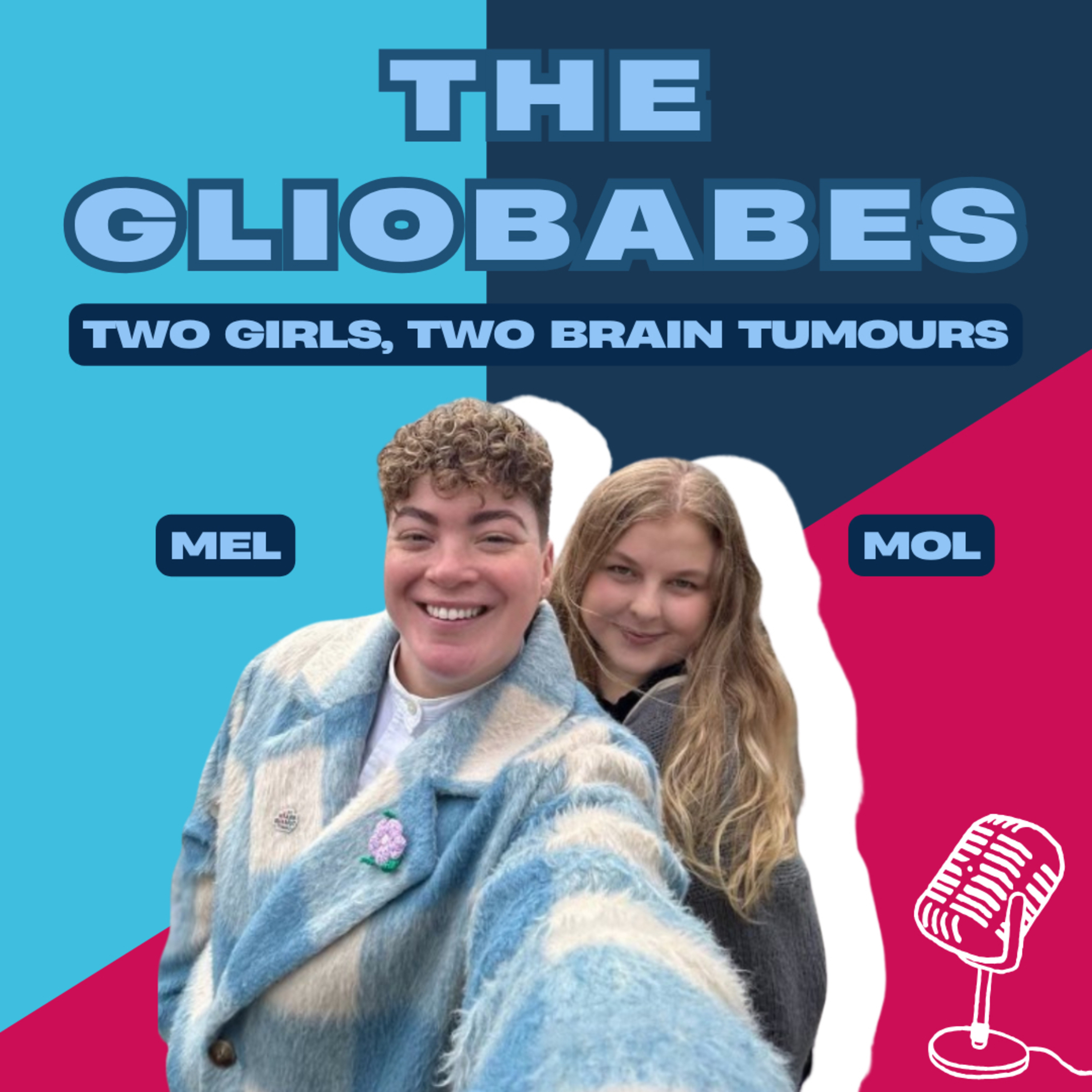
[Music] Hey, I'm Mel. Hey, I'm Molly. I'm Richard. Welcome to the party, Steve. With the Glyo and the bees. Two girls. Two brain tumors. Dad. What could possibly go wrong? Well, let's find out. In today's episodes, we're joined by Richard Rawcliffe. Richard, thank you so much for being here with us today. I'm Braden. It's completely up head and we know you've been doing so much. Especially recently. Unfortunately for a very sad horrific reason because of the passing of your sun, Joe. So we'd love to delve straight into that if you wouldn't mind. Yeah. Can you take us back to when Joe first started feeling unwell and what those early weeks were like for you guys? Yeah, of course. So we lost Joe in the first week of January in 2020, but he started to feel unwell towards the end of 2019. So he'd actually just completed his dissertation for his masters, his junior masters in philosophy and history. And he had to dive in and we'd been complaining about feeling just a little bit unwell, a bit off sort of late September time. And Joe was pretty good with his own health. So if he didn't feel well, he'd gone to the GP. And he'd been into the GP probably then by early October. Started to feel he was having some sort of minor disruptions around bowel and bladder function. And a bit of a sore neck. So he went to some physiotherapy sore neck. The bowel and bladder stuff that GP was kind of like, it's probably nothing don't worry about it literally. That kind of just carried on a little bit. The neck thing didn't get a lot better with physio. Towards the middle of October, he started to just prepare a little bit about swallowing. Sort of starting to get a little bit, you know, just a bit strange, but it could still eat and drink fine, but it just felt a bit odd. Again, I meant to the GP. GP wasn't concerned again. Probably over the next sort of four or five weeks went back to GP in other couple of times. The swallowing was getting slightly worse. GP said, I think you've probably got some kind of acid reflux problem. So I think about that sort of time started to give him some tablets, tracid reflux to take daily. On the time we got into late November, he was actually starting to struggle a bit to swallow solid food. So we ended up sort of drink OK, but he was struggling with sort of eating things that were too solid. Again, back to the GP. GP's like, no, you've got this reflux issue. This is what it really is. He was then sent for a endoscope or sort of, or sort of a dual scope first week in December just to see you take a scene. Sorry, I just don't know because of something. If it could sort of detect the acid sort of whatever that came back as perfectly fine. Yeah, actually had a slight improvement in that. I think having the scope enable the open up his throat a little bit so we can eat a little bit better over the next week, 10 days. It's like it got a lot worse again. Once it went after that slight improvement to the point where he was literally only able to probably just take a little bit of fluid in and it eats a little bit of sort of wet wheat of eggs. I came within to the GP on the 16th of December and actually we couldn't see the GP. We could only see a practice nurse, even though it's a GP session. And it said the GP is here, but he's busy with paperwork. Then I said, no, I want to see the GP. So we've got in front of a GP who was clearly unhappy that we'd asked to see him didn't look up for his paperwork. Just said, what yet again, it's just reflux. He's not a problem. Take a different tablet. I said, buddy, can't think of some hot. How's he going to take a tablet? No, that's what it is. Sent us away again. But on this and say, we got most of the way home and Joe just burst in their tears and he sat in the car crying because he didn't know what was wrong with him. Over the next 24 to 48 hours, he actually started to slowly speech a bit. And I just thought, this is just not going anywhere. So I literally walked him into a knee at the local hospital. And they admitted him straight away. He was dehydrated because he wasn't taking enough fluid in. And they put him straight on a drip. And that's where that whole hospital part of the process started, which was the 18th of December. Hearing that alone, Richard is shocking. I'm actually going a bit upset hearing you speak about it. Let me take a cut of other things. So I kind of get it to a certain extent. So if you do the maths, 12,000 people diagnosed at a brain tumor every year, and there's 55,000 GPs in the country. So they see one every four and a half years. However, there's a lot of support tools that GPs can use to help diagnosis. It's only in hindsight when you look at the symptoms that Joe had that you find that you can draw that thing that sort of view that this could be something like this and should have a different kind of diagnosis and testing, et cetera. He might have had that filter as a parent to say, why the hell did I just put all these bloody symptoms into Google and look at it myself? I didn't. We kind of go into the GP on his own for all by the last consultation. And he trusted the GP. And unfortunately, that trust was misplaced. I think that's the thing, though, isn't it? Like we do put our trust into these GPs, and we expect them to give us the answers. And unfortunately, sometimes they do leave it too late. Myself was pretty similar with my GP. I had multiple appointments. And I was similar to Joe. I was diagnosed on top of Christmas. I was diagnosed the 19th of December. And I was going to these GP appointments on my own. And my mum and dad didn't really know anything about it until they needed to. I mean, I was 22. So I just thought, oh, I'll kind of go through this on my own, not realizing what it was. But it's just crazy that everyone's going to the GP. We're saying, for young people getting something like this. And the fact that the GP's aren't really picky on it is really frustrating. But going back to what I just said then, and we're diagnoses around Christmas. And so what was it like to get that diagnosis on Christmas Eve after so many frustrating and confusing GP appointments? We know one in 10 people wait over a year for a diagnosis through their GP. And I've just got goosebumps thinking about that now alone. So yeah, how can you elaborate on that a bit more? A couple of things. The Christmas thing throws in a whole set of different complications. As you probably know, yourself, male, from your experience in that. But we do. Let me just rewind a little bit. If I take you through the journey quickly, it's as far as I can. And then we'll come back and talk about the Christmas thing. Yeah. So we got into, into Charlie hospital on the 18th of December, they clearly thought yes, there's something not quite right. They thought it might be multiple sclerosis because of some of the symptoms that Joe had. And there's some some kind of neurological challenge that he'd got. They did a couple of brief scans, not an MRI scan. I thought there's something's not right there, but we can't quite see it. We need to get in transferred across to the main hospital, Preston, and the full MRI scan. So it was sometime late on the 19th, 31st of the Preston. They tried to put him on a feeding tube because he couldn't swallow. We say put into his lung, not his throat, not his stomach. So 24 hours of trying to sort that out, just didn't help and ended up giving him a chest infection as part just to make matters bloody worse. We then finally got the MRI scan sorted out. Somebody had a quick look at it and said, yes, there's something there. We're not happy with it, but I think it will wait to have to Christmas, but it's not a, you know, it's not good, but we'll talk to you properly and blah, blah. But we're kind of in Christmas and the wards full of people and there's not many nurses on. I'm there one night and I hear the head of the ward having a stand up row with the nurse manager say, I can't let any more staff go because I only got one qualified nurse on seriously. Joe's put on a ward with a newrology ward, not a neurosurgical ward. So he's on a ward, a six bed ward with five old men with neurological diseases like Alzheimer's, type things. And again, they'll not set anybody in a season quite difficult to say, but when Joe arrives on that ward, the person in the bed next to his head has just died and the curtains were on. And Joe's like a 26 year old kid who's frightened out as long. And you kind of make a, you try and make a fuss about it, but it's a little bit obvious that it says, if I make too much of a fuss here, you worry that is that going to affect the way in which they see Joe. So we made a bid, did make a bit of a fuss and we did getting sorted out a little bit, but he still remained on that ward because the hospital was full, there was no staff, it was Christmas. Yeah, yeah, yeah. We go through the whole Christmas thing, Joe can't eat basically because he can't eat. So we go through the Christmas thing, after boxing day, the neurosurgeon's come back in, look at his scan and go basically, oh shit. Yeah. Is that she really back? We need to take this out. We have a conversation with them. Now, the challenge here for Joe is that he was put on a very, very high dose of steroids as that they do to try and stop the swelling of the chin. One of the potential side effects of steroids, paranoia, which Joe got quite badly after three or four days, but they wouldn't stop the steroids, I guess, for obvious reasons, but Joe was getting quite paranoid and upset. Joe had some previous mental health challenges and was on searchers scene, which a lot of people are. But they couldn't get that prescribed for him for six days, for whatever hell reason. Cause doctors weren't around, cause he was Christmas, blah, blah, blah, blah. And then they finally got the whole team together and operated on him on New Year's Eve. Six-hour operation told us it had gone well, we then went, obviously we're in their New Year's Eve in their New Year's Day, and clearly Joe wasn't coming round from the anesthetic at the setter properly. He was in ICU.
And there's a whole 'nother two-hour conversation about how that all went on, but in effect, on the third of January, they withdrew treatment and I sat with Joe, held his hand while he died. And that was the journey that we went through in NHS. And if something's important to say, I would suggest that that was the most horrific experience of NHS could possibly have delivered from my son. And I've worked in, my first job was working in NHS, and I've worked with it my entire working life. And it's a broken organisation, it doesn't bloody work. Now, so I'm sorry about this, because your, your podcast has been so happy and happy to have been once I've watched. I can't smile about this, because you have to, you can't, you can sit in mountain in a blueberry heat the whole time, which I do occasionally. But sometimes you've got a sign up and say, you know, it was pretty awful, but it's happened that I've got to do something about it. Another thing here, six months later, Joe's mum's diagnosed with anal cancer, okay? Quite ill. And she said to me, and she would have gone into the same hospital. And she said to me, I would rather die in the car park than go through the front door of that hospital. So I know the system, and I got on the phone and I found her consultant and I've got her referred to the Christy in Manchester. Okay? The Christy in Manchester is one of the most amazing experiences I've ever had of the NHS. I have seen both extremes. I've seen it at its worst in the way which it managed my son. I have seen it at the best in the way in which it managed Joe's mum. It was very ill and literally her cancer was life-threatening. She's gone through a chemo radio, massive operations and is still in recovery, but he's cancer-free. And the Christy hospital is an amazing place. And the care she got there was incredible. So it's kind of like, this is not a, I hate the NHS. This is, the NHS has got such a spread of what it can do. And that's the most frustrating part. And I'm good about how GP thing, you know, it's like, how can it be so amazing? And yet so bloody awful. No, thank you because you're right. You know, we do, we do get quite deep, quite quick. And we've got to hear it. That's why we wanted to do this podcast, you know. We can, you know, we have these jokes, we have these laughs, but it's always backed by a very serious issue. And this, this story is absolute. There isn't a word. Herific isn't even strong enough. And it's, you have no idea who's going to be listening to that, who maybe at the beginning of that journey, who may have gone through that as well. And fortunately, and that is, that is very slightly worrying, isn't it? I have to say, I have to say, when I, when we discussed doing this, one of the things that I was concerned about, if I'm honest, is having the conversation about Jones journey and outcome, so people who are on some part of that journey, but won't hopefully get the same outcome. Yeah, so I don't, so I think, and I think it's, there's less, I hate the word lessons to be learned when people in government say this, tragedy out in the lessons to be learned, but there are lessons to be learned about how you approach your own interaction with healthcare protection. There used to be a saying called that you probably heard it, the physician as Godhead, which is basically, the doctor's always right. Yeah, they know. So ask questions, speak up for yourself. Totally, good bit of advice there. So looking at, obviously, you've mentioned about standing up when you had to, when you had no choice. Looking at now and everything that you do, we'll get on to talk about the sort of activism side of work that you've been doing and the phenomenal fundraising, and of course we met you at the Twilight Walk. Yes, we did, yes. So exciting, we were thrilled to meet you. All the richards were at the Twilight Walk and they're our favourite. I was thrilled because you're my hero, I was honestly. So, I really, really, really feel thrilled. So get us crying, we're only 15 minutes in. So looking at what you've spoken about there about the gaps in your healthcare, gaps doesn't feel like a big enough words. No, no, no, no. How things have gone wrong. Looking at it now in hindsight, what are the biggest changes that you wish you'd seen in that system and need to change right now? I think, Mal, I'll leave you a little earlier, I think that people need to listen to young people when they say they're not well. And that sounds, I'm not saying that in a patronising way. I think the incidence of cancer in young people is increasing. And it's not just, not just brain tumors, it's across all cancers. You may have come across Jeff Brady, the whole Jesse's law thing, Justin Joe, Ratchet University, together weirdly. They didn't know each other, but they were. And I guess another young woman there who's went through the GP multiple times and didn't get diagnosis, not a brain tumor, but it's the same kind of thing. And I've been trying to be the number of parents. When you lose a child, something like cancer, you probably join one of the world's shittiest clubs. Yeah, and other people in the club reach out and speak to you. And the number of young people that are dismissed because, you know, are you just a bit anxious or it's your whole man's or, you know, whatever, sent to people, young people are probably way better articulated how they feel the my generation was. Yeah, and more likely to go seek help on guidance earlier, the earlier they get the right diagnosis and treatment the better. So I would say health care professionals need to listen better to young people when they come and speak to them. I think they need to improve the diagnostic test, be more confident in referring for further diagnostics. There is in theory within the NHS a thing called safety netting, whereby after, I think it's three GP visits with a set of symptoms that are not diagnosed successfully, that actually be referred for a second opinion, that does not happen. I know that does not happen, so I spoke to parents that are being for multiple appointments. And yet when you sit down, as I did as part of the brain tumor child, you listen to a whole group of clinicians discussing these things and they say, oh yes, of course, safety netting would pick that up. Yeah, but if you bloody did it. Oh, yeah. So listen more, be more prepared to offer diagnosis, a dirt test earlier and I ask for another opinion. I thought of one thing, but do you want to share that? So I think I also think there's two sorts of care. There's clinical care and there's human care. And what Joe didn't get was human care in many occasions. When you've got a senior nurse saying to you, she had some of the pump on his, get his money's worth any, someone's not right. That was said to us. I know it's difficult job, I know people work hard in the NHS, but you've got to have a human aspect to the care that you give. Especially to the younger people who are going to be more anxious and frightened about it, because they're younger and help their lives ahead of them. Wow Richard, I think this episode is the one that's left me the most speechless. But you know, we. I was wondering where I was going to get the laughs out of it at my story, but we were not that with this one raising to be fair. And again, I'm not making light of it, but I think you have to, at some point take a step back and say, what's done's done, what can I think to make a difference? Absolutely. So touch more on that fundraiser inside now. How did you, first of all, how did you find the strength to turn that grief into something as powerful as the Northern Joe's Fund? You know, you've raised over £100,000 for the brain tumour charity. And what has that journey been like for you? And you know, we're seeing it as Joe's legacy. And that's amazing. And the amount of money and everything that you've raised, obviously it's not going to bring Joe back, unfortunately. But it is incredible what you're now doing and turning Joe's diagnosis and everything into something so powerful is, yeah, can you touch on that for us? There's other things that led up to it, I guess. It's when Joe passed away, I went and put a post on Facebook, because that's kind of like Joe was a Facebook generation. So he was a bit older than you guys. He'd been 32 this year. So Joe was more of a Facebook guy. So I put a note on Facebook, tied him in to say, he had passed away, sadly, put a picture of him. The outpouring of stuff from his friends, just stories that we never heard, they were posting pictures. There's a whole stream that happened on Facebook. It was like, wow. And we said, right, well, we should maybe raise some money to Joe's name just to sort of help, you know, towards it, HRity somewhere. We hadn't come across a branch in much of our time at this point in time. Very in mind, they could probably have helped and supported us, but we were in a 10-day whirlwind. And we just, we could barely control our emotions that alone think to reach out. So we said, let's raise some money. It was Joe's mum that found the branch in the charity. It's the biggest charity in the UK. Let's just put a little just giving page out. So to his friends, he wanted to give a few bob. We want to sort of help raise awareness of this to get more things. And we had like 10 grand in about several dozen, a few days, literally. And I stuck to him on LinkedIn and I'm lucky that I've got a lot of business colleagues and friends that probably got a few bob, so they put a bit of it in. There was Joe's friends and that school friends mainly. Then, Heather said, charity lets you put your own page on. She found the supporters page, which was like a mini charity. But the bit that Joe's mum liked best was the fact that you could actually direct where the funds went or where most of the funds went. So you get a choice of where you pick them. And the time it was called head smart, which was the campaign to help raise awareness. It's kind of better safe than Tumor now. So we wanted them, the majority of the funds that we raised to go in, how to go towards helping to raise awareness. And effectively, we just started off doing just let you say give us some money. And then it was Joe's mum that kicked off the first again. She gave me the ideas. I had to clean all the hard work in terms of the legroom. Anyway, it's coming as well. But Joe's mum suggested that I maybe get on my bike and ride 27 miles a day, for 27 days, for Joe's 27th birthday month, which was the thought we made. I did have a bike and I had to hand it in the bike before. So it wasn't as hard as it might seem. So I went out and ended up doing just 100,000 miles in a month of mad. 2020 on the bike. And that started kind of started the whole process of doing something every year. Those brother, Joe's mum.
brother and it's a whole sibling conversation which is popular for a different podcast. I know you've got siblings, Mario, done about you, Mel, but it's worth exploring how siblings are dealt with in this scenario and also supportive so I don't think there's enough of that. So maybe you could talk to Zach, Joe's brother, but Joe's younger brother was very, very good squash player. Top junior, still plays quite well. So we organised professional squash tournaments for three years, the Northern Joe Cup. We had that for three years and we got, and they were actually proper professionals, top 20 in the world, or top 30 in the world, came and played it. And we, I put the prize money in, about my own pocket, about the money we raised, we put into the pot, and that helped again, because it helped to raise awareness and hold on to other things. I realised that the more I hurt myself, the more people will put money in. So this year, on Joe's birthday, in about a month time, I'm going to see, I'm going to try and do over 100,000 steps in a day. So I'm going to walk for 24 hours. I told my physio this and he put a deposit on a new Ferrari. I have a very dodgy knee, I have a knee operation and he was, he thought, well, you're going to walk for 24 hours. So I said, so yes, that's my next, so yeah, it was just about getting challenges and raising money, raising awareness, and using the challenge to be able to post on social media platforms, and excuse to say, and look at the same signs and symptoms and make yourself aware. So that was kind of the key thing about it. And it's just, people have said to me, how can you do it? How do you, you said, find the strength? I don't necessarily think that I find strength to do it. I can't, I look at it like, what else can I do? Yeah, it's kind of like, I don't really, I said, don't have a choice, clearly, I have a choice, I could just do nothing. But then what's the good thing now? I could do something. So for me, it was almost, my wife found that on the charity found the website, pointed me at it and I did the shooting. It's like, right, do this. And we keep going as much as I can. Just one more thing I did do. I also got a tattoo. Was this the tattoo you showed us at the site? I like all. Yes, you see it. Yes, you see my tattoo. Yeah, my family, my four symbols had to. Myself and Joe's brother were going to get just far and the only tattoo you'd want in the family. What can I say? This lovely, it's a lovely, I love that little additional, by probably 27 miles. And I know, like you say, cycling is something done. It's not as hard as maybe we were, they keep like, oh, I suggested that you should go on your bike and do tracers as well as you do, like normally there. But I suppose within that, you know, if you're willing to talk about it. There's a coping mechanism in that I suppose we had a previous episode on Men's Mental Health. We had a young man called Conor on who'd had a brain tumour. Right, yes. Yes. And we don't, you know, we don't talk about it enough. And the other key thing there is that we have spoken so much about women being turned away from GPs. We've touched on that a lot. But I don't think until now we actually have, and this is why this episode was so important as well, realized that it's not just that hormonal thing, doesn't just happen to women and young women. Clearly, you know, there's an issue here, as you said, oh, you're just anxious. And then, and then sometimes these things can make us symptoms even worse, we're so stressed that we're feeling more unwell. And it's a really dangerous cycle. It's not something that is to be laughed at because there's it, I see it all over LinkedIn all the time. I know Richard, that's how I found you, was online and we're in these communities, but everyone can seem to relate to this issue. And we know like the one in 10 for GPs, but that's just for brain tumours, if you think about not just all the other cancers, but really important and life threatening. And if not, life changing, which is still really devastating illnesses and how many young people are put in that position. And also, you know, we're not talking about a 17, 18 year old boy, that, you know, Joseph, what you do. And he said, yeah, Joseph, an adult, yeah, go into a GP and kind of like being taken seriously at that age, but still seen as a young person. And it's just really the conversation is there. People are talking about it, but no one quite yet, apart from people like us seem to be changing it, the changes aren't happening and they need to, somehow. I felt all the kind of was really good. I think he's very honest about it. And I think that journey that he went on from sort of, I don't say, I blokey bloke, I'm okay. I'm okay. I'm not the telling body to that damn breaking and that actually helping him in his recovery, but mentally and physically. And I think that's, I think the coping mechanism thing, but our generational shifts to it to a certain extent, to be as open as he was at his age would have been more difficult 40 years ago, which was around his age. Yeah, rightly or wrongly, yeah, it's the way it is, the way it was. And I think for me, there's a couple of, I mean, there are coping mechanisms. It's a little bit of sort of forward, just that's the direction of travel, there's no point in looking back. There's also a great, there's a film called Bridgespires, Tom Hanks and Mark Wiley, okay. Mark Wiley's plays a Russian spy using calls and could be a home for his crimes wherever. And Tom Hanks turns to him and says, are you not worried? Are you not concerned? And he turns back and says, what do you help? I kind of think I kind of use that a little bit, you know, why how can you do that? How do you find the strength? Why are you not upset? Why are you not sort of, you know, sitting in the corner, blah, blah. And I'm saying, would it help? You may come across Steve Peters, the chimp paradox, the book, the chimp paradox. Steve Peters is a sports psychologist, and he wrote a book called the chimp paradox. It's worth a read. One of the, with a paraphrasing it, one of the things he goes through is, is wasting the emotion on things you can't change. So, something has happened or something that the upsets or triggers you that you cannot change. For me, traffic, road raging traffic, seriously, I'm a collective, but caught in a Cuba traffic, apoplectic, I'm the one banging his head in the steering wheel and screaming at radio. There's nothing I can do about that traffic. I mean, in fact, someone want to point it out to me, you're part of the problem, because you're in the traffic. And that actually, here's techniques in his book taught me how to not waste some emotions on things that I cannot change. Sometimes you need to, but it's a point at which you say, I can't change that thing. I can't change this thing that I'm in or that thing that happened. So, I need to recognise that that was a thing and that that has an emotional response. But equally, how much good is it for me to use my emotional energy on mourning that thing, whatever that thing is, but it'd be lost time to traffic through to, I mean, we mourn Joe and I do sit and think about him and I'm share the tear, yeah? Not completely hotness piece, but equally, I try and turn that into positive stuff when I can. And remember, the good stuff, I think you start off, it's all shit and it's horrible and all you can remember is that horrific experience in hospital. The time goes on, you start to say things like, oh, don't love that. Joe loved chocolate. I mean, he still was like, kind of like Joe heaven, yeah? So, yeah, so it's like, Joe don't like that. Joe loved the doneness. And Joe was a massive superhero fan. So, nothing I didn't tell you was about my 27 miles a day for 27 days was heaven found two full cycling kits, one Spider-Man one Captain America. So, I have got a set of Spider-Man cycling shorts and top of a Captain America cycle of tops and so I ultimately between Captain America Spider-Man and the brain humanity on my rights. No, nothing is no shame. You have to have no shame as well. Yeah, so photographic evidence. I can find you and find the sort of fat lad at the back in a Spider-Man kit, mighty round Lancashire. I'll find you, I will find you a picture of me in the Spider-Man or the Captain America. Yeah, well, both. So, I was so you fantastic. That's, you know, that's the way to, the way to do it really. And I remember Rich, you and I having a slight conversation by a LinkedIn comments after the toilet walk saying like, next toilet walk, I don't know what it is, I'm going to dress up, I'm going to be going to make a mask or something because sometimes you do need to just push it a little bit further and and get that. We filmed with Dan Schneider who's doing the two wheels three peak challenge. And we spoke about like, you know, he's mountain biking, he's been in a big accident like he's full on putting his life on the line. Yeah. Actually quite horrifying and it's, you know, he's gone and extra step and then he's raised £4,000 so far. Memory here, there's mum and I'm on the spoke about not just the impacts that you said, you know, from a son's perspective and looking from a man's perspective as well. But then also like really pushing to raise that money, you know, and we did the toilet walk. We raised £100 between us, which we're very proud of. But you know, it's like, we're going to do better next year, don't we? It's, you know, going that step further, you know, which I feel like you're already doing 27 miles is a bit crazy to be honest, but it's, you know, it's something big and there are so many charities to donate to. We're all being asked to donate money and we know that as time has gone on and I imagine since you've started that it's more difficult now, but than ever for people to donate money. So you're doing something big and it's funny and it's silly and it's great, but also not only is there a massive meaning behind it for Joe and why you were doing it, but also people are then like, oh well, I probably will donate then. Yeah, I think it's alright. Last August, I did £20,000 steps a day, as well, and walked to all the houses that we lived in in the area and then rode my bike to all Joe's schools and the hospitals he'd been in and stuff like that. So I did a 600 miles and a bike and 600,000 steps in August last year. That was my last chance before this crazy one. I do want to go back though and say something about what I said earlier about sort of how you emotionally manage things is that everybody is different. It's easy, easy for me to say
That's how I cope with it. That doesn't mean that everyone can cope with it in the same way. And I think you see people cope with things in different ways. And the other thing is you have to respect the way in which individuals cope with their grief and with their diagnosis. I'm sure you, Mel Conner and the other young ambassadors, when you sit and talk, I doubt any of you cope with it in the same way, because each other, yeah, there will be similarities in the way in which you cope with things. And it's all too easy for someone like, say, me to say, oh, I just got on with it a little bit of challenges and raise £100,000 a season. It's not easy, but equally, that's just because that's how I'm wired up. Not everyone's wired up in the same way, the way in which people manage their own grief and interaction and how they turn that into something positive with themselves, their families, whatever it is. Again, it's different for everybody. And you want to find your own way through it. They want to make that point. And it's, you know, like he said, we have to really touch massively on it. But there's definitely different ways. And some of them, you know, previously really unhealthy. And as a young ambassador group, we have sat around the table and then usually Conner actually blitzed something out and everyone goes, get this me, okay? But that's the reality. And, you know, as well, our whole brains after, you know, aside from the tumour side of it. But our brains are cells and the people affected, like something like that massively hits you. And people's reactions and things are always going to be different. And I look back to some things and I was like, was I, well, was I okay? Of course I wasn't. But some things I think, gosh, I would never do something like that now or put myself in the line of harm when I already had a brain tumor diagnosis, didn't need to do that. But sometimes you look back and you think of these things. So you're right. And that's why we want to bring it up in every episode to people that want to talk about it. Because everyone's story, way of coping or not coping is completely unique. And it's really important to touch upon and talk about because again, you have no idea who's going to be listening. And who you're going to affect by these episodes. And we see the messages coming from all over the world. And I can just picture now the amount we're going to have from this episode because we've touched on so many things that we haven't quite gone over before, especially the GP and the NHS staff, which is so difficult to balance. Because we're like, you know, clap for the NHS. We love the NHS, this and that. But also people are losing their lives and you lost your seven, that is not okay. And the way he was treated was not okay. You know, to be honest and realistic about it, I think that's the thing. And I think the other thing is this, it's interesting. And I've shared Joe's story in various forms. So when I've done fundraising events, I've still haven't talked about the journey. Not in that sort of level of detail. You try, you don't try and minimise it, but you try not to get too into it if that makes sense. Yeah, because some of the stuff, you can just recognise that everyone's going to have to say my dear, the NHS if that makes sense. I've spoken about it quite a few times and the more you speak about it, the better you get at speaking about it, if that makes sense. But it's important that you do talk about it. It was interesting, me. I've posted, as you've seen, I've posted loads of stuff on LinkedIn and Facebook and a little bit of Instagram, a little bit of it. Just sort of saying, we lost our son and here's his, here's how you look at the signs and symptoms. And I hadn't told that story or elements of that story before. And I put it on at the start of this month. And I'd be lucky if I got sort of, I don't know, a hundred likes or whatever reactions and maybe 20 comments to one of my posts on LinkedIn, which for me was quite happy with and maybe get 20 or 30 on X, you know. I told that story in about 20 or 30 lines. I've just under a thousand interactions on LinkedIn, about 200 comments and just over 2000 on X. But in mind, that's more than twice the number of contacts of people I've got on X. I think there's an element of voyeurism in that. When you start off with a clickbait, something horrible happened, here's all the things that happened. And I'm kind of okay with that, because if they get to the bottom and go and look at the better, safe than tune, the link that I put there. And I'm happy to share, it's the truth. I'm not lying about it. It's not fake news. It's really what happened. And if that's what it takes to get people to sit up and listen, then it's important the way that you've shared some of the stuff in your challenges, both of you. It's difficult for you to expose yourselves. You see, it's easier for me to talk about Joe in the third person. I get that. Honestly, but for you to talk about yourself is to expose yourselves to a level of scrutiny. He's very brave. You might not think of this, but it is. But also, it's very, very impactful and powerful because more you're prepared to share the journeys that you've been. The more people will sit up and listen to it. So I think these sort of things are really important and you're right, you know, if you get raptors around the world and just one person goes and looks. Or goes back to their doctor and says, no, I want to bloody scan and get some scan and said, oh, shit, there's something there. And then, then for me, that's a key thing I wanted to do. So, honestly, Richard, we kind of thank you enough for being willing to come on and share Joe's story so openly and, you know, speak about the importance of awareness and how. The NHS need to do better in all honesty when it comes to can't to diagnosis and young people. If you could give on piece of advice to a pair of parents that's lost a child, a friend that's lost a friend or even a GP, something that people can take away from Joe's story, what do you think that would be? I think there's sort of two sides to that. I think for those going over on the journey, as I said earlier, be asked more questions. You're only going to get one shot at it sometimes. Don't be afraid to ask questions. Don't be afraid to make demands in an appropriate way. No, I want to skip or no, I want this to happen. So, I would say it sounds off of so. Don't believe what you're being told by the clinical professionals, but question what you're being told by the clinical professionals and make sure you're happy with the outcome of every consultation that you have. And in some respects, as a parent may be, force you way into the conversation sometimes, not because people like yourselves can't go and have the appropriate conversations, but having somebody who's not necessarily as emotionally involved in it, maybe I don't ask more questions, being prepared to go and so let me come with you and have a conversation, which I kind of done that a bit more. The Joe was quite a private person. I think for someone, for people that have been through my side of the journey, and I've lost a loved one, is speak, talk about it. Yeah, reach out for people, talk to people, try and find a way of getting yourself in an environment you can share how you feel about it, like my people. I wrote a brief article about how people manage grief in the workplace as in returning college people coming back from losses. Yeah, and it's amazing how different the reactions you get from people. So for me to go back to work, I was a reasonably senior person in the business that I worked in and I walked back into a bit of peace to carry on. I walked back into the office that I was based at in London, the sort of forks of the Joe died. And you see several different sorts of reactions. You see someone, somebody walked across the office from one end to the other, stood up and said, I'm really sorry to hear about you. So let them know if you want to talk about it. Wow, that was brilliant. Other people saw literally exit stage left. Or if it was sort of heads down, heads down, didn't want to talk about it. So you got kind of proactive engagement, reactive engagement, sort of proactive disengagement and reactive disengagement. So I was on a four reactions and the smallest group was the first one. People that just came up and said, I know what happened. Not going to ask you about it. They want to talk about it. Come and talk to me. I wouldn't encourage anybody who's in a situation where they know people that have had briefments or had bad news. And like, you know, it's the goes of us people and say, just to let you know, I am here. If you want to talk about it, I ain't going to press you. And I won't mention it again, but if you need to talk about it or you want to talk about it, just say. I'm kind of saying that's what certainly standing in a conversation with him. Yeah. I think I think people want to talk about it. I yeah, and I've always approached people that I know of how challenges and said, I'd hear if you want to talk about it. Thank you so much for your time, Richard. And again, just sharing Joe's story so openly and, you know, raising that awareness and, you know, speaking about it. Honestly, I think this episode has been incredible and it's definitely the one that's probably hit me the hardest, to be honest. But yeah, thank you. Thank you so much for coming on. Do you have anything you want to ask us? No, I would say it's key doing what you're doing because I think you're making a difference. The more that you can be open and honest about what you're going to and have done. The more people you can get to talk about it, the better. I think it's important that we get more awareness out there. So I would say thank you for doing this sort of thing and for all stuff that you do on social media, modeling stuff. You're doing miles. It's it's important is making a difference. And thank you. Come on, we've made it without crying. Can't start now. So for anyone who's listening to this, if you're listening on Spotify, you can go and watch the video of the interview on YouTube and see all our lovely faces. If you're watching on YouTube and you don't want to see our faces, you can go listen on Spotify. We also have all our previous episodes with guests are available on YouTube and Spotify. And you can listen to any series, including conversations with Mel and myself around a whole range of topics of being brain tumor patients, but also young women trying to navigate that over on Spotify. Please go and follow the Glyabaves on Instagram at the Glyabaves TikTok at the.Glyabaves and we will put links to all the Richard's death, the Northern Joe Fund, everything in the show notes as well as some support services as always. For those that need it and you can always drop the glider bave some message anytime.
to listen and help in whatever way we can. - You're smashed that outro. I don't know why you do it. (laughing) - Thank you. (laughing) (upbeat music)
Podcast Summary
Key Points:
Joe experienced symptoms like bowel/bladder issues, neck pain, and swallowing difficulties starting in late 2019, but his GP repeatedly dismissed them as acid reflux.
After a rapid decline and an emergency hospital admission on December 18, Joe was misdiagnosed and placed in an inappropriate ward. He underwent brain tumor surgery on New Year's Eve but died on January 3, 202
Richard criticizes systemic NHS failures, including poor GP diagnostic practices, lack of "safety netting," and dehumanizing care during the holiday period, contrasting it with excellent care his ex-wife later received at another hospital.
He emphasizes the need for healthcare professionals to listen better to young patients and improve early diagnostic referrals.
In response, Richard and Joe's mother established the Northern Joe's Fund, raising over £100,000 for The Brain Tumour Charity to honor Joe's legacy and support research.
Summary:
Richard Rawcliffe recounts the tragic loss of his 26-year-old son, Joe, to a brain tumor in early 2020. Joe first felt unwell in late 2019, experiencing symptoms like swallowing difficulties and neck pain. Despite multiple GP visits, his concerns were repeatedly dismissed as acid reflux.
By mid-December, his condition deteriorated severely, leading to emergency hospitalization. There, he faced misdiagnosis, was placed in an unsuitable ward, and endured poor care compounded by holiday staffing shortages. After surgery on New Year's Eve, Joe died on January 3.
Richard highlights critical failures in the NHS, including inadequate GP diagnostics and a lack of compassionate care, while acknowledging the system's potential excellence based on his ex-wife's positive cancer treatment experience. He stresses the importance of listening to young patients and advocating for better early diagnosis. To honor Joe, Richard and Joe's mother created the Northern Joe's Fund, which has raised significant funds for brain tumor research.
FAQs
Joe initially experienced minor disruptions in bowel and bladder function, a sore neck, and later difficulty swallowing. These symptoms began around late September 2019 and progressively worsened.
The GP repeatedly dismissed Joe's symptoms as acid reflux, despite worsening conditions like swallowing difficulties. Multiple visits over weeks led to delayed referral for further diagnostics.
Joe was placed on a neurology ward with elderly patients, experienced staffing shortages, and delays in treatment due to the holiday period. He also developed paranoia from high-dose steroids and struggled with medication access.
Safety netting is a protocol where after three GP visits with unresolved symptoms, a patient should be referred for a second opinion. However, it often isn't implemented, leading to delayed diagnoses.
He advises patients to ask questions, speak up for themselves, and not blindly trust doctors. It's crucial to advocate for proper diagnostics and seek second opinions if symptoms persist.
Healthcare professionals should listen more attentively to young patients, avoid dismissing symptoms as anxiety, and refer for diagnostic tests earlier. Human care and empathy are as important as clinical treatment.
Chat with AI
Loading...
Pro features
Go deeper with this episode
Unlock creator-grade tools that turn any transcript into show notes and subtitle files.
 PodcastTranscript AI