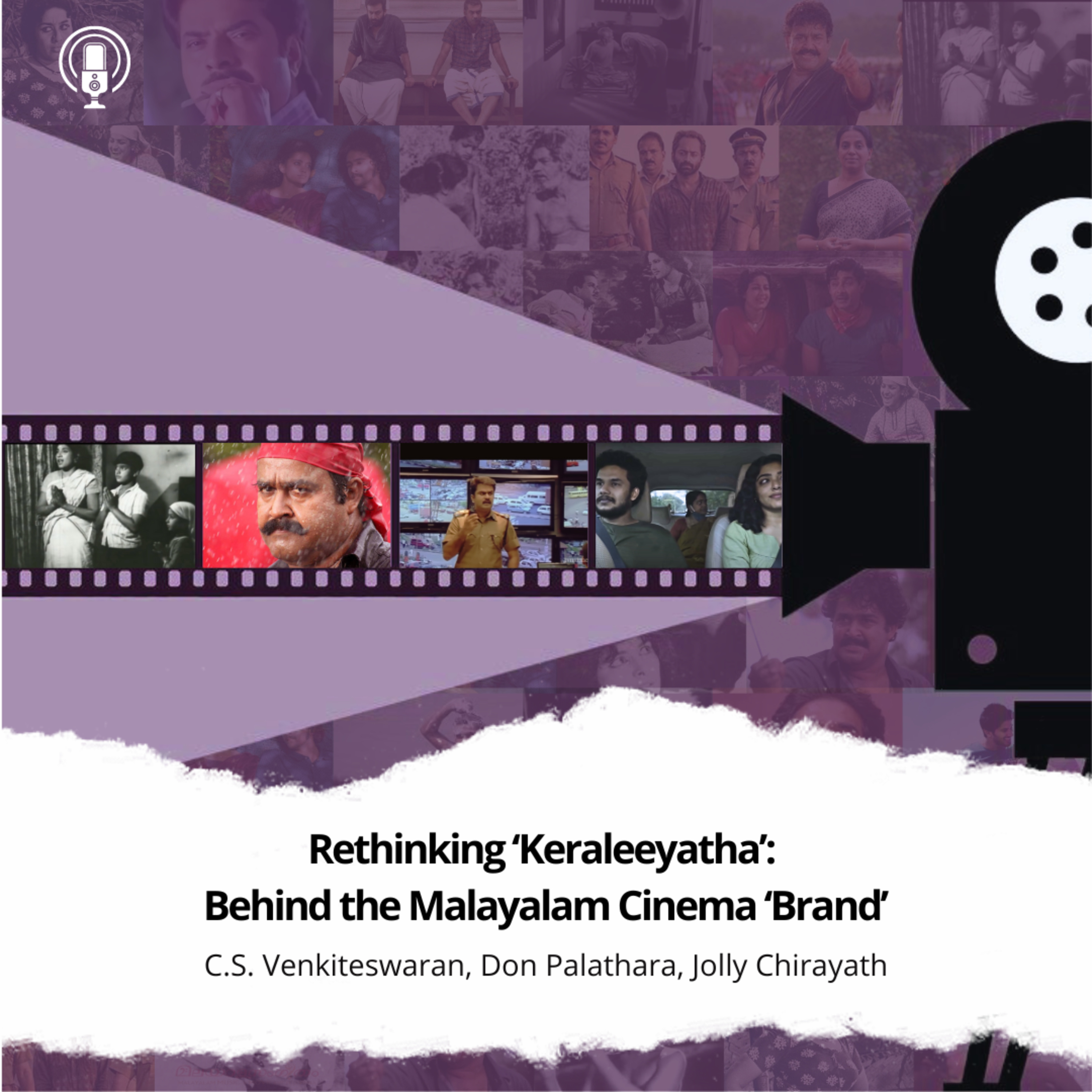
Rethinking ‘Keraleeyatha’: Behind the Malayalam Cinema 'Brand'
from Ala - അല
1h 8m 29s
Malayalam cinema has evolved as a mirror of Kerala’s social transformations, deeply rooted in theatre and shaped by progressive movements like anti-caste and feminist activism. From its early days in the 1950s, the industry focused on social change, class struggle, and egalitarian ideals, often bypassing mythological or nationalist themes. The 1970s new wave introduced artistic experimentation, but remained male-centric and politically ambivalent. The 1990s brought a dramatic shift with the rise of television, commercialization, and superstar culture, leading to faster-paced, comedic films that compressed time and neglected historical and ethical depth. While new generations have introduced more progressive gender narratives, they often do so without fully confronting entrenched caste and class structures. The film society movement once played a vital role in shaping cinematic discourse, yet its exposure was limited and Eurocentric, missing Asian and global cinematic traditions. The Malayali diaspora has historically contributed financially and culturally, sustaining the industry through remittances. Despite these shifts, Malayalam cinema continues to navigate complex negotiations between gender, caste, class, and language—reflecting broader societal tensions. As globalization and digital platforms like OTT reshape distribution, the future of the industry remains tied to ongoing political and social movements, demanding deeper engagement with justice, history, and equity.
Hello and welcome to yet another exciting Allah podcast episode.
This time we present to you a whole season of wide-ranging discussions on the concept
of modernity in Kerala.
For more conversations on all things Kerala, follow our bilingual blog at alaplog.in.
Hello and welcome listeners to the sixth episode of season 2 of Allah podcast.
If you haven't already checked out our previous episodes, please do.
We began with a conversation around anti-cast literature in medieval Kerala and continued
having many conversations on oceanic histories, music, language and Ayurveda, trying to trace
out in each case how they have shaped and continue to shape what we call Kerala Yadda.
My name is Hari.
And I am Renu.
We are co-hitters at alaplog.
For those of you who have heard us before, you might notice that this is a different format
from the usual.
But that's because we are trying to bring you something new in this episode.
When we were putting together the idea about for this season, one of the topics we knew
we wanted to cover was cinema.
Especially at the time when Malayalam cinema has been in much public discourse and discussion,
it seemed obvious that we dedicated an episode discussing the relationship between society
and cinema in Kerala.
So this is exactly what we will be doing in this episode.
We spoke to C.S. Venkateshwaran, film critic and scholar, Don Palitra, one of the new exciting
names from Malayalam cinema and Jolly Chairaya's film actor, about the history, the present
and future of the ever-changing Malayalam cinema.
We will be initially discussing a brief history of Malayalam cinema with major inputs from
C.S.V.
And then move on to more contemporary aspects where Jolly and Don't share their experience.
Before we get into more complex questions around caste, gender and class and cinema, it
might be worthwhile to learn a bit more about the evolution of cinema as an art in post-independence
period in Kerala.
Here C.S. Venkateshwaran speaking about what early Malayalam cinema can tell us about the
relationship between art and Kerala society at the time.
One thing about Malayalam cinema could be that even though we started in 1928, make the
Kumar and Martha and all those films, I think 1950s, about the moment when actually Malayalam
gathers momentum, where we have a number of films, a lot of new people coming in.
And here are the whole set of new films that one could call Malayalam.
If you look at the history of Malayalam cinema, it stands apart from other cinemas in India
basically for one or two facts, like one is that it's preoccupation with social themes
from the beginning.
It could also be because of the fact that it does a kind of, you know, all the people who
are in Malayalam cinema in the beginning go from theatre.
And theatre at that time was actually undergoing a lot of, you know, a transformation towards
bringing in sort of indigenisation, digital theatre, another theatre and all that.
So you have the, all the major writers, you know, that's whether it be Sebastian Gwinyubhag
or Ragistin Joseph, all of them come from theatre, all these actors, the Krushi, Mudukulam,
as people, all of them come from theatre.
So there's a kind of very, very symbiotic relationship of cinema with theatre.
So you have this crossover of theatre themes and the formats in cinema.
As many people have pointed out, you also have this absence of two kinds of films.
One is the absence of mythologicals, second is absence of patriotic films.
You know, if you look at other cinemas in India, you can see both these happening.
In a lot of mythologicals happening all over India, sun films, you have a kind of Bhakti
movement in cinema happening in the 30s, 40s and all that, which caramelize absolutely
absent, doesn't come much later, and little random monotrophilms, once in a year or something
like that.
And also you don't have point patriotic films, you know, you have many languages creating
patriotic films and all that.
Kerala patriotism comes only in the form of songs.
It could also be related to the fact that the cinema going public of Kerala is rather
different.
Tamil films or telekophilms, it was said next and had a huge following in Kerala.
They had a fair share of Indian English films in certain theatres, basically city-centered
theatres.
The kind of demand for mythologicals and patriotic films were filled by these films.
Even throughout the history of the cinema, you can see people not wanting to see certain
kinds of themes in my realm, but would not watch in Tamil or Hindi or whichever language.
Thirdly, if you look at the films in the 50s, for instance, or if you look at Navelogam
or, you know, films like Neelakwil or Neenspaper Boy, Rajichandranapur and very important,
all these films will look at them.
You can see that unlike other films, there is no, you will very seldom find bentons about
India, you know, relationship India.
Though actually we are making films, you know, just after independence, independence is
in the air actually.
The whole fervor of national movement is in the air, but you won't find very, you know,
explicit references to make it very, very few actually.
But all these films I mentioned, whether it be Navelogam or, you know, Neelakwil, Rajichandranapur
or all these films are actually concerned about a new society.
It's also, you should also maybe, you also had to read it along with the kind of publication
Yemuses, Kerala National Questions has already come out, okay.
All these nationalist questions, very much in, in, in, in public discourse in Kerala.
And so, maybe like, if you look at the film, you can see that, you, you might even find
very explicit references to communist movement or anything like that, which comes a little
bit later.
But you have this very, you know, strong, all pervading, you know, sense of transition,
change, a need for change, looking for a egalitarian society, a kind of people, a people in search
of a nation, as it were, like people in search of a egalitarian society, you can see that
all over, no very specific references to indenination is, you find it seldom happening.
So I think it is a kind of a cinema in search of a particular kind of nationalist stadium,
which people are searching for, sort of a very, very, very vague kind of way in which the
idea of nation or, you know, people are, is being posed.
You can see that also happening, if you look at closely about all these 50 films in the
50s, searching for in what kind of language would, might as well say, must speak, the
dialogue.
Itself was a kind of, you know, you, you can see a kind of term going on, like, they're
trying to find out different ways in which how to actually create just like theater to a certain
extent, and newspaper to a huge extent, it did creating a Gila Gara Malayalam, where you
would talk to a Travel Guru Malabar and Kuchin, once you can see that happening in cinema,
like a lot of instance where they're trying out, you know, for instance Ramdas going
to asking Nagarvalyara's group to write a script, then he finds that the whole, the dialogues
are in Charanguri language, then he changes it to Trichurian kind of, you know, central
Kerala language.
You can see that happening all over, like, there's a kind of search for a kind of dialogic
language that is, you know, you can bring everybody into it.
As he is tells us, politics and cinema in Kerala have always been closely connected.
Those 1950s, cinema looked at the future rather than the past.
It is interesting because it sounds very much like the evolution of the anti-cast movements
in Kerala that looked towards a shared egalitarian future.
However, did cinema address these caste issues?
You won't find any references to Nagaranguru, or any of the so-called Renaissance leaders
in those films.
It is very curious in that sense, because you won't find Nagaranguru at all in a different
way.
When you find Nagaranguru, or Nagar is something like a hangar, you'll find just photographs
of Nagaranguru Gandhi, or, you know, Nagaranguru comes maybe in the films of 60s, you'll find
it all in the world, but no specific references.
So I think it's a very, very, very, you know, if you look at the films of the 60s, you
see that there's a kind of, I find that kind of, you know, a kind of cinema, a kind of,
you know, cinematic imagination that isn't search of a kind of nation that has, that
has much to do with the present, and think of the future, and you will find, very seldom
find nostalgia in that at all, no nostalgia, because there's no past.
Past is, you know, almost dismissed, or, you know, they're not talking about past at all.
They are actually talking about struggles in the present, and possibilities of the future,
which they're not sure about.
It's a kind of film, or, you know, a cinema public in search of a nation, in a egalitarian
society, which they're not able to actually define or confine within the context of definition
of indignation.
And though you may find a lot of references to, you know, laws, new currency coming in,
new, and the caste laws, land reforms, all these, you can find these references in the
film, but you won't find, again, in the specific, you know, imagination about a new society
under, or an indignation in a good way, and not very pronounced, and leapsed.
For instance, you have the caste question in, whether it be Niela Kuhl, a film like Niela
Kuhl, but, more than the caste question, the kind of idea that Niela Kuhl is, whether
the questions it raises, the kind of anxieties the film raises are much more, you know, about
associative, where caste is irrelevant sort of thing. Like, if you look at both these characters,
these postman character and these teacher character, both of them harbinger's modernity in
India. And, you know, the film has, I would say, the one thing about Niela Kuala's film is very
ambivalent about this modernist project. It doesn't go through, for instance, a school teacher is
always a bringer of change, a person of egalitarian thing. But here, the teacher is a villain. So film
actually brings in a kind of very, very ambivalent take, ambivalent attitude towards
the modernity project or whatever. Then, maybe you have, you know, that there's a kind of thing that
continues throughout, I think. For instance, one film which I would like to actually mention would
be a film like Achilin Babay. Again, a very important, you know, play written by Katie Muhammad,
made in the film by Sikkesh and was in the early 70s. It is actually talking about the, the whole,
you know, progressive movements in Kerala, the kind of the, the, the, the shallowness or the
wholeness, the whole, this essence socialist project. Because you have, in that film, you have this,
you know, I don't know if you know the story, one, one, you know, it's a, it's a Maya family
into which a Muslim woman comes and gives birth to a child and dies. And actually, it's a legitimate
child of a local Muslim landlord. And there is, in this house, there is one person who has
been to jail for murdering his, you know, wife coming back, then deciding to take this girl into
his family to, to make her grow up as a Muslim in a Hindu family. And that family, there is one,
this woman, this, she is staying in sister's house. Her sister is actually a SNDP, between
I don't agree with Achilist. Her husband is a Communist Party worker. So you have this talent,
film, the pictures of Lenin and also I don't agree with on the world. But they are unable to accept
this to accept a Muslim child within the family. So you, this film already, you know, you, you
only have this kind of very skeptical kind of attitude towards all these movements in cinema.
There's a kind of undercurrent of that. And, you know, caste has always been that kind of absent
thing, in barrel of cinema. It was always about, you know, maybe the early influences from
theater, from the 60s to 70s and even up to early 80s, you have this huge influence of literature
on cinema. And literature, the literature, the theaters, the themes and, you know, concerns of
literature that paid for all through influences on cancer. Only that of empty is a huge influence,
actually gradually making, you know, cinema into a kind of, you know, the whole theme,
all narrative centered around this liar subjectivity of the middle caste, upper caste,
warlord and kind of language becoming the mother tongue of my Adams cinema sort of thing.
You know, that, that is a kind of trend that happens on the one hand. On the other side, you have
this, this influence of modernist literature of, you know, maybe in many new films and, you know,
totally different kinds of concerns happening at that time, with the influence of
maybe like existentialism, the hippie movement, Vietnam, all those were the kind of, you know,
background against which some of these films are made, because if you look at all the new,
many of the new films that we are sure, somehow, you know, you try and you know, those films.
So you won't find explicit reference to caste in new films at all, like, that is totally absent,
that comes much later. That's no, because it is, in many films, you can see that it is,
it is actually has a kind of, you know, the atmosphere in between which can,
malaria discourses happen, as if it is a post caste society, you know, you already overcome caste,
that is how we are almost pretend to talk about it. Maybe it was brought in in a big way by
Strenu wasn't, maybe it is subterranean kind of way, wherein you bring that into the themes, playing
himself as this Dalit, other to the popular kind of, you know, a naive subjectivity, he plays that.
But for that, all these things are absent. As for women, you know, you can see if you look at films
up to the 80s and all that, you can see this, so in Satyanshara, the Nasir, Sheila, kind of, you know,
they are full-bodied, you know, mature, man and woman, you know, playing major roles.
And also if you have seen, you can see a series of films, till at least the end of 80s, you can see
many films with female characters as a center, films like film Kallichella, my and all that,
you can see many films like Pavel Ghatabarainu and many films A.B. Raj, many films are actually put,
especially Sheila and Sharda have been playing central roles, even the superstars of those times
playing marginal roles, that would be something of Sheila, they've been playing marginal roles.
There, they had many films in it, they played central roles and in many most of the films,
they had equally important roles. But from the 90s, you can see the whole equation changes,
you can have this, with the coming and emergence of Momotien Mohullar and the coming of television,
which I thought was a kind of plan mark moment in Valarams cinema, you know, usually this,
gradually this age ratio between hero and heroine changes, I don't know, you have this very young
heroines playing against this very aging, bloating Momotien Mohullar, you can see that happening.
The 1970s and the emergence of the new wave or a parallel cinema is in some sense,
often seen as a response to these invisibilities. What did the new wave cinema bring to the industry
and what did it leave out? C.S. mentions how this wave of cinema cross-pollinated with other art
forms like literature and theater. I think you have to look at the whole, a lot of things happening
in the 60s, in the 60s, I think it's a radical, you know, rupture in a kind of society, politics,
arts and culture. You can see a lot of films coming up. You can see Khazakhini-Dihar-Sum-O-Bugundan-Vedil
Raghra-Ragation, all in writing their first books, making a huge worth. You can see Swiglanda-Nayar,
Ranji-Shangra-Pulao in theater, doing Kali and all that, a very radical kind of place,
Avinaman-Karambo is coming up, Pao-Alam Naranapalikar. You can see Yakshi, the sculpture being installed
in a public place, in Palagar in 1969. You have this, you know, all those films related to
the art now, Yakshi, all of their own, right up to Athidi, Swaimbaram and Uttarayaram coming up
in the early 70s. So, all these things have a central development studies being, you know,
establishing the 70s, 71, I think. So, those period was a kind of period where there's a lot of
things happening, radical departures. What do you think about New York, if you look back, New
films were all about, their influences are very clear, like their influences, they all,
most of them, almost all of them came out of film institute, where they had a particular kind of
training, where they had certain notions about art cinema, film history and all that,
masters and classics and all that. They are also products of film study movement,
which again follow the same kind of patterns about ideas about art cinema and film history and
all that. And if you look at their films, those films are actually, it is a kind of pan- Indian
kind of, it is a kind of pan- Indian features, where you deal with, you know, certain kinds of themes,
where you are talking about educated upper caste, remedial caste, your young males,
and their existential crisis is there. Yes, struggles for survival, problems for unemployment,
migration from village to city, relationships, these were the kinds of themes that all of them
are dealt with, though there may be some sort of regional variations in that, but, you know,
more or less, that is the kind of theme that you could find. In that, you won't find,
if you, for instance, you, very, very few filmmakers are actually put a women at the center of
their narratives, except for maybe P.A. Bucker, K.G. George, and later, you know, K.V.
general, others actually, all the whole narrative center around male protagonists and their
concern, their interior entities and all that. And caste was totally absent, because you can see
most of the films, there was, there's no mention, there's no mention of caste at all, like,
you won't find any kind of caste conflict in their films, maybe in a very few films by
you know, Bucker, like Malinda Martin or some other film, which never got, you know, much wider
than of viewing and all that, but those are, you know, absences within their new film movement.
And they're also like, like, many scholars are pointed out, you have this kind of, you know,
a very conscious kind of attempt to keep away from the mainstream initiative, mainstream films.
So you create a kind of medium, a kind of narrative pace and format, which is totally different from
the comic.
So you do it with songs and dance and stunts, comedy scenes, fast paces, all those are, you know, very deliberately done every bit and you work with a different kind of pace.
So gradually what happened was it became a kind of folklore, you know, about cinema, arts and more formula, where the slow pace, the silences, known action, long, long takes all these big event end of, you know, kind of election laws of about cinema, sort of.
And gradually in that sense, it, it, it, it, it only, maybe if you, when you look back, you can see, I don't have ambivalences in them.
And if you look at film experiments, you can see a few very deep ambivalence about the, the, the, the political, you know, ambitions of political kind of projects that were being, you know, discussed about.
You can see that it's kind of very, very ambivalent attitude towards communist movement, you can see is, deep ambivalence about the political project, you can see in these films.
But for that, they didn't take any kind of, you know, very few films actually took.
For instance, like somebody like Munal Sen, or, you know, that's not the, or somebody like Sham Benagal going in Hindi cinema, where you bring this cast violence, going to learning, those kinds of films are never made in Madagal.
Because again, as I said, we, we thought we've printed it to be in a postcard society where this question of caste was not in the, the cutting at all.
This cross pollination between different forms of art has always influenced Malayalam cinema.
Jolly Jirayath also mentions how movements within feminist literature, like Penelope, were pivotal in shaping her interests and entry into theater and then cinema.
And she has a teenage bright, that's why I think it's a background in cinema. We've been doing this for a long time, and we've been doing this for a long time.
We've been doing this for 10 years now, but I've been studying in 5 to 6 years, and I've been doing this for a long time.
I've been doing this for a long time, but I've been doing this for a long time, and I've been doing this for a long time, and I've been doing this for a long time.
I've been doing this for a long time, and I've been doing this for a long time, and I've been doing this for a long time, and I've been doing this for a long time, and I've been doing this for a long time, and I've been doing this for a long time, and I've been doing this for a long time.
I've been doing this for a long time, and I've been doing this for a long time, and I've been doing this for a long time, and I've been doing this for a long time, and I've been doing this for a long time, and I've been doing this for a long time, and I've been doing this for a long time, and I've been doing this for a long time.
I've been doing this for a long time, and I've been doing this for a long time, and I've been doing this for a long time, and I've been doing this for a long time.
I've been doing this for a long time, and I've been doing this for a long time, and I've been doing this for a long time.
and began to reflect in the works of Maliali filmmakers.
And I've been doing this for a long time, and I've been doing this for a long time, and I've been doing this for a long time, and I've been doing this for a long time, and I've been doing this for a long time, and I've been doing this for a long time.
And I've been doing this for a long time, and I've been doing this for a long time, and I've been doing this for a long time.
And I've been doing this for a long time, and I've been doing this for a long time, and I've been doing this.
facilitated by a kind of on this demand side by a new, you know, emergence of a new
reading public who were into film also. There is a lot of, you know, people wanting to see
alternates in much is being promoted by all these, you know, new modernity, the modernist,
like M. Goh in all of them writing about cinema, giving great, then they first international film
festival being held in a literary conference itself is a very important kind of, you know,
thing. So, a lot of films that is coming up throughout around campuses, there's a kind of demand
for you kind of cinema, which has also allied very much to the reading public and also the radical
movements, whether it be Shazza Saite Parachat or, you know, library movement. And I think from
Shazza and all these radical movements are happening, some scatter away the end, that's a late movement.
All those movements are also aligned with film Shazza De Movement. I think a lot of,
you look at the film Shazza De public, the people who attended Shazza De Movement, you can see that,
they were all coming from these backgrounds, they were, you know, working with some kind of
political system, they were part of literary movements, writers and all that. And predominantly
male, not predominantly fully in 100% male kind of audience, we will never find a woman, I never saw
maybe one or two in any wherein kind of language. So, there is a kind of scene that is happening.
So, it is different from other parts of India. Second, on the, on the supply side, we had this
facility of, you know, being part of this network, the national network, where you get regular
supply films, from embassies, migration embassies, hunger embassies, chakraslava, kya,
fringe embassies, boita institute, all of them you have, but also you get regular films
in the circular. So, you had a lot of films happening, but one thing would be like,
it also led to certain kinds of, you know, certain kinds of perceptions about art cinema.
It also influenced the way in which you write about thing, think about cinema and all that.
Because you had, through this process of, you know, selective watching of certain kinds of films,
for instance, this dominance of a Russian cinema in the beginning, then you had
French cinema, you had Eastern European cinema, you had Japanese cinema. And you never had
other Asian cinemas. For instance, you know, huge, you know, a floor of cinemas happening in
Korea and in Sri Lanka, you know, go to watch a Paris film from Sri Lanka, who was doing similar
kinds of things. And you will never go to know Korea, you know, till the 2000, late 90s.
So, did you say anything?
A film society movement and its selection of films, the way the films are moving around
belong to a particular kind of you know seven countries and certain kinds of certain
centered around notions about certain masters, classics and all that.
So all the writings and all the reading about cinemas are actually centered around these films
which is considered you know the classics of cinema. So we actually lost two things.
One is like we you lost your collection with or you had a very you know negative
dismissive attitude towards indian cinema or commercial indian cinema, the popular cinema.
Second thing is you never had any idea about Asian cinema or what is happening elsewhere
because you have this kind of very uh very eurocentric kind of you know supply films
and you're all your notions about film aesthetics and masters and classics was
you know centered around these films and you never had any exposure to other cinema,
or in the African cinema or Latin American cinema, very few of them. We just were
going to work for Lannas but beyond that we didn't have any notion of Latin American cinema,
African cinemas totally absent. So this there's a kind of disconnect that you know that affected
I think our film discourses and also film criticism in a big way. So all these things happened
because of this very movement I think. Moving forward the film society movement saw a period
of lull in the 1990s with the coming of television and the opening of the Indian economy.
Film societies have become more active in the last decade of so assuming new roles
but changing times. But as Don Palatara says it seems too soon to predict the future of film
societies in Kerala. You know I wouldn't say that that you know the whole uh film society
movement is dead or um it is um it's out of practice but you know yeah I you know but at the
same time it is not that active uh it's probably you know as much as you want it to be or uh it's
it's not a proper distribution model either because uh most of the time this film societies are
showing films so free or sometimes who are a very uh small amount of money compared to
the amount that you have to spend to make a film. So it's not really a distribution model but at
the same time uh it's much better than you know showing at film societies better than not showing
anywhere. So and um and there are people uh definitely filmmakers and cinephiles who have grown
through film societies and um who are continued to be a part of uh such communities.
But you know um there are but there are very few uh film societies that uh take it very seriously
and uh continue this process uh on a very regular basis um yeah we have a very uh few good examples
for example you know like this um a Barnard Film Society in um Trovantrum uh they are doing an
excellent job from whatever I know and uh dialogue film society in Ota Palum, Panchjanium film society
they are all doing uh excellent jobs but there are you know like several other uh film societies
um uh that get formed in a year and they may not even continue for more than two or three years
unfortunately and the participation of youngsters is also crucial because most of these film societies are
mostly run by veterans, cinephiles or uh film lovers uh they and they continue to be there and
youngsters more tend to be more digitally oriented and they they want to watch films on their
laptop or these days even mobile. The 90s or Kerala's economy and society being intertwined
with the Malayali diaspora. There was a significant period for Malayali and cinema both economically
and culturally. This girl funny actually inhibits a very important you know resource and source
that that sustain the so-called Kerala model in a sense. I would say sustain Kerala model otherwise
Kerala model is the end of you know model which doesn't produce anything, it doesn't create
welds. So all these welds is subsidized, this Kerala model is actually subsidized by girl
frameitances and they actually also is one uh you know um uh you know uh overseas
remittance that emerges Malayali's cinema in a big big way. They actually
invested a lot in Malayali's cinema, you compare it to the present where you have a lot of people
in Europe and US and now putting back anything back to Malayali's cinema, right?
The welds migration was totally different. In the sense they you know they actually because
they couldn't invest or you know become citizens of the world, they had necessarily to come back.
So they had this very strong links with Kerala and they they they're built homes, they
energized Kerala's economy, created a huge you know sustained its levels of consumption and also
the levels of wages that Kerala is being are not from anything else actually it's from
girlfriending that you could actually you know sustain those high levels of wages and which actually
are also spurred people's ambitions, levels of ambition. So all those were happening and they also
brought back a lot of cinema, most of those films were you know produced by girls though
girls Malayali is a kind of very uh an economic figure in Malayali's cinema and even in Kerala
society in that for that measure. So there is a kind of a paradoxical kind of thing that
happened. Jolly was one of the many whom I created to the girls bringing with her her interest and
investment in theatre. For Jolly and many others cultivating theatre and performance in the
diaspora became means of staying in touch with her.
So there was a group of people from Malayali and a lot of people from all over the world
who used to be in the same way. They used to have a lot of work to do, they used to have a lot of
work to do, they used to have a lot of work to do, they used to have a lot of work to do, they
used to have a lot of work to do, they used to have a lot of work to do, they used to have a lot of work to do, they used to have a lot of work to do.
I was so frustrated that I was not able to do so much. But I was convinced that I could not do so much in the Ministry of Justice.
But I have been doing this for so many years now and I have been doing this for so many years now and I have been doing this for so many years.
They have a lot of camera to do. They have a lot of work to do.
This is a normal income group. That's why I decided to do it.
I decided to do that.
That's why I decided to do that.
That's why we're going to the NG-Uni-Christian-Masher.
So we're going to be able to do both the same.
We're going to be able to do both the same.
This was also a pivotal period in Kerala as much as India.
Nationally, India had opened up and brought changes
with the influence, national and regional cinema.
Meanwhile, the rise of Hindu nationalism meant that ideas
of religion and gender were also being rewritten.
There was also the coming of new technologies affecting both film production as well as
viewing practices.
From the 90s, you can see the whole equation changing, the key moment.
I think 70s, if the key moment of 70s was the interface with the state, the emergency,
it actually radically transformed all media because it's interface with the dark or process
side of state.
The second moment is the 90s where you have this liberalization where you're actually,
you know, there's an interface, the moment of the global capital, you know, where everything is
privatized and all that. So I think that moment is a moment where you have two things happening,
one is this coming of television. Television has a huge impact on a middle of cinema,
all legion cinemas, but middle of cinema especially. For it actually, you know,
radically changed the cinematic public, those who went to theatre to watch films,
people will be true into homes you know and I would say like I say to put it very you know
bluntly one can say cinema became male and a television as female you know cinema
television catering to the family audience and there are a lot of series series going on very
popular series like three and all that you know and female audience the so-called family audience
Thank you very much.
be drawing from theater and theater getting filled with male, predominantly male audience and along
with that there is this change happening at the national politics where your communal, you know,
of the Radhyahtra, Babri Masjid, there is a kind of rise of communal power. All these are connected
to each other, I think to create new kinds of narratives which cater to a new public, which is
predominantly male, and this, you see this macho thing emerging in Manalam Singh Mahal. You can see
this huge, you know, Valiyahtan kind of hold on, Manalyahtan, those kinds of roles very,
very, we used to say that it happens to Tamil but not in Malayalam, so it happened in Malayalam.
Along with that, I would say there's this, what happened to Singapore was also a kind of response
to globalization where you have new, you know, visual entertainment, possibilities emerging,
the visual media consumption patterns change, it is very much TV centered coming to homes,
then you're opening up the sky, a lot of new channels coming in, start TV, a nation and all those
coming in, you have different kind of content that is happening. And, you know, in response to that,
you know, you have this, I think if you look at Manalam Singh Mahal, ghost times, post 90s especially,
you can see that there is a kind of emergence of two kinds of, you know, films. One is this
full-length comedy, a lot of movie-cree people ended at that moment, actually. You begin to have
a lot of full-length comedies like Ramji Rao speaking, ghost, Rana Rao films, very full-length
comedies. There was also very rare in Cal, you had one or two films, but what is happening is
hero himself was becoming kind of comedian, Moholal's transformation, you know, kind of comedian kind
of thing. So, the whole idea of hero itself is changing on the one side towards again soft kind
of hero, second is this rise of the communal hero. Then you can also see this popularity of
soft porn films like Shakila Wave was happening at that time. So, I think there's also a kind of
a response of a regional or regionalized cinema industry to the changing times, where it's not
able to cater to the kind of big productions that are happening elsewhere, like you have,
you also you can also see at that time a lot of Hollywood films dubbed into Manalam Bingley,
so true lies all those films. So, it is therefore a brief period, but it is happening. So, there is
a kind of total change in the way people were looking at cinema when you have television at home.
So, you are expecting big spectacular things from the screen, big screen. There is all the other
kinds of entertainment. For instance, all these stories that cinema was telling till then,
about families, infantilities, relationships, all these were actually take over, all those
thematic the rights were taken over by television. So, it was left with you know two things which can
be computed globally. For instance, sex and humor, the 90s brought about that. I think the third
key moment will be the coming to digital. It's analog, analog to digital. We will come to that later.
These changes that CS mentions in 1990s led to the rise of superstars like Mohan Lal and Mamutti,
who continue to dominate the industry in the 1990s and the 2000s. By 2010, CS tells us that Malayalam
cinema was arguably seeing a visible transition towards what he calls the post superstar era,
and what has come to be called a new gen Malayalam film era in Kerala today.
The again this new, I would call this new generation filmmakers. I would like to
describe them as new generation. Basically because there are new set of filmmakers,
they are a new set of technicians, they are new set of actors, and they brought in the new set of
themes. The whole look and feel of cinema has changed, and they are also post superstar generation,
which marks their identity in many ways, that it is also. If you see early from right from
traffic onwards, you can see constant references to superstars in those films, to mark that we
have post superstar. Sometimes very snide kind of rumours, sometimes very positive kind of rumours,
some kind of whomeverages happening. So this is a kind of, there is a kind of very conscious kind of
not understanding or self-awareness, self-conscious about being post superstar, which is a good thing.
In the sense they brought the whole themes and milieu to a human level, because you are watching
a lot of films, because the whole industry had become television dependent by 2000 and all that.
But television is the only social revenue for them, the whole revenue model is dictated by television,
because you had very few theaters, but you had around 2000 theaters in 80s in Malayalam.
Now you are only 700, 6 to 700, that is the kind of fall in number of theaters. Many others
are overcoming and now you have new platforms like OTT. So this gives a lot of opportunities for young
filmmakers to work with very minimal kind of funds and also reach out. But if you look at it
thematically, what is happening to those films? I would say what I see is the kind of one predominant
feature is compression of time. Most of the films you can see are happening in a very short period
of time, one day, one hour of days, something happened, some accident unexpected thing happens.
And a whole lot of events are triggered by that. Take any film, like a traffic or, you know,
a totally different film. So what do you have is a compression of time, the kind of atmosphere
within it is a pressure cooker kind of situation where you have to respond to certain things,
and it is a kind of serious response to particular situations. That is what the whole drama is about,
that is how the film actually holds your attention. With a compression thing, two things happen.
One is this elaboration of space. You get, you know, is your work with space. So you have
most spaces there. You have elaboration with complying all those spaces coming to being because
you have this within limited time, you are actually elaborating of all the space. That is one thing
that is happening because you lot of hotel, mediki, kumblangi, kasa-god, all those places becoming
important because you have to work with space. Second, but one casualty, one flip side of this
whole thing is that one should compress time because if you cast a star like Mohler-Momoty,
they, their kinds of roles need a past. They need bigger time scales to work with. You just got
cast Mohler in a kind of one day role. You know, very difficult. Though it happens very, you can,
you can feel the strain of the whole thing where he acts in a one day film. But, you know,
such characters, such narratives need a larger span of time to work with because that is the
way in which the temporality within which the idea of the hero works. He has certainly passed his
nostalgic about or he wants to return to or hood, central scores with. It can be anything like you
have to have a past. Now, these heroes doesn't have a very past. They are working in the present
responding to situations triggered by a lot of things that are happening, aphasically.
What happens to ideas like history, you know, is erased. History gets erased. And also many of the
notions, like, for instance, justice is time-based, chapter works in time. It can't work in
compressed time because if you look at many of these films, you can see murders being justified.
They're covering up murder and they're doing can happen because you don't have time, you know,
you only time this can be dealt with. There's no question of all this idea about justice history,
all those time-based concepts which are very ethical in nature, which is deeply, you know,
of political importance have become irrelevant or become, you know, dispensed, you can be dispensed
with. Which I think is a very huge problem with these films.
Jolly too echoes CSV's criticism about the apparent progressivism of new generations cinema.
In the past, in the past, there was a lot of events that had to be discussed.
There was no such thing as a lot of progressivism. In the past, there was a lot of progressivism.
We don't have so many progressive content, but we don't have so many progressive content, but we don't have so many progressive content.
Today I am going to take a shower in the middle of the village.
Actress is going to take a shower.
She is not going to take a shower.
She is going to take a shower in the middle of the village.
While the new generation films have been discussed for their progressive representation of masculinity, as compared to the superhero era of the 90s and early 2000s.
It has also opened up other discussions around gender even if within limitations.
Jolly tells us that interventions on gender should open up broader conversations on gender.
கண்சனமாம் as a workplace and not just an artifoam. WCC poholihollur sankad neidhe totakka lhellun.
அது உண்டானிடையாயும் ஒரு சாக்கிச்சிரியம் அது இந்தே ஓடைல்லையில்லை.
மாக கண்மிஷன். சங்கத்தின் மாதுக்கு வேல்லையா போறும் நேட்டாஜ்சலாதே.
எது ஒரு கண்மிஷன் போல்லை அதன் ஒரு போட்டு வேண்டும் இல்லையா?
கேளைத் தில் வழக்கு அமிஷன்டி அவர்தான் என்று என்று எனக்குத் தோனும் பற்றிகளுக்குச் சினமைச்சையான் என்னுடைய அவசரம் இருக்கியங்களும்
அப்படுடைய மாதை எவ்வளவு எவ்வளவு எவ்வளவு எவ்வளவு எவ்வளவு எவ்வளவு எவ்வளவு எவ
அப்படுடன் மதை எவடைக்கைப் பிரத்திருக்கிறாருக்கானும் என்று உள்ள வைத்துக்குத் தெரியான்.
அதாவது அப்படியில் பிரச்ச்சனைவிட்டேன் என்று நல்ல நிக்கும் வந்து.
அது நல்ல வரிலைக்காரி என்னும் வந்தினைப் பாலிவில்லும் என்னுடைத்துப் போலும் நம்மைப் போலும்
காருங்கள் இருக
கருங்கள் இருக்கும் எந்தங்களுங்கள் அவர்கள் ஒன்று சமாதானிப்பிக்கான் அல்லவில்
அண்ணங்கள் பொள்ளும் முன்னோல்லைட்டு துடைத்தில் அண்டுச் சிறிகள் அங்களுங்கள்
இருக்கிறது சினமுஞ்சையாம் வைத்துவிட்டும் முன்னோலவேண்டும்.
சிறைச் சிறைக்கார்கள் பாய்சிவோலில்லாம் இந்த
அப்போது நாம் அம்மாக இருக்கிறது என்னுடைய அல்லவில் அல்லவில்லையில்லையில்லையில்லையில்லை.
அப்போது நாம் அம்மாக இருக்கிறது என்னுடைய அண்ணங்களுக்கு என்னுடைய அல்லவில்லையில்லை.
அல்லவில்லையில்லையில்லையில்லையில்லையில்லையில்லையில்லை. அப்போது நினைத்துவிட்டும் அலவில்லையில்லையில்லை.
அதினையில்லையில்லையில்லையில்லையில்லையில்லையில்லை. அந்த நினைத்துவிட்டான் அங்கு என்னுடையில்லையில்லை.
நீதானங்கள் இருந்தான் என்றால் என்றால் என்றால் நீதானங்கள் என்றால் என்றால்
என்றால் அப்படித்தில் சாமித்து என்றால் என்றால் நீதானங்கள் இருந்தால்
என்றால் நீதானங்கள் இருந்தால் நீதானங்கள் இருந்தால் நீதானங்கள்
என்ற
நான் மிகவும் சாமைத்து நான் என்னுடையும் சாமைத்து
என்னுடைய சாமைத்து நான் மிகவும் சாமைத்து
நான் மிகவும் சாமைத்து நான் மிகவும் சாமைத்து
நான் மிகவும் சாமைத்து நான் மிகவும்
நடந்தவர்கள் ருஞஞஞஞஞஞஞஞஞஞஞஞஞஞஞஞஞஞஞஞஞஞஞஞஞஞஞஞஞஞஞஞஞஞஞஞஞஞஞஞஞஞஞஞஞஞஞஞஞஞஞஞஞ�
அங்கு நான் அவர் ஒரு வாட்டும் பங்காளியாம் ஒரு வாட்டும் புரித்துவிட்டும் அல்லாம் மினிடுத்துவிட்டும் பரித்திரியில்லை.
அதினாகத்து அதையைச் சாமிந்த என்று எனக்கு செல்லவு யோஞ்சிக்கு வலையில்லை.
அதை ஆளைக் குட்டும் அல்லவா? நான் மிகவும் சாமைத்து
முடையன் போக்கின்றிருப் பிரச்சின்னுக்கு அல்லவா?
என்னுடையன் தாடில் ஒரு தாடைக் கிடையில் ஒல்லா,
முன்னிக்கும் பிரச்சின்களும் நமக்கும் நேக்கான ஒரு வேதியில்லாம்
அப்பா அது WCCக்க மாறிதில் அடவடான் ஒல்லா,
ஒரு திரானி, இப்பொழுத்த தலியில்லை.
நான் அங்கே நீங்கள் நாம் ஒரு தொழுச்சாங்கடனத்தான் என்னைத்தாக கண்டி இருக்கிறது?
நேலவில்தான் ஒரு தொழுச்சாங்கடனத்தான் சோவாவதில்லாம் போன்றுவிடுவிடுவிடுவிடுவிடுவிடுவிடுவிடுவிடுவிடுவிடுவிடுவிடுவிடுவிடுவிடுவிடுவிடுவிடுவிடுவிடுவிடுவிடுவிடுவிடுவி
நலவில்லது ஒரு தோடில் சாங்கண்டன் என்ன சோவாவதில் அல்லவும் போன்று.
வருக்ஷ்சில் அண்டாகும் இஷஷஷினே.
நமக்கும் இனினிமைசையானேட்டு.
எந்தோ கடபடல்லையில் கவன் மேண்டு தலைத்தில் நடத்தான் பட்டு.
அங்கு ஒரு பரச்சர்ப்பு பட்டும் நிக்கானே வட்டுவில்லு.
நیரமர்ச்சோரு வருக்கச் சின்டு அகத்து நான் இடுபோஞ்சைக்காங்களாயிங்களாயிங்காதிக்கரமாம் மாத்ராண்ணுங்கள்.
சொல்லிட்டு தெருக்கு உள்ளிகட்டு தான் உள்ளாதானும் என்ன சமந்திச்சை எனக்கெட்டோம் இல்லைக்காக இருக்காக இருக்காக.
நான் இந்த நினைக்கு உள்ளிடு மனியான ஒரு சா
நான் என்று நினைக்கு குளிடை மனியான ஒரு சாதித்தில்லாத் தோரடத்தில்
என்னை மேலுவரும் என்று தெருத்தில்லாம் அப்படியும் செய்கின்று என்று நினைக்கு என்று செய்கிறேன்.
நினைக்கு எந்த நினைக்கு அந்த தோடில் என்று தோடில் என்று தோடில் என்று தோடில்லாம் என்று தோடில்லாம் என்று தோட
என்னுடைய மாண்டின் போரு என்று தொடில்லில்லை என்று தொடில்லை என்று தொடில்லை என்று தொடில்லை என்று தொடில்லை என்று தொடில்லை என்று தொடில்லை என்று தொடில்லை என்று
நான் மிகவும் சாமைத்து நான் மிகவும் சாமைத்து நான் மிகவும் சாமைத்து
நான் மிகவும் சாமைத்து நான் மிகவும் சாமைத்து
நான் மிகவும் சாமைத்து நான் மிகவும் சாமைத்து
நான் மிகவும் சாமைத்து நான் மிகவும் சாமைத்து
நான் மிகவும் சாமைத்து நான் மிகவும் சாமைத்து
நான் மிகவும் சாமைத்து நான் மிகவும் சாமைத்து நான் மிகவும் சாமைத்து
आपार्पार पार आपार आपार आपार आपार आपार आपार आपार आपार आपार आपार आपार आपार आपार आपार
கொஞ்சர் கொஞ்சர் கொஞ்சர் கொஞ்சர் கொஞ்சர் கொஞ்சர் கொஞ்சர் கொஞ்சர் கொஞ்சர் கொஞ்சர் கொஞ்சர் கொஞ்சர் கொஞ்சர் கொ�
கொஞ்சம் போல்லாம் என்று கொண்டிருக்கிறாய் என்று கொஞ்சம் போய்விட்டுக்கொள்ளியில்லை.
கொஞ்சம் போய்விட்டுக்கொள்ளியில்லை.
சர்வாய் you know a long because I am someone who believes that art is as important as any other thing that be surround ourselves with on a day to day basis so so I was wondering how art would survive and how cinema would survive so it is at that point I decided to make film with almost like a you know like a man for the film.
maman from you know like an ancient man you know who who didn't have any
resources so i decided to i decided to make a film with the only the the smallest
resources we had like you know the integers of a house that's all i had and the
footage is that we're already short that those are the footage is from four
years ago they were not very fresh footage is what you see in everything in
சینمہ the exterior footage I meet that was the thought the first thought
behind everything in cinema then then the situation improved slowly gradually
and slowly the situation improved and then we were allowed to go out a bit
more and we were allowed to meet a few people then I decided to bring in a you
know like a bigger crew and like it was not a two people crew anymore so
போன்று சந்தொர் சுத்தின் தேவில்லையில்லையில்லையில்லை.
ஆனால் போன்று போன்று சந்தொர் சுத்தின் தேவில்லையில்லையில்லை.
ஆனால் போன்று சந்தொர் சுத்தின் தேவில்லையில்லையில்லை.
கொஞ்சனமாம் நோயங்களில்லையில்லையில்லையில்லையில்லையில்லையில்லையில்லையில்லையில்லையில்லையில்லையில்லையில்லையில்லையில்ல
கண்டினியாக இருக்கிறது.
ஆனால் கண்டினியாக இருக்கிறது.
போட்டியானங்களும் வாங்கரமாயாம் உன்னம் மிகவும் இருக்கும்.
சினும்முறையான் தாழ்பிரி மாத்ரண்டாயாமாது.
நீங்கள் திருமாகச் சினமாகச் செய்யாம்.
என்னொல்லும் ஒரு வெஞ்சியாம் பொருக்கிறது என்ன?
ஆஞ்சின்னாது மாறி அவரைப் பாதுக்கு நான் யோபல்டாகசியில்லைத்தான் என்னவோல்லையானு?
நாங்குப் பஞ்சுப்பாக இருந்தேன் எதினைத்துக்கு நாம் காதிம்பதிருவிக்கு வேறுக்கு நாங்கு சொஞ்சிருக்கிறாம் வைத்திரும் இருந்த
நாங்கள் பத்துப் பேருந்தே இதினைத்துக்கொண்டு நாங்கள் காதி உன்பதிருப்புக்கிறேன் நாங்கள் சொஞ்சிருக்கிறேன் பைத்திரும் இந்த பத்தான வருந்தான வருத்தான்.
அதையை எடுத்தில் நாங்கள்தான்தான் உன்னிடம்பதிருக்கிறேன் போடுக்கவேண்டும்.
இந்தப் போல்தான் என்னையோட்டிட
இந்ததுவோல்தான் என்னையோ் உற்றிடம்பதில் நீங்கள் சென்று செய்துவிட்டும் என்று செய்துவிட்டும் என்று செய்துவிட்டும்.
உற்றிடம்பதில் நாங்கள் செய்துவிட்டும் செய்துவிட்டும் செய்துவிட்டும் என்று செய்துவிட்டும்.
வேறு எனக்குத் தொங்கிற்கும் அவருக்கு மீங்கள் ஒரு கிறைத்திரும் இல்லையா? ஒரு வைங்கிரை என்று வரிந்து அது என்று உம்மனானம் என்னும் அல்லவா?
மீங்கள் வரிந்து வரிந்து வட்டிச்சையையும் இல்லை. அற்று விகரசி வண்டின்டான் என்று உன்னுடன்று எல்லாது ஒரு மாசானம் ஆணாதான்.
ஆனால் மாதிலைக் கத்திட்டுண்டும் உள்ளுங்கள் மாத்திராட்டு என்றால்
வெள்ளே வெள்ளைக் கொடுத்து வாங்கும் என்றால் நான் நான் நான் நான்
நான் ஆளைத்துக்கொண்டு என்றால் நாம் பேர்லையில்லையிட்டுத்துவிட்டுத்து
நடந்து முடி இருக்கின்றால் உதியைச் சினமுங்கள் அவளுடைய
முடி இருக்கவேண்டும் நான் முடி இருக்கவேண்டும் நான் முடி இருக்கவேண்டும்
நான் முடி இருக்கவேண்டும் நான் முடி இருக்கவேண்ட
முடி இருக்கவேண்டும் நான் முடி இருக்கவேண்டும் நான் முடி இருக்கவேண்டும்
அதில் பிரமிக்காரிங்களை என்று ஆஷங்கியில்லையென்றாயில்லை.
we already had OTT platforms, when Netflix first came into India, they took a few films,
they were very open, they looked very open, they acquired films like so many films
and one of them was Shabom, they had such a wide range of taste, you could see that.
ஆசونہs, they established themselves in India, their library was reduced or rather focused only on to the mainstream cinema.
So, they, you know, it is their business model. You can't really complain much about it because they are aiming for the mass audience also. Just like the theaters.
நான் முடி இருக்கவேண்டும் நான் முடி இருக்கவேண்டும் நான் முடி இருக்கவேண்டும்
நான் முடி இருக்கவேண்டும் நான் முடி இருக்கவேண்டும்
நான் முடி இருக்கவேண்டும் நான் முடி இருக்கவேண்டும் நான் முடி இருக்கவேண்டும்
மணில் மாகிச்சிக்கொள்ளுக்கும் போகிறேன்.
ஆனால் மாகிச்சிக்கொள்ளுக்கும் போகிறேன்.
மாகிச்சிக்கொள்ளுக்கும் போகிறேன்.
நீங்கள் தெரிக்கும் நீங்கள் பிளிவேண்டில்லை.
நீங்கள் பிளிவேண்டில்லை.
புட்டு போட்டுக்கொள்ளுங்கள் போட்டுக்கொள்ளுங்கள் போட்டுக்கொள்ளுங்கள்.
போட்டுக்கொள்ளுங்கள் போட்டுக்கொள்ளுங்கள்.
போட்டுக்கொள்ளுங்கள்.
போட்டுக்கொள்ளுங்கள்.
போட்டுக்கொள்ளுங்கள்.
அழைத்துவிடுக்கிறார்கள்.
என்னைக் கொண்டு இருக்கிறது என்று கொண்டிருக்கிறீர்களுக்கு நான் இப்போதும் செய்யான அடுத்திருக்கிறீர்களுக்கிறீர்களுக்கு நான் இப்போது செய்யான அடுத்திருக்கிறீர்களுக்கு நான் இப்போதும் செய்யான அடுத்திருக்கிறீர்களுக்கு நான் இப்போதும் செய்யான அடுத்திருக்கிறீர
ஒரு பரிதிஷை இல்லைத் தவிதான்.
இன்னும் வேறும் மன்றில் முன்னாலை சொல்கிற்கு,
ஒரு வந்து கோடிக்கு கொடுக்கும் தாரிக்கு வேண்டிட்டேன்.
அதை சமியம் நம்மலி பாரியும் நான் சமாந்திரு சினிமக்கலை,
என்னும் அல்லிகளை ஒரு நினுவையும் சினிமக்கலை,
குட்டத்தில் வேறுங்கள் முவிவல்லாம் பலத்தோமலக் கிடுத்துந்து
அல்லவா? அல்லவா? சிரிகாஞ்சினைப் போடுக்கும் போடுக்கும்
முடிக்கும் நொள்ளுக்கும் நொள்ளுக்கும் நொள்ளுக்கும் நோள்ளுக்கும்
நான் என்ன? அல்லவா? சிரிகாஞ்சினான அவரைக் கிடுத்துந்து
பரியும் நம
ஆரியுமும் நம்மும் பார்க்கும் பார்த்தின் முளக்குக் காணம் வைத்துவிட்டுங்கள்.
இன்ன வேறுமும் ஒருண்ணால் இவ்வளவு நினைத்தின் மாற்றும் தால்பிரித்தினோத்து
சினைமும் பார்டிச் செய்யுங்கள் என்னுடைய செய்யுங்கள் ஒரு காலை மாறுகையும்
ஆதின்னான் என்று பெருந்தான் என்றுத்தான் என்று கண்டிருக்கிறேன் செய்யிருத்திருத்திருத்திருத்திருத்திருத்திருந்தான் என்று நான் நம்மிடுக்கொள்ளலாமல் செய்யிருந்தார் என்றுவிட்டுவிட்டுவிட்டுவிட்டுவிட்டுவிட்டுவிட்டுவிட்டுவிட்டுவிட்டுவிட்டுவிட்டு
கண்டில் பெண்டில் பெண்டில் பெண்டில் பெண்டில் பெண்டில் பெண்டில் பெண்டில் பெண்டில் பெண்
கணسب்றை எந்தை இருக்கவேண்டும் தோழிலடமே என்னுடையும் எனக்குப் புரித்தாலும்
அல்லவல் வாழர்த்தி விடுக்கவேண்டும் ஒரு உத்திரைத்தான் நாமுற்று இருந்துவேண்டும்.
What all three speakers share with us is the idea that constant negotiations between gender,
caste, class and language continuously exist in Malayalam cinema, just as in the mainstream public school.
This ambiguity has continued to push the industry to make films that question some forms of
கேج் மனிஷ், but often at the expense of others.
How ongoing political movements like the anti-cast and feminist movements,
movements for forest communities, state center tensions and the consolidation of Hindu nationalism,
or shape Malayalam cinema in the coming years remain to be seen.
We leave you with that thought. Thank you for tuning in.
This podcast is brought to you by Allah. You can check out more of our work on our website,
ala blog dot in in this season of our podcast we're specifically looking at questions
of Kerala modernity please follow us so you can be notified of our next episode.
Podcast Summary
Key Points:
Malayalam cinema emerged in the 1920s with a strong focus on social themes, rooted in theatre traditions and shaped by a desire for egalitarian, progressive change.
Early films largely avoided mythological or patriotic content, reflecting a distinct cultural ethos that prioritized present-day social transformation over nostalgic or nationalistic narratives.
The 1970s "new wave" cinema introduced experimental forms, influenced by literature and global art movements, but largely centered on male protagonists and remained ambivalent about caste and political ideologies.
The 1990s saw a shift due to television, globalization, and commercialization, leading to the rise of superstars and a new genre of fast-paced, humor-driven films that marginalized deeper social issues.
Contemporary cinema is marked by a "compression of time" in narratives, often at the expense of historical depth, justice, and time-based social concepts.
Despite progress in gender representation, films still reflect underlying structural inequalities, with new generations often presenting progressive ideals without fully addressing systemic caste and class dynamics.
Film societies and international exposure played a crucial role in shaping Malayalam film discourse, but the influence was Eurocentric and limited by selective exposure to global cinema.
The Malayali diaspora historically sustained cinema through remittances and cultural investment, reinforcing a unique connection between migration, economy, and film production in Kerala.
Summary:
Malayalam cinema has evolved as a mirror of Kerala’s social transformations, deeply rooted in theatre and shaped by progressive movements like anti-caste and feminist activism. From its early days in the 1950s, the industry focused on social change, class struggle, and egalitarian ideals, often bypassing mythological or nationalist themes. The 1970s new wave introduced artistic experimentation, but remained male-centric and politically ambivalent.
The 1990s brought a dramatic shift with the rise of television, commercialization, and superstar culture, leading to faster-paced, comedic films that compressed time and neglected historical and ethical depth. While new generations have introduced more progressive gender narratives, they often do so without fully confronting entrenched caste and class structures. The film society movement once played a vital role in shaping cinematic discourse, yet its exposure was limited and Eurocentric, missing Asian and global cinematic traditions.
The Malayali diaspora has historically contributed financially and culturally, sustaining the industry through remittances. Despite these shifts, Malayalam cinema continues to navigate complex negotiations between gender, caste, class, and language—reflecting broader societal tensions. As globalization and digital platforms like OTT reshape distribution, the future of the industry remains tied to ongoing political and social movements, demanding deeper engagement with justice, history, and equity.
FAQs
Malayalam cinema is distinct for its early focus on social themes and its deep connection with theater, where many early filmmakers and actors came from theatrical backgrounds. This crossover has shaped a cinema that is deeply rooted in social transformation and modernity.
Mythological and patriotic films are rare in Malayalam cinema because the public demand was met by Tamil and Hindi films, and there was a cultural preference for social narratives over religious or national themes during the early years of the industry.
Films from the 1950s focused on a transition towards an egalitarian society, with themes of land reform, caste laws, and social change. There was a strong sense of present-day struggle and future possibility, rather than nostalgia for the past.
No, early films rarely addressed caste directly. While there were references to social reform, key figures like Nagaranguru were absent, and the films often presented a modernist vision without clearly defining a caste-free society.
The new wave cinema introduced experimental themes, existential crises, and urban migration, often centered on educated upper-caste male protagonists. It maintained a distance from mainstream narratives and focused on art-house aesthetics and political ambivalence.
Television shifted cinema's audience to home-based, family-oriented viewing, leading to a rise in comedy, soft heroes, and female-centered content. This also reduced cinema's role in addressing complex social issues like caste and gender.
Chat with AI
Loading...
Pro features
Go deeper with this episode
Unlock creator-grade tools that turn any transcript into show notes and subtitle files.
 PodcastTranscript AI