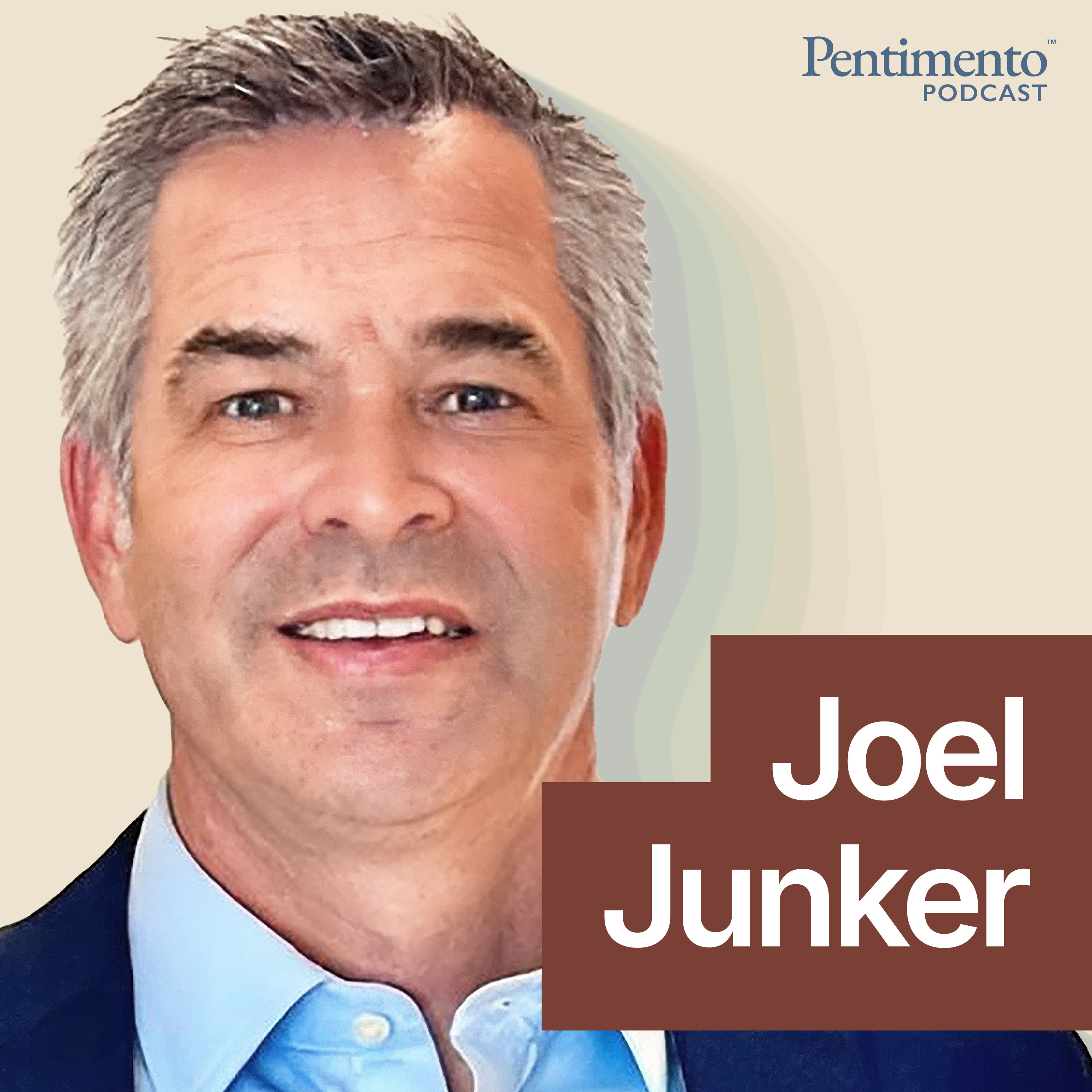
Joel Junker reflects on his leadership transformation, rooted in his background as a driven, results-oriented person from Minnesota who served in the Army and built a successful career at Cameron Brooks. His identity was built on achievement and being the one who made things happen, but this approach led to burnout and suppressed his team’s development. Through his studies at Gonzaga, including transforming and servant leadership courses, he began to see leadership differently—focusing on relationships, growth, and serving others rather than solely on results. The turning point came when a class exercise randomly took away his wife as a valued item, and ten days later she was diagnosed with breast cancer. This crisis forced him to show up for her, washing her hair and being present, which reshaped his understanding of what matters. Additionally, climbing Mount Adams taught him that leaders don’t reach summits alone and that carrying excessive weight is unnecessary. He now coaches leaders, encouraging them to lean into others, develop their teams, and allow them to take on challenges. His story illustrates a shift from transactional leadership to a more human, relational approach, where love and care are central. He also notes that even icons like Rod Stewart, at 81, model leadership by stepping back and letting others shine, reinforcing that true leadership involves humility and empowering others.
In the middle of the transforming leadership class I had with you, where Dr. Poppa has us do this exercise about meaning and purpose, and if you had one thing that devalues, so somebody takes a car to wave for me and it's a random act, and you don't even get to have a choice what gets taken away. Well, the next to me took away my wife. Well, really? Well, lo and behold, ten days after that class, Susan's diagnosed with breast cancer. It's like, wait a second. There's a lot of things I can't control. There's all this stuff that I built up over the years carrying. I think what I realized is that. Old paint on campus, as it ages, sometimes becomes transparent. When that happens, it is possible in some pictures to see the original lines. A tree will show through a woman's dress. A child makes way for a dog. A large boat is no longer on an open sea. That is called "pentimento" because the painter, repented, changed his mind. Perhaps it would be as well to say that the old conception, replaced by a later choice, is a way of seeing and seeing again. That quote is from American playwright, Lillian Helman. In this podcast, we'll learn from leaders who have done that kind of looking within their own lives. Men and women who lived and grew in leadership, community, service, and being, and then discovered something new. What changed? What helped? What do they see now that they couldn't see before? I'm Michael Carrey. Welcome to the Pentimental Podcast. Welcome to my career in listening to the Pentimental Podcast. I have with me as a guest, Joel Junker, who is a former student and in organizational leadership, God is Masters in organizational leadership in Gonzaga University. I saw you just recently, Joel, at a retreat for alumni, which was great to have you there and participate with the other alumni. It was at the St. Andrews Abbey, which is also an interesting place. Yeah, it was a special experience. I wanted to take the class where we got to visit the Abbey and just didn't work into my schedule. It was a phenomenal way to still experience time with you and the monks at the Abbey. Thank you for having me. It was great to have you. It was a great discussion, and so look forward to seeing you there in the future as well. You will find me there for sure. No, I will. I know. Why don't we start a little bit by just giving some of your background. You have a tremendous background in terms of your experiences and what you've done. Let's go through all of that for a moment. Yeah. Well, it's interesting. You said it's tremendous. I just recently had to make some changes to my LinkedIn profile and things like that. I was like, wow, I have had quite a journey through this. And even getting ready for today was enjoyable to look back on this. So, you know, my, I mean, talking the terms of like leadership and back to the theme of the podcast you have seen and seeing again, I grew up with a great family from Minnesota, phenomenal parents. But I grew up a pretty results oriented driven person. I'm not exactly sure where it came from, but found myself in leadership roles, predominantly through sports in high school, then later in academics, nothing against Gonzaga, but I always wanted to go to Notre Dame since I was a little kid. And well, their basketball team isn't as good. So we're good. We're good with that. Basketball team is definitely not as good, but your football team has been undefeated for many years. That's true. It's very true. And found myself at Notre Dame and my leadership path really built a really strong foundation there where I did Army ROTC and little that I know when choosing to do that, which because it didn't go into doing ROTC there, it made that was a choice I made, partly through my freshman year back in 1991 to help pay for school. And that really set me up then to go into the army for four years as an armor officer that's tanks and that kind of that results orientation and I have a theme why I'm going to keep coming back to this, that do or get things done, make things happen, I built an identity around that and went to work for Cameron Brooks. Coming out of the military are this organization, my organization, I'm a part of today, a partner here at Cameron Brooks 27 years later made the transition out in 1999. We help military officers transition out of the military into roles in the business world. So little that I know in 1991 that choice to do that would lead me here, you know, 35 years later, if that's right, to do the, to be in this role and doing what I'm doing today and being that person that's helped do a lot, have a very meaningful career because we're going to get into this Mike. We spent a lot of time thinking about what I wanted to share today. I have a high traits and responsibility and achievement and that has allowed me to be really successful in my career of getting results and making things happen and building things. But I've had a journey recently that has allowed me to see and see again as you asked me to prepare for our conversation today. Wonderful. And before we move into the, the seeing and seeing again which I've been looking for to this all week as well, you also are beside the work that you're doing with the people who are leaving the military. And you have your own kind of consulting work now. You want to talk a little bit about that? Yeah, I do leadership coaching. I say it's mostly on the side and it's all on the side, should I say, because camera Brooks where am takes up 90, 95 or more percent of what I'm doing, which is really a great question to Mike because it led me to Gonzaga. So in 2018, I wanted to learn how to be a better in my role here at camera Brooks. And I've always just really been interested in leadership. It's studying leadership, reading about leadership, practicing leadership. And I wanted to spend more time developing leaders, but I wanted to not just teach. There was a different way of doing this. And so I went to Northwestern University, which is okay to mention them here. Yes, you can. Also not a good basketball team. No, not really. I've had some decent years recently. Yeah. I went for a year there and got a graduate certificate in an organizational leadership coaching, which is embedded inside their master of science and learning and organizational change. Took that certificate and ended up getting certified through the International Coach Federation. And I've had enough coaching hours and now be what's called the professional coach certification PCC level during that time. And that ultimately also led me to Gonzaga, by the way, I was doing my own work as a leadership coach. I think that one should also have a leadership coach. So I had my leadership coach Ray, which we still connect with pretty frequently, but we started to build what a five and 10 year plan was for my life and my career, what I wanted that to look like. And I had this aha moment that I even wrote about in one of my classes. And I think it was transforming leadership with you where I was going for a walk and the sun was setting. Things were changing in my life. I'll look on things. And I was like, I need to go back and finish my master's degree. And my leadership coach Ray and I brainstormed places to apply to. And there's some really good programs out there. But Gonzaga just really fit. And when I was reading about it, and you and I talked when I was exploring the school and all that it had to offer. And I think the emergence are part of what draws some people to it. But for me, there was something about this seeking. And if we go back to even your interim dean Adrian Pope had talked about it until I think you were seeking something, I was seeking something different. And maybe there's this sense of I could tell that I wanted to be different. Maybe there's a different way to approach leadership. I wanted to be different. And there's this theme reading about, if you really spend time reading and reflecting on what the Gonzaga program offers, it's a different way of than I was leading before. Results are important. But there's such a focus on relation. Such a focus on the human aspect, the impact on other people. And serving others that I came to Gonzaga to finish out that master's degree. And I know this is about my leadership coaching that I do on the side with that. And so I have been spending more time with leaders stepping into new roles, into bigger roles that they've never been in before. And it's hard when they do that because they have to build those relationships. They have to be able to lean into the conflict with other people. They have to be able to hold people accountable and really change the way they've been operating previously to get to the next step. But they've done in the past doesn't necessarily get them there. And I think that they try to do what I really did. And I was successful doing it, but there's some downsides to it. And there's burnout. There is pushing people off to the sides. I don't think I necessarily did that. I could have been better. But this is that leaning into that relationship with people because as one steps into a new role, that leader's not only changing and having to adapt that team. It's also having to change and adapt. By the way, for the listeners, organization, you're talking about probably lots of organizational leaders and different types of people. Mine's coming predominantly from the business world of organizations, though I set a support chair or service.
They said, as a really pretty significant nonprofit, health foundation in our community, and that's been a phenomenal experience as well. So that's a little bit of a lot more leadership coaching and what I focus on. And right now the predominant of that focus has been with I go back to Notre Dame alumni, so they could do this for Gonzaga too, as I focus on offering my services to Notre Dame alumni through their alumni association program. So that's-- And I know you're very much connected and have been very helpful to our school in terms of working with Adrian Polpa and Sherry Lynch and others, so not only Notre Dame is getting your service. I wear my Gonzaga t-shirt every night. That's-- Just go home, take the t-shirt off, put that one on. It's funny, I liked wearing the Gonzaga one because people give me less heart of the time as something about-- or in polarizes people, especially down here in Texas. I was like, oh, Gonzaga, that's great, great basketball team. I was like, yes, in a phenomenal Jesuit with the-- I'm telling you, it's about the basketball team. No, it's about putting my plug in for the school leadership studies. It's a transformational experience and it's a journey. And I wear it with a lot of pride of how you, Mike, and so many people there that I was even talking to my wife yesterday, we were flying back from New Orleans. And we were just talking about the journey as a family, just the two of us really last few years. It's like, well, I think I'm like, I haven't aged that much in every years, but I'm way wiser now because of all the things that we've personally professed and experienced the last several years. Yeah, thank you. And I can attest to-- I think you brought a lot of wisdom to that alumni retreat. It was very-- it was very good to hear you talk with everybody else. And it's a group that's all people who are searching as well. I mean, they're seeking answers as well. And so it was great to have you as a part of that community. Well, let's shift to what you've been preparing for. So the whole point of the Pintemento podcast is really to share something that's happened to you in your life, that event altered the way you look at the world, look at yourself, look at everything around you. So what was that, Joel? Well, you know, Mike, I'm an overachiever. I'm a striver. So we're going to have a couple of-- We're going to have two. We're going to talk. I expected nothing less. Yeah. And I know you're going to talk to me about books. I have two. So I am so prepared. I have two. And those that know me, of course, he has two. So the first one from a real strong leadership standpoint-- and this is why I opened the way that it was-- is that I was always taught that leaders get results. And leaders are measured based on the results that they get. The challenge is that there's something that gets lost when that becomes the lens to look at of what I'm pursuing. For me, personally, I'm just talking about watching other people I'm going to talk about my journey. I had to be the one out front. I had to be the one that was doing. I had to be the one to make things happen. The team depended on me. It felt good. My identity is built around. It was built around. People are coming to me with the problems. They're coming to me with their challenges. I could go up and make things happen. Even this is an example when a two-great organization came-- just two really good, what we call transition coaches, key leaders in our company. But I had this model that I hadn't to be the one who would travel more than they did. I had to be out there working with our candidates more than they did. And what I ended up doing is the downside. Is I ended up being a bottleneck in the organization. The next thing that it is, I suppressed a lot of the individual's development, their growth, and therefore the team wasn't as strong as they could be. And then for me personally, I burned myself out. So what changed for me-- looking at leadership again, is there's so much focus in coaching-- leadership coaching-- as well as the Gonzaga School of Leadership Studies on the other individual and them developing and them growing. Whether that be the servant leadership or transforming leadership is about the relationship. And is that person-- are we transacting with them to get a result? From really being honest with me, I care and love them. And you can go to my website and it's got love all over the place on it. I care and love people that I work with. I care about them deeply. I don't think that it was really leaning into, like how are they growing? How are they developing as humans? How are they doing work that they enjoy? And they like-- am I giving or am I allowing? Not even giving a male, allowing them to take that work. So the exposure of transforming leadership-- so much servant leadership-- you don't take the servant leadership class. It can say it's just baked and it's just ingrained. It's culturally a part of the program there. And then climbing Mount Adams as a part of resilient leadership where there is the self-leading team we organize into these self-leading teams and to be there for the team member. And also recognizing that you don't get to the top, the summit, without the help of a lot of other people. And certainly, you don't get to the top without some circumstances also helping you along the way. Good weather. Good weather before you even get there to make the snow AC. And I'm just seeing patterns in time that leaders get stuck when they overly rely on themselves like I did. And so my pedimento is all of 2023, 2024, this movement to learning to lean into other people. Can I ask you a question about that, Joel? So you could look at this as a kind of a drip, drip, drip, kind of change that through these ongoing experiences at work where you're burning out and you're feeling out of sync. And then that coupled with learning about effective leadership or relational leadership, is it a drip, drip, drip thing? Or was there something where it just slammed you and said, I just can't go on this way anymore. I need to do something else. So I'm going to blend two things together because I said there were two stories. So yes, it was a drip, drip, drip, to start with first. But it was like a drip, drip, drip. And then all of a sudden there was like this, there's so much water that built up, it just overflowed and there were a couple of things that really just overflowed. And without, and I know a lot of people go through personal struggles as well. And people tell their story and things like that. And I think some of the Gonzaga community, they know it'll be whatever they say they're tired of this. I've heard this story before. But in the middle of all this happening, middle of the transforming leadership class I had with you where Dr. Popeye, Adrian, has us do this exercise about meaning and purpose. And if you had one thing that could you still survive and the things you value. So somebody takes a card away from you and it's a random act. And you don't even get to have a choice what gets taken away. If you're up to that point, you got to make choices. Well, the next to me took away of my wife. Whoa, really? Well, lo and behold, 10 days after that class, Susan's diagnosed with breast cancer. And that ties back to this leadership is like, wait a second. And in this moment, I started to learn about serving and being there for other people. And in this case, how am I going to show up for Susan? How am I going to show up for my wife? And so we go through this journey of October of 23 through May of 2024, a couple of surgeries. And you know, really her life is for looking back as never on date and it seemed to be a danger. That's just unsettling. And she's helpless. I wash her hair for her. And we were, I just said, we run our big way back from New Orleans and run the reasons I knew her on such a special place. That's where she went for all of her surgeries and everything like that. And so this is happening during all of this. It's like, wait, it should make me take a really hard look at, who am I? What am I pursuing? And it's just all kind of tied together. So that was like a watershed. It's just like there's this drip of things happening. But then there's the climate mount apps. And somebody was actually a Sherry Lynch, Dr. Lynch asked me, hey, when you got to the summit, did you cry? And he said, no, it didn't. When I got to the airport, when I was all done, I sat down and I called my daughter, and I was trying to tell her to the experience. I just started to try. And I think what I realized is that there's all this stuff that I built up over the years, carrying, the weight. And then we're not meant to carry that. We're not meant to carry that weight. The leader carries a lot of weight. There's no doubt. There's your surround. And this is what I see with a lot of leaders I coach. They carry this weight. They carry these burdens. But there's a lot of people that want to step in, capable, wonderful, great leaders that can step in. If you've got to allow them, you've got to develop them, you've got to highlight them, got to give them the opportunities to do that. And that is servant leadership. Sometimes you're serving them by not doing it so that they can do. So those are my two kind of looking at things definitely tied in together. But I want to tie something together because I just came back. You want to talk about New Orleans. And I wasn't planning on this. So I went to New Orleans. They have this festival every year called Jazz Fast. And Rod Stewart finished out. So maybe the 20-year-old is listening to this. Might not maybe Rod Stewart is. I kind of hope they know who Radsdur'd it. - My wife loves Radsdur'd so much. - Yeah, so.
I was actually going because Stevie Nix played on Saturday night and I've always wanted to see Stevie Nix play live outdoor New Orleans is amazing the friends we went with they really want to see Rod Stewart and they want to see Rod Stewart However, I wanted to be supportive so we went on Sunday night and Kanye was amazing It was like Joel. Where are you going with this? How does it fit in with leadership? Well, I just posted this on LinkedIn today It was just a phenomenal example of a lot of leadership So he is an entertainer. He's 81 So he can't he can't be the scene the entire show He can't be the highlight So there's times where he's pausing and he's stepping back and he's he's got a harpist. He's got These ladies that are backup singers that are lead singing factors daughters on the stage with him and takes over in sings at times They play the violin and sex guy key and he's highlighting them. He's stepping back and even a couple times He goes completely off stage. This is the self-leading team where he stepped out and stepped back or he was there and brought them forward and he is happy He is engaged. He's complimenting them. He's talking about them He's riffing off them because he probably can't do that anymore what he was doing at one Now maybe I never saw him 20 years ago. Maybe it's way always was he might have been a little more energetic Yeah, he's still pretty good for 81 And I think that I think that was just like a classic example of the show was as it was amazing Not just because of him. It was it was amazing because of the group he has created how they play together And when he was an onstage they were awesome. They were so good It was a blast now. I loved him when he came back too and I thought that was just a good way to think what's a wonderful metaphor Isn't it? It's a of what you've been talking about. I mean to have have experienced that you had and you know, so which was also probably an emotional experience of how this is so wonderful Of to be here, but then to also see it as a Kind of metaphor for what you've also experienced being able to step back and and trust that it's gonna be wonderful Yeah, it's exactly and it's hard to lean into that trust And I think that is that personal experience with with Susan that whoa up I'm not in control anymore before I got results because I was In control and I see a lot of leaders what I'm coaching and talking to it even and think before like they'd back here How they're controlling and it's not that they're controlling as leaders There's a they're controlling because this is how they got results I mean if I think it back talked about like I was always like an achiever on high school and you're going to high school You know you control your academic so I want to go to an in a game I control almost the entire I control 90% of that outcome by GPA go to college same thing in reality Go to go to the military they give you a model. There's a lot of models to follow and it's about executing the models along And there's phenomenal leadership experiences along the way and there But you can be younger and get away with some of that because it they even talk about command and control in the military But as as the complexity of life, you know my personal life and the complexity of work continue to increase over time I Can't operate I wanted I couldn't operate with that model of control It had to be releasing control and that releasing control wasn't like letting go I'm just sit back and take more vacation that ended up becoming Invest in the people let them out front bring really good people into the organization that fit the values the mission the purpose How do I step how am I inhibiting and today at camera Brooks in 27 years we have the best team we have ever had now that's I'm not saying that's me because there's a lot of hands that are involved in that That's a compliment to the team, but they wouldn't be the best team if I was operating the same way that it was five years ago There would be frustration. They'd be coming to me. They would be slowed down inhibiting decisions lack of learning so that's my pen to mentor and metanoia I suppose it's probably big. Yeah No, yes metanoia is the the correct wording and what I like about the You know the combination maybe of the drip drip drip of being in a process or a journey already in your learning and then having as you say in the servant leadership class is that you took in the transforming leadership class It's a lot about looking at how people deal With change and transformation how we facilitate Change and transformation and other people and a lot of it is about letting go of control being supportive but also being challenging and Challenging in a good way is letting people go out there and bump into things and do things and make mistakes and be able to learn from the mistakes and it just seems like that drip drip was there and then with your wife's Diagnosis and and taking care of her and losing any sense of control that there's anything I can do to Change this I need to just Deal with it and helper and I can see why you link these two things together It's a lot of things. They all have kind of just happened at the same time But if you can even plan back into the mountain, you know you When you sum at the mountain, it's I think you know, we started at one in the morning and you talk about drip drip The same metaphor. It's just one step in front of the other. It's dark. It's beautiful You can't really see the top of the mountain because the a little bit in front of you with the headlamp on But it's just one step in front of the other and over time that that builds and then all the sudden you're up No, I would say also to you just because there's a lot of people that have been on that trip that have not some you don't need to Summit to have a to have a peddimento or even a men a noya experience. That's not the that's not the the summit is not what changed me I could have not summited it had been some other experience. I want to I want to have a question for you then when you talk about the trip trip trip trip I'm starting to wonder though if you're really aware if one is a really aware in seeking there is always a Trip trip trip happening. What do you think about that? Well, I do think the very things that you were talking about earlier about that were driving you You know you're you're in charge of what you're gonna do if you do the work You're you're gonna get to the goal all of those things, you know You were joking that you know people wouldn't be surprised that you chose two books instead of one book from for my later question You're sort of driven but you're what I think that means is you're aware you're aware of what's going on around you You're not numb. You're not missing things and so part of it is well What is it that you're surrounding yourself with and that's the drip drip chip? It doesn't necessarily you away at the at the first step but what it does is it sort of is like it's literally how water can Can change the course of something over time not in a violent way, but you know It's how a creek where a riverbed changes the land around it. It's like the drip chip chip is there and you're aware of it That's the key and it may not be something you're using but it's in your head now. It's in your heart now and then when something dramatic happens It's all there and as you said it then the floodgates open because it's all there and maybe that's partly even when you talk to your daughter on the phone after the Mount Adams climb it's like until you Begin to articulate it or try to pull it all together to explain it to her It's just there in the background, but it's there and now it the floodgates open up literal. Yeah, yeah Because now you're expressing it you're articulating it you're pulling it all together again What you pull together with your wife's experience and trying to help her with that in the in the midst of having no control Was was drawing upon all of the thoughts you had all of the Thinking you had during these courses and other things that were happening into your life it all it all served you at that moment So if I don't know if I'm answering your question. Yeah, no, I think that you're well There's a couple different ways to to go with that all of yes if you're aware and I think like aware It is dripping and the best way to experience is that prior to that It was so focused on the results and getting things done and striving and I think striving's good I mean, I'm a striver but I think Striving from the standpoint of striving just for results all the time and to be in control. There's this hardened this hardened Shell and so when it's dripping it's It's bouncing off and that's the best metaphor I can and so this experience was slowly chipping away Chipping away and something of the drips could get in the drips could get in and it in there was this change and now Instead of control out front leaders are defined by the results leadership is now defined by what I am building How the people are growing how the people are developing the impact I'm making with those people the team that I'm creating and how they can Lead on their own and the results follow that is the change But I will also want to add one other thing to that statement about the drip drip and awareness This goes back to coaching what coaching does as does a retreat at Valarama It may not go into a master's program where you just learn the academics of Organization leadership and theory, but where there's a huge reflection It's like you're living inside the bottle and you need somebody outside the bottle of a label to you Hey, do you know that this is what's on your label and you're so in the bottle and I can be kind to myself You're raising kids try to save for college. That's just enough right there To really think about what's outside the bottle so an encouragement to know where you are in your life to take time to invest in It's not just your leadership development. It is
Who are you becoming? The retreat, coaching, shoot, friendship, coffee with friends that'll tell you that I can be outside the bottle looking in. There's a lot of ways to do that that'll help you help one dude, Pentimento or have a Metanoia because I'm sure there's more Pentamentos to happen. I hope there are. I think there are. I hope there are because I know that life will keep changing and there's going to be more Metanoias along the way. But don't you think also, I mean, there's a way in which once you've had an experience like you've just described both the first one and then kind of moving into the more dramatic or critical one with your wife and your experience with her. Don't you think once you've had that kind of experience, it makes you a little more open to future experiences that are going to challenge you? It's like you aren't that 30-year-old you were. You now look at the world with a little more permeable lens or boundary than you had before. That's what I was saying to my wife. So I remember your anniversary was like during one of the times that we were going through the class or something like that. So we just celebrated our 30th yesterday. And as we were flying back from New Orleans, which has some the whole not just for that surgery, our daughter went to school there. She better significant other there. And so we have a lot of meeting back with that city. I was just like, I know I'm not that much older, but I am way different and wiser. And I'm not arrived. Believe me, I don't want people to think all Joel's got so I do. But I'm way different and wiser than even though it's only been like three or four years, then I was the last time we were there. I think that's where it came up. Remember the last time we were here? Yeah, definitely. And good golly, this the pentamano of the metanoia is not just for me. It's not just for me. It is for her. It is for this team here in this office that I'm with today. It's for the people that I'm coaching. It's for the Create Healthy Foundation that I'm on. I hope it's for the way that I can serve the Gonzaga community because it is such a special community for me that there's these ripple effects. You know, everything absolutely. These ripple effects and are we thrown toss and people out under the shore or we like building them up, you know, and yeah, for sure. Yeah. And well, that's why I think you're you've got all sorts of wonderful new experiences I had of you because you're looking at your life and the work you do and the other people that are with you differently than you did 30 years ago. Although I don't think I want to see any more great experiences like Stevie Nicks and a few hundred thousand of my personal close friends and Rod Stewart, but that was pretty amazing. That's a tough one to replicate. You're right. You're right. Well, let's move on to one or two books that you've read multiple times, however many times, but each time you read it, you seem to get something new out of it. Yeah. So during the time that all this change is taking place and this is where I'm going to bring my faith in. And I certainly want to respect anybody else's faith journey that's listening to this and I bring my faith in, you know, I'm unsettled. It's not just like what's going on with Susan. It is like something's off about me. Work is also really hard. I had some personnel changes here and lent was coming up and I was doing a book study through the Hallow app, which those can check it out. Mark Walberg is part owner in that and they were doing it on he leadeth me and I already read with God in Russia. This is by Father Walter Chizek, another Jesuit or a Jesuit. And so with God in Russia was the first book that he wrote, which was more of like this is the story that the Jesuits wanted him to tell. Well, once he got that out, he then wrote, he leadeth me and this is the story he wanted to tell. And the stories about his dream always to go to Russia and minister and be a priest in Russia. Well, he did, but not the way that he thought it was going to go. He goes to Italy to prepare for this and then goes to Poland, the Russians invade Poland. They say people that want to come work come to Russia. He's like, hey, this is my opportunity. He gets on the train goes to Russia. They're very, very short period of time and they arrest him as a Vatican spy. And he spends 25 years between Lubeyanka with the worst prison in the entire world in Russian internship camp in Siberia. And then he doesn't have a way home. They finally realize he's alive and they bring him back home. And he's disappointed. This is not the way he's going to turn now. This is not what he wanted. And there's this change. He's like, God has me in this moment at this time for a purpose. Can I surrender to this moment? Can I surrender to what he is calling to me at this time? What got me through that season of January of 24 through May of 24, which was the hardest part for us was I was going through that book. And it was, can I just surrender? And what? And you can't surrender. Let's go back to what I said before when you're trying to control. They're polar opposites. You cannot, and I say, well, you're taking hands off the wheel. No, this difference. Hard to explain. We could be here for another podcast. It's just so, and I continue to go back to that and read it. I talk about it. I read passages of it. And my life is so much more joyful, so much more joyful now by living on purpose with a surrender, understanding that my God has a plan for me. It may not be my plan, but it's his plan. And can I surrender? And one of the other things that I pulled out in listening or reading on a separate book is in the intent of trying to surrender and follow. I make it off track, but he's going to be like my Google Maps GPS. It's going to recalculate. And I've just keep staying connected and keep trying to surrender. I'll get back. I'll make some missteps along the way. And that gives me the confidence to keep moving, to keep moving forward. That doesn't mean it's going to be easy. We're still in the Easter season. And we think about Jesus who's surrendered. That certainly wasn't easy. It wasn't, it was all painful for him, good Friday. So that was a book that I returned to a couple of times, multiple times, even passages. And I'll pause there as see if you have any questions or help. Well, first of all, I have to say where you talked about having a Google Maps thing that you then you're on. And if you get off course, you recalculate. I think that's one of my favorite metaphors. Now that's a wonderful metaphor. I'm going to steal that and use it in something I'm going to do. But the kids you got to keep looking at the map, right? What am I focused on? Because they'll all of a sudden you're like, well, I'm not going to look at them. I'm not going to rely on this map anymore. I'm not going to trust it. Well, you're not going to recalculate and get you back on track. Well, and even more than that, it's the thing and very Ignatian also, it's that God works through wherever you're going and recalculates so that you'll get back to where you need to go. It's in a sense the recalculation, the satellite and the sky is God saying, okay, we'll go with where you went. But here's what you can do to get back where you need to go. And I like that image. So. And what we're doing that though, that goes back to leadership and coaching. Leadership gets, we get stuck. This is why coaching is really important. We get stuck. We're in the own bottle. We need somebody to look at the label with us for us on the outside. But we get stuck. But if you can move forward, you discern even on your own, this is again, you don't need to be faith based to discern. Think, said, flacked. What do you feel? Is it heavy? Is it light? You move. You learn that in the military as a tanker. Worst thing you could do is sit. You just never want to be, you just never want to be sitting stationary. You want to be moving. And you constantly want to be on the move and you keep adjusting along the way. And that's the things you got to keep moving. That's a great metaphor. I mean, and, and when was the first time you read that book? I read he lead us me January, February of 2024. Okay. So it was very important to you. Russia with God in Russia. Probably your prior to that. But I would look as very important to you, but you still go back to it even after. Absolutely. I tell people about it. I send people pictures of pages to it. Because that's surrender aim. But letting go of control. And this could even be kind of a boot, you know, the Buddhist who also talk about this as well. They have their version of it. It's not like, Oh, I've surrendered. This is like, Oh, it's two 43 central time I surrendered. Oh, it's two 44. I just surrendered again. You got to keep, whether it's the trip trip, or it's it is a constant like, what am I doing? And I think that I don't want anybody, everything like always not trying sitting back. No, I have responsibility in this. Totally. What's the other book? Yeah. So the second book, and this is what led me deeper into coaching. It also led me to Gonzaga to making a choice to do this is strength, the strength by Arthur Brooks. He just came out with living a meaningful life. I don't think I'm a hard title with it. But strength of strength really put him, at least from a book on the map that they could really catalyze this career. Professor of happiness at Harvard, just I think it says last year at Harvard, because he's become so popular on podcasts and talks.
speaking toers and in that the books premise strength the strength and the big there's two phases of life there's fluid intelligence where you're creative in your building and you're achieving and you're producing but not that I'm not doing that now but that typically takes place between 20 and 40 and he goes back and looks at all the composers, the artists and there's a tapering off and they end up becoming mentors, teachers, coaches. Now there's some careers like university professor that you get to naturally lead into that my role leadership coach it's allowed me to really step into what I like to do and do as well but what it allowed me to do is that oh okay this is my time to lean into that and again coming back to I don't have to be the one doing now is the season of my life in my organization at Cameron Brooks to invest in developing the team and the future end by following that crystallized intelligence teaching guiding developing I'm now building this organization the team to think strategically to make decisions to grow their capability to be that self-leading team and the shift for me isn't slowing down it's what I'm focusing on and it comes full circle to this pentamento of seeing and seeing again of leadership if I had stayed in that same model it really counters it goes back to that fluid intelligence but I'm not in a season of my life or fluid intelligence as my strength I should be leaning into this other part and you know for me because the assessments that I do and the who I am at heart I'm a coach I'm advisor I coach little leagues to help pay for parts of college my brother and I coach select little I love to coach and teach just never wanted to be a teacher and I had like five summers of literally coaching and I love little league like coaching kids I want to deal with parents so I don't need want to do that for a full-time career like I get to really live my dream I'm leaning into my natural strengths anyway and now in this later part of my career it's really been great because this is what I'm supposed to be doing so that's the second book that's great and again as you say I can see why you say you have to have two books because they are related they're very connected and there's a wonderful pentamental theme that's gone through our whole conversation in terms of the idea of a kind of healthy positive ultimately effective letting go of feeling like you're the person that is completely in charge that you're not you're you're a mentor you're a convener you're a facilitator you're a person that inspires people so it's great it's it's heavy Mike you know when you're it's still heavy yes when you're controlling when I'm controlling I shouldn't say you when I am controlling and I see leaders I work with leaders who are trying to control the outcome because they believe I stepped into this role in this new role I'm expected to get these results I've got to do this I have to do this I have to strive for this it's heavy focused on control focused on output when it pivots to how can I multiply this team how do I grow the team how do I everybody has an in this everybody has the capability to lead and I know there's people that that I went through the consecutive program that disagree with me on that but everybody has the capability to lead some people have more some people will step into it more some people will choose not to do it that's true but I think everybody has the capability to lead in some way shape or fashion and if we can tap into that as leaders the team becomes stronger the team gets better and then like had Stewart you could be 81 and still out 85 degrees on a New Orleans night rocking it out right but if you're trying to be the one out front all of that's not going to look good. Saying everything it's going to be heavy it's going to be hard yeah the real measure of leadership is not what you accomplish this is what I'm getting to the old to pentamantone is about the team that you grow the people you impact and the people that you enable to grow their leadership their capability so that's what the leadership has come and the results will take care of themselves. Yeah well Joel you know from having you in class and from and getting a chance to work with you at the retreat at St Andrews Abbey in Valiermo and all of the things that you have shared in our our interview today it's like you know green leaf talked about serving leaders start not as leaders but as servants that you have to have a servant heart and I think that's what comes across in everything that you've ever written for me or our conversation is you've got that servant heart and so the leadership truly has followed that and therefore the kind of leader you are is because of the kind of person you are deep deep inside so thankfully you've had these pentamantone experiences to get rid of that messy control issue you used to have I'd say still have it it's still rust like Jacob we're still a wrestling match go yeah yeah yeah it's still a wrestling match I like that too yeah yeah you've got wonderful metaphors so but I just think you really are a wonderful resource for people I hope people will who are interested in coaching will go to your website Joel Junker Leadership coaching right right now yeah I think it's Joel Junker.com I think and is it on yeah right Joel Junker.com very good very good name and I would just encourage leaders out there too I think there's the vast majority of leaders have that same heart it's just a society and organizations there's a lot of pressure to produce and so I think that gets you can still do that the other ways I want to turn one question back over to you congratulations to you and your journey I mean you should be your own guest on your own podcast come sometime what are you what are you most looking forward to in this next phase of your life this I've just you know because we're at a pivotal one the last few weeks of this I'm sure it's bittersweet yeah 17 days till I retire yeah yeah you know I think I'm most looking forward to having just more time with my wife with my daughters and with my grandchildren so that'll be that'll be nice not being stressed where I have to always move off to do something read long papers that I foolishly assigned students but you know one of the things I'm actually I'm looking forward to is this podcast the idea I'd like I would have been looking forward to this interview with you because we just saw each other in February at the retreat and I just thought you're so interesting I I want to know more about your experiences with your own journey and I you're now the fourth person I've interviewed and the other three I have the same feeling and I think I think I've just fallen into a wonderful thing you know thing to do now that I'm retired that that I couldn't probably figure out time wise how to do if I was full time teaching but you know to do this is joyful for me yeah it's teaching all over again and I'm looking forward to seeing some of the things that you get to do with the alumni and the the retreats and things like that so I'm still looking forward to that as well yeah yeah we are working on on not only the valuable retreats but trying to we're working with the Jesuit community at Gonzaga I won't do anything with the Holy Cross community in Notre Dame don't know them but that'll be that'll be for you to look out right exactly thank you so much Mike yeah Joel wonderful to have you with us all of the people who are listening in me and I'm looking forward to the next time we see each other thank you Mike thank you for listening to me and my guest just now and thanks to Jeff Rossick for music art and production assistance until next time I'm Michael Carey
Podcast Summary
Key Points:
Joel Junker, a former Gonzaga master’s student and leadership coach, shares his journey from a results-driven leader to one focused on relationships and service.
His first “pentimento” involves realizing that over-relying on himself led to burnout, stifled team growth, and made him a bottleneck; he learned to lean into others through servant and transforming leadership.
A pivotal moment occurred during a class exercise where his wife was randomly taken away as a valued item; ten days later, she was diagnosed with breast cancer, forcing him to prioritize care and presence over achievement.
Climbing Mount Adams as part of a resilient leadership course symbolized letting go of accumulated burdens and trusting self-leading teams.
Joel now coaches leaders transitioning into bigger roles, emphasizing human development, love, and allowing others to take on work rather than doing it all himself.
An example from Rod Stewart’s concert illustrated leadership through stepping back and letting others shine.
Summary:
Joel Junker reflects on his leadership transformation, rooted in his background as a driven, results-oriented person from Minnesota who served in the Army and built a successful career at Cameron Brooks. His identity was built on achievement and being the one who made things happen, but this approach led to burnout and suppressed his team’s development. Through his studies at Gonzaga, including transforming and servant leadership courses, he began to see leadership differently—focusing on relationships, growth, and serving others rather than solely on results.
The turning point came when a class exercise randomly took away his wife as a valued item, and ten days later she was diagnosed with breast cancer. This crisis forced him to show up for her, washing her hair and being present, which reshaped his understanding of what matters. Additionally, climbing Mount Adams taught him that leaders don’t reach summits alone and that carrying excessive weight is unnecessary.
He now coaches leaders, encouraging them to lean into others, develop their teams, and allow them to take on challenges. His story illustrates a shift from transactional leadership to a more human, relational approach, where love and care are central. He also notes that even icons like Rod Stewart, at 81, model leadership by stepping back and letting others shine, reinforcing that true leadership involves humility and empowering others.
FAQs
It's a podcast where leaders share moments of looking within their own lives, discovering something new, and seeing again. Host Michael Carrey learns from guests about what changed, what helped, and what they now see differently.
Joel Junker is a former student in Gonzaga's master's in organizational leadership program, an army veteran, and a partner at Cameron Brooks, where he helps military officers transition to business roles. He also does leadership coaching on the side.
He was seeking a different approach to leadership, focusing on relationships, human impact, and serving others, which he found in Gonzaga's leadership studies program. This contrasted with his previous results-oriented style.
He realized that being overly results-driven and doing everything himself made him a bottleneck, suppressed team growth, and led to burnout. He learned to lean into other people, allow them to develop, and practice servant leadership.
During a class exercise where his wife was randomly taken away as a valued thing, she was diagnosed with breast cancer ten days later. This forced him to focus on showing up for her and re-evaluate his priorities and identity.
It taught him that you can't reach the summit without help from others and good circumstances. Afterward, crying while telling his daughter about it made him realize he was carrying too much weight that he wasn't meant to carry alone.
Chat with AI
Loading...
Pro features
Go deeper with this episode
Unlock creator-grade tools that turn any transcript into show notes and subtitle files.
 PodcastTranscript AI