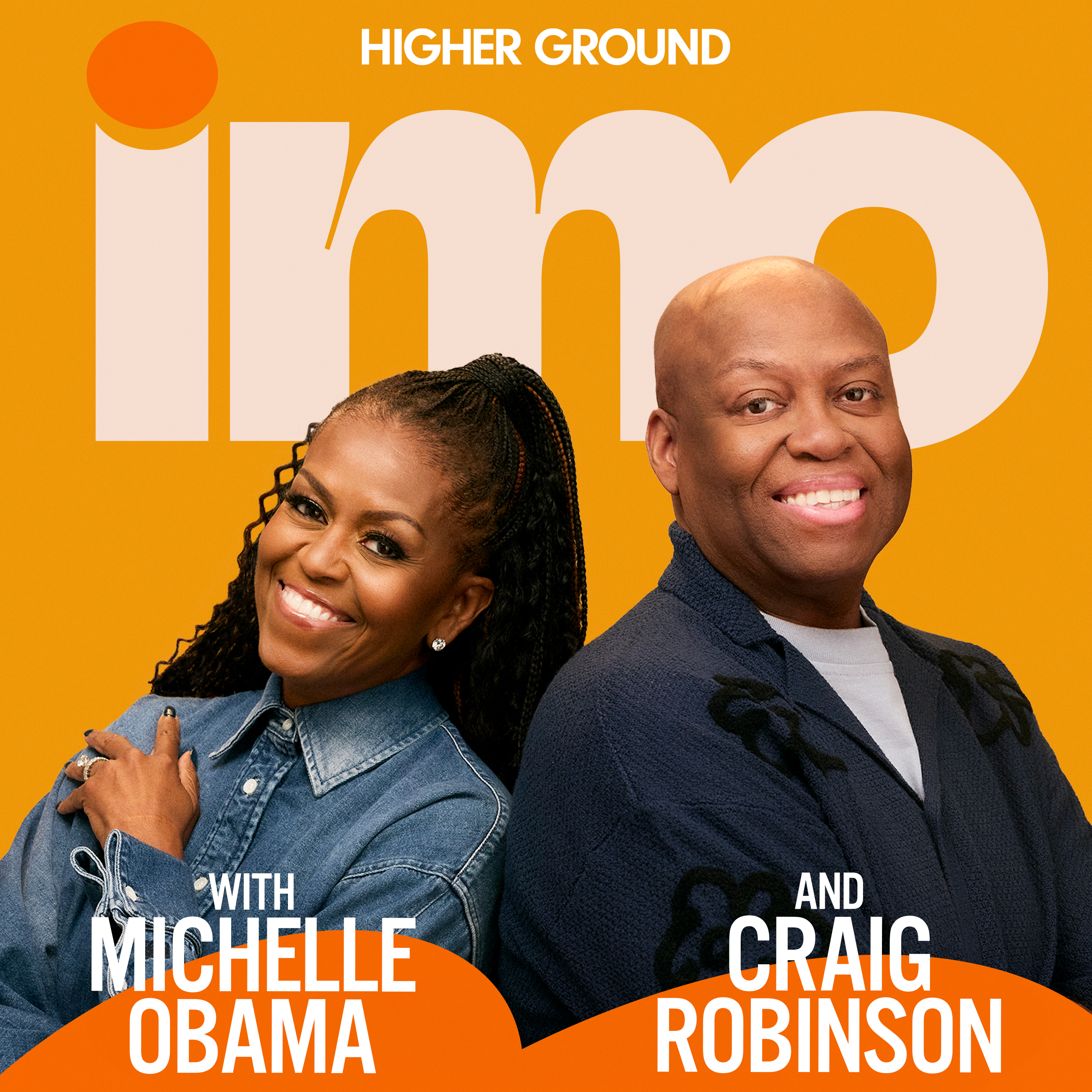
Steven Spielberg shares his deep personal and artistic journey in a heartfelt conversation, emphasizing how his upbringing, family, and lifelong curiosity in history and human experiences have shaped his filmmaking. His films, from *Close Encounters of the Third Kind* to *Fabelmans*, reflect a commitment to truth, emotional authenticity, and historical depth. He credits his mother’s musical influence and father’s WWII experiences as formative, while highlighting the therapeutic power of storytelling—especially in *Fabelmans*, which he made to honor and reconnect with his parents after their deaths. Spielberg values collaboration, noting that certain actors, like Harrison Ford or young performers, emerge as “destined” choices, reflecting a belief in harmony and preordained connection. He passionately defends the theatrical experience, seeing it as a unique, communal event that fosters shared emotion and intellectual diversity—contrasted with the convenience and isolation of home viewing. Despite industry shifts toward streaming and shortened release windows, Spielberg believes the cinema remains vital as a space for collective reflection and storytelling. He also underscores the importance of trust, emotional honesty, and creative partnership, calling these the true foundations of his success. Ultimately, his work is not just about entertainment, but about preserving memory, honoring truth, and creating meaningful, human connections through film.
I've never really been in psychoanalysis at all my entire life because I think the camera will do that here and we were going to do that right now Steve and I don't have my security blanket which is my full ex camera. This episode is brought to you by Chase Home Lending. Well hello hi there's a there's a buzz in the room. I know it's a full hell here. It's a it's a thrum. Yeah it is a full back bench. I mean you know everybody is like I'm sitting in this one. I wonder why. Oh man really truly special guests we have today Steven Spielberg V one and only Steven Spielberg and we're going to talk about his films in his movies but the truth is is that I've had the pleasure to get to know him as Steven my friend and I know his work but I have fallen in love with him and his family because of the man that he is person that he is and you know he is really only doing this because he loves me dearly I know that he does not like talking about anything but his work he's told me that this is only his third podcast that he's ever done and I'm just thrilled to have him on because I love him he is one of the best human beings that I I know and you I've gotten a known through you and and I can't I have a couple of things to share with him when he comes out so I'm really excited that he's here to and when we were talking a little bit before we came on I was really touched that he was excited to be here and that he doesn't do this and he seemed like he was enjoying it at least enjoyed the the pre part of it well let's introduce him and get and get him out here and I will and I almost I I almost feel I shouldn't be the one introducing him he's so revered and such a such a nice but you must introduce him so please read the introduction even feelberg is one of the most successful and influential filmmakers in history he has directed major feature films since the mid 1970s and is considered the father of the modern blockbuster Spielberg which I realize from reading the research when he was younger he did people called him Spielberg and he is you didn't want to be called by his last name you know so I feel honored that I can call him Steven is one of the few to achieve he got status just got that just got it having won Academy Emmy Grammy and Tony Awards across film television music and theater in 2015 president of Barack Obama who we know presented him with the nation's highest billionaire honor the presidential medal of freedom and in 2024 president Joe Biden awarded him with the prestigious national medal of the arts so without further ado please welcome Steven Spielberg we want you to feel at home because you at home I you said you're not used to seeing me without you know palm trees palm trees are casual clothes exactly you know in a swim cover up for something but because it's interesting because I don't think I've ever this is only my third I believe only my third podcast and this is my first podcast with a dear friend I've never done one with a dear friend before well well we we have fun here as I said we let the conversation flow and I want to start by giving you a compliment of how completely cute you look today okay well thank you can't capture my wife see this is why bring this up because you know I I asked you who dressed you today well you allowed yeah who dressed me today because I'm here with you in L.A. and cage back in our home in New York City and of course she's not here but of course when I came home last night the entire outfit for today was already hanging up in the closet with everything laid out she's very clear she's she's very clear you direct many things but your look you you do not you're not allowed to touch your own look no no I produce my career but Kate produces my life well how you feeling I'm feeling good yeah feeling excited I'm I'm feeling nervous I'm feeling all those things that a person feels before they have a film come out yeah yeah that's the we talk about this how how nervous you still get when you've got a project coming out great Steven Spielberg you still feel those jitters yeah your piece out there in the world yeah one would think that that I would buy this time in my life and career I be standing on a solid cement floor but it's still pretty liquid yeah it doesn't matter how many movies you know I've I've directed or produced each one in a way especially the director films each one of the way feels like an earlier work not something with a lot of experience to back it up so every film is a new is a new experience for me and are you nervous for the reception are you nervous for what your friends would think what are you nervous about oh no I'm excited for the reception I cannot wait to unleash this film on the world what I'm nervous about is I now have to talk about it for the next eight weeks before it comes out it's the talking part you do like to be out in front well I'll tell you why because it's really really hard to make a movie and and when I finish the film I think the film is over but today with the way information is collated and disseminated about stories films it's almost like going back to work again and starting the movie from scratch even though the movie already is there about to speak for itself the my job now is to sort of speak up for the film without giving too much of the film away and that's the delicate tightrope we all have to walk especially if you've made a movie that's all about mystery and and you don't want to give too much of that mystery up and you've been pretty good about this this movie keeping it under wraps I will tell you that my husband is a bully to you when it comes to your movies you know I always reprimand him but what did he what did he because you haven't let him see this one and he's very mad about that yeah he said if he wasn't among the first to see it he was going to watch it only on an iPhone which and he said he was only watching what he knows would irritate and he said he wouldn't watch it horizontally he didn't watch it vertically oh that's not nice but he got to come on set for this one this is the first set Barack ever visited even though your daughter's a filmmaker Malia yeah right so I feel bad I screwed Malia and she doesn't care she will never invite us to anything that she does you know she doesn't want us around her stuff he had a ball yeah it was great it was great it was of course for my cast it was a bit of a religious experience because in walks this iconic president who comes onto our set to me he's a friend to me he's a he's a good friend of course all of us he's we know we know each other so well but on the set the kids didn't know Barack except from you know what he's done for the world and who he represents and they were just absolutely and I I have a very extroverted cast you could hear a pin drop when he walked in they didn't know what they didn't know what to say did they know he was coming ahead of time I didn't tell all of them I told some of them but not all of them and I know you what we're we're talking about your latest project which is disclosure and disclosure day yeah disclosure day and why don't you give us the premise of of the movie what what we can expect well the movie I you know I've been I've been sort of on this dance floor before when I was much much younger I made a movie in 1976 which came out in 1977 called Close Encounters of the third kind oh that one you heard about and that was a movie certainly about the first time you know humankind meets an advanced civilization from off off our world from from out there so I and I haven't really visited that predictor subject matter for close to 50 years next year it'll be 50 years when Close Encounters was released but I felt starting back in I think 2023 when the New York Times came out with a story it was a story influenced by a whistleblower that released some footage to the New York Times and it was a story written by I believe Helene Cooper and Ralph Blumenthal, and um. and Leslie Keene, and it was a story about what Navy pilots had photographed on their FLIR systems, their infrared systems, their forward-facing infrared systems of a UFO, now called a UAP, which stands for "Unidentified Enomalous Phenomenon." I kind of like an identified flying out of bed, I like a UFO better than that, I don't remember that. But in a sense, it brought a more resurious, more of an acceptable sort of lexicon of terms to a world that even now, 50 years after close encounters, is more likely to believe that something has been happening for decade upon decade upon decade about our world being visited, and our movie is about what would happen if all this information was disclosed all at the same time. How would that affect everything? And the story really is about the attempt to stop any disclosure from ever taking place, and that's why a lot of this film is a wild, wild, relentless chase. Yeah, what is your, I won't say obsession, but your deep interest in what's happening beyond our planet. I guess it's just because of my curiosity, even more than my imagination, because there's a lot of close encounters that I made up, but there's a lot in disclosure day that I don't really feel I needed to make up, because it's out there, as they said, with the ex files, my truth is out there, and I think the truth is now here, and who is brave enough to really come forward and tell all of us that we shouldn't be afraid of living with this truth, and that curiosity, more than imagination, is what drove me to tackle this subject. Yeah, and you have told me how much you love this cast. I love this cast. Everybody at Emily Blunt, and Joshua Conner, Comet Domingo. Just like the hits keep hidden. Comet Firth and Eve Schussen, Wyatt Russell, I was blessed with a great cast. I'm a big fan of furniture that's just as practical as it is good looking. For example, Kelly and I just went on Wayfair and got ourselves this incredible, extendable dining table. Right now it's in our breakfast look, and it seats four people perfectly. But if we ever need some extra space, we can very easily just pull apart the two ends and add panels to make it seat up to eight people. We got it in the walnut varnish, but it also comes in natural wood and black. And that's one of the things I appreciate about Wayfair. You can find thousands of options across every style and budget and then use the filters, customer photos, and reviews to figure out what's actually going to work in your space. They have more than 20 million verified five star reviews. So when you're making a bigger purchase like a dining table, you can feel a lot more confident about what's showing up at your door. Transform your space with pieces that hold up to real life. And Wayfair rewards today and get 5% back on every purchase. Head to Wayfair.com or shop the Wayfair app for all things home. That's w-a-y-f-a-i-r.com. Wayfair every style, every home. This episode of IMO is brought to you by Chase Home Lending. What if your home buying journey came with a promise you could trust? With Chase Home Lending, you have a partner who understands that every move is about more than just changing addresses. It's about your plans, your future, and the people who matter most. Commit it to helping you move for with confidence, offering local support and guidance you can count on every step of the way. Because when it comes to your next chapter, you deserve a partner who's as committed as you are. There was a time when we moved that things didn't go as planned. We were moving to Oregon for a new coaching position. And as always, I went ahead and my wife Kelly stayed behind to get the packing done and get the kid's school year finished. I was tasked with looking for potential homes for us to move into. I usually found a few for Kelly to pick from, but this time I was having a hard time finding something I liked. Finally, Kelly came out with my mom and after seeing two or three places they liked, my mom pulled me aside and asked me if I needed some money to help with the purchase. We still laugh about that to this day. I just needed help deciding on what was right for us. When you're ready for your next step, having a local chase home lending advisor by your side brings real confidence. With their support, you can focus on what matters most, your future, and the people you share with get started at chase.com/IMO member FDIC equal housing opportunity. One thing I've realized doing this show is that every success story starts way earlier than people think. Before anything worked, there were a lot of ideas and a ton of trial and error. And if you're someone who's ever thought about starting something of your own, you know it takes a few big swings to get there. That's why platforms like Shopify exist. It's built to take you from this might work to actual growth with all the tools you need in one place. Whether it's a side hustle or something you're trying to grow full time, Shopify helps you set it up the right way. And perhaps more importantly, Shopify helps your products show up everywhere people are already shopping from Google to YouTube to the shop app. We all shop online a decent amount. I know I certainly do. And now that I've started looking for that purple shop pay button, I'm seeing it everywhere. That one click checkout makes everything faster and easier, meaning you'll lose fewer customers at the checkout stage. Want to build something that's truly yours? Start your free trial at Shopify.com/IMO. Lately, I've been thinking about the moments that change you. Not the big dramatic stuff, the small ones. Like when you catch yourself about to say something reactive and you just don't. It's not something that happens overnight. It's something that you build one moment at a time. That's what growing feels like. And that's why I'm excited to tell you about growth therapy. Grow connects you with thousands of licensed therapists across the US with virtual or in-person sessions, nights and weekends. You can search by what matters, your insurance, specialty, identity, availability, book in minutes and start in as little as two days. That's much faster than the national 48 day average. There are no subscriptions or long term commitments. You just pay per session. Plus, over 230 million people nationwide can use their insurance on grow. So chances are, you could be covered too. See if you could pay as little as $0 for therapy in seconds at growtherapy.com/IMO. That's growtherapy.com/IMO. Growtherapy.com/IMO, availability and coverage vary by state and insurance plan. Do you like working with people again and again? Yes, I do. Is that intentional? I mean, you know, you think of Tom Cruise and you think of Tom Hanks, all the Tom's in Paris and Ford. Paris and Ford. I love working with, you know, same actors again. But the main, my main family really is the crew. Yeah. I've had the same composer, John Williams, I was with yesterday finishing up our film. Wow. And how many films have you guys done? This is John and I. This is our 30th film together as director composer and, you know, my, my, so many people in my life. I've had it in my life. Tony Kushner. Tony Kushner has written four, four, five, David Kep, who wrote Disclosure Day, has written five other films for me. Yeah. It's, it's, no, it doesn't. Michelle creates a shorthand. And also, when you have people that really service the story, as Shakespeare said, the play is the thing. Yeah. And that's the most important thing. And when you get people that know how to service, not my needs, but the actual needs of the story and they all do their jobs and they do, and they do their job so brilliantly, there's no reason on earth that you shouldn't want to hire those people over and over and over again. So I brought with me, Christy McCosko has been with me for 29 years. I think McCosko already has five Oscar nominations for Best Picture. You know, we have a great family. Great lucky. But that, you know, that comes from the head, you know, there are a lot of people doing great movies. They don't want to work with the same director again and again, you know. That says a lot about you, Steven. You know, I give good rap gifts. They're all going to want to work with me again. You think that's it. I don't think that's it.
I think it's a little bit more than the rap yet, you know, I think it's the, I think this is the way that you are with people and your passion for what you're doing. And you're also a loyal person, you know, well, I, I, I, loyalty is, is important, but it's something loyalty is something that is sort of a natural thing for me. I mean, it's a natural thing for me based on who my mom and dad were and, and the four kids they raised and the values that they imparted on all of us. Yeah. Well, I'm glad you said something about your mom and dad because the last time we were together was at Misha's place in Martha's Vineyard. And I want our audience to know that Stephen's wife Kate did a painting of one of the pictures of Misha and mom and, you know, the three of us, right. And the picture was so moving. The painting was so moving that it, it brought us all the tears. And I, and the last time I was with you was with mom. That's right. And she was such a huge fan of yours and you were always so kind to her. And she felt like she had a relationship with you just over the few times that you guys had met. Oh, yeah. And I want to thank you for that. Thank you. Thank you for telling me that. Well, we had more than a few times together. And she was, as we used to say, I'm a baby boomer, so I'm able to say this, she's a card. And she was endlessly delightful and completely forthcoming and brutally honest in the most warm, loving way and just adored her. And thank you for mentioning Kate that way because no one knows until now. Oh my gosh. Did Kate painted the picture of you and Michelle and your mom? Yeah. Yeah. She is a really gifted, gifted woman and, you know, the ultimate true partner. I know. And I know you know that you couldn't do what you do without somebody as sturdy and talented and, you know, she's your creative partner in so many ways. Oh, completely. Oh, no, in every way, in every way, in every way. But I was watching you with my mom and I was wondering about your relationship with your mom. It must have been wonderful because given the way you treated our mom. When I grew up, when I grew up with my mom and dad, and this was just to find who they are. And I love them both so tenderly and equally, and I miss them equally as well. You know, my dad was a real dad, and my mom was a playmate. Yeah. So when I was a little kid, I had friends and I had my mom who was my friend, and that's the way she was with Ansu and Nancy, all of us. She really, it wasn't that she had to drop down to our level to relate to us. She kind of pulled us up to hers and we just got a hell of a kick out of each other. And to be able to be raised by a mom, who you so thoroughly enjoy hanging out with. That's why I think I had a very privileged and lovely childhood. What would be some of the best play moments that you had with your mom? Well, my mom, you know, when we were living in Phoenix, I was the oldest of the oldest in family of four. And we got to Phoenix, Arizona. And the first thing my mom did was I was 12 years old. No, I was 10, 10 and a half years old. We got to Phoenix. And my mom went out and got a Willis Army Jeep from the Korean War. What? And when running around town with all of us in the back of the Jeep, in those days, by the way, there were no seatbelts or airbags, you know, just bounce around in the back. So we're in an open Jeep with those seatbelts with my mom, who was a, basically, she was a pretty fast driver. And we been, and she's had no suspensions. So we're just trying to not talk out of the car going down, you know, Black Canyon Highway going 55 miles an hour. And, and with my mom wearing, I'm sort of a kind of a cowboy hat and a soropy. Wow. So, so my mom, my mom had a personality that stood out. Yeah. And did that, you know, sometimes that can make a kid feel uncomfortable that you have a mom that's kind of out there, kooky. How did you feel growing up with that? That was great because all my friends just loved hanging out with her because once again, she was part of my peer group. Yeah. And for now, when I was 10 years old, she was part of our peer group. When I was 16 and driving, she was part of that peer group. When I was, you know, going to college, 18, 19 years old, she was part of that peer group. And my mom just really, but we, I think we dressed to her as opposed to her dressing down to us. I think we somehow, we had always were, and we had, I admired my mom's style, but I could never myself be that kind of outrageous out there. Yeah. She, she cornered that market. Yeah. What role do you think she played in you, you starting picking up a camera? Um, I mean, was that part of that imagination, her free spirit, nature, did that impact your decision to make movies because you were, you were making movies so young, you know? I think it, I certainly did. Um, it was, it was sort of my dad's camera that I borrowed the 8 millimeter Kodak camera I borrowed to start making movies. And my, my movies were just movies are our camping trips, um, cause I could hold the camera steady or my dad did it. He, he didn't have so much patience with the camera and I did. And, uh, and it kind of started that way. So in a way, even though in the favor of men's, there's a scene where the, um, uh, Mitzi. Yeah. My mom, her name is Leah Lee. She gives the character, Sammy, a camera. In fact, it was my dad in real life that gave me the camera for the first time. So my dad was pretty instrumental in getting me equipped with something that I could sort of vent everything I was feeling and seeing and, and being scared of when something scared me. I went off and made a little eight millimeter movie so I could frighten other people. Yeah. It was kind of like, well, that's something scared me. I'm going to make a movie about what scared me so I can scare others. Yeah. And, uh, and it was, it was a real, I mean, I've, I've never really been in psychoanalysis at all in my entire life because I think the camera was made. We're going to do that here. Well, we're going to do that right now and I don't have my security bag, which is my, uh, bullet. My bullet's camera. But you still do that. I mean, this is a beautiful thing. Your gift to us when we're all together in a group. You mean, you're, you're not shy. You know, you're talkative, but when there's a moment, you're filming it, you know, you pull out your phone and you're sort of like the elephant, the shelf just kind of, and then you give that gift back to us, you know, at the end of our time together. It's like, well, Steven was back there and he was watching that and he captured that and, you know, what is that? What's that about in your personality where that's, that's your comfort spot? I think from my earliest memories of having a camera in my hand that the great thing about seeing, let's say the home movies, I was always aware of time passing. Even when I was like 10, 11 years old and I was making a movie of my dad, you know, catching a trout and clean the fish and then having eggs and fish for breakfast in the white mountains of Arizona. I would look at that even as a kid to say, I'm marking time, I'm marking this moment and I'm, because someday I'm going to look back on it. If I don't have this, if I don't have this antiquity, I'm not, I may not remember it. And I want, I want to be able to remember all the good times and all the bad times. And so I just started being a kind of videographer of our family, took all the home movies and then when I was on my own in college, I was taking eight millimeter movies of my friends in school. And then when I got into the movie business, I continued to take videos when film, you know, turned out videos of became popular by switched my, my equipment. And I've always sort of been a little philosophical. I'm very, very nostalgic. I've always been very much nostalgic. When, so you talk about getting a camera and then trying to make, make films that affected you. So something scared you so you made something scary. What kind of movies were you watching as a kid that sort of peaked your interest in the, in the, in the whole vocation? Well, when I was a kid, you know, growing up, there were two ways to see movies. And your parents had to drive you to a movie theater. So all the movies I saw were not by choice. They were the films my mom and dad thought was appropriate for them to take me and maybe Anne and when Sue got old enough and later Nancy to accompany them to the movies. So all the movies we saw were pretty sophisticated films. I love musicals because my parents love musicals and so we went to the movie theater to watch a big kind of, you know, Gene Kelly, Frank Sinatra, some kind of a music. So that was the other, I think the other access I had to stories being told to me was on television because we had movies that were shown on television in the 50s called The Late Show. And so these are movies that were, came out in the 1940s.
and some of them in the '50s. And we didn't have color television, so even a color movie you saw on black and white. But it didn't matter because those movies I had more access to than theatrical films. And it's only when I started making money on a paper route or whitewashing citrus trees, as I used to do to raise money to make my eight millimeter movies and to buy film and processing. I would be able to go out and all my own and see movies on my own. And that's when I became pretty independent and could make my own choices. And so the movies were eclectic. All the films I was interested in. I love Westerns. I saw the searchers in a movie theater in New Jersey in 1957. I think it was when I was like nine, 10 years old. I love science fiction. I was crazy about science fiction. I remember seeing the movie, the George Palmaid called Destination Moon. I saw it in a revival house because it had already played out theaters. It was being shown years after its initial release and I went to a theater and saw it for the first time. I mean, it was about humanity's first trip to the moon, to the moon. And it was crazy. Good. And I'll never forget that film. And I love the music. The music sounded like the kind of classical music my dad and mom would play. Like Ray von Williams or Bartock or Shostakovich. And suddenly the score of this movie sounded like classical music. It was a composer named Lathes Stevens. And it was the very first soundtrack album I ever purchased and played it until I wore the record out. So that is where it all started with, I think, the Western and the science fiction film. And music for you has always been the soundtrack. Has always been something. We've talked about this. You were very savant like when it comes to compositions. It's like name that composition in one note and Stephen can get it. Did that come from your mom, her love of music? It did. It did because I was raised with, you know, basically my mom was a keyboard artist and she pretty much performed Schumann, Schubert, you know Bach, Brahms, Chopin. And that was the music of my childhood. That's what I grew up with. But my private life, I grew up with the music of Eric Wolfgang, Corn Gold, Max Steiner, Franz Wachsman, you know, so many of the, you know, to me, Tritiamkin and Miklus Rocha, these are the great most of them, immigrants that came to America to write music. And they would have preferred to write concert pieces, simple symphonic pieces or even opera, but they couldn't get jobs doing that. So they started to write music for movies. Max Steiner wrote the score for, you know, some of the greatest films, including, you know, the Western I love so much called The Searchers. And so while my mom was doing forehand with a friend in the living room, I'd be in my bedroom with my record player playing motion picture soundtracks. And every time I heard a movie score, it would make me want to tell a story and write it down on paper. Oh, wow. And storytelling, you know, what, can you talk a bit about your, your process for how you, how you choose a story and, and when? I mean, your stories range from extra terrestrial to the Holocaust, to world wars. You cover it all. What makes you decide to stealth, to be interested in a story and when are you, are you ready to tell it? Because even the Fabelmans, I mean, you didn't touch your life. You know, you sort of stayed away from your biography, your entire career. And then all of a sudden, the Fabelmans comes out, which, by the way, is one of my favorite films of you. I've told you this before. Thank you. Thank you, Michelle. Where the Fabelmans, you know, Fabelmans was kind of my reaction to the passing of my parents. I would have told the story while they were alive, but I was a little too nervous to let out too much of that part of my personal life. It wasn't just a metaphor. I was okay about taking my personal life and creating metaphor, but to directly recount things that happened and occurred in our lives and the trauma of the divorce that we all had to experience and live through and recover from, by the way. That was something I wasn't really willing to do, but when I lost my mom and dad, I kind of made the movie in memory of them, but also in a way trying to get them back a little bit back into my life. So I could run the movie and actually, because Michelle Williams became my mom, like I couldn't imagine anybody becoming. I couldn't, I didn't think it was possible. But Michelle based on some home videos that I showed her and some 8-millimeter sound movies of my mom, Michelle had some kind of a, I guess, gets you called a transcendental, you know, trance where she, either my mom came to her and I think my mom did come to her on the movie, but she was her and that was remarkable. As, you know, as was Paul Dana, was my dad. You shared that moment. You were trying to keep it together to make sure, because you said the cast and crew, they were worried about you through the process. They wanted to make sure that you were okay and you were trying to settle them down and then what happened when you came on set. Well, what happened was I told them early on, I said, look, I've gotten all my tears out of the way with Tony Kushner. Tony wrote this as my writing partner. We wrote this very quickly. And Tony sort of got a lot of this out of me, because he's a, he himself has some therapeutic skills that opened me up to allow me to be brave enough to put some of this down on paper with him. But I told everybody that I got all my tears out writing the script, I was going to be fine. And we got to the set of the very first day. And I had seen some of the wardrobe tests with the actors in, at the studio, months before. But suddenly there's the set. And the set happens to be the house I grew up in the Rick Carter, the production designer, recreated based on all the home movies and home videos I had taken of that house. And he went on eBay and he found things in my bedroom that I forgot were in my bedroom. And he put them in the set of my bedroom, my childhood bedroom. And I walked onto that set. And suddenly I'm home. I'm back in Phoenix. And I'm home. You can't go home again if you make a movie. If you only, if you make a movie. And then Christie said the cast is coming out for the first rehearsal. And Paul, Daniel, came around the corner. And Michelle Williams came around the corner. And what I really saw was my mom and dad back to life. And back together. And back together again, coming toward me. And I completely went back on my word and I lost and they were great. Michelle hugged me in the front. And Paul came around the back and he hugged me around back. And we're in a bit of a, of a Steven sandwich. And they kept me, they supported me through the whole process. And I needed the support. That's amazing. It's just amazing. And you talk, I heard you talk about in other interviews or I read it somewhere, doing the research. That the thing that you were most worried about was how your sisters felt about this. Can you talk about the pressure of that? Because I can't even imagine doing something and worrying about her. I mean, I can imagine it. Well, you're telling everybody's story, right? Yes. But I'm not everybody whose story was told. I'm only me. And I could only tell my story. And assume I was getting their stories right. So the first thing I did was send them all the screenplay. And I wanted them to give me notes, tell me where I made it up, tell me what was not accurate, tell me, and they were great. And they had some adjustments and some notes to give me about their characters, about things that I didn't even know they were doing at the time. These events were taking place, which helped the movie. And then they came onto the set from time to time, not all the time. But maybe once a week they come onto the set to visit, to watch, and to cry, and to commune with me. And the biggest nervous thing was when I showed them the film for the first time. And I showed it to Nancy and Sue and New York City and Ann and Los Angeles. And the first greeting was for my two sisters who were closer to where I was in New York. And that was hard. That was hard because it was less about the film and more about what it felt like for them. To be taken back in time, not reminded of something, but being given an experience that was very life-like for them. And brought everything up. All the antisemitism we experienced growing up, all of the tumult between my mom and my dad, the affair my mom had with my dad's best friend and business partner that eventually caused their marriage to dissolve. And it was really traumatizing to be in a room with them and experience them experiencing our lives together. Did it feel healing at all? It did eventually, not at first, because at first all the old swords start to hemorrhage a little bit. And then after a while it's completely healing. So what made it right to do that? You said to just felt like you were ready for that. With fablements. Yeah, I was ready to bring mom and dad back. Yeah, yeah, yeah. That's beautiful. And other stories.
that you decide to tell and win, what's your, you know, is it? - It depends because I'm a history buff. I love history. You know, I didn't do good in high school. The only thing I got a good grade in was history. And I love reading biographies. And so a lot of my films are historically anchored. The Holocaust, World War II, certainly the Amistad, and the Amistad Africans, you know, the story about Lincoln, you know, at the passage of the 13th Amendment. These are films that are really close to my heart because the history is close to me. And so I just love telling stories that actually happened and trying to get it as right as possible. My dad fought in the Second World War. He was with the 490th Bomb Squadron, called the Burma Bridge Busters, stationed in Karachi and places in Burma. And my dad was eventually in charge of all the ground-to-air communication when all these B25s and cargo planes were flying the hump, which was a very dangerous, you know, sortie to fly. And my dad was coordinating all of these flights. And so I heard stories as a child about two subjects, the Shoa, which they call the Great Murders, the Holocaust, and stories about World War II. So I had always been looking for a war movie to make. And I had seen a lot of war movies on television growing up. But there were all sort of war movies that are pretty much filled with tropes, you know, and yet you think those tropes are accurate until you actually meet the people that fought in that war. And when Stephen Ambrose wrote his book D-Day and the other book, Citizen Soldier, and introduced me to some of the veterans that landed on Omaha Beach on June 6, 1944, I suddenly realized that, oh my God, we need to tell the story of what really happened with no tropes, or as few tropes as we can possibly include. (upbeat music) - I've lived in quite a few major cities over the years, and I've always loved how much each one changed whenever a big event came to town. All of a sudden, Chicago would be filled with music lovers or film aficionados, or, of course, people dying to see the Cubs win. And in those moments, it can suddenly be quite difficult for visitors to find a place to stay, which is where Airbnb comes in, offering travelers an option with a bit more local charm. So if you've got some travel coming up during a big happening, like a music festival or a big sporting event, consider listing your place on Airbnb. It's an excellent way to be part of your city's experience. You're helping someone enjoy the weekend, the game, the whole vibe of your neighborhood, all while making a little extra income. Some cash you could put towards your next big trip. I know when I've traveled, I've always appreciated those little details, the personal moments that helped make me feel connected with somewhere new. It's what makes a trip memorable. Your home might be worth more than you think. Find out how much at airbnb.com/host. So many of my health goes tie back to my sleep quality. And I found that when it comes to making lasting changes to your health, simple informed choices can have the biggest impact. One thing that's become a regular part of my routine is by optimizers, magnesium breakthrough. It combines seven different forms of magnesium to support relaxation, a balanced stress response, and recovery, all things that help maintain an active lifestyle. I've been taking two capsules at night and I've definitely noticed a difference in my sleep, especially fewer restless nights where I can't settle down. Here's what you get when you go to bioptimizers.com/IMO and use code IMO. 15% off your entire order, a free travel size bottle of massimes by optimizers bestselling digestive enzyme, added to your order automatically when you use our exclusive code. That's a $20 product free on top of your discount. This is a limited time offer and while supplies last, you cannot get this on Amazon. You can't get it in stores. This offer exists in one place. My link, my code, that's it. Bioptimizers, breakthrough science results you can feel. Take this first step toward a healthier future. It's time to invest in a stronger, longer, better life. What's been the hardest location? I asked, I may be leading a little bit, but the first time you came to visit us, it was in Martha's Vineyard, and you hadn't been back to Martha's Vineyard since filming "Jaws," because you said that you just couldn't face going back to that island because of the experience. Can you talk a bit about that? Actually, you were like, when I saw you all on the Vineyard, that was maybe my fourth trip back. But I didn't go back for years and years after making "Jaws," because that was the toughest location of my career. We were in the 12 miles out to see Pastor Kate Pogue, Lighthouse, and it was tough making a movie on the water, and I won't go through all that. Just around the documentary, "Jaws at 50," it'll save me half an hour telling you on a podcast. Just go watch "Jaws at 50," you'll see how hard it went. And thanks for the plug. Needless to say, it was very, very, there was almost an impossible mission, a mission impossible, and if I probably knew how hard it was going to be, I might not have done the movie if somebody had come out and told me by looking at a crystal ball. And instead of seeing any M in the ball saying, "Dorthy world," instead of seeing that, you're seeing everybody throwing up over the side of the boat, the ship at six foot waves, and not getting our shots in the shark falling apart, and coming out of the water tail first when it's attacking. You know, things like that. You probably, well, I probably might have had second thoughts about it, but it's a movie that also, because of what followed, because the film was so successful, it gave me freedom to make close encounters. So I never had to go really go to a studio again and say, "Will you let me direct this movie?" Because the studios after "Jaws" were coming to me, as they do to any successful filmmaker to say, "Where do you want to make the phone book?" We'll find out the phone book. And so it gave me, it gave me a lot of freedom after that. - And he said she just watched "Saving Private Ryan." I just recently re-watched "Shirgel and Express." - Oh, that was one of my best experiences. - My first movie, I know. - Can you talk about that whole process? Because I had, so I saw it a long time ago, and then I watched it again, I haven't. And then I want to talk to you about movies that get people to re-watch all the over and over again. But that's another question. But I was watching "Shirgel and Express" and the way you make the antagonists feel like a protagonist is my favorite thing in that movie. I was rooting for them the whole way and like everybody was. But can you talk about making that? And you talk about extras. How many police cars in that movie? - In that movie. - Oh my God, there were like 50 or something. There were a lot of police cars. - It felt like more, yeah. - I don't remember, I just know that I was making TV. I had made "Dual" which sort of was considered my first feature because it was released in theaters internationally. Not domestically, it was on ABC movie of the week here in this country. But overseas it was released theatrically. So most people that do the filmography sort of list that as my first film. But "Shirgel and I" was my first real theatrical American film. And I got the idea from reading a newspaper that came to my house. And I was living in an apartment in Off-Lankisham Avenue and right across from the Universal Studios. And it was a newspaper called "The Citizen News" and there was a story about a Texas couple. They were trying to get their baby back from foster care. And the guy was in pre-release in a pre-release farm. And they basically kidnapped a highway patrol officer and got into an organic, they stole a car. And they led this riotous chase, a caravan of police cars, until a very tragic ending occurred. And I went to my friend's "Howbar" with Matthew Robbins, who were friends who were the guys that introduced me to George Lucas in the '60s. And they wrote a brilliant script based on the story that I sketched out. And I went and tried to sell it in the studio like the script. And they said, if you can get a movie star, we'll make this movie and let you direct it. And then I went through the business of being said no to by many movie stars. Many, many people turned me down. But the one person who didn't say no was Goldie Han. And Goldie Han loved the script, loved the character of Lou Jean Poplin. And she said yes. And it had she said yes, that would not have been made that movie. She got that movie made. Yeah, yeah. You know, we were talking the other day about casting, right? And you said something like, you know, the right cast member.
for always kind of shows up, because there's always, there's the timing issue, you know, you have an idea, you have somebody that you write for, you think it's that actor, and then they're not available. That's right. So you, do you remember we talked about this? I do. And I think one of the things I was saying is, the actor you thought you wondered was the only actor you could imagine playing that role was not the actor. You eventually found out you were wrong about the first place, because the person you wound up was the only person destined to play that character. And I really, truly believe that because I've had many experiences with actors saying no to me, but the person that eventually said, yes, I cannot imagine anybody else playing that role. And I just think that's a little bit of determinism versus free will. We can get into those conversations, I'm not sure we should, but that's the whole thing where I sometimes believe that there are strings connecting everything, and the strings have already been laid out before we get to that juncture right in the room where we, what we think we're making a decision, when in fact, the decision has already been made for us. What's been the biggest casting karma that, that happened that you can remember? Oh, my, there's been, there's been a number of them, Harrison Ford, what did you think of him? Thank you. So was Harrison, he wasn't the first, what happened was George and I had, had interviewed a lot of people to play Indiana Jones, and we tested them and they came to Georgia, so he had a small office in Los Angeles across from Universal, and we tested a lot of actresses for Mary and Raven. We had a lot of actors, especially for Indiana Jones, and that was going to be whether we made the movie or not. And we both discovered and decided that Tom Selik should play Indiana Jones and he read for the part. No, no, just to Tom Selik, but he was good, his test was good, I loved it, would he have had a mustache? You know, he wouldn't have, I wouldn't have let him have a mustache. Maybe if the films were as successful, he could have demanded the mustache later, and then George and I would have given it a time, but, but there's where the strings of destiny didn't cross with Tom. We wanted Tom, we gave Tom the part, and then he had, which we didn't realize, now standing contract with CBS Network, to do Magnum P.I. And Bob Daley, a very close friend of mine, but I didn't know Bob at the time, when they heard we wanted Tom, they immediately put Magnum P.I. into production, preempting Tom from being in Indiana Jones. And now Tom is mad at everyone. Tom's a great guy, I adore him, and so what happened was George, at the same time, asked me to come look at a rough cut of the second Star Wars movie, Empire Strikes Back. So I went up to, to North of California, went to the screening room, sat in a room, saw Empire Strikes Back, which I adored. And when the screening was over, we were talking about the movie with about 30 or 40 people, and I pulled George aside, and I said, George, what about that guy who plays Han Solo, to play Indiana Jones? And George looked at me funny and said, well, he's, but he's Han Solo. Yeah, I said, I know, but, but, but, you know, you know, John Wayne might have been in the same Western forever, but he played different characters. I said, you know, he could do more than one role. And George said, okay, but I got my mind out of the thing, he was making, he was working with Irving Kirschner to make this movie. So about a week later, he called me up and said, I've, I've said the script of Harrison. So on his own, he had a few days to think about it without telling me, he sends the script of Harrison. And Harrison reads the script and he wants to do it. That was how it all began. Man. Yeah. Man, oh man. I wanted to ask you about working with kids, I mean, you know, probably because of your childhood, you know, there's always, you know, a child, an innocent in the midst of it all who's trying to work their way through, but that means that, you know, you have worked with a long list of child actors throughout your career. And you know, I watched War the World a couple of weeks ago and Dakota fanning in that movie. I mean, she was, she was, she helped to make that movie, you know, and I just keep wondering with like a Drew Barrymore, they're so little, you know, how do you get these amazing performances consistently out of these little people? Well, a child actor is like an adult actor without all the bad habits. She's with me now, she's gone from you to you to me now, yeah, you know, there, there is such an innocence and there is such, there's such an ability, and especially if you don't talk down to kids, we don't talk down to children who are acting in your movie, but you treat them the way my mom raised me and my three sisters. She treated us like peers, not my mom was more a peer than a parent, and I, and I want to be a peer to a young person, not a parent slash director to that young person. You treat him like little adults and you, and you, and you'd let them tell you what they'd like to do in a real life situation, because, because young people are able to imagine better than older veteran actors, they're able to really teleport themselves into a real situation, even though it's all made up by writers and the lighting and the special effects to them, it's reality. And sometimes they've got the best ideas of where to take their, their, their little personalities. And so I've just been really open with young actors and I rely on them to help form their own characters without me giving a lot of direction. Would you bear more? I took some of her improvisations because she would just talk to ET all the time. She stand around as a teacher all talking to the ET when he wasn't being operated by the puppeteers and they would, she'd just be talking to them and telling ET about her punk band that she had and, and the rock, the rock, rock and roll tours she wanted to be on when the movie was over and her other aspirations. And she'd make up stuff that I would use in the movie, you know, there was a scene around a dinner table where Elliot, Michael are kind of not getting along and, and, and Michael's teasing Elliot about because Elliot says, I really saw this creature was, he was really in the witch head up behind the house and, and, and, and Michael says, well, my, my baby was alligators in the source. And I saw that every time he said it in the rehearsal, Drew was mouthing alligators in the source. So after what I said, Drew, everything he says, just repeat what he says because you want, you know you want to do this, don't you? You're doing it right now. So every time she repeated what Michael was saying, that's true, then that's what she kept, I kept all that stuff. She walked over to ET one day in a scene and she said, I don't like his feet. And she meant it. So I left that in the movie. So with young people sometimes and also with, with actors, with, with adult actors, you, but you let them help you find their characters because we can't do it all. I'm not an actor. I know what I, I know what I think I want. But when an actor lands on something, it convinces me that, oh, I, I want that instead. You got to collaborate and say it's a, it's a, this business, this, it's a collaborative medium. Well, that gets us to the industry. And we, we've talked about this a lot. I mean, you're, you know, I said earlier, Brock threatened to watch your movie on his iPhone. I know you have deep beliefs about what movies mean, what they should be, believe in theaters, you believe in the entire experience, yet the industry feels like it's moving slowly away from that, that, that view of, of movies. What are your thoughts and feelings on this? What do you think it, what do you think the industry is going? Well, I think certainly the industry, I was born in the age of, of TV. So when I was born television, television sets were being sold for the first time. I was born at the end of 46. There could be a lot of listeners going, wow. Oh, yeah, long drive ago, long drive ago, but there were, but there were a lot of, you know, DNA and GE, black and white, these sets were being made then. And so I was, I was the first, my, the greatest, not too great, my dad was a greatest generation. We're the baby boomers. And we were born in front of a black and white television screen, yet we went out to the movies because they were in color. And the screens were super duper big. And we got it. And it was exciting and kind of dangerous. You go, you go to a room and you sit in the dark and you're watching a movie. And I fell in love with movies, not by watching movies on television. I fell in love with the movies by being at the movies, the old term movie going. That was something that we just took for granted. And then, and then year, and then so, but there's always been this competition, this kind of, I guess you called a, a sport between those that produce television series and those that make motion pictures. And then I'll see you guys next time.
along came something back in the 60s called "Saturday Night of the Movies" and they would take recent movies that had only been out of circulation maybe five to seven years and they put them on TV. And the networks are trying to lure people away from weekend going to the movies on weekends, which are big. You know, Friday Saturday and Saturday are the biggest movie days or movie nights. So they were already starting to chip away at movie goers by putting on "Saturday Night of the Movies," which was successful. Got a lot of ratings points. Men people were not watching movies. They were watching some old film on television because it was unique to be sold a semi-current film to be viewed in your homes. And all of a sudden there was competition for filling seats. The seats that I was interested in watching movies at were seats in the mezzanine or the orchestra or even the balcony. That's where I wanted to watch my movies, not sitting on the da van or in the bean bag or in bed. But I wanted to go out, adventures and movie going. And that was something that was very important and my generation grew up that way and my generation loves it. But my kids have it the opposite view. My kids want the convenience of being able to see a story being told on any platform that's available, including an iPhone. They don't care. But when a certain movie does come out where the iPhone experience or the streaming experience is denied to them because the studios believe this film should be seen in movie theaters. And when the studios are brave enough to say we're not going to go back to the three week or 17 day window, like Donald Langley at Universal just did, all Universal Films now have a 45 day window before they go on the pay channels and eventually to their streaming platform. And this is very, very important that studios give an audience an opportunity to find these films, not by saying it's only going to be in a theater for two weeks because then we get to qualify for awards later in the year. But it's going to be in a theater as long as people attend that movie. And that's the battle we're fighting. And COVID really hurt us, really hurt movie going because people who couldn't go out to the movies got very accustomed to watching movies at home. And the studios started taking movies away from their release dates and putting them directly on HBO or directly on, you know, pay-per-view. How does that affect the view or do you think? Do you think we're missing out on something? The experience of watching something as a community? When you watch a movie at home, there's nothing wrong with, I watch a lot of movies at home, but it's not an event to stay home and watch a movie in your living room or in your family room and your bedroom. It's an event to make a night of it or a day of it and afternoon of it even a morning of it and go out to the movies. That's an event and it makes it more exciting. And when you see a movie in a theater, you're also being surrounded by people who are strangers. And there are people in that theater that you know do not believe what you believe. You know, there are people in that theater who actually believe in the opposite of your core beliefs about democracy, about this country, about the world, about our needs, about what we need. But in a movie theater, everybody is tuned in to the story being told to them from the screen. And for one moment, we are in communion and we are in agreement and we are a community. We're a community of strangers watching something that makes us laugh and cry and sing out and want and want to share those feelings. And often you go into a lobby and you're still buzzing about the movie and you talk to strangers. You're not talking about the stuff that divides you. You're talking about what just united you. And that is the great thing that movies build community. And we need community now more than ever. And movies can do that if studios will continue to allow movies to play for longer periods of time before they go on television. You know what I miss? I was thinking about when you're talking about community and go into the movies because we didn't go to the movies like you did, we went to the drive-in because it was more economical. Me too. Wasn't that great? I love drives. I was hoping that with COVID drive-ins would make a comeback. But like ventriloquism? Yeah. Like ventriloquism. This is a big joke because I think ventriloquism is an underutilized art form. And now I haven't seen Steven Spielberg laugh this hard and all of the times that we have been together. He has the ventriloquist dummy that the team gave him. They gave it to us for the president. The name is Woodrow. And I'm going to be practicing with him because I'm going to learn how to be a ventriloquist. I'm not too old. Okay. I'm still, I'm like, I'm going to do it. So how do you balance all that you have to be to make these films? And the level of yourself that you have to pour into each project and not just the project as a whole, but the cast and the kids and with your real life. Because you've got to be real life. Y'all got a bunch of kids. Seven kids, six grandkids. It's a lot. It's a lot. It requires a big boat. Well, they keep me relevant. I'll tell you. They keep me current to the times my kids do. Yeah. How what have been some of the challenges for you as a dad? Being you and getting home for dinner. Yeah. You know, one of the biggest challenges is just running out of excuse is why I can't get home for dinner because it because it's my loss. It's their loss, but it's also my loss. When we formed DreamWorks, Kate said the only way I'm really going to say this is okay with me is if you get home every night by six, 545 is better and have dinner with the family. And don't go to work at six or seven. Unless you're shooting, you can get up at 530, which we usually do. Well, you're not. When you're running a studio, you got to have like a nine to five job. And I made that a condition of my involvement with David and Jeffrey. And I said, I'm not doing this company unless this for me is going to be a nine to five job because I is going to be a real time drain for me. And I need to be with my family. They understand it. Kidner understands when I'm making a movie, that goes out the window. I don't have control over that over that schedule anymore. So what Kate did was take all the kids whenever I went abroad to make a film and we live abroad. We lived in Hungary for four months, making Munich. We lived five months in Krakow, Krakow, Poland, making Schunders list. We lived in London making Stabbing Private Ryan and Ireland. I mean, and with all the kids went to school there, they were home school there. And then at the end of the movie, they all get back to their schools in Los Angeles. And so, so if Kate hadn't been, hadn't agreed to a mobile home life while I was in the physical, a lot of the whole family. And it wasn't you that yours weren't spread out. I mean, they sort of were. And then they weren't. Yes. Because she had a bunch of little kids in diapers doing this stuff. I mean, look, McKellen, just for only eight months apart, you know, I mean, it's it's crazy. And it wasn't diapers. And it was really hard for her. And it was not easy for her. And I'm off doing what I love. And she's home doing what she loves to, but kind of which is I was there doing it with her. That's the thing that that's the compromise we make you look, I read your book and Baroque's book. So I know all about what it was like for eight years as first lady in that White House. Yeah. What it's it's it's it's hard. Yeah. Is there a an idea or a movie that you'd still like to make that you haven't made it really. I've said this ad nauseam. I want to make a western. I've never really made a western since I was in. I made it eight millimeter and there's a little western I shot in. But I want to make a western. And and I love them. I've seen them all. And and I'm working on one right now. I don't know when it's going to go. But I am I do I have something going right now. Nice. Yeah. Is it John Wayne like? Is it giant? Did you introduce me to? We watched the first time I was right. You got her to watch something that old. That's good. I loved it. I love it. You know, first I was like, okay, we're watching giant. Yeah. But it was great. It was really because it's it stands to test the time. It's sure. It's all towards even films. But the western the premise it hasn't been decided yet. So so it is just not going to be filled with western tropes and stereotypes. It's not going to be that at all. It's got to be something new. I've seen so many Westerns and and and you know, the great thing about the Western genre. It was supplanted by science fiction. So when Stanley could look made 2000 in one of space Odyssey. That was really the death of the Western really. Yeah. That was the turn. That was the turning point. The western went away. Stayed on television for a number of years. But when it left movie theaters it started to be coming out on television. Yeah. Right. Raw high. That's what I that's what I was. You know, and the riflemen, you know, and I mean, high shopper route. I mean, the Virginia and one after the other. And that when science fiction supplanted the Western. So every time I see a Marvel movie or I see a fantasy film.
And I say, and there's a dearth of that, I mean, there's a plethora of that right now everywhere. When I see those series, those brands, those big IPs, I say, well, that's where the Western went. It basically dinosaurs turned into birds and Westerns turned into a superhero and fantasy films. And that's where we're at right now. So I kind of want to make a Western that isn't a bird, but it's something a little different. A bird of a different feather, not quite sure what that is yet, but I'm working with a really good partner on this right now, trying to concoct one. Well. Oh, the listener question. We better. Oh, yeah. But we've got to leave a little time for the listener question. One of the things on IMO we like to do, Steven, is help out people and give some good advice. So we take questions from our listener viewer. And this one's from Anna, who's in Colorado. Here Michelle and Cripp. I'm 24 years old and I am struggling aspiring writer in the entertainment industry. I have a low-paying job that pays my rent, but not much else. I work hard to go to film school and try to get a foot in. I'm from a small town and have no connections, so I try to make all of the right choices. But I haven't gone anywhere. It feels like every door is slam shut before I can even knock. There's nothing I've worn more than to be a famous writer, but I don't have the means to take the financial risk to support those dreams. I'm also incredibly worried that AI will take over the entry-level positions that could help me get my foot in the door. Or will mean that fewer shows and films will get made, period. It feels like the latter was pulled up before my generation could make it to the party. At one point, do I stop dreaming and pivot career pass or even career dreams? Thanks. Well, Anna, here's the thing. The big test for you is will you persevere? That's the key word is perseverance, not ever giving up, continuing to do what has not worked for you so far, continuing to write, keep writing, and the other thing you can do, which is great, is you can post some of your ideas. You can go on Instagram. You can go on YouTube. You can post some of your things if you have a, if you're a writer, you're not talking about being a director, but you may take something you've written in short form, find somebody you want to school with who wants to be a director, and put a little love film together and use your device, use your camera on your phone. Take advantage of the technology. Take advantage of the technology and to get your voice because where there's a, it's a terrible cliche to say this, but where there is a will, there's a way. And where there is a passion, there is an even better way. And if you have that passion through perseverance, you'll get to where you need to be. Yeah, yeah, what about the economic piece, too? I mean, the starving writer, the starving artist, it's, you know, expensive to be in this town, L, L, A, or to be in New York, or to be where, where the industry is. Right. Well, you have to, you have to hold a job that's going to, you know, meet your immediate needs. And especially if you have a family, you have a responsibility to doing the work that's going to provide for your family, but at the same time, your passion can still be on that second track. We talked about the different compartmentalized, you can have, you can have it all, but you have to be able to have one to be able to just to subsist. And then you, you can, while you're working on the other, the impossible dream. Yeah. I, I've had this conversation with my eldest daughter, Steven, as you know, is an aspiring director, filmmaker. And in these times, she has wondered aloud, you know, when there's so much going on in the world, so many problems that we face, whether it's the environment or saving our democracy, you know, sometimes she feels like, you know, should I be writing stories and, you know, thinking about making movies, I mean, should I be out on a protest line, should I be doing more? Is this the same thing? Is this the right feel? The thing I tell her is, oh my God, these are the times that we need stories, you know, we need story tellers. And we need storytellers of all backgrounds. So what I would say to Anna is definitely don't give up because we can't seed the arena to the wealthy few who can afford to persevere because we need all these perspectives. You know, I mean, I've, I've tell my daughter, we need to hear from young black writers, you know, so it's like, you know, the voices have to be diverse or else we lose the full story. We don't get the full truth if we're only hearing one person's perspective. And as a woman, as a young woman in this art, in this art form, it's like I desperately want Anna to, to, to stay the course. The one thing I like when you talk to young people about careers, first of all, you went to film school. Oh, it did, you didn't go, you did not go to film school, but USC wouldn't let me in. Oh, that's right. That's, I'm sorry. I'm sorry to bring that. So bad for making, for making my little eight-millimeter, 16-millimeter movies that they, I got accepted at Long Beach. I like Long Beach. I went, I was only there for two years, but I wanted to go to SC. Mm-hmm. Yeah. But you tell young people, or what you've shown in your career is that you just love making stuff. And it was like you weren't precious or particular about what you made. You know, I started by writing as well. Writing is one of the best ways to break into the business. One of the hardest things to do is get somebody to read what you've written, because there's all kinds of, you know, there's all kinds of lawsuits called copyright infringement. Mm-hmm. And it produces say, well, if it's not registered, it doesn't come from an agent that I know I can't read it. It's unsolicited material. And that's the struggle that young writers have in getting their stuff read. But the thing that I did, I remember watching TV and watching an episode of combat and writing my own combat episode and sending it to Norman Felton, who was the producer of combat. And he was so impressed by the script. He actually read it. He probably shouldn't have. But he read the script and he had me come into his office and I got a chance to meet this big producer of a television series. And he told me that he took what, look at me. I looked like I was 13 when I was maybe 18, 19. He said, well, we're not going to buy this, but it's really really well written and keep writing. He just gave me about a five minute really good pep talk, which was wonderful of him. But most of the scripts that I wrote on spec were television shows. I wrote, I wrote two mission impossible episodes because I love mission impossible and the man for, I'm not mission possible. I'm sorry. The man from a movie. I wrote two episodes. I watched the "Legis from Uncle." I love that series. The polian solo. Yeah. David McCallum, exactly. I wanted to be in Uncle when I was younger, I wanted to be in that group. And I wanted to be Robert Vaughan, but I also wrote that so sometimes it may seem futile to write something you're not going to sell, but that's the greatest way to understand how to structure a story. First of all, if you want to structure a story, it's got to be about something. So your first stop is what do I want to say? What in this world do I want to say that somebody might listen to? Do I have anything to say? And if I have something to say, it's important to me, maybe I can say it on paper first. You can't write anything until you have something to say. It doesn't have to be the word according to blank, blank, blank, it simply has to be important to you. And then you become somebody that is coming from a place of passion, a place of a place of, because you want to communicate something that's important to you. How are you thinking about AI in this? I mean, you've done every-- I mean, a movie called AI, a well-known one. I know. I watched that last month. That was-- I hadn't seen AI before. I mean, it's like, what crystal ball do you have, Stephen? What scary crystal ball are you living in? I mean, how do you foresee this stuff? Well, I'm kind of withholding judgment on AI until I see really how it is being used. I think it's even being used more frequently and better currently. I'm reading in China. The China is ahead of where we are right now in its use of AI. But how it's being used, I'm not certain about that. What I do know about AI is that I'm sure it's a tool that can create and find solutions to medical issues, you know, and finding solutions to how to put together a curriculum and how to get young people really more stimulated and interested in the lessons that they're being taught in elementary and junior and high school and so on. But where I don't love AI is where it takes a position where there's an empty chair at a writer's table and there's six writers and there's an empty chair and there's a computer in front of the empty chair and it is the seventh row.
writer at the I'm not willing to to substitute the you know because I don't really believe insentient insentience I don't believe that there's any substitute there's any substitute for the soul yeah I don't think that is a that is an algorithm that is inventable that there is such a word and I think that the difference between a computer that's smarter than people but a computer that thinks it's it feels more than we feel is anathema to the way I was raised and and and how I'll practice my own trade of producing and directing in the future I don't want AI involved in that way if AI wants to help me find locations that's great same as all a lot of legwork but don't tell me that I don't have the right antagonists in this movie don't tell me how to write my dialogue for this character don't tell me where the camera is got to go and also don't tell me what the set should look like unless AI is simply a tool in a large tool chest of the production designer and just one of many tools the production designer uses so their own impulses are what is going to determine how good my sets look use AI as a tool but do not use AI as the final word on anything creative that's where I I draw the line I know that you have a house full of creatives you know I have filmmakers and actors and actresses and what do you tell your your your kids I tell my kids to follow their hearts because their hearts are going to tell them their hearts are going to pave the roads for them more than anything else here's just follow your hearts if this if I have I have kids that do more than one thing which is great they just I have kids that act and paint and they write and they perform and they sing and and they have imaginations they've all got great imaginations and and I just say you know hey you know if you if you if you have the urge you have to follow that urge you have to let it lead you and who knows where it's going to take you well your kids are amazing and I've had the privilege and the honor to spend time with them they are creative and interesting and humble yes charismatic all of that and that's a tribute to both you and and Kate my kids are making their own names they are proud of them for that they are making their own names they are great they are well Anna oh Craig did you have anything to add to no I don't I did I think we've cut we've covered enough for Anna but this has been really me Steven thank you and I get some advice from Steven Spielberg how about that how about that yeah Steven I love you to death I love you to death too yeah and I'm not trying to suck up so I can see disclosure day boy that would really start something if you saw it before before I saw it oh yeah I'm trying to start but that would really start something yeah I mean I mean he may never let me back behind the round again well I I know it's going to be an amazing movie the buzz has been good you've got an amazing cast and it is so timely you know everybody's asking and the questions already been answered but Barack Obama he what it what it you know is like what's the answer is there is there life out there well Brock was right when he said that he believes there is light life out there I think it's mathematically and scientifically impossible that there isn't life out there that's right where there are advanced civilizations out there the big question remains have they ever come here or the other question is are they here now and that's the question that my movie tries to answer yeah stay tuned can't wait can't wait this one I may go to the theater for oh yeah this is for this is for a big audience okay you hear that people don't watch it on your eye no this one's for big audience Barack Obama just being pay go to the theaters right away Stephen thank you again for being here thank you this was this was a pleasure this was almost like and around the living room this episode of IMO is brought to you by colaguard and non-invasive colon cancer screening test there are certain things in life you keep meaning to get around to and for me health screenings always ended up on that list but I was surprised to learn that colon cancer is on the rise it's now the number one cancer killer for people under 50 in the US the good news is it's also one of the most preventable cancers which is why getting screen matters I've actually done the colaguard test myself and what surprised me most was how straightforward it was the kit comes right to your house there's no prep nothing invasive and I was able to complete it in about 15 minutes then I simply mailed it back and my results were provided 10 days later I was impressed to learn that the colaguard plus test detects 95% of colon cancers that's similar to a colonoscopy as seen in a separate study I know a lot of people put off screening because they think it has to involve a colonoscopy but if you're 45 or older and at average risk don't keep waiting there's a simple way to screen the colaguard test could make a real difference and timely screening is key to better outcomes when it comes to colon cancer talk to your health care provider about screening for colon cancer with colaguard or requested online today at colaguard.com where they have an easy telehealth option prescription only colaguard products are intended to screen adults 45 and older at average risk for colorectal cancer do not use if you have had a personal history of colorectal cancer or polyps have inflammatory bowel disease a family history of colorectal cancer or certain hereditary syndromes or a positive result from another colon cancer screening method within that test recommended screening interval colaguard results should be interpreted with caution as false positives and false negatives do occur, available by prescription only.
Podcast Summary
Key Points:
Steven Spielberg is a revered filmmaker with a deep personal connection to his family and career, known for his emotional authenticity and dedication to storytelling.
He reflects on his early life, influenced by his mother’s musical tastes and his father’s wartime experiences, which shaped his passion for history and human drama.
Spielberg’s films often explore real historical events (e.g., Holocaust, WWII, Amistad) due to his personal interest in truth, history, and human resilience.
He emphasizes the emotional weight of storytelling, especially in films like *Fabelmans*, which he created as a tribute to his parents and a way to process trauma and memory.
He highlights the importance of collaboration, particularly with long-term creative partners like John Williams and Tony Kushner.
Spielberg values the theatrical experience, believing it fosters community, shared emotion, and collective immersion—contrasting with the convenience of streaming and home viewing.
He expresses concern over the industry’s shift toward digital platforms and shortened release windows, which he sees as undermining the cinematic experience.
His casting process often reveals a sense of destiny—actors who “show up” perfectly align with the story, reflecting his belief in fate and collaboration over free will.
He credits child actors with genuine, intuitive performances, emphasizing peer-based mentorship and trust in young talent.
Summary:
Steven Spielberg shares his deep personal and artistic journey in a heartfelt conversation, emphasizing how his upbringing, family, and lifelong curiosity in history and human experiences have shaped his filmmaking. His films, from *Close Encounters of the Third Kind* to *Fabelmans*, reflect a commitment to truth, emotional authenticity, and historical depth. He credits his mother’s musical influence and father’s WWII experiences as formative, while highlighting the therapeutic power of storytelling—especially in *Fabelmans*, which he made to honor and reconnect with his parents after their deaths.
Spielberg values collaboration, noting that certain actors, like Harrison Ford or young performers, emerge as “destined” choices, reflecting a belief in harmony and preordained connection. He passionately defends the theatrical experience, seeing it as a unique, communal event that fosters shared emotion and intellectual diversity—contrasted with the convenience and isolation of home viewing. Despite industry shifts toward streaming and shortened release windows, Spielberg believes the cinema remains vital as a space for collective reflection and storytelling.
He also underscores the importance of trust, emotional honesty, and creative partnership, calling these the true foundations of his success. Ultimately, his work is not just about entertainment, but about preserving memory, honoring truth, and creating meaningful, human connections through film.
FAQs
Steven Spielberg remains nervous because every film feels like a new experience, even with decades of work. He believes each project is fresh and vulnerable, requiring him to navigate the emotional and creative challenges of storytelling anew.
Spielberg was inspired by a 2023 New York Times report about Navy pilots' sightings of unidentified aerial phenomena (UAPs). He saw it as a real-world parallel to his 1977 film 'Close Encounters of the Third Kind,' and created a story about the societal impact of revealing such truths.
Spielberg deeply values collaboration with family members, including his wife Kate, who produces his life, and his children. He often shares personal stories, like in 'Fabelmans,' which draws from his childhood memories and family experiences, especially the loss of his parents.
He values the communal experience of moviegoing, emphasizing the emotional impact of shared silence, diverse perspectives, and the sense of being surrounded by strangers with different beliefs—something he sees as unique to theater.
Growing up with a free-spirited mother and an early exposure to films like 'The Searchers' and 'Destination Moon' sparked his lifelong fascination with storytelling, science fiction, and history, shaping his artistic vision and creative choices.
Music is central to Spielberg’s storytelling, influenced by his mother’s love of classical composers like Schumann and Bach. He often collaborates with legendary composers like John Williams, whose scores become emotional anchors in his films.
Chat with AI
Loading...
Pro features
Go deeper with this episode
Unlock creator-grade tools that turn any transcript into show notes and subtitle files.
 PodcastTranscript AI