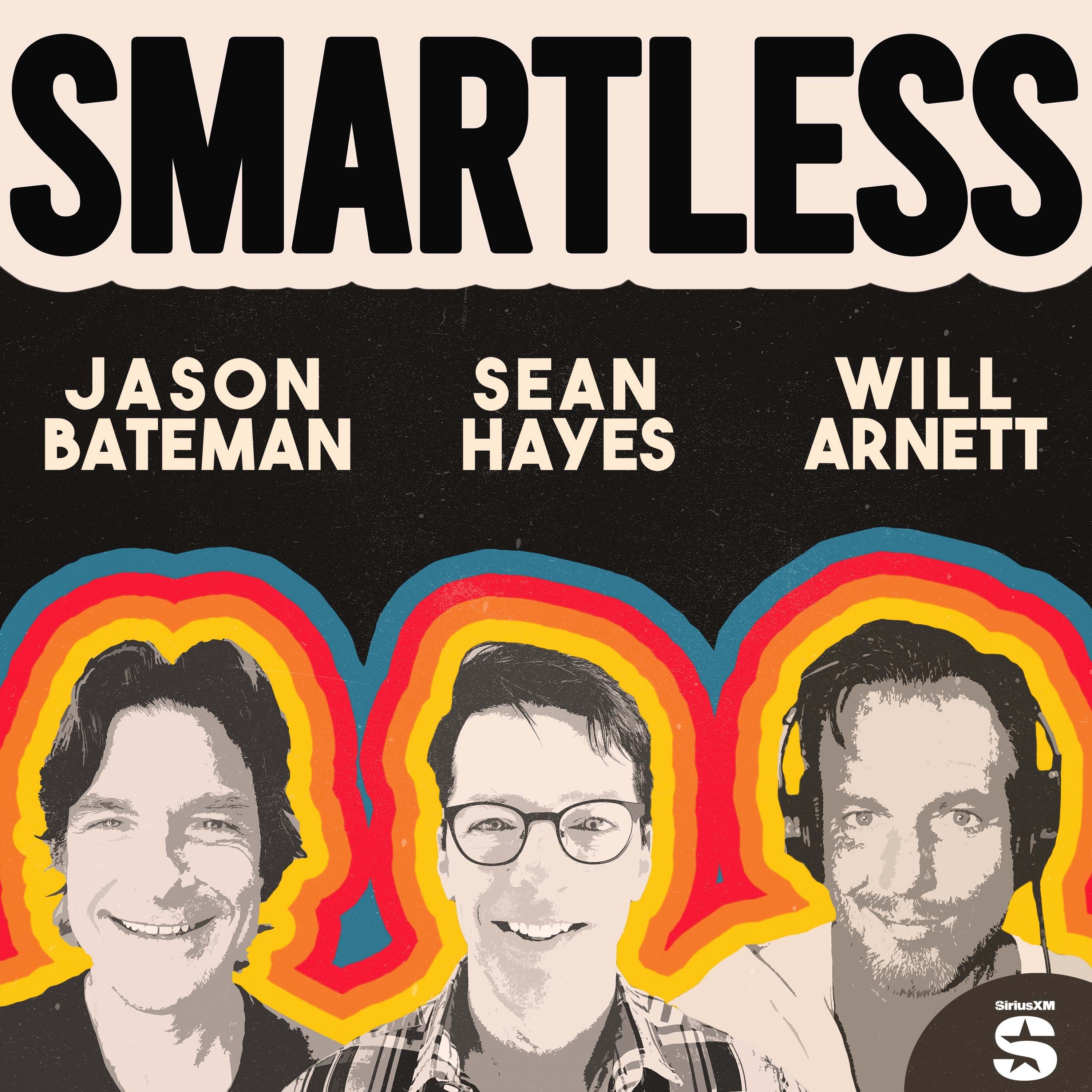
Paul Thomas Anderson, a prolific filmmaker with nearly three decades of experience, shares the evolution of his filmmaking journey, from early experimental scripts like "The Dirt Digler" to landmark films such as *Boogie Nights* and *Phantom Thread*. He emphasizes a collaborative, organic approach to storytelling, where themes and styles emerge naturally through research, shared vision, and creative experimentation with production partners. Anderson reflects on the changing landscape of film distribution, expressing concern that the rise of streaming and overlong series undermines the power of concise, impactful cinema. He values the artistry of film preservation and the history of cinema, citing his work with the Film Foundation and Quentin Tarantino as key to his dedication to the craft. A personal highlight is his connection with Maya Rudolph, formed during their time on SNL, which became a foundation for both their professional and personal lives. Anderson also champions concise narratives, advocating against the over-extension of films into lengthy series, which he believes dilutes storytelling effectiveness. He balances his intense creative work with family life, highlighting his presence at home and his belief that filmmaking and fatherhood are deeply intertwined through shared experiences and emotional authenticity. His career reflects a deep reverence for the craft, the evolution of film, and the human stories that lie at the heart of cinema.
Okay, here we go. This is going to be a smartness episode. Let's tune up the ears, get the wax out. What are you doing? The papers are getting set. The prep is done. Okay, ready? Here we go. You guys ready to talk? Guys, guys, what are you guys? What? It's an all new smartness. Oh, guys. [Music] Okay, hey guys, look, wait, check this out. Oh, sure, yeah, start right away. Yeah, start. Have you been preparing? You see that look at the sign? No, that sign right, my finger is. Oh, wow, wow, wow. Did you know that a week ago that you were going to be staying in that apartment? I knew, I knew the name of it, but I didn't know where it was. Yeah, Sean, for the listener, Sean started his stay there. What is it going to be like a multi-month stay in Chicago, right? Yeah, three months. The first night he was there was Valentine's. And appropriately, he and Scotty saw a couple consummating valentines right across the street. And like in kind of like, it wasn't even like, it was all the lights were on. It was somewhat impromptu. We won't get into the graphic details of it, but it was clearly not a planned consummation. No, all parties were upright is the point. And it was it was half a wobbly age, okay? It's not wild. And Scotty's like, I go, what are you looking at? And he's like, come over to this window. How long was he looking at the window before you noticed he was staying? It was a minute. And he kept saying, and he kept saying, come look at these people in love, right? He kept saying, look at these people. I mean, they were telling that in case you didn't know, it's Valentine's day. I love it. No, do you think they wanted to be seen? That's why the shades were up? Yeah. You know, I think people are just used to living, well, will you speak to this? You've lived in New York City. Do you just get used to the fact that people might be watching you or do you. Well, that. I think you go back and forth. I think that you have moments where you're like, oh my god. And then you also have moments where you're like, you just live your life. And you don't think about it. You can't think about it all the time. I mean, you could pull the shades down. Oh, sure. I would suggest that those people who are engaged in that, in that moment, didn't care. And in fact, that that probably was there to heighten their experience. Now, Shawnee, you're back out on the road. How's. We'll get to our guests here, apologies, but Shawnee, how's the first few days of rehearsal going on? How's Oscar LeVance? Good. So Shawne's doing. It's not a musical, right? It's got some music in it, but it's a play. Okay. So he's going. So he's there now. He's a weekend of rehearsals, and it's pretty arduous to rehearse a play for the listener. And Shawne, are you loving it or having regrets? Oh, my god. I love it so much. I mean, it's a ton of work, but. Thank you for asking. It's. Yeah, it's a ton of work, but. But really rewarding. You know what I love the most is the. We're in the process of sitting around talking about the play page by page. Making sure everything makes sense. And the backstory informs what the characters are doing. It's kind of. Is it the first time the play is being done? Yeah, it's the thing you play by Doug Wright, who won the Pulitzer for I Am My Own Wife. Sure. And he wrote movie quills and. Amazing writer. Well, that's a plug, Doug, for sure. Yeah. You know, is he of a website? (Laughter) Oh, by the way, it's called Good Night. Oscar. Oh, good night, Oscar. We know. And we have told where can people find their tickets? Audience across the country. No. Oscar LeVance backstage at the Tonight Show. Nobody's going to go to the play now. Everybody feels like they've already seen it. Well, maybe they'll check out Murderville again. Yeah, exactly. Let's give that another bad idea. That's not a bad idea. How's that doing? Well, people seem to really be enjoying it. It's been very nice to see people enjoy it and have fun with it. The listener, that's a show on Netflix called Murderville, that Will or Net brought to all of us. It's very. And, you know, well, so we'll go from that. So from Good Night Oscar to Murderville to. The other big question we got a lot on the tour was. Jason, when are the final six episodes? It's seven, but not a big deal. Seven. I don't know if they. I wanted to surprise people with the seventh. Sorry, there's a bonus. Yeah. After the credits, there's one more. They're going to announce that soon, but it's. You can't say it. I cannot say, but it will be soon. All right, here comes our guest, y'all. Okay. All right. Sean, well, today I get into a little bit of trouble with you guys. I apologize. I know that you hate it when I bring an academic on or a scientist, big brains in general. But this guy seems to. Not a real. Really? Just hold on. He seems to really be liked by those who have taken his class. All right. He's been teaching filmmaking for almost 30 years now and out of some of the top institutions in town. He's taught his students mostly through doing in that he's managed together the funds necessary to himself make nine films. On subjects is odd as a single digit, night time mucus, party drinks, hemophilia, major golf tournament, addiction, haunted textiles, and Italian candy. And if you can believe it, these films have yielded in 11 Academy Award nominations. Most importantly, though, he's got four kids, a house in the valley and married to the coolest woman we three know. Gang, it's Paul Thomas Anderson. No. Yeah. Oh my gosh. Yeah. Hello. Oh my gosh. Oh my gosh. Hi, guys. It's so good to see you. Did you guys have a guest with that list of subject matters? Did you really had me reeling on that? Did I bury it good? Yeah. That's a great intro. I worked on that for a whole nine minutes this morning. Paul, would you have been able to guess yourself with that intro? Come on. Now, let's guess it. So a single digit, which one is that, man? Well, I did it in order. A single digit, obviously, is hard. Night and nighttime mucus. Come on. Boogie nights, y'all party drinks. Oh my gosh. Okay. Party drinks. We've got punch drunk love. Hemophilia. There will be blood. Major golf tournament. Obviously, the master. Yeah. Addiction is inherent vice haunted textiles. We know and love Phantom Thread and Italian candy out in theaters now. Oh, wow. The Valley Famous Likers piece of record store. That's incredible. All right. Pretty good. I'm so proud of myself, Paul. Can you see? I'm just beaming over. So. Guys, we can't do early morning records. That's like the USAIDs today crossword version. That one, man. Wait, but Oscar Levant is one of my heroes. Really? Oh, really? Well, you go. You two are amazing, isn't he? Yes. You know, there's a great Oscar Levant show that he did that was here on KTLA Channel 5. And Fred Astaire was one of the-- That's exactly right. It was impossible to find forever and ever and ever. I have the whole thing if you want it. No, well, I remember it was this impossible to find thing. And then when this thing YouTube came around, I remember thinking, I'll see if this thing can really find something I want. And I put an Oscar Levant show. And there it was. I said, oh my god. I like YouTube. It was there. That was great. Yeah, yeah. Dear Mr. YouTube. Great job. What's your-- while I'm thinking of it, because my brain doesn't hold stuff well, the first shot in Magnolia was that when you go through the hallways and you go onto the sound stage, isn't that the Tonight Show stage? Yes. Right? Speaking of the Tonight Show Oscar Levant on site. Yeah. What does they call it officially? It's NBC. It's where the Tonight Show with Johnny Carson, you know, they did that. But they also did the local news there. I remember a big deal as we were shooting. And we had to-- it was the days of Paul Moyer. Do you remember Paul Moyer? Yeah. And we just needed to move his space over a couple of spots. And it was like, you know, three days of negotiations to move Paul Moyer's. Hi. And he was not having it. And it was on a Sunday. He wasn't even shooting. Oh, my God. We wasn't even there. He just didn't want his stuff messed with. He just didn't want his spot messed with. Somehow, I remember-- I don't know how I remember this. He had a bright-- I think it was a bright red 9/11 DP Targa. Like one of those with the big whale tails. I like it. Yeah. I really cut you off once on Carlos. No, I just remember being taken. And a local newsman would have some big ass flashy cool car. And he pulled it off. That guy, very, very cool. Yeah. He was a-- it was hand to hand fight with him and Ron Burgundy would be great. It was the very similar kind of, you know, thing. Speaking of cool network, newsmen kind of a little bit of a reach. Your dad was the voice of ABC for all of my years growing up in Los Angeles. Oh, really? Yeah. If I played that voice for you, you'd knock you out. You'd be like, oh, my God, that's Paul's dad. No question there. I just want to mention that is something very, very cool. Well, actually, so Paul, we've talked about this briefly before once. Because you mentioned your dad was the voice of ABCs you said. And he was like the original real promo guy on networks. Yeah. And my recollection is-- and so I'm going to say this. And then you can tell me what you know about this. And if I'm wrong. And he would record the promos for all the never. And the promo guys are-- when you watch the show, when you're watching a network and you hear.
coming up tonight at 8 p.m. It's an all new blah, blah, blah, followed by, blah. Oh, that was your dad. That was your dad. And your dad would sit in the room with the engineer right next to the board. And he had a 416, a shotgun mic. And he was the first guy to do that in that way. Is that right? I don't know for sure if that's exactly that technical thing, but that the image of that shotgun mic, you know, he would never go into the booth. He wanted to do it in the control room. Was he because he was actually in real time wanting the telling the guy how to modulate his voice and do all the EQ and stuff? I think that had something to do with it too. And I think he, I think he was smart enough for it, done it enough to know like, I'm not going in the booth. I'm going to be with you guys. You know, it's going to be exactly the same. I'm not, you know, he also like to smoke while he was doing it too. Right. Exactly. He really likes that. Willy does a little of that. Not in the booth, not anymore, but, but I will say that like, and then we'll get out of the weeds on this. So traditionally, all the voiceover guys, especially in New York, where a lot of it used to be done back in the day, everybody used the mic that's a very company that I do have over here. And what we refer to as an 87, a U87, it's a great mic. Oh, thanks. Well, of course, keep going, 88. Your dad loved it. He changed that by using that shotgun mic. And he forever changed. And it became the West Coast microphone that also when I would come out here and go to a recording studio, they'd always have a shotgun mic. And it was because of your dad that that became the standard out. Is that like the Johnny Carson one that was on his desk? Is that what a shot gun mic is? What is that? No, that no, no. Okay, bye everybody. Oh, see you later, Sean. So Paul, you did not know that, huh? No, that sounds fantastic to me. And it doesn't seem too far from from accurate even, you know, he did have obsessed over that kind of stuff. And I'd probably passed a little bit of it on to me. Were you close to him? Yeah, very. Oh, that's nice. I got to go, you know, I had that opportunity to go to prospect and tellmage was where he would go to work at ABC. And, you know, generally, that was sort of my first taste of being around anything that was show business related. And that was magical to me. How old were you at that point? Anywhere between the ages of probably five and, you know, nine, 75 to 70. Did it strike you as being like a peculiar thing for your dad to do? I can say from my own experience, and I asked this because I say to my kids sometimes like it's when they do stuff, or I do stuff, or they come in a work related environment, like it's weird, right? That this is what you're because it's weird to me, yeah, if my dad had done it. And I sort of acknowledge it. Was it did it seem strange or just because it was your dad? It seemed strange only because it was not I was proud of him, but no one else could recognize this the pride, you know, it's just just behind the scenes gig. There's nothing there's nothing kind of famous about it. You know, you don't walk down the street and somebody say like, wow, there he is, you know, if you're a dad to baseball players, right? He's like, well, you know, there's no recognition to it really. It was this, but that's what he loved about it so much is that he could just kind of have this independent life coyoteying around town and, you know, doing his work and getting paid for it. So you're sitting there, you're watching kind of the sausage get made for television and in some aspect. And were you were you at that point starting to gather these images and interest in this process and what it will Oh, these are the people that are behind the curtain that create at least this lane of fake life and and and that started to build an idea for you about what you might want to do or get or can you can you track the moment that you thought I want to do something like this. I can't remember because for as long as my memories are there, I've wanted to make films for sure. But you have to remember I mean, Jason, you'll remember that there was like such a dividing line between making films and making television, you know, television back then was like, you know, anybody can do it, you know, right movies is like this, this gold ring like not everybody gets to make movies, you know, right. So you started to experiment with little home movie and it's not it's not an uncommon story, right. And now it's the same exact story as everybody else. But I had the the the camaraderie and that was so crazy. Now, I mean, I look around my my life right now and I see my relationship to all the people in dark rooms that I work with engineers and things like this through the entire process of making a movie and like, this is exactly what my dad did. You go to a dark room each day and, you know, trying to make something happen and the and the friendships that that he had with those guys, I look back and I think I was really inspired by I always just thought that's what a friendship was, you know, he's kind of he was very close with all these technicians and guys that that he worked with. So those are the people that are around our house. Yeah, my one of my first experiences was people that were very, very close with the crew or at least a full understanding of the importance of the crew as opposed to sort of this sort of terrible traditional kind of look at like, oh, you know, the that's, you know, some people look at crew as sort of soldiers and that, you know, the the folks that are in front of the camera, the ones that are that are super important when it when the when the opposite is actually the truth. And so was that did that start then understanding that, oh, my God, this is this is really difficult. And there's actually nobody on the set there that doesn't need to be there. Well, the only people that don't need to be there are like studio executives and producers and, you know, that's what I learned probably from my dad. It was like whoever's whoever's, you know, he kicked all the people out of the room that are not completely completely essential. You know, you learn pretty quickly who isn't, you know, they scatter. Yeah. So so grabbing those early video cameras, movie cameras, stuff like that, that sort of a pretty common story where you kind of point a camera stuff and you kind of take little little kid films and you little army men and that that's that's not uncommon. But what about the writing part? Did do you remember that your first experience looking at a blank piece of paper and trying to figure out how to start from zero? Do you remember that being humbling or or surprisingly easy? That's a really good question because I think you're right that the story of, you know, the filmmaker with the eight millimeter camera and then onto the video cameras, like there's a million of them and that's generally how everybody starts. But the writing part always excited me because I liked it. I think I got lucky that I liked it. I liked putting paper into a typewriter and typing out ideas and I liked the, I liked seeing it on the page. I liked looking at that idea. I don't know. From an early age, I've always liked writing and formulating things on paper and when you learn on a typewriter, you learn how to make it right the first time because the last thing that you want to do is, you know, is go through that. And I had and I had the one story as a typewriter? No, I don't, from time to time, I will just for fun to mix it up, but no, I don't use a typewriter anymore. But I, remember the one script that I had, I think I have to credit my mother for this is I had the script for Holy Grail. Oh wow. Monipython. Monipython? Monipython was published as a little book and I loved that movie so much. So this would be like probably eight, 78 or 79. By the way, they're both like Monipython. No, the actual Holy Grail you were helping Tracy. Okay. So I had the what was the script for that and I, and then I just copied that. I just copied how the formatting was of that. It was a great way to learn. So I can't think writing is either something that you like doing or you don't like doing. I mean, you know, it's it's yeah. I got a dumb dummy question. When you when you drive, when you're just driving around like the driving around during the day with your kids or whatever, do you constantly think in images or see images and think of filmmaking? Like do you, is it hard to turn it off? Yeah, it's no, um, it's easy to turn off. Okay, never mind. No, I don't like walk around like rain man or something like that because I always think of like like whenever I'm driving around, I always see like images and I have to be so and I see like a frame around or something. I'm not a filmmaker. Especially when I'm like when you listen to music, do you find that happening, Sean? All the time. You basically start cutting videos right on the big E change. Your eyes go right, you know, and I dork out like that. How many, how many WAM inspired movies have you made, Sean, in your head? Oh, there's got to be like 12. I mean, you know, they wake me up before you go, go was my Holy Grail. I am. You know, they're like, I was like, I can't believe there's just a lens itself to a real cinematic. Paul, this could be the best interview. Just I like it. You don't get to talk, Paul. I know. This is why I like it. I just wanted to hear you guys. I have to tell you my favorite. I heard, listen to, I don't listen to you. I haven't listened to this. I have. Of course, I have. But the one joke that stuck with me forever and ever and ever was, um, will sing something about, um, your father, Jason. And he, and by father, he met the security guard at the 20th century.
That sounds a lot right Jason crime don't make you cry It stuck with me where I think about that's what I think about Shawn when I'm driving down the road There once for a while. I'll think about that chase something pops in your head You think God that was really really really really funny Surprising when you're in the car and you're driving around you're not thinking about Sean's dad peeling away from Because he's really handy in a car. Yeah, still hasn't come back And we will be right back And now back to the show Paul what and forgive us for just being such fools I'm sure we ruined many of your days having to listen to but wait. I want to know about I want to know about If you get an idea start talking Go ahead will I just want to get this out of the way I think I've seen I'm pretty sure I've seen every single one of your films Okay, and always been amazed by each one, but I just want to get this out of the way before I forget booking nights Is it true that that Leo was up for the part but Mark got it or Leo turned it down because he did Titanic or is there any truth to any of that? Shawn loves the dirt Paul that is very true is that I asked Leo to be in Boogie nights and he spent many many months agonizing and debating about it and and ultimately um what I didn't realize or kind of came to realize about halfway into that this sort of long decision making processes that he was he had a choice to make Which was to either do Titanic or to do Boogie nights and he chose to do Titanic which Of course in the long run catapulted into this massive worldwide fame, but on the other hand, I think what he possibly but I think it was We laugh about it now, but he you know regrets missing the experience and doing it, but Yeah, that's that's true. Yeah, that's right. I just always wondered that it'd be um well now you know That's so well, man, I would have never never known will was your question as good as that Not as good as that actually that was very interesting and well done Shawn Uh, I like the idea of back to Google back to Google shine I thought you guys say I thought you were gonna say and I to this day I still think Leo made a huge air in judgment You never let it go, but but what was I know the question actually was just simply what was that first thing that you that you wrote and you said I should film this yeah, and that you first thing you actually put to film that you from your own words Well, I did like short treatments and shotless and things like that, but really I the one I funny enough that when I was um 16 Just about to turn 17. I wrote a short phone that was Called the dirt digler story that was what boogie nights became and it was like a 20 It was like a 23 or 24 page script But I did it in the format that was there was a popular at the time and all I had was this sort of bad video camera So I realized it wasn't gonna look good. It wasn't gonna look like a movie So I wrote this thing that was about 23 pages long And it was interviews with people looking back at the life of this guy dirt digler Oh a current affair was a very popular show at that time. I remember that They would always have these insanely over dramatic, you know, and it was so preposterous that it was so trying to Find a way into the story that I thought was interesting Which is the pornography that had surrounded me my whole life living where I lived like it was so obvious what was around me And then writing it in this format was like a doable thing like okay I can get somebody him doing an interview with them, you know, I mean, it's a it's a format that's Still at work, you know but at the time it was really like the most convenient and plausible way into a story with the equipment that you had at hand Did you have you transferred that from from V8 was a VHS? I know it was eight millimeter eight millimeter video so of high eight I think they would have you transferred it to something that'll last and are we ever gonna see it? Hopefully not. Hopefully it's somewhere. No, it's it's it's it's transparent. It's transferred within an inch of its life It's available. I think it may maybe it's on YouTube. I'd have to look. Oh really. Yeah. I'm not sure wow It's not terrible. There's still some jokes that are the same and things then and some pieces that You know remained in boogie nights, you know, what was great about that Was that what I didn't even realize at the time in terms of the writing in terms of really learning how to write Was that I'd created this kind of these fictional characters in this fake documentary, right And then I realized what I had to do was adapt that adapt this these fake lives Into a movie and I spent the next um will probably about ten years Doing that so I like wrote a 90 page version of this documentary and then I realized well I don't want to do that. That's a kind of that's not the right format for this. I want to write this as a fictional film So I did that, you know, for for ten years I guess it was the way that I learned how to write really was practicing telling this story in multiple different ways It's funny that that seems to be a recurring theme with a lot of filmmakers and writers I know, you know, Kenny Lonergan used to do um At back in the kid angels in this theater company in New York in the 90s. He did Various scene nights on Monday nights where he would do the scene about a brother and a sister Then just this guy who was Kind of lost in his 20s in New York, et cetera, et cetera, and it took on a bunch of different incarnations a bunch of different scenes Which eventually then became this is our youth the play right that my then girlfriend Miss Yeager was in with Rough Mark Ruffloon Josh Hamilton that then became kind of Really I think the inspiration for you can count on me, you know and and but it was like the similar story similar theme that he told in various ways over at least 15 years before he kind of landed on on that yeah, um I'm sure you can probably relate to that For sure, you know, maybe there's leftovers and you're just I don't know How deep is your well, I guess you keep you well to to that point I mean do you find that it was basically a a peeling the onion further and further back on a specific theme that you thought this Sort of story was a fun example of um, and if so, what is that theme? Yeah, but that's a can you write a theme? I can never write a theme well, I mean, but I mean you tell me you know you're doing A theme of being let's say The the irresponsible chase of fame. No, I never I never have anything good like that I always have like just like no like I never ever have I have more like facts like well, what would what really happens here? And some steal from real life like Every story was essentially the same You know, it was like if the exaggerated version was the guy who steps off the bus and you know kind of comes to Hollywood with big dreams And takes his pants off and then the next thing you know, he's a big star and it was any classic rise and fall story So I'm always just sort of following any steps of of reality. I mean, I don't know. I never I get so scared of writing to a theme or having anything like that beforehand I can remember at a certain point Maybe needing help like like what is the story and Luckily enough coming across singing in the rain and being like all right It's just the same thing as like silent talkies, you know This it's this transitional time in whatever industry they're going from shooting on film to shooting on video Like use things like this to tell your story and hold and whatever themes will We'll just emerge later. Well, yes, so you write a story and you basically just write a script because it's To oversimplify it you you this this this event runs to this event and this event and this event and now we have an ending and it's a fun story And now you shoot it and all that worked out well now you're in the editing room and you start to shape this Pardon the phrase experience for the audience and it starts to sort of present itself as a film and you start working with either temp music or the actual score And maybe themes start to develop for you as a viewer as you're viewing it trying to keep the the optics of a viewer Do you allow that to happen and then does that inform the way you finish the film and oh here's here's a little theme That's existing underneath this crunchy story that's kind of fun Does that does that do you find that that happens? I find that that's exactly what happens with the exception that That it does happen a little bit earlier you know that that once you I mean this and I'm not blind, you know as you as you're writing something You maybe have you you're fighting off the idea that the theme is right in front of your face Just because you want to try to tell something factually and What ends up emerging emerges and you can't fight it or hopefully you like it. You're enjoying what's happening But you I think it and you you keep a half an eye on it But really you keep the other eye on what are the facts what are the facts what are the facts of the story, you know Why why is that because I don't know I find films that overindulge in Telling me the theme it are are annoying, you know and boring So But yes to your point that once you and then you get into shooting and you're seeing daily And you're seeing stuff emerge that is really exciting or stuff that is unexpected and you either embrace it or you say Perhaps this is not going in the right direction But very more often than not you can't stop what's coming nor should you that you have to kind of be Surrender you're guiding a shit
but you're also surrendering a bit to the path that's happening. And, you know, performances kind of get bigger or smaller, whatever ends up happening. And then it just keeps on going, and you keep refining that through the editing and all that. - One of the, if we can get into staying on the idea of themes, one of the themes of, it seems to me, of your films, is that they're very specific, visually and stylistically, each one different in its own way. And, but you, they do seem so specific in the writing. And, so, what is your relationship like, again, going deeper into the weeds on filmmaking? But what is your relationship like with your production designer and your DP leading up to when you actually shoot? Because it does seem like all of your films, I told you once, at risk of further embarrassment to myself, and to you, you know, for instance, there will be blood. I feel like it should be just hung in, in MoMA, and left there for people to, it's an incredible piece of art in every way from the writing to the direction, to the, to the art direction, the production. What is that like for you leading up to actually rolling film in working with those departments? - Well, it's the great joy of collaboration, particularly when you're doing it with somebody that you love and work with. Like, for instance, on that film, I had never worked with Jack Fisk, who's one of the great production designers who started his career with Terence Malik and David Lynch. They kind of go back to their beginnings together. Anyway, I contacted Jack Fisk and had written the script, and I needed to kind of create, I need a lot of help with making oil derics, and the recreation of an early California town, and there was only one person that helped do that, so it started a great collaboration. Jack Fisk was, we were kind of trying to learn how to get oil out of the ground and really trying to really do our research, and he said the greatest thing. He's like, I found that if we can just get a children's book about this, it's really better than trying to really understand how to do it with all these kind of books sort of this thick. And it was one of these great lessons in like, yeah, get the children's book first, and don't be, because it'll have drawings, it'll be simple. And it was like, wow, Jack Fisk gets the children's book first. All right, that's a really good advice. But we had the incredible joy of going to scout locations together and find a place to make this film, and I learned from him one incredible trick that I still try to make true is that the more you can have a location where everything's close together, the more freedom you have, here's what I mean by that, is that if you shoot a scene over here, and you see it a few days later, you think, that's the worst scene that we've ever done, we should really try to do it again, is that you can go do it again, you know. You kind of create your own, you create your own backlog, you create your own universe, and try as much as you possibly can to not move too much, but to have a variety of different looks and things happening. So that, I don't know, I'm lost in whatever your question was, it was kind of like the collaboration, that's. - Well, the simplicity sometimes yields some of the most complex and sophisticated results, perhaps. Yeah, and that's my role. - Yeah, was there a similar process with Johnny Greenwood, who did the Fertrecy, was the composer on that film? I believe it was the first time he'd composed music for a film, and the first time you guys worked together. - Yeah, yeah, there was a piece of music that he had written for Orchestra, 'cause he was already well first and had a right for string instruments. It wasn't like, don't let him fool you. I mean, I know he's. - But obviously, he's score was incredible, as was everything else in the film. - It was really incredible, and it's an opportunity. You know, look, I think, I don't know, there was no kind of crazy weird instrumentation or something like that, he does do funny things with instruments where he'll detune certain pieces of the orchestra and keep others in tune. And so he has the ability to make it sound very familiar. You're hearing string instruments, but that sounds just out of body enough that you can't quite place it. So he's brilliant like that, but that sort of stuff, it's nice and it's trickery, but he writes beautiful music, that complements the film, and they go hand in hand, and it was the beginning of a beautiful call. - You can't really keep that in mind when you're writing, like spaces, or do you listen to stuff when you write it? - Yeah, for sure. I mean, I had all kinds of, the stuff that I was listening to was stuff that he likes anyway. It was a pen-director here, Schubert, or, you know, even the piece that he had written for the BPC orchestra. So that was already kind of informing where my head was at. And it was nice to go to him and say like, you know, the movie lends itself, too, to just like wide open spaces, and like a huge opportunity to fill long gaps of silence with music that can either be giganticly loud or even just simmering underneath. So it was quite a good entrance into the game for him. I love that. - What's the music that you put on when you go like, pick up the kids from school or whatever? Like, what are your bands? - Yeah, what's the music you have to take off the stereo when your kids get in and put on? - Well, they're already sick of that smile record. They've been hearing that enough. - Yeah, of course. - They're like enough with that, enough, enough, enough. - So, well, come on. What's Pearl listening to right now? - Pearl is listening to. Well, you know what she's listening to is anything, and I don't know than many of the artists, but we're kind of obsessed right now with this film, The Worst Person in the World. - Yeah. - I don't know if you guys have seen it. - I've seen the trailer. It looks great. - Oh, it's fucking magical this film. And it's got this great soundtrack. So we've just kind of been listening to all this variety of songs on that soundtrack, there's everything from like Harry Nielsen and Todd Rungring to a lot of new stuff that I've never heard in my life, you know? - Yeah. I wanna ask you something about streaming versus wide release and where we're at and the business of that. And you know, it's having this conversation with a friend. And we were talking about how, for example, West Side Story or Likresh Pizza or whatever it is that's out there that's fantastic right now, how that would have fared with a really long wide release run. Would anybody see these things? Are we really truly at the point where we just wanna see stuff in our homes? But to the filmmaker I imagine, you want it to be seen on that big screen for because of the genre of filmmaking, right? Because of the thing that lends itself to that. So what are your thoughts about that? - Well, yeah, I mean, I don't know. I kind of like, I don't, I mean, I like everything, you know? I mean, I really do. I sound like Daniel Plainview is like, I like all kinds of religions. - They're all fucking, you know? - Yeah, I get to make a play. - And then you stick to your back. - Exactly. - But when you make a movie isn't the idea in your head, I can't wait to see this on the big screen. - Yes. - Right, absolutely. - And so with the business of this business, it just seems to be less and less that if it's not one of these big superhero movies, it's gonna-- - Well, listen, that's exactly right. I mean, to that point is there's probably, you know, 30 theaters in this country where it would look great and sound great, and the rest are in filth. I'm sorry, but it's like, you know, it's, and that's the sad truth of it, is that I can understand why everybody says, like, "Oh, piss off, I'm staying at home." You know, you want me to pay for babysitter and pay for parking and come in and look at this shit and look at it on the screen that you guys haven't even, you know, I don't know, I'm hard to defend at a certain point. - Yeah, but I'm sure that if God forbid, the business became a place where it's only event movies in theaters and the only place that you can expect your film to be seen is at home based on it's not a big effects thing or whatever. You'd much rather people see, be able to make films and have them see it at home, then make no films at all. - Right, but I don't know, I think that's kind of bullshit too, because the reason why is when all these theaters were opening up again, you know, you have these huge gigantic 25 plexes and stuff like that and everybody was crying, though they're empty, it was like, well, what did you fucking think was gonna happen? But if you go to any of the great theaters, let's say in Los Angeles or New York that are playing specialty programming, they're packed with people, they're all turning out. They're film lovers, they're people that you know are gonna come out and turn out for this thing. And because there's one theater with 400 seats that they can fill and they can do two shows a day or three shows a day and people will still turn up was like everyone's scratching their head. No one's coming back for the movies. It's like, well, they're not coming back to these horrible pyramids that we've built. - But Paul, I think that what you're maybe you're saying, and I don't wanna put words in your mouth, but there is a little bit of, well, of course they're not gonna come back because look what you're putting in the theaters is part of the problem, A. And I can say that and I know it's hard for you to say because of your position in the films that you make and you probably don't wanna be that guy who says that, but you make the kind of films that you want that are really incredible films. And at the same time, you don't seek out recognition for yourself in a way that a lot of other filmmakers seem to do. It's never about your own sort of, you know, increasing your person.
So my question to you is how much of that are you aware of show business, in fact? Or are you kind of in your bubble of making the films that you make? No, I do, and then I don't. I slip in and out of it because I love part of loving movies as much as I do. The history of movies and my obsession with this work, which is then with me forever, and what I've made of my life, it does involve being fascinated with the way that it moves. Like we were talking about forcing in the rain. That's a fantastic story, the way that what happened to the movie business when it changed from talkies to. So I constantly try to keep an eye on that or try to understand it or have enough friends in this business from over the years that I can call up and ask, what does this mean? What does this mean when this film is doing well or what is going to happen here? What ties do you see turning? It's nice to gauge that stuff. I love this business and I love movies so much that I have a real interest in seeing it survive. But more often than not, the volume of my day becomes more about film preservation and film history and trying to keep that stuff alive. And then just sort of looking to see what's happening and reacting, I suppose, but I don't know. How often do you collaborate with Quentin Tarantino on those efforts? Because I know he's got a real passion for the history of cinema and turning people on to stuff that perhaps I haven't seen. He's great about all that, but he's amazing about it, one of the best. But he also really runs in his own lane because he, the person who I collaborate, the most of that is Scorsese because he has the Film Foundation. He since the late 70s, early 80s, went around to every studio in town and said, look, this is when it was really tragic. The products they had made since their existence were really fading away and dying and work being taken care of. This is just on the cusp of VHS coming around in home entertainment. So he was really out there at the very beginning with the Film Foundation saying, this is the biggest cultural historical thing that this country has to offer. And we have to preserve it and we have to take care of it. We have to invest money and time and manpower into figuring this out. So being a part of his Film Foundation has been, I mean, one of the great honors in my life. It's great. We'll be right back. All right, back to the show. Paul, I know you're a huge, you're a big comedy fan. And you've obviously collaborated with, with Sandler and married the funniest woman in Hollywood. Yeah, in the world. We maybe can just say the world for Tracy. I mean, Maya Rudolph Tracy. Maya was one of our first guests. I said that to her. I said, you were one of the first guests. She was like, no, no, I was. I said, I think you were. She was like one of the first two or three, right? Yeah, Maya is one of those people. As you know, Paul, did you get more peace of the pie? No, no, we should have. We sent her a cake though. Yeah. She should have gone. But she is one of those people that anytime you're doing anything funny, you go. So then it would be great. And then you got it for you. Get Maya. Just to stamp it. Yeah, you know, because she's so, just. How did you guys meet? Where did that, where did that, you know, as Will was saying, you've been a huge fan of comedy for a long time. Was it just, did you just fan out on her and say, will you have dinner with me? It was just like that. Yeah, simple. Or did you swipe left or right? How does I don't know how? See Paul. See Paul. It's not easy. It's not easy to bite your tongue with it. He wants to hurt me. I know. I, you know, it's funny. I'm not sure what it is that it's. I guess it's like anything like, you know, I don't know. There's like, you know, actors that wanted to be rock stars or. You know, musicians wanted to be actors. Like people that making serious films really just like the one thing they really love was comedies. You know, like I made these films. I thought that they were funny, but people were so like, Larry, it's not. You're, you make really funny. Oh, come on. Well, I think, I think you never ask for a laugh. And that's what makes it so goddamn funny. There's no winking. It's great. Thank you. Yeah, because everything, everything that that I watched or in my daily kind of existence was just like I just devoured that stuff. And I met Maya when she started SNL. Yeah. What, what, what was that meaning? Well, you know, the funny thing is is that she make a laugh at home to home. She sure makes us laugh. She just must be a cut-up at home. Somebody once said to me, it reminds me. I think I told this once. Somebody said to me, you know, when, when Amy and I were married, they said, what's it like being married to the funniest person in America? And I said, you'd have to ask my wife. What? What? What? I love that. Do you find that funny people are generally pretty serious when they're at home? Yes. Uh-huh. Nothing funny about it. But I know that. How did you meet Paul? How did you and Maya meet? I really do. We, we, um, at SNL, right? At SNL. I, that was at the time with Will Ferrell and Molly Shannon. And I had met Molly Shannon. And she said, you know, you could come and you can see how we do this. And at the time I was writing Punch Drunk Love and I was obsessed with that time that Sandler had been there. So I accepted that offer to come and look and then watch, you know, behind the scenes. And then Molly said, well, you know, let's direct a, you can direct a short. So I directed a short with her in it and just got to kind of witness the inner workings of this whole thing. And at that time I was also getting to know Sandler and asking him about his time there. I was getting ready to make Punch Drunk Love with him. And as I was getting ready to leave after my week there, my head was spinning. I was like, well, that was great. But I don't want to fucking do that again. Because it was so much. It was a different pace of work and I was thrilled to have done it, but that was enough of a taste. They said there was a piece of paper that somebody had put in my hands or something like that. And I looked at it and the information was on it that there was a new cast member starting next week. And her name was Maya Rudolph. And I can remember seeing her name on that piece of paper. If you've had any feeling like this, but you see something for the first time and you realize that my life has just changed. I don't know how. I don't know why. I don't know what just happened. But quickly you kind of move on. You just, whatever you have something else to do, you have to eat it. But looking back, obviously that impulse, whatever that kind of, that shining kind of feeling that can happen to any of us. It happened to it, it happened. And so I roamed around and then I saw her on television and I saw what she was doing. And I stayed in touch with a few people from the show. And I was like, my God, this one's amazing. And on my way back through, I stopped to watch. And we met at the show and then I had to go on to London. And I took to work on punch truck love. And then I got to London. I said, well, something didn't feel right. And I just came back to New York. Wow. And I came back and then that's fucking beautiful, man. Yeah, we're real. You were real. So you come back to New York because you felt drawn back to her and called her and said, let's go out. Yeah. No way. I wanted to make a joke in there so badly, but I love that story. I wanted to talk to my cold heart. Sean had that feeling, that same feeling of seeing something written when somebody pushed a flyer for a new vans that was opening around the corner. Well, I thought you were saying when he drove by a new chin chin and he had to double back. He knew his life. I didn't turn back. And I have a love sense. Jason felt the same way when he found out that deadline Hollywood had an app. But, but, but that is that's fucking incredible, man. And I love that. Maya reminds me to Paul that you and I born the same day, same year. Every year she reminds me. I think of it all the time. We're we're one on the same show. June 26th. June 26th, 1977. You two guys are. Yeah. But what city were you born in? Chicago. Every green park. I was born in the hospital. I'm a green park. I just say Chicago. Yeah. You? I was born here in Los Angeles at what is now the Scientology Center, which was, um, Saint John's, I guess it was, it was no, it was theaters of Lebanon. It was called on Franklin or no, no, the far right there where Sunset and Hollywood meet that that big, they blew building almost near prospect. Yeah, right. Right. I went from Catholic to Scientology at that building. That's right. That's amazing. Um, hey, um, you know, you mentioned Sandler. What was it you saw in Adam earlier than anybody else did? Well, I always liked it when Adam would get angry. You know, the violent part of it would come out. And it was like, and I, I guess I saw, um, the story that I remember. There was a sketch called the Denise show, um, where he's talking to his ex-girlfriend, Denise, who's played by Shannon Dardi. And it's a funny enough premise. And in he keeps trying to woo her, woo her back. back. But there's a moment when he starts screaming.
Um, I think he's, I think his dad calls up, like, and it's on the speaker phone, and he starts screaming at his father. And there was a moment where Sandler, Sandler's screen, he, he's so invested in it that the whites of his eyes turned black. And it like, and I could just, there was a level of anger and commitment to this performance. I said, that is something else that he's not just screaming and being like, he, he, he, he potentially is, is completely psychotic underneath all of it. I loved it. Um, great, I love that. Yeah. And it was, um, you know, he has a great physical way about him and I, um, yeah, loved working with, with Adam. Do you ever have any desire to be especially now that there makes so many of these sort of limited series? Is that ever, is that ever appealed to you, the idea of being able to tell 400 page over a longer? Yeah. Okay. I, I don't know. I want to be careful what I say here because I, only in the past couple of weeks have become a little bit preoccupied with the, what seems to be a real unfortunate turn of events, which is 80 minute stories being turned into like nine part, you know, things that it just seems to be the kind of, the call of the day. Like this is what we're doing. Yeah. Yeah. When in fact, you know, it's like piss off. I, I don't, this is, this is stretched out way too much. You know, I mean, I was watching, um, the purple rows of Cairo last night, which is about 92 minutes and absolutely perfect. And this is packed so much story. You know, it's so interesting because people say that all the time, they're like, how, did you see so and so, did you see the new series blank or whatever? And they're like, yeah, I tried to get in it. Well, no, you got to wait nine episodes in. Yeah, just really good. Third one. Right. I know. I'm saying, can it be good? I'm the first one. Yeah. No. So I, but I only have been really feeling this lately when I'm, and I, I don't have a leg to stand on because I haven't really, I don't, I don't want to sound like an asshole here, but I, I haven't seen much of it because my viewing always goes like, if I have opportunity to watch TV, I fucking end up, I'm watching old movies. You know, it's just sort of like my gravity pulls me that way with the time that I have in the day. But, um, you know, sometimes you have a story that's very large, like a large scale story, any kind of epic stories. And those are great. And there used to be this opportunity they would have like the winds of war or, you know, roots, or these are these huge mini series. It was like, okay, that's fantastic. That used to be a kind of work of art in and of itself. But now I feel this kind of slow motion turn towards stories stretched out too much, I think. I guess underneath it, I have a fear that the painfully difficult challenge of telling a story in preferably under two hours, hopefully 90 minutes, will start to get lost. But because I think it's a very, very valuable story telling to, you know, that structure is great. Yeah. I don't want to see that get lost. Um, there is the, the risk that we rewiring how we appreciate those things. And I watched that, um, the story of a Neville Chamberlain, you know, sounding the Munich agreement with Hitler over the Sudeten land, et cetera, et cetera, trying to avoid war. Mm hmm. This was just unwind the other night. Just unwind. Yeah. Yeah, it was. Yeah. What was interesting wise was that he was telling this really simple story that was just a snapshot of that time and of that very specific story in these two guys who try to alter the course of, and I realized halfway through, I thought, to your point, I was like, I'm surprised that they didn't try to stretch it out and that they'd actually made this film, became quite surprising to me while I was watching it. Because we've become so accustomed to and our brains are wired to, you know, great, there's going to be 12 episodes of this now. Right. Yeah. Um, well, let's talk about the opposite, uh, trailers. Um, I think you love trailers based on how incredible your trailers are. And I think you cut them yourself. I love trailers. Trailers are their own little art form and, um, I, I have, I have cut them in the past or collaborated with people. Um, the last one that we did was, was not cut by, by me, it was cut by a guy named Joel, um, who's got a company called Aspect Ratio. And it was one of those great moments where I just handed the film over and said, well, can you do something? And, and it was so perfect right away that we didn't say anything. We just said, that's it, you know, really, and that was really fun feeling, but yeah, I always, um, that was one of the joys to me of going to sit in a movie theater. Um, I guess there's people, there's probably two types of people in the world, people that like to sit down and watch trailers and then people that like to watch the credits of movies, you know, um, people like to watch credits and people that don't like to watch credits. I like to watch the credits. Yeah. Um, you once described having four kids in the best way I thought possible. And I think I mentioned this when we had my own, um, which was, and I'll, I'll mash this up, you correct me, uh, that having four kids is like having four cozy fires burning in the house, just hearing them run around and, and it sounds like you're as much of a home body as I am. How do you manage to work as hard as you do and still be an incredible father to not one, not two, not three, but four kids? Well, I hope so. I mean, time will tell. Um, yeah, this is very dangerous. I remember there's these great episodes with Lucille Ball, um, doing these radio interviews from the mid 60s. Yeah. I don't know if you've heard those. They were on serious XM for a little while and there are them. And you hear all these people, um, talking about their strengths as parents. And then you sort of realize, you know, the time has really proven quite differently that, you know, these people talking about, you know, we really spent time on the weekends and everything else. And you're like, uh-huh, uh-huh. Are they tuned for the book? Uh-huh. Yeah. But, um, I don't know, you know, one of the, one of the benefits of writing, I suppose, is, you know, the ability to work from home, the ability to be present at home. And shooting movies about the Valley. Well, that helps to, um, to not, to not go too far away. But even still, I think that, you know, I don't know, when I went to London to make Phantom thread, there was, they did come for some of the time. But then they understood that for two months, you're not going to see me, you know, but that's okay out of 12, 12 months in a year, as long as I'm with you the other chunk of time, you won't see that much. Sorry, Jason, when he says be present, it means that you are where you are and that you're aware of the surroundings in it of other people, et cetera, okay? Not just being good man. Yeah, right. Understand. Um, I will say I do love. This is such a, this is almost right to say, but you're, you're, you're affinity for your, your love of telling stories about Los Angeles, uh, in so many different ways and so many different times. Um, I find it fat. I find it really fascinating. You tell stories about the experience of California, unlike anybody else. And, um, because I think that there's always been that rub that California's not as interesting because it's newer, um, that, you know, that it's not the East Coast, that it's always kind of looked down on in this way. But you tell these stories about actually how rich it is. It's just different. Mm-hmm. Um, and they've got the Dodgers, right, Paul? Yes, they do. You know, well, yes, they do. Uh, Doctor guy. Yeah, catch him. Come on. Hey, so Tarantino says any great filmmaker only has 10 films in them. You've made nine. Um, tell me that tell me that's not. Oh, that's horseshit. I don't know. I don't know. I don't, I don't understand what he's on about. About that. Great. It's just like I need more than one more. Yeah. You got it. You are you going to, you're going to do it like Clint Eastwood until, until they cart you off? Yes. I don't know. Yes. I think you're going to do. I didn't, I think, yeah, what else are you going to do? You have to because you're because I would imagine your perspective on stuff changes as you get older. In other words, you would have made heart eight differently today than you did then. You know, better, no worse, just differently. You haven't made one bad film. Yeah. I want to see what your, what your brain is like when you're 85, what's interesting to you and how you compose shots and all that stuff. So don't stop. Please. Well, thank you. Thank you for saying that. Thanks for making a really good shit. Yeah, Paul, you're batting average. You're one of the fucking greats, man. I've, I always tell you that when it's you in person because I can't, there's no, I can't dress it up. Yeah, I just can't dress it up, man. You have, you've really honored us with hanging out for an hour. Thank you. Thank you. Thank you. Thank you, guys. Really. Please say hi to my. Yeah. I sure will. I sure are love. I hope I see you guys in person for real soon. I can hope I can come see your Oscar Levant play. Sean, I, I am really genuinely in. I love Oscar Levant. I would love for you too. Are you playing? Who's playing Oscar Levant? That would be me. You're playing Oscar Levant. I'm playing Oscar. Yeah. You should hear him play Rhapsody and blue too on piano. You know, he's a classically trained pianist. It's insane. Paulie, thank you for being here. We love you. We love that. Thank you. Thank you. Are you kidding? Thanks, guys. Hopefully we're out of the stadium and baseball gets our act together. I just fingers crossed. They will. They will. All right. Have a great day, man. See you, man. All right. See you. Bye. Bye, buddy. Bye. Bye. Well, that was a good get Jay. I love Jay. Oh my God. I mean, I've been working this for a couple of weeks with you guys saying I'm
I booked somebody that I'm excited about, that you guys won't be excited. I tried to kind of fake it a little bit. - I can't believe it, I can't believe it. - You know, it's true though, you know, when you name all his movies for Tracy, again, I know you said it at the top of this episode, but it's "Buggy Nights", "Magnolia", "Punch Drunk Love". - There will be blood. - "Legor's Pizza" now, and "The Man of the Spirit". - He doesn't miss, he never misses. - And you know what? - And there's so many years in between him making those, they just go, that's why it's so long because he invests everything that he is. And these things, that's why what you said, nine, right? He's only made nine. - Yeah, yeah, and they've all been great. - Yeah. - Yeah, he's, what a talent that guy, I'm really just, I think I seem pretty casual all the way through that, but my goodness is that guy hereo to me. - Yeah, he's amazing. - Yeah, same, I've known him just a little bit over the years from through Maya and every time, I think at every time I'm always right on the edge at risk of embarrassing myself. And I do end up saying stuff, like your movie was incredible and I can't get over it. And then I have to walk away. Most of the time I have to walk away. - I really, I would, I'd love for him to make some big broad comedy, the ones that I know he's a fan of. - Yeah, I know. - The stuff that, I was gonna ask him that. - Yeah, I mean, I'm sure he gets that question a lot. So I'm glad none of us did 'cause I wanted to ask him that too. But like, you know, you think about his affinity for that - I wanna do that. - It's kind of comedy, you know, Monty Python. SNL, I bet it would just be stunning. But. - Yeah, he used to be around SNL so much, obviously. And, and I see-- - You must love it. - But you know, I like that conversation about, you know, the streaming versus the wide, really stuff, because you know, the wide release movies, when you go see them, you have to pay for them. But when they're at home, they kind of feel like they're free, so you don't have to buy it. - The race to the buy from you is so remarkable. - Smart. - Smart. - Smart. - Smartless is 100% organic and artisanally handcrafted by Bennett Barbaco, Michael Grant Terry, and Rob Amjurf. - Smart. - Last.
Podcast Summary
Key Points:
Paul Thomas Anderson, a filmmaker with 30 years of experience, has made nine films on diverse subjects like hemophilia, haunted textiles, and party drinks, earning 11 Oscar nominations.
His early inspiration came from a 23-page script titled "The Dirt Digler," which evolved into the film *Boogie Nights*, showcasing his process of adapting real-life stories into fictional narratives.
Anderson emphasizes collaboration with trusted team members—such as production designer Jack Fisk and composer Johnny Greenwood—where creative ideas emerge organically through shared research and experimentation.
He values the authenticity of filmmaking, believing that themes often emerge naturally during writing, shooting, and editing rather than being forced into the story.
Anderson reflects on the changing film industry, expressing concern over lengthy streaming series and the decline of wide theatrical releases, while highlighting his dedication to film preservation and history.
A pivotal moment in his life was meeting Maya Rudolph during SNL, which led to a deep personal and professional connection, rooted in shared comedic sensibilities and June 26, 1977 birth dates.
He values concise storytelling, criticizing the overextension of narratives into lengthy series, and believes that powerful, tightly paced films remain a vital form of cinematic art.
Anderson balances a demanding filmmaking career with being a devoted father to four children, emphasizing presence, home-based work, and shared family life as key to his personal and creative well-being.
Summary:
Paul Thomas Anderson, a prolific filmmaker with nearly three decades of experience, shares the evolution of his filmmaking journey, from early experimental scripts like "The Dirt Digler" to landmark films such as *Boogie Nights* and *Phantom Thread*. He emphasizes a collaborative, organic approach to storytelling, where themes and styles emerge naturally through research, shared vision, and creative experimentation with production partners. Anderson reflects on the changing landscape of film distribution, expressing concern that the rise of streaming and overlong series undermines the power of concise, impactful cinema.
He values the artistry of film preservation and the history of cinema, citing his work with the Film Foundation and Quentin Tarantino as key to his dedication to the craft. A personal highlight is his connection with Maya Rudolph, formed during their time on SNL, which became a foundation for both their professional and personal lives. Anderson also champions concise narratives, advocating against the over-extension of films into lengthy series, which he believes dilutes storytelling effectiveness.
He balances his intense creative work with family life, highlighting his presence at home and his belief that filmmaking and fatherhood are deeply intertwined through shared experiences and emotional authenticity. His career reflects a deep reverence for the craft, the evolution of film, and the human stories that lie at the heart of cinema.
FAQs
Paul was inspired by his father, who worked in television promotion and had a deep passion for behind-the-scenes filmmaking. He also began experimenting with home movie cameras as a child, which sparked his lifelong interest in filmmaking.
A recurring theme in his films is the journey of individuals pursuing fame and success in Hollywood, often showing the contrast between aspiration and reality, with a focus on personal growth and the pursuit of authenticity.
He originally wrote a 23-page script titled 'The Dirt Digger' as a fake documentary, which later evolved into the foundation of 'Boogie Nights' through years of development and rewriting.
Paul values collaboration deeply, especially with production designers, directors of photography, and composers. He emphasizes creative partnerships that build on shared vision and mutual respect, leading to more authentic and visually distinctive films.
Yes, he believes in the unique experience of watching films in theaters, especially for films with cinematic depth. However, he acknowledges the current shift in distribution and sees value in both formats, though he values the theatrical experience more.
Paul often starts with a story concept or a specific idea and experiments with multiple formats, such as fake documentaries or short treatments, before shaping it into a full script. He values process over structure and allows themes to emerge organically during development.
Chat with AI
Loading...
Pro features
Go deeper with this episode
Unlock creator-grade tools that turn any transcript into show notes and subtitle files.
 PodcastTranscript AI