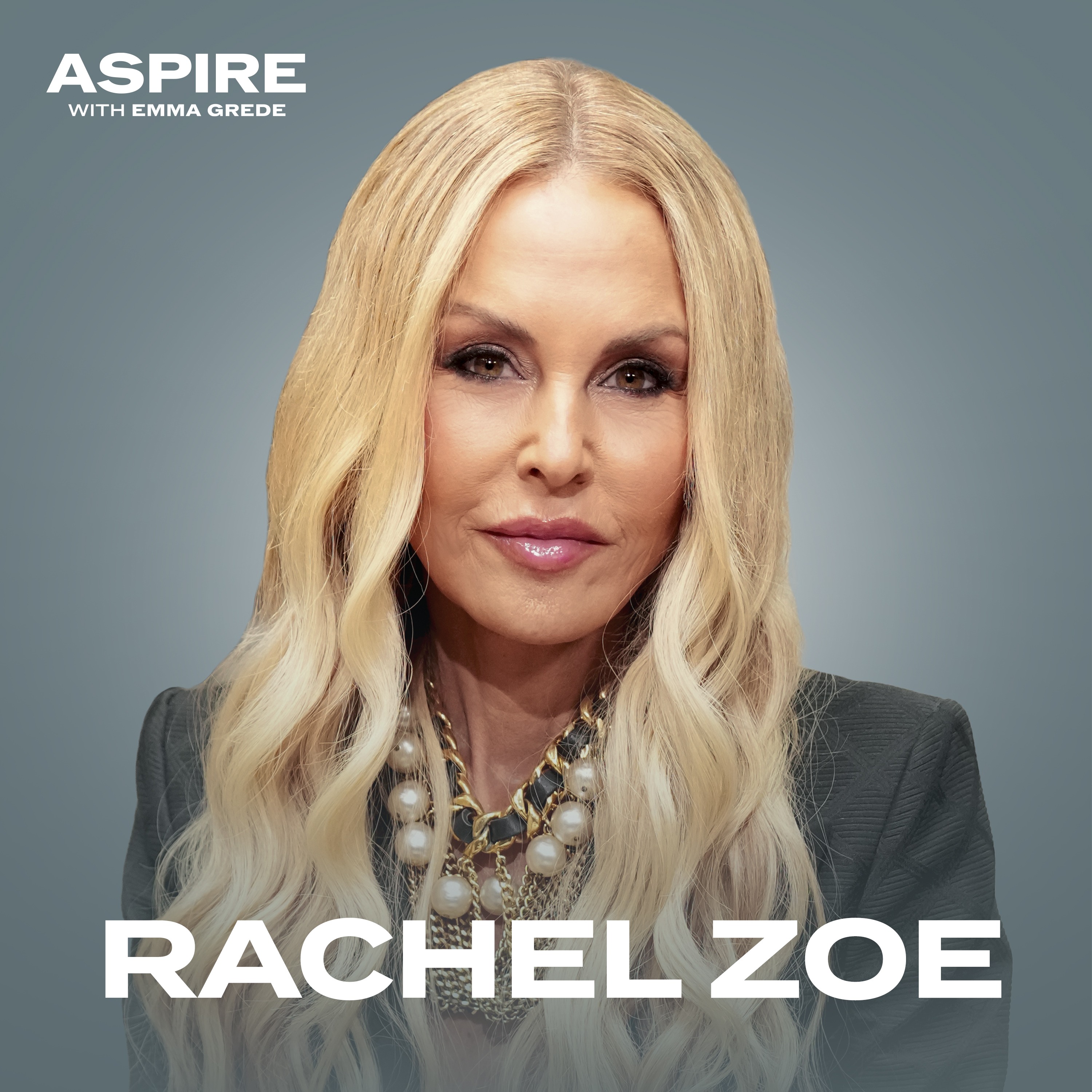
Rachel Zoe’s career is a testament to authenticity, resilience, and intentional growth. Starting as a passionate freelance stylist in her 20s, she transformed the role of the celebrity stylist into a public, influential presence, reshaping fashion for women by making it accessible and emotionally grounded. She built a diverse business empire—spanning media, fashion, books, and lifestyle products—driven by a deep understanding of human psychology and a commitment to relatability. Though she once faced intense public scrutiny and personal challenges, including a high-pressure media career and a difficult divorce, she now views her life with greater freedom and clarity. Her journey emphasizes authenticity over image, and she has learned that success is not measured by fame alone, but by meaningful impact on others. She now leads with humility, stepping back from control when needed, and focusing on values like kindness, sustainability, and emotional well-being. Her businesses are results-driven, built on feedback and trust, and she actively supports her teams while maintaining creative ownership. At 55, Rachel feels most like herself—free, grounded, and aligned with her purpose. Her story offers a powerful blueprint for women in business: success comes not from relentless ambition, but from staying true to who you are, listening to your values, and knowing when to let go.
[MUSIC]
Rachel, though, and I have known each other for most of my adult life.
We came up together, which means I've had a front row seat to a career very few people
in fashion have ever built.
Rachel was the reason a generation of women knew what to wear.
She invented what it means to be a celebrity stylist as a public role, and then turned that
role into a fashion line, a media company, a subscription brand, two best selling books
and a venture fund.
But the last year of Rachel's life has been the most honest chapter she has ever been
through.
She's separated from her husband of 26 years who also ran her company alongside her, and
she's come back into reality TV after more than a decade away.
She's rebuilding what it means to be Rachel's own in public at 55 with nobody else steering.
This is a conversation I could only have had with a friend.
It's about what happens when the woman whose name is on everything finally gets to decide
for herself what comes next.
Here's Rachel's own.
[MUSIC]
There are certain parts of your health where having real support makes all the difference,
not a one-size-fits-all plan, not trying to figure it out alone, but access to a licensed
provider, a care team, and options that are built around you.
That is the model behind weight loss by hers.
It gives you access to personalized care, including FDA-approved GLP-1 medications like
Wagovi.
If prescribed, Wagovi is available as a pill and as a pen, so there are options depending
on what's right for you.
To get started, you complete an online consultation with a licensed provider who determines whether
a prescription is appropriate, and the care doesn't stop there.
This includes nutrition and lifestyle guidance as part of the plan, along with 24/7 messaging
with your care team, so support is there when you need it.
Ready to reach your goals?
Visit forehers.com/aspire to access personalized affordable care for weight loss, hair, menopause,
and so much more.
Individual results may vary and stopping treatment may result in weight gain.
Weight loss by hers is not available in all 50 states, where Wagovi is the registered
trademark of NOVO Nordisk AS.
To get started and learn more, including important safety information, Wagovi clinical study information
and restrictions, visit forehers.com.
Running a business shouldn't feel like a juggling act.
One app for accounting, another for inventory, one more for sales, and somehow they never
work together.
Or, you could use ODO, one fully integrated platform with all the business applications
you need.
R.M., inventory, accounting, marketing, and more.
All working together seamlessly.
Stop juggling software and get back to growing your business.
Try ODO free at ODO.com, that's ODO.com.
Rachel, so welcome to Asthia.
I'm so excited to be here.
I am.
So, so excited to have you here today.
You and I have known each other for the longest time.
Most people know you as a stylist and as a designer and as someone who's been on the TV
for the longest time, but the scope of what you've built, especially in business, is enormous.
And now you're in this entirely new season of your life.
So, the question I want to ask you is, how would you describe this season of your life
right now?
I would absolutely say my most free.
My most free and I would say without a doubt, I feel the most like my authentic self now
than I have ever.
And I think that if I thought I felt that way, you know, 15 years ago, I didn't.
I feel that way now.
I feel completely in my own power, in my own skin, the decisions I make are mine.
The people around me, I have, are by choice, my choice, and no one else is.
And there's just so much freedom in that.
And I feel like also just being a single mom and that part of my life, which is obviously
the biggest in many ways, is it's a wild thing to realize you're not answering to anyone
ever.
No one.
That's so much of what I want to talk to you about today because you have had a career
with real longevity, but there's been a lot that has kind of come up and come down and
in and out and along the way.
So I want to really understand like a lot more about what it is that you've built.
And I want to go back to understand what you've learned that you could only learn, like
building all of this.
So I think so many people have no idea that you studied psychology and sociology in college,
not fashion.
And that's true.
So how did you even end up in this world?
I studied psychology because I've always been obsessed with people and their minds.
I've always been so intrigued by people from all around the world and just meeting new
people.
And when I was in college, I could have been a place similar to Brentwood or Beverly Hills
and I felt while I had a beautiful childhood, it was, you know, sheltered and bubbly.
And so when I got into college and I started to, you know, widen the net, I really wanted
to work and I got a job outside of school as a hostess.
And I wanted to meet people that were not in the bubble.
And I realized from a very young age how much I loved working.
And if my parents had said you don't have to go to college, you can work instead.
I would have taken that card all day long.
And psychology was the thing that really just pulled me in.
I got straight A's, I was obsessed with it, sociology, all of that, just getting into
the minds of people and how they think.
And I would argue to say that I've really used that every day of my life since.
Because so much of being a stylist and so much of being an entrepreneur is understanding
the psychology of people.
And I always have gone at anything I do throughout lens of trying to understand what they're thinking.
What are they thinking?
Why do they feel this way?
Whether it's insecurities, whether it's body image, whether it's career issues, whether
it's mental health, all of that.
But I really did think I was going to be a child psychiatrist, I did.
And then I learned quickly that you had to go to more school afterwards.
And I was like, hell, no.
When I graduated, I was like, if I never see a textbook or take a test for the rest of
my life, that'll be too soon.
And I got a job through a friend of a friend as a fashion assistant at YM magazine.
And my first day on the job, I called my dad and I was like, I would do this for free
for the rest of my life.
And I basically was.
I was being paid $75 a day, three days a week, I mean, $20,000 a year, I mean, I've left
there at 24, making $23,000 a year.
So you doing it for the love?
I would have done it, losing money.
I loved it so much that it felt like fuel for my soul, for my mind, for my body just being
creative and being with so many different kinds of people every single day of my life.
Being on set, going to shows, crashing fashion shows, like doing all these things, it was
basically when I look back on it, I feel like so much of my career, especially in New York
for the first 10 years, was like one massive adrenaline rush.
Yeah.
Truthfully.
Well, an adrenaline rush, but also like a masterclass.
And I think that one of the things that you've done, I mean, first of all, you, you really
like introduced styling in such a broad way to all of us who, you know, if you didn't
work in fashion, you may not have understood it.
But before there was a Rachel Zau brand, there were clients coming to you for what exactly?
What couldn't they get from anyone else?
I never intended to build a brand.
I just worked.
I just created like, as I went, I just wanted to be the best at anything that I did.
And I always looked at it as client, right?
Like how am I making the client happy?
So whether it was being hired by a record label or a studio, or it was a publicist, or
it was an agent, or it was a direct client, right?
Or it was a photographer.
I never once looked at how much I was making or the time or what I was hired for, if that
makes sense.
Like it was, I kind of like just outworked everybody, but it wasn't in a competitive way.
It was, I can't let them down.
If I let them down and I lose this job, I'm never working again.
That's how I went at my job as a freelance stylist.
Every job was like the first and I treated it that way.
When I look back on your career, and again, it's kind of difficult for people to even understand
because of the times that we're in now, but you invented a job that didn't exist before.
The kind of like celebrity stylist as a public figure, I wonder at what point you actually
realized that people wanted access to the whole like Rachel's O'World.
When did that happen?
So what happened was, when I was living in New York, I started working with Britney Spears
who wanted, well, let me backtrack, Tommy Huffinger, which I've talked about, gave me my very
first break as a freelancer.
So good.
I didn't know him.
I knew his brother Andy, and I had pulled from Andy because he did Tommy Huffinger jeans.
And I would pull from him for like different music videos, pop stars, I was styling for
the magazine at the time.
I went freelance at 25, did not have my first job.
Just was like, I'm going to do this.
I just want to understand like, what made you think you would go freelance?
Because that's a bond time for 25.
It was.
It's a bond time for me.
And I showed you.
up and I ended up working on this video, and I literally made more in that one video
than I made in a year.
So I was like, wait a minute, okay, let me just rethink this, right?
Because all the jobs that I had wanted in the fashion world were occupied.
And there was only one at each magazine that I could have gone to, and they don't move.
Nobody left.
So what happened was I ended up getting hired to do this video, and I decided to go freelance.
I had no job the next day.
I remember sitting on the floor of my apartment, taping expense reports, receipts, and things
like that.
I was 25, I was in tears, but I had to make a move.
I told my parents, I don't want another dollar, don't help me, don't, like, I'm on my own,
right?
And I remember Tommy calling me in, someone from his office called me in, and he basically,
he hired me to do this two-week job.
One, the first week in Austin, Texas, with like the biggest sort of hottest actors of the
time, girls and guys.
And then the following week, we create the White House in Griffith Park to do his new campaign
with 20 of the biggest male and female supermodels.
I had one part-time assistant and me.
I left his office hysterically crying, and was like, if I, part of my French, but like,
if I fucked this up, I'm never working again.
And through that lens was how I built my career.
From that day forward, I swear to God, I didn't have a day off for like 15 years.
And when I moved to LA and I started working with, like, Jen Garner and Cameron Diaz and
Kate Hudson, and this was maybe like 2003, then I started working with Lindsay and Nicole
and Misha and everyone simultaneously.
And what happened was, with those girls, I really, it was like playing dress-up.
It was like, they would come to my studio and we would spend hours and hours and hours
until like the wee hours and we would just like talk like, girl, like I was like a sister,
you know?
We were all so close, but what happened is the press started to notice a lot of my clients
out in the wild, whether it was going to the airport or going to coffee bean or walking
on Robertson.
And that was paparazzi culture at its peak.
And they started to just get sort of curious about why they looked like this or what was
happening.
And that's when it kind of started the digging behind the scenes of who was styling.
And how much of that were you aware of and how much of that did you participate in?
I was not aware of it for a while.
And then what was happening was brands were starting to reach out to hire me to style different
things for them or do curations or do Rachel's picks and then Rachel's picks, all these
things that I was hired, I would get paid a ton of money to do like not that much work.
It was just sort of like tell us what your favorites are.
And I was making insane amounts of money to do that.
And what they found was that my picks and my curations were converting like a hundred
acts.
So that was what I was hired to do a lot.
So then I would get hired way outside of styling, right?
To do that and all of these opportunities like books and and then when my books like went
to New York Times for a seller, I just remember of all the surreal things that have happened
in my life.
That was the most surreal.
I can't even imagine because you must have been one of the first stylists to even have
a book like that.
It was just wild.
Like I just was like, why doesn't anyone care what I say?
Like you know me.
I'm well enough to know.
I didn't come at it like I'm here, listen to me.
It wasn't that it was that people, they wanted to know my opinion.
They wanted this validation from me about what to wear, how to set their dining table,
how to live their lives like on every level.
And that was when it really kind of one of the many points of my life where it dawned
on me like how much I kind of owed and how much I wanted to help as many women as possible
live their best lives, help them build their confidence, you know, really give them that
power because the fashion world, especially at that time, was terrifying to anybody like
even still is, but like it's so intimidating, you know, and I feel like I wanted to really
just humanize and democratize that sort of fear around fashion and getting dressed because
every woman I knew and know today gets up every day like in their mind, what am I wearing?
What am I wearing?
There's any part of you that had some trepidation sort of stepping into the limelight yourself
because when you're so terrified, because you're supposed to be like supposed and I
said, say in a word, comment behind the scenes person, right?
The hair and the makeup and the styling, certainly in those days just was like the work was
seen, but they weren't hurt, did you kind of question yourself of stepping outside of
that?
It was a very, you know, I talk to stylist now like me, Riley and other stylists that
I'm close with and it was a very hard time for me, very hard because I was really straddling
between, I was working with Kieran Knightley and Cameron and Selma and all of these extraordinary
like kind of film and movie stars and then simultaneously working with these younger
girls who were just like wanted to fun and fashion, they were doing big things, but it
was just a different relationship.
It was a different time.
Yeah.
And a lot of the girls would just feel like you're coming out with us, you're coming to
the Savannah, you're coming to the, you know, I would have Lindsey like we'd go to Paris
and we would do the Chanel show or whatever and she'd like, you're coming with me or whatever.
And what was always hard for me was when I would go to something and it started to be this
moment where photographers would be like, we took it on the carpet, we took it on the,
you know, and I'd be like, no, I'm working.
It was this thing of like this push pull and brands wanting me to come into the spotlight
and being hired in part to do that, but then when I was with clients, I was so uncomfortable
with it.
Of course.
And I only, you know, I remember like saying to certain photographers that like BFA or
whatever and just being like, no guys, I'm not like, don't ask me like, I'm working,
you know.
So was there like a conscious decision?
Was there a moment when you said, do you know what actually Rachel Zoe is the thing?
And I've got these opportunities and I do have a New York Times best seller, like I'm
interested to understand that decision-making because I do think specifically, you know,
for women, there are so many times when opportunities come up and for whatever reason we play ourselves
down, we make ourselves small, like at what point did you go, basically fuck it on the
start?
That's my words, not yours.
Do you know what's funny?
I still, it's funny because people say that to me and I still don't look at it that way.
I'm still little like this all the time.
You are?
All the time.
Get out of there.
Weird thing and I think it's such a good question because, you know, I always say, you know,
I think it was the New York Times this year where the title was Rachel Zoe accidentally
became famous and I really did accidentally because I intended to be a stylist which to your
point is behind the scenes and that is where I'm most comfortable still.
But what happened is I would say that there was never a conscious decision to do that.
But I think when I quit styling in probably 2000, let's see, Kyos was like three around
2015 where like I officially kind of was like, I'm taking a beat.
I think that then was because I'm focusing on my multiple businesses.
Yeah.
And I think the question is always like a lot of young people will be like, how did you
build your brand?
I want to do what you did.
And I'm like, I can't actually tell you what I did.
I built businesses and I built, you know, I tried to just always be the best at whatever
it was that I was doing and everything to me was based on gut in the moment.
It was, how do I feel?
Does this feel right to do now?
Well, you're the perfect example of that.
And it's something that I speak about a lot because I'm always asked about personal
brand.
Yeah.
How did you build a personal brand?
But I do think it's a really good opportunity to say and you look at someone like you.
You actually worked, you built a reputation, you built a client base, you then delivered
excellent work and opportunities came to you and out of that came a personal brand.
And I never want, I always like to make the distinction.
It's not like you're there not working on a personal brand because once you have something
you want to safeguard it, you want to build on it, but it isn't the first thing.
It's something that comes and is born out of something else.
Do you agree?
I agree.
100%.
And the thing is, I don't think there is this step one, step two, step three.
I will say authenticity is the common thread to any successful brand.
If you look at any brand that you admire, you would say that they have stayed authentic
to exactly who they are and whatever that brand is and represents now.
That can evolve over time, right?
But I would say the mission behind my brand is exactly the same now as it was, but I've
had more opportunity for expansion of that.
Yeah.
So I was just in Portland for an event at this iconic city block size bookstore with
colour coded rooms and over a million books.
The place really feels like a city full of books.
And getting to do an event there made my trip to Portland feel so special.
Then the team and I headed to Utah for another meeting and when I asked people for local
recommendations, everyone we spoke to told us about this very popular soda shop.
I finally tried one and I have to say I was more than pleasantly surprised.
We also stopped by another local bookstore and signed copies of my book Start With Yourself
and we got to browse there for a little while.
Now I love that feeling of a great bookstore where you can wander without a plan and then
just suddenly lose yourself for an hour.
I've been travelling so much for work lately and whenever I'm in a new city, I try to make
the most of it and find a few local pleasures along the way.
If you have a busy travel schedule, I'm sure you also try to make the most
your time away and that is what is so smart about Airbnb. You can list your space while
you're away and bring in extra income to put towards your next adventure. Someone visiting
your city gets a much more local place to land while they find their own favourite spots.
It's a practical way to make the most of the time that you're already away rather than letting
your home just sit empty. Your home might be worth more than you think. Find out how much at
Airbnb.com/host. Hi everyone this is Cara Swisher and I'm Scott Galloway and we want to tell you
about Pivot our twice weekly podcast. That's right Cara. What a thrill it's a chance for us to
breakdown all the big things happening in tech business and politics. Yes and I keep you in
check so people can make it through each episode whether it's digging into a constant changes in
the world of AI and social media or trying to keep up with whatever the fuck Elon is doing
we're here to give you our take on all of that. Every Tuesday and Friday morning we drop a new
episode about some of the major stories of the moment. And Scott is a prediction machine
gazing into his crystal ball to tell you about where it's all heading. That's right.
So if that sounds like a good time for you especially Mr. That's Right. You can follow us on your
favourite podcast app to get new episodes every week. I mean I go back and think about
the Rachel's own project which was like I still love that show so much. It totally made you a
household name and it put you your work your family and your team actually in this kind of like
you know you were on national TV for five seasons. It's a long time it's a it's a lot of exposure
but suddenly you were part of popular culture your clients were out there I wondered did you ever feel
yourself becoming a caricature. It's a really good question because it wasn't until like comedians
and like I think SNL did it like something and then Halloween. You know you made it when you
have an SNL skin right. I think I was a jeopardy question and then I would have young people
kind of like I'm learning about you in my textbook and I'm like what do you mean you're learning
about me and your textbook. They're like no you're actually my textbook. And I'm like what?
Because that to me is the most ironic right because I wasn't really a student. I mean I was when
I tried I got A's but I just I wanted to work I wanted to dictate my life and I think there are
people that are students and then I just wasn't. And I think it really I don't know I'm it's just like
I just think this whole journey has been something where it's now when I look back at it that I
realized what I could take from it to teach people because I really do think that the opportunity
comes from the hard work and then when you start to mean something to people and I think that show
had such a massive impact on so many people that were trying to find their way whether it was
I've heard everything from people going through chemotherapy treatments people going through
mental illness or depression people that were trying to find who they were in this world or
trying to figure out what they wanted to do with their career they lost their jobs they were mothers
that gave up everything to raise kids or they were like young people that were like in college or
graduating and didn't know what they wanted to do. And people like law and so many stylists that
have been so gracious Carla Welsh and some of these stylists are just so like if you didn't do
this we wouldn't know that we could do this. But I do want to go back because I think it's
interesting because you were such a pioneer in that space and again because you're back on TV
now in my favorite show The Housewives of Beverly Hills. I thought I'd be on to excited
I wonder what the show taught you about the difference between building a brand and actually
protecting a life. One of the biggest lessons I learned from my father who serial entrepreneur
built two companies he was always kind he was always kind and I think that there is this misconception
especially in fashion that you have to be ruthless you're to relentless in your pursuit of success
and what that means to people and you know as you were talking I was thinking about something
that I hear so much I was recently on a zoom and there was like 10 people on it and there was this
woman who I'm now partnering with on one of my brand deals and she said I just want to tell you
before we start talking that I was an intern when I met you and I was literally bringing you like
your coffee or your whatever into a dressing room just like and I just want you to know that you
were so nice to me that you treated me like I was Oprah and I was like I did and she was like yeah
and I just want you to know that I thought about that so much afterwards because you you treated me
like I was important I was like well you are important and I hear that a lot and I think that
that is so important for people to know as they build their careers and their businesses that you
can do it with kindness you can do it from a place of yes wanting to win and wanting to be great
but also being so mindful about how you treat people no doubt but let's go back to the TV thing
because it was a big listen you got a lot of press you got a lot of positive affirmation
but it didn't come right there was an underbelly to it of course now you step back on TV so how
are you thinking about that now at this stage of your life and your career when arguably you actually
have more to lose so the reason I did the show was very interesting it was at a time when I launched
the Zoraport and that was a means also to help to marketize fashion to help humanize it to help
sort of as many people be able to touch trend in fashion as possible and there's a report for those
that don't know was your sort of first foray and venture in the media it was away and my ex
has been it really was his thought to be honest because he was in media and it was really to try
and talk to as many women as possible because they all wanted my opinion and that was a louder way
and a more easy way to reach as many women as possible and started as a newsletter and breaking
down a really unrelatable trend into a more relatable accessible way to work something.
To me is part of your secret source right because as we kind of track through the lessons and the
things that only you can teach you have an unbelievable way of knowing what you do uniquely
and making things understandable digestible to a regular woman with a regular budget is your
superpower like that's what you've been able to do time and time again in all of your ventures
right just right wanted I never had any interest at all in being elitist I never had any interest
in being untouchable I wanted my brand and my insight and advice to reach as many women as
possible I wanted and when I started to launch product I wanted everyone to have a piece of Rachel
so in their homes in their closets it didn't matter it was always about relatability and accessibility
always and it was through that lens that I do everything in my brand but with the show the reason
I did that was a couple things I was obsessed with Madonna Truth or Dare I was also obsessed with
Isaac Mizrahi Uncept I was also obsessed with Elsa clinch style CNN style because it was the only
outlet I had to learn about fashion and designers when I was very young I feel like everyone needs
to be writing down googling and rewatching oh yeah literally Elsa clinch
I was talking to Derek Blasberg about her recently because she was the only way it was 10-30
Saturday mornings that you could turn on and watch 30 minutes of her interviewing Karla Gafeld and
John Goliano and Gianni Versace and whatever and that to me they were my heroes so the show was
for me to try and give an inside look into the minds of the masters that's what I wanted to do
wasn't because I wanted to be famous what ultimately happened is I got approached by producer
two do this sort of like reality inside look of my life in the fashion world and I was like
god no no no no and after I sat on it and I was like well I wonder if it could be about like
highlighting the designers and talking to you know my heroes and you know really just getting
into their minds and helping people understand the design the thinking whatever well I had a
bravo at the time was basically like you know and cares about that and I was like well I do
know we want to say something and so but at the time I was also having a really hard time in the
public and the tabloids were creating things about me that when I say not an ounce of truth to one
thing that was being said like everything from being a drug dealer dealing diet pills horse pills
like the craziest things you could ever fathom in your life and at that point my team was like
you know Rachel this could like give you the chance to like be who you actually are and in my mind
it was like I didn't really have anything to lose right because it was sort of like if I can
highlight designers and I can highlight fashion and I can show the process by which like people
create clothes and clothes end up on runways and clothes end up on red carpets and things like that
then that would be really like a teaching for people and make fashion less scary and I felt if people
didn't like me after seeing me in reality then that was okay but at least they weren't believing
these false claims and narratives about me and it was like okay if you if you like me or don't
like me at least this is who I am it's me it's the real me I realized I think I was a character I
think after the show because all these things the virality of things that would come flying out of
me and you know me I'm a well enough snow I don't think about what comes out of me no you don't I don't
I really don't I wish that I had more of a filter but like you know I stepped away
because I had my second son and it was at a time where I was living in Beverly Hills and I was
living in the flats and there were storms of pups everywhere. I could not walk. There was pups
that would be like, "If I come home without a picture of your son, I'm going to lose my job."
And they were chasing me down alleyways and I was literally running with strollers and like,
you know, it got to a point where I said this is not okay to raise my children in.
It's not safe. I don't like it. I'm not an actor. I'm not a singer. Why is this even happening?
And there was a huge point of, I guess, inner sort of reflection as to what I was doing and what
I wanted to do and who I wanted to be. And I had a real identity crisis when I had Sky because
I was so in love with him that I didn't put him down and I couldn't leave him and I couldn't
figure out who Rachel so was once I had him. And so I took a beat. I worked like crazy but
really mostly from my house my team would come and I never didn't take him anywhere. I took both
my kids everywhere and I merged work and them and I really never left them for like four years.
There was another reason that I've read that you had stepped away from stunning and I think
that you said you just couldn't trust anyone your assistance to kind of represent you with your
clients. That's correct. Well, specifically kept breaking down. I did have so many problems with
assistance and weirdly, only in my styling. There was a time where I had about 100 employees
when I had this old report and I just couldn't figure out why I don't have a high rate of turnover.
Like my team's with me 13 years, 14 years, 11 years. They're like family, like you.
And for whatever reason, that part of the business, the styling, I just kept having these
experiences with team where I just couldn't trust. Do you think there was a point when the
high standards that you had set that you talk about actually made it really difficult for you to
scale? I think that styling is such a personal touch business. It is not formulaic. And so
what was happening was if I had five clients going through award season, they all wanted me
to be there and you physically can't be. And I remember certain awards days where I'd go from
this person from 930 to 10 and then the next one from 10 to 1045 and the next one from 10.
And it just wasn't sustainable and it is really hard to scale that business. Yes, 100%.
But the thing is, I don't think I ever looked at styling as something I wanted to scale.
It was such an emotional business for me. But I think I just kept getting, I mean, I had
assistance still for me. I had to say, I mean, you name it Emma. It's like without getting too
into it, it was as bad as it could be. Like you clearly worked with me. But right, you clearly
had an eye for talent because so many of the people that you worked with went on to build massive
careers. So what did they learn from you? I would hope work ethic. I would hope the passion for it
because, you know, I found that there were many stylists when I was working that, you know,
they would get hired to do like five looks for a client. And if I was hired for five looks,
I did 45. I mean, we know they said it didn't matter. And I think I would hope that that is the lens
that they, they work through. And I think that if you're hired to do a commercial and they want
a white t-shirt, you know, bring five, you bring 50, you know, and I, I would think that maybe,
but also I think just how you treat people and how you work with people. I think just, you know,
the social aspect of it and the sort of, I don't know, just those honest relationships that you
build that are handed to many people, you know. I get it. You know, I get it. Looking back, are there
any part of those relationships that you actually understand differently now? The ones that didn't
end well. I think I gave too much naively. I think I opened too much naively. I think you have to
think long and hard before you give someone keys to the kingdom. I think there was a definite
naiveness about me, about people. One boss that I had very early on said to me, I would never make
it in fashion because I was too nice. Literally looked at me dead in the face and said, you're too
nice to work in fashion. You won't make it far in this. And I remember going home and like
crying my eyes out because I was like, I don't understand that. I don't believe that. You know,
I just, I refused to actually believe that. But I think that you can be nice and be a good person
and be honest, but also have very strong opinions and give constructive criticisms. And I think that
like, I really think I didn't have a line between my personal and professional life. And that applied
within my team. My team was my family, my assistants. I mean, we would like stay in hotel rooms together.
If we had to, we would like, you spend an exorbitant amount of time as a stylist with your assistant.
I mean, there are late nights. There are brutal trips. There's a lot that you go through. But there
is a trust that you have and a comfort that you have. And I didn't have the ability at that time
because all I did was work that my team and my clients, those were my friends. Do you regret
some of those decisions? Yeah, I do. I really do. I think you have to draw a line. There has to be
some line. And it's, it's still hard to draw sometimes. But what I can tell you is I see red flags
now. That's the lesson I take from it. You know, I take that lesson of, if I didn't get hurt so
many times, I definitely would not be as strong as I am. No. No doubt.
I think when you're choosing something to take every day, you should be asking questions about
what's actually in it, how it's made, and whether it makes sense for your routine. That's
something I appreciate about ritual. They're very intentional about ingredient transparency,
which matters to me when it comes to supplements. Their symbiotic plus combines prebiotics,
probiotics, and postbiotics in one daily capsule with clinically studied ingredients and a min
essence. It's vegan, made without GMOs, or major allergens, and tested for heavy metals and
common allergens. That's the level of thoughtfulness that really matters. When something becomes part
of your daily routine, you want to feel confident about the company behind it and the care that goes
into making it. And there's something to be said for a straightforward daily routine, especially
when you understand what you're putting into your body. Support a balanced gut microbiome with
rituals symbiotic plus. Get early access to rituals Black Friday sale for 40% off your first order
when you visit ritual.com/aspire. That's ritual.com/aspire for 40% off your first month.
Something I believe about building anything that lasts, whether it's a business, a routine,
or a goal, is that showing up has to be sustainable. If every day showing up feels like a battle,
you just won't do it for very long. That's the problem Stars and Honey took on in the protein
bar category. They looked at the protein bar category and asked the simple question,
what if a bar could deliver on nutrition, but still tastes like something that you would choose
on flavor alone. Now, because that's always been the tension with protein bars,
some give you the numbers you want, but the taste and the texture are really not there.
Others taste good, but they may not be what you're actually looking for from a nutritional
standpoint. Stars and Honey is trying to close that gap. Each bar has 15 grams of protein and
only four grams of sugar, but the flavors are what make them feel different. iced lemon cookie,
mint chocolate chip, red velvet, peanut butter mousse. Now, these are the flavors that sound
more like dessert than something that you're forcing into your day. And that matters because most
of us need snacks in very practical moments between your meetings, in the car, at your desk,
after a workout, you want something quick, but you still want it to feel like a good choice.
The point is not that a protein bar has to feel purely functional. The point is that it should
be able to do both. It should give you the protein, it should fit into your routine, and it should
still taste good enough that you actually look forward to it. That is the part I like about
stars and honey. They're not just treating tastes like an afterthought. They're starting from the idea
that nutrition is easier to stick with when the experience is enjoyable too. Because consistency
does not usually come from forcing yourself to make the right choice. It comes from building
better options into your life that you actually want to come back to. Stars and honey protein bars
are now available at stars and honey.com or a target stores nationwide. Order online now or pick
up a box during your next target shopping trip. I want to move on and talk to you about really
how you've been able to understand what it is that you're worth because nobody builds like a business
with so many different verticals as you have without really understanding what it is that they
mean to consumers, that they mean to brands, that they mean in the broader cultural context.
At some point there were decisions and opportunities coming at you from every single angle. I'm
interested to understand what and how you made decisions and how you looked at your brand and what
could have been diluted. To me, again, it goes back to this idea of authenticity. It's so clear
who you are, what you stand for, but when you're inundated with opportunities and I'm sure you've
make good decisions and bad. Like what was the lens that you were putting everything through?
did it feel like something I could organically sell or be a part of? Because if I
can't, I won't do it. I can't because what I can't do is lie to people. I can't lie
to myself. I can't, you know, the blessing and curse of the Rachel so brand and I
think if you asked any representative I've ever had is there are so many boxes
that I can check and that is a good thing and a bad thing because I do think
sometimes people want to own in on one thing, right? It's almost like I think
actors would say when they are a comedic actor, when they want to be serious,
it's so hard for people to buy that, right? And similar with what I do, taking
me out of that stylist was very hard for a long time. And, you know, sometimes
they'll still use intromy as like a slab stylist Rachel Zoe. It was like kind
of moved fast. That a little like how do you fit like what do you feel is the
right. I would say founder creative director, you know, chief creative founder
entrepreneur, you know, I would say founder, I don't know. You know, I would. No, yeah,
when you have so many different business, that's how I would title myself. But
people will always go to celebrity stylist first and I'm like, wow, okay. I was like,
we, I feel like it's been like 10, 12 years. But I think to answer your
question earlier about television and coming back now, it's because I've a lot
to say, a lot to share. And to your point about my businesses, I think really it
was through feedback, really it's from partners that told me I transformed
their business or, you know, endorsing for them converted so well for me. It's
really about it's results driven, right? And I will ask anyone I do business with,
how did that do? Are you happy? How is this working? If this isn't working, I
think we should try it this way. And that applies to literally every single thing
I do. So like now I'm the chief color director at S here. I'm the new style
director for what goes around comes around. I want to work collaboratively with
those partners to be like, I'm telling you this won't work for you. If you have
me do it this way, that's not going to work for you. That's not going to work
for your customer. That doesn't resonate with mine. And I think that is through a
lot of experience, you know, and I think confidence comes with experience. And, you
know, I think you have such great confidence in yourself. You know so well who
you are in the value you bring to the table. I know what I know, but I can also
tell you, I'm the first one to say very loudly what I don't know. And I will
only scream at the top of my lungs if I know that I am right about something. And
I will give you a very loud strong opinion about that. You know, and I do know my
value in certain things, but I also am hyper aware of where I can't bring value.
I mean, it's interesting when you look at the zone report. And again, I think it's
worth talking about this business a little bit because the scale of it was really
epic. And it also was the business that you were able to exit, which I find
fascinating. So you started as a daily email in 2009 when it felt like kind of
everybody like had these like, you know, shopping newsletters, but it really had
cut through. Originally, it was just like a recommendation from you. And then it
scaled to two million email subscribers, 14 million monthly users. How did you
know in 2018? That was the right time to sell. You know, my approach to selling
anything that I'm a part of is I feel like, you know, we're not big, not a big
team. And I actually like, I really like that. That's very intentional. And I feel
that when me and my team can get things to a certain place, right? I really think
for me, one of the signs of being a good entrepreneur is knowing when you've done
what you can do. And when it's time to let something fly on its own in someone
else's hands. And I did that recently with another part of my business, which
would get into, but I think this whole report, it was really just the best
decision because, you know, we sold it to Basel Digital Group, Brian Goldberg. And,
you know, he has Nylon and W and Basel and all these other properties. And he really
knew what to do with it. And, you know, he took my team and then my sister was heading
up all the sales for us and then to them. And it was such a beautiful transition. And
we stayed so close and I'm a big shareholder. And now I'm back in his editor at
large. Oh, I love that. Yeah. So tell me, tell me about the deal. I think it's interesting
because it included cash and stock. And I want to know how you think about taking money
off the table because as you quite rightly said, now you're a single mom. Yeah. Like what
does that look like when you make a decision? And again, you've sold a couple of businesses.
How do you process that? How do you know? Okay, this is something I should stay involved
in versus this is something that's going to fly without me. How do you decide whether
to keep a little skin in the game versus like running with the cash? Yeah. Talk me through
what that looks like as someone who's done it multiple times. I really feel when someone
is going to have an entire company and team dedicated to your brand, right? And have
a whole team working full time. And you think about, I know for me, we're so small that
it's a very small amount of people doing too much, right? And you get to that point where
you start to feel very fatigued by it, right? But you know that it's valuable. And you
know that you've built something great. And you've built something with meaning that that
really resonates with people. So you know, it needs to live on and you don't want to
say goodbye and you really still believe in it. And I know for me, especially with this
or report, I mean, I just really believe in it, you know, I really still love it. Like
I love hosting events. I love contributing. I love doing the shoots with them. I love
picking the talent. Like I really do love to still have that voice that speaks to so
many people, but taking cash out for me is paramount. My dad taught me as well that sometimes
you have to really think about having all of something you're not sure how it's going
to go, you know, or having less of something that's winning, right? And that you know is
probably going to continue to win. And I just always come from that psychology of I would
rather have less still have skin in the game, but let let them do it now. It's their turn.
I've done it. I'm ready to pass it. You know, it's like sending your child to college.
Totally. I've done it zero to 18. I'm still going to be on it, but like not in the same
way, right? I do think it's a valuable lesson just to understand like when has your contribution,
it doesn't mean that it stopped. It just means that it's gone as far as it can go in order
to grow the thing. Correct. And placing something in somebody else's hands is really small.
I'm scary. I'm scary. I'm scary. But and that's why those decisions are critical and have
to really be looked at very closely and do your due diligence and all of that. But like
that particular deal was the best decision, honestly. And now just wanting to be back in
it now and being such a part of it, I love it. I mean, it still bears my name, you know,
and so that it is very exciting. What do you believe that you need to understand about a
business that carries your name? Because again, you're in so many categories, fashion, home,
accessories, beauty. I guess there's no way you can be an expert in everything. And so where do
you say like, okay, I need to really understand these verses. There's somebody else that's better
to lead it and run it. So when I find a partner and you know, most recently took a big investment
from Gordon Brothers into the Rachel So license brand and that's like IP based and that's
product. I know that I need to be involved creatively. I know that I have to stay very close
to that to just make sure that it still is Rachel So product, right? And they've been amazing
and they have a dedicated team working on my brand, working on different license extensions,
finding new partners and key categories. And that's unbelievable. And I think where I really
add value is as the creative officer, as the creative director. And I know that and marketing
and PR and messaging and all of that. And I think that making those decisions for me,
it's almost like you check your ego at the door and you just say, what is best for this? How can
this grow to everything it can and should be? And is that me? Do I have to have the ego around
this? And I think that you really have to think about that. And I think we see now more and more
and I'm sure you have spoken to so many amazing founders that hand that CEO title to other people
because they know they've done everything they can do. Listen, there's no shame in it. There
is no shame in it. There's no shame in it. There's a lot of joy in it.
Not everyone is cut out to be a CEO. I'm interested to understand where's the money come from
in the Rachel So business today? How are we eating Rachel? So it's a lot. It's actually two parts.
So it's the Rachel's O of it. It's me the person. It's the endorsements. It's the things that I
am doing in television and media. Anything you see as me the person, it's that. That's a huge revenue
stream. That's like, you know, a lot of two really big things that are not in the reality space
coming out. You will be the first to know. Oh, they cannot say anything. There's things. Brand
things. There's things. There's lots in the media. Not in the reality space. Let me tell you,
I will never tire of seeing you on TV. Oh my God. If you're on, I'm too. I know. Because the stuff
that you say, sometimes you say the things that I'm thinking and sometimes sometimes you say what
I'm thinking. I do. I mean, this is after I'm a you'll say anything. We sat a lot of dinners
you and I've been like, what's so fun? My license extensions, you know, there's a lot that comes
from that. So it's like it's a mixture of that like kind of product.
media business, and then you as an individual, like the more traditional endorsement,
appearance, TV, that side of things.
Exactly.
Are we happy with the money that you're making at this stage in your career?
I'm so happy.
You are.
I am getting paid to do what I love, and I come to it every day with a gratitude that
I can tell you I did not have my 20s and 30s.
I was making so much money in my 20s that I couldn't even like, I mean, honestly more
than I should have been, and I know that doesn't make sense, and you would fight me on
that point, because I mean that to say, as a stylist in the height of styling in my late
20s, into my early 30s, there was so much money being made and being paid to me by record
labels, by studios, by everything that I would look at, you know, social workers and teachers
and doctors that were making, when tons of what I was making at 28 years old, you know,
and I had a lot of guilt around that, and I know you're going to fight me on that, but
I did.
I did.
And I think that's, but I will say what it taught me was I really flipped that to then
take a look at quit styling for in 9/11, I quit styling, because I just felt that what
I was doing had no purpose.
And I put so much purpose around it, and that is when it spun out into making this intentional
and changing women's lives and having a big impact on women in any stage of their life.
So do you feel like fairly renumerated at this point?
Because I think when you have a like super hot moment that's early in your career, and
then you come back around for so many women, that doesn't always materialize, like at this
point in your career, are you making what you believe you should be?
Yes.
And I will say that my life, it's only now in interviews like this, and when I do, you
know, big interviews where I relive my career, because I'm not kidding, I'm when I tell
you, people will say to me, Rachel, you did this, oh, well, you revolutionized this,
or you did the backstreet voice, or you did Britney, or you did this, or you made red
carpet, or whatever it was, it comes back to me in real time.
It's almost like this 15, 20 year blur of my life in my career because I never once stopped
to say, Rachel, look at what's happening, look at where you are, look at you're on a private
plane with so and so going to Monaco for the World Music Awards, or look at you're doing
this with Marc Jacobs, or you're, it never, I just went to the next thing.
I went to, I knew that I lived for what I was doing, and I was, it was like this dopamine
high that I lived for, you know, this, this really long period of time.
But it's only now that I sit in reflection of that.
And I don't watch my old show, but there are these moments where people will be watching
it, or they'll run clips of it, and I'm like, oh, like that did happen.
That was real.
It was not just this like flash of lightning in my life.
And, you know, the fact that it impacted people the way it does is astounding to me, but
also gives me such gratitude for it.
And, you know, I think now that knowing all that and coming away from it, and while working
very hard for the last decade, I worked more privately.
And I think doing that to raise my kids and still build my brand and my businesses, now
my kids are in the age where they're cheering for me.
And before I went on television, I had a meeting with the boys.
I would have never said yes.
They were like, Mom, we know what you gave up for us.
We know.
And Skyler was like, Mom, you could style a Victoria's Secret Fashion Show.
I would totally come.
I'm like, right.
If you do a Victoria's Secret Fashion Show.
Yeah.
Of course.
Well, because there's a port taste of about 13-year-old boy at the time.
But they're now flip the switch of like, we know what you've done for us.
We want you to do this for you now.
And they're like my biggest, my boys are like my, my high boys.
They are.
They really are.
I think there is a gratitude that I have now for not only what I've done, but I do regret
not taking the time then to realize it.
And I think watching you soar has been so fun for me to watch because I think you do,
you do take moments to appreciate it.
And I did it, but I do now.
And so I think that's why I say like I feel so free.
I feel so open.
I love the work I'm doing.
I'm having the best time doing it.
And I will say by leaving my marriage, that somehow really impacted, I think what you
don't realize when you're in a situation sometimes.
You don't realize how much your light might be dimming.
And it wasn't intentional.
He was not trying to do that.
I don't mean it that way.
I just think that there was so much that I think now I just feel so light.
And I feel so genuinely myself that decisions I make are such sort of good ones, but also
just really gratifying ones.
Yeah, I can understand that.
I know it feels early to talk about holiday gifts, but this is actually in the moment when
it makes sense to start thinking about them.
Once the season really gets going, there's always more happening than you'd expect and
getting ahead of the shopping is the move that gives you a chance to pick well, rather
than reaching for whatever's left on the shelf in mid-December.
Home gifts are a good place to start.
The best ones are the choir upgrades to the things they already use every day.
They sit inside the daily routine and they get used constantly.
And they make the parts of life that you'd never think of a special feel a little more
considered.
Now that's the part that Macy's does so well.
The holiday gift guide for the home has the pieces you'd actually want in your own kitchen
or your living room.
The Breville Brewster Express is one of those.
For someone who makes coffee at home every morning, upgrading that routine is the kind
of gift that lands long after the holidays.
The point of a good home gift is that it finds its way into someone's daily rhythm.
Macy's makes it easy to find those pieces whether you're shopping for someone who loves
to cook, loves to host or just loves being at home.
Check out Macy's online gift guide for even more ideas.
NERD!
Today's episode is sponsored by Nerdwallet Smart Money Podcast.
Personal finance can feel like a pop quiz you didn't study for.
This podcast is your study guide.
On Nerdwallet Smart Money Podcast, you'll hear from trusted journalists who explain
the why behind major financial decisions.
You'll get research-backed insights and clear pros and cons, whether you're planning
a big purchase or just want to grow your wealth.
Click your next financial move with confidence.
Follow Nerdwallet Smart Money Podcast on your favorite podcast app.
I wanted to talk about the Avisade of your business because obviously Roger, your ex-husband
with your business manager, was the president of your company.
He was my manager, but he was my partner.
He was your partner.
He was never your manager.
Never ever.
He was your business partner.
You probably thought he was my partner.
I always thought he was your manager.
I felt like he might have introduced himself to that, but we're not going to go there.
God, yeah.
He was the president of your company, as well as your husband, and for the longest time
I was this CEO.
Okay.
Hey, Rachel, so, but for the longest time that worked, what point did it stop working?
I mean, it is interesting because, you know, and I've said this once before and then
I was like, God, she not have said that, but I do regret us being partners.
I do.
I do regret it.
I think maybe in the beginning, I think it was good.
But I think the fact that I was with him from the age of 1920, you know, I think that,
you know, we waited 18 years to have kids.
So we were to gather very happily for a really, really long time before we had kids.
And I think the fact that we were so intertwined already in every aspect of our life, and the
reason that he came in to work with me, truthfully, it wasn't so intentional.
It was because, exactly what we're talking about, where I went from being a stylist to
my brand, my business, almost like forming around that and the opportunities just became
too much.
And because we were so close, there was no sort of disconnect between work and my life,
because all I did was work, right?
So it was sort of like, okay, let's have a 10 o'clock dinner after I shoot.
And then we talk about work, and we talk about work, and we talk about work.
And every decision I would make, I would bounce off, and do you think that?
And so it became almost him coming in as sort of a help me manage the things that work.
Yeah, like a Cigley area, like exactly, like I get it, I get it.
But he had come from the investment banking for some years, and then into media.
And as I said earlier, launching this report really was his idea.
And then it ultimately became, you know, this online fashion and beauty destination on digital.
I think working together with your partner works when there is a clear divide in responsibility.
And I think you would guess, obviously, that I would be the creative.
And anything else that relates to me, the person, and whatever.
And he would be the back end, you know, operational and finance.
And I just think ultimately, when you are married, you have children together.
And then you work together.
I think it really can work.
Like in your case, it can absolutely work.
And I know a few instances where it does work.
Well, but I can't really tell you exactly, but it just started to get.
There was no, and I remember interestingly enough,
it was Tom Ford believe it or not
that like I remember one night sitting with him
and his, you know, former husband returned
and, you know, he said like, how does that even work?
Do you ever not talk about work?
And I remember him asking me that
and he just being like, no, actually,
like we would wake up at two in the morning
with like an idea.
And I think it just really became,
there was no disconnect, you know?
And it became about that.
You mean the relationship just became about business?
About business because he was always so obsessive about it.
I was obsessive about it, but I was also momming so hard
and it was sort of like, you just don't know when to turn it
on and off and it's a very hard switch to navigate.
And I think that it just started to go dark.
When I think about it in hindsight,
I would say there probably was a point
where I should have just said, let's not do this anymore.
Let's get a CEO.
If you could go back and actually restructure the partnership
that you had from the beginning,
what would you set up differently?
I would have probably had someone in between us.
Like I would definitely have to be CEO.
I think he was president
and then I think at some point maybe became co-CEO.
I think there should have been a divide in the businesses,
which there was to some extent,
but as I said, it just started to get real muddy.
It just started to cross.
The divide started to get undivided.
And I think that's where it started to get murky.
Right, why do you think that happens?
Because I feel like there'll be a lot of people
that of course, like your partner,
like you have someone who's right, didn't listen.
Yeah, you're right, I die.
You trust them the most.
They're there.
They happen to have a different set of skills than you do.
But at some point,
regardless of the husband and wife partnership being,
there is a business being created,
ideas that need to be protected,
finances that need to be separated.
Like just given the benefit of hindsight,
would you really have imagined that be just a person
in between you two?
Or would there have been separation
of the like, of the thing?
Like did the thing belong to the two of you?
Or did it belong to you?
I think there should have been,
and I think that goes to your point
that you speak about all the time,
about pre-Napse and things like that.
Like a separate subject.
But by the way, like it's so interesting,
because when I think about it now,
I think two years later,
still untangling, still untangling,
everyone's like, oh, would you get married again?
And I'm like, why?
Like here's the thing,
if I fell so hard in love with someone,
and it meant so much to them to get married, sure.
Okay, but do I need to get married?
No.
And I really think that for so many reasons,
but I think to your point, if I had to go back,
I probably would have, honestly,
like I probably would have fired him.
Like I know that sounds ridiculous,
but I don't mean it in the way it sounds.
What I mean is like,
I think it would have been the best thing
for both of us if I hired a CEO alongside me, right?
That was not my husband.
And if he wanted to be involved, okay,
but I just think that he should have been doing
what he really was meant to do, you know?
And, you know, I, yeah, there's a lot,
but there's so many things I do differently in a rewind
of my life.
But tell me about the,
no, no, I think that this is really useful, right?
Because you have said that you're still financially
intertwined with Roger,
and you've been public about not,
in fact, which will cheer us to that.
That's a, that's a moment at the Bel Air for sure.
But you've also been very vocal about the fact
that you didn't have a prenup.
And so walk us through what the untangling even looks like,
because I think a lot of women are in some type of version of that.
Don't know where to start, or they don't start
because the untangling is just two seismic
to even get their head around.
- When I announce that we were separating,
I cannot explain to you how much my heart shattered.
And that is really the main reason
that I decided to do the show is because
I just, the amount, the outpouring of women of like,
how did you do that?
How did you feel comfortable to leave?
- I'm stuck in a situation I can't get out of.
He has me financially trapped.
Or all of these things, it went on and on and on.
Or 99% of women, as you know, probably have no idea,
no idea what's in their bank account,
where the money is, who's managing it,
how it works, in your works.
- Please go tell me, it's not, you know what I'm saying?
- I'm making that out.
But in my mind, it feels-- - It's a loose outweigh.
And I can tell you that I was definitely not like you.
Like I definitely did not have,
I had some, of course, of course.
But absolutely not anywhere near the optics,
the visibility that I should have.
And you know, it's so interesting,
'cause again, if I could rewind, like, I would do that
so differently.
And I think that in marriage, what I'm finding now
is that people getting married now,
friends of mine, they're like, oh no, no.
I have my money, he has his money, and then there's ours.
That is so beautiful and brilliant,
because you don't know what's gonna happen.
No one knows what's gonna happen.
- No one knows. - No one.
And the reason that I didn't have a prenup
is because we met when I was 19, 20 years,
like 19 or 20, I can't remember, I think it's 19.
Anyway, we were kids.
He was waiting tables.
I was in college, but right, as the money was pouring in,
'cause I get it, I get it in the beginning.
- Did you think about it? - You didn't think about it?
- Didn't even think about it.
- I feel like, you know, buying a house in Beverly Hills
and doing the house-up, and the money's rolling in.
- We were dying next to each other.
We were what everybody called the notebook couple.
We were like, there was not a world
that we were not like dying holding hands, you know?
And I mean, there is a world, and that world is now.
However, you know, I think in those moments,
and also I think because the businesses and our lives
and literally everything was like this, it just didn't.
And that's why I'm saying like in hindsight,
but had I met later, had we met later in life?
- No, you'd have done it before. - But were there not moments
where you thought balls were dropped,
and you were like, ah, I feel like I need to,
perhaps like, reign this in at this point, I don't know.
- And there are certain parts of the business
that were protected, me, me, the person.
- So Rachel, what do you want every woman
to understand about money,
even when someone that she loves and trusts
is the one managing it?
So you must, you must, must take your rosy colored glasses off,
and you must have absolute visibility
as to the finances of two of you as a couple
and your own individual.
And I actually really believe
that every woman should have her own person
that represents her in, you know, like a business manager
of their own.
And that relationship should be between you and them.
And that's it.
It actually, because I think where it gets blurred
is having one person.
- And having shit.
- Yes, that deals with literally everything,
because then even if God forbid something happens,
that person is in the middle, right?
So I would say in and do over,
or in my advice to any woman,
getting into any relationship, whether you're married or not,
you need to have your person solely dedicated to you
and your finances, especially a woman in business.
- Are you gonna end up with less
because of the way you fail to structure things?
- I think that, yes, in some ways, but thankfully,
the parts that are me only is the part
that I have control over.
If that makes sense and can really,
so the answer is yes, in some ways,
but no, in other ways.
I know that's ambiguous,
but that's kind of like, yes, but it'll be okay.
- Thank the fucking Lord.
- Do you know what I mean?
So like,
I'm guessing, like, I'm not this, like, yes,
but we're good now.
- I think the reason I ask you that question,
is it? - I understand why you're asking.
- I ask you that question,
because I'm paying for mistakes.
- Yes, I have paid for mistakes.
You pay for those mistakes. - And I want so many women
to not make those mistakes.
- Because they're expensive as fuck.
And they're not just expensive from a monetary point of view.
I think that that disappointment lives somewhere within you.
And I think I've seen it over and over again,
and I take my own personal situation
and my family situation.
You never wanna be and listen,
you are very far from high and dry
because you're on the precipice of this incredible new part
of your career.
But by the same token,
you are also responsible for your two children.
You are a single mom.
- I am a single mom.
And, you know,
I mean, you'll see it on the show,
but it's like, ultimately,
it is this extraordinary thing.
I would say that being a single mom for me
has been easier than not.
I know that sounds wild.
- How so?
- Because every decision I make is mine
and ours, me and the boys.
And there's a tremendous. a tremendous responsibility that women have for their husbands.
I can't speak for every woman, but I can tell you that so much of my emotional spend was on my ex-husband.
And I don't mean that necessarily as bad as it sounds.
It means that when you love someone or when you look after someone, when you care about someone,
when you think about someone, when you, everything someone who is your other half,
if you think about that, I know the way you look after a young's, and he's obviously very self-sufficient.
But if you actually remove that part, there is this huge chunk that you don't have to be conscious of anymore.
It's as little as, what do you want to do for dinner, where we're traveling and all that, to like, oh my god, is he going to like that, or like considering someone else's opinion and thought in everything you do,
when it comes to your children, when it comes to your businesses.
The fact that I don't have to do that feels like I, this immense weight, is off of me.
So I would absolutely say with all confidence that being a single mom for me has been 10X easier than being a married one.
Well, and it goes back to what you said at the top, which was freedom, is what you feel, you feel free.
I do, because you were burdened.
Correct, and I think that when it comes to finances, I think there is a trap that women can get in, because they don't know, because they don't want to know,
because he was the finance person, and there's a trust in that.
How have you gone about reeducating yourself at this point in your life, like, because again, it's kind of quite late to come back into all of it, and you're in the thick of it.
Not like both with the kids, but also with the level of responsibility you've got on all of these businesses.
So what are you, like, I'm just so practical point of view, like, what are you doing now?
I'll tell you what it's interesting.
So in selling certain businesses and having gone through every facet of this industry at this point, I've gone to business school.
I've been telling you, it's like the business school, in some cases, I never wanted.
And then in some ways, it's been amazing to learn it in real time.
So I would say, I've learned it, and I would say that advice I always give to people.
They're like, I want to career in fashion. What's your advice? I'm like, go to business school, get your MBA.
Like, you know, like, seriously, because sitting in those rooms and at the tables, as you know, it's like having that knowledge and knowing what you're talking about is paramount.
Right? But I would say that my tactic, because as someone who is not good or strong in numbers at all, and I know that about myself, like, really bad.
I have an incredible business manager.
But you say you're not strong and good in business in numbers.
You really have a clear idea of what you're worth, because I've never been in things before where we've been on the other side negotiating.
I'm in the literal sense.
Exactly. And that in the literal sense, but you have a really clear idea of what you're worth.
And I remember when we were talking about one of the big transactions you were doing, like, when you came to me for advice, you had hard and fast lines that you knew you were not doing a deal.
Unless it was at this point with this threshold and this on the backend. And that was like, you understand the structure of things.
I do. I understand business. I understand money. I understand the big picture, and I understand the value and all of that.
But you're never going to want me in there being the finance person. You are just not.
So what I do now is I have a thousand eyes open to everything, and everything that I do, every dollar I make, every person I hire, everything I do, I am so in it.
And to your point, it's for me and the kids, right? So it's like, it's I'm working now as hard as I did in 2009, except now I have two teens.
The thing that I really want to talk to you about most is this reinvention that you are in the midst of.
Because to me, it's it's so amazing to have watched everything that you've done, and then to see you on this like super high point right now.
And you are on a high point. I was so worried when you said, we were in a text chat. I think it was me, you and Catherine Powers.
Do you remember? We were kind of deciding what we thought, you know, your line should be like, did it?
Which was amazing. And I just remember that moment. I was like, oh my God, I can't believe she's going to go on that show.
So much has changed since you did reality TV first time around culture has changed. What do you think at the like the biggest differences?
And how are you navigating and doing things differently this time around?
Well, what's been great now is that I have my voice, right? So it's kind of nice to already be this like fully baked mom.
You know, in my first show, I was in this spiral, right, about like being this crazy workaholic that got sick with vertigo for a year, right?
And then being like, I don't have time to have a baby. And then now to have this like 15 year old and 12 year old, who are not only like a peer on the show, but also just helping me kind of like move through life, like from carrying my bags to like checking on me from having a hard day.
And I think that's been super interesting. I think with reality television, the biggest difference in this show is I'm not an executive producer.
You know, my first show, I was in EP and I was obviously on it.
And it was wild because every single piece of content that you saw on that was something that I created, meaning like access to fashion shows.
And, you know, obviously we had a team of producers and whatever, but it was like giving that access to talk to Mark Jacobs or Oscar De La Renter or Kate Hudson or whoever it was all of that.
There was so much to protect. It was so intense. And this is sort of like a job, meaning I'm part of a cast of nine women, nine or 10.
And it's work, you know, it is work and it is something that I have no control over. I see it when you do for the most part.
And, you know, sometimes I'll get a little clip just to do interviews and stuff, but I mean, it's kind of like close your eyes and jump, you know, and it's been a wild ride.
And I remember you having a full-blum panic attack and you were like, can you never watch the show? No, I didn't. I walked on to set this up.
I was like, is your favorite housewife? I'm so excited. I can't wait until you were like, who? Well, because I was like explaining the beef and what was happening.
And I was like, what is wrong with you? You don't know.
But then I'm going to have the follow-up call where you called me. You go, okay, I'm with my team. We're all in the car.
We're having a full-blum panic attack. We need to tell you who you need to look out for, who you need to stay away from, who is going to be your friend?
And I'm like, I was right. Or we think you should watch some. And I was like, and you know me.
You know, I don't have time. I went in blind as a bat. I signed my agreement on June 6th and started shooting on June 7th of 2025.
And I walked in. I didn't. I was introduced to Erica. I was introduced to Dory. The whole thing was wild. It's still wild.
It's still wild. But it's been a plus, right? Like to me, it's been a positive overall for Brand Rachel.
Yes. To make it sound in the way that I want everything to be.
Listen, I think there's probably some people. The answer is yes. Yes, 100%.
Some people walk, finish that. Some of your friends who have looked down their noses at it.
No, I think it's funny because it really is a cult following. And you know, it is, it does blow me away how some of the women I respect the most in this world.
You being one of them, of course, are fully addicted to the show.
And it is, I think it really does provide an escape, right? Like it does. It really does provide an escape.
But I do kind of like wrestle with it sometimes because, you know, I'm not a fighter. You know that about me.
But I do have strong opinions. But I do think it's been amazing in that through my journey of going through divorce.
And I think feelings surrounded by women who have gone through are going through.
But even more importantly speaking to so many women who are and the outpouring of women that have been like you're like my therapy in my divorce right now.
Or, you know, just sort of making women feel less alone in their situations.
Yeah.
You know, have you been surprised at like the outside reaction and by that I mean both your friends and the kind of shocking, shocking Bravo Khan was like a master class in realizing the impact that these shows have on so many.
I mean Bravo fans are the most I heard fans I've ever seen in my life.
They're die hard. And I also think that that particular franchises really nailed the kind of show to social interaction back to show that the social becomes part of it.
And it's like it's the whole smush.
Yes.
Can you cope with that? Can you cope with waking up every day being like a meme?
It is pretty wild to now experience this in pop culture and social media because we obviously didn't have that.
I think Twitter was around in mind, but it was not anything to waste going on now and the virality of what happens now.
It's pretty wild, but I will say I think having gone through it in such a big way before.
I think now it's so secondary to me like I don't I'm someone who for better or for worse is hyper unaware of the cameras.
I just kind of roll in and just be and then sometimes I'll turn around and there's like 10 cameras behind me and I'm like, Oh God.
Oh God.
What did I say?
Sometimes I'll come home and be like.
I think I just said something I maybe didn't want to say.
And my team will be like, you're fine.
I'm like, no, not sure if that was fine.
- Not a hundred percent, so.
- Are there pieces of your life
that you're keeping very separate from the show?
Can you do that?
- Yes, I really keep my kids, they're on it,
but like I keep their things because, you know,
they're not four and two, you know,
they are full-blown people with full-blown opinions
and eyes and things that I might speak about
to friends off camera.
I have to remember that if I say that,
not only are they hearing it,
but their friends are hearing it and there, you know,
Sky's friends watch the show.
So it's like, there is a lens that I have to consider really,
I would say my only filter while being on that show is the voice.
- When you think about your future and what's in front of you,
given everything you know, everything you learned,
what does that look like?
What's that conversation that happens?
- I think that as it pertains to business,
I would say continuing to do more for me,
Rachel's other person, that part of my business
because I'm getting to do things I never dreamed of,
but things that I didn't think could or would ever be possible
and those opportunities are like pinch me moments.
You know, so I think to be able to do those,
and these are things that one of them anyway,
which like my licensing business,
but this is something else that could live on without me.
I would be involved, but it doesn't involve my face,
it doesn't involve my voice.
And I think building things that are high impact
that mean so much to people that can live on without me,
'cause that's really, as a entrepreneur,
you really just think about things outliving me
or things that don't require my everyday presence
and how to make money while you sleep, right?
When it's bigger than you, you know?
And I think that goes back to your earlier questions
about knowing when to sell a business,
is like when I know that it can and should live me on me,
and it doesn't require me to make it work.
But I would say that it requires me being my future,
requires me being relentlessly happy
because I know what it feels like.
And now that I know, I'm staying here.
- What do you still aspire to do or to become?
- You know, I think now, you know,
some might say I don't really have to work that much now.
I still feel like I have to work that much
just because I think to go back to our saying,
I think the one thing about being a single mom
is sort of like it stops here, right?
So it's like when is that enough?
I don't know, but I also don't see a world
where I'm not working because I love what I do,
but I think there's a difference in the pace
and the intensity that you work
when you do still need to work on some level, right?
Versus doing it as almost like a hobby, right?
So I think what I would say is as I continue to grind now
in the best ways, really, I don't really want to stop
because I'm loving it.
And you know, the compensation for that while amazing
is just still, it's still definitely a cycle that I'm in, right?
But I would say in the future,
if I had to say like five, 10 years from now,
just continuing to touch a lot of things that I love,
but more from a mentoring consulting,
friend kind of space, you know?
But I don't know because I just, I just don't see a world
where I'm ever going to be that woman that just is like,
I don't know how to chill, Emma.
We know, I don't know how to do that.
Well, you know, you can just do it with the dancing
in Europe to which that's the chill.
That's the self-care for me.
That's the chill.
Is dancing in centra pay or visa or Greece or wherever
and just being with like my favorite people and laughing?
Works for me.
Like laughing till we can't breathe, like to me, that's life
and maybe a cute boy, along with it.
I mean, no, no, no.
All right, rapid fire, we're rapid fire, right at the end.
Who's the person you'd leave retirement for
and style right now if they called?
Margarabi.
(sighs)
Really?
She's so hot.
She's so hot and she's such a brilliant actor.
Yeah.
And she's so--
Yes, she's so good.
Sorry, I went straight to the hotness,
but yeah, no, no, she's the full package.
But I also think she would collaborate and have fun.
All right.
And what is your most prized material possession?
Oh, God, I can't ask so much.
You don't know?
I have so many.
Oh!
Like, I do, like, I just have too many.
No, meaning like I have so many favorite things.
I do have a lot of feelings.
Come on, give me, just give me,
top, give me, give me the tip of the top.
I mean, maybe my first watch that I bought myself
because I had come off so many jobs
and I had gone to work straight for so many months
and I walked right in to relax and walk my watch.
And it felt so good to just buy it for myself.
Yes.
No, it was the best thing.
So last outfit you saw that just stopped you in your tracks.
Definitely something Nicole Kidman wore for sure,
something Nicole brought us where I just, like, froze.
Complete this sentence, if I were building
the Rachel Zoh brand today, I would build it myself.
(laughing)
She's starting with herself.
You heard it here first.
And so there's a lot of things I would do, but yeah.
I would do it myself.
I'll take it.
What is a book that changed your perspective?
That's hard.
It is a hard one, isn't it?
Because it really, when I think about what made me do it,
I loved it was looking at the pages of Vogue
and Grace Coddington and trying to understand who did that.
And that pushed me towards wanting to create images
as a stylist.
So when I think about it's not a book,
but it was a tangible, it was magazines for me.
It was, it was the pages of Vogue
and Camilla Nickerson and Grace Coddington
and these women that I didn't know who they were,
but I just wanted to do what they did.
It was exactly the same for me.
Not well.
I was obsessed at all I did.
I poured over magazines as a kid.
I just, it was like escape, isn't it?
It wasn't.
It's like a medicine for me.
And that was like, you know, I just tear out the pictures
and but I would always look at the little print
and be like, who did that?
Who did this, you know?
So yeah, I would say it's at the pages of Vogue.
I love it, great answer.
Rachel Zoh, thank you so much.
I love you so much.
You're the best.
I love you too.
You're so good.
(upbeat music)
If you're loving this podcast,
be sure to click follow on your favorite listening platform.
While you're there, give us a review
and a five-star rating and share an episode
you love with a friend who'd be so grateful.
Aspire with Immigried is presented by Odyssey.
I'm your host, Immigried.
Our executive producers are Ashley McShan,
Derek Brown and me.
Executive producers from Odyssey are Asha Salucha
and Leah Reese Dennis.
Producer, KK Sublime.
Steven Key is our senior producer,
Sound Design and Engineering by Bill Schultz.
Angela Paluso is our booker,
Original Music by Charles Black.
Video production by Phil Sweetick and Carlos Delgado.
Social media by Olivia Homan, Catherine Baill.
Special thanks to Brittany Smith, Sydney Ford,
my team's at the lead company and WME.
Josephina Frances, Hillary Schuff, Eric Donnelly,
Kate Hutchinson Rose, Tim Meakall, Evan Cox,
Kirk Courtney, Andrew Steele, Sean Cherry,
and Lauren Vieira.
If you have questions for me,
you can DM me at Aspire with Immigried.
Greed is spelled G-R-E-D-E.
That's Aspire ASP-I-R-E with Immigried.
Or you can submit a question to me
on my website, emigried.me.
Podcast Summary
Key Points:
Rachel Zoe built a multifaceted career in fashion, styling, media, and entrepreneurship, pioneering the public celebrity stylist role.
Her personal journey of authenticity, independence, and self-discovery at 55 reflects a shift from external validation to internal self-governance.
She studied psychology and sociology in college, which shaped her deep understanding of human behavior and emotional needs in fashion and lifestyle decisions.
Rachel’s brand success stemmed from accessibility, relatability, and a commitment to democratizing fashion and empowering women through education and personal insight.
She emphasizes authenticity over image, choosing to scale businesses only when they align with values and when she can step back to focus on what truly matters.
Key decisions in her career—like exiting businesses or stepping away from media—were guided by emotional sustainability, trust, and a desire to protect her personal life and values.
Her businesses are built on feedback, results, and collaboration, with clear boundaries between personal involvement and delegation to trusted partners.
Today, Rachel’s personal brand thrives through media, endorsements, and creative leadership, while maintaining a strong sense of self and purpose beyond fame.
Summary:
Rachel Zoe’s career is a testament to authenticity, resilience, and intentional growth. Starting as a passionate freelance stylist in her 20s, she transformed the role of the celebrity stylist into a public, influential presence, reshaping fashion for women by making it accessible and emotionally grounded. She built a diverse business empire—spanning media, fashion, books, and lifestyle products—driven by a deep understanding of human psychology and a commitment to relatability.
Though she once faced intense public scrutiny and personal challenges, including a high-pressure media career and a difficult divorce, she now views her life with greater freedom and clarity. Her journey emphasizes authenticity over image, and she has learned that success is not measured by fame alone, but by meaningful impact on others. She now leads with humility, stepping back from control when needed, and focusing on values like kindness, sustainability, and emotional well-being.
Her businesses are results-driven, built on feedback and trust, and she actively supports her teams while maintaining creative ownership. At 55, Rachel feels most like herself—free, grounded, and aligned with her purpose. Her story offers a powerful blueprint for women in business: success comes not from relentless ambition, but from staying true to who you are, listening to your values, and knowing when to let go.
FAQs
Rachel initially worked as a stylist, where she built deep connections with clients and understood their personal needs. She realized that people wanted access to her insights and style advice, which led to her creating curated content and books. This shift helped her become a trusted voice in fashion, especially for women seeking confidence and relatability.
Rachel emphasizes authenticity and purpose over formulas. She focuses on what she values—helping women feel confident and empowered—rather than chasing trends. Her brand grows through real-world results, feedback, and collaboration, and she only participates in ventures that align with her core mission.
She realized that public visibility can be both empowering and overwhelming. While the exposure helped her connect with people, she also faced misinformation and a loss of personal privacy. These experiences taught her the importance of protecting her authenticity and making decisions that serve her values, not just fame.
Rachel believes fashion and personal style should not be elitist. She designed her brand to be affordable, inclusive, and grounded in real-life experiences. This approach ensures that women from all backgrounds can feel seen and supported in their journey to self-expression.
She delegates based on expertise and trust, focusing on her core strengths like creativity and brand authenticity. She ensures that every decision is results-driven and aligned with her values, and she maintains a strong presence in creative leadership while allowing others to manage operations.
Rachel values mental and physical health as foundational. She emphasizes personalized care, like weight loss programs with medical oversight, and believes that sustainable success comes from making choices that support long-term well-being and balance.
Chat with AI
Loading...
Pro features
Go deeper with this episode
Unlock creator-grade tools that turn any transcript into show notes and subtitle files.
 PodcastTranscript AI