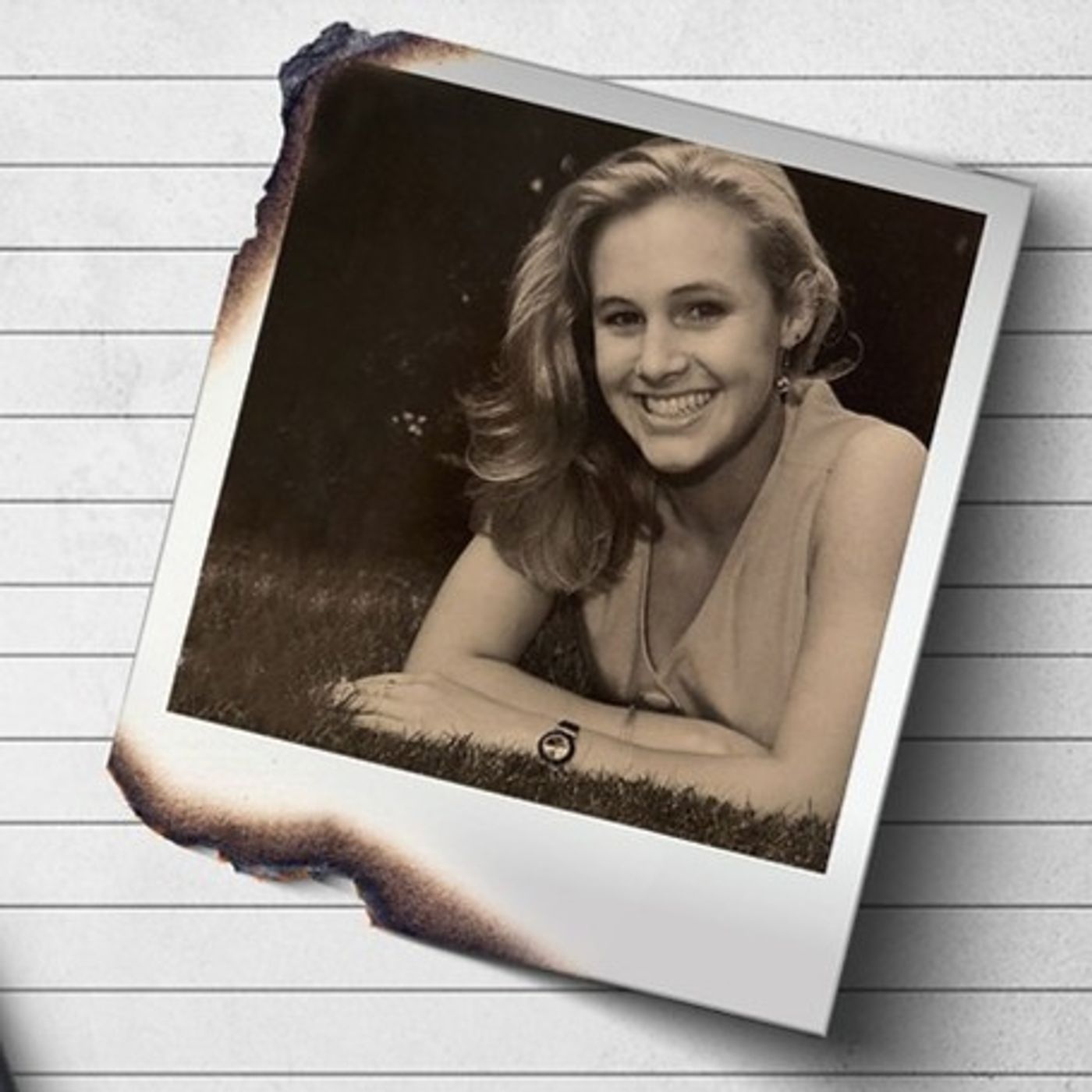
[music] Travel back in time to the 80s. Reliving the advice. Car pay, DM. Seize the day. The comebacks. Where did you take a picture of the last line, girl? [laughing] And the technology. Are you telling me you go to time machine? [music] How do I put the warriot? Because just like you, we're stuck in the 80s. [music] Can you say stuck in the 80s? [music] All right, okay, now we're all here. So what's the big announcement? Gentlemen, I'm not going to beat around the bush here. We've known each other for 20 years now. So, um, this is going to come right from the hip. Come on, Rick. Spearsy, his name is Spearsy. What's the stamp announcement? Okay, here it is. I wrote a book about the podcast. Yeah, right. [laughing] All right, I'll be back. What's the problem? [music] That was not a joke, guys. Back in March, I published a book. Stuck in the 80s, 20 years of conversations with pop culture icons you defined a decade. Yeah, it's on Amazon, Barnes and Noble, Target, Walmart, pretty much any local bookstore can order it for you. That's right. I turned in my amateur standing and I turned pro. I don't believe it. Come on. Well, thanks for telling us. Yeah, you could have been even a bit of an idiot. You know you're all mad, man. You know how you talk about mad, but you just get married. You just say, "Fade in." Guys, our buddy wrote a book. This is the happiest moment of his life and you're giving him a hard time. Look, Rick, I'd rather be dead. Look, if this is what you want, good luck, man. You're the best. Happen to me, man. You know, since you already went ahead and done this, the least we could do is celebrate it in style. Yeah, let's have a bachelor party with chicks and guns and fire trucks and hookers and drugs and booze. Yeah, yeah. All the things that make life worth living for. Yeah! Yeah! Yeah! Yeah! Yeah! Guys, guys, I really do appreciate this. You know, when I started the podcast back in 2005, I figured maybe a few friends would listen. Maybe my mom. Maybe somebody else's mom who got lost on the internet. And here we are, 20 years later, we've done hundreds of shows, talked to some of the biggest names in the 80s, won a few awards, made a lot of friends, somehow convinced complete strangers to listen to middle-aged people argue about Durand or Anne. So when the idea of this book came along, I thought, "Sure, why not?" After all, it's only 20 years of interviews, memories, deadlines, embarrassing stories, cake and all bad decisions. How hard could it be? And now it's finally here. So thank you guys for celebrating with me. Thank you for supporting the podcast. Thank you for buying the book. And if sales don't pick up soon, thank you for helping me clear space in my garage. ♪ ♪ I have no idea why good girls like bad boys, but I love this song from the movie Bachelor Party and I love Bachelor Party because when I was a good boy, this was my vision of the future. Hey everyone, it's your old pal Spearsie and Brad and C.A. And today we talk about some of our favorite party moments of the 80s and chat up and author who has a new book about her journey through the crazy days of youth. This is the best, this is great, I love this, this is the best, I'm having the best time. I love you guys, I love everybody, I love my friends, I love everybody, I just want to party. ♪ ♪ Brad, I'm just curious, are you addicted to the concept and the party spirit behind Bachelor Party's I Am? Steve, you might remember I was an engineering major in school, so no, I did not even have access to this in my fantasy life. I remember seeing this movie and thinking this is beyond anything that I will have access to ever as a human being. Will you go out there and have some fun and have a few laughs please? I remember back then seeing this, I probably on HBO, I'm sure I never saw this in the theaters. Yeah, do it screen in theaters, I don't know. It must have, but back then I just imagined, Tom Hanks was like the every guy character. Anybody could beat Tom Hanks in the stage. You could bolt Tom Hanks off, yeah. Yeah, and I just imagined that once I turned an adult, I'd spent all my years coughing down booze and drugs, having random bands show up at my parties, the whole nine yards, and that turns out that's not exactly the way it went. Didn't play out that way? No, yeah. Yeah, I just was like, yeah, that's hilarious. Good for you, Tom. Have a good time. Let me know how that works. Let's see how you are in the second. Yes! Woohoo! Woohoo! Yeah, I'm you! Oh! Debbie, you're a hooker. I don't believe it. But I think one of the reasons a bachelor party still works 40 years later is that beneath all the chaos of the movie and there's so much of it. Which there is a lot. Yeah. There's the donkey, the hotel destruction, the bad decisions, pretty much every plot line that would never make it into a movie today. But behind it all, there is a story about growing up. And Tom Hanks' character spends the entire movie surrounded by people who are encouraging to make these awful decisions. Just awful. Yeah, we all have friends like that, right? We all have friends like that. Some of the choices are funny, some are ridiculous, some come with consequences that aren't nearly as entertaining in real life. That kind of brings us to today's guest. Unlike the characters in bachelor party, Tracy Viola, the author I spoke to, doesn't tell a fictional story about reckless behavior. She tells a very real one. And her memoir, which is titled Pretty Wrecked Confessions of a Teen Attic in Her Road to Recovery, was an amazing read for me. It kind of takes readers through her struggles with addiction as a teenager, the challenges she faced, and then the long journey through recovery. I picked up a copy of this just so that I would be well educated for this podcast. And I will say, is it an easy read? It's not always a fun read. She goes through a lot and she's very open about how she got there and how she got out of there. And I will say when I got to the point, I don't think this is a spoiler. She's alive. So she wrote the book. But when she gets to that first AA meeting, I'm just like, oh, I felt this weight come off of me. You're worried about this person. And it's just, I'm so glad that she made it back. Well, Brad and I know her because Tracy comes on all the 80s cruises. I think she's been in almost every voyage. Her husband and her dominate the Popeye costume contest, every single trip. Yeah. Some of the some of her to call on the Calgon Baff tub that they wheeled out. Yeah. What the heck with real bubbles? The one year they were the couple from rad, the BMX movie that we did a show a couple years ago. So well executed. This year they came out, they were, they were just wearing beach towels that said, I think zestfully clean on the back. So they were doing the zestfully clean commercial. I don't think anyone would argue with me when I say that they are an attractive couple. Yeah. I cost him off. Brad and I are not doing the zestfully clean commercial. Not even in my own bathroom. I don't even know if you and I had to pull off an 80s commercial. Carls and James. That's okay. I said, you put more thought into it than I have. No, it just came to me two old men. Yeah. And we get to sit. We get to sit on a bench. I think I get to read our support. So Trace and I will talk a little bit about the 80s cruise today. But our main focus is her story, her book. It is an honest, sometimes painful as Brad said. But it's also occasionally very funny, account of addiction recovery and the long road to get back to yourself. And I think that's one of the things most of us learn eventually is that there's a difference between simply getting through life and then truly living life. So let's set aside our bachelor party shenanigans for a few minutes and sit back and enjoy this conversation with author Tracy Viola. Tracy, welcome to the podcast. Thank you, Steve. I'm so glad we finally connected. Well, we connect all the time on the 80s cruise. You've been on how many of them? Have you been on all of them? Well, a lot of them. We started, my husband, I started in 2017 and we missed one of them. It was actually because of my book launch that we had to skip what was it, 2024. But otherwise, yeah, we've been on it since 2017. Crazy. I see you every year come through for Pope icon costume party and you must have won it. What for you surely should have won it a few times by now, right? Yes, yes. We've won three times and we've podiumed once. So that is crazy. Massive bragging rights because these costumes that as you know, the guests come up with are absolutely phenomenal, mind blowing. And I love that there's just as many weird people out there as me. So keep them coming. You talk about your book launch and that's what we're here to talk about today. The book is called Pretty Rect. Confessions of a teen addict and her road to recovery. You have a subtitle as long as the subtitle for my book. I used to have to have it written down on an index card and stared at it.
down at it when people would ask me what that name of the book was. When did you realize your story was just not something you just survived, but something worth writing down? >> It was actually after COVID. I'm not to have a spoiler alert, but during COVID, I had, oh my gosh, I think I had 24 years sober. That's insane. For SA, that's crazy to have 24 years sober. COVID was really hard for all of us to go through, but as a person in recovery, having all of my tools and community taken away, felt really, really hard. Then of course, I just sat and watched everybody drink bottles and bottles of wine for months. That was really hard. It was after I got through COVID, I realized that my recovery was such a gift. I'm so strong and it's such a blessing to have been in recovery that long. I just felt like I needed to share how awesome it really is and how lucky I felt and how grateful I am. It just poured out of me. >> When I first heard the term recovery memoir, I was expecting something really heavy. I was almost a little intimidated by your book at first when I, the concept of it. But as soon as I opened it up, I mean, humor, attitude, personality, all over it. How important was it to reflect your voice and not just an addiction story? >> The funny thing is, I knew I wanted to write the book as vignettes, so short stories. Because when I've read memoirs, there's times I'll read a memoir and I'll be like, okay, get to the good stuff. Then I thought, well, what if I just wrote all good stuff, all the stories and showed my descent into addiction through stories and then my coming out of addiction and into recovery with recovery stories. And the book, my book would I guess be under the genre of Quitlet, that's kind of what they call it. >> I love that. >> Yeah, it's great. But I knew I wanted to write it as vignettes and what I ended up doing was really writing the stories in first person as if I was still there. So kind of like when we lost our home, I literally kind of like went into being in the home. I was 16 again, I was opening the front door, which was very emotional to like relive a lot of that. And at the same time, very healing. And so I knew that I wanted it to be a real voice in the moment and then I turned it into past tense. So I think what ended up, it was just luck. I didn't, that wasn't like a grand scheme of mine. It just happened that that's how I wrote it. And I think that's what made it seem so approachable like you were talking about because it was literally as if I was in the moment writing the book. >> One of the reasons we're talking to is because this story begins in the 80s. Can you kind of take us back to where you feel it started? Like what's the year? What's the entry? >> So I'd say I would say most of the stuff that I went through because my father was an alcoholic and neglectful and my parents got divorced when I was six. And then my stepfather came into the picture and he made my father look like Prince Charming. And that was in the late 80s. So I want to say that was like around like 87, 88 is when my stepfather really came into the picture and things went downhill from there. I started using in 92 is when I officially started using but like I was just a train heading in that direction emotionally with all that was going on. And eventually I was like, well, I feel like shit. And drugs make me feel really numb, which is a really nice relief. And then it kind of spiraled from there. >> Well, I'm so impressed with what I'm reading it and you talk about putting your mind back there. I mean, the fact that there's so much detail to these vignettes when you're under the influence. I mean, are those moments really that clear still in your mind? When I think back to some of my blotto stories of the 80s or 90s or even two years ago, it's the lack of detail, I think that distinguishes them. >> So yes, I do remember, I would say I didn't tell stories that I didn't remember. And in fact, it was really fun to have some of my friends that are maybe mentioned in the stories. Call me up. I changed almost everybody's name, but to call me up and say that was exactly how it happened. I can't believe you remembered that story. So that made me feel good, like, okay, I'm not crazy. But what I remember, not only in addition to the details, but were the feelings. And I think that's what people connect to in the story. I mean, yeah, you can connect to the details and all of the references and posters or clothes or all those things. But it's those feelings of being a teenager and angst and frustration and pain and then some really fun times using, frankly. I mean, I'm not going to make it like it wasn't obviously all bad. I mean, you don't keep going back to something that wasn't good. So I think that's what was relatable for people or those feelings behind the stories. >> I know for me when I'm reading it, obviously, I've, as an American college student in the second half of the 80s, I have certainly seen my share of pot and booze. But there's parts where you start talking about was it's mushrooms at one point that becomes like, I've never even, the list of drugs I've never seen in person is a very long list. I guess I've been sheltered or whatnot, but mushrooms becomes your drug of choice. And I was really infatuated by the stories of that. So like I absolutely hallucinogens were my favorite. I think I remember them saying like if you did acid seven times, you were like clinically insane. Do you remember that saying? >> No, no. >> Okay, so well then I'm way, way off of my rocker, like way, way, way off. Funny story. And again, I can laugh at this stuff now. It is a heavy topic, but like the stories are ridiculous. Funny story that I did not put in the book that drives my family crazy to this day is one time I was on a large amount of acid. And somebody was driving me home and I had to direct them how to drive me home, right? This was, there's no phones. There's no map quest. There's no, you know, you just had to know directions. And I was telling them how to drive me home and I'd be like, okay, so up here, like turn right. And so the person would go to turn right and I'd be like, no, no, no, turn right. I'm like, I am turning right. And what ended up happening was my left and right got switched in my brain on so much acid. And to this day, if I have to tell somebody directions out loud, I still verbally say left or right incorrectly. Wow. So like it does have left lasting effects. You know, they always like, oh, the story's going to mess you up forever. So really? Oh, yeah, I cannot say left or right out loud without having to pause and almost be like, right, left. Yeah. It drives my family crazy because I'll be in the car instructing them and my husband also like, okay, turn right up here. And he goes, are you sure? Yeah, that would get annoying. Yeah. I'm sorry to my acid. I'm sorry. The only experience I never took acid, but a lot of my friends did in the late 80s. And the moment I decided I was never going to do it, we'd all, back in those days, you could have hotel room on the beach and you'd squeeze 10 people into it for, you know, Memorial Day weekend. Of course. Three of my friends did acid. We were all into the night. Everyone's in bed sleeping. I wake up at two or three in the morning, whatever time it was. And three of them are just in, the three that took acid are in chairs, two feet from my bed just staring at me. Just bug eyes staring at me and it freaked me out. And like, what are you doing? And they're not talking to me. I'm like, what are you doing? And I'm not talking to me. I guess they were up for like 24 or 40 hours and afterwards they told me, oh, you know, do you remember me waking up and talking to you? They're like, nope. They said, you know, we were watching a movie. I'm like, there's no, there was no movie. I was moving. It was me. And I was like, you know, I don't think I need it. That's good. I'm glad. So they were like this example of like, okay, maybe I don't want to do that. I was that example for lots of my friends. I was the example of like, maybe we shouldn't do that because that doesn't look like it's okay. So to all of my friends, you're welcome. You're welcome. Putting these back in the 80s again, it's notable that in your story, you talk about what you were listening to the posters that were on your wall. I'm not sure how to word this question. So I'm going to kind of ease into it. It's not, it's not a traumatic question. I'm just curious. I'm the last person in the world to blame the music of the 80s for living life. Like you're going to die tomorrow. I also admit that as a writer and journalist myself, it's hard to separate the historic, hard drinking lifestyle of writers with my own history of drinking, which I've talked about on the show for the last year or so. I'm curious if you either found a connection then or you find a connection today between the pop culture of the time and whether and how it may be enabled you to more easily become an addict.
So I would say it's a yes and yes and what was driving me was what I was going through and kind of the trauma that I was going through with my stepfather in particular and then the loss of our home and you can read more about that in the book. It's very messy, but that's what kind of drew me to certain music. So it was kind of both, right? The music was there for me to choose to kind of go down that path, right? Like I found myself getting darker and darker emotionally, so I turned to music that was darker and darker. You know, what started out is very like Madonna and Cindy Lopper and Pop, you know, turned into, you know, like, you know, probably went like Bon Jovi to like poison and skid row into Motley crew, right? Like the progression and then you start to get into like the early 90s of kind of like angst with like Nirvana and stuff like that. So I feel like my, the music and my emotions matched up. So I can't, I can't blame the music and I still all love all of that music today. And then after that, like once I started really drinking and using, then it's kind of, I don't want to say it's a blur, but like then just music was, and then you know, I got into grateful dead and and all of that stuff because that's kind of what I was around those people. Sure. Yeah. No. But I have wonderful memories of the music, even now, even with my history, I still, I still have posters of Motley crew and Bon Jovi up on my walls in the basement, you know, so. And you don't, when you see those posters and you hear that music, you don't, it doesn't give you a flashback. Now, so it's been, it's been a hot minute since I've, you know, used and drank in the beginning. It did. So in recovery, there's something called people, places and things. And they say, stop seeing the people you were hanging out with, stop going to the places that you used to go to that might trigger you. Get rid of things that, you know, have like associated memories of like using or drinking. And so I did. So I, I listened to that and I got rid of all those things. Now, there were a lot of things I couldn't get rid of. So I just was like, can I put these in a box and kind of like put them in the attic and I'm grateful that I did because to this day, I still wear all those vintage, grateful dead shirts to sleep in and my kids borrow them and they think they're the coolest. So I'm glad I didn't get rid of any of those. But so I definitely had to take a beat from that stuff. But once I really got my feet under me and really had some good, strong recovery, then I could introduce those things back in. And now they're part of my story. I don't want to not look at it, right? They like look like you can look at your past, but don't stare. You know, that's not the direction you're going. That's one of my favorite things. Like I can look, but like I'm not going that way. I'm going forward. And so I love having them. I mean, I obviously, I go on a cruise every year where I'm exposed to all of this 80's music and I love it. It's my favorite week of the year. Let me ask you this about the cruise. The 80's cruise is intense. I mean, everything about it is 120 miles per hour that you've got 45 concerts. Things go nearly 24 hours a day. But one of the key, I wouldn't say it's a key aspect, but everybody gets a free drink package. There is certainly a lot of boozing going on. Is that tough for you? No. So I would say not usually because I have learned how to have fun and kind of throw caution to the wind with no alcohol. In fact, the joke is my husband always says when I order a Coca-Cola, he's like, oh shit, things are going to get real because I do not need any additional help. And so if I'm going to drink like a soda, get like the caffeine and get some extra energy, then everybody should look out. But I would find that there's maybe one day on the boat that for whatever reason, it just goes a little too far. And I don't know why that is. And I don't know, it's usually halfway through. And I usually find that's the day where I might be like, you know what, I'm just going to like maybe back off a little bit everyone today. Because it just, well, it's also, you get to the point where you're like, I can't talk to you. I mean, you know this. You get to the point where you're like, I can't really have a conversation with you. You're spilling your drink on me. You're not making sense. I don't want to parent you. I'm on this boat to not be a parent. You don't have to like parent you. So that's usually the time when I'm like, you know what, I'm just going to take a beat back and go watch any of the amazing movies that are playing in my cabin all day. So that happens to me too. There's usually one day. And it's usually, it's a lot of times it's a port day where we roll into somewhere like NASA or somewhere where there's a lot of bars offering cheap drinks, strong drinks, or little booze cruises where you go out on a sailboat for the day and drink all the rum punch you want, then you get back on the boat. Those the days where I try to maybe spend more time, you know, in the salarium or like that. Trying to recover your voice, right? I mean, that is a common problem. Yes. You know, even even as a non-drinker having never drank on the 80s cruise ever, I do not know how people are alive by day seven. Because I feel like I am going to, I always say if this cruise was eight days long, I would be dead. And I'm not even drinking like I am having like water. And by day seven, my voice is shot. Everything hurts. You know, so I feel totally dehydrated. So I don't know how people add the alcohol to it. But even even on my best days, I'm good for maybe three hours of drinking. And then and then I'm my body is tired. I'm ready to go to bed. I've hit my limit. So yeah, when I see people who started eight in the morning and finished up at two in the morning, I always kind of, I just stare at them and wonder how you're able to do it. Yeah. And sometimes I'm like, you know, there, no judgment, right? You're on vacation and maybe a lot of people are like, this is, and I would say even my husband says he's probably, he probably says he has 75% of all the alcohol he'll have all year on the 80s cruise. So you know, it's and he drinks and it does not bother me at all. We met when I was, I think I had about seven or eight years sober. So I was pretty well established who I was and how I felt and what I could or could not be around. And so his, he's, I call him a normal people that can just like drink alcohol normally. So he's a normal and he can take it or leave it. And so, but he probably has the most alcohol on the cruise of what he would do all year long. Now, that's, I was, I was going to ask you know, whether or not he drank and whether or not that was how that become impression that made on you interesting. It does not bother me. And he's pretty good about listening. Like I'll, there's always one night on the cruise where I'll have to recommend he pause. And I'll say, you know, is that drink going to make tonight more fun or is it going to make tomorrow worse? And I never say, so I'm very big on like, I'm never going to tell you yes or no. I'm just going to throw some information out there and you're going to do whatever you want with it. And that's the way, that's even the way I parent my kids. So I have two teenagers. And I always say, I'm never going to tell you yes or no, but I'm going to give you the information and then you're going to need to choose. And it's kind of like a little tricky way of like they actually, they are listening and then they end up, you know, the majority of the time. And I say, you don't know need to get every decision right. You need to get more right than wrong. You're not perfect. You're going to make mistakes, but just get more decisions right than wrong. So with Mike, I will say to him, is that drink going to make tonight more fun or tomorrow worse? So just think about that, but you do you. As a husband, I think I would read between the lines and say, you know what, I'm, you know, cancel that drink or, you know, I'll just have a club soda. If anyone says that to me, I think that's a hidden sign. I always tell people, if you ever see me grab a cigarette or a cigar or ask for any tobacco product, that means I have long passed the point of having, having too many drinks and you must immediately put me to bed. So that's like the, all right. Good, Cue. I'll, I'll keep that in mind. I'll remember that. That being said, I haven't touched tobacco in years. You, you talked earlier about one of the things about recovery is, you know, the people you hang around with and having to say goodbye to them. And it's really a point part of the book where you call up your friends, the ones that who were with you during those, some of these outrageous adventures and some of whom you had to lean upon to live with when things got tough at home and, and you had to say goodbye to them. That, that must have been, I can't even imagine the emotions that were going through your mind. So it was very scary because it's, it's as if somebody pushed the reset button on my life when I decided to quit using drugs and alcohol and, and it was like, Oh, by the way, so, so my one counselor at my second rehab, because, you know, why have one when, fail out of one and have two. One of my counselors at my second rehab, I remember saying after I was all in, after I was like, okay, things need to change. What do I need to do? And he said, well, there's only one thing you need to change, honey, everything. And I was like, well, oh, shit. And he's not wrong, but it was scary to leave all those people. The other thing is, those people, they're not wrong.
people didn't really love that I was basically saying to them, "Hey, I have a problem. I need to get myself together. I need to stop doing this, and I can't be with you." Because that was kind of a mirror for that, right? So if I had a problem, and they were using exactly, and we were using the same way, they probably have a problem, and they were not ready to address that. So that was, we had some falling out because I was the mirror saying, "Hey, this isn't normal, guys." Is there a partner in your life where you can bring them back in? Are you able to bring them in now? Are you able to talk to them or keep in touch? So some of them I have. Some of them I've been in touch with. And others, again, I really don't know what we'd connect on. Our relationship was about, "How do we get it? Let's use it. How do we recover from it?" Rinson repeat. That was our relationship. We weren't friends. We were assisting each other in our addiction. There is one person though in the book who was my roommate in college, and I have tried to find her. She was just a very big part, big love of my life, and I have not been able to find her. And the only thing that I have not checked is the obituaries. And maybe I just don't want to check the obituaries, but I can't find. I mean, we've done, we've hired services to try to find her. We've, you know, done the whole Facebook and Instagram, and I've contacted her family members, like I'm looking for this person. And so if anybody out there wants to go find her for me. That was my next question. I got to admit that the part of the book that wrecked me the most was that where you had this person. You were so close to it. Was it your freshman year at USC? Was South Carolina? Not Southern California for those at home. You put these little post logs at the end of each chapter. Oh, in retrospect. Yeah, I kind of like look back. Yeah, which I think is just a great tool in the book. And I really, I really looked forward to reading those each chapter. But the one where you say, I've not been able to find her. And you just, yeah, it was I do. And it's going to make me emotional, but my name to my daughter after her. I thought she did. I thought you did. I and like, and she, my daughter kind of teases me. And she's like, you're telling me that I'm named after your favorite drug buddy. And I'm like, yeah, but like there was just something extraordinarily deep that we connected on. And we both were a mess, you know, and like I'm not going to blame her for that. I'm not going to blame me for that. I will take a take responsibility for my choices. But for all of the things that kind of got me there, those were not my fault. I was a child and those things happened to me, but my response was not the healthiest. I will definitely say that. But yeah, no, I, I really cared about her. And I always loved her name. And she had the best laugh in the world. And I did. I named my first born after her. Before we both end of crying here, I want to, I would love for you to read a passage of the of your book that means something to you. Yeah. So I was trying to, I was thinking about this. I know because you had messaged me that. So there's one passage where I could have gone down that had like a lot of like 80s references, which is the one where it's called against the wall. And I kind of talk about my progression based on my posters, right? Like starting with Johnny Depp and then like moving to like Richie Samboira and then eventually gets kind of darker and darker as I go. But I actually feel like this chapter. It's called slippery slope. I'm hoping that this kind of for your listeners, does a good job summarizing what's happening a little bit in addiction. I mean, you can't just summarize it in one page, but this hopefully does a good job explaining certainly what happened to me. So I've got to put my readers on because you know, I'm not 25. All right. So this is in the chapter called slippery slope. So the definition of slippery slope, a chain of events that once initiated cannot be halted, especially one in which the final outcome is undesirable or precarious. I genuinely believe no one sets out to be a drug addict. That would be ridiculous, right? Nobody tries a little something at a party, a wine cooler or beer or hit of weed, a mushroom or pill, and is suddenly hit with the reality of what one's life will look like in four years after, trying that one harmless little thing that everybody else was doing at the party. But the truth of the matter is you have to start somewhere. As innocent and docile as that little something somewhere might be that very well could lead to something somewhere entirely different. It's a slippery, slippery slope. I had a hit of weed. I loved it. Then I had many more hits. And during those times that I was smoking and drinking, I was exposed to more and more drugs, watching people use these drugs successfully and with pleasure. I would eventually make little leaps in my brain to justify the next thing to excuse it to make it seem validated even. But what I didn't realize was that this was my disease talking. It was growing, progressing, rationalizing these decisions, casually taking me into the next bad decision. All the while, the person I had been was shrinking and replacing her was a disengaged, cold, selfish junkie. So just a little light reading, a little light reading for everyone. But for me, I think that that I wanted people to understand that this was not my plan. My plan was just, wow, I feel like shit. I had just gone through a lot. My stepfather was horrible. My dad wasn't there. We lost our home. And I just wanted to not feel. And so the metaphor I used for that in the book, which really teenagers love. I speak a lot to teens that they love is this idea of a trash can. And so I talk about this kind of trash can of my soul and all this trash being dumped into my trash can. And then eventually I was like, well, this stinks. This trash can stinks. And that's what the drugs and alcohol did for me. It was almost like it put like the lid on top of the trash can. So I didn't have to like see it and smell it and feel it. And then it just kind of progressed from there. Like I didn't plan on it. I don't think again, addicts, they don't plan on that. It's just it's a series of choices and events that happen. And I'm lucky. I'm, you know, I jokingly say at 19 years old, I was given the gift of homelessness. Because that kicked my ass. Once I got kicked out of my house and I was homeless, I really hit bottom. And I mean, I was 19. So I have not have ever had a legal drink. So yeah, I got sober at 19. And I mean, how lucky am I to basically have been given a book of how to live and how to function and how to relationship and how to, you know, take care of yourself. So what ended up being the worst part of my life ended up being the best part of my life. If you could turn it around, if teenage Tracy could see your life now, what would surprise her the most? That's a great question. What would surprise her the most? I think just how like solid I am. I mean, I feel like as teenagers, I feel like regardless of whether you're in a traumatic situation, it's just chaos, right? Like you're just, your prefrontal cortex isn't developed and everything feels like the external locust of control is out of control. And all these things are happening. And I guess having gotten through that resolved the trash in the trash can, right? Like once I got sober, I actually had to go through all of the trash in the trash can and actually process it. And so today, I have all those tools and lessons and way of life that I'm just, I'm just good. Like I'm solid. I don't, I don't go to bed with things on my shoulders. If I am frustrated, I deal with it immediately. I'm not afraid to have the tough conversations. I'm not afraid to apologize and own my own stuff. And I think that that was not the person I was. I was very afraid. I was very damaged. I was very insecure. And, and now I'm none of those things. So, so what's next on your list? What's what other projects are you working on? Will it be a volume two? Where do you see this taking you? So it's interesting. So I, I don't know. We'll see, right? We'll see. My husband and some people that I speak with want me to write a book called Pretty Rect Parenting because I've learned so much through, you know, being in recovery and having, you know, the, kind of genetic component with my father being an alcoholic. And then the psychological issues that I had and then the social component of being around it. So I'm able to, and also then I have a degree in psychology. My master's degree in counseling psychology. So also from an educational perspective, I'm able to talk to teenagers and to parents about things that do and don't work. For the
conversations and literally living them right I have two teenagers so like I this isn't just the theory this is practice of like I can tell you what seems to be working well in the conversations I have with my kids. I talked to teenagers at schools that's my favorite thing to do is speak to high schools so I have a couple more schools I'm gonna be speaking to before the end of the school year and then I just did a TED talk and I know it was terrifying. It was thrilling and terrifying you know it's like 90s movie but you know that scene in Armageddon where Owen Wilson is like they're getting ready to go and he's like I'm like 90% excited and 10% for scared he's like well maybe it's like 90% scared and 10% excited I don't know that is what it's like to do a TED talk so they're editing it right now so I should hopefully get that in the next couple of weeks so I'm sure to to blast that out. I'm curious I mean high schoolers are notoriously sometimes disengaged when it comes to getting advice you know you hear it and you sort of have this look on your face like you're this proc you're impenetrable do you do you what reactions do you get do you get questions I mean because literally your life should be a big flashing warning sign to them I mean if I'm a high school senior what not and someone's having this discussion with me I think I have follow up questions. Oh for sure and so one of the not rules but one of the requests I have for schools is you're gonna have to let me curse because I hate to say this but like curse cursing is my love language and it also just I think is a little shocking for the teens and so they're like oh okay this is new and so it kind of catches their attention I'm gonna be completely honest and I will answer every question I get totally honestly and to look at their faces when I actually tell them the truth about things or certain drugs or feelings or what I went through it's like they're not so no one's telling them the truth like the truth and and I also never tell them no my message to teenagers that I say is yellow light that's what I call yellow light I'm not saying yes because first of all technically it's illegal for you I'm not allowed to tell you you can do this shit it's you know and don't because you're messing with your brain development but you know that's boring science and I say I'm gonna talk about some boring science for a minute and it's I'm not trying to be an asshole this is just the science so like don't hate me for this but like your brain is two thirds developed you know like a brain doesn't fully develop till 25 years old so like you're you're messing with it but anyway side note but I say to them yellow light just pause think is this decision at this party in this moment gonna move me towards what I want what I'm what I'm thinking for my life what I'm expecting what I'm hoping or is this gonna move me farther away and again you don't need to get every decision right you need to get more right than I did I like to end every podcast or are a lot of the podcasts with the podcast time machine question we like to think of stuck in the 80s as a time machine and as such you can take it back to any time or place in the past you can relive a moment from the past you can change a decision you can go to an event you missed you can tell your younger self something anything you want to do if we gave you a seat on the podcast time machine when and where would you go and what would you do I mean I know the answer I don't know if I'm gonna get through it without bawling my eyes out I would have stopped and talked to my grandfather before I left the house I remember that story yeah I would have kissed my dog and I would have apologized to my grandparents for everything I put them through and instead of just walking out because you know you don't know I mean you you know you went you went through a lot over the last year you just don't know what the next day is and those were huge losses for me I mean I I really believe that their losses were my bottom I don't think I think they just that destroyed me enough that I realized that I my way was not working and I didn't know what to do next but I knew that I couldn't continue the way I was so despite the horror of that experience I also believe that that was the catalyst for my change it's a great answer it's a great answer Tracy if people are looking to buy a copy of your book where should they go so it's on I call it the Zon with my family as a joke so it's on Amazon paperback a Kindle version audiobook audiobook the best ones on Spotify and I think you can get on other places like Barnes and Noble dot com target dot com but yes I would just search for it so pretty wrecked and if you notice do you notice what the title looks like pretty woman yeah yeah I just I just noticed that yeah nice so it's the same color and the same font is pretty woman so sweet Tracy thanks so much for coming on and sharing your story oh thanks for having me and I will look forward to seeing you on the next 80s cruise there you go Tracy Viola fun conversation that I loved her answer to the podcast time machine yeah I mean read the book and you like that's kind of where you would think she would head but yes there was a couple moments in the interview where I could tell it was a competition to see who's gonna break first whether it was gonna be me or her and the story of her her dog and her grandparents was definitely one of them at the other moment that really hit me when I was reading the book and I'm glad we explored it in the conversation was her roommate in college was a was one of her best friends and but also one of her you know party buddies right and I don't want to I do not want to spoil the book at all because I think it's a great reading you really ought to pick up a copy you'll find out why she loses track of her after her freshman year and still can't find her there's there's even a plea in the book to her saying I'm still looking for you please help me find you and when you discover that she's named her daughter after her college roommate it gets and that's a little weepy when you're reading it and it's weepy when she explains it so so glad I read the book the to like things up I was super curious that how do you as someone who doesn't drink anymore handle a week aboard the ages cruise oh I know I'm so glad you asked that question because I'm like that's got it it's like you know throwing the throwing the bait into the fish tank into the shark tank oh my god I mean I you know when doctor dim came on the cruise with us a couple years ago he wanted me to reassure him that it wasn't exactly seven days of people just partying their brains out and I told him it wasn't but for some people it very much is it can be yes it certainly can be I don't know that I've ever seen the bartender cut anybody off but no no times it probably should have happened probably should have been for sure but we'd always cracks me up is like you and I get on board that first day and we're you know heading from one event to another you know doing our front orientation talks and we see people who are already sloshed yeah like at 11 30 in the morning you got a face yourself man we're not as young as we used to be I can't do that but yes it was funny that she says you know for the most part she survives it she you know that drunk people can occasionally be annoying I totally get that when you're so like sober people boys and girls yeah and and I was really super curious like that okay so you you were an addict and you know we're everyone who's an addict is always an addict you're always you know recovering one but does your husband drink and he does you know that that found that interest I guess he's I guess he said 75% of the drinking he does in a year he does on the 80s Chris which I think mathematically could apply to any of us on the book oh my gosh oh my gosh but it did remind me though as we were as I was reading the book and and I was thinking of my own stories of just craziness behavior that I did in the 80s do you have anything like pop to your mind well like the the that could have gone very badly story I have one and I don't really tell the story a lot because it doesn't cast me a great light but I did tell my kids this story when they were gone off to college so I was driving home from a fourth of July party I think it was 1988 or so and I had had a lot to drink really shouldn't have been behind the wheel I woke up in my car going freeway speed down and ramp oh god yeah so 10 seconds later Brad and L.A. is Brad and the morgue you know basically slam on the brakes like it's scared the shit out of me you know pulled over for a second roll down the windows crank up the music like okay it was probably 15 minutes from home there on surface racing I had like went about 20 miles an hour home the rest of it was like holy shit holy shit holy shit
- You know, one of the things that they say is that one of the signs that someone's driving drunk is that they're driving too slow, not too fast. - Yeah, yeah, for thought. (laughing) - Well, I don't do that anymore. I told my kids that start, I'm like, look, if you are in a situation like that, this is why I'm putting an Uber account on your phone and I want you to use it and I do not care how much that car costs. - Yeah, well you know what's crazy? If we had Uber in the 80s, I wonder how that would change things. - I don't know. - Would we have had the presence of mind to use it? - I don't know. - Yeah, you know, here's the thing. Like, in the 80s, I don't think there was, people weren't quite as vigilant about the whole drunk driving thing. - That's true, it's true. It was kind of coming into the-- - Yeah, it wasn't like-- - The issue was coming on. - It was in at that point. I certainly did my share of it and I don't think I ever got, I never got pulled, I rarely ever have been pulled over in my life period. So I've never been pulled over for that. But I know I used to, especially in college, in my years, following college, I did that more than I should have. And I always had this belief that as long as I have food next to me, that if I got pulled over for weaving, I could say, I'm sorry officer, about the weaving, I'm trying to eat this subway sandwich on my way home. - You know what I'll wait till I get home. You know, you're right officer. - Yeah, but I should be. - Clearly that was a bad idea. I won't do that anymore, I'll just go home. And I used to think that that was the most clever, excuse me. - I'm unlocked. - I'm unlocked. And I think one time I talked to somebody who was a cop, I think one point, I tested my theory on him and he's like, you think we haven't heard that story before? If I pull over somebody and they've got a subway sandwich open on the seat next to them, I'm definitely making them do field sobriety tests. So, but I did that many, many nights in Jacksonville. The catastrophe I avoided right in those final years in college and right after college, my friend started experimenting with acid a lot. - Oh gosh. - We talk about this in the interview. And I managed to avoid it, like they never pressured me. And I just knew that that was a line I should not cause. - I don't think I want to do that. - Like pot, okay. Still, I can't remember the last time I even saw a pot, but that was the only time I ever got offered acid. And I just, I just, something about it just didn't sound right. Like, you know, sometimes you have to count on the, - The little, yeah, the little, someone pulling the string in your head. - Yeah, it's not a great idea. - Not a great idea. So that's, that was the catastrophe I avoided. But I mean, the parties from those years, I mean, we talked about summer of '86, a couple episodes ago. - Yeah. - There were parties where my parents would go out of town for the weekend. They had a boat, they had a sailboat and they would go on like a weekend sailing trip. - Sure, as long as. Why would you take it out for a couple hours? You could take it out for a couple days. - Right, exactly. It had a nice little cabin where you could sleep in a bed and a refrigerator and the whole nine yards. So whenever that would happen, I would throw a party at the house. And there was, I think we told this story during trivia when we had John E. Del from Drama Rama. There was a party that I had. My friend did too many rummaging cook slammers and threw up all over the living room. - Just like, yeah. - Bookshelves on the floor. - Oh, come on. - Come on. - And he didn't think it's right over there. - He didn't have the. - The presence of mine does your own thing. - So it's moved. - Yeah. - And so in my drunken state that night, I pulled out the family vacuum cleaner and vacuumed up all the vomit. - Oh no, God, that machine is gonna leak forever. - So I do that. And then I remember dragging my friend to the bathroom and laying him down in front of the toilet and then putting a bunch of towels over him so people could still use the bathroom. (laughing) And so Dave is in the bathroom. Tows covering over. I'm vacuuming up the vomit. Suddenly I hear a scream from the bathroom and it's my sister who would enter to use the bathroom and then Dave started waking up. - Oh. - From underneath all the towels. And so. - It's just like kicking the living clock out of them. - Yeah, not a living room. - She was pretty fond of wine coolers back in the day. She used to grab those two liter bottles of sun country wine cooler. - Yeah, yeah. - Go to town on it and then just be like, when once she got drunk she was an angry drunk. I'm like, you try to pry it out of her hands. - It's just like a blast of iron. - Yeah, but no, we cleaned up with the vacuum cleaner all the barf and I went to like sears the next day and bought a new bag. - Yeah. - And it doesn't show it out of the inside of it though. - Yeah. - And then I run out every time my mom would vacuum, she's like, there's something wrong with this vacuum cleaner. - Like that? - Let me see mom, I don't know. - I think it was probably about 20 years later, I told her. I think Kristen was there, we were there for like some family. You know, we were all, we were all, - Yeah, I didn't come up. - You're like, let's just let's just clean this one up. - Yeah, that's what it was. - Because the rule was we were never gonna say it while we still had that vacuum cleaner. - Right. - And so, but we didn't. And I almost got away with it. Almost got away with that party 'cause I'm cleaning up the barf. There's, you know, all these sorts of things. But it turns out that two of the party goers had gone into my parents bedroom and used their bathroom. Like they went into the shower, put on their shower, put on my mom shower caps and had sex. - Oh. - And that's how my mom figured it out because someone, because the shower caps-- - These things were where she kept them. - Yeah, that's how I was busted. And 'cause I remember when she sat me down, she's like, you wanna explain what happened this weekend. And I'm thinking, - Like how do they know? - They know which part of what happened this weekend. Like what am I being busted for? And it was, as someone was in there, I followed the stupid things to get busted for her. - Yeah, I had maybe three or four friends over one time in my parents' house, similarly. And I scoured the house. I went through the couch looking for bottle caps and I like, I got everything, all the bottles and everything backed up and took it someplace else to throw away. So it wasn't the trash can. And like, you know, I'm, I'm feeling pretty good about it. And then my folks come home and my mom mixed in her and she's cleaning up, she runs to this garbage disposal. (imitates garbage) Someone had put a bottle cap in the garbage disposal. - Geez. - And my dad fishes it out and he's like, this isn't my brand, do you wanna tell me a story? - I'm worried about this. - Oh my God. - Yeah, okay. - That's a good one. - That's awful. - Yeah. - Oh well. - It's time to tell a story about something else right now you know what that is, right? - I think I do, Steve. - The, that's it. - The, that's it. ♪ You speak me right now baby right now ♪ ♪ I will be right now baby ♪ - Hey, it's time for Spin Me Round. We'll play a snippet of a song from the 80s backwards. If you, if you know it, Gloria waits you in the form of a metallic object, either a post-friendly bottle opener or one of the 20th anniversary license plates for stuck in the 80s from Travis Bell. - Or maybe both. - Maybe both. I got a big stack of them. - Oh, did you know nice? - I don't know if they're not in sight of my webcam right now. Which, that's-- - I have one that I need you to sign off to bring it on the cruise next year. - Okay. - That sounds lovely. - It's like an everlasting gobb stopper. One is enough for anyone. - Yeah. - And all anyone needs this one. - I would love one of those right now though. To be honest, I don't know why. Sweet tooth. That's the side effect of not drinking as much booze. Is that suddenly now you have a sweet tooth? - I don't know if you have, you don't have that problem 'cause you don't even cut back as much as I have. - Well, I'm trying to, Steve, I'm trying to emulate you in that matter. I tell you, I find that I snore a lot when I have had too much drink and that keeps the misses awake and that's not good for the overall general well-being of the population here at the house. - And I suppose it's probably not cool to get a CPAP machine just for the nights that you're drunk. (laughing) - Yeah, I don't know the-- - I'm gonna shout to Berberman, or is that, yeah, give me the CPAP. - I have that every night, so it doesn't matter. Anyway, from episodes 786, here was the mystery song. (upbeat music) That's Love Plus One by Haircut 100. (upbeat music) - Oh, Chef's Kiss. - Ironically, I chose this because Nick Hayward from Haircut 100 is gonna be on the podcast soon. So, I already recorded it. I mean, this is an album that, like, talk about it, just doesn't get name checked. When you hear the title, you're like, "Oh yeah, I remember that. Pelican West. - Pelican West. - It's a piece of genius piece of work. - I have a little history. - It just came out with a new album, by the way, just yesterday. - Pelican South Southeast. - No, Boxing the Compass. - Okay. - And it's great. I've listened to it. I had an advanced copy of it. There's a lot of songs in there that sound like, like it is a sequel. Like a little bit more sophisticated, but the same. - I kinda like that. I feel like there's a, all you need is now, the Duranjan album, feels like a sequel. - That's exactly what it feels like. - It's a real sequel. - Yeah. - Yeah. - Boxing the Compass feels like a sequel, but it also has sort of like the sound, songwriting sensibility that Nick developed as a solo artist. - Okay. - So the lyrics are maybe a little less bubble gum and a little bit more adult. - Okay. - Not that I'm knocking the original lyrics. - No, no. I mean, it's time to place. - Yeah. - But Nick will be on the show in a couple of weeks. I have the interview done, I gotta edit it. We talk a lot about some of his hit songs. And we, he's like, I guess I can't really write anymore songs about the sun. I guess I should start writing songs about the moon. (laughing) And so the conversation goes in 100 different directions. You're gonna love it. But in the meantime,
some people recognize the song so let's read their names. - Oh winners this week Steve include Dr. Dim, Jason and Memphis, Mr. Bunny and the San Francisco Bay, Jennifer Donatelli, Dave and Houston, Rob Nataro, and Lou Sweet Lou, really. - Okay Brad, spin the wheel as far as the winner is. - Okay, one, a two. - Oh, nicely done. - Thank you, looks like it's going to land on Dave and Houston, you are this week's lucky winners. - So then it's your postal address. - Why does that sound right, postal address? - And we'll get you something out and I'll see about having our fulfillment department in Indiana, same you license plate. - Yep. - In the meantime pay attention, here's this week's mystery clip. - If you know it, email us at
[email protected], I don't know why I paused too long and I forgot what it was. I was starting to think of which song I'm going to pick and I know which song I want to pick but I don't know, we'll see. I was like to be a future guest but I don't know, I know who the future guests are and Tracy Verola didn't have a single week of use so anyway we'll be right back after this commercial break. - Well, Ed and I are here in New York City and have found it to be a truly friendly place. Hey buddy, why don't you watch where you're going? - Look where my fingers are. - Where else could you be for such a little while and still have people already think of you as a buddy? - Well, that just proves that warm human feelings are the same everywhere including the appreciation of true quality in a wine cooler. We'll keep you posted on how the bottles and James sales are going and thank you once more for your support. - And we're back, we got a few minutes left, let's time to crack open an old chestnut called "What's Your 80s Obsession?" - Brad, what's your 80s Obsession? - So, this will surprise you as the co-host of an 80s podcast. I've been listening to a lot of old records of late. About a month or so ago I had a long drive plan and I was texting my friends and I was like, "Hey, give me a recommendation for an album that I could listen to on my drive." And really what I realized I was doing was asking them to somehow accurately guess what cassettes I had in my cassette case in 1984. And it was like, "Why am I asking these people to decide she should figure this out?" But I've been listening to Stix's Paradise Theatre a lot lately. - Thank you for that. - Oh gosh, it's so good. And he's just first three albums. Like I have a playlist in my Spotify, it's just those first three albums. Let me just tell you, 80s Nation, there's something very healing about driving around blasting tunes. You didn't remember that you remembered. I know the words to every song I'm Paradise Theatre. And I hadn't heard it in probably 35 years. You know, just blasting that music and just howling the lyrics at the top of your lungs. It's great. People may stare at you a little bit, but you know what? F*** those people. They weren't there. They don't even know. End of a speech. So Steve, what's your 80s obsession? - Gosh, now I want to change it. I was driving home from the dog park this morning and Purple Rain came on the series XM. And so I went into this little, it's a 15 or 20 minute drive from the dog park. And I went into this little fantasy world of mine where I'm on the 80s cruise, I'm doing Cobra Kai karaoke, where the band backs you up by. - Right, and you have to know the song. - And you have to know the song. - There's no like telepropter thing. - And in my fantasy, I'm both playing guitar and singing the lead to Purple Rain. So the whole way home, I'm sitting there imagining myself on stage. Everyone in the audience at this, and these karaoke sessions, Cobra Kai karaoke, they get pretty good crowds. So there's a couple hundred people there. And everyone's just in awe, like, I didn't know Steve could sing. And I get through, I finished the song just, and I'm just belting an owl while I'm doing air guitar. While I'm driving my dog on a public road. - Sure. - And I made a home just in time as it ends. - Oh. - That was lovely, but that was not my 80s obsession, my 80s obsession is supposed to be something else. Oh, the Earth Wind and Fire documentary on HBO. - There's a new one. - I did not know such a thing existed. Please walk me through this. - It's called Earth Wind and Fire to be celestial, and that's the weight of the world. - Okay. - Quest Love is the director. - Oh, wow, okay. - It has, oh, the Obama's are in there talking about the influence of Earth Wind and Fire. I mean, they've got all sorts of talking heads in there talking about their influence and the impact of the band. But it walks you through sort of like the metaphysical spiritual journey of its founder, Maurice White. - Okay. - And so it takes you back to, I think, the 40s when he was born. - Oh my gosh. - Wow. - His mom leaving him for 10 years is upbringing in Memphis and then moving to Chicago. I've only gotten halfway through it. But it's really good. It's, I finally saw Earth Wind and Fire in concert last year or the year before. - Okay. - It's all starting to blend together. They were opening for Lionel Richie. - Yeah, yeah. - Yeah, that was quite a tour. - And that was when we danced so hard that Melissa Broker-foot. - Well, you know, if you're going to break your foot dancing, break it. - Yeah. - Fidth and earth wind and fire. - Yeah. - I'm a big EWF guy. - Yeah. - Love earth wind and fire. And the guy that turned me on to this band when I was like maybe 15 or 16 is like, I'll just say it. The whitest bread guy I've ever hung out with. And his sister had turned him on to this band and we were like, oh man, this is fantastic. - I haven't watched it all yet but I really like what I'm seeing so far. So I'm going to hopefully finish it off tonight. But so far two thumbs up from me. - Nice. - Anyway, I hope you enjoyed our interview with Tracy. Definitely go pick up a copy of her book, Pretty Wrecked Confessions of a Teen Attic in her Road to Recovery. It is a page turner and I enjoyed it immensely. But in the meantime, Brad and I remain here. The lasting Paradise Theatre hopelessly stuck in the 80s. ♪ So take the seats and don't be late ♪ ♪ We need your spirit high ♪ ♪ To turn all these dear lights ♪ ♪ And brighten the dark disguise ♪ ♪ Here at the perilous battle ♪ Stuck in the 80s is now on Patreon. If you'd like to support the show, go to patreon.com/stuckinthe80spodcast. Special thanks to Check Battery Daily for our theme music. And thanks for listening. ♪ ♪ ♪ ♪ If you're still mourning the end of the video store era and your Spotify wrapped is just a permanent time machine to 1985 or 1994, you found your new podcast. - I'm Rob. - And I'm Dave. We're the hosts of Totally 80s and 90s Recall. We're breaking down the decades that made us who we are today. Whether it's a deep dive into the John Hughes universe or a heated draft of the best alternative songs of 1993, we're keeping the nostalgia alive. - Subscribe to Totally 80s and 90s Recall wherever you get your podcast. - And we've said it before and we'll say it again. Life moves pretty fast. If you don't stop to look around once in a while, you could miss it. ♪ ♪
 PodcastTranscript AI