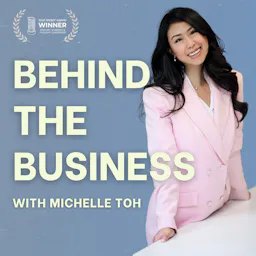
Poppi to PepsiCo: Building a $2B soda brand the industry couldn't ignore
56m 43s
Allison Ellsworth founded Poppy, a functional soda brand that began as a homemade tonic in her kitchen, addressing her personal health struggles with bloating and acne. What started as a small farmer’s market venture grew into a major beverage brand through relentless iteration, consumer feedback, and a bold digital-first marketing strategy. Poppy faced skepticism and struggled with retail placement, but its authentic storytelling—especially a viral TikTok video—drove massive engagement, generating $100,000 in sales within 24 hours. The brand leveraged cultural moments like Love Island and Coachella through creative, low-budget activations, building strong brand awareness. A key innovation was its equity model, where every employee received shares, resulting in over 44 employees becoming millionaires. In 2020, Poppy secured a $1.95 billion acquisition by PepsiCo, gaining global distribution, operational scale, and access to innovation—while remaining true to its mission of accessible, healthy soda. Allison views the journey as deeply personal, with Poppy symbolizing her fourth child and a testament to resilience, authenticity, and purpose. She stresses that success isn’t about overnight wins or financial gain, but about enduring hard times, building culture, and staying true to one’s values. The story highlights how challenger brands can disrupt legacy markets through creativity, risk, and genuine connection.
UKG is the workforce operating platform with unified HR, payroll, and workforce management,
built to solve the unique challenges of frontline work.
Powered by People First AI and decades of labor data,
UKG turns workforce intelligence into real-time decisions
around staffing, pay, compliance, and productivity,
enabling every worker to confidently take action as work happens.
Because when work works, everything works.
Learn more at ukg.com slash work.
UKG. HR, pay, and workforce management.
Life is all about making decisions.
Sometimes you make questionable ones,
like buying a new TV that's too big for the wall
because the electronics store employee was a little too good at their job.
Then, sometimes you make great ones,
like protecting your home and auto with Progressive.
You get customized coverage options,
so you can be sure you have the right coverage.
Get your quote today at Progressive.com.
Progressive Casualty Insurance Company affiliates and other insurers.
Not available in all states.
We made, I think, over 44 people millionaires.
Today, I'm here with Allison Ellsworth, co-founder of Poppy,
a company that went from a kitchen counter experiment
to a major force in the beverage sector.
Poppy was acquired by PepsiCo for almost $2 billion,
a landmark deal that underscored the rise of challenger brands in consumer goods.
Did you ever think in your wildest dreams
that you were going to have this kind of landmark sale?
Well, yes, because I'm a confident queen.
What started out as a. a homemade tonic sold at farmer's markets
has grown into a breakout brand.
Poppy.
Poppy.
Poppy.
In this conversation, we'll get into how Allison built the business
from its early days, fending off critics and competition.
I was doubted every step of the way, even to the exit.
I mean, there's no such thing as overnight success.
I mean, we sold both of our cars to buy manufacturing equipment.
Navigating viral growth and selling to a global behemoth.
It has been very emotional.
It's something you're working towards,
for so long, to then hand off.
You know, I don't think anyone really prepares you for that.
Purpose is more important than money.
And so for me, figuring out that next purpose
is more fun than being scared to do something next.
Allison, thanks so much for joining us.
Thank you for having me.
Just to start off, I guess, for those who don't know,
I believe you grew up in a household where entrepreneurs
and entrepreneurship really seem to run in the family.
Is that right?
Yes.
So both my dad and my. my sister are big entrepreneurs.
My grandpa came over from Lebanon and opened his own jewelry store.
So on my mom's side, I have a little bit of it,
as well as my dad's side.
And one thing that I was always told while growing up is
I always was told, yes, that you can do anything you set your mind to.
And I was just loved.
And so I feel like that kind of environment just really fostered me
to be really creative and thinking I could do anything in life.
Wow.
Yeah, I was going to ask if there were any, like, particular
moments around the dinner table or anything like that,
that kind of sparked your interest in this and made you aware that,
you know, this was a path that you might take going forward.
You know, I think not really.
So which is so funny to say, my parents actually got divorced
when I was really young and I was raised by my mom, a single mom,
and she just worked minimum wage.
And I remember being like what they call is like a latchkey kid,
where I remember getting off school at 3:00 and being home by myself from 3:00 to 6:00.
My mom gets home now, but it was just such a good childhood.
Like, I don't look back at it on like fond years.
I was a really big dancer.
And so I think a lot of my values came from working really hard.
So I danced basically five days a week from 3:00 to 8:00.
I worked at the dance studio.
I think my first job was like cleaning toilets there
and and putting up the clothes and the shoes and mopping.
And I look back on just that hard work of putting myself out there.
Because if you're a dancer, you're standing front and center.
Gives you a lot of confidence if you're on stage
and you're going around doing all of these things.
So I gained a lot of confidence really early on.
And I think all of that just kind of fostered this environment of safe and secure.
It sounds like also, you know, even just with the behind the scenes
work you did at the studio, you know, cleaning bathrooms and whatnot,
it sounded like you never thought that any job was beneath you.
And it taught you to be so scrappy, which is really a great segue, because, you know,
my next question was going to be, you know, is there a way for me, you know, to be able to do all of this?
Is there a way for me, you know, to be able to do all of this?
Unlike many other beverage makers, Poppy did not start being formulated in a lab.
It kicked off, as I mentioned, in your kitchen as a homemade experiment.
Can you kind of talk through in the beginning, you know, what you were trying to fix exactly
and what that trial and error process looked like?
I probably spent seven years trying to go to doctors
for them to continue to tell me I had girl problems.
And I do think that the medical industry and functional health has gotten a lot better.
But this was almost like 10, 15 years ago.
And I was like, OK, I'm so sick of this, I'm gonna start Googling my symptoms.
And my stomach was always bloated.
I had really bad acne.
My face, if I look back at old pictures and I was just so inflamed.
And I started reading labels like you did.
I ended up losing almost like 30 or 40 pounds.
I went gluten free.
I really realized that what you put into your body can affect the way that you feel
and that there can be balance in that.
So I found if I did certain things like drinking apple cider,
vinegar, being gluten free and working out,
I could still have that ice cream or the burger or the pizza as long as it's gluten free.
And I think there was just like a balance in life and learning like how my body worked.
And so when it was time to kind of formulate what was mother beverage at the time
or early stages of poppy, I didn't want to sacrifice on the ingredients.
So I did get very deep in how we could create this and make it healthy and taste good.
Because at the end of the day, there's a lot of healthy things out there that don't taste great.
And it's really hard to get people to like navigate that and to actually want to try something if it doesn't taste good.
Yeah. Well, speaking of which, you know, the first iteration of this drink,
did you do you think that you would still go back and like put that out today?
Or like, how do you look back on like the first couple of iterations of what you concocted?
The first one was what we called our rocket fuel.
It was three tablespoons of apple cider vinegar, which is way too much for anybody that has like tummy problems.
That'll actually make you go to the bathroom.
Like that's just too much apple cider vinegar.
And we realized along the way when we were at the farmer's market,
we were really good at just listening to our consumer really early on.
And it's so funny, they would try our product and they'd say, do I have to drink this whole thing?
That means it's too strong at the end of the day.
So you want your consumer to be able to drink multiple of them a day.
And then we listened to our consumer on the flavors that they wanted.
I remember we had like an orange cinnamon once and I realized,
they just want orange soda.
At the end of the day, we would stop complicating this.
So it was really fun in those early days to get that constant feedback loop to allow us to kind of get the product to a good place.
So I think when it was finally time to go on to Shark Tank,
the product was very similar, if not the same of what Poppy is today.
And it just looks not quite like the early years.
We kind of had to get there to make it more mass for everyday consumer.
I was going to ask, when did it really turn into a real business for you?
Because what was so interesting is, I learned that your background before this was in oil and gas.
Did you miss your calling here?
No, I actually didn't love doing oil and gas research.
I loved that it paid well and that I really only worked about eight, nine months out of the year.
So then I got to travel the rest of the time and I was good at it.
So I look back, you know, we talked about like the dance piece of being in front of people.
When I worked in the oil and gas industry, it allowed me to be very independent.
I would be on the road managing these multi-million dollar projects for these big oil companies and I wouldn't have a boss there, right?
You would have to get up, go to the courthouse or go to the landowner or go to the Indian Reservation or wherever you're working at the time and you would have to do that.
You have to be self-started and I think that's a lot of what entrepreneurs need to be, right?
To get the job done, get up, figure it out yourself and so I think just doing that in those early days really taught me that self,
starter mentality.
So kind of just combining the two made it a really good combination for when it was finally time to do it on my own.
And obviously you've talked about, you know, the journey of bringing your stuff out to sell locally.
Tell us about how that really grew into real distribution and an actual business for you.
You know, you've probably heard me talk about like the farmhouse market and like Whole Foods discovering us.
That was the first moment that we realized we had a business and I up until that point, it was kind of like a hobby I was making.
I think we were like in mason jars or like kind of had some labels at the time and we didn't even know what our nutritionals were.
The farmer's market, you can get away with quite a bit and I think a lot of great businesses start at the farmer's market.
But I remember it being this moment of realization that if we can professionalize the business, we can go really far.
So the first thing we did was we opened our own manufacturing facility.
Biggest call out, do not do that if you don't have to.
You should not be spending all your money.
You should be doing a lot of work and you should be doing a lot of work and you should be spending a lot of money on manufacturing like there's a lot of really incredible co packers and people that can do that for you if you can find someone.
I know it's hard early stage and then we so we manufactured ourselves and what I love is it allowed us to really know how our product was made at scale.
And then after that, it was like Shark Tank was a really good affirmation like we had something there.
But I was always all in.
I mean, I think like three weeks into doing it, I was like, let's go.
Let's put our life savings.
And I just believed in this journey.
How did you know so early on?
And.
You know, like, were you hesitant whatsoever or was your husband, Stephen, who is your co-founder, hesitant whatsoever about going all in on this?
Sure. There's like always those butterflies.
I am pretty fearless and I'm not scared to fail.
So for me, I was like, why not try?
And I know this doesn't sound crazy, but I've also been one of those people that if I make a lot of money and I lose the money, it doesn't define who I am.
So I thought, say, we max our credit cards out, we do all of these things and we go all in.
We'll ever wonder why we didn't do that.
I can always go get a job.
We can always, like, go make money again, but we can never live this moment that we're living right now in this certain time in our lives.
And so for me, I was always very sure of it.
My husband, you know, he was a lot on him because I just was pregnant.
I was having a baby this time.
I was the one at home.
He was the one out doing a lot more in those really early years.
And so I think he took the brunt of it in the first few years of it, like, why are we doing this?
What should we do?
But he was always there, like, by my side and entrusting in the process and never doubting.
I think, like, he's told me stories of there were moments that he doubted along the way, but he never shared it with me until after the exit, which was cool.
I think that he was working a second job during the whole time.
And at one point, we almost lost our house.
He never told me that.
There was just, like, certain stuff.
And so, you know, I have to give it to him for never, like, putting that doubt into the just, like, the build of the early stage.
That is wild.
Almost lost your house as in he had too much tied up on the.
No.
So, yeah.
So when we first went all in, we had just bought a house.
I was three months pregnant.
We put our life savings into building this business.
And so what money we had coming in was what we could make at the farmer's market and him working the second job.
And I remember it was right before we were about to go.
To go on Shark Tank, we'd done about $500,000 in revenue.
And he told me this after exit, which is only, you know, like, six or seven months ago.
Yeah, it's been about a year since the exit.
And he told me that he didn't know how he was going to make the mortgage.
He was like, am I going to have to ask, like, family or, you know, like, how are we going to do this?
And the next day he came home and we'd gotten our tax return from the year before.
And it was almost the exact amount of our mortgage we were able to pay that month.
And then it allowed us to then go on to Shark Tank and get a deal and secure and finally start paying ourselves.
And it was just like one of those inflection moments of like, do we have to quit?
Do we have to do this?
And so I think it's cool that, you know, people think that we're so uber successful.
They don't realize all the hardships that go into being successful.
And they think it's overnight success.
There's no such thing as overnight success.
My husband ended up.
We had one car and it was an old Chevy, like a 1980, had no AC.
We live in Texas, y'all.
It is hot.
Our warehouse had no AC or at the farmer's market with no AC.
I remember being pregnant and we couldn't turn on the AC.
I mean, there was like a theme here because we couldn't afford to pay the bills.
So I just think it's people see all the success, but they don't see the hardship.
But I would not change it for a second.
It's just I look back on those years so fondly, even though, you know,
outwardly it would seem very difficult.
Yeah.
You know, it's so funny that you say that.
And thanks for sharing that, by the way, because I know that that's just so real.
And I feel like not enough people do open up about the real side of that.
I don't know if you agree, but I definitely sometimes think that
entrepreneurship is over glamorized.
Um, so it's great to hear about some of the struggles.
And one thing that was really interesting was in researching this.
I did see Poppy now famously contains five grams of sugar with a blend of, I
think it's Stevia, leaf extract, fruit juice, and cane sugar, but I've heard that this wasn't
always the case and that you and Steven have joked about how this might've been
like one of the biggest fights you had at the time, um, you know, working out that
balance between, you know, the so-called better for you positioning versus
wanting to taste like a real soda.
Can you tell us about that?
Yeah.
Cause I think I started this for my health journey.
And so when he basically kind of went all in with me and we were going on shark
tank and we were competing at new beverage showdown with Bev net and doing all of
these things, he was like, Alison, we have to make this taste better.
And I was like, well,
we can't put sugar in it.
Like there's no way.
And it was so funny because we went to expo west and he was lugging a cooler of mother
beverage at the time on his back.
And he had secretly put sugar and I'm without telling me.
And we went and we were getting insane reception.
Everyone was loving it and it was just great.
And we were getting retailers saying yes.
And it was this whole thing.
We ended up getting into whole foods and all of these things.
And he wasn't lying to the retailers.
He just didn't tell me.
And I found out in that moment and he was like,
see,
I kind of told you so.
And it was like one of those moments where I actually feel like he was,
it was,
he was right and not right.
And like probably deceiving me in that moment,
but he kind of was like,
I had to do it because you were so crazy about it.
And so like that fight was really,
you know,
I didn't,
I think most entrepreneurs create something and they don't want to change.
It changes really hard,
but it's the only constant in life.
And so I thought it had to be so pure through that moment.
But what we learned is goes back to that taste and healthy thing,
right?
Right.
Five grams of sugar at the end of the day is not that bad for you compared to
traditional soda,
which is 90% less sugar.
Right.
And so I feel like w it was kind of one of those moments,
aha moments for me of being like,
okay,
you were right.
Now we can go more mass.
More people are going to want to drink it and it's still better for you.
Yeah,
no.
For context here,
I looked it up.
The American heart association says a typical can of soda can have 42 grams of
added sugar,
which is so wild.
So five is,
it's very much a low number in the grand scheme of things.
I agree.
I agree.
And in the scheme of things and you know,
you don't feel guilty if your kids are having it and so forth.
UKG is the workforce operating platform with unified HR payroll and workforce
management built to solve the unique challenges of frontline work powered by
people,
first day I and decades of labor data UKG turns workforce intelligence into
real-time decisions around staffing,
pay compliance and productivity,
enabling every worker to confidently take action as work happens.
Because.
Learn more at UKG.com/work UKG HR pay and workforce management.
Progressive's accident response can contact emergency services.
If you're in a major accident,
the only thing worse than someone you love being in an accident is not being able to help them.
So progressive is here to help when you can't.
So get peace of mind,
knowing your loved ones are protected with Progressive's accident response.
Learn more at progressive.com.
Progressive,
casualty insurance company and affiliates limited availability in California driver is responsible for emergency and towing charges,
not covered by the policy coverage subject to policy terms and conditions.
So,
okay.
We talked about shark tank a little bit,
but I want to get further into that moment because you walked into shark tank literally nine months pregnant.
By the way,
I watched that pitch back in the day and I did rewatch last night.
We will have to get you to do like a reaction video at some point,
Alison,
because it was such a contrast to where you are today.
And honestly,
like a little more brutal than I expected.
How did you navigate,
you know,
the kind of skepticism you might have encountered from investors,
not just that day,
right,
but generally and,
you know,
like kind of respond to critics who didn't really get where you're trying to go or worse thought you'd get knocked out by the big guys.
Honestly,
I was doubted every step of the way,
even to the exit.
I mean,
one,
it's harder for women in business period to most people like what works and what they know poppy.
When we launched poppy,
they didn't even know where to put us in the grocery store.
They kind of put us in like with the sparkling water set or you in the functional water.
You can't be with soda because you guys aren't a soda.
It was this constant fight of me just saying we are soda.
We are this.
This is what we're doing.
And it took about five years for everybody to kind of figure it out.
And it was one of those things where even during,
you know,
I think we did a super wad where we said we were soda 17 times.
And I remember,
after that ad,
because we said it 17 times,
people started saying it.
So it's the same with investing.
It's this thing where you have to be a good storyteller.
At the end of the day,
it's almost like fake it till you make it.
You have to believe in the future and who you are and the mission you're on,
even when nobody else believes it.
And I'll be honest,
we had such an incredible investment team behind us with getting a deal on Shark Tank.
And we had a great like core first 20 employees that were just like,
ride or die on the hill with us.
So I mean,
all of that helps is when you have that incredible support system.
Did you have like any kind of like mindset that you employed though,
when you were hearing people push back against you?
You know,
it's so interesting to hear you say that you were doubted every step of the way where you're just kind of defiant the whole way.
Or did you at times like let it,
you know,
it gets to people at times.
You know,
I am a very defiant person.
It's very much my character,
but I found people don't like working with people like that.
People don't like bulldozers or people that feel like their way or is right.
No one else's is.
And so I actually had to learn how to be more collaborative,
how to get people behind me where they truly believed in it,
how my idea doesn't always have to be the right idea.
And I had learned that,
but not only to have to learn it,
I had to learn that quickly.
Poppy was one of the fastest growing beverages in the history of beverage.
We were growing so fast and hiring so fast and our culture was growing and,
and the movement.
I had to change myself through that.
And so,
yeah,
there were definitely,
some hard times that I went through, but I think every bit of it made me a better mom, a better
wife, a better leader, a better collaborator. And yeah, I look back on it as those hardships built
me into who I am today. And you did walk away with a deal with one of the Sharks, Rohan Oza,
who didn't just invest. It sounds like he helped overhaul the branding of the entire company. Is
that right? Can you tell us a little bit about that and the rename to Poppy? Yeah. So when we
went from mother to Poppy, it was one of those switches where we had a good story. We had a good
liquid, but our branding wasn't there. And so we spent about nine months and we did a total rebrand.
So it was me and my husband, Rohan and Stevie. Stevie works with Rohan very closely. She's been
with him for like 15 years. And we worked on the brand and it was very collaborative of us four of
deciding how should the fruit look? What should we rename it? What should the colors be of the
can? Or should we go with white cans? And
Yeah.
We finally landed on what we all know and love today, which is Poppy with bright colored cans
and abstract illustrated fruit, pop art, almost like wasn't done at the time. Now you see that
everywhere where I remember going and we made like mocks of the can and we went and put them
on the shelf and we were like the only people with fun branding and color back then. Now it's
very common, but I love that we were kind of on the forefront of that movement.
I think I heard you say that, you know, you were maniacal about the branding and packaging. And
to the point where I think it was even like the trays in the supermarkets. Is that right? That you
were like obsessing over and people were like, no one cares. And you're like, no, it has to be just
right. Is that right?
Yeah. But I think it was not just me. It was me and, but of the four of us, like we all four felt
that way. And so I, it was down to the sleeve of the can. Is it pop off the shelf? Do we don't want
brown trays? They have to be colored trays and all those things cost more. We didn't want shrink and
tray, you know, over a beauty box. Beauty boxes are way more expensive. So, you know, I think it's
more expensive. So I think though that that was because we were investing in brand building at
the beginning. And those were the things that the consumer was connecting with was those like high
end brand building activities that over time you couldn't, you can scale back. But at one point,
you know, I've told the story of, I think we stayed in sleeved cans too long and it ended
up costing us about $17 million that year, just that year. So the year we switched,
we ended up saving $17 million. And what's,
what's crazy about it is we did scale during COVID prices in aluminum were, you know, higher than
the normal. So, you know, take that into account as well. And for those who don't know what are
sleeve cans, just so that I can explain. Yeah. So if you see like a regular can,
it's printed, you can't actually take the label off. A sleeve can is like almost this film that
goes over it and it's suctioned to it and you can actually remove it and recycle it and do all of
that good stuff. But to do a printed can, you basically have to order an entire semi,
of one flavor, sometimes two. Most businesses can't go directly to printed cans. Now there's
digitally printed cans and you can get like a palette of it. They've made it a little bit
easier, but most people have to start with sleeved cans if you're at a startup level.
All the little details that you have to think about as a business owner.
And Alison, the beverage world is a notoriously tough capital intensive one, right? Where a lot
of brands simply don't survive. How did you balance raising enough funds to compete with
your clients? How did you manage to compete without overextending yourself too early? Did
you and Steven have a lot of conversations around this? The beauty of getting the deal in Shark Tank
is we didn't have to really go out and raise money because Rohan, our shark, has Kavu Ventures
and they funded us every step of the way. Now, I wouldn't say they just did it at the goodness of
their heart. There were a few rounds that we had those conversations of, do we go out,
do we get other money? So I think for like the first two years, Steven did raise,
was like constantly raising money, which was interesting because they did eventually
kind of do all the money for us. But we did bring in other people to help like with celebrity
funds that, you know, had all their LPs were celebrities. And so they would post about us
and we would send them gifting. And then we had individual celebrities like the Olivia Munns and
the Jared Leto's that would invest. And so I think it was a combination, but it was always stressful.
I think at one point we were like fighting, going back and forth, and we got down to like 75
thousand dollars in the bank account before. So like the stress was there because it's one of those
things where you you're always having the conversation of how much do I bring into the
business at what time and where does my equity look at at that time? Because you don't do too
soon. But if you don't take in enough, then you're going to just be out there raising every six
months. And that is not a place you want to be. You want to be focused on building the business.
It takes so much of your time away.
So much of your story, by the way, reminds me of another guest we had on recently.
Andrea Lisbona, the co-founder of Touchland, who is also a category creator like you and has talked
about how it was so difficult for her to, you know, figure out her retail placement and, you know,
kind of having those conversations as well, but also how she often feels a lot of founders get
trapped in constantly just fundraising and not necessarily building. So it sounds like that was
something that was like top of mind for you. I want to fast forward a little bit to 2020.
The brand relaunches Poppy in March of that year, right as COVID hit, as everyone knows. You've said that this was
right around the time you had planned to head to Expo West, that convention you mentioned earlier.
But I hear that didn't go according to plan. Can you share a little bit about that?
Yeah, I remember flying out to Expo West. It's in March. And there was maybe three cases of COVID
on the news. And of course, no one really knew what it was and how big it could be. I remember
we get there and half of the companies don't show up because they have the willingness to throw away hundreds
of thousands of dollars. We were a startup. This is our first coming out. Like we had to do this. We
had to be there. We had to show our product. And so we ended up starting to build our booth. And I
remember at the time it was like me and Steven building it with our agency that brought on and
like my dad was there with a hammer, right? Like it was still like startup mode, like building this
booth. We had to do this. And I remember they canceled the event like the day we got everything
set up. And I remember just being so sad.
Us going back on the flight home, there was hundreds of cases of COVID. We were at the
convention center. We were there for like four days. We're flying home. There's hundreds. It's
all over the news. And we all got together via Zoom that week. And we decided we still need to
launch this brand. And we had loaded into Amazon. And we said, we're going for it. So we ended up
launching Poppy like March 3rd, 2020, the first week of COVID. And it was the best decision to go
back to the beginning. We had to like literally throw the entire playbook out the window of what
anyone had ever done before. We had to, how do we talk to our consumer digitally? How do we show up
and get people to try a new product that they're not in the grocery store, right? You have to lean
into Amazon and the Instacarts and the dot coms of the world, Target.com, Walmart.com. And I look
back on that and just force us to, I think why we grew so quick is because of that. Because
usually if you're a better for you product, you will get really big in Miami, New York, LA,
and you'll do a lot of in real life events and sampling and you're doing all of these things.
Well, you'll be a better for you product. Then you slowly work your way into middle America.
Well, Soda is middle America. And so we were marketing digitally, which meant there was no
zip codes. Everybody was hearing about us, which we maybe wouldn't have really invested in until
year two. So it allowed us to have some of our best performing stores.
And Fargo, North Dakota, Cincinnati, Ohio, Houston, Texas. And it was just such a movement of growth
so quick that it was really fun to see that we could really build a brand digitally.
Really bucking the trend there. And this actually transitions really well because
I was going to say a year later, another big moment came when you posted a TikTok video
sharing Poppy's origin story, which totally went viral. I've read reports that it generated
$100,000 in sales within 24 hours. Is that right? Yeah, just on Amazon. And
like the grocery store shelves were like cleared. It was crazy.
What do you think specifically helped that take off?
I think back then TikTok was the wild, wild west and no brands were on there.
And especially brands doing founder content. And so I had some creators that were friends
and they're like, just get on there and try it. Like, what's the harm? And I remember everyone
telling me it was a really stupid idea and like, I shouldn't be wasting my time on it. And I was
like, OK, I'll do it nights and weekends. Like, I hear you. I won't take resources. I'll do it.
I was I remember making talk taco recipe videos. I remember dancing. I remember just like being
goofy. And really what worked is me just sitting down one night and telling my founding story and
why I started Poppy and how I had five grams of sugar and prebiotics and that I was nine months
pregnant on Shark Tank and just hit post. And it was just me being so authentic and real.
And it changed the entire trajectory of how Poppy operated.
We started leaning into TikTok from that day going forward from a paid perspective. So organic,
posting plus paid. I spent so much time during the week creating content.
We used it as such an incredible driver to grow our email and SMS list. So we'd run ads on TikTok.
It would drive people to our website. Then they would actually go to our website, go check out
on Amazon. So it was like this interesting loop. So we were able to grow our email SMS list to like
a million in just a year. And it just was so cool to open up this hacky new way of marketing. But I
will say everybody is doing that now. And everyone's like, well, what is that success?
could I do that again? Yes, you do need to do that. I do think if you're a founder and you're
not online talking about your product, your competitor is. So you do need to do it. But I
think it's now and because going viral on these platforms, even meta and TikTok and all of these
things, it's just really hard without a paid strategy. Well, UKG is the workforce operating
platform with unified HR, payroll and workforce management built to solve the unique challenges
of frontline work. Powered by People First AI and decades of labor data, UKG turns workforce
intelligence into real-time decisions around staffing, pay, compliance and productivity,
enabling every worker to confidently take action as work happens. UKG, HR, pay and workforce management.
Are you ever shopping online and suddenly a discount that helps you save pops up?
It makes your day.
Sometimes even your week. Want that feeling month after month? Well, new customers who save
by switching their home and auto insurance to Progressive save hundreds. Cue your happy dance.
Progressive Casualty Insurance Company
affiliates and other insurers not available in all states.
No, it's so fascinating. And I think it has truly evolved over time. But do you think it was that
continued storytelling and kind of like that rawness that helped you guys?
Yeah, I think so. I think it was like, you know, it was like, you know, it was like, you know,
it was like, you know, it was like, you know, it was like, you know, it was like, you know,
I would say a combination of that and working with creators and influencers. And I think it just
went really well together because they were on the platforms talking about it. I was on the platforms
talking about it. We did a ton of gifting. We had unlimited like gifting budget, but we just really
built community grassroots, like real people. I remember just we had a really interesting paid
strategy where we would put paid behind your back. And we would put paid behind your back. And we
would just regular moms posting content. You didn't have to be a creator. We'd reach out and
be like, hey, can we pay you to be to run paid against us? It's just an incredible piece of
content. And so it's just real people posting. It didn't have to be some fancy, you know, Alex
Earl or something like that. And I just think that strategy of just that organic, diverse
community that really helped that growth. And, you know, speaking of that kind of
conversation you had with yourself before you filmed that first video, I think I did
see a clip of you talking about how as a founder, you often have to do really embarrassing things.
Can you talk more about what you mean by that?
Yeah. So the quote is embarrassment is the most underexplored emotion when it comes to success
and how you have to be willing to go out and make a fool of yourself if you want to be successful in
life. And yes, that can be online, but that can also be making a fool of yourself, standing at a
farmer's market saying, hey, do you want to drink this apple cider vinegar? Like that's so embarrassing.
Or, you know, like going into retailers and not really knowing your numbers, but faking it till
you make it. Right. So there's so much embarrassment that comes through success that so many people
don't talk about those moments. And so that's kind of what I meant of I think people get really
comfortable in like what they know and they don't put themselves out there. And I think if you're
an entrepreneur and you're doing something, you've already really gone out there. Why not just go all
in? And that's why, like, you do have to be online.
You do have to think differently. You do have to be risky and a lot of the things because
to break through nowadays, it's extremely hard. Definitely. Well, Poppy is known for its
following among Gen Z and millennial consumers. And one thing that you often talk about is moving
at the speed of culture. You've referenced a so-called black ops budget, which is really,
really interesting. Can you explain what that really is and how you tried to think
about it when you were leading brand? You know, there's just cultural tentpoles in,
in society right now. You know, this festival season. So you've got your Coachella's, you got
your stagecoaches. Activate there however you can. Our first year we did, we couldn't afford to do a
Coachella house. So, you know, what we did is we paid all of the creators that were already going
to do Get Ready With Me. So Get Ready With Me, why go to Coachella and drink my poppy and tell you
why. So it looked like we were everywhere in every house, but we actually just were paying the
price. So there's ways you can hack these cultural moments where it's like different stages of
budget within your company. And you can't, not everyone can afford to do all of those activations
all at once. Another big cultural moment is Love Island during the summer. And so, you know,
how do we work with them to create memes? And we did an Amaya papaya flavor last summer,
and we started from a social postage of a meme, right? To allow us to move and do cultural moments,
but we also started to think about, you know, what do we do? What do we do to make sure that, you know,
we're not just going to go on social media? And we started to think about what do we do when we're
in the middle of the summer? And we started to think about what do we do when we're in the winter?
And we started to think about what do we do when we're in the fall? And we started to think
a single post from that until two years later, she calls and says, I want you guys in our music
video. That is long term brand building, just like trusting the process. And it's really hard for
people to do that and to like trust and to invest in it and not be able to track the immediate return
on your investment. Right. People are always like, oh, well, what's the conversion on that? What's
the ROI? And like, I think it's interesting because you're looking at it as like, well,
this is about awareness more than anything else. Yeah.
Brand awareness was our number one KPI for the first three, four years of business, 100%.
I just mentioned to you off cam that we had Chris L. Lim on the show this week.
And we talked about influencers and ownership and that landmark deal between Poppy and Alex Earl,
who, for those who don't know, is a huge influencer who originally broke out on TikTok
as a star there. A couple of years back, you made headlines for kind of structuring that partnership,
let's say a little differently, right, from the traditional influencer deal, because it included
equity. What was the thinking behind this, Allison? And do you see it becoming more of
the norm going forward? We were pretty early on, even just before Alex, we did like an incredible
advisory deal with like Olivia Munn. And it was really successful for us because we saw she
overly posted us. We saw showing up in her stories from, you know, just on vacation. And it's because
she had invested in the brand and we were giving her equity. So she was like an owner of the
brand. And it was just really eye opening for us of like how much they felt like they were part of
the journey when you do this equity plus investment strategy. And people think that, you know, it's
really hard to give up equity as a founder. I'm a big fan of giving up equity. We gave every employee
at Poppy equity. We were really big on advisory agreements and surrounding us with people around
us. So it was just a really familiar thing that we did. And it wasn't just me deciding,
it was the board and senior leadership. And so when it was time to work with Alex and really
structure that deal, she had been posting us since college and we were growing with her and
seeing all of her growth and just knowing that she was such a star and we wanted to be part of
her journey. And it was so authentic. That's the biggest thing is she loved Poppy. She was
authentic to the brand. It just worked really well. And so we would pay her. She's invested.
There was equity. There's advisory. It doesn't have to be
like a one size fits all. You have to kind of figure out what works for that talent,
if that makes sense. That is incredible. I had no idea that you guys gave it to every single
employee. That is extremely rare. You know, even like you said, for founders to want to give that
up because everybody knows that like sometimes you kind of have to if you want to attract the
best talent. But it sounds like there was no struggle there for you, which is remarkable.
And I don't think we knew it at the beginning. So like the first year,
we didn't really think about it. Nobody had equity. And
then it got to the point where we started bringing in senior leadership that had seen that structure
at other companies. So we issued the shares to everybody at that time. And we created like a
structure depending on the level that you were at. And if you say went from a coordinator to a
manager, we would up your equity depending on how that structure was. And I love it because we made,
I think, over 44 people millionaires. People bought houses. They paid off their cars and their
student loans. And I, you know, we had people calling us and in tears that we had changed their
lives. And it's like they built that with me. I get a lot of credit for a lot of work other people
did. I just happened to be the face of Poppy. But there's 250 people behind me keeping that engine
roaring and I couldn't do it without them. So why not give back where we could?
I love that story. And it's something that I don't feel like gets talked about enough
when it comes to Poppy. And it sounds like it's from that exit, by the way, the millionaire was from.
The exit. And, you know, I say everyone at Poppy was like 99.99%. If you were if we were we were in
the process, we were talking to Pepsi and we knew we were going to sell. We'd had to stop issuing
shares. And so there were some people that kind of came in the last few months and didn't get it,
which makes sense. They weren't part of the builds, right? They shouldn't have really
gotten the upside of that, which makes total sense. We even had two employees start the day
we announced the sale. Could you imagine the look on their face? They coming into a Poppy
and then being like, just kidding. We're selling to Pepsi. But.
Yeah, they're both still they're both still there and they're they're thriving.
Well, let's talk about the industry, because Poppy and the.
brand Olipop are often grouped together as pioneers of the so-called prebiotic soda category.
I'm curious to know how you thought about differentiation as the space started to get
more crowded and what you focused on to stand out. Me and our poppy and Olipop needed each other.
Think of Coke versus Pepsi. We were the modern soda wars. And what it created since we were both
on the rise at the same time was double awareness for a category of modern soda, functional pop,
prebiotic soda. It was actually easier that we were doing it together, even if they hated us or
we hated them. There was a rivalry, you know, like all of that fun stuff. It's true. Like,
even if we don't have to like each other, we needed each other because I talked about they
didn't know where to put us on the shelf. The funniest thing, us and Olipop never sat next to
each other on the shelf. They were in the cold set. We were in the shelf.
So for five years, we actually never sat next to each other, but everyone put us against each
other. But it was totally OK because it was double awareness for a new category that we were both
building to a billion dollar category. And the beauty is we were the first two movers and shakers
of that category. So we own still to this day, like 98 percent of the category.
So everyone's seeing all these new sodas launching and emerging, but it's sub five percent.
It's really not affecting our business. And so, you know, I'm here for it. I'm here for the
entrepreneurial dream and that I can inspire. But I will say that movement has passed. It's
you look at like kombucha, you look at sparkling water. There's these moments where they have their
moments, but then they die. So go find out what the next movement is. I would say I have like 13
people saying they're trying to start a healthy soda. I'm like, it's been done. Right. Well,
speaking of that confidence, by the way, you've described how years ago you would say you wanted
Poppy to be the number one soda brand, period. And people would like correct you and be like,
you mean the number one healthier, better for you soda brand? Have you always kind of touched
on this, but have you always had that outlook with such strong conviction, you know, not caring
what people think, essentially, because going after industry behemoths that have essentially
been this longstanding duopoly, that's really rare. I think having
that challenger mindset, it's actually really fun, right? Where you're disrupting a category that
hasn't ever been disrupted, by the way. Everyone is trying to disrupt soda for the last hundred
years. Kombucha tried it, sparkling water tried it. Nobody could really break through. So then
to finally be the brand that gets there and breaks through and is really revolutionizing
soda for the next generation is really exciting. Like it gives you like a little fire in your
belly to give you the liberty to think that way, act that way. But I will say something that we did
at Poppy that was really good is we were always very respectful. So when Olipop would hit at us
with like a rude comment or trying to get us into some like online war of debate, we never engaged
in those conversations. Same thing with just like, there's so many internet trolls. We just did not
engage with that stuff because we were so focused on our mission. And I think it worked out. Poppy
was a very good example of that. And I think it was a very good example of that. And I think it was
a very professionalized business. We had a lot of fun outwardly. And you guys saw that online with
our creators, influencers and our creative. But internally, we had the best senior leadership
that you could ask for. We had the best team, systems, processes in place. We're a professional
company at the end of the day. And I think some people forget that like you have to have both.
If you're going to take all this risk, you have to have like true process in the background.
Yeah, I can see that.
UKG is the workforce operating platform with unified HR, payroll and workforce management
built to solve the unique challenges of frontline work. Powered by people first AI and decades of
labor data, UKG turns workforce intelligence into real time decisions around staffing, pay,
compliance and productivity, enabling every worker to confidently take action as work happens.
It makes
your day, sometimes even your week. So imagine, let's talk about,
PepsiCo, because obviously, you know, this was just a big life event that only happened less
than a year ago. You landed one of the biggest exits in this space in years as they, as we just
mentioned, acquired Poppy for $1.95 billion. Well, yes, because I'm a confident queen,
but not maybe to this level. I always like, why would I be doing and working this hard for nine
years of my life?
Sacrificing everything if I didn't in my head think I was going to be standing there someday.
And I think that's okay. Like you can want to one, exit your company and be successful and
create generational wealth for your family. Like that is an okay goal to have. It's not selfish
and it shouldn't be looked down upon. In the same vein, I want Poppy to live on, to be the soda my
kids and grandkids love and know as soda. So there's a balance. There's emotion that kind of
goes through that and finding the right way to live on. And I think that's a really good thing.
I mean, the right partner and when is the right time. And, you know, we, we hired on a banker,
but we didn't do like a formal process and who, who, who is the right partner to partner with?
Like all of those conversations were happening for years. And with it, when it comes to beverage,
you actually have to partner with a strategic for distribution. If we really want to be a global
brand, we need someone that has global distribution. So all of these things go back to the
professional side of the business, uh, to allow us to get Poppy into more business. And I think that's
hands. To that point, you and Stephen have talked about how you actually built it to sell,
in part because there were, I think, legacy contracts in place that prohibited you from
going to places like stadiums and college campuses. Is that really what the big unlock
was for you as well with regard to PepsiCo? Because who doesn't have distribution as much
as PepsiCo or Coke, right? Right. And some people forget that PepsiCo also lays. They're actually a
bigger company. And I do think, absolutely, now we can get into the Jersey mics of the world and
college campuses and the subways and music venues. And those were just totally off limits for us. I
mean, we were getting like cease and desist to get off college campuses at one point. And college
was like one of our biggest programs and college kids loved us, right? So I think it was a huge
unlock. Also, the distribution, yes, is amazing. But the operations,
like who knows how to make soda, but Pepsi. So now comes all of these resources with their labs and
their innovation and their operational side and the cost savings of the cans. And there's just so
many synergies when it comes to those things that you have to look at. You know, most entrepreneurs
dream of this billion dollar exit, the FU money, the chance to sell to a conglomerate. What strikes
me, Allison, is that you've been very open about how emotional this process has been for you and
the sense of loss you initially felt.
I know you have three boys at home. I wonder if you see Poppy as kind of your fourth child.
Oh, it's absolutely my fourth child. I have three boys, four, seven and nine. And I always wanted a
girl. So Poppy is my girl. And I do see it as that. And I kind of see Poppy as this kid that's
off at college. I'm here to help, but you kind of have to like figure it out on its own. And I'm
here to like advise and kind of be there. But it has been very emotional. It's something you're
working towards for so long to then hand off. And of course, people say, oh, poor girl, she sold her company and she's sad. I'm human at the
end of the day. And it's okay to have these conversations. But the difference is, is I did
something about it. I got a business coach. I had conversations. I cried. You know, like you have to
work through those emotions. And I am the happiest I've ever been right now in my life because Poppy
is doing great. And I'm like, I'm going to be a great person. And I'm going to be a great person.
We're about a year. I get to spend more time with my kids. I'm getting to do incredible stuff like
we're doing here today. I was a shark on Shark Tank this season. You know, like there's so many
other opportunities that I wouldn't have been able to do if I was still in the weeds working
at Poppy. And absolutely, I cannot wait to do something again. We're already working on other
projects. So stay tuned. I was going to say anything you can tease? No, I mean, nothing I
can tease yet. We're not quite ready to talk about it. But I'm going to say anything you can tease.
But we're definitely there's something in the works. Okay, we will stay tuned. Watch this space.
You know, one thing that was really interesting was I just felt like I tried to put myself in
your shoes after reading about all the headlines. Right. And I just wondered after such an epic
exit, like, do you ever feel like the bar is just so high on whatever you do next? Right. Like,
is there a lot of pressure for lightning to strike twice, so to speak, on whatever your
next venture might be? Yes, there's a lot of pressure. But also, I have a lot of knowledge.
And I think that I had so much fun the first time, I cannot wait to see what I can do the second time
when it comes back to the fun piece. Like, I get the beauty of like having an exit, you can do what
you want with whomever you want, when you want, right? You have this liberty.
to have this freedom. But with freedom doesn't have purpose. I think having a purpose and not
retiring at 39 is so important. And money doesn't just make you happy. It's paper. At the end of
the day, sure, it makes my life easier. Absolutely. And I'm so blessed that I am where I am today.
But purpose is more important than money. 39, you're still so young. It's like your
whole life's still ahead of you. Literally. I took up golf. I tried to play golf for like
six months and I actually got really good. But I was like, I cannot play golf. I have to like
get back to my life. And I miss working with the team the most, like the collaboration and the team
and the build. Honestly, that's the funnest part. You're still advising, though, I hear, right?
I am. Yeah. So I was like at Pepsi HQ this last month. I was in Poppy's.
HQ last week, still doing content like more just like on the creative brand side.
Would you have wanted to stay on, honestly, or do you feel like you always knew like this
is what it's going to be? You know, I think if they would have given me an employee
badge, I probably would have stayed just as intense as I was. But I don't think that would
have been good for my mental health of really seeing stuff change, whereas it's so much
control and so many decisions and it just doesn't work that way at scale.
And it's been really fun to see our team.
And then kind of step into those roles and just absolutely kill it. So that's really rewarding as
well. All right. This brings me to a segment we're calling What It Takes, where an audience member
gets to ask for advice or hear more on what it takes to get where you are. Today, Rhea, founder
of a female centric co-working space in Dubai, asks, as fellow founders, we assume a lot of our
audience, which was later debunked and made us pivot. What belief did you hold on to tightly
early on in your Poppy journey that you had to let go of?
I think there's a myth.
That success looks like seriousness. So early on, I felt like as the only woman in the room or the
only woman in senior leadership or or fighting this like status quo, I thought I had to be a
little bit more of on like the serious side and be professional. And I actually think the opposite
is true. I think being yourself and surrounding yourself with people that are better at you to
allow you to do your superpower. So figuring out like what are you really good at and then
hiring for people that don't. So you don't have to be serious. I'm fun. I love fashion. I was goofy
online. I cuss a little. I dance on Zooms. I was breastfeeding on Zooms. Like I think fun is fuel
to allow culture, to allow us to have those hard get through those hard times. Right. And so I think
at Poppy, we just had the best culture with like the fun and everything. But we were working so
hard. So I think it's just a myth that you have to be serious to be successful. Thank you, Allison.
Now we're going to do a quick.
Rapid fire round. Don't overthink it. Just say whatever comes to mind. Ready?
Okay.
Who has been the most unexpected Poppy super fan?
Pedro Pascal.
What's one trend in beverages you think is overhyped?
Protein.
How do you mentally prepare for a big event?
Get a good night's sleep.
Pet peeve in the workplace.
Camera off on Zoom. It's like if we're all here trying to like work and like
most people are working remotely, having that human interaction, I think it's very weird.
If you try to have an entire call, unless you're like eating a sandwich or a salad. I get that. But
turn your camera on. Who cares if you don't make up on favorite way to unwind after a long day?
Reality TV and white wine. What do you like to ask when hiring?
You know, I, I, I'm actually like a horrible interviewer. I, I see the goodness in everybody.
So my favorite question is tell me your three favorite brands that are on trend right now.
And if they don't know anything cultural, you can see right through if they actually get branding.
Versus the typical, can you sell this pin? Or tell me about your most biggest strengths. Like
that stuff to me is just like, you can't really see how people are.
Tell me about a problem you solve.
Yeah. I'm like, no, tell me what cool marketing thing you saw this week or what cool thing did
a brand do that inspires you? Like those are the good ones.
Yeah. That tracks. If you could go back to that kitchen 10 years ago and give yourself
one piece of advice, what would it be?
You know, I think it goes back to the fun.
One piece, like beef, have fun earlier. That's I was just like so serious and so working hard in
those early days versus I was a little bit hard on myself. Like it's okay. Like, like enjoy the
process, stop and smell the roses. Like poppy was lightning in a bottle. That growth is not the norm.
People have to realize what happened to poppy. It does not happen every day. And to go back and
just like stop and smell the roses and like, enjoy being present in that moment. Yeah. Well said.
Allison, thank you. I've enjoyed this.
Thanks for joining us on Behind the Business. For more stories on business and leadership,
follow us on Apple Podcasts, Spotify, YouTube, or wherever you get your podcasts. See you next week.
First AI and decades of labor data. UKG turns workforce intelligence into real time decisions
around staffing, pay, compliance and productivity, enabling every worker to confidently take action
as work happens. Learn more at UKG.com slash work UKG HR pay
and workforce management. You better think, think about what you're trying to do to me. You better think,
think, think about what you're trying to do to me.
Free at heart. Libre. The original eau de parfum. Yves Saint Laurent.
Podcast Summary
Key Points:
Allison Ellsworth founded Poppy, a healthy soda brand that started as a homemade tonic and grew into a $2 billion acquisition by PepsiCo.
Poppy’s early success relied on consumer feedback, iterative product development, and a strong focus on taste and health with only 5 grams of sugar.
The brand faced skepticism and struggled with placement, but won through consistent storytelling, digital marketing, and viral TikTok content.
Poppy’s growth was accelerated by digital-first strategies, especially during the pandemic, allowing rapid expansion into rural and underserved markets.
The company prioritized culture, employee equity (making over 44 people millionaires), and authenticity, fostering a collaborative, fun, and inclusive environment.
A key turning point was the brand’s rebrand to Poppy with vibrant, pop-art packaging, which stood out in retail and helped drive awareness.
The acquisition by PepsiCo provided global distribution, operational scale, and access to innovation, while preserving Poppy’s core mission.
Allison emphasizes that purpose and resilience—not money—define long-term success, and she views Poppy as her "fourth child" with deep emotional investment.
Summary:
Allison Ellsworth founded Poppy, a functional soda brand that began as a homemade tonic in her kitchen, addressing her personal health struggles with bloating and acne. What started as a small farmer’s market venture grew into a major beverage brand through relentless iteration, consumer feedback, and a bold digital-first marketing strategy. Poppy faced skepticism and struggled with retail placement, but its authentic storytelling—especially a viral TikTok video—drove massive engagement, generating $100,000 in sales within 24 hours.
The brand leveraged cultural moments like Love Island and Coachella through creative, low-budget activations, building strong brand awareness. A key innovation was its equity model, where every employee received shares, resulting in over 44 employees becoming millionaires. 95 billion acquisition by PepsiCo, gaining global distribution, operational scale, and access to innovation—while remaining true to its mission of accessible, healthy soda.
Allison views the journey as deeply personal, with Poppy symbolizing her fourth child and a testament to resilience, authenticity, and purpose. She stresses that success isn’t about overnight wins or financial gain, but about enduring hard times, building culture, and staying true to one’s values. The story highlights how challenger brands can disrupt legacy markets through creativity, risk, and genuine connection.
FAQs
UKG is a workforce operating platform that unifies HR, payroll, and workforce management. It solves unique challenges in frontline work by using real-time workforce intelligence to improve staffing, pay, compliance, and productivity.
UKG leverages People First AI and decades of labor data to turn workforce intelligence into real-time decisions, enabling teams to act confidently and effectively as work happens.
Poppy started as a homemade tonic created by Allison Ellsworth to address her health issues, such as bloating and acne, through a balanced approach of clean ingredients and functional nutrition.
Poppy grew through direct consumer feedback at farmer's markets, rapid iteration of flavors, and a strong focus on branding and digital marketing, especially through TikTok, which led to explosive growth.
Allison faced skepticism from investors and retailers, financial hardship (including nearly losing their home), and the emotional difficulty of transitioning from a startup to a global brand acquisition.
Poppy initially emphasized health with low sugar and natural ingredients, but later incorporated a small amount of sugar (5 grams per can) to improve taste, which was a key compromise between being 'better for you' and appealing to consumers.
Chat with AI
Loading...
Pro features
Go deeper with this episode
Unlock creator-grade tools that turn any transcript into show notes and subtitle files.
 PodcastTranscript AI