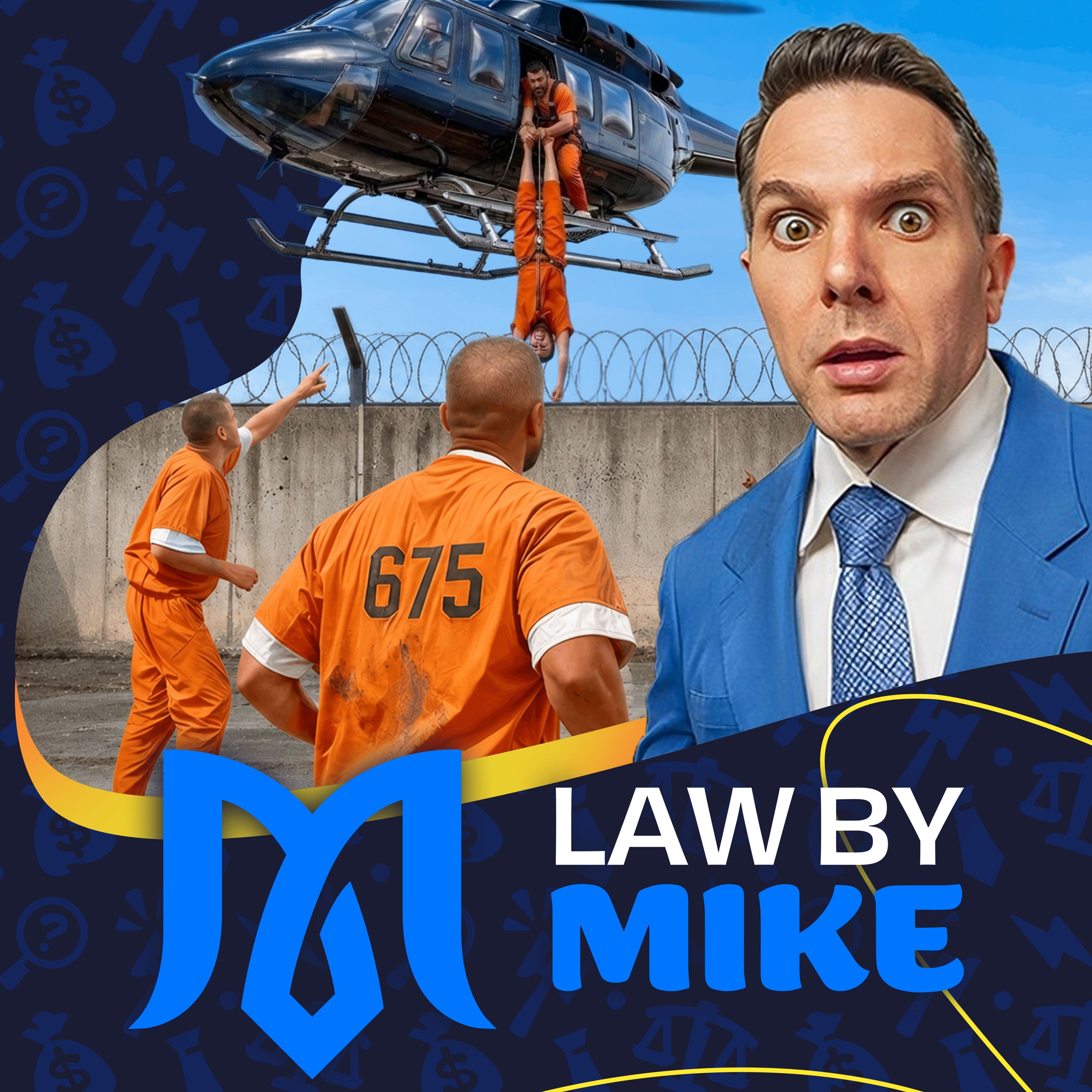
This transcript outlines key legal principles for individuals facing interactions with law enforcement. It emphasizes that good Samaritan actions—like breaking a window to save someone in a hot car—are protected under state laws, provided the emergency is genuine and 911 is called immediately. A critical rule is to avoid consent to searches, as even a simple "go ahead" waives your rights. The phrase "am I being detained or am I free to go?" serves as a vital tool to assert autonomy during stops. In cases involving emergencies, such as a suspected heart attack or gas leak, the necessity defense applies only if the person acted reasonably, called 911, and documented the situation. The transcript warns against common mistakes: volunteering details, giving consent, or explaining oneself when not legally required. In interrogations, silence and the invocation of the Fifth Amendment protect against self-incrimination. Police often use psychological tactics, such as the "good cop-bad cop" dynamic or leading questions, to manipulate responses. The core message is to remain silent, avoid cooperation, and rely on documented facts—like 911 calls or witness testimony—rather than personal explanations. Ultimately, the best defense is not speaking, staying calm, and preserving evidence, which allows the truth to emerge without legal risk.
Oh no! What's a baby? Looks like this criminal just ran out of luck, but maybe he's not a criminal at all. Let's take a closer look Did you break this window? Yes, sir, but the baby was unresponsive. I couldn't get in the car Do I have to pay for this window? Do you know if I have to pay for the window? You did good. We need more civilians like you That was a close one, but it's not every day that the police are showing up to say you did the right thing Today we're breaking down exactly what to do when you find yourself in a sticky situation with the law Just like that one while breaking a window is technically destruction of property in situations involving a person or an animal trapped in a hot car Most states have a specific good Samaritan law that protects you from criminal charges and civil liability when responding to a real emergency Necessity the key things to remember first make sure the vehicle is actually locked Second the person inside needs to be in real distress Third and this is the most important one call 911 before or immediately after you act and finally stay on the scene Don't smash the window and just walk away Stay there cooperate and let the facts speak for themselves Now let's take a look at a scenario where that same police officer comes up behind you But he's not there to tell you good job driver turn off your engine to keep your hands understand will you know? I'm pulling you over I Did roll through that stop sign a bit earlier. I'm sorry officer and just like that He confessed to a violation the officer hadn't even mentioned yet Watch what the officer does with that license and registration Notice the officer didn't even respond to what the citizen said He got what he needed and just moved on and that's not an accident and what happens Next is where most people make the biggest mistake That's me mind if I take a look in your vehicle. I mean sure. Yeah, yeah, go ahead and just like that He handed over his fourth amendment rights with two words go ahead once you consent to that search Anything they find is fair game all right. What'd you say about a vehicle for me? Wait, what did I do and now the citizen is standing on the side of the road Wondering how did this happen? You know pulled you over because your tail light was out Let that sink in this all started from a tail light But the citizen volunteered that he ran a stop sign which is a completely separate violation that the officer didn't even know about Then he consented to a search on top of that one tail light stop turned into an arrest simply because of what came out of his mouth Here's my card. You're gonna need this. Let's try this again the right way Any idea why I pulled you over remember every word you say can either protect you or quietly build a case against you I'm not your officer simple. He hasn't confessed to anything because he doesn't know why he was pulled over license and registration Mind if I take a look in your vehicle real quick Here's my card. I don't consent to any searches officer This one's really important if the officer asked mind if I look be careful on how you answer Saying yes can be interpreted as yes go ahead and saying no can be interpreted as no I don't mind. It's critical. You don't leave any room for interpretation say it clearly and directly just like the citizen did I do not consent to any searches You got something to hide No, sir. Look am I being detained or am I free to go? That question right there am I being detained or am I free to go is one of the most powerful things to say during a traffic stop Once the officer has finished what they pulled you over for ridden the ticket check the license run the plates whatever it might be The stop is technically supposed to be over you're free to go That actually work every time now that we know the police are always trying to build a case against you Let's move on to another common scenario where the police show up somewhere you feel completely safe your own front door You're gonna get that? Hey, sorry to bother you. We just got a call from a neighbor something about a Altrication outside earlier today. You know anything about that the police are never there to make small talk Watch what happens when the citizen forgets that. Oh, yeah, I mean that was nothing. He started it He came under my property and he started getting to my face. I was just telling him to back off. So there was a confrontation I mean, yeah, but I didn't do anything. I just He hasn't been accused of anything yet. No charges mentioned no arrest threaded just one open-ended question and the citizen is already Building the case against himself the officers aren't interrupting him because they don't need to he's doing all the work for them Absolutely nothing like that would ever happen ever in a million years officer Jones and Officer law by Mike did it get physical? I put okay I pushed him but only because he got in my face first Just like that he came to the door to defend himself and ended up confessing to a physical Altrication on his own front porch the officer had an accusement of anything didn't mention any charges just ask Do you know anything about that and the citizen filled in every blank the push the argument now? It's all on record. This is one of the most common mistakes people make the moment they feel accused of something They panic and start explaining feels like the right thing to do like if you just tell your side It will all make sense in the officer will understand, but that officer isn't a judge. He can't clear you He can only collect what you give them we heard enough. You're under arrest now. Let's try that again the right way This is the police can you come to the door? You're gonna get that Can I help you? We just got a call from a neighbor something about an Occasion outside earlier today. I'm sorry officer, but I can't answer any questions without my attorney present Could you please just come out and talk to me? It'll only take a second. It's nothing serious We just want to hear your side. Okay, well, I'm not interested. Can you please open the door? This will only take a minute am I being detained or am I free to go and just like that after asking am I being detained the police I've hit a wall or in this case a door you're not detained. We just okay. Well, not interested have a nice day And in a he said she said situation the person that talks first and the most is usually the one that ends up in trouble His job at that door was not to explain himself It was a stay quiet and he did exactly that. Oh, and if they ever claim they have a warrant as to see it before you open Anything a real warrant has to be presented. Don't take their word for it one more thing Notice they sent two officers. That's not just for safety It's also a psychological tactic good cop bad cop They're working together to make you feel like cooperation is your only option when it definitely isn't You might want to take this too K-pop demon hunters again So we've seen what happens in a traffic stop and at your front door Well, what about another situation where breaking the laws actually the right thing to do I can't breathe There's something wrong with my chest I Think I need to go to a hospital. Yes, I'm headed an emergency general hospital I think my friends have a heart attack. We don't have time to wait for an ambulance. I'm three minutes away She needs help right now. I think it's her heart Are the police really pulling me over Are you okay? Oh, no, I need help Hey, you didn't pull over back there officer my passenger was having heart problems I was on the phone 9-1-1 the entire time my hazards were on and I drove to the nearest emergency room I wasn't gonna stop and cost her those minutes. She could have died I'm gonna need your license of registration Speeding is never automatically excused but necessity like saving a friend's life is illegal defense that has protected people in this Exact situation and the reason the citizen is still sitting here instead of being arrested comes down to three things He kept his hazards on the entire time He had 9-1-1 on the phone documenting the emergency in real time and when the officer arrived He stated the facts clearly without over explaining or making excuses that combination is what makes the necessity defense work One important thing to note though It's still possible to get a speeding ticket here speeding is still against the law So you may still have to appear in court and argue this defense to get it dismissed This isn't a pre-pass. It's a legal argument and there's a big difference between the two Sometimes the law is on your side, but what about when you've done absolutely nothing wrong and the police still come after you? Yeah, that's what I said. She's tripping for real. Yo, that's crazy Hey, that's him right there. Let's go Stop right there. Don't move What's going on? Drop what's in your hands. What the bleep? Keep your hands where I can see them. Me? I didn't do anything You match the description of someone we're looking for in the area Shots back is being apprehended and detained Is that the cops? Hello Where were you coming from? I was just at the store. I'm heading home. I live two blocks from here We got reports of someone that looks just like you robbing someone 10 minutes ago two streets over That wasn't me. I've been at the store the whole time. Look, I have a receipt. I can show you He's trying to prove his innocence on the sidewalk. It feels like the right move. It isn't watch what happens next So you were in the area? Well, yeah, but I wasn't hands behind your back you being detained wait What I just told you I didn't do anything when he asked so you were in
the area. That's actually a train technique. The citizen said he was two blocks away, and the officer immediately flipped it into something suspicious. It doesn't matter what the citizen said at that moment. It was going to be refrained against some regardless. Who else was with you at the store? Nobody. I was at the store. The cashier can tell you. You were alone? No witnesses? Two blocks from where this just happened? I swear, I didn't do anything. You can check the store cameras. We'll be deciding what we checked right now. I need you to tell me exactly where you were, and what you were doing for the last hour. Okay, okay. I left my apartment around four. I went to the CVS on Main Street. I got some snacks. I got a drink. I went back onto the street, and that's when I ran into you guys. He's completely innocent. Hasn't done anything wrong today, except walk down the wrong street at the wrong time. Now he's in handcuffs, while it may seem extreme and 100% can happen to anyone, including you. This is how fast a normal day becomes a legal nightmare. Some people end up in jail or even prison over this exact situation. Since 1989, the justice system has released over 3,000 people who were wrongfully convicted, collectively spending over 27,000 years behind bars for crimes they didn't commit, and that's only the ones who were able to prove their innocence. Nobody knows the real numbers still behind bars today who don't deserve to be there. And the only response that can't be used against you is verbally invoking your Fifth Amendment right to remain silent. Let's see how that looks like. Stop right there. Don't move. Yes, sir. Drop what's in your hand. What's going on? Where are you coming from? I won't be answering any questions without my attorney present. He's learning. He must have been watching my videos. We got reports of someone just like you robbing someone 10 minutes ago. Two streets over. You want to explain that? Cuff them. Am I being detained or am I free to go? You're being detained while we investigate. You have anything to say for yourself? I invoke my right to remain silent. I want a lawyer and I don't consent to any searches. This is the hardest part. He's standing in cuffs completely innocent saying nothing. Every instinct is telling him to explain himself, but he doesn't and that's exactly right. We're going to need your ID. It's in my back pocket. Hello. What's going on? Is that the cuffs? He didn't free himself by talking. The evidence is what cleared him and the citizen didn't have to say a single word. You're free to go. His friends voiced on the cell phone, the sore camera and the radio call. The truth came out on its own. Hello. Man, I'll tell you later. Because he didn't bury it under a panic statement that could have been twisted against him. Your goal in that moment is not to win the argument on the sidewalk. It's to protect your rights and preserve the evidence. Stay calm. Don't resist. And say clearly, I'm invoking my right to remain silent. I want a lawyer and I do not consent to any searches. Then stop talking completely. Let the truth do the rest. That calls a timestamp and a witness. It might be the thing that sets you free. I almost forgot. Thanks. Woo. Close one. So we've covered what to do on the street, but what about something you carry with you every single day? Something with your entire life stored on it. That police are increasingly trying to get their hands on. By this point, you probably understand that the best thing you can do in most situations is to say silent. But let's take a look at what happens when you find yourself a step further in the legal process. And this time, try to keep count of how many mistakes our friend makes here. I just want to have a conversation. Hear your side of things, you know? Okay. Mistake number one is already happening. He hasn't said a word yet, but he's about to. Even in an interrogation room, you have every right to remain silent until an attorney is present. He has no obligation to say anything. The second the detective gives him a friendly look. He opens up. I'm going to be straight with you. Those guys out there are buying your story. They think that you were involved with what happened earlier. I don't necessarily think that. So I need you to help me help you. So in your own words, tell me what you did earlier today. Look, I already told the other officers. I was just walking back from the store. Mistake number two, help me help you is one of the oldest tactics in the book. The detective just told the citizen that he believes him, which is completely legal for police to do, even if they don't mean it. And it worked instantly. Right. Well, I believe you, but massage doesn't. The only way I can go back in there and give him a back off, said you give me something to work with. You understand? I mean, yeah, I guess. So what's your story from the beginning? Okay, well, I left my apartment around four. I was there for about 15 minutes. Mistake number three, he already gave his exact story to the officers on the street. Now he's giving it again in a recorded interrogation room. If anything is even slightly different between the two stories, like different time, different details, anything, that inconsistency becomes ammunition for the prosecutor. Got it. And you were alone the whole time. Yeah, but I was on the phone with my friend. Mistake number four, by saying I was by myself, he just eliminated any corroborating witness before the detective even asked. Hey, actually, can I take a quick look at your phone, verify your call log, confirm your story? Should clear everything right up. Sure. Yeah, here you go. Mistake number five, and this is a big one. He just handed over his phone voluntarily. There was no warrant and no legal obligation for him to do that. And according to the case, Riley versus California, police need a search warrant to go through your phone unless you consent, which he just did. What's this? Wait, no, that was a joke. My friend and I, we watched a true crime documentary and we just got curious. I'm going to need you to stay right there. Wow, that was a rough one. Even after seeing what's on screen, he kept talking. That explanation is now on record and likely in a courtroom. It was a joke. Sounds exactly like what someone would say when they get caught. Just like sarcasm doesn't work over text, jokes don't work in a courtroom. All they see is the words on the screen. Every single one of the mistakes he made came from the same root cause. He trusted the friendly detective and thought cooperating would make things better. And the room is designed to make you feel uncomfortable. The small table, the one door, all of it is designed to make cooperation feel like your only option. It isn't. The best thing you can do if you end up in that room is a sit back, stay quiet, and let your attorney do the talking. No matter how much you feel, you need to explain yourself. It's better to memorize these. Good because the day you actually need them, you won't have time to look them up. We've covered what to do when the law works against you. But here's one final example of what it looks like when doing the right thing means breaking the rules. Hey, I heard something fall, are you all right? Hey, you good in there? Number one, what's your emergency? Yes, hi, I need an ambulance. I was walking past my neighbor's door and I heard a loud crash. I went and I knocked on the door, there's no response, nothing. Okay, stay on the line, do not force entry. Help me warm more. The dispatcher told them not to force entry. In most situations, follow that instruction. What do you mean it's going to be 45 minutes? We don't have 45 minutes, she's having a heart attack. But citizens smells something and genuinely believes this can't wait. Look, I smell gas, I'm going in and saving them. She's on the floor unconscious, please hurry. Did you kick this door in? Yes, sir, but I heard a crash. They weren't responding, I knew something was seriously wrong, I was on phone with 911 the entire time, they can confirm everything. We need a medic. Let's be precise here because this one has a few layers and I want to make sure you actually understand what protected the citizen legally because it might not be what you think. First, kicking in a door is not automatically protected just because you're trying to help. Good Samaritan laws exist in all 50 states but what they mainly protect you from is getting sued from the person you help. We're going to need a statement from you. Of course, I'm not going anywhere. We're going to get a statement from this guy. The kicked-in door is a separate issue entirely. That's where the necessity defense comes to play. If a reasonable person in that situation would genuinely believe that person needed immediate help, the law may justify entry. Second, did you notice a 911 dispatcher told the citizen not to force entry? In most situations, follow what 911 tells you. The citizen made a judgment call because he smelled something and believed lives were at risk. That judgment call, along with the phone call he made before acting, is what gives him a defensible position in court. And that brings us to the third and most important point. The very first thing that citizen did before he touched the door was call 911. It documents that he identified a real emergency before anything happened. It creates a time stamp that puts him there for the right reason. Without that call, this is a much harder situation to defend. Call first. Act only if you genuinely believe there's no other option. Stay on the scene and cooperate fully. And understand that the law may protect you, but it depends on the state, the circumstances, and the fact. When in doubt, the best thing you can do is wait for help. Kicking in someone's door can look like trespass, property damage, or even burglary. If the police believe you went in for the wrong reasons. But the law recognizes that in genuine life or death emergencies, a reasonable person would act. What would you do in that situation? Now that we've seen scenarios where you can keep yourself protected, remember. Don't answer questions without an attorney. Don't consent to searches. And if you're ever unsure, asking, "Am I being detained or am I free to go?" will always be your best friend. I'm lawy.
I'm Mike thanks for watching don't forget to like and subscribe if you enjoyed the video see you next time
Podcast Summary
Key Points:
Good Samaritan laws protect individuals from criminal charges when acting in emergencies, such as breaking into a car to save a trapped person.
Before taking action, you must verify the emergency is real, the vehicle is locked, and you call 911 immediately to document the situation.
Consent to a police search — even with a simple “go ahead” — waives your Fourth Amendment rights and allows officers to search freely.
Saying “I do not consent to any searches” is critical; it prevents illegal searches and preserves your rights.
Asking “Am I being detained or am I free to go?” is a powerful tool to assert your rights and stop unwarranted stops or arrests.
In emergencies like a heart attack, the necessity defense works only if you called 911, acted reasonably, and documented the emergency clearly.
Voluntarily providing your phone or personal items during an interrogation violates your rights unless you have consented or a warrant.
In situations where police show up without clear justification, silence, calmness, and invoking the Fifth Amendment protect you from false accusations.
Summary:
This transcript outlines key legal principles for individuals facing interactions with law enforcement. It emphasizes that good Samaritan actions—like breaking a window to save someone in a hot car—are protected under state laws, provided the emergency is genuine and 911 is called immediately. A critical rule is to avoid consent to searches, as even a simple "go ahead" waives your rights.
" serves as a vital tool to assert autonomy during stops. In cases involving emergencies, such as a suspected heart attack or gas leak, the necessity defense applies only if the person acted reasonably, called 911, and documented the situation. The transcript warns against common mistakes: volunteering details, giving consent, or explaining oneself when not legally required.
In interrogations, silence and the invocation of the Fifth Amendment protect against self-incrimination. Police often use psychological tactics, such as the "good cop-bad cop" dynamic or leading questions, to manipulate responses. The core message is to remain silent, avoid cooperation, and rely on documented facts—like 911 calls or witness testimony—rather than personal explanations.
Ultimately, the best defense is not speaking, staying calm, and preserving evidence, which allows the truth to emerge without legal risk.
FAQs
You are protected by good Samaritan laws in most states. First, ensure the person is in real distress. Call 911 immediately and stay on the scene to cooperate with authorities.
No, you are generally protected under good Samaritan laws if you act out of necessity and call 911. The key is that you had a real emergency and acted in good faith.
You must clearly say 'I do not consent to any searches.' This protects your Fourth Amendment rights and prevents officers from searching your vehicle without legal justification.
Yes, staying silent and refusing to explain can protect you. Saying 'I invoke my right to remain silent' and requesting a lawyer is a powerful legal position, especially during questioning.
Not if you acted out of necessity. If you called 911, kept your hazards on, and acted to save a life, you may have a legal defense under the necessity principle, which can protect you from charges.
Say clearly and directly: 'I do not consent to any searches.' This avoids any interpretation that you are allowing a search and protects your constitutional rights.
Chat with AI
Loading...
Pro features
Go deeper with this episode
Unlock creator-grade tools that turn any transcript into show notes and subtitle files.
 PodcastTranscript AI