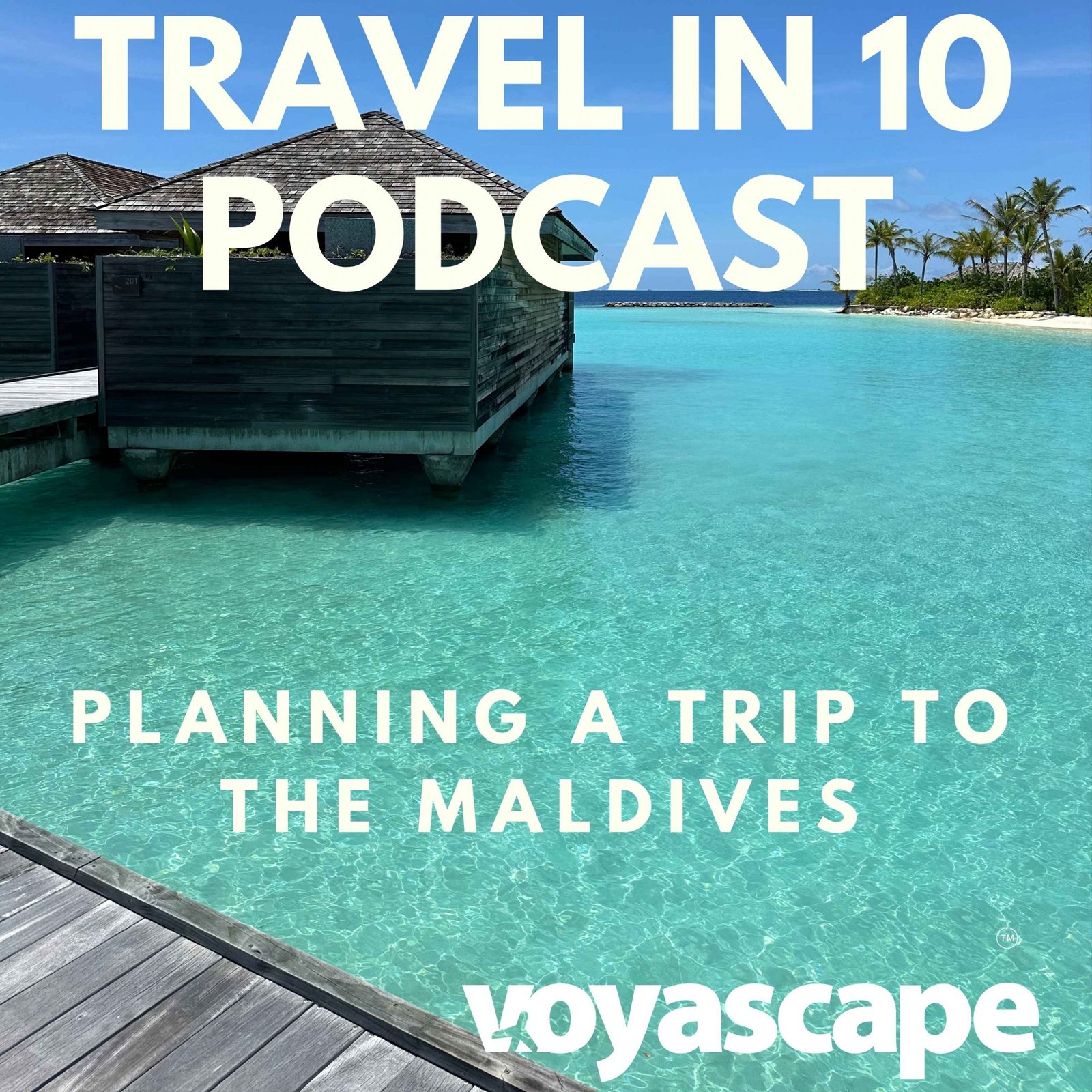
The Maldives stands as a paradise on Earth, renowned for its stunning natural beauty, exceptional marine life, and unique cultural experiences. This destination offers two distinct travel pathways: luxury private island resorts such as Kagi Maldives, featuring overwater bungalows, wellness programs, and exclusive amenities, and more affordable local islands like Mufushi, where tourists engage with the authentic community and enjoy fresh, culturally rich cuisine such as the traditional Mishuni breakfast. A key cultural highlight is the deep hospitality of local residents, including dive masters who go out of their way to share knowledge and guide visitors to hidden coral gardens and sea life. The country’s strict Muslim laws mean alcohol is restricted on many local islands, though excursions and day trips can still offer access to food and drinks. Travelers should carefully plan their itineraries, especially dive schedules, as sea plane transfers and logistics are critical to maximizing experiences. Notably, the Maldives is one of the few places where whale sharks can be spotted, and the underwater world is teeming with turtles, fish, and coral. The combination of breathtaking scenery, cultural authenticity, and accessible luxury makes the Maldives a versatile and unforgettable destination for all types of travelers. Whether seeking indulgence or immersion, visitors are rewarded with a deep connection to both the environment and local way of life.
This is a Voyagescape Podcast.
You can find all of our travel podcasts
from around the world at voyagescape.com.
(upbeat music)
- Hey everybody, welcome to Travel in 10.
We're this week we're gonna be talking about
what many people consider paradise on Earth,
the Maldives just off the coast of India.
David and I have both been there.
We're both excited to talk about this destination.
David, how are you doing this week?
- I'm doing great.
As you say, just got back not so long ago
from the Maldives was there just a little over a month ago.
And it may have taken the place
of my favorite destination in the world.
I'd say Tahiti, Fiji, Maldives, I love the tropical beach locations,
places with you know, lots of underwater life.
And if it's not at the top of the list,
it's certainly very near the top of the list
after my experience there.
- Absolutely, I mean to me, it looks like you're still radiating
some of that energy from the Maldives.
Maybe you still have a bit of the tan, maybe not, I don't know,
but what are some of your favorite things about this destination?
What makes it so special to you?
- I mean, it is, it lives up to the Instagram hype for sure.
I mean, it is crystal clear waters.
It is white sand beaches.
It is some of the most marine life that you're going to find
and best preserved reefs that I've seen anywhere
doing, doing snorkeling and diving.
But it's a lot more than that too.
It's incredibly, incredibly hospitable, friendly locals.
It's, you know, they've got 180, 190 islands
of the 1100 islands throughout the group that are populated
and, you know, about 160 of those have resorts on them.
And in almost each case, those resort islands,
it's like one resort on one island.
They're each this private island experience.
So if you're looking for like, you know,
you're going on that bucket list trip,
a hunting moon, you know, something that you really want to,
you know, go on a special unique experience.
There is no shortage of opportunities to do that
in the Maldives for sure.
- Absolutely, absolutely.
And so, I mean, I know with my experience,
your time in the Maldives and how special it is
will be determined by where you stay.
And I know you have a couple of favorite places.
- Yeah, for sure.
I mean, I definitely went on two very different ends
of the spectrum.
I mean, I was lucky enough to go stay in one of those
iconic private island resorts, a place called Kagi Island.
Kagi Maldives, it's a resort just open about a year ago.
Beautiful over the water, bungalows.
It really focuses in on health and wellness focused experiences.
So they've got a great yoga studio there, great gym.
They even do like sound meditation classes
that you can take when you're there.
It really lived up to the expectations
of that over the top luxury experience in the Maldives.
And then on the other spectrum,
I also went to a local island, a place called Mufushi,
which where tourism has just started to emerge
over the last few years and a lot of brand new resorts there
as well, very different from a budget perspective.
But you get a lot of what you would get
at those luxury resorts at a much lower cost.
- Absolutely.
And I mean, Maldives, it's so interesting because when you fly
into the airport in Maldives, in the capital,
in many cases, especially if you're staying
in the luxury resorts, you're met by an ambassador
for the resort, you're escorted to a sea plane.
And then that sea plane takes you to your resort.
And for many, many people, that's the entire experience.
And let's be honest, that's really an amazing experience.
- Very interesting, yes.
- You know, for me, I stayed at Two Resorts Fairmont,
which was on the northernmost A-Tool at the time
that actually had development.
And then Conrad, which was very interesting,
because they had an underwater hotel suite,
and then they also had an underwater restaurant.
And I mean, I did a tour of the suite.
And I mean, I think it would be an amazing thing
to stay in that suite.
I did not stay in the suite, but I did a tour of it.
And I mean, all the walls, you know, there's fish going by,
there's other sea life going by,
you have these coral reefs that are still alive.
And then did kind of a champagne experience of the restaurant.
- Yeah, in terms of float planes,
it's got more sea planes and more float planes
that fly out of that international terminal
in the Maldives than anywhere else in the world.
And I don't know if it was built out when you were there,
or not, that they've got a quite new sea plane terminal.
It's like four stories tall.
And every level of it is filled with these,
these over-the-top Uber luxury airport lounges.
And, you know, there's one that's the local sea plane company
has got like their own lounges
that takes up about one floor of this terminal.
But then, and it's got, you know, you can get a massage,
you can get a shower, you can do great food.
Everything you would expect that a really upscale airport lounge.
But then a lot of the, you know,
why it is four-starlies tall
is because a lot of the individual resorts
have their own exclusive lounges as well.
So the four seasons has got its own airport lounges.
The West has got its own airport lounges.
So as you go through, you know,
you're whisked from your international flight
into, you know, this exclusive lounge area,
you hang out there for a bit,
and then you're off to your island.
But you do really have to, you know,
one thing I would say about planning a trip to the Maldives
is you really do have to think about the transfers
and figure out the timing
because it will make a big difference to your experience.
You know, when your international flight comes in,
then, you know, some of the islands,
it's, it's, it's gonna be a trek, right?
You know, there's a few you can get to by boat,
but the vast majority of them, it is by, by sea plane,
and just lining up the timing of when your flight comes in
and when it goes out, certainly that airport lounge experience
helps, helps, you know, mitigate that.
But, oh yeah, I know after like a 14 hours
in the air, you know, having a shower,
you know, is such an important thing,
and maybe being able to change your clothes or whatever,
and I mean, I think when you get on that sea plane,
that moment, when you get airborne,
and you're starting to fly over some of these islands,
and you just see, you know, the open ocean,
and then that blue sea, you know,
that electric blue sea that surrounds these islands,
and then they're just like little tiny green, you know,
you poke knots or whatever in the sea.
I think that's when you really realize
that this is a different destination, you know,
then maybe any place that you've been before,
you know, at least it was for me,
and I know you have a few favorite things to do.
I know you, we might build this out into a separate episode,
or bonus episode, but you spent some time with dive masters,
and you spent some time in the ocean,
and you know, that is definitely one of the top things to do here,
and you know, tell us more about that.
- Yeah, for sure, I mean, the experience at Kagi,
there was an enormous amount to do there.
It had an incredible host reef,
where, you know, you would go right
from your over-the-water bungalow,
take a couple of steps down,
and you were right in the water,
and surrounded by marine life,
and I had a chance to talk to the dive master there,
a little bit about what the diving
and snorkeling experience throughout them all dives is,
so for sure, we'll put up another bonus episode.
This week with a little bit about her talking about
some of what you can see from a underwater
and a sea life perspective, and yeah, it was just,
it really was a phenomenal experience
in a great resort, and yeah,
somewhere I would highly recommend.
One of the things that I really enjoyed
when I was at Fairmont was going out on a traditional
wooden fishing boat, you know, I mean, for centuries,
you know, the Maldives, you know,
it's not always been this tourist destination,
and they survived on the unland and sea
for many generations, I should say.
And so going out, and I think we were fishing basically,
which is hand-lined, as the traditional fishermen
would have done, that was kind of a special experience
'cause you, you know, you talk to local people
who were, you know, two guys who were kind of the local guides,
their families had been in the fishing business
for many, many years, and they talked about, you know,
living off the sea and what that was like,
and how much it's different now.
I mean, I think better now in many ways,
but that was such a cool experience.
I mean, there's so much sea life in this area, right?
It's just flourishes with sea life.
So, yeah, that's definitely one of my special experiences.
Do you, now you talk, can you talk a little bit more
about, because I know it's a fairly recent phenomenon
in the history of the country,
to be able to stay on a local, you know,
so can you talk a little bit about the cultural impact
of that and, you know, and your experiences there?
- For sure, I mean, I would say there are,
you know, the thing that I think most people,
They think of the Moldives, they do think of these private island resorts.
the great international authorities with the overwater, the bungalows, and there is endless
supply of those that you can choose from when you're there.
But a new emerging part of the tourism sector there is, you know, these local islands where
a lot of the local population lives that for years were sort of off limits to tourists.
It's a fairly strict Muslim country, and as a result of that, you know, alcohol is not
allowed on a lot of the islands or any of the islands where the local population lives,
and because of that, they hadn't really built out any hotels for tourists.
That's changed just really in the last, you know, five, ten years that the government
has allowed the local islands to start building out their own tourist infrastructure.
And the one that I stayed at, Mufushi, I mean, it's the closest to Mali, the main island
that you first fly into, you know, you can get over to it on a private water taxi, is
about $25, takes you about 45 minutes, and you know, all the hotels are brand new.
I stayed at one called Triton prestige CVU.
It was an all-headed, you know, a rooftop infinity pool, a great beachfront restaurant,
and it was only about $120 a night, including breakfast.
So really, really good value. There was a chain of hotels there called Kanai.
They had the Palm Beach, the Sea Grandview, you know, all these places are right on these
like, you know, white sand beaches, you're walking straight into the water and have phenomenal
storytelling, and you're getting to meet the local population, and it's, so it is a
much different experience, so you're going to have these private island resorts, and,
you know, a good, good example of that, I went out, you know, they have two beaches on Mufushi,
the Bikini Beach, where a lot of the tourists congregate, and the No Bikini Beach, which
is where most of the local population is.
The best storytelling is actually at the local beach, the No Bikini Beach, and my first
day out, I went and did some snorkeling around, and I happened to run into some Germans
who were there snorkeling as well, and two girls who called me over and were saying, you
know, come check out, there's sea turtles and sharks, and so snorkeling around with
them for a few minutes, but then they told me, you know, a few, or an hour earlier, we'd
been just around the corner, and there's a place where the locals have planted a coral
garden, where they're, you know, texting the coral and helping regenerate it, and there's
a lot more sea life over there, you have to swim quite far out from the beach, but you
should go around the corner.
So I did, and went snorkeling out there, but I'd been out for about half hour, 45 minutes,
trying to find it, and having no luck, and see some locals on the beach, you know, they'd
seen what had happened and what had transpired, they knew what I was trying to do, and so a
guy who was standing on the beach jumped in the water, swam out to me, and I thought, you
know, was he going to, you know, ask me to take a tour or demand some sort of payment
or something, but quite the opposite, I mean, he stayed with me for an hour and a half.
He kept, like, encouraging me to go further and further, he took me out the coral gardens,
we saw sharks, we saw amazing undersea life.
He took my camera and, you know, was doing pictures, you know, where he could get spots
where I couldn't.
He was doing some pictures and videos and taking pictures of me, stayed with me essentially
all afternoon, and then swam back to the beach, and, you know, basically just said, "Have
a great day," and, you know, glad I could show you my island and, you know, didn't expect
anything in return, and I happened to run into him because it's a very small island.
You can walk around the whole island and, you know, probably an hour or less, you know,
he was a dive master at a local water sports shop and, you know, just, you know, you can
see that there was somebody who, you know, was trying to get the most out of their time
in the islands and wanted to make sure that I saw everything that it had to offer.
And I found that same, you know, hospitality really extended everywhere that I went.
The local population was just so friendly.
And these local islands are just like, there's no cars really, everybody's getting around
my bike or some, I think, or a couple golf carts that would help you get your, your
luggage from the, from your boat to the hotel, but very peaceful, you know, and my understanding
is Mufushi is probably the most active of all the local islands and it was super peaceful.
Like, as you go at night and it's, you know, just the very relaxing experience, you know,
you've got, you can see all the stars, you can crystal clear waters, and you're getting
a lot of the experience that you would get at resorts that, you know, people are paying
thousands of dollars a night, but it's hundreds of dollars a night and they're brand new,
beautiful hotels.
You know, the one thing is it is, you know, you do have to respect the local culture.
You know, we've talked about the bikini beach, the no bikini beach restrictions.
There is no alcohol still allowed on those local islands, although in the case of Mufushi,
they do have a, a sort of boat that's parked off the island that you can do excursions
too, if you really need to go out a lot of the food drinks, you can still get a new
group of screws.
Yeah, exactly.
And you can also do excursions out to a lot of the private island international resorts
as well as a day trip as well.
So, you know, there really are those both ends of the spectrum, you know, if you want the
Uber luxury resort, the over the water bungalow, there's lots of that there.
But if you want to get immersed in local culture and have something that's much more affordable,
there's that choice there for you as well.
Absolutely.
Absolutely.
You know, I mean, I love that.
I didn't get that same experience, but, you know, I mean, you meet the local people
even at the international resorts, but the next time I go back to them all these, that
is number one on my list, is to go to one of these local islands and really experience
a little bit more of the of the local culture.
I think maybe you've just described it, but, you know, before we wrap up, any must-do stand-out
experiences that you that you want to highlight?
I mean, they've got some great local cuisine to try out.
You know, you certainly see the influence, the Indian influence, the, you know, African
influence on their cuisine as well.
A dish that it doesn't sound super appetizing when you describe what it was, but I loved
it.
It was a breakfast dish.
They, they had, at least it's called the Mishuni.
I don't know if they don't say that correctly, but it's a traditional Maldivesian breakfast
dish where they take a blend of fresh tuna, grated coconut, onions and chili.
It even doesn't sound like your top like breakfast choice, but it's super tasty and they,
they start it together with like a Maldivesian flatbread, so that, that was fantastic.
We would certainly highly, highly recommend that.
And then the other thing is just like in terms of marine life, you know, there is so much
to see struggling and diving there, and one final tip I would have is like if you are going
out to, something I would have to go out to by sea plane, just again, like thinking through
the logistics and the timing because anybody who's a scuba diver knows like you can't really,
you can't really dive within 24 hours of having fluent, particularly on a non-pressurized
level sea plane like that, so it's important to, you know, make sure that you're just
thinking through the logistics of when you're going to be able to dive while you're there,
and you've got to make sure that you, you know, you schedule your trip so you can do that.
You're going to see so much.
It's one of the few places in the world where you've got whale sharks.
You're round in the Maldives and some of them were remote atolls that you can get out
to, it's just, yeah, the moment you get underwater, it really does live up to, to expectations
for sure.
Absolutely.
And I mean, for me, for sure, the standout experience was joining, you know, with a marine
biologist and going out and just seeing all that sea life, and you're just surrounded
by it, right?
I mean, when you're over the coral reef, there's so much to see as you've already described
sea turtles and so many different kinds of fish, and then there's that point where
it kind of drops off, and it's just that blue of the Pacific Ocean that just stretches
on forever, you know, and it reminds you that you are on these islands and, and the cuisine
is very interesting.
I mean, I think all islands are interesting when it comes to the cuisine, you know, Maldives
has so many fresh fish and, you know, so many influences from around the world, curries
and all that kind of stuff.
So I'm very excited, thinking of maybe my next visit to Maldives, and it's just been
a pleasure talking about these islands with you, David.
Sounds great.
Okay, Tim, while looking forward to having you back next week, and as always, encourage
everybody to jump over to our website at wayescape.com where you can find all of our travel podcasts
from around the world and some new podcasts that we're building out and coming once as
well, so lots of great content there to help plan your next trip, and in addition to that,
we're starting to build out some travel guides, downloadable travel guides to some of the
destinations that we're covering in the podcast as well, and you can find those on the website
as well.
Perfect.
Can't wait to chat with you next week, David, and have a have a good week.
Thanks, Tim.
All right, thank you.
Podcast Summary
Key Points:
The Maldives offers pristine crystal-clear waters, white sand beaches, and some of the world’s most vibrant and well-preserved marine ecosystems, making it a top destination for snorkeling and diving.
Travelers can choose between luxury private island resorts like Kagi Maldives or budget-friendly local islands such as Mufushi, where they experience authentic cultural immersion and affordable accommodations.
The local population is exceptionally hospitable, with residents actively sharing their traditions, marine conservation efforts, and daily life—especially in places like Mufushi where dive masters guide visitors through coral gardens and sea life.
Summary:
The Maldives stands as a paradise on Earth, renowned for its stunning natural beauty, exceptional marine life, and unique cultural experiences. This destination offers two distinct travel pathways: luxury private island resorts such as Kagi Maldives, featuring overwater bungalows, wellness programs, and exclusive amenities, and more affordable local islands like Mufushi, where tourists engage with the authentic community and enjoy fresh, culturally rich cuisine such as the traditional Mishuni breakfast. A key cultural highlight is the deep hospitality of local residents, including dive masters who go out of their way to share knowledge and guide visitors to hidden coral gardens and sea life.
The country’s strict Muslim laws mean alcohol is restricted on many local islands, though excursions and day trips can still offer access to food and drinks. Travelers should carefully plan their itineraries, especially dive schedules, as sea plane transfers and logistics are critical to maximizing experiences. Notably, the Maldives is one of the few places where whale sharks can be spotted, and the underwater world is teeming with turtles, fish, and coral.
The combination of breathtaking scenery, cultural authenticity, and accessible luxury makes the Maldives a versatile and unforgettable destination for all types of travelers. Whether seeking indulgence or immersion, visitors are rewarded with a deep connection to both the environment and local way of life.
FAQs
The Maldives offers crystal clear waters, white sand beaches, and some of the world's best-preserved coral reefs. It also boasts exceptional marine life and a warm, hospitable local culture.
Yes, there are luxury private island resorts and more affordable local islands. The luxury options offer overwater bungalows and exclusive experiences, while local islands provide authentic cultural immersion at lower prices.
Snorkeling and diving are top experiences, offering abundant marine life including sea turtles, sharks, and vibrant coral reefs, especially in protected areas like the Malé atolls.
Yes, visiting local islands like Mufushi allows travelers to interact with the community, see traditional fishing practices, and enjoy local cuisine such as the Mishuni breakfast dish.
Most resorts are accessed by sea plane from the capital. Travelers are often met by resort ambassadors and transported to their island, with many resorts offering exclusive airport lounges and transfer services.
Yes. International resorts offer luxury and privacy, while local islands (like Mufushi) are more affordable, culturally rich, and feature strict rules like no alcohol, with strong community hospitality.
Chat with AI
Loading...
Pro features
Go deeper with this episode
Unlock creator-grade tools that turn any transcript into show notes and subtitle files.
 PodcastTranscript AI