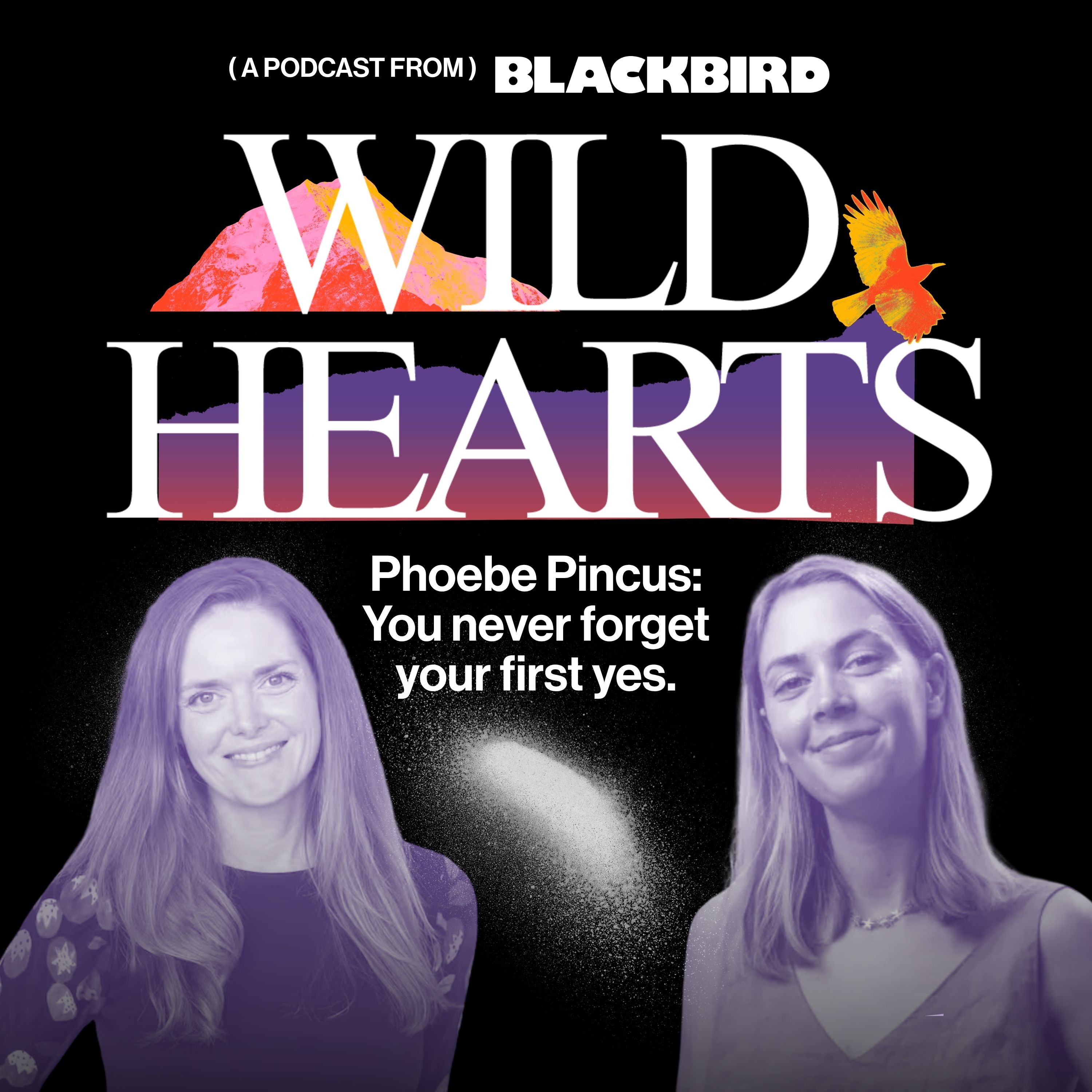
Phoebe Pinkers, the newly appointed CEO of Startmate, discusses her vision for the organization in this interview. Startmate, founded in 2011, has invested $50 million into over 300 early-stage companies now worth over $4.5 billion. Pinkers, who rose from the Women Fellowship program to Chief of Staff, COO, and then CEO, aims to refine Startmate’s focus by doing less and excelling at being the best pre-seed and seed investor. She also co-founded Cheeky Run Club, a podcast and community for amateur runners that has garnered over a million downloads and helped 70% of listeners feel they belong as runners. Pinkers draws parallels between Cheeky Run Club’s success in fostering belonging and the tech ecosystem’s exclusion problem. She acknowledges that while pathways like Startmate’s programs help outsiders, the ecosystem still lacks inclusive infrastructure. Pinkers stresses the importance of remembering what it feels like to be an outsider and leveraging that to create opportunities for others. She argues that community building should focus on a shared identity or values beyond gender, and that authenticity and first-principles thinking are crucial for meaningful engagement.
So the CEO jobs yours Phoebe. What's your big grand ambition for this start mate? It's your opportunity to put the Phoebe Pinkers stamp on this institution. What's it going to look like? It's such a scary question. And I really want to create space for this answer to change because I'm two months into the job. And I think the most brave and ambitious version of start mate is actually one that does less and does it much, much better than we're doing now. So I think what we're continually figuring out right now is how do we be the best pre-seed seed investor in the world? We've had a recent theme on wild hearts around what it's like to step back as a CEO and founder. Charlie from Eucalyptus, we had Didier from Culture Amp. But what about the person who takes over? This next episode is with Phoebe Pinkers, the newly minted CEO of start mate. Now for anyone who doesn't know what start mate is, it was founded in 2011 by Nikki Shavak with the belief that Australia and later New Zealand really sorely lacked the founder-founder connections, which was such a part of the lifeblood of other successful start-up communities worldwide. Since then, the organizations run a highly competitive accelerated program and countless programs designed to showcase muri-ad opportunities that exist in the world of tech. Through the accelerator, they've invested $50 million into more than 300 very early stage companies, that now collectively worth over $4.5 billion. Phoebe's coming to the seat at a fascinating time. As we were recording this interview, the sector was reeling from several closures of start-up institutions due to lack of government funding. Start mate itself, as you'll hear, is redefining its own offering in the market after years of relentless experimentation. But Phoebe's also a remarkably well-positioned person to take all of this on. In fact, she came up through the ranks of the organization, first joining the Women Fellowship, one of its own programs, and then applying directly to become the company's first ever Chief of Staff, which was then promoted to its COO and then its CEO. Beyond the walls of start-mage, she's also co-founded her own wildly successful podcast, Cheeky Run Club, and has learned to heap about what community looks like and how to foster a niche. She brings all of that to her vision for the next chapter of start-mage. And in this episode, you'll hear about it all, just a few months into her tenure. How she found the downside of one of start-mage best values, how she wants to foster a different form of inclusion in technology, how she grappled with a personality test that didn't go the way that she imagined, what she believes authenticity actually looks like in leadership. And why she created a community principally for women, but deliberately didn't refer to women in the name. I know you'll love it, I would be a Phoebe. Phoebe, I am just stoked to interview you today. You are the new CEO of Start Me. And there's actually loads to one back there, but I don't want to start there. I actually want to start with your other adventure, Cheeky Run Club. If there's anyone in our audience who doesn't know what it is, could you really quickly explain what it is? Yes, and thank you so much for having me on. It's a privilege to be asked, long-time listener of the pod. So Cheeky Run Club is a podcast and community for the everyday amateur runner that I started about two years ago with my friend Anna. And the reason that we started it was because we both love running and very, very passionate about it. And we both have this frustration with particularly friends that we had in our lives, women in our lives who would continuously come back to this idea of like, "Oh, I'm not a runner." Yes, even though. Yeah, yeah, yeah, I'm not a runner. I don't identify as a runner. Even if they did run regularly, or if they didn't run at all. And we really felt like there was this identity issue here where people felt like they had to justify. And they didn't know and felt like they belonged as a runner. We're talking about this unpacking. This is on a run one day. And then we identified that maybe part of that was because they didn't have many examples or. There weren't that many examples in the media at the time. I think it's changed a lot of like that a runner can just be someone who does it for fun and socially and for their mental health, not for performance. Like, I think that's less of a radical idea these days. But it genuinely was a few years ago. And so we started Cheeky Run Club, which was at the time like the first, like only kind of like women-led amateur running podcast. And it's been going well. Well, it has been going well because the last time I checked on your stats, you'd had a million downloads in the last two years. Yeah, yeah. That's no mean feat. I also heard a start that really stuck with me, which is that 70% of your listeners said that it quote, "made them feel like they belonged as a runner." That doesn't feel accidental. You kind of went into it with that intent. What did you specifically do to create that sense of belonging? Yeah, it's a really interesting question. So before we even thought about recording our first episode, I think we had a very like first principles approach to this podcast. We really thought about what is our goal, our goals to help more women fall in love with running. And as we said, like we had really identified that there was a bit of an identity issue where, you know, they just didn't feel like they belonged or identified as a runners. And so we kind of started with like, well, if that's the goal of the podcast, then how do we solve from there in terms of like, who is our intended audience, then everything from like, what is the brand, what is the tone, what kind of content are we creating, how we specifically targeting that idea that they may not feel like they belong as a runner. And then like, how can they see themselves reflected in other runners around them or, you know, in Australia, I suppose? I feel like it was the combination of that kind of like starting from really first principles, like what do you want to achieve from this and building out that initial kind of white paper, which is held really true to what we've ended up creating. And then also, I think part of it is that like Anna and I bring a lot of like passion and care to what we do. Like it's so important to us. And I feel like that, that's what helps you take something from like an idea on a piece of paper to like force yourself to step out of your comfort zone or record a podcast and like bring it to life and launch these events and these different partnerships and all that sort of thing. And I feel like we've had to have both and lean on both at different times. One thing I think is super interesting about Cheeky Run Club, well it's two things. One is you didn't put like women or female in the title. That was obviously intentional and I'd love your take on why that is. The other thing is that you like balance this idea of like anyone can be a runner and you provide all of this sort of feedback on like how should I start thinking about my gate and how should I think about training. But you also have content that goes all the way up to like Cheeky run nights and like you have these track nights that you create for the like hyper competitive runner. Like what does it mean to create community that spans the like I've just started doing a couch to 5K to I've been running a lot of my life and I just want to find community and people who want to build their capacity to do long runs or travel runs or whatever the case may be. Yeah, yeah, both such good questions. First one actually really interesting. We debated a lot about whether we should include women in the title or even in the tagline like we just say for the everyday amateur runner we don't say for like the female runner. And I think at the end of the day what we came down to was where obviously both women were more interested in women's you know the challenges that women face and that type of things like our content was always going to be really heavily tailored towards women. But we didn't feel the need to like upfront brand it that way. And I don't know where the part of that is like a fear thing of like not wanting to have like been too bold with like our beliefs because absolutely it's targeted at women and like that's not surprised to anyone. But I think there was almost maybe a piece of it was like all will some people be like oh this isn't for me or this is trying to make a point. We knew that it would naturally attract that was the ship and it definitely has but as for we were like maybe we weren't brave enough even to and I'm not actually saying it was a wrong decision like I think it's worked out really well for us the branding but maybe we weren't quite brave enough to be like this is who it's for and this is who we're designing it for but also not sure maybe that wasn't necessary. And then the second part of your question was oh yeah the range of yeah okay it's really good question so like some people like right at the beginning of their run as journey and a lot of our in fact all our episodes we have those people front of mind like how can we make sure that no one sits here and feels excluded and like they don't understand the language we're using or the people we're referring to. But I think that our belief was that there really wasn't much difference between those people at either ends of those spectrums. I'd say Ann or I both have run our whole lives we are you know we've raised marathons like we've run really we've got coaches like we're quite like intense about our running and yet we really didn't see ourselves as any different from people like starting out on their running journey and I think that's because the motives of the same like we run to make friends we run for mental health we run because it brings us this structure and joy in our life like we really believe that there just like wasn't that difference between like someone just starting on their running journey and someone who'd like already gained so much from it and I think that belief has has proven to be true in the kind of people that we see engaging with our content completely and I think you know I mean it's kind of obvious actually when you think about it the way you described it that a lot of the challenges you were trying to overcome are also challenges that exist in the tech ecosystem right so so much
of the discussion is that this isn't an ecosystem that was made for me or people like me. I don't identify as a founder. That's a thing that we hear from a lot of people. It's not a badge I wear on my own. I'm really, really interested to start to unpack. What are you learning from Chiki Run Club that you are now taking back into StartMate, where you've been for several years, but now I have this role of CEO, and all of these issues are things you care about as well. I want to get into that. The first one is picking up on this theme of belonging, like lots of accusations in the tech ecosystem, that it's exclusionary. There's even language that's used. People don't understand the acronyms. Equivalent to not understanding what you mean by certain kind of run, turn it all into two types or whatever the case may be. Many people feel that it's closed community despite, in many cases, lots of efforts by lots of programs to make it not thus. First of all, do you agree that the tech ecosystem has an exclusion problem? I think, yes, I do. I think it's changing and it depends which part of the ecosystem you're engaging with. I'll speak for myself. When I first wanted to get a job in startups, I was listening to all the podcasts. I was so interested in the space. I applied for so many jobs. Most of them, it wasn't even that I got rejected. I just would never hit back from. I'd write these long cover letters. Because I went so deep into who the founders were and what they were trying to do and why it resonated with me. Then I was just never here back. It was crazy because I was like, I really felt like I'd be going to working in a startup. It was clearly like, I was too far on the outside. I know and wanted in the way that I was trying to get in. There was no entry in or it certainly felt that way. Because you didn't have a warming trope? Do you think I had no warm it? Yeah. I had not a single mutual connection with these people. I think I was using all the wrong words. I was probably applying for the wrong jobs. I didn't understand what the roles were in startups. I didn't really understand anything about the complexity and the jargon that sits around startups. I was probably doing a lot of things wrong in how I was applying for those jobs. Despite my attention being very pure. Then it wasn't until a friend told me about the Women Fellowship, which is a program that startmate used to run. The whole purpose of that is to help women from the outside get jobs in startups. I did that and not only did I learn a lot of fundamentals that would then really help with applying for the right kind of job and pitching myself and how my skills could translate for that job. Also, I just had the brand of startmate and the community of startmate to make those introductions for me. I never had to apply for a role called again. That is a problem because why do we need? It's a shame that the ecosystem still really relies on that. That's the piece I do think now. There are pathways that exist. If you can find them for sure that help you build those communities, however, I think the ideal set is that you don't need them and that there's infrastructure that exists on its own that anyone can make their way in. I still think we're not fully there yet. Definitely. You said earlier that it is still a problem, that there are programs out there. Do you think that this is a problem that everyone in the ecosystem feels a sense of ownership over? Or do you think there's not a sense of ownership held by all the powers that be? Well, I guess it depends when you look at the powers in the ecosystem. I definitely think that from a venture capital perspective, like the VCs, I think that most of the funds do feel a sense of ownership and care about this. There is a clear incentive for them too because the health of the ecosystem is better than more great talent. We can attract into it. I'm not sure whether that's a government level. I know it's a priority to look at the tech council Australia. They always talk about how we need to create more pathways into tech, but I don't know that we're necessarily seeing amazing initiatives yet spin out off the back of that. You came into Stomach. You said you did the Women Fellowship, which is actually one of Stomach's programs. Then discovered that there was a role going within Stomach. You came in as chief of staff. You then pivoted into COO and now into CEO. Tell me a bit about the journey that you've had at Stomach. So yes, nearly five years now. My roles have changed a lot across that time period, but there are still really core elements. There's things that I own for my first day at Stomach that I still kind of own today. I think I was so lucky to start in that chief of staff role because it's just the most amazing way to find your feet in a business. You immediately are in every single conversation, in every single room and sort of privy to all those things that only the senior leaders might have been privy to you. It has meant that throughout that time, I've gotten, the whole time I've worked so closely with Batco, who was the previous CEO of Stomach. And through that, I think to really deeply understand the mechanisms of Stomach and how it works. What makes it the place that it is. And obviously had front receipts to bad decisions that we've made and all that side of things as well. So maybe let me put it to you this way. You've just described yourself as an outsider before you came into Stomach. Batco, your predecessor said the same. What do you hold on to that still informs the way you want to lead Stomach that keeps that outsider perspective? So it's actually interesting because I'm like, oh, do I, do I even feel like an insider now? Which is going to be crazy because Stomach is definitely inside. And in some rooms, I do like, I think within the Stomach community, I do. I think there are definitely rooms which I don't. I feel like a complete outsider in. What are they? Oh, like, like fundraising rooms and probably around other VCs, I would say I still feel like, yeah, Stomach plays in its lane. And my role has never been to work with people in those levels of the ecosystem. And I don't necessarily see myself reflected in a lot of those people. And I think that's a big part of this is like, am I saying lots of other women in these roles or not even women, but maybe people who I'm friends with or I have some, like lots in common with. And I don't know many of those people yet. But to your question about like the outside of peace because largely, I feel like an insider in the side of community. But I think you never forget what it feels like when you've been an outsider and someone finally, like believes in you and gives you that like, okay, all that yes. And I feel like for me coming in for one, it was getting into the women fellowship. And for two, it was being hired for the Chief of Staff role at Stomach and and really backhoe like my entire time at Stomach. But from that first yes of like, we say something in you and we want you here and we think you have value to add. And there's no way you ever forget that impact that that has on you. And so you just so deeply believe in like the power of like, how can we be that first yes to more people? I think that's a big part of that is what Stomach is grounded in has always been grounded in and continues to be grounded in. Like from when Stomach was very first founded, when they just weren't people saying yes in the ecosystem. Through to when backhoe took over and you know, he definitely had come from a position of feeling like he was an outsider. So that was a big driver for him. And I'm obviously the exact same. So I think, I just don't I think if you've experienced it, you know how powerful that first belief is. I'm going to press you on this because you know, you've built this incredible community disproportionately female. You've identified a gap. You went after it. You found that that was tapping into a form of identity that wasn't being served before. Is your experience that creating that sense of belonging in community is in fact gendered? Like have you seen through Jiki Run Club that you've gone about in a different way than you would go about it, either at Stomach, which is not gendered, you know, of course you serve all people. Or indeed if you were advising a founder who wants to build a like really rich, deep, engaged community. I don't think it has to be gendered by any means. I think it's more about identifying what is the that common identity that your or value set or whatever it is that you are creating a building a community around, which doesn't need to it can encla. Gender's like an easy one because I think people, it's just easier for them to relate to people of their own gender. So I think gender, you'd see that cropping up a lot as something that communities may have an element of focus around, but I just don't think in and of itself that's ever the, it's not the only. There has to be something beyond that that is like bringing these people together and then the gender is almost just like an easy layer to add to that. You'd really need to ask yourself like why are you building this community? Because I think it's such a buzzword and I just think community for community sake or to serve your own purpose. I don't think we'll ever really land or work in the way that you might want it to. I think that has to be a true like a true. almost philanthropic reason or a true like mission driven reason for wanting to create that community and there has to be some sort of benefit to the people within it. I say okay to talk about it from a cheeky perspective. I think I see brands trying to do this all the time in the running space where they're like communities really important to us so we let's do an event about community and it's like give it. You can't just do an event like why are we doing an event like why do we want to bring people together? Yeah, yeah, yeah, it's it's missing the point really. Community was the product that made sense to solve the problem we were talking about.
trying to solve, which was this identity problem in both circumstances. Really, if we're taking the women fellowship and cheeky like women, a big part of this was like, how do we help women get jobs and like feel like they belong within the startup ecosystem and cheeky, how do we help women feel like they belong as runners and communities a great way to do that because of the links between community and identity. You just, I think brands, founders, whoever it is, don't need to ask themselves like, what is my motive for wanting to create a community? Is it something that the community would also be excited? There's a community care about that motive because I think when those things are on the line, then that's no good. And then the other one is probably thinking about scale. I feel like everyone thinks bigger is better. The bigger the community, the better how big can we grow this? And I would be much more interested and care more about like how engaged, what's the engagement and depth of that community? And then naturally again, if you're really solving a meaningful problem for them, if you're really riling them around some shared goal or purpose, then I think it will grow of its own accord. So I want to kind of turn to like the meta community that we're all operating in at the moment is undergoing loads of change, particularly at early stage and thinking about the ways that we convene the tech ecosystem. So, you know, in the last couple of months we've seen South by Southwest, we discontinued launch, tech stars. There's a lot of change happening. I'm really interested in what you think the signal amongst all that noise actually is. What's that telling us about what's happening in our ecosystem? I think people have lost faith like that we have the vibrancy in the ecosystem. What's the message they're sending? I don't think so. I mean, certainly from our perspective, like there's never been more vibrancy and more happening in the ecosystem. It's tough because a lot of it depends on what the narrative that the media is telling. And you look at launch Vick like all these headlines being like launch Vick is dead. And then they're actually not. They're just being combined with breakthrough Vick. And hopefully hopefully what will end up as an organization that's even better than it was before because it's combining like the big fund with the kind of ecosystem initiatives. And South by Southwest, like I'm not convinced that was necessarily having an amazing impact on the ecosystem. So I feel like it's part of it is this like, what is it? The climate is not like fallacy that everything's getting worse all the time. And like the maybe there's a tendency to focus on those headlines in the media. But I don't think anything anyone anyone in the ecosystem is seeing would show anything other than like this is a really exciting time to be in the space. I don't know that I would say the government's figured out like the best ways for them to help drive the impact and help the ecosystem. So start meets 15 years old. It's no main feat to sort of survive through many, many iterations of the tech ecosystem we've gone from like an ecosystem with like, you know, what everyone said was like a doth of VCs, doth of cash, doth of founders to back very few unicorns to, you know, at the universe we now know now. We have lots of funds competing for early stage deals. And as you said, like a remarkably vibrant ecosystem, you've talked about like what is the role of an accelerator like startmate through the ages? Like what has made it survive when others haven't? Yeah. And where have you needed to like adapt the model to meet these new conditions? Yeah, the cockroaches start up until it's, yeah. So it's a really good question. So I think startmate has always been a mentor driven seed fund. And you can read that now as like a community driven seed fund. Like we are able to operate at the scale and have the impact we do because our model is based on like giving the community a job and giving the entire ecosystem a way to basically reinvest in the ecosystem, whether that's their money or their time or whatever that looks like. A huge part of our success has always and will always be because we've been able to be so attached to the ecosystem and and be this sort of, yeah, be that kind of heartbeat when people know they can come to and know they're welcome and can play a role and give back. And so I think that I want to acknowledge that so much of our ability to do anything we've done has been only because of the people who have given to startmate along the way. And that is an amazing thing. The ecosystem has here that that sense of like wanting to give back and like wanting that goodwill to exist. And I don't know that that exists in like US, for example, like I think maybe it's a little bit more cutthroat there or it is more competitive. But I love, I love this about the ecosystem here that it's like a rite of passage to give back. And it's something found as a really proud of when they can get to the stage. And maybe it comes back to what we're saying before when like you're an outsider and someone gives you that first check and and you want to you then want to be that person for other people. And we see that without accelerate all the time. Founders go on, they raise more money and then eventually they come back and mentor and I just think it's the best thing. So I think that's part of it. And then the other part of how like startmate is survived and I'm actually like grown is that I just think we've thought outside the box in terms of our role and how to get creative around growth. It wasn't a done thing to create these programs that we've created over the years which generated revenue for us and allowed us to hire more roles and grow and have more impact because we didn't just treat ourselves as a fund like there was a point in time where the fund was only about 30% of our revenue. And then you know other big parts of our revenue were from our programs or from grants from the government to last to run those programs. And so I think particularly when things have been unstable, we've been a more resilient business because we've sort of experimented with these other sort of business models as well. Yeah, I want to pick up this sort of concept of experimentation because I think it's kind of one of the most abiding things about startmate is this just like culture of just try it. Like I think at one point you were running something like seven different programs for engineers, students, women, university, fire, tech on top of the accelerator, on top of the programs that you run for investors and to bring new investors in which is the sort of first believers program. Like it would seem to me over the 15 years as almost nothing startmate hasn't tried at some stage and had a crack at. First of all I want you to talk a little bit about like building that culture of experimentation and sustaining it in the face of failed experiment. Yeah, yeah. Talk to me a little bit about that. Well, yeah, one of our core values is just startmate, which is all about this like reducing the barrier to starting something and the burden of like having to like prove something works before you started. It's more like start it in order to prove that it will work. And I think that in a lot of ways has been like one of the best things that we've had at startmate is that attitude. I think maybe the shadow of that value that like we needed more of was like, like just stopmate because I think we actually struggled with if we were try, if I was to like sit hand and be like, we are amazing at experiments at startmate, then I think we would have had to be better at calling it when those experiments didn't work. I think because we were so we kept so much about these initiatives we were running that we were running we would like hold on to them. Search for the metric that shows they're still running. Yeah, yeah, yeah, yeah, yeah, 100% and like really do everything we could and like find like one more grant to help support it for another year because maybe then, you know, we could we could exercise it like make changes and around 2020 just before I joined startmate. We started launching these like fellowships that sat outside of the accelerator. So it started off, you know, with one in the angel investor space, which is first believers in the student fellowship and the women fellowship. And they all started doing really well and coveted and then they started doing really well because everyone is bored and everyone wanted to quit their jobs and everyone wanted community and connection in a time when like that really didn't exist. And so these programs started doing really, really well. Because they were online, right? They were online. Yeah, yeah. And we'd organize like catch ups in each city when we could and so on like we did really care about trying to facilitate in person connection as well. But like largely, I mean, you could access them from anywhere in Australia and New Zealand. So as you said, we would have experimented with like 15 different programs in that time. Like every different space that we feasibly could run a program in like we would run a program in and the vast majority of them do not live on today. And as I said, like maybe some of them we probably should have wrapped up earlier. I think in terms of like why they didn't work out, then I'll talk about the ones that didn't like why overall like I'm still so glad we had that approach. But the ones that didn't work out like it was combination of that first mistake I spoke about is like are you creating a community because it serves the people or it serves you? And not that we were ever like just trying to serve us, but they needed to generate like quite a bit of revenue from day one for us to like hire someone to run them. And so on like these aren't productised communities like these are people run communities. And I think when you have that burden of like needing to immediately be able to charge people money to do it, it get your overall trying to add value to them. I just think that was a really hard balance to strike. And then I think part of it as well was like COVID ended and we probably didn't adapt quickly enough to the fact that very quickly the idea of sitting on a Zoom call at 6pm became people's worst nightmares. Like they got so sick of it. And I think we've really the programs that live on today, we think so intentionally about like in person and that is like so much more important, but we probably were too slow to adapt on the Zoom call.
that front. So the long story short is we shut down a heap of these programs. We went through like a few identity crisis along the way of like, what are we? Are we a VC? Are we an accelerator? Are we an education business? And I think probably the community is like lived that confusion with us a little bit as well. Like anyone again who's followed this journey will be like, oh yeah, like there were times where I was like, what is happening at Stargate? But where it's landed us now that we have gotten much, much better at the just stop-made part of it is the the the pieces of that experimental puzzle that survive are making us such a better business. So we still do work with earlier stage founders so like a pre-accelerator space that we launched that first in 2021. That's one of our most popular programs today. We still do work with students, the student fellowship now called Student Founder Bootcamp, lives on, always will. We still do work with angel investors. Hospitals has become an absolute cornerstone to how we are able to operate at Stargate. You know, it helps us fundraise. The first believe a community help us select our startups. They help mentor those startups like there's such an amazing fly will there. And then in the women space as well, like we don't run the women fellowship anymore and we've changed our initiatives so much. But we now know that doing work with not even necessarily women founders but like women in the startup ecosystem is an amazing thing for our brand that helps us invest in more women, which is an amazing thing for our portfolio and our ability to make great investment. So being able to do all that experimentation fail a lot and at times that was really, really hard but has now like created this business that is super healthy and is differentiated in like competitive in its own way. And I think in such a better position now than we were in like 2019 before we'd launched any of these. The best founders experiment all the way through. What do you reckon you're just stopped mate? Like add on would look like. Yeah. Now like what is it? Is it that you, you know, you now believe that you'll know the answer faster than you believe you will and so you got to call it early or is it you're focusing on the wrong measures of success? Yeah. Like what's your what's your take there? Yeah. I think there's a level of like intellectual honesty that you need to have. I think founders would would struggle with this as well because you cast so much about the things you're launching and you're so excited and to be able to almost separate like the emotion of the fact that you care about these things and the fact that you're excited about them and that it's hard to feel like you felt that anything from then like the, as I say, the intellectual honesty of being like this did not achieve these three metrics that we said were critical at the outset. I think it's just a, it's like a discipline. So if you have to practice killing your babies. Yeah. Yeah. Definitely. And I think yeah, I'm sure as with anything, yeah, you practice it and you get used to it and all of a sudden you realize how much easier it makes your life if you can do that. Peace really well. But yeah, it's all well and good to spin off an experiment and try something but you have to be so rigorous in in cutting it if it doesn't work. So you've been doing this 15 years as an, as an organization. You've seen thousands. How many thousands of founders have come through your program in that time? Yeah. I think well, in our air table base, which has like everyone who's come through our programs and all the like mentors and coaches and people who have been involved. It's like over 10,000 people. So that's a huge proportion of the startup ecosystem. Right. Yeah. Like it. Yeah. You'd be surprised if there weren't many people that have been around for a while that aren't sitting on the air table. Right. So I'm interested in like what what you've learned over those 15 years and in your time of about the last five in what start make looks for in founders like has is it basically the same over that over that time, even as different waves of what's cool and what's not in technology has come and gone and we went through crypto. We've gone through a climate phase. We've gone through obviously in a big AI phase. But do you think that the kind of characteristics of founders that you're looking for are basically the same across that time or if they change radically? I think they've said remarkably similar. We've probably got more clarity on what they look like and you know how they might show up. And I think we've also, I mean, I wasn't here 15 years ago, but looking at like who we invest in now, I think we've gotten a lot better at looking for those qualities in different places and recognizing that those qualities can come from all sorts of different places. But I still think the core of what start make is about is the same like that customer obsession that anyone from start mate years speaking anywhere will talk about like how much they care about their customer and how much they interact with their customer. Like that's always so important. There's always something there about like the the grit or the hunger. That was there when startmate was first created and it definitely exists still today. I'm trying to think about what has changed even in like I can probably better speak to like my time at start mate. I know over the last five years we have gotten a lot more clarity on like our framework for like what great looks like in like a very early stage investment. What is it? I can talk to the framework yet. Okay. So it's called the spot we call it the spikes framework. And so basically the theory is that and you know this won't be a novel idea to people who work in venture investing. But the idea is that we're looking for spikes not smoothness in the companies that apply. So the very early stage we're not expecting that they're really really strong on a whole heap of criteria and I'll talk you through what those five spikes are. But we're not looking for companies to like tick tick tick tick tick each box. It's of people who are like incredibly strong on one of those areas. So have like one really strong spike. Maybe they've got to like that's amazing. But that's also super rare when people are like just starting out on their journey. So the five spikes we look at one is the founding team and who are they? And again that we might look at like maybe they've got some like insane background that we believe means that they're unfairly well positioned to solve this problem. Maybe they have some like insane level of hustle or grit or ambition or whatever that looks like. Like something about the founder and the founding team. We need to think is like exceptional and it needs to like resonate with us more than than you know the 850 other founders applying in that cohort. So founders one of them the next one is traction. So are we are we seeing some some sort of indication that like there's like an optic in the uptake of this product and often that's not yet revenue at start mate. But it might be it might be like you can get creative with how you're thinking about like where else we're seeing traction in their growth and what that could look like. The next one would be it like a unique invention. So like something that has never existed before and they've managed they've like patented something or like it's a completely new invention. Another one is 10x better product. So is this like a 10x better solution than anything else that exists on the market. And then the final one is like vision. Did they have a vision of the world or some sort of like insight that is just like so different from anything else that we've ever heard. And so what we're looking for is like we want a founder to be off the charts on one of those. We do not care if they're failing on the rest of them. Like it's not about yet trying to be smooth across all five and like okay across all five it's being really spaki on one of them. And if you ever run the backstats on like which of the five actually in the end of the day are best predictors of performance. Like a billion arrays after the accelerator. You just can't they can't not have the founder. They can't not have the founder spike like and to be fair if they have one of the other four spikes they've pretty much always got a founder spike because they have this like clarity of thought or pace of movement or whatever it is that has allowed them to get that traction or create that vision. So the founder pieces the one that like you can't if you don't believe that those founders are going to be the ones to somehow solve this problem. If there's not part of you that believes that then I think the other ones may be thought down. So I'm interested in at the moment where obviously there's lots of chat about coding tools and commoditising what was previously really tightly held skill sets around you know ability to build product. It's now you know radically democratised through what is often like free tools. Yeah. So a lot of people a question was asked of me recently is like is that changing co-founding teams because we've suddenly collapsed a skill set into a sass tool or a sace tool. Allowing founders of any type to kind of build and mock up product. Are you starting to see you know co-founding teams that don't have any technical you know co-founders in them emerge is that changing the shape and nature and maybe even the diversity of the teams that you have. Yeah great question and it's so exciting like it's such a huge shift. That is it's really I'll be really interested to see how it's reflected in this next upcoming cohort because they even think six months ago when we advertised for the last cohort or when applications opened. Like we called code hadn't you know called code hadn't taken off and like they would there but was the belief that they were anywhere near as good as like a you know train software engineer maybe not quite whereas like now I think the whole team really believes that like very soon that will be the case which is awesome like it's so it's such an exciting time to be investing in the companies and I definitely think like there have been companies we've said no two before because we didn't believe that the founding team had the ability to build the product that we would now be able to say yes to especially because again when the stage of which we're investing really they need to be able to build the MVP to get the first Ellie customers using it like it's not you know obviously you want to know that like they're then going to be able to face solve the next problem the next problem but it's like can you
you get to that first stage to prove that you have something else on oh and I think that's changing. I think the challenge with it is that we're also seeing with the democratization of like the ability to build people building just for the sake of building. It used to be I think is it was so hard to build you maybe would be more likely to think so carefully. I was going to take so much efforts. Are you really going to be thinking about do I care so much about this? Is this really a problem? How have I validated this is a problem? Whereas now I just think people like have an idea and build it and they haven't ticked any of those proof points and so I think we're seeing more. We call them like sysp at start which means solution in search of problem. Which we just say like people building things and then the question is like yeah but what's what problem are you solving? Like is this actually a problem? The fundamentals of needing to solve a problem for a customer haven't changed. It's just that it's so much easier to build regardless. Back I did an episode yes and years ago on Wildtarts with Mason and one of the things he talked about is being a red flag for him as a founder coming through the accelerator with the founders that just spent the whole time you know staring into their computer screens and building product and not speaking to customers and I think what I'm hearing from you is actually there's a high risk of that happening right now. You can do it fast and then you used to be able to do it before but you can certainly hide from customers and build more beautiful product more easily more cheaply than was the case before and so that sort of discipline of standing in front of a bunch of people you think might be in your yeah you know ideal customer profile and actually putting your feet to the fire and being like is it do you care? You're going to buy it you're going to spend money. Exactly no I think it was funny I really sent that podcast as well. It was such a trip down memory lane because that was when I very first started start mate was when I think I'd just been hired and so it was actually really cool to go back and listen to like what started mate was doing that and how we thought about things then what was most different to you. This just then it was kind of cool listening to it because so many of the things I was like oh we've now learned that like we were just starting on these fellowships for example and we had this whole theory around you know we need to but basically work in all these different fields for us to like create the environment to help found a succeed and I think you know as a result of all those experimentation which is like a loss so much focus and it was so stretched across so many areas and I think now start mate is like so much more focused on like who are we what do we do that's different from everyone else like what is that role that we're playing what value do we provide to our customer. How can we be focused on providing that value first and foremost beyond solving every problem that that maybe could be solved. So yeah it's something that we the customer piece is something that we really look out for when screening founders because we want to know maybe they're not doing it yet because they don't know but are they showing instincts that they're like going to be comfortable with doing it. Every single cohort there is one or two founders who really struggle to speak to customers and it is the biggest handbreak on their growth. Is it is it sort of fear that the thing they care so much about no one else will care about they don't almost don't want to know or is it like a personality trait of just being like they're the sort of person who loves to be behind the screen. Yeah I think it's both it's awkward there's a natural awkwardness to reaching out to people a lot of the time it involves literally cold calling law firms or whoever it is and you just it's the constant rejection and so I think you need that that like fearlessness to just like relentlessly put yourself out there and so that's something that we try and screen for but again every accelerator there are companies who were able to lean into that so much and they learn so much faster and they they maybe make really big pivots early on in the program because they realize that their initial maybe like founding hypothesis wasn't exactly spot on and actually maybe it's a slightly different pain point that's that they should be solving or whatever that looks like and then the traction they can get in the pace that they can move is so much greater. So yeah that I know backhoe focused a lot on customers in that wild arts interview and I think that remains so true today to what we think is as like incredibly important at start mate. So I want to talk to you about two other developments that are happening in the ecosystem and I'm curious about whether frankly they are a threat to a model that you represent which is sort of for the most part like an accelerator model. The first is hacker houses so obviously you know last year we'd started to see loads of them crop up in SF and parts of Europe we started to see a bunch emerge in in Australia and New Zealand what's your take on the hacker house model and like how does it intersect with or not the way that start mate thinks about building community. Yeah it's so cool like it's been so exciting to watch those crop up and I'm excited about the opportunity that affords to like really early stage builders and the support that they can get. I don't know maybe this is overly optimistic of me but I'm so fairly of the belief that start mate really benefits from anything that's good for the ecosystem. I think those hacker houses are great for the ecosystem. I think there's a world there was a previous version of start mate that would have partnered to been like we need a hacker house. I actually think we've had that conversation. And I think we've got a start mate city start mate house. Yeah yeah which yeah exactly which I think we've now gotten better at coming back to the focus point at being like no what's the value that we provide and are we doing the best job possible at providing that value and does that value still have a place in the ecosystem or does that need to continue to evolve. And so I think there are so many different ways to feed the ecosystem and hackers as they're a great one and I'm sure we'll probably already have invested in companies that have come out of them and we'll continue to. And so there's an important like partnerships role there of like how can you plug in and you know show up and can we provide mentors to them or like whatever that looks like but then recognizing that start mate has its own role and what we need to do is do that role really really well rather than try and be try and serve every founder at every every every kind of founder at every stage. Well let's pick that one up because the other big development of course is like we're writing this huge wave and AI valuations are through the roof you know it's not that long since we last had our big valuation moment in the venture ecosystem. And one of the upshoots of all of that or the kind of the one of the things that happen when you know these big waves happen is that venture firms go earlier and earlier and earlier to try and meet founders well before I mean we at Blackbird talk about like meeting founders before they have a company name you know and there's like such a hunger to go early one to capture like the most innovation that's happening as it's happening also to address like the frankly evaluation challenge that you face if you sort of miss the moment and then suddenly you're competing with growth stage investors like what impact is that having for you as an accelerator that serves traditionally founders in that sort of before they've gone for venture investment model like you seeing that folks like your Blackbird you know friends and colleagues or whatever are peeping you to the post on on accelerator applications or not. Yeah it's a really good question I think maybe two different things number one is what we're seeing at the moment with like the AI boom is just like more companies than ever applying for start made a more high quality companies than ever and we've just had our biggest co whatever and like and more people wanting to invest than ever like it's all it's only been beneficial for us so far that said it has definitely kept us on our toes because again it's so easy to kind of panic and be like what's everyone else doing oh this person's this fund is doing this this fund is doing this and I think there's a there's there's a power in being able to come back to getting tighter on again on your own value proposition and where you're competitive and you know what your what yeah what you are uniquely good at and uniquely well placed to do and I think in the past we've we've been so broad without and over the years we've becoming tighter and tighter and tighter and what that looks like it has always been the case that some VCs will will be will be put us at the post with with one or two of our founders but I think largely there's such a clear value proposition in our accelerator model and it's and the mentorship you get from and the investment and the platform and I think and the the increased growth and increased likelihood of success and I think staying really clear and continuing to invest and like what is that value proposition how can we make it amazing and what's our unique way of unerthing founders which I think we've now got this like a really strong way of doing that throughout community rather than panicking trying to compete with every little deal I mean I still feel like there's so much room for more capital and more attention and more composition at early stage I guess again I think that's only a good thing for the ecosystem you touched on this earlier about how part of startmate's goal was to sort of serve what you might call like the startup curious like the outsider who's like I'm currently sitting having my soul crushed in a management consulting role in law or in another part of the kind of Australia's traditional and you know New Zealand's traditionally sort of high prestige places where smart young people go and the idea of many of those programs started with women fellowship at many others after them was to sort of like dangle the idea of do you think you might actually enjoy working in startups and sort of like bring back some of the talent that sort of leads into those other sectors and bring it into the tech ecosystem I'm interested do you think you know 15 years on are we winning the war on getting the best and brightest to go straight into tech or are we still losing them to those traditional industries I think we're winning it I mean this is a incredibly optimistic point of view but I I mean looking at like my friends
And that's a bias to you because I advocate so much for startups. Even my friends outside of startups, the general interest in the startup industry and in transitioning from their roles as physios or whatever that looks like into startup jobs, I ate this chalk and cheese from five years ago. It's so different. But also, we work a lot with university students and there has never been more appetite to want to build a company while you're at university. The pitch nights we run and the student founder boot camps, we run like click-a-fingers and there's 250 students in an event, like so keen to start a company. Maybe it's still hard to get students wanting to graduate into roles at startups. I think that pathway still isn't like that clear. A lot of startups don't necessarily have like established grad programs or, you know, I still think that that I actually just push it for security, right? Startups don't feel like a secure place to go. You've got to be certain kind of person to take the risk. I even think that's changing and you know, it'll be interesting to see the impact that like the Yuc-Yuclipdis acquisition has on this because I think it's very quickly becoming clear that it's high risk, high reward. It actually is, there's a possibility that it has, you know, amazing consequences on your future prosperity. So I think that narrative is definitely changing and then I just think that the excitement within student communities to want to be building and becoming founders is at an all-time high. And I think that is like a great leading indicator for like what, what a success look like at uni because I didn't really know anyone building when I was uni. No, it wasn't really thing. It was like a weird thing to do. I'm not sure I would have even known like how you spell it to your point of space. Yeah, I just want to start you off. Don't worry about that, surely. Okay, so let's turn to you, Phoebe, because you know, you started about five years ago, as we talked about you, came in as Chief of Staff, moved into CIO. You're now in the CEO job. In some senses, you know, the Chief of Staff's job is to shepherd and shadow the CEO. You did a lot of that also as a CEO. You weren't incredibly closely with your predecessor, Michael Batco. In some senses, nobody could have known what this role would feel like better than you, as to what you thought it would be. Yes, I know. As you say, the day-to-day fundamentals of the role are not, they're not shocking. They're things I saw Batco worked on working on every day. The things I worked on every day, so much of what I do. Like I still do a lot of similar things. I think what has surprised me, this one shouldn't have surprised me because I was warned about it, but it feels way lonely and way scarier than it did when I was Chief of Staff. Or CIO. I always had Batco to bounce things off, or people on the team. Maybe learn these a bad word because I feel like the start of my team is so. I don't feel like I have to be a certain version of myself in front of them or anything like that. I think the leadership team are phenomenal. But maybe it's as I find my feet in the role and I'm scared of making mistakes. I think there is definitely just this isolation that comes with that. Not knowing who are my people to talk to when I'm struggling with something at work or when I'm not sure about something at work. I think that's a very real piece. The other piece that surprised me is like, I don't think anyone really told me, is just like how fun it is. Because it's so. I guess coming with the ambiguity and the loneliness and the like, it's all on you, whatever that is, is like this sense of like, this is yours. And like, that is such an exciting challenge and such an exciting growth opportunity. And I just find now that I'm like slowly settling into this role, I'm just enjoying that so much of like, "Whoa, I don't know what I'm doing and I'm going to have to grow so much." And I can make these decisions and I can build my conviction in these different ideas. And like, there's a really, really rewarding part to that that, yeah, I didn't realize I was missing really. So there's a lot to pick up there, Phoebe. And I'm actually really keen to delve into your leadership style and your personal values and how they drive the decisions that you're going to take in this role. To prepare for this interview, I spoke to a bunch of people who know you very well. Some who have known you most of your life. And what was really, really interesting is all three people that I spoke to knew you in completely different domains. And I asked them to sort of describe what made you uniquely you. They all had the same way they described you. They were like, they actually got a bit stuck. They were like, "She's a bit of a paradox. There's this like dilemma at the heart of Phoebe." And it's like on the one hand, some of the words they were using is like, "You will never meet a more competitive person. She's so driven. She assertive was used, but in a good way, right? Like not always in a good way, used in a good way." But it was like, they couldn't finish that thought without saying, "But, but, but, but, she's also like the most caring person that you will ever meet." And she's got this strange empathy to her. And then where they kind of resolved this apparent dilemma between your competitiveness and your humanity was they said, "It's just that she just has this abiding ambition for the people that are around her. She just wants to do the best job she can and she wants everyone around her to do the absolute best job they can." Now, that sounds like an amazing place to start as a leader. Right. Right. As a leadership trait, but I'm really, really interested in what you feel in reaction to that. Like do you see yourself as this hyper competitive person? Do you feel that dilemma within you or not? And how do you think it's shaping the way you want to be CEO? Yeah, the competitiveness has been a through line, definitely throughout my life, I think, and not always in a good way. Like it's just, it's a crazy motivator for me, is this sense of like, it's competition in that I am at my absolute best when I'm being challenged. And I know that about myself and I love the energy that I get from being challenged. And that definitely translates, yeah, from like a sport perspective, but then through to like a work perspective and. I mean, it probably needs to be said, you come from an incredibly sporting family. Sport? Yes. Yes. And I think it's such a powerful motivator for me, is like wanting to compete and get like the absolute best out of myself. I think it's funny when you talk about the like two different sides, because as in one side that is this like really ambitious and competitive and like forceful part of me and then another side which like I consider that I'm like really care about being a good person, I really care about. And people around me in my life and I think always growing up, even though I knew I was competitive on a sporting field, etc. Like I really thought that second person was who I was, which was this like I'm a really nice person. And some points made it really nice and like care about the people around me. And you know that I studied psychology because I wanted to be a psychologist and like help help people. And I obviously didn't end up in that field, but I'm in my previous job. I did this personality profile assessment, like a disc personality profile and answered it all honestly, like without really thinking about it and you know expected to come back with this thing of like yes, Phoebe's like a really nice empathetic person. And instead it came back with this like what I thought at the time was like the most horrible review of who I was. What is that? It was like Phoebe is like yeah like assertive and chases power and she's forceful and she's driving and she doesn't listen to others and she just like pushes things like pushes things. And I thought it frame is this like like is that Phoebe? Is that the right name? Well yeah, I was really funny because I literally went to the sale of the business at the time who had like facilitated the test. And I said like this isn't right. Like I think it's it's gotten me wrong. And he was like laughed and was like no, no, it's got you right. It's got you right. Yeah, yeah, it was like no, no, like I played social sport with you. Like this is true. And his lasting credit like completely reframed it for me. And I think that was definitely a gendered element to this right because I read those words and I was like bad, bad, bad. Women like their negative words when I associated them with myself. But he was like this is amazing. Like this is you are you are just I was just becoming a leader at the time. And he's like this is like you are forming your own concept of like who you are as a leader and you need to embrace this really forceful assertive part of yourself. As much as the part that like has so much about the people that you work with and and getting the best out of them. And it was such an important moment for me to and it's so crazy and I sound so unself aware to have like not recognized that about myself. But now now trying to embrace those things and be like yeah, they're not actually in contradiction at all. Like it's just the way that I maybe go about the world. Yeah, the way that I achieve that goal of helping the people around me and like caring about the people around me like doesn't preclude me from like being really ambitious and yeah, all those other things. One person said that they'd never gotten better feedback than feedback you given them. Okay. So maybe that's a sign like they often say like feedback is a gift to the person on the other side. Yeah. Which is like I believe you are capable of more than what I've seen. And it's because I believe in you that I'm giving you this level of feedback. Yeah. And I think that's what I think is really important to me. an interesting one because I definitely used to not even focus on how it would make them feel, but like focus on how it would make me feel to give the feedback and like, would I feel like a mean person or whatever that looks like. And then almost being able to step back from that and being like, "Am I giving them the best chance possible?" This is like the radical candor approach. Like, "Am I giving them the best chance possible to be the best possible person at their job?" That's the goal of the feedback and it's not about how I feel or I actually do think it's a bit about how they feel and helping them receive that in a positive way. What's your big grand ambition for the start mate? It's your opportunity to put the Phoebe Pinker's stamp on this institution of the start up ecosystem. It's such a scary question and I really want to create space for this answer to change because I'm two months into the job and I do have opinions and things that like where actually the whole team is really excited about. Who knows? But right now I think the most brave and ambitious version of start mate is actually one that does less and does it much, much better than we're doing now. So I think what we're continually figuring out right now is how do we be the best pre-seed investor in the world? What does that look like? And be so exclusively focused on that. But obviously there is infrastructure that needs to sit around that from like what are our communities and our deal flow like and what are all those pieces look like. Previously and in 2022 we launched a continuity fund which is like a whole separate fund that follows on in the best start mate companies. And in a lot of ways that's been like a great thing for us to do and the fund is doing well and has made some great investments. But ultimately it's nearly at the end of its life now as in we've nearly invested all that money. And I think what's likely is we won't raise another one not because we couldn't but because it's more powerful to invest all our time and energy into that first goal. Like it's a distraction really everything is a distraction if it is not immediately helping us be like the best pre-seed investors. And so what do you use as the measure of you succeeding at that goal? Yeah it's a good question like the leading indicator that we use is the percentage of startups that go on to raise post-program. And what is that right now? Right now it's between 50 and 60 percent and that's within the six to 12 months we normally look at six months post-program. Some of them take a little bit longer. But so like that's one metric is like can we can we be driving that number up but then also like I suppose it's in the number of like outlier companies within each of those funds. So few different directions we could take it. Super exciting. What's something that you believe that others don't? Oh that's a much better question. Okay actually something else thinking about when we were talking about community is like I sometimes I feel like I sometimes worry that there's a tension between authenticity in community. I feel like there's a really big push for like authenticity in everyone to be like super authentic but I actually don't know that authenticity. This is potentially controversial because we all love authenticity. That authenticity like actually helps create a more cohesive community society whatever that looks like. Like I actually wonder if there's something really positive about wanting to fit in and be proud of something and be similar to the people around you. And I just I think there's an interesting tension there. That is a controversy. Thank you so much baby. Thank you so much for joining us for another episode of Wild Huts. If you want to learn more from other ambitious people building, designing and creating the world that we all want to live in, then please hit the subscribe and follow button. This podcast is a labor of love from the Blackbird team and day one. The show is produced by Camilla Herring from Blackbird. Our marketing genius is Laura Coford. And our editors are from day one. Andy Jones, Sanjay Chabarria and Georgia Catalan. Thank you all so much for listening and I'll see you all next week.
Podcast Summary
Key Points:
Phoebe Pinkers, new CEO of Startmate, aims to focus on being the best pre-seed/seed investor by doing less and doing it better.
Startmate has invested $50 million in over 300 early-stage companies, now worth over $4.5 billion, and is redefining its offering after years of experimentation.
Pinkers co-founded Cheeky Run Club, a podcast and community for amateur runners, which achieved over a million downloads and 70% of listeners felt a sense of belonging.
She believes the tech ecosystem has an exclusion problem, citing her own experience as an outsider before joining Startmate through the Women Fellowship program.
Pinkers emphasizes that community building should be grounded in a shared identity or value set, not just gender, and that authenticity and first principles are key.
Summary:
Phoebe Pinkers, the newly appointed CEO of Startmate, discusses her vision for the organization in this interview. 5 billion. Pinkers, who rose from the Women Fellowship program to Chief of Staff, COO, and then CEO, aims to refine Startmate’s focus by doing less and excelling at being the best pre-seed and seed investor.
She also co-founded Cheeky Run Club, a podcast and community for amateur runners that has garnered over a million downloads and helped 70% of listeners feel they belong as runners. Pinkers draws parallels between Cheeky Run Club’s success in fostering belonging and the tech ecosystem’s exclusion problem. She acknowledges that while pathways like Startmate’s programs help outsiders, the ecosystem still lacks inclusive infrastructure.
Pinkers stresses the importance of remembering what it feels like to be an outsider and leveraging that to create opportunities for others. She argues that community building should focus on a shared identity or values beyond gender, and that authenticity and first-principles thinking are crucial for meaningful engagement.
FAQs
Startmate is an organization founded in 2011 by Nikki Shavak to improve founder-founder connections in Australia and New Zealand. It runs a competitive accelerator program and has invested $50 million into over 300 early-stage companies, now collectively worth over $4.5 billion.
Phoebe Pinkers is the new CEO of Startmate, having previously served as its Chief of Staff and COO. She joined through the Women Fellowship program and aims to make Startmate the best pre-seed and seed investor in the world.
Cheeky Run Club is a podcast and community for everyday amateur runners, co-founded by Phoebe Pinkers and her friend Anna. It focuses on helping women feel they belong as runners, with over a million downloads in two years.
The founders debated the decision and ultimately chose not to include 'women' to avoid being too bold or exclusive. The content is heavily tailored to women, but they felt the branding worked well without specifying gender upfront.
Yes, Phoebe agrees the tech ecosystem has an exclusion problem, though it is changing. She experienced it firsthand when applying for startup jobs, feeling like an outsider without warm introductions or understanding of jargon.
She joined the Women Fellowship program run by Startmate, which helped her learn fundamentals and gain introductions. This led to her being hired as Chief of Staff, and she later became COO and CEO.
Chat with AI
Loading...
Pro features
Go deeper with this episode
Unlock creator-grade tools that turn any transcript into show notes and subtitle files.
 PodcastTranscript AI