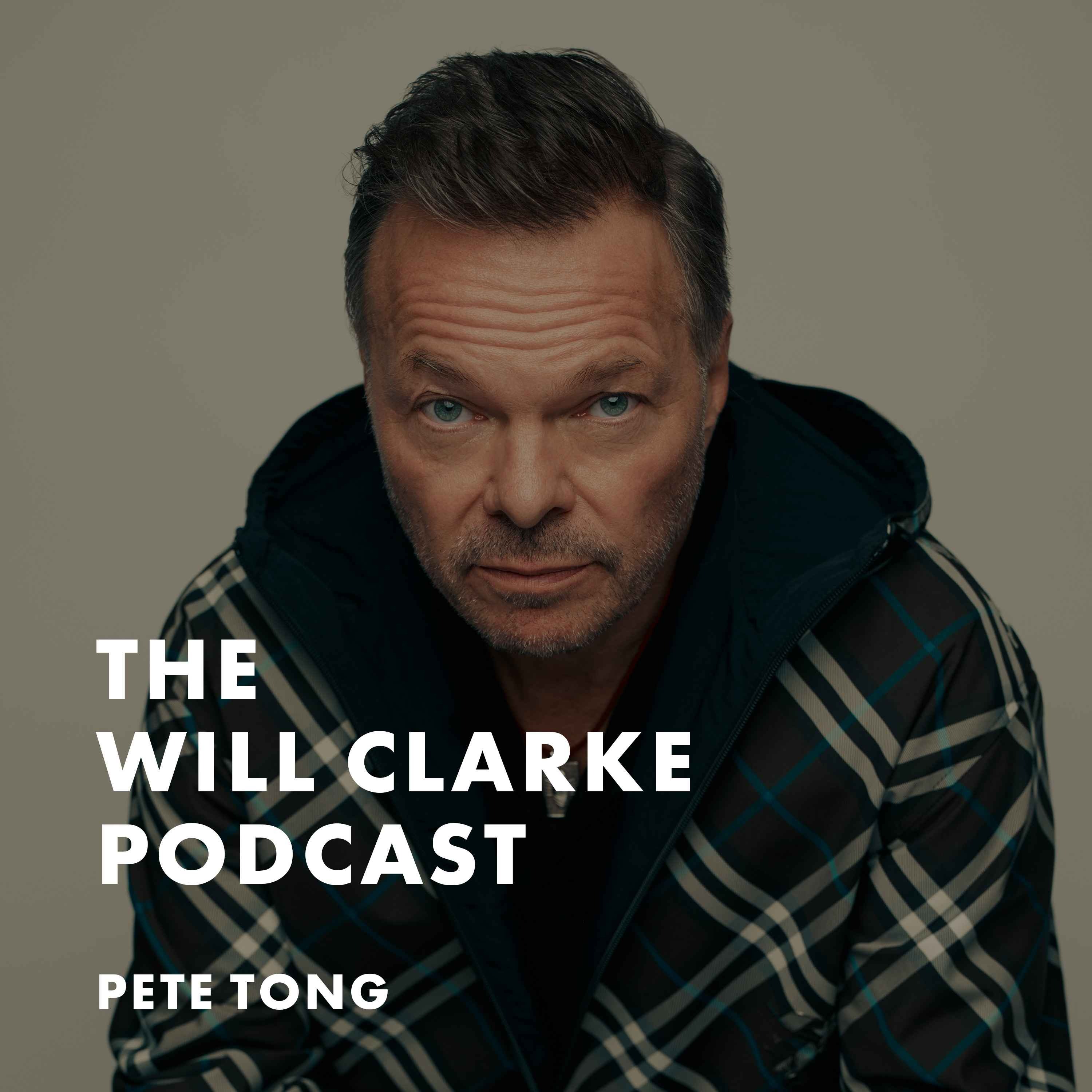
Pete Tong on DJ Burnout, Radio 1, and the Future of Dance Music
88m 1s
The speaker recounts their extensive career in radio, beginning with early gigs on local and pirate stations before progressing to Capital Radio and ultimately BBC Radio 1 in 1991, a timely move as dance culture became mainstream. They discuss the changing media landscape, initially questioning podcasts as merely "talk radio" but now valuing them for specialized content, such as detailed sports analysis. Key professional milestones include curating the "Essential Mix" and the influential "Essential New Tune" segment, which helped launch artists' careers. The speaker also shares involvement in the film "Human Traffic," handling music clearance and contributing their voice, with ongoing talks about a stage adaptation. Throughout, they emphasize a lifelong passion for music discovery and sharing, rooted in their early experiences as a drummer and DJ, and remain enthusiastic about new projects and formats despite the industry's evolution.
DJ's just like, we're just scared they've never been called again. We part of like the illegal race? Yeah, I wasn't organized, yeah. There's no gatekeepers anymore really. The tools are out there to do everything yourself. I think we've been trying to do it. Nice to see it, yeah. We're like, the podcast is nearly six years old. I think at first to be honest, I thought, well, I'm going to do one. So I'm not going to do anyone else's. And yeah, just, yeah, I'm telling him. Yeah, it takes so much time, man. Would you still want to do one? It's funny enough, someone just asked me that this morning, that why, why am I doing one? I had meetings about it. I had with some really good people, like top producers of top podcasts, a lot of XBBC people are obviously in that world. It's about the ball and chain for me of like, because I already have the whole life I've had it with radio. And I still do it. So the fact I still have to do, I have to. The fact I want to do a radio show of my own. And then obviously host the essential mix. You'd be amazed them out of like peddling under the surface that still goes into making that sort of thought. So when I went through all these meetings, I said, you know, if you gave me a start and a finish, I can handle that, you know. But when they said like the most valuable thing or the most, the thing they really, they, the distributors or whatever, the people who pay for it really want is they want, you know, open ended like weekly commitment. Go anywhere, guess, you know, think about subject matter like on the right. So it was just like, I can't do that right now. I may maybe one day. I was like, I'm still trying to write a book. So I don't know what your thoughts on podcast generally is a format. I like it. I mean, I didn't, I guess being in my radio my whole life. I didn't really get it at the beginning, because I was obviously steeped in UK culture radio. What radio meant? Obviously the BBC. And I remember I was, when it really, really started to take off, say 10 years ago, maybe 12 years. It was around that time we were talking before we started, just about me moving to LA. So I used to go all these meetings at the agency I was working with. That would be me. And they were so excited about podcasts. And it's so drumming on the table that this is the future. And I was like, well, why is this? This is just, we have this in the UK. Like, don't you have, this is just radio chat, you know, talk radio. And the rest is history. You know, Joe Rogan, like, obviously, you know, I do, I do listen. I get worn out. I listen to the football ones, because I'm, I listen. So I find the Arsenal ones. You know, the analysis on the Arsenal ones, there's two very famous ones. One American one and one UK one. And the analysis is like way beyond anything you'll get on TV. So I do listen to those religiously. I listen to Rogan when there's a good guest. I listen to Bartlett when he's, there's a good guest or Jay Shetty, you know, I wouldn't, it doesn't really count if you say Zayn Low. But the odd Zayn Low interview that's Apple, you know, I don't know if you heard the almond van Bure on one. I just do. I just do. I'm believeable. Yeah, yeah. I texted him. I said, "Armen, mate." I always text, that's good. Just me and Zayn are like, obviously, mates from radio one days. But every now and again, when he pulls, pulls out a good one. I didn't, I didn't know until I listened to the, it's funny if he's doing something with me now on, I'll be the classics. So we've kind of reconnected again and been much more in contact in the last few months. And he told me about the piano album, but he wasn't really boasting about it. But what he didn't mention, until I listened to that thing, is the live recording. That's insane. Like the one shot. One shot, one take. Also like not knowing how to play the piano. He's being modest there because he's very, he was always very, very good in the studio. And he knows his way around. Theory and. Have you really been before? No, I guess stylistically, just very different. But he always, he always had that kind of like, the thing about the studio and like, he invested so much in that side of what he did. Similar to Way to Tiesta did. Maybe even more than Tiesta in some ways. But he knows his way around making music. It's just like adding the virtuosity of actually playing, you know, so. What year's plus radio? Yeah, do you like being interviewed? It's actually longer. Is it? Yeah, because I'm 60 something now, 65. And I started. Started like on the. Well, I started like being a guest on like Radio Kent. Probably when I was like 17 or 18. And then went on to the Pirates. Invictor. Yeah, Victor. Jazz FM. And then I got this massive break because I was writing for Blues and Soul magazine. So I was helping out at DJ called Froggy. It was like one of the Soul Mafia DJs who was the sound system guy as well. And he was the sound system guy for Radio One as well as for the kind of people like Crystal and. Robby Vincent and all the early like all dayers and stuff. And we became friends and then he would. Because I was a writer and he would he would ask me for advice and tips about what was coming out. And in the end, that inadvertently meant that I got onto that show as well. So we used to share it. So for about a year. We I would go up to Radio One, you know, once every couple of weeks with my three favorite records and play him live on Peter Powell's show. And I was only I think I was like, I was 21 probably. That's right. Yeah. And then I thought like, I'm at Radio One now, like give me can I get a show here and it was like, no, it patted me on the head. It's like, no, you got to go get way, way more experience than that. I think in 83, the last county of England to get a commercial radio station was Kent where I was from. So there was a they launched the Invicta Radio, which nothing to do with the pirate. I just happened to be the Invicta was the symbol of Kent. So I became the dance kind of DJ on Invicta for three or four years. But that was my first like full proper like paid. Did that then change the Radio London? Then I went to Radio London for a bit. That's why I kind of started following Jeff Young around because Radio London was a massive influence on me because I guess when I've so yeah, when I'm starting to DJ and starting to find my way in the world and kind of meet people, the Oracle on the radio was Robby Vincent. And another guy called Greg was so Greg was on Capitol on a Saturday night. And Robby was on Saturday lunchtime's fun enough on Radio London. And that was absolutely essential listening. If you were a soul boy jazz fun like into that kind of whole world, then you kind of all roads led to that radio show. So I was inspired to be him or like be like him or be on him. So I think yeah, Jeff Young ends up doing that show at some point. And then I follow Jeff and then Jeff very quickly gets hired by Capitol Radio to replace Greg Edwards. And then I I start doing Radio London like between that slot. And also I was starting to do stuff in the evening with Dave Pierce. And I was doing hip hop then like almost on the. And then it was weird because Jeff got signed by Capitol Radio and somehow he was he was under contract still with the BBC. So it's like gardening leave. And then he never got to do a show on Capitol because he then then he ended up transitioning into Radio One. So I then got the job that he never took at Capitol. So I joined Capitol in 87 after being around Radio London for a few years different. I got sent this morning from a mutual friend Tom Brown. 18th of June, 1987, Pete's I'm for Dave Pierce and I FM. Yeah, nice. I was listening to it this morning. I've got it. So I send it to you. But it's like it's amazing. The like journey taken through Radio. And then Radio One comes along. But you got to realize everything was quite amateur hour about Radio by then. We were kind of making it out as we were going along. No one was telling us how to do it. We were listening to our heroes and copying it. And I have this parallel career because I joined London Records in 1983 and I have a day job and very quickly they're sending me off to New York and Chicago eventually. And then and I'm sitting in hotel rooms in New York recording WBLS and like Frankie Crocker and all the mixed shows and getting all this inspiration. I couldn't just get out, couldn't get my head around like the jingles was so like unbelievable. Yeah. So I went on capital like with all of this kind of wanting to get all of this out. And it was the first time I really worked with a very, very hands-on program director called Richard Park. And between his coaching and my arriving just as the rave scene and house music took off, it was and it was Saturday night and it just felt like everyone in the southeast of England was listening to it. And it became kind of like this beacon for like the weekends, parties and raves. And we went through all of the kind of illegal rave era, the warehouse era, the M25 era, came out the other side. And just as it was going to get legalized, yeah, then the door opens for me and I get asked to go and move to Radio 1. So I land in Radio 1 in January 1991. Same year as Minister of Sound opens. Within six months, nine months, you had kind of brim, you know, and God's kitchen, gate crush, and then by within a couple years of the early 90s, I think every town city had had its own kind of brand club like that. So again, like amazing timing to arrive on a national radio station when dance culture was really starting to become the kind of prominent youth culture in the country. Were you part of like the illegal race? I did, yeah, I did, but I wasn't like, I wasn't organized. I played for all of like quite a few of the infamous ones and the London, the warehouse ones as well. So yeah, it was fun. It was like, yeah, I wasn't, I wasn't a castle Donington, I don't think. January 11th. I show Radio 1. Yeah. Can you remember the first record? I don't actually. So how happy to. Right, there you go. You've done your research. Yeah, I did some work. What I really clearly remember about Radio 1's the first week is I um obviously start, I'd been up there obviously as I told you and I knew a few people up there. But being on that time slot, I wasn't on every, you've got to understand that every, a radio on everyone had a producer. The DJs were in a studio like this at a console. It was all self-operated, except you also had an engineer the other side of the glass, like balancing stuff. And you had your producer in there as well. So when I was going up to me, everyone, because we were on at night, even at start at six o'clock at night, we were with the kind of night time people. So I was always with John Peale's kind of crowd, and my producer Mike Hawkes on that when I started was John Peale's producer as well. So that was quite cool to be amongst that a lot. But then apart from Mike, everyone else on the station just like they all left at like 5.30 and almost felt like they're handing me the keys and said like we're off down the pub, have a good time. So it was like after being very, very hands on a capital, it felt suddenly like on my own again, even though I had Mike, he was quite a kind of low key character. So yeah, it was, but it was that's what I dreamt of. That's what I always wanted and I kind of arrived. So what's that feeling? You get into radio one for the first time. You know, just the channels were the channels and they and they had a lot more clout and a lot more impact. So I still think radios is as important today as it was them, but it was much more impactful than because there was far less distractions, everybody of a certain age group driving around the country, everyone would always have the radio on. It was part, it was so much part of British culture. And we used to do that first 10 years, all through the kind of explosion of club culture. We would, I would have like hair dryer effects and like taps going on and off like we'd do this because everyone was getting ready in their bathrooms. We almost like tapping things to like make up. And it was all about that getting the getting the whole nation together, ready, ready for the weekend. And everyone was living, it felt like there was that time where everyone was living for the weekend. So everyone was doing these jobs to just make money, to kind of make sure they could, you know, have fun at the weekend and go get their ticket and there, whatever. Which kind of comes through in that, there's that sequence in human traffic where they use my voice, because that really, that, that, that, that, that whole film was about living for the weekend, really, and what it was like to be, you know, a clubber in that time. So that captured that really, really smartly. How was it hearing your voice in films? I know there's been a few. Yeah, it was fine. I mean, I was, I got involved in that film because at London Records, we, we were very active on the in the soundtrack space. And it fascinated me. I was always interested in film and film music. And London Records was a kind of mini major. It wasn't like a major major. So we never got free records from our American record company because, well, for a long time, we never had an American record company. So we would have to go and like find other ways to kind of create album sales, which were obviously more very valuable. So we got into the soundtrack business quite heavily. And yeah, the Justin Kerrigan was a, um, a film student at Cardiff University. And he, through some, through some producers that had kind of found him in London. He was brought to me. I mean, it's very, very young, very, very smart guy, but he had the film made. Um, and he had all the soundtrack kind of worked out. And he came to me for two reasons. Well, what, what one is we wanted to do the soundtrack to, he wanted me to clear the music for him because he thought I knew everyone and three wanting my voice in the film. So that's, that's kind of how that. That was the easiest bit to give him permission to the hardest bit was getting permission to the music because he used so much of, um, the kind of classics of from Chicago and Detroit, that it was that time that you got to think that that was 2000. So it was already like 13, 14 years after like the, the early house records. And everyone was fighting each other in Chicago and Detroit at that time, about who owned what and who ripped off who. So we had to, um, replace two thirds of what Justin wanted with other things. And that's probably where I got more involved because then it was like suggesting that you start being this music supervisor. Um, so there's a great experience. And it's still, it's an iconic film that, um, there's still discussions about that I'm involved in to bring it to the London stage, actually. It's just like, how? Getting the money. How, how would that even work? Well, you'd be surprised. Yeah. So I've, I've talked into some interesting people. Some of the people behind like Arcadia at Glastonbury, um, about staging of it, Joe Crossley, um, is that there's a couple of producers that are like a fanatical about the way it's going to happen. Um, so we'll see, there is a script knocking about. It's just obviously so much of that film. It's so quick and visual. It's like how you get it all on the stage. So anyway, I'll be able to progress. I'll be amazing. Yeah. Can you remember the first essential new tune? I can't actually. You got it there for me. Candy Staten. You're right. It's funny because um, we're doing the history of dance at the moment. And, um, a whole, whole chunk of, um, scripts has gone missing. No one can find them. If you are looking to get into the music industry, whether that's as a producer, DJ, songwriter, or audio engineer, or you just want to learn more about the music craft, when that music school is the place to do it. They've got courses both online and in person, covering everything you need to know. And if you are a work like podcast listener, then I'm giving you 20% off any L.A. or online courses when you use the code word, will clap 20 at checkout. That does exclude the degree programs. So 20% off any L.A. or online courses, use the code word will clap 20 at checkout. Point about music school, power up your music career, disclaimer. I've also done a course on that. And they're amazing. Go check out will clap 20 at checkout. Yeah. If anyone out there's got 2000 to 2009, all those, it's disappeared from drives of all of us. Yeah. Because it would have been on early word processing or something. It's like, we all, you know, so I found a forum with a bunch of it on. Yeah. No, essential mix is very, I mean, we've got all them and we've got all the recordings of them. Um, and we've got all the scripts from 91 up to about 2000. Um, so, but yeah, 2002, 2009 allegedly is missing because we've been, we're doing this history of dance at the moment. We're going back over every year. So yeah, anyway. So I should have remembered that kind of standard. You know, I want to talk about as Andrew Nuchin. Yeah. You're, you've been the reason why so many records and all so many artists have had careers. How did it feel on a weekly basis decided the essential issue because you pretty much you've made people's careers. Guess it's born out of a discipline of or kind of influenced by things that happened on the radio before me. So obviously DJs had records of the week. Yeah. All stuff like that. Um, and it's something that I established before at Capitol that I was doing read a different name for it then. Um, then with when the radio one, I wanted to continue and obviously people just like those signposts and those banners. And again, this was before kind of social media content or anything like that. And yeah, I mean, it became a thing and it obviously allows some, um, production of like, like what you've all the fanfare you make around it. And it's a site. Yeah, it's a, it's a journey to on the radio and a journey from, um, there's a lot of reasons it kind of comes to be, but the side, yeah, the side effect is pretty positive that it has, has this positive effect on people. Yeah, it took it very seriously and we listened to it obviously as much music as possible and um, and we're still doing it. I guess it's, and it's, it's, sadly, I wouldn't say it's as impactful as it used to be. I think it's still pretty impactful. I think obviously, it's lovely to hear you say that. Um, maybe today, people doing the essential mix would obviously that's theme to be even more of a kind of that stepping stone to kind of building your career. Yeah. But obviously, yeah, it still gives me a thrill that when we name an essential niche and it kind of bounces around on online and, um, on socials, get reposted and stuff like that. And just on a very, very simplistic way, I guess my journey into music was very simple. It was, and it, and it kind of runs through the core of everything I do, which is literally like listening to a record, getting excited about it and wanting to tell someone else about it. So that started in my bedroom with records. I was getting like T-Rex and Slade and stuff like that and then, um, Led Zeppelin or whatever, um, to discovering, you know, James Brown, Motown, stuff like that. But it was always about sharing it and I, and I guess I was in a band when I was a kid, as a drummer. So I always wanted to participate in music and we were doing covers of like, the purple tunes and like, and I was, I was got to school disco level of kind of performance and then I saw a DJ one day playing other people's records and I just thought, that's the one. That's the one. That's what I need to be doing. You still get excited about music. It's definitely a period of your career where everything's flying so fast. Very similar to what we were talking about earlier on The Arm and Van Buren, um, chat was ain't low. That you, you don't appreciate it. You know, you get, you go, you do at some point go on automatic pilot and you're, you're so in it and you're so in the culture and that's important as well. But you probably, I probably think more than ever about what I'm going to play, you know, um, now. So I just did Coco last week and I look back at my set and it's like almost everything I've ever, I'm ever signing to my label, it's pre-released or it's like, so I'm quite proud of that that, um, you know, I'm building these sets now. So I did, because by not playing like three times a week, every week, I get to put more care into the times I do play. So yes, it's still rewarding. It's still probably the, the, the most exciting thing to do, weirdly, like just the core, the core thing of being out there with the people. And I guess I'm trying to, who am I trying to prove it to? I guess there's part of me thinks it is like a challenge of like, can you still do this? Um, this is a weird, it's a weird thing. As, I don't know, tell me if I'm wrong, but as a DJ, as a radio DJ, you're kind of giving something back to the community, right? And there's, does it ever come to a point where you feel like I, I have to put the time into the people that are listening? Where's more of the people making the music actually? It's always coming from like championing. I mean, obviously, listen to super important. And all the rules of radio, like, you're always kind of talking to one person, you know, really, the driving factor is that it's always been about championing music. And I think that, um, it's almost more important than ever. I mean, it obviously was important back in the day, but now we've got, we've gone the complete 180 or 360 of like the completely different problem, you know, in the, in the beginning, there was, there was only one p-tongue, there was only one radio one, there was hardly any dance shows, it was hardly any in the world to support, you know, so obviously, when you did support it, the impact it had seemed huge. Now it's the other end of it, which is there's so much noise, so much distraction, hundreds of thousands of records getting released every week on streaming services. And it's really, really hard to get heard. And so we've been in this era of, as you know, well aware, as an artist, you know, where it doesn't matter what label you sign to, they all kind of asking you to kind of like build up your socials, you know, have a huge following. And then, and then you'll break the record. It's like, what do I need you for? It's like, um, so I think that the, you know, my passion about the value of curations probably gone up. And that's probably drives me more than anything that I think, if you can have an influence, a positive influence, um, then, then, then it's still, still worth doing. I like, you know, it's been quite interesting. Maybe, maybe, maybe it's having less impact right now than it maybe did a few years ago, but just the DJ videos of like people playing your song. And that just, that kind of started to flip things in terms of what actually really mattered. Yeah. And I'm always studying the dynamics of like, what really moves the needle when the people really, really lock onto a song. And it's, you know, I guess, again, when I started, it was like, no, one else had it. I was the only one that had it. Yeah, it's a listen to me to hear it. Or the other DJs that would come on my show, they were the only one that, you know, it was all very, very exclusive and kind of like locked in a little bubble in a club. And now everyone can have everything. And like millions of records get released every Friday or every day of the week. Um, and suddenly, it's like, what actually matters is if, you know, someone with a decent audience actually plays it, like kind of music plays your song. And like, you know, you know, the, um, or Solomon plays your song. And you've got, and it starts to get discovered that way. I kind of, I kind of like that, you know, it doesn't really matter now. Like, it's, it's changed the way I build the show because it's almost just, the most important record to play is the record. It's just about to break because all the other DJs are playing it. I haven't got radio shows, if you know what I mean. So it's like, that's actually probably the most, the real sweet spot to find those records. You do research on, like, yeah, I mean, I mean, I don't really like social media, but the best thing about social media is just the messaging services attached to them. So, you know, the network through right now, it's, it has been for a while. It's obviously WhatsApp or just Instagram messaging. Um, that's probably where I get all my music, you know, I mean, I get sent everything anyway, or I get sent an awful lot, and I still buy an awful lot. And I go and buy things that have already been sent by, didn't know, I've been sent because I get sent so much. Um, but most of the time, it's my peers and like, people are follow. It's a really nice feeling, you know, like, you hear a new producer might be in Argentina and you reach out, and literally within seconds, you could get the track. So I've, that's probably taken over record shopping a bit, like chasing down music that I see. I've heard about, I see a little clip of, and then, um, it's, it's chasing down the things I haven't got. Do you have anyone that helps you? I've had official people that were hired, um, and they've come and gone. Um, so right now as we sit here today, I don't, I have my producer at Radio One, who's very, very good. So I've, over the years, I've obviously kind of moved through generations of producers. My current one who's been with me, Matt, for many years, is just totally on my, my wavelength. So he, he, he, he collects it all for the radio, but like, effectively, it's collecting it for club as well. I get into a kind of six cents of like knowing who's going to have what when, and then obviously the label runners of the, the labels I'm most into or something, you know, then you kind of get stuff direct. So it comes, comes at you. F S R R. Yeah. Your first record label? I mean, again, I, I wanted to be in music. So when I left school in 20, sorry, 1977 or eight, 70, I was always a year ahead of, you know, I think I left in '77 maybe. So full-time DJing for, you know, I'm working at a petrol station and, um, doing mobile disco. So I had a transit van and I was doing weddings and bar mitzvahs and my own little clubs and pop-ups. And then you start playing at more kind of meaningful gigs and stuff like that. So, um, that lasted for a year or two. But it wasn't enough and I needed, I kind of needed a proper job. So the first job I got was in, um, was in a magazine. I used to read record mirror religiously and follow a guy called James Hamilton. Um, and then blues and soul was like the prominent kind of soul and jazz fun thing of the day, but they didn't have anyone writing about club culture, particularly they northern soul a bit. But so I got a job, I'm through a DJ competition that I didn't win in, in the west standard, in Leicester Square. I met the guys that ran blues and soul and they sell, you know, screw this lot, you were the best, you should come and work for us. So I got a company car. The offices were in Prairie Street in Paddington and they had a record shop, a famous record shop called, called Tempo. It was in Hamway Street, just off Oxford Street. And they started working for them and I was thinking I was going to be this big writer, but I met the publisher who hadn't been at the DJ competition. And he was like, yeah, you can write, but I'm not going to pay you for that. You got to go and sell advertising. That's what you got the company car for. So I was selling advertising for blues and soul and they had this other magazine, which was a bit more deep, deep and thoughtful, called Black Music, heavily lent in to kind of jazz and reggae. So I used to go around like Great London and beyond like selling ads and trying to get money off people. And then my pleasure was, I got to write. But through the writing, I got so much happened, because I got to meet all the name DJs of the day. I brought this kind of club culture, kind of column into the magazine. And then obviously that's how I got into Radio One as well, because then research reaching out to me. But then a lot of my contemporaries and friends that were in running record stores and stuff like that end up slowly getting picked off by the record labels. I don't know why I was a bit suspicious of record labels. I wasn't sure. As you should be. Yeah. But then a couple of like we were a couple of years ahead of me and they started signing records they liked. And there was one guy in particular, sadly, he's passed away now, but a guy called Mick Clark and he was the kind of record, he was the manager of a shop called City Sounds in Holben, which was one was one of the main record shops. And record shops is where it all happened. You kind of had to work your way up the hierarchy of like being the number one customer to get the special records first. So he was my guy and I was very tight with him and he was already DJ, he was on the fringes of the Soul Mafia and he went to work for Richard Branson and he signed loose ends. And then he ends up being involved in signing, you know, Nana Sherry massive attack. No, he signed Maxi Priest, don't remember. There's a great guy and he was saying to me, you should you should get into this record company game. And I had this weird thing with this guy Jeff Young, who was my friend and he was always a bit older than me and I seemed to follow him around radio but wherever he was and he left I would fill in behind him. And he was on radio one when I was on Capitol and he was working for Phonogram, which was part of Polygram, which was like Mercury records and he was the dance guy there. And he was working very closely. But one of the A&R guys there was Roger Ames who signed like Dexys Midnight Runners and Soft Cell. And then there's this other guy called Tracy Bennett. It was another Polygram label, which was Decker, where Tom Jones was but he'd signed Banana Rama and he and Roger together had signed, walking on Sunshine from after Baker, Rockers Orange and they were starting a new label and Jeff was their guy. There was that, he Jeff was just coming with them and that was when London Records was born. And Jeff weirdly decided, like he decided that, so this was 1983, he decided that he didn't want to go with them. So they were like, "Well, who should we call?" It was like, "Well, this guy beats all that follows Phonogram. I should call him." And the press officer from the guy called Colin Bell from this new label that was just about to be born because he knew me because I was in the magazine, you know, as a writer. So he called me, said, "We'll come and meet these guys and I met them, literally gave me the job on the spot." And I started work a couple of weeks later and they had and they were already number one in the charts with the one the first records they'd ever released, which was Candy Girl by new edition, which they'd licensed a game from Streetwise, which was where Arthur was. And my first day at work, I was given all these half inch tapes of their next single. And they said, "You're DJ, you know, you go to the studio and edit the next single." And I was like, "Okay, where should I go?" And I didn't let on that. I didn't really know how to do that. And they just, because in those days, when you're building radio shows, obviously, I was cutting tape with a razor, but I wasn't that good. I was all right with my own voice, but here I was with the masters of, you know, the band that Bobby Brown was in, you know. So they sent me off to the studio. I'm funny if it was called, it was going to be the jam. It was the jam studio. It was Paul Weller's studio, Paul Weller's dad. And there was a cutting room and a mastering room in it. And then the guy, there was an old guy in there called Carlos, and legendary figure. And he taught me pretty much within a few days of how to cut tape. So I kind of worked out the edits, you know, counting the numbers of bars, just just shortening the intro. And like, you know, I did all that there. Are you trying to get your music on more playlists? Songs that have just made that way easier. It got this new tool called Playlist Check, where you can pretty much see how any playlist is performing. And it even grabs the curator's contact details, which is game-changing for all of us. Like, this is amazing. When I told me about this, I was like, "Wow." On top of that, they've teamed up with SubmitHub, Grover, Daily Playlist, Song Rocket, and Loads More, which pretty much just allows you to submit your music to any playlist in the world. And the best part of this, you can get 10% off subscription for life using the Code Word Wheel Clark, or just hit the link in the description. If you want your music heard by more people, which we all want, you need to get involved. Songs that's Code Word, Wheel Clark, or Hit the Link in the Description. Yeah, it was a good experience. But yeah, so I joined the record, London Records in '83, and we obviously started signing dance records. And we had a very idealistic, Roger and Tracy, well, Roger particularly's hero was Chris Blackwell, Ran Island Records, and Island Records was, you know, it was a label that had Bob Marley, but it could have you too, it could have Roxy music, it could have Kat Stevens, and it was just cool label, you know, Grace Jones. It didn't need another label. So we, we were kind of like, London Records could have like Bronsky Beat, Banana Ram, Final Accountables, and then it could have, like the first really, really big record I signed was Joyce Sims, which Kurtis Mantronik produced, which was licensed from Sleeping Bag. Run DMC, I signed the second, because obviously when you say signed, then it means it's signed to an indie label in America, and you go over and you negotiate signing that record for the rest of the world, so you're licensing it. So, so I kind of started off pretty hot. And we were signing a lot of one office as well, and then I did, and then I pulled together like all the early house records, and we came up with this, so I came up with this idea of like, well, let's put them all on a compilation to kind of give it gravitas, and then we could go to like the magazines, like the face, and they could, or an enemy, and they would, we could sell them the movement as opposed to just one track. So that first album, which was called the House Santa Chicago Volume One, comes out on London Records, not FFRR, and Steve Sill early Jackie Bodies on it, and that goes to number one pop, but in the pop chart, without any radio play, love, can't turn around, Farley Jazz Chat must fun, Darryl Pandey, that goes to like number three, House Music Anthems on their Master Jeff and it's like seminal record, but it's on London Records, and around that time, all of our rivals that we used to fight for, for the rights, all started little dance imprints. So fourth and Broadway starts at Ireland, which was our, oh, they've, they never do it, and they're doing it, and then Cool Tempo starts, which is part of Christmas, and then it was just, it was before positive, but obviously that comes online, and then the other big one that really influenced us was Rhythm King Funnily enough, so that was an indie that had signed S Express and on the base, and we just thought, we're going to have to start something else, so it was good for me, because I wanted, you know, obviously, I wanted my own outlet, and I looked at the old London label, and it had this some symbol at the top, which, it said full frequency range recording, which was like mono or stereo, it was like a high-fi standard, so I went to Roger and Tracy, I said, I'd, you know, we all influenced by deaf jam at a time, and I said, I want something that's really part of London, so I said, why don't we, can we take this symbol, and that's our FFR, I was born, so, then the first ever record on FFR, I was, um, baby wants to ride, which was Branky Knuckles and Jamie Principal, and the second record was Push It, Salt and Pepper, so, the third record was based Hello, can you go by Simon Harris, which sampled public enemy, which was a big hit back then, so yeah. It's so, it's so mad to me, like, the influence you've had on radio and music culture, generally, like, also Neil Lurie French kiss, yeah, Laurent Garnier, man with the red face, fat boys limp right here right now, uh, Moby Go. I didn't sign that, but I played it a lot. It's not, it came on me. No, Moby came out through our American label, not the UK side, but we, we started the American label in, um, 1990, 1991, I was actually meant to go over there, but I was doing really well with Shakespeare's sister at the time, because I was doing, like, not just dance music, because I'd worked on banana armor, I kind of ended up signing Shavon, so I still looked after that. That obviously came out on London, and it went to number one in the America, and, um, and we was, I was quite, quite involved with Roger in kind of setting up the label over there, and, like, hiring the staff, but I couldn't, I just got married, I first time, I'd just got on radio one, and I just was having my first kid, and it was, like, not a good time to go to New York, so obviously the London, like, the London F, London version of also had FFR over there, so there is a few anomalies where, um, certain acts were signed to the American company and we didn't have them from the UK, but usually it was for the world, so. You think the role of a record label is still powerful nowadays? Because I think sorry to button, but looking back, like, those record labels, then, also adding exo in the mix, like, they had such iconic brands, and it was very much a brand. Do you think it still has that power now? I think the reason they become brands is because you, they were so much part of the culture, you kind of went, when you can't really repeat this in your life all the time, you know, right time, right place, right age, the right moment in culture, and you're in it, do you know what I mean? I mean, London records was like, it was my life for like, even though I'm known as a DJ, and I was still DJing, I was still on the radio, really London, you know, from 1983 to eventually left in the early 2000s, when it got, it got kind of sold to owners, um, especially the first 15 years, you know, well, long, long, yeah, that was, it was all all encompassing, it was like, I don't, yeah, it was mad, and I think you're so in it, that you kind of, it becomes important for lots of other reasons than just what you put out, because you're kind of all the staff are in it, you know, there was, where this purple patch where, I'd obviously had some amazing staff, a lot of them have gone on to like do amazing things, but there was this moment when, um, it kind of late 80s early, in the early 90s, where I had, um, a guy called Phil House working for me, Andy Thompson, Ben Khan, Christian Tattersford, who went on the years, he's still a very prominent figure in the record business today, Nick Raphael, who went on to Science Sam Smith, um, all of us together, and all going out all the time. I mean, and half my staff used to live in terminals, like all weekends, so they'd start with the Friday night, where I DJ a lot, we'd like tall pool and people like that, then that club got darker and darker, and like, crazier as it went all the way through to DTPM on a Monday, and some of them would stay there the whole time. There was a few years where almost every single week, um, one of them would come in, they'd come back up for air, but I would never see him on Tuesday, they'd come staggering on Wednesday. We're the record. And we're the record to sign, and it was, it was Felix, you know, it was like, discovering Rollo, I remember that was the big thing, it was like bumping into Rollo and finding out, and Rollo, like, had that period where he was just blew up, before Faithless, really, his own records of JX and things like that. I mean, um, and it was the fact that I would play the record, and then Tony DeVee would play the record, and then it just, records could kind of just blow up over a weekend, and, um, and we'd end up with a mad fight, with usually between me and the construction, you know, a full tempo or whatever, um, who was going to sign the record. So, I mean, it's very hard to break records. It's very hard to break artists. It's very, very expensive. We're in this era where it feels like record labels are chasing. I remember, when, when I first started a London, well, all my time in London records, people often asked us, why didn't you ever get into publishing? I mean, I was, I was completely naive to publishing. I never, you know, when I did those first compilations with ministry, with Boyd George, the annual, you know, which sold millions of copies, you know, years later, my lawyer would say to me, why didn't you ever have a track on that? I was like, well, no one told me that. I was like, why didn't you, someone said, you know, why didn't you put your voice on there? Yeah. Just a voice would have like, you'd probably be worth like, you know, half a million, quick by now. And we've just, we just, and the reason that is, is because the guys I work with, they used to, like, publishers who are, you know, ambulance, they call them ambulance chases, like, we're the real, we're the real talent. Like, we make, we take the risks, we take, like, we turn water into wine, we like, find these unpolished gems and like, break them and publishers just come along and like, sign whatever blows up. So, we always had this with, you know, publishing, but London records did eventually have a publishing company run by a guy, called in, sorry, he's loved a guy, but we were always a bit late to it. And I was personally late to it and never really made it a priority when I should. But I think record companies have come a bit like that now, you know, they're kind of like, what we used to call, they're just like waiting for the data. You know, obviously, there's some exceptions, but it's interesting, like, why, what, like as a young kid, you know, girl, boy, whatever, making music for the first time, and factuated by the culture and factuated by dance music, where do they really want to sign now? It's like, I think they're, I think they're just as likely to sign to Josh Baker to be on his label or Jamie Jones as they would to sign to polydo, do you know what I mean? I just don't think they necessarily know about polydo. Yeah, they wouldn't necessarily know. I mean, they might know because there's some act on the label. That's that how it always used to work, right? I want to sign to factory because I like new order. Yeah, yeah. I think Excel's still trying to do that thing. And I think the young, you know, Kias is labels still tries to do that thing. There's obviously innovations like all these have made, you know, the legendary electronic labels, but it's hard. It's hard to make money. It's hard to take the risks that we were used to take. But it's just barely, there is money in it. There is, but to get to that point where there is money in it, it takes so long. Everyone does it for themselves and just waits for the big major to come knocking on the door when it's kind of inevitable. I mean, you definitely need, you know, at some point, if you're really, really going to be J Balvin, probably, you know, the probably helps to have, it does help to have a major system. It's just that incubator period. And there's no better incubators than DJs themselves. And I guess that's the empowering thing now. There are a lot of, it's very natural for like DJs to have their own labels. And, you know, yeah, I mean, I'm doing it like totally in reverse. So come full circle now. So I run, like, obviously, I'm sitting here in 360 and I'm involved with these guys. I started the label in Mark, but my passion was to have my own label again. Like, well, I say again, like, I never had it. I never had a DJ label. And I'm going to explain to people on the podcast, like, well, what do you mean? It's like, well, okay, people, we all know running ads is key to getting your music heard. But, unless you're a neuroscientist, running them on matter is an absolute nightmare. Until I found intelligent, they have built a platform where in literally six clicks, your ads can be alive, and you can watch your Spotify streams go up and your Beatport chart positioning go up. It's actually mental what they've done. I genuinely love this product. And we are giving you 30% off a subscription for life. So if you click the link in the description, use the code word will, that's W-I-L-L, and you'll get 30% off a lifetime subscription. Go check it out, intelligent. Even in 1983, you know, I was paid a salary, we had to staff, we had to keep the lights on. As idealistic as we were, we still had to have hits, you know. So even though it was, I wouldn't say easy, it was a different time. Like, values were so much higher, hits were worth so much more. We had a lot of them. So we could take some risks and blah, blah, blah. But I never, and all my life with the labels was basically driven by the overhead being so big, you had to pay the bills, you know. So it doesn't matter how idealistic you want to be. It doesn't last very long. It's like, it's very hard to stay on message, being a label with a big overhead because, you know, I want to do drum and bass. Like, well, unless you knock it out the part within the first few releases, you're going to be doing, you know, hard style. You're going to be chasing wherever they hit to keep the lights on. So it's and whereas if Solomon does dynamic, he doesn't have to do that because he runs it on a different set of economics. And that's what Damian did with cross-town rebels. Damian used to work for me at London Records years before and then he started City Rockers and then he starts cross-town rebels. And Jamie with creations with Lee, they've done it from a very idealistic, it's just, I want to collect music that I'm going to play, you know. I love that. And I never had one. So I've got one there called places and spaces. And I describe it as like having my own art gallery. I just want like paintings on a wall that I like. I don't care what you think it's like. And that actually run that differently though. And it's got a bit more of a family vibe. It's funny because I was started. I met the Parisi boys and started making music with them and they're geniuses. It's amazing. And really, when it to work with them, because with the orchestra in mind, and we started doing these sessions together and then we end up going in a kind of different direction making kind of club music for me. And then they introduced me to AVG who Jack grew up with this galooka who's a genius like engineer producer. So actually I end up releasing his record first and then I end up releasing a record that made with Parisi. And then it's like I'm through them. I meet someone else. And then we saw it's all been quite networking of like just bumping into people. So now we've got Sama. We've got Looch. We've got. Sama is great. Yeah. Lillia Madre. I think the first record I heard from Sama was on Camel Fats label. I remember when it was. Sama US. Yeah. Yeah. So. And she had obviously that massive record on spinning. Well, massive DJ record. Is there a two Sama's then? No, the Sama, the Palestinian girl, which was amazing. More in a techno lane. And then Sama, she's only really, she was, she was, she's from around, educated in America, became a political journalist in Washington. Used to go all the clubs hang about with all the right people. I infatuated by music and then started making music a few years ago. And she really blew up first on this record eye eye. She was actually only released at the end of last year. Yeah. And then I got to meet her and then we've released the blog. You know, she's probably in the short. I mean, we only started in April. So it's going to be the biggest stream record so far. So. Is it nice to see that? New artists come through on on your label? Like it's it's a different feeling for me. It's what all the other DJs do, but I've never I've never done it. So it's nice. I kind of. And I'm doing it with a different. I'm just doing it. It's trying. It's, he's so, he's so any big players in the music business. It's like, yeah, yeah, right. Yeah. That's exactly what it's like. When does the business start to get involved? If you can keep the, I mean, it's still cost money. It's still going to lose money. But I'm spending, I'm not spending even three six zeros money. I'm spending my money doing it. They're distributing it through them. But we're trying to, you know, it's just, I'm trying to do on DJ rules, which tends to be not no advances, you know, 50, 50, 50 deals, trying to do it like all those other guys do it and see, see where, where it leads to. But unless you get in the sea and start swimming, you can't, you can sit on the side trying to perfection everything. It's really hard. Like I've had my label. We have us now for five years. And I go in and out of leasing other people's music. And there's, like, the minute that record comes out, feels like so much pressure that like this, I really want this record to perform for them. Like, you don't, you don't sign a record because you don't want this to do well. And nowadays, it's so much harder to make records to do really well. And it's hard for labels, obviously. I mean, and we're at 360. We kind of position ourselves in between again of like, it's not a major, but it's not a DJ label. And obviously, we have to have hits at some point. And what, and also you want to have longer relationships with people because there's the other things that's a nightmare. It's like, it's all very transactional, you know, I'll get a loose record. But then you'll get a loose record. And you over there will get a loose record. And for loose, that's great because he wants to be on a circle over there. And you know, you know, and it works on the DJ level, like, but obviously for a 360 level, that's quite frustrating. You know, it's all right. If the one off some massive hit, or you're, or we're trying to, we are trying to shape a reputation and build a reputation, but it means so much more to us to have a long relationship with the dom dollar and long relationship with Josh Baker. And through being successful with those people, hopefully, it's easier to convince the next one that comes to the door that we wanted to have a longer relationship with because it's it's it's it works for the DJ to a point. You know, if you have a record on Jamie Jones label, record on circle, local label, a record on, you know, in some the act because you get the gigs, you know, record on defective, maybe because you get them. But then at some point, you've got all these different people talking to Apple and talking to Spotify. And it doesn't confuse things a little bit. I do think Josh is quite refreshing what we've done with him. He took some convincing like because he was getting offered by everyone. But I think having a consistent team, it depends what path you're on. You know, I think it also if you're trying to build something yourself, I think it's very like for me, right? Like Dirty Bird was the the start for me, right? And there was a period where there was a core family of the day, but crew that kind of gave everyone a career, right? But he was prime example of running as a gang of crew. It was probably one of the best at that time. Well, it's certainly from the American side. Yeah, it was it was amazing. I was texting him yesterday, actually. He's thinking about it because he sold it. No, no, no, he's come back as he's not on it. I don't think I mean, for greater respect to whatever this was never quite the same once, um, partly left. Like the reason why I tore an America is because of them. And I think that's the power of DJ labels, right? If like if you're championing an artist, you have the power to be like, okay, well, I'm doing a 20-day tour, right? Well, I've got two artists. I've just signed. Let's paradise. Yeah. I'm doing a season in a beef there. Exactly. Yeah. Yeah. And that's what drives it for Jamie. And I know you get to a lot of that. No, that's, that's, you know, same within the visions, obviously. It was, that's been the same with dynamic for a long time. And I think there was a period in our culture that it was all that. I think majors kind of it felt like in the EDM, but it was just EDM and then everything else. Um, when now it feels like majors are getting more involved in electronic music again. Yeah. Polly does got chaos positive on a bit of a role again, um, with Oli. But yes, it's harder for a major to be in the culture. Yeah. Yeah. Yeah. I think totally 100%. And I know it can be very frustrating for young A&Rs at the major labels. They get so pulled all over the place by, you know, having meetings where no one's listening to music and all the one is the data. I was at Warner, um, here in Amsterdam this week. And I was talking to Wormade and I was there and she was saying, like, the issue is with majors, they're shareholders. They have shareholders. At the end of the day, they have to every record has to really make money. And if they don't have hits, then they love the catalog. Because that makes loads of money, right? Like, it's like, look at, look at what a mother has done with catalog with beat fun, right? Like, they're just buying everything. Um, it's definitely an interesting time at trying to make in major world, but the culture is still where it lies, um, in the DJs. I want to, I want to talk about your other roles in the industry, WME 2008. Yeah. Tell me that came along. Um, I think I'd been in the record business for so long and I got a bit jaded with it by the early 2000s. Yeah. I think I was kind of battle weary and I guess in some ways, um, I always had the kind of ball and chain of radio and the day job that kind of, um, held back my international DJ. So I even know I was going to America a lot. I'd always have to come back. It always seemed like I was on a long string, you know, an elastic band. So I could pop over for a weekend or I'd go for record company meetings and I'd squeeze in a few gigs and I'd be looking at what, um, John, the Gweed and Sasha were doing and Carl and Oki, obviously, and they, well, Oki moved there and then the others would go off and do like band tours, you know, they'd go for like four weeks, six weeks, eight weeks and they'd go deep into America and I was, I could never do that. So when the label got sold, all that I transitioned out of the label kind of gently, but 2001, 2002, I, I still had the radio, but I kind of went through this period of touring a lot more. So I, it was the, even though I'd know, I was known as DJ. It was like, I was joke that I was, yeah, I was 40 years old or whatever, by the time I became a professional DJ. Um, so I, I was kind of off the leash for a while and now out of the record business and it was this, you know, obviously, it was the start of Napster and file sharing and a lot of dance label, the bubble would kind of burst, a lot of dance labels getting shut down, a lot of dance magazines were closing down, the infrastructure was changing, the value system around the record labels, they were all panicking. Um, so, well, it was pretty toxic time around just after the millennium. Um, I started to sign things, there was a period where I'm signing things because I, because, because of the numbers and like, keeping the lights on. And I realized like, I signed a few things that I didn't really like. I did like them, but I didn't really love them. And I preached out a lot now. And I never, I remember, you know, there was one band I signed. It was quite a big deal as pop. You had to convince everyone the label that it was good, so I did that. And then you have to convince everyone outside the label that it's good, like the dorm and, you know, car park attendant did. And then you have to go around the TV and the radio and like convince everyone it was good and do showcases for them and like, so you're trying to line up that when they've eventually released the record, it's going to go on the radio on playlist, everyone's going to love it. So we did all that paid a fortune for this act. And then, um, when we took the record up to radio one, I remember it's Alex James Donnelly was the head of music at that time. And I was obviously working there as a DJ, but I would, this is not a record that Pete Tongue would play on his show. And, um, they just went, nah, I don't like it. And I was like, six weeks ago, you liked it. Eight weeks ago, when I took you to the showcase, you liked it. It's like, I must have got confused now. I don't like it. And we, and we never, I don't know if we ever put the record out. We dropped them straight away, lost, it was like half a million quid. I was like, it was that still born. And I was like, I don't do this anymore. Um, so, so then I was free for a while. And then, um, I did flirt. We getting back involved with, I remember I did some complete, I did some essential selection kind of compilations with, um, with mercury. And there was talking me going back and doing a bit of A&R, then, and then, um, Christian Tatsfield eventually becomes the chairman of Warners. And he's talking to me about coming back, because they bought FFR. I know I was doing anything with it. So I was going to go and consult for him. And then, um, but in the middle of all that, I had to manage, I'd put, I'd management changes at DJ. And then I had agent change. And I, W and me was, was this amazing agency, but it was American. And they were opening in London in 2008. Um, and David Levy, who was a legendary agent who was kind of the first ever DJ agent, because back in the old days, you didn't really call it an agent. It was like a manager or, and he was the agent to pull up and fold, um, and eventually fat bus them and others. So, so I wanted to be with him. And he was joy. He was coming to W and me. And then the other kind of coincidence was I, I, one of the things I did in my later time at London records, I got heavily involved with factory when we bought, but we ended up buying factory because he went bankrupt. And we were already working with happy Mondays. And we end up working with New Order. And I'd become New Order's A&R man for a minute or two. Um, and their agent in America was a guy called Mark Geiger. And I always got him really, really well with him. And he'd work for Rubin. And he ends up running W and me music department. And he was the agent to New Order and, but, you know, LCD sound system and, um, like David Byrne, like all sorts of people. Um, so he, he said, well, if why don't you come and do A&R for an agency? Um, because I'm going to start, like when he come, like we've hired these people, like the other guy in London was a guy called Solomon Parker. It was the prodigy's agent. So he's like, we've got all these electronic music in London. He was a real anger file because he, um, as well. So he just loved British music and dance music. And he was like, why don't you come and do A&R for an agency? I was like, well, how does that work? He said, well, just teach us what we should tell them what they should sign. And I started off quite simply of me going into London office once a week and like doing a meeting and talking about music. And then it just kind of grew from there. And then they put me to get, he was, he was hiring this other guy who was going to become my American agent. And I remember we first time we ever met was in the space terrace when I was playing in Miami. It was Joel Zimmerman as in the, the Joel Zimmerman, the agent. And he was coming from Jimmy Van M's agency balance. Um, and he was bringing with him cascade and deb mouse. So I kind of became his kind of partner, like, I'm not, not as an agent, but like he's, I became really close with him in building it with David Levy obviously. And then the girl called Sam Kirby who's two now running UTA. But she was some, the chems agent, she was basement jacks agent, groove on monetization on the world's agent. So we had the kind of super power. So yeah, I got involved in that and I'm still, I'm still helping them. So yeah, it's a different. Yeah, I guess it's just that habit. I've never, the day job of like wanting to be, you love a day job. I like, I like the freedom for a while, but then I just think the kind of mental stimulation of being in that world, it kind of replaced the label thing for a bit. Um, and I, I had, as I said, I did start consulting with, um, eventually with Warners. And then it was, I did have, but like, they, when they bought, um, when Warners bought EMI and Parlephone came into the Warners family. So when they're very first thing I did with Warners, I'm trying to think, um, yeah, I was just working with Warner Brothers, then Parlephone came in the building and I always used to be in competition for them to sign things. And, and then I teamed up with Sky Eli, Elias and Miles Leonard who had signed Coldplay. And we had a amazing first year where we, um, we signed blonde, we signed the disciples. I'd signed hot, hot natured. Um, and those two years before I moved to America, we did, we were really on a roll. And then when I moved to America, I tried to work, work with Warners on the West Coast side, but it was all very sleepy and they didn't really get electronic music. And that's when I started talking to Mark about, um, 360. So we transitioned me and Mark both at this story of like, uh, we both tried to sign Dom Dollar. What Euro Warner Mark was, I was at Warners trying to sign Dom Dollar with, and Mark was just 360, saying he was starting a label, but he hadn't really started it. So I could, so I left Warners then and I started with him, but he hadn't, just, there was a few weeks where he didn't, there wasn't a label. So he, he kind of had to park it at RCA and kind of pull it a label and then we kind of made it up from there. So yeah, but he did it the right way around because the most important thing is having a great record. So it was take it, yeah, take it, yeah. And it was a license still again. It was like, it was actually signed to sweat it out. So yeah. It's amazing what Dom's doing now. I think in a couple weeks, he's done 50,000 tickets since Sydney. Yeah, no, he's, he's a beast for nature. Do you feel like we're kind of back at EDM era? I don't think, I think we're in an era where, um, obviously when, when EDM blew up, there was no, um, I say indigenousness of weird words to use for music, but, um, there was no home made American music that was as successful as a Vichy or Swedish ass mafia or David Getter. So it was obviously dominated by Hank and Calvin back then at the beginning. Um, it was really only, and it was like Cascade and Steve Aoki, but it didn't really travel here. Deb mouse obviously kind of did break the mold, obviously being from Canada. Um, it took a while, you know, and then obviously, I always say with that EDM, you had the demand for EDM was so insane, especially when Vegas came online. He had your A-listers that we all still know and remember and talk about to this day, and a lot of them are still working. And then I would say you had that B level that made as a money, but we can't, the names don't jump to mind. I mean, there was this, there was that middle business, what I'd call the B tier of, you know, I can't name names because people get upset, but, um, you know, I'm saying, well, I think John Summit single handedly is like to his credit as kind of brought a mirror. I mean, you know, so obviously there's millions of American producers now, but I have to say, you know, I was involved with him right at the beginning with deep end. And um, we license is weird. We, you know, it's undefected. I managed to convince them to license that record to us for America for 360 for the remix of deep end. Yeah. And um, it's because I think still to this day, it's one of the 360's biggest stream records. But for me in him at that time, and obviously, I've crazy wasn't social media to the kind of businessmen he's turned into, and the team around him from a kind of standing start of not really knowing what they were doing. And that's no, not fending them. I think they all would agree to turn, you know, what experts only stands for now in America's pretty impressive. Also, what that management company is doing on a level of like, it's still a small company, right? It's not like 360 right there. I love it the way they're, it's almost like, um, start mentality. Yeah, it's like, pivot quickly. Let's just do it. Let's just do it. It's like, yeah, it's too early to do a festival and Randall's Island, but like, I was on it. Like they happened. It was like, yeah, it wasn't the best festival ever, but he did it. And it like it will come back and it will get bigger and bigger and bigger. And it's like, he's a good one for just, just not mess about, you know, let's just, and I mean, God knows how many records they released already. Um, yeah, but it's a quite hot label to be on. It's obviously a collected label on Beatport. It's like, so yeah, I mean, I don't know, I don't, I think it's really interesting times. And obviously, that you've got the whole explosion between, you know, what's Stussy started and now all the Dutch, like the fact that Dutch now leading the way in like the house music scene or like the 130 BPM. We had Stussy on the podcast and he was, I think we came out with some crazy stuff that he was like, the third most toured artist in the world at that, like last year. And you're like, this, this crazy, like crazy dude from Holland, you just like, that's mad. But he was also quite a loner like at the beginning, like he was, everyone knew he was good, but he didn't really fit anywhere. And now he's like, he's at the center of everything. And obviously, Josh coming up out of the UK in a similar way. And Josh even more like kind of like summit mentality of like, obviously having that, he's running his own parties, running his own festival, which already by the time anyone knew Josh Baker was outside of Manchester, he'd already partnered with Live Nation on that. Josh is a very business. Yeah and Kurt, I mean, they're quite and Kurt manages my solo now as well. And then all those like, the Dutch, yeah, the Amsterdam house crew is just exploded. So that feels like a whole different world as well. It's amazing man, it's amazing. And then you've still got like, obviously, you know, Solomon Black coffee, Marco's still doing crazy tickets in a beta. I think it's interesting. It's a bit, it's a bit like the record company thing. It's like, will we ever have another cold play? Will we ever have another do a leap or even? Because it's harder and harder to have worldwide mega stars is Sabrina Carp into that. I don't know, maybe. But but similarly with DJs, like you can you can blow up a lot faster and disappear a lot quicker and I think it'll be interesting. I'm sending that now, like who has one thing to be big and it's another thing to have to be a resident in a beta. It's a great, it's quite a fact because I think a beefy used to be about the parties like El Road, I think still was one of the most successful things in a beta last year. And obviously, back in the day, it was all the, it was brand-led parties, not really led by DJs. And now it's, now we've had the era of it's very led by DJs. Wonderland. Yeah, well, mine, you know, or pure pasture was my, when I became resident of pasture and 10 years of, I just wanted to celebrate what pasture was about. And that's where we came out. So I quite, I simplistic to, because I was infatuated by that book that Ricardo published the red big red book and I said, I just want my night to be like that because I don't see nights like that anymore. And that's where pure pasture came from. And obviously, we had great lineups, but my name, I was there every week, but it wasn't Pete Tongsnight, it was pure pasture. So I think, do you think that can come back, though? Well, I think it's kind of creeping back in in the sense that El Road probably doesn't cost as much to put together as booking of superstar DJ for a season. And that's the superstar DJs for season will be very transactional. It's like, they're not going to pay you that forever unless you get the ticket soon. I'd argue on the podcast and he was talking, because obviously he did the move to Vegas. And there was a period of what he was talking about in his time, what he realized the rest of the world turned into Vegas. I think that really, really came home this year with us. You know, I've heard stories, yeah, I think the universe is so big that it limits the risk taking. So I've heard stories at clubs now for the first time, like, you used to talk about of like, you know, if you don't play songs, they know the bottle sales don't go down. Or people leave the tables early. It's like, and we're getting that kind of, I'm hearing those conversations of the beat that now. It's just kind of scary. It's really interesting. And again, I think that's kind of what with my point is, is OE in the modern day EDM boom where eventually it will slow down. And modern club culture will turn into, okay, the kids go on to hit pop again or country music. Whatever that is, right? And it comes back down to the DJ. It's quite interesting. I mean, still, still, you know, obviously, circle loco, still red hot, obviously way smaller than anywhere else. You know, yeah, they're charging a bit more to get in now. Lineups are slightly different. Yeah, but they're still, it's still essentially, I love that the rules Antonio and Andrea, you know, that that idea of they don't really announce a lineup until the day of or day before. They announced a season, but they don't announce who's on which. The set times all last minute, it's still a nice thing to do to try and keep that authenticity. And still, he was around the block every week. You know, obviously that measure got a bit of a bashing issue, but I like the story of like seeing these stand-ups do really well. That felt like of the people for the people by the people. What he's been doing, I can so long. That's a good kind of counter to all the no disrespect to the university, you know, amazing building, some amazing nights there. But it's I feel either always need these counters to balance things out. Yeah. I'd be the classics. Yeah. I went to see one of them a very long time ago at the O2. It was absolutely amazing. Starting the problems. Yeah, so it started as an invitation, a kind of challenge of Radio One calling me up going out. They'll, the problems one wants to put on a problem. Would you would you be interested in curating one? And I kind of learned a long time ago just to say, yes, the things like that. And like, work it out later. I said, yes, before really knowing what, what, what I had to do. It ends up meeting Jules Buckley through that. End up bringing that first show together where we had about six months to plan it. It was January. I got the call and we did it in end of July 2015. And yeah, it was it was all that six months. It was this challenge. It was this appointment to fulfill and not let people down and come up with something amazing. And we had to hot seat it on the day, which means, you know, we didn't get into the Albert Hall at like breakfast time and have all day. We, there was a prom that finished at like, I don't know, 630 or something. And we had to rush in. And so we were limited of what we could do. But to be fair, we were so focused on the music. We weren't worrying too much about what it looked like, although it was going to be live on TV. And we did it and we did this 70 minutes set. And we knew immediately half way through right here right now that something special was going on because the whole of the Albert Hall just stood up, started dancing and clapping and never sat down for the rest of the show. So we were all buzzing by the time we got back in the dressing room. And the first thought was just like, how would this can't be the only time we're going to do this. But that was the first time we thought about doing it again, if you know what I mean, it was like, it was never any notion at any point that this was going to be something that I'd be doing for 10 years. So how much is it cost? Absolutely. Fortunately, yeah. Heads from heavy lifting. And it was just one of the reasons it's been so difficult to take outside the UK. I mean, we have done. But it's, you need special circumstances like sponsorship or kind of people preparing to not make money on it, but they want it there for a different reason. So we've been booked by kind of governments like Malta and Gibraltar and even in Malbaya a couple of years ago. And we did do Australia, did amazing shows, Sydney and Melbourne particularly. And we took it to Hollywood Bowl, which is unreal. But it's heavy, it's hard to move around. So we, yes, and all costs since COVID, actually, the costs of doing this kind of things just got higher and higher, trucking. Yeah. All sorts of everything to do with touring has got more expensive. So we keep constantly analyzing how we can make sure it makes some money or breaks even, you know. So it's been an amazing gift and very grateful. Like lots of gratitude around it. Of it is just coming into my life at that time because it's certainly not something I planned. But we got to celebrate 10 years this year and went back to the world, all for the first time. And did four nights, like sold out and sector. So and now we're just working on the finishing touches of the winter tour. So we're back out there in a few weeks, like, yeah, start December. The thing that I love about it and it's something that like my team talk about quite a lot is like the age in fan, right? Of like, obviously, you've been doing this for a long time. And the people that listen to you or aim to see you play or whatever. I mean, it was very dialed in at that at the beginning. We could we call them relapse ravers. Yeah, literally. You realize if you grew up in the late 80s, early 90s and you fell in love with that music, even if you got older and you couldn't go out to clubs anymore, just as people, fans of the Beatles are the stones, you know, you don't, you never stop having a music, never stop having that connection. It was just a new generation of people. So I think we kind of bumped into each other like accidentally on purpose, um, around that alcohol show. And that's, that was the real magic. And then by the time we got back out to the arenas, which was 18 months later, um, and did the O2 for the first time managed to arena, then it really, we saw it very clearly that, um, we'd found almost discovered a new audience that were happy to go mad and go to bed at like 12 o'clock. But over time and through doing what we had to say soft ticket, like by starting to do these things in a summer and a pirate festivals, um, we've got all ages now. So it's like, we've got, we've got 17, 18 year olds younger, we've got, we've, and we've got the 60 year olds and we've got the 50 or 40 years. So we got all, it's a full spread. Now, don't you see the John Lewis ad? No, I haven't there. The John Lewis, obviously, like legendary, kind of quite middle England department store. Loved by all where everyone gets their sheets and blankets, like even used to come over from LA just to get them from there. Now, their Christmas ad is unbelievable. It's they've got labyrinthin to kind of, um, that's obviously whoever did the creative was like, I think they must have literally grown up through a breather classics. So it starts with a, uh, a dad, you know, in, I don't know, like 50 something opening a present under the tree. And he opens it up and it's a, a new vinyl copy of Where Love Lives, by Alison and Rick. And his son's brought it for him and he goes into the stream sequence of going back to his youth and dancing to that record. And literally, um, it's almost bringing tears to my, it's making people cry. Yeah. And, um, it uses the original song, but then labyrinths has done this kind of trippy slow version of it as well. Um, this is the best ad for years. It's going to win awards and it's going to, and we're going to have to, we're definitely putting the song back in the set for Christmas. So, yeah, it wasn't actually on the, because we've done it so many times. Um, did you sign out? I said, no, I wish I did. It was, um, no, that record. Um, it's on Sony now, actually. So I don't, I don't know if it was, it was originally on our stuff. So ranking up was then, obviously, Morales did the remix. Yeah. So, yeah. Amazing. NBA. Yeah. Is that fair? Yeah. It was a real kind of moment. I was living, I'd moved to LA and when it, when I got the call, it was new years on as so, it was, um, it was Katie from my management company. Oh, right. And then you're obviously sworn to secrecy. You're not meant to tell anyone. So I only, my wife knew and I wasn't, um, I didn't really tell my mom until last minute. My mom just got a B M B M. All right. Okay. And it was like similar. Yeah. And then you never know like when you're going to get the call to come, eventually, it came through quite quickly. It was like March. I went to the palace. They did it at the palace. When it was with, um, William, it wasn't with Charles or with, with the Queen, but, um, it's a nice reflection moment though, because it's like, you've given so much. Obviously, the industry's given so much to you, right? As well, but like, you've given so much over, it is to the culture. Like, is it like a, do you ever sit down and go, this is what I've used over the years? I don't know. Like, I guess my whole life's been kind of driven by what's next. And yeah, I've learned to pause and be much more meditative and like appreciate it. Slow down. I guess also DJ. I never, I never really played old records. It did. It's pointless to me. I was like, and I know because I never made records necessary. There were big hits. My DJ never went in that direction like a David Getter or something like that, where everyone's waiting for that big hit. So to me, it was like, I was just brought up on like DJ was about unknown music. Turned getting the crowd to go crazy to records. They didn't know as opposed to what they did know. And it wasn't really till the classics opportunity came. I seriously started to enjoy looking back, but I thought, what, what cool way to play old music than would do it with the orchestra. Obviously now I do, I do do sets that were older. That's probably the demand for that scone through the roof in the last ten since I've been doing the classics. But when I do that, I try and do it totally different to what I do with the orchestra. So I am trying to write books taking forever, but I'm fascinated by other people's stories of their past and what they've achieved. So yeah, yeah, I'm proud of it. The MBE did go in a draw. I don't even know if I think I know where it is right now. I never warn it. But yeah, I'm proud of it. I guess when I see Beckham get the nighthood the other day, it kind of reminds you of what it means. And the fact that I did that, I didn't get a nighthood, but I did, I was in exactly the same way. I did it at Windsor Castle, actually, but just the yeah, the tradition and like the fact that I was able to take my wife and my mum who's still around just and my daughter, it was, it was a special day and we, you know, it's a massive, we had a good party in for my friends afterwards. So yeah, it was good. I'm wrapping this up. It's kind of a kind of a Baye question, but advice for life. Like so many people are going to be watching this, looking at what you've achieved over the years. Well, I'm trying to create legacy things now. I mean, obviously that's the big motivation. I hadn't talked about the DJ Academy. I'm not just plugging it, but that was the big, big motivation was to get to this stage in life and like, you want to pass on the, what it means, kind of. And I've always kind of, I don't know, just came to me during COVID that, or just before, actually, that I was kind of worried about what people thought DJing was. The technology is the fame, the private jets, the making the records, making the bangers, you know, social media jumped me up and down. It was like, I thought we were in danger of, you know, people forgetting actually what DJing really was. And it came through a number of conversations and people asking me how to DJ. A very simple thing of like, what do you want to play? I was like, well, I don't know, but teach me how to DJ. I was like, well, if you don't know what to play, there's no point being a DJ because that's actually what DJing is all about, not all this other stuff. It's like, have a, it's expressing a point of view. And that's where the kind of seed of the idea of running a DJ academy came. And that's now where over 10,000 students were global. And we're changing people's lives. And it's this thing of like, I didn't really, it was a bit of that John Summit story of like, unless we start this thing, we're not going to really work out what it does. But once we started it, it's like getting people into the real world and seeing them get signed to real agencies, get booked at real places like Pasha and Ibiza and Amnesia and, you know, start to have their music out on real labels. It's like, oh, we're actually, we're doing something now to help people. What was the question? The question was advice for just life. Like, you've gone through a lot of following your passion is definitely a big thing, trying to find work you love, trying to make money, doing something you love. There's never been a better time. Like, the tools are out there to do everything yourself. You've got to put the work in whatever direction you want to go in. There's a lot of hard graft. And I think if DJing is your thing and it's for you, you think it's for you and it's things start to click. Yeah, yeah, enjoy the journey. I think at the beginning, like, if you do kind of get a spark and things start to run, there are kind of no rules you've got, like, because everything's happening for the first time and you've just got to kind of make the most of it and enjoy it and be observed what's happening. Like, I guess that would be the thing, like, to really, really kind of take it in what's what's going on. I think if it really, really starts to fly, the really difficult bit is once you, like, if you really start to blow up really big and then this is what Arman talked about in his interview. It's what's well documented in the AVG story. But that's when it can get tricky of, like, you lose, you get so sucked into the money and the fame and the adulation and the opportunities look, I think DJs have, there's a common disease in DJs, one, the biggest one is fear of missing out. We're not bands who, like, make an album, like, take a year to make an album, consider, then go and tour it and then have a holiday or a break, with DJs just like, we're just scared, they've never been called again, you know, scared of never- It's literally been my month. I took October off and I'm like, I'm horrible to be around. My girlfriend's like, dude, chill. I mean, COVID was a big reset for a lot of DJs that, the big DJs, because it was the first time they ever had to stop. Yeah. And I think that's a really difficult balance. It's some, but the more we talk about it, the more we put that out there, the hopefully situation will get better, but it's some, you know, being available all the time. There is a time at the start, where you've got to be everywhere, but then you get to a certain point, you've got to learn to say, no, you've got to learn to kind of take a look after yourself. And I guess the point, if you really go deep into it, you know, 20 years, whatever, you've almost got to turn into an athlete to kind of handle it all or have a kind of athlete mindset. So, yeah, depends, depends what stage you're at. But one thing for sure, you know, play what you love as for as long as possible. Don't don't stop playing what you don't love, or you fall out of it quite quickly, or then sign what you love, you know, that it's a very idealistic thing to say on the label side. It's very hard if someone's paying you to do that job to kind of stay on that line. So I don't think, you know, when I started out, I guess the being in a record company was, it was like, joint going to Hollywood, it was like this, even though I was reluctant at the start, once I got in there, it was the best job in the world. I don't know if that's the case necessarily right now. And as you said, it's like, we're all figuring out what what what a label does and what a label should do. And I was kind of joking with the people at the DJ Academy, they're my partners, because in a funny sort of way, that's, we've turned into what a record label used to do. If you got signed to Motown in the 60s, you kind of moved into the Motown house, they taught you how to sing, they taught you how to dance, they put you through with all these writers, they'd find you a hit, then you'd go on the road with the Motown review. It's like, that's, it's almost like I feel like what you're saying about the DJ labels, that's weirdly, that's that's kind of what the DJ labels do, you know. So I think that's, I think people that have just, you know, the artists then really feels they're getting value. So yeah. Pete, thanks for coming on, man. I'm really appreciate, man. It took a while. Sorry for chasing me around so long. It's been a pleasure. Thank you very much.
Podcast Summary
Key Points:
The speaker discusses their long career in radio, starting from local stations like Radio Kent and pirates, moving to Capital Radio, and eventually joining BBC Radio 1 in 1991, coinciding with the rise of dance culture.
They reflect on the evolution of media, noting the shift from traditional radio to podcasts, expressing initial skepticism but now appreciating the depth of content, such as in-depth sports analysis or interviews.
The speaker highlights key projects, including their role in the "Essential Mix," the impact of their "Essential New Tune" segment on artists' careers, and involvement in the film "Human Traffic" as a music supervisor.
They mention current interests, like potentially adapting "Human Traffic" for the stage and continuing to share music passionately, driven by a lifelong excitement for discovering and promoting records.
Summary:
The speaker recounts their extensive career in radio, beginning with early gigs on local and pirate stations before progressing to Capital Radio and ultimately BBC Radio 1 in 1991, a timely move as dance culture became mainstream. They discuss the changing media landscape, initially questioning podcasts as merely "talk radio" but now valuing them for specialized content, such as detailed sports analysis. Key professional milestones include curating the "Essential Mix" and the influential "Essential New Tune" segment, which helped launch artists' careers.
The speaker also shares involvement in the film "Human Traffic," handling music clearance and contributing their voice, with ongoing talks about a stage adaptation. Throughout, they emphasize a lifelong passion for music discovery and sharing, rooted in their early experiences as a drummer and DJ, and remain enthusiastic about new projects and formats despite the industry's evolution.
FAQs
The speaker considered starting a podcast but declined due to the open-ended weekly commitment required, preferring a defined start and finish. They may revisit the idea in the future.
At first, the speaker didn't understand the appeal of podcasts, seeing them as similar to traditional talk radio. Their perspective changed as podcasts grew in popularity, and they now listen to several regularly.
The speaker started as a guest on Radio Kent at 17-18, moved to pirate stations like Invicta, then to Radio London, and eventually joined Capital Radio in 1987 before landing at BBC Radio 1 in 1991.
The speaker was approached by the filmmaker to help clear music for the soundtrack and to use his voice in the film. This led to a role as a music supervisor, replacing much of the original soundtrack.
The 'Essential New Tune' is a segment the speaker established to highlight new music, inspired by similar radio features. It has helped launch many artists' careers by providing significant exposure.
Yes, the speaker DJed at several infamous illegal raves and warehouse parties, but clarifies they were not an organizer of these events.
Chat with AI
Loading...
Pro features
Go deeper with this episode
Unlock creator-grade tools that turn any transcript into show notes and subtitle files.
 PodcastTranscript AI