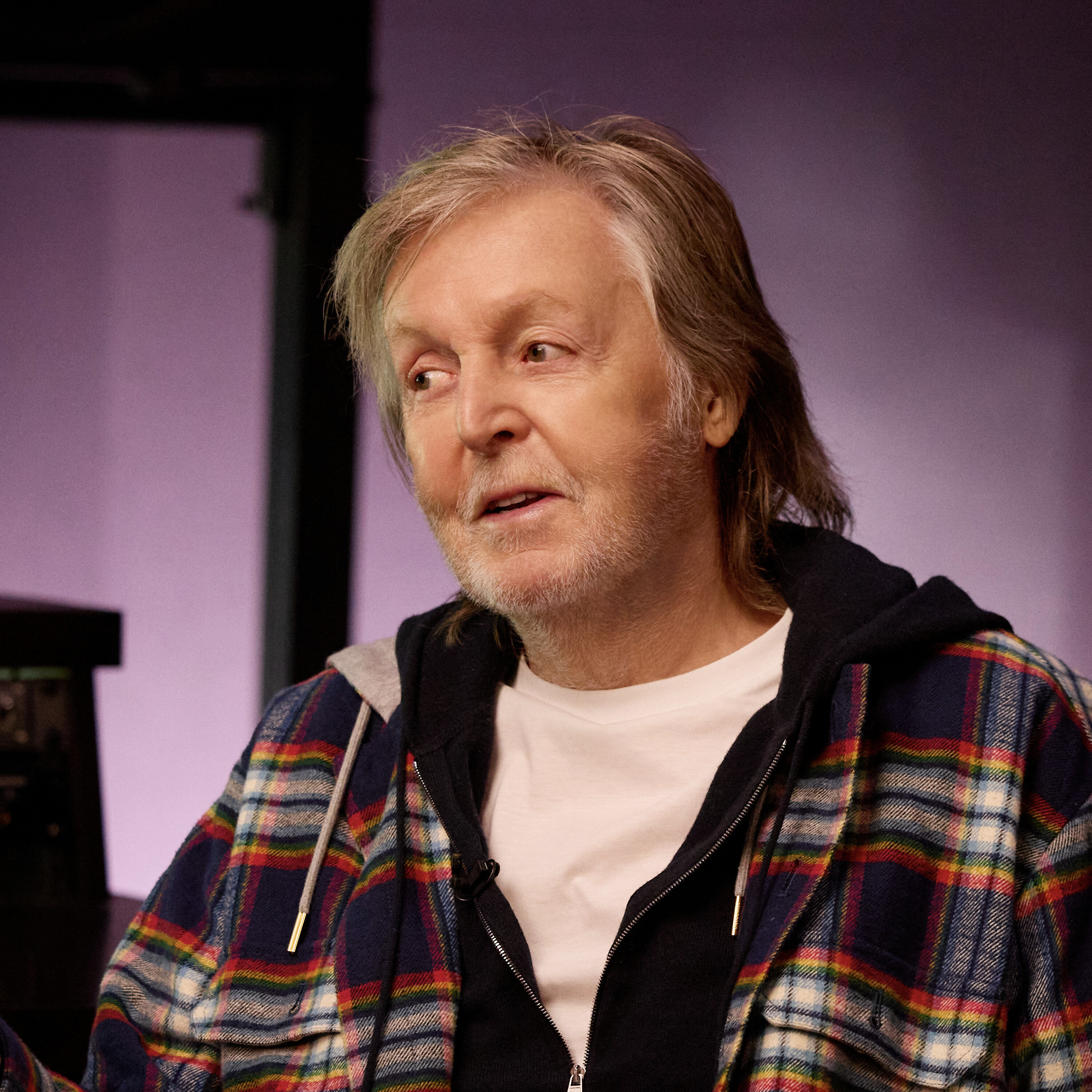
The conversation reflects on personal and musical memories, centering on the emotional depth and authenticity of the song "Days We Left Behind." The speaker recalls formative moments in Liverpool, including a mugging at Dungeon Lane and early Beatles experiences, illustrating how personal history shapes artistic themes. He emphasizes the value of authenticity over commercial success, drawing on his experiences of artistic resistance—such as turning down a hit song—and the deep bond between band members. A key moment is the creation of a Paul and Ringo duet, symbolizing enduring connection and mutual respect. The use of vintage recording equipment and tape loops adds a tactile, nostalgic quality to the music, grounding it in real, human craftsmanship. Beyond music, the speaker expresses continued passion for live experiences, global music scenes, and the emotional resonance of parental resilience during times of hardship. The album stands as both a personal memoir and a tribute to enduring relationships, memory, and the joy of making music freely and sincerely.
There's a great lyric on the days we left behind where you open the song, you say looking back at white and black reminders of my past.
Yeah, it's really beautiful and honest and reflective and it's not something I feel like I've heard you say many times before that explicitly, like I'm really going over and thinking about those times.
Yeah, you know, you get to a stage where you sort of remember your youth and stuff, you know.
I mean, all through your life you do, but now I go back up to Liverpool and so I go to Dungeon Lane, you know, I kind of sometimes will do a tour for people.
I'm like the tour bus, you know, get my grandkids and they're like, oh, this is where we did that and this is where I used to go.
Dungeon Lane was funny because it was where I used to kind of escape the housing estate and go down to the shore, which was kind of nice, until the one day where I got mugged down there, a couple of local boys.
Yeah, I lived and did. There's someone tries to take something off, yeah, that's by force. And they did, they took my watch.
You're trying to charm your way out of it? He tried, but these boys were not playing. It's funny. I looked at it on the map. It didn't escape me that Dungeon Lane now sits right at the very end of Liverpool John Lennon Airport.
And I wondered whether that's ever crossed your mind to some degree that where it started for you has also right next to it.
The kind of thing that happens to some of the most important people in human history, you know, they name something like an airport after John F. Kennedy, you know, it's like John Lennon, it's kind of an interesting.
He would have liked that. We used to, we used to go out to the airport quite a bit and just, you know, bike out there and just hang out and look at the airplanes, you know, that was a big thrill in those days.
So we were quite often there, but it was just Liverpool Airport, Liverpool Speaker Airport, I think, or something like that.
When we think back to the way people are, when they're around, you know, and the energy they carry with themselves, you know, they always got the feeling being a fan of John as well as that, you know, as much as he may have privately liked it, he also could have quite easily gone.
I don't know about all that, you know what I mean? Well, yeah, but no, I think in this instance, I think he would have liked it because people who are very bold and a very upfront can often be quite sort of sensitive inside.
That's why they put in the shield up. And John, I think with his life, his father leaving home when he was a kid and his mum died pretty.
And his mum died early. That was a bomb that we had together because mine did too. But, you know, I remember John saying to me once, how am I going to be remembered, you know, after I die kind of thing?
And I was saying, don't worry, it's going to be okay. We've done enough stuff by this point to be remembered with a lot of respect and love.
So he would all love to the airport named after him. Yeah, that would answer his question. How about going to the future? You're an airport man, certainly.
There's some lovely photos here, you know, and I love that you've been leaning into that within the art as well. The collage you've created is beautiful. And you did that, you know, picking and choosing and putting it all together for the artwork.
What jumps out? I mean, we're suppose we've got to kind of start here, don't we? Yeah, I mean, this is, you know, because of Daisy left behind.
Yeah. We started to look at memories from the past. So that one's me and my mum and dad and my brother Mike.
It is pretty amazing to go back and just think, did I wear those little shoes and those little socks?
I never had much choice. I wasn't like you're able to tell your parents, you know what, I'm not going to wear those little shoes.
That's true. Mum, this is not me.
It doesn't suit my identity right now at the age of how old are you there? I mean, how old are you?
Three or four or something. Yeah, yeah, yeah. It's funny. We look at photos now and obviously we take so many of them and probably don't even look at 90%.
Well, that's the thing about the phone, isn't it now? Yeah. I often say to people, when are we going to look at these?
Yeah, because at least when it was in a snapshot album, you probably didn't look at that much either, but at least if you wanted to.
It was calling to you, right? It was there. Yeah, just go to it, you know.
Yeah. But it does make these even more precious, you know, when you do look at them like this and you realise that this photo took a lot of effort.
I mean, you've got a dog there, everyone. Half the crowd probably didn't even want to have the photo taken.
Yeah. It's like, grab it, move on. Yeah. Well, I used to go hitchhiking quite a bit.
Because in those days, you could, and there was no sort of danger involved.
And I think it must have been my suggestion to George, and then later to John, that we go hitchhiking.
I can't think of either of them saying to me, we should go hitchhiking. Sounds like Mike had a stupid idea.
But, yeah, so me and George had a couple of nice trips. This one was going to Wales and those people were with.
The guy, we met him in the pub. So I mean, George, when we went to Wales like that, we had our guitars.
Because we were from Liverpool, weren't like big city dudes, you know, rolling into Wales with your guitar.
Yeah, you know, did you know this one?
No, no, no, no. And we played a little bit in the pub.
Yeah. And I was thinking it was really great for the group, because you kind of really got to know each other on a hitchhiking trip.
And the way we did it was we never knew where we were going to stay. I mean, it's a bit of a feature of my life.
I'll just do that, just go, "Hey, we'll find somewhere."
And so, you know, about five o'clock every evening, we just said, "We better find somewhere now."
We'd go around looking for bed and breakfasts.
And that's how you got to know that family. And that family, yeah, through John, the son, yeah.
And we were saying, "We're still looking for somewhere to stay." He said, "Yeah, well, my mom's coming to stay with us."
And he was very nice. He was just suddenly, you were just in a family. I love it.
What's really amazing as well is that we're looking at this photo, and you know, you bought this photo up in relation to this beautiful music you've made.
It's an exercise, a wonderful exercise, but it's an exercise, and a period of your life to reflect and make a great record out of that.
But this photo is probably been looked at, or something of that, like it, by the people who were there, or another photo, whatever.
People would be like, "Oh, my God, I can't believe that's poor. I can't believe that's George."
And I can't, you know what I mean? You think of it all the memories you've created for other people going and crashing on their couch when you were just kids.
I like that. That is nice. And it's true, having kind of done what we did with the Beatles, you do get people just off the street.
You know, I was in a supermarket yesterday getting something, and I came out, and this lady there, you know, "Thank you."
I said, "Wow, just thank you." You know, and it's like, "Wow."
And you do think like, "Well, you say you know how many people's lives you touch with your music, and with the stuff you do."
So yeah, I love that. It's obviously a great thing. You know, if you could have said to me when I was there, you know, when you grow up, you know, it's going to touch a lot of people's lives.
In a good way. I always love how you put people at ease.
And this seems like an obvious thing to say. Most human beings would probably try to put each other at ease, right?
But it's not easy for other people to relate to someone who's had the impact you had on that lady in the supermarket.
She chose to do it in a very simple and lovely way, just to thank you and move on, right?
But you've had to find a way, after a very, very intense period of time, to live the rest of your life, being very recognized and coming out of a canon, really.
And I've never asked you sort of how that was or how you had developed a way to remain relatable and enjoy your life and not be under the spotlight.
I think that's the thing. You know, I remember once in the early days of the Beatles, we were kind of recognized most places. Me and Ringo went on holiday with our girlfriends and to Greece and nobody knew us.
So it was like, this is great. Wow. We must come back here more often, you know, even when we get really famous, we can always come to Greece and they're never going to know us.
Of course that didn't work, but once that didn't work and once I realized, oh, I'm going to be famous, you know, all my life, if I'm lucky.
Yeah, I thought, okay, big decision time. Now you either stop and you just sort of think that was lovely, a great time with the music and you do something else more anonymous.
Or you carry on. So if you carry on, you better get some sort of strategy.
You're signed up now, you know?
And I was very lucky with my Liverpool family.
They are the kind of people who put people at ease.
So I kind of learned it just by being one of that family.
The thing nowadays though, of course, is photographs.
You know, I'll meet someone and say, "Oh, I know what they're reaching for."
They get the camera and it's going out, but I've got a thing now.
And I say, "I'm sorry, I don't do pictures."
So now I hope you understand, but I'm having a private evening
or whatever I'm with my wife or my kids.
And you'd be surprised people get it.
So I say, "Well, I'll chat."
And you know, Nancy will say to me, "You spend more time.
You could have just taken the picture."
That's a good thing. Hello, I'm there for hours going, "Yeah, well, let me tell you."
She's like, "Maybe take a picture."
But I actually spend a lot of time explaining.
Please say I can explain you what would take two seconds to take.
But I think it's a really strong boundary because, you know,
the human experience is what got you into this in the first place.
The sharing of stories through music.
The photo just becomes a souvenir to as we established.
What does it mean sometimes?
You get it, you know, because I'd see someone famous.
And I want to take a picture, I want to remind her.
But my whine is, I say to them,
you know, down in Central Pay, there's a guy on the harbor front.
And he's got a monkey.
And you can get your picture taken with the monkey.
And I said, "The minute I start doing that, you get your camera out."
I feel like that monkey.
Because I'm not me anymore. I'm the monkey.
And I say it's kind of important to me to be just me.
Not the guy who's posing.
I'm just loving it because the idea of it's like, you know what?
I think I've got the story that's going to make everybody understand.
There's a monkey in Central Pay.
Yeah, it's like he wouldn't do the photo.
Like a great story about the monkey.
Well, that's it. You know, I like to feel like me.
And the minute you are him, the celebrity.
But people are normally very cool.
So I get it, I get it.
Well, you've given us so much.
And I think it's harder for Newer Pop stars to get away with it
because, which they have every right to as well,
because there's a sense of like, well, I'm currently in the process
of helping you build your dream as a fan.
Whereas you've given us so much incredible music.
And also, you've been through a lot in the face of success.
You know, you've lost people.
And it's come at a cost.
And I think people know that and respect the fact that you keep showing up
and wanting to give us music and give us this gift.
So thank you for that.
Yeah, I say to people, my pleasure.
Because it really was.
And it sounds a bit clear of my pleasure,
but really doing that music being that guy was a pleasure.
Is a pleasure.
I can hear it on this new record.
This freedom in this music.
So I understand now that you took your time
and you made the songs when you had the songs.
And it didn't feel, it doesn't sound forced because it wasn't, right?
Yeah.
No, that's true.
I remember meeting up with the girl, her.
Yeah.
And she's terrific. She was rehearsing nearby.
Why were we rehearsing?
So we had a few cops of tea together in conversation.
Yeah, she's amazing.
Yeah.
And she is amazing.
And she was saying, you know, can you decide what goes on your record?
I said, yeah.
Like, doesn't everyone?
No, you know, she's these days.
People, the label, a manager and people.
They will tell her that I don't think that song is quite right.
Or you say, you're guided more than you want to be, I think.
So I remember thinking, I feel sorry for that.
So I am pretty, I'm very lucky.
But I would always fight for that.
You know, it doesn't seem much point otherwise.
Yeah.
And I'm sure there were times in your career when you had to.
I'm sure there were times when things were really successful
and a lot of money, a lot of industry, a lot of pressure
on you delivering music.
It seems weird to even say that, but it is a reality.
Yeah.
When you probably had to fight a lot harder for that freedom
than you do, having achieved it.
Yeah.
And, you know, the good thing was there was four of us.
Yeah.
And so we had the union.
Yeah.
Yeah.
So I remember we went to the Philippines and we'd been traveling.
And we hadn't had a day off.
And suddenly we had a day off and we're like, oh yeah, great, love it.
And it was in Manila in the Philippines.
And so I immediately went out and went down to the market
and bought a little painting.
It was a real tourist stuff, you know.
It was great not having to be on stage or having to be there.
And I got back to the hotel.
Everyone was like, oh, I'm panic.
Why?
What's wrong?
They said, look on the tele.
And on the television, they're saying,
and the Beatles will soon be showing up at the Palace.
Here's Emelda, the first lady--
I'm out of Macos.
--the first lady.
And they're blue ladies.
They're all waiting.
Any minute now, the Beatles will be there.
And we're going, oh, we're not going.
This is really embarrassing.
I'm Brian Epstein.
Our manager said, you've got to go.
Look, you've got to just know what you can.
We said, nope, we're not going.
And as a unit of four, we just said, we're not going.
So we just hung out and partied and just had our day off.
But it didn't go down well.
All but got beat up in the airport the next day.
Yeah.
Taxi drivers, never really.
Yeah.
Anyway, but we said no.
But yeah, I think, you know, when you start off in your career,
you pretty much want to say yes to everything.
Yeah.
So, basically, you've given an idea.
Once or twice, though, we realize we had to be ourselves
and say, no, sorry, you know, early days of recording.
We were looking for a hit.
And George Martin, our producer, said, I've got this song.
A couple of London writers had written.
And he said, it's a hit.
So you guys should do it.
What is it?
It was a song called, how do you do?
How do you do it?
You do it to me.
And it was like, it's not us, George.
Yeah.
He said, but it's a hit.
And we said, no, we don't want to do it.
And he said, well, so this is the example of the no sort of thing.
He said, well, I'll tell you what.
It's a very small boy, old George.
He said, do it.
Record it.
And then if you don't like it, fair enough.
We'll give it to someone else.
So we did.
We recorded it.
Didn't like it.
He said, it's just not us.
We're trying to be a little bit more rock and roll a bit more soul.
And this was, so he gave it to Jerry and the pacemakers.
And it was a massive hit.
But we were glad that we, you know, we didn't want that kind of a hit.
That's one of those rare moments where you're both right.
I think about it, you know.
And that's, that's a win-win. It's a beautiful situation.
You guys did okay without that song.
We did all right.
You did all right.
This album, it's such a wonderful collection of thoughts.
But it's also, you know, there are real emotional times.
And we started talking about days we left behind.
Yeah.
I want to rewind one song to talk a little bit about Lost Horizon.
Which is great.
And I know it was a song that had been sitting in the can and you just didn't realize that someone reminded you.
That's right. Yeah.
A friend who's no longer with us, I believe, and brought it up and said, hey, you got this song.
Yeah.
It's Eddie Klein, who was just a tech guy at Abbey Road.
And he came to build my studio when I got my own studio.
So Eddie was the man, you know.
And we were working on something in the studio.
And he was actually changing things from an old format to a newer format.
He was changing things.
I know what a dad is poor.
Don't worry about it.
I know what a dad tape is.
Not everyone.
Clearly, because poor dad.
It was not long for this world, the dad was it.
Wasn't a sticky format.
No.
Dad was wrong with it.
Dad was that.
Oh, no.
I was, I was fishing for it, man.
Were you?
I was fishing for it.
You caught me.
Yeah, I know Eddie just saw it.
He listened to it.
And he said, do you remember that last horizon?
And I said, what?
No.
He said, well, there's a song of you with the last horizon.
He said, it's pretty good.
So there's a play.
So I liked about it.
It was finished from A to Z.
It was all there.
Lyrics, tune, bridge.
Is that rare for you to have a song completed, structured, and finished, and not do something with it?
Yeah.
I just forgot it.
It's on a cassette.
And I've just been doing all the stuff on the cassette and so on and so on.
And I forgot that one.
I just got in a crack somewhere.
Yeah.
So I was very happy when he said, I know, I think it's good.
It's good.
- But he thought it was good. - Yeah.
- It was good. - Yeah.
- He was a great, great guy.
- So when you pick up a guitar and go go to an instrument,
you have something you want to say and you begin to write,
is the ambition and intention always to finish the song?
Is that important to you that it's not just a verse
and a chorus, I'll come back to it, like.
- The trouble is nowadays with phones.
You always have to finish a thing
because there was no word to put it.
You know, you had to put it in your mind.
So you had to finish it.
So you did.
Now, I've got, I must have over a couple of thousand sketches
on my phone because I'll put it down and think,
"Oh yeah, okay, I'll come back to that."
I've saved it, it's okay.
- But that started with the modern age.
Before that, you would prefer to let you just be like,
"I gotta finish."
Well, I guess I'm asking is it's not like
we're sitting on a whole lot of songs, pre-phone
that are kind of unfinished in some capacity, some degree?
- I have that now.
I have that now because of the luxury of a phone
that if you don't have long, but you've got an idea,
you'll put it down.
I mean, it's okay that there's certain ones
in that list of sketches that I will finish,
that I know or that is a good one.
So I will finish that and there's certain ones
that I kind of think it's piano melody.
If I ever get asked to do film score,
that can be the theme, you know, whatever.
But I like just putting them down in case,
do people not ask you to do film scores?
- No, not really.
- Well, that's about to change, I'd imagine.
(laughing)
- Inundated with film scores is extended play time.
- Yeah.
- As Brian Eno says, you know, it's play time.
- Yeah.
- It's important.
- It's funny, I saw you're Brian Eno,
and he goes, he says this thing about play time,
I go, that's, he's nicked it.
He must, he's hurt me, say it.
'Cause I'm always saying that.
People say, oh, you're a workaholic.
I say, we don't work music, we play it.
So I'm a playaholic.
- This is the beef, nobody expected?
(laughing)
See?
(laughing)
Not on the bingo card.
Was it emotional at any moment during the writing
of Days We Left Behind, does it?
Let me give you an example.
There's a moment and get back
where you're sitting at the piano writing long
and winding road, trying to figure it out.
And there's three people sitting there
reading the sports pages, wondering a full and beat Blackburn.
And I'm like, this is bonkers.
'Cause you're writing one of the most heart breaking,
beautiful songs about life.
And your man's just reading the funny pages
in the background.
You can understand why, in hindsight, years later,
it's just mind blowing.
- It looks funny, it looks hilarious.
- It looks hilarious.
- It looks hilarious, but the thing is,
it had to be like that.
You don't, what else would there have been them all?
- I know, I know, I know, I know.
- I know, I know.
- I know, I know.
- That's great, Paul.
- You know, and the good thing about the Beatles,
we took the piss out of each other, something.
- Yeah.
- Like, at the beginning of the recording of Let It Be,
I'm about to do the take.
And John's going, there's a gentleman.
Hard to handle the angel's finger or something, you know.
I'm going, thank you.
Thank you, I'm trying to get in this.
- Trying to change your life.
- You totally trying to put me off.
- Yeah.
- But that was it, that was the dynamics in the Beatles, you know.
- But it was interesting to see you process
and figure out how to make the best possible song
and to complete your emotion, your feeling,
and your thought is get as close as you can.
And it was beautiful to witness.
But also, you know, I've spoken to so many artists
over the course of my life who've told me
about the emotion they feel sometimes
when they strike a chord or they hit a note
or they write a word or a lyric that really unlocks something.
And I got emotional listening to days we left behind.
I'm sure many have, I'm sure Nancy did.
You know, what about you when you're writing it?
How does it feel when you're writing something like that?
- Yeah, no, I enjoyed writing that.
When I pretty much enjoy writing all of them,
'cause it's a thing, it's like playing a game.
It's a fun thing to do, you know.
Oh, that'll go with that.
Oh, I can rhyme that with that.
Oh, yeah, that's good.
You know, and you're always figuring out fun little things.
With that one, I started off with a little piano riff
that's at the beginning, we played it on guitar in the end.
But it was just this little piano riff
and I thought, that's nice.
I like that, that's an intro.
It's good notes, you know.
And then I got into photos, this idea of looking back
and it kind of should have been looking back
at black and white reminders of my past.
But I switched it to white and black reminders
of my past, looking back and that fell into place.
I thought, well, that's nice.
So I was now, you know, committed to reminders of my past.
So that's great.
So then you go, okay.
What am I thinking?
I have smoky bars, cheap guitars.
My first guitar was a Rosetti lucky seven
that I bought in Liverpool.
And when I got it to Hamburg, it broke.
It was like so crappy little thing
that it broke.
So anyway, cheap guitars.
So yeah, you just go through that
and then say, then see the boys of Dungeon Lane.
That was me going back to this place
where we lived, me and George lived in this area called Speak.
And that's where I met George.
So there are lots of sort of lovely memories
about these places.
And the Dungeon Lane thing, as I say,
I used to go down there.
I had a bird book.
There's a thing in England.
I think it's other places too.
It's called the Observer's Book of Birds.
- Are we a bed watcher?
- Yeah, yeah, it's a little handbook.
- Epic.
- Just sick in the pocket.
And so I would go around and see
oh, that what that bird, or it nests in places like this.
So yeah, I like all that.
And so I would do that down Dungeon Lane.
That would be my sort of thing.
And I was, as I say, walking along one day
and these two kind of big Liverpool Scalies.
They said, well, you know, you know, you know.
So we had a little encounter.
He said, give us that watch.
I said, half artedly tried to resist.
But they were big and there was two of them.
So yeah, I ended up,
this is some not too far away from this guy, right?
- Given them, yeah.
No, they're younger than this guy.
- They're younger than that guy, yeah.
That was me and John going to Paris
on a hitchhiking trip.
- Wow.
- Yeah.
And so that was the start.
We started in the central Liverpool.
Yeah, so these all found their way into,
and the guys that nick my watch.
- Yeah.
- Unfortunately for them, I knew them.
I knew one of them, I knew where he lived.
So I kind of went to the cops.
So I got my watch and the nicked him.
I said, we'll watch back.
- Do you ever see him again?
- No.
I hope not.
(laughing)
No, he wasn't anyone I really knew.
He was just lived in the next road, old bridge road.
- Yeah, yeah, yeah.
- And I lived in an old road.
But so when I say the boys of Dungeon Lane,
I'm thinking of those two boys.
- Yeah.
- Whereas then it splits out and it sort of spreads.
See the boys of Dungeon Lane,
or it could be anyone from that area.
And then the next line is some of them will feel the pain.
But some were meant for more.
So you know, that's like, the guys who nick my watch,
I hope they feel the pain.
And I hope we were meant for more.
- The fight is so important, isn't it?
To achieving your dreams at a young age,
taking that ambition that you have to prove something.
Either the kids who tried to take you took your stuff
or the people in your own house who count you out,
whatever like that juice is crucial, isn't it?
It sounds like all four of you in your own way
had that fight.
- Yeah, no, that was very important for us.
Because, you know, like if we didn't like a song,
we would try not to do it.
And we had quite a sort of good vision of who we wanted to be.
And then the personalities were pretty strong personalities.
- Yeah, individually.
- Yeah.
- I'm still like that.
You know, I think Ringo is still like that.
- Yeah.
- Don't mess with Ringo.
- No.
- Yeah.
- And why is he, 'cause he's Ringo.
- Yeah.
- And he's just himself.
And again, you know, he had a lot of problems when he was a kid.
He was very ill when he was very young, three, I think.
And his mom was told he might not live.
And so he had all of that sort of stuff.
And didn't go to school much, you know, 'cause of all that.
So again, you know, it's built a sort of shield.
I think we all get shields.
But people who have had a harder time than I did.
You know, I was at a pretty good time until my mom died
when I was 14.
But yeah, no, really.
goes still very much his own man, which is a great thing. If you can keep that alive, you know.
It sounds to me like you experienced that even though you've known him most of his life and
one of the only personal life who could even share what you've had to give these incredible
experiences and hear the story that, you know, I heard you tell about the making of this song,
you know, on the album, the two of you do a duet on, was like, you know, having to sort of say,
no, no, I want you to sing these lines. I was kind of cute, really. We'd sort of written it here
in this room, actually, with him in mind. This is home to us. It's home to us, so it's called, yeah.
Yeah, it had all started because Andrew, who I was working with, who was studio, or in,
by the way, if I make this saying, thank you to Andrew, letting us come in. This is a little B studio.
That's right. Where we did a lot of the work. And, uh, we'll ring the new that I've worked with Andrew,
and we've done one track, which is the opening track of the album, as you lie there.
So he went over to see Andrew. Then I was working with Andrew, and I said, do you remember that
Ringo came over and did some drumming, didn't he? He says, yeah, so let's hear it. So we got it up.
And I said, oh, it's good. It's nice drumming because Ringo. So I said, we should write a song
around that. Yeah. We had some time until we did it. And, uh, I wrote the words about where we
both came from. I came from a place that speak. He came from a place called the Dingle. Yeah.
And it was poor. Living, you know, looking back on it now, um, I would have to say that
nobody had any money. And the houses were, were pretty rough, but we didn't know any better.
And it was cool. So we had friends, we had mates, we had uncles and aunties and all that stuff.
So you were on that level, and you enjoyed it, you know. So anyway, um, I knew that Ringo had
been through that, like I'd been through it. So the song sort of says, you know, it might have been
a bit rough where we lived, but it was home to us. Yeah. You know, so we did it. I put the vocal on it
as a guide vocal for Ringo. And then we sent it over to him. And I said, you want to say, would
you sing on this, you know, thinking he'll just replace my vocal. Yeah. Um, but he didn't get the
idea. He sort of said, he sang on it a little bit the chorus. It's harmonies. Just a tiny bit.
So I rang him back up and said, uh, you know, didn't you, didn't you like it? Didn't you want to
sing the whole thing? I didn't think you wanted me to, you know, it's hilarious. These are two guys
have known each other the whole life. Still circling one another trying to figure out how to get it done.
Slife, baby. That's true. That's how people do it. You know, anyway, I said, no, no, no, I'd love
you to sing the whole thing. So he did very nicely. And then it suddenly became obvious that we could,
I could take a line. He could take a line. So we have the first Paul and Ringo duet.
Which speaks to his reticence to some degree because it's never happened before. So
that's true. And it was never a John and Ringo track. It was never a George and Ringo track.
I know you probably don't think too much about the what-ifs of what could have been. Yeah.
But when you think about the lack of interactivity you had as friends and as creatives once you
were no longer a band. Are you only close to understanding sort of why that was, why there wasn't
more opportunity for you to kind of do things together. Do you think? I mean, I think we knew, you know,
we'd finished. And we'd all said it's full circle. This is great. John was off with his life
with Yoko, which was you couldn't say, would you mind coming back and we'll do a bit more Beatles?
I wouldn't have put that to him. You know, I could see what he was doing. You know, it was a
different life. And I was too. With Linda, you know, we would do, you know, would you play drums
on this for me? Would you play bass on this for me? Would you sing on this? We do bits and pieces.
So it's great to get around to it in the end. Yeah. On this, you know, and yeah, we sound a bit
similar too. So you've got to figure it out. Who's me first? Ringo said. Yeah. He said, he thought,
yeah, but I'm really glad we did it. Once it became a duet, I thought that's a great thing. Suddenly,
I said, after all that time, we've known each other. It's another gift. And suddenly we've got a track
together. I love the song We Too. And I love the feel and the sound of it. And, you know, what was
telling me and I'd love you to elaborate that there's some original equipment being used in that.
And so it wasn't just about going through these wonderful photos and memories of your mind. It was
also like, hey, I've got some. Yeah, that's right. You know, it starts to sound, but we're talking
like this that it's just a total nostalgia. Not at all. There are a few tracks that go back. I
talk about my parents in one of the tracks. But no, there's a lot of some love songs and things
that aren't looking back. Now, with We Too, we're in my home studio in Sussex. Yeah. Andrew had come
over to do some work with me there. And I was showing them around. And I've got quite a nice
selection of stuff, amongst which is the big studa machine, the four track studa machine,
which is what we made all the early Beatles, the first Beatles thing was not even that grand.
It's just a little two track. Yes, so we had this four track studa four track and I still have one
and I keep it up. Well, I don't. My engine is. And we love it. You know, occasionally we'll use it.
Andrew said, "Can we use it, can we?" He said, "Yeah, sure. You know, let's do think of something to do
on it." So we put together this song We Too and recorded it on there. And the thing I think we love
the most about it was the snare drum sound. That's great. That's a good thus. Yeah, it's meaty.
Yeah. And, you know, I talked to engineers in the past and said, "Why is it?" They said, "Well,
it's because it's fat tape." I said, "Is that simple?" No, I thought there'd be something more
complicated. Now, if you get thin tape, you get thin sound. But anyway, so we did it with a lot
of fun doing that. Yeah, so that that snare drum is a good snare drum sound. It was amazing
snare drum sound. I love the guitar line on that song. I just love how it brings us. That's a dark
wistfulness to it. It floats up and down and in and out. And you can hear the two of you obviously
laying everything down, printing everything, committing to everything. It just feels committed.
That song. And a really lovely way. And with the four track, you've got to wipe things.
Yeah. Because there's only four tracks and you may want to do eight things. Yeah. So you know,
not many people know, but you take two tracks where you've got, let's say, drums and bass.
And you reduce them to one track, which frees up these tracks. So you can keep recording.
But you're on the hook for these things. You can't change anything. But that's actually a great
thing. Yeah. You know, I say to young bands and nowadays, don't rely too much on those sort of
gadgetry. Just play it or learn it or write it all. Because it's better. But you love the gadgetry
too. I mean, you know, I do. I mean, come on. We go, I mean, I love how you dab on this. Yeah.
Yeah. No, I like it. But I think the thing is what will happen is a lot of people rely on it.
Yeah. So you get records that sound like they've been made by gadgets. So, you know, I don't like
that. But I do like to use, I like odd things. I like tape loops. I like to work with tape loops.
And again, Brian, you know, if your interview with him is just brilliant, he starts talking about tape
was thinking, Brian, you're nicking all my ideas tomorrow and ever knows before you were born.
This is a serious celebrity death match. We got on our hands right here between the two.
If you're listening, no, it's, I was watching the interview just as I like Brian. Yeah.
And his music. Yeah. Anyway, so yeah, I love messing with tape loops because it's sort of freeing.
Yeah. Yeah. I hate it when making music starts to feel like work has to occasionally. You can't
always just feel good. Sometimes you're slogging away on a part, you know. God, I wish I'd never
written this thing. But that's not the normal thing. Normally, it's nice. That's where you need
Andrew what? And people to come in there and be like, don't let it go. Like it's there. Yeah.
It's waiting for you. Andrew's very enthusiastic, you know, so he's good to work with like that. Yeah.
He'll keep things going. Yeah. How does music step away from the theme to the record for a second,
just talk about you as a music fan? Because one of the things that I really love is the fact that
much like your friend, Alton and others, you remain really into music as a experience. Not just the
music you make, but you love going and seeing shows, your wife loves to go and see shows.
you know, it's cool. Like, how curious are you still to this day about what people are making?
Yeah, I think, like a lot of people, if you hear of someone and they're going to play live nearby,
it's good to go and see them. I think live is the ultimate experience because anything could happen,
and you're there in this room with all these people and there's the artist, you know, say Bruce
Springsteen or somebody and he's playing and it's like, oh he's really doing it. I don't know,
there's something special about that for me. So I like going to quite a few concerts and seeing
who's doing what. Has anybody that's releasing music now at the start or at the peak of their
experience really impressed you, you know, that you were a fan of, that you draw to, to listen to,
and it's making music now, or even just a scene or a vibe that you're really appreciating at the moment.
Yeah, I'll go to festivals and there I'll see, like Bono Sun Eli in his band Hailey, yeah.
I think they're good, so I like to, you know, check them out and sort of see what's going on,
but I mean, it could be anyone and I don't really keep a list of who it is, you know, but I like
watching people make music. I also like checking out other kinds of music, like I've recently just
got into a lot of African music, Senegal and sort of stuff like that. And it's like, wow,
that really is where the blues came from. Yeah, you know, that's fascinating. I mean, to Marley
once with some musicians and we went into a bar on the side of the road and we were there
two in the morning sitting on beer crates watching this, this band playing, there was a kid on the
drums who was literally playing for like six hours, he was a kid and we all walked away and we were
like, no one in this group is ever going to be as good as what we just saw. I was like super sobering
for everybody there. Yeah. My best experience of that was a fellow Cootie alive. That was insane.
At his place, the African Shrine and I wasn't going to get wasted, but because it was very much
the thing to do with Fella and I was with Ginger Baker too. And I was trying to resist and I was
sort of saying, it's okay guys, the guys were coming up like, you know, the offering joints out,
you know, and I said, okay, I'm good, I'm good, thank you, you know, so I was doing very well.
And then this pivotal moment came and the guy went up to Ginger and Ginger takes a smoke,
yeah, go ahead and he's smoking away. Fella comes up and claps and I'm around and he says,
Ginger Baker, the only man I know never refuses smoke. So I go, you're on the line.
I said, yeah, okay, I'll have one. And I got wrecked, I'm wrecked, paranoid, the whole thing.
And so I was in a state until his band came on and then they just hit this riff,
and I still remember. And it was, it was incredible and I just wept.
And I thought that was experience, you know, I could never forget. Because say I still know the riff,
did it, did it, did it, did it, did it, bang, bang, bang, kick, then it was like, whoa, whoa. You know,
it does end in a, in a beautiful way. There's two songs, starting with Salisman St, which I know,
again, just to reiterate, this is a beautiful modern sounding record, but there are some really key
moments of reflection and it's lovely hearing you pay tribute to the environment that your parents
were in as they were trying to honor their responsibility as parents. These were dangerous and
difficult times, I think, to be parent. When you think about, in my case, World War II,
when you think about it now, this war that was really going on. My dad was a fireman in Liverpool,
sending these fire bombs down in sentry bombs. My mom was a nurse, you know. So they were going
through it, fearing for their lives every day, pretty much. And I can't imagine what that's like.
I don't think our generation can. I love the way I'm lumping you. Thank you. Young people like us.
I'll take it. So I occasionally will think, wow, you know, wait a minute, how can you keep
positive? We're all like going on and a lot of people didn't, of course. But my mom and dad did,
so I always give them credit in my own mind for finding a way through that. And so I was writing a
song in a minory kind of key and that became the subject of the song, you know. I love the Glen
Miller horns. It blows my mind how the different time signatures reveal themselves over time.
It feels to me at first like you've made the horns fit into the more four on the floor type thing,
but then in the end, I realized, no, they're dancing with each other and it's, where did you record
those horns? In the happy road. They sound amazing. Yeah. They really came off. I think, you know,
you've got to get the arrangement right. And this guy Ben Foster is a really good arranger. And I
said, I want it to sound like, you know, it's coming off the radio in 1940s or something. And
so it does. And as you say, yeah, the song's in three four. But it's also when you put four
against it. Yeah. That's very African. You hear African music doing that a lot.
So I'm fascinated by that. Wait a minute. It's three four against four four. That's great.
Shouldn't make sense. But that's what happens in the song. My last question about the more
effective sides is we draw the end of this chat. Your mother was not alive to see you go on to achieve
wonderful things with the Beatles. The transition into wings. Still the first half of your life
trying to figure out what you want to do. You know what I mean? And how far you want to take this
thing. But your father was. He did see it occur. Yeah. And it got to experience it just to come off
the back of the of the song. How did he absorb that experience that you were going through? And
and how did how did he see it? How did he feel about who you were becoming and what you were achieving?
Well, I think he loved it. He had been a musician in the 1920s for the roaring 20s.
He'd been one of those guys. So he'd been looking for fame himself.
So when we got it, he loved it. It would be in a restaurant, you know, and he'd be look checking out
for people. And you know, he'd say, they've got you.
Yeah, I mean, he liked it. You know, he liked that I'd achieved what he tried to achieve.
So I think he enjoyed it. She was good. Where does it go from here? I mean, I would say you
touring your story. I mean, I feel there's always an opportunity. You're looking for a place to
go and play some shows and keep the band moving. We got to experience that. Thank you for that
at Apple. That was wonderful. That was really great. That was, I mean, because I'd never been to
Coupatino. I didn't know what that was when I got my first iPhone, which Steve Jobs had given me
because we had a bit of friendship. You know, I didn't know him too well. But he gave me the iPhone
and I kept seeing Coupatino because it was like the home base of it. Anyway, so to show up there
and to do the concerts for all the tech bros. So funny. We're the most untech broke company in
the world, but it's brilliant. You think you are. I played to you. Believe me, you tech bros.
And it was good. It was good. But it was a different audience to what we're used to. Yeah, of course.
It was really appreciated by everybody in attendance and it was a moment that I'll never forget.
Yeah, no, it was great. It was a lovely evening and Tim Cook was very pleased
before he showed me around the donut. It is, yeah, it's amazing.
So this album is a beautiful, beautiful body of work. Where are you now? Where's your creative
creativity now? Well, you know, I mean, I'm always at the same place when you're heading to the
future. You know, I'm always listening to music at the moment because I'm putting this album out.
I'm not desperate to write, but I know that once the album's out, I'll see a guitar.
I mean, I am writing stuff, you know, but it's not, I don't feel the pressure that I've got to
make another album. This one will do for a while. I mean, it's a guitar there, if you fans.
I mean, look, I'm just saying, I understand, you know, you just pick up, you know, one chord is all it
takes. That is strong for the left, I feel. It is left, and that's what happened with Andrew.
Yeah. Oh, that's how it starts.
So that was the story I said.
I said to him, "I wish I could show you something on guitar," and he said, "Well, I've got
a guitar."
I said, "No, I'm left-handed."
So, being angry, he said, "I've got a left-handed."
He strung that one, left-handed for you today, so.
Yeah.
So, I said, "Well, sometimes I've just taken the weirdest chord, just take any old chord."
And I'd never played this chord before I still actually don't know what it's called.
Yeah.
So, I said, "That you got, that's sort of crazy," and then it just changed that one note,
and then. So, it's like a three chord sequence, you know.
So, we were off.
So, once you've got that far, you can't stop.
So, yeah, we just kept working.
I don't wait for you to play your next chord.
I probably don't know the next chord.
I mean, I know certain things, but once you record them, you don't necessarily retain them,
you know, like for. So, that's like the opening to "Daisy Left Behind."
That's beautiful.
Yeah.
So, you know, we will, you know, be learning that with the band, but I'll learn how it goes,
listen to it.
But that's fun.
So, I mean, I'm very lucky because, like, I write stuff, and that's good fun.
Yeah.
And when you've written something that you like, it's a great feeling.
Yeah.
And I record, which is again, that can be great, you know, recording and putting all the stuff
together.
And that's two areas that I'm involved in, that I love, and then you go and play it live.
So, it's like three different jobs, really, in the one world of music, you know.
So, I feel very lucky to have those, because if one of them gets a bit boring, you can switch
to the other one.
Brian Hino said something very similar to me in an interview I did with him.
Almost identical.
He's taking all my lines this guy.
[BLANK_AUDIO]
Podcast Summary
Key Points:
The speaker reflects on personal memories and past experiences, particularly from Liverpool, including a mugging at Dungeon Lane and early Beatles adventures.
A deep emotional connection is revealed in the song "Days We Left Behind," which blends nostalgia, personal loss, and the enduring impact of memory through music.
The process of creating music is described as intuitive, playful, and rooted in authenticity—emphasizing the importance of emotional honesty over commercial pressure.
Key personal moments, such as the decision to refuse a hit song ("How Do You Do It?"), and the creation of a Paul and Ringo duet, highlight individuality, loyalty, and the value of artistic integrity.
The use of vintage recording equipment, like the four-track studio, and tape loops adds a nostalgic, authentic feel to the music, reinforcing a connection to early musical craftsmanship.
Music remains a personal and living experience—fan engagement, live concerts, and exposure to global genres like African music are vital to the speaker’s ongoing connection to the art.
The legacy of parental resilience during difficult times (like WWII) informs the emotional depth of the music, showing how personal history shapes artistic expression.
Summary:
" The speaker recalls formative moments in Liverpool, including a mugging at Dungeon Lane and early Beatles experiences, illustrating how personal history shapes artistic themes. He emphasizes the value of authenticity over commercial success, drawing on his experiences of artistic resistance—such as turning down a hit song—and the deep bond between band members. A key moment is the creation of a Paul and Ringo duet, symbolizing enduring connection and mutual respect.
The use of vintage recording equipment and tape loops adds a tactile, nostalgic quality to the music, grounding it in real, human craftsmanship. Beyond music, the speaker expresses continued passion for live experiences, global music scenes, and the emotional resonance of parental resilience during times of hardship. The album stands as both a personal memoir and a tribute to enduring relationships, memory, and the joy of making music freely and sincerely.
FAQs
The song was inspired by memories of the past, including childhood photos, personal experiences like growing up in Liverpool, and moments of reflection on life and loss. The lyrics draw from personal and emotional connections to places like Dungeon Lane and family life.
He believed John Lennon would have liked it, as he saw John as bold yet sensitive. The airport's location near where he grew up in Liverpool made it a meaningful tribute to a significant figure in music history.
He was mugged by two local boys who took his watch. He tried to resist, but they were strong. He later identified one of them and reported it, ensuring the incident was handled.
He wrote it to reflect the difficult, dangerous times his parents lived through during World War II—showing respect for their strength and resilience in tough circumstances.
Ringo Starr contributed vocals and harmonies to the song, initially adding only a small part in the chorus. Paul encouraged him to sing the full song, resulting in a heartfelt Paul and Ringo duet.
He believes photos have become souvenirs rather than meaningful connections. He prefers deep conversations over images, valuing human storytelling over visual documentation.
Chat with AI
Loading...
Pro features
Go deeper with this episode
Unlock creator-grade tools that turn any transcript into show notes and subtitle files.
 PodcastTranscript AI