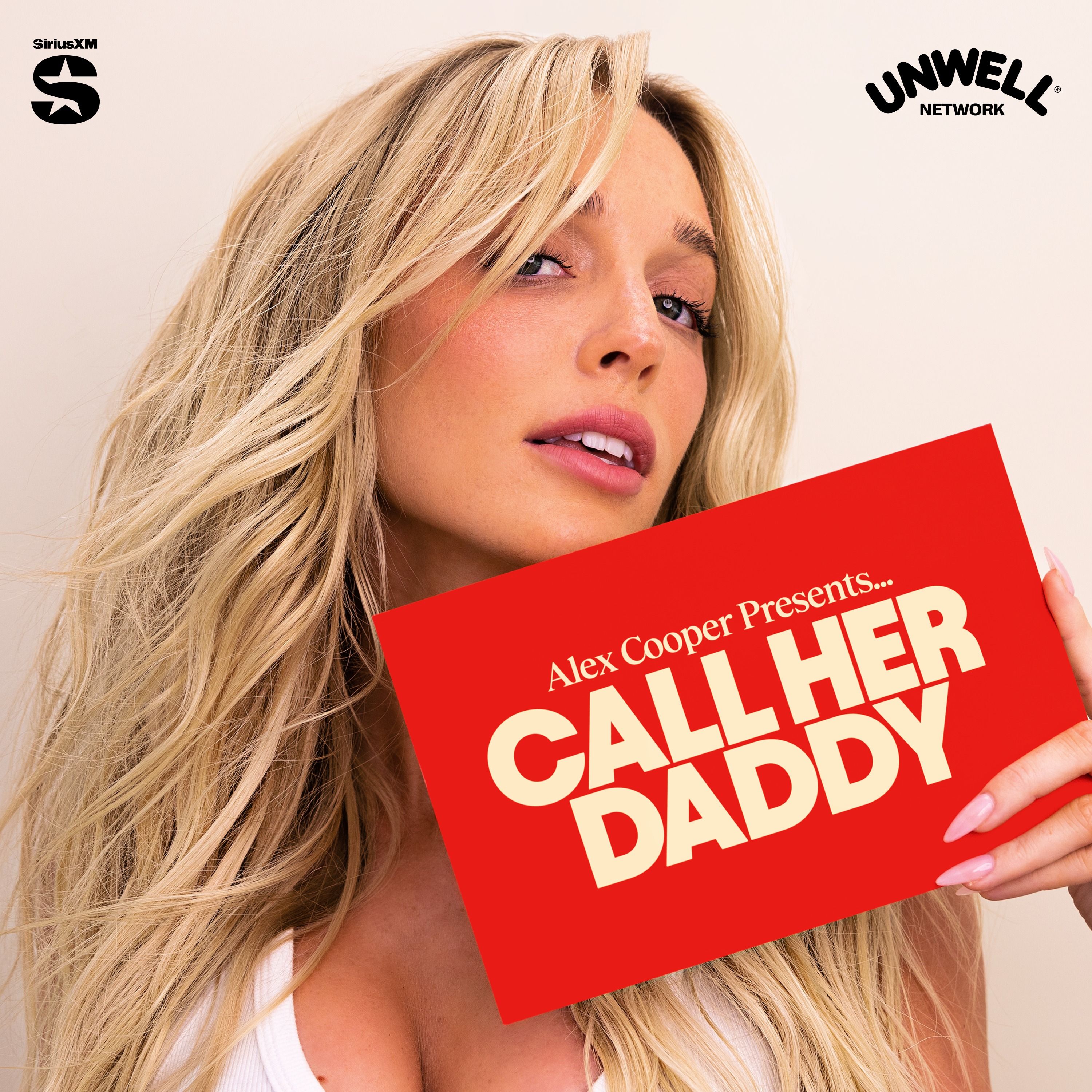
Paris Jackson: Love, Loss, & Listening to Your Intuition
67m 12s
In this interview, Paris Jackson reflects on her life as the daughter of Michael Jackson, growing up in the public eye, and navigating loss, addiction, and self-discovery. She describes her early years at Neverland, where attractions were reserved for underprivileged and ill children, and how her father was a funny, protective figure. Paris discusses meeting her mother at 15 and her evolving perspective on expectations and victim mentality, emphasizing the power of shifting from a victim to a creator mindset. She details her struggles with addiction, starting in her teens, and her decision to get sober in early 2020, highlighting the role of community and the need for replacement techniques. Paris also opens up about ending her engagement, learning to avoid codependency, and the importance of setting non-negotiables in relationships. Her upcoming album, inspired by her freshman-year self, features a grunge/rock sound, including “Sirens,” a song about a friend’s overdose. Throughout, Paris stresses the value of self-love, healing, and living day by day, describing her current happiness as “D major.” She expresses pride in her relentlessness and growth, embracing authenticity in both her music and personal life.
- What is up, daddy gang, it is your founding father, Alex Cooper, with Call Her Daddy, Daddy, Daddy, Daddy. Here's Jackson. Welcome to Call Her Daddy. Thank you. I have been so excited to sit down with you today. I was thinking about it. Since before you were even born, you have been in the public eye. Your dad was one of the most famous musicians of all time. And over the years, you've literally had to deal with loss and navigating recovery and relationships and just finding your sense of self all while doing it in front of the entire world. And so I am very excited to get to know you for you today. So thank you so much for being here. - Thank you for having me. - Okay. I heard you are into astrology. - Yeah, I actually looked up a birth chart before I came here. Just because I saw in a video, I think it was on your Instagram. You were wearing an Aries necklace. I'm like, "Is she an Aries?" And I looked it up and I'm like, "No, she's a Leo. My girl." - Okay, wait, this is amazing because I don't know that much. And I was like, "I am so interested to hear your entire perspective on just like Leo's, you're an Aries?" - My husband's an Aries and we for wedding gifts, we got each other, I wear his and he wears mine. - That's true. - And we always think some an Aries, but I'm a Leo. - Yeah. Okay, so you like Leo's? - My favorite women in my life are Leo women. - I feel like today is going to be a good day. - I think we're going to have a good time. - Also, isn't it a full moon tonight? - Tomorrow night. - Tomorrow night. - It's very exciting. But also, what's really cool about your chart, I didn't scan through like all of your houses and everything. I just kind of looked at scanned it. I just peeked at your major three and you have, I don't know if you have a Stella, I didn't check to see if you have other Leo placements, but I did notice that your son and your rising are both Leo. - I am a double Leo. What does that mean? - So I am an Aries rising and an Aries son. Well, I have a Stella, I think I have like five or six Aries placements. - Okay. - So I'm very Aries. But what's really cool about having the rising and the sun matching is it's very like what you see is what you get. - Oh, interesting. - So when people meet me, they're like, yeah, you're very much an Aries because that's how I present. - That is so helpful though to hear you say that when you're a double something, because everyone's always like, oh, you're a double Leo and I'm like, what does that mean? And then my, is it my moon is Aquarius? - Yes. - So I'm rising Leo and moon is Aquarius. - Yeah. What does that mean? - I don't know, you'd have to have someone, honestly, Monica, who you met, she's the one that's like, we get out of pad and paper and we'll be like, oh, yeah, you're, oh, you're Venus falls in his eighth house and she'll like draw maps and stuff and do the whole thing. I'm not that good at it. I'm not fluent in that language at all, but I know bits and pieces from what I've picked up from people that I know that really study it. And the daily horoscope thing, I think, is bullshit because it's like, you know, the daily horoscope is not taking into consideration all of your houses and all of your planets. It's just looking at your son. So it's going to be as vague as possible to fit as many people into it. Whereas you can meet someone that has like, you know, maybe they've got like a Sagittarius son, but like every other sign is in Capricorn, they're going to be more Capricorn than anything. So the daily horoscope is, I wouldn't recommend those, but when you get into the houses and the other planets and the degrees, that's one stuff starts getting like really spooky accurate. I love it, though, because I, every time I read about myself, I'm like, oh, that seems, that seems right. And I'm like, am I making that up? Or is it actually that accurate? Um, speaking of full moons, though, is there anything that like you do when a full moon is coming? I think that like, different practices, I've picked things up and put them back down. There's lots of things that I've tried in the past. I used to do a lot of craft. And I had like a group of women that we'd get together under the full moon and like dance naked. And I definitely had a photo taken off of Instagram from like a full moon circle. But now it's kind of like, you know, I've done like fire ceremonies and things like that for the new moon or the full moon. But it's not something that I do every single month. So was it just taken off of Instagram because you were just naked? Okay. You were like, I tried. I blew out my nipples. What a girl live. I had a friend that was like, oh, my friends and I like put water. I think they like say like outside until like, have the, have you ever done that? Yeah. I mean, I do nothing, period. That's like, yeah, that's like the, the standard, you know, the moon water or like, you know, church or crystals and stuff. Okay. Okay. Okay. Okay. Saturn returns. You said you've gone through a couple Saturn returns. To anyone that's watching it is like, how can I survive one? Do you have any advice for us? I'm in my Saturn return right now. It started actually on my brother's birthday this year. So I'm a little late in my Saturn return. Are we doing? You know, it's funny because a close friend of mine is like this too. My Saturn return might be one of the unremarkable ones, just because of all of the calamity that happens earlier on. So sometimes, because typically the Saturn return is what happens when like, I know people that have like left the church they were a part of during that time where they got a divorce during that time where they became a mother during that time. You know, it's kind of like so much of your life shifts and it has a lot to do with identity. But so much has happened leading up to my Saturn return that I feel like maybe this is just one of the unremarkable ones. I could also be speaking too soon because we're only like. Maybe it will be the opposite for you. Maybe it's going to, you're like my life. There has been so many trials and tribulations that so far it's feeling pretty easy. Yeah, I'm chilling. You're kind of coasting. Yeah, your Saturn return. Literally every piece of what we need to knock on right now. Okay. Let's talk about though, because I was thinking about so much of your life. Yes, there has been a lot that you have gone through and how old are you? I'm 28. And you're only 28 years old. Music. Yeah. Music has been such a huge part of your life. I know you have a new album coming out August 21st. And I want to get into all that but I feel like to do it, we almost need to go back to the beginning. Because you are someone who literally came into this world and music, it's like in your blood. What are your earliest memories around music being a part of your life? It's kind of like asking a dolphin or a any kind of fish. Like what was it like when you entered the water? I mean, only because like it was around constantly. I was raised on like the Beatles catalog. I was raised on a lot of classical music. I was raised on, you know, Tchaikovsky. I always put your name, I don't know if it's Debussy or Debussy, but like my dad used to say Debussy. And so I don't know if that's correct. Pronunciation, but like I grew up on a lot of just music was around all the time. For those who don't know, your dad was Michael Jackson. And you grew up in this place called Neverland, which I feel like is like so famous and everyone like thinks of that word and they almost like think they know what that means. Known for the amusement parks and the zoo in the backyard, but you actually lived there. Can you just like explain to someone even maybe like our Gen Z people who aren't us familiar? Like what was a normal day in your childhood like at Neverland? So I didn't grow up there. It was only the first few years of my life that I was there. And I'd wake up and I'd go to school. At home school, right? Yeah. Yeah. I'd wake up and we'd go to the room that was our classroom and we would go to school. And it's, it was made the cool like very congruent lines throughout my childhood. That kind of started there and then just continued on wherever we went was if you're good and you do your chores and you do homework and you do the things that you're supposed to do. Then on the weekends you can go see some animals and you can go ride some rides and you can go to the movies. It was made very very clear that all of the attractions there were not for us. That did not belong to us. That was for underprivileged children and children that were terminally ill that couldn't go to like Disneyland. And that continued on even when we were, because at one point we like wouldn't stay in one place for more than a year and we'd hotel-hopped a lot. And so it was, you know, if we were living in Vegas and it's like, okay, if you're good, you can go to Circus Circus on the weekends. Or like we were in like some random place in Virginia, like, okay, if you're good, you can go to check you cheese this weekend. So it was always, you know, same thing with like television. Like we weren't a lot of watch television or movies and stuff. Either unless we were studying it for film with the sound off or, you know, it was on the weekends if we had like done everything we were supposed to. Okay, so you weren't like running around at an amusement park when you're super super young. Would have been cool. No, no, no. I probably would have grown up to be an asshole. But you were grounded and you were like, we have our studies and maybe we'll get to see some of the animals at the zoo on the weekend. The world knew your dad is like the king of pop, but how would you have described your dad? Really funny guy, that was my best friend. Do you think that your humor is similar to his or different? I think our humor usually tends to come from our siblings and parents. That's usually where it kind of, and also the region in which we grow up. Three brothers. You're the only girl. Yes. I feel like when you're the only girl in the family, correct me if I'm wrong.
There's like a special treatment or there's like things that you can be like, "Oh, I'm the only girl like I get to do XYZ with my parent because I'm the only girl." Did you have anything that was like your favorite thing that you got to do with your dad because you were the girl in the family? There was definitely a focus on making sure the love felt equal. There was definitely like I definitely noticed an effort and treating everyone equally. I definitely was daddy's little princess. I think that just happens with with sons and mothers and fathers and daughters. There's just this special bond that you can't put into words. But I mean, it's a bummer when you get a little bit older and you know like when we started going to regular school, my brothers could have sleepovers at their friends places, but I can only have my friends. There's certain rules that some guys get a little more freedom. Yes, there's more leniency with boys and then as a girl, you're like, "We want a bummer." Why can't I? And it's like, well, unfortunately, the world we live in. You didn't really grow up with your mother. You didn't have a relationship with her when you were growing up, right? How was that explained to you as a kid? You know, eventually, I remember, you know, kind of asking about it when I was probably around like 10 or 11 and the answers I got were, you know, sufficient to me. She's like, "Oh, like what's her name?" And I got told her name and I'm like, "All right, cool." Like it was, you know, moved on and we connected when I was about 15 and then really started getting closer towards like the end of my 10 years and things like that. Thinking about you at 15 years old Paris and you're like, "Oh, you're going to like meet your mom for the first time. Like, do you remember if you were nervous?" I think, I mean, I remember coming down stairs and she was in the living room with my grandma. I came in and I was just like, "Hey, mom." And she was like, "Hi, I sat down. We talked for a second and then we went out for the day and just like hung out." And you called her mom right away. She, I mean, she's a, she's a sadge. So she's got the fire and I'm an area. She's like, "I got the fire." We just, you know, we're very, we're very similar. You know, I think what's really cool about my process just in general in all things is learning how expectations kind of fuck us up. And if I walk into a relationship with expectations, probably going to end up being maybe disappointed or frustrated or irritated or a resentment will be born or something, you know? And when I walk into something and I don't have expectations, it creates this really cool space for something organic to just be awesome. Yeah. But I do think that's like a pretty impressive approach at such a young age. Like, that's like a, that's, that's a lot of insight to have at 15. I'd say I've gotten it's gone more refined. Okay. Okay. Okay. You figured it out. Yeah. I also was thinking like something that I know you've said before is like and similar to where you're like, I didn't know anything other than music. Like, you didn't really realize that your father for a while was famous. You've even publicly said like, I didn't even know his name was Michael. Yeah. How do you think you started to realize? So like, well, I knew he was famous. I didn't know how famous there. I mean, yeah, I definitely, there was definitely part of me that like when I looked up my hotel window and it was one of the times where like the alias didn't work and there's just like a sea of people with signs and stuff, I'm like, there was, I'm not so naive to think, yeah, everyone experiences this. You know, I just didn't understand the lengths. Something that I feel like so many people were obsessed with was like how your dad would have you and your brother's wear masks and like cover your faces when you would go out in public. How did you make sense of that though at the time when you were a kid being like, okay, put on your masks? I mean, it just, it made sense because it was like, oh yeah, if you do this now, then you can go to check HG's and be normal this weekend because no one will know who you are. They're like that, that made sense to me, but it really pissed the press off. What doesn't fair? What doesn't? I think that people probably felt entitled to you guys as children of like, he's this figure that we get and he's ours and we get to comment and look at him like, we should be able to see the children too because he's you're part of that entity and that's obviously that was a protection that was put in place for you guys. Did you ever feel like it was scary when you would go out and have masks on and people were trying to see your face? I don't know, I don't know, trying to think like what scared me as a kid. Spiders, loss, but I don't know that that was, was scary, I always felt protected, we always had security and sometimes crowds would get a little crazy, but there was still like this, there's an adult you can grab onto. But what's also so cool about all of it is seeing how my experience can assist other people. I have a few other people in my life that are in pretty similar situations that are several years younger than me and I just get to be a friend and you know my phone's on and like that is the coolest thing with with all things whether it is you know being you know a female with certain scary experiences or you know being in the public eye from such a young age or being someone in recovery is like I have all these experiences that I can use to give other people and I never tell people what to do but if they ask me I'm like well this is what worked for me and this is what didn't work for me. Do with it as you will. And it's taken me a very long time to get to where I am right now. This last year has been the happiest year of my life and thank God I'm in this place right now because I may not have said those exact words a few years ago but yeah where I'm at with it now is like oh everything happens for a reason whether I'm going to see that reason now or I'm going to see it in 50 years or I'm going to see it when I die. I don't know but like one day it's going to make sense. It's like you trust the universe. Yeah. You were 11 when your dad died and you spoke at his memorial. What do you remember about that day? You know I did this really cool exercise last year where and I think this helps with my perspective shift on just in life where I wrote I wrote out just a short two-page life story through the eyes of the victim and then I sat with it and I went through and I wrote another two pages same stories but not through the eyes of the victim and through this kind of zoomed out version and looking at like maybe these scary things that happen or these hardships that happen or whatever and looking for what were points of initiation what were points of like you know jumping off point what were you know these little pieces that would later be alchemized into medicine for other people and so a lot of my perspective on things like that have just been like oh this was some form of energetic initiation to get me further along on my path. What story was easier to write the victim or the more zoomed outlens? I say that because of where I was at at the time probably the zoomed outlens. Oh interesting. I saw this Ram Das thing recently that kind of explores the basically these these two roles you can you can be in which is either the victim or the creator and he I'm gonna butcher this but he said something along the lines of anytime we are identifying with kind of just like our human selves this is what I like this is what I don't like this is what how I spend my time this is you know my hobby this is a label that a family member or a friend or maybe some asshole online gave me anytime we are identifying with those things we are in victim when we shed ourselves of all of these roles and we shed ourselves of all of these labels and we get to work through essence that is when we are in creator I've also seen these this kind of outlook it's like a through line across multiple cultures and even in some religions where there is this kind of like idea around true essence stripped of all these things that that put us in a position of like maybe self pity or something like that I was talking to my mom about this the other day she always has said to me like there are things that can have happened to you that are horrible but you have to choose to live with victim mentality and if you do that then you are essentially saying that I have no autonomy over my life there are moments where you did not have autonomy and something happened to you and you actually were a victim but to live in the victim mentality like you're stripping yourself of any ability to have power.
where do you get to rise up and be like, no, I'm in control. - Now what? - So you're constantly just, everyone else is in control of you and you have no control over your own life. So I get where you're saying there where it's like, you have to some way. - At some point, it does become my responsibility to heal and to start taking care of myself and to be like, okay, this got awful thing happened. How do I use this to be of service to someone else? - Completely. And in some capacity, it does then that actually takes first you putting yourself first. - It feeds into my life purpose. It feeds into giving me life, you know? So like I don't, I don't like the idea of people having regrets. - I don't. - I agree, you know? - Being that young, was there any question of you like speaking at the memorial or were you like, I wanna do this? - Oh, it kinda just happened in the moment. It was kinda like, yeah, I have an old station. It was like, they looked and they were like, are one of the kids gonna say something? And no one moved. So I was like, fuck it, we ball. And it was just like this, yeah, it just happened. That's a big reason why it's like, okay, this must have been some kind of energetic initiation. And it's funny 'cause a lot of my life has been spent in front of microphones. And did you feel any pressure in that moment? - Well, because when eyes turn and they're like, someone's gotta say something. I don't, I have not gone back to watch it to see how quickly it all happened, but it felt like it happened very slowly. It felt like someone's gotta say something. Little bro's not gonna do it. Older bro's not moving. All right. - You spoke from the heart. - Yeah. - After that point in your life, I feel like everything it seems like shifted. You went to live with your grandmother, right? Well, how was that time in your life? Your processing grief, your going through loss, your publicly everyone's looking at you, talk to me. What was that like? - That was rough, dude. That was like, I didn't have social skills. I'd been hanging out with like cousins and my brothers and like adults, so I didn't know how to interact with peers very well. So I had a crash course and gaining social skills for sure. - And I feel like I've seen, you've talked about how like you, like hung out with more like whether you sought like older friends or you just were around adults more in your life. How do you think that kind of made you grow up maybe faster than other peers your age? - I don't know. I think I was very live fast and hard. I was, I wanted to grow up fast. There was something in me that wanted to live as much life as possible and I think maybe that contributed to some poor choices in my young adulthood life and whatever, but I just wanted to experience everything. When you look back, do you think you can like pinpoint like the why? I just had a graspiness with everything, you know, I'm just the type of, I have that kind of addictive personality where I will be reachy and graspy and find ways to get into consuming relationships with all things. Whereas like, for example, I know some people that you know, I'm the type of person that like if I have a hit of weed or a drink, I'm gonna go back on heroin. But I know some other people that you know, they messed around with heroin and now they can like have a drink at a party or they can do like MDMA at a festival. I don't know what that is. I think everyone's maybe different, but I am just of the variety that is, I will turn Pilates into an addiction. I will turn rock climbing into an addiction. Like I am just constantly, historically reached outside of myself to find things, to change or manage how I'm feeling and thinking and so much of this last year, being now in my seventh year, so six years of recovery of like, okay, what's it like to be in right relationship with myself and what's it like to not be in consuming relationships with different things? I do have a consuming relationship with tobacco at the moment. But for the most part, just being like, okay, how can I be in just right relationship? I wanna talk a little bit more about what you were just talking about because you have been open, not only about your addiction, but your journey to sobriety. And I love how you said earlier, like things that you've gone through, you've been able to connect with so many people. And this is something you kind of, I know you've said dealt with in your teenage years. When do you remember your relationship to drugs and alcohol kind of beginning? Probably eighth and ninth grade. But that kind of reaching this started much younger. I think I was maybe around like, seven, eight, nine, when I started to just kind of reach for things outside of myself, whether it was a person or food or, you know, just survival skills, I would say. Like self-harm, for example, is probably not a living skill. It's a survival skill. Just things like that, it's kind of always been present, just this idea of like, I think I need something to help me manage. And did anyone close to you when you were that young know that you were going through that? I don't think so. I mean, I hit it well. I hit it well. I think people that navigate through life managing that way tend to learn secrecy pretty well, pretty quickly. That's what I've had a lot of people on. And people often talk about how they used, you know, substances to kind of like escape or numb feelings. What was your experience? Like, was that, does that resonate? I mean, I enjoyed the effect produced by whatever I was doing. It was just to feel different, I think, than how I was feeling. So just controlling and managing my thoughts and feelings. And just using other things to do that. How were you feeling when you weren't using? Restless, irritable, discontented, just very like, not comfortable in my skin, you know. And that does tend to happen with a lot of people that, you know, are very, just have very addictive personalities. When you just quit cold turkey and you don't have any kind of replacement program, you kind of have to, it's like a white knuckle-ing process. And so going through life, white knuckle-ing it is rough. And so there needs to be, I found for someone like me some kind of replacement technique. You've talked about how you were raised to have good morals, but alcohol kind of brought out this version of yourself that you really didn't like. I'm a con. Can you share when you started to realize that and was it, you realize it through yourself or was it people telling you? Mm. I was starting to get, I was starting to hear stories of like what would happen when I was blacking out. And they started progressively getting worse. And I basically scared myself into getting help. Oh, that's, I mean, I can imagine how hard that is too, because at first, I don't know, please correct me if I'm wrong, but you want to be and denial at first, because this is something that you're using and it's making you feel good. And so to hear those stories at first, when do you think it went from you being like, that's not that bad, to like, oh my God. Maybe I do need to take these stories into account of what everyone's telling me. And like, I do need to listen. Yeah, I mean, it had happened in the end of 2019. I actually got sober the first week of 2020. It was, yeah, you know, I realized I couldn't stop. After I'd gotten rid of like some of the harder stuff and I realized even with, you know, weed and alcohol, I just couldn't stop and it was just getting worse. And it just, I had my breaking point. I had my bottom and it just kind of did it for me. And so then I was like, okay, what do I do? What do I, you know, how do I rebuild the foundation? How do I, you know, come up with some kind of daily thing to keep, to keep me good and develop a spiritual life and find ways to be a service? That must have been hard. That was during COVID. So you were trying to get sober during COVID. How was that? It was really fun. It was really fun. I found a really cool community of like people that were somewhere around my age. Some of them were a little bit younger. That were also newly sober. And we all just kind of like hung out and, you know, spent almost every day together and it was, you know, I had this camaraderie and community and fellowship of like, okay, you know what I'm going through. I know what you're going through. And there's just this understanding. I think community is so important because I've heard some people say that the opposite of addiction is connection. And so having that kind of like, I've got my people. They, you know, they've got me. When you started to get sober, what was the self reflection on how that time in your life had impacted the relationships.
Did you also realize certain relationships weren't serving you now that you were sober? Yeah, I mean, the people I was getting high with, I probably shouldn't keep hanging out with them, like my fucking drug dealer, I probably shouldn't keep hanging out with them. You know, like there were some that were more obvious and there were also some that took a lot longer to kind of, you know, I've had some friendship breakups that were worse than, then, you know, romantic breakups and those are devastating, but it's really started to shift in this last year learning how to be in right relationship with myself. I've started noticing ripple effects in all of my relationships, even like one of my best friends, I would say my best friend who, you know, isn't in therapy never really had any issues with drugs or alcohol, it doesn't drink anymore, but still smokes weed, like just a very normal person. We have so much more, we're able to have uncomfortable conversations, we're able that foster trust and safety and more closeness and more intimacy, and we've been friends for 10 years, but it's like really in the last year, I've seen how adjusting how I am with myself is also affecting my relationships with friends, with family, like with, you know, it's really cool. That's incredible, Paris, because I feel like anyone in my life that I have personally dealt with, obviously, who I'm there with them when they're dealing with addiction or I've, who I've interviewed, it's like there's something so beautiful when you do get to that point where you start to see yourself and pour love into yourself and you're not numbing and you're like, you essentially become lucid again and you're like, oh my god, and first it's uncomfortable from what a lot of my friends have told me they're like, I want to crawl out of my skin. It's very uncomfortable, but it's very like hand-on-heart, gentle, gentle, like, moves through it, this is medicine, this discomfort is medicine, and sometimes we don't want to take our fucking medicine because it tastes like shit, but it does what it needs to do. And then you get to the point where you're now with your friend who you've had for 10 years and to say that this sobriety and this place in your life where you're now able to pour so much love into yourself has unlocked a completely different side of your relationship. I think that's what's been so beautiful is everyone who sat in that chair and talked about such different experiences, but there is a commonality of like, oh my god, once you push through that really, really hard moment and it's always going to be hard. But there is this like light at the end of the tunnel of like, oh my god, I've never felt more connected to certain relationships and most importantly myself, and how beautiful is that? That like, you're granted that? At the end of that, damn. I mean, there's nothing more rewarding. And I also see that it is affecting my songwriting, it's affecting my ability to express myself. I've only ever really written songs about like boys and heartbreak and drugs and you know, a few weeks ago I wrote a song for my best friend and Vita put it up on Instagram and she loved it and like we're both crying. It's just like this beautiful, like I'm writing, I wrote a song about a friendship breakup recently and I'm being more descriptive. I'm I'm shying away from the vagueness that I used to it because I used to think like, oh well the more vague I am, the more people can like relate and it's like, I'm just going to write about my experience and I'm just going to be, you know, I know I'd be open for interpretation like some of the lyrics are a little like, you know, 40 seasons past and silver lines, silver lines and tales to tell that's 40 seasons, 10 years we've been friends, silver lines is she's starting to get gray hair. There's certain things in there where it's like little inside moments that she'll know what I'm saying but other people won't and then there's other things that are very specific like the tagline in that little song that I wrote is like, if we're all just pieces of the people that we meet you've got the biggest piece of me. That's not open for interpretation, that is exactly what it means. Is it unsettling putting that out into the world because you are somewhat of a private person, you know? You know, when it's art, it's when it's art, that's a whole other thing, you know, like there there may be certain things that I may not want to talk about in an interview or I may not want to talk about on my fucking Instagram, but like with art, I'm going to be honest, I'm going to share my experience and then, you know, maybe I will talk about it later as it relates to the music, but let's talk about your music because there's a lot that inspired me because a lot of what you yes write about are like thematically things that I love to talk about on the show, your new single, Zombies and Love, it talks about correcting me if I'm wrong, but being in a relationship built around shared pain and escapism essentially, when you look back at that relationship, like how did that dynamic eventually become unsustainable for you? I mean, we're trying on heroin, so I think it was ever sustainable, but getting so work, yeah, that allowed it. Yeah. What did that relationship teach you about healing on your own versus healing in a partnership? That one not so much just because the whole focus getting out of that was like, I'm newly sober, I need to like just not do drugs now, like that was the primary focus and it was really hunkering down and just doing a lot of work on myself surrounding addiction. This last breakup that I went through was a lot more like, oh, how do I not go back to old coping skills? Like, yeah, I may be able to like not touch drugs in alcohol, but what are some other things? This is the graspiness. What else am I being graspy with that I can just not fucking do, go in here, connect there and really just that was a huge focus. I did this whole thing, right? I know a lot of people, I know I did for a long time, like, oh, I'll just get under someone to get over someone. That historically has never worked for me and going from person to person doesn't work for me. So it was very much like, I'm not even going to date. I'm not going to flirt. I'm not going to do prolonged eye contact for like X amount of months. I'm not I'm not going to and you're going to know what I'm talking about because I'm not going to do an extended hug to see if they just to see if they'll do it back and to see if I can because there is intrigue and there's validation in that we're not doing any of that. We're just going to we are tunnel vision, eyes on our own paper, we're fucking locking in and we are just it was one of the most uncomfortable, but one of the best things I ever did for myself, full blown reset, full blown, just like detox. And I really got my priority straight. I really got the room to like be like, oh, what are the things that really make me happy? How do I listen to myself and listen to my intuition? Like my my my hearing has gotten a lot stronger. And yeah, that was one of the best things that I that I could have done for myself after that split. Can we talk about that though? Because last summer, you called off your engagement. And that is that takes a lot of, I think, courage to end something when you have at one point decided I want to spend the rest of my life with this person. And then obviously you you ended it. I don't know who mutual was it a mutual decision? It was it was a choice that I needed to make to be happy. Can you with what you're comfortable? Because I have so many women who listen and it's like, I feel like there is something that happens, especially as women, where we can get more sucked into like, oh my god, I've spent so much time with this person. I've invested in this. I've spent, there's a name for that. I don't know what it is. My friend said it the other day, there is a name for that when, oh, because I've invested X amount of time, I have to keep going with it. Oh, well, in business, it's called the sunken cost fallacy, which is so unsexy. And that's probably not for, but it's like, it's basically the sunken cost fallacy is like, if you have spent so much time pouring into this one project. And then it's like a better option arises, whether it's like, oh my god, I see that I don't want this or I see that this could, I could get this, but it could take two seconds, even though I've spent years building this. And it's going to be better for me. Don't just stay with the thing because you've invested so much time in it. If it's not actually what's the best option for you. And so I can't help but wonder for you. Like, how did you know, although I've invested in this publicly, I've spoken about it. There's a lot going on. How did you know you were? You made the right decision to end a engagement. Well, as far as the public side of it goes, I've had people write about my breakups before. So it's not that big of a deal. This is also my second engagement that I called off the first one. I don't know if you could count the first one. It was real to me, even though we were strong out on drugs. And the ring was one that he bought with my money without me knowing. It was still like the love was so real for me. Not that first one. So this was like, I was the second one. No, it wasn't. It wasn't that cute.
casual. No, it was very like, you know, I, there were times where I did try and end it, but there is this little voice being like, but what if, however long down the line, this is a voice that a lot of us have of if I just hung in there a little bit longer, it would have gotten better. And so I'm the person that needs to be sure, really, really needs to be sure, even though I have a therapist, like a clinical psychologist, a coach, I have, you know, I have got a whole council of people, friends that that know a lot about relationships and all the things that I was going through in life at the time that are like, honey. And asking me the right questions of like, why would you stay? And my answers weren't good enough. My answers weren't good enough just because I realized just because someone is a good person doesn't mean they're my person. And I have to be happy. And I realize that my non-negotiables are allowed to be non-negotiables. And if these big major needs are not being met, it doesn't matter that you're a good person and you're not going to cheat on me. That's not a reason to stay. Paris, especially also because I think, you know, I live in a city where it have, where loyalty's not the biggest thing. And so sometimes I maybe get it in my head that that's how most people are. I have some of the most incredible men in my life that love their wives, that love their kids that are just such stand up dudes that would never dream of fucking that up. So I know that that exists out there. Like I have, I can examine the evidence and be like, okay, like it does exist. This isn't the one and only person that's not going to do that to me. No, isn't that so fucking sad that like we as women in, if you are in a relationship, like a heterosexual relationship, you're like, oh my god, this man, I'm convinced all of these men cheat, right? And so then you're like, I found one that is like without a doubt this loyalty, oh my god, I would be an idiot to let this go. And it's like, guys, it is kind of bare minimum to not cheat. Like we need to start looking at that. That's not a boundary. That's, that shouldn't even be a prerequisite. Like that is just like, that is what a relationship is. Is someone not cheating on you? So like, but we have been conditioned and I agree. And it's like, why do we convince ourselves that that's enough? And then, well, he's going to, he want cheat on me and do that. I was talking to my friend about this a few days ago, because she likes my, you know, my take on, on relationships and certain things. And so I'd only share my experience and I don't give suggestions or advice ever. But, you know, if sometimes when one thing is being met, will disregard the other things. And what was so awesome about, I'll give you an example for this person was she really wants like a kind of like a caretaker person. And if there is a guy who does that one thing, she's like, cool, he's the one. And it's not going to look at all the other things that make him one of the worst people to ever be with. But and we're willing to overlook a lot of things and paint over them because this one thing is being met. And so the conversation kind of becomes about, okay, what's the need caretaker? And cool, how do I give that to myself? So that when homie comes knocking, I'm like, I'm good on this. What else can you bring to the table? What are what can you bring to the table that I don't already have covered? And what's been so cool about, you know, that time that I took after my last relationship was allowing myself to kind of the clouds part. I'm not willing to overlook a bunch of things. I'm like, I can be a little bit pickier. You know, the bar can be raised a bit because it's historically been very low. And I remember like there's this one time, once I was like, okay, I'm going to chill, I'm not going to like actively seek people out. But like if something happens, it happens. And you know, there was someone I got on the phone with him. And it was a 15 minute phone call. And at one point, he made a comment about like, yeah, I just can't picture my life without weed. And as someone that was one of the biggest stoners you will ever meet, like I loved weed. That was one of my favorite things in the world. Like to the point where like out of my friend group, I was the only one that was able to like keep up with Snoop Dogg one time when we all smoked with him, which was like the coolest story ever, to say that I was able to do that. But where I'm at in life now, like I don't judge it. I because I loved it so much, I understand when people want to do that. But because it's not a part of my life at all, I'm not going to overlook that and be with someone that does it all day every day. So I'm like, cool, okay, thanks for your time. Click. I'm not going to even bother with the first day. No, I love what you're saying so much. And I do think this all goes to like, I'm so happy that it's so, I love my job because had we met a couple of years ago, we would have had a fast standing conversation. And now that we're meeting here, we're also having a fast standing conversation because you're at such a different point in your life than you were a couple of years ago, same with me. And I love what you're talking about because when you get to that place where you start to analyze and realize, oh my god, if I can fill myself up in all these areas, these romantic partners are going to look so different because I'm not going to be like, there's this one wound that I have. And it's just one thing. For example, the caregiver, like, I need this person. If you don't need that anymore, then you're kind of like, what do you have? And you get to kind of look at the whole picture as opposed to them filling the void of whether it's your childhood trauma and this one person fits that one need and they fix it for you. Then you literally are just, you're you're putting yourself in a position where you are essentially accepting way less than you actually deserve because you actually have to fill the void. They're never going to fill it. It's going to be a stopgap. Yeah, I was going to say, like, and like, and this is, I can only ever really speak for my experience. If it is coming from a wounded place, if there's a specific trauma or specific wound, even if say they give you the exact script for reassurance that you wrote out for them, it's not going to be enough. It's not going to be enough. It's not. They can do everything right. Yes. It's not enough. Because you have to actually get whole with it. He could only help for so long. She can only help for so long. And then eventually, once they give you the 100% maximum effort on caregiving or whatever, validation or whatever, eventually, you're still going to go to sleep at night and it'd be like, ding, ding. I still don't feel whole in that area of my life. And you're going to realize, oh my god, I picked this person because I thought they could fill me up there. And guess what? That's nice. They do that for you. But you have to do it for you first. And when you realize that, you're like, shit. Okay. Back to the drawing board. But that's what you just did. You went and you cleansed yourself. No eye contact. No long hugs. I'm dying. I'm really like, okay, maybe I need to try that. I'm very like, I'm very like, I am the lead with the chin kind of person where it's just like, oh, we're getting sober. We're going all the way. Oh, we're doing this. I'm very much like, you know, stage dive into the audience at full speed. Don't hesitate. Like jump. Okay. Can you give any advice on how to navigate a conversation where you are ending a relationship because the amount of women who write into me and are like, I'm staying half of the reason because I don't know how to fucking end this. Like, that is heartbreaking to do to someone you love. If, if homegirls got to stay in that so much to the point where she hits a breaking point before she finally has the conversation, then that's maybe the experience you need to have. Just like, I'm not going to, I've had friends in recovery that, you know, I've gotten sober with and they go out. What am I going to do? Be like, you need to get sober. You need to stop drinking. I'm going to tell you what to do. That's going to make them drink more. Like, that's, you know, it's like, hey, I'm here. You're going to go, if you need to go out and do more research and realize, like, oh, I have a problem and I can't do this in moderation. That's the experience you need to have. Is there anything that worked for you in the conversation? I will say what didn't work for me. Okay. And this kind of goes across the board for like previous relationships. Tapering doesn't work. Tapering's not a, you know, and I see it happen also, like, I have a couple of friends that, you know, maybe in the middle of a divorce and like, I see I can also observe and be like, oh, maybe this isn't just my experience. Tapering has not historically worked for me and no contact is one of the most effective and rapid ways of healing. If I had to make a suggestion, a light suggestion, if there's any kind of spiritual practice you can bring into it before having the conversation, I would recommend that. Whether it's, you know, if you have
have higher power or you have multiple higher powers or it's the universe or it's literally anything, prior meditation, anything like that, bringing that into it. And you know, honesty without causing harm, which is, it's very much a case by case. You know, it's hard to give one blanket it. Here's the advice for everybody going through a break like it's, I agree, I agree with that. So long off of your new album, stitched, it seems to explore codependency in relationships a little bit. Yes, now I can see how it'd be interpreted that way. Okay. Yeah. I kind of interpreted it that way. Yeah. But I guess that's like, that's what it's about. That's what it's about. 100%? This is the song that goes on. 100%. You're like codependency thrown through, Alex, I'm like, what have you ever experienced codependency? Yeah. How have you ever felt? That's what I was talking about. Okay. So I wasn't completely, for sure. For sure. For sure I have, of course. Of course. Have you ever had it where you were in the situation where someone else realized that, you know, they didn't need you in the same way that you needed them and how did you handle that unraveling? Because codependency is hard to unravel. I mean, it can be aligned in many ways with addiction. I've had, I've experienced it in so many different ways where I was the one that had to like set up some boundaries or cut it off and I've been on the other end of it as well. And it's tough. I mean, I would say in a hypothetical situation, doing what I did last year of like, let's get right with me is one of the best things. Let's get right with me and let's get right with whatever, you know, not going to give it a name. You know, I agree with you because it's like almost like when you have a codependent situation, it almost becomes this like, I don't even want to say 50/50 situation, but you kind of are giving half of yourself and then trying to make it easier or more, right? Yeah, you're right. 70, 30, 80, 20, whatever it is. And what you start to realize is like you're actually not operating 100% as yourself. And as comfortable as codependency in the moment can be and scary as it is to detach yourself from it, you're the longer you prolong it, the more you're going to get so seeped into that experience and it's going to be harder to remove. And so I agree with you sometimes like cold turkey and removing yourself and then pouring into yourself is kind of the only way to navigate getting out of a situation like that. It's hard. It's really fun. And in a lot of just issues in general, that as far as like, you know, connection relationships and just like anything consuming the opposite is, well, how do I be in right relationship with it? Whatever that thing is. Could you see yourself getting engaged again? I don't know. You know, so it's a day at a time kind of thing for me, you know, I realize that if I spend so much time thinking about what the next 10, 15, 20, 30 years is going to look like, I'll get there and I'll look back and be like, damn, I didn't enjoy where I was when I was there. And I'm just thinking about where I'm going to be at now. So are you staying single? Are we dating? Are we in a relationship with happening, Paris? I'm happy. That's all that's all I'm going to say. That's a good, really happy. You have been open about struggling with self love you. We've talked about it a little bit. So where are you now sitting here today at with that and what are things that you now are like, I will not tolerate this, whether it's from yourself or a romantic partner. As far as intimacy goes, genuine connection with a person, can you expand a little bit like what does intimacy look like to you? Safety. Trust. And there's a bit of spiritual connection in there too. That's just a non-negotiable, like I don't want to just like hook up with someone that's good and bad. I don't. Right, you're like, we've had that. I just, I want actual love, actual, you know, and my views on intimacy has changed. My views on a lot of non-negotiables that have changed, there needs to be some kind of like creativity involved in the connection and I need to laugh with someone that has all of the letters like my diagnoses that I do as well as like my addiction, my CPTSD, and I just, I need to laugh, life's too serious. Are you usually the funnier one in the relationship? I think it's dependent on the person. Yeah, but in the last few years, I've definitely realized like I don't want to be. I don't want to carry the weight. Especially because like my best friend is like the funniest person I know and she's taught me a lot of like I think I get a lot of my humor from her, because I've known her since I was a teenager. But yeah, all my friends, my bandmates are so funny, my brothers are so funny, like everyone I'm like, it's very important. It's so healing and it's so what life is about sometimes. Are you someone that historically like do you date people you've been friends with? Or are you going like you're meeting someone and you're immediately going to be romantic with them? I have learned, I am the type of person that needs a foundation of friendship. And that's not, I definitely had issues with boundaries when I was younger. Or just like whatever, whoever kind of thing, like I had hooked up with friends when I was younger and realized that, hey, you know, just because this is a really great friendship and we're in a really good place doesn't mean we need to take it further to make it better. And I've just learned that, you know, that's not for, you know, I just, I'm learning boundaries and I'm learning that, but I also, yeah, for sure, you know, my, as far as a partner goes, there's got to be a best friendship, there's got to be, you know, we got to enjoy just hanging out. Yeah, going on, doing nice dates and stuff, but like hang out, shoot the shit, have fun, make each other laugh, like that has to be, has to be there. That's a non-negotiable. Speaking about your music, obviously, because the new album coming out, I was thinking about it, being the daughter of literally one of the biggest musicians in history for the rest of time, I feel like there have been such expectations placed on you that have kind of – that have nothing going to make you miserable. I was going to say that I have nothing to do with you as a human being. It's all because of, you know, who your father is. It's like somehow these things were placed on you too. How do you handle that pressure, or how do you manage it, because you're in the music business, right? And so like, you know, it's, I think in Paris, since the thief of joy. And as far as like what I choose to do, I'm literally just going with what feels good to me. It's like, oh, I really like the snare sound in this one pumpkin song. I really like the way he enunciates this word in this Manchester song. And I really like, you know, the guitar tone of this bad book song, like I'm doing what sounds good to me and feels right to me. And if other people have expectations of, well, you should go this route, or you should do this genre, or you should do this, you know, when you place expectations on other people, you're just going to end up sour about it. And that's not really my business, what other people think of me. And also if you're going to kind of, you know, try and turn someone into something that is one of a kind, when no one else has been able to hold a light to that, you're going to make yourself miserable doing that. But yeah, I think I do think it's, there's some humor to be found in like, yeah, I'm doing a grunge show, I'm doing a rock show, I'm screaming into a microphone and someone's like, why didn't you moonwalk on stage? It's like, that's the wrong show. Like, you know, I'm open up for incubus, or I'm open up for, like the pretty reckless, like this is not, uh, this is not that show, babe, this is not that show, that's, I love that perspective. Get out my loafers, you know, like I'm just, I'm wearing combat boots. We're not doing not anatomically possible anyways. What do you think your dad would think about your music? I don't like speaking for other people, uh, but based on what I knew about him wanting me to be happy, I think because I'm happy he would be satisfied with that, um, August 21st, the album comes out. Also, that's my birthday, by the way. We've got a good juju here, okay? It's your birthday. That's what I birthday. So thanks for the birthday guys. I'll send you a vinyl. Yeah, I'll be listening. Can you explain what the inspiration behind this album is? Um, it's not like, uh, it's cohesive, cohesive in sound as far as like the sonics and the production go, but it's not cohesive as far as storytelling goes. Like my first record was a concept record, and it was like if you listen and track order from start to finish, it tells a story. This is kind of as far as what each song is about. They're all about different things. And this, this album is for, is for freshman year old P. It is like freshman.
and your moody, love Nirvana, and smashing pumpkins, and pixies, and Mark's playwright, just very, this is for her, you know? I'm like, well, if I just made something that she would have thought was really cool, you know? It doesn't have to be like, wow, this is, this is like really well-written music. It's just like, nah, I just wanted to sound fun, and I want her to think that it's cool. And the thing is, is like, I am a folk artist at heart. I will always be a singer-songwriter or folk artist, so that might be where I'm headed, sonically in the future, but I'm like, oh, like once I realize, oh, I can scream and I can project. Like, fuck it, let's do a fun, loud record. What was the hardest song for you to write? The hardest one for me to write? I have to see the set, the track list, to think 'cause some of these songs I wrote years ago, as far as emotions go, probably sirens. That one's very emotional. Yeah, that was about a buddy of mine that OD'd on my drugs, and I had to handle that till the paramedics arrives. - That was a lot. - That's a lot. Yeah. How long ago did you write that song? Well, it happened, I think it was 2018 when it happened, and then I think I wrote the song in 2021 or 2022, and then I recorded it with Butch Walker, and I just kind of, it was just left on the back burner, and they never really did anything with it, and then when I started working on this new record, I'm like, that fits the vibe of this right now. I'm gonna just throw that on there, and that was, yeah, I mean, that was scary, because in a situation like that, even though I had experienced, with being a trained first responder, when you go into fight or flight, there's no, it's a gamble of how your brain's gonna react, just because you know what to do. Your brain still might tell you to freeze, and there's nothing you can do about it. So it was definitely a lucky situation, and the paramedics had said, like, you know, if you had gotten there any later, he either would be dead or brain dead. So, you know, and it's also definitely a testament to the whole, like, it takes what it takes, 'cause I still didn't get sober for another year and a half after that. Like, you'd think something scary like that of like, nope. No, that's such a good point. It's like almost like how people talk about completely different, but like therapy when people like, you literally can't convince someone to get therapy, to get help. Like, it has to be the person that finally something clicks in you, and you're like, okay, today's the day. Family members try to convince understandably, and it's like, for sure, you have to be the one. Intervention's suck, dude. Intervention's suck. No one likes them. Everyone I talk to, that's Adam, we all hate him. You know what? Depending on the situation. If the person's ready, it works. Or, you know, it will be one step further into planting that seed and that person, that when they are ready, they will know where to go, and they will know what to do, and they will know how to handle it. Didn't work for me, though. That's all right. You figured it out. If you are still in touch with that friend that you wrote, Tyron, it's about, have you shared it with him? I'm not shared that song. But I did have a really nice conversation with him, probably about a year ago, we caught up, and I was able to kind of address some of the things that went south during that time when I was a mess, and I'm like, this is where I'm at now, and these are the things that I'm kind of doing as like corrective measures daily to like, no longer be that way. Yeah, it's amazing. What song are you most excited to perform on tour? Stitched is really fun to do, but there's this other song that's not on the album, and it's not one that I'm gonna put out for a while, but I just finished recording it. And that one's probably like the most fun one to perform. I also really, I always do a cover of No Rain by Blind Melon, and we do like a rock version of it, and I'm like shredding my voice on it, and it's fun, and the audience loves it, and the audience knows it, 'cause like, they're not singing my own lyrics back to me, but they'll sing that one. So, you know, it's a really good time, yeah. You've talked about how you kind of reinvented yourself many times over the years. How would you describe this current phase of your life that you're in? D major. It's like the happiest chord there is. It's sometimes a very corny chord, but it's, yeah. It's the happiest chord there is, I would say. That's amazing. That makes me really happy. You're a G, 'cause it's so well-rounded and complete. Okay, throughout all of your hardships and all the growth that you've been through, what are you the most proud of yourself for today? Relentlessness. Keep on trucking, man, just keep on trucking. Just keep going, you know, open-minded, willing. I am so happy I got to sit down with you. I had obviously so much I wanted to ask you, and I really appreciate you being so open. I know you are a very private person, and I feel like kind of like you said, like it is very indicative of where you're at in your life that you're music, you're like, I used to write and like kind of elude, and now it is kind of synonymous with how you're living your life. It's like you're pouring your in. Like, you know, even going from like my first record is very much like I'm singing in my head register, and I'm like very like, I wanna hit the notes that other people are gonna sound, they're gonna think it sounds like maybe pretty, or whatever, and now I'm like, but that's my head register. When I sing with my chest register, it's gonna sound a little bit more abrasive, and thank God I listen to bands like Bright Eyes and Monos Mouse because they don't give a fuck, and it's like that's what I wanna emulate of just like this is not gonna sound pretty, and this is I'm not gonna do like the really nice like vocal runs of like a proper singer. I don't even consider myself a singer. So I'm like, just get it out, do the thing, be full. - Yeah, in my fullness. - But it's translating also to your life. Like everything you're talking about is like, you use to be understandably, like you're like I wasn't sharing as much, and not that you have to over share your actual life, but just being more open with yourself, even the way that you've talked through this entire conversation of like, I'm now pouring into myself, and therefore it's kind of unlocking all these different sectors in your life that are growing even more than you could have imagined. Then a couple years ago, like I'm so happy that I got to sit down with you and get to know you because you're a really interesting fabulous person. - Thank you. - Paris, thank you so much for coming on "Color Daddy." You were a dream guest. - Thank you, thank you. (upbeat music) (bell ringing)
Podcast Summary
Key Points:
Paris Jackson discusses her upbringing as Michael Jackson’s daughter, including early life at Neverland and being homeschooled with strict rules.
She shares her journey with addiction, getting sober in early 2020, and the importance of community and self-work in recovery.
Paris opens up about calling off her engagement, learning to set boundaries, and avoiding codependency in relationships.
She explains her new album, inspired by her freshman-year self, with a grunge/rock sound, including the emotional song “Sirens” about a friend’s overdose.
Paris emphasizes personal growth, self-love, and living in the present, describing her current phase as “D major,” the happiest chord.
Summary:
In this interview, Paris Jackson reflects on her life as the daughter of Michael Jackson, growing up in the public eye, and navigating loss, addiction, and self-discovery. She describes her early years at Neverland, where attractions were reserved for underprivileged and ill children, and how her father was a funny, protective figure. Paris discusses meeting her mother at 15 and her evolving perspective on expectations and victim mentality, emphasizing the power of shifting from a victim to a creator mindset.
She details her struggles with addiction, starting in her teens, and her decision to get sober in early 2020, highlighting the role of community and the need for replacement techniques. Paris also opens up about ending her engagement, learning to avoid codependency, and the importance of setting non-negotiables in relationships. Her upcoming album, inspired by her freshman-year self, features a grunge/rock sound, including “Sirens,” a song about a friend’s overdose.
” She expresses pride in her relentlessness and growth, embracing authenticity in both her music and personal life.
FAQs
Paris Jackson is a Leo sun and Leo rising, with an Aquarius moon. Being a 'double Leo' means her sun and rising signs match, which is said to make her very 'what you see is what you get' in her personality.
Paris Jackson lived at Neverland only for the first few years of her life. She was homeschooled and was taught that the attractions were for underprivileged or terminally ill children, not for her and her brothers; they could only enjoy them on weekends as a reward for good behavior.
Paris described her father as a 'really funny guy' and her 'best friend.' She also noted that she felt a special bond with him as his 'daddy's little princess,' though he made an effort to treat all his children equally.
Paris Jackson first connected with her mother when she was about 15 years old. She remembers coming downstairs, saying 'Hey, mom,' and then going out for the day; she felt they were very similar in personality.
Paris Jackson got sober in the first week of 2020 after realizing she couldn't stop using substances. She describes having an addictive personality, and her recovery involved finding a sober community, developing a spiritual life, and learning to be in a 'right relationship' with herself.
Paris Jackson references the 'sunken cost fallacy' as a concept where people stay in a relationship because they've invested so much time, even if it's not the best option. She used this to explain why she had to end her engagement, realizing that just because someone is a good person doesn't mean they are the right person.
Chat with AI
Loading...
Pro features
Go deeper with this episode
Unlock creator-grade tools that turn any transcript into show notes and subtitle files.
 PodcastTranscript AI