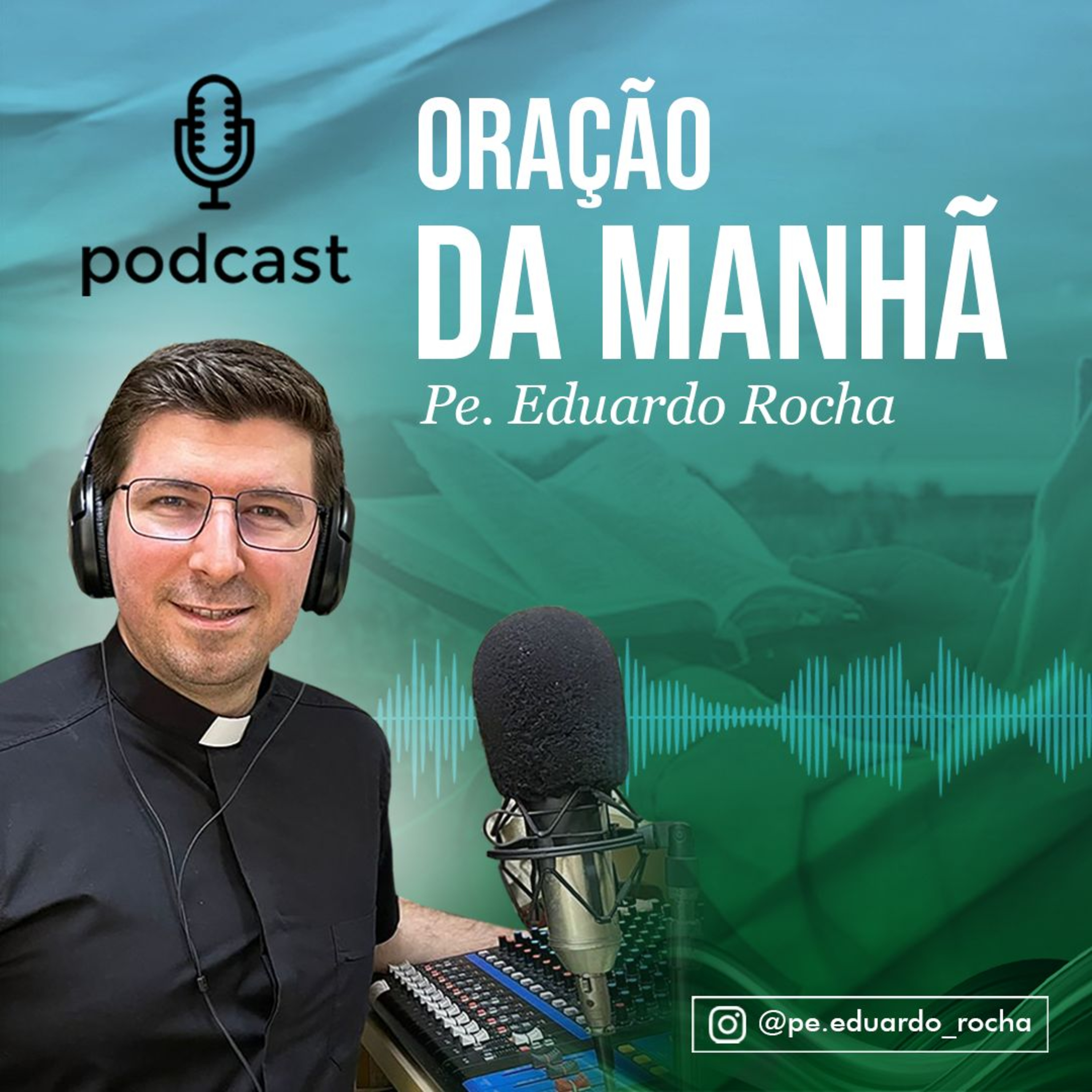
from Oração da MANHÃ e da NOITE - @pe.eduardo_rocha
8m 50s
The transcription opens with two promotional segments: Nordstrom’s 125th anniversary, celebrating its role in customers’ personal moments, and Uber’s pin verification, which ensures riders and drivers are matched correctly for safety. The core content is a spiritual homily delivered in a cathedral, centered on the desire for a life that serves others and improves the world. The speaker repeatedly cites José María Escrivá’s phrase "be useful," using it to illuminate the day’s Gospel. He contrasts this ideal with the emptiness of tombs, which represent a sterile, self-contained existence. True worth, he argues, is not measured by external appearances or achievements, but by the marks one leaves on others—such as trust given, words that restore hope, or presence during difficult times. These acts of love and kindness continue to live in recipients long after the giver is gone, making "usefulness" a concrete way to transcend time. The speaker underscores the need to nurture one’s interior life, as it sustains all actions and growth. He concludes with a blessing, wishing peace and wisdom for the day. Overall, the message is a call to live meaningfully through selfless giving and inner cultivation, rather than superficial display.
This episode is brought to you by Nordstrom.
For 125 years, Nordstrom has been part of your story, the stylist who found the perfect
outfit for your big interview, the first pair of walking shoes for your one-year-old,
the tomato soup you shared with your sister at the cafe.
These are the moments that make Nordstrom, Nordstrom, bigger or small, we're here for all
of it.
Celebrating 125 years with new moments still add, discover it all in Nordstrom stores and
at Nordstrom.com.
On any journey using Uber, it helps to know you're getting into the right car.
Pin verification adds an extra step to make sure your ride is your ride.
Before the trip begins, your app gives you a unique pin.
Just tell it to your driver and they'll enter it in their app before the ride can start.
"Hey, what's your pin?"
"Mm-hmm, 2538."
That way you know you're in the right car taking the right trip and your driver knows
you're the right passenger.
Make sure your ride is your ride, with pin verification from Uber.
One more way Uber is putting safety at every turn.
There's more on the Uber app.
"Hey, what's your pin?"
"Hey, what's your pin?"
"Hey, what's your pin?"
There is a desire that everyone lives well,
that your life serves to something,
that the passage in it, by the world,
makes the world a little better.
And I desire a job,
that of the work, the family,
every kind of good deed.
Well, this desire ends in a phrase
that I've already mentioned many times
here in the baron cathedral,
which is the edition of "Jose Maria Escriva".
It said, "Be the useful,
be the master,
be the useful, be the master,
I'll repeat, be the useful,
be the master."
This phrase illuminates today's Gospel
of a very beautiful way,
because the prison of the Sepulchres
was precisely the opposite of that.
When the prison was applied
in the Sepulchres by the prison of Pascoa,
it burned through an entire station,
but it was empty in the winter,
so that the tombs would return to what they were,
as if no one had ever passed through them.
Well,
the appearance of the best care that is,
she does not leave the master,
because she just leaves the mark
of what she has in her heart,
that what she has matured inside of us,
that what she has become giant
because of the love, the kindness,
the growth and maturity of our efforts.
And here is what makes sense of a whole life.
No one is remembered by what she has shown,
but by what she has given,
by what she has offered,
by what she has become good.
The master of a person is made by the marks,
that she left in other people and other lives.
For example, the trust that she has developed
to someone,
her word,
which regained her life,
or her presence that stopped another day
was very difficult.
All this continues to live in those who received,
a lot later,
who gave her the past.
That is why it is useful,
it is a concrete way to overcome the time,
because what makes love
is not revealed to those who do,
who are dying and who received.
And there is importance of taking care of our interior
and not being as small as Jesus said.
We take care of our interior
but also of our interior.
It sustains our whole life.
That the Lord blesses your day
and makes us more and more wise.
In the name of the Father, of the Son
and of the Holy Spirit.
Amen.
A lot of peace for you and until night.
Podcast Summary
Key Points:
The episode includes advertisements for Nordstrom (celebrating 125 years) and Uber’s pin verification safety feature.
The main content is a religious reflection, likely a homily, delivered in a cathedral setting.
The speaker emphasizes the phrase "be useful" from José María Escrivá, contrasting it with the emptiness of tombs.
The reflection highlights that true legacy is not about what one shows, but what one gives—acts of love, kindness, and trust that leave lasting marks on others.
The speaker stresses the importance of caring for one’s interior life, as it sustains one’s actions and helps overcome time through meaningful contributions.
The message concludes with a blessing, invoking the Father, Son, and Holy Spirit.
Summary:
The transcription opens with two promotional segments: Nordstrom’s 125th anniversary, celebrating its role in customers’ personal moments, and Uber’s pin verification, which ensures riders and drivers are matched correctly for safety. The core content is a spiritual homily delivered in a cathedral, centered on the desire for a life that serves others and improves the world. The speaker repeatedly cites José María Escrivá’s phrase "be useful," using it to illuminate the day’s Gospel.
He contrasts this ideal with the emptiness of tombs, which represent a sterile, self-contained existence. True worth, he argues, is not measured by external appearances or achievements, but by the marks one leaves on others—such as trust given, words that restore hope, or presence during difficult times. These acts of love and kindness continue to live in recipients long after the giver is gone, making "usefulness" a concrete way to transcend time.
The speaker underscores the need to nurture one’s interior life, as it sustains all actions and growth. He concludes with a blessing, wishing peace and wisdom for the day. Overall, the message is a call to live meaningfully through selfless giving and inner cultivation, rather than superficial display.
FAQs
The main theme is that a person's legacy is defined by the marks they leave in others' lives through love, kindness, and good deeds, not by their appearance or material achievements.
The phrase is 'Be useful, be the master,' which is used to illustrate how one can overcome time by leaving a lasting positive impact on others.
It contrasts the emptiness of the Sepulchres with the lasting marks of love, showing that true usefulness and mastery come from what one gives to others, which lives on.
People are remembered not by what they showed or had, but by what they gave, offered, and how they became good through their actions.
Examples include trust developed in someone, a word that regained a life, and a presence that helped another through a difficult day.
Taking care of our interior sustains our whole life, helping us grow in love and maturity, which enables us to leave positive marks on others.
Chat with AI
Loading...
Pro features
Go deeper with this episode
Unlock creator-grade tools that turn any transcript into show notes and subtitle files.
 PodcastTranscript AI