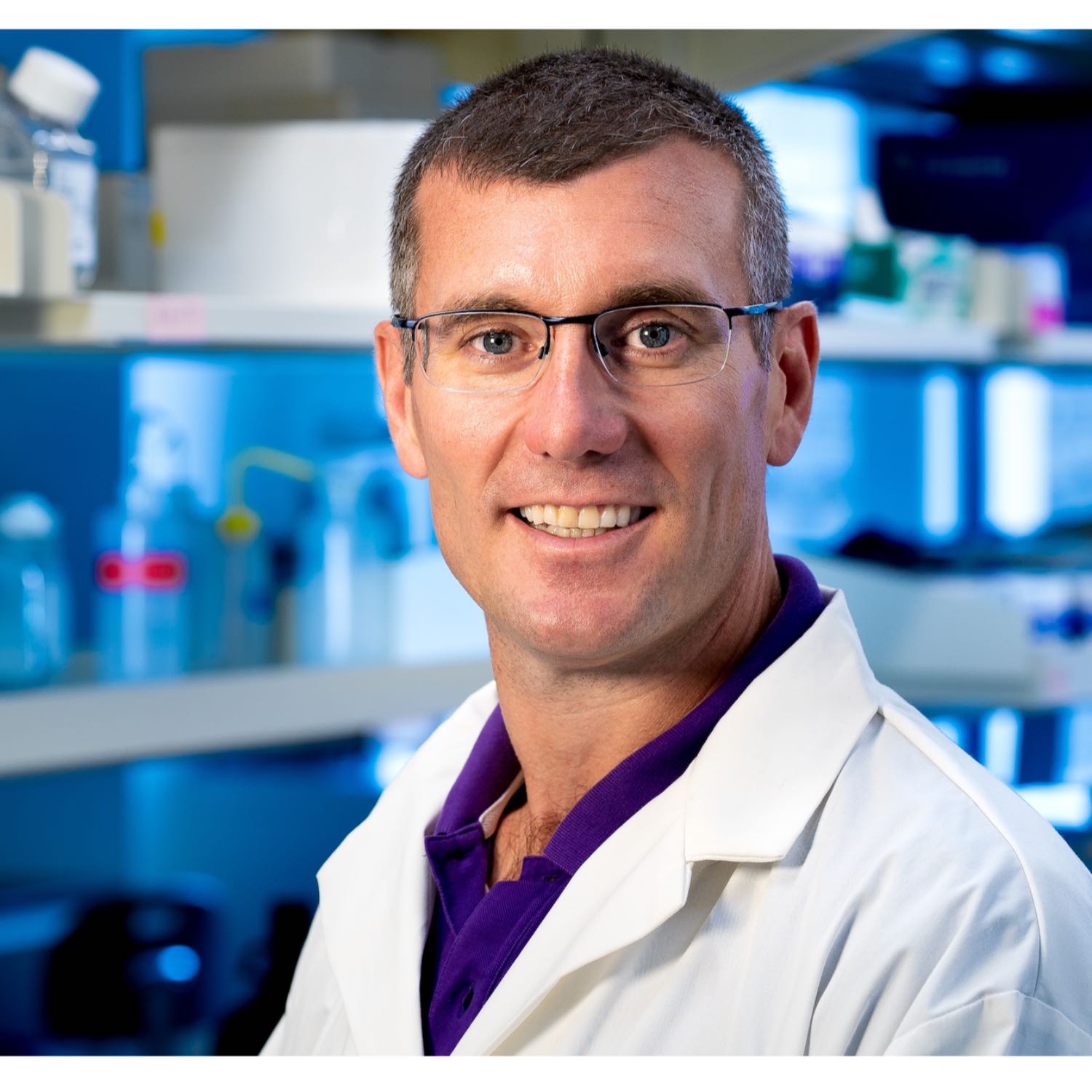
Nurturing young minds and beyond: The Omega-3 connection
39m 17s
This podcast episode from the Canadian Nutrition Society features a discussion between Dr. David Ma and Dr. Richard Basnett on the critical role of the omega-3 fatty acid DHA in brain development and lifelong health. DHA makes up approximately 10% of the brain's structural fats, highlighting its essential function. The conversation details how DHA accumulates rapidly in the brain from the third trimester through the first two years of life. Term infants benefit from in-utero transfer and a body fat reserve containing DHA, whereas preterm infants are at a disadvantage, lacking both. In adults, the brain requires a steady daily intake to replenish DHA through turnover.
The discussion expands to parental roles, noting DHA's importance in sperm health and its potential to extend gestation and reduce preterm birth risk when maternal status is high. While observational studies link higher DHA intake to better child neurodevelopment, clinical trials on postpartum depression show less definitive results. A major identified gap is the lack of research and clear dietary recommendations for DHA in children and adolescents. The episode concludes by emphasizing the importance of DHA across the lifespan and the need for further study in under-researched age groups.
Welcome to the Canadian Nutrition Society podcast Nutrition Conversations, a podcast dedicated to exploring the latest research in nutrition and health in Canada. In each episode we invite expert guests to share their insight and knowledge on the wide range of topics from dietary patterns to sports nutrition, food insecurity and food sustainability. Whether you're looking to improve your own health and wellness or simply stay up to date on the latest development in the field of nutrition, we hope you'll join us on this journey to better understand the role food plays in our lives. Please note that the views expressed by speakers in CNS podcasts are those of the speaker and not necessarily of CNS. Sitting in the host chair in this episode is guest moderator Dr. David Maul, professor at the University of Guelph, who will be talking to Dr. Richard Basnett on episode 10 of Nutrition Conversations on the role of DHA in the developing brain and its impact across the rest of our lifespan and life stages. This podcast is supported by Reckon, Meet Johnson Nutrition. Hello nutrition conversations listeners. Welcome to today's podcast on nurturing young minds and beyond the Omega 3 connection. Did you know that about half the brain is composed of lipids and approximately a tenth is the Omega 3 fatty acid, the co-sectional acid, or also known as DHA? This tells us that Omega 3 fatty acids and DHA must have an important role to play in the function and part of a healthy brain and diet. So intuitively, a healthy brain is important for intelligence and ability to do work. An important question is how do we support a healthy brain in early life and continue supporting a healthy brain into our later years? To answer these questions on this podcast is my colleague Dr. Richard Basnett. Dr. Richard Basnett is a professor in the Department of Nutritional Sciences at the University of Toronto, Acting Department Chair, and Canada Research Chair in Brain Lipid Metabolism. Dr. Basnett and his team are currently taking a kinetic and biochemical approach to studying the mechanisms by which dietary polyunsaturated fatty acids regulate the metabolism of racodonic and the course of hexanolic acids within brain fossil lipids. He is also a former president of the International Society for the Study of fatty acids and lipids. And I should also introduce myself. I'm David Ma, Dr. David Ma from the University of Guelph in the Department of Human Health and Nutritional Sciences. And so please join me in welcoming Dr. Richard Basnett to episode 10 of Nutrition Conversations. Thanks David. It's a pleasure to be here. I'm enjoying the podcast so far. Listening to the other guests. Thanks for having me. Thank you. These podcasts have been extremely popular and hoping to build on the successes today. For our listeners, this podcast builds on the webinar by Dr. Ken Stark and Susan Carlson, speaking on the biological role of omega-3s and mechanisms in the preterm infant. So my first question for you, Richard, is so building on the previous work on preterm infants and today a conversation on what happens afterwards. Let's start with a bit of a background. So what are omega-3s? Why are they important? And what do we know about the levels of omega-3s for term infant as compared to preterm infant? As we heard from Dr. Stark and Carlson. Yeah, so omega-3 is just one of the types of fat, right? So people are probably all very well saturated fats. And we think of those in terms of butter. And then you've got monoinsaturated fats and a major source of that being something like olive oil. And then when we get into the polyunsaturated fats, you kind of have two branches. You've got the omega-6 side and the omega-3 side. And you introduce the DHA as an acronym for me, so I don't have to redo that. But DHA and some of the others are just omega-3 fats. They're famous for a couple reasons. The dietary sources are interesting. Most of what we call the longer chain omega-3s, which would include one called EPA and DHA are found in fish, or at least that's kind of the normal source. But there's also what we call a plant precursor, a little bit of a misleading term because it's in other things, but it's famous for being in plants. And that's alpha-linolenic acid. And people often don't hear the enic at the end there. And that's kind of an 18 carbon precursor. And our liver has some ability to convert that down to a 20 carbon product, EPA, and eventually to DHA. Why do we care about them in terms of the brain? Well, the brain is almost full of them. You know, you made a comment and people probably don't realize this, that your brain's almost as fat as your body fat. It's about 50 percent fat. Your body fat's probably a little more than 50 percent, but there's still a lot of protein and water in there. And the neat thing about the brain fat is, unlike your body fat, which is a triglyceride, or triacilglyceride, in the brain is predominate phospholipids. And one fatty acid is quite high levels in those phospholipids. And that's DHA, which you correctly said, makes up about 10 percent of the brain phospholipids. And so how does it get there? And what is it doing there? Are there big questions in our field? Great. Thank you for that. Could you expand a little bit more about how does it get there? And in terms of brain accretion, and how does that differ between preterm versus term infants? Sure. And I missed that. You'd ask me that. It was a three-part question I can't remember. Remember the third part, right? But yeah, so it's, I'll start off with the kind of the big picture and then we'll zoom in on some of the details. Brain growth starts in utero. It starts to take off, you know, roughly around the third trimester, and you get a lot of DHA accretion as with the growing brain in the third trimester. That continues out where there's a little debate on exactly when it ends. You know, I like to say around two years of age, maybe it doesn't end, but it definitely slows down a lot after that. The term infant, you know, that goes on. They have that in utero accretion during, you know, until birth. And then, you know, either through mother's milk or a formula or supplemental feats, they get some of it later on. The other big thing about the term infant is they're nice, pudgy little things, right? They've got a beautiful little store of body fat on them. And that's important because that body fat has about a gram of DHA in it, okay? And so up to two years of age, the infant's going to go from about zero to three or four grams of DHA in their brain. And if they're born a healthy term infant, they've got a gram stored in their adipose, which I think can eventually get to the brain and we'll come back to that. Where the challenge comes in is the premature infant or, you know, a definitely bigger challenge because they lack that last little bit of in utero exposure where mom's blood can essentially supply them with the DHA. Then they're born, ensure they can get it from milk, but the other thing you can, it's quite remarkable, but a preterm infant is they're quite thin. So they also don't have that rainy day adipose store and they don't have that gram of DHA to get into the brain. So they seem even more vulnerable in terms of getting a DHA. Somewhere after two years of age, this kind of levels off and plateaus out, but it's not over because in adults, so, you know, our brains aren't growing anymore, but we have turnover, right? We're, we're cells, you know, it's a little different in the brain than other tissues, but the molecules are leaving the brain and coming back in and being replaced. And there's a sort of replacement rate for that. And then the numbers are kind of fun. Your old PhD advisor was one of the first to estimate these, and it was a pretty simple calculation. It was, you know, roughly saying if at two years of age, we have four grams, divide that by time, how much is it per day, and, you know, they come up and I'll keep it simple. I'll say about four milligrams a day. In adults, we no longer have the accretion, but the uptake rate happens to be about four milligrams a day. So, you know, I'm throwing estimates to keep the numbers a little more simple here, but, but the brain seems to need to grow about four milligrams a day, and in adults to replace it about four milligrams a day. And there's probably a replacement in the infants that makes us tricky. What's the hard question is, how much do you need to eat to make sure your brain gets that four milligrams because there are other organs. So that's a big question and maybe we can come back to it. The mechanisms by which DHA get into the brain are a little controversial, but there's kind of two of them, and I'll tell you my side of the story because none of my people would disagree with me are on this podcast. So, DHA can cross the blood brain barrier and get into the brain from a plasma, as what we call a free fatty acid. Some people call it anifa or an unistairified fatty acid, the same thing. And we've been able to calculate the rates by which that crosses the brain seems to be a pretty good way to supply them, brain with DHA. There's a newer mechanism that's evolved in the past 10 years, and that's DHA has a lysophospholipid, and it looks like there's a transporter for that that can help it get across. And in our hands, the free fatty acid, at least in adult models, the uptake rates about 10 times higher than the lyso. I think whether that changes in disease or in development, hasn't been asked yet, and those are some fair questions. And then so the big question here is, it comes in the diet, using the former triglycerides, there's a lot of digestion that happens. It goes to the liver, it goes to the adipose, goes to the blood. One of the things I love about the adipose is that the adipose releases free fatty acids. And I told you earlier, you know, the term infant has a gram of DHA in there. And in theory, that DHA could get released in the free form, which is readily available for the brain. Awesome. Well, thanks for sharing perspectives about the levels of DHA that get in the brain, how it gets there, and touching on on requirements and also turnover. I wanted to shift gears a little bit and talk about the role of mom and dad, and their role in this important stage of development. So it just cares about your thoughts on what is the role of omega-3s in fertility before everything happens, and then during pregnancy and lactation and some potential health consequences for mental health in the postpartum. Yeah, so I think there's a few fun things that are being explored right now in this area that we don't really know the answers to, and maybe in a couple years we'll figure it out. But DHA gets to high levels in a couple tissues or organs, one being the brain, quite famous, the other being the retina, which we probably won't talk about too much, but it's very important for retinal development. And the other one is the tail of the sperm cell. It's actually quite high in there. And you know, we don't know exactly why it is, but it appears to be important. So low DHA levels in sperm cells correlate with sperm dysfunction. And so I think we need to do a little bit of work there, not everybody with sperm motility, issues will benefit from DHA, but is that a chicken or egg? Is there some opportunities for interventions there? And that's an emerging area, especially as these numbers are being reported about fertility rates decreasing in certain populations. So I think, you know, that's exciting, and some people should explore it. We've done a little bit of this work. I don't know if you have David, but we've been looking at some vegetarian and vegan populations with some collaborators at the University of Chile, and they tend to have lower sperm DHA levels. And the question we've got, well, does that matter? You know, just because something's lower, it's not always worse, but we're interested in that. We're following that forward. The most exciting part, though, has showed up really in the last couple of years. And this deals with gestational period. So, you know, infant goes in, you know, starts developing, blah, blah, blah, blah, we all know lots of steps, third trimester for trimester. And it turns out that higher DHA status in the mother can lead to a little, you know, a few more days, three, four, five, six more days in utero. And that's really interesting if you're at risk for prematureity, because if you can push that really vulnerable phase just a little bit further, it's a big advantage. And my colleagues in Australia have been doing a lot of this work. It started with some epidemiology in the Faroe Islands, but now there are a lot of clinical trials. And the data is robust. This is one of the few things you can look at in these Cochran metanileses, where, you know, they score the quality of evidence and nutrition, and you know how bad that can get beat up in some areas. But the quality of the evidence is generally quite high, that if mother has a higher DHA status, that she can extend the gestational period for a few times, which, you know, could be a double edged sword. You have to be careful. Some infants stay in a little too long and that could be a risk factor, but it could be a very useful tool. And people are trying to push that forward for limiting premature births. So I think there's a role for both dad that, you know, we often don't think about nutrition, but clearly a role for mom in the womb as well. Fantastic. Just to expand a little bit more about mom, I believe that you've done a little bit of work on the post-pornum period in mothers. I'm just wondering if you could comment on that a little bit. Yeah, so, you know, the infant is kind of like a brain in a way. So one of the problems with studying brain DHA metaniles, and there's a lot of homeostasis in the brain. You know, I think lots of tissues can suffer and send the DHA to the brain. Make the brain kind of gets priority, which is really neat. In a way, the infant is a bit parasitic if I can use the term or a bit like a brain and that it gets priority. So mom takes a lot of, you know, it'll take a lot of resources from the mother through the milk and, you know, through the imbilical cordon development. So if the mother status is questionable, the infant's still going to get it. It's kind of the idea, you know, to some extent. So that puts the mother in a low status. So the next question is, well, are there any consequences to that? So hypothesis is that mom is at risk for post-pornum depression. You know, that's a thing with her without DHA status. And the question is, does the lower DHA status make that better or, you know, worse? And there's been some work in there. And it's, you know, it's a bit tricky. Most of the studies are null. The largest study to date was done out of Australia. It had several hundred mothers at risk for post-pornum depression. And don't quote me on this, but it got one of these p-values that we always like to bug PhD students with. I think it was.07. And that DHA did not statistically improve mothers risk at developing post-pornum depression because the p-value was.07. And so should we redo that study with a larger sample size to see if we can cross the statistical significance and then change the way we use our wording around that. Maybe the authors would point out those, you know, they're adequately powered to test it. And if there is an effect of DHA supplementation, it's probably a small effect on post-pornum risk. Okay. Thanks for expanding. And I would say that, or at a comment further, that we do need a bit more DHA or omega-3 is in our diureguralist. So there's no, probably no harm in being aware of mom's needs in terms of omega-3 is in addition to the offspring. Yeah, David, great point. I just want to expand on that a little bit because I kind of separate randomized control trials of official supplements my head with food intakes. And anyway, it's a good point. The observational literature, sometimes called the epidemiology, is pretty clear on most of these issues, right? Higher intakes are associated with better outcomes. They're associated with better neurological development in the kids. There are several metanocytes systematic reviews on that clear cut. So I agree with you. Food sources, food intakes, I've seen the population work it well. But for whatever reason, the randomized controlled trials where we try and push things a little bit further in the context of a study, you know, and then the answer is not as clear. It's always tricky with our CTs. That's for sure. Yes, yes. Just a comment, and I was surprised to see that there's a lot of work and research about omega-3s and DHA and pregnancy and fetal development and also in adulthood. It looks like there's a bit of, you know, scarcity of data in children between user 2 and 12 or older adolescents of the 18. I just cares about your thoughts on the dietary needs of omega-3s and DHA in this population. Should we be concerned? Yes, I think we should be concerned by the lack of evidence, just like you said it. So, you know, the story here I think is a little bit interesting. Infin formulas some time ago didn't have a DHA in them. They didn't have a racodonic acid in them. And, you know, that was controversial for a while and, you know, don't quote me on the year, but sometime around the 1990s, we start seeing a bunch of research comparing infant formulas without DHA to infant formulas with DHA, keeping in mind, mother's milk always has DHA in it. And we see these cognitive benefits showing up in most studies, but not all studies in infants, right? And it was kind of pragmatic and easy to study. Formas don't have it. We'll add it in. We'll see what happens. You know, my take on the literature is it works really well in the premature infant and it works moderately well in the term infant, probably for those reasons we were talking about. And then, you know, there's been a lot of interest in DHA in adulthood, in cognition, in dementia, major depression in some of these other areas. And there's almost a complete lack of studies looking at adolescents. But I think it's even worse than that, you know, the National Academies, which has since changed their name, got together, David, you might remember the years in nearly 2000s, 2005, ish, I'll say ish, that way I'm not wrong. Yeah. And they tried to make requirements, right? For DHA and Afro-Linel and Agassad, and they threw their hands up in there and they said, we can't do this. And they put out adequate intakes, which are just kind of average population intakes, right? So it's been a big struggle. There's a handful of organizations that have come out and put some numbers out. But technically, we don't have official recommendations for DHA in Canada. And, you know, if I were in charge of doing it, I would really struggle with the younger kids, kind of the three years old to 12 years old, because we have the least amount of studies there. And I think it's important because we have a lot of anecdotal evidence that these kids, you know, eat all right diets or do these have these strange behaviors and don't like fish and are grossed out by some of these things. So I think it's a, it's a big gap we've gotten a literature and I'd like to see more people doing it. Great advice for young researchers out there, that's for sure. Yes. Yes. It's just building on the notion of requirements and recommendations. Can you put some numbers to that? Yeah. So, so, well, the national academies, you know, they, what they do is they take a sample, a representative sample in the US. And they look at how much they eat. And I think for the males, it was about 1.6 grams a day of alpha, a little lactic acid, that plant precursor. And then they said about how much of that is coming from, you know, EPA or DHA and they said about 10 percent. And the funny thing is that they actually said 0 to 10 percent in their writing. And this has caused some problems on how to interpret that. So you could say the AI is somewhere between 0 to 160 milligrams for EPA and DHA. So you can count all that for DHA. You can count, 0 of that for DHA. So the number is essentially useless, right? It doesn't help us very much. And it's only an average intake. So is that an optimal intake or not? Societies have come out all over the place with numbers. You know, most of them are in the, you know, as low as maybe 400 milligrams a day to some of them just over a gram per day, depending if they're trying to zoom in on specific diseases or not. You know, some of the most, the higher numbers come from the triglyceride lowering field. So one of the things that EPA and DHA both do very well is very reproducible is to lower your serum triglycerides. And, you know, a little debate, but that probably platose around almost three grams a day. And it's really exciting because now we have drugs, FDA approved drugs. And I think one's approved by Health Canada for lowering triglycerides with, and you can get a lot of trouble here if you call them Fischer Health Supplements because they're technically drugs. They're EPA FOSters, which is a slightly different form of EPA than you would find in naturally improvements. That's a great point about the form of omega-3. So it's just one of your your your thoughts and comments about supplement versus food sources of omega-3s. What do you recommend? Yeah, so there's two ways of looking at that question. One is these little pretty nitty-gritty details about whether you should eat it as a tag, a free fatty acid, a phospholipid, etc. I don't get too excited by that literature because I'm still, you know, I remember my digestion lectures and most of these things get digested and reassembled and at least by the time they get to the brain, we don't see them that much. Then the debate is always, well, should you eat it in food or should you take a supplement, right? And I think they're kind of tricky questions. I like food, but I don't know how food works, right? So if one of the things I do in one of my classes is I show a nice piece of tuna steak, rare, beautifully cut, and I show it on a slide. And I put some junk food around on the plate. And students automatically say that doesn't look right. Like it's got crackers, it's got some gummy bears, and you know, whatever stuff around them, maybe a soft drink. When you eat a nice piece of fish, you tend to eat it with some vegetables, some salad, you know, some people would only consume a nice piece of fish with a glass of white wine. And this gets into all these stories, you know, the French paradox. They say that the wine is what's helping us. And then you often squirt some lemon on your fish in the antioxidant people would say, "Ah, that's what's beneficial." And so, you know, I throw my hands up in the air and say, "Well, in the epidemiology, I can't tell what is beneficial here." Maybe it's one of these, maybe it's all of them. But the other thing is when you're eating fish, you're not eating certain foods, right? So it displaces, and I don't want to throw any foods into the bus, but maybe that fast food meal you're going to have with the exercise french fries and the soft drink, right? You wouldn't have a, I wouldn't have a soft drink with a nice piece of fish. So there's displacement issues, and that's part of the issue with nutrition is really complicated. When you get into the supplements, you lose that displacement problem. That's a problem from a research perspective, but it also may be a very useful tool nutritionally. And I always worry that people would say, "Well, I don't really like fish, so I'm going to have this terrible meal, and I'm going to take my fish all supplement and I'll be okay." And that one worries me a little, because I don't think we have that evidence to suggest that all of the benefit from fish intake is from the omega-3s. Clearly there's some benefit from the omega-3s. We talked about the infant development, which I think is pretty clear, but is everything we see in the observational literature solely from these omega-3s or is it from these more complicated mechanisms. So I like to not be put on the spot here and say, "I think fish is the best way to do it, and we should do some more research to see what the supplements can explain and what they can explain from the observational literature." All right. Coming at that question in a slightly different way, there are individuals who are not necessarily mediators, and it just hears about your thoughts on what are options for those you don't like fish or or very much interested in that plant-based diet. Yeah, great way to trap me here, David. But it's a really important question, right? There's obviously a huge movement plant-based diets, vegetarian and some veganism. And so let's just step back a little bit, and I think there's a couple ways to look at these populations. One is you look at their DHA levels. How are they? Well, they're lower than fish eaters, okay? But not dramatically. They're lower. And so the question is, does that lower amount matter or not? You know, scientists answer, we need more research into that. But for a lot of the things that we think that fish oils do, and we look at those populations, they don't seem to have the risk factors, right? So vegetarian and vegans and plant-based diets aren't associated with increased risk of cardiovascular disease, something we're very excited for megathrease. They're not associated with increased rates of cognitive decline. All be it, the literature is a bit scarce. There's a small and emerging literature about mental health. I don't want to overstate it. It's small, it's emerging. We'll see where it is. But there's a couple studies you can find and a couple of matynosis of these studies that aren't the highest quality studies, suggesting that they might be at risk for mental health. Okay, so is this because this population is young, they're ambitious and they're really worried about the environment and animal ethics, and they see all these things going on, and they're a special group of people that puts them at increased risk, or are there dietary factors contributing to that? I don't know, but I think it should be a research priority. I'd like to see people test that out before I give an answer. So I have some concerns about some of these populations. I have a lot of concerns with them in development. So I'd be very concerned about somebody with a poor diet that's trying to, you know, has twins in utero and is trying to feed them and is not having a good intake. And you can have bad vegetarian diets, just like you can have bad non-vegetarian diets, right? So I think that's an interesting little area we've got here. And there was a second part to your question, and I know I've forgotten it, as I went off on this tangent. Oh, no worries. Maybe just to add some further detail, clarity around sources of plant-based omega-3s. I think that's often a very interesting question that gets asked. Yeah, so the EPA and DHA we're talking about are not in plants, and if you'd flash a little asterisk out right now that people could hear, that would be important. They're not typically in plants. And I say that because there are new technologies evolving, right? You can make transgenic plants, and you can have them raise in plants. That's controversial. Some people, some countries don't like transgenic products, but this is going to be an interesting thing because we can also, you know, the major source is fish, and there's only so much fish in the ocean, and a lot of the fish we get is farmfish. And where do fish get it from algae? You know, eventually they get it from algae. So why does that matter? Well, if you feed your farmfish corn, they don't get a lot of omega-3s in them, right? And this isn't labeled, right? So if you go into a market, you see organic, whatever fish, I can't prove it, but that's a flag that that fish might have never eaten a fish in its life and might not have a lot of omega-3s. I've seen terapia with almost no omega-3s on my GC, right? You know, almost where your GC has a problem or so low. So these plant-based sources aren't readily available for human consumption. They might one day, that's going to be controversial, but there's algae out there. And I'm not a biologist and I'm not going to try and defend whether algae is truly a plant or this or that, but generally it's accepted to be a plant source, and it can be used out there. So I think that's a neat tool. DHA, you can walk into a drug store and you can probably buy it as a plant source. It's a little expensive, but it's out there. The majority of people on a plant-based diet get that 18 carbon precursor that alpha-linal lactic acid, and then they require the liver to elongate it and put some more double bonds, we call it the saturated, and secreted as EPA or DHA. And so the rates of that reaction are generally called low in the field. It's fair point. You know, people have worked on this and they've said they're about 1%. So if you're taking 1.6 grams, I shouldn't have done this in my head. You're going to get 16 milligrams a day. I hope I did that right. Converted, roughly speaking if we use that number. And so the question then becomes to me though, it's not so much as the rate low because 1% is low, it's just a low number. Is 16 milligrams enough? That's the question. It's a funny number. I'd like to sleep better if it was 160. Then it'd be a little simpler in my head. 16 is more than the four that the brain needs, which is kind of good, but there's the rest of the body. So I'd like to do some more compartmentalization modeling on that number. And then the other thing I'm worried about is does that number go up when you don't eat DHA? You know, can you up-regulate those enzymes? And we know in pre-clinical studies that if you give a road and some DHA, it'll down-regulate some of those enzymes in the liver and slow the step down. So the question is can you up-regulate it? Yes or no? And can you up-regulate it enough? So I think there's a few ways to look at this question in terms of the sources available, the plant-based sources, the new supplements coming into the market. David, one of our friends took a gene from sea elegans, which is an emin-toe toad, a worm for people who aren't familiar with that. And he initially put it into a mouse and that gene is called Fat One and it's a really useful research tool because these mice can kind of make omega-3s to keep it simple. But he also put it in a pig, right? With the idea of maybe having some of these animals that only corn and are considered sources of DHA, eventually being sources of DHA. And I don't know where that's went. It hasn't taken off. Transgenics are going to be a big controversial, but people are working on these things. And people have creative solutions to some of these problems. Oh, absolutely. There's definitely, if you have time and creativity, there's opportunities. But coming back to plant sources of omega-3s, that would include oils such as soy and flax, avocados and walnuts. Are there any other plant-based foods that have missed? Yeah, so there's a couple ways to look at this. Which ones are there really rich sources? Flax seed, chia seed, really rich sources. Not everybody's flax seed and chia seed, right? So then what are the most common sources in the diet? And soybean kind of shows up at the high level there and canola oil shows up at the high level there. Green leafy vegetables actually have a fair amount in it as well. So if it's a leaf and it's green, there's a lot there, which is actually kind of interesting because leaves are probably the most abundant thing on the planet. So it's a really, the biologists talk about this in a little bit of a different tone. So yeah, there's a handful of sources. And I wanted to say one more thing about the sources and it slipped my mind right now. Maybe it'll come back to me. Sure, no problem. So one last final question for this podcast. And we've talked about different sources and there's some discussion about what's an optimal level. We probably need to improve on that. So my last question for you was, what are your thoughts on how can we improve omega-3 in takes in kids and adults and all stages of the life cycle? Yeah, so I think we need help here. And I say that in terms of, you know, I'm a researcher. You know, we do some of our types of research and I'm not that into behavioral change, but what I think we need is to, you know, get the message out there like we've been doing, but I think we need to enable people with the tools. You know, walking to a grocery store, fish can be expensive. Right now, especially this, you know, with the recent changes in the prices and that's a problem. Well, there are some sources of fish that aren't quite as expensive and they're emerging trends. We were talking about this a bit offline, I think. I think canned fish sales are going through the roof right now. And, you know, it's really easy, right? You can get a 10 of sardines and an apple. You open up that 10, grab a fork, have it with your apple, throw it on some crackers and you're good to go. And it's, you know, this is a quick lunch that you can bring out the door probably faster than anything else. So I think, you know, it's time for us to get some help with the behavioralists, maybe the chefs, you know, people interested in plant-based diets. How could they incorporate better sources of mega-threes into the into the plant-based diets and have a true multi-disciplinary approach to this. Because, you know, I went into guests 10 years ago that sardine, tin sardines and tin macro would be in opening up boutique shops in Times Square, New York. So a little out of my field, but I think it points to a need for a multi-disciplinary approach to answer these questions. I agree. I think that there's a tremendous opportunity for many others to be part of the conversation and to help educate and then includes folks who have expertise in food preparation, the chefs, and also with rethinking about the types of foods that we have in our diet. And you've, I think you've started the craze, Richard, and started hands-in crackers. A very Portuguese type of snack, I believe. Yeah, and you know, we're all a little busy, David, and this is the kind of thing you can grab as you're walking past your shelf. It's about as quick as it lunches I can think of, right? And healthy. Yes. Well, thank you, Richard, so much for spending some time this afternoon on this podcast and sharing your expertise and knowledge and opinions on this very important topic of Omega 3's and its contribution to brain development and health. Thank you so much. Well, thank you very much, David. I really appreciate it. I've been enjoying the podcast. I have a little walk from the subway to my office. I've really been enjoying hearing true content, content experts speak about this, so I hope you can keep it going. For sure, and very much thank you to the Canadian Nutrition Society for supporting the nutrition conversations. Thank you. Thank you for tuning into this episode of Nutrition Conversations. We hope that you found today's discussion informative and inspiring. If you're interested in hearing more about the latest research in nutrition health, be sure to check out our website at CNS, hyphen scn.ca/podcast for upcoming episodes. You can find us on various platforms, including Apple Podcasts, Google Podcasts, Spotify and more. Simply search for the nutrition conversations podcast on your favorite app and you'll have access to all our episodes in one place. We release new episodes at the end of each month, so mark your counters and stay tuned for upcoming episodes. Don't forget to subscribe to the podcast so you never miss an episode.
Podcast Summary
Key Points:
DHA, an omega-3 fatty acid, constitutes about 10% of brain phospholipids and is crucial for brain function and development.
Brain DHA accretion is most rapid from the third trimester through early childhood, with preterm infants being particularly vulnerable due to missed in-utero transfer and lack of adipose tissue stores.
DHA is important for male fertility (sperm health) and maternal health, with higher maternal DHA status linked to a reduced risk of preterm birth.
The mechanisms of DHA delivery to the brain include transport as a free fatty acid and as a lysophospholipid, with the free fatty acid pathway appearing dominant in adults.
There is a significant research gap regarding DHA requirements and effects in children and adolescents, and official dietary recommendations for DHA in Canada are currently lacking.
Summary:
This podcast episode from the Canadian Nutrition Society features a discussion between Dr. David Ma and Dr. Richard Basnett on the critical role of the omega-3 fatty acid DHA in brain development and lifelong health. DHA makes up approximately 10% of the brain's structural fats, highlighting its essential function. The conversation details how DHA accumulates rapidly in the brain from the third trimester through the first two years of life. Term infants benefit from in-utero transfer and a body fat reserve containing DHA, whereas preterm infants are at a disadvantage, lacking both. In adults, the brain requires a steady daily intake to replenish DHA through turnover.
The discussion expands to parental roles, noting DHA's importance in sperm health and its potential to extend gestation and reduce preterm birth risk when maternal status is high. While observational studies link higher DHA intake to better child neurodevelopment, clinical trials on postpartum depression show less definitive results. A major identified gap is the lack of research and clear dietary recommendations for DHA in children and adolescents. The episode concludes by emphasizing the importance of DHA across the lifespan and the need for further study in under-researched age groups.
FAQs
It explores the latest nutrition and health research in Canada, covering topics like dietary patterns, sports nutrition, food insecurity, and sustainability.
DHA makes up about 10% of brain phospholipids, playing a crucial role in brain function and development across all life stages.
Term infants accrue DHA in utero and have a stored gram in body fat, while preterm infants miss late-term accretion and lack this adipose reserve, making them more vulnerable.
Long-chain omega-3s like DHA and EPA are primarily found in fish, while alpha-linolenic acid, a plant precursor, can be converted to them in the liver.
Higher maternal DHA levels can extend gestation by a few days, potentially reducing premature birth risk, though careful monitoring is needed.
Studies show mixed results; some suggest a small potential benefit, but evidence is not conclusive, indicating DHA's effect may be modest if present.
Chat with AI
Loading...
Pro features
Go deeper with this episode
Unlock creator-grade tools that turn any transcript into show notes and subtitle files.
 PodcastTranscript AI