 PodcastTranscript AI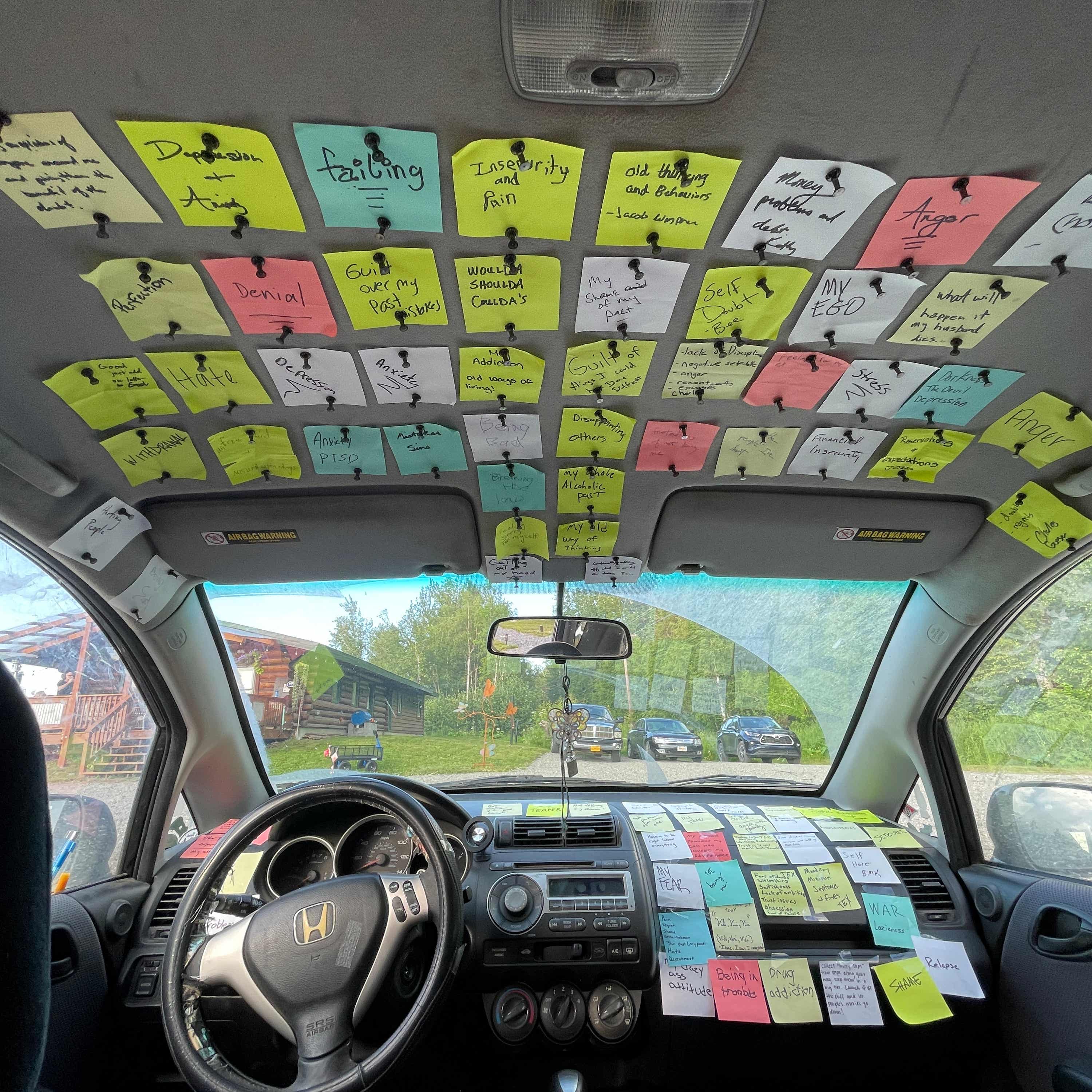
Addiction starts as a choice to feel good—using substances to escape discomfort or enhance joy—but gradually transforms into a compulsive need to avoid pain. The shift is often slow and unnoticed, beginning with harmless habits that evolve into dependency, where substance use becomes essential to manage anxiety, loneliness, and emotional instability. Over time, the initial euphoria fades, replaced by a life defined by rituals, fear, and isolation. The speaker reflects on how addiction can shrink one’s world, making them feel trapped and disconnected from themselves. A critical turning point comes when the individual realizes that emotions, once feared, are actually signals of deeper needs. Recovery begins with this awareness and the acceptance that pain is not a failure but a call for change. With time, support, and inner growth, the person learns to embrace vulnerability, trust emotions, and build a life rooted in values like purpose, honesty, and connection. The journey is difficult and painful at first, but it leads to a fuller, more authentic existence. The message is clear: addiction does not have to define someone’s life, and recovery is possible—even when it feels like a desperate act of self-preservation.