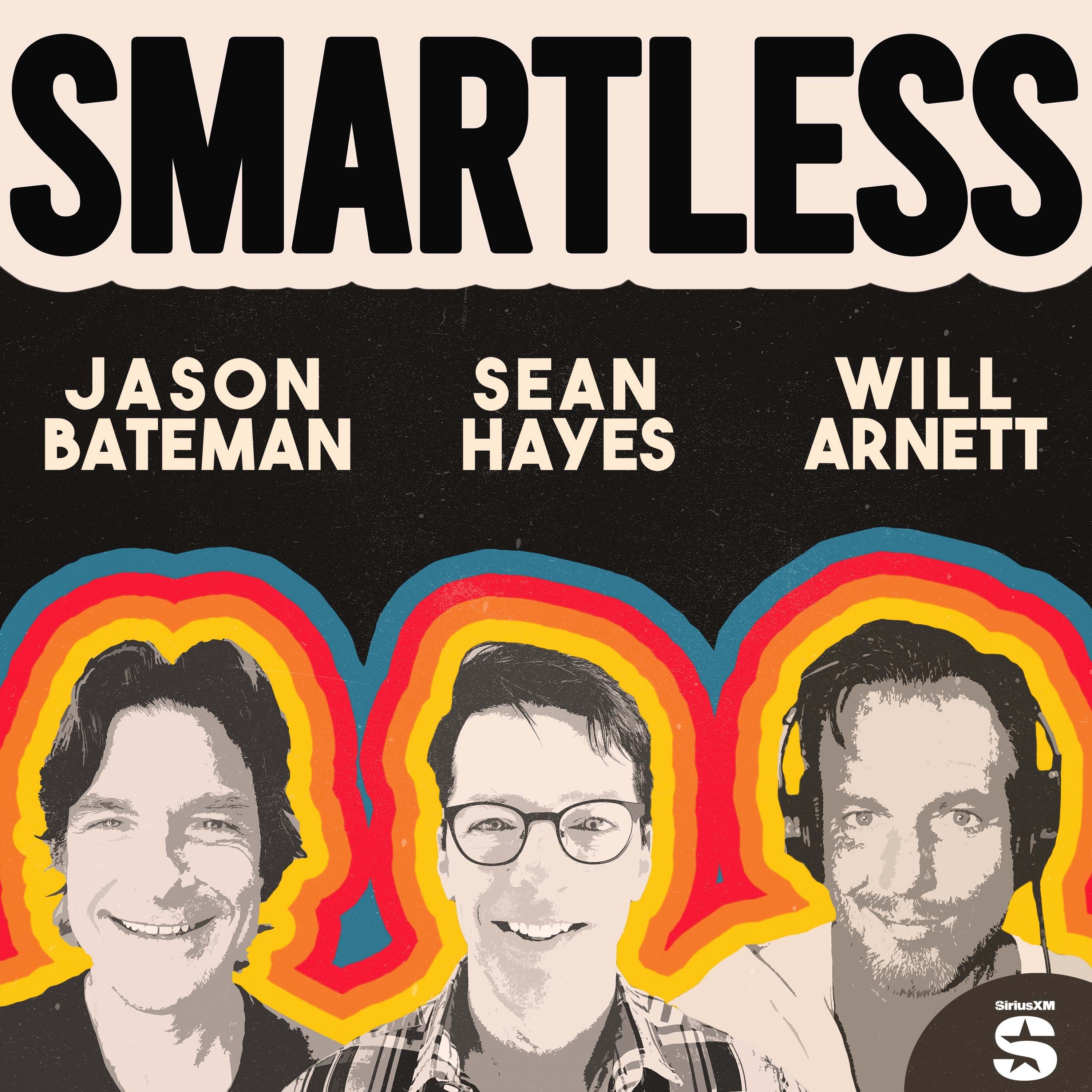
Noah Holly, a celebrated writer, producer, and director, shares his journey in creating acclaimed television series such as *Fargo* and *Alien: Earth*. Rooted in personal experiences—like working as a paralegal in family court—he brings authenticity and emotional depth to his storytelling, often exploring themes of family, morality, and the human condition. *Alien: Earth* is a modern reimagining of the original *Alien* franchise, focusing on the tension between nature and technology through a mysterious, evolving creature that reflects contemporary anxieties. Holly emphasizes collaborative creativity, using writer’s rooms to develop ideas organically and trusting his instincts during filming. He values emotional authenticity over spectacle, often directing with an intuitive, improvisational approach that fosters cinematic realism. His work demonstrates a deep connection between personal life and storytelling, with his children actively involved in his creative process. Holly has successfully adapted iconic films into television series, reinterpreting them with fresh perspectives while honoring their legacy. His process blends storytelling, emotional insight, and creative freedom, showing how personal experience and artistic vision can merge to produce powerful, resonant content. Through his work, he exemplifies how storytelling can reflect real-world struggles and offer meaningful perspectives on the human experience.
(upbeat music) - Hey, I'm Sean. - And I'm Will. - And I'm Jason. Hey Will, do you like golf? - Oh, I love golf. Let's talk about golf. - Ah, I hit a Ford valve. I hit it out of the park today on my Niner. - Well, that's awesome, that's better than I get. You guys, it's time to talk. Do we have to do a smearless episode? Ah, Sean, shut the fuck up. - Ah, yeah, what do you know? - Ah, welcome to "Smartless." (upbeat music) - Sean, are those glasses new? - Yeah, what do you think? - Yeah, well, we're not bad. - I mean, let's go higher. - No, you don't like-- - Really? Well, do you not like 'em seriously? I just put 'em on like five minutes. - No, it's a good lean closer to your camera. - Do you like 'em? - Oh, not that close. - Yeah, not like that. - What do you think, honestly? - You look great in everything. You know, I was noticing you on Kimmel S. - I mean, too, you look great on Kimmel S. - I was thinking the same thing. - All right, everybody. - You working with a new style? Is there something? - I am actually. - Yeah, yeah, yeah, yeah. - I can't dress myself like that. - Sean, you look really good. - Thanks, you guys. That's so nice. - You did a real, it's true. - Thank you, thank you. Yeah, I, it's-- - You're a great guest. - Like, building a boat. - You're a very good guest. - Oh, thank you. - You know, I don't know how you guys feel about talk shows and stuff like I get so nervous, I talk fast. - Well, that's, you know what's bad? A gestic talk slow, isn't nervous. - Yeah. - So, wait, will, are you still in New York? - I am, yeah. - Wow. And is still press for the movie? - Still doing press for the movie? Yeah, still, like, just kind of getting going really. - And, yeah, is he basically, 'cause it comes out, it does it, well, I don't know when this happens. - December 19th is when the movie's done. - December 19th, yeah, is this thing on? I can't wait for everybody to see you in it. It's so exciting. - What about you? You're in it too, Mr.-- - And Sean, you're in it too. - Sure. - Sean, he was doing press for it last night. - My favorite line I had in the movie is, does anybody want to play banana grams? - Yeah. - Yeah. (laughing) - That's it. - What I loved about it was your line with the way you read it was if you had said that a million times. - Yeah, by the way. - By the way, I know. - You know, we don't often do these records here in the mid afternoon, here it is 3 p.m. here on the West Coast, 6 p.m. there in the east. - Got it. - 3rd time here. - And, you know, listen, I think the audience is aware that the three of us are not in our 20s, okay? - What? - Well, I would just want to say this stuff. I get a little tie-tie right now. - I agree. - This is not an ideal time for us to be doing it. - Well, you gotta find it. - Well, hey, listen, save it, okay, Nappy poo. How do you guys get through the late afternoon, okay? Sean, I've already explained your strategy. Will, how do you do it? - You know, I just do stuff, you know, whatever. - Oh man. (laughing) - Knitzy LaRue. - Or do you guys go to like an espresso at a certain time every day? - No, I do, I do not, what are you waving at? - There's a fly in here, a dock on it. - Like an old gram, like the up the guy from an apartment. - He's an old man, he's grumbling about the time he's waving at a fly. - I've had a real high protein shake with spiraling and everything. And I should be vibrating right now, but no, I'm supplementing it with the ice green tea and I'm still sluggish. - But if I don't, if I don't have anything going on, I'll feel sluggish about this time and I will listen to my body and I'll lay down for sure. - But if there's an if there, often you have shit going on at three in the afternoon. But I mean, like if I keep, if I keep, if I'm busy enough, I'll keep, it'll keep me awake, you know what I mean? Like if I have a meeting or, or whatever. - I'm coming off of four consecutive zooms right into this thing. So I've been, I've been, I've been at it. - Well, that's that, you work out. - I did work out, that's my problem. - JB, it's not the problem, it's the zooms. They suck, they suck the energy out, staring at the screen for those meetings. I'm telling you, it's the worst. - In person meetings, we should all get back to the office, right? - Well, yeah, absolutely. - You hear that America? - Well, you know what, you know what's funny? I will say that because I have been on these coasts more this fall and summer is because being in the city, I feel like I'm just more energized in general. - Oh yeah, well that's New York City, that New York City. - Never sleeps, never sleeps. - Yeah. - Yeah. - So it's got a heart rate, it really does have a heart rate. - Do you have a t-shirt that says I heart and why? - It's a thong. (laughing) - That doubles into a t-shirt. - Yeah, go ahead Jason, do you have something to do? - Today we got a big brain. Okay, it's not one of your fancy dancing celebs that are gonna clue you into the life of the rich and famous. Okay, no, Sean Will, today we've got someone who's given you some of the best television available the last 20 years. This is a writer, producer, director, and often all three on the projects that he gives us, giving us the kind of specific and singular experience that we look for on television nowadays. He's got the nominations, the awards, he's got the education, the credentials, he's also got the looks, the taste, the kids, the wife. The wind it is back, and he's gonna tell us how he keeps it all together while bringing us top entertainment, which shows like bones, legion, and the massive hit Fargo. And the new and spectacular alien Earth, folks, Noah Holly. - Whoa, Noah, wow. - Take it easy, Sean, don't attack him just yet. - This is exciting for me. - Afternoon, Noah. - Good afternoon, I'm not nervous and I'm gonna speak very slowly. - Good, good, good. - Okay. - Now you're right in the middle of the country there, aren't you in Texas? - I am in Austin, Texas, yes. So you're too small. - I'm married as seventh generation Texan, I didn't read the fine print. So, as you said, we're going back to the motherland. - Yeah, it's good, I'm happy. I like it, it's my kind of place. - You're not missing where'd you come from? Where'd you move from? - Well, I'm a New York City kid originally, and then there was a little San Francisco, there was some LA, and yeah, now I'm here. You're not missing those places, you're into Austin. - I mean, I was in New York last week, it's, you know, you reached a certain point where you're rarely home anyway, so. - Word, yeah. - Yeah. - Yeah, it's W-E-R-D, Sean. - Yeah, yeah, yeah. - Welcome to the show, Noah. - Yes. - This is a long time coming. - Thank you. - Thank you. - We know each other a bit. Do you guys know him at all? - How do you guys know each other? - Just our mixers, you know, get together. - Yeah, mixers. - Yeah, someone set us up once. - Jason described to you, and I don't know if you're Jason, like that one of your celebrity, like he was, if that felt like a real shot across your bow. - No, if I didn't know. - No, no, it's good. - Well, no, he's not one of these like these, you know, tabloid slabs, you know, that just sometimes we're looking up the book on this show. - That's you, I've never been on a tabloid. - Yeah, unless I've caught in the background and wanted Jen shots, you know? - I will say, you know, living in Austin, you know, I'll go to LA sometimes and I'll think, oh right, I'm somebody. - But yeah, at the same time. - The second you leave, you're nobody. - Right, well, but no, I'm getting there, I feel like, it's the only place I've ever been where you can feel like nobody, also, right? And it has that status game that is very specific. - But talk about that though, like you are, for a lot of the people listening to this, and maybe only Tracy will be like, well, this Noah Holly, you know, who is this fella? I'm gonna, for most people, they know exactly who you are, and you're enormously well known, and very, very powerful in this industry. But, is there a part, let's put it this way, I've got a writer friend of mine who likes to also act. And, he's an enormous writer, but couldn't give a shit about the writing, just wants to act. - Do you see the kind of weight and power in the writing that you should and deserve? 'Cause he doesn't. Like, he doesn't get that, like, he's already got the gold medal there by being an incredibly successful writer. That's so hard to do. - No, I'm very, look, I love all the parts of the job. I like to sit in a room and write a novel, and the phone doesn't ring, and I like the writer's room, the element of it, I love to get on set, and direct, and the team's sport of it all. I think what makes me happiest is the fact that I don't have to do just one of those things, that I can get my isolation and recharge, and then I can go out and be in public, and sort of command the ship, and try to elevate everyone to do their best work. - And creating these projects, you're creating these jobs, you're creating many, many, many people with employment, and that's not something that often an actor or a star can do. I mean, they can generate heat for a project, but you're literally filling up blank pages and creating a story in a world and a project, and I just think it's just incredible, so. - Well, thank you. - And Jason's not unlike our current president. He's just enamored with men of power. You know what I mean? - Yeah, he's just an awe of your power. - Yeah, well, you see the aura. - I appreciate that. He can come over and tell my wife how powerful. (all laughing) - Yeah, now what about that, right? What about, how old are your kids? - 13 and 18. - Okay, now so they're old enough to give it up at this exact same age as mine. Do your kids give it up, do they get what you do? Do they like what you do? - Yeah, I think so, you know, I don't know how it is, [BLANK_AUDIO]
but probably one more than the other, you know. I think, you know, my son loves to, he's the 13-year-old. He loves to come to set, give me a headset. I'm gonna sit on the camera rig, you know. - Oh, that's cool. - He's, you know, I call him the mayor of childhood, you know, and then, and then my daughter's a little more retiring, a little, you know, less, I don't know. I mean, she appreciates it in a different way, I think, you know. And he, I think he's like, you know, where's my director's chair? - Right, right, right. - Yeah. - Is she either one of them interested in the industry? - Early, too early to tell, I feel like, yeah. I mean, my son did ask me on, on Alien Earth. He's like, is there any role? Like, could I do anything in there? And so I did put him in the, in the show, just in a sort of improv, he plays the young Alex Lothar character. And, you know, I wasn't gonna write a scene, but I wanted that kind of feeling of that, that kind of malachy feeling of, of the childhood thing. And I was like, I can't hire a day player to be his dad. And then I got, he's never acted before. And so, you know, I'm always the guy who's like, maximum creativity, maximum efficiency. I was like, the easiest thing to do is if I just get down on the floor and I play the dad, and I'm there with him and, and you did that. - I did, I did. It was a really kind of special day, certainly. And, and it, it did. I loosened him up. We, you know, we had a good time and, and it's some sort of-- - Well, you, at the end of the, I've seen every episode. We, at the end of the day, we were like, hey, hey, the dad character might need to spin off. - Exactly. - Because, you know, this guy's really got to be-- - Exactly, but can you tell me like, because I, I'm a massive, massive fan in my husband's category of the alien series of, which is every movie, everything in between and all incarnations. And, and then when we saw this show coming up, alien earth, we're like, wait, finally, somebody's like doing a series of it. And how did that come to you? And, and did you feel the weight of it? Because we're like, we did the nerd stuff for like, let's find out where it falls into the storyline, you know, and the history, and it's really cool. I love, I love it so much. - It starts before the original alien, correct? - Yes, it's a couple of years before, and after the Prometheus and the covenant, right? In between. - Yeah, I think, I think that's accurate. You know, I, I felt like I wanted-- - I mean, Sean George, don't mess up your microphone here. Okay, let's put some plastic over it. One of us is an expert on alien, but I don't think it's me. - Okay, okay, yeah. - Because, Sean, according to your timeline, actually. - Yeah, it's the glasses. I got the new glasses to make me feel and smart. No, but yeah, did you feel the weight of it? And how did it come to you and how did it, how did you create it? - Yeah, I mean, it's, you know, I've now had this opportunity a couple of times, right, to take a classic film and turn it into a TV show. And, you know, it's, for me, it's never about going back and re-watching the film, right? It's about thinking about, well, how does that film live in my imagination and what are the feelings that it brings up in me and how can I create those same feelings in an audience by telling them a different story, you know. The thing with an alien movie is it's a two hour survival story, but a TV show has to be the opposite, right? You have to invest in 10 or 30 or 50 hours about characters who don't die, right? - Right, right. - And so, right. - So, well, what is it if it's not a two hour survival story? And so, there needs to be, you know, even if you have 60% of the best action in heart, you still have 40% of what are we talking about, right? What's the show about and everything? So, that's where it started for me and it came down to this one moment in Ridley's movie where, you know, the monster's out in Sigourney's in the communication room and the computer is telling her that the crew is expendable and she leans back and Ian home is there and you realize he's an Android. And I thought, well, that moment in which humanity realizes it's trapped between nature and technology and they're both trying to kill us, that feels like the moment we're living in. - Right, totally. - And that feels like what the show is about. - Yeah, for sure, I got that. - It's kind of like the doors. - Yeah. (laughing) But also that one creature that you created in the show, was just the one eye, you know, and that inserts itself into other animals and humans. It's just the one eye, like it's so creepy and clever and it's like, yeah, and holds like all the mystery. Like, I think it's so cool. - Yeah, well, like I said, what are the feelings that the original gave me? - Well, the one feeling that the movie, the first movie has, right, is the discovery of the life cycle of the creature. Wait, it's an egg and then the thing comes out and attaches to your face, I'm out, right? But then, no, it gets worse, then you falls off and you think, oh, I'm hungry and you have a meal and the next out of your fucking chat. And then it grows to be 10 feet tall. And, but that's the one feeling we can never get back for an audience, right? Is that discovery? - Right. - Unless we introduce these new creatures, right? - So we go, all right. Well, it's an eyeball with tentacles and how does it reproduce and what does it eat? And I don't like that, you know? - Wait, wait, wait, wait. So how do you, this is a great point. - This is about my mom. - This is the one I know, no, Sean. I'm not going to reach for the low-hanging fruit, even though it's still fruit. That's the thing about low-hanging fruit, okay. You know, is that when you come up with a, when you come up with a creature like that, like what are the things and it's got the tentacles and stuff, what is that process? Are you guys in the writer's room going like, people pitching like, no, no, no, he's got eight tentacles because one of them, no, no, no, hang on a second. And like, how do you write that? - Yeah. No, it's really interesting. You know, the writer's room, you know, I have a kind of love-hate relationship with the writer's room. I had to figure out how to use it for myself. And what I figured out about it is, it's a really good way to help me think out loud, you know. So I don't tend to let the room tell the story. I tend to go in there and I go, here's where we are. And then if I can't be in the room tomorrow, I'll say, all right, well, you know, it's like, let's say assimilation is a big theme in this story. Why don't you talk tomorrow about how that theme plays into all the characters? And then I'll come back and we'll talk about that and then we'll keep moving forward. So. - Sure, but okay. So then, so then let's say you have an idea for a specific creature. - Yeah. - What are you, and are you talking with the folks with like some of the design folks and the people about that as you're coming up with it? And are they talking to you about limitations? Or they're like, well, we don't know if we can have it, you know, suck its own eyeball out. - Okay, wait a minute. - I will. - Family programming. Yeah. - Yeah. - Jason, let me tell you something. - Can they do that? - Yeah. What planet do I need? (laughing) - But you know what I mean? Like, what is that process of figuring out? - Yeah. I mean, first, it's a script process that, you know, that was my process that sort of function over form, right? It's, you know, what am I looking for out of this thing? And, you know, both in its how it presents to start and then, you know, well, okay, here's this other creature and, you know, it's a horrible thing that sucks your blood and then you realize that it lays its eggs and you're drinking water. Well, that's worse, right? - Yeah. - And then, yeah. - Right, right. - And so, and then so then we go into a design process, which was with the folks at Weta. And, yeah, we kind of worked through it. And, and how long from concept and writing to the time I saw the first episode? How many years? - Oh, I mean, there was four years, five years. - Wow. - Yeah, wow. - I mean, there was a, we all remember being on strike, right? That was in the middle, and so that was tough. But it was like a full year of post-production, which, by the way, and even after five years, still relip, like the second you watched the first episode, you're like, oh, this is exactly what's happening in the world today. - There was no chat GPT when I started. - Right, so that's, that's how the zeitgeist rose, rose up to me. - Yeah, that's wild. - So, did you, when you were, when you were a young writer just starting out and I, forgive me, I don't know your origin story to put it in Sean's terms. - Yes. - Do you, do, do you, do you always have a bent for Reddit? 'Cause you've done a lot of different stuff. You've written all kinds of genres, you know, in your professional career. - And novels, too. - And novels. - Yeah. - So did you, did you see yourself? - Are you writing novels? - Did you see yourself? - Six of them. - I did. - Writing this kind of stuff when you were young. Did you have a hankering for this? Did you have, was this a genre that you were into? I'm speaking specifically about the alien world. - Yeah, I mean, I'm a-- - Like three Prometheus. - Right, for yeah, yeah, yeah, yeah. I'm a third generation writer, both my mother and her mother were writers. - Wow. - And, you know, my grandma had an eighth grade education off the boat from Ukraine and my mother had a high school education. And so I knew early on that writing is just, it's something you call yourself and then you have to earn it. There's no special degree or anything. And I think that's liberating because you're not learning how to write from people who are judging your work. You know, you got to assume that you're going to write some bad things and then the next thing might be better. And then the thing after that may be better. And, you know, I was, you know, I, I mean, the first writing I did was songwriting as a musician. - Oh well. - You know, I played guitar and had a band and then realized I'm not a night person, right? So that was not a line of work. It was going to work out really for me.
- And Jason's not an afternoon person. - Yeah, yeah, God. - What was that first thing, the little hit you got on the hook that like said, okay, I'm good. I know, I think I know how to write because you got a degree in political science, right? It wasn't in writing, was it? - No. - Or did you minor in the G's, man? - No, yeah, I was just studying things that were interesting to me and then writing on the side, you know, it's interesting, there was in high school, you know, there was an assignment, we were reading the book Catch 22, right, and very specific voice in that book, comedic, satirical, and there was an assignment which is write your own chapter of Catch 22, right? And I remember that being the first thing, and kind of interesting considering I ended up, you know, write a poem, brother's movie, and writer Ridley Scott movie, that there was something to that exercise of Joseph Heller's voice, of finding it, going, oh, I know what that is and I know how to do it that ended up being really seminal for me, I guess. - Wow. - We'll be right back. And now back to the show. - I just have a quick question from Scotty, if that's okay. - Oh, sure. - Oh, we're not really sticking calls right now. (laughing) But it's good, 'cause I can't have-- - I don't know what it means. (laughing) - He says it feels like with your show, with the upcoming release of the movie Predator Badlands, which features a character from the Alien universe, that both the Alien franchise and the Predator franchise are finally being codified in the same universe. Do you see the world of Predator being folded into the world you created, Alien? - No, I wrecked my microphone. (laughing) - Do you see them combined at all? Or Predator coming onto your show? - No, not onto the show, I don't think. I mean, I think Dan Tractenberg, who made a prey and has made the Badlands movie, and, you know, I mean, I love the prey. I think he's doing a great job with that franchise. He clearly has a plan there. I've met Dan Wands, who are not kind of coordinating any of that stuff, so-- - Yeah, yeah, okay, fine. - It's not really my plan to do it, yeah. - Sure. - So it's still Scotty. - Thanks, Scotty. - Yeah. (laughing) - He just comes in and Predator out there, like, okay, yeah. - Well, so, no, let me tell us about that moment that the switch from political science to writing. Was there, was there a first job? Was there, was it a school paper? Like, what was that transition? - You know, I mean, I had done some fiction writing and, you know, as a kid, and then in college. And as I said, I was, you know, I was trying to be a rock star. But, you know, to make ends meet, I took a job working as a paralegal for the Legal Aid Society in New York City and family courts. So these are the lawyers who represent children in abuse and neglect cases to termination or parental rights cases, but also juvenile delinquency cases. So both civil and criminal law. - And what did you do, sorry? What did you do? - I was a paralegal, I basically tried to help them, you know, case law, et cetera. And, you know, it was-- - If a dad took off in a, you know, in a car-- - In a meana. Let's say, let's say-- - Let's say it's a meana. Let's say there was a lot of wheel spin and-- - MG. - And there was four or five kids in the rear view. Would you, you would take that case on, yes? Even if it was in Chicago? - Those kids deserve their day in court, as I say to you. - All right, all right, all right, I'm gonna tell my dad, I'll see you in court. - Yeah, yeah. - But, you know, and the family court, the family court building at that time was this huge black obelisk. It looked like Darth Vader's helmet, right? And so every day I'd go to work and these kids would come in. And, you know, it's obviously, it's heartbreaking, you know, it's outrageous, et cetera. And I started writing fiction as a way to kind of process. - Yeah, escape a little. - You know. And, you know, when you're in a band, you're tied to these three filthy penniless men, right? And a fiction writing was a-- - Believe me, I know. - Yeah, fiction writing was a way to-- I could just do it myself. And, you know, when you wrote 10 pages, you had 10 pages, right? - Was your material dark at that time? Was it a reflection of what you were going through? - Well, no, I've always been playful. And, you know, I've always been attracted to genre and elevating genre, you know, as character pieces, et cetera. So, I don't know, you know, the first novel I published was called The Conspiracy of Tall Man. And it was about a professor of conspiracy theories whose wife is killed in a plane crash. And he finally gets the conspiracy he's been looking for. But, of course, it's no solace. 'Cause, you know, he had to lose his wife to get it. And it has a bit of a thriller quality. It's also a little satirical. You know, I'm always just trying to figure out what-- how does the story want to be told? - Mm-hmm. - Wait, but the time is a paralegal and witnessing all of that, you know, horrible stuff to kids and the parents and the families. How did that affect you and how do you see the-- how did that change who you are as a person, as a writer, as a parent, after being experienced and after experiencing all of that? - Yeah, well, believe me, I tell my kids every day, you got it good, you don't know how good you got it. - Right, right, for sure. - No, it's interesting, you know, 'cause my daughter is 18, as I said. And if I look back at the last 20 years of stories that I've told, really, you know, I can't separate my identity as a parent from the stories I'm telling, you know, I look at, at Alien Earth, which is about these children whose minds are put into adult bodies or fargo season four, which is about these two crime bosses who trade their youngest sons. There's always something that ties into, like, who are we as the people? How are we raising our children? And, you know, what is moral and what is cynical? And how are we preparing our kids for the world? - Right, right, right, yeah. - I mean, Noah, how do you-- Do you have a structured way in which you divvy up your day to tackle these, to allow your brain to think, what do I want to do, what do I want to say, what should this episode be about, what should my next project be about? And then, and then do you have a certain time, like, it's in the afternoon, where you actually then do the writing, and then another period of time where you-- - The time management of it. - Yeah, and like, how do you, I just can't imagine how you take on as much concentrated individual time along with all the time you need to spend with the teams that you're running. - It kind of depends on what phase I'm in, right? It's, you know, right now, you know, I can look at having to have scripts do in a few months and production coming up, and, you know, I'm sort of in a phase right now, which is every day. I'm like, where does my brain want to go, you know? And so, and some days, that's like, you know, I want to watch movies, or I, you know, I want to read this book in other days. It's like, oh, I guess I'm going to think about, you know, Alien Earth today, or I'm going to think about Fargo today, and, and, you know, in that way, you know, when an idea is new, you don't want to look at it directly. You want to side-eye it, you know? You're like, it's fragile, you're like, I don't know what this is yet, and I don't want to scare it. So, and I don't want to tell anybody about it, and I just kind of kind of, and then after a few days, or a couple of weeks, you sort of go, okay, now I see a little more clearly, you know, I think I can start to make some hard, hard choices here. - It starts chasing you. - Yeah, I like that idea. I like to, like, keep things out in kind of a soft focus, I always say, like, just keep it out there in a soft focus for now. - Yeah. - Let it kind of, let it come into, let it sort of marinate and come into focus on its own a little bit. - Right. - You know, Jason was saying, you've got all these different things that you're working on, and when they're in production, and I imagine they're in production in lots of different locations as well, which must also be a big issue. - Yeah, you know, we love Canada, we film a lot in Canada, it's, but no, I mean, I shot Alien, Earth, and Bangkok. We were in Thailand for, you know, what was probably a total of a year. I wasn't there the whole time, I'm there for a couple of months here, a couple of months there. But yeah, it's hard, it's hard, and if I can time it to a kid's summer vacation, it's easier, and if not, we try to have a two week rule, but can't come back from Thailand for a weekend, you know, no, I was just gonna ask to be, to mimic your son and say, look, if there's a part in Alien, Earth. - I always say, you can't come back from a weekend in Thailand, you know what I mean? - I will, it's metaphorical and literal. - Yeah. - Yeah. So, Jason, anything? - No, there, it is, it's a coincidence, no, but incredible that you have adapted, as you said earlier, to iconic films in the television series, is that a coincidence? Or, well, let's start with Fargo. How did you have the moxie to say, I'm one who approach the Cohen brothers and talk to them about turning their iconic film into a television series, and then how did you do that again, for Ridley's, with Ridley Scott? - Yeah, I mean, luckily, these were, these were both sort of incoming calls. I had written a couple of pilots for FX, I knew them, I was in talking to them about something else, they had optioned Fargo, as a TV show, Joel and Ethan had signed on, and they'd said, if we like the script, you can put our name on it, and if not, you know where to send the check. And, you know, so the first process was to sell FX and to go through, you know,
That process and writer script, and then we sent that first script to Joel and Ethan, and that was when I met them. Well, when, sorry, when FX optioned it, was it always going to be an anthology, or was the original-- No. You can see to take the original characters and keep moving them. Yeah, they wanted to make a TV show out of it. But they also said, "Do you think we could do it without Marge?" Because how could you ever top Francis McDormand, right? Right. And I said, "Well, well, first of all, everyone else is dead or in jail, so." Yeah. All right. They're adapting the movie without actually any of the characters in the movie, then what are you doing? And I said, "Look, it's not a TV show because the movie says it's a true story." And at the end of it, she's seen the craziest co-embrothers case, and tomorrow's a normal day, and she's got two months left to have the baby, and he got the three-cent staff. And, you know what I mean? It's a closed-end thing. Yeah. If she woke up tomorrow, and it was another crazy co-embrothers case, you couldn't say it's a true story. No one would believe it. Right. But you could, you know, why is the movie called Fargo? It's set in Minnesota, except that Fargo, the word, is evocative of a place, right? What Joel and Ethan call Siberia with family restaurants. And, you know, but it's also, after that movie, it's kind of a state of mind. It's a type of story. And so I said, you know, so you could tell this story about Fargo, and this is a Fargo story, or, you know, as approved out. It could also be a 1979 crime epic about the death of the family business and the rise of corporate America, or it could be a 1950 story about, you know, the sort of alternate economy and immigration and et cetera. So every time I just try to push that envelope of what is a Fargo story. It would all need to take place in Fargo, though, yes. No, it all needs to, I mean, not even really. Fargo, North Dakota. Yes? It needs to have some connection, you know, whether there's a character, I mean, the fourth season took place in Kansas City, but Jesse Buckley's character was from North Dakota, you know, and, and, you know, this last season with John Ham, you know, he was in North Dakota. Oh, yeah. Fuck a guy, I don't know how he could say it. Honestly. I know. No one. It's fucking not a new god damn damn fucking. You just let out man. Fucking rights everywhere. We get it. All of that. Yeah. All of that needs to be trimmed out. But I just needed to. Yeah. No, no. You got that off your chest. Yeah. So sorry. Okay. So we're back. Yeah. So the fourth season was with the great John Ham, right? Fifth season. Fourth season season. Yeah. Yep. That's your background. Fifth season was Chris Rock and anyway. So yeah. So they came to me. And I realized, look, you know, it's great. I wrote a script that the co-embrothers, you know, when I spoke to them finally. And they said it's, you know, we hate imitation. But this was, it was eerie reading this because it felt like you were channeling us, right? That's a great thing to hear. That makes, makes my millennia, right? Yeah. But then, but then you got to film it and, and, and there's, we know, we know that the co-ents, they, they write or rewrite a lot of movies that they don't direct in those movies never feel like home brothers movies. So there's something in this cinema, right, that turns those words into that thing. And I had to figure out what that was, otherwise I was going to fail on my face, you know. Did you end up directing the first episode? I didn't because I wasn't really directing then. And so, you know, I had a director. Yeah. Who was, did somebody come in and say, yeah, here's the visual component that is the Cohen brothers? Yeah, Adam Bernstein came in and he had shot a bunch of a, a breaking bad and, and we had a good collaboration. But, you know, he, he gave me his director's cut and, and, and, you know, I, I, I recut it, you know. I recut it to find the tone of voice that, to me, felt like a co-embrothers movie. It's not as comedic as you think, right, and, and a lot of the comedy is deployed, you know, like Anton Sugar's haircut, it's deployed in a way where you're like, well, it's not funny. It's just really specific and kind of unsettling, right? Right, right. And, but it ends up being funny, you know. Yeah. Well, and one of the, one of the first things I did was I, I took like half the edits out of the episode, you know, because nothing makes something feel like television more than you're cutting to dial. You're cutting every time someone talks, right? Right. Right. Yeah. Wait, so who, like, because you're, you're right, it's, it's a lot of Martin Freeman, sorry, I just had to say that. You've seen a show by the way, no, have you seen a show, the responder that he did? No, I haven't. You okay? Oh, my God. He plays a cop in Liverpool. It's unbelievable. He's so good in that show, please, I, I, I watch it. I watch it. Yeah, watch it. It's so, so. Um, so the, the comedy that, like, it comes, like you were talking about from the co-embrothers, who was that for you growing up? Who, who was the, who was the, the show, the movie, the people, the comedians that you're like, you know, what, I really like that kind of style. Well, I grew up because my father had studied acting in the UK. He came back with a lot of Goon Show records, which was Spike Milligan and, and Peter Sellers and, and Harry Sinkum, this radio, half hour radio show. Um, it was that. It was Monty Python. It was Hitchhiker's Guide to the Galaxy. Yeah. It was a lot of that British humor that, that really, um, was seminal for me and, and then, you know, my, because people asked me, when was the first time you saw Alien and I, and I, and I say, well, I'll tell you the first time I didn't see it was a nine-year-old's birthday party where my parents were like, yeah, you're not going to that. And so we went to see the in-laws instead, right, with Alan Arkin and Peter Fawson. And I was like, I think that explains everything about me, right? Right. Right now. So, you know, that, that's the sort of thing is the absurdism, but also, you know, um, the cinematic nature of it. Right. Yeah. Go ahead, Jason. Well, this, this, the first television writing gig, gig came on bones, yes? Yeah. Yeah. Yeah. So you're a writer-producer on that, um, and, and then, then you start to create your own shows. So it started with the unusuals of my generation with those two of the first, yeah. Both for ABC, yeah. And was it, was it, was it a difficult process to get the, the networks interested in your ideas? I mean, were they, were they, were they receptive right away based on your, your time there on bones? It was that kind of a tough transition into being a showrunner. I mean, I, I had come from being a novelist, you know, to writing an original spec feature film that I ended up selling in my first novel, I've been optioned and they said, all right, well, now you're a screenwriter, so give it a shot. So I did some feature writing and then, you know, um, the TV agents at the agency were like, would you ever think about doing TV? So I went out and I took some meetings and I ended up selling a couple of TV pilots that, I, that I wrote and I thought, well, if any of these ever get produced, I should know how to make a show. And so whatever it was 2004, I came, I was in San Francisco, I came down to LA and I staffed on bones. And I did it because Hart Hansen who ran the show said, well, you're going to learn how to make a show. Yeah. There were other shows where they're like, you're going to be in the room the whole time and I was like, well, I know how to write, I, but I need to know how to, how to produce a thing. And then, but then while I was on staff, you know, I was still, I published another book. I sold a movie script each season. I, I didn't write a pile the first year, but the second year I went into ABC and developed a show with them that they really liked, but they didn't make, right? Because it didn't really have a genre, right? That was the broadcast days where they're like, lawyer, doctor, cop, right? And so the next show, you think that show, do you think that show would have been made today? I think so, yeah, it was a sort of white trash dynasty about a guy who, who had a used car empire and he had four families and everybody worked for him and you know, it was a really fun sort of-- I want to watch that show. He was the lead on that, will he? Yeah, sure. And they really liked it in the character work. And so then strategically, I thought, okay, well, I'm going to go back in the next year. What can I sell them that they would actually make? And I thought, well, let's sell them a cop show, not a procedural, but like a hill street or a Barney Miller or something like that. And so that's the show I pitched them and then, you know, we got it through the process with Jeremy Renner and, you know, Goldberg and Harold Perno. And you know, we did the eight hours and then they said, thank you and don't let the door hit you on the way out. And then the next day, Jeremy Renner was nominated for an Oscar for her locker. All right. It was like, you guys are real geniuses. Yeah. Yeah, how did, talked to us about how the directing thing started to come about and where did your confidence start to, when did your confidence start to grow for that, like asking for the wheel? Yeah. I mean, you know, what you realize, especially when there's comedy in the work, right, is that, is that, you know, where you see the joke is different than where somebody else sees the joke, right, where the beat and even the unusual's pilot, right, is like, Stephen Hopkins had directed it and, you know, he cut a much broader comedy than I saw, right? And so I would go in and, you know, so you start in the editing room to be a filmmaker. Right.
And I'm not a big fan of melodrama. I like to keep the emotion sort of low until it's really earned. And then my generation was a fake documentary about the high school class of 2000 and where they were 10 years later. And so I had to approach it like I was making a documentary film. So when you watch a documentary, you're like, well, the cameras weren't there. They've got an audio recording where they've got still photographs or they've got, you know, or if the cameras were there and the couple had a fight and she ran off and he ran after her, well, the camera's not there waiting, right? The camera's chasing, right? So there was a cinematic mindset of making that. And then of course, as I said with the co-embrothers film, you know, I started doing a lot of the second unit directing on the first season of Fargo. And then I just started doing the episodic world creation in season two. >> Did you find it, I think most people can read something or watch something and from the comfort of their couch, the safety of their couch, they can say, oh, I would do this differently or I would do that differently. And those are nine times out of 10, like really good ideas. They're good catches, they're good fixes. But if you give them a blank page or you give them a screen with no image on it or more pointedly on a set, standing in front of a bunch of actors and some cameras and a cameraman, knowing how to create from the ground up, you know, to put this thing into three dimensions. Like did you find that change in the process from just, from recutting stuff that's in front of you to actually creating it from the ground up on set? Was that a comfortable thing for you or did that have some growing pains? >> You know, I'm sure you had that moment. The first time you're on a set and they go, what's next boss and you don't know, right? >> That's so scary. >> And 200 people are staring at you. You know, I've gotten comfortable with that feeling, which is like, I just need a minute, I'm going to figure it out and because then of course, people start to offer suggestions, which isn't helpful and everything. No, it was just about finding the, again, as I said, the feeling and I don't have any training on this. And, you know, so a lot of it for me, you know, there's a moment on Alien Earth. I did that, that fifth hour, which was the trapped in the spaceship, you know, hour where, where, you know, you see what happened before the ship crashed. And, you know, at this moment where Richard Morjani was running away from the, the xenomorph and she was hiding and she was pressed against a wall and we could see down the hallway and the xenomorph came out and I thought, well, I want to do a push in here, but let's do a zoom. And, what if we zoom on her and then we, you know, we do it as a lock off and then I do a longer zoom on the xenomorph and then I marry those two things. It's kind of an impossible shot. I don't know if it's going to work or not work, but I know it'll give you a feeling, right? Which is like, something feels wrong here, right? But you don't know is a cinematic thing. You just feel that feeling and that's sort of how, how I approach it. - Super cool. And we will be right back. - Did you find, did you find that once you got, kind of like JB is saying like you could create from the ground up in real time as a director on set? Did you find that it took a step out of the process for you because as a writer, as a producer, as the showrunner, all these things, you're watching cuts or you're watching them shoot stuff and you're like, yeah, and you're trying to convey what it is that you want. And at a certain point, just being able to cut the middleman out as it were, was that satisfying? - Well, look, my wife Kyle, who I love dearly, she said, you know, one point to me, do you have to direct to, right? You know, and I said, but here's the thing. - Is it supposed to just one? - No, do you have to direct it all? - Oh, you're all writing your show running and you also have to be a director. And I said, well, here's the thing, I'd have to be there anyway, right? The first episode of a new season, a new series, whatever, I gotta be there anyway. It's actually, you're gonna see me quicker if I do it myself. - Way more efficient, yeah, way more efficient. - Yeah, so that's that, and for me, look, it's all an active play, right? There's a, you know, I'm, as a writer, I'm a sort of yes and improv guy, you know, in the room. I'm like, okay, I like that, we're doing that. Now what, right? I mean, I've heard these stories about Vince Gilligan where he's like, that's good. Let's spend two weeks seeing if we can top it. That would make me crazy, you know? - Yeah, yeah, yeah. - For Tracy, he created a big, breaking bad, yeah. - Yeah, and so you get on set and, you know, I have a script, I think is great, and I get on the set with the actors, and I'm not saying we're gonna change the words, but like, let's figure out what it would really be like and what it wants to be, and you know, you've got to be open to play in that moment. - Yeah. What about, so you wrote and directed a film as well, Lucy and the Sky with Natalie Portman. It was the film experience, anything different than basically just a double-length episode for you. And I guess the question behind the question is, is there a desire to do film, or do you see it as just simply arbitrarily a different medium that is every bit consistent with what you're doing on television anyway, and one could argue much more sort of creative control on television. - Yeah, I mean, it's its own unique medium, right? And I did like the experience of it, you know, I mean, one of the things that, you know, I'm such a use every part of the animal television filmmaker that, you know, sometimes a scene doesn't fit, and you're like, I'll use it in episode four, you know, or I'll repurpose this. And then, but with the movie, you're like, there is no episode four, it's either in this movie or it doesn't exist, right? And, you know, whenever I come into a project, my first question is always, what am I taking for granted, right? As a storyteller or a filmmaker, whatever. And with Lucy, I was like, all right, well, this is a movie that's gonna be shown in theaters. Well, maybe I'm taking the movie theater itself for granted, the fact that it's a, you got a giant rectangle at the front, and all these speakers on the side. And you're taking for granted that you wanna use the whole rectangle and all the speakers. But what if this woman goes to space and it's this huge, you know, spiritual experience and the screen is full and the sound is full and then she comes back down to earth. We see her in the pickup line, you know, to pick up her kid and now the image is small and the sound is in the front, right? But, but then, you know, she meets your friend, Jon Hamm. And, and you guys wanna grumble about Jon. Yes, more, I mean, as he's all right, he's all right. He's okay. But she meets Jon and she, they have an affair and so the feelings get big and the screen opens up, you know, so I'm always looking for those sorts of things, you know, that I think that this structure of a story should reflect the content of a story, you know. What was it about that story that you thought lent itself better to feature as opposed to long form in television? And how do you treat any idea that comes into your head decide whether to, you know, write another book based on that idea or actually this is something that could go into as a limited series or an ongoing or a feature? Some of it is how long you wanna live with it and the other, you know, TV we're interacting with the culture mostly in real time, you know, you might be 18 months a year away, like from writing to production, airing, whatever. A book, you know, you might live with for five years, a film you might live with for seven years before it hits the screen. And so it's sort of like, is this interesting enough? Is it gonna hold my attention enough? Is there enough there for me to live with for that length of time? And do I have enough to say? Were there any creative babies that you had to let go, that ideas that you loved for a long time? Do anyone that sticks out that you were like, I loved this so passionately for a year. And then you read someone else's, a year and a day later, you're like, or something or you just go, it doesn't really get me anymore. - Well, I feel like you're looking for some free ideas here. (laughing) - You could be any serious. - All I'm saying is-- - What would it be and can I produce it? (laughing) Yeah, I mean, there's always stuff, but again-- - You don't have to say specifically the actual idea, like just-- - Yeah, I think there are things and there, you know, there's scripts that I wrote that I love and you know, I wrote this novel before the fall and you know, Sony owned it and I adapted it. I think it's great, but it's expensive, right? It's like a, you know, $70 million drama thriller and they don't make those right now. So I could beat my head against a wall for five years trying to get it made or I could go, I'm gonna bite my time and-- - We're turning into a limited series. - Yeah, we're turning into a limited series, yeah. So-- - Yeah, for sure. - What about other people's ideas? - I mean, should be my number real correct now. - Yeah, that's a great thanks. - Like, are you, you're such an autor, do you even spend any time considering other people's work and adapting that? - Yeah, it's interesting, you know, Lucy in the sky, I did not originate that project. That Fox Searchlight brought that to me. It was a script that Reese Witherspoon was producing. The first draft, you know, it's sort of like a dramatization of this true, you know, this tabloid story.
about this astronaut who hasn't a fair and, you know, drives across the country allegedly in a diaper, you know, to kidnap the, you know, it's a very tabloid story. And the first script was kind of a diaper joke script and I passed on it. And then, you know, and then they came back to me with a script that began through magic realism to explore her psychological state of how she went from being that one person to being that other person. And I thought that was really interesting. And so I signed on and I developed it with John Henry Butterworth and then, you know, but it's in the end, I feel like if I had had the idea and written it from scratch, it probably would have been a different movie. You know, when you get a script, you kind of can't see past what the script was. So I don't know. It was, it was a $35 million magic realism astronaut movie and it turns out people don't want to see those. So, you know, I'm not sure what they want to see nowadays. It's such a crap shoot. You know, it's really, really interesting. What about stuff for the stage or theater? Oh, here he comes. No, I just, yeah, I'd never forget a line on stage and anybody ever have a heart attack? I think about it. You know, like I said, I'm a New York City kid. My dad had been an actor. I grew up going all the, you know, the shows and, you know, it's, and it's a different medium. It's an animal I haven't tried yet. Yeah, it's a good way to test the waters for, you know, bigger things. Yeah. And then, and so let's, let's go back to music a little bit. Sean, will you be surprised to hear that he's a singer as well and has sung on his, on some of his shows? Yes. I didn't know. Yes. You do a little bit of singing. I think that's, that's a, that's a big surprise. We like to know what we're the only one who's surprised about it. Yeah. Give us a little something, a little, a little something. Just like Happy Birthday. You know, Sean's birthday today. Oh, right. Yeah. Okay. Yeah. That's something you still do. Yeah. It is. Yeah. And, and, you know, like I said, I wanted to be a musician. It wasn't really in the cards for me professionally, but I found a workaround, right? That's, that's what I try to do is, what's the system and can I game it? And, you know, it started on, on season two of Fargo where I, where I decided I wanted songs in the, in the show that were covers of songs from Coembrothers movies, you know, so Jeff Tweedie did the, did a cover of the Jose Feliciano song from the movie Fargo. And, and, you know, there were a lot, you know, there were a lot of covers. And then I thought, well, why don't I, I do one. And so, every so the composer and I recorded the, go to sleep, your little baby from, from O'Brother and then, and then I made Legion, which was a, you know, very surreal, marvel inspired show. I wanted the songs to sound like score. I wanted, I wanted it to go from score into songs without feeling like there was any difference. So he and I just started recording. Again, it's like, I hear it in my head. I could try to explain it to somebody else. Or we could just do it, you know, and so that, that's what we ended up, ended up doing. And now we do that. It's cool. Tell, tell the audience a bit, the, the, the, the torture, the horror, or the pleasure you tell me of pitching. What, what, what, what, what, what a writer, what you explain, what a writer has to do to get the people who write the checks to read the check. Like, you got to basically tell them what's common, right? And you got to trick them sometimes. Yeah. Yeah. It's fascinating that this visual medium is still rooted in the oral storytelling tradition, right? Which is, I walk into a room, I tell you a story, right? And if I'm charismatic and, you know, I've got good timing, you're going to go, Oh, my God, that's amazing. I want to, I want to see that. Right. I did want, one pitch where I went in and, you know, I started to talk about the segue, right? The segue, of course, is a segue from small talks to the pitch, right? We did the small talk and I was like, you know, I was thinking over, on the way over here about the segue of how I was going to get into the pitch and I was thinking about how are you to like, yeah, I was thinking about how recently my house got broken into and they stole some guitars. And then I was thinking, no, maybe I'll talk about how I was watching TV last night and Stripes was on. And I thought we don't have that kind of Bill Murray, anti hero anymore. And I went through a couple of other things. And then at a certain point, they realized, Oh, the segue is the pitch, because it is an anti hero story about a crime, you know, and so it's, my feeling is always when you're asking someone to interact with the show in any way, whether it's an outline or a pitch, it's got to feel like the show. And so I do these hair and makeup tests when we get on set where it's, you know, it's grown to this thing where I'll have like a, you know, a crane on my hair and makeup, you know, because I'll get the characters in. I'm like, what, let's not waste an opportunity just by looking at people in clothes, right? And we have an opportunity to like, you know, let's get, let's get David Thulis and Michael Stoolbarg and you and McGregor in a room and feel like what that dynamic is between them. And, you know, and so I end up cutting these things together with music. And when I show it to them that they, this is what the show is going to feel like, right? Yeah, yeah, because it's not, I mean, we're kind of past the point of talking, just going in a room and pitching, telling us, sorry, you need shiny objects, you need to excite them and you need to like, you know, sizzle reels and or whatever or something. But it's great for the actors because they get to put the skin on without any pressure, right? For a day or two. And then the, wakes the crew up, right? They're like, oh, we're, we're pushing a dolly in the hair and makeup tests, like I'm laying track and we're doing this for real. Yeah, you know, we did that. We did that actually on our film last year on this, this movie that I did. And we did all this camera testing here in the city outside, just me and Bradley and Maddie Liberty and guys and we went out and shot for a couple days during the day at night. We went and shot all this stuff. And Bradley ended up cutting it together and putting together this reel that he was showing the studio and cut it with music and with stuff that happened. And it was so, it was great for them. But be really for us, it really started to, it taught us the language of the film before we started. Yeah, you get to feel it. Yeah. And it was, it was really, really helpful. Yeah, for sure. Yeah, it is. It is. I find it, you know, and it, it becomes a sales document for them internally of like, look what, look what this guy's making for us, you know, we're making Alien Earth. And you feel like you're watching, you know, an Alien movie for four minutes or whatever it is. Yeah, it's, um, we would be a criminal if we let you go without giving you an opportunity to discuss with Sean, um, what, to the extent you're comfortable and we can cut it if you're not, uh, what happened with Star Trek and it will, it, will, will your participation with Star Trek, uh, becoming at an end? Yeah, because you're supposed to write and direct it, right? Right? I did. I, I, I signed on, you know, after Lucy in the sky, I thought, oh, I like this movie thing. I'd like to do another one. But I think maybe I'd like to try something a little bigger. And, you know, it's all franchises. And I thought, yeah, but everything's war, right? Star Wars is war and Marvel is war. And but Star Trek isn't war. Star Trek is exploration, right? It's people solving problems by being smarter than the other guy. Like the best movie from the best moment from Star Trek is in Wrath of Khan, where, where, where Shatner puts on his reading glasses and like lowers the shields on the other, it costs like 45 cents, right? But it's like, you see, oh, he's smarter than Khan. He's, you know, and, and so I went in. I talked to Paramount. I sold him this original idea. It wasn't Chris Pine. It wasn't anything. I wrote it. They said, we love it. Let's prep it. We were, you know, we were, I was going to move to Australia. We were booking stages, whatever. And, and then, you know, as happens in Hollywood, Jim Giannopoulos, who was running the studio at the time. He, he's like, I'm going to bring in somebody else under me. And they're going to take over the film studio. And the first thing they did was kill the original Star Trek movie, because, because they said, well, how do we know people are going to like it? Like, they're, you know, we shouldn't we do a transition movie from Chris Pine, play it safe, you know, whatever. And so it kind of went away. But, you know, I do. I mean, I, I, I talked to David Ellison recently. And I was like, you still haven't made a Star Trek movie. I'm just saying it's in there. I love it. Yeah. It's sort of like with all this new ownership and administration over there. I guess it's, you can just pick up the phone and say, hey, guys want to dust this off? Yeah. Right. Right. Right. You just wait five minutes in Hollywood for everybody to get a new job. And then I know it's the same stuff. But what are you saying? Nothing. You know, but I mean, I don't know if you guys feel the same way, but they, you know, to some degree, you really have to declare this is my next thing. This is all I want to do. All I want to think about. And then, and then you can move the mountain, right? For, for me, I've got more alien earth. I could make more Fargo. Like it's a little, it's more like, well, you know, what I learned from Ridley Scott, you know, who, who I got to know some, you know, he'll develop three movies at the same time. And he'll say to Sony, I'm going to make the Fox movie unless you guys, you know what I mean? So you kind of have to try to get them to play your game as opposed to play in their leverage there. Right, right. Well, you've certainly done your part with that. Keep it, keep it coming, please. No, it's, it's, it's an incredible body of work already. And are you even 40 yet? I mean, you know, I am. I'm older than 40. Well, you've, you've got. It's impressive. It's so broad and it's so diverse and it's so, everything.
about it is just really and it's a really difficult he's high on the stuff you're not you're not the novel and the fact that you're right novels and like I know all these novels that these guys will never read yeah I am I am going to start I am going to buy some of your books I appreciate that even if they're just on your shelf it's my no no no no he reads these things it's a very surprising element of Will Arnett this guy knocks down books like Reese Witherspoon yeah yeah so I'm gonna I'm gonna check out um all right pal well thank you for doing this very much I'm glad we got this done um I'm glad you had time to squeeze this in uh in your busy busy schedule thank you guys I really appreciate it so nice to meet you yeah nice to meet you know thanks thanks no you two guys pucks in man there goes Noah Hawley um I mean I she's something else man what an impressive guy I like to think I work hard you know but I don't what are you talking about you're tired at two yeah but I work so hard until two yeah I mean let me I like to think that you work hard and can I just say and I want you to be honest is honest as you can be okay I'm ready how many golf games do you have scheduled this week including yesterday uh I will be playing Wednesday Thursday Friday okay um but I work I work during the round as you know I'm returning emails and texts all the way through it and I'm usually knocking down one of these goddamn things before I get out there um and then I make a more phone call and I get home sorry they're getting in the way of your golf fucking podcast man no good for my golf game by the way shot you know what you my favorite thing about JB is sometimes we're playing golf and he won't pull out his phone but you'll see him all of a sudden he'll just wander off talking into his apple into his my wrist and he's talking to his wrist and he's like yeah we'll get them to send it tell them we'll look at it the thing tomorrow if the book we're just a new paragraph chief why don't we try to do an episode of smartless while you're playing golf you know because I don't play that much um I work I work a lot um no but why you're on the course that's not a bad idea that's not a bad idea that's not a bad one we just go why do we go to Hawaii and play around a golf you we've been invited and uh you know we're actually to be honest we're all a little bit too busy to do that I know you know we're all should we should we I think and I know again we should talk about this privately but we might as well do it here we've talked about we should go back and do some shows some live shows yeah why not start get up back get back out on the road yeah yeah why wouldn't we yeah at the very at the at a minimum we should go and and and be on stage somewhere and doing it in front of a live off why don't we do it like at the end of next year and got we could we do the spring or no is the spring off limits for us I'm gonna check my book can you guys walk on one second yeah no shiny when you done the play I'm doing the play uh January through this in real time I know through the play January to April like that January they're basically February I say but do like pre-summer so it's nice out that's what I'm saying that we can get out there's nice places that's so cold sort of like September we were gonna go we were gonna go yeah I might have a little bit of work uh as well why no I know you're not planning on doing any work will you done uh I am I might I might I might you're gonna pack it in now you know what we can we can we can we can talk about it we can we can keep talking about like we don't decide now we don't we can make a decision yeah bye bye here no no so what was yours gonna show us we can just talk about we don't decide now we can go day bye yeah oh you know what better still we just play it bye here that was three bye bye hey triple bye fast smart smart smartless is 100% organic and artisanally handcrafted by Bennett barbaco michael grant Terry and rob on jurf smartless
Podcast Summary
Key Points:
Noah Holly, a writer, producer, and director, creates compelling television series like *Fargo* and *Alien: Earth*, blending deep storytelling with strong emotional and thematic resonance.
He draws on personal experiences, including time as a paralegal in family courts, to inform his work, grounding his narratives in real-world issues like family, morality, and child development.
*Alien
He emphasizes creative collaboration and process, using writer’s rooms to brainstorm, refine, and evolve ideas, with a deliberate focus on emotional authenticity over spectacle.
Holly values creative autonomy and innovation, balancing writing, directing, and producing across genres, while maintaining a strong connection to his craft’s roots in storytelling and human experience.
His approach to directing involves active, intuitive leadership on set, often improvising and trusting his instincts to create cinematic moments that feel authentic and emotionally resonant.
He has successfully adapted iconic films like *Fargo* and *Alien* into series, reimagining them through modern lenses while preserving their core themes and emotional impact.
The show highlights the balance between personal and professional life, with his family and creative process deeply intertwined, reflecting his commitment to both storytelling and meaningful human connection.
Summary:
Noah Holly, a celebrated writer, producer, and director, shares his journey in creating acclaimed television series such as *Fargo* and *Alien: Earth*. Rooted in personal experiences—like working as a paralegal in family court—he brings authenticity and emotional depth to his storytelling, often exploring themes of family, morality, and the human condition. *Alien: Earth* is a modern reimagining of the original *Alien* franchise, focusing on the tension between nature and technology through a mysterious, evolving creature that reflects contemporary anxieties.
Holly emphasizes collaborative creativity, using writer’s rooms to develop ideas organically and trusting his instincts during filming. He values emotional authenticity over spectacle, often directing with an intuitive, improvisational approach that fosters cinematic realism. His work demonstrates a deep connection between personal life and storytelling, with his children actively involved in his creative process.
Holly has successfully adapted iconic films into television series, reinterpreting them with fresh perspectives while honoring their legacy. His process blends storytelling, emotional insight, and creative freedom, showing how personal experience and artistic vision can merge to produce powerful, resonant content. Through his work, he exemplifies how storytelling can reflect real-world struggles and offer meaningful perspectives on the human experience.
FAQs
Noah was inspired by the emotional core of the original *Alien* films, particularly the moment when humanity realizes it's trapped between nature and technology. He wanted to explore that theme in a TV format, focusing on character development and the psychological tension of survival over a two-hour action story.
He starts by focusing on emotional and thematic elements rather than plot mechanics. He lets ideas 'marinate' in a soft focus before diving into detailed development, and uses writer's rooms to explore themes collaboratively without dictating the story.
The creature is designed as a single, intelligent eye with tentacles that can attach to animals and humans. This creates a sense of mystery and creepiness, allowing for new interpretations of how the creature reproduces and survives.
It took approximately four to five years, including a period of strike impact and extensive post-production work, with the first episode being completed after significant collaboration with design teams at Weta.
He emphasizes flexibility and collaboration, often directing only when necessary and allowing the team to shape the story. He prioritizes emotional authenticity and creative freedom, especially in how scenes are composed on set.
No, he didn't write the original script. He developed the concept and story with the team during the writing process, but the actual script was created through a collaborative writer's room process with design and production input.
Chat with AI
Loading...
Pro features
Go deeper with this episode
Unlock creator-grade tools that turn any transcript into show notes and subtitle files.
 PodcastTranscript AI